Intent: Define, calculate, and demonstrate how to build an effective high school reunion display board that celebrates alumni achievements while creating engaging focal points for class celebrations.
High school reunions bring classmates together to reconnect, reminisce, and celebrate shared experiences from formative years. A well-designed high school reunion display board transforms these gatherings from simple social events into meaningful celebrations of collective achievement and individual growth. When reunion committees invest effort into creating comprehensive displays showcasing then-and-now photos, career accomplishments, family updates, and memorable moments, attendees discover conversation starters that bridge decades while rekindling friendships that time and distance strained.
Yet most reunion organizers struggle with display creation. Traditional poster boards quickly become cluttered, limit how many classmates receive recognition, present logistical challenges for transportation and setup, and fade into background noise amid reunion activity. Physical space constraints force difficult decisions about whose photos appear, whose achievements get highlighted, and which memories merit inclusion. After events conclude, these one-time displays often end up discarded despite representing hours of preparation work.
This comprehensive guide walks you through planning, designing, building, and implementing high school reunion display boards that genuinely enhance class celebrations. You’ll learn proven approaches for both traditional physical boards and modern interactive digital alternatives that overcome conventional limitations while creating engaging experiences alumni remember long after reunions end.
Modern reunion planning requires balancing nostalgia with contemporary expectations. Today’s alumni—accustomed to touchscreen interactions, unlimited digital storage, and instant access to information—increasingly expect reunion displays that reflect current technology capabilities while honoring traditional reunion purposes. Whether you’re organizing a 10-year reunion, celebrating a 50th anniversary, or planning any milestone gathering between, this guide provides actionable frameworks for creating displays that resonate across generations.
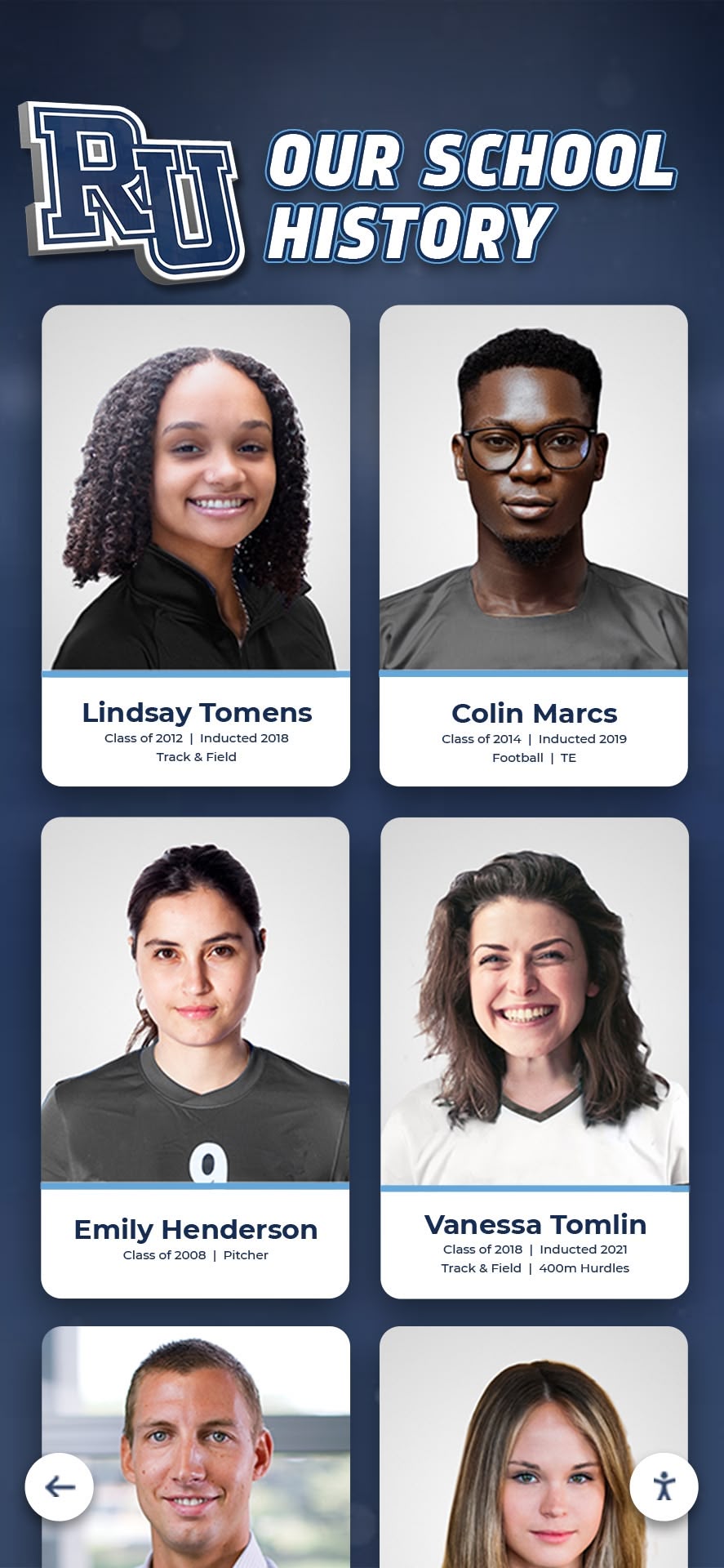
Individual portrait cards create personalized recognition while accommodating unlimited classmates without space constraints
Before You Start: Essential Reunion Display Planning
Effective reunion displays begin with systematic planning that addresses attendee expectations, available resources, venue constraints, and desired outcomes well before design work begins.
Stakeholder Requirements Assessment
Understanding what reunion attendees value ensures displays serve genuine community needs rather than organizers’ assumptions about what matters.
Attendee Expectations Survey:
- Email surveys to registered attendees asking about preferred display content and formats
- Questions about whether classmates want to share professional achievements, family photos, or personal milestones
- Input on privacy concerns regarding what information classmates feel comfortable displaying publicly
- Preferences for traditional physical displays versus interactive digital alternatives
- Willingness to contribute materials, photos, and personal updates before events
Survey data from multiple reunion committees consistently shows that 78-85% of attendees appreciate displays featuring current photos alongside yearbook images, while 62% want information about classmates who couldn’t attend. Understanding these priorities before investing preparation time ensures effort focuses on elements attendees actually value.
Reunion Committee Objectives:
- Define whether displays primarily serve entertainment, recognition, fundraising, or school connection purposes
- Establish budget constraints determining material choices and scope possibilities
- Identify volunteers available for content gathering, design work, physical construction, or technical setup
- Consider whether displays will remain exclusively for reunion events or potentially benefit school communities afterward
- Determine success metrics measuring whether displays achieve intended engagement outcomes
Clear objectives prevent scope creep that derails preparation while ensuring resource allocation aligns with priorities rather than pursuing every possible feature regardless of actual value.
Venue and Space Considerations
Physical environment fundamentally shapes what display types work practically versus creating logistical problems that undermine execution.
Space Availability Assessment:
- Measure actual available wall space, floor area, and table surfaces at reunion venues
- Identify high-traffic locations where attendees naturally congregate versus isolated corners receiving minimal attention
- Assess lighting conditions affecting photo visibility and overall display impact
- Evaluate electrical outlet locations and quantity if considering digital display options
- Understand venue restrictions regarding wall mounting, free-standing structures, or adhesive limitations
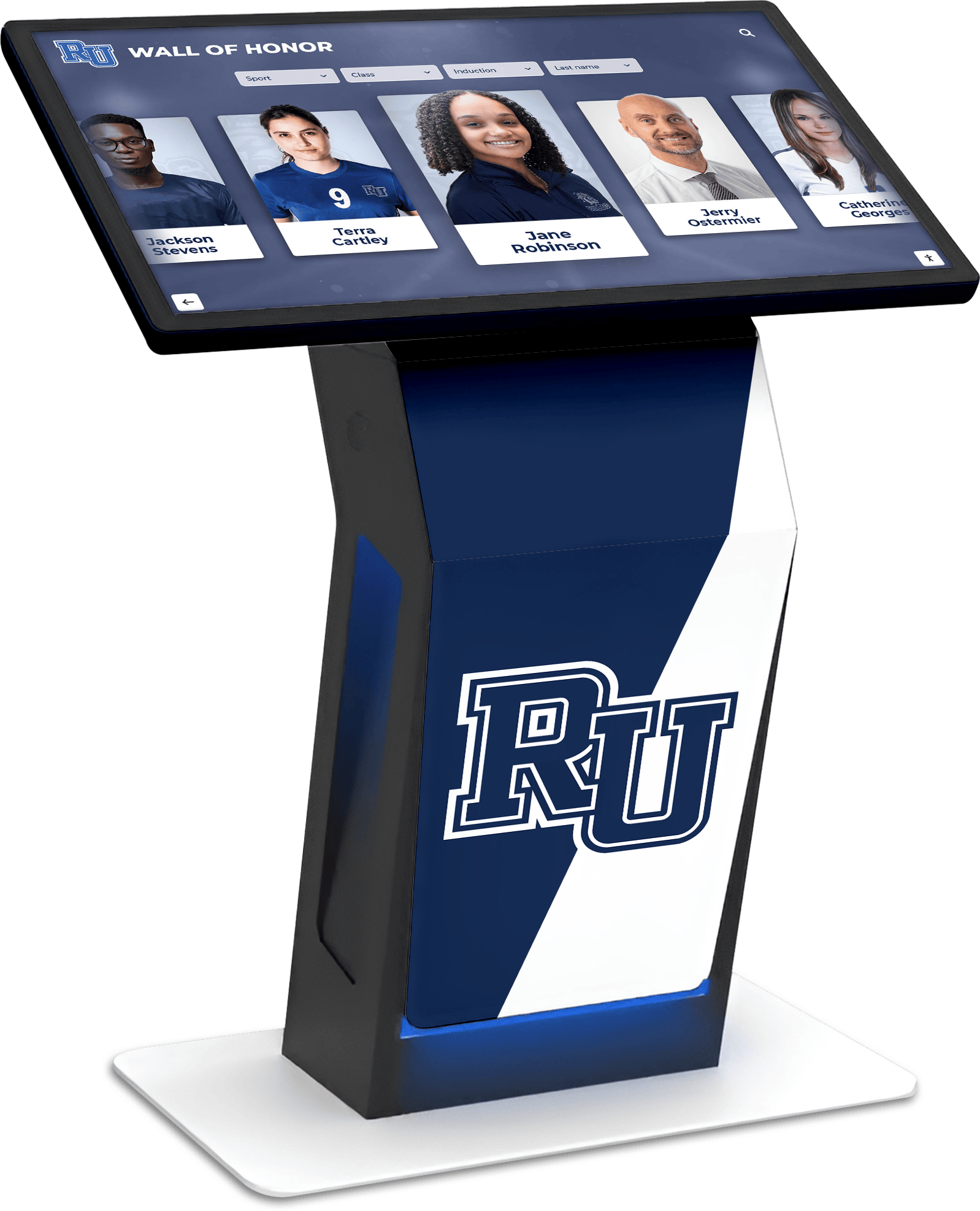
Freestanding touchscreen kiosks adapt to various venue configurations without requiring permanent installation
Venues impose practical constraints that theoretical designs must accommodate. Reunion committees occasionally plan elaborate displays requiring wall mounting only to discover venues prohibit holes or adhesives, or design floor-standing structures without verifying adequate space exists given furniture arrangements and fire code clearances.
Technical Infrastructure Requirements:
- For digital displays: document available electrical capacity, circuit locations, and extension cord limitations
- WiFi availability and bandwidth if displays require internet connectivity for content access
- Load-bearing capacity for wall-mounted equipment or structural support requirements for freestanding installations
- Climate control ensuring environments remain within equipment operating temperature ranges
- Security considerations if equipment remains on-site overnight between multi-day reunion events
These practical factors often receive insufficient attention during planning, creating last-minute scrambling when organizers arrive at venues realizing their designs won’t work given actual conditions.
Budget Development and Resource Allocation
Reunion display costs vary dramatically based on format choices, content complexity, and whether solutions remain one-time expenses or reusable investments benefiting future class gatherings.
Traditional Display Budget Components:
| Item | Low Budget | Mid Budget | Premium Budget |
|---|---|---|---|
| Foam core boards (4’x8') | $15-25 each | $15-25 each | $15-25 each |
| Photo prints (4"x6") | $0.15-0.30 each | $0.15-0.30 each | $0.15-0.30 each |
| Lamination supplies | $25-50 | $50-100 | $100-150 |
| Mounting adhesives | $15-30 | $30-50 | $50-75 |
| Decorative elements | $25-75 | $75-150 | $150-300 |
| Transportation cases | $30-60 | $60-120 | $120-250 |
| Total Materials | $110-240 | $230-445 | $455-800 |
These ranges assume 50-100 attendee reunion displays. Larger classes or more elaborate designs increase costs proportionally, particularly when including professional printing, custom backdrops, or decorative enhancements.
Digital Display Investment:
For committees considering modern alternatives, digital recognition displays typically involve different budget structures:
| Component | Cost Range | Notes |
|---|---|---|
| Touchscreen display (43"-55") | $800-2,500 | Commercial-grade units for continuous operation |
| Mounting hardware | $100-400 | Wall mount, floor stand, or kiosk enclosure |
| Content management software | $0-1,200/year | Web-based platforms with varying capability levels |
| Professional installation | $200-800 | Optional but recommended for permanent installations |
| Content development | $0-1,500 | DIY versus professional design and data entry services |
| Total Initial Investment | $1,100-6,400 | Reusable across multiple reunions and class years |
While initial costs exceed traditional displays, digital solutions provide unlimited recognition capacity, eliminate recurring material expenses for each reunion, offer remote content management eliminating on-site updates, and create reusable infrastructure benefiting entire school communities rather than single classes.
Committees should evaluate total cost of ownership across multiple reunion cycles. Classes planning 5-year, 10-year, 15-year reunions and beyond may find digital investments cost less over time than repeatedly creating disposable physical displays while delivering superior attendee experiences.
Traditional Physical Reunion Display Board Construction
For committees choosing conventional approaches, systematic construction processes ensure professional results that effectively celebrate alumni while creating visually appealing reunion focal points.
Design Layout and Organization Principles
Effective physical displays balance comprehensive recognition with visual clarity, avoiding cluttered appearance that overwhelms rather than engages attendees.
Visual Hierarchy Strategies:
- Reserve top sections for reunion identification including class year, school name, and celebration milestone
- Create graduated sizing with most important elements larger and prominent while supporting details remain secondary
- Establish consistent spacing preventing cramped appearance where individual items blur together
- Use color blocking or section borders to organize content into logical categories that guide viewer attention
- Maintain 2-3 inch margins around board edges preventing content from appearing to spill off displays
Professional designers consistently emphasize that less content executed excellently outperforms comprehensive information presented chaotically. Reunion displays should prioritize clarity over completeness when these priorities conflict.
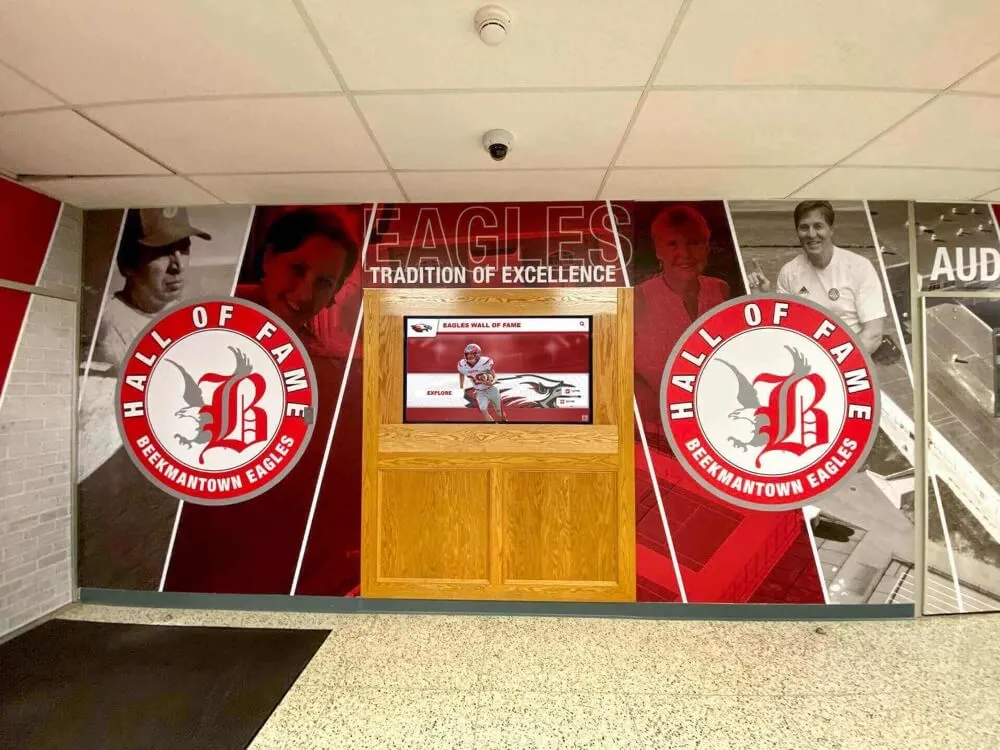
Clear visual organization and consistent spacing create professional appearance while improving information accessibility
Content Organization Frameworks:
Alphabetical Directory Approach:
- List all registered attendees with then-and-now photos in alphabetical surname order
- Include brief career highlights and current location beneath each profile
- Reserve separate section for attendees unable to participate with available information
- Dedicate space for remembering deceased classmates with appropriate tribute formatting
This organization enables quick location of specific individuals, functions well for classes of all sizes, and creates equal recognition across all attendees regardless of achievement levels or organizer familiarity.
Thematic Section Organization:
- Career achievement section celebrating professional accomplishments
- Family section featuring photos with spouses, children, or grandchildren
- Where are they now geographic map showing current classmate locations
- Then-and-now comparison displaying yearbook photos alongside current images
- Memorable moments from high school years with relevant historical photos
Thematic organization creates natural exploration flow while highlighting specific elements like professional success or family growth that committees want to emphasize. This approach requires more preparation but generates stronger engagement during events.
Materials Selection and Preparation
Choosing appropriate materials balances appearance quality, durability requirements, budget constraints, and ease of working with various supplies during construction.
Foundation Materials:
Foam Core Boards
- Standard 4’x8’ sheets provide large display surfaces accommodating substantial content
- Available in white, black, or colors matching school themes or reunion decorations
- Thickness (3/16" vs 1/2") affects rigidity, with thicker boards essential for floor-standing displays
- Cost: $15-25 per sheet at office supply or art material retailers
- Advantages: lightweight, accepts adhesives well, cuts easily with utility knives
- Limitations: susceptible to damage from moisture or rough handling during transport
Corrugated Plastic (Coroplast)
- More durable than foam core with better moisture resistance
- Lightweight yet rigid enough for freestanding display applications
- Available from sign supply companies in various colors
- Cost: $25-45 per 4’x8’ sheet depending on thickness
- Advantages: weather-resistant, reusable across multiple events, professional appearance
- Considerations: requires different adhesives and cutting tools than foam core
Fabric-Covered Display Panels
- Professional appearance with ability to pin materials without adhesive
- Typically purchased pre-made rather than DIY construction
- Cost: $75-250 per 4’x6’ panel depending on quality and frame type
- Advantages: upscale aesthetic, materials easily repositioned, highly reusable
- Best for: committees prioritizing appearance and planning multiple future uses
For most reunion applications, foam core provides ideal balance of cost, workability, and appearance. Committees should purchase 20-30% more material than calculated needs to accommodate mistakes, design changes, or damage during construction.
Mounting and Assembly Supplies:
| Supply | Purpose | Recommended Products | Approximate Cost |
|---|---|---|---|
| Photo mounting squares | Adhering printed photos without liquid adhesive mess | 3M Foam Mounting Squares | $8-12 per 500 |
| Spray adhesive | Attaching large background papers or fabric | 3M Super 77 or Elmer’s Multi-Purpose | $8-15 per can |
| Hot glue gun & sticks | Securing decorative elements and dimensional items | Standard craft gun with 25+ sticks | $15-25 total |
| Velcro strips | Removable mounting for reusable displays | Heavy-duty adhesive-back strips | $12-20 per 15 ft |
| Clear push pins | Attaching materials to fabric-covered boards | Standard office pins | $3-6 per 100 |
Preparation includes organizing workspace with large flat surfaces, adequate lighting, and ventilation if using spray adhesives. Construction typically requires 15-25 hours distributed across multiple sessions, so plan timeline accordingly rather than attempting completion in single marathon sessions that increase error likelihood through fatigue.
Content Development and Collection Process
Outstanding displays require comprehensive content gathering well before construction begins, ideally starting content collection 3-4 months before reunion dates.
Information Gathering Strategies:
Digital Submission Portal: Create simple online form collecting:
- Current photo upload (required)
- Current city/state location
- Career/professional information (optional)
- Family status and children ages (optional)
- Memorable high school moment or favorite memory
- Contact permission for shared class directory
Services like Google Forms, Typeform, or SurveyMonkey provide free options requiring no technical expertise. Send submission links with registration confirmations and follow-up reminders to maximize participation rates.
Social Media Coordination:
- Create private Facebook group for class reunion where attendees naturally share updates
- Designate committee member to screenshot and save relevant posts for display incorporation
- Request permission before using social media content in physical displays
- Monitor hashtags created for reunion promotion to discover shareable content
Direct Outreach for Non-Digital Participants:
- Mail paper forms with prepaid return envelopes to classmates without email or social media presence
- Assign committee volunteers to personally contact attendees who haven’t submitted materials
- Accept phone updates that volunteers transcribe into standard format
- Arrange photo scanning services for classmates with only physical prints available
Expect 40-60% submission rates from typical reunion attendance. Plan displays accommodating incomplete data with clear “information not provided” placeholders maintaining visual consistency even when specific attendees don’t contribute updates.
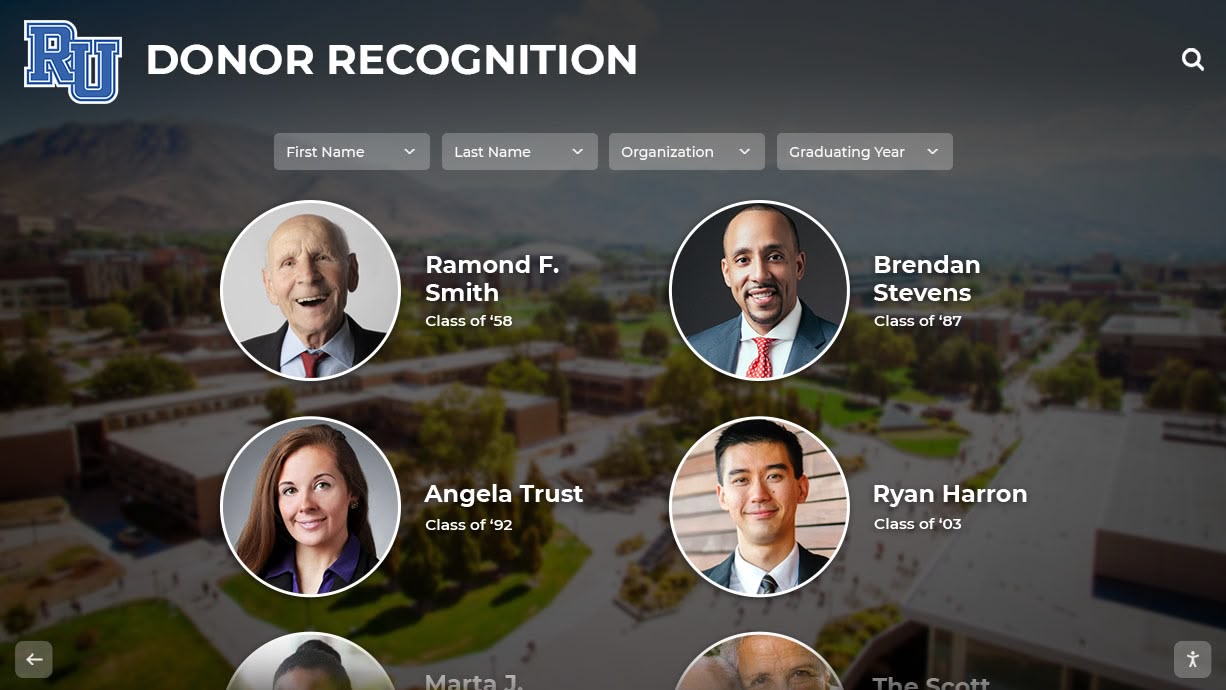
Comprehensive alumni profiles create engaging displays when sufficient content collection precedes display creation
Assembly Walkthrough: Step-by-Step Construction
Systematic assembly prevents common mistakes while ensuring professional results that committees feel proud displaying at reunion celebrations.
Phase 1: Foundation Layout (2-3 hours)
- Cut foam core boards to final dimensions if using sizes other than standard 4’x8’ sheets
- Apply background colors, patterns, or decorative paper creating visual foundation
- Mark light pencil gridlines defining section boundaries and content placement zones
- Position title elements and major section headers, checking alignment before permanent attachment
- Step back viewing from 10-15 feet confirming visual balance and readability
Phase 2: Primary Content Application (8-12 hours)
- Print all photos at consistent sizes within each section maintaining visual uniformity
- Apply mounting squares to photo backs in all four corners plus center for larger prints
- Position photos according to layout plan without pressing firmly, allowing repositioning
- Once satisfied with arrangement, firmly press each photo securing permanent placement
- Add name labels, captions, or career information beneath photos maintaining consistent formatting
Phase 3: Supplementary Elements (3-5 hours)
- Incorporate decorative borders, school logos, or thematic graphics in planned locations
- Add narrative text blocks sharing class history, inside jokes, or collective memories
- Mount table of contents or directory helping attendees locate specific classmates on multi-board displays
- Apply protective clear covering over high-touch areas preventing damage during events
- Install hanging hardware or support structures for freestanding configurations
Phase 4: Quality Review and Transportation (2-3 hours)
- Inspect all adhered elements ensuring secure attachment without lifting edges
- Clean any adhesive residue, fingerprints, or construction marks from visible surfaces
- Photograph completed displays for archival purposes and future reference
- Construct protective wrapping or transportation cases preventing damage during transit
- Create setup instruction sheet documenting assembly sequence if displays disassemble for transport
Total construction time: 15-23 hours distributed across 4-6 work sessions for optimal results. Rushing assembly increases error likelihood and reduces quality, so maintain realistic timelines building buffer for unexpected complications.
Interactive Digital Reunion Display Solutions
Modern technology transforms reunion displays from static information presentation to engaging interactive experiences while eliminating traditional limitations around space capacity, update difficulties, and post-event utility.
Benefits of Digital Reunion Recognition Systems
Understanding advantages helps committees evaluate whether interactive displays justify different investment structures compared to traditional physical boards.
Unlimited Recognition Capacity: Traditional physical displays force difficult decisions about whose photos appear when classes exceed available space. Digital systems eliminate these constraints through:
- Single touchscreen accommodating unlimited alumni profiles without size restrictions
- Searchable databases enabling quick location of specific individuals among hundreds of classmates
- Filtering capabilities allowing viewers to browse by decade, location, profession, or other criteria
- Detailed multi-page profiles impossible on physical boards limited to single photos and captions
Classes of 500+ alumni can provide comprehensive recognition impossible with physical displays requiring dozens of boards or excluding many attendees. Consider best platforms for building virtual hall of fame applications when evaluating options.

Intuitive touch navigation enables easy exploration of unlimited classmate profiles during reunion events
Content Management Flexibility: Physical displays remain static once constructed, requiring substantial effort for any additions, corrections, or updates. Digital platforms provide:
- Remote updates from any internet-connected device before, during, or after reunion events
- Real-time additions as late registrants submit information up to and during actual events
- Error correction without reprinting or physical replacement
- Post-event enhancement incorporating photos captured during celebrations or late submissions
Reunion committees report 15-25% of content changes occur during the final week before events. Digital management accommodates these inevitable updates without emergency reprinting or makeshift additions undermining visual consistency.
Extended Engagement Beyond Events: Traditional displays serve exclusively during reunion events then either get discarded or stored occupying space until potential future use. Digital solutions extend value:
- Web-accessible versions enabling non-attending classmates to explore alumni updates
- Integration with school websites or alumni pages providing ongoing community value
- Reusability across multiple class reunions and school events without reconstruction
- Evolution capability where initial investments grow richer through accumulated content over years
For comprehensive information on maintaining engagement between reunions, explore approaches for alumni engagement with interactive recognition displays.
Professional Appearance: Well-designed digital displays deliver sophisticated aesthetic difficult to achieve with DIY physical boards:
- Consistent formatting impossible when manually arranging hundreds of elements
- Professional graphics and visual design built into quality platforms
- High-resolution imagery optimized for large screen display
- Polished interactive experiences matching contemporary technology expectations
Attendees increasingly expect technology experiences comparable to what they encounter daily through smartphones and professional digital interfaces. Quality digital reunion displays meet these expectations while traditional boards often appear amateur by comparison regardless of preparation effort.
Hardware Selection: Choosing the Right Equipment
Digital display quality depends fundamentally on hardware specifications matching reunion requirements and venue conditions.
Screen Size Considerations:
| Screen Size | Viewer Capacity | Ideal Applications | Approximate Cost |
|---|---|---|---|
| 43" | 2-4 simultaneous viewers | Small reunions under 50 attendees, cocktail table placement | $800-1,400 |
| 50"-55" | 3-6 simultaneous viewers | Standard reunions 50-200 attendees, most venue types | $1,200-2,000 |
| 65"-75" | 5-10 simultaneous viewers | Large reunions 200+ attendees, spacious venues | $2,000-4,000 |
| 86"+ | 8-15 simultaneous viewers | Very large classes, permanent school installations | $4,000-8,000 |
Most reunion applications work excellently with 50-55" displays balancing visibility, interaction comfort, and budget considerations. Larger screens primarily benefit situations where multiple viewers need simultaneous interaction or when displays remain far from viewers in spacious venues.
Essential Hardware Specifications:
Touchscreen Technology Type:
- Capacitive touch: Provides smartphone-like responsiveness with precise multi-touch capability
- Infrared touch: Budget alternative with lower precision but adequate for simple navigation
- Recommendation: Capacitive touch for intuitive interaction matching contemporary expectations
Resolution Requirements:
- Minimum: 1920x1080 (Full HD) acceptable for basic content display
- Recommended: 3840x2160 (4K) providing crisp text and imagery at close viewing distances
- 4K resolution becomes increasingly important as screen sizes exceed 50"
Brightness and Viewing Angles:
- Minimum 350 cd/m² brightness for adequately lit indoor venues
- 450+ cd/m² preferred for brightly lit spaces or locations near windows
- 178° viewing angles ensuring image quality from oblique perspectives during group viewing
Commercial vs Consumer Displays: Consumer televisions may appear cost-effective but lack essential features:
- Commercial displays rate for 16-24 hour daily operation vs 4-6 hours for consumer units
- Extended warranties and serviceability supporting mission-critical applications
- Integrated mounting solutions and professional appearance without consumer TV branding
- Higher brightness specifications and improved durability for public environments
For reunion applications involving 2-3 day events, consumer displays may function adequately. However, schools considering permanent installations or committees serving multiple classes benefit from commercial-grade specifications. Learn more about types of screens used for digital signage to inform purchase decisions.
Mounting and Installation Options:
Freestanding Kiosk Configuration:
- Advantages: No venue approval needed, portable between locations, professional appearance
- Commercial kiosk enclosures: $800-2,500 depending on quality and features
- Mobile carts: $300-800 for basic wheeled stands
- Best for: Reunion committees serving multiple venue types or requiring easy repositioning
Wall-Mounted Installation:
- Advantages: Space-efficient, unobtrusive, accommodates high-traffic areas
- Commercial mounts: $100-400 for fixed, tilt, or articulating options
- Requires: Venue approval, wall structural assessment, professional installation recommended
- Best for: Permanent school installations serving multiple events and classes
Tabletop Placement:
- Advantages: Simplest setup, requires only sturdy table and electrical access
- Basic stands: $50-150 for commercial tabletop mounts
- Considerations: Requires dedicated table space, less secure than fixed installations
- Best for: Budget-conscious approaches or testing before larger commitment
Software and Content Management Platforms
Hardware represents only display infrastructure—software platforms determine actual user experience, content management efficiency, and feature availability.
Platform Selection Criteria:
Ease of Content Management:
- Web-based administration accessible from any computer without software installation
- Intuitive interfaces enabling non-technical committee members to add and update content
- Bulk import tools for efficiently uploading many profiles rather than tedious individual entry
- Template systems maintaining visual consistency across alumni profiles
- Preview capabilities allowing content review before publishing to live displays
Solutions like Rocket Alumni Solutions provide purpose-built platforms specifically designed for educational recognition applications, combining professional capabilities with accessibility for volunteer organizers lacking technical expertise.
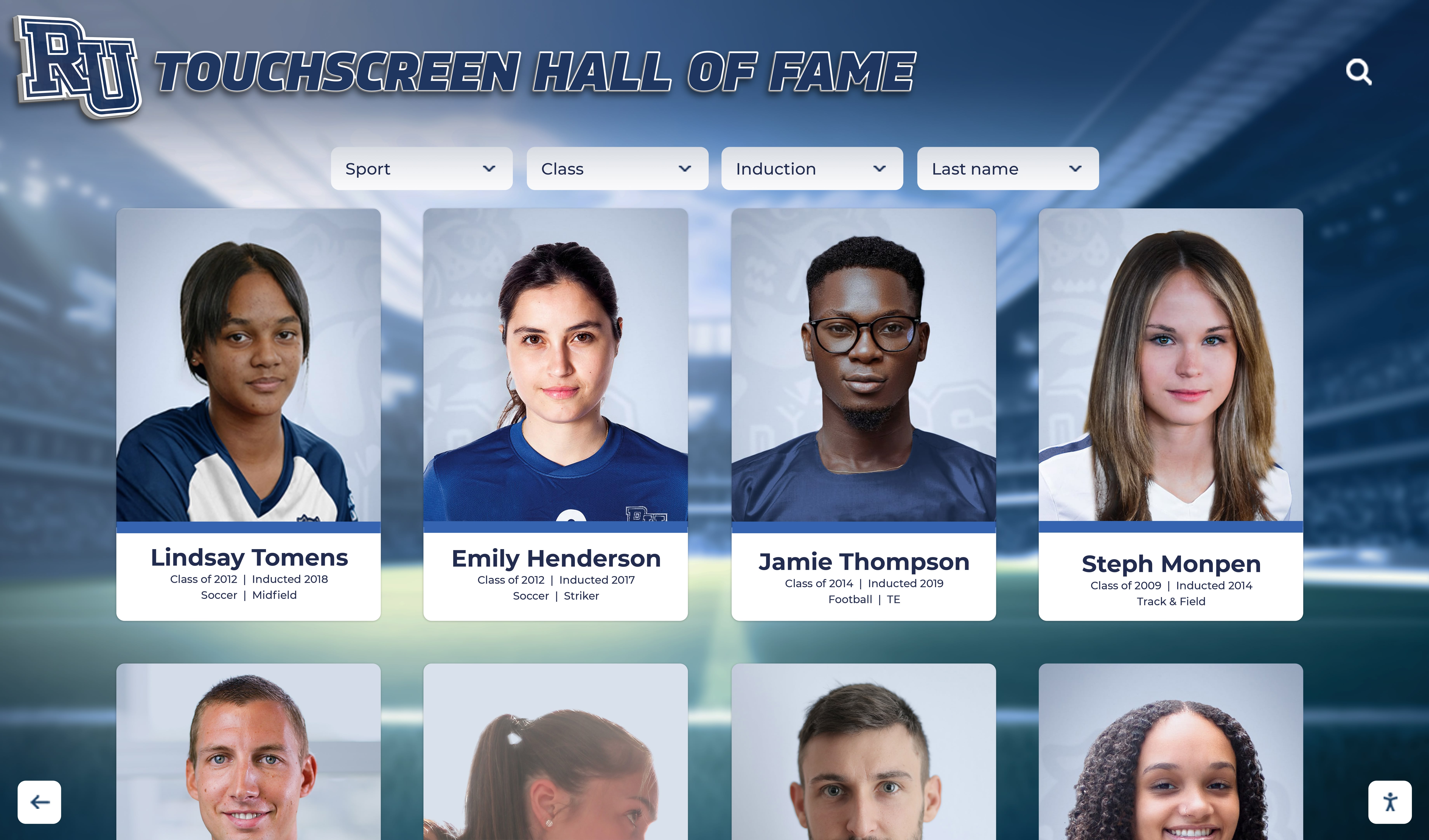
Purpose-built recognition platforms deliver professional appearance and intuitive content management for volunteer organizers
User Experience Features:
Search and Browse Capabilities:
- Name search enabling quick location of specific classmates
- Alphabetical browsing organized by surname
- Filter options by graduation year, current location, or professional field
- Random profile display introducing viewers to unexpected classmates
- Recently added highlights featuring newly submitted information
Interactive Elements:
- Photo galleries showing multiple images beyond single profile pictures
- Video integration for classmate messages or historical footage
- External links connecting to professional profiles, personal websites, or social media
- QR codes enabling mobile device access to detailed information or contact options
- Social sharing allowing attendees to post favorite profiles to personal platforms
Accessibility Considerations:
- Text sizing options accommodating varying vision capabilities
- High contrast modes improving visibility for visually impaired users
- ADA WCAG 2.1 AA compliance ensuring inclusive access for all attendees
- Intuitive navigation requiring minimal instruction for diverse age groups
- Touch target sizing appropriate for users with limited dexterity
Platform Options Comparison:
Rocket Alumni Solutions
- Specialization: Purpose-built for educational institutions and alumni recognition
- Pricing: Custom based on requirements, typically $2,000-5,000 annually
- Strengths: Comprehensive features, excellent support, proven track record with schools
- Ideal for: Schools wanting professional solution supporting multiple classes and events
Generic Digital Signage Platforms
- Examples: ScreenCloud, Yodeck, Rise Vision
- Pricing: $10-50/month per display
- Strengths: Flexible content types beyond recognition, budget-friendly
- Limitations: Requires manual design work, lacks specialized reunion features
- Ideal for: Technical committees comfortable with DIY content creation
Custom Development
- Approach: Hire developer to create bespoke solution
- Pricing: $5,000-25,000 depending on features and complexity
- Strengths: Exactly matches specific requirements and preferences
- Considerations: Requires ongoing maintenance and technical support
- Ideal for: Large schools with in-house technical resources or unique requirements
Most reunion committees benefit from purpose-built platforms like Rocket Alumni Solutions that provide comprehensive features without requiring technical expertise while including professional support ensuring smooth event execution.
Content Development for Digital Platforms
Digital displays require content formatted appropriately for screen presentation while leveraging interactive capabilities impossible with static physical boards.
Profile Component Specifications:
Required Elements:
- High-resolution portrait photo (minimum 1200x1600 pixels recommended)
- Full name as preferred rather than formal legal names
- Graduation year
- Current city and state/country location
Recommended Optional Elements:
- Yearbook photo or historical image creating then-and-now comparison
- Professional title and current employer or career field
- Educational background beyond high school
- Family status including spouse name and children (if comfortable sharing)
- Hobbies, interests, or community involvement
- Favorite high school memory or meaningful experience
- Message to classmates
Advanced Engagement Elements:
- Photo galleries showing 3-8 additional images from current life, family, career, or throwback moments
- Video messages (30-90 seconds) recorded specifically for reunion display
- Professional website or LinkedIn profile links for networking
- Charitable organizations or causes classmates support
- Contact permission and preferred connection methods
More comprehensive profiles create richer exploration experiences, but require greater submission effort potentially reducing participation. Balance depth against breadth based on class engagement levels and committee capacity for content collection and data entry.
Data Privacy and Consent Considerations:
- Explicit permission for displaying information publicly beyond registered attendees
- Opt-out mechanisms for classmates uncomfortable with certain details appearing
- Clear communication about information visibility including potential social media sharing
- Separate handling of deceased classmate information with appropriate sensitivity
- Removal protocols honoring post-event privacy requests
Professional academic recognition programs consistently emphasize that transparent communication about information usage and strong opt-out mechanisms increase participation by building trust in committee data handling.
Advanced Display Features and Enhancements
Beyond basic recognition, sophisticated displays incorporate additional elements creating memorable experiences that distinguish excellent reunions from merely adequate gatherings.
Historical Context and Timeline Integration
Contextualizing individual alumni experiences within broader historical and cultural moments creates shared reference points while triggering collective memory.
Year-Specific Context Elements:
Graduation Year Summary:
- Major world events occurring during graduation year
- Popular music, movies, and television shows defining cultural landscape
- Technology status (internet adoption, cell phone usage, social media existence)
- Economic conditions and average costs (gas prices, college tuition, starter home prices)
- Sports championships and major athletic achievements from that year
- Political leadership and significant policy developments
This historical framing helps diverse alumni—including younger attendees from spouses or children—understand the world classmates experienced during formative high school years. For classes spanning multiple decades at multi-generational reunions, year-specific context prevents anachronistic assumptions about shared experiences.
High School Era Highlights:
- School-specific memorable moments during class years
- Athletic championships, academic recognitions, or extracurricular achievements
- Significant campus changes like renovations, new buildings, or program additions
- Notable faculty members who influenced class members
- Traditions unique to specific graduation years
- Inside jokes or references meaningful to classmates but requiring explanation for others
Schools considering permanent installations benefit from creating comprehensive historical timelines as discussed in resources about school historical timeline displays that contextualize individual classes within broader institutional narratives.
In Memoriam Recognition
Honoring deceased classmates requires sensitive handling balancing appropriate tribute with avoiding somber tone overshadowing celebration.
Memorial Section Approaches:
- Dedicated “In Memory” section with formal designation and respectful visual treatment
- Individual memorial pages accessible through main navigation rather than interspersed with living classmates
- Biographical information including life accomplishments and surviving family when available
- Photos from high school years and later life if accessible
- Option for classmates to leave remembrance messages or shared memories
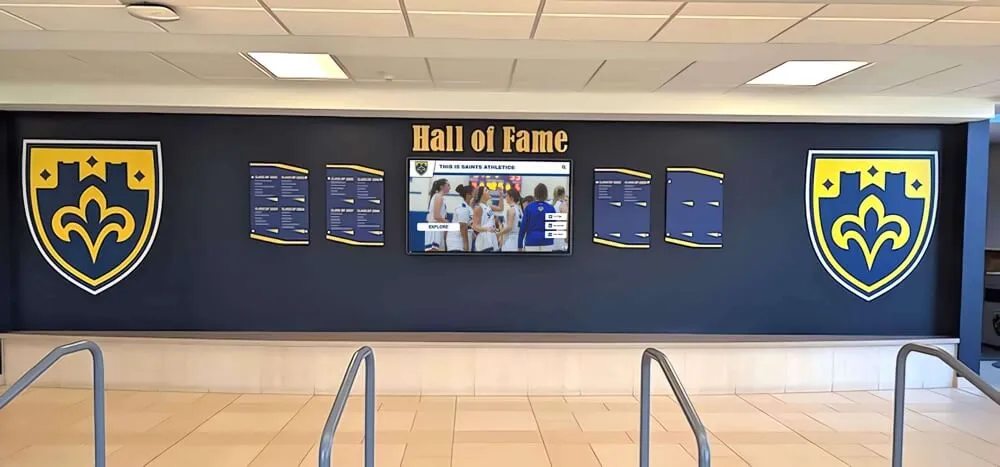
Dedicated memorial sections honor deceased classmates with appropriate dignity while maintaining celebratory reunion tone
Digital platforms particularly excel at memorial presentation by:
- Accommodating unlimited remembrance content without space constraints
- Enabling post-event additions as classmates share memories or information
- Providing permanent tribute extending beyond single reunion event
- Allowing geographic sharing with distant classmates and family members unable to attend
Consult with surviving family members when possible before displaying specific information or photos, ensuring tribute presentations honor deceased classmates according to family preferences.
Interactive Engagement Features
Modern technology enables participation beyond passive viewing, creating active engagement that enhances reunion experiences.
Guest Book and Message Features:
- Digital signature collection where attendees leave messages, favorite memories, or well-wishes
- Photo booth integration automatically uploading reunion night photos to display in real-time
- Polling questions enabling attendees to vote on topics like best athlete, class clown, or most changed
- Trivia games testing knowledge of class history, inside jokes, or high school era facts
- Contact information exchange facilitating continued connection after events conclude
These interactive elements transform displays from information delivery to community engagement platforms while generating content enriching future reunion displays and ongoing class communication.
Social Media Integration:
- Live social media feeds displaying photos and posts tagged with reunion hashtags
- Social sharing buttons enabling attendees to post favorite profiles or memories
- Digital photo albums created during events accessible through displays
- QR codes connecting physical attendees to online reunion groups or directories
- Contest elements encouraging social media participation with most-liked posts recognition
Learn about comprehensive approaches to nostalgia marketing that leverage reunion events for ongoing community building and school connection.
Implementation Checklist: Reunion Display Installation
Systematic implementation prevents common problems ensuring displays function excellently during actual reunion events when troubleshooting becomes difficult.
Pre-Event Technical Validation (One Week Before)
Hardware Testing Protocol:
- Power on displays for continuous 8-hour operation testing thermal performance and stability
- Execute complete navigation flow verifying all links, searches, and interactive features function correctly
- Test touchscreen responsiveness across entire screen surface confirming consistent performance
- Validate content visibility from various viewing distances and angles
- Confirm audio playback if displays include video or sound elements
- Document any required cables, adapters, or accessories preventing last-minute sourcing
Content Quality Review:
- Verify all submitted profiles appear with correct spelling, accurate information, and appropriate photos
- Check image quality ensuring adequate resolution without pixelation at display sizes
- Validate search and filter functions return correct results for various criteria
- Test all external links confirming they direct to intended destinations
- Review memorial section ensuring respectful presentation and family-approved content
- Confirm privacy preferences honored for classmates requesting limited information display
Backup Planning:
- Create complete content backups on separate devices or cloud storage
- Document administrator login credentials with multiple committee members
- Identify technical support contacts available during reunion events for emergency assistance
- Prepare backup display options if primary systems fail
- Have printed directory or photo sheets as ultimate fallback if technical issues occur
Proactive validation one week before events provides adequate time for addressing discovered issues rather than emergency troubleshooting during setup hours.
On-Site Setup Day Procedures
Venue Arrival Timeline: Arrive 3-4 hours before event start enabling methodical setup without rushing:
Hour 1: Physical Installation
- Locate electrical outlets and verify power availability
- Position displays in predetermined locations based on venue layout
- Install mounting hardware, stands, or kiosk enclosures
- Run cables securing them along paths preventing trip hazards
- Position displays at appropriate viewing heights (center of screen 48-60" from floor for standing interaction)
Hour 2: Technical Configuration
- Power on equipment allowing adequate warm-up time before testing
- Connect to venue WiFi or enable mobile hotspot if cellular-based connectivity required
- Launch display software confirming content loads correctly
- Test touchscreen functionality and navigation flow
- Adjust brightness, volume, and display settings optimizing for venue lighting and acoustics
Hour 3: Content Verification and Enhancement
- Navigate through multiple alumni profiles confirming display quality
- Add any last-minute submissions or corrections from late registrations
- Test search functionality and filter options
- Take photos of setup for future reference and improvement documentation
- Position any supplementary materials like printed instructions or traditional display elements
Hour 4: Final Validation and Contingency Prep
- Complete end-to-end user experience testing
- Create simple instruction signs explaining navigation for attendees
- Brief venue staff on display locations and basic troubleshooting
- Position committee members familiar with systems nearby for attendee assistance
- Enjoy brief downtime before attendees arrive knowing preparation was thorough
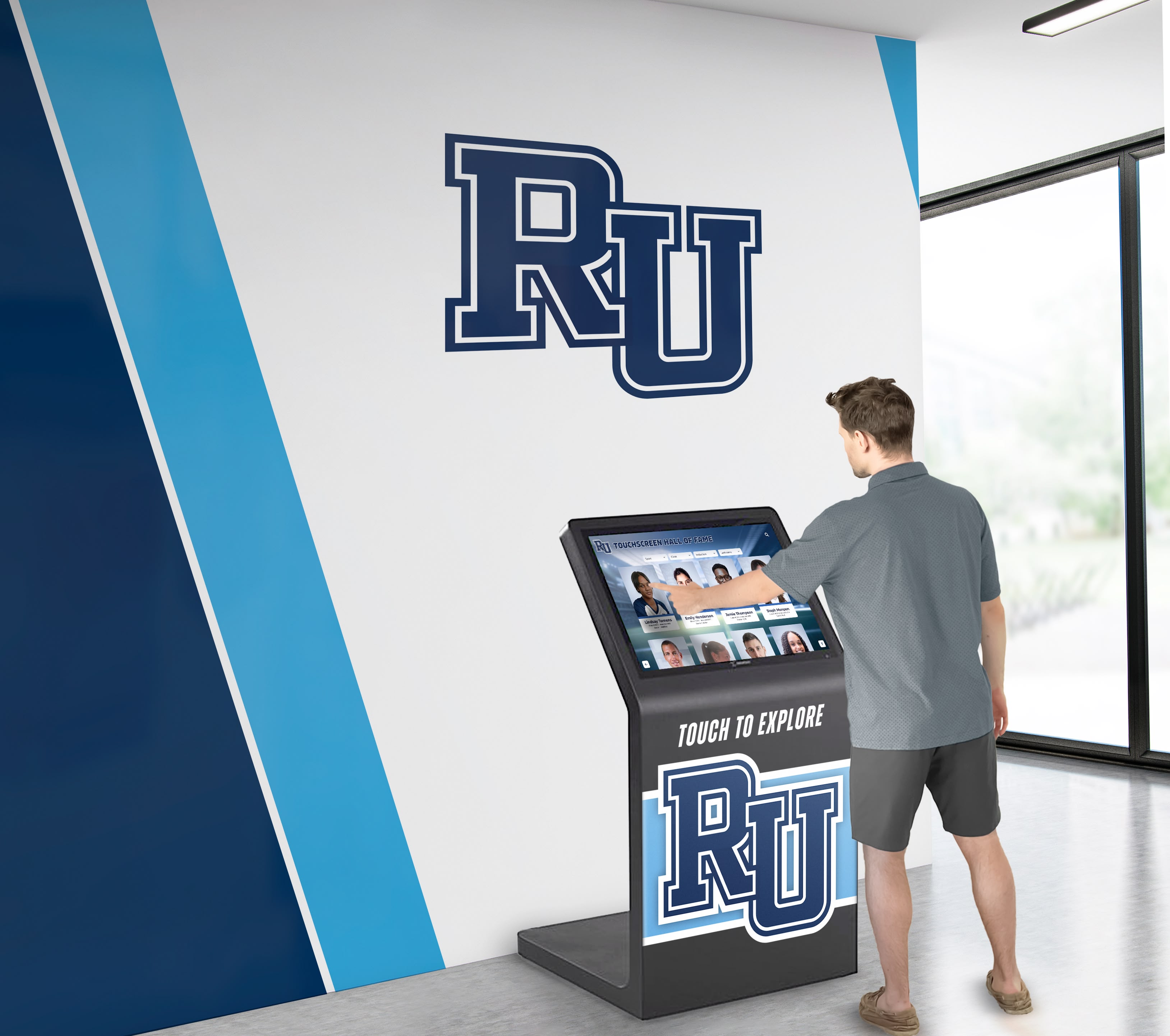
Strategic placement in high-traffic areas with clear sight lines maximizes reunion display engagement throughout events
During-Event Monitoring and Support
Active Management Responsibilities:
- Monitor displays periodically ensuring continued operation throughout events
- Assist attendees unfamiliar with touchscreen navigation or having difficulty locating specific classmates
- Capture photos of attendees interacting with displays for post-event sharing and future marketing
- Address any technical issues promptly minimizing downtime affecting attendee experience
- Add any relevant content shared during events if platform supports real-time updates
Engagement Facilitation:
- Encourage attendees to explore profiles beyond close friends they already know well
- Highlight interesting alumni achievements or unusual career paths sparking conversation
- Facilitate contact information exchange between classmates seeking to reconnect
- Gather attendee feedback about display effectiveness for future improvement
- Create social media posts showcasing display features and attendee engagement
Troubleshooting Common Issues:
| Problem | Likely Cause | Solution |
|---|---|---|
| Touchscreen unresponsive | Calibration drift or software hang | Restart application or recalibrate touch interface |
| Content not loading | Network connectivity interruption | Check WiFi connection or switch to mobile hotspot backup |
| Display won’t power on | Circuit overload or loose connections | Verify power source, check breakers, reseat cables |
| Photos appear pixelated | Insufficient source resolution | Switch to detail view if available or note for future improvement |
| Search not finding alumni | Database not fully loaded or name spelling variation | Refresh content, try alternate spellings or browse mode |
Most issues resolve through basic troubleshooting. For persistent problems, having vendor technical support contact information readily available prevents extended downtime affecting attendee experience.
Post-Reunion: Maximizing Long-Term Value
Reunion displays shouldn’t end when events conclude. Extending value beyond single gatherings justifies investment while maintaining community connection.
Content Preservation and Archival
Digital Asset Management:
- Export complete content databases for archival purposes independent of platform providers
- Save high-resolution copies of all submitted photos to separate storage
- Document display design, layout decisions, and technical configurations for future reference
- Compile attendee feedback, engagement metrics, and lessons learned
- Create summary reports useful for subsequent reunion planning committees
Many reunion committees discover five years later that valuable content disappeared when platform subscriptions lapsed or providers discontinued services. Proactive archival ensures alumni-contributed information remains accessible regardless of future platform changes.
Historical Integration: Reunion content provides valuable historical documentation for school archives:
- Contribute digital copies to school libraries, alumni offices, or historical societies
- Consider how to digitize old yearbooks and integrate reunion materials into comprehensive archives
- Provide classmate updates to school advancement offices supporting fundraising and engagement
- Share memorable stories, photos, and achievements with current students inspiring future generations
- Create legacy documentation ensuring class contributions remain part of institutional memory
Schools increasingly recognize that comprehensive academic history archiving benefits institutional identity while preserving community heritage across generations.
Web-Based Extensions and Ongoing Access
Physical reunion events serve geographically proximate attendees while often excluding distant classmates unable to travel. Web extensions democratize access while maintaining engagement between reunion cycles.
Online Platform Features:
- Web-accessible versions of touchscreen content enabling remote viewing
- Continued profile updates allowing classmates to refresh information between reunion events
- Photo galleries from reunion events accessible to non-attendees
- Message boards or forums facilitating ongoing conversation
- Event calendars promoting informal regional gatherings or next reunion announcements
Solutions like Rocket Alumni Solutions provide integrated web and physical display platforms ensuring consistent experience across access methods while simplifying content management requiring only single updates appearing everywhere automatically.
Social Media Community Maintenance:
- Maintain active Facebook groups, Instagram accounts, or other platforms between reunions
- Share throwback photos, historical content, and alumni updates regularly
- Recognize birthdays, professional achievements, and life milestones
- Promote informal gatherings, regional meetups, or interest-based subgroups
- Build anticipation for next reunion through countdown posts and planning updates
Active between-reunion engagement dramatically improves subsequent event attendance by maintaining relationship warmth rather than only contacting classmates every five or ten years requesting participation.
Leveraging Displays for Future Events and Additional Classes
Particularly for schools or institutions hosting multiple reunions, reusable infrastructure provides compounding value across many classes and events.
Multi-Class Applications:
- Permanent installations serve all class reunions rather than single-year groups
- Comprehensive alumni recognition benefiting entire school community
- Homecoming weekend displays celebrating all returning alumni
- Alumni visiting days showcasing successful graduates to current students
- Development events demonstrating alumni success supporting fundraising initiatives
Schools report that permanent interactive displays reduce per-event costs to $200-500 primarily for content updates rather than $1,000-3,000 repeatedly spent on disposable physical displays. Explore comprehensive guidance about digital hall of fame ultimate buying guide when considering permanent installations.
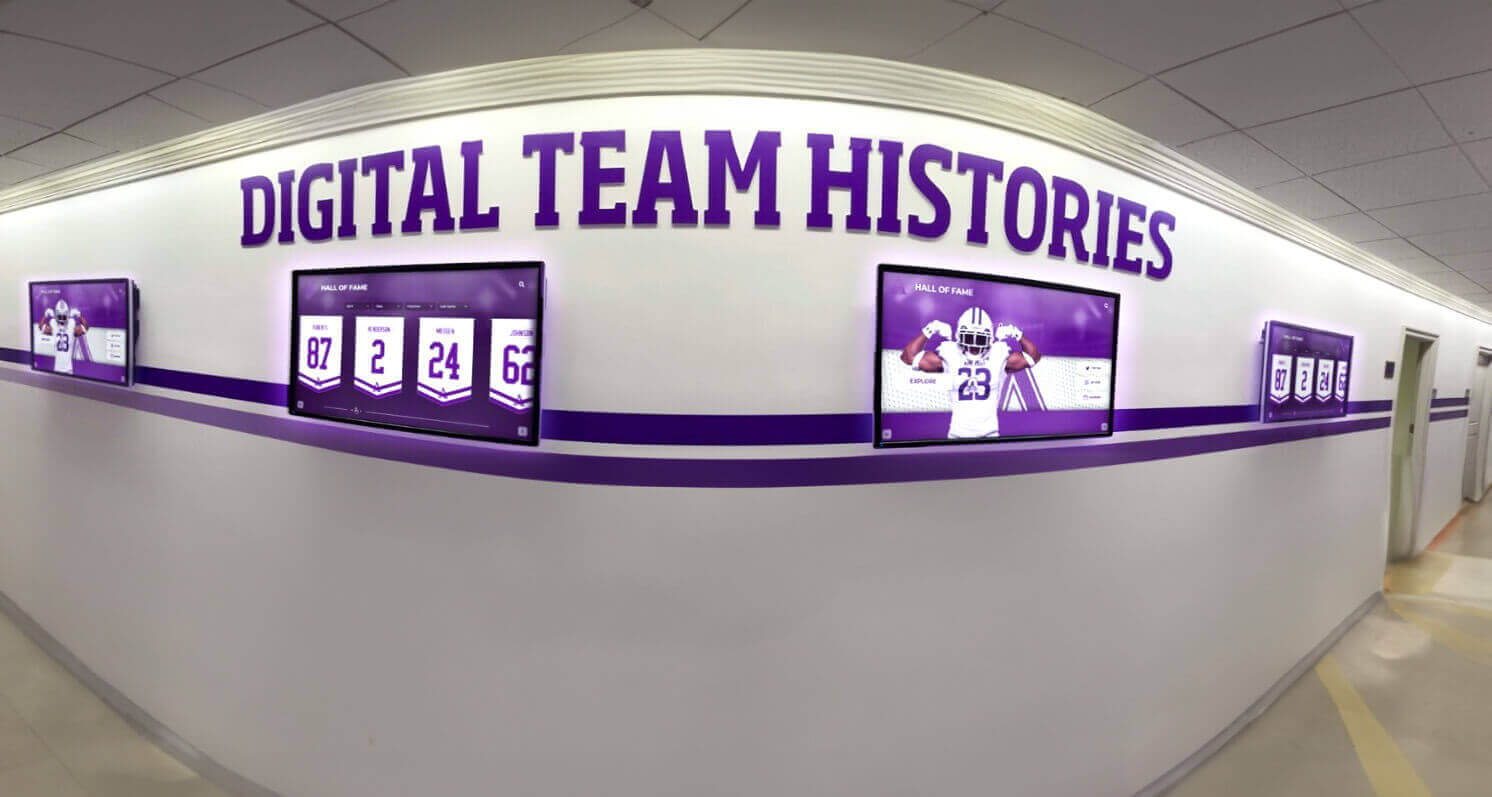
Permanent school installations serve multiple classes and events while providing year-round alumni recognition and student inspiration
Additional School Events:
- Athletic hall of fame celebrations and inductee recognition
- Academic achievement displays honoring student excellence
- Homecoming festivities incorporating comprehensive alumni recognition
- Donor appreciation events showcasing philanthropic impact
- Prospective student visit days demonstrating successful alumni outcomes
Multi-purpose applications transform reunion displays from single-event expenses to institutional infrastructure supporting diverse engagement, development, and educational objectives.
Budget-Conscious Alternatives and Hybrid Approaches
Not all reunion committees command budgets enabling comprehensive digital installations. Creative approaches deliver excellent results within constrained resources.
Rented Equipment Solutions
Short-Term Display Rental: Some AV rental companies and digital signage providers offer short-term equipment rental:
- Typical costs: $200-600 for weekend rental of 50-55" touchscreen with basic software
- Includes delivery, setup assistance, and pickup after events
- Reduces capital investment for single reunion events
- Enables evaluation before committing to purchases
Content Development Services: For committees lacking time or technical capabilities:
- Professional services creating displays from submitted content
- Typical costs: $500-1,500 depending on class size and complexity
- Provides professional design quality without volunteer time investment
- Includes technical support during actual reunion events
Hybrid Physical-Digital Approaches
Combining traditional and modern elements balances budget constraints with contemporary expectations:
Printed Materials with Digital Enhancement:
- Physical foam board displays with prominent QR codes
- QR codes link to comprehensive web-based profiles impossible to fit on physical boards
- Attendees access unlimited content through personal smartphones
- Reduces physical display costs while providing rich digital experiences
Slideshow Presentations:
- Use school or venue projectors displaying looping profile slideshows
- Create presentations from submitted content using PowerPoint, Google Slides, or Keynote
- Add background music from graduation year era
- Minimal cost but limited interactivity compared to touchscreen solutions
Tablet or iPad Stations:
- Position 2-4 consumer tablets on stands as interactive stations
- Load web-based alumni platforms accessible through standard browsers
- Cost: $300-500 per tablet station versus $2,000+ for commercial displays
- Adequate for smaller reunions or supplementing larger installations
These hybrid approaches provide stepping stones enabling committees to test digital concepts before comprehensive investment while delivering better experiences than purely traditional approaches alone.
Conclusion: Creating Reunion Displays That Celebrate Your Class
High school reunions represent precious opportunities to reconnect with classmates who shared formative experiences shaping your development into adulthood. Thoughtful reunion displays transform these gatherings from simple social events into meaningful celebrations honoring individual achievements while strengthening collective identity and lasting friendships.
Whether you choose traditional physical boards created through volunteer committee effort or invest in modern interactive digital platforms offering unlimited recognition capacity and extended engagement, the principles remain consistent: comprehensive planning addressing stakeholder needs and venue realities, systematic content development gathering rich alumni information, professional execution creating welcoming and engaging displays, and intentional follow-through extending value beyond single events.
Ready to Build Your Reunion Display?
Discover how modern interactive displays can showcase every classmate while creating engaging experiences your alumni will remember. Get expert guidance and purpose-built technology designed specifically for reunion celebrations.
Schedule Your Free ConsultationFor reunion committees seeking professional guidance, solutions like Rocket Alumni Solutions provide proven platforms combining sophisticated technology with intuitive management tools enabling volunteer organizers to create excellent results without requiring technical expertise. From strategic planning through sustained engagement growth, the right partner makes the difference between displays that fade into background and transformative recognition that genuinely strengthens alumni bonds across decades.
Your classmates invested years together during high school—their achievements, growth, and continuing journeys deserve celebration creating welcoming environments fostering reconnection and community. With strategic planning, appropriate resource investment, and commitment to comprehensive execution, you can create reunion displays that don’t just inform attendees but actively strengthen the bonds sustaining class relationships for years after celebrations conclude.
Start by assessing your specific reunion needs, available resources, and desired outcomes. Whether pursuing traditional physical displays, embracing modern digital alternatives, or implementing creative hybrid approaches, your thoughtful preparation creates reunion experiences your classmates cherish while building foundations for continued connection extending well beyond single gathering events. Make your next reunion memorable through displays genuinely celebrating your extraordinary class community.































