High school soccer programs across the nation celebrate seasons of dedication, teamwork, and competitive excellence through tournament awards and end-of-season recognition. From regional championships to individual player honors, these achievements represent countless hours of practice, strategic development, and the pursuit of athletic excellence. Yet many schools struggle to properly showcase these accomplishments in ways that inspire current players, honor past achievements, and build lasting program traditions.
Schools like Beaver Country Day School in Chestnut Hill, Massachusetts demonstrate the importance of comprehensive soccer recognition. As part of the Eastern Independent League, Beaver’s boys varsity soccer program has earned multiple EIL Undefeated Champions titles (1998, 1999, 2000, 2012, 2014) and NEPSAC Class C Championships (1998, 2001). These achievements exemplify the level of success that deserves permanent, prominent recognition within athletic facilities.
Creating effective soccer tournament awards recognition requires thoughtful planning that celebrates both team championships and individual achievements while integrating these honors into broader athletic recognition systems. This comprehensive guide explores best practices for honoring soccer excellence through modern digital recognition solutions that preserve achievements, inspire future athletes, and strengthen program traditions.
Understanding High School Soccer Tournament Awards
High school soccer programs compete across various tournament structures and competitive levels, each offering unique recognition opportunities that deserve appropriate celebration within school athletic facilities.
Types of Soccer Tournament Awards
Soccer tournament recognition encompasses multiple categories that honor different aspects of competitive achievement:
Team Championships:
- State championship titles
- Regional tournament victories
- Conference championship crowns
- Invitational tournament wins
- League championship honors
- Playoff achievement recognition
Individual Player Awards:
- Tournament Most Valuable Player (MVP)
- All-Tournament Team selections
- Golden Boot (Top Scorer) awards
- Golden Glove (Best Goalkeeper) recognition
- Sportsmanship awards
- Most Improved Player honors
Seasonal Recognition:
- All-State team selections
- All-Conference honors
- All-Region designations
- Scholar-Athlete awards
- Team captain recognition
- Senior leadership honors
Understanding the full spectrum of soccer awards helps schools create comprehensive recognition systems that celebrate achievements across all competitive levels and individual contributions to program success.

The Significance of Soccer Tournament Recognition
Proper recognition of soccer tournament awards delivers value across multiple dimensions that extend far beyond simply acknowledging past achievements.
When schools like Beaver Country Day School commemorate their 1998-2000 three-peat as EIL Undefeated Champions, they create tangible evidence of program excellence that resonates with current athletes, prospective families, and the broader school community. This recognition validates coaching effectiveness, demonstrates competitive standards, and establishes traditions that define program identity.
Soccer tournament awards recognition serves several critical purposes:
Motivating Current Athletes: Visible displays of past tournament success create clear performance standards and aspirational goals. When freshman players see championship banners, tournament MVP plaques, and All-State recognition prominently displayed, they understand the level of excellence their program expects and the recognition that extraordinary performance receives.
Preserving Program History: Tournament achievements represent defining moments in program history that risk being forgotten without systematic documentation. Championship victories, legendary individual performances, and breakthrough tournament runs deserve permanent preservation that maintains institutional memory across generations of athletes and coaches.
Recruiting Excellence: Prospective student-athletes and their families evaluate programs based on competitive success and development opportunities. Comprehensive displays of tournament achievements provide tangible evidence of program quality that influences enrollment decisions and attracts talented athletes who want to contribute to winning traditions.
Building School Pride: Soccer tournament success creates shared excitement and pride that extends throughout school communities. When achievements receive prominent recognition, they strengthen institutional identity and create focal points for community celebration that transcend individual seasons.
Solutions like Rocket Alumni Solutions enable schools to showcase these achievements through digital recognition displays that overcome the limitations of traditional trophy cases while creating engaging experiences that honor program history comprehensively.
Planning Comprehensive Soccer Award Recognition
Effective recognition programs require systematic planning that considers which achievements to honor, how to organize content, and which display solutions best serve program needs.
Establishing Recognition Criteria
Clear, consistent criteria ensure that recognition programs maintain credibility while celebrating achievements fairly across different eras and competitive contexts.
Championship Recognition Standards: Schools must decide which tournament victories warrant permanent recognition. Most programs honor state championships, conference titles, and major invitational tournament victories. Regional programs might include league championships and playoff achievements. Independent schools often recognize success within their specific athletic conferences, as Beaver Country Day School does with its EIL championship recognition.
Individual Award Thresholds: Programs should establish which individual honors receive recognition. Common categories include All-State selections, conference player of year awards, and major tournament MVP recognition. Some schools expand recognition to include All-Conference selections and milestone achievement markers like 50 career goals or 100 career saves.
Era-Appropriate Evaluation: Historical recognition must account for changes in competitive structure, season length, and tournament formats. Championships from different eras may reflect different levels of competition, but all represent peak achievement within their respective contexts and deserve appropriate honor.
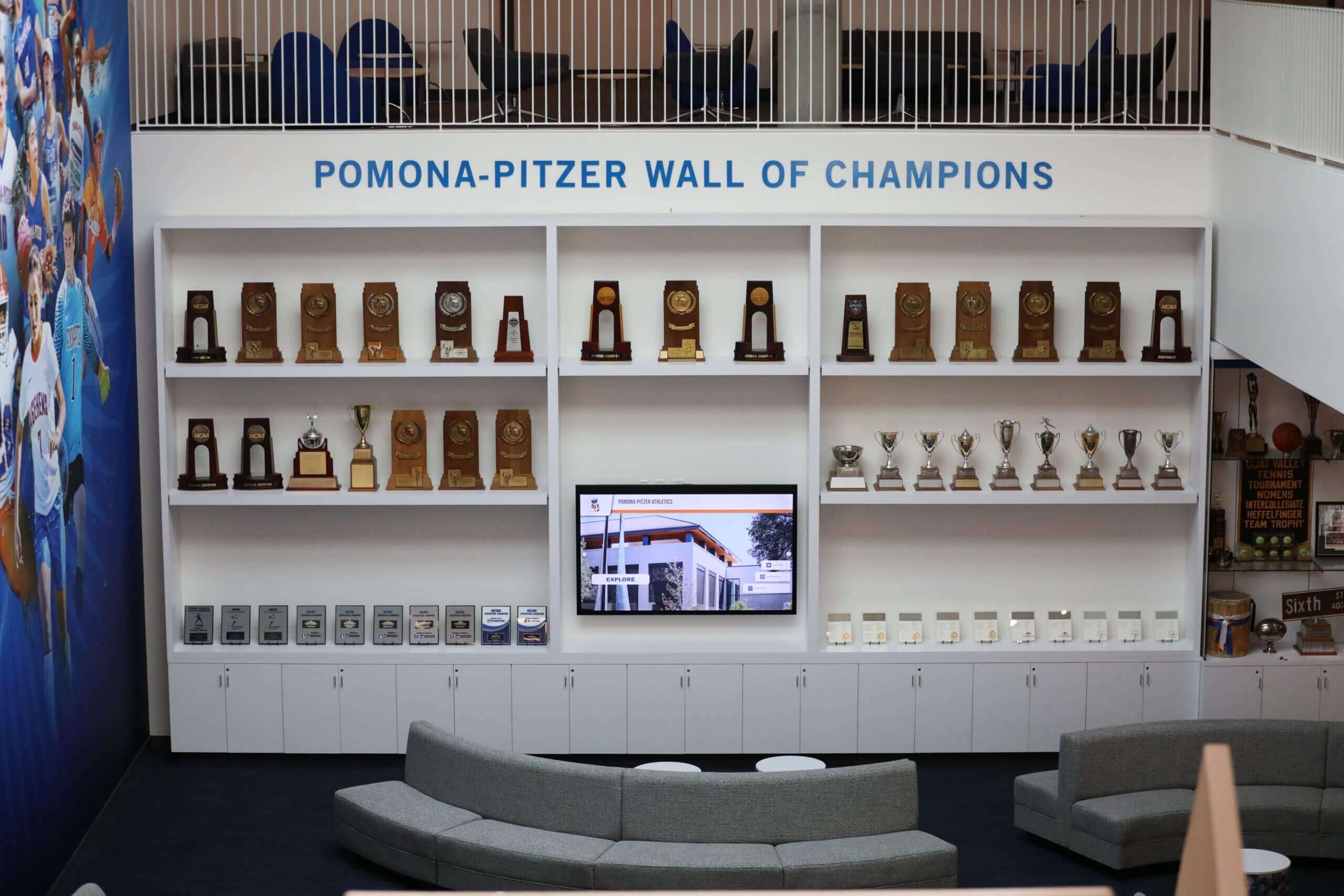
Content Organization Strategies
How schools organize soccer recognition significantly impacts program effectiveness and visitor engagement.
Chronological Organization: Timeline-based displays show program evolution and achievement progression over decades. This approach excels at demonstrating sustained excellence and helps visitors understand how programs developed through different eras of competition.
Achievement-Based Categories: Grouping recognition by achievement type (championships, All-State players, individual records) allows visitors to focus on specific interests while highlighting different dimensions of program success.
Team vs. Individual Recognition: Many programs create separate sections for team championships and individual achievements. This distinction helps visitors appreciate both collective success and outstanding individual contributions that defined championship seasons.
Sport-Specific Integration: Soccer recognition should integrate with broader athletic displays while maintaining sport-specific identity. Dedicated soccer sections within comprehensive athletic halls of fame allow detailed sport-specific recognition while connecting soccer success to overall athletic program excellence.
Digital platforms enable multiple organizational approaches simultaneously through filtering and search capabilities that let visitors explore content based on personal interests and preferred navigation patterns.
Budget Considerations for Recognition Programs
Recognition program investment varies dramatically based on approach, scope, and technology choices.
Traditional Display Costs: Physical trophy cases, wall-mounted plaques, and custom fabrication typically cost $5,000-$25,000 for comprehensive installations. These systems require additional investment for annual updates, new plaques, and periodic maintenance or renovation.
Digital Display Investment: Modern digital recognition systems typically require $10,000-$35,000 for initial hardware and software implementation. However, ongoing content updates require only staff time rather than material costs, creating long-term value that often proves more cost-effective than traditional approaches over program lifespans.
Funding Strategies: Many schools successfully fund recognition through booster club campaigns, alumni donations, memorial giving programs, and corporate sponsorships. Athletic recognition creates tangible outcomes that donors can see and appreciate, making fundraising appeals more effective than abstract program support requests.
Programs implementing student awards recognition systems find that investment in proper recognition delivers returns through enhanced recruitment, improved team culture, and strengthened community support that exceed initial costs.
Modern Digital Recognition Solutions for Soccer Programs
Digital displays transform how schools celebrate soccer tournament awards by overcoming space limitations, enabling rich multimedia content, and creating engaging experiences impossible with traditional approaches.
Advantages of Digital Soccer Recognition
Interactive digital platforms address fundamental limitations that constrain traditional recognition approaches.
Unlimited Capacity: Digital systems can showcase every tournament championship, individual award winner, and significant achievement in program history without space constraints. Schools can honor complete team rosters, display comprehensive statistics, and include supporting content that tells complete achievement stories.
Rich Multimedia Integration: Unlike static plaques limited to names and dates, digital displays incorporate:
- Action photography from championship games
- Video highlights of tournament performances
- Player and coach interviews reflecting on achievements
- Statistical visualizations showing career progression
- Championship game recaps and tournament brackets
- Newspaper coverage and media recognition
Easy Content Updates: Adding new tournament winners or updating player information requires simple content management system updates rather than physical plaque orders and installation appointments. This ease of maintenance ensures recognition remains current and accurate.
Interactive Exploration: Touchscreen interfaces allow visitors to search for specific players, browse championship teams, filter by achievement type, and discover related content through intuitive navigation that encourages extended engagement.
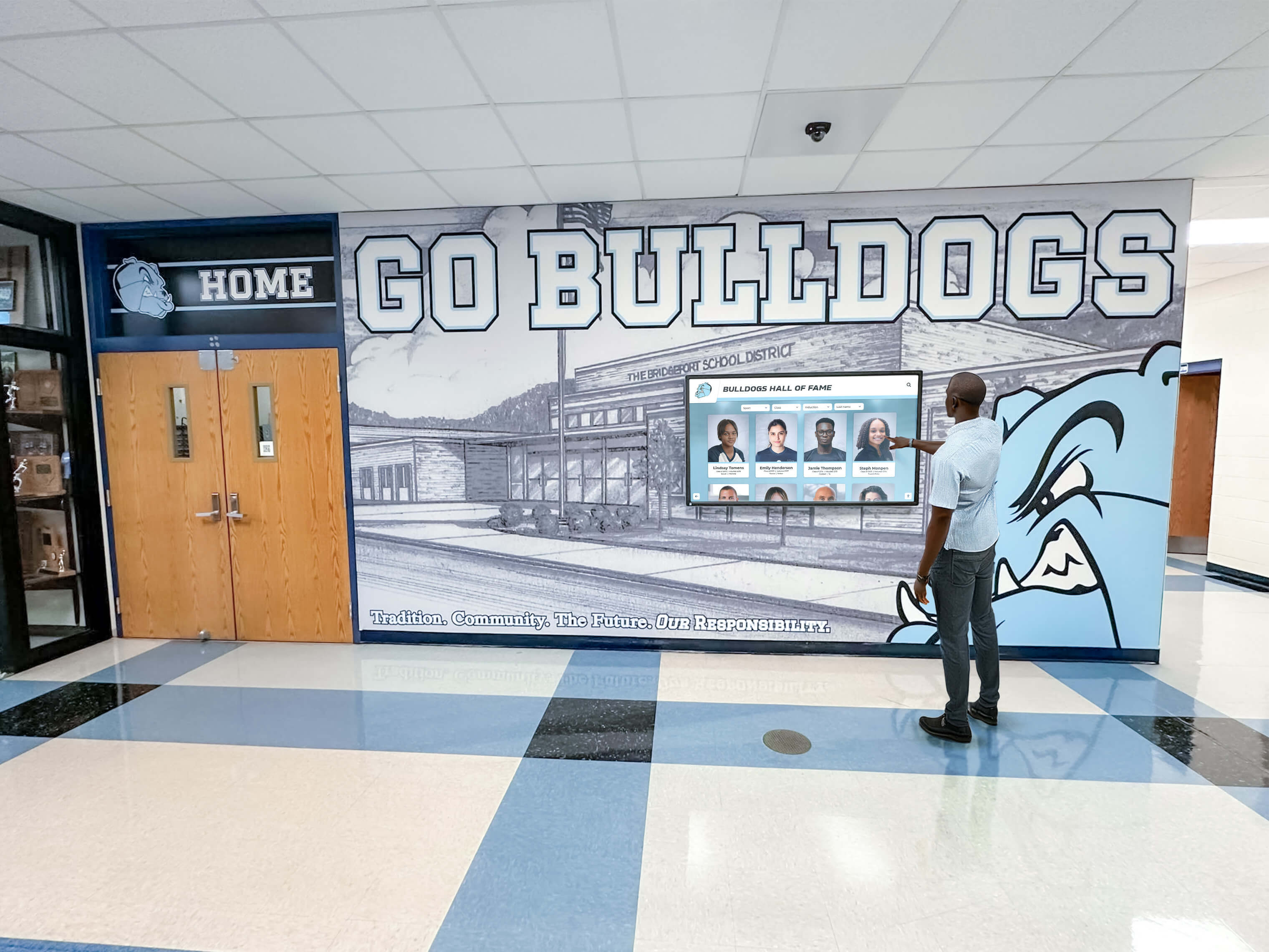
Essential Features for Soccer Recognition Platforms
Effective digital recognition platforms should offer specific capabilities that address soccer program needs.
Player Profile Systems: Comprehensive athlete profiles document complete high school careers including team achievements, individual awards, career statistics, memorable moments, and post-graduation success. Well-designed profiles connect players to their teams, coaches, and eras while providing depth that inspires current athletes.
Team Championship Documentation: Championship team recognition should include complete rosters, season records, playoff results, key game highlights, coaching staff, and championship photos. Digital platforms can present this information through interactive timelines, photo galleries, and video compilations that celebrate collective achievement.
Search and Filter Capabilities: Visitors should be able to find specific players by name, browse awards by category, filter achievements by year or era, view sport-specific content, and discover related accomplishments through intuitive navigation.
Content Management Flexibility: Administrative interfaces should enable non-technical staff to add new content, update existing information, schedule content releases, manage multiple user permissions, and preview changes before publication—all without requiring specialized technical expertise.
Mobile and Web Access: The same content displayed on physical touchscreens should be accessible through mobile-responsive websites, allowing alumni worldwide to explore program history remotely. This extended access amplifies recognition impact beyond physical visitors.
Programs using digital recognition solutions for basketball recognition find that soccer programs benefit from similar comprehensive approaches that honor complete achievement histories.
Creating Compelling Soccer Achievement Content
The quality of recognition content determines whether displays genuinely honor achievements or simply list names and dates without meaningful context.
Documenting Team Championships
Championship team recognition deserves comprehensive documentation that preserves the complete story of tournament success.
Essential Championship Information:
- Tournament name and competitive level
- Season record and playoff path
- Championship game details and final score
- Complete team roster with positions
- Coaching staff and program leadership
- Key statistical leaders and performances
- Season highlights and defining moments
Supporting Documentation: Schools should gather championship programs, newspaper clippings, official tournament brackets, team and action photos, video footage from key games, and interviews with players and coaches reflecting on the championship season.
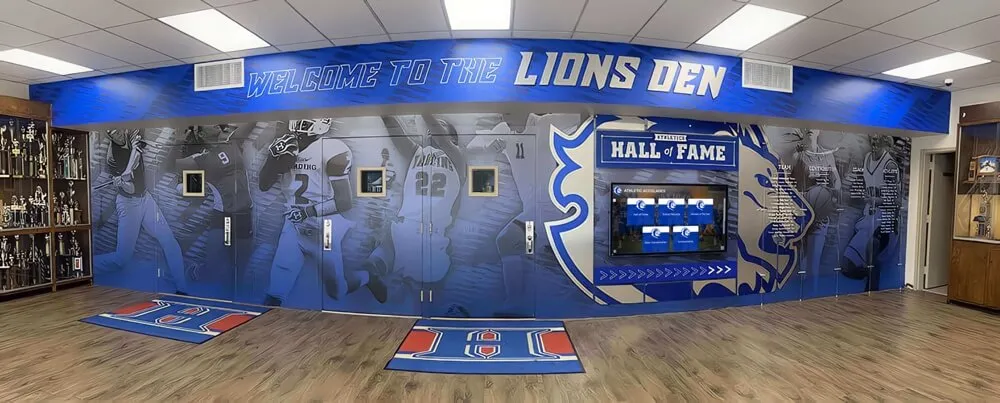
For schools like Beaver Country Day School, documenting their 1998 and 2001 NEPSAC Class C Championship victories creates permanent records of these historic achievements. Comprehensive documentation ensures these accomplishments remain accessible to future generations long after current students, staff, and community members who witnessed these victories have moved on.
Individual Award Recognition
Individual soccer awards celebrate outstanding performances and contributions that exemplify program excellence.
Player Award Profiles Should Include:
- Full name and graduating class
- Award received and achievement context
- Season and career statistics
- Team success during player’s tenure
- Memorable performances and highlights
- Coach perspectives on player contributions
- College recruitment and continued soccer career
- Photos capturing playing style and personality
Awards Worthy of Recognition: Tournament MVP awards, All-State selections (First Team, Second Team, Honorable Mention), All-Conference team recognition, Conference Player of the Year honors, Golden Boot/Top Scorer awards, Golden Glove/Best Goalkeeper recognition, and Sportsmanship awards all represent achievements that deserve permanent commemoration within program recognition systems.
Statistical Milestones and Records
Career statistical achievements provide clear performance benchmarks that inspire current players while honoring exceptional individual accomplishment.
Soccer Statistical Categories to Recognize:
- Career goals scored
- Career assists recorded
- Career shutouts (goalkeepers)
- Career saves (goalkeepers)
- Single-season scoring records
- Single-game performance records
- Consecutive game streaks
- Tournament-specific achievements
Record-keeping should account for era differences in schedule length, competition format, and statistical tracking methods. Well-designed recognition acknowledges records within appropriate historical context while celebrating excellence from every program era.
Schools implementing high school basketball recognition systems often find that similar statistical documentation approaches work effectively for soccer programs, creating comprehensive performance histories that inspire competitive excellence.
Integrating Soccer Recognition with Broader Athletic Programs
Soccer tournament awards should integrate with comprehensive athletic recognition that celebrates achievement across all sports while maintaining sport-specific identity.
Sport-Specific vs. Unified Recognition
Programs face decisions about whether to create dedicated soccer recognition areas or integrate soccer achievements within comprehensive multi-sport athletic halls of fame.
Dedicated Soccer Recognition Areas: Sport-specific displays create focused environments that allow deep exploration of soccer program history. Dedicated areas work well for programs with extensive soccer traditions, limited general athletic space, or desires to create sport-specific identity within larger facilities.
Integrated Multi-Sport Displays: Comprehensive athletic recognition that includes all sports creates unified athletic department identity while allowing visitors to discover achievements across entire programs. Integrated approaches work effectively when digital platforms enable sport-specific filtering that lets soccer supporters focus on relevant content.
Hybrid Approaches: Many schools combine prominent multi-sport recognition in main athletic areas with sport-specific displays near relevant facilities (soccer fields, team rooms). This distributed approach maximizes visibility while providing depth in contextually appropriate locations.

Connecting Soccer to School Culture
Effective recognition connects athletic achievement to broader school values and educational mission.
Scholar-Athlete Recognition: Celebrating athletes who excel academically alongside athletic success reinforces institutional commitment to balanced excellence. Many soccer players maintain strong academic records while competing at high levels, and programs should honor this dual achievement prominently.
Leadership Development: Soccer team captains, program ambassadors, and athletes who demonstrate leadership qualities deserve recognition beyond statistical performance. Leadership recognition reinforces values that extend beyond competition into life skills development.
Community Contribution: Athletes who contribute to youth soccer programs, volunteer in communities, or demonstrate citizenship beyond athletic participation exemplify complete school values. Recognition systems should acknowledge these contributions alongside competitive achievements.
Solutions like those from Rocket Alumni Solutions enable schools to create comprehensive recognition programs that celebrate athletic excellence within broader contexts of academic achievement, leadership development, and community contribution.
Best Practices from Successful Soccer Recognition Programs
Schools with effective soccer recognition programs share common approaches that maximize impact and sustainability.
Start with Strong Foundation Research
Comprehensive programs begin with thorough historical research that documents achievements across program history.
Research Sources:
- School yearbooks and athletic records
- Local newspaper archives
- State athletic association records
- Coach and player interviews
- Alumni association connections
- Program archives and old rosters
- Tournament records and brackets
Many programs discover forgotten achievements through systematic research. Players who earned All-State recognition decades ago, championship teams whose rosters weren’t fully documented, or tournament victories celebrated briefly but never permanently recognized—all deserve inclusion in comprehensive recognition programs.
Maintain Consistent Update Schedules
Recognition programs lose relevance and impact when displays become outdated. Establishing regular update cycles ensures recognition remains current.
Annual Update Process: At season conclusion, schools should gather new award winners and achievements, collect photos and supporting documentation, update digital content management systems, verify information accuracy, and announce new recognition publicly to honor current achievements while maintaining system currency.
Involve Multiple Stakeholders
Successful programs engage various stakeholders in recognition development and maintenance.
Key Contributors:
- Athletic directors providing leadership and resources
- Soccer coaches documenting achievements and recommending honorees
- Alumni associations connecting with former players
- Booster clubs supporting funding and promotion
- Communications staff capturing photos and content
- Student media organizations documenting current seasons
Distributed involvement ensures programs maintain momentum despite staff changes and competing priorities that might otherwise undermine recognition consistency.
Celebrate Recognition Program Launches
New recognition programs deserve formal unveiling that generates excitement and establishes traditions.
Launch Event Elements: Formal dedication ceremonies, invited honorees and their families, media coverage generating awareness, speeches from school leadership emphasizing recognition importance, and opportunities for attendees to explore new displays all create memorable launches that establish recognition programs as valued institutional traditions.
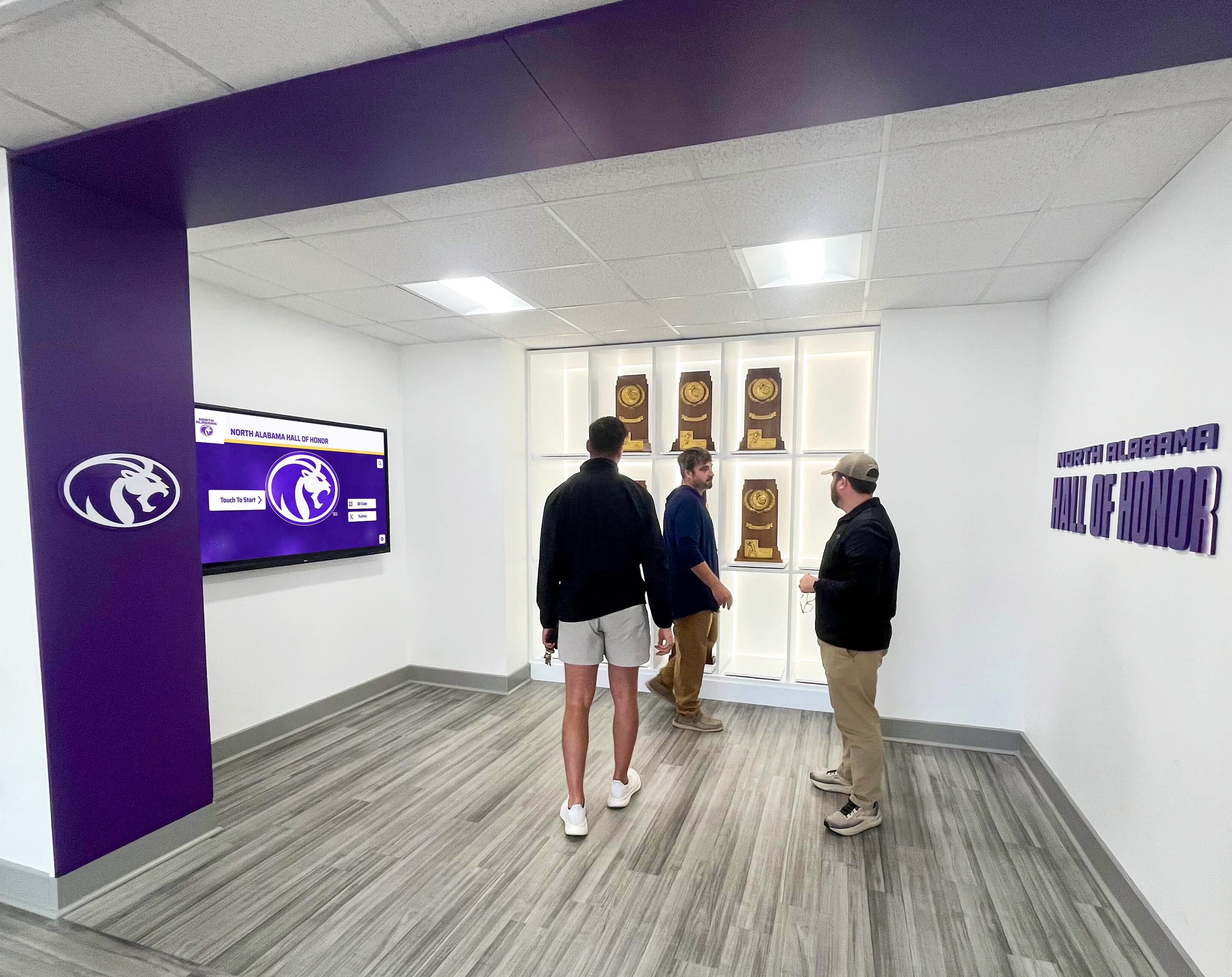
Implementation Guide: Creating Your Soccer Recognition Program
Schools ready to implement or upgrade soccer tournament awards recognition should follow systematic approaches that ensure successful outcomes.
Phase 1: Planning and Research (Months 1-3)
Define Recognition Scope: Determine which achievements warrant recognition, establish selection criteria, identify budget parameters, form planning committees, and gain administrative approval for program development.
Conduct Historical Research: Document past tournament championships, identify individual award winners, gather supporting materials and photos, interview coaches and alumni, and compile comprehensive achievement databases that form recognition foundations.
Evaluate Display Options: Research traditional vs. digital approaches, visit other schools’ recognition programs, gather quotes from vendors, assess available space and locations, and determine which solutions best fit program needs and resources.
Phase 2: Content Development (Months 3-6)
Create Achievement Profiles: Write championship team summaries, develop individual player profiles, gather and organize photos, collect video content, verify all information accuracy, and establish consistent formatting that ensures professional presentation quality.
Design Recognition Structure: Organize content by categories, establish navigation systems, create visual design standards, develop templates for consistency, and plan user experience flows that make recognition accessible and engaging.
Phase 3: Installation and Launch (Months 6-9)
Implement Display Systems: Install hardware in selected locations, configure software and content management, load initial content and media, test functionality thoroughly, and train staff on content updates to ensure long-term program sustainability.
Conduct Formal Launch: Plan dedication ceremony, invite honorees and stakeholders, generate media coverage, create awareness campaigns, and celebrate program establishment through events that honor achievements while building excitement for recognition traditions.
Phase 4: Ongoing Maintenance (Continuous)
Regular Content Updates: Add new award winners annually, update player information, refresh photos and media, verify content accuracy, and continuously improve recognition based on user feedback and engagement analytics.
Schools implementing these systematic approaches create sustainable recognition programs that honor soccer achievements effectively for decades. Solutions like Rocket Alumni Solutions provide comprehensive platforms and support services that guide schools through implementation while ensuring long-term program success.
Case Study: Independent School Soccer Recognition
Schools like Beaver Country Day School in Massachusetts exemplify effective approaches to soccer recognition within independent school contexts.
Competitive Context
As members of the Eastern Independent League (EIL), Beaver competes against other independent schools in the Boston area. The school fields boys and girls varsity soccer programs that train and compete on their turfed upper field adjacent to the Athletic Center.
The boys varsity program has achieved remarkable success including:
- 1998, 1999, 2000: EIL Undefeated Champions (three consecutive championships)
- 2012: EIL Undefeated Champions
- 2014: EIL Undefeated Champions
- 1998: NEPSAC Class C Champions
- 2001: NEPSAC Class C Champions
These championships represent sustained excellence spanning multiple eras and coaching tenures. The 1998-2000 three-championship run demonstrates extraordinary competitive consistency, while additional titles in 2012 and 2014 show program tradition continuing across generations.
Recognition Opportunities
Schools with championship traditions like Beaver’s have multiple recognition opportunities:
Championship Banner Displays: Traditional championship banners remain highly visible in gymnasiums and athletic facilities. Each EIL championship and NEPSAC title deserves prominent banner recognition that visitors see immediately upon entering athletic spaces.
Digital Championship Archives: Comprehensive digital displays can showcase complete rosters from championship teams, season-by-season results showing championship runs, player statistics and contributions, coaching staff and program leadership, photos and media from championship seasons, and current whereabouts of championship team members—creating rich archives that preserve these achievements permanently.
Individual Player Recognition: Championship teams featured outstanding individual performers who earned All-League, All-State, or other honors. Digital systems enable recognition of these individual achievements within team championship contexts, showing how exceptional individual performances contributed to collective success.
Historical Timeline Presentations: Beaver’s championships span from 1998 through 2014, covering sixteen years of program history. Timeline presentations can show program evolution, coaching changes, facility improvements, and competitive development across this period while celebrating sustained excellence that defines program tradition.
Independent schools often compete in specialized conferences and tournaments that may not receive mainstream recognition despite representing exceptional competitive achievements. Proper recognition ensures these accomplishments receive appropriate honor within school communities while educating prospective families about program quality and competitive standards.
Future Trends in Soccer Tournament Recognition
Recognition technology and approaches continue evolving, creating new opportunities for celebrating soccer achievements.
Enhanced Multimedia Integration
Emerging platforms increasingly incorporate video content, social media feeds, live statistics, augmented reality experiences, and 360-degree photography that create immersive recognition experiences beyond traditional photos and text.
Data-Driven Recognition
Advanced analytics platforms track comprehensive performance data that enables recognition of statistical achievements previously difficult to document. Expected goals (xG), passing accuracy, defensive actions, and other advanced metrics provide deeper insights into player contributions that traditional statistics miss.
Mobile-First Experiences
Recognition increasingly emphasizes mobile accessibility, allowing alumni worldwide to explore achievements, share content through social media, and maintain connections with programs regardless of geographic location. Mobile optimization ensures recognition reaches broader audiences than physical displays alone can serve.
Interactive Virtual Recognition
Virtual tours and online exhibition spaces enable remote exploration of physical recognition displays, creating accessibility for families unable to visit campuses while extending recognition reach to global audiences interested in program histories.
Schools investing in modern recognition platforms position themselves to adopt these emerging capabilities as they become available, ensuring recognition programs remain relevant and engaging for digitally-native audiences.
Conclusion: Honoring Soccer Excellence for Generations
High school soccer tournament awards represent significant achievements worthy of recognition that matches their importance. From championship team victories to individual player honors, these accomplishments reflect dedication, skill development, competitive excellence, and values that extend far beyond athletic performance.
Schools like Beaver Country Day School in Massachusetts, with multiple EIL championships and NEPSAC titles, exemplify the level of achievement that deserves comprehensive, permanent recognition. Yet even programs with less extensive championship histories benefit from proper recognition that honors achievements, inspires current players, and builds program traditions.
Modern digital recognition solutions transform how schools celebrate soccer tournament awards by eliminating space constraints, enabling rich multimedia content, simplifying content updates, and creating engaging experiences that traditional trophy cases cannot match. These platforms make comprehensive recognition practical for programs of all sizes and competitive levels.
Effective soccer recognition requires thoughtful planning that establishes clear criteria, systematic historical research that documents complete achievement histories, compelling content development that tells complete stories, appropriate display solutions that fit program needs and budgets, and sustainable maintenance processes that keep recognition current and relevant.
Whether celebrating decades of championship success or building recognition programs that will grow with emerging achievements, investment in proper soccer tournament awards recognition demonstrates institutional commitment to honoring excellence, preserving history, and inspiring future generations of athletes who will continue program traditions.
The question isn’t whether to recognize soccer tournament awards properly—it’s how to implement recognition that truly honors these achievements while creating lasting value for programs, athletes, and communities. Digital recognition platforms from solutions like Rocket Alumni Solutions provide schools with proven technology, comprehensive support, and sustainable approaches that ensure soccer excellence receives recognition it deserves for generations to come.































