Beyond Wins and Losses: Celebrating Character in Competition
Every high school athletic season produces standout performances—record-breaking statistics, championship victories, and individual excellence that fills trophy cases and dominates headlines. Yet some of the most impactful contributions to athletic programs happen quietly: the teammate who encourages struggling players, the captain who models integrity when officials aren't watching, the competitor who helps injured opponents, and the athlete who treats every referee, coach, and rival with consistent respect. High school sportsmanship awards recognize these essential qualities, celebrating student-athletes who demonstrate that how you compete matters as much as whether you win.
While athletic achievement awards recognize competitive excellence, sportsmanship recognition honors the character qualities that define exemplary programs and develop well-rounded individuals prepared for life beyond sport. Schools implementing comprehensive sportsmanship award programs reinforce institutional values, create positive athletic cultures, inspire younger athletes with character examples, and demonstrate commitment to developing student-athletes rather than simply athletes who attend school.
This comprehensive guide explores how high schools can establish effective sportsmanship recognition programs that authentically celebrate character, establish meaningful selection criteria, implement fair evaluation processes, and create recognition experiences that resonate with student-athletes throughout their lives.
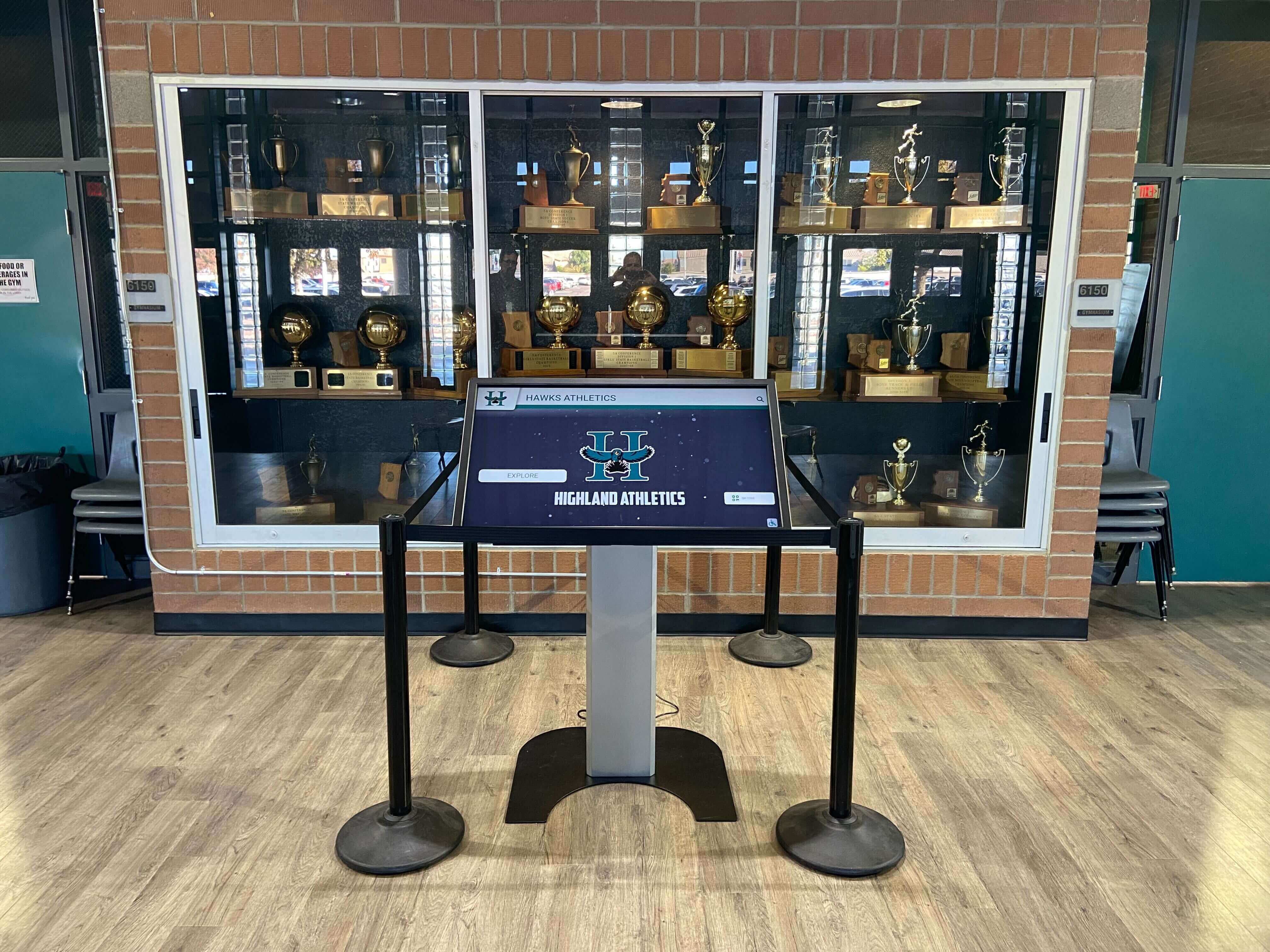
Modern recognition systems integrate sportsmanship awards alongside athletic achievements
Why Sportsmanship Recognition Matters in High School Athletics
High school sports exist within educational institutions for specific purposes beyond entertaining communities or developing college prospects. Athletic programs represent extensions of educational missions—opportunities to teach life lessons, develop character, build leadership skills, and reinforce values that transcend sports.
According to the National Federation of State High School Associations (NFHS), educational athletics should prioritize participation, skill development, sportsmanship, and life lessons over winning at all costs. Sportsmanship recognition programs operationalize this philosophy by making character development as visible and celebrated as competitive achievement.
Reinforcing Institutional Values Through Recognition
Every school articulates core values—respect, integrity, responsibility, compassion, perseverance—that define institutional identity and guide educational priorities. Athletic programs provide powerful contexts for demonstrating these values under competitive pressure, but without explicit recognition, character contributions often go unacknowledged while statistical achievements receive disproportionate attention.
Values Reinforcement Through Sportsmanship Awards:
- Making Values Visible: Recognition demonstrates that institutional values represent genuine priorities rather than abstract concepts mentioned in handbooks but ignored in practice
- Behavioral Expectations: Awards communicate specific behavioral expectations defining acceptable conduct for athletes representing schools
- Role Modeling: Honored student-athletes become living examples of valued characteristics for teammates, younger students, and community members
- Cultural Standards: Recognition establishes that positive sportsmanship represents expected norms rather than exceptional behavior deserving special acknowledgment
- Accountability: Public recognition creates positive peer pressure as athletes understand character contributions receive notice alongside competitive performance
Schools implementing comprehensive student awards recognition programs across academics, athletics, arts, and character development create cultures where diverse forms of excellence receive appropriate celebration.
Developing Well-Rounded Student-Athletes
The student-athlete concept emphasizes balanced development across academic, athletic, social, and character domains. Sportsmanship recognition reinforces this holistic approach by celebrating qualities extending beyond physical performance.
Character Development Through Sportsmanship Recognition:
Individual Growth:
- Emotional regulation under competitive stress
- Resilience when facing adversity or defeat
- Humility during success and celebration
- Respect for authority, rules, and opponents
- Self-control and discipline in heated moments
- Integrity when tempted to compromise values
Social Development:
- Teamwork and collaborative contribution
- Leadership through positive example
- Conflict resolution without escalation
- Communication across competitive situations
- Empathy for teammates, opponents, coaches
- Community connection and representation
Research from the Institute for the Study of Youth Sports demonstrates that character development through athletics requires intentional teaching, modeling, and reinforcement rather than occurring automatically through participation. Recognition programs represent key reinforcement mechanisms making character development explicit and celebrated.
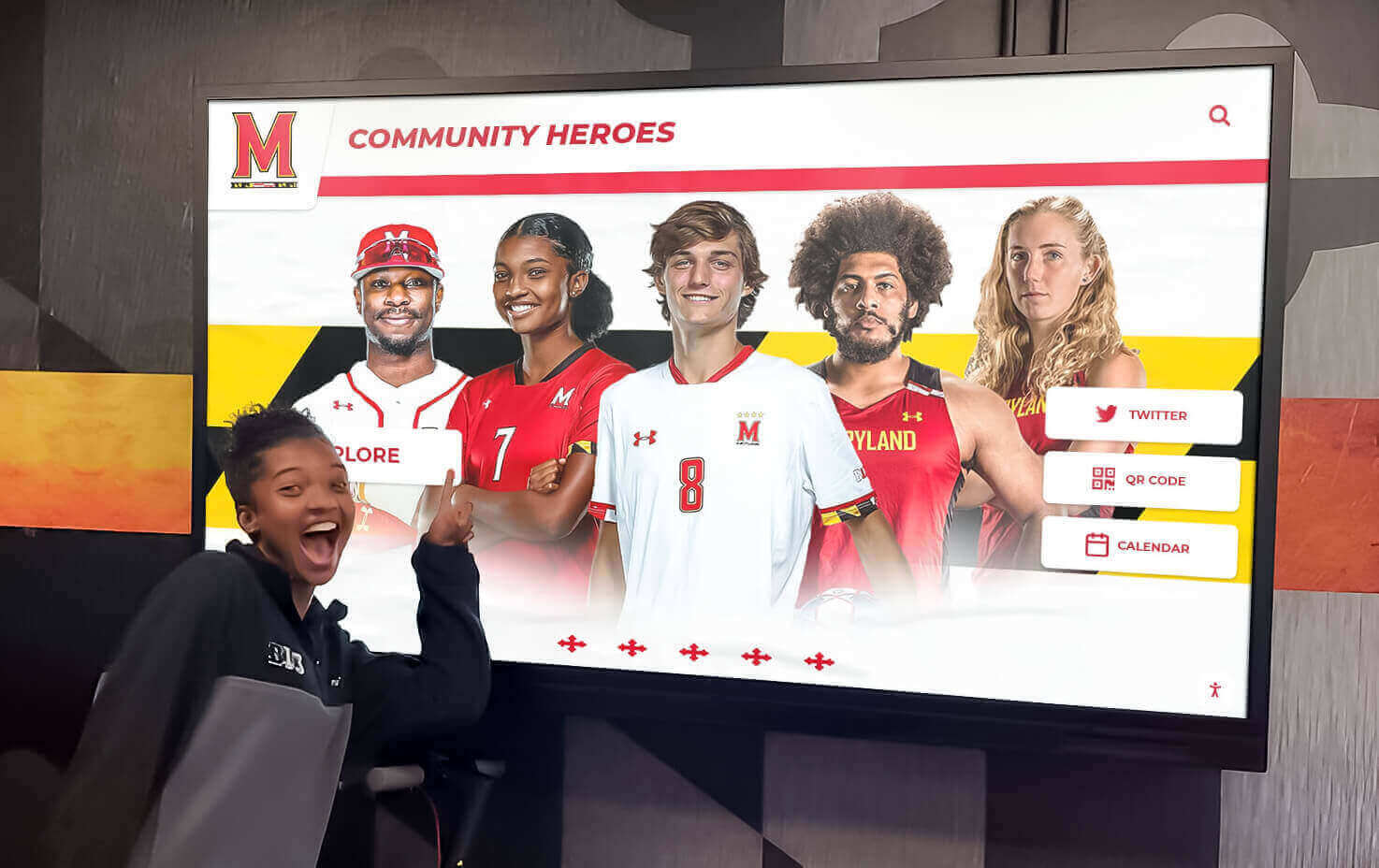
Recognition displays inspire current athletes with examples of character excellence
Creating Positive Athletic Program Cultures
Program culture—shared values, behavioral norms, and collective identity defining “how we do things here”—powerfully influences individual athlete behavior, team dynamics, and community perceptions. Sportsmanship recognition shapes culture by defining and celebrating exemplary conduct.
Cultural Impact of Sportsmanship Programs:
- Setting Standards: Recognition establishes clear standards for acceptable and exemplary behavior within programs
- Positive Reinforcement: Celebrating character creates cultures rewarding positive contributions rather than only tolerating absence of negative behavior
- Team Unity: Shared values around sportsmanship strengthen cohesion and collective identity across diverse team members
- Competitive Excellence: Research shows teams with strong sportsmanship cultures often achieve better competitive results through enhanced cohesion and focus
- Recruiting Advantage: Positive program reputations attract quality student-athletes and families prioritizing character development alongside competitive opportunity
- Reduced Discipline Issues: Cultures emphasizing sportsmanship experience fewer behavioral problems requiring administrative intervention
Athletic directors and coaches implementing comprehensive recognition approaches including both competitive achievement and character contribution build stronger programs producing better-rounded graduates prepared for success beyond athletics.
Responding to Increased Focus on Sportsmanship
National, state, and local athletics governing bodies increasingly emphasize sportsmanship as essential to educational athletics. The NFHS established sportsmanship as one of the “Pillars of Educational Athletics,” and numerous state associations now require sportsmanship education and recognition as conditions for program participation.
Growing Sportsmanship Emphasis:
- State Association Requirements: Many state high school athletic associations mandate sportsmanship programs and initiatives
- Officials’ Concerns: Rising rates of unsportsmanlike conduct toward officials creates retention crisis requiring culture change
- Legal Liability: Schools face increased legal exposure from athlete, coach, or spectator misconduct
- College Recruiting: Collegiate coaches increasingly consider character and coachability alongside athletic talent when evaluating prospects
- Community Expectations: Communities expect schools to develop character alongside competitive excellence
- Student Development: Research confirms character development represents crucial educational outcome justifying athletics investment
Establishing robust sportsmanship recognition demonstrates institutional commitment to educational athletics priorities while addressing stakeholder concerns about competitive athletics environments.
Establishing Sportsmanship Award Criteria
Effective sportsmanship awards require clear, specific criteria defining what qualities and behaviors merit recognition. Vague standards like “good sportsmanship” prove difficult to evaluate consistently and fail to communicate specific behavioral expectations.
Defining Specific Sportsmanship Qualities
Comprehensive criteria address multiple character dimensions demonstrated through observable behaviors across various athletic contexts.
Core Sportsmanship Qualities:
Respect for Opponents:
- Treats opponents as worthy competitors rather than enemies
- Avoids taunting, trash-talking, or excessive celebration
- Helps injured or fallen opponents
- Acknowledges good plays by opposing players
- Engages in respectful postgame interactions
- Represents opponents fairly when discussing competitions
Respect for Officials:
- Accepts calls without arguing or demonstrative reactions
- Addresses officials professionally and respectfully
- Maintains composure after questionable or incorrect calls
- Never uses profanity or personal criticism toward officials
- Models positive official interaction for teammates
- Thanks officials after competitions
Respect for Teammates:
- Encourages teammates during struggles or mistakes
- Shares credit for successes rather than seeking individual glory
- Supports all teammates regardless of ability or playing time
- Resolves conflicts constructively without escalation
- Demonstrates commitment through effort and preparation
- Celebrates teammates’ achievements authentically
Respect for Coaches:
- Responds positively to coaching and constructive criticism
- Demonstrates coachability through implementing feedback
- Maintains professional boundaries in coach interactions
- Supports coaching decisions publicly even when disagreeing privately
- Communicates concerns respectfully through appropriate channels
- Thanks coaches for time, energy, and dedication
Self-Control and Composure:
- Maintains emotional regulation under competitive pressure
- Responds to adversity without negative outbursts
- Handles success with humility and grace
- Accepts responsibility for mistakes without blaming others
- Controls body language and facial expressions
- Demonstrates maturity beyond age and experience level
Rule Adherence and Integrity:
- Competes within rules and spirit of competition
- Never intentionally cheats or seeks unfair advantage
- Admits mistakes honestly even when officials miss infractions
- Respects eligibility rules and participation restrictions
- Maintains academic standards and institutional requirements
- Models ethical behavior consistently across contexts
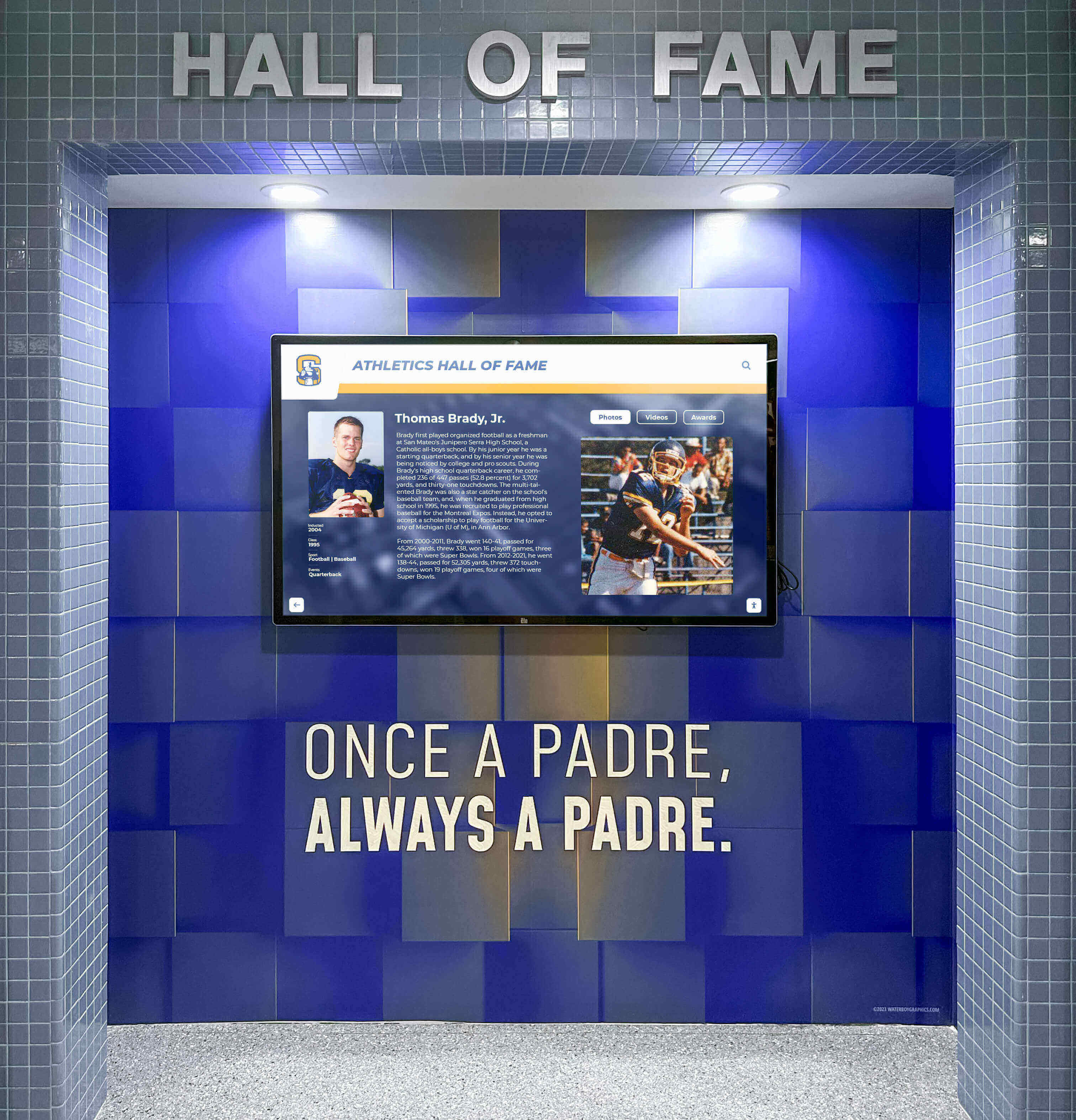
Permanent recognition displays celebrate character alongside competitive achievement
Creating Observable Behavior Indicators
Abstract qualities like “respect” or “integrity” require translation into specific observable behaviors enabling consistent evaluation across different evaluators and situations.
Behavioral Indicator Examples:
Respect for Opponents:
- Helps opponents up after falls or collisions
- Shakes hands sincerely before and after competitions
- Acknowledges good opponent plays with verbal or gestural recognition
- Avoids celebrating near opponent benches or fans
- Maintains respectful language when discussing opponents
Emotional Regulation:
- Returns to play calmly after frustrating situations
- Body language remains positive despite score or circumstances
- Facial expressions show determination rather than anger or frustration
- Voice tone and volume remain controlled during intense moments
- Physical gestures avoid aggressive or provocative displays
Team Contribution:
- First to encourage teammate after mistakes
- Celebrates teammate successes as enthusiastically as own achievements
- Volunteers for unglamorous roles benefiting team
- Arrives early and stays late for team activities
- Participates fully in team meetings, huddles, and interactions
Leadership:
- Addresses teammate conduct that violates sportsmanship standards
- Models desired behaviors consistently across practice and competition
- Mediates conflicts between teammates constructively
- Represents team positively to officials, opponents, and community
- Takes initiative in team service or community engagement activities
Specific behavioral indicators enable consistent evaluation while providing athletes concrete understanding of expectations rather than subjective character judgments.
Differentiating Achievement Levels
Award criteria should distinguish between baseline expectations for all athletes, consistent demonstration of positive sportsmanship, and exceptional character warranting special recognition.
Three-Tier Framework:
Expected Conduct (Baseline): All athletes should demonstrate basic sportsmanship including following rules, respecting authority, accepting outcomes gracefully, and avoiding unsportsmanlike penalties. This represents minimum standards rather than recognition-worthy behavior.
Consistent Positive Sportsmanship (Recognition Eligible): Athletes consistently demonstrating positive sportsmanship qualities throughout season across practices and competitions. These athletes meet and exceed baseline expectations regularly but may not demonstrate exceptional character.
Exemplary Sportsmanship (Award Recipients): Athletes consistently demonstrating outstanding sportsmanship across all contexts, serving as role models, handling extremely difficult situations with grace, going beyond expectations to support opponents or teammates, and embodying institutional values exceptionally.
This tiered approach ensures awards recognize truly exceptional character rather than simply acknowledging absence of negative behavior.
Implementing Fair Selection Processes
Selection processes significantly influence program credibility, student-athlete motivation, and stakeholder confidence in recognition authenticity. Effective processes balance objective criteria with necessary subjective judgment while ensuring consistency and transparency.
Establishing Selection Committees
Diverse selection committees including multiple perspectives reduce individual bias while increasing evaluation comprehensiveness and stakeholder confidence in fairness.
Committee Composition Considerations:
Athletic Department Representatives:
- Athletic director providing administrative oversight
- Head coaches from multiple sports ensuring cross-program consistency
- Assistant coaches observing different athlete contexts and interactions
- Athletic trainers witnessing athlete behavior during injury and adversity
Educational Staff:
- Teachers observing student-athletes in academic contexts
- Counselors understanding broader student character and challenges
- Administrators providing institutional perspective
- Support staff interacting with athletes in various school settings
Student Representatives:
- Student-athlete representatives from different sports and grade levels
- Student government members providing peer perspective
- Team captains offering leadership insights
- Non-athlete students observing athletic program external perception
Community Involvement:
- Officials who work competitions providing unique perspective
- Parents offering family context (when appropriate)
- Community members representing broader stakeholder interests
- Alumni demonstrating long-term program culture perspective
Selection committees of 5-9 members typically provide sufficient diversity without becoming unwieldy. Rotating membership prevents entrenchment while maintaining institutional knowledge.
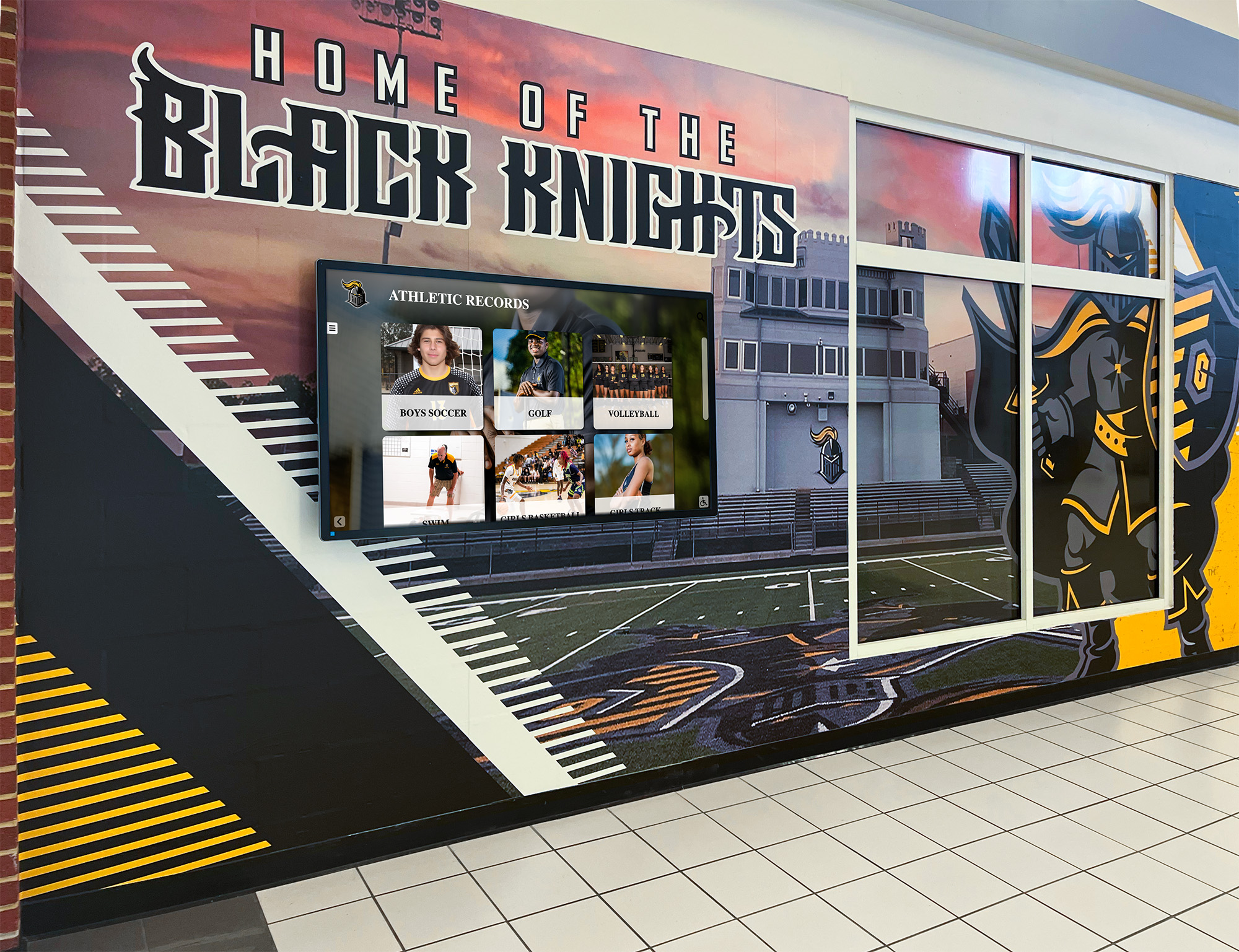
Athletic recognition programs integrate multiple award categories including character recognition
Creating Evaluation Tools and Rubrics
Structured evaluation tools improve selection consistency while documenting decision-making processes and providing feedback to athletes.
Evaluation Rubric Components:
Rating Scale Format:
Create rubrics rating specific sportsmanship qualities on consistent scales (e.g., 1-5 or 1-10) with behavioral descriptors for each level:
- Respect for Officials: 1 (frequently argues or shows disrespect) to 5 (always models exemplary official interaction)
- Teammate Encouragement: 1 (rarely encourages, sometimes criticizes) to 5 (consistently first to encourage, exceptional support)
- Emotional Control: 1 (frequent composure loss) to 5 (remarkable composure under extreme pressure)
- Response to Adversity: 1 (gives up or becomes negative) to 5 (inspires others through positive response to challenges)
Critical Incident Documentation:
Evaluators document specific examples supporting ratings rather than relying solely on general impressions:
- Date, opponent, and context of incident
- Specific behaviors observed
- Impact on team, game, or individuals
- Comparison to expected versus exceptional response
- Cumulative pattern across multiple observations
Comparative Evaluation:
Rather than evaluating athletes in isolation, comparative frameworks help identify truly exceptional candidates:
- How does candidate compare to team norms?
- How does behavior compare to program expectations?
- Would candidate serve as effective role model for younger athletes?
- Does candidate demonstrate character growth across season?
- Would candidate maintain standards if not observed?
Weighted Categories:
Consider weighting different sportsmanship dimensions based on institutional priorities:
- Respect for opponents: 25%
- Respect for officials: 20%
- Team contribution: 20%
- Emotional control: 15%
- Leadership: 10%
- Response to adversity: 10%
Weighted rubrics communicate relative importance of different character qualities while enabling quantifiable evaluation supporting selection decisions.
Incorporating Multiple Perspectives
Comprehensive evaluation requires gathering information from various observers who interact with athletes across different contexts.
Information Sources:
Coaches (Head and Assistant): Coaches observe athletes daily across practices and competitions, understanding effort, attitude, teammate interaction, and competitive conduct. However, coaches may have relationships or performance biases affecting objectivity.
Officials: Game officials provide unique perspective on athlete conduct toward authority, emotional control, and competitive integrity. Some state associations and local organizations facilitate official feedback to schools regarding sportsmanship.
Teammates: Peer evaluation reveals authentic athlete behavior when adult supervision diminishes. Anonymous teammate surveys identify athletes genuinely respected for character rather than merely popular or successful.
Opponents and Opposing Coaches: Some programs solicit feedback from opponents regarding exemplary sportsmanship observed during competitions, providing external validation of character demonstration.
Support Staff: Trainers, equipment managers, statisticians, and other support personnel observe athlete behavior in victory and defeat, during frustration and success, away from public view.
Teachers and Administrators: Academic staff observe how athletes handle pressure, treat peers, respond to authority, and demonstrate character across non-athletic contexts revealing true character versus performance.
Multiple perspective integration reduces bias while creating comprehensive evaluation revealing consistent character across various contexts and relationships.

Integrated recognition displays celebrate diverse achievement types including sportsmanship excellence
Award Categories and Recognition Structures
Comprehensive sportsmanship recognition includes multiple award categories addressing different demonstration contexts, achievement levels, and recognition purposes.
Individual Season Sportsmanship Awards
Individual recognition celebrates exceptional character demonstrated by specific athletes during sport seasons.
Award Category Examples:
Team Sportsmanship Award: Presented to one athlete from each team demonstrating outstanding sportsmanship throughout that sport’s season. This ensures every team celebrates character regardless of competitive success.
Overall Program Sportsmanship Award: Recognizing the single athlete across all sports programs demonstrating most exceptional sportsmanship throughout entire school year. This prestigious recognition carries special significance.
Position-Specific Sportsmanship: Awards for positions facing unique sportsmanship challenges—quarterbacks managing game pressure, officials interaction; catchers handling umpire relationships; goalkeepers maintaining composure under shots.
Coaches’ Sportsmanship Award: Selected by coaching staff based on practice behavior, preparation dedication, coachability, and teammate support often invisible to external observers.
Officials’ Sportsmanship Recognition: Based on feedback from game officials who work with teams across seasons, identifying athletes demonstrating exemplary official interaction.
Opponent-Nominated Sportsmanship: Unique recognition where opponents nominate exceptional athletes from schools they competed against during season, providing external validation of character demonstration.
Programs may implement single awards or multiple categories depending on resources, emphasis, and program size. Multiple awards enable recognizing more athletes while single prestigious awards carry greater significance.
Team Sportsmanship Recognition
Team awards celebrate collective culture and shared commitment to sportsmanship standards beyond individual contributions.
Team Award Approaches:
Conference Sportsmanship Award: Many athletic conferences present team sportsmanship awards based on official reports, opponent feedback, technical foul/ejection data, and coach evaluations across entire season.
School-Determined Team Awards: Internal recognition for teams demonstrating exceptional collective sportsmanship through competitive season regardless of win-loss records.
Zero Ejection/Technical Foul Recognition: Celebrating teams completing seasons without ejections, technical fouls, or unsportsmanlike conduct penalties demonstrates collective discipline and composure.
Sportsmanship Improvement Recognition: Awards acknowledging teams significantly improving sportsmanship culture from previous seasons, encouraging positive development rather than only recognizing already-excellent teams.
Community Sportsmanship Feedback: Recognition based on positive community, opponent, and official feedback regarding team conduct, behavior, and representation of school values.
Team recognition encourages collective accountability for sportsmanship standards while celebrating shared culture rather than only individual character.
Multi-Year and Career Recognition
Extended recognition spanning multiple seasons or entire high school careers honors sustained character demonstration.
Career Sportsmanship Recognition:
Schools implementing comprehensive athletic recognition systems can track cumulative sportsmanship across multiple sports and seasons, identifying athletes demonstrating consistent character throughout high school careers.
Four-Year Sportsmanship Recognition: Special recognition for graduating seniors demonstrating exemplary sportsmanship across all years of high school athletic participation.
Hall of Fame Character Recognition: Including sportsmanship criteria in athletic hall of fame selection ensures permanent recognition celebrates character alongside competitive achievement.
Alumni Sportsmanship Legacy: Highlighting accomplished alumni who demonstrated exceptional sportsmanship during high school careers creates connections between current character and future success.
Career and multi-year recognition demonstrates that sustained character matters more than occasional exceptional behavior, while creating aspiration for underclass athletes to maintain standards across entire high school experience.
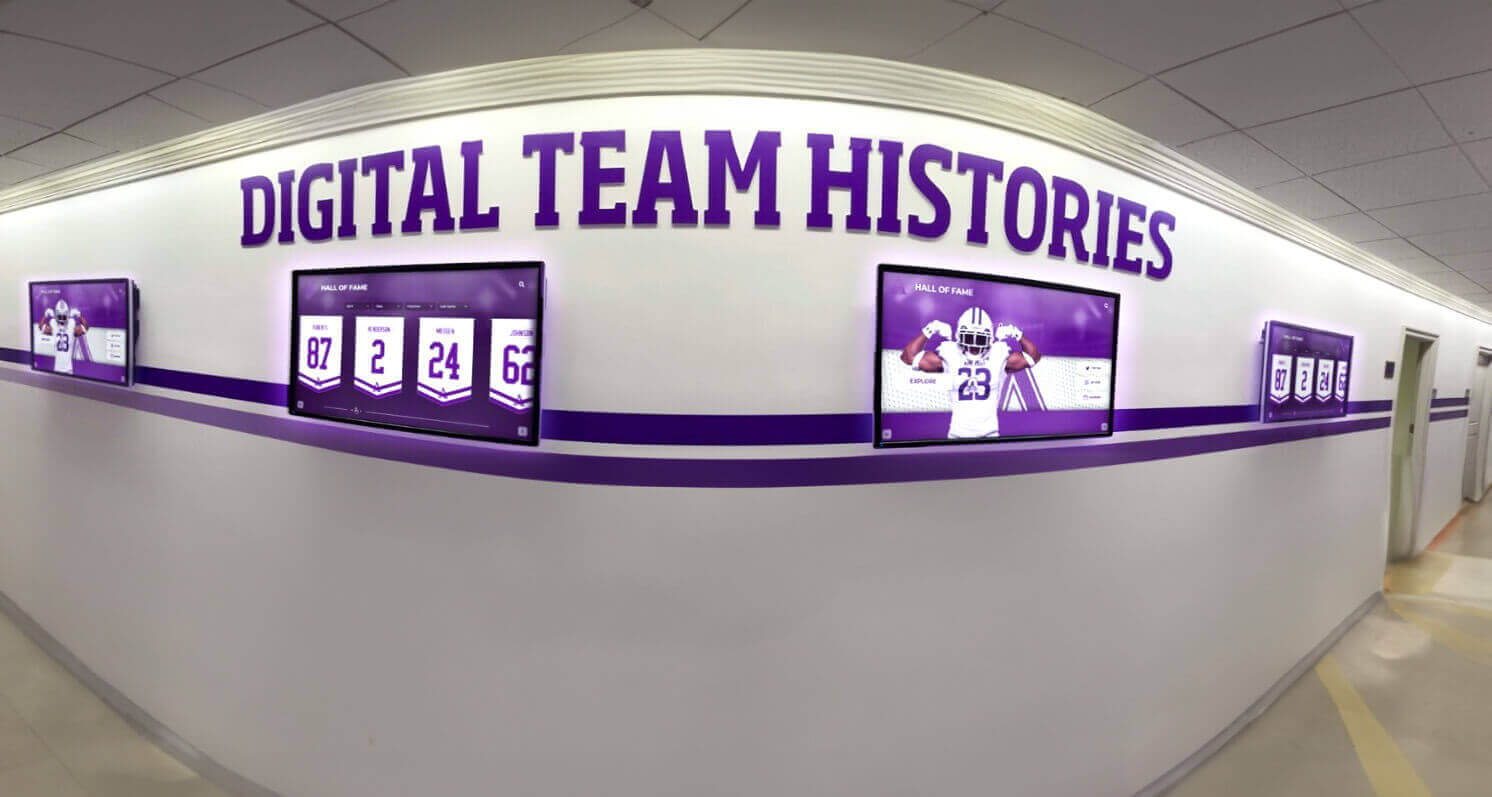
Year-round recognition keeps character values visible beyond competition seasons
Creating Meaningful Recognition Ceremonies
Presentation format significantly influences recognition meaning and impact on recipients, teammates, and broader athletic community.
Award Presentation Timing and Venues
Strategic timing and venue selection maximize recognition impact while ensuring appropriate audience and atmosphere.
Presentation Timing Options:
End-of-Season Team Banquets: Individual team banquets provide intimate settings where character recognition receives appropriate attention alongside competitive achievement awards. Banquet formats allow extended acknowledgment, specific example sharing, and meaningful coach and teammate comments.
All-Sports Recognition Events: Annual all-sports awards nights celebrating achievements across all athletic programs enable cross-sport sportsmanship recognition and school-wide character emphasis. These events reinforce that sportsmanship standards transcend individual sports.
School-Wide Assemblies: Presenting sportsmanship awards during general student assemblies extends recognition beyond athletic community, demonstrating institutional values and providing role models for entire student body.
Athletic Hall of Fame Inductions: Including sportsmanship award recipients in hall of fame ceremonies elevates character recognition to highest honor level, demonstrating equivalence between character and competitive excellence.
Homecoming or Special Events: Recognition during high-visibility events like homecoming games or community celebrations increases awareness and demonstrates community priority on sportsmanship.
Individual Sport Senior Nights: Presenting senior sportsmanship awards during final home games creates emotional recognition moments while honoring sustained character across athletic careers.
Timing considerations should balance recognition significance, audience appropriateness, and scheduling practicality while ensuring ceremonies honor recipients appropriately rather than feeling rushed or overshadowed by other recognition.
Presentation Format and Components
Thoughtful ceremony design creates memorable experiences reflecting recognition significance and recipient accomplishment.
Ceremony Elements:
Specific Example Sharing: Rather than generic praise, presenters should share specific examples of sportsmanship demonstrated:
“During our match against Central High, Sarah noticed an opposing player struggling with cramps. Without prompting, Sarah helped her opponent stretch, offered water, and encouraged her—despite being in a close competitive match. This exemplifies Sarah’s consistent character across the entire season.”
Coach and Teammate Comments: Allowing coaches and teammates to share observations adds personal dimension and demonstrates respect from those who know recipients best.
Video Compilation: Highlight videos showing sportsmanship moments—helping opponents, encouraging teammates, maintaining composure—create powerful visual reinforcement of recognition rationale.
Written Citations: Formal written descriptions of accomplishments and character qualities provide permanent documentation of recognition rationale and specific examples.
Physical Recognition Items: Quality plaques, trophies, certificates, medals, or pins provide tangible recognition items recipients can display permanently, extending recognition beyond ceremony moment.
Public Acknowledgment: Announcing recognition through school communications, social media, local media, and community channels amplifies recognition while communicating institutional priorities.
Permanent Display Integration: Including sportsmanship recipients in permanent recognition displays—trophy cases, wall of fame systems, digital recognition platforms—creates lasting visibility demonstrating sustained institutional commitment.
Schools implementing digital recognition displays can seamlessly integrate sportsmanship recognition alongside competitive achievement, creating comprehensive celebration of athletic excellence across performance and character dimensions.
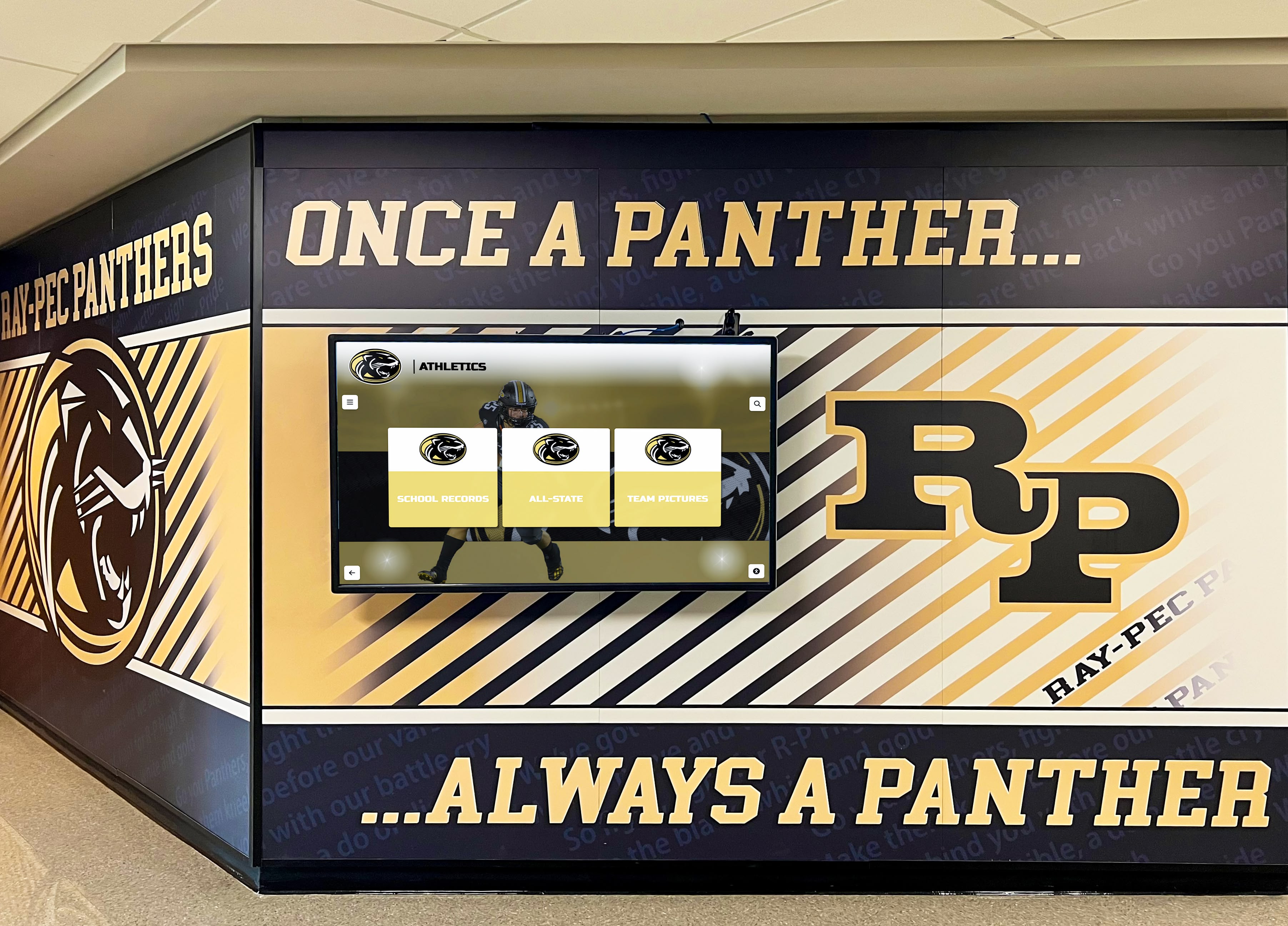
Prominent recognition displays demonstrate institutional commitment to celebrating character
Integrating Sportsmanship Recognition Into Athletic Culture
Isolated awards presented annually without broader program integration create limited cultural impact. Comprehensive approaches embed sportsmanship emphasis throughout athletic program operations.
Season-Long Sportsmanship Emphasis
Rather than addressing sportsmanship only during end-of-season recognition, effective programs emphasize character consistently throughout competitive seasons.
Season Integration Strategies:
Preseason Introduction: Begin each season by explicitly introducing sportsmanship expectations, award criteria, and behavioral standards. Use previous recipients as examples and role models.
Weekly Recognition: Present informal weekly sportsmanship recognition during team meetings, acknowledging specific examples of positive character from recent practices or competitions.
Game-by-Game Evaluation: Coaches track sportsmanship performance game-by-game similar to statistical categories, providing regular feedback and identifying patterns across season.
Critical Incident Discussion: When sportsmanship lapses occur, address them immediately through individual and team discussion, reinforcing standards and expectations rather than only punishing violations.
Positive Reinforcement: Intentionally praise sportsmanship demonstration during practices and games, not just critique violations, creating positive reinforcement rather than only punitive approaches.
Parent and Family Education: Share sportsmanship expectations and criteria with families, enlisting parent support for character development and appropriate sideline behavior.
Opponent Preparation: During game preparation, discuss specific approaches for maintaining sportsmanship standards against particularly challenging opponents or in heated rivalry contexts.
Season-long emphasis demonstrates that sportsmanship represents ongoing priority rather than afterthought addressed only during end-of-season recognition.
Connecting Recognition to School Values
Sportsmanship awards create maximum impact when explicitly connected to broader institutional values and educational mission.
Values Integration:
Mission Connection: Explicitly articulate how sportsmanship awards support school mission and educational priorities, demonstrating athletics as educational extension rather than separate entity.
Cross-Program Consistency: Align sportsmanship criteria with character recognition across academic, artistic, and service domains, creating consistent values emphasis throughout school programs.
Administrator Involvement: Principal and administrative participation in sportsmanship recognition demonstrates institutional priority and elevates character recognition beyond athletic department initiative.
Board and Community Communication: Share sportsmanship recognition results with school boards, parent organizations, and community partners, demonstrating accountability for character development outcomes.
Alumni Connection: Highlight successful alumni who demonstrated exceptional sportsmanship during athletic participation, connecting current character to future success.
Integration across institutional programs demonstrates authentic commitment to values rather than isolated athletic department initiative, increasing recognition significance and cultural impact.
Coach Development and Accountability
Coaches powerfully influence athlete behavior through modeling, teaching, and standard enforcement. Comprehensive sportsmanship programs include coach development and accountability components.
Coach Development Approaches:
Professional Development: Provide coaches training on effective sportsmanship teaching, positive coaching methods, emotional regulation modeling, and character development integration.
Coach Evaluation: Include sportsmanship culture development in coach evaluation processes, holding coaches accountable for athlete character development alongside competitive results.
Coach Recognition: Recognize coaches who develop exemplary sportsmanship cultures through coaches appreciation and recognition programs, demonstrating institutional priority on character alongside winning.
Behavioral Standards: Establish and enforce clear standards for coach conduct toward officials, opponents, and players, ensuring coaches model expected athlete behavior.
Mentorship Programs: Pair experienced coaches known for sportsmanship emphasis with newer coaches, facilitating cultural transmission and consistent standards across programs.
Coach development demonstrates institutional understanding that character development requires intentional teaching rather than occurring automatically through participation.
Measuring Program Effectiveness
Systematic assessment enables program improvement while demonstrating value to stakeholders and justifying continued investment.
Quantitative Metrics
Measurable indicators provide objective data about sportsmanship culture and program impact.
Tracking Metrics:
Ejection and Technical Foul Data: Monitor ejections, disqualifications, technical fouls, and unsportsmanlike conduct penalties across all sports, tracking trends over time as indicators of cultural shifts.
Official Feedback: Solicit systematic feedback from game officials regarding team and athlete sportsmanship, creating quantifiable data about external perceptions.
Opponent Surveys: Survey opposing coaches regarding team sportsmanship, providing comparative data about program reputation beyond subjective internal assessments.
Participation Rates: Track athlete participation in character education programs, team service activities, and leadership development opportunities indicating engagement with values emphasis.
Parent and Community Feedback: Survey parents, community members, and spectators regarding observed sportsmanship, measuring external perception of athletic program culture.
Award Participation: Monitor percentage of athletes nominated for sportsmanship recognition, proportion of teams presenting sportsmanship awards, and program-wide engagement with recognition processes.
Longitudinal Trends: Compare metrics across multiple years identifying improvement trajectories, program strengths, and areas requiring additional emphasis.
Quantitative data provides evidence for stakeholders regarding program effectiveness while identifying improvement opportunities.
Qualitative Assessment
Numbers alone cannot capture full program impact. Qualitative assessment adds nuance and depth to evaluation.
Qualitative Approaches:
Athlete Interviews: Conduct individual or focus group interviews with athletes about sportsmanship program awareness, perceived impact, and recognition meaning, gathering authentic student perspectives.
Coach Reflections: Solicit coach observations about cultural shifts, athlete behavior changes, and program effectiveness from those most familiar with daily team dynamics.
Recipient Impact Stories: Document specific examples of how sportsmanship recognition influenced recipient attitudes, behavior, or post-graduation outcomes, creating powerful narratives demonstrating program value.
Parent Testimonials: Gather parent feedback about character development observed in student-athletes, particularly regarding recognition impact on athlete priorities and self-perception.
Alumni Perspectives: Contact former student-athletes years after graduation, assessing whether sportsmanship emphasis influenced adult behavior, career success, or life perspectives.
Community Perception: Document community comments, media coverage, and stakeholder feedback regarding athletic program character and sportsmanship culture.
Ethnographic Observation: Conduct systematic observation of athlete behavior during competitions, practices, and team activities, documenting cultural norms and behavioral patterns.
Qualitative data humanizes metrics while providing insight into mechanisms through which recognition influences behavior and culture.
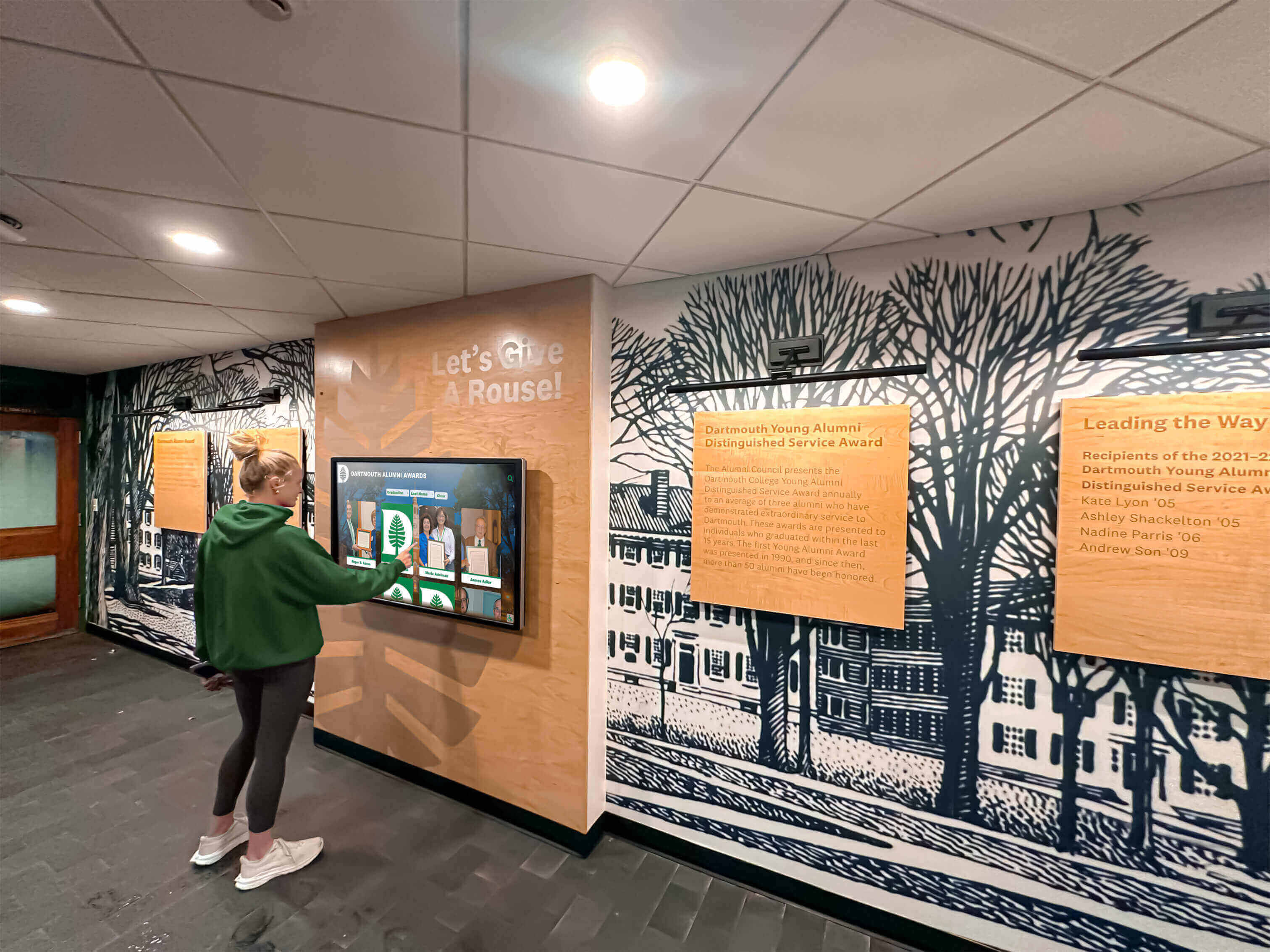
Interactive recognition systems engage students year-round with character and achievement examples
Technology Solutions for Comprehensive Recognition
Modern technology enables schools to showcase sportsmanship recognition alongside competitive achievement through dynamic, engaging platforms extending beyond traditional trophy cases.
Digital Recognition Display Advantages
Purpose-built digital recognition systems transform how schools celebrate character while creating permanent, accessible acknowledgment.
Digital Platform Benefits:
Unlimited Recognition Capacity: Digital displays accommodate unlimited sportsmanship award recipients across multiple years without physical space constraints limiting traditional trophy cases.
Rich Multimedia Content: Include photos, videos showing sportsmanship moments, written citations, coach comments, and biographical information creating comprehensive profiles impossible with plaques.
Easy Updates and Maintenance: Add new recipients instantly through web-based content management without physical installation, engraving waits, or space reconfiguration.
Search and Filter Functionality: Students, families, and community members can search sportsmanship award recipients by sport, year, or athlete name, creating engaging discovery experiences.
Remote Accessibility: Online extensions enable families, alumni, and community members worldwide to view recognition, extending impact beyond on-campus visitors.
Integration with Achievement Recognition: Seamlessly display sportsmanship recognition alongside competitive achievements, demonstrating balanced institutional priorities celebrating character and performance equally.
Year-Round Visibility: Maintain recognition visibility throughout year rather than seasonal trophy case displays, reinforcing sustained character emphasis.
Solutions like digital recognition displays from Rocket Alumni Solutions provide purpose-built platforms designed specifically for educational recognition, offering functionality traditional displays cannot match while demonstrating institutional commitment to celebrating student character.
Implementation Considerations
Successful technology implementation requires strategic planning addressing technical, budgetary, and cultural factors.
Planning Considerations:
Display Placement: Position touchscreen displays in high-traffic athletic facility areas—main lobbies, cafeterias, gym entrances, locker room corridors—ensuring maximum visibility and student engagement.
Content Strategy: Develop comprehensive content including sportsmanship award history, selection criteria, coach perspectives, and recipient profiles creating engaging experiences beyond basic name lists.
Staff Training: Train athletic department staff on content management systems enabling regular updates without IT department dependency.
Budget Planning: Digital recognition systems typically require $6,500-$15,000 initial investment with $1,000-$3,000 annual operating costs including software licensing, support, and updates.
Stakeholder Communication: Share technology implementation plans with coaches, athletes, parents, and community, building support and excitement for enhanced recognition capabilities.
Integration with Existing Systems: Coordinate with existing athletic department technology, school communication platforms, and website infrastructure ensuring cohesive digital ecosystem.
Understanding best practices for implementing digital athletic recognition helps schools avoid common pitfalls while maximizing recognition program impact.
Common Challenges and Solutions
Schools implementing sportsmanship recognition programs encounter predictable obstacles. Understanding common challenges and proven solutions accelerates successful implementation.
Challenge: Subjective Evaluation Concerns
The Problem: Unlike statistical athletic achievement, character qualities involve subjective judgment raising fairness concerns and questioning selection legitimacy.
Solutions:
- Establish specific behavioral indicators translating abstract qualities into observable conduct
- Use multiple evaluators from diverse perspectives reducing individual bias
- Document specific examples supporting nominations rather than general impressions
- Create evaluation rubrics providing structure and consistency across assessments
- Maintain transparent selection processes with clear criteria published to community
- Accept that some subjectivity remains inevitable while ensuring fairness through process rigor
Challenge: Limited Athlete Pool Receiving Recognition
The Problem: Programs presenting single annual sportsmanship awards limit recognition to few athletes, potentially missing many deserving student-athletes.
Solutions:
- Implement multiple award categories (team awards, sport-specific, position-specific)
- Create tiered recognition including honorable mentions beyond single recipient
- Establish regular informal recognition throughout seasons alongside formal awards
- Celebrate team sportsmanship alongside individual recognition
- Use digital platforms enabling unlimited historical recognition visibility
- Integrate sportsmanship acknowledgment into all-sports awards programs
Challenge: Perception of Sportsmanship as “Consolation Prize”
The Problem: Athletes may perceive sportsmanship recognition as consolation for athletes who don’t excel competitively, undermining recognition significance and desirability.
Solutions:
- Present sportsmanship recognition as prestigious honor equivalent to competitive awards
- Include successful athletes among recipients demonstrating compatibility between character and competitive excellence
- Have administrators, community leaders, or accomplished alumni present sportsmanship awards elevating prestige
- Create substantial physical recognition (quality trophies, plaques, permanent displays) demonstrating importance
- Share specific challenging examples of sportsmanship demonstration rather than generic praise
- Emphasize post-athletic career value of character qualities developed through sportsmanship
Challenge: Inconsistent Coach Buy-In
The Problem: Some coaches prioritize competitive results over character development, viewing sportsmanship emphasis as soft or peripheral to athletic mission.
Solutions:
- Include sportsmanship culture development in coach evaluation and accountability
- Provide professional development demonstrating competitive benefits of positive culture
- Share research connecting team cohesion, sportsmanship, and competitive success
- Recognize coaches whose teams demonstrate exceptional sportsmanship culture
- Establish administrative expectations regarding character development as evaluation priority
- Celebrate examples where sportsmanship emphasis contributed to competitive success
Challenge: Administrative and Time Burden
The Problem: Comprehensive sportsmanship programs require time, attention, and administrative resources potentially overwhelming busy athletic staff.
Solutions:
- Start with simple implementation focusing on core elements before expanding
- Distribute responsibilities across athletic staff, coaches, and parent volunteers
- Use existing structures (team banquets, all-sports nights) for recognition rather than creating separate events
- Leverage technology reducing manual update and maintenance burden
- Build systems requiring minimal ongoing effort once established
- Focus on quality over quantity, doing fewer elements well rather than comprehensive but superficial programs
Promoting Sportsmanship Recognition
Even excellent programs create limited impact without effective promotion ensuring awareness, understanding, and engagement from athletes, families, and community.
Communication Strategies
Systematic communication throughout season and school year maintains sportsmanship emphasis visibility and priority.
Promotion Approaches:
Preseason Communication: Introduce award criteria, selection processes, and previous recipients during preseason meetings with athletes and families, establishing awareness and expectations early.
Social Media Highlighting: Share sportsmanship moments, award announcements, and recipient profiles through school and athletic department social media, demonstrating celebration of character alongside competitive results.
Website Features: Create dedicated sportsmanship recognition pages on athletic department websites including award criteria, historical recipients, and selection committee information.
Program and Game Day Materials: Include sportsmanship information in event programs, game day announcements, and venue signage, communicating priorities to athletes and spectators.
Local Media Relations: Share sportsmanship award announcements with local media, generating community awareness and positive publicity for athletic program character emphasis.
Alumni Connections: Feature current sportsmanship recipients in alumni communications, demonstrating sustained institutional values and creating mentorship opportunities.
Parent Communication: Regular updates to families through team communications highlighting sportsmanship emphasis and individual recognition creating family engagement and support.
Consistent communication demonstrates authentic institutional commitment rather than token recognition receiving minimal visibility.
Conclusion: Building Character Through Athletic Competition
High school sportsmanship award programs represent far more than nice additions to athletic recognition systems—they embody institutional commitment to developing well-rounded student-athletes prepared for success beyond playing fields. By establishing clear criteria defining exemplary character, implementing fair selection processes, creating meaningful recognition experiences, and integrating sportsmanship emphasis throughout athletic culture, schools demonstrate authentic priority on character development alongside competitive excellence.
The student-athletes who demonstrate exceptional sportsmanship—maintaining composure under competitive pressure, treating opponents and officials with consistent respect, encouraging struggling teammates, and modeling integrity when tempted toward shortcuts—develop qualities serving them throughout lives: emotional regulation, resilience, empathy, leadership, and ethical decision-making. These character qualities contribute more to long-term success than athletic skills that fade with age.
Modern solutions like digital recognition displays enable schools to showcase sportsmanship recognition prominently alongside competitive achievement, demonstrating balanced institutional values celebrating both performance and character. These systems provide unlimited recognition capacity, engaging multimedia content, easy maintenance, and year-round visibility reinforcing sustained emphasis on sportsmanship as educational athletics priority.
Elevate Your Athletic Recognition Program
Discover how Rocket Alumni Solutions can help your school create comprehensive recognition celebrating athletic achievement and exemplary character through engaging digital displays that inspire current athletes while honoring program values.
Explore Recognition SolutionsBy thoughtfully implementing comprehensive sportsmanship recognition programs, schools fulfill educational athletics missions preparing student-athletes for success in college, careers, and life while building positive program cultures that benefit all participants. The character qualities celebrated through sportsmanship awards—respect, integrity, composure, teamwork, and resilience—represent the most valuable lessons athletics can teach, extending impact far beyond wins, losses, and championship trophies that eventually collect dust in storage rooms.
When student-athletes understand that their schools notice and celebrate character as prominently as competitive achievement, they receive clear messages about institutional priorities, behavioral expectations, and the qualities defining true success. These messages shape not just athletic participation but approaches to academics, relationships, challenges, and opportunities throughout lives, creating lasting impact justifying educational athletics investment and demonstrating sport’s powerful capacity for developing exceptional young people prepared to contribute positively to communities and society.































