High school wrestling state tournament brackets represent one of the most demanding and competitive formats in all of prep athletics. Unlike team sports where a single elimination game determines a winner, wrestling tournaments use sophisticated double-elimination bracket systems that give wrestlers multiple paths to victory while ensuring the best competitors ultimately reach championship finals. These brackets test not just athletic skill but mental toughness, strategic coaching, and the ability to persevere through adversity—qualities that make wrestling state tournaments unforgettable experiences for athletes, coaches, and fans.
Whether you’re a wrestling coach preparing your athletes for state competition, an athletic director planning tournament recognition, a parent supporting a wrestler through their postseason journey, or a school administrator looking to honor wrestling achievements, understanding tournament bracket structure, seeding criteria, and modern recognition approaches helps you fully appreciate and celebrate the exceptional accomplishments that state wrestling tournaments represent.
State wrestling tournaments create defining moments in high school athletic careers. The path to a state championship often requires winning five or six matches over two or three days against increasingly difficult competition, with each victory bringing wrestlers one step closer to standing atop the podium with a state medal around their neck. These grueling tournaments demand peak physical conditioning, technical mastery, and extraordinary mental resilience that distinguish wrestling from other high school sports.
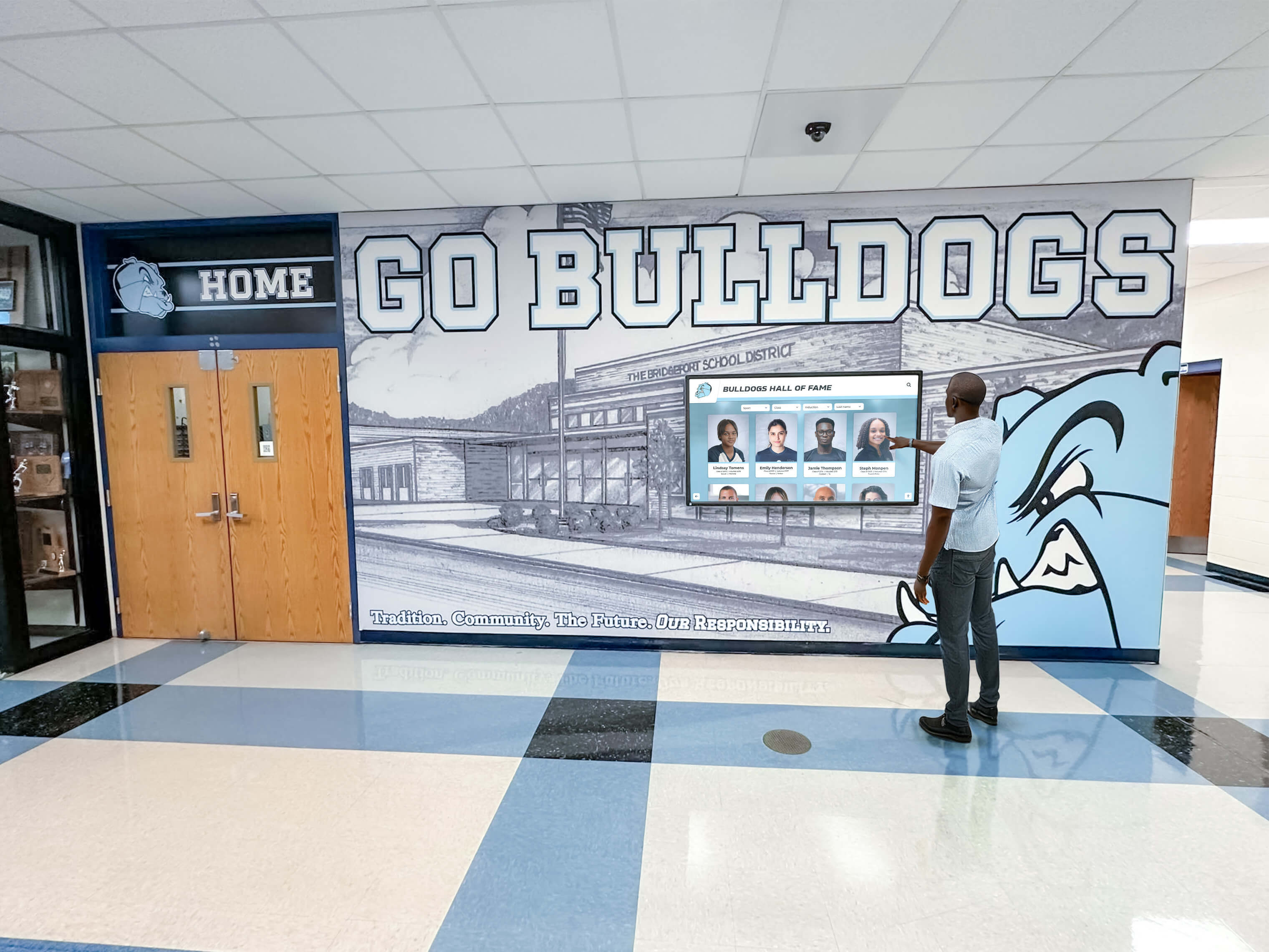
Modern interactive displays celebrate wrestling tournament achievements and state championship traditions
Understanding High School Wrestling Tournament Bracket Structure
High school wrestling state tournaments utilize specialized bracket formats designed to identify the best wrestlers at each weight class while providing meaningful placement for top finishers. These sophisticated systems differ significantly from simple single-elimination brackets used in many other sports.
Double Elimination Tournament Format
Wrestling tournaments predominantly use double-elimination formats where wrestlers must lose twice before elimination from medal contention. This structure ensures that a wrestler who loses one match—perhaps to the eventual state champion in an early round—still has opportunity to place highly through the consolation bracket path.
The Championship (Winners) Bracket:
First-round winners proceed into the championship bracket where they compete in what resembles a traditional single-elimination tournament. These wrestlers continue advancing through quarterfinals and semifinals toward the championship finals as long as they keep winning. A single loss drops them into the consolation bracket rather than eliminating them entirely from championship contention.
The championship bracket path represents the most direct route to a state title, typically requiring 4-5 victories depending on bracket size and wrestler placement. Wrestlers who navigate the championship bracket without losses reach the finals with momentum and confidence built through consecutive victories against increasingly skilled opponents.
The Consolation (Wrestleback) Bracket:
Wrestlers who lose their first match or who drop from the championship bracket enter the consolation bracket, commonly called the “wrestleback” bracket. This parallel tournament gives competitors who suffered single defeats opportunity to battle back for third place or higher finishes rather than being eliminated after one loss.
The consolation bracket typically follows a complex structure ensuring that wrestlers who lost to eventual finalists don’t face each other until necessary. This bracket design allows the legitimately strongest wrestlers to place appropriately even if they happened to face the eventual champion or runner-up in early rounds—a common occurrence when seeding isn’t perfect or when upset victories occur.
Tournament Round Progression
Initial Rounds and Quarterfinals:
State tournaments typically begin with preliminary rounds that narrow large fields toward quarterfinal stages. At this point, sixteen wrestlers (in a typical 16-person bracket) or thirty-two wrestlers (in 32-person brackets) compete for advancement toward championship semifinals. First-round losers drop immediately into consolation first rounds while winners advance in the championship bracket.
Semifinals and Championship Finals:
Championship bracket semifinals determine which two wrestlers will compete for the state title. These matches represent critical junctures where one loss means wrestlers cannot win the championship but can still compete for third place through the consolation bracket. The two semifinal winners meet in the championship finals to determine the state champion at that weight class.
Consolation Semifinals and Medal Rounds:
While championship bracket wrestlers compete in semifinals, the consolation bracket simultaneously determines third and fifth place finishers. Consolation semifinals feed into matches that award third place (the winner of the consolation bracket) and fifth place medals, with additional matches determining seventh place in many state formats.

Professional displays in athletic facilities showcase wrestling championships alongside other sports achievements
Typical Bracket Sizes and Formats
16-Wrestler Brackets:
Sixteen-wrestler brackets represent common state tournament sizes, particularly in smaller states or in weight classes with fewer qualifiers. These brackets feature four preliminary rounds leading to eight quarterfinalists, then four semifinalists, and ultimately two finalists. Consolation brackets in 16-person formats determine third through eighth place finishers, with all eight quarterfinalists guaranteed medals in many state formats.
32-Wrestler Brackets:
Larger states with more qualifying wrestlers often use 32-person brackets allowing broader participation while maintaining competitive tournament structure. These brackets add an additional preliminary round before quarterfinals, creating longer tournament runs requiring five victories to reach finals from the bottom of the bracket. The additional round increases physical and mental demands while testing wrestler depth and conditioning.
Modified Formats for Large Tournaments:
Some states with extremely high wrestling participation implement modified bracket formats to keep tournaments manageable within available timeframes and facility constraints. These might include preliminary district tournaments that qualify limited numbers to state championships, or hybrid formats that combine elements of pool play with traditional brackets for preliminary rounds before transitioning to conventional championship and consolation bracket structures.
Wrestling Tournament Seeding and Bracket Placement
Seeding represents a crucial element in tournament brackets, determining which wrestlers face each other in various rounds and significantly affecting paths to championships. Proper seeding ensures the strongest wrestlers don’t eliminate each other prematurely while providing fairness and competitive balance throughout tournaments.
Seeding Criteria and Methods
Win-Loss Records and Career Accomplishments:
Seeding committees typically prioritize overall season records and career accomplishments when determining wrestler placement in state tournament brackets. A wrestler with a 35-2 record generally receives higher seeding than one with a 28-8 record, all else being equal. Returning state champions or placers often receive preferential seeding based on proven championship tournament performance.
Head-to-Head Results:
When two wrestlers with similar records are being seeded, head-to-head results from earlier in the season provide objective evidence of competitive advantage. If Wrestler A defeated Wrestler B during the regular season, seeding committees typically place Wrestler A higher, though committees may consider the margin of victory and whether the match occurred early or late in the season when assessing relative strength.
Common Opponent Performance:
When wrestlers haven’t faced each other directly, seeding committees analyze results against common opponents. If Wrestler A decisioned a common opponent while Wrestler B barely won, committees may infer Wrestler A’s superior strength at that weight class. This analysis grows more sophisticated when committees have detailed statistical data about match results and scoring patterns throughout seasons.
Qualifying Tournament Performance:
Many states determine state tournament seeding directly from regional or district qualifying tournament results. Regional champions might be seeded 1-4, regional runners-up seeded 5-8, regional third-place finishers seeded 9-12, and regional fourth-place finishers receiving remaining seeds. This objective criteria creates clear pathways to favorable state seeding while minimizing seeding committee subjectivity and controversy.
Coaches Polls and Rankings:
Some states incorporate coaches polls or statewide rankings into seeding decisions, particularly for top seeds where competitive separation may be minimal. Coaches voting systems aggregate opinions from across the state about wrestler relative strength, though these subjective assessments sometimes generate controversy when rankings don’t align with objective performance measures.
Strategic Bracket Placement
Top Seeds Distribution:
Bracket construction places top seeds in bracket positions ensuring they cannot meet until late rounds if all higher seeds advance as expected. The #1 seed typically appears in the top bracket position with #2 seed at the bottom bracket position, ensuring they could only meet in finals. The #3 and #4 seeds position in opposite bracket halves, creating semifinal matchups between 1-4 and 2-3 seeds if seeding holds through early rounds.
Unseeded Wrestler Placement:
After seeded wrestlers receive bracket positions, remaining unseeded qualifiers are placed through random draw or geographic distribution to avoid teammates facing each other in opening rounds when possible. This random placement creates uncertainty and opportunity, as unseeded wrestlers who perform beyond their seeding can advance deep into tournaments through favorable bracket draws.
Bracket Advancement and Upset Implications
When Upsets Occur:
Wrestling tournaments frequently feature upset victories where lower-seeded wrestlers defeat higher-seeded opponents. These upsets reshape bracket dynamics, as wrestlers who defeat higher seeds assume favorable bracket positions while the upset wrestlers drop into more challenging consolation bracket paths. A wrestler who upsets the #1 seed in quarterfinals suddenly becomes a championship finals favorite despite entering as an underdog.
Consolation Bracket Opportunities:
The double-elimination format means early-round upsets don’t necessarily prevent wrestlers from placing highly. A #2 seed who loses an upset match in semifinals can still win third place through the consolation bracket, and if the wrestler who defeated them wins the championship, the upset victim’s loss came to the eventual state champion—a respectable result that doesn’t diminish the wrestler’s season accomplishments.
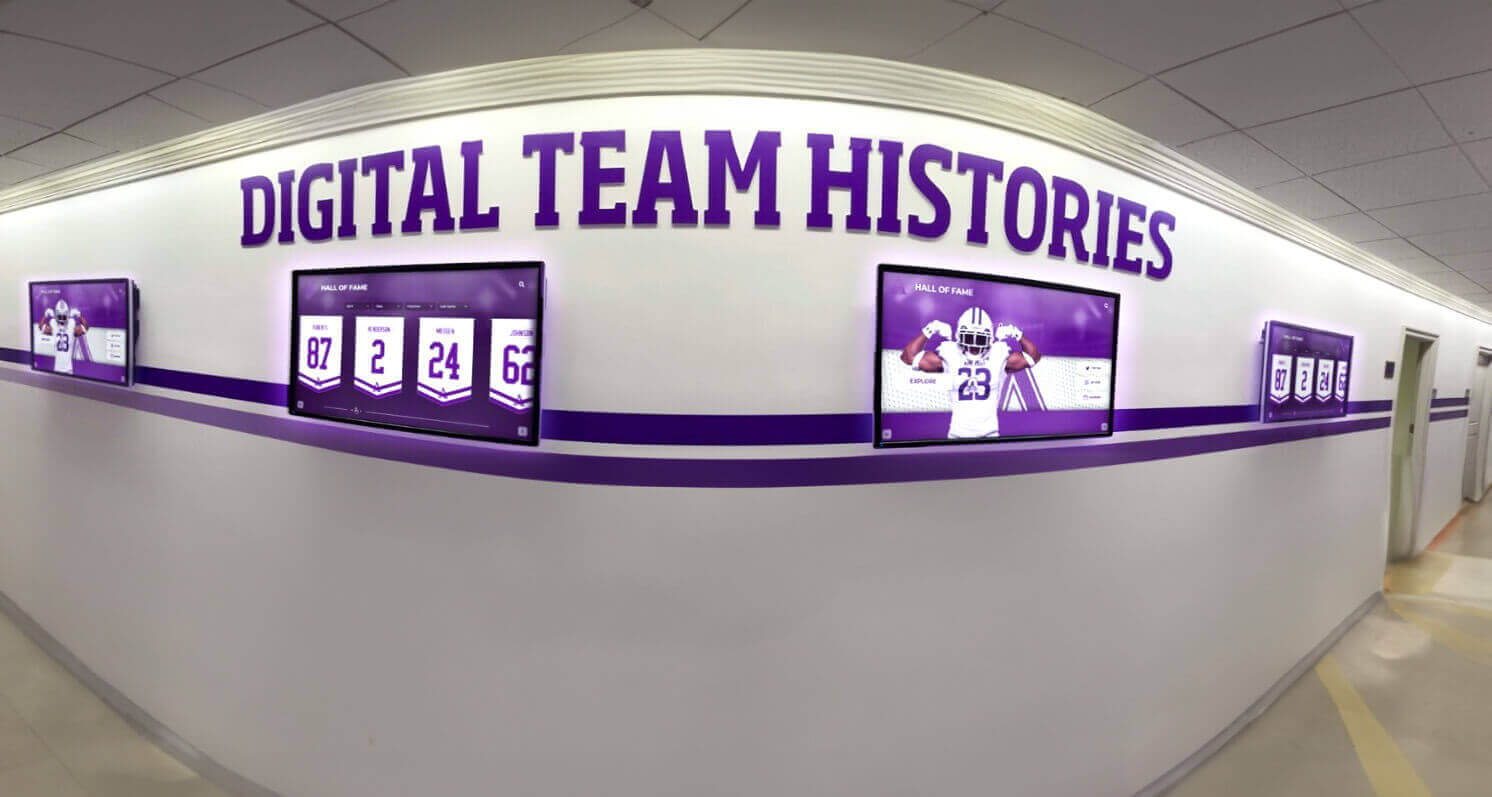
Digital displays showcase complete wrestling team histories across multiple championship seasons
Weight Class Structure in State Wrestling Tournaments
Wrestling tournaments organize competition by weight class rather than grade level, creating unique competitive dynamics where freshmen might wrestle seniors if they compete at the same weight. This structure emphasizes skill and technique over pure physical size while requiring strategic decisions about weight management and lineup optimization.
Standard High School Weight Classes
High school wrestling typically features 14 weight classes spanning from 106 pounds through heavyweight (often 285 pounds maximum). Common weight classes include 106, 113, 120, 126, 132, 138, 145, 152, 160, 170, 182, 195, 220, and 285 pounds, though specific weight designations vary slightly by state and year.
Weight Class Considerations:
Wrestlers and coaches make strategic decisions about optimal competitive weight classes based on multiple factors including natural body weight and frame, competitive depth at various weight classes, potential for weight cutting versus competing at higher weights, and team lineup needs for dual meet competitions. These decisions significantly affect tournament bracket placements as wrestlers must qualify for state at specific weight classes where they’ll compete.
Weight Certification and Management:
High school wrestling regulations mandate weight certification programs and minimum weight requirements designed to prevent unhealthy weight cutting practices. Wrestlers establish minimum weights early in seasons and cannot compete below these certified minimums even if they could make weight, protecting athlete health while maintaining competitive fairness. State tournament weigh-ins occur on tournament mornings, ensuring wrestlers make weight immediately before competing.
Girls Wrestling Emerging Weight Classes
Girls high school wrestling has experienced tremendous growth, with many states now sanctioning separate girls state championships featuring weight classes adapted for female athletes. These championships might include weight classes such as 100, 107, 114, 120, 126, 132, 138, 145, 152, 165, 185, and 235 pounds, creating competitive structures appropriate for girls wrestling rather than simply adopting boys weight class structures.
The expansion of girls wrestling creates additional opportunities for schools to recognize wrestling excellence across both boys and girls programs, as championship traditions now span multiple tournaments and weight classes that together represent complete wrestling program achievements.
Preparing for State Tournament Bracket Competition
Success in state tournament brackets requires more than just technical wrestling skill. The mental, physical, and strategic demands of double-elimination tournament formats test wrestlers across multiple dimensions that differentiate tournament competition from dual meet wrestling.
Physical Preparation and Tournament Readiness
Multi-Match Endurance:
State tournaments typically require wrestlers to compete in 4-6 matches over 2-3 days, creating stamina and recovery demands unlike regular season competition. Successful wrestlers must maintain technical execution and mental focus through multiple matches with minimal recovery time between rounds, particularly when morning and evening sessions occur on the same day.
Physical preparation for tournament brackets includes conditioning work emphasizing sustained output across multiple efforts, practicing tournament-pace scheduling where wrestlers compete multiple times with limited rest between matches, and developing rapid recovery techniques including nutrition, hydration, and active recovery between tournament sessions.
Weight Management Through Tournaments:
Making weight represents an ongoing challenge throughout multi-day tournaments, as wrestlers must maintain their competition weight through weigh-ins on each tournament day. Proper hydration and nutrition between matches becomes crucial, as wrestlers need adequate calories and fluids to fuel subsequent matches while still making weight the following morning.
Mental Preparation and Tournament Strategy
Responding to Bracket Position:
Wrestlers must adapt strategy based on bracket position and seeding. Higher seeds may feel pressure to perform according to expectations while lower-seeded wrestlers might embrace underdog mentality. Coaches help wrestlers focus on controlling what they can control—their preparation, effort, and technique—rather than fixating on seeding or opponent reputation.
Bouncing Back from Losses:
The double-elimination format demands mental resilience when losses occur. Wrestlers must quickly process disappointment, learn from mistakes, and refocus on the consolation bracket path. Athletes who dwell on losses often struggle in subsequent consolation matches, while wrestlers who maintain positive mindsets through adversity frequently rally to earn medals through the wrestleback bracket despite early setbacks.
Match-by-Match Focus:
Tournament success requires present-moment focus on each individual match rather than looking ahead to potential semifinal or finals opponents. Wrestlers who overlook immediate opponents often suffer upset losses, while competitors who concentrate exclusively on their next opponent maintain the intensity needed to advance through challenging brackets regardless of seeding or expectations.
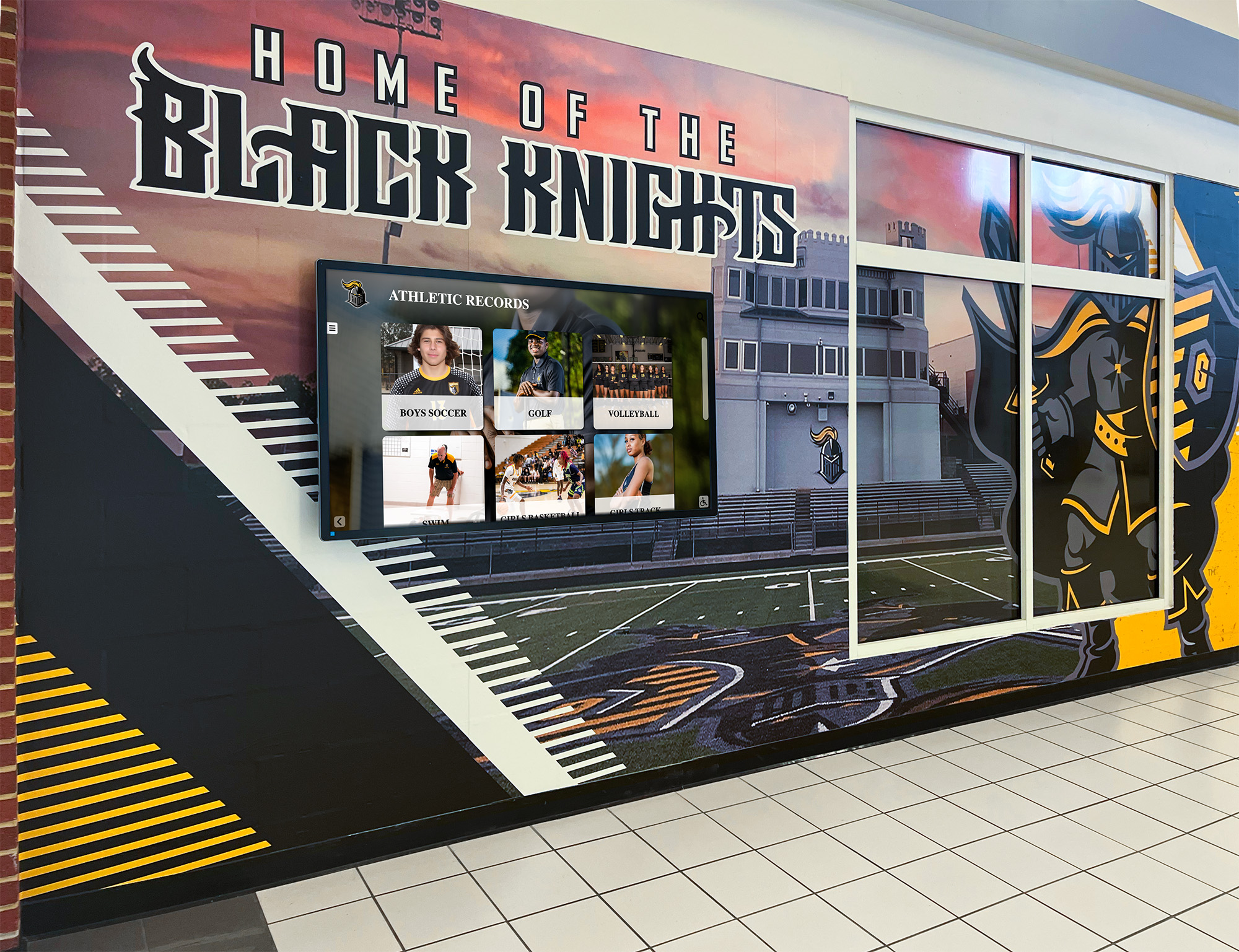
Athletic hallways integrate wrestling achievement recognition with comprehensive sports program displays
Recognizing Wrestling State Tournament Achievements
Wrestling state tournament achievements—whether state championships, podium finishes, or simply qualifying for state competition—represent pinnacle accomplishments in high school athletic careers that deserve lasting recognition honoring the dedication, discipline, and competitive excellence required to succeed in this demanding sport.
Traditional Wrestling Recognition Approaches
Championship Medals and Awards:
State wrestling tournaments award medals for top finishers at each weight class, typically recognizing first through sixth or eighth place with medals of varying colors distinguishing placement levels. These medals provide tangible recognition that wrestlers can keep forever, serving as permanent reminders of state tournament achievements and the work required to earn them.
Championship trophies for state titlists, team awards for schools with multiple champions or high team point totals, and special recognition for outstanding wrestlers create additional acknowledgment celebrating individual and team wrestling excellence. Many wrestlers display their state medals prominently in their homes, with these awards becoming treasured possessions that maintain significance long after high school careers conclude.
Photo Displays and Wrestling Walls:
Wrestling programs often create specialized recognition areas in athletic facilities showcasing state qualifiers, placers, and champions through photo displays, name plaques, and achievement documentation. These wrestling-specific recognition areas celebrate the unique accomplishments and competitive demands of the sport while creating visible traditions that inspire current wrestlers to pursue similar achievements.
Team photos from state tournament competitions, individual wrestler action shots from championship matches, and bracket sheets documenting tournament progression provide visual documentation that brings recognition to life beyond simple names and placement listings. These displays help viewers understand the competitive journey required to achieve state wrestling success rather than reducing accomplishments to basic facts.
Championship Banners:
Schools with strong wrestling traditions often display championship banners documenting team state titles or individual champion names in gymnasiums where team practices and competitions occur. These banners create immediate visual impact communicating program excellence while establishing cultural expectations for continued championship pursuit.
Modern Digital Recognition for Wrestling Excellence
While traditional recognition methods maintain important ceremonial value, digital recognition platforms have transformed what’s possible in celebrating wrestling achievements while addressing limitations inherent in physical displays.
Comprehensive Wrestler Profiles:
Digital platforms support detailed individual wrestler profiles documenting complete athletic careers rather than just state tournament results. These profiles can include complete season records and statistics, weight class history and progression, tournament results throughout careers, memorable match highlights and defining moments, personal quotes about wrestling experiences, and post-high school wrestling or life updates showing long-term impact of the sport.
This comprehensive documentation ensures every state qualifier receives appropriate recognition rather than limiting acknowledgment to only state champions or top placers. Wrestlers who compete honorably in tough state brackets deserve documentation celebrating their qualification achievement and tournament competitiveness even when they don’t medal, as simply reaching state represents exceptional accomplishment worthy of lasting recognition.
Tournament Bracket Preservation:
Digital systems can preserve complete tournament brackets showing the exact path wrestlers followed through state championships—who they wrestled, match scores, advancement progression through championship or consolation brackets, and where they finished relative to the full competitive field. These bracket documentations help viewers understand competitive difficulty and appreciate achievements within proper context.
Future wrestlers exploring program history can see exactly what previous state qualifiers and champions accomplished, understanding the specific opponents they defeated and the bracket positions they overcame. This level of detail creates richer historical records than basic placement listings alone provide.
Video Highlights and Match Documentation:
Digital platforms seamlessly integrate video highlights from championship matches, crucial tournament victories, and defining moments that state competitors experienced. When wrestlers and their families revisit recognition years later, they can watch the actual matches rather than just reading about them, creating emotional connections and vivid memories that static recognition cannot replicate.
Match footage provides extraordinary value for current wrestlers studying technique and strategy. Watching how previous state champions from their school won crucial matches or observing how past wrestlers overcame difficult opponents offers learning opportunities alongside recognition, as digital storytelling for athletic programs demonstrates across multiple sports.
Unlimited Recognition Capacity:
Physical display space constraints limit how many wrestlers and which achievements schools can recognize prominently. Digital platforms eliminate these space limitations entirely, allowing schools to recognize every state qualifier, every district champion, every significant achievement throughout program history without forcing difficult decisions about which accomplishments to display versus store away.
This unlimited capacity proves particularly valuable for wrestling programs with rich traditions spanning decades. Rather than only recognizing recent state qualifiers because gymnasium wall space ran out, digital systems ensure wrestlers from all eras receive equivalent prominent recognition regardless of when their achievements occurred.

Interactive displays enable exploration of individual wrestler profiles and tournament achievements
Building Wrestling Program Culture Through Recognition
Thoughtful recognition creates and reinforces program culture that inspires continued excellence while honoring traditions established by previous generations of wrestlers and coaches.
Motivating Current Wrestlers
Visible Evidence of Achievement:
When current wrestlers see former program members recognized for state tournament success, it provides concrete evidence that championship-level achievement is possible within their program. This visibility proves particularly important for younger wrestlers or those from programs without recent state success, as recognition demonstrates that excellence is achievable rather than an impossible dream.
Digital recognition systems that showcase complete wrestler journeys—including struggles, setbacks, and the work required to reach state—provide realistic inspiration rather than creating unrealistic expectations. Seeing how previous state qualifiers trained, overcame adversity, and developed their skills helps current wrestlers understand the controllable factors that contribute to tournament success.
Creating Performance Standards:
Recognition of past state qualifiers and champions establishes clear performance standards for current program members. When wrestlers understand exactly what previous generations accomplished—specific records, tournament results, and competitive achievements—they gain concrete targets to pursue rather than vague aspirations toward “success.”
This standard-setting function helps coaches communicate expectations while providing motivation grounded in program tradition. Rather than abstract discussions about “working hard,” coaches can reference specific past wrestlers who achieved results through dedication, connecting current training efforts to proven pathways toward state tournament success.
Honoring Wrestling Coaching Excellence
Coach Recognition and Legacy:
Wrestling coaches who guide wrestlers to state success deserve recognition alongside their athletes. Digital platforms can document complete coaching careers including total state qualifiers and placers developed, coaching philosophy and training approaches, technical expertise and teaching methods, championship moments and defining victories, and long-term impact on wrestlers’ lives beyond competitive success.
Many successful wrestling programs build sustained excellence through coaching continuity and the systems coaches establish. Recognizing coaching contributions demonstrates that individual wrestler achievements occurred within frameworks coaches created, validating the profound influence coaches have on wrestler development and program success. Comprehensive academic recognition programs across schools demonstrate how celebrating educational excellence applies equally to athletic coaching achievement.
Connecting Wrestling Tradition Across Generations
Multi-Generational Program Participation:
Wrestling often sees multi-generational family participation, with current wrestlers following parents or siblings who competed previously. Digital recognition systems can explicitly highlight these family connections, showing how wrestling tradition passes through generations and how current wrestlers continue legacies their relatives established.
These generational connections strengthen program culture and community bonds while creating additional motivation. Wrestlers competing in the same weight classes their fathers or mothers wrestled decades earlier feel special connections to program history and extra determination to honor family traditions through their own state tournament performances.
Alumni Engagement Opportunities:
Wrestling recognition creates natural touchpoints for engaging alumni, particularly during state tournament weekends when former wrestlers often return to support current teams. Schools can leverage recognition to organize reunion events during state tournaments, feature “where are they now” updates on former state competitors, connect alumni with current wrestlers for mentorship relationships, and cultivate alumni support for wrestling program fundraising and enhancement.
These engagement strategies demonstrate that wrestling recognition serves purposes beyond simply documenting past achievements, creating ongoing value through strengthened alumni relationships and sustained program support that benefits current and future wrestlers.
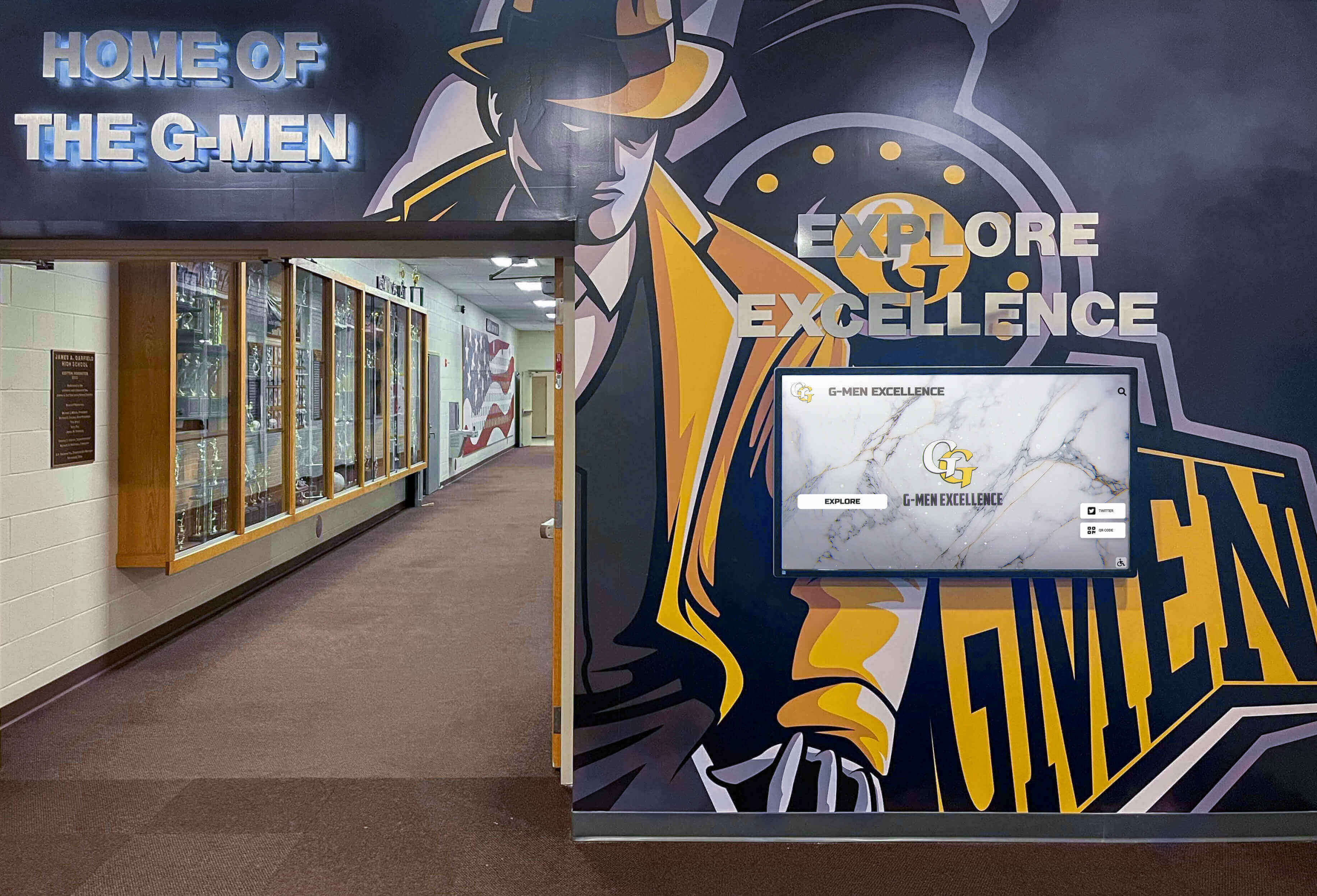
Modern athletic hallways combine traditional trophy displays with digital recognition for comprehensive celebration
Planning Comprehensive Wrestling Recognition Programs
Schools committed to honoring wrestling achievements benefit from systematic approaches integrating recognition into broader athletic department cultures while ensuring wrestling receives appropriate prominence alongside other sports.
Assessment and Goal Setting
Current Recognition Inventory:
Begin by evaluating existing wrestling recognition including which achievements currently receive display, gaps in historical documentation or acknowledgment, available space for physical recognition in wrestling rooms or gymnasiums, and stakeholder perspectives about wrestling recognition priorities.
Understanding current state provides baseline for enhancement while identifying specific needs that improved recognition should address. Are you primarily addressing space limitations in existing displays? Creating more engaging experiences for current wrestlers? Preserving wrestling program history before institutional memory fades? Different goals suggest different recognition approaches.
Budget Considerations for Wrestling Recognition
Traditional Recognition Costs:
Wrestling-specific traditional recognition typically includes state qualifier or placer plaque production at $50-150 per athlete, championship banner fabrication ranging $200-500 depending on size and design, trophy case expansion or renovation costing $3,000-15,000, and mat room signage or wall graphics celebrating program achievements.
These costs accumulate over years as programs continue achieving success, with recurring expenses for each new state qualifier or champion requiring ongoing budget allocation.
Digital Recognition Investment:
Digital recognition platforms require initial investment for touchscreen display hardware, recognition software platforms, content development and historical digitization, professional installation, and staff training. Total implementation typically ranges $10,000-$30,000 depending on scope and feature sets.
While initial investment exceeds traditional approaches, long-term value often proves superior when considering unlimited recognition capacity without space constraints, elimination of per-achievement production costs for new recognition, substantially enhanced storytelling and engagement capabilities, and worldwide accessibility through web-based platforms enabling alumni access regardless of location.
Content Development for Wrestling Recognition
Historical Research:
Comprehensive wrestling recognition requires systematic content collection including complete state qualifier and placer lists throughout program history, individual wrestler records and season statistics, tournament bracket results and match scores, coach histories and career accomplishment documentation, team photo archives from state tournament competitions, and media coverage from championship seasons and breakthrough achievements.
Historical research proves time-intensive but creates invaluable content ensuring wrestling program history is preserved accurately for future generations. Many schools discover that systematic documentation doesn’t exist for earlier decades, requiring yearbook research, newspaper archives, and interviews with former coaches and wrestlers to reconstruct complete program histories.
Ongoing Documentation Systems:
Establish processes ensuring future state qualifiers receive complete documentation from their tournament experiences including immediate post-tournament photo collection, bracket preservation and results recording, match statistics and scoring documentation, wrestler quotes and reflection gathering, and video capture of key matches and tournament moments.
Proactive documentation proves far more efficient than attempting to reconstruct tournament details months or years later when memories fade and materials become difficult to locate. Assign specific staff responsibility for tournament documentation ensuring this important work doesn’t get overlooked during busy postseason periods.
Integration with Broader Athletic Recognition
Wrestling recognition works most effectively when integrated within comprehensive athletic recognition systems celebrating achievements across all sports rather than existing as isolated wrestling-only programs. Balanced recognition demonstrates schools value excellence in all athletics while ensuring wrestling receives appropriate acknowledgment alongside higher-profile sports that might otherwise dominate recognition resources.
Multi-sport recognition platforms where users can filter content by sport, view wrestling achievements within broader athletic department context, and understand how wrestling contributes to overall school athletic excellence strengthen department-wide culture while ensuring wrestling maintains appropriate visibility and celebration.
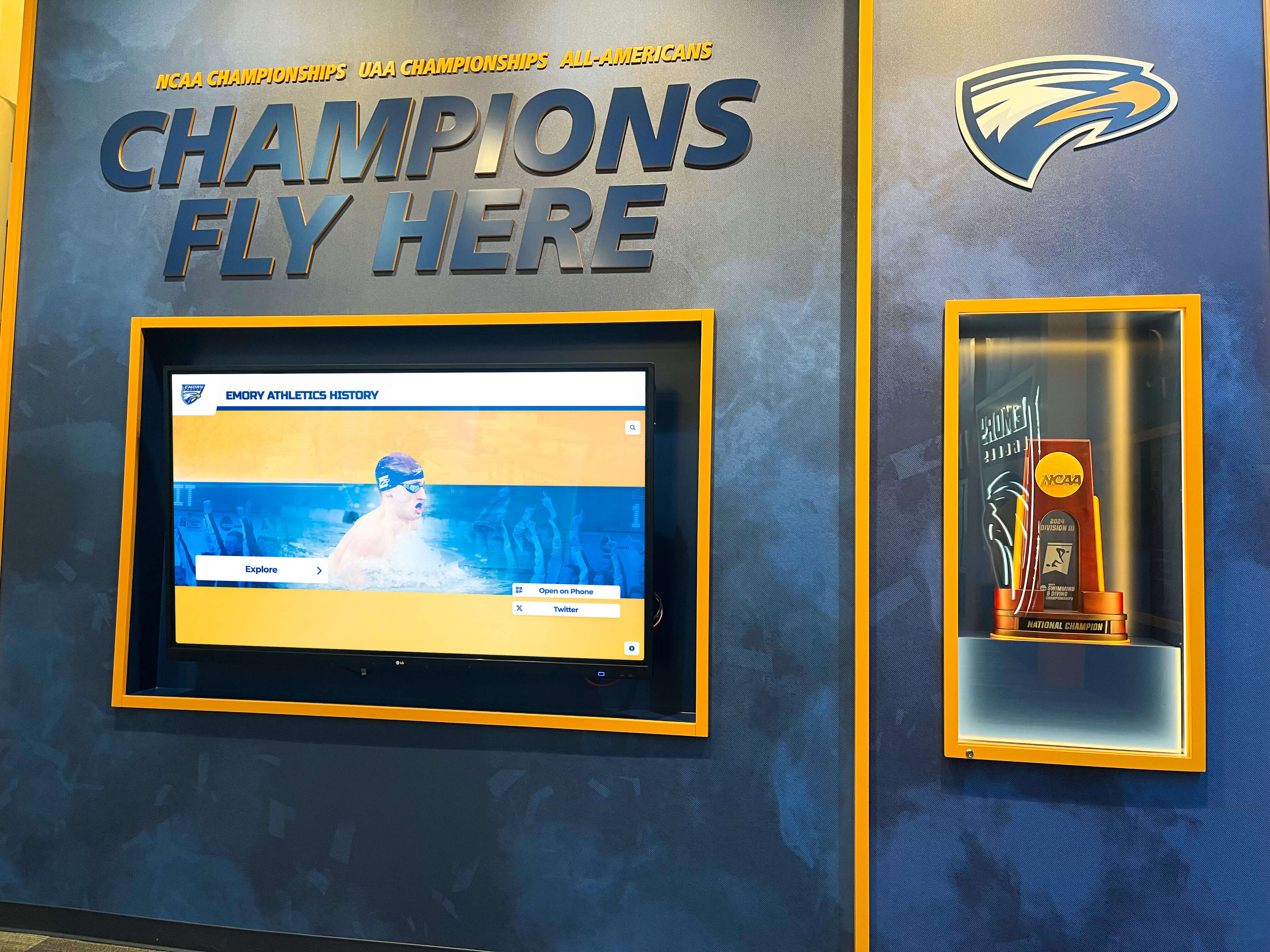
Professional recognition displays celebrate championship excellence across all athletic programs
The Future of Wrestling Tournament Formats and Recognition
High school wrestling continues evolving, with changes in tournament formats, technology integration, and recognition approaches transforming how state championships are conducted and celebrated.
Girls Wrestling Expansion
The rapid growth of girls high school wrestling creates new recognition needs as more states sanction separate girls state championships. Schools must ensure recognition systems accommodate both boys and girls wrestling equally, celebrating achievements across both programs without implying one is more important than the other.
This expansion doubles recognition needs for many wrestling programs, as they now honor state qualifiers and champions from separate tournaments at similar weight classes. Digital recognition platforms’ unlimited capacity proves particularly valuable in this context, as schools can comprehensively recognize both programs without space constraints limiting which achievements receive display.
Tournament Streaming and Digital Documentation
Many state wrestling associations now stream state tournament matches online, creating video documentation that historically didn’t exist except for championship finals. This video availability enables much richer recognition including complete match archives rather than just highlight clips, detailed technical analysis and breakdown opportunities, and permanent video records accessible years after tournaments conclude.
Schools leveraging these video resources in recognition programs create compelling content that brings wrestling achievements to life far beyond what static photos and text descriptions can accomplish. When future wrestlers can watch complete matches of every state placer in program history, they gain insights and inspiration impossible through traditional recognition alone.
Analytics and Performance Tracking
Advanced wrestling analytics tracking technical statistics, scoring patterns, and performance metrics throughout tournaments provide new recognition and storytelling opportunities. Digital platforms can showcase not just tournament results but the specific techniques, strategies, and skills that enabled success, creating educational recognition that helps current wrestlers learn from past program champions.
This analytical approach positions recognition as active developmental resource rather than purely ceremonial commemoration, creating ongoing value through technical insights that inform current wrestler training and competitive approaches.
Conclusion: Honoring Wrestling State Tournament Excellence
High school wrestling state tournament brackets create some of prep athletics’ most demanding and memorable competitive experiences. The double-elimination format, multi-day competition schedule, weight class structure, and mental demands required to succeed through these sophisticated bracket systems distinguish wrestling from other sports while creating achievements that deserve recognition matching their significance.
Whether through traditional medals, championship banners, and photo displays maintaining beloved traditions, or modern digital recognition platforms providing unlimited capacity and rich multimedia storytelling, thoughtful wrestling recognition demonstrates that schools value the exceptional dedication, discipline, and competitive excellence required to qualify for and succeed in state tournament competition.
The question isn’t whether wrestling state tournament achievements deserve recognition, but whether your school’s recognition approach adequately honors the competitive difficulty these accomplishments represent and appropriately inspires current wrestlers pursuing their own state tournament dreams through visible celebration of program tradition.
Celebrate Your Wrestling State Tournament Tradition
Discover how Rocket Alumni Solutions can help you create comprehensive wrestling recognition that honors state qualifiers and champions while inspiring future generations through modern digital displays showcasing complete program history.
Schedule Your Free ConsultationReady to honor your wrestling state tournament tradition with recognition that matches competitive significance? Explore how digital recognition displays designed specifically for athletic programs can transform how you celebrate the wrestlers and coaches who built your program’s state tournament legacy while inspiring those who will carry excellence forward into future seasons. Modern platforms enable you to preserve complete bracket histories, showcase individual athlete achievements, and create engaging recognition experiences that honor your complete athletic program throughout its history.































