
In an era when donor retention has fallen to historic lows—with only 43% of first-time donors making a second gift—effective donor recognition has transformed from a courtesy into a strategic imperative for fundraising success. Organizations that master the art of meaningful donor appreciation see 40% higher retention rates, 25% larger average gifts, and significantly stronger relationships that sustain missions across generations.
Yet many nonprofits, schools, and institutions struggle with donor recognition programs that feel transactional rather than transformational. Generic thank-you letters get filed away and forgotten. Static donor walls gather dust in forgotten hallways. Recognition efforts consume disproportionate staff time while failing to inspire continued giving or deepen donor engagement.
This comprehensive guide reveals how forward-thinking organizations are revolutionizing donor recognition through strategic approaches that combine authentic appreciation with innovative technology. Whether you’re launching a new recognition program, revitalizing existing efforts, or seeking to maximize donor retention and lifetime value, you’ll discover actionable strategies that transform donor recognition from administrative obligation into powerful relationship-building opportunities.
From understanding the psychology behind recognition to implementing modern digital donor walls, from crafting personalized appreciation to measuring recognition ROI, we’ll explore every dimension of highlighting donor recognition effectively. By implementing these proven approaches, your organization can create recognition experiences that honor generosity while inspiring continued philanthropic support that advances your mission.

Modern recognition displays transform donor appreciation from static lists into engaging experiences that celebrate generosity while inspiring continued support
Why Donor Recognition Matters: The Strategic Foundation
Effective donor recognition extends far beyond polite acknowledgment—it serves as a cornerstone of sustainable fundraising that directly impacts retention, acquisition, and lifetime donor value.
The Donor Retention Crisis and Recognition Solution
The fundraising landscape faces a persistent challenge: donor attrition rates have hovered around 50-60% for more than a decade, meaning organizations lose half their donors annually. This revolving door of contributors creates constant pressure to acquire new donors while watching established relationships fade.
Research consistently demonstrates that meaningful recognition directly addresses this retention crisis. Donors who feel genuinely appreciated give:
- 39% more over their lifetime compared to minimally recognized peers
- Consistently for 3x longer before lapsing in support
- At 25% higher average gift amounts in subsequent contributions
- With 40% better retention rates year over year
These compelling statistics reveal recognition as not merely a nice gesture but a critical fundraising strategy with measurable returns. Organizations investing in thoughtful recognition programs see compound benefits as retained donors become ambassadors who inspire others while increasing their own commitment.
The Psychology Behind Recognition Impact
Understanding why recognition works helps organizations design more effective appreciation strategies. Donor psychology research identifies four fundamental psychological needs that recognition fulfills:
Identity Reinforcement: Public recognition affirms donors’ self-concept as generous, values-driven individuals. When contributors see their names among fellow supporters, it validates their identity as philanthropists aligned with causes they care about. This identity reinforcement creates stronger commitment than transactional exchanges alone could generate.
Belonging and Community: Recognition creates inclusion in a community of like-minded supporters who share commitment to your mission. Donors appreciate being part of something larger than themselves—a collective effort creating meaningful change. Effective recognition highlights this community dimension, showing contributors they belong to an important movement.
Impact Visibility: Contributors want assurance that gifts create real change. Recognition connecting donations to tangible outcomes satisfies donors’ fundamental need to see their generosity matter. When appreciation clearly links contributions to program success, facility improvements, or beneficiary support, it validates giving decisions and inspires continued investment.
Legacy Creation: For many donors—particularly those making major or planned gifts—recognition provides a form of immortality. The opportunity to create lasting legacies that outlive individual lifetimes proves powerfully motivating. Recognition programs acknowledging this desire for permanence resonate deeply with contributors seeking meaningful ways their values will endure.

Social Proof and Giving Inspiration
Recognition serves another critical function: inspiring additional giving through social proof. When prospective donors see others contributing generously, they perceive giving as normal, expected behavior within their community.
This phenomenon—which behavioral economists call “herd behavior”—explains why visible recognition programs consistently correlate with increased fundraising success. Comprehensive donor walls demonstrating broad community support provide powerful validation that encourages others to join philanthropic efforts.
Effective digital donor recognition displays amplify social proof by making community support visible to broader audiences beyond those who visit physical facilities.
Essential Elements of Effective Donor Recognition Programs
Successful recognition programs share common characteristics that distinguish them from perfunctory acknowledgment efforts. Understanding these essential elements helps organizations build appreciation strategies that genuinely resonate with contributors.
Timeliness: The Critical First Principle
The timing of recognition dramatically impacts its effectiveness. Research shows that donor perception of appreciation follows a strict timeline:
- Within 48 hours: Donors feel highly valued and appreciated
- Within 1 week: Recognition feels appropriate and thoughtful
- Within 2-3 weeks: Acknowledgment seems adequate but not exceptional
- Beyond 1 month: Recognition feels perfunctory or afterthought
Organizations excelling at donor retention prioritize rapid recognition. Automated workflows ensure donors receive preliminary thanks within 24 hours, followed by personalized appreciation within 48-72 hours. This immediate response signals that contributions matter and that your organization values supporters enough to prioritize prompt acknowledgment.
For recurring donors, recognition timing shifts slightly—quarterly or annual appreciation becomes more appropriate than acknowledgment after every automated transaction. However, recognizing giving anniversaries, milestone totals, or significant increases should happen promptly whenever these occasions occur.
Personalization: Moving Beyond Generic Templates
Generic recognition—“Dear Donor, Thank you for your gift”—communicates that contributors are interchangeable revenue sources rather than valued individuals. Effective personalization transforms recognition from transaction acknowledgment into relationship building.
Essential Personalization Elements:
- Specific gift reference: Mention exact amount, date, and designated purpose
- Previous giving acknowledgment: Reference donor history and giving patterns
- Connection to impact: Explain specifically how this contribution advances mission
- Personal touches: Include details about donor interests, past engagement, or shared connections
- Appropriate formality: Match communication style to donor preferences and relationship stage
Technology enables personalization at scale. Modern donor management systems can automatically populate recognition templates with specific details while allowing manual customization for major donors or special circumstances. Solutions like Rocket Alumni Solutions provide comprehensive platforms that integrate recognition workflows with donor relationship management.

Personalized recognition profiles honor individual donors while demonstrating organizational appreciation for specific contributions
Authenticity: The Difference Between Obligation and Appreciation
Donors quickly detect whether recognition stems from genuine gratitude or bureaucratic obligation. Authentic appreciation requires:
Sincerity in Communication: Avoid flowery language that sounds like marketing copy. Express genuine thanks in straightforward terms that acknowledge the sacrifice inherent in charitable giving—donors chose your organization over countless alternatives and personal uses for their resources.
Leadership Engagement: Recognition carrying personal notes or signatures from executive directors, board members, or program leaders demonstrates organizational priority on donor relationships. Major donors particularly appreciate knowing leadership personally values their support.
Beneficiary Voices: Including perspectives from scholarship recipients, program participants, or community members directly served by donor generosity adds powerful authenticity. These voices provide concrete evidence that gifts create real change in real lives.
Honest Impact Reporting: Transparent communication about challenges alongside successes builds trust. Donors appreciate organizations that share genuine impact rather than presenting only sanitized success stories that may feel misleading or incomplete.
Variety: Multiple Recognition Touchpoints
Single recognition moments—no matter how thoughtful—prove less effective than sustained appreciation across multiple touchpoints. Comprehensive recognition strategies include:
Immediate Recognition:
- Automated email acknowledgment within 24 hours
- Personalized thank-you letter within 48 hours
- Phone call for gifts above certain threshold (typically $500-1,000)
- Personal note from leadership for major gifts ($5,000+)
Ongoing Recognition:
- Quarterly or annual donor reports showing cumulative impact
- Donation honor walls providing public acknowledgment
- Newsletter features highlighting donor stories
- Event invitations exclusive to supporters
- Anniversary recognition for milestone giving years
This varied approach ensures donors regularly encounter appreciation across different formats and contexts, reinforcing their valued status within your community while avoiding recognition fatigue that repetitive acknowledgment might create.
Modern Approaches: Digital Donor Recognition Displays
Traditional recognition methods—plaques, printed honor rolls, static displays—face inherent limitations that modern technology elegantly solves. Digital donor recognition displays represent one of the most powerful innovations transforming how organizations honor contributors.
Advantages of Digital Recognition Systems
Digital recognition platforms address multiple challenges simultaneously:
Unlimited Capacity: Physical plaques eventually fill available wall space, forcing difficult decisions about whose recognition to preserve versus remove. Digital displays recognize unlimited donors across all giving levels without spatial constraints. Organizations can honor every contributor from first-time $25 donors to transformational seven-figure gifts within the same system.
Easy Updates and Maintenance: Adding donors to traditional walls requires ordering plaques ($75-$300 each), scheduling installation, and coordinating fabrication delays spanning weeks or months. Digital systems allow instant updates through user-friendly content management platforms accessible from any internet-connected device. Staff can add dozens of new donors in minutes rather than managing complex physical update projects.
Rich Multimedia Storytelling: Static plaques communicate basic information—names, gift ranges, perhaps dates. Digital recognition enables comprehensive storytelling through photos, videos, donor testimonials, impact narratives, and interactive content. This multimedia approach creates emotional connections that text-only recognition cannot match.
Interactive Engagement: Digital volunteer recognition boards and donor walls invite exploration through search functionality, filtering options, and detailed profiles. Visitors spend significantly more time engaging with interactive displays compared to glancing at static plaques, increasing recognition impact and institutional connection.

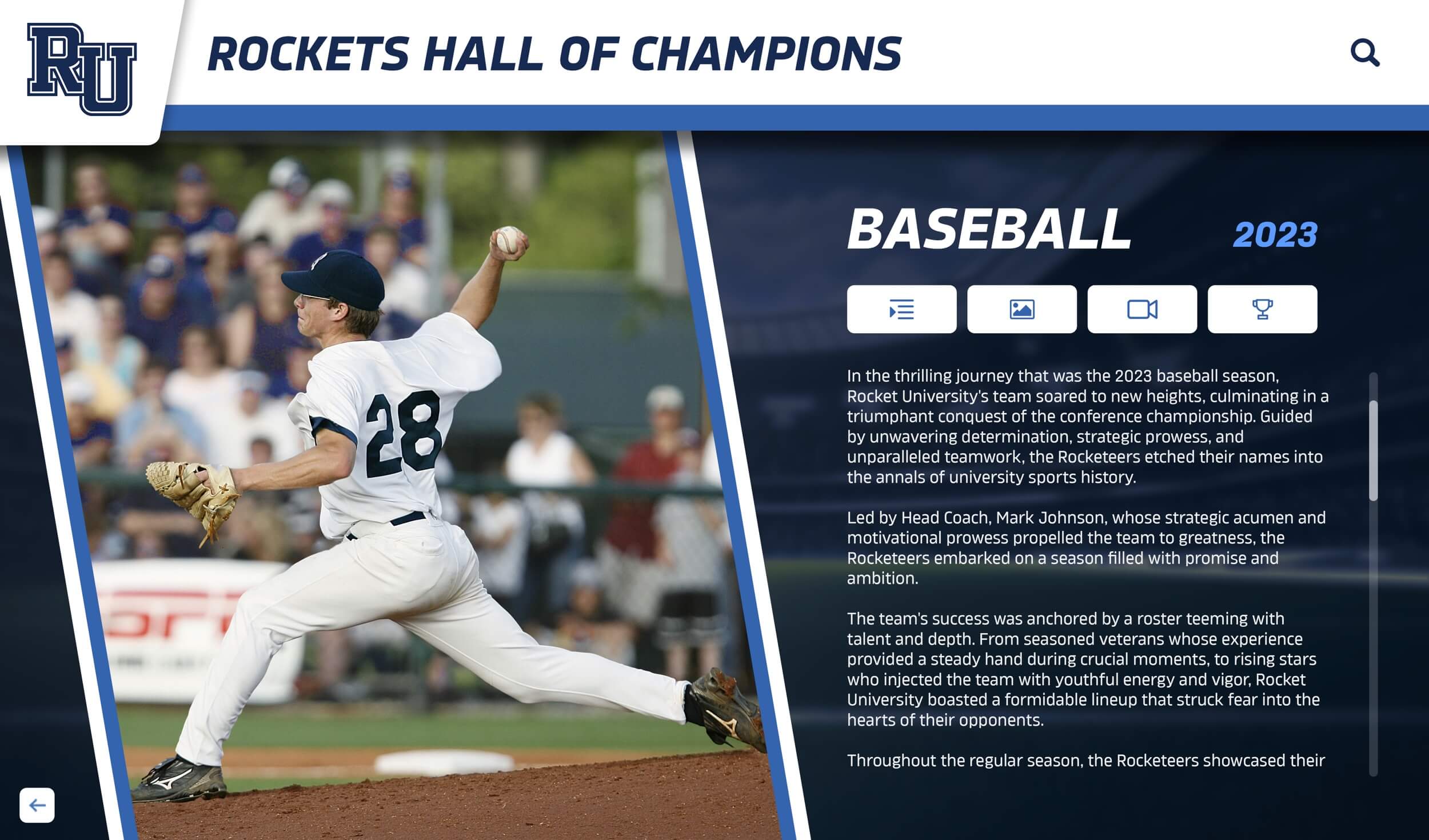
Interactive touchscreen displays enable comprehensive donor recognition with unlimited capacity and engaging multimedia content
Web Accessibility: Digital recognition extends beyond physical location through web-based companion displays. Donors anywhere in the world can view their recognition, share profiles on social media, and explore the full community of supporters. This accessibility proves particularly valuable for geographically dispersed alumni, remote community members, or supporters who cannot regularly visit facilities.
Analytics and Insights: Digital systems track engagement metrics—which donors receive most views, what search terms visitors use, how long people interact with content—providing valuable insights about recognition effectiveness. These analytics inform content strategy while demonstrating recognition program value to stakeholders.
Cost Efficiency Long-Term: While digital systems require higher initial investment ($15,000-$60,000 depending on scope), they eliminate ongoing per-donor costs and reduce long-term maintenance expenses. Organizations typically achieve cost parity with traditional approaches within 3-5 years while gaining substantial capability advantages.
Implementing Digital Donor Walls Effectively
Successful digital recognition implementation requires thoughtful planning across several dimensions:
Strategic Placement: Location dramatically impacts recognition effectiveness. High-traffic areas—main entrance lobbies, outside advancement offices, near event spaces—ensure maximum visibility. Consider sightlines, lighting conditions (avoiding glare), accessibility compliance, and contextual relevance when selecting installation locations.
Content Strategy: Plan recognition tiers that balance honoring all donors while providing appropriate differentiation for major gifts. Common structures include:
- Universal Listing: All donors by name at minimum giving threshold ($100-500)
- Enhanced Recognition: Photos and brief profiles for mid-level donors ($1,000-$10,000)
- Premium Recognition: Comprehensive profiles with videos, testimonials, and detailed impact stories for major donors ($10,000+)
- Legacy Recognition: Special sections for planned giving commitments, multi-generational family giving, and consecutive giving milestones
Design and Branding: Digital displays should reflect organizational identity through consistent color schemes, typography, logo integration, and design language. Professional design ensures recognition feels sophisticated and appropriate while remaining readable and engaging.
Technical Infrastructure: Commercial-grade displays rated for extended operation, reliable network connectivity, adequate power infrastructure, and professional mounting ensure sustainable long-term operation. Work with experienced providers who understand recognition-specific requirements rather than generic digital signage vendors.

Hybrid Recognition Approaches
Many organizations discover that combining traditional and digital recognition provides optimal results. Hybrid strategies might include:
- Signature traditional elements for top-tier donors or founding contributors paired with comprehensive digital recognition
- Physical gateway displays with QR codes linking to detailed digital content
- Historical preservation of existing traditional walls while implementing digital systems for current recognition
- Campaign-specific traditional recognition alongside digital systems for ongoing annual giving
Understanding digital service awards and recognition options helps organizations design hybrid approaches matching their culture and donor preferences.
Crafting Compelling Donor Recognition Content
Technology enables recognition, but compelling content creates meaningful donor engagement. Investment in content quality separates displays that become beloved institutional assets from those that languish underutilized.
Donor Profile Components
Comprehensive donor profiles balance factual acknowledgment with engaging storytelling:
Essential Elements:
- Full name as donor prefers it displayed
- Giving level, society membership, or recognition tier
- Years of support and giving history
- Gift purpose or designated programs supported
- Anonymous options for donors preferring privacy
Enhanced Content:
- Professional portrait photos
- Brief biographical information or organizational connection
- Personal statement about giving motivation
- Family recognition for household giving
- Milestone acknowledgment (consecutive years, cumulative totals)
Premium Content:
- Video testimonials or donor interviews
- Detailed giving journey narratives
- Impact stories showing specific outcomes enabled by support
- Photo galleries from events, programs, or facilities funded
- Beneficiary testimonials connecting donations to changed lives
Storytelling That Inspires
The most effective recognition goes beyond listing facts to tell compelling stories that inspire others:
Focus on Motivation: Help donors articulate why they give. These authentic explanations resonate with others sharing similar values, creating emotional connections that statistics alone cannot generate. When contributors explain personal motivations—honoring loved ones, supporting causes that helped them, creating opportunities they never had—prospective donors see themselves in these narratives.
Highlight Transformation: Showcase how gifts create tangible change. Rather than abstract descriptions, provide specific examples: scholarships enabling first-generation students to attend college, equipment purchases advancing research, facility renovations creating accessible spaces, program funding serving vulnerable populations. Concrete transformation stories validate giving decisions while inspiring additional support.
Celebrate Community: Position individual donors within the broader context of collective philanthropy. Recognition emphasizing that contributions join community efforts creating transformation proves more compelling than narratives focused solely on individual generosity. This community framing appeals to belonging needs while demonstrating organizational capacity for meaningful impact.
Rich donor profiles combine factual acknowledgment with engaging storytelling that inspires emotional connection and continued support
Include Authentic Voices: Whenever possible, use direct quotes from donors in their own words rather than paraphrasing or third-person descriptions. Authentic voices create stronger connections with readers, conveying personality and passion that organizational narrative cannot replicate.
Content Collection Strategies
Gathering comprehensive donor information requires systematic approaches:
Donation Form Integration: Include optional fields requesting recognition preferences, biographical information, photo permission, and profile content at the point of giving. Many donors willingly provide this information when freshly motivated by gift decisions.
Donor Surveys: Send targeted surveys to recognition-eligible donors requesting profile content, photos, and testimonials. Frame surveys as opportunities to shape how contributions are celebrated rather than bureaucratic data collection.
Development Officer Intelligence: Major gift officers and relationship managers regularly learn donor stories, motivations, and background through cultivation conversations. Create systematic processes ensuring this intelligence flows to recognition teams rather than remaining in individual officers’ notes.
Public Source Research: Supplement donor-provided information with appropriate research from professional networking sites, organizational websites, news coverage, and public records. Always verify accuracy and respect privacy boundaries when using publicly available information.
Family and Connection Outreach: For memorial gifts or recognition of deceased donors, engage family members or close connections who can provide biographical information, photos, and personal stories that honor contributors appropriately.
Recognition Program Management and Sustainability
Even well-designed recognition programs falter without sustainable management approaches ensuring long-term success.
Establishing Clear Policies and Procedures
Documented recognition policies prevent inconsistent application while ensuring equitable treatment:
Recognition Thresholds: Clearly define minimum giving amounts, cumulative totals, or other criteria qualifying donors for different recognition levels. Transparent thresholds help donors understand recognition benefits while enabling consistent application across all supporters.
Naming Opportunities: Establish policies governing space naming, endowment naming, and program naming, including minimum gift requirements, approval processes, and duration terms. Well-defined naming policies prevent misunderstandings while protecting institutional interests.
Privacy and Anonymity: Create clear procedures respecting donor preferences for anonymous giving, partial recognition (family name only, initials), or complete privacy. Document consent requirements for photos, biographical information, and public profile display.
Recognition Modifications: Develop policies addressing how recognition changes if donors increase giving, make additional gifts over time, or request profile updates. Clear modification procedures ensure recognition remains current while managing update workload sustainably.
Recognition Removal: Though rarely invoked, establish policies covering circumstances requiring recognition removal—criminal convictions, reputational issues, donor requests, or gift return situations. Having documented procedures prevents ad hoc decision-making during sensitive situations.
Workflow Automation and Efficiency
Sustainable recognition programs build efficiency through systematic workflows:
Automated Preliminary Acknowledgment: Configure donor management systems to automatically send email receipts within minutes of gift processing. These immediate responses provide tax documentation while signaling organizational efficiency and donor appreciation.
Triggered Personalization Queues: Set up automated workflows flagging gifts requiring personalized recognition—first-time donations, gift increases, milestone totals, major gifts—for appropriate staff follow-up. These systems ensure no recognition-worthy moments slip through cracks while organizing staff workload manageable.
Template Libraries: Develop comprehensive libraries of recognition letter templates, email acknowledgments, social media posts, and profile content frameworks. Templates provide consistency and efficiency while allowing personalization for individual circumstances.
Integration with CRM Systems: Connect recognition workflows with comprehensive constituent relationship management platforms tracking donor history, preferences, communication records, and relationship stages. Integration eliminates duplicate data entry while ensuring recognition reflects complete donor context.

Integrated systems connect recognition workflows with comprehensive donor management for efficient, sustainable operations
Staff Training and Organizational Culture
Recognition effectiveness depends on organizational culture treating donor appreciation as priority rather than administrative burden:
Leadership Modeling: When executive directors, board chairs, and organizational leadership personally participate in recognition—writing notes, making calls, engaging at events—staff throughout the organization understand donor appreciation as priority. Leadership modeling creates culture where recognition excellence becomes expectation rather than exception.
Cross-Functional Responsibility: While advancement teams lead recognition programs, effective appreciation requires engagement from program staff, finance teams, leadership, and even beneficiaries. Training all staff on donor recognition importance and their roles in appreciation creates comprehensive stewardship culture.
Recognition Skills Development: Provide training on writing compelling thank-you letters, making appreciation calls, hosting donor events, and other recognition competencies. Many staff feel uncomfortable with donor interactions; skills training builds confidence while improving recognition quality.
Celebrating Recognition Success: Share donor feedback, recognition program metrics, and retention improvements with staff regularly. When teams see tangible evidence that recognition efforts drive fundraising success, they remain motivated to sustain high-quality appreciation practices.
Measuring Recognition Program Effectiveness
Systematic measurement demonstrates recognition value while identifying improvement opportunities.
Key Performance Indicators
Track recognition impact across multiple dimensions:
Retention Metrics:
- Overall donor retention rate year over year
- First-time donor retention (notorious challenge area)
- Multi-year donor retention rates
- Lapsed donor reactivation success
- Retention rate comparison between recognition program participants versus non-participants
Giving Behavior Indicators:
- Average gift size changes over time
- Upgrade rate to higher giving levels
- Giving frequency (annual versus sporadic)
- Planned giving inquiry rates
- Major gift pipeline development
Engagement Measures:
- Recognition event attendance rates
- Digital donor wall interaction metrics (for technology-enabled recognition)
- Social media engagement with recognition content
- Donor survey satisfaction scores
- Unsolicited donor feedback and testimonials
Operational Efficiency:
- Time from gift receipt to recognition completion
- Staff hours invested in recognition activities
- Cost per donor recognized
- Recognition program expenses as percentage of funds raised
- Process bottleneck identification
Analytics for Continuous Improvement
Data analysis reveals recognition program optimization opportunities:
Segmentation Analysis: Compare recognition effectiveness across donor segments—first-time versus repeat donors, giving level tiers, demographic groups, geographic locations, donor acquisition sources. Segmentation reveals which approaches work best for different constituencies, enabling targeted improvement efforts.
Correlation Studies: Analyze relationships between recognition touchpoints and subsequent donor behavior. Do personalized calls correlate with higher retention than letters alone? Does recognition event attendance predict gift increases? Statistical analysis quantifies which recognition elements drive strongest results.
Content Performance: For digital recognition, track which donor profiles receive most views, what search terms visitors use, and how long people engage with content. Performance data informs content strategy, helping prioritize enhancement efforts on high-impact profiles while understanding donor community interests.
Timing Impact: Evaluate whether recognition speed affects retention rates. Compare outcomes for donors receiving acknowledgment within 24 hours versus 48 hours versus longer periods. Timing analysis helps organizations optimize workflow priorities based on measurable impact rather than assumptions.
Understanding advanced analytics for digital recognition provides frameworks for comprehensive measurement programs that demonstrate recognition ROI while informing continuous improvement.
Comprehensive analytics track recognition program effectiveness across multiple dimensions, demonstrating value while informing improvement strategies
Special Recognition Considerations for Different Donor Types
Different donor constituencies require tailored recognition approaches acknowledging their unique motivations and relationships.
Individual Donors Across Giving Levels
Annual Fund Contributors ($100-$999): These grassroots supporters appreciate recognition demonstrating community membership rather than exceptional status. Inclusive recognition—honor rolls, donor walls listing all contributors, appreciation events open to all supporters—proves more appropriate than individual spotlighting. Make annual donors feel part of something larger than themselves while showing deep appreciation for collective impact.
Mid-Level Donors ($1,000-$9,999): Contributors at this level deserve enhanced recognition beyond basic acknowledgment but perhaps not the intensive cultivation major donors receive. Consider giving society membership, featured profiles on digital recognition displays, special event invitations, leadership volunteer opportunities, and personalized communication from development staff. Mid-level recognition should feel meaningfully different from annual fund acknowledgment while remaining sustainable at scale.
Major Donors ($10,000+): Transformational gifts warrant premium recognition including personal engagement from organizational leadership, customized stewardship, prominent public acknowledgment, naming opportunities, and ongoing impact reporting. Major donor recognition requires individual attention reflecting gift significance and donor importance to organizational sustainability.
Corporate and Foundation Funders
Institutional funders—corporations, foundations, civic organizations—require recognition acknowledging organizational entities while honoring key individuals:
Organizational Recognition: Feature corporate logos (with permission), foundation names, and organizational identities prominently on community honors displays and institutional recognition. Ensure recognition language appropriately reflects institutional giving rather than personal generosity.
Individual Acknowledgment: Within corporate recognition, acknowledge key decision-makers, corporate foundation officers, or employee giving campaign leaders who championed support. This dual approach honors institutions while appreciating individuals whose advocacy enabled gifts.
Mission Alignment Messaging: Emphasize strategic partnership and shared values rather than transactional giving. Corporate and foundation funders appreciate recognition framing their support as mission-aligned investment rather than charitable obligation.
Planned and Legacy Giving
Planned giving donors—those including your organization in estate plans or making legacy commitments—deserve special recognition acknowledging extraordinary commitment:
Legacy Society Formation: Create formal recognition societies honoring planned giving donors collectively. Legacy societies provide special benefits, exclusive events, and community with fellow legacy donors while demonstrating organizational appreciation for extraordinary commitment.
Celebratory Rather Than Memorial Focus: While many legacy gifts actualize after donor deaths, recognize planned giving commitments during donors’ lifetimes. This celebratory approach allows contributors to experience appreciation while strengthening relationships that may lead to additional support.
Flexible Recognition Options: Some planned giving donors prefer private recognition during lifetimes with public acknowledgment posthumously. Others want immediate public celebration. Offer flexible options accommodating diverse preferences while ensuring appropriate appreciation regardless of chosen approach.
Transform Your Donor Recognition Program
Discover how Rocket Alumni Solutions creates comprehensive donor recognition programs that combine authentic appreciation with innovative technology. From strategic planning through implementation and ongoing management, we provide complete support ensuring your donors receive the acknowledgment they deserve while strengthening relationships that sustain your mission.
Schedule Your Free ConsultationCreative Recognition Approaches Beyond Traditional Methods
While donor walls and thank-you letters remain recognition staples, innovative approaches create memorable appreciation experiences that deepen relationships:
Experience-Based Recognition
Behind-the-Scenes Access: Offer donors exclusive access to programs, facilities, or activities typically unavailable to general public. Researchers sharing preliminary findings, artists discussing creative processes, program staff explaining intervention strategies, or facility tours highlighting donor impact create recognition experiences money cannot buy.
Beneficiary Connections: Facilitate meaningful interactions between donors and people directly served by their generosity—scholarship recipients, program participants, service beneficiaries. These authentic connections provide powerful validation of giving impact while creating emotional moments donors remember far longer than plaques or certificates.
Exclusive Learning Opportunities: Host special programs, speakers, or educational experiences available only to recognized donors. High-quality content delivered in intimate settings demonstrates appreciation while providing value donors genuinely enjoy rather than recognition they politely accept.
Storytelling Recognition Formats
Donor Story Features: Create compelling narratives—written profiles, podcast interviews, video documentaries—exploring why donors support your mission. Well-crafted stories honor contributors while inspiring others by showcasing diverse giving motivations and philanthropic journeys.
Impact Reports: Move beyond generic annual reports to create customized impact documentation showing specific outcomes enabled by individual donors’ support. Personalized impact reporting demonstrates thorough stewardship while validating giving decisions through concrete evidence of change created.
Anniversary Celebrations: Mark significant donor milestones—5, 10, 25 years of consecutive support, cumulative giving totals, giving anniversaries—with special recognition acknowledging sustained commitment. Anniversary recognition reinforces long-term relationships while demonstrating organizational attention to donor history.
Peer-to-Peer Recognition
Donor Testimonials: Feature donors explaining to peers why they support your organization. Peer testimonials prove more credible and persuasive than organizational marketing, creating recognition that serves dual purposes: honoring contributors while inspiring others through authentic advocacy.
Leadership Opportunities: Recognize donors through volunteer leadership roles, advisory council membership, event hosting, peer fundraising, or ambassador programs. These opportunities demonstrate trust and appreciation while leveraging donor expertise and networks for organizational benefit.
Networking Facilitation: Create opportunities for donors to connect with each other around shared interests, professional backgrounds, or giving motivations. Recognition that facilitates meaningful peer connections provides value donors appreciate while strengthening community among supporters.

Creative recognition experiences create memorable appreciation moments that deepen donor relationships beyond traditional acknowledgment methods
Conclusion: Recognition as Relationship Foundation
Highlighting donor recognition effectively transforms appreciation from transactional acknowledgment into strategic relationship-building that sustains organizational missions across generations. Organizations mastering donor recognition see measurably better retention, stronger relationships, larger gifts, and more enthusiastic advocacy compared to peers treating appreciation as administrative obligation.
The most effective recognition programs share common characteristics: they acknowledge contributions promptly and personally, honor donors authentically through multiple touchpoints, leverage technology to enhance rather than replace human connection, demonstrate tangible impact enabled by generosity, and create communities where supporters feel valued members of missions larger than themselves.
The choice between traditional recognition approaches and modern digital systems depends on organizational culture, budget parameters, donor demographics, and strategic priorities. Traditional methods offer tangibility and formality resonating with some constituencies. Digital recognition provides unlimited capacity, multimedia storytelling, interactive engagement, and long-term cost advantages particularly compelling for growing programs. Many organizations discover hybrid approaches combining both formats deliver optimal results.
Regardless of specific methods, the critical success factors remain consistent: genuine gratitude expressed authentically, systematic approaches ensuring no donor falls through recognition gaps, personalization acknowledging individual contributions and relationships, sustained appreciation across multiple touchpoints rather than single acknowledgment moments, and continuous improvement based on donor feedback and measurable outcomes.
For organizations ready to transform donor recognition programs, solutions from Rocket Alumni Solutions offer particularly compelling advantages through purpose-built platforms designed specifically for recognition needs. These specialized systems eliminate compromises required when adapting generic tools while providing comprehensive implementation support ensuring successful deployment and sustained operation.
Your donors have chosen your organization from countless alternatives, sacrificing resources they could have used elsewhere to advance your mission. Effective recognition programs ensure that generosity receives the acknowledgment it deserves—transforming single gifts into lasting relationships that sustain impact for decades to come. By highlighting donor recognition as strategic priority rather than administrative necessity, organizations build philanthropic communities that change lives while celebrating the generosity making transformation possible.























