In an era where STEM education increasingly drives economic competitiveness and innovation, students participating in engineering competitions and developing groundbreaking STEM projects deserve recognition that matches their dedication and creativity. Research shows that STEM education has a statistically significant positive effect on students’ academic success, with an effect size of 1.150, demonstrating substantial improvement compared to traditional education approaches. Yet many schools struggle to showcase these achievements effectively, relegating science fair ribbons to desk drawers and engineering competition certificates to filing cabinets, missing powerful opportunities to celebrate innovation and inspire future achievement.
The problem extends beyond simple acknowledgment—when schools fail to prominently recognize STEM accomplishments, they inadvertently signal that these achievements matter less than traditional athletic or artistic recognition. Students investing hundreds of hours designing robots, conducting original research, coding applications, or engineering solutions to real-world problems deserve visible celebration that validates their efforts while motivating peers to pursue similar excellence.
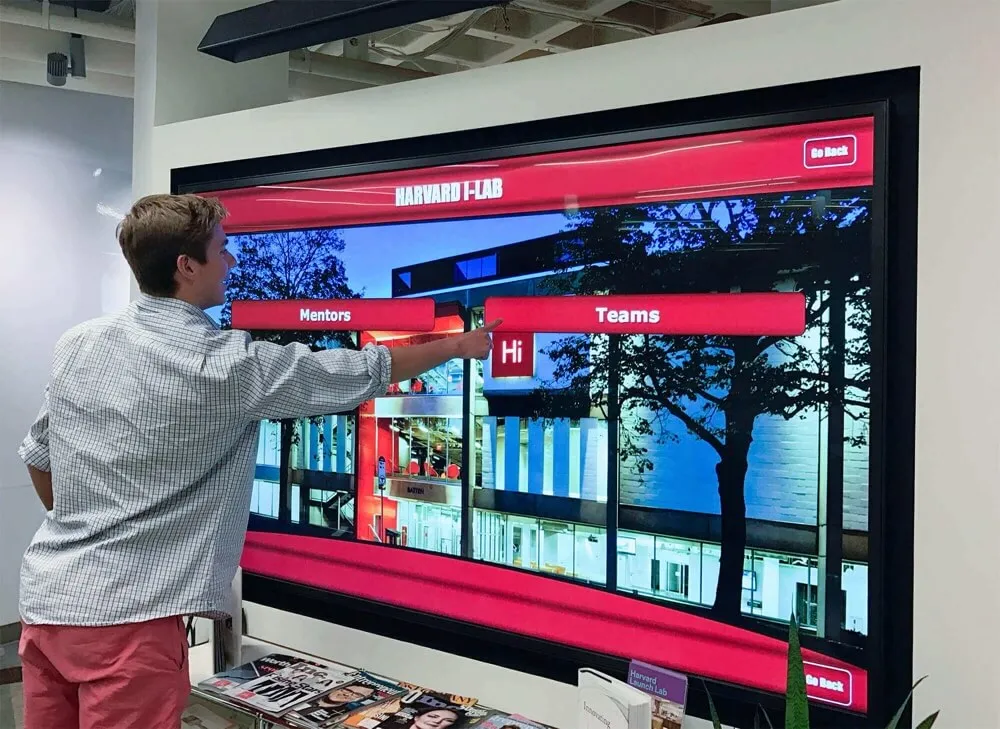
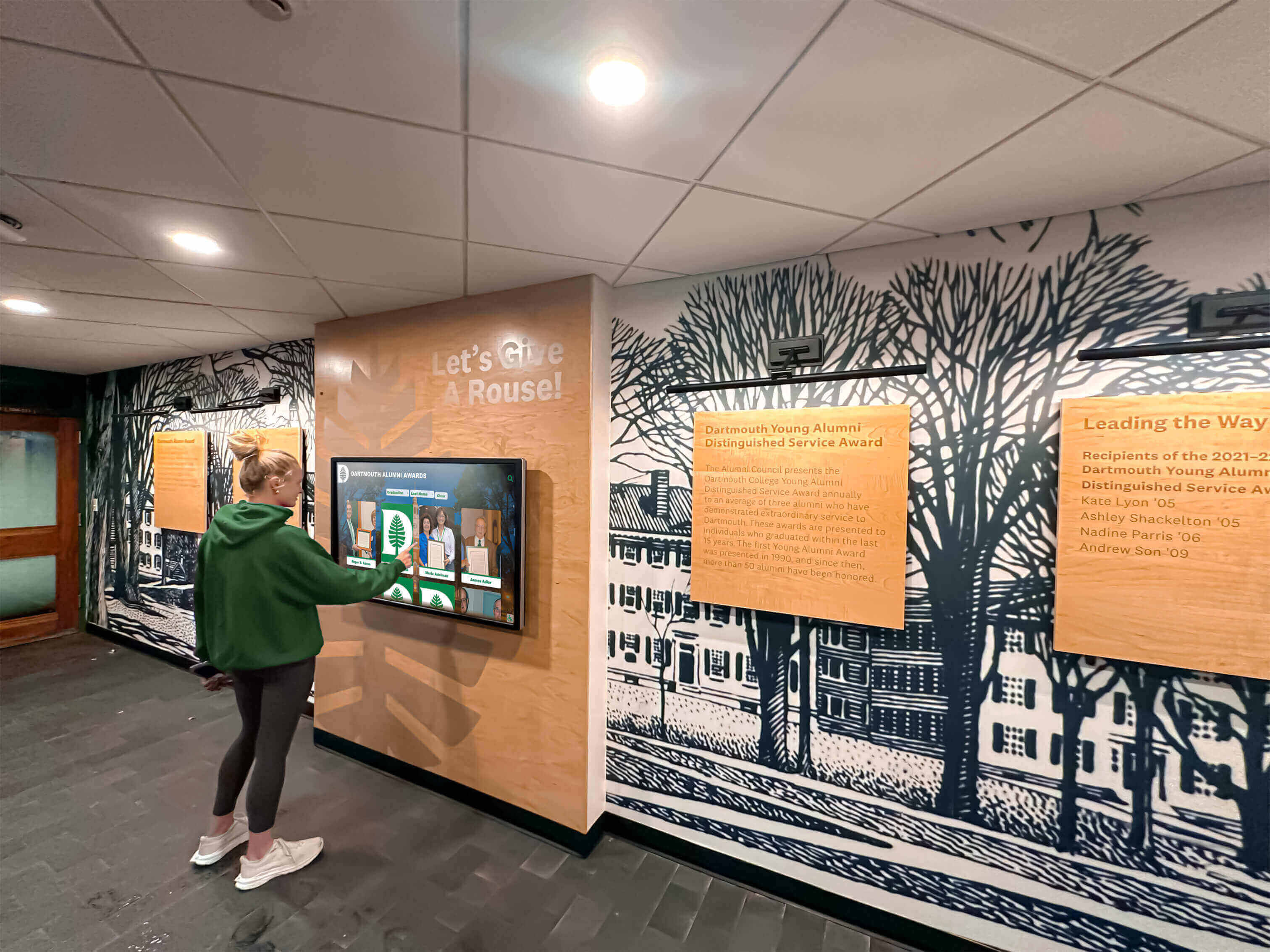
Modern digital recognition displays transform how schools celebrate STEM achievements, providing comprehensive platforms that showcase project documentation, competition results, multimedia presentations, and student narratives in ways that static trophy cases or bulletin boards simply cannot accommodate. When implemented effectively, these systems create cultures of innovation where current students see predecessor accomplishments and aspire to add their own contributions to institutional STEM legacies.
Solutions like Rocket Alumni Solutions provide purpose-built platforms specifically designed for academic and STEM recognition, enabling schools to showcase unlimited student projects through interactive displays featuring photographs, project videos, technical documentation, and competition results that bring student innovation to life. Schools implementing comprehensive digital recognition systems report enhanced STEM program participation, increased competition entry rates, and strengthened cultures celebrating academic excellence alongside traditional achievements.
Understanding the Landscape of Student STEM Competitions
Before exploring recognition strategies, understanding the diverse ecosystem of STEM competitions helps schools appreciate the breadth of achievements deserving celebration.
Major National STEM Competitions
The competitive STEM landscape offers students numerous opportunities to showcase innovation and technical excellence across multiple disciplines. According to competition listings from Science Buddies and educational organizations, students can participate in dozens of prestigious national and international STEM competitions during the 2024-2025 academic year.
Regeneron Science Talent Search
As the nation’s oldest and most prestigious science competition, the Regeneron Science Talent Search requires students to conduct original independent research projects supplemented with recommendation letters and transcripts. Top 40 finalists announced each January compete during Finals Week in mid-March, with substantial scholarship opportunities recognizing exceptional student research across all scientific disciplines.
Regeneron International Science and Engineering Fair (ISEF)
The Regeneron ISEF represents the world’s largest pre-college science competition, bringing together high school students from around the globe to showcase research projects. Top winners receive cash prizes, scholarships, and trips to special events, with the grand prize reaching $75,000, demonstrating the extraordinary value placed on exceptional student research and innovation.
National STEM Festival Challenge
Students create projects addressing real-world problems aligned with themes including Aerospace Innovation, Environmental Stewardship, Future Food, Health & Medicine, Powering The Planet, and Tech for Good. Up to 150 National Champions earn trips to the National STEM Festival in Washington DC each March, providing recognition and networking opportunities with STEM professionals and fellow innovators.
Junior Science and Humanities Symposium (JSHS)
JSHS promotes STEM research at the high school level, helping students explore future research opportunities through regional and national symposiums. Students submit written reports about their STEM research to regional JSHS competitions, with top performers advancing to national recognition and scholarship opportunities.
Science Olympiad
Students participate in individual and team events spanning various scientific disciplines, covering topics including biology, chemistry, physics, engineering, and earth science. Teams compete at regional, state, and national levels, with event diversity allowing students with different STEM interests and strengths to contribute meaningfully to team success.
Engineering-Specific Competitions
Engineering competitions provide specialized opportunities for students interested in design, construction, and problem-solving applications of STEM knowledge.
FIRST Robotics Competition (FRC)
FIRST Robotics combines robotics engineering, programming, business skills, and teamwork in intensive build seasons where student teams design, construct, and program robots competing in challenging games. Regional and championship competitions attract thousands of students annually, with teams earning recognition for technical excellence, innovation, and gracious professionalism demonstrating STEM’s collaborative nature.
VEX Robotics Competition
VEX Robotics offers multiple competition divisions from elementary through high school, enabling students to design and build robots solving specific game challenges. The accessible entry point and progressive skill development make VEX particularly effective for building sustained STEM interest across multiple grade levels.
eCYBERMISSION
This web-based STEM competition sponsored by the U.S. Army Educational Outreach Program challenges student teams to solve real problems in their communities through scientific inquiry and engineering design. Regional and national awards provide substantial scholarship opportunities while connecting students with STEM mentors and professionals.
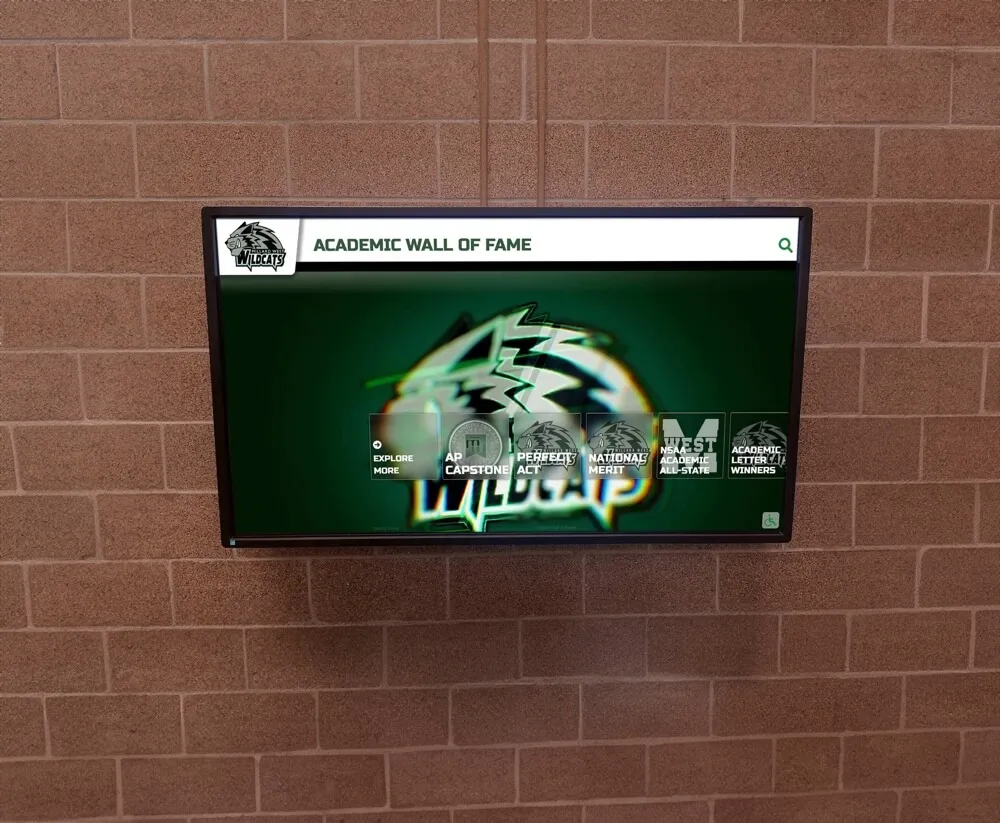
Schools implementing academic recognition programs can effectively showcase these diverse competition achievements through comprehensive digital platforms.
Coding and Computer Science Competitions
With technology increasingly central to modern STEM education, coding competitions offer specialized recognition opportunities for computer science students.
Congressional App Challenge
Student developers create mobile or web applications addressing problems or interests in their communities or schools. Winners receive recognition by their Member of Congress and have their work displayed in the Capitol Building, providing exceptional visibility for student coding innovation.
Broadcom Coding with Commitment
This program encourages students to use coding to create innovative solutions to real-world problems, specifically seeking projects aligning with the United Nations’ 17 Sustainable Development Goals. This focus connects technical skills with social impact, demonstrating technology’s potential for addressing humanitarian challenges.
USA Computing Olympiad (USACO)
USACO provides algorithmic programming competition opportunities throughout the year, allowing students to advance through Bronze, Silver, Gold, and Platinum divisions based on problem-solving performance. The self-paced progression accommodates diverse skill levels while challenging exceptional students through increasingly complex computational problems.
Approaches similar to AP Scholar digital recognition demonstrate effective strategies for celebrating academic and technical achievement in specialized disciplines.
Why Recognizing STEM Achievements Matters
Understanding specific benefits of visible STEM recognition helps administrators prioritize investment in comprehensive celebration systems that impact student culture and academic outcomes.
Impact on Student Motivation and Participation
Recognition of students fosters strong relationships among students, families, faculty, and community while creating positive school cultures where students feel valued, according to research published by NASSP. Specifically for STEM achievements, visible recognition generates several important motivational effects.
Creating Aspirational Models
When schools prominently display previous students’ STEM accomplishments, current students gain concrete understanding of possibilities available through STEM participation. Rather than abstract encouragement to “get involved in science,” students see specific peers who designed award-winning robots, conducted published research, or solved community problems through engineering—tangible achievements they can envision pursuing themselves.
This visibility proves particularly important for students from groups historically underrepresented in STEM fields. Seeing diverse students who look like them succeeding in competitions and projects helps overcome stereotype threats and builds confidence that STEM excellence is accessible regardless of background.
Validating Significant Time Investments
Competitive STEM projects require extraordinary time commitments—students regularly invest hundreds of hours researching, designing, building, testing, and refining projects. Robotics teams spend entire build seasons working evenings and weekends. Science fair competitors conduct months of experiments and analysis. Engineering challenge participants iterate through dozens of design variations pursuing optimal solutions.
When schools recognize these achievements as prominently as athletic championships or musical performances, they validate the importance of this investment while demonstrating institutional commitment to academic excellence. Students considering whether to join demanding STEM programs gain confidence their dedication will receive appropriate acknowledgment.
Strengthening STEM Program Culture
Beyond individual motivation, comprehensive STEM recognition builds program-level culture that enhances learning environments and outcomes.
Building Legacy and Tradition
Athletic programs benefit tremendously from visible tradition—championship banners, record boards, and hall of fame displays create sense of legacy motivating current athletes while connecting them to program history. STEM programs deserve equivalent tradition-building through comprehensive recognition systems documenting decades of student innovation.
When current robotics team members see displays showcasing previous teams’ innovations and competition results, they understand they’re joining established traditions of excellence. When young researchers explore recognition highlighting predecessors’ scientific discoveries, they gain inspiration while appreciating the cumulative nature of scientific progress.
Fostering Collaborative Competition
Well-designed STEM recognition celebrates both individual achievement and collaborative success, reinforcing that innovation emerges through teamwork. Digital platforms can showcase team projects highlighting each member’s contributions, demonstrating how diverse skills combine to solve complex problems.
This balanced recognition approach prevents unhealthy individual competition while encouraging students to pursue collective excellence. When teams see previous groups recognized for collaborative achievement, they understand that supporting teammates’ success advances everyone’s recognition opportunities.
Strategies for classroom projects recognition provide additional guidance for celebrating collaborative academic achievement effectively.
Enhancing Recruitment and Family Engagement
STEM recognition systems serve important external communication functions, helping schools attract academically talented students while engaging families in academic programming.
Demonstrating Program Quality
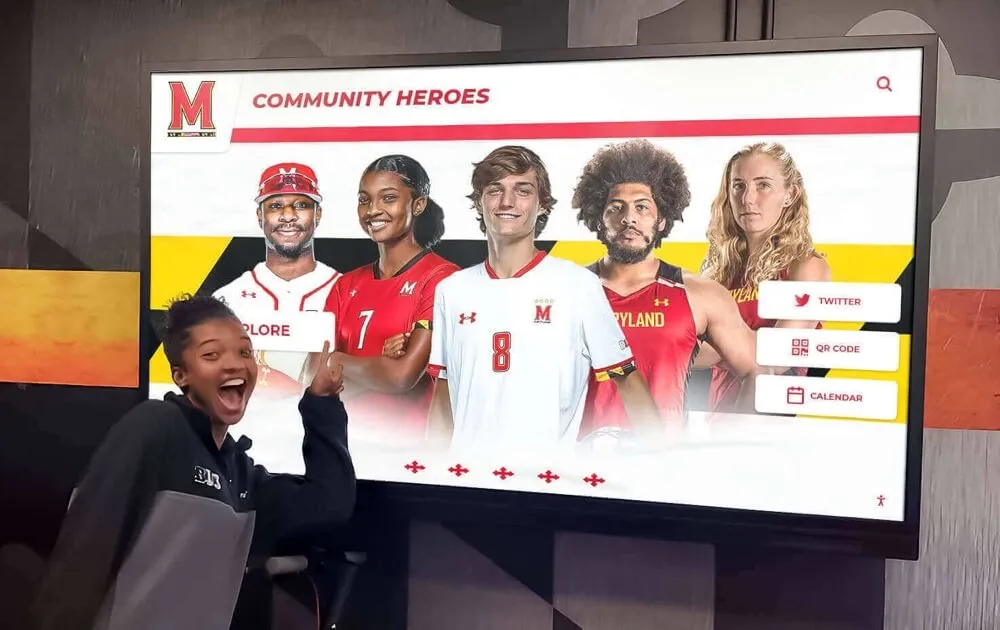
When prospective families tour schools evaluating program quality, visible STEM recognition provides immediate evidence of academic excellence and institutional priorities. Rather than simply claiming strong STEM programming, schools can show concrete documentation of student achievement through interactive displays families can explore directly.
Research from Arizona State University demonstrates that programs earning recognition awards based on efforts to inspire students from underrepresented groups to enter STEM fields through mentoring, teaching, research, and successful initiatives create substantial impact. Schools can leverage similar approaches while showcasing their own students’ accomplishments.
Creating Conversation Starters
Digital recognition displays naturally generate conversations between prospective families and current students or staff. As families explore displays showcasing projects and competitions, they ask questions about program structure, support systems, and participation opportunities—conversations that authentic enthusiasm from current students makes far more persuasive than formal presentations.
These interactions help families understand the school’s authentic commitment to STEM excellence while giving students opportunities to articulate their own STEM experiences and growth.
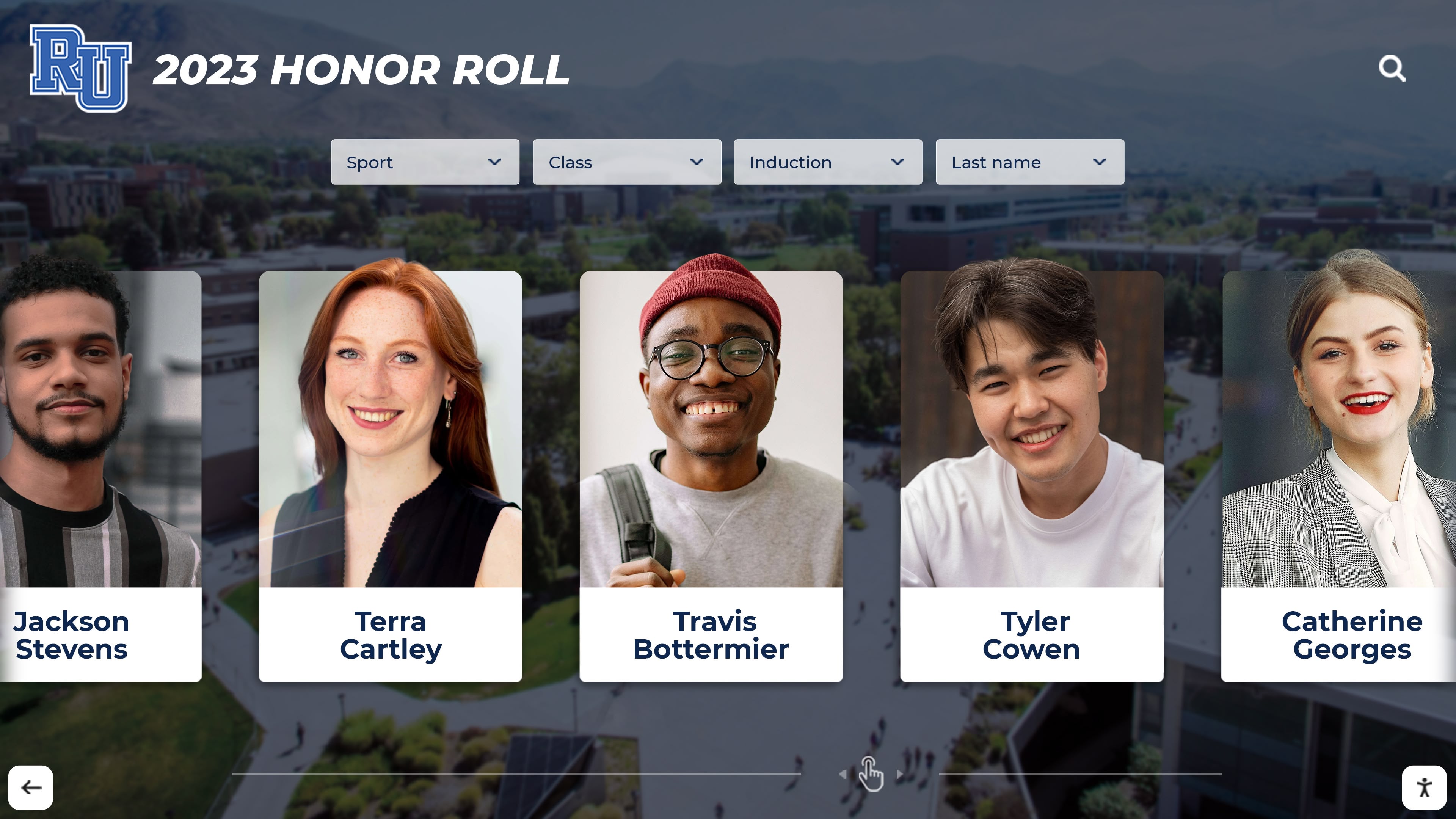
Strategies for Highlighting STEM Projects and Competition Results
Effectively celebrating STEM achievements requires thoughtful approaches to content selection, presentation, and ongoing maintenance that ensure recognition remains current, comprehensive, and engaging.
Documenting Competition Achievements Comprehensively
Competition results provide natural recognition opportunities, but comprehensive documentation extends beyond simple win-loss records to capture the full scope of student accomplishment.
Multiple Recognition Tiers
STEM competitions typically feature various achievement levels beyond grand prize winners, including regional qualifiers demonstrating strong performance, state-level finalists reaching advanced competition rounds, national participants representing schools at highest levels, special awards recognizing innovation, design, or research excellence, honorable mentions acknowledging quality work, and team spirit or collaboration awards celebrating program values.
Comprehensive recognition systems celebrate all these achievement tiers, ensuring students receive acknowledgment for significant accomplishments even when they don’t win overall competitions. This inclusive approach encourages broad participation while validating diverse contributions.
Team and Individual Recognition Balance
Many STEM competitions involve both team and individual elements. Effective recognition systems celebrate both dimensions appropriately—acknowledging team accomplishments while recognizing individual contributions that enabled collective success.
Digital platforms excel at this balanced recognition through linked profiles allowing visitors to explore team project overviews with collective achievement summaries, then navigate to individual team member profiles detailing specific contributions, roles, and skills. This approach honors collaboration while ensuring all participants receive appropriate individual acknowledgment.
Showcasing Student Projects Through Multimedia Content
Modern recognition platforms enable rich multimedia presentation that brings student projects to life in ways static displays cannot match.
Project Documentation and Technical Details
STEM projects deserve documentation capturing technical sophistication and innovation students demonstrated through their work. Comprehensive recognition includes project abstracts or summaries explaining problems addressed, technical approach descriptions detailing methodologies employed, results and findings documenting what students discovered or created, challenges overcome showing problem-solving and persistence, applications and implications connecting projects to real-world impact, and future directions students identified for continued development.
This documentation depth helps visitors appreciate project sophistication while providing valuable resources for students considering similar investigations. Teachers can reference previous projects when advising current students, accelerating learning through documented institutional knowledge.
Photography and Video Content
Visual content transforms technical documentation into engaging recognition experiences, including project photographs showing designs, constructions, or experiments, competition footage capturing presentations or robot competitions, laboratory work images documenting research processes, design iteration galleries showing development processes, presentation materials including posters and slides, and student testimonial videos describing experiences and learning.
High-quality multimedia makes recognition accessible to diverse audiences—families without technical backgrounds can appreciate innovation through visual elements even when technical details exceed their expertise. This accessibility broadens recognition impact while building community support for STEM programming.
Approaches to interactive touchscreen displays for school recognition demonstrate effective multimedia integration strategies.
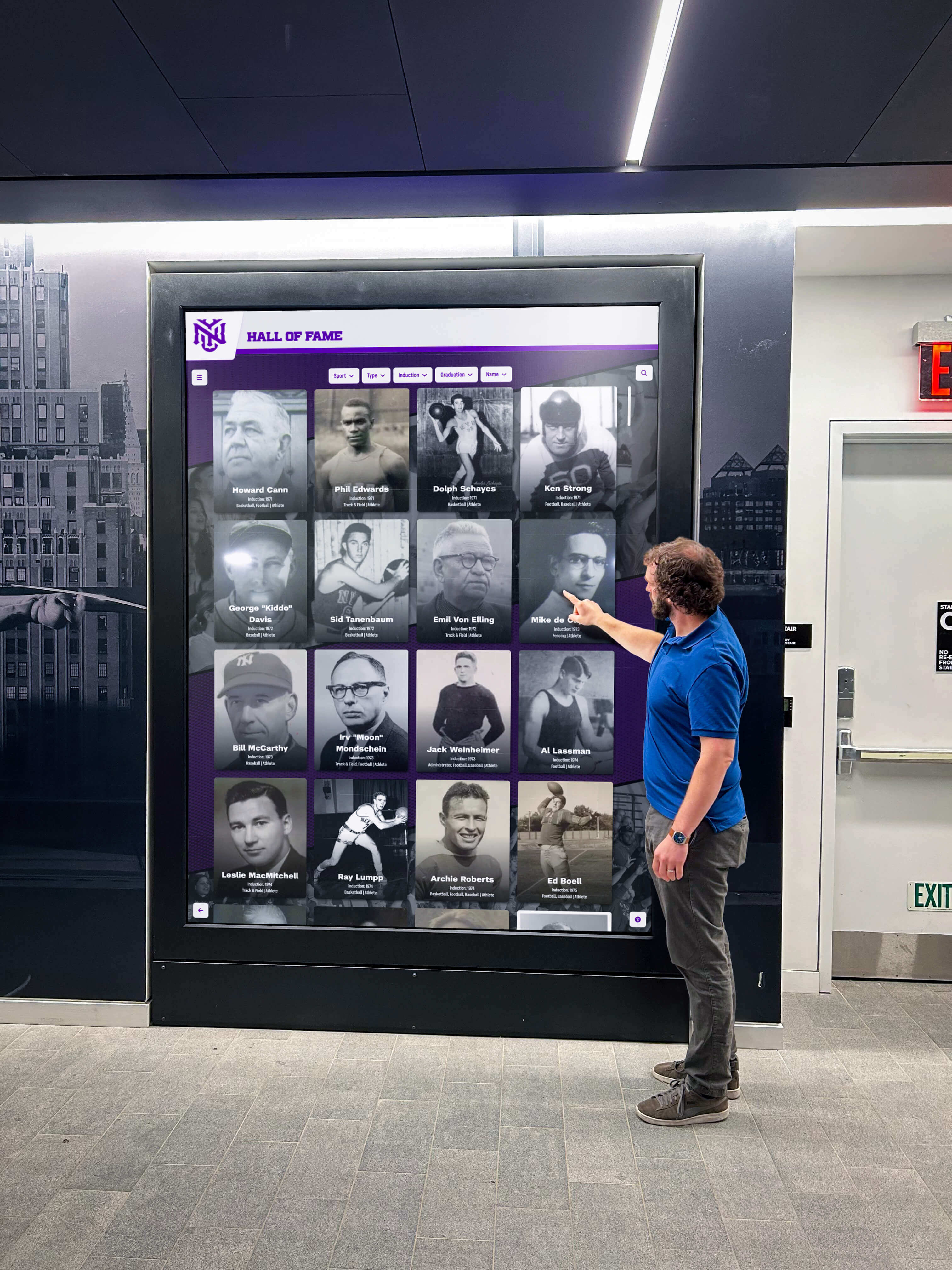
Organizing Recognition by Multiple Categories
Flexible organization enables visitors to explore STEM recognition through various lenses matching their interests and relationships to programs.
Competition-Based Organization
Allow exploration by specific competitions, creating dedicated sections for major programs like Science Olympiad divisions and event categories, FIRST Robotics seasonal competitions, science fair levels from school through international, math competition hierarchies and achievement levels, coding challenges and hackathon results, and engineering design competitions across disciplines.
This organization helps students interested in specific competitions quickly find relevant information while understanding achievement trajectories from initial participation through advanced recognition.
Discipline-Based Organization
Enable filtering by STEM disciplines including biology and life sciences, chemistry and molecular sciences, physics and physical sciences, earth and environmental sciences, engineering and applied sciences, computer science and information technology, mathematics and computational sciences, and interdisciplinary projects combining multiple fields.
Discipline organization serves students developing interests in specific fields, helping them discover projects and competitions aligned with their emerging specializations.
Timeline-Based Organization
Chronological organization preserves institutional STEM history while allowing exploration of program evolution, tracking how projects build on previous work, showing participation trends across years, documenting program growth and development, highlighting milestone achievements in program history, and connecting alumni to their specific time periods.
Schools implementing digital wall of honor plaques benefit from similar organizational flexibility enabling diverse exploration approaches.
Featuring Student Narratives and Reflections
Beyond technical documentation, student voices add personal dimensions that make recognition more engaging and relatable.
Project Journey Stories
Invite students to share narratives describing their STEM journeys including what sparked initial interest in projects or competitions, challenges encountered and how they overcame obstacles, mentors and supporters who provided crucial assistance, unexpected discoveries or learning moments, skills developed through participation, and advice for students considering similar pursuits.
These narratives humanize technical achievements while providing authentic peer advice more persuasive than adult encouragement. Current students reading previous participants’ authentic reflections gain realistic understanding of what STEM participation involves—including difficulties alongside rewards.
Career Connection Reflections
For alumni, capture how STEM experiences influenced educational and career paths including college majors and specializations chosen, research opportunities pursued in higher education, internships and professional positions obtained, careers and current work in STEM fields, and advice connecting current opportunities to future possibilities.
These connections help current students understand how present STEM participation creates future opportunities, making abstract “career preparation” tangible through concrete alumni examples.
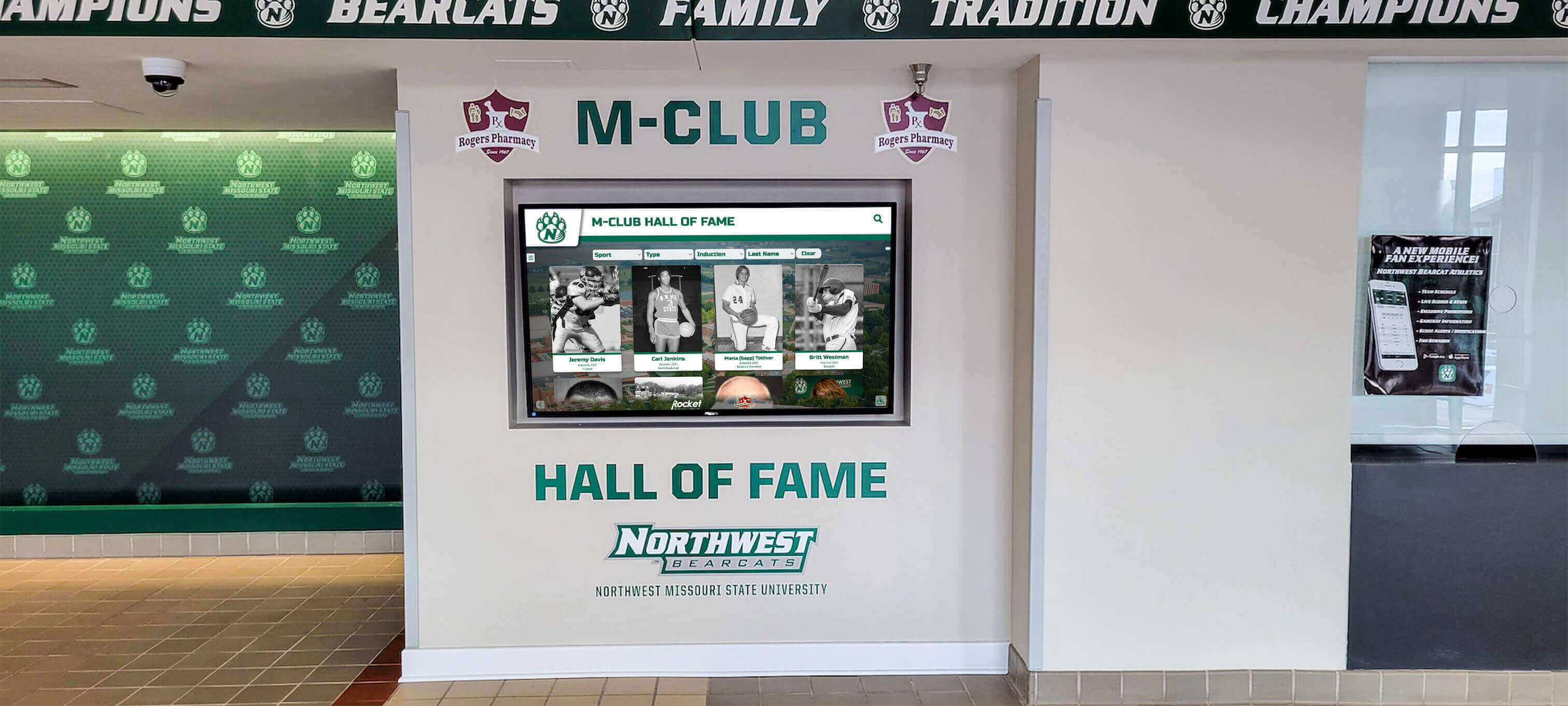
Implementation Planning for STEM Recognition Systems
Successfully implementing comprehensive STEM recognition requires systematic planning addressing technology selection, content development, and ongoing maintenance.
Technology Selection and Display Placement
Choosing appropriate platforms and strategic locations ensures recognition achieves maximum visibility and engagement.
Commercial-Grade Interactive Displays
Effective STEM recognition requires robust hardware including touchscreen capabilities enabling hands-on exploration, commercial specifications rated for continuous operation in educational environments, screen sizes appropriate for viewing distances and content detail, network connectivity supporting remote content updates, vandal-resistant construction for unsupervised public spaces, and sufficient processing power for multimedia content and responsive interfaces.
Consumer electronics prove inadequate despite lower costs—continuous operation requirements and public space durability necessitate commercial-grade equipment designed for institutional applications.
Strategic Placement for Maximum Visibility
Position recognition displays where they generate maximum impact including main building entrances welcoming visitors with visible academic priorities, science wing hallways where STEM students spend significant time, media centers and learning commons serving as academic hubs, cafeterias and common areas reaching broader student populations, and administrative areas where prospective families experience during tours.
Multiple display locations create comprehensive recognition environments where STEM achievement receives visibility matching athletic recognition traditionally concentrated in gymnasium areas.
Content Development Workflows
Systematic content creation processes ensure recognition remains current and comprehensive without overwhelming staff capacity.
Post-Competition Documentation
Establish procedures capturing information immediately following competitions when details remain fresh including competition results and final placements, photographs from events and projects, student reflections and narratives, project documentation and technical materials, award certificates and recognition documentation, and team rosters with participant information.
Immediate documentation prevents information loss while reducing reconstruction burden months later when memories fade and documentation becomes scattered or lost.
Student and Teacher Collaboration
Engage students in recognition content development including writing project descriptions and technical summaries, selecting photographs representing work effectively, recording video explanations and demonstrations, gathering team member information and contributions, and reviewing content for accuracy before publication.
Student involvement improves content quality through authentic voices while teaching documentation and communication skills valuable across academic and professional contexts. Teacher oversight ensures appropriate presentation and institutional standards without requiring complete content creation from scratch.
Approaches for teacher of the year award showcases demonstrate collaborative recognition content development strategies applicable to student achievement celebration.
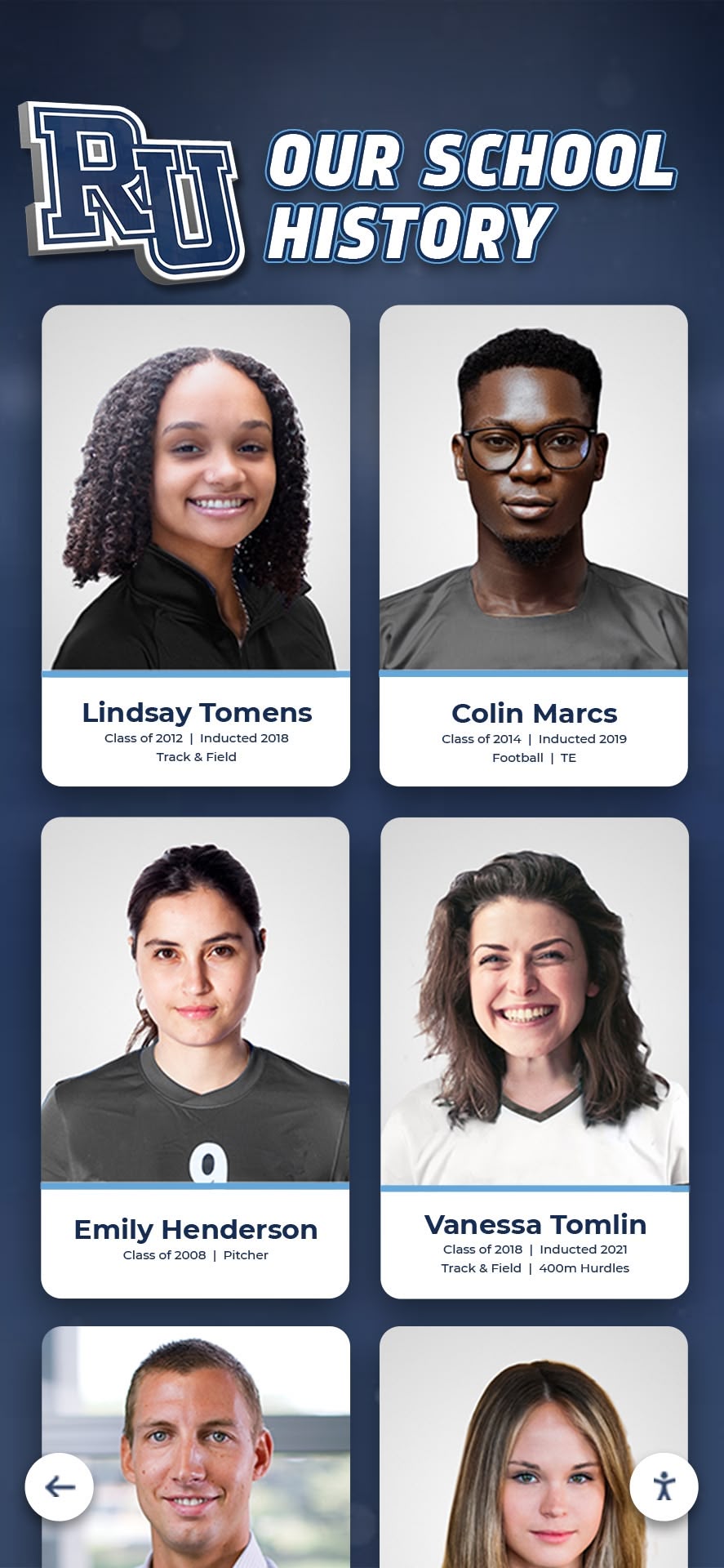
Building Comprehensive Historical Recognition
While current achievement recognition proves relatively straightforward, documenting historical STEM accomplishments requires additional research and outreach efforts.
Archival Research Strategies
Locate historical STEM achievement information through multiple sources including school newspaper archives documenting competition results, yearbook coverage of science fairs and academic teams, athletic program archives sometimes including academic recognition, alumni association newsletters mentioning achievements, local newspaper archives covering student accomplishments, state science fair and competition organizational records, and teacher archives from longtime STEM program leaders.
Systematic archival research uncovers achievements that never received appropriate recognition, enabling schools to honor historical contributors while documenting program evolution.
Alumni Outreach and Crowdsourcing
Engage alumni community in historical documentation including social media campaigns requesting achievement information, alumni newsletter articles soliciting participation memories, reunion events featuring recognition displays encouraging contributions, dedicated submission forms accepting achievement documentation, and volunteer alumni committees researching specific time periods.
Alumni often possess project documentation, competition results, photographs, and memories not preserved in official school archives. Crowdsourcing approaches tap this distributed knowledge while rebuilding alumni engagement with STEM programs.
Ensuring Recognition Equity and Inclusivity
Comprehensive recognition celebrates all STEM participation appropriately, avoiding implicit hierarchies that privilege certain achievements or participants over others.
Balancing Competition Results and Participation
While competition winners deserve celebration, ensure recognition also honors valuable participation including first-time competitors taking initial steps in STEM, students whose projects demonstrated significant learning despite not winning awards, team members whose contributions enabled collective success, students who persisted despite challenges or setbacks, and participants whose projects addressed important questions regardless of competition placement.
This balanced approach encourages broad participation by demonstrating that recognition extends beyond trophy winners, validating all meaningful STEM engagement.
Highlighting Diverse STEM Disciplines
Avoid inadvertent emphasis on certain STEM fields while neglecting others—ensure recognition comprehensively covers life sciences alongside physical sciences and engineering, computer science and mathematics alongside laboratory sciences, environmental and earth sciences alongside technology projects, theoretical research alongside applied engineering, and individual investigations alongside team competitions.
Comprehensive coverage demonstrates that schools value all STEM disciplines equally, preventing perception that certain fields matter more than others.
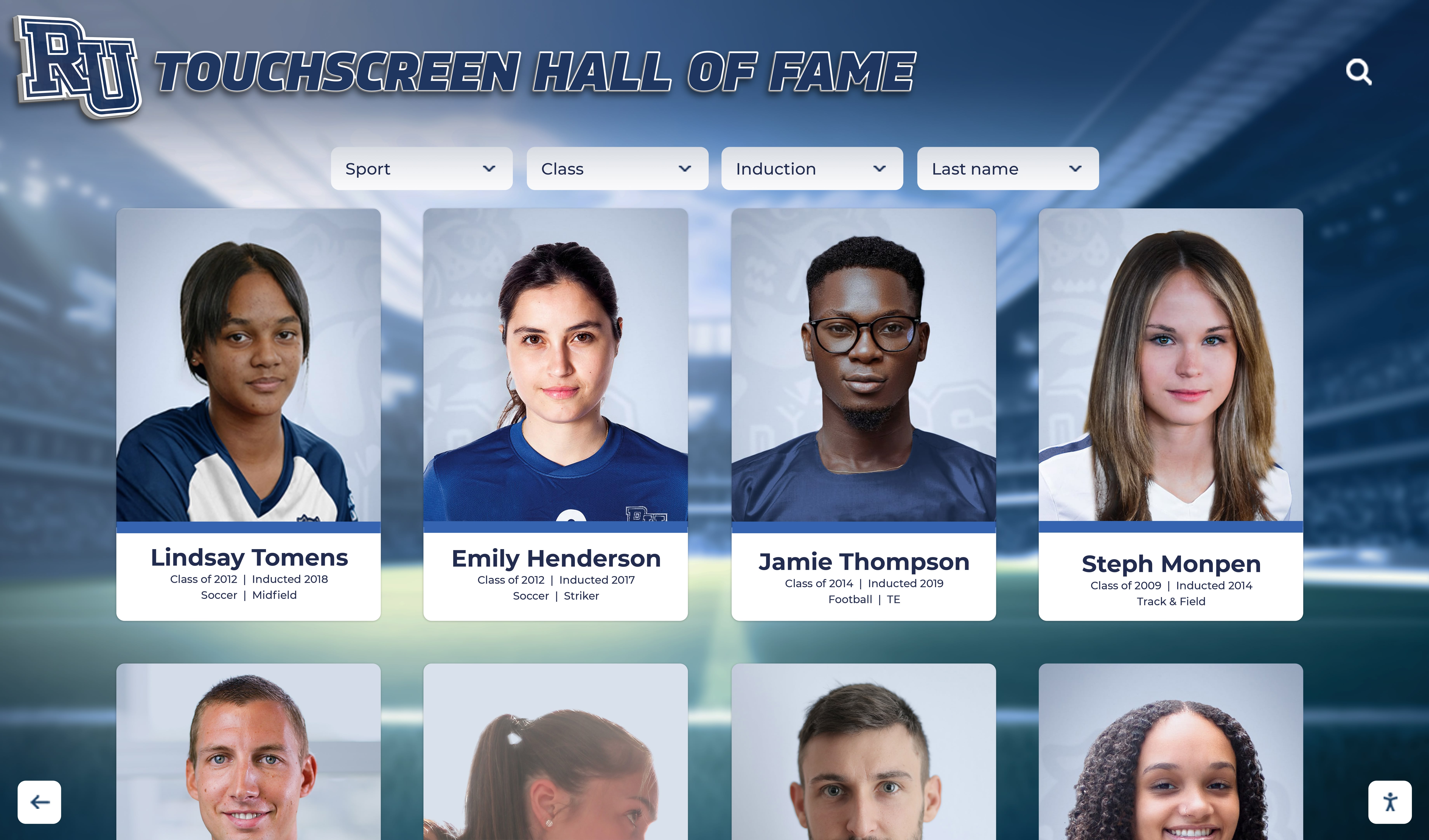
Examples from Catholic honors student recognition displays show effective approaches to comprehensive academic achievement celebration.
Measuring Recognition Program Impact
Comprehensive evaluation demonstrates recognition value while identifying improvement opportunities that enhance student experiences and institutional benefits.
Tracking Participation and Achievement Trends
Systematic data collection enables assessment of recognition program influence on STEM participation and outcomes.
Quantitative Participation Metrics
Monitor enrollment and participation trends including STEM competition participation rates across competitions, science fair entries at school, regional, and state levels, robotics team recruitment and retention numbers, coding club and computer science participation, research program applications and completions, and year-over-year growth in various STEM activities.
Comparing participation before and after recognition implementation helps assess whether visible celebration drives increased engagement as theorized. Schools implementing comprehensive recognition systems typically report 20-40% participation increases within 2-3 years, though attributing causation requires controlling for other program changes.
Achievement Trend Analysis
Beyond participation, examine whether recognition correlates with enhanced achievement including advancement rates from regional to state/national competitions, award frequency at various competition levels, project quality improvements as assessed by faculty, student persistence in multi-year programs, alumni continuation in STEM fields through college, and program reputation as perceived by external organizations.
While achievement involves multiple factors beyond recognition alone, comprehensive celebration of excellence creates cultures where high achievement becomes normalized expectation rather than exceptional outlier.
Qualitative Stakeholder Feedback
Beyond quantitative metrics, stakeholder perspectives provide nuanced understanding of recognition program impact and improvement opportunities.
Student Perspectives
Gather systematic feedback from STEM participants including whether recognition influenced decisions to participate, how celebration affected motivation and effort, whether displays helped them understand opportunities available, if recognition made them feel appropriately valued for achievements, and suggestions for improving recognition presentation or content.
Family Feedback
Engage families whose children participate in STEM programs including whether displays influenced program perceptions, how recognition affected their involvement and support, if content helped them understand student work and significance, whether they shared recognition with extended family and community, and suggestions for enhancing family engagement through recognition.
Teacher and Mentor Input
Consult STEM educators about recognition program effectiveness including whether displays help recruit students to programs, if recognition supports program culture and student motivation, how content accuracy and comprehensiveness could improve, whether documentation processes prove manageable, and ideas for enhancing recognition impact.
Schools implementing all-state musician recognition demonstrate similar stakeholder feedback approaches applicable across academic disciplines.
Long-Term Alumni Outcomes
Ultimate recognition value emerges through sustained impact on student trajectories extending beyond immediate school experiences.
STEM Pathway Persistence
Track alumni educational and career choices including college major selection in STEM fields, graduate school enrollment in STEM programs, research positions and opportunities pursued, STEM career paths and professional roles, and continued connection to STEM communities and organizations.
While multiple factors influence these outcomes, schools with strong STEM recognition cultures typically show higher rates of sustained STEM participation through college and into careers, suggesting that celebration of achievement reinforces identities as “STEM people” that persist beyond high school.
Alumni Engagement and Giving
Monitor alumni connection to school STEM programs including participation in mentoring and outreach, volunteer support for current teams and competitions, financial contributions to STEM programming, career networking support for current students, and overall engagement with school community.
Alumni whose achievements received appropriate recognition demonstrate stronger ongoing connection to programs and institutions, creating virtuous cycles where recognition drives engagement that enables enhanced programming that generates additional achievement deserving celebration.
Conclusion: Building Cultures of Innovation Through Recognition
When schools implement comprehensive systems for highlighting student STEM projects and engineering competition achievements, they create powerful cultures celebrating innovation, rewarding intellectual curiosity, and validating the extraordinary dedication required for STEM excellence. Modern digital recognition platforms enable this celebration at scales and depths impossible through traditional trophy cases and bulletin boards—unlimited capacity accommodating decades of achievement across all disciplines, rich multimedia content bringing technical projects to life for diverse audiences, interactive exploration enabling personalized engagement with content, searchable organization allowing multiple exploration pathways, and web accessibility extending recognition beyond campus boundaries.
Effective STEM recognition accomplishes multiple essential objectives simultaneously: validating student investment in demanding academic pursuits, motivating current students through visible examples of possibility, building program traditions and legacies comparable to athletics, enhancing recruitment by demonstrating institutional commitment, strengthening family engagement through accessible project documentation, supporting alumni connection through preserved achievement records, and creating equitable celebration valuing academic excellence alongside traditional achievements.
Ready to Transform Your STEM Recognition Program?
Discover how Rocket Alumni Solutions provides comprehensive digital display platforms specifically designed for academic achievement recognition, enabling unlimited recognition capacity, engaging multimedia presentation, and intuitive content management that teachers and administrators can confidently maintain. Celebrate every STEM achievement while inspiring future innovation through recognition that matches student dedication.
Schedule Your Free ConsultationSchools implementing digital STEM recognition systems report numerous benefits including enhanced student motivation to participate in STEM programs and competitions, strengthened program cultures valuing innovation and academic excellence, improved recruitment outcomes with families impressed by visible commitment, increased alumni engagement and support for current programs, more equitable celebration balancing academic and traditional achievements, and sustainable systems accommodating unlimited future growth without space constraints.
Whether celebrating recent science fair winners, documenting decades of robotics team achievements, honoring student researchers making genuine discoveries, or preserving complete STEM program histories, comprehensive digital recognition enables schools to celebrate innovation appropriately while building cultures where intellectual curiosity and technical excellence receive acknowledgment matching their importance. Your students—past achievements, present innovations, and future possibilities—deserve recognition systems that honor their creativity, validate their dedication, and inspire continued excellence across all STEM disciplines.
Start transforming STEM recognition today. Explore how solutions like Rocket Alumni Solutions can help you create recognition systems that inspire innovation, celebrate achievement, and demonstrate your institution’s authentic commitment to STEM excellence. For additional insights on related recognition topics, explore resources on best ways to highlight student accomplishments, digital trophy cases for schools, and comprehensive academic recognition programs that demonstrate how modern platforms elevate student celebration across all achievement domains.































