Homecoming mums represent one of the most cherished and visible traditions in American high school culture, particularly across Texas and the southern United States. These elaborate corsages—adorned with ribbons, trinkets, bells, and school colors—transform homecoming celebrations into spectacular displays of school spirit, creativity, and pride. What began as simple chrysanthemum corsages in the 1930s has evolved into an art form where students showcase their creativity, celebrate relationships, and demonstrate unwavering school loyalty through increasingly elaborate designs.
Whether you’re creating your first mum or looking for fresh ideas to elevate this beloved tradition, understanding the history, components, and creative possibilities helps you design a homecoming mum that captures your unique school spirit while honoring the tradition that connects generations of students.
Homecoming mums serve as more than just decorative accessories—they represent tangible expressions of school pride, friendship, and the memorable moments that define the high school experience. From traditional designs honoring decades of history to innovative modern interpretations incorporating technology and contemporary aesthetics, homecoming mums continue evolving while maintaining their essential purpose: celebrating community, tradition, and the spirit that makes each school unique.
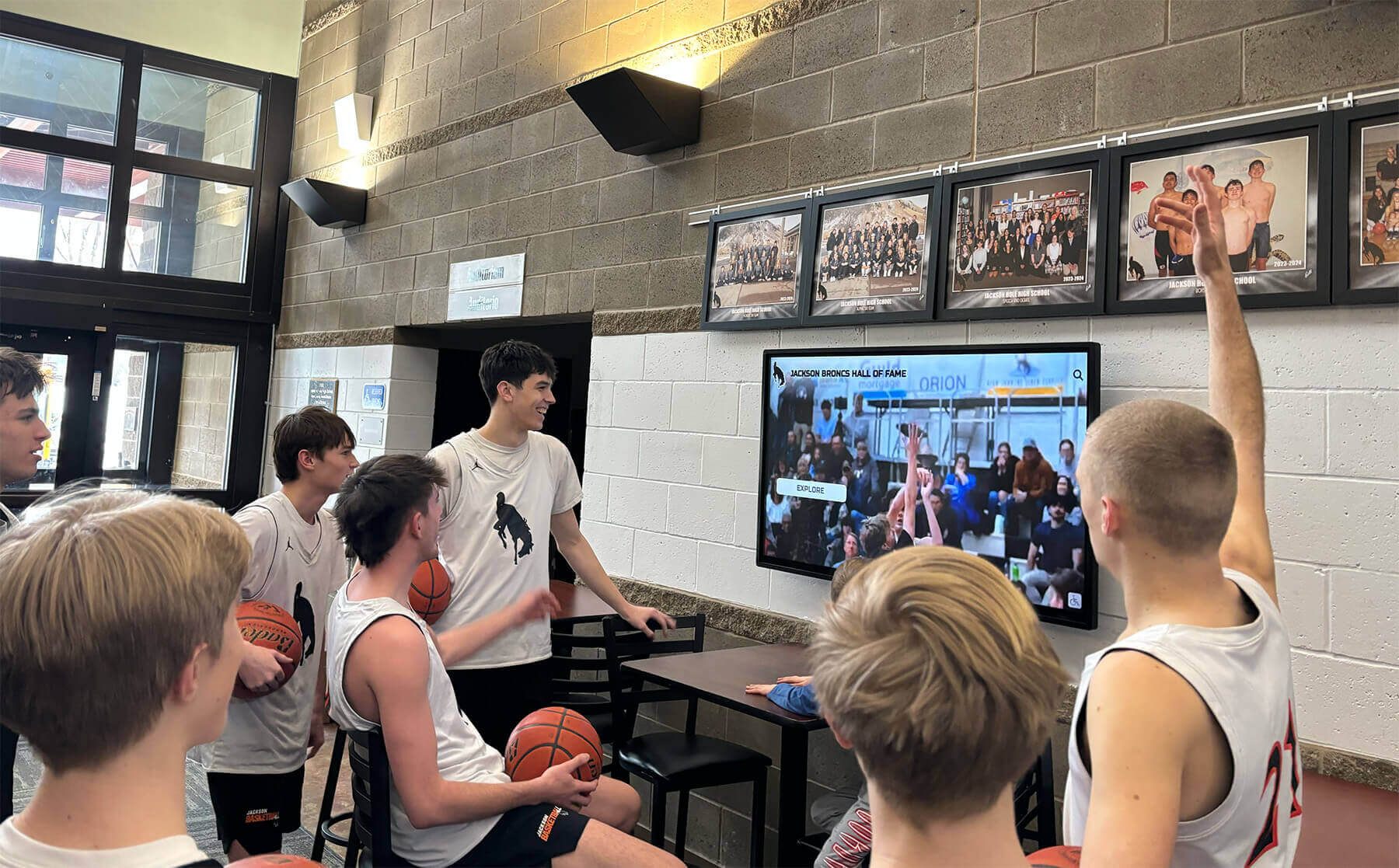
Homecoming celebrations bring students together in shared displays of school spirit and community pride
The History and Tradition of Homecoming Mums
Understanding the origins of homecoming mums enriches appreciation for this distinctive tradition and provides context for both preserving classic elements and embracing creative innovations.
From Chrysanthemums to Elaborate Creations
The homecoming mum tradition originated in the 1930s when male students began giving female dates simple chrysanthemum corsages to wear to homecoming games and dances. The chrysanthemum—commonly called “mum”—became the flower of choice because it bloomed abundantly during fall football season and its hardy nature allowed it to withstand outdoor stadium conditions without wilting immediately.
In those early decades, homecoming mums remained relatively simple: a single chrysanthemum flower, perhaps with a ribbon in school colors and a small name card. The tradition spread throughout Texas high schools and gradually expanded to other southern states, where the warm climate and strong Friday night football culture created ideal conditions for homecoming mum traditions to flourish.
The Evolution Toward Elaboration: Beginning in the 1970s and accelerating through subsequent decades, homecoming mums transformed from simple corsages into increasingly elaborate creations. Students began adding multiple ribbons, each representing different aspects of their school identity—ribbons for sports teams, academic clubs, class year, and personal interests. Decorative elements multiplied to include bells that announced the wearer’s arrival, stuffed mascots representing school identity, photos of friends or significant others, and trinkets symbolizing shared experiences and inside jokes.
By the 1990s and 2000s, competitive elaboration had become integral to mum culture. Some creations reached several feet in length, incorporating dozens of ribbons, multiple layers, LED lights, and personalized elements making each mum unique. The tradition had evolved from a simple courtship gesture into a comprehensive expression of student identity, school affiliation, and creative ambition.
Regional Variations and Modern Interpretations
While Texas remains the undisputed epicenter of homecoming mum culture—where the tradition approaches art form status with dedicated mum-making businesses, detailed tutorials, and fierce creative competition—variations exist across different regions and schools.
Texas Tradition: In Texas, mums have reached their most elaborate expressions. Female students traditionally receive large, ornate mums worn as corsages or shoulder decorations, while male students wear smaller “garters” featuring similar design elements but sized for arm wearing. The size, complexity, and cost of Texas mums have grown so significantly that some schools have implemented size restrictions or encouraged more modest designs to prevent the tradition from becoming financially exclusionary.
Regional Adaptations: Schools outside Texas have adapted the tradition to local preferences and resources. Some maintain simpler designs closer to original 1930s aesthetics, featuring a single artificial mum with several ribbons and modest decorations. Others have created hybrid traditions incorporating regional elements or school-specific customs that make their homecoming mums distinctive to their particular community.
Modern Innovations: Contemporary mum makers increasingly incorporate technology and modern materials—LED lights that flash in school colors, QR codes linking to photo albums or video messages, 3D-printed custom trinkets, and eco-friendly materials appealing to environmentally conscious students. Some schools have embraced entirely alternative traditions while others maintain elaborate mums alongside digital recognition of student achievements and school spirit.
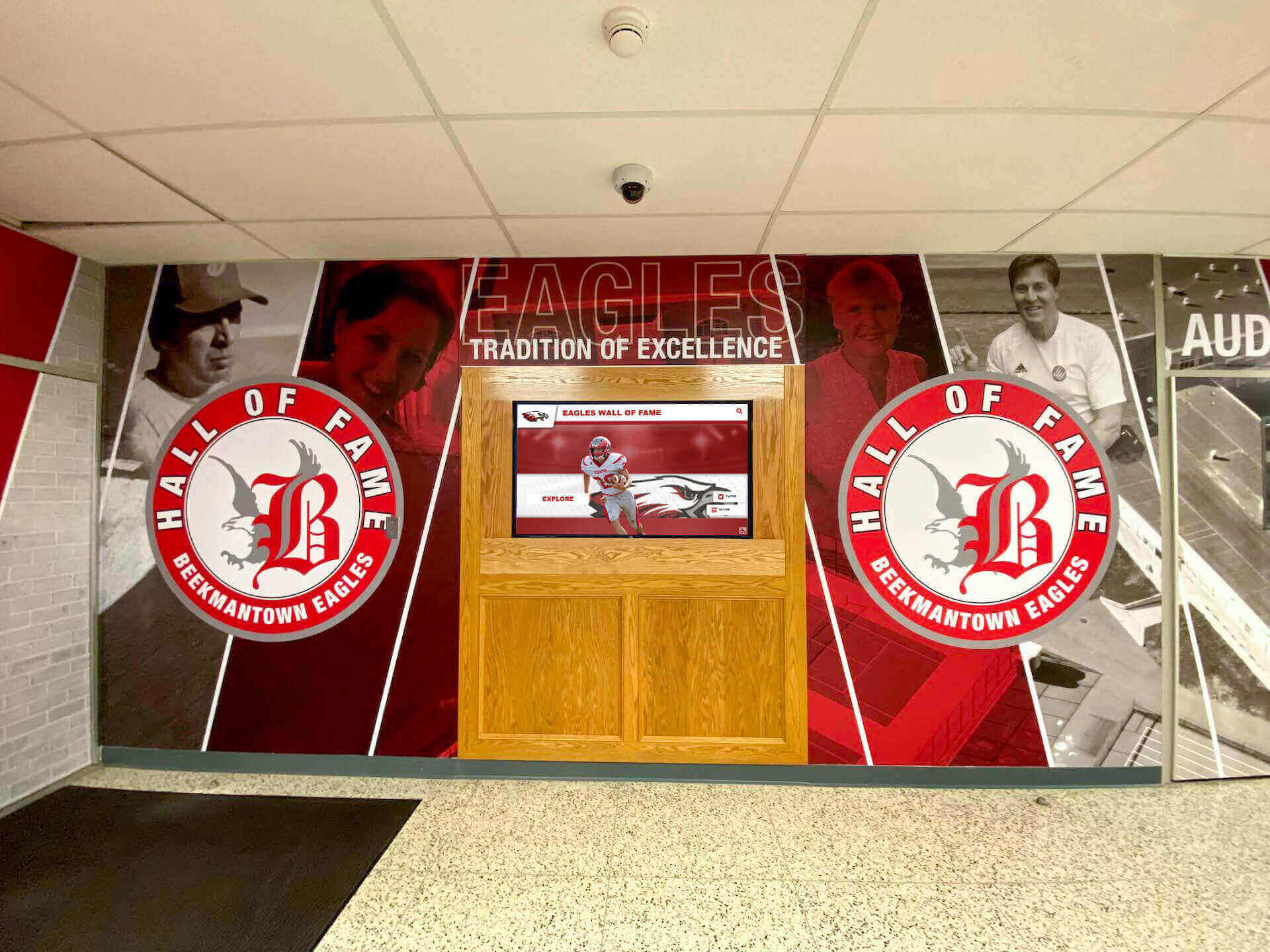
Schools celebrate spirit traditions through both physical displays like mums and permanent recognition installations
Essential Components of Homecoming Mums
Before diving into specific design ideas, understanding the fundamental components that comprise traditional homecoming mums provides the foundation for creative customization.
The Base Mum Flower
The centerpiece of any homecoming mum remains the mum flower itself—though real chrysanthemums have been almost entirely replaced by artificial silk flowers offering greater durability, color variety, and reusability.
Size Options: Mum flowers come in various sizes, typically ranging from 4 inches to 9 inches in diameter. Larger mums (7-9 inches) create dramatic, eye-catching bases for elaborate designs, while smaller mums (4-6 inches) suit more modest or budget-conscious approaches. Some designs incorporate multiple mums of varying sizes, creating layered, dimensional effects.
Color Selection: While white mums maintain traditional popularity and provide neutral backdrops for colorful ribbons, colored mums in school colors create cohesive, spirit-filled designs. Many crafters layer mums in complementary school colors—for instance, a navy mum backed by a gold mum for schools with those colors. Specialty mums including metallic finishes, glittered edges, or two-toned petals add visual interest and contemporary flair.
Quality Considerations: Higher-quality artificial mums feature more realistic petal shapes, better color saturation, and sturdier construction that maintains appearance throughout homecoming festivities. Premium mums resist crushing, maintain shape when worn, and photograph more attractively than budget alternatives that may appear obviously artificial or flimsy.
Ribbons: The Heart of Mum Personalization
Ribbons represent the most visible and customizable component of homecoming mums, offering endless opportunities for personalization and creative expression.
Ribbon Types and Widths: Standard homecoming mum ribbons range from ½ inch to 3 inches wide, with different widths serving different purposes. Wider ribbons (2-3 inches) provide excellent surfaces for printed text, names, or graphics, while narrower ribbons (½-1 inch) work well for accent colors, braiding, or creating volume without overwhelming designs. Ribbon materials include acetate (shiny, inexpensive, easy to work with), satin (elegant appearance with subtle sheen), and grosgrain (textured with visible ribbing, holds shape well).
Printed and Personalized Ribbons: Custom-printed ribbons displaying names, graduation years, school mascots, team affiliations, club memberships, and personal messages transform generic mums into individualized creations. Most craft stores and online vendors offer custom ribbon printing services, allowing students to create ribbons featuring exactly the text, fonts, and graphics they envision. Common printed ribbon elements include student names, school names and mascots, graduation year, sports teams and positions, academic clubs and honors, friendship messages, and decorative borders or patterns.
Ribbon Styling Techniques: How ribbons are cut, layered, and arranged dramatically impacts overall mum appearance. Traditional pointed ribbon tails created by cutting inverted V-shapes remain popular, while fish-tail cuts (inverted triangles) or angled cuts create different visual effects. Some designers create loops, braids, or twisted ribbon treatments adding dimension and movement. The number of ribbons varies enormously—modest mums might feature 5-10 ribbons, while elaborate creations incorporate 50 or more, creating cascading waterfalls of color and text.
Decorative Elements and Embellishments
Beyond flowers and ribbons, numerous decorative elements personalize mums and reflect individual interests, achievements, and creativity.
Traditional Decorations: Classic mum embellishments that have remained popular across generations include cowbells or jingle bells that announce the wearer’s movement, creating the distinctive “mum sound” in homecoming crowds; stuffed mascots representing school identity; metallic chains in school colors adding sparkle and weight; nameplate trinkets displaying student or school names; and year charms indicating graduation class.
Personal Interest Trinkets: Modern mums increasingly incorporate charms and trinkets representing individual student interests and achievements. Sports participants add miniature balls, equipment, or position indicators; musicians include notes, instruments, or clef symbols; academic achievers display honor society symbols or subject-specific items; and artists incorporate palettes, brushes, or creative symbols. These personalized elements transform mums from generic school spirit items into individualized representations of each student’s unique identity and accomplishments.
Technological Additions: Contemporary mum makers embrace technology through LED lights that flash or glow in school colors, fiber optic elements creating starfield effects, battery-powered sound modules playing fight songs or recorded messages, and QR codes linking to photo albums, video messages, or social media profiles. While purists debate whether such innovations honor or undermine tradition, they undeniably reflect how current students integrate technology into every aspect of their lives.
Photo Elements: Including photos adds deeply personal dimensions to homecoming mums. Options include small wallet-sized photos of the mum giver and recipient, friend group photos celebrating important relationships, team or club photos representing shared activities, childhood throwback photos adding humor and nostalgia, and photo collages arranged artistically among other decorations.
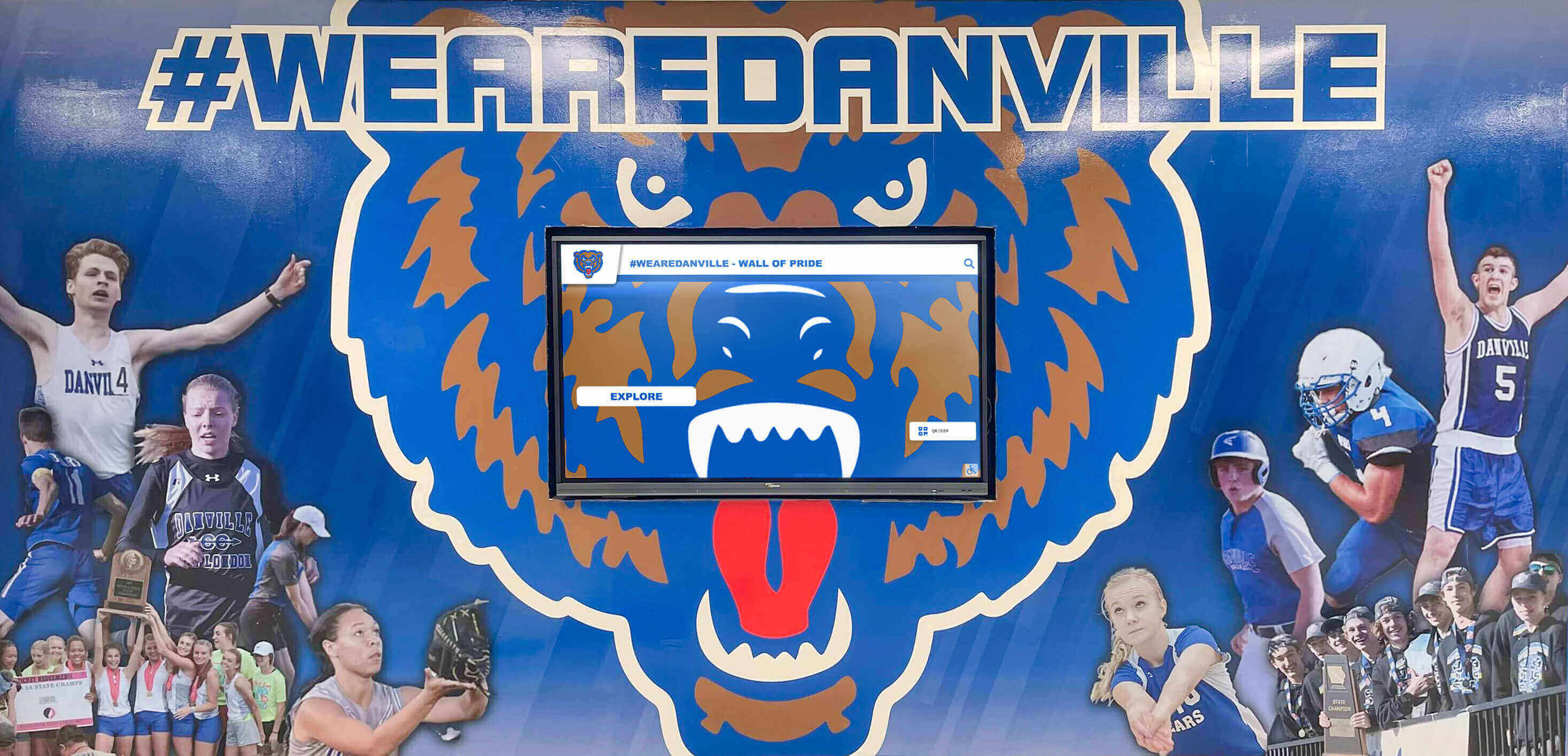
School displays honor student achievements across athletics, academics, and activities—values reflected in homecoming traditions
Creative DIY Homecoming Mum Ideas and Designs
With understanding of essential components established, exploring specific design approaches helps students create mums reflecting their unique style, school spirit, and creative vision.
Classic Traditional Mum Design
For students preferring timeless elegance over trendy elaboration, classic traditional mums honor the original spirit of this homecoming tradition while incorporating quality materials and thoughtful personalization.
Design Elements: Traditional mums feature a single large white or school-colored silk mum as the centerpiece, 10-15 ribbons in school colors with modest personalization, simple pointed or fish-tail ribbon cuts creating clean lines, classic embellishments like small bells or a single mascot, and streamlined construction emphasizing quality over quantity.
Why Choose Traditional: Classic designs offer several advantages—lower cost than elaborate creations, easier construction for DIY first-timers, timeless aesthetic that photographs beautifully, comfortable wearing throughout long homecoming days, and focus on essential elements rather than overwhelming decoration. Traditional mums work especially well for schools new to the tradition or students preferring understated elegance to competitive elaboration.
Personalization Within Tradition: Even traditional designs accommodate personalization through custom-printed ribbons featuring meaningful messages, careful color coordination with formal wear or dates’ attire, strategic trinket selection representing key interests, and quality materials elevating simple designs above budget alternatives.
Elaborate Statement Mum
At the opposite end of the spectrum, elaborate statement mums embrace maximalist approaches where more is more and creative ambition knows few limits.
Design Characteristics: Statement mums typically feature multiple layered mums creating dimensional bases, 30-50+ ribbons in various widths and styles, extensive personalization across multiple ribbons, abundant trinkets, charms, and decorative elements, technological additions like lights or sound, dramatic length often extending several feet, and complex construction requiring significant time investment.
Planning Elaborate Designs: Successfully executing complex mums requires careful planning. Create design sketches mapping where different elements will be positioned, establish color schemes ensuring visual coherence despite numerous elements, budget realistically as costs escalate quickly with extensive materials, allow adequate construction time—elaborate mums may require 10-20 hours to complete, and plan structural support ensuring weight is distributed to prevent sagging or falling.
Construction Challenges: Large, elaborate mums present specific challenges. Weight becomes significant consideration—excessive weight causes discomfort during all-day wearing and may damage clothing. Strategic ribbon positioning prevents tangling and maintains organized appearance. Backing boards or structural supports may be necessary to maintain shape and distribute weight appropriately.
Color-Coordinated School Spirit Design
Designs centered on impeccable color coordination create visually striking mums demonstrating school pride through thoughtful aesthetic choices.
Monochromatic School Colors: Some of the most impactful mums use variations of single school colors—for schools with blue, designers might combine navy, royal blue, sky blue, and turquoise creating monochromatic sophistication. Adding metallic accents in silver or gold, white elements providing contrast and brightness, and textural variation through different ribbon materials prevents monochromatic designs from appearing flat or boring.
Complementary Color Schemes: For schools with multiple colors, complementary approaches create visual harmony. Layer ribbons graduating from dark to light shades, alternate school colors in patterns, use one color for base mum and contrasting color for ribbons, or incorporate color blocking where different mum sections feature different colors.
Metallic and Sparkle Elements: Metallic ribbons, glittered mums, and sparkly embellishments add glamour while coordinating with virtually any color scheme. Gold and silver metallics complement all school colors, rose gold offers contemporary appeal, and holographic or iridescent elements catch light beautifully in photographs and under stadium lights.
Theme-Based Creative Mums
Theme-based mums move beyond standard school spirit to incorporate creative concepts making designs truly unique and memorable.
Vintage or Retro Themes: Designs inspired by different eras create distinctive aesthetics—1950s rockabilly mums featuring polka dots and vintage cars, 1960s mod designs with bold geometric patterns, 1970s disco incorporating mirror balls and platform shoes, or 1980s neon with cassette tapes and boomboxes. Vintage themes work especially well when coordinated with retro formal wear or as nods to school history and founding decades.
Hobby or Interest Themes: Mums centered on specific interests tell personal stories. Options include sports-specific designs featuring equipment, positions, and team colors; music mums incorporating notes, instruments, and concert tickets; art-focused designs with palettes, brushes, and famous artwork references; literary mums featuring book covers, quotes, and author references; and STEM designs incorporating equations, elements, or scientific symbols.
Seasonal or Nature Themes: Incorporating seasonal elements beyond standard fall colors creates fresh interpretations. Autumn harvest themes feature leaves, pumpkins, and rustic elements; celestial designs incorporate stars, moons, and galaxies; floral garden themes extend beyond mums to include other flower varieties; and wildlife themes featuring school mascots in natural habitats.
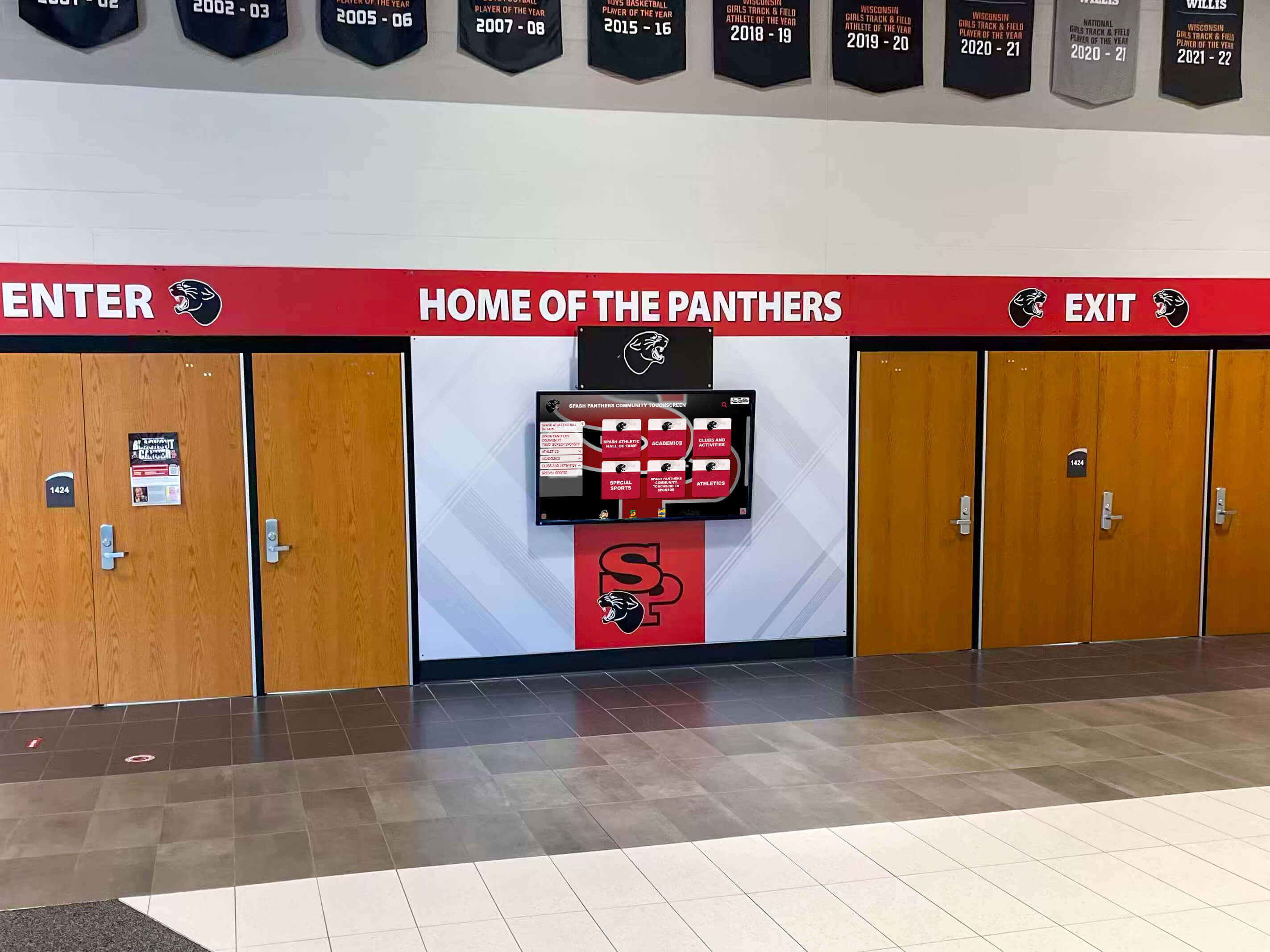
Schools honor traditions through visible displays of pride, from homecoming mums to permanent recognition installations
Step-by-Step Guide to Creating Your Homecoming Mum
Transforming creative vision into finished homecoming mum requires systematic approach and attention to construction fundamentals.
Planning and Preparation
Establish Your Budget: Homecoming mum costs vary dramatically—simple DIY mums may cost $20-40, while elaborate creations can exceed $200-300. Establish realistic budget before purchasing materials, allowing cost to guide design complexity. Remember that pre-made mums from specialty vendors typically cost 50-100% more than DIY equivalents, making crafting worthwhile for budget-conscious students.
Gather Design Inspiration: Before purchasing materials, collect ideas from multiple sources. Browse online mum galleries and Pinterest boards, examine previous years’ mums at your school, consult with experienced mum makers, review vendor catalogs for component ideas, and identify specific elements you want to incorporate. Creating mood boards or sketches helps visualize final design and guides purchasing decisions.
Create Supply List: Based on design plans, develop comprehensive supply lists preventing mid-project store runs. Essential supplies include mum flower(s) in chosen sizes and colors, ribbons in various widths and types, backing board or cardboard for structure, straight pins or hot glue for assembly, decorative elements and trinkets, nameplate or custom elements, attachment mechanism (pin back or chain), and scissors, wire cutters, and other tools.
Assembling the Base Structure
Prepare the Backing: Most homecoming mums require sturdy backing providing structural support. Cut cardboard or specialized mum backing board into circles slightly smaller than your base mum flower. Cover backing with ribbon or fabric in school colors, creating finished appearance visible from behind. Attach pin back or chain mechanism to backing before adding decorative elements, ensuring secure attachment that supports full mum weight.
Attach the Mum Flower: Secure your base mum flower to prepared backing using hot glue, straight pins pushed through from back and bent flat, or floral wire threaded through backing. For multi-layered mums, attach largest flower first, then layer smaller mums on top with slight offsets creating dimensional appearance. Ensure all flowers are securely attached—homecoming activities involve significant movement that can dislodge poorly secured elements.
Create Ribbon Arrangement: Before attaching ribbons permanently, arrange them in desired configuration. Layer ribbons by width—typically widest at bottom graduating to narrowest at top creates balanced appearance. Stagger ribbon lengths creating cascading effect rather than uniform bottom edge. Experiment with different arrangements before committing to final design, photographing various layouts to compare options.
Adding Ribbons and Decorations
Secure Ribbons: Once arrangement is finalized, attach ribbons to mum backing. Most builders use one of several methods: hot glue ribbons directly to backing in layered fashion; create ribbon loops stapled or sewn to backing; or punch small holes in backing and thread ribbons through, tying knots to secure. Whichever method you choose, ensure ribbons are firmly attached—they bear significant weight from additional decorations and must withstand wearing movement.
Attach Decorative Elements: Add trinkets, charms, and embellishments working from largest elements to smallest. Distribute weight evenly across ribbons rather than clustering heavy items together. Attach elements using hot glue for permanent adhesion, strong craft wire for flexibility, or small safety pins allowing repositioning. Space decorations strategically—too many clustered together creates visual confusion, while thoughtful spacing guides viewer’s eye through the design.
Add Personalized Text Elements: Attach custom-printed ribbons and nameplates where they’ll be most visible. Consider placement carefully—elements near the mum flower receive most attention, while those farther down ribbons may be overlooked. Use contrasting colors ensuring text remains readable rather than blending into backgrounds. Apply protective clear acrylic spray to custom-printed elements if concerned about weather or handling damage.
Finishing Touches and Quality Check
Install Technical Elements: If incorporating LED lights, sound modules, or other technological additions, install them last to avoid damage during construction. Ensure batteries are accessible for replacement and all elements function properly before declaring mum complete. Test lights under various conditions—classroom lighting, outdoor daylight, evening conditions—ensuring visibility in all scenarios.
Conduct Structural Assessment: Before declaring your mum complete, conduct thorough quality check. Test that backing attachment is secure and weight is manageable, all ribbons are firmly attached and hang attractively, decorative elements are securely fastened, no sharp edges or points could snag clothing or cause injury, and overall appearance matches your design vision.
Plan for Transportation and Storage: Homecoming mums require careful handling between creation and wearing. Store mums flat in large boxes preventing ribbon crushing, transport in vehicles where they won’t be crushed by other items, handle by backing rather than pulling on ribbons or decorations, and consider creating dust covers protecting mums until homecoming day.
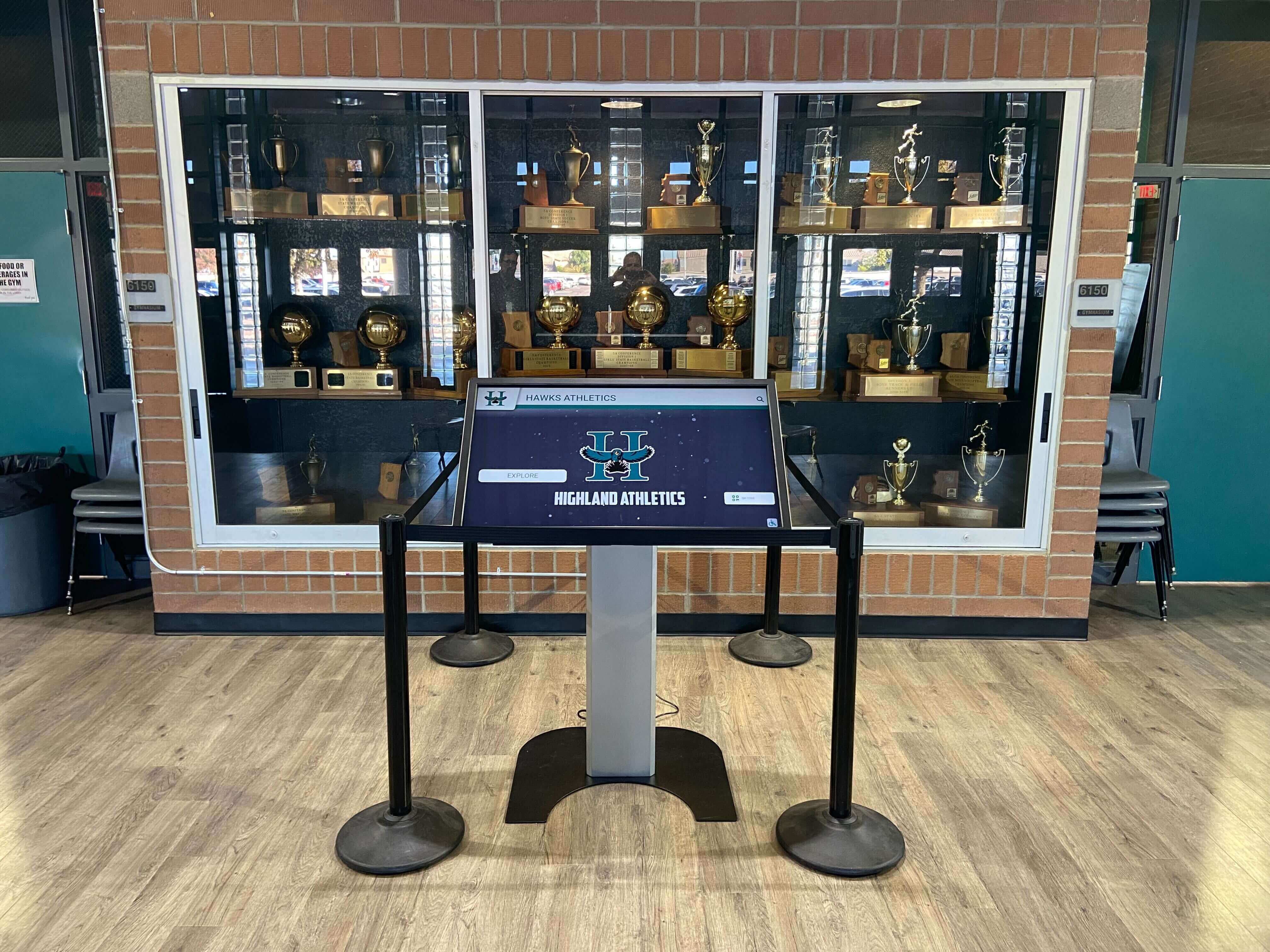
Modern schools celebrate achievements through interactive displays that complement traditional spirit expressions like homecoming mums
Budget-Friendly Homecoming Mum Ideas
Creating impressive homecoming mums doesn’t require unlimited budgets. Strategic planning and creative resourcefulness yield beautiful results at fraction of elaborate mum costs.
Cost-Saving Material Strategies
Shop Sales and Clearance: Craft stores regularly offer 40-60% off coupons and seasonal sales. Purchase ribbons and base materials during back-to-school sales, scout post-homecoming clearance for next year’s supplies, use store coupons and competitor price matching, and buy generic craft supplies rather than specialized “homecoming mum” products often carrying premium prices.
Group Purchases: Coordinate with friends to buy materials in bulk at reduced per-unit costs. Share ribbon rolls creating variety without individual students buying full rolls, split specialty tool costs like hot glue guns or ribbon cutters, purchase backing board sheets and cut individual pieces, and pool orders for custom-printed ribbons often requiring minimum quantities.
Repurpose and Reuse: Incorporate elements from previous years’ mums, repurpose costume jewelry and decorative elements from other projects, use ribbons from gift wrapping or previous celebrations, create custom elements from items already owned, and borrow specialized tools rather than purchasing items used once.
Simplified Designs With Maximum Impact
Budget-friendly mums can rival elaborate creations through strategic design choices emphasizing quality over quantity.
Focus on Key Elements: Rather than dozens of mediocre ribbons and trinkets, invest in fewer high-quality elements. Choose one stunning base mum in perfect school color, select 8-12 beautiful ribbons including one or two custom-printed, add three to five meaningful trinkets rather than random fillers, and invest time in immaculate construction rather than expensive materials.
Strategic Color Choices: Monochromatic color schemes typically cost less than multi-color designs while often creating more sophisticated appearances. Use single school color in various shades and textures, add metallic or white accents for visual interest, and focus on ribbon variety rather than color variety.
DIY Custom Elements: Creating personalized elements yourself eliminates expensive custom order costs. Hand-letter ribbons using permanent markers or paint, create photo elements using home printers and laminating, craft trinkets from polymer clay or craft foam, and design digital elements for free printing at school or library.
Free or Low-Cost Decoration Ideas
Natural Elements: Incorporate fall leaves, small pinecones, or dried flowers collected free, creating seasonal aesthetic. Seal natural elements with clear acrylic spray preventing deterioration.
Recycled Materials: Bottle caps painted in school colors create unique trinkets, cardboard cut into shapes and decorated serves as custom charms, fabric scraps from old clothing or projects become ribbon alternatives, and magazine or yearbook cutouts provide photo elements.
Digital Resources: Many websites offer free printable homecoming mum elements—printable name cards and labels, decorative borders and frames, school spirit graphics and mascots, and ribbon-wrapping patterns and templates.
Preserving Your Homecoming Mum as a Keepsake
After investing time, creativity, and resources into creating the perfect homecoming mum, proper preservation maintains it as lasting memento of this special celebration.
Immediate Post-Homecoming Care
Gentle Handling: After wearing throughout homecoming festivities, mums require careful handling to prevent damage. Remove carefully to avoid pulling off decorations or ripping ribbons, gently brush off any dirt or debris accumulated during wear, check for and repair any loose elements before they detach completely, and allow mum to air out if exposed to rain or moisture.
Damage Assessment and Repair: Inspect mums thoroughly after homecoming, addressing damage while supplies are still available and construction methods fresh in memory. Reattach any loosened ribbons or decorations, replace any elements lost during festivities, straighten bent or crushed ribbons, and touch up any cosmetic damage to printed elements or painted decorations.
Long-Term Storage Methods
Shadow Box Display: Converting homecoming mums into shadow box displays creates attractive wall art preserving memories while serving as room decoration. Select shadow boxes sized appropriately for your mum, arrange mum with ribbons spread attractively or gathered neatly, add photograph from homecoming alongside mum, include ticket stubs, programs, or other memorabilia, and mount on bedroom or dorm room wall as conversation piece.
Flat Storage: For students without wall space for display, flat storage protects mums for future nostalgia. Place mum in large, flat container preventing crushing, layer tissue paper between ribbons preventing color transfer, store in climate-controlled area avoiding excessive heat or humidity, and include desiccant packets preventing moisture damage.
Photograph Documentation: Even with physical preservation, photographing mums ensures memories persist beyond physical objects’ lifespans. Capture detail shots showing custom elements and trinkets, photograph yourself wearing mum at homecoming, document construction process for future reference, and save digital photos in multiple locations preventing loss.
Creative Repurposing Ideas
For students not interested in indefinite storage, creative repurposing gives mum components new life.
Ribbon and Trinket Reuse: High-quality ribbons can be repurposed for future crafts, gift wrapping, scrapbooking, or next year’s mum. Meaningful trinkets become jewelry charms or decorative elements for other projects.
Memory Books: Incorporate mum elements into homecoming scrapbooks or memory books. Photograph complete mum, then disassemble and include favorite ribbons, flatten and preserve mum flower, attach trinkets to scrapbook pages with their stories, and combine with photos, tickets, and other homecoming memorabilia.
Donation or Sharing: Some communities have traditions of passing down mum-making supplies. Donate unused materials to younger students or siblings, share construction knowledge and techniques, contribute supplies to school drama or craft programs, or organize community mum-making workshops sharing resources and expertise.
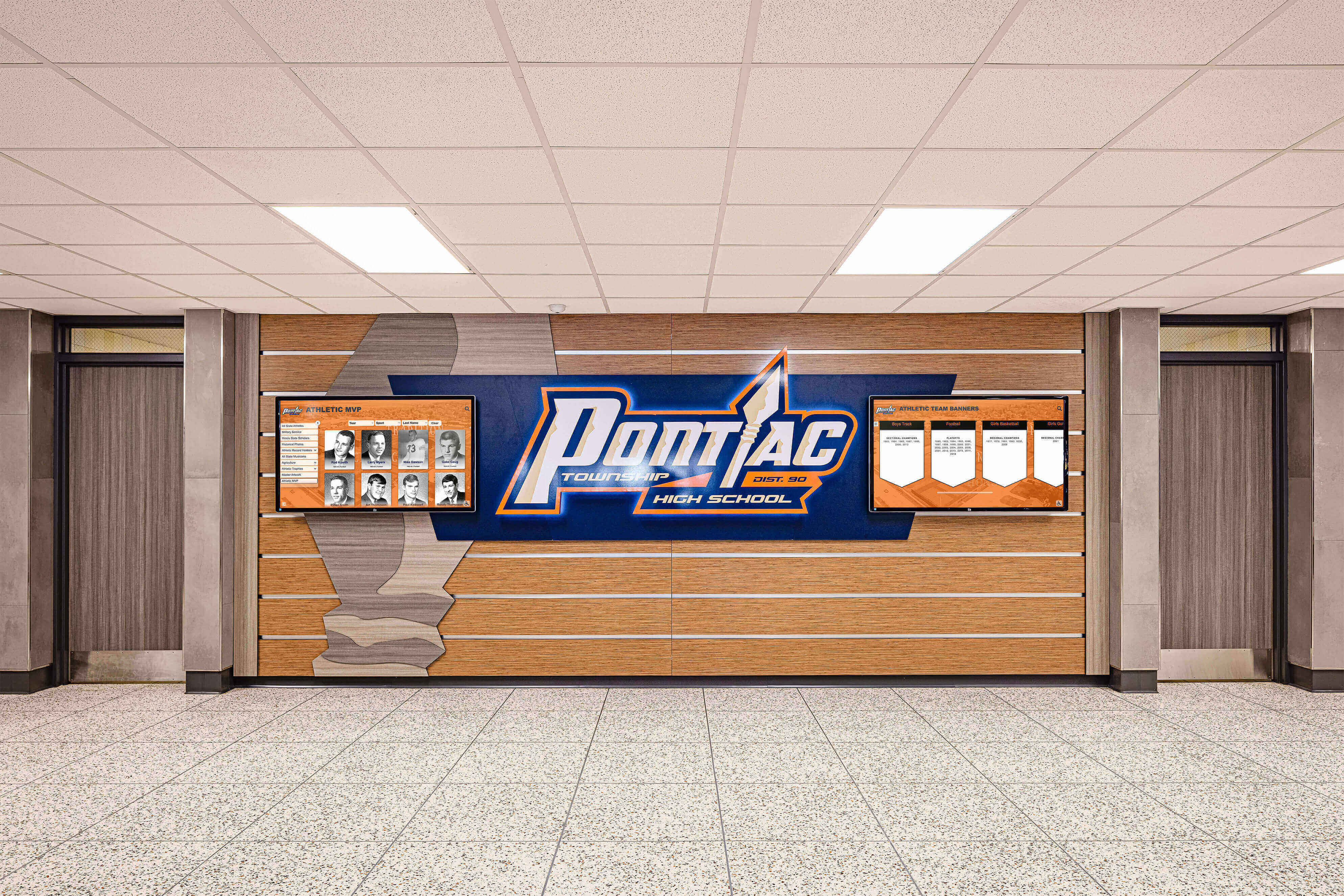
Schools preserve traditions and [recognize student achievements](https://digitalawardsdisplay.com/blog/team-awards-ideas-creative-categories-beyond-mvp-sports-banquet/?utm_source=organic&utm_medium=seo-auto&utm_content=touchwall&utm_campaign=homecoming-mum-ideas&utm_term=seo) through both temporary celebrations like mums and permanent displays
Modern Alternatives and Complementary Traditions
While traditional homecoming mums remain beloved at many schools, modern alternatives and complementary traditions reflect evolving student preferences and environmental consciousness.
Eco-Friendly and Sustainable Options
Growing environmental awareness has prompted some students and schools to reimagine homecoming traditions with sustainability in mind.
Reusable Mum Bases: Instead of single-use creations, some crafters build modular mums with reusable bases and interchangeable elements. Invest in high-quality mum flowers and backing, design ribbon systems allowing easy replacement or updates, create loops or attachments for swapping trinkets, and reuse base structure for multiple homecomings or events.
Natural and Biodegradable Materials: Environmentally conscious designs incorporate materials that decompose naturally. Use real flowers for students comfortable with shorter mum lifespans, choose ribbon alternatives like fabric strips or natural twine, incorporate dried flowers, leaves, or other compostable decorations, and select wooden trinkets rather than plastic alternatives.
Digital Recognition Alternatives: Some schools have begun supplementing or replacing physical mums with digital recognition celebrating school spirit and homecoming participation. Modern academic recognition programs and digital displays preserve achievements permanently while reducing physical waste.
Gender-Inclusive Approaches
Traditional homecoming mum culture often centered on heteronormative dating relationships with gendered expectations—elaborate mums for girls, simpler garters for boys. Modern approaches embrace inclusivity and personal choice.
Personal Preference Over Gender Norms: Progressive schools encourage all students to choose mum styles reflecting personal preferences rather than gender expectations. Any student may wear traditional large mums, simplified garter styles, or creative alternatives regardless of gender identity. Students exchange mums based on friendships and personal relationships rather than exclusively romantic dating. Size and elaboration reflect individual taste and budget rather than gender-based expectations.
Friend Group Mums: Many students now create coordinated mums celebrating friend groups rather than exclusively romantic relationships. Design matching or complementary mums for entire friend groups, incorporate inside jokes and shared experiences across multiple mums, and photograph groups together wearing coordinated creations celebrating meaningful friendships alongside or instead of dating relationships.
Integrating Traditional and Digital Recognition
Forward-thinking schools recognize that physical traditions like homecoming mums and permanent digital recognition serve complementary purposes in celebrating student achievement and school spirit.
Temporary and Permanent Celebration: While homecoming mums provide memorable temporary celebration, schools increasingly invest in permanent recognition systems preserving achievements long-term. Digital hall of fame displays document student accomplishments across academics, athletics, arts, and service—creating lasting records that homecoming mums complement with tangible, immediate celebration.
Comprehensive School Spirit Programs: The most successful school spirit initiatives combine multiple approaches. Traditional physical celebrations like homecoming mums for immediate community building, modern digital displays preserving achievements permanently, social media campaigns extending celebration beyond physical campus, and recognition programs honoring diverse accomplishments across all student populations.
Solutions like Rocket Alumni Solutions provide schools with interactive touchscreen displays celebrating student achievements year-round while complementing seasonal traditions. These permanent installations ensure that the school spirit visible during homecoming week through mums, decorations, and celebrations extends throughout the academic year through ongoing recognition of student excellence.
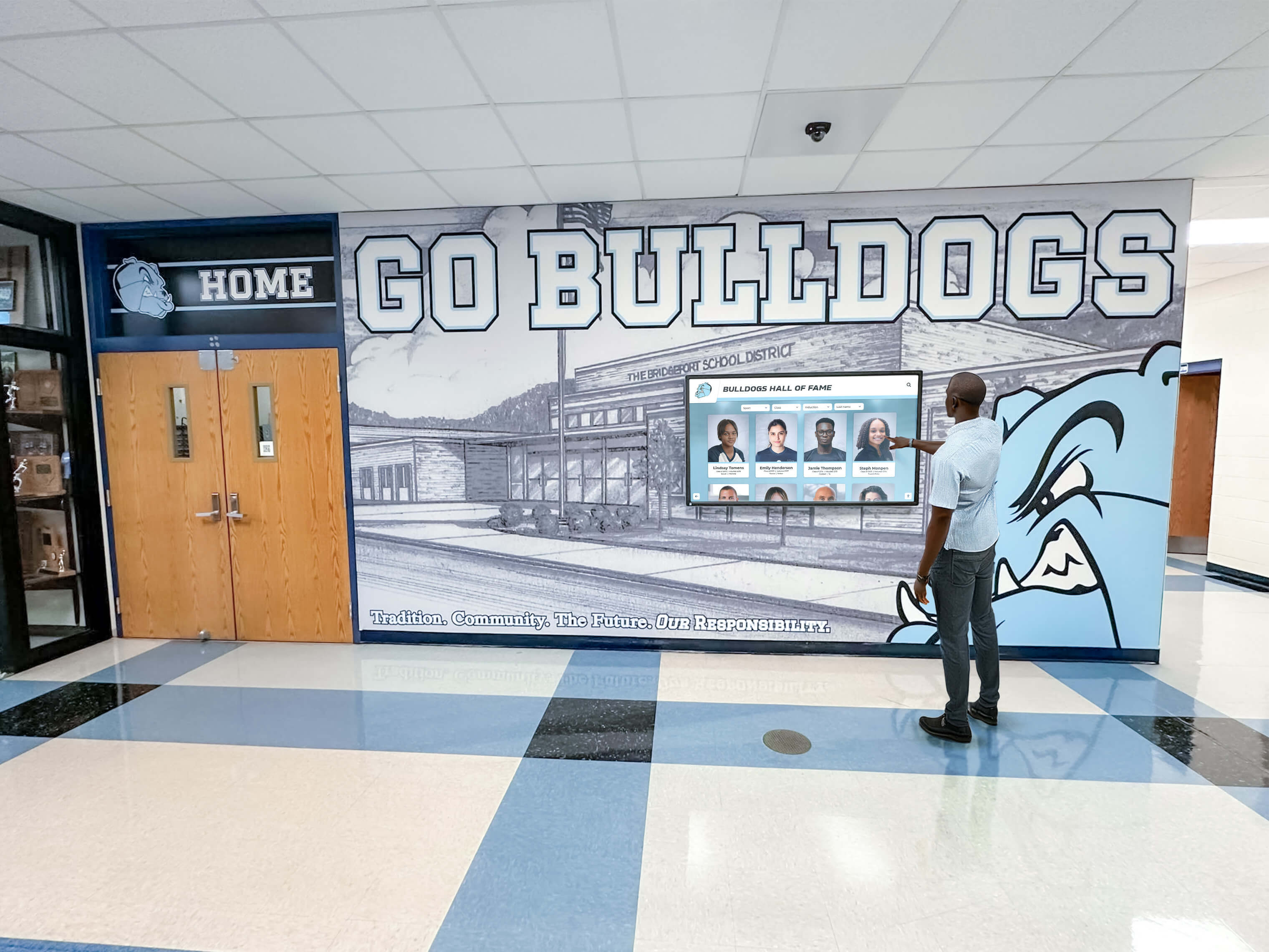
Interactive digital displays enable schools to celebrate achievements permanently while honoring temporary traditions like homecoming
Homecoming Mum Etiquette and Traditions
Understanding unwritten rules and expectations surrounding homecoming mums helps students navigate this tradition confidently while respecting established customs.
Giving and Receiving Mums
Who Gives Mums: Traditions vary by school and region, but general practices include males traditionally giving mums to female dates or friends, females giving smaller garters to male dates, friend groups exchanging mums regardless of gender, and students purchasing or making their own mums if not receiving from others.
Timing: Mum exchanges typically occur during the week leading to homecoming, though specific timing varies. Some students present mums at school the morning of homecoming game, during special homecoming assemblies or pep rallies, at pre-game gatherings or tailgates, or during homecoming week at mutually convenient times.
Reciprocity Expectations: Understanding reciprocity prevents awkward situations. If someone gives you an elaborate mum, similar effort in return acknowledges their gesture, though exact matching isn’t required. Friends exchanging mums typically coordinate approximately equivalent investments. When unable to reciprocate similarly due to budget constraints, communicate openly rather than going into debt matching expensive gifts.
Wearing Your Mum
Duration: Most students wear homecoming mums throughout homecoming day—from morning classes through evening dances. Some schools have designated times when mums should be worn, such as during homecoming game but not during formal dance. Check school policies regarding mum wearing in classrooms, as some teachers find them disruptive.
Attachment Methods: Secure mum attachment prevents damage to clothing or mum itself. Pin-back attachments work for most clothing but may damage delicate fabrics. Chain attachments distribute weight better for heavy mums. Some students use combination approaches—chains for weight distribution with pin backup preventing swinging.
Practical Considerations: Very elaborate mums present practical challenges. Extended ribbons may drag on ground or get caught in doors, excessive weight causes shoulder or back discomfort during all-day wearing, and bells and noise-making elements may be inappropriate during classes or ceremonies. Plan designs balancing visual impact with practical wearability.
Photography and Social Media
Homecoming mums feature prominently in photographs preserving homecoming memories, making photogenic design considerations worthwhile.
Photography Tips: Ensure mums photograph well through spread ribbons showcasing full design rather than bunched together, position yourself where lighting illuminates mum details, include close-up detail shots alongside full-body photos, and photograph from multiple angles capturing different design elements.
Social Media Sharing: Many students share mum photos across social platforms. Tag mum maker or vendor giving credit, use school-specific hashtags building community engagement, share construction process photos if you made mum yourself, and respect others’ privacy—ask permission before posting photos including friends’ faces or names.
Regional Differences and School-Specific Traditions
While homecoming mum traditions share common elements, significant regional and individual school variations create distinct local customs.
Texas Homecoming Mum Culture
Texas homecoming mums represent the most elaborate expressions of this tradition, with distinct characteristics setting them apart from other regions.
Size and Complexity: Texas mums often reach extraordinary proportions—three feet or longer in length, incorporating 30-100+ ribbons, dozens of trinkets and embellishments, multiple layered mum flowers, significant weight requiring sturdy construction, and costs frequently exceeding $200-300 for elaborate designs.
Garters for Males: Texas tradition includes smaller “garter” mums worn by male students on their arms. Garters feature similar design elements as traditional mums but in more compact format, typically 12-18 inches in length with 15-30 ribbons, worn on upper arm with elastic or Velcro attachment, and incorporating many same personalization options as larger mums.
Competitive Culture: In many Texas schools, homecoming mum creation becomes friendly competition with students comparing sizes, elaborateness, and creativity. Some schools have implemented size restrictions preventing exclusionary escalation. Others embrace the competitive spirit while encouraging budget-friendly creativity.
Adaptations in Other Regions
Outside Texas, homecoming mum traditions exist but typically feature different characteristics.
Southern States: Other southern states including Oklahoma, Louisiana, and Arkansas have mum traditions sharing similarities with Texas but typically more modest in scale. Smaller average mum size, fewer ribbons and decorations, and less competitive culture maintain tradition without the extreme elaboration.
Limited Regional Presence: In many U.S. regions, homecoming mum traditions remain unknown or practiced only at individual schools with southern transplant populations. Schools in these areas may have alternative homecoming traditions—corsages of other flower types, spirit wear competitions, community showcase projects, or focus exclusively on game and dance without physical keepsakes.
School-Specific Customs
Individual schools often develop unique mum-related traditions reflecting local culture and history.
Signature Elements: Some schools have specific elements appearing on all their mums. Required school mascot trinkets, traditional ribbon colors or patterns, specific text elements referencing school history or mottos, and established size guidelines creating consistency across student body.
Mum-Making Events: Some schools organize community mum-making workshops. Parent organizations host crafting sessions with supplies and instruction, experienced students mentor first-time mum makers, schools provide workspace and tools for students without home resources, and community gatherings build spirit while making tradition accessible to all economic backgrounds.
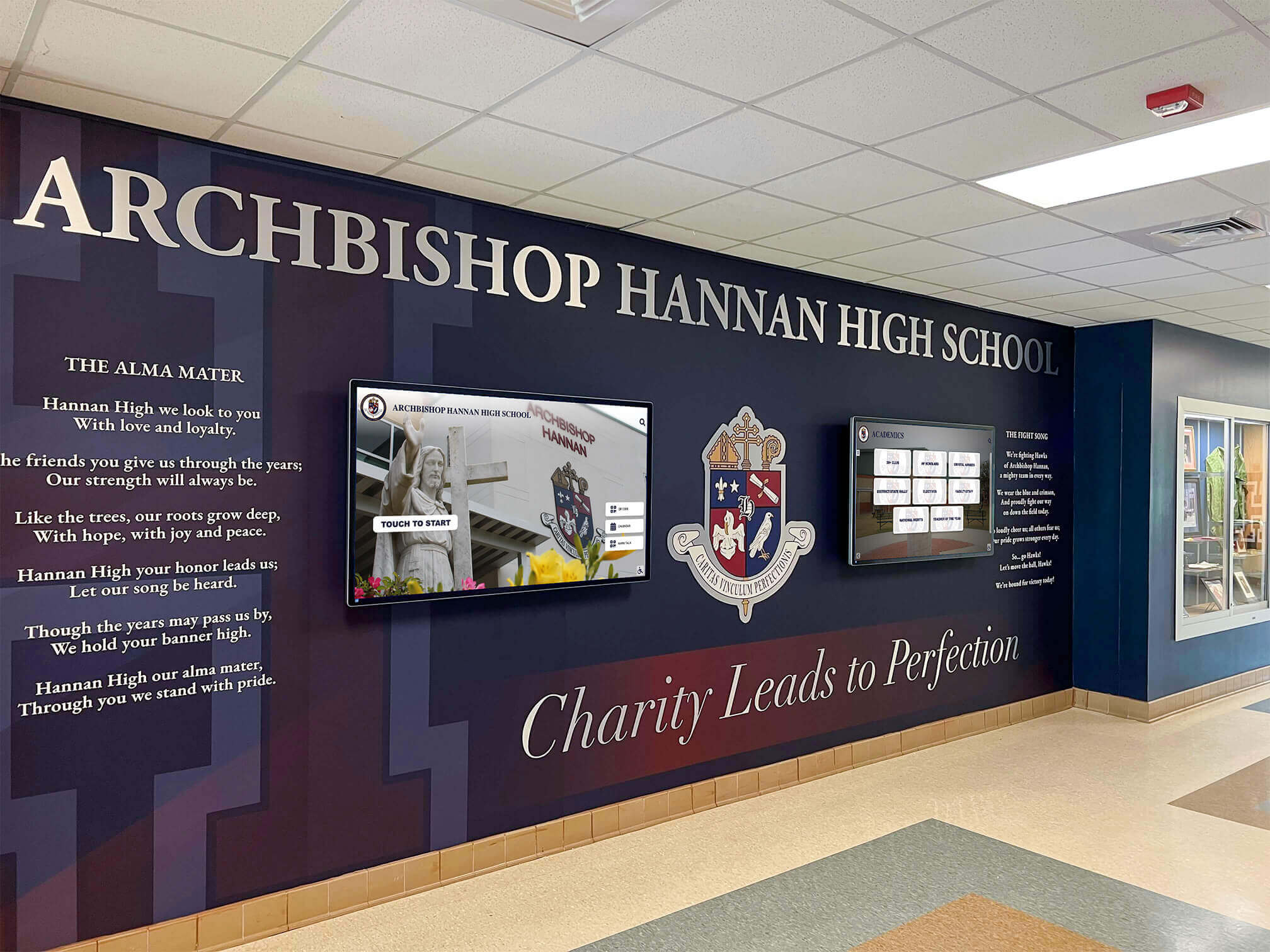
Schools integrate traditional homecoming celebrations with [permanent recognition displays](https://digitalawardsdisplay.com/blog/graduation-honors-cords-colors-meanings-traditions/?utm_source=organic&utm_medium=seo-auto&utm_content=touchwall&utm_campaign=homecoming-mum-ideas&utm_term=seo) honoring achievement
Conclusion: Celebrating School Spirit Through Creative Expression
Homecoming mums represent unique intersection of tradition, creativity, and school spirit—where students transform simple materials into elaborate expressions of community pride, personal identity, and the relationships that define their high school experience. Whether you choose classic traditional designs honoring decades of history or innovative modern interpretations incorporating contemporary aesthetics and technology, your homecoming mum becomes tangible symbol of belonging to something larger than yourself.
The process of creating homecoming mums—selecting colors that represent your school, personalizing ribbons with meaningful text, adding trinkets reflecting your achievements and interests, and constructing something entirely unique—mirrors the broader high school journey of discovering identity, building connections, and creating memories that persist long after graduation. Like the temporary but meaningful nature of homecoming mums themselves, high school represents brief but formative period where traditions like these help students understand their place within ongoing community spanning generations.
Celebrate School Spirit Year-Round
While homecoming mums create memorable temporary celebrations, discover how modern digital recognition solutions help schools honor student achievements permanently through interactive displays that inspire pride every day.
Explore Recognition SolutionsAs you plan and create your homecoming mum, remember that this tradition’s true value lies not in size, cost, or elaborateness, but in the connections it represents and the memories it preserves. Your mum tells your story—your school loyalty, your personal achievements, your friendships, and your participation in tradition connecting you to students who came before and those who will follow.
The creativity, effort, and spirit you invest in crafting the perfect homecoming mum reflects broader values that extend throughout your educational experience. Just as quality recognition programs celebrate diverse student accomplishments across academics, athletics, arts, and service, the best homecoming mums honor individual identity while demonstrating collective school pride.
Whether you’re designing your first homecoming mum or refining techniques perfected over multiple years, approach this tradition as opportunity for creative expression, celebration of meaningful relationships, and visible demonstration of the school spirit that transforms educational institutions into communities where students thrive and memories last lifetimes.
Ready to complement your homecoming traditions with permanent recognition celebrating student achievement year-round? Learn how interactive digital displays from Rocket Alumni Solutions help schools honor excellence and build lasting pride.































