Standing in the crowded hallway with a poster board, markers, and a million ideas racing through your mind—this moment captures both the excitement and pressure of creating the perfect homecoming poster. Whether you’re crafting a creative promposal sign to ask someone special to the dance, designing spirit week displays to pump up your class, or creating celebration banners to honor homecoming court nominees, your poster represents more than decorated cardboard. It’s a declaration of school pride, a display of creativity, and potentially a memory that friends will laugh about for years to come.
In an era where students scroll through thousands of images daily, creating poster designs that genuinely stand out requires more than copying what worked last year. The best homecoming posters balance creativity with authenticity, humor with respect, and visual impact with personal meaning. They capture attention in busy hallways, photograph well for social media sharing, and most importantly—they make recipients feel truly special and valued.
This comprehensive guide explores creative homecoming poster ideas across every category—from elaborate promposal signs incorporating puns and personal interests to team spirit displays building grade-level competition and celebration posters honoring homecoming royalty. You’ll discover design principles that make posters visually compelling, messaging strategies that resonate emotionally, and execution tips ensuring your ideas translate from imagination to impressive reality.
Whether you’re planning your first homecoming promposal, coordinating spirit week displays for your entire class, or simply seeking fresh inspiration for this year’s homecoming celebrations, these proven strategies and creative examples will help you create posters that capture attention, express personality, and contribute to the unforgettable school spirit that makes homecoming week special.
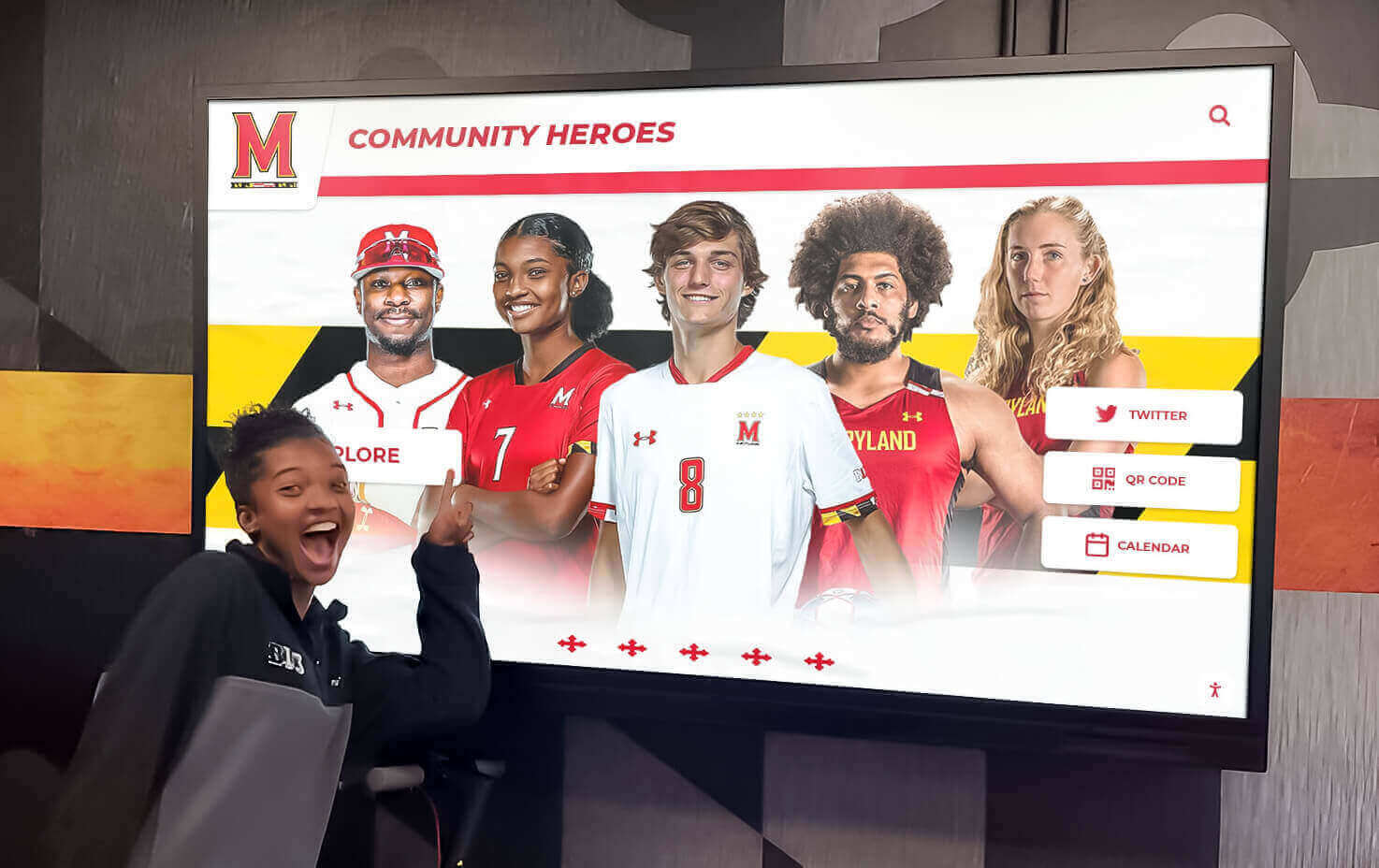
Creative displays celebrating school achievements inspire students to participate enthusiastically in homecoming traditions
Understanding Homecoming Poster Categories and Purposes
Homecoming week generates demand for various poster types, each serving distinct purposes and requiring different creative approaches. Understanding these categories helps you tailor designs appropriately for specific contexts and audiences.
Promposal Posters: Making the Ask Memorable
Promposal posters—creative signs asking someone to attend homecoming—have evolved from simple questions into elaborate productions reflecting personality, shared interests, and genuine thoughtfulness. These posters succeed when they balance several key elements:
Personal Relevance: The most memorable promposals incorporate specific details about the person you’re asking—their favorite movies, inside jokes from your friendship, activities they love, or quirks that make them unique. A generic “Will you go to homecoming with me?” sign gets lost among dozens of similar requests. A poster cleverly incorporating their obsession with a specific TV show, their position on the soccer team, or their love of a particular food demonstrates that you invested thought specifically for them.
Appropriate Humor: Puns, wordplay, and clever jokes make promposals entertaining and shareable. However, humor should never come at someone’s expense or make them uncomfortable. The best promposal humor makes both parties smile rather than putting anyone in awkward positions. Consider your relationship and the recipient’s personality—what one person finds hilarious might make another cringe. When unsure, err toward sweet and sincere rather than edgy or potentially embarrassing.
Visual Impact: In crowded hallways or during lunch periods, promposal posters compete for attention with hundreds of simultaneous conversations, phone screens, and distractions. Effective designs use bold colors, clear lettering visible from distance, strategic layout guiding eyes to key elements, and sufficient white space preventing cluttered, overwhelming appearances. Remember that photos shared on social media compress details, so designs must read clearly even when viewed on small phone screens.
Deliverable Execution: Instagram-worthy promposal ideas often require logistics beyond poster creation—coordinating with friends for photo opportunities, arranging surprise timing, securing permission for dramatic presentations during school hours, and planning backup approaches if initial ideas prove infeasible. Before committing to elaborate concepts requiring extensive coordination, ensure you can actually execute your vision within school guidelines and practical constraints.
Spirit Week Competition Posters
Class competitions during homecoming week generate enthusiastic poster creation as grades vie for spirit supremacy. These displays serve different purposes than personal promposals:
Rallying Group Identity: Spirit posters unite entire classes or houses around shared identity. Effective designs incorporate grade-specific colors, mascots, or inside references that strengthen “us versus them” friendly rivalry. The goal isn’t subtle messaging—it’s loud, proud declarations of why your grade will dominate spirit week competitions.
Building Competitive Energy: The best spirit posters don’t just declare participation—they challenge rival grades while pumping up allies. Strategic placement in high-traffic hallways where competing classes congregate maximizes psychological impact. Clever trash talk that remains good-natured rather than genuinely mean-spirited builds excitement without creating actual bad feelings. Think WWE-style theatrical rivalry rather than genuine hostility.
Encouraging Participation: Spirit posters should motivate undecided students to join themed days and activities. Clear communication about daily themes, prizes for participation, current standings in spirit competitions, and simple ways even shy students can contribute broadens involvement beyond the usual enthusiastic participants. When students understand that participation matters—not just for competitive glory but for collective class pride—they’re more likely to engage.
Showcasing Creativity: Elaborate, impressive spirit displays demonstrate the artistic talent and collaborative capacity within grades. Multi-panel murals, 3D elements extending from walls, coordinated series creating narratives across multiple hallways, and interactive components inviting responses all elevate spirit displays from basic announcements to impressive installations that students photograph and share.
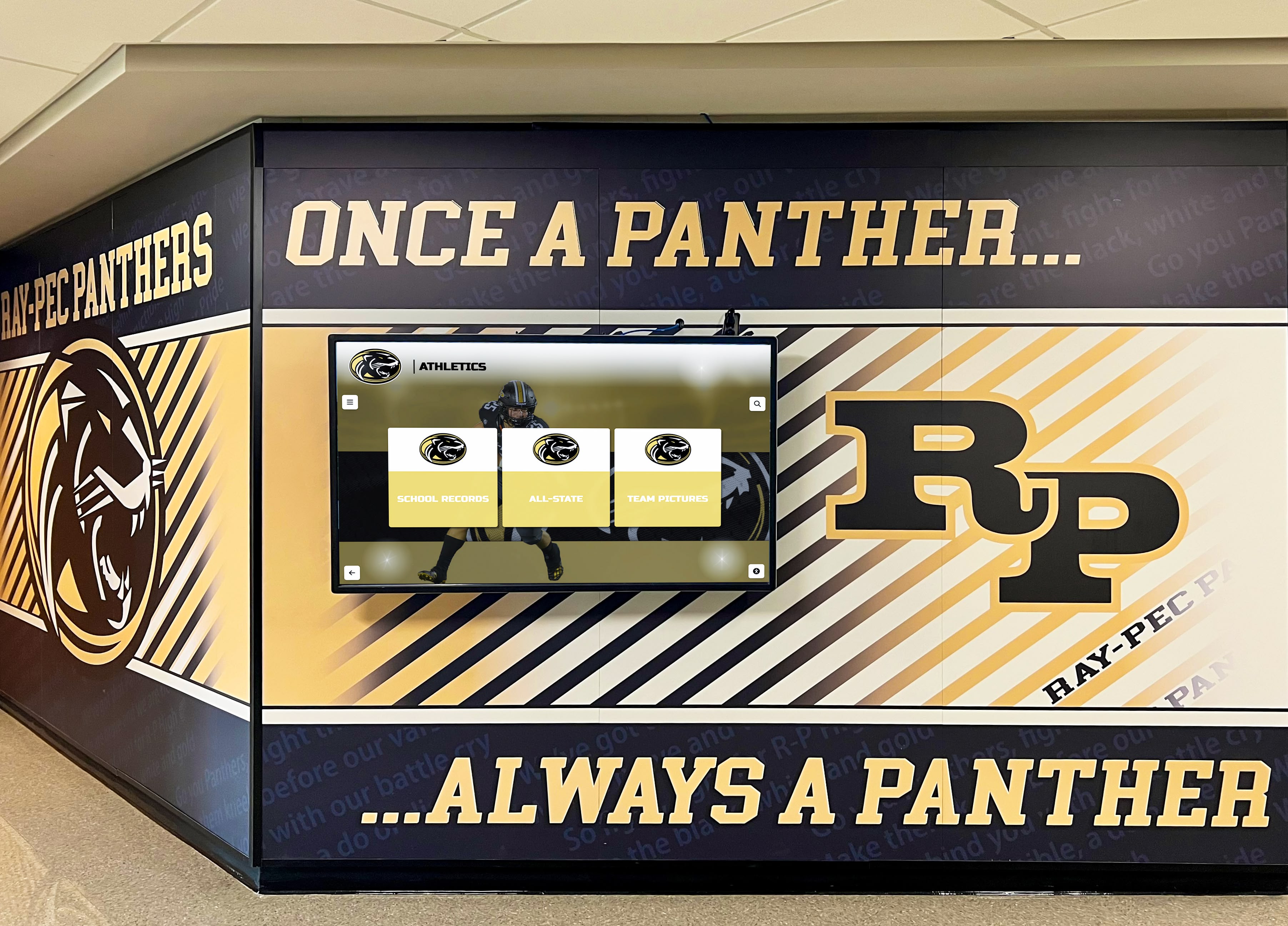
Professional recognition displays integrated into school environments model high-quality visual presentation that inspires student creativity
Homecoming Court Celebration Posters
Students nominated for homecoming court often receive decorated locker signs, hallway posters, and campaign-style displays from supportive friends. These posters require particular thoughtfulness:
Genuine Celebration: Court celebration posters should honor nominees authentically rather than creating popularity contests. Effective designs highlight actual achievements, leadership qualities, service contributions, or character traits—not just social status or physical appearance. Messages like “Congratulations Sarah! Your dedication to the food drive, leadership in student council, and infectious positivity inspire us all!” feel more meaningful than generic “Vote for Sarah!”
Inclusive Positivity: During competitive court selections, celebration posters should build candidates up without tearing rivals down. The goal is honoring all nominees rather than creating divisive campaigns. Many schools now emphasize celebrating entire courts rather than focusing exclusively on king and queen positions, recognizing that nomination itself represents significant community recognition.
Respectful Presentation: Unlike promposal humor that might embrace silliness, court celebration posters should maintain dignity appropriate for school-wide recognition. Photos, if included, should be flattering and appropriate. Messages should avoid inside jokes that exclude most students or references that might become embarrassing when displayed publicly. Remember that these posters may appear in photos shared with families and potentially reviewed by administration.
Artistic Quality: Court celebration posters often remain displayed throughout homecoming week, becoming part of the overall aesthetic environment. Well-executed designs enhance festive atmosphere while poorly made posters detract from celebration quality. Investment in quality materials, careful execution, and coordination across multiple posters creates polished presentations elevating entire homecoming celebrations. Some schools now display homecoming nominees through digital recognition displays that provide professional presentation formats.
Spirit Week Daily Theme Posters
Informational posters communicating daily themes and building anticipation throughout spirit week serve practical communication purposes while contributing to festive atmosphere:
Clear Information Hierarchy: Theme announcement posters must communicate essential information at a glance—what day, what theme, what’s expected for participation. Visual hierarchy ensures critical information dominates while supporting details remain accessible without overwhelming. Bold day names, clear theme titles, brief but specific participation examples, and prominent dates prevent confusion.
Building Anticipation: Countdown elements, sneak peeks at upcoming themes, photos from previous years’ celebrations, and enthusiastic language build excitement as homecoming approaches. Series of posters revealed progressively throughout weeks leading to homecoming create suspense and sustained attention rather than single announcements that students quickly forget.
Accessibility for All: Spirit week participation should feel achievable for all students regardless of resources or comfort levels. Theme descriptions should clarify that creativity matters more than expensive costumes, participation can range from small accessories to full outfits, and judgment-free environments welcome all engagement levels. Inclusive messaging broadens participation beyond students who might otherwise feel spirit week isn’t for them.
Reinforcing School Identity: Spirit week posters provide opportunities to prominently feature school colors, mascots, mottos, and traditions. These visual elements strengthen institutional identity while creating cohesive branded environments that enhance homecoming atmosphere. Consistency across multiple spirit week posters creates professional, coordinated impressions rather than haphazard individual efforts.
Essential Design Principles for Eye-Catching Homecoming Posters
Regardless of poster category, certain design fundamentals separate attention-grabbing displays from forgettable failures. Mastering these principles ensures your creative ideas translate into visually compelling execution.
Color Theory and Visual Impact
Strategic Color Selection: Colors evoke psychological responses and create visual hierarchies. Warm colors (reds, oranges, yellows) feel energetic and exciting—perfect for promposals and spirit displays. Cool colors (blues, greens, purples) feel calmer and more sophisticated—appropriate for court celebration posters requiring dignity. High contrast color combinations (complementary colors on the color wheel) maximize visibility from distance while analogous color schemes (neighboring colors) create harmonious, pleasing appearances.
School colors naturally dominate homecoming posters, but strategic accent colors prevent monotony. A blue and gold school might introduce white or black for text contrast, or add metallic gold paint for special emphasis beyond marker limitations. Consider how colors photograph—some combinations that look great in person photograph poorly due to similar value ranges that blur together in camera images.
Readability First: The most elaborate color scheme fails if viewers cannot easily read your message. Ensure sufficient contrast between text and background—light text on dark backgrounds or vice versa. Avoid busy patterns behind text blocks. Test readability from expected viewing distances before committing to final designs. What seems obvious when creating up close might become illegible from ten feet away in crowded hallways.
Limited Palette Discipline: Beginning designers often use every available marker color, creating rainbow chaos that overwhelms rather than engages. Professional-looking posters typically limit palettes to 3-5 colors maximum, using repetition of those chosen colors to create visual cohesion. This constraint forces intentional choices while preventing the “everything drawer” aesthetic that screams amateur rather than accomplished.
Typography and Lettering Best Practices
Hierarchy Through Size and Weight: Not all text deserves equal emphasis. The most important message (the actual question in promposals, the grade declaration in spirit posters, the nominee name in court celebrations) should dominate through larger size, bolder weight, or both. Supporting details use smaller, lighter text. This visual hierarchy guides viewers’ eyes to prioritized information first, ensuring they grasp key messages even with brief glances.
Legibility Over Creativity: Elaborate, decorative lettering might look impressive up close but often becomes unreadable from distance or in photos. For critical text—the actual question, the person’s name, theme details—choose clear, simple letterforms ensuring universal readability. Reserve decorative fonts for supporting elements where readability matters less. Better to have a boring but clear poster than an artistic but incomprehensible one.
Consistency Creates Professionalism: Using consistent lettering styles throughout posters creates unified, intentional appearances. When every word features different fonts or decorative treatments, designs feel chaotic rather than cohesive. Establish a system—perhaps block letters for main messages, cursive for personal notes, and standard print for details—and maintain that system consistently.
Spacing and Alignment: Proper spacing between letters, words, and lines dramatically impacts readability and aesthetic quality. Cramped text feels amateur and difficult to parse. Excessive spacing makes messages hard to grasp as unified thoughts. Careful alignment—centering titles, left-aligning body text, or using grid-based layouts—creates organizational clarity that guides viewers through information hierarchies. Many beginning poster makers underestimate how much spacing impacts overall quality.
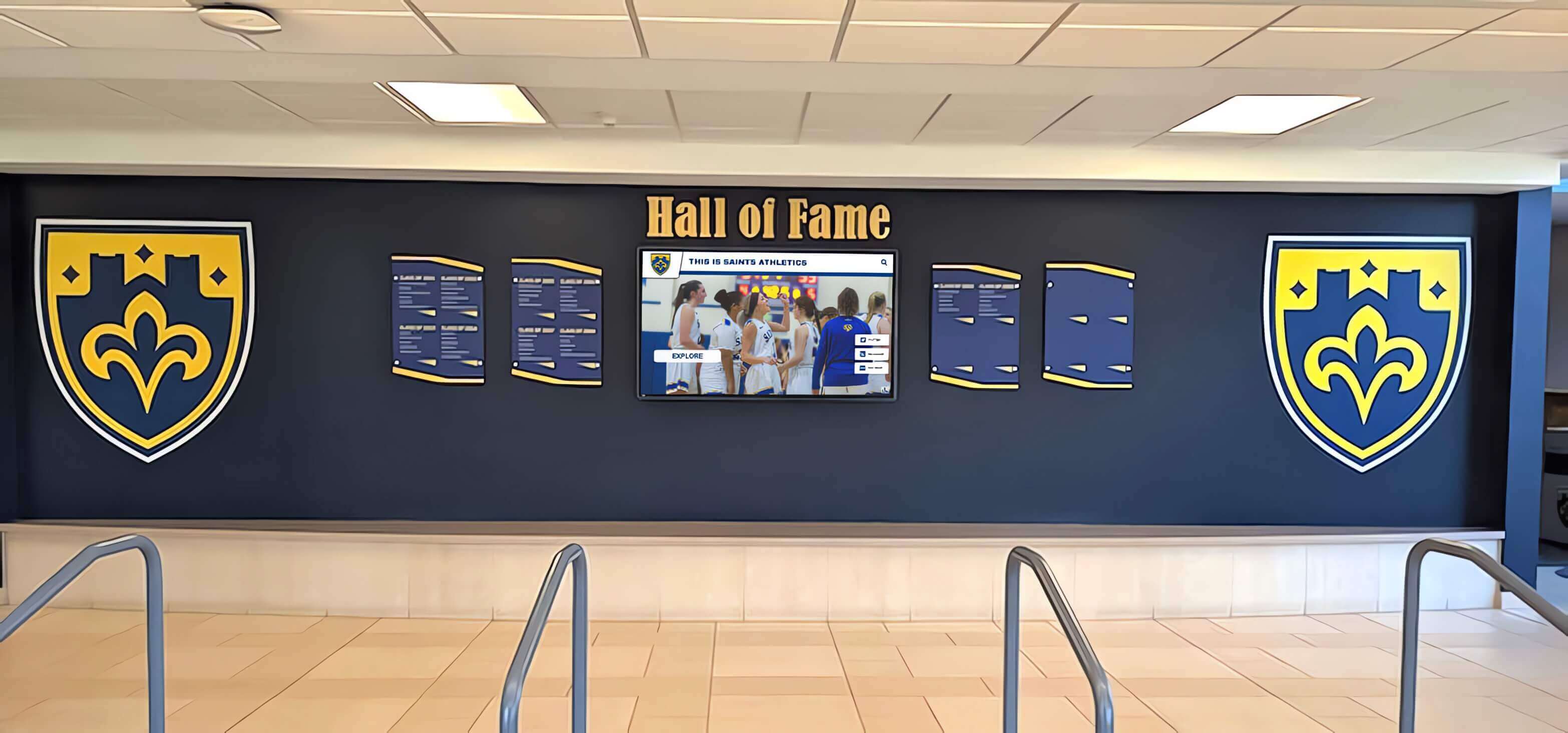
Professional recognition displays demonstrate the impact of thoughtful design, clear hierarchy, and cohesive visual presentation
Layout and Composition Strategies
The Rule of Thirds: Divide your poster into a 3×3 grid mentally. Placing key elements along these grid lines or at their intersections creates naturally balanced, visually pleasing compositions. This principle—used by photographers and designers universally—prevents overly centered designs that feel static and uninteresting. Most impactful elements should occupy the upper third where eyes naturally focus first, with supporting details filling lower regions.
White Space as Design Element: Beginning designers often feel compelled to fill every inch of poster board, fearing empty space indicates laziness. Professional designers understand that white space (or more accurately, negative space) serves critical functions—providing visual rest, focusing attention on surrounded elements, and preventing overwhelming cluttered appearances. Generous margins, space between design elements, and breathing room around text create sophisticated, intentional presentations rather than kindergarten-craft-project aesthetics.
Visual Flow and Movement: Strategic element placement guides viewers’ eyes through intentional sequences. In Western cultures, eyes naturally scan left-to-right and top-to-bottom. Designs can reinforce or strategically subvert these patterns. Arrow elements, lines, or progressively sized elements create movement directing attention. For promposal posters, flow often moves toward the actual question as the climactic element. Spirit posters might create circular flows encouraging complete reading.
Focal Point Establishment: Every effective poster needs a clear focal point—the single element that should grab attention first. This might be the person’s name on promposal signs, the grade declaration on spirit posters, or the nominee photo on court celebrations. Other elements support and direct toward this primary focus rather than competing for attention. Unclear focal points result in confused viewers unsure where to look or what matters most.
Material Selection and Execution Quality
Appropriate Poster Board Choices: Standard poster board (typically 22×28 inches) provides adequate space for most homecoming poster purposes while remaining portable and manageable. White boards provide clean backgrounds for any color scheme. Colored boards can save time by providing base colors without requiring full background coverage, though they limit certain design choices. Foam board offers more rigid, substantial feel than standard poster board while being more expensive—appropriate for court celebrations expecting prolonged display but potentially excessive for day-of promposals.
Media Quality and Permanence: Cheap markers bleed, fade, and create uneven coverage that undermines design quality. Investment in quality markers (brands like Copic, Sharpie, or Prismacolor) produces vibrant colors, clean lines, and consistent coverage. Test markers on scrap material first—some combinations bleed when overlapped, and metallic or neon markers often require multiple coats for opacity. For posters expecting outdoor display or extended exhibition, consider paint markers resistant to water damage and fading.
Layering and Dimension: Flat, two-dimensional posters read as basic compared to designs incorporating depth through layered elements. Pop-up letters, 3D decorations, ribbons, fabric, photos, or found objects extending from poster surfaces create visual interest and tactile appeal. However, excessive dimension becomes cumbersome to transport or fragile enough that elements fall off. Strategic dimensional accents—not comprehensive three-dimensional construction—provides optimal impact-to-practicality ratios.
Finishing Touches: Edge treatments, consistent trim lines, clean erasures of pencil guidelines, and protective coating (spray sealers for permanence) distinguish polished work from rough drafts. Many students rush final execution, undermining hours of careful work through sloppy finishing. Allocate sufficient time for careful edge trimming, thorough drying between layers, and critical evaluation identifying areas requiring touchup before considering posters complete.
Category-Specific Creative Ideas and Examples
Moving from general principles to specific applications, these category-targeted ideas provide inspiration while demonstrating how design fundamentals manifest in actual homecoming poster creation.
Promposal Poster Ideas That Stand Out
Pop Culture Pun Promposals: Leverage current movies, TV shows, songs, or memes that both you and your intended date enjoy. Examples include:
- Movie-themed: “I know The Force is strong with us—will you be my co-pilot to homecoming?” with Star Wars imagery
- TV show mashup: “Let’s make it official… Will you be the Jim to my Pam at homecoming?” for Office fans
- Song lyric adaptation: “You know you’re my Lover… will you Shake It Off and go to homecoming with me?” for Taylor Swift enthusiasts
- Gaming reference: “I’d level up my entire friendship quest if you’d join me at homecoming!”
The key is selecting references genuinely meaningful to your recipient rather than forcing trendy references they might not appreciate. Obscure references requiring explanation lose impact, while overdone memes feel generic.
Food and Sweet-Themed Proposals: Incorporating favorite foods or candies creates opportunities for visual puns and actual treats:
- “I’d be one ‘Lucky’ guy if you’d go to homecoming with me” with Lucky Charms attached
- “It would be ‘suite’ if you’d be my date to homecoming” with boxes of Swedish Fish or Sweetarts
- “I ‘donut’ know what I’d do if you said no to homecoming!” with actual donuts
- “Life would be un-‘bear’-able without you at homecoming” with gummy bears
These approaches work best when you know recipient’s genuine favorites rather than assuming all teenagers love the same candy. The actual treats make posters interactive, memorable, and shareable—everyone wants photos with food-covered promposal signs.
Sports and Activities Integration: If your intended date participates in athletics or activities, incorporating relevant imagery and language demonstrates that you notice and value their commitments:
- Soccer player: “I’d ‘kick’ myself if I missed the chance to ask—will you ‘goal’ to homecoming with me?”
- Theater participant: “I hope you’ll give this promposal a ‘standing ovation’ by saying yes to homecoming!”
- Band member: “We’d make sweet music together at homecoming—will you be my date?”
- Art enthusiast: “You’re a ‘masterpiece’—will you paint the town with me at homecoming?”
This personalization shows thoughtfulness while avoiding generic approaches that could apply to anyone. For schools with strong athletic traditions, connecting to recent game victories or upcoming championships adds timely relevance. Digital displays in athletic facilities often feature team achievements and records that can inspire sports-themed promposal creativity.
Destination and Travel Themes: Homecoming as “journey” metaphors work across many creative approaches:
- “This could be the beginning of a beautiful friendship—care to embark on the homecoming adventure together?”
- “All aboard the Homecoming Express—will you be my passenger?”
- “I’m ‘destined’ to ask you—will you navigate homecoming with me?”
- “Let’s make homecoming a ‘first-class’ experience—will you be my travel companion?”
Travel themes accommodate diverse visual elements—maps, vintage suitcases, airplane imagery, passport stamps, or destination postcards—creating opportunities for elaborate visual presentations that photograph exceptionally well.
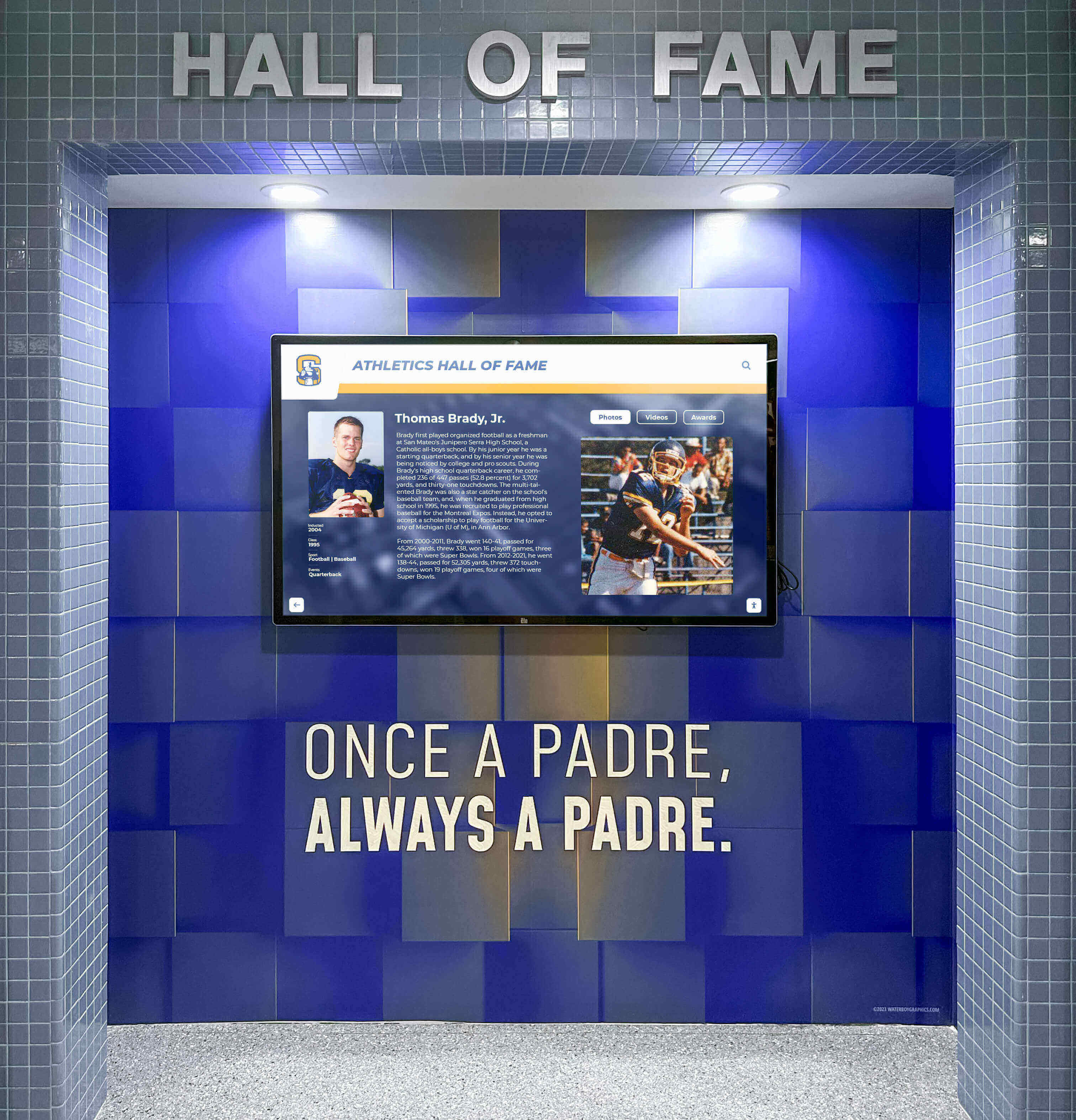
Recognition displays celebrating achievement inspire students to pursue excellence while creating pride-filled environments for school celebrations
Spirit Week Poster Ideas for Class Competition
Grade Rivalry Call-Outs: Friendly trash talk generates enthusiasm while building competitive energy:
- “Freshmen think they can compete? Seniors will show them how it’s REALLY done!”
- “Junior Class: Where participation points are earned, not given”
- “Sophomores—Proving last year wasn’t beginner’s luck”
- “Class of 2027: Setting records the underclassmen can only dream about”
The tone should be playfully competitive rather than genuinely mean or exclusionary. Self-deprecating humor sometimes works well: “We might be freshmen, but we’ve got spirit that makes up for experience!” This acknowledges competitive disadvantages while building underdog energy.
Daily Theme Countdowns: Series of posters building anticipation creates sustained engagement:
- Monday morning: “5 Days Until Homecoming—Today’s Challenge: Pajama Day!”
- Staggered reveals: “48 Hours Until the Spirit Showdown—Get Ready for Color Wars!”
- Progress tracking: “Day 3 of Spirit Week—Who’s Leading the Participation Challenge?”
These serial posters maintain visibility throughout the week rather than single announcements that get forgotten. Regular updates with current standings feed competitive energy while recognizing classes dominating participation.
Creative Theme Interpretations: When spirit week themes allow interpretation, posters can showcase how your grade will execute creatively:
- For “Decades Day”: “Juniors are bringing the 80s—neon, big hair, and bigger spirit!”
- For “Career Day”: “Sophomores: Dressed for success, ready for victory”
- For “Twin Day”: “Freshmen squad: Because winning is better with friends”
These declarations establish expectations while encouraging classmates to participate at high levels knowing their grade is committed to impressive execution.
Visual Impact Installations: Moving beyond single poster boards to coordinated multi-panel displays or 3D installations creates immersive environments:
- Hallway takeovers: Multiple posters creating continuous visual narrative across entire corridor sections
- Window murals: Large-scale painted windows creating focal points visible throughout campus
- Ceiling decorations: Suspended elements drawing eyes upward and creating dimensional displays
- Floor graphics: Tape or chalk creating ground-level designs that students photograph from above
These ambitious projects often require coordination with administration regarding installation permissions, materials that won’t damage school property, and installation timing. When executed successfully, they become defining visual memories of specific homecoming years.
Homecoming Court Celebration Poster Concepts
Achievement-Focused Tributes: Move beyond generic congratulations to highlight specific accomplishments:
- “Congratulations Maria! NHS President • Varsity Volleyball Captain • 1,000+ Service Hours • Our Homecoming Queen nominee”
- “Celebrating Jake: 4.0 GPA • Student Council VP • All-State Wrestler • Leading with heart on and off the mat”
These detailed recognitions educate the school community about why nominees deserve celebration while validating honorees’ comprehensive contributions rather than reducing them to popularity metrics.
Photo Collage Narratives: Multiple photos showing nominees across various activities tells richer stories than single formal portraits:
- Action shots from athletic competitions, performances, or activities
- Candid moments demonstrating personality and relationships
- Community service images showing compassionate engagement
- Academic or leadership photos in classroom or meeting contexts
Collages require more effort than single-photo designs but create considerably more compelling tributes that recipients treasure long after homecoming concludes.
Peer Testimonial Integration: Including brief quotes from friends, teachers, or coaches adds authentic voices celebrating nominees:
- “Maria’s kindness makes everyone feel valued—she deserves every recognition” - Coach Johnson
- “Jake leads by example, making us all want to be better” - Best friend testimonial
- “The way Maria serves our community inspires me daily” - Fellow NHS member
These testimonials transform celebration posters from promotional materials into genuine communal recognition efforts. Collecting authentic quotes requires advance planning but delivers significantly enhanced emotional impact.
Interactive Celebration Boards: Rather than static displays, interactive elements invite schoolwide participation:
- Sticky notes where students add congratulatory messages
- “What we love about [Nominee]” spaces where classmates write appreciations
- Photo booth props creating shareable celebration content
- QR codes linking to longer video tributes or digital recognition profiles
These interactive approaches transform passive viewing into active celebration, broadening engagement while creating richer experiences for honored nominees. Some schools extend these celebrations through digital recognition systems that preserve homecoming achievements permanently.
Advanced Techniques for Memorable Poster Creation
Beyond basic design and category-specific ideas, advanced techniques elevate posters from competent to exceptional.
Incorporating Technology and Digital Elements
QR Code Integration: Quick Response codes printed and attached to posters link physical displays with digital content:
- Promposal videos elaborating on poster messages
- Spotify playlists of shared favorite songs
- Photo galleries documenting friendship histories
- Digital countdown timers building anticipation
This hybrid approach leverages physical posters’ visual impact while adding digital depth impossible in cardboard-only formats. Free QR code generators make implementation accessible to all students.
Augmented Reality Enhancements: Apps like Snapchat or Instagram filters can create augmented reality experiences triggered by scanning posters:
- Custom lenses activating when pointed at specific posters
- Animated elements bringing static designs to life digitally
- Interactive games or challenges embedded in poster designs
- Sharable AR content encouraging social media amplification
While more technically complex than basic poster creation, AR integration creates “wow” moments that recipients remember and peers admire.
Digital Display Coordination: In schools with digital signage or interactive touchscreen displays, coordinate physical posters with complementary digital content:
- Announcement slides showing during class transitions
- Digital countdown timers displayed on screens throughout campus
- Photo slideshows of previous years’ homecoming celebrations
- Live social media feeds aggregating homecoming-related posts
This multimedia approach surrounds students with coordinated messaging through both traditional and digital channels, maximizing visibility and impact.
Collaborative and Group Poster Projects
Class Unity Projects: Rather than individuals creating isolated posters, coordinate entire grades in collaborative efforts:
- Assign sections to different student groups, creating connected mural spanning multiple boards
- Establish consistent visual themes across all grade’s spirit posters
- Create sequential posters telling progressive stories throughout hallways
- Coordinate color schemes and lettering styles for cohesive grade branding
These collaborative approaches build class unity while creating visual impact impossible through individual efforts. Coordination requires clear communication and design leadership but delivers dramatically enhanced results.
Cross-Grade Partnerships: Senior “mentors” helping freshmen with poster creation builds relationships while transferring skills:
- Experienced students teaching design principles to newcomers
- Shared material resources reducing costs for all participants
- Intergenerational advice sharing about what works and what doesn’t
- Building traditions where assistance becomes expected cultural practice
These partnerships strengthen school community while ensuring quality remains high across all grade levels rather than concentrating exclusively among most experienced students.
Faculty and Student Collaborations: Engaging willing teachers in poster creation validates student efforts while building adult-student relationships:
- Art teachers providing design critiques and technical guidance
- English teachers helping craft compelling messages
- Tech teachers assisting with digital integration elements
- Any enthusiastic faculty joining decoration efforts and building rapport
Faculty participation signals institutional endorsement of homecoming enthusiasm while providing mentorship opportunities that enhance overall school culture.
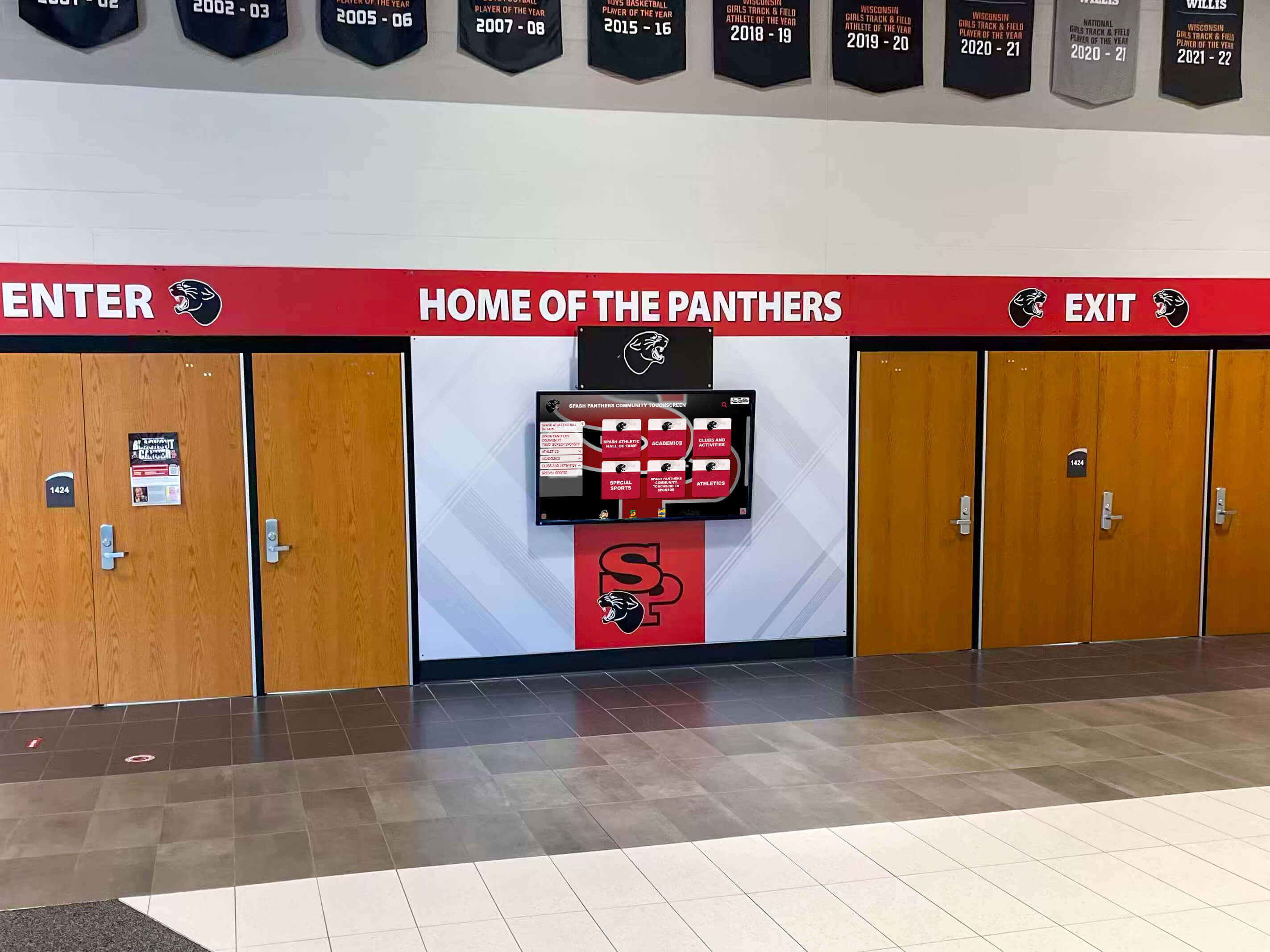
Welcoming displays throughout school spaces model the integration of celebration, recognition, and school pride that defines exceptional homecoming weeks
Sustainable and Eco-Conscious Poster Practices
Material Reusability: Consider poster longevity and potential second lives:
- Create designs on reusable backing boards that refresh annually
- Use removable elements (magnets, Velcro) allowing content updates without full reconstruction
- Select materials that can be recycled after use rather than defaulting to trash
- Photograph posters for digital archives preserving memories without physical storage
These practices reduce waste while acknowledging that most posters serve temporary purposes. Strategic material choices balance celebration with environmental responsibility.
Digital-First Alternatives: For some poster purposes, digital alternatives achieve goals without physical materials:
- Social media graphics serving announcement purposes previously requiring printed posters
- Digital displays replacing static poster board in some contexts
- Email or text campaigns distributing information without paper
- Hybrid approaches using minimal physical posters supplemented by extensive digital content
This shift recognizes that current students often engage more consistently with digital content than physical hallway posters. Strategic integration of both formats maximizes reach across different engagement preferences.
Community Art Projects: Transform disposed posters into ongoing art:
- Create composite collages from previous years’ spirit displays
- Repurpose poster elements into decorative items for student spaces
- Photograph exceptional designs for permanent digital galleries celebrating student creativity
- Host competitions for “most creative reuse” of old poster materials
These approaches honor effort invested in poster creation while addressing post-homecoming disposal challenges that typically result in landfill destinations.
Common Mistakes to Avoid in Homecoming Poster Creation
Learning from others’ missteps saves time, resources, and potential embarrassment.
Design and Execution Pitfalls
Illegible Text from Distance: The curse of poster design—text perfectly readable during creation becoming incomprehensible from typical viewing distances. Test readability by viewing your poster from expected distances before finalizing. If you cannot read text easily from 10-15 feet away, it’s too small or lacks sufficient contrast. This single mistake undermines otherwise excellent designs more than any other factor.
Color Combinations That Clash or Disappear: Certain color combinations create visual vibration (red text on blue background), while others lack contrast causing text to disappear (yellow on white, dark blue on black). Test combinations on scrap material first. Consider colorblind accessibility—red-green combinations particularly problematic. Many free tools and apps test color accessibility, ensuring designs work for all viewers.
Overcomplicated Designs: Beginning creators often attempt elaborate designs beyond their execution capabilities, resulting in sloppy, unfinished appearances. Simple designs executed excellently surpass elaborate concepts delivered poorly. Assess your skills honestly. If you’ve never attempted fancy lettering, homecoming promposal day isn’t the time to learn. Master basic approaches first, adding complexity only as skills develop.
Poor Time Management: Rushing completion leads to preventable mistakes—spelling errors, paint smudging, uneven coverage, or simply running out of time before presentation. Start earlier than feels necessary. Projects always take longer than estimated, especially when coordinating with others or waiting for paint to dry between layers. Build buffer time for mistakes requiring correction.
Neglecting Weather Considerations: Outdoor promposals or spirit displays face weather hazards. Water-soluble markers run in rain or morning dew. Windy conditions require securing loose elements. Direct sunlight fades certain colors rapidly. Plan for environmental exposure—waterproof materials for outdoor use, secure attachment methods preventing wind damage, and timing considerations avoiding worst weather conditions.
Message and Tone Errors
Inside Jokes That Exclude: Humor and references should be understandable to broader audiences beyond just you and the recipient. Excessively obscure inside jokes make others feel excluded while potentially confusing rather than entertaining your intended target. If extensive explanation would be required for observers to understand your poster, reconsider your approach. The best humor works on multiple levels—entertaining for those who get the full context while remaining engaging for outside observers.
Unintentional Offense or Insensitivity: Well-intentioned humor sometimes offends when creators fail to consider all perspectives. Jokes about weight, appearance, academic struggles, family situations, or sensitive personal matters create discomfort rather than celebration even when intended playfully. Before committing to humor, consider whether your recipient might feel embarrassed rather than flattered by public attention to specific characteristics or situations.
Pressure Through Public Spectacle: Elaborate public promposals create pressure on recipients to accept rather than declining in front of audiences. This social pressure can lead to awkward acceptances that individuals later regret. Consider your recipient’s personality—some people love public attention while others find it mortifying. When uncertain, private promposals followed by public celebration if accepted often prove less stressful for everyone involved.
Missing Critical Information: Spirit week posters announcing themes without dates, promposals lacking clear questions, or court celebration missing nominee names—these oversights undermine poster effectiveness. Before finalizing, verify all essential information appears clearly. Having friends review designs catches missing elements you might overlook after hours of focused work.
Logistics and Planning Failures
Insufficient Material Preparation: Running out of key supplies mid-project forces compromises—switching to inferior markers when preferred colors deplete, using wrinkled backup poster board when primary sheets prove insufficient, or creating inconsistent lettering when original supplies run low. Inventory materials before starting. Buy extra when possible—unused materials store for future use while mid-project shortages derail momentum.
Lack of Backup Plans: Paint spills destroy posters hours before presentation. Transportation damage crushes 3D elements. Recipients become unavoidably absent on planned promposal days. Thoughtful planning includes contingencies—digital photo backups if physical posters suffer damage, simplified backup designs executable quickly if elaborate originals fail, and flexible timing accommodating unexpected schedule changes.
Permission Oversights: Many schools regulate when, where, and how students can display posters or conduct promposals. Hallway postings might require advance approval. Classroom disruptions during promposals might be prohibited. Certain content might violate school policies. Verify expectations before investing time and resources in approaches that administration will reject. Working within guidelines prevents disappointment while often prompting creative alternatives to initially planned approaches.
Coordination Failures in Group Projects: Multiple people creating connected posters without clear communication results in inconsistent styles, duplicate efforts, contradictory messages, or gaps in coverage. Establish clear leadership, divide responsibilities explicitly, set interim check-in deadlines, and maintain communication throughout creation processes. Written plans prevent misunderstandings that oral agreements sometimes create.
Making Homecoming Memories That Last Beyond the Week
The ultimate measure of successful homecoming posters isn’t just immediate visual impact but the lasting memories they create and the way they contribute to school traditions worthy of preservation.
Documenting and Sharing Your Creations
Professional Photography: Smartphone snapshots preserve memories, but quality photography transforms posters into shareable content and potential competition entries. Consider lighting—harsh overhead fluorescents create unflattering shadows, while natural light or supplemental lighting dramatically improves image quality. Composition matters—photograph posters in context showing presentation environments rather than isolated against blank walls.
Social Media Amplification: Strategic sharing extends poster reach beyond physical viewers. Platform-specific approaches work best—Instagram emphasizes visual impact through single stunning images, TikTok enables behind-the-scenes creation videos building anticipation, Facebook allows longer context explanations, and Snapchat provides immediate sharing with friend groups. Appropriate hashtags (#homecoming2026, #promposal, #schoolspirit, #schoolname) increase discoverability beyond immediate followers.
School Archive Contributions: Many schools maintain homecoming archives documenting celebrations across decades. Contributing your poster photos preserves memories while building institutional history. Digital recognition systems increasingly incorporate homecoming traditions and celebrations, ensuring exceptional creativity receives lasting recognition rather than disappearing when physical posters get discarded.
Competition Submissions: Many schools and external organizations host poster design competitions celebrating student creativity. Submitting your work provides recognition opportunities while challenging yourself against broader creative communities. Art teachers often know about relevant competitions, and national organizations periodically seek student work for various programs.
Inspiring Future Students Through Your Example
Creating Templates and Guides: Document your process for helping future students avoid learning curves you navigated. Simple guides covering material recommendations, design principles, or process steps democratize quality poster creation beyond students naturally inclined toward visual arts. Many schools maintain student-created resource libraries that new grades leverage and build upon.
Mentoring Underclassmen: As experienced students, offer guidance to newcomers attempting their first homecoming posters. Brief consultations providing design feedback, material recommendations, or technical tips build school culture while ensuring quality traditions continue. This mentorship creates virtuous cycles where each generation lifts the next, elevating overall creative quality across entire student bodies.
Pushing Creative Boundaries: Exceptional work inspires others to exceed their self-imposed limitations. When your innovative approaches—whether elaborate 3D constructions, impressive artistic execution, or clever conceptual creativity—succeed, you establish new quality expectations. Future students build on your innovations rather than settling for “good enough” approaches. This progressive creative evolution becomes part of school culture, distinguishing institutions with thriving homecoming traditions from those where celebrations feel obligatory rather than exciting.
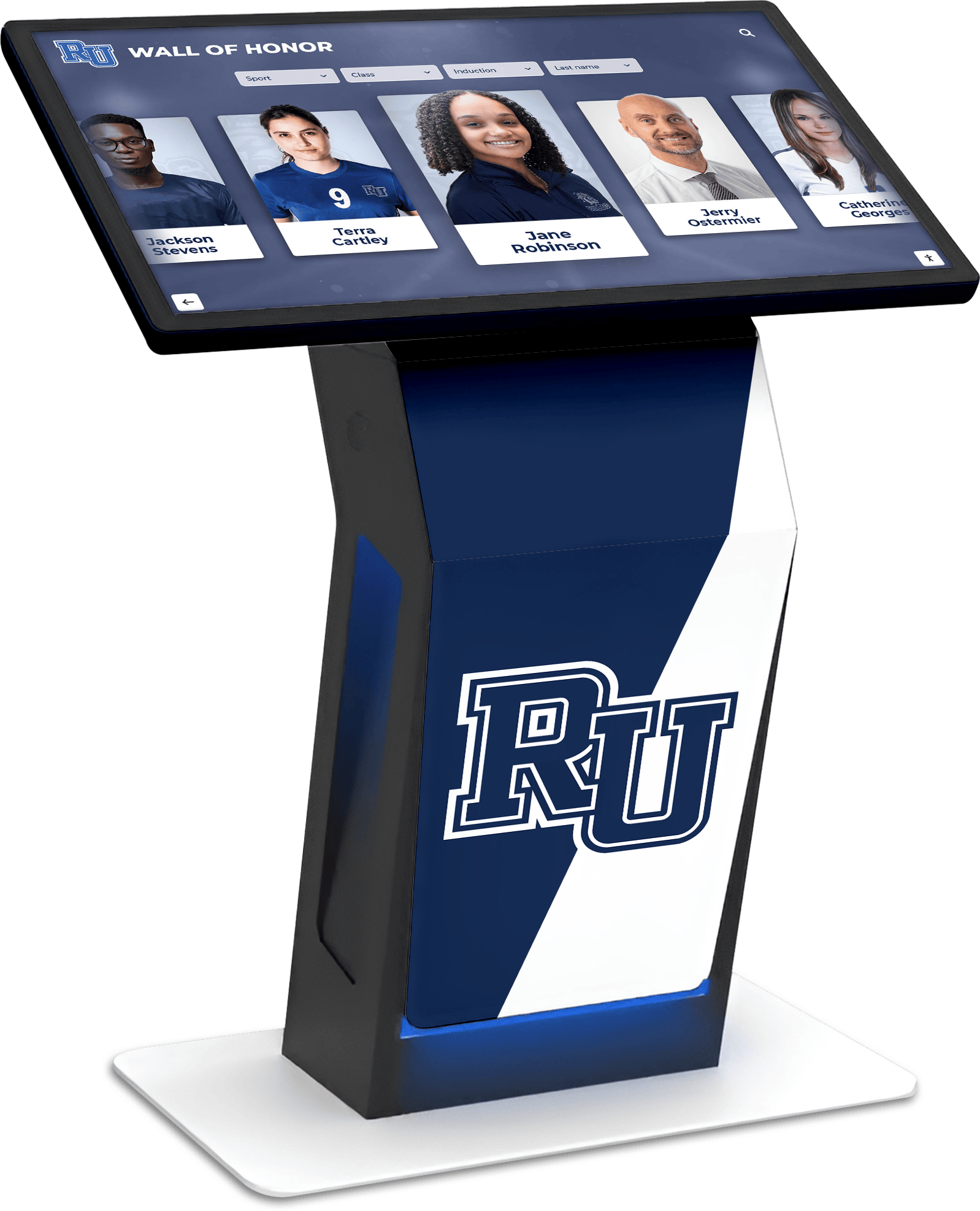
Modern recognition systems preserve school traditions and student achievements permanently, inspiring future generations through visible examples of excellence and creativity
Connecting Homecoming to Lasting School Traditions
Understanding Historical Context: Homecoming traditions stretch back over a century, connecting current students to alumni spanning generations. Your poster contributions become threads in larger tapestries of school identity and collective memory. When you invest genuine effort in homecoming creativity, you honor traditions while building foundations that future students will build upon. This temporal connection—linking past, present, and future—represents homecoming’s deeper meaning beyond single weeks of celebration.
Building School Pride Infrastructure: The most exceptional schools maintain environments celebrating achievement and tradition year-round rather than exclusively during homecoming weeks. Digital recognition displays and permanent installations create pride-filled atmospheres where students consistently encounter evidence of excellence, community, and tradition. These systems complement temporary homecoming decorations by providing lasting frameworks that posters enhance rather than creating school spirit from scratch annually.
Recognizing Comprehensive Achievement: While homecoming posters celebrate specific moments—promposal acceptances, spirit week competitions, court selections—they exist within broader recognition ecosystems honoring diverse achievements across academics, athletics, arts, and service. Schools that celebrate comprehensively rather than exclusively during homecoming weeks build cultures where all students find belonging and recognition pathways. This inclusive approach makes homecoming celebrations richer because they occur within communities that consistently value and honor varied excellence.
Resources and Next Steps for Your Homecoming Poster Projects
Gathering Materials and Inspiration
Supply Checklists: Comprehensive supply preparation prevents mid-project frustrations:
Essential Materials:
- Quality poster board (1-2 primary, 1 backup)
- Permanent markers in multiple colors and tip sizes
- Pencils for initial sketching and guidelines
- Rulers or straight edges for clean lines
- Erasers for cleanup before finalizing
Enhanced Materials:
- Acrylic paints and brushes for vibrant coverage
- Stencils for consistent lettering or shapes
- Decorative elements (glitter, ribbons, stickers, 3D objects)
- Adhesives appropriate for materials (glue sticks, hot glue, tape)
- Protective coating (spray sealant) for weather resistance
Professional Upgrades:
- Professional art markers (Copic, Prismacolor)
- Foam board for rigid backing
- LED lights for dimensional illumination
- Metallic or neon materials for special emphasis
- Photography equipment for professional documentation
Inspiration Sources: Seek diverse inspiration rather than copying single sources:
- Previous years’ successful posters from your school
- Online platforms (Pinterest, Instagram, TikTok) using search terms like “promposal ideas” or “spirit week posters”
- Professional graphic design showcasing layout principles
- Art class projects demonstrating technical skills
- Local examples from community businesses and organizations
The goal isn’t replicating others’ work but synthesizing multiple influences into original creations reflecting your personality and context.
Implementation Timeline for Success
Three Weeks Before Homecoming:
- Brainstorm concepts and gather inspiration
- Recruit helpers if pursuing collaborative projects
- Inventory available materials and shop for needs
- Secure necessary permissions from administration
- Sketch rough concepts testing different approaches
Two Weeks Before:
- Finalize concept and create detailed design plan
- Create full-scale rough drafts on cheap materials
- Test color combinations and lettering approaches
- Photograph drafts and solicit feedback from trusted friends
- Revise based on feedback before committing to final materials
One Week Before:
- Execute final posters during dedicated work sessions
- Allow adequate drying time between layers
- Photograph progress for social media documentation
- Store completed posters safely protecting from damage
- Prepare presentation logistics (timing, location, coordination with helpers)
During Homecoming Week:
- Present promposal posters or install spirit displays per plan
- Document presentations through photos and videos
- Share content across social media platforms
- Contribute to school archives if applicable
- Celebrate successes and reflect on lessons learned
This timeline builds buffer time for mistakes while preventing last-minute stress. Adjust based on project complexity—simpler posters require less preparation while elaborate installations need additional time.
Leveraging School Resources and Support
Art Department Guidance: Art teachers often provide consultations, technique demonstrations, or facility access beyond class time. Many enthusiastically support student projects that showcase artistic skills. Request specific assistance—color theory guidance, lettering tutorials, material recommendations—rather than expecting comprehensive project management.
Student Council and Activity Coordinators: These groups often maintain spirit week logistics, coordinate court celebrations, and manage homecoming traditions. They can clarify expectations, provide institutional knowledge about what’s worked historically, connect you with helpful resources, and potentially offer financial support for particularly impressive projects aligned with school spirit goals.
Alumni Relations and Institutional History: Understanding homecoming traditions across your school’s history enriches current celebrations. Alumni relations staff maintain archives, can share historical photos and stories, and appreciate student interest in preserving and honoring traditions. This connection between past and present strengthens institutional identity while providing inspiration grounded in actual school legacy rather than generic ideas disconnected from your specific community.
Digital platforms like those from Rocket Alumni Solutions increasingly preserve these traditions permanently, creating accessible archives where current students explore decades of homecoming history. These systems complement temporary poster celebrations by providing lasting frameworks that annual efforts enhance rather than creating traditions from scratch each year.
Conclusion: Creating Poster Memories That Define Your Homecoming
Standing before blank poster board with markers in hand, you face creative opportunity and responsibility simultaneously. The posters you create during homecoming week serve purposes beyond immediate functions—asking someone to a dance, rallying your class to spirit competition victory, or celebrating court nominees. These creations become threads in your school’s cultural fabric, contributions to traditions extending back generations and forward into unknown futures.
The most memorable homecoming posters balance seemingly contradictory qualities—they’re personal yet universally appealing, humorous yet respectful, creative yet clear, elaborate yet achievable. They reflect genuine thought and effort rather than rushed last-minute compromises. They honor recipients, engage broader communities, and create shareable moments that extend celebration beyond physical spaces where posters originally appeared.
Your homecoming poster investments—time, creativity, resources, and genuine care—yield returns exceeding immediate results. Recipients remember being asked thoughtfully. Classmates feel inspired by impressive spirit displays. School communities experience enhanced celebration atmospheres. You develop creative confidence and execution skills applicable far beyond poster board. And years later, photographs of your creations trigger warm memories of friendships, traditions, and belonging that defined formative school experiences.
Whether you’re creating your first homecoming poster or your final one before graduation, approach the opportunity with intention worthy of its significance. Honor traditions while adding your unique creative voice. Balance ambition with execution capability. Center recipients’ feelings and community enhancement over personal glory. Document your work preserving memories beyond physical posters’ temporary existence.
Most importantly, remember that homecoming posters, like homecoming itself, celebrate community—the relationships, traditions, and shared experiences that transform groups of individuals into cohesive communities with collective identity and pride. Your posters contribute to these bonds, making schools places where people belong, where achievement receives recognition, and where traditions connect generations in shared celebration.
Preserve Your School's Homecoming Traditions Permanently
While homecoming posters create memorable moments, discover how Rocket Alumni Solutions helps schools preserve traditions, celebrate achievements, and build school spirit year-round through interactive digital recognition displays that honor past celebrations while inspiring future generations.
Explore Recognition SolutionsThis homecoming, let your poster creations reflect the care, creativity, and community spirit that make this tradition meaningful. Whether asking someone special to the dance, rallying your class to victory, or celebrating deserving court nominees, your thoughtful poster efforts contribute to memories that participants will treasure long after homecoming week concludes. Make them count.































