Coaching careers represent decades of dedication—early mornings at practice, late nights reviewing film, countless weekends at tournaments, and immeasurable impact on young athletes’ lives. When exceptional coaches retire after building championship programs and mentoring generations of student-athletes, they deserve recognition that matches the magnitude of their contributions. Yet many schools struggle to honor retiring coaches appropriately, limited by space constraints on traditional plaque walls, inadequate storytelling in brief ceremonies, and recognition that fades from view after initial retirement events.
Modern digital recognition displays transform how schools honor retired coaches by creating comprehensive, permanent tributes that celebrate complete coaching careers, preserve institutional memory and program history, inspire current athletes through visible coaching excellence, strengthen alumni connections to legendary mentors, and demonstrate organizational commitment to valuing those who built athletic traditions. Schools implementing solutions like Rocket Alumni Solutions discover that honoring retired coaches through interactive displays creates lasting impact far beyond traditional recognition approaches.
Retired coaches who devoted careers to developing young athletes deserve more than plaques gathering dust in storage rooms or brief mentions at final banquet speeches. They warrant comprehensive recognition that tells their complete stories, celebrates their achievements, honors their character and values, connects them permanently to programs they built, and ensures their legacies inspire future generations of coaches and athletes.
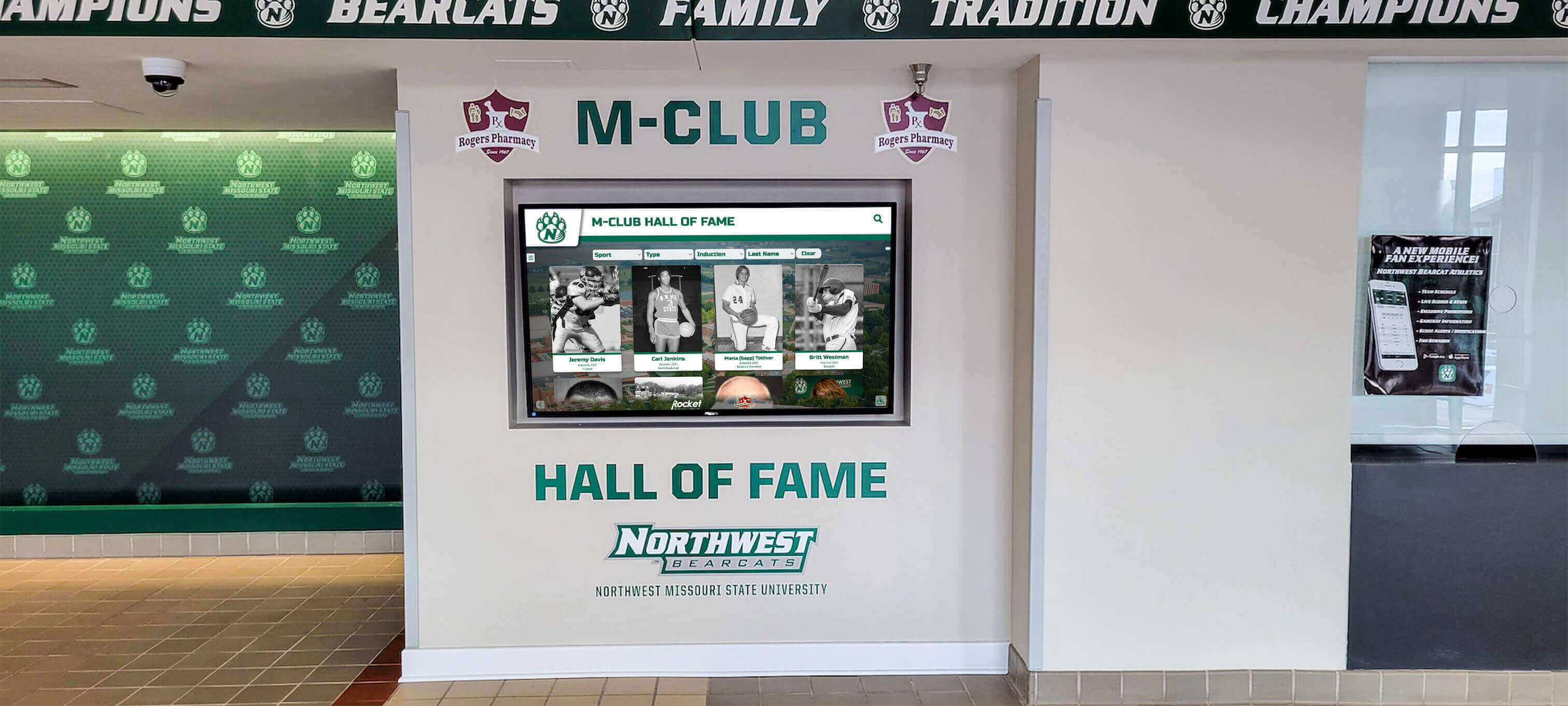
Modern digital displays create permanent tributes to retired coaches that remain visible and accessible for decades
Why Honoring Retired Coaches Matters
Comprehensive coach recognition serves multiple essential purposes beyond ceremonial acknowledgment of career completion.
Preserving Institutional Memory and Program History
When legendary coaches retire, they take with them decades of program knowledge—recruitment strategies that built championship rosters, practice philosophies that developed athletic excellence, team culture principles that created competitive advantage, relationship networks supporting program success, and historical perspective connecting past traditions to present achievement.
Without systematic recognition and documentation, this institutional wisdom disappears when coaches depart. Digital tribute systems preserve coaching legacies through detailed career histories and achievement documentation, coaching philosophy statements in coaches’ own words, video interviews capturing personal reflections and stories, documentation of championships and milestone victories, and connections showing coaching trees and mentorship relationships.
This preservation benefits programs indefinitely. Future coaches learn from predecessors’ wisdom. Current athletes understand program traditions and standards. Alumni maintain connections to mentors who shaped their development. The comprehensive approach to recognizing retiring staff with digital tribute boards applies directly to coaching recognition while addressing athletic-specific needs.
Inspiring Current and Future Athletes
Visible recognition of coaching excellence creates powerful motivation for current team members. When athletes see comprehensive displays honoring coaches who built championship traditions, they understand the standards and values that define program excellence, connect current efforts to historical achievement, feel pride in being part of programs with distinguished histories, recognize the dedication coaching requires, and aspire to contribute their own chapters to ongoing success stories.
Young athletes considering programs during recruitment evaluate coaching stability and program tradition. Recognition displays demonstrating decades of coaching excellence and sustained competitive success communicate program quality and institutional commitment that influence recruiting outcomes positively.
Strengthening Alumni Engagement and Connections
Many alumni maintain their strongest institutional connections through relationships with coaches who mentored them during formative years. Comprehensive coach recognition strengthens these bonds by validating coaches’ impact on athletes’ lives, creating opportunities for alumni to honor mentors publicly, facilitating continued relationships between coaches and former athletes, and demonstrating that institutions value those who shaped graduate success.
Schools implementing professional athletes recognition displays often discover that celebrating coaches alongside athletes creates compelling narratives about mentorship and development.
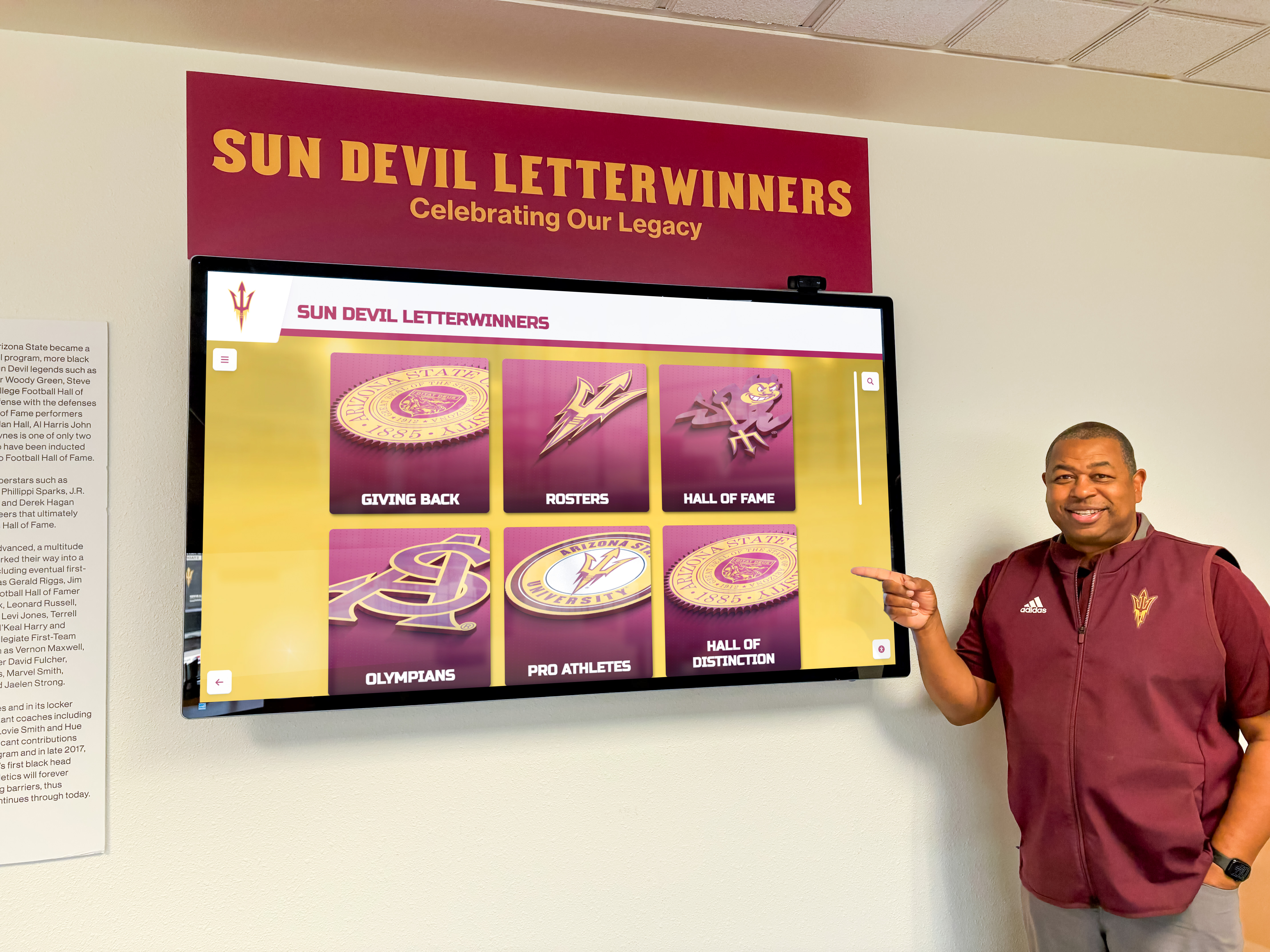
Recognition ceremonies marking coach retirements gain deeper meaning when connected to permanent digital tributes
Demonstrating Institutional Values
How schools honor retiring coaches reveals organizational priorities and values. Comprehensive recognition demonstrates that institutions value sustained excellence over time, honor those who develop others rather than seeking personal glory, appreciate dedication and service beyond contractual obligations, maintain long-term commitments to people who built programs, and recognize that excellence requires years of consistent effort.
These values messages influence not just athletics but broader school culture, communicating what the institution truly honors and rewards.
Key Elements of Effective Retired Coach Recognition
Meaningful recognition requires thoughtful content that captures coaching careers comprehensively while creating engaging presentations that honor coaches appropriately.
Comprehensive Career Documentation
Effective coach tributes include detailed biographical information and career timelines showing progression from assistant roles through head coaching positions, complete win-loss records and competitive statistics, championship achievements and tournament successes, coaching milestone celebrations (100 wins, 500 wins, longevity records), all-conference and state coach of the year honors, and post-retirement activities maintaining program connections.
This documentation creates complete career pictures rather than isolated achievement highlights, ensuring recognition reflects the totality of coaching contributions.

Interactive displays allow viewers to explore detailed coaching statistics, championship histories, and career progressions
Multimedia Storytelling Components
Digital recognition platforms enable rich storytelling through multiple formats:
Video Interviews and Reflections Recorded conversations where retiring coaches share career highlights and memorable moments, discuss coaching philosophies and athlete development approaches, express gratitude to assistant coaches and supporters, reflect on how coaching shaped their own lives, and offer advice to current athletes and future coaches.
Photographic Galleries Comprehensive photo collections documenting careers through decades including early career and assistant coaching images, championship team photographs across multiple years, individual coaching moments and athlete interactions, facility evolution and program development, and retirement celebration and final season documentation.
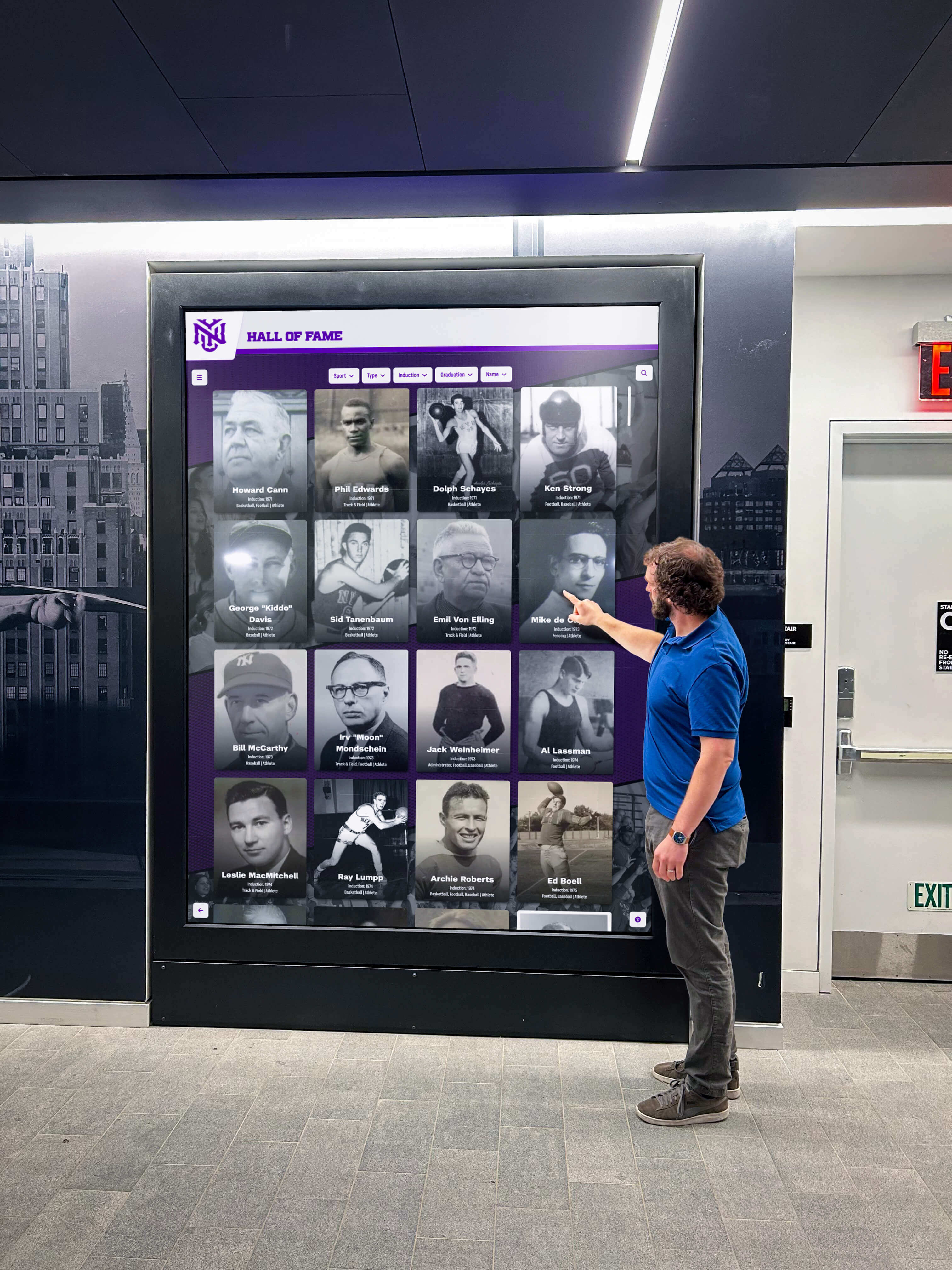
Touchscreen interfaces allow coaches, alumni, and current athletes to explore career achievements interactively
Athlete and Colleague Testimonials Statements from former athletes describing coaching impact, reflections from assistant coaches and staff members, testimonials from fellow head coaches and competitors, and community leader acknowledgments of program contributions create powerful personal tributes that complement statistical achievements.
Championship and Milestone Documentation Detailed accounts of significant victories and championships, documentation of record-setting seasons and accomplishments, newspaper clippings and contemporary media coverage, and championship trophy and banner imagery connected to specific coaches preserve context around major achievements.
Coaching Philosophy and Values Articulation
Beyond statistics and wins, effective recognition captures what made coaches exceptional through personal coaching philosophy statements, core values emphasized in programs, athlete development priorities and approaches, team culture principles and expectations, and life lessons coaches sought to impart beyond athletics.
This values documentation ensures coaches’ influence extends beyond their active careers, continuing to shape programs and inspire athletes decades after retirement.

Comprehensive profiles tell complete coaching stories including philosophy, values, and character alongside competitive achievements
Modern Digital Recognition Solutions for Honoring Coaches
Technology transforms retired coach recognition from basic plaques listing career dates into comprehensive, engaging tributes that appropriately celebrate decades of dedication.
Advantages of Digital Coach Recognition Displays
Digital platforms provide capabilities that traditional recognition cannot match:
Unlimited Recognition Capacity Physical plaque walls accommodate perhaps 20-30 coaches before filling completely. Digital systems honor unlimited numbers of retiring coaches without space constraints, ensuring every deserving coach receives comprehensive recognition regardless of when they retired or how many coaches precede them.
Easy Content Updates and Additions When coaches reach career milestones after retirement—hall of fame inductions, significant anniversaries, or continued community contributions—digital profiles update instantly. Traditional plaques remain static once mounted, unable to reflect ongoing recognition or newly discovered historical information.
Enhanced Accessibility and Engagement Web-accessible recognition enables alumni, former athletes, and community members worldwide to explore coach tributes regardless of physical location. Best ways to connect with alumni often include digital recognition platforms as central engagement tools.
Rich Multimedia Integration Video interviews, comprehensive photo galleries, audio recordings, and interactive timelines bring coaching careers to life in ways physical plaques cannot approach. This multimedia richness creates emotional connections and preserves coaching voices and personalities for future generations.
Cost-Effective Long-Term Solution While initial digital implementation requires investment, long-term economics favor digital approaches. Traditional plaques cost $150-$400 each plus installation, with no capacity for updates or multimedia content. Digital systems accommodate unlimited coaches after initial setup while enabling ongoing enhancements without additional hardware costs.
Interactive Features Enhancing Recognition Impact
Modern recognition platforms include sophisticated capabilities that transform passive viewing into active exploration:
Powerful Search and Discovery Users quickly find specific coaches by name, browse chronologically through program history, filter by sport or achievement type, explore coaching trees and mentorship relationships, and discover connections between coaches and athletes.
Comparative Statistics and Records Systems enable comparing coaching records across eras, identifying program career leaders in various categories, tracking championship achievement over decades, and understanding how program standards evolved under different coaching leadership.

Touchscreen kiosks in high-traffic areas ensure retired coach recognition receives maximum visibility from students, alumni, and visitors
Social Sharing Integration Alumni and former athletes easily share coach tributes through social media, extending recognition reach beyond physical facilities. This sharing amplifies appreciation while helping coaches stay connected with athletes they mentored across their careers.
Mobile Accessibility Responsive platforms work excellently on smartphones and tablets, enabling former athletes to explore coach recognition anywhere while showing friends, family, or their own children the coaches who influenced their development.
Solutions like Rocket Alumni Solutions provide purpose-built platforms specifically designed for athletic recognition including coaching tributes, ensuring features align with how schools and programs actually need to honor coaching excellence.
Implementation Strategies for Retired Coach Recognition Programs
Successful implementation requires systematic planning addressing content development, technology selection, and ongoing program management.
Planning and Needs Assessment
Initial Assessment Steps: Identify all coaches deserving recognition across current and historical programs, evaluate existing recognition approaches and their limitations, assess available resources including budget and staff time, determine optimal physical locations for recognition displays, and research platform options and vendor capabilities.
Recognition Criteria Development: Establish clear standards for coach recognition including minimum tenure requirements (commonly 10+ years), achievement thresholds like championship victories or milestone wins, consideration of broader contributions beyond win-loss records, and provisions for extraordinary situations warranting recognition despite shorter tenures.
Transparent criteria ensure consistency while maintaining flexibility for exceptional circumstances.
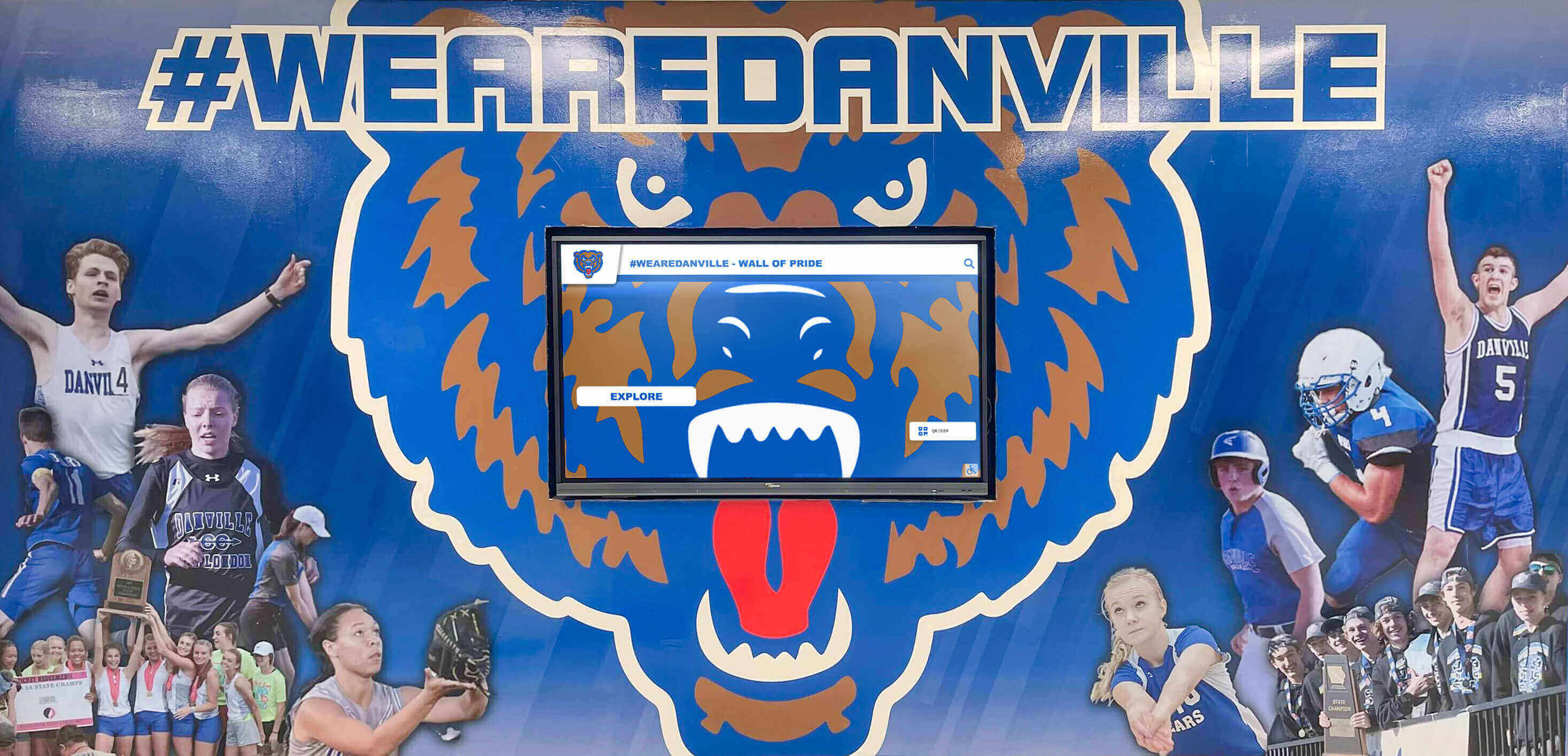
Strategic placement in athletic facilities ensures coach recognition remains visible to current athletes daily
Content Development and Collection
Information Gathering Processes: Research institutional archives for coaching records, statistics, and achievement documentation. Interview retiring coaches to capture personal reflections, philosophies, and career stories. Collect testimonials from former athletes, assistant coaches, and colleagues. Gather photographs from school archives, personal collections, and yearbooks. Record video interviews capturing coaches’ voices and personalities. Document championships through newspaper archives and contemporary coverage.
Content Organization Standards: Develop consistent templates for coach profiles ensuring uniform presentation quality. Establish photography standards for professional, cohesive visual appearance. Create writing guidelines for biographical narratives that balance achievement documentation with personal storytelling. Define multimedia integration approaches determining how video, audio, and photo content enhance profiles.
Comprehensive content development requires substantial time investment—typically 10-20 hours per coach profile for thorough documentation. However, this investment creates permanent recognition serving generations of athletes and alumni.
Technology Platform Selection
Essential Platform Features: Intuitive content management systems enabling non-technical staff to add coaches and update content easily. Secure cloud-based operation ensuring reliable access and automatic backups. Commercial-grade display hardware designed for continuous operation in high-traffic environments. Mobile-responsive web access extending recognition beyond physical installations. Comprehensive search and filtering capabilities enabling quick content discovery. Analytics tracking engagement and popular content. Ongoing technical support and platform updates maintaining functionality.
Hardware Considerations: Commercial touchscreen displays (43"-75") provide engaging interactive experiences in athletic facilities. Wall-mounted installations work well in hallways and lobby areas. Freestanding kiosks offer flexibility in open spaces where wall mounting isn’t feasible. Network connectivity (preferably hardwired ethernet) enables cloud-based content management.
Schools exploring recognition technology should evaluate comprehensive guides on digitizing plaques and trophies which address similar implementation considerations.
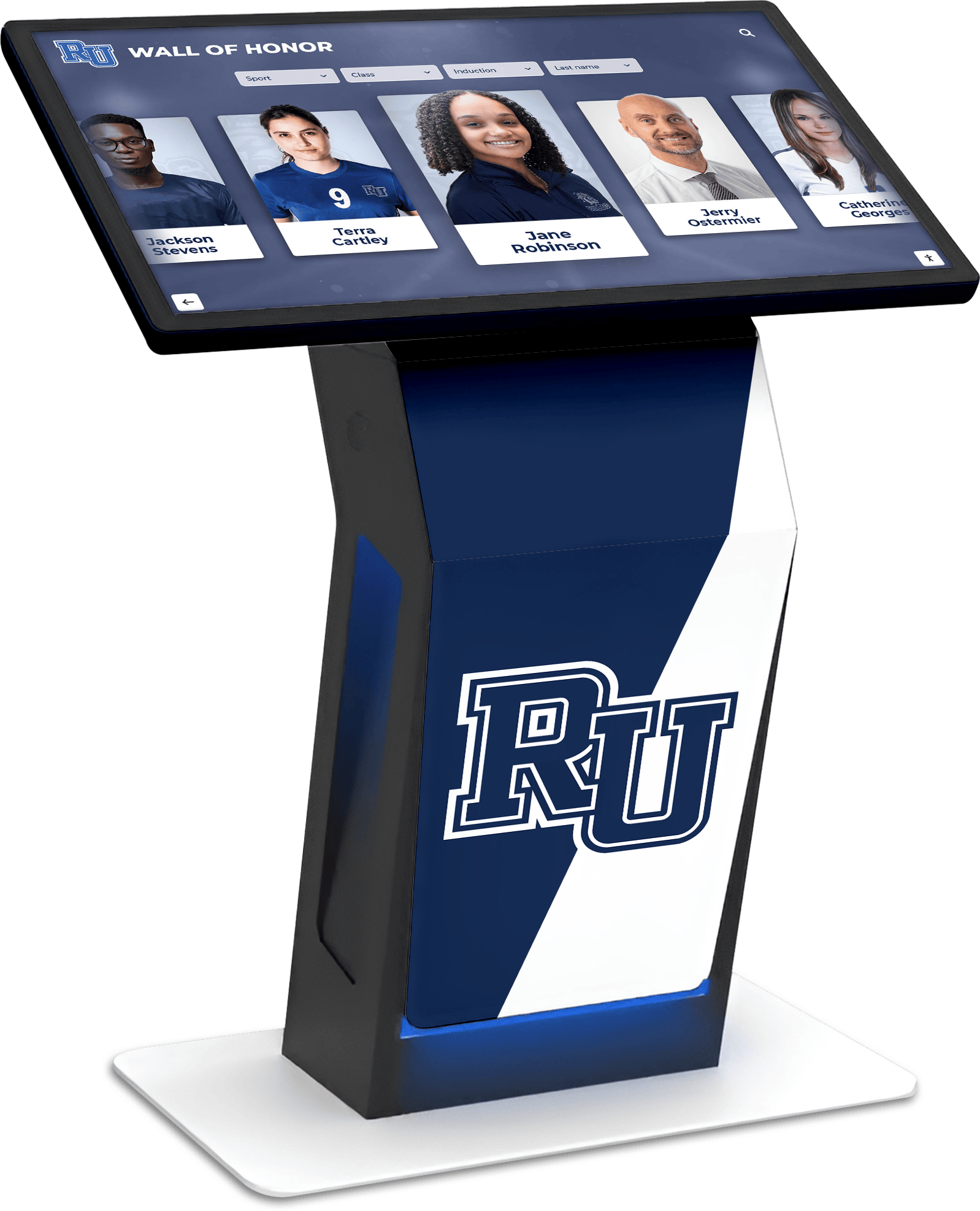
Professional recognition kiosks combine attractive design with intuitive interfaces accessible to all users
Best Practices for Honoring Coaches Comprehensively
Effective recognition programs follow practices that maximize impact while maintaining long-term sustainability.
Balancing Achievement and Character
Coaching excellence extends beyond championships and win totals. Comprehensive recognition celebrates competitive achievements through career records and championship victories while honoring character and values through athlete development philosophies, community engagement and service, mentorship of assistant coaches, and representation of institutional values. The most memorable coaches often excel in both dimensions—building winning programs while developing young people’s character, discipline, and resilience.
Including All Coaching Roles and Contributions
Recognition programs should honor head coaches who led programs and received public visibility, assistant coaches whose specialized expertise and daily athlete interaction proved essential to success, coaches of less prominent sports who demonstrated equivalent dedication and excellence, volunteer coaches who contributed without compensation, and coaching staff including trainers and support personnel who enabled athlete success.
Inclusive recognition acknowledges that program excellence requires collaborative contributions from coaching teams rather than isolated head coach brilliance.
Creating Ceremonial Recognition Moments
Digital tributes gain additional impact when connected to meaningful ceremonial events:
Retirement Recognition Ceremonies Host formal events during final seasons or shortly after retirement honoring coaches publicly. Invite former athletes, families, colleagues, and community members. Present physical mementos alongside unveiling digital tributes. Allow time for testimonials and personal tributes. Create memorable celebrations marking career conclusions.
Digital Tribute Unveilings When launching comprehensive digital recognition, coordinate reveals during homecoming, alumni weekends, or major athletic events. Generate awareness through advance promotion and media coverage. Invite honored coaches and their families to participate.
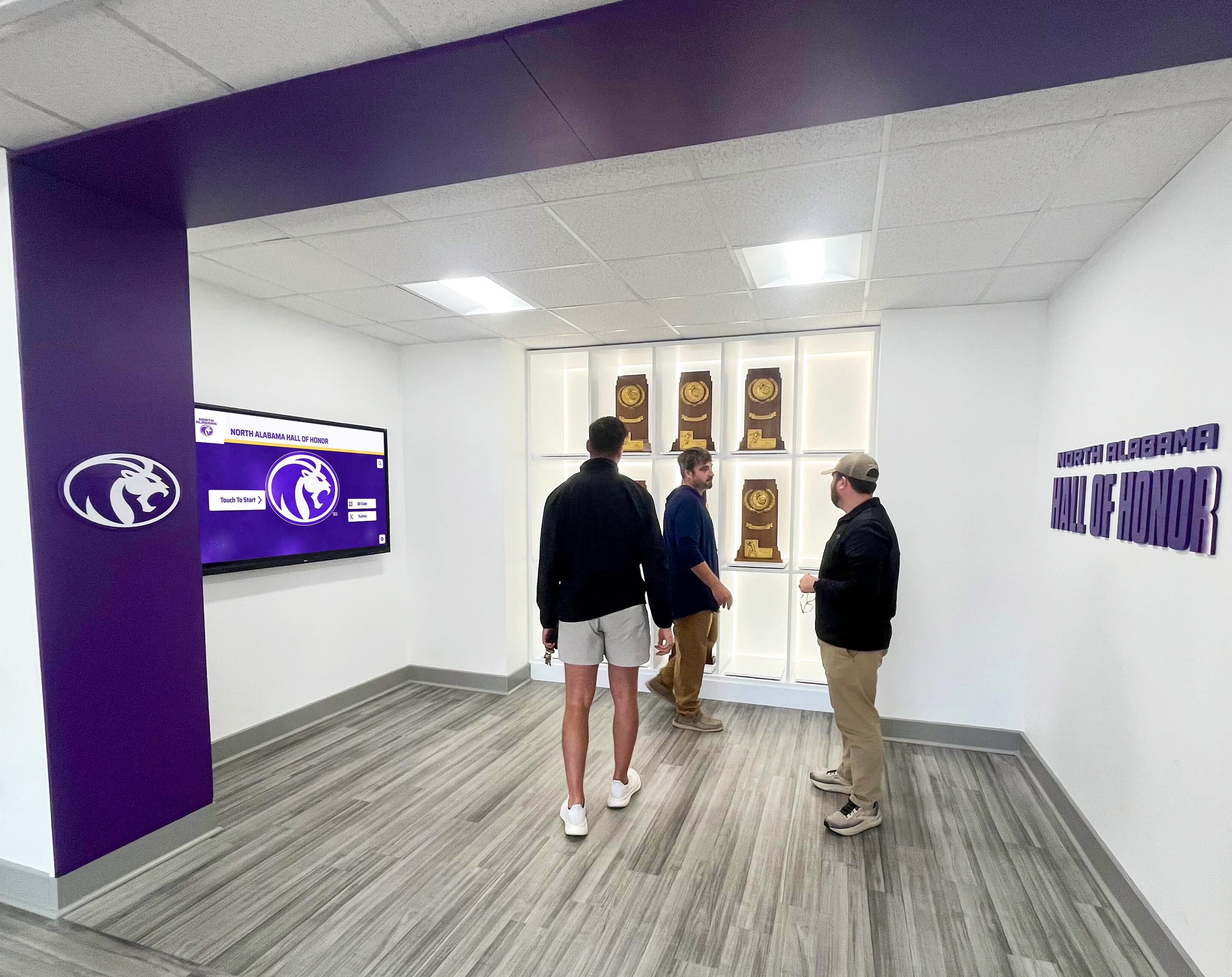
Formal ceremonies mark coaching retirements while connecting to permanent digital recognition
Anniversary Celebrations Mark significant milestones—10-year, 25-year, or 50-year retirement anniversaries—with updated tributes and reunion events. These ongoing recognitions demonstrate sustained appreciation beyond initial retirement acknowledgment.
Maintaining Ongoing Connections
Retirement needn’t end coach-program relationships. Create opportunities for continued engagement through coaching emeritus roles providing advisory input, mentorship programs connecting retired coaches with current coaching staff, alumni coaching networks maintaining community, attendance at significant team events and championships, and periodic profile updates documenting post-retirement activities and continuing community contributions.
These sustained connections benefit both retiring coaches who maintain meaningful institutional relationships and current programs that access wisdom from coaching legends.
Specialized Considerations for Different Coaching Situations
Various coaching contexts warrant tailored recognition approaches reflecting specific circumstances and contributions.
Long-Tenured Coaching Legends
Coaches serving 20, 30, or 40+ years build exceptional legacies warranting particularly comprehensive recognition through extensive career timelines documenting program evolution across decades, multiple athlete generations’ testimonials showing sustained impact, championship era documentation when programs achieved peak success, coaching tree visualization showing assistant coaches they mentored, facility and program development they championed, and comprehensive multimedia collections spanning entire careers.
These legendary coaches often define programs across generations, making their recognition central to institutional identity and tradition.
Championship Coaches
Coaches whose careers featured multiple championships or particularly significant tournament victories deserve recognition emphasizing specific championship teams and rosters, tournament paths and key victories, championship game highlights and defining moments, community impact and celebration of achievements, and lasting influence on program standards and expectations.
Championship recognition preserves not just that teams won but how they achieved success and what those victories meant to communities.
Pioneering and Program-Building Coaches
Coaches who established new programs or transformed struggling teams into competitive forces warrant recognition highlighting program founding and initial development challenges, first competitive successes and breakthrough victories, recruitment of early program athletes, facility development and resource generation, and establishment of program culture and traditions that successors built upon.
These builders often receive less recognition than coaches inheriting established programs, yet their contributions prove foundational to all subsequent success.
Multi-Decade Coaching Contributions
Some coaches serve programs across different roles over many years—student-athletes who become assistant coaches, then head coaches, then athletic directors. Recognition should acknowledge complete institutional contributions spanning playing careers through all coaching and administrative roles, showing how individuals’ relationships with programs evolved across decades while maintaining consistent commitment to institutional missions.
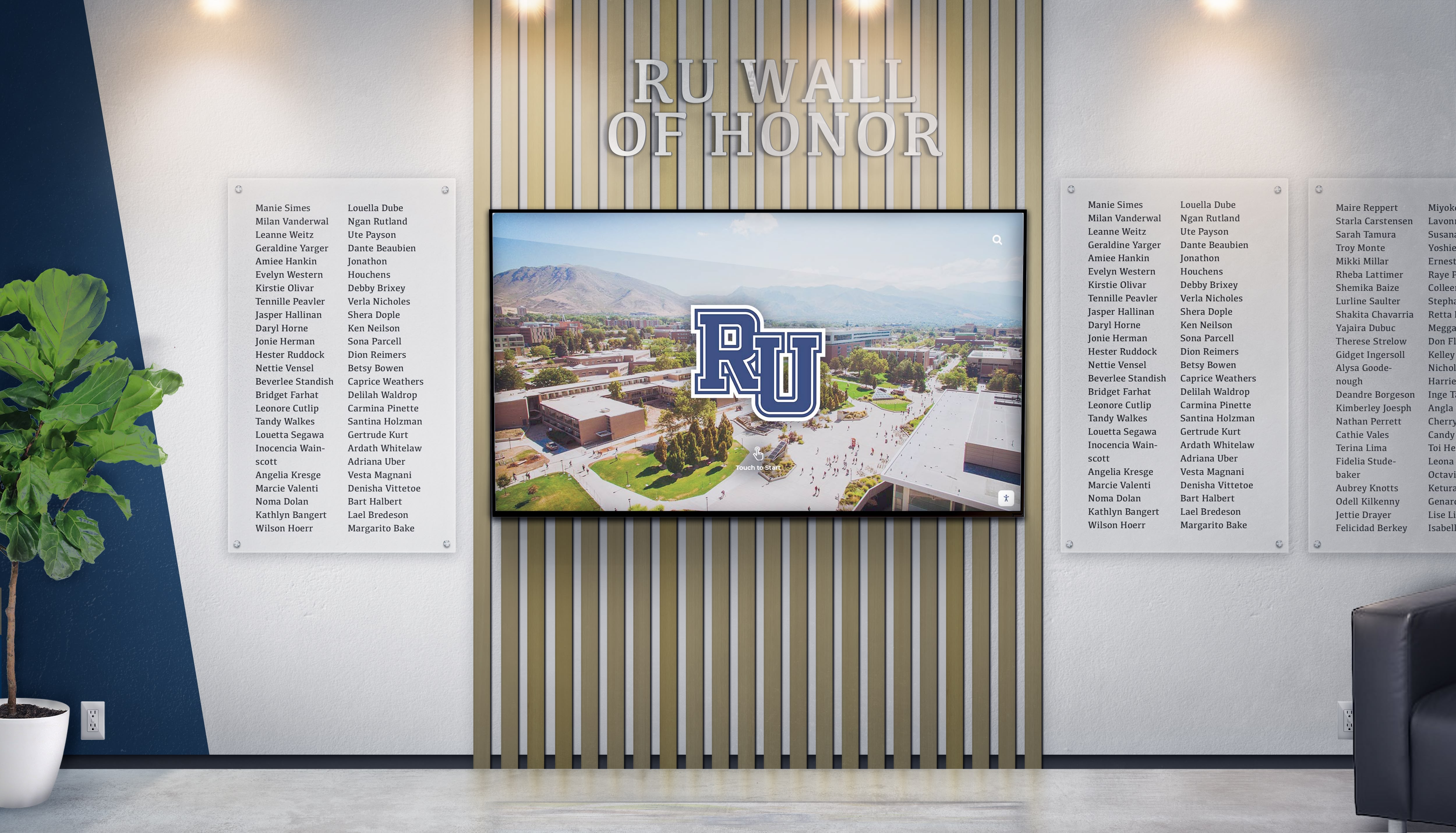
Comprehensive recognition systems honor coaches across all sports, roles, and eras with equal prominence
Measuring Recognition Program Success
Effective programs demonstrate measurable impact justifying investment while informing continuous improvement.
Quantitative Success Indicators
Engagement Metrics: Track how many users interact with digital coach recognition, average viewing time per session, which coaches generate most interest, search patterns revealing popular content, and social media sharing extending recognition reach.
Alumni Connection: Monitor alumni engagement levels after implementing recognition, attendance at coaching retirement events and celebrations, donations or contributions tied to specific coaching tributes, testimonial submissions from former athletes, and participation in coaching networking or mentorship programs.
Recruiting Impact: Assess whether recognition influences recruiting through prospective athlete feedback about program traditions, recruiting visit discussion of program history and coaching excellence, commitment decisions influenced by program stability, and perception of institutional investment in athletics.
Qualitative Impact Assessment
Coach Feedback: Gather retiring coaches’ perspectives on recognition meaningfulness, emotional impact of comprehensive tributes, satisfaction with career documentation and legacy preservation, appreciation for ongoing institutional connection, and recommendations for program enhancement.
Current Athlete Perspectives: Assess whether recognition influences current team members through awareness of program traditions and standards, pride in being part of programs with distinguished histories, motivation drawn from visible coaching excellence, understanding of values coaches emphasize, and aspirations to contribute to ongoing program success.
Community Response: Monitor broader community engagement through media coverage and public awareness, social media discussion and content sharing, community leader feedback about program commitment, and general sentiment about institutional values and priorities.
Regular assessment enables continuous improvement ensuring recognition programs evolve to serve changing needs while maintaining focus on honoring coaching excellence appropriately.
Emerging Trends in Coaching Recognition
Recognition technology continues evolving, with several trends shaping how schools will honor retiring coaches in coming years.
Enhanced Interactivity and Personalization
Future systems will likely offer increased personalization enabling former athletes to create custom views highlighting their specific coaches and teams, AI-powered recommendations suggesting related content based on viewing patterns, voice-activated interfaces enabling hands-free navigation, and comparative analytics allowing users to explore coaching records and achievements across different eras and contexts.
Augmented Reality Experiences
Emerging AR capabilities may enable pointing smartphones at physical spaces to reveal digital coach tributes overlaid on actual locations, virtual reality recreations of championship moments or significant games, and three-dimensional coach presentations providing immersive recognition experiences.
Integration with Broader Recognition Ecosystems
Coaching recognition will increasingly connect with comprehensive athletic recognition systems linking coaches to athletes they developed, teams they coached, championships they won, and facilities they influenced—creating rich relationship mapping showing how individuals contributed to collective program excellence.
Schools implementing forward-thinking solutions position themselves to adopt these emerging capabilities as they mature and become cost-effective.
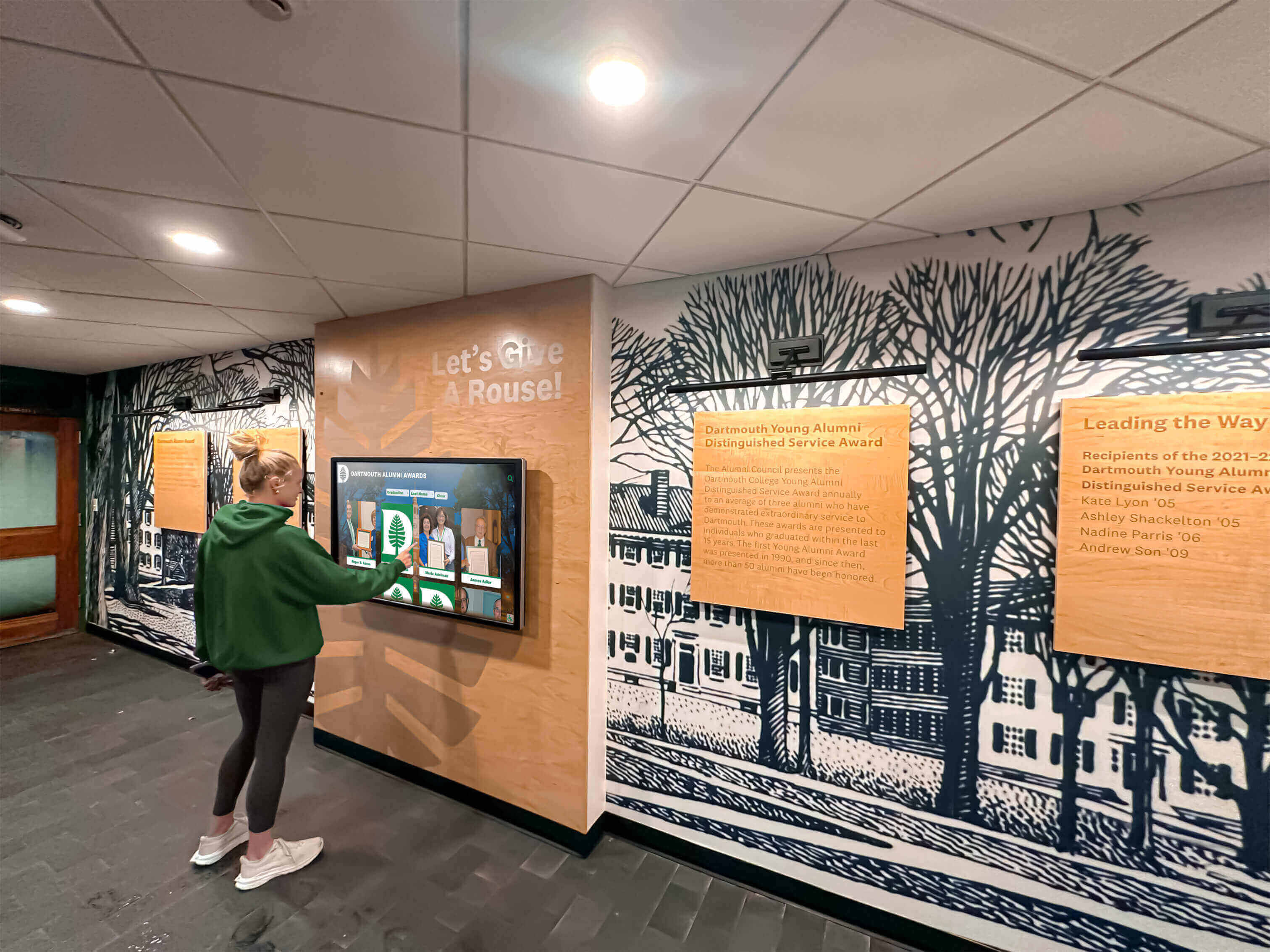
Next-generation recognition systems integrate coaching tributes with comprehensive athletic achievement documentation
Funding Coaching Recognition Programs
Budget considerations influence program scope, yet multiple funding sources can support comprehensive coach recognition.
Potential Funding Sources
Athletic Department Operating Budgets: Core institutional funding demonstrates organizational commitment to honoring those who built programs, establishing recognition as priority rather than afterthought.
Booster Club Contributions: Athletic supporters often enthusiastically fund coaching recognition viewing it as valuable program enhancement. Dedicated fundraising campaigns specifically for coach recognition can generate substantial resources.
Alumni Association Support: Alumni whose lives were shaped by coaching mentors frequently contribute to recognition honoring those who influenced their development. Alumni-driven campaigns celebrating specific retiring coaches can fund major recognition initiatives.
Naming Opportunities: Significant donor recognition through named coaching tribute displays, named sections within comprehensive recognition systems, or endowed coaching excellence awards provides sustainable funding while honoring donors appropriately.
Memorial Recognition: Families wishing to honor deceased coaches often fund recognition displays, coaching awards, or scholarship programs celebrating coaching legacies permanently.
Grant Programs: Educational and athletic foundations occasionally offer grants supporting coaching development, recognition, and retention initiatives worth exploring for supplemental funding.
Investment Considerations and Returns
Coaching recognition investments typically range from entry-level web-based systems at $5,000-$12,000 to mid-range touchscreen installations at $15,000-$30,000 to comprehensive multi-display networks at $30,000-$75,000+. While substantial, these investments create permanent recognition serving generations of coaches, athletes, and alumni while demonstrating institutional commitment to valuing those who build athletic excellence.
Return on investment manifests through enhanced coach morale and retention, improved recruiting outcomes through visible program tradition, strengthened alumni engagement and giving, elevated institutional reputation and community perception, and preserved institutional memory preventing loss of coaching wisdom and program history.
Most schools discover recognition programs deliver value far exceeding costs when accounting for comprehensive benefits across multiple institutional priorities and stakeholder groups.
Conclusion: Honoring Those Who Shape Champions
Retiring coaches deserve recognition reflecting the magnitude of their contributions—decades of early mornings and late nights, countless hours developing young athletes’ skills and character, sacrificed personal time and family commitments, championships built through strategic excellence and competitive fire, lives changed through mentorship and guidance, and programs strengthened through sustained dedication and leadership.
Traditional recognition approaches—brief retirement ceremonies, basic plaques with career dates, and acknowledgments that fade quickly from memory—fail to honor coaching careers appropriately. Modern digital recognition platforms transform coaching tributes by creating comprehensive career documentation preserving complete coaching stories, unlimited capacity honoring all deserving coaches permanently, rich multimedia content bringing careers to life, interactive exploration enabling personal connections, universal accessibility extending recognition globally, and ongoing enhancement maintaining current, relevant tributes.
Honor Your Coaching Legends Appropriately
Discover how interactive digital displays can help you create lasting tributes to retiring coaches that preserve their legacies and inspire future generations.
Explore Recognition SolutionsSchools implementing comprehensive coaching recognition through platforms like Rocket Alumni Solutions discover programs that genuinely honor those who built athletic excellence while creating engagement opportunities that strengthen alumni connections, inspire current athletes, and demonstrate institutional values prioritizing people over mere wins and losses.
When legendary coaches retire after careers spent developing young athletes, building championship programs, and exemplifying dedication and excellence, they warrant recognition that tells their complete stories, celebrates their achievements and character, preserves their wisdom and institutional knowledge, maintains their connections to programs they built, and ensures their legacies continue inspiring athletes for decades to come.
Digital recognition displays provide the capabilities schools need to honor retiring coaches appropriately—transforming basic acknowledgment into comprehensive tributes worthy of those who devoted lives to shaping young people through athletic competition. Whether enhancing existing recognition or establishing new programs, the combination of thoughtful content and modern technology creates coaching tributes that serve multiple generations while appropriately celebrating those who made programs successful.
The coaches who built your programs deserve recognition matching their contributions. Modern technology makes comprehensive, engaging, permanent tributes achievable for schools of all sizes and budgets—ensuring coaching legends receive the honor they’ve earned while their stories continue inspiring excellence long after their retirement.































