Honor roll recognition represents one of the most powerful ways schools celebrate academic achievement, inspire continued excellence, and build cultures where intellectual success receives the visibility it deserves. Yet many institutions struggle with outdated recognition methods—printed lists posted briefly on bulletin boards, brief announcements students quickly forget, or static trophy cases that become dated and overlooked. Academic achievers who dedicated tremendous effort to excellence deserve recognition that matches the significance of their accomplishments.
Modern digital recognition systems fundamentally transform how schools honor academic excellence through interactive touchscreen displays, unlimited recognition capacity, and engaging experiences that extend far beyond traditional plaques and certificates. These dynamic platforms don’t just display names—they tell compelling stories, create lasting visibility, and inspire broader student populations to pursue academic goals.
This comprehensive guide explores how schools can leverage digital recognition technology to celebrate honor roll recipients effectively, create cultures that value intellectual achievement, and provide students with meaningful acknowledgment that validates their dedication while inspiring peers toward similar excellence.
Academic recognition creates powerful cultural impact when done effectively. When schools celebrate honor roll recipients prominently through modern digital displays that provide lasting visibility and engagement, they demonstrate genuine commitment to intellectual excellence while creating environments where academic success feels aspirational, celebrated, and accessible to all motivated students.
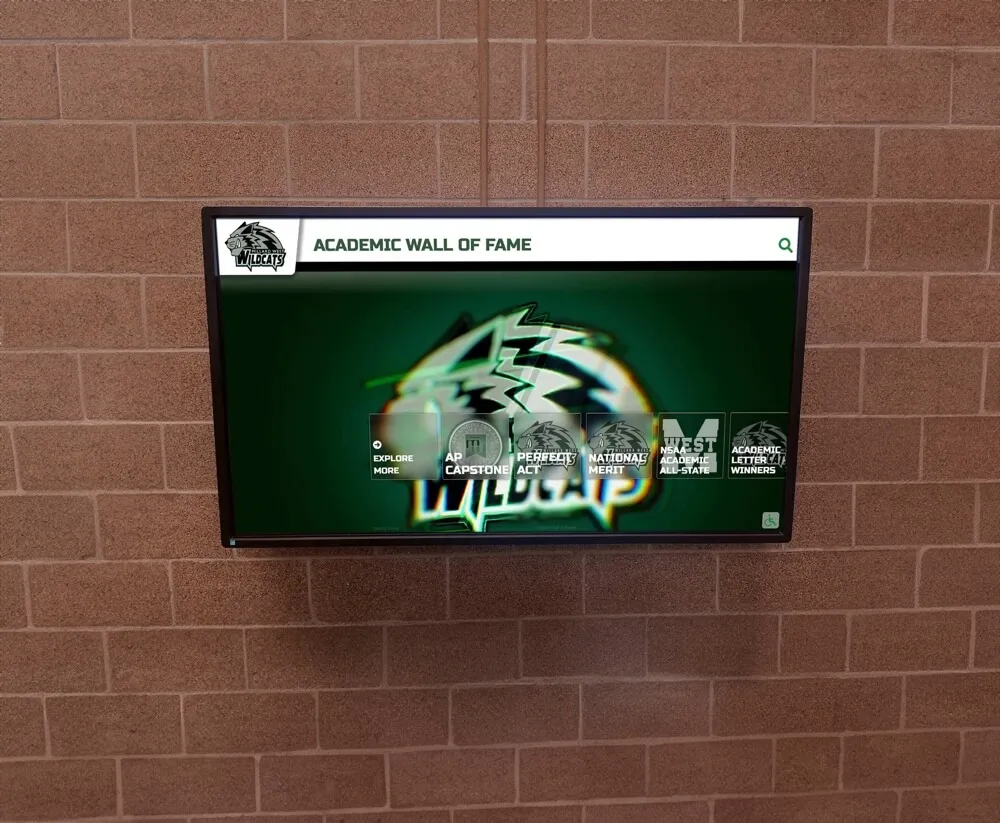
Digital recognition displays transform how schools celebrate honor roll achievements with engaging, interactive experiences
The Evolution of Honor Roll Recognition
Traditional honor roll recognition has followed predictable patterns for decades—printed certificates handed to students, names read during morning announcements, or lists posted temporarily in hallways. While these methods provided acknowledgment, they lacked lasting impact and failed to create the sustained visibility that drives cultural change and ongoing motivation.
Limitations of Traditional Honor Roll Recognition
Temporary Visibility Printed lists disappear after a few weeks, announcements fade from memory within hours, and bulletin boards become background noise students stop noticing. This temporary recognition fails to create lasting cultural impact or ongoing motivation for students pursuing future honor roll achievement.
Capacity Constraints Physical displays face inevitable space limitations. A typical bulletin board accommodates perhaps 50-100 names before exhausting available space—creating difficult decisions when schools have hundreds of honor roll recipients across multiple achievement tiers and grading periods.

Traditional hallway displays face space constraints and limited engagement opportunities
Minimal Context and Storytelling Traditional displays typically provide only names and perhaps achievement levels—“Principal’s Honor Roll” or “High Honor Roll”—without context about the students’ journeys, challenges overcome, or accomplishments beyond grades. These sparse displays miss opportunities to create emotional connections and inspirational narratives.
Administrative Burden Maintaining traditional honor roll displays requires significant manual effort—printing updated lists, physically posting materials, removing outdated recognition, ordering and installing new plaques, and coordinating with multiple staff members for updates each grading period.
Limited Accessibility Physical displays remain visible only to campus visitors during specific hours. Alumni, extended family members, and community supporters rarely see honor roll recognition, limiting the reach and impact of academic celebration.
The Digital Recognition Advantage: Transforming Honor Roll Celebration
Modern digital recognition platforms eliminate traditional limitations while introducing capabilities that fundamentally enhance how schools celebrate academic excellence. Solutions like Rocket Alumni Solutions provide comprehensive systems specifically designed for educational recognition.
Unlimited Recognition Capacity
Perhaps the most transformative advantage: digital systems accommodate unlimited students across all honor roll tiers without physical space constraints.
Comprehensive Recognition
- Recognize all achievement tiers from Honor Roll through Principal’s Honor Roll
- Display current and historical honor roll recipients from decades of academic tradition
- Accommodate hundreds or thousands of students without capacity concerns
- Never remove past honorees to make room for new achievements
Inclusive Celebration
- Celebrate first-time honor roll achievers alongside consistent performers
- Recognize subject-specific excellence and overall academic achievement
- Honor improvement and growth alongside absolute achievement levels
- Ensure all motivated students see pathways to recognition
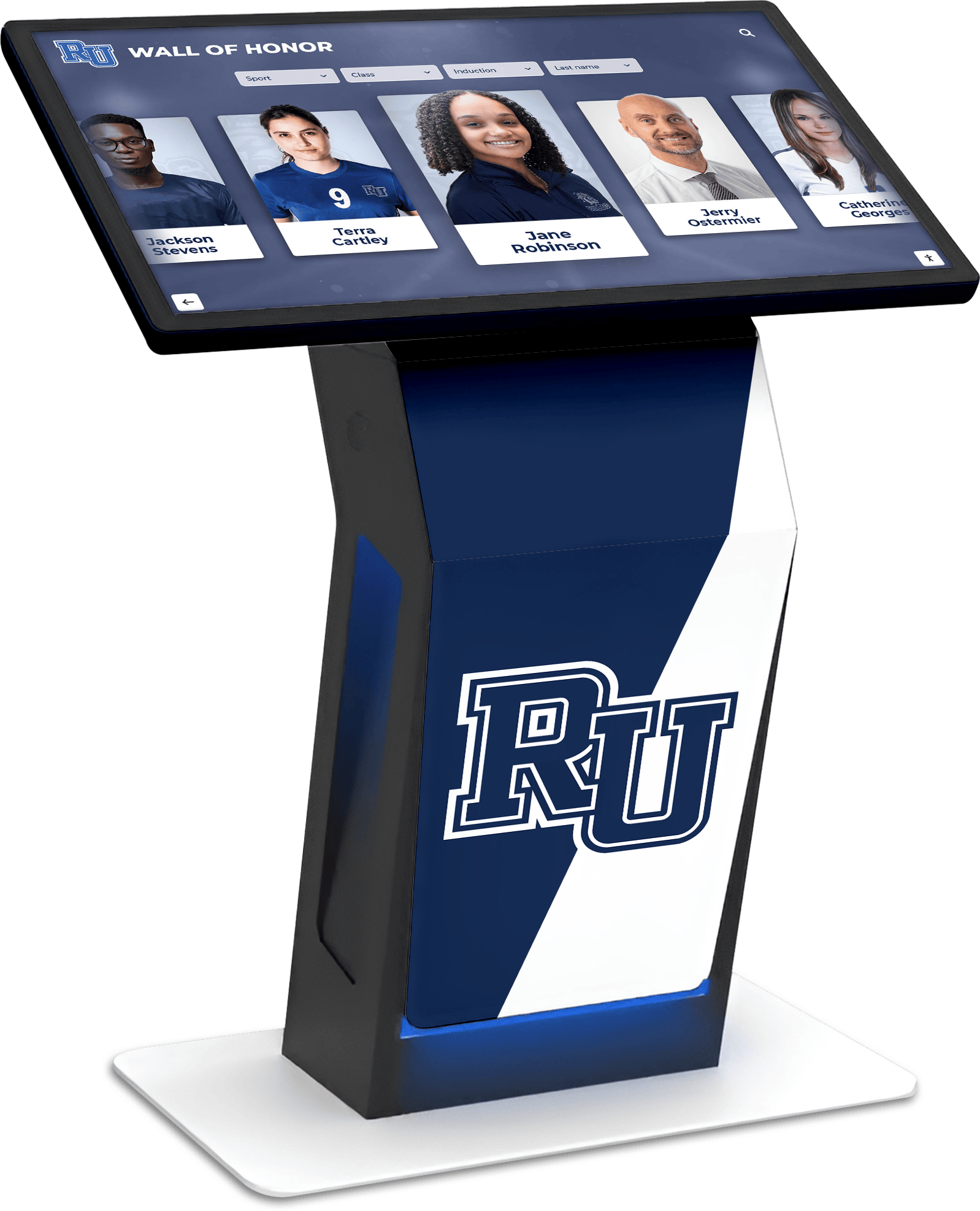
Digital systems provide unlimited capacity for comprehensive honor roll recognition
This unlimited capacity enables truly inclusive recognition programs celebrating diverse forms of academic success rather than forcing schools to choose whose accomplishments receive visibility based on available physical space.
Interactive Exploration and Engagement
Digital recognition creates active engagement impossible with static displays through intuitive touchscreen interfaces that invite exploration and discovery.
Search and Filter Capabilities Students, families, and visitors can instantly search for specific individuals, filter by achievement level or graduation year, browse by subject area or academic discipline, and explore historical recognition spanning decades. These powerful navigation tools transform passive viewing into active exploration.
Rich Multimedia Profiles Rather than simple name listings, digital platforms enable comprehensive student profiles featuring professional photographs in academic contexts, detailed achievement narratives explaining the significance of accomplishments, academic journey stories showing progress and growth over time, additional recognitions and awards students have earned, and personal statements or reflections from honor roll recipients.

Touchscreen interfaces create engaging experiences that extend average viewing time to 5-8 minutes
Extended Engagement Metrics Research shows visitors spend an average of 5-8 minutes exploring interactive academic recognition displays compared to less than one minute viewing traditional plaques. This extended engagement creates deeper connections with academic achievement and institutional values while increasing recognition impact significantly.
Cloud-Based Management Systems
Modern recognition platforms eliminate administrative burden through intuitive cloud-based management enabling updates from any internet-connected device.
Simple Content Updates
- Add new honor roll recipients within minutes through web-based interfaces
- Upload photos and enter achievement information using simple forms requiring no technical expertise
- Schedule recognition for automatic publication when grading periods conclude
- Update multiple displays across campus simultaneously from a single management platform
Automated Workflows Advanced systems integrate with student information systems to automatically identify honor roll recipients based on GPA thresholds, import student data and photos reducing manual entry, publish recognition on predetermined schedules without manual intervention, and maintain historical archives documenting institutional academic tradition.
Schools implementing digital recognition report 80-90% reduction in administrative time spent maintaining honor roll displays compared to traditional approaches requiring manual updates, reprinting, and physical installation.
Building Comprehensive Digital Honor Roll Programs
Effective digital recognition requires thoughtful planning addressing program design, content strategy, communication approaches, and sustainable management.
Establishing Recognition Criteria and Tiers
Clear honor roll criteria ensure students understand achievement pathways while maintaining meaningful standards.
Common Honor Roll Structures
Most schools implement tiered systems recognizing different achievement levels:
Principal’s Honor Roll - Highest distinction typically requiring 4.0 GPA or equivalent, celebrating exceptional performance across all subjects through sustained excellence and dedication.
High Honor Roll - Distinguished achievement generally requiring 3.7-3.9 GPA, acknowledging strong academic performance with primarily A grades and perhaps occasional B grades.
Honor Roll - Academic excellence usually requiring 3.3-3.7 GPA, celebrating solid academic performance with mostly A and B grades.
Schools should establish thresholds appropriate for their contexts—criteria that feel meaningful without becoming either trivially easy or unrealistically difficult for their student populations. Learn more about comprehensive academic recognition programs and digital honor roll displays celebrating diverse achievements.
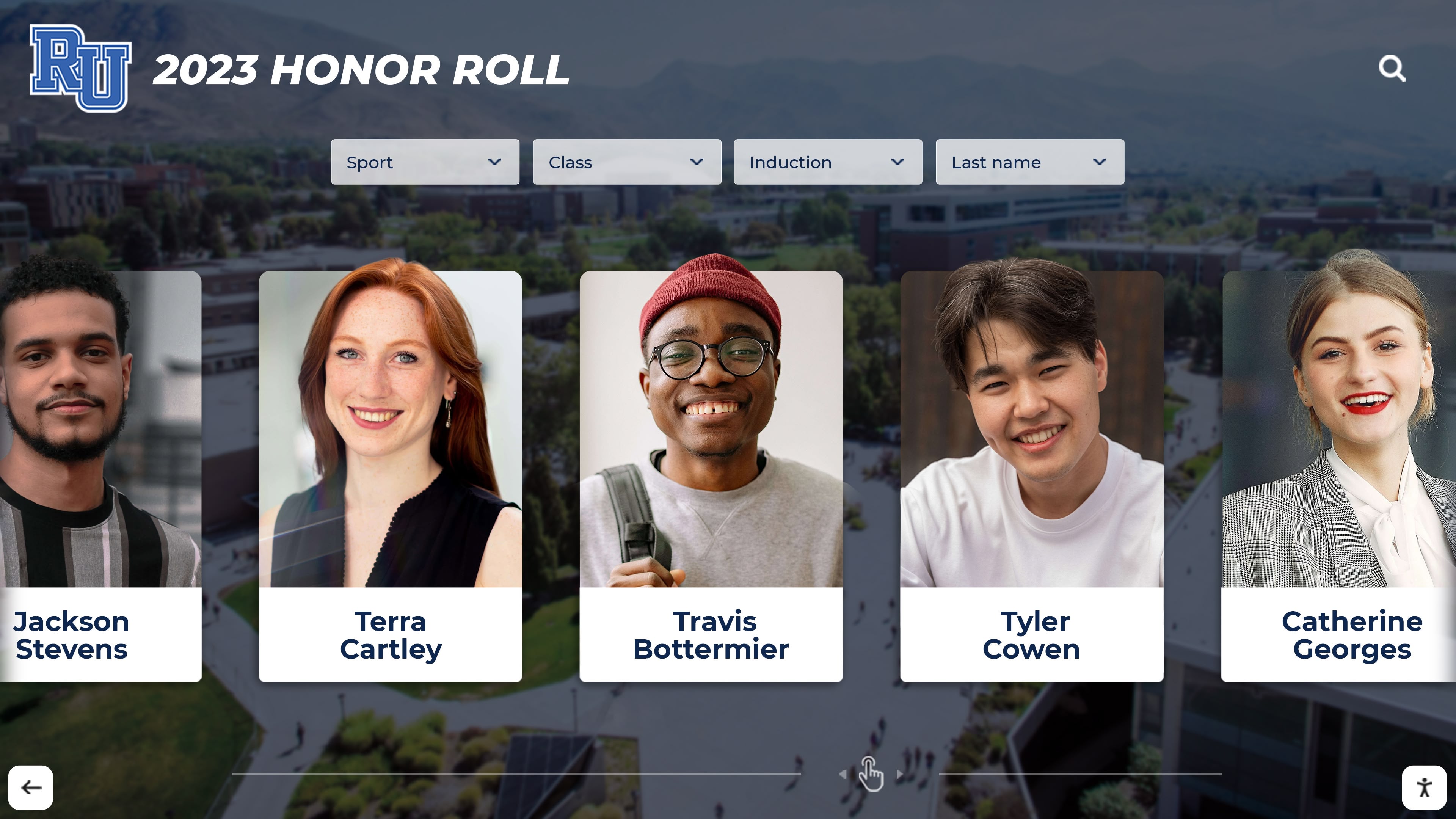
Individual profile cards celebrate specific achievements and tell complete academic stories
Recognition Frequency and Timing
Quarter or Marking Period Recognition More frequent recognition (every 6-9 weeks) provides regular opportunities for acknowledgment and creates multiple chances throughout the year for students to achieve honor roll status. This approach maintains sustained focus on academic achievement while providing immediate motivation.
Semester or Trimester Recognition Recognition twice or three times annually (every 12-18 weeks) provides substantial achievement periods while limiting administrative burden. This timing allows teachers adequate time to establish grades while creating meaningful recognition intervals.
Annual Recognition Year-end honor roll celebrates cumulative academic achievement, often recognizing students who maintained honor roll status consistently across multiple grading periods. Annual recognition provides opportunities for special acknowledgment of sustained excellence.
The most effective programs combine regular recognition throughout the year with special annual acknowledgment for sustained achievement, creating both immediate motivation and long-term excellence goals.
Strategic Display Placement and Visibility
Physical location significantly impacts recognition effectiveness and cultural influence.
High-Traffic Location Selection
Primary Placement Priorities
- Main entrance lobbies where all visitors encounter recognition immediately
- Cafeteria areas where students gather daily and see honor roll displays repeatedly
- Athletic facilities creating parity between academic and athletic recognition
- Library spaces connecting recognition with academic resources and study environments
- Administrative areas visible during parent conferences and family visits
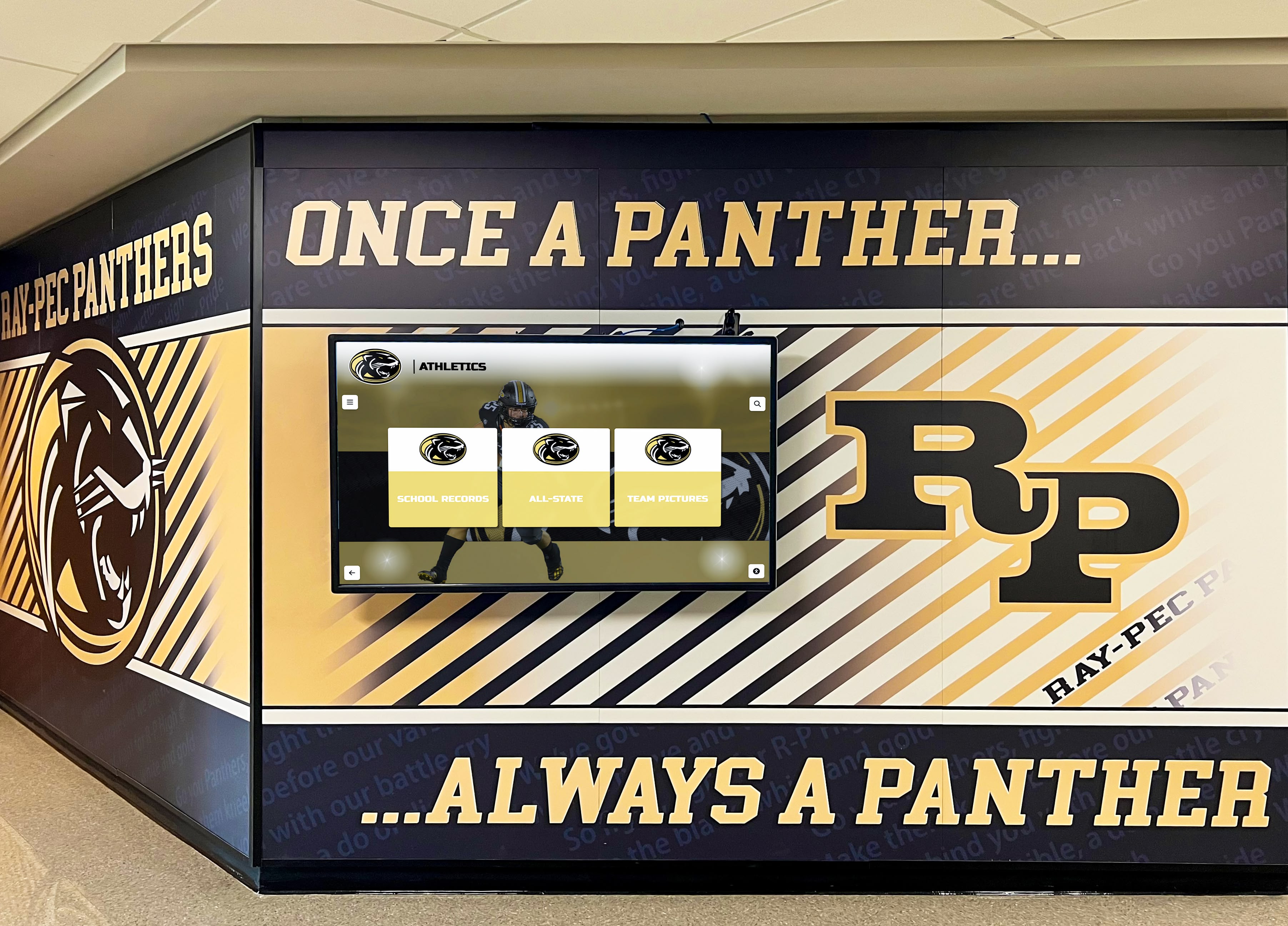
Strategic placement in high-traffic areas ensures consistent visibility and cultural impact
Multiple Display Strategy Schools with sufficient resources benefit from multiple recognition displays throughout campus ensuring students encounter academic recognition regularly, creating parity with athletic recognition often displayed prominently in gyms, providing recognition access at multiple convenient locations, and reinforcing institutional values through repeated visibility.
Balancing Academic and Athletic Recognition
Many schools prominently display athletic achievements through trophy cases, championship banners, and dedicated recognition spaces—while academic excellence receives minimal visibility. Digital recognition enables schools to achieve balance demonstrating comparable institutional commitment to intellectual and competitive excellence.
Creating this balance sends powerful messages about institutional values while ensuring academically talented students receive celebration comparable to athletic stars. Explore National Honor Society recognition and exciting hallway displays that elevate academic achievement visibility.
Creating Compelling Honor Roll Content
Effective digital recognition extends beyond simple name listings to tell compelling stories inspiring peers and celebrating achievement comprehensively.
Rich Student Profiles
Transform recognition from basic information into meaningful narratives honoring students completely:
Essential Profile Components
- Professional photographs showing students in academic contexts
- Achievement summaries explaining honor roll tier and GPA accomplishments
- Academic journey narratives describing progress, challenges overcome, or sustained excellence
- Additional recognitions like subject-specific awards, competitions, or scholarships
- Extracurricular balance demonstrating well-rounded excellence
- Personal statements where students reflect on success factors or offer peer advice
- Future aspirations connecting current achievement to college and career goals
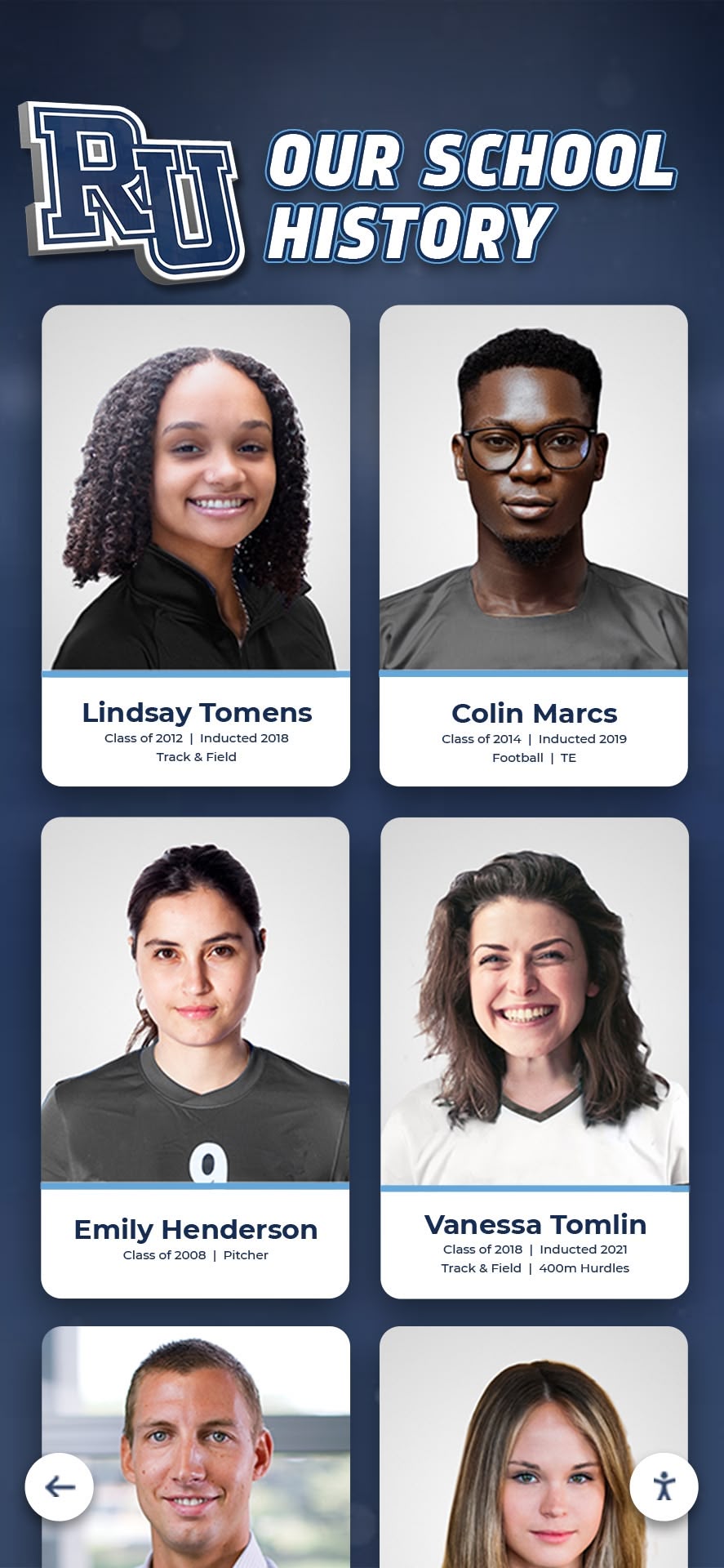
Rich profiles create emotional connections and provide inspirational context beyond simple name listings
These comprehensive profiles create emotional impact impossible with traditional plaques while providing inspirational context that motivates other students toward academic excellence. Learn more about effective student achievement displays that showcase academic excellence comprehensively.
Highlighting Growth and First-Time Achievers
Students achieving honor roll for the first time deserve special recognition celebrating academic improvement and validating effort invested in reaching new achievement levels.
First-Time Honor Roll Spotlight
- Dedicated recognition sections for first-time honor roll students
- Success story features where students share what helped them achieve honor roll
- Before-and-after comparisons showing academic improvement journeys
- Advice from first-time achievers to peers pursuing similar goals
This emphasis communicates that honor roll remains attainable for students willing to increase academic effort and adopt effective study strategies—making excellence feel accessible rather than reserved for traditionally high-performing students only. Consider semester highlights recognition to celebrate academic progress and improvement throughout the year.
Showcasing Diverse Academic Pathways
Students achieve honor roll through various approaches worth celebrating:
Multiple Excellence Pathways
- Exceptional performance across all subjects demonstrating well-rounded excellence
- Specialized excellence in particular subject areas paired with solid overall performance
- Improvement from previous performance showing growth and increased commitment
- Balance of academic rigor with demanding extracurricular involvement
- Overcoming learning challenges or personal obstacles to achieve academic success
Recognizing these diverse pathways ensures more students see achievable routes to honor roll recognition rather than viewing it as reserved only for students who’ve always earned top grades effortlessly.
Extending Recognition Through Web Access
While physical displays create powerful campus presence, web accessibility dramatically extends recognition reach and impact.
Online Honor Roll Platforms
Modern digital recognition systems provide web-based access enabling anyone with internet connectivity to explore honor roll achievements from anywhere in the world.
Web Access Benefits
- Alumni view their historical honor roll achievements years after graduation
- Extended family members celebrate student success from distant locations
- College admissions officers explore student academic achievement during application review
- Community supporters see institutional commitment to academic excellence
- Prospective families research academic culture during school selection processes

Responsive web access extends honor roll recognition globally across all devices
This extended accessibility transforms recognition from campus-limited celebration into globally accessible achievement documentation that students can share throughout their lives.
Social Media Integration
Digital platforms enable seamless social sharing amplifying recognition reach exponentially:
Social Sharing Features
- One-click sharing of individual honor roll profiles to major social platforms
- Automated institutional posts celebrating honor roll publication each grading period
- Student-generated content where honor roll recipients share their achievement stories
- Parent and family sharing exponentially multiplying recognition visibility
- Alumni engagement through historical honor roll content and throwback recognition
Social sharing typically generates 5-8x more impressions than standard institutional posts while creating authentic peer-to-peer inspiration that resonates powerfully with students.
Motivating Broader Student Populations
Beyond celebrating current honor roll recipients, effective recognition programs inspire students not yet achieving honor roll status to pursue academic excellence.
Creating Aspirational Culture
Visibility Creates Aspiration When academic recognition receives prominence comparable to athletic achievement through prominent display placement, regular updates and fresh content, celebrated honor roll recipients as role models, and clear communication about honor roll criteria and pathways—students begin viewing intellectual excellence as aspirational and celebrated rather than invisible or taken for granted.
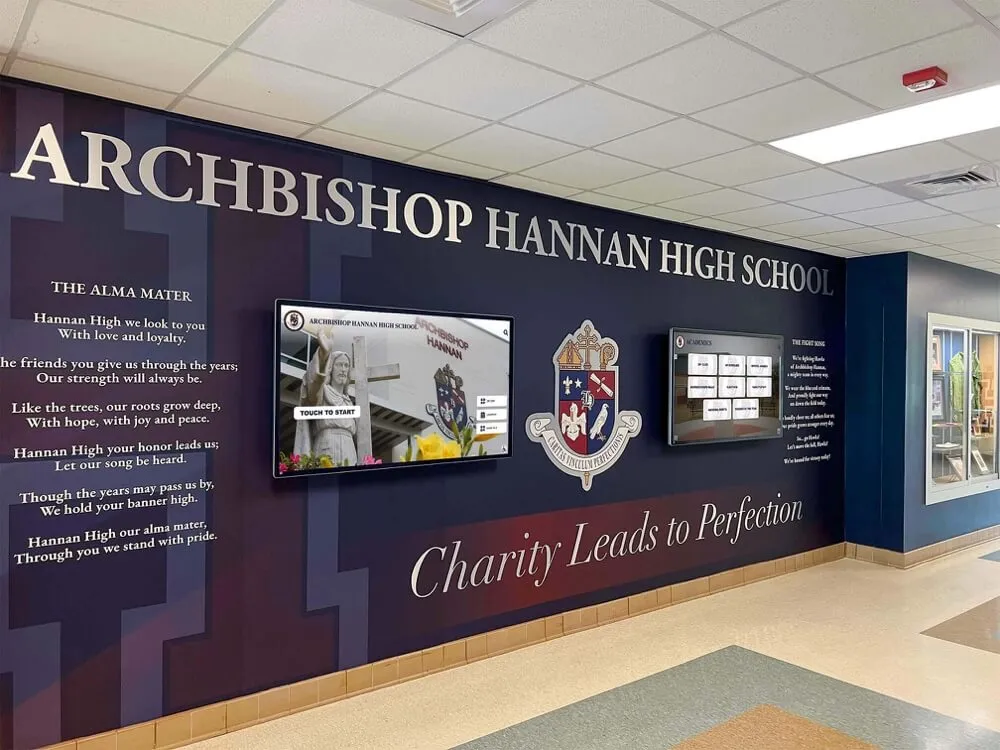
Prominent lobby recognition creates aspirational culture celebrating academic achievement
Connecting Achievement to Future Opportunities
Help students understand how honor roll achievement supports broader life goals:
Future-Focused Connections
- Strengthening college and university applications through demonstrated academic commitment
- Qualifying for academic scholarships and financial aid reducing college costs
- Developing study skills and work habits supporting future academic and career success
- Building academic confidence and self-efficacy that extends beyond specific courses
- Demonstrating consistency and reliability to future educators and employers
When students view honor roll as meaningful beyond immediate recognition—as investment in their futures—motivation increases significantly. Schools should explicitly connect academic recognition to college admission processes, scholarship opportunities, and career preparation.
Learn about AP Scholar recognition programs and outstanding students recognition that honor advanced academic achievement and college readiness.
Inclusive Recognition Design
Effective programs ensure recognition opportunities exist for students across all learning profiles and backgrounds while maintaining meaningful standards.
Multiple Achievement Dimensions
Recognition systems should acknowledge various forms of academic excellence:
Diverse Recognition Categories
- Absolute Achievement: Traditional GPA-based honor roll tiers
- Improvement Recognition: Celebrating significant GPA increases regardless of absolute level
- Subject-Specific Excellence: Honoring exceptional performance in particular disciplines
- Effort-Based Recognition: Valuing consistent work ethic and assignment completion
- Overcoming Challenges: Acknowledging students who achieved success despite obstacles
This multi-dimensional approach prevents recognition systems from feeling exclusive to elite performers, instead creating cultures where students at various achievement levels can pursue meaningful acknowledgment.
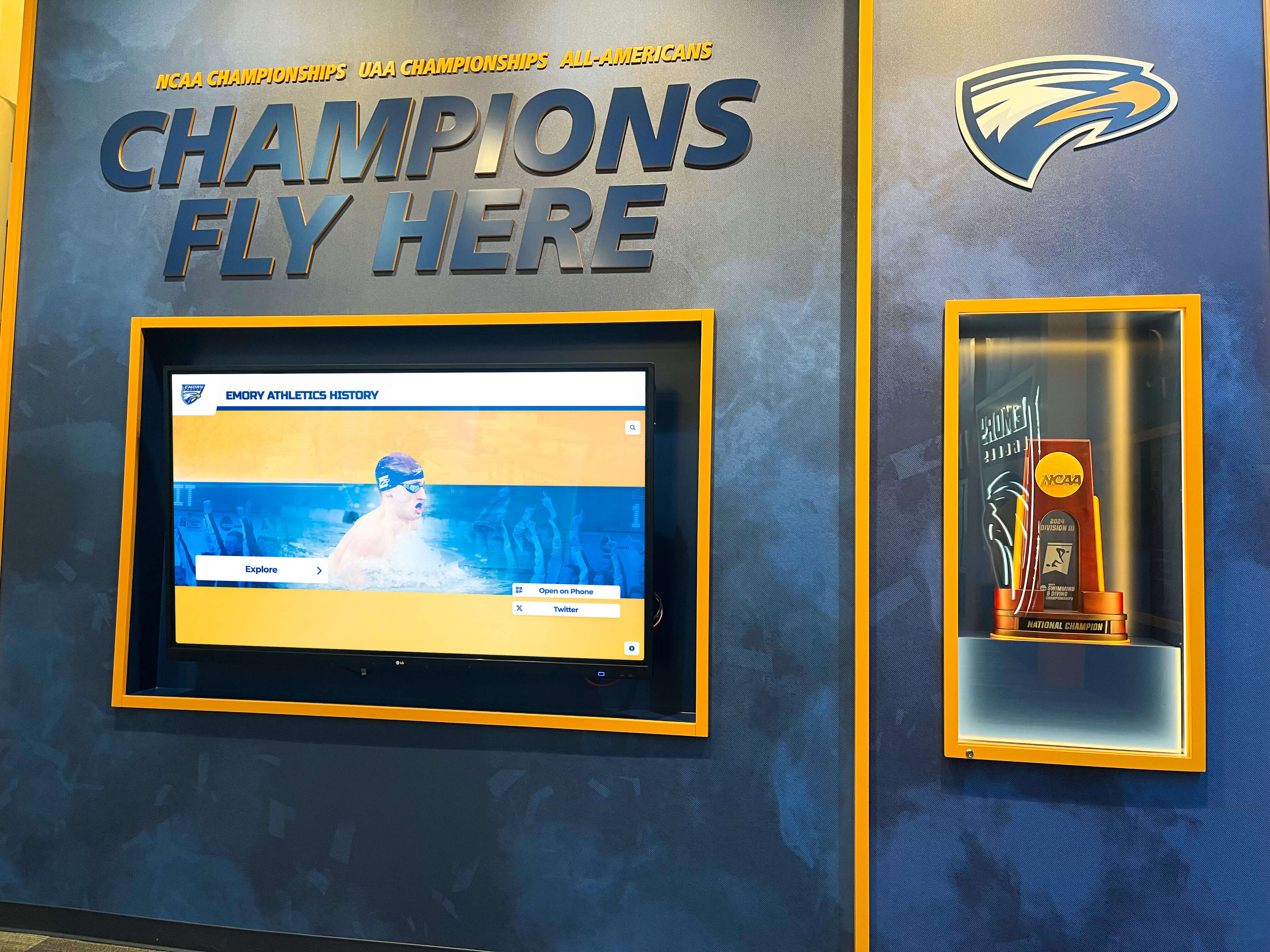
Comprehensive recognition celebrating diverse forms of excellence creates inclusive culture
Accessibility and Universal Design
Digital recognition platforms should incorporate comprehensive accessibility features:
Essential Accessibility Features
- ADA-compliant physical placement and mounting heights for wheelchair users
- Screen reader compatibility for students with visual impairments
- High-contrast viewing modes and text magnification options
- Multilingual content options for diverse school communities
- Mobile access enabling students to explore recognition from personal devices
- Keyboard navigation alternatives to touchscreen interaction
These features ensure all community members can meaningfully engage with recognition programs regardless of ability, demonstrating institutional commitment to inclusive excellence.
Technology Infrastructure and Implementation
Successful digital recognition requires reliable technology infrastructure and thoughtful implementation planning.
Hardware Selection and Installation
Display Considerations
- Screen Size: Typically 43"-75" depending on viewing distance and space constraints
- Mounting Options: Wall-mounted displays, freestanding kiosks, or integrated architectural installations
- Touchscreen Capability: Commercial-grade touch technology designed for high-traffic public use
- Durability: Commercial displays rated for continuous operation rather than consumer TVs
- Environmental Protection: Appropriate brightness for ambient lighting conditions
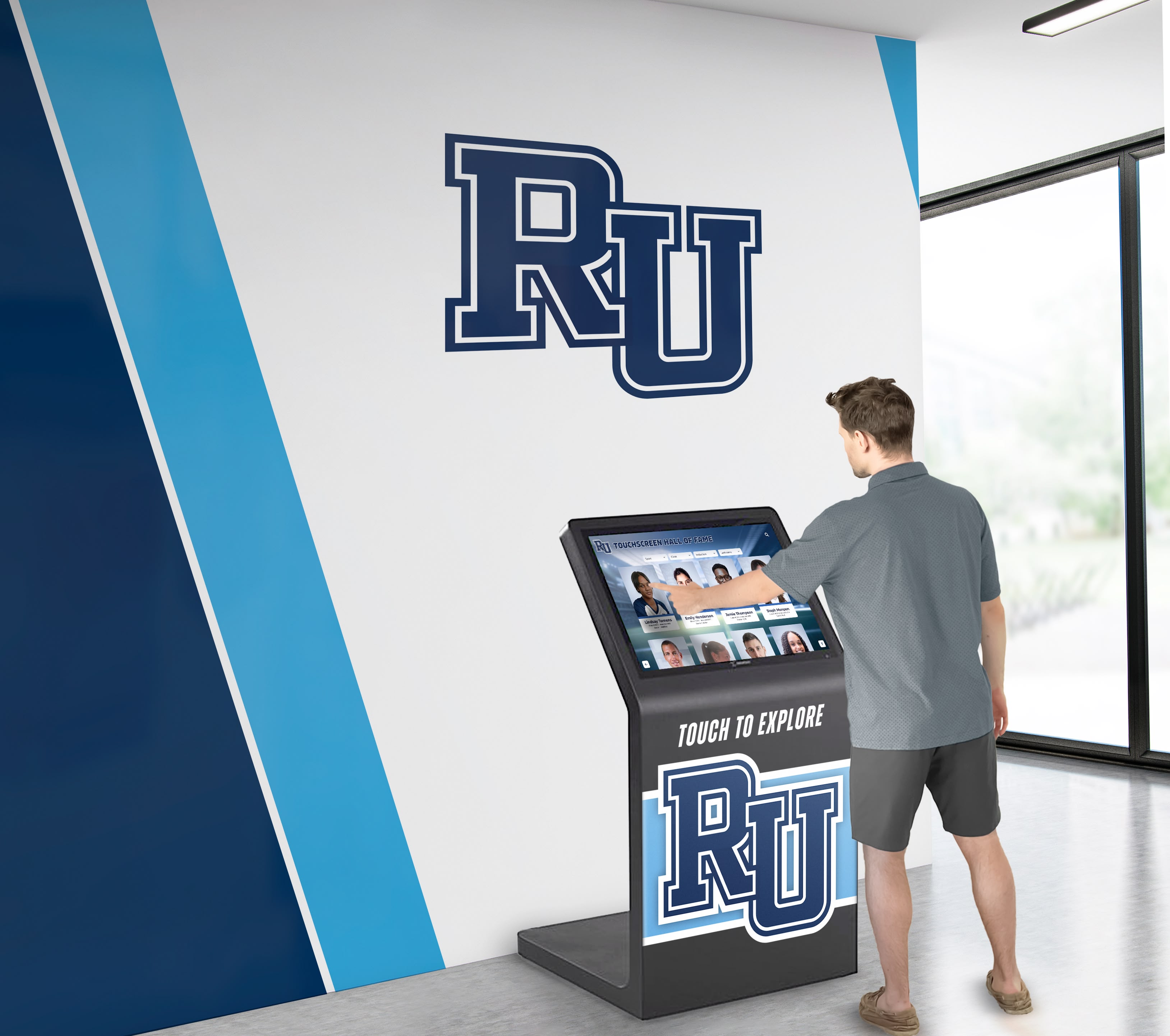
Freestanding kiosks provide flexible placement options in various campus locations
Infrastructure Requirements
- Reliable network connectivity supporting regular content updates
- Adequate electrical service at display locations
- Secure mounting appropriate for display weight and usage
- Cable management maintaining professional appearance
- Remote monitoring capabilities ensuring operational reliability
Software Platform Selection
Choosing the right recognition software significantly impacts long-term success and administrative efficiency.
Essential Software Capabilities
- Intuitive cloud-based content management requiring minimal training
- Responsive design ensuring optimal display across screen sizes
- Robust search and filtering enabling easy content discovery
- Multimedia support for photos, videos, and rich content
- Integration capabilities with student information systems
- Automated scheduling for time-based content publication
- User permission management for secure multi-admin access
- Analytics and reporting showing engagement metrics
Solutions like Rocket Alumni Solutions provide comprehensive platforms specifically designed for educational recognition with features addressing schools’ unique needs and workflows.
Managing Digital Recognition Programs Long-Term
Sustainable success requires systematic planning and ongoing management.
Establishing Clear Responsibility
Assign specific individuals responsible for honor roll recognition program coordination:
Key Responsibilities
- Monitoring grade completion and honor roll eligibility determination
- Gathering student information, photos, and achievement details
- Updating digital displays consistently each grading period
- Coordinating recognition ceremonies when schools conduct them
- Maintaining historical archives documenting institutional achievement
- Responding to student and family questions about recognition
- Monitoring system functionality and coordinating technical support
Clear accountability prevents recognition from falling through cracks during busy periods while ensuring consistent quality across grading periods.
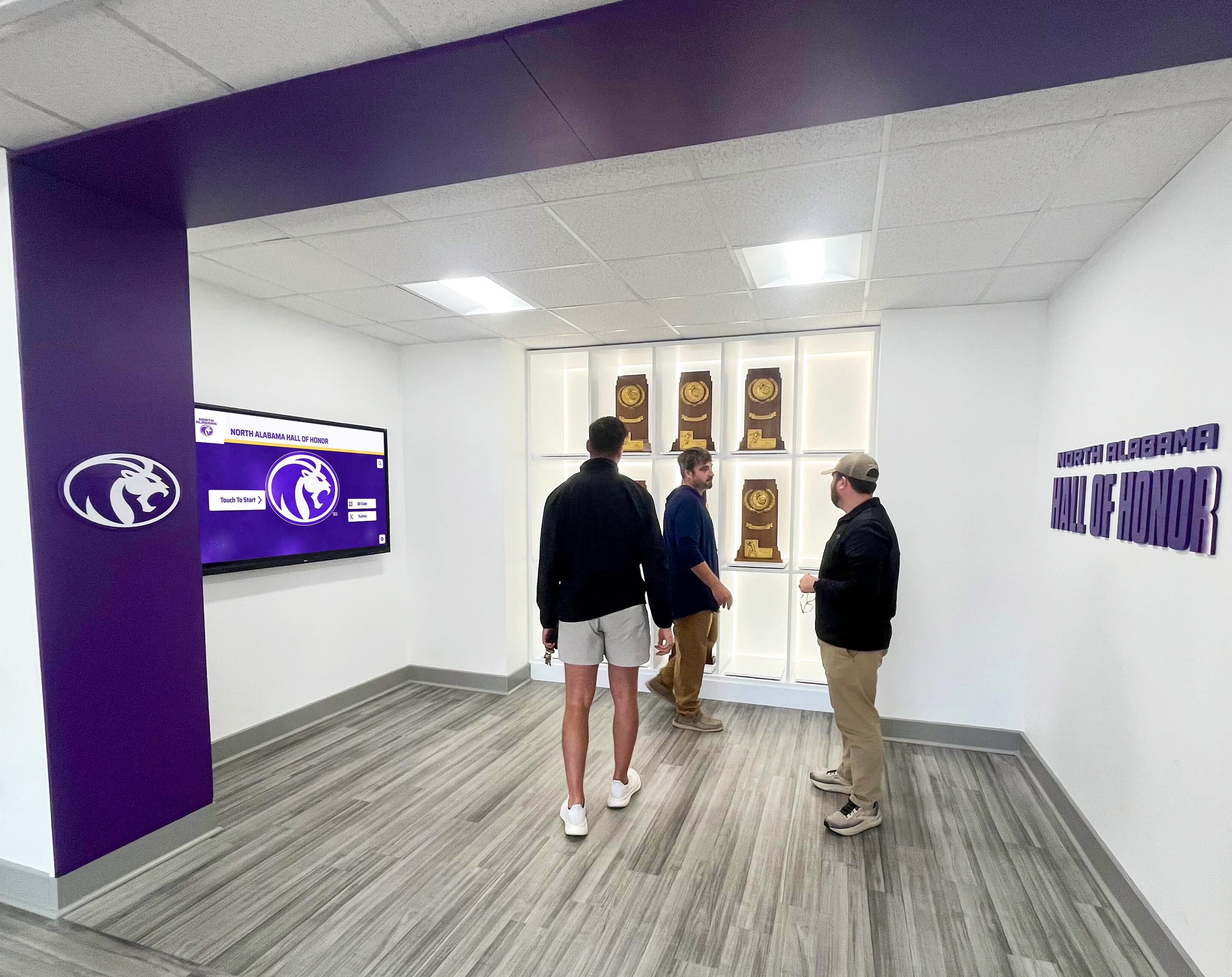
Successful programs integrate digital recognition with broader campus culture and traditions
Building Historical Archives
Comprehensive recognition programs preserve institutional memory by documenting all honor roll recipients across decades:
Archival Benefits
- Searchable databases accessible to current students, families, and alumni
- Historical photo preservation showing student achievement across generations
- Trend analysis demonstrating academic program growth and effectiveness
- Permanent records surviving staff turnover and administrative changes
- Alumni engagement opportunities through historical recognition content
Digital systems facilitate archiving through cloud-based storage protecting recognition content indefinitely, tagged organization enabling easy filtering and discovery, export capabilities ensuring data portability, and automatic backup protocols preventing data loss.
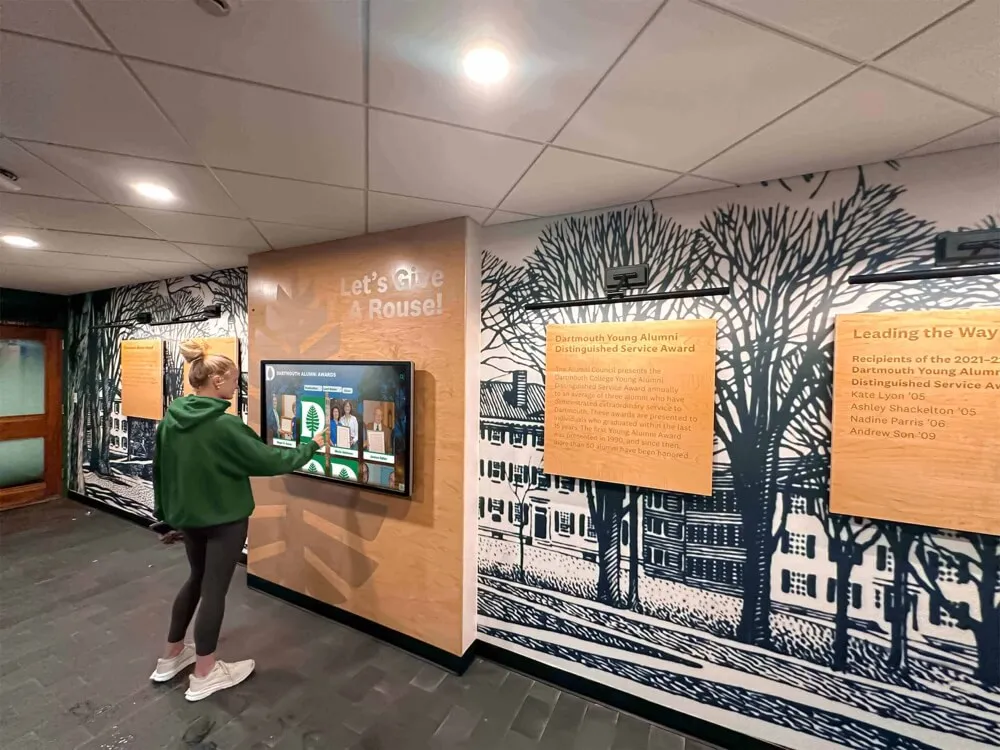
Historical archives enable alumni to revisit their achievements decades after graduation
Measuring Recognition Program Impact
Regular assessment ensures programs achieve intended goals while justifying resource investments.
Quantitative Participation Metrics
Track objective indicators showing program reach and growth:
Key Metrics
- Total students achieving honor roll recognition annually
- Percentage of student body receiving honor roll acknowledgment
- Multi-year trends showing honor roll participation changes
- Distribution across grade levels and demographic groups
- First-time honor roll achievers versus repeat recipients
- Sustained honor roll achievement across multiple grading periods
These metrics demonstrate program effectiveness while identifying opportunities for improvement or expansion.
Academic Outcome Correlations
Monitor relationships between honor roll recognition and broader achievements:
Outcome Indicators
- Achievement trends among honor roll recipients over time
- Impact on advanced course enrollment and academic rigor pursuit
- College acceptance rates and scholarship awards for honor roll students
- Standardized test performance correlations with honor roll achievement
- Long-term academic trajectory analysis showing lasting recognition effects
These outcome measures justify recognition program investments by demonstrating tangible benefits beyond ceremonial acknowledgment.
Cultural Transformation Indicators
Assess qualitative changes suggesting recognition programs shape school culture:
Cultural Signals
- Student survey responses about academic achievement importance and value
- Family satisfaction with academic recognition emphasis and visibility
- Staff observations about academic culture evolution and student motivation changes
- External perception of school academic reputation and excellence
- Balance between academic and athletic recognition prominence in school culture
- Alumni engagement with institutional academic heritage and tradition
Regular assessment enables continuous improvement ensuring recognition programs remain meaningful, impactful, and aligned with evolving institutional goals.
Best Practices for Maximum Impact
Successful honor roll digital recognition programs follow proven best practices maximizing effectiveness and sustainability.
Multi-Channel Communication Strategy
Recognition generates motivational value primarily through visibility and communication. Ensure comprehensive reach:
Communication Channels
- Digital displays in high-traffic locations where students gather daily
- School website recognition sections with searchable current and historical content
- Social media posts highlighting honor roll publication and individual achievers
- Email newsletters featuring honor roll achievements and student success stories
- Morning announcements celebrating recent honor roll recipients
- Recognition ceremonies providing formal acknowledgment and celebration
- Parent communication through conferences, bulletins, and direct outreach
Multi-channel communication ensures recognition reaches all stakeholders through their preferred information sources while creating sustained visibility extending beyond brief recognition moments.
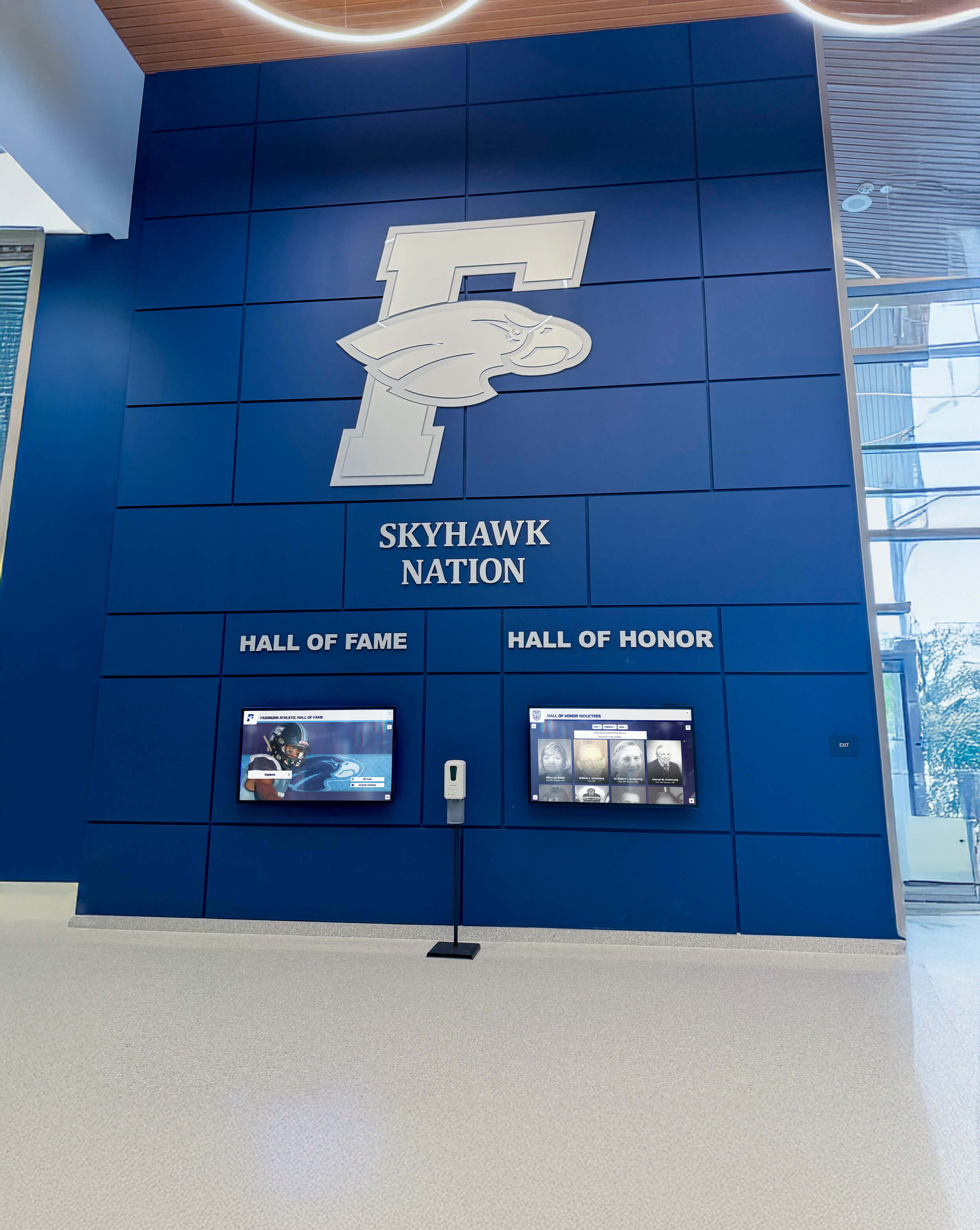
Prominent lobby placement ensures all campus visitors encounter honor roll recognition immediately
Regular Content Refresh
Maintaining engagement requires consistently updated content keeping displays fresh and relevant:
Content Update Strategies
- Add new honor roll recipients immediately each grading period
- Feature rotating spotlights highlighting different students regularly
- Update student profiles as additional achievements occur
- Add multimedia content like student reflections or success stories
- Incorporate current photos maintaining visual freshness
- Highlight first-time achievers and improvement stories
- Connect recognition to current school events and celebrations
Regular updates signal that recognition remains active, current, and valued rather than static displays that become invisible background elements students stop noticing.
Integration with Broader Recognition Culture
Honor roll recognition achieves maximum impact when integrated within comprehensive recognition cultures:
Holistic Recognition Approach
- Position academic recognition as equally important as athletic achievement
- Celebrate diverse forms of excellence including academics, arts, service, and leadership
- Connect honor roll recognition with other academic awards and scholarships
- Feature honor roll recipients in school publications and communications
- Include academic recognition in campus tours and prospective family presentations
- Engage alumni through historical recognition and achievement archives
This comprehensive approach ensures academic excellence receives visibility, celebration, and institutional commitment comparable to any other form of achievement, creating balanced cultures valuing diverse student talents and accomplishments.
Cost Considerations and Return on Investment
Schools considering digital recognition naturally evaluate financial implications and return on investment.
Implementation Investment
Typical Cost Ranges
- Entry-Level Systems: $8,000-$15,000 for single display with basic software and installation
- Mid-Range Solutions: $15,000-$30,000 for larger displays with advanced features and comprehensive software
- Multi-Display Systems: $30,000-$75,000+ for multiple recognition displays throughout campus
Many schools implement in phases, starting with a single prominent display and expanding over time as budgets allow and value becomes evident.
Financing and Funding Options
- Multi-year capital budgets distributing costs across fiscal years
- Donor-funded recognition initiatives honoring benefactors while serving students
- Grant funding for technology and student success initiatives
- Leasing arrangements enabling implementation without large upfront investments
- Phased implementation starting small and expanding based on results
Ongoing Operational Costs
Annual Expenses
- Software licensing and cloud hosting: Typically $1,000-$3,000 annually
- Minimal electricity costs for display operation
- Occasional technical support for troubleshooting or training
- Content management requiring 5-15 hours annually of staff time
These operational costs remain minimal compared to traditional recognition requiring ongoing printing, engraving, framing, and physical installation expenses for each update.
Return on Investment
While difficult to quantify precisely, digital recognition generates significant value:
Tangible Benefits
- Reduced administrative time and associated labor costs
- Eliminated ongoing printing, engraving, and material expenses
- Extended recognition reach through web access without additional cost
- Unlimited recognition capacity avoiding expensive space expansion
- Enhanced recruitment through demonstrated academic culture and excellence
Intangible Benefits
- Increased student motivation toward academic achievement
- Stronger school culture valuing intellectual excellence
- Enhanced institutional reputation for academic commitment
- Improved alumni engagement through accessible historical recognition
- Greater family satisfaction with student acknowledgment and celebration
Most schools find that the cultural impact and motivational benefits alone justify recognition investments, with operational efficiencies and cost savings providing additional financial value over time.
Common Implementation Challenges and Solutions
Understanding potential challenges enables proactive planning preventing common pitfalls.
Challenge: Gathering Historical Recognition Data
Many schools lack comprehensive historical honor roll records, creating challenges when building initial content.
Solutions
- Start with current and recent grading periods while building historical archives over time
- Request historical honor roll information from long-term faculty members
- Review school publications, yearbooks, and newsletters for past honor roll lists
- Engage alumni to submit historical honor roll information and photos
- Accept that complete historical records may remain unavailable—celebrate what exists while building forward
- Implement systematic record-keeping preventing future gaps
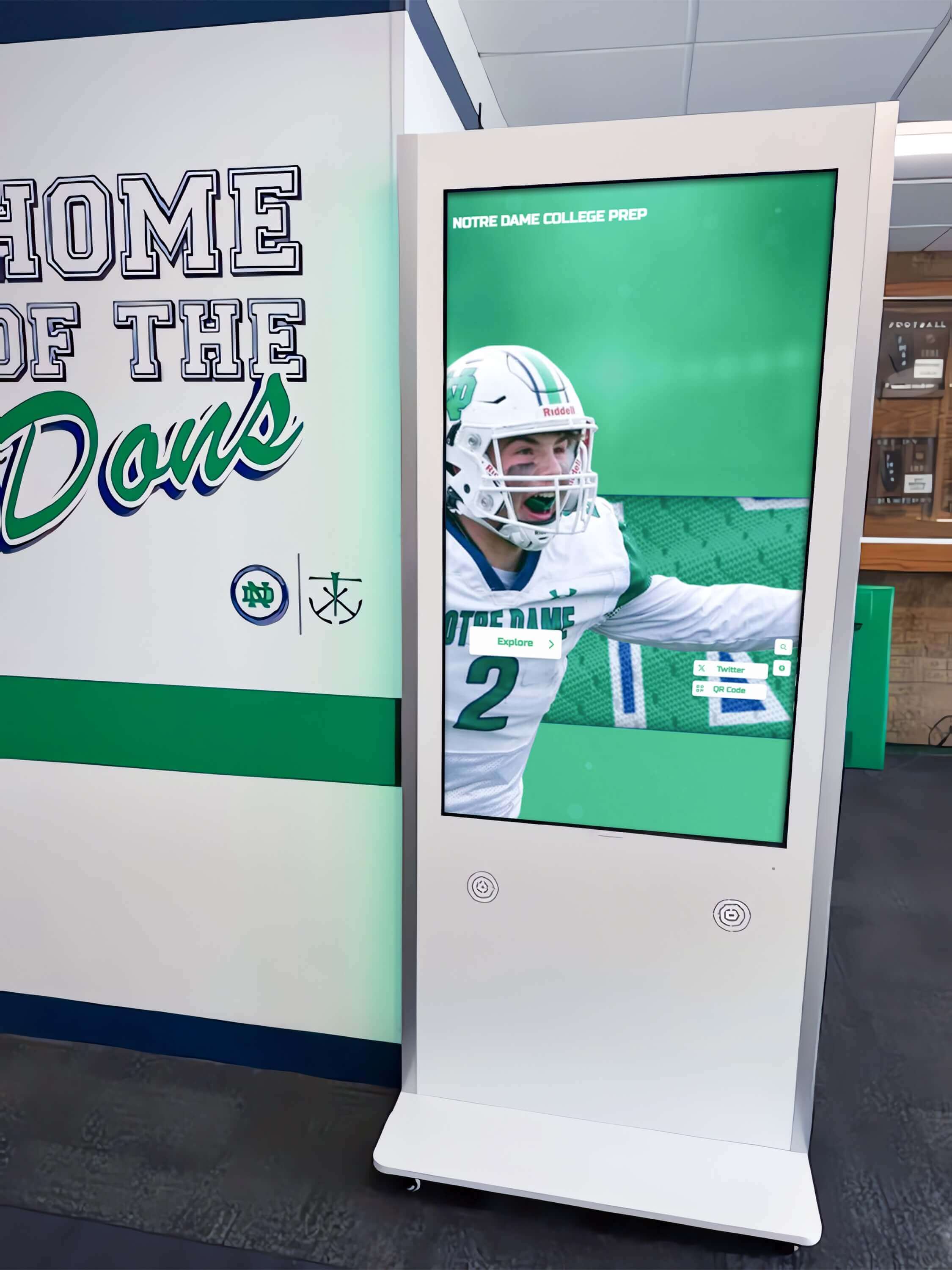
Interactive kiosks in high-traffic hallways create accessible recognition for all students and visitors
Challenge: Maintaining Consistent Updates
Recognition loses effectiveness when displays become outdated due to inconsistent updating.
Solutions
- Assign clear responsibility to specific individuals with updating authority
- Create calendar reminders for honor roll updates each grading period
- Integrate updates into existing grade publication workflows
- Provide comprehensive training ensuring multiple staff can manage updates
- Implement automated systems importing data from student information systems
- Monitor display content regularly ensuring accuracy and currency
Challenge: Balancing Recognition Equity
Schools must balance celebrating top achievers while providing recognition opportunities for broader student populations.
Solutions
- Implement multiple honor roll tiers creating recognition at various achievement levels
- Recognize improvement and growth alongside absolute achievement
- Celebrate subject-specific excellence not reflected in overall GPAs
- Feature first-time honor roll achievers prominently
- Ensure recognition criteria feel attainable for motivated students
- Communicate clearly about achievement standards and expectations
Future Trends in Digital Recognition
Digital recognition continues evolving with emerging technologies creating new possibilities.
Artificial Intelligence and Personalization
AI-powered systems may enable personalized recognition experiences showing visitors content most relevant to their interests, automatically generating achievement narratives from student data, identifying recognition patterns suggesting program improvements, and recommending related content based on exploration behavior.
Enhanced Multimedia Integration
Future platforms will likely incorporate more sophisticated multimedia including video testimonials from honor roll recipients, virtual reality experiences exploring academic journeys, live streaming of recognition ceremonies, and integration with school-produced media and content.
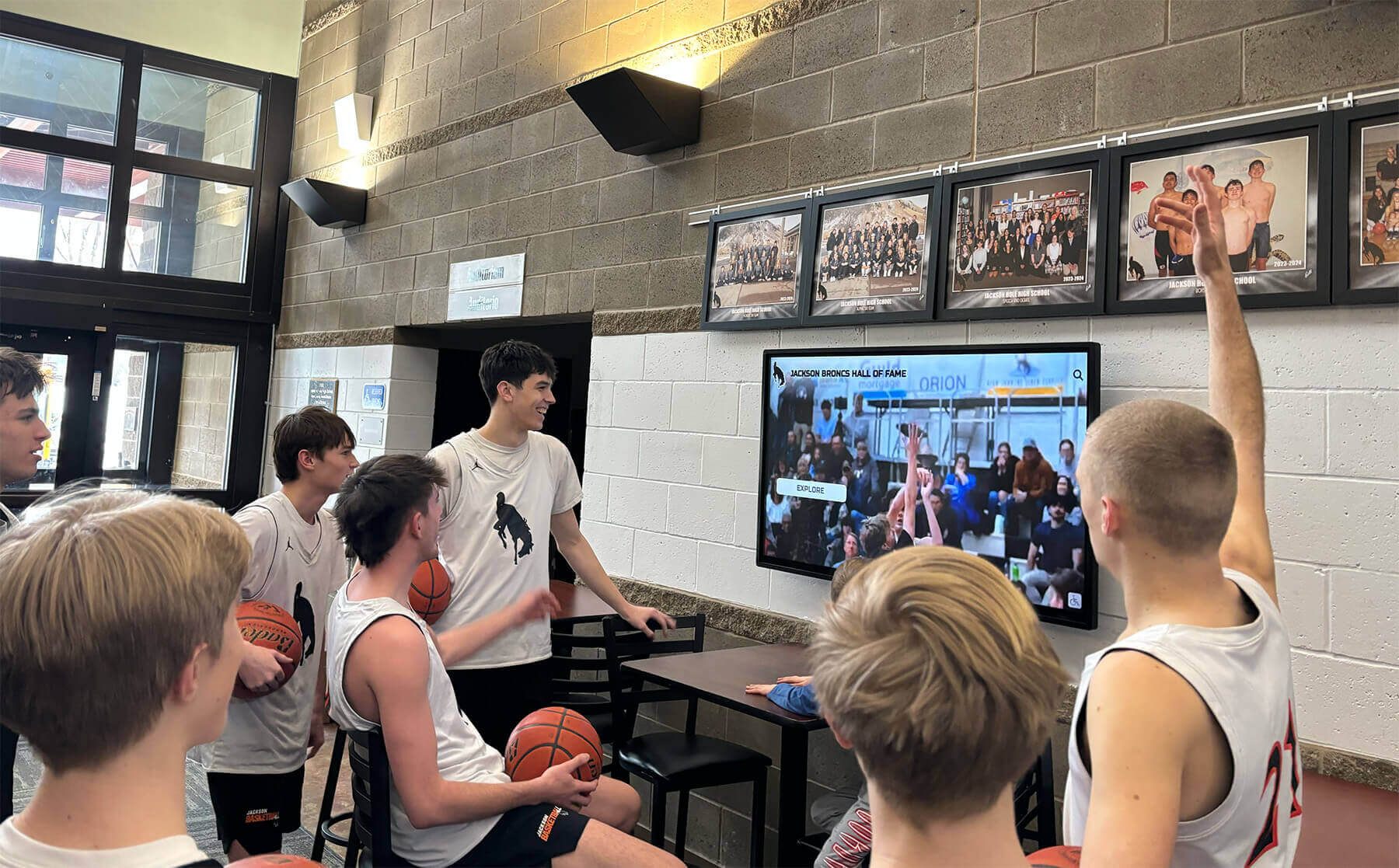
Future recognition systems will integrate video, multimedia, and enhanced interactive features
Advanced Analytics and Insights
Sophisticated analytics will provide deeper understanding of recognition effectiveness through detailed engagement metrics showing which content resonates most, outcome correlations connecting recognition with achievement trends, cultural assessment measuring recognition’s impact on school culture, and predictive analytics identifying students who might benefit from additional support.
Expanded Integration Capabilities
Recognition systems will increasingly integrate with broader educational technology ecosystems including seamless student information system connections, learning management system integration, digital badge and credential platforms, and college application systems.
Conclusion: Honoring Academic Excellence Through Meaningful Recognition
Honor roll recipients demonstrate remarkable academic achievement deserving recognition equal to any competitive success. When schools systematically acknowledge these distinctions through modern digital recognition systems—featuring interactive touchscreen displays, comprehensive multimedia profiles, unlimited recognition capacity, and cloud-based management—they create cultures where intellectual excellence receives prominence comparable to athletic achievement while inspiring broader student populations to pursue academic goals.
The strategies explored in this guide provide concrete pathways for schools seeking to honor honor roll achievements effectively. Whether implementing new recognition programs or enhancing existing approaches, the fundamental principle remains constant: students who dedicate themselves to academic excellence deserve acknowledgment that validates their effort, inspires peers to similar achievement, and preserves their accomplishments within institutional tradition and memory.
Transform Your Honor Roll Recognition Program
Discover how modern digital recognition solutions can help you celebrate every honor roll recipient's achievements while building lasting appreciation that motivates continued academic excellence throughout your school community.
Explore Recognition SolutionsModern digital recognition platforms overcome traditional limitations while creating engaging experiences that celebrate achievement comprehensively. These systems eliminate space constraints forcing difficult recognition decisions, enable rich multimedia storytelling providing meaningful context beyond simple name listings, provide permanent searchable archives accessible to all stakeholders globally, facilitate easy updates maintaining current recognition each grading period, and extend celebration reach beyond physical campus through web access and social sharing.
Your honor roll recipients have demonstrated exceptional commitment to academic excellence through sustained effort, effective time management, and intellectual dedication. They deserve recognition proportional to their achievements—lasting, visible, engaging acknowledgment that honors their accomplishments while inspiring academic cultures where all students can thrive intellectually and pursue excellence confidently.
Ready to begin transforming your honor roll recognition? Explore comprehensive digital recognition platforms specifically designed for educational institutions that make celebrating academic excellence as systematic, engaging, and impactful as your honor roll recipients truly deserve.































