When beloved faculty members pass away, schools face the profound responsibility of honoring lives dedicated to education while providing comfort to grieving communities. These educators shaped countless students, contributed to institutional culture, and left legacies deserving thoughtful recognition that extends beyond memorial services. Yet many schools struggle with how to create lasting tributes that appropriately celebrate contributions while serving as ongoing sources of inspiration for current and future community members.
Traditional memorial approaches—a moment of silence, a memorial scholarship announcement, or a brief dedication in the yearbook—often feel insufficient for honoring the full scope of careers spent nurturing students and strengthening institutions. Families deserve to see their loved ones remembered meaningfully. Colleagues need spaces to process grief while celebrating shared professional journeys. Students benefit from understanding the remarkable individuals who shaped their educational environments. The broader school community requires opportunities to connect with institutional history and values embodied by distinguished educators.
Modern memorial recognition solutions provide schools with dignified, comprehensive approaches to honoring deceased faculty that combine traditional reverence with technological capabilities enabling rich storytelling, broad accessibility, and perpetual preservation. Digital memorial displays, interactive recognition walls, and online tribute platforms transform simple remembrance into educational opportunities that inspire current students, comfort grieving families, and demonstrate institutional commitment to honoring those who dedicated careers to educational excellence.
This comprehensive guide explores why faculty memorial recognition matters profoundly to school communities, proven approaches for creating meaningful tributes, best practices for memorial content and sensitive storytelling, innovative display solutions that extend recognition beyond physical spaces, and practical implementation strategies ensuring deceased faculty receive honor commensurate with their contributions and legacies.
Why Honoring Deceased Faculty Matters to School Communities
Faculty memorial recognition serves purposes extending far beyond acknowledging deaths. Thoughtfully implemented memorial programs strengthen communities, preserve institutional memory, and demonstrate values in tangible ways that resonate across stakeholder groups.
Providing Comfort and Closure for Grieving Communities
When faculty members pass away—whether unexpectedly or after long careers—entire school communities experience loss. Students who formed meaningful relationships with teachers need opportunities to process grief and celebrate influences that shaped their lives. Colleagues who worked alongside deceased faculty for years or decades require spaces to commemorate shared professional journeys and acknowledge the void left by absences. Families deserve recognition that honors their loved ones’ contributions and demonstrates that institutions remember and value educators’ life work.
Memorial recognition provides communal focal points for grief and remembrance. Physical memorial spaces offer locations where community members can pause, reflect, and find comfort in knowing deceased educators remain part of institutional fabric. Digital memorials extend accessibility to alumni, former colleagues, and family members unable to visit campuses regularly, ensuring remembrance transcends geographic limitations.
According to guidance from the Coalition to Support Grieving Students, commemorative activities don’t upset students and staff—the death itself causes distress. Thoughtful memorial recognition actually supports healthy grieving processes by acknowledging loss openly while celebrating lives and contributions that deserved recognition.
Preserving Institutional History and Honoring Legacy
Educational institutions carry responsibility for preserving memories of those who shaped their character and contributed to their missions. Faculty members who dedicated careers to schools become part of institutional DNA—their teaching philosophies, relationship-building approaches, and professional dedication influence school culture long after their tenures end.
Without intentional preservation efforts, memories fade as years pass and community composition changes. Current students and staff have no way to learn about remarkable educators who preceded them. Families lose connections to institutions that represented significant portions of loved ones’ lives. Institutional knowledge about teaching excellence, program development, and community building dissipates when collective memory isn’t systematically preserved.
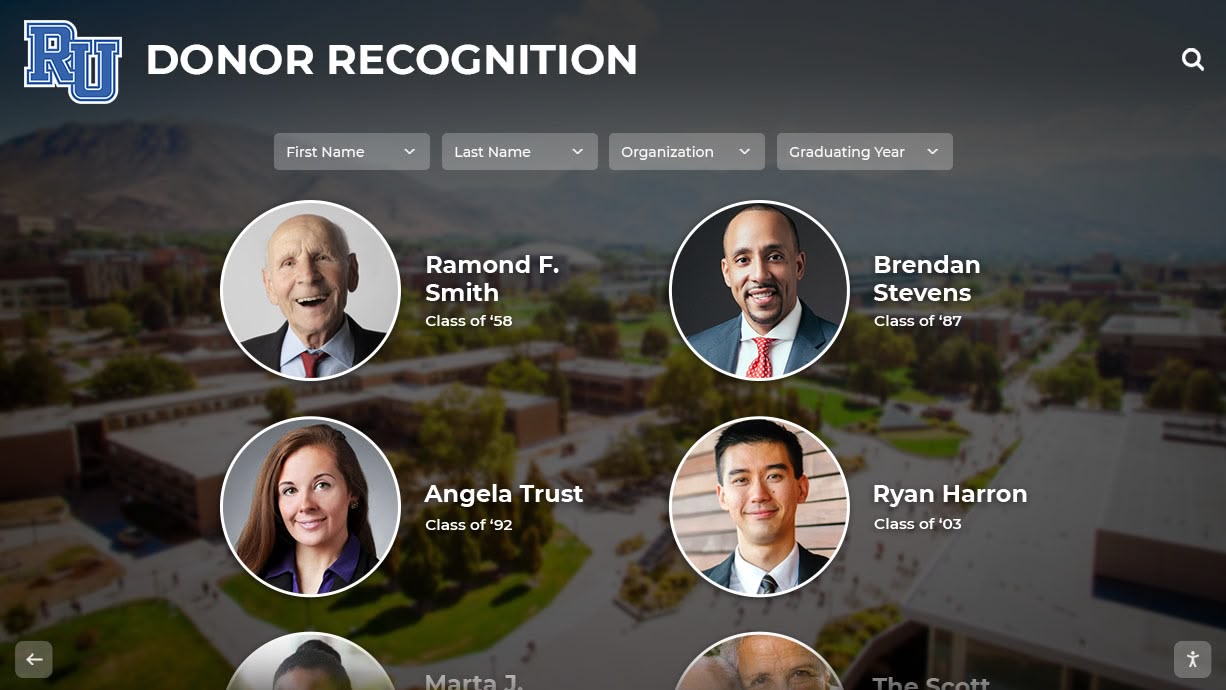
Memorial recognition programs address these preservation challenges by documenting careers, achievements, and contributions in accessible formats. Comprehensive biographical profiles capture professional journeys and personal qualities that made educators exceptional. Photographs spanning careers show progression from early teaching years through distinguished later careers. Testimonials from students, colleagues, and families provide authentic perspectives on impact and character. This preserved content creates permanent institutional records ensuring future generations can learn about remarkable individuals who shaped their schools.
Demonstrating Institutional Values and Appreciation
How institutions honor deceased faculty communicates clearly what they value and whom they consider exemplary. Memorial recognition demonstrates that schools:
- Value people beyond mere employment relationships, recognizing that educators contribute to missions in ways transcending job descriptions
- Appreciate dedication and service, acknowledging that teaching careers represent more than occupations—they represent callings to which individuals devote professional lives
- Remember contributions permanently, ensuring that influence doesn’t end with death but continues inspiring future generations
- Support families and colleagues, providing comfort through visible, lasting recognition of loved ones and respected peers
This values communication proves particularly important during times of loss when school communities need tangible evidence that institutions care about people and honor their contributions appropriately.
Inspiring Current and Future Educators
Memorial recognition serves educational purposes by introducing current students and staff to inspiring examples of teaching excellence and professional dedication. Students discovering biographical profiles of deceased faculty who taught in their classrooms or coached their sports gain perspective on educational environments they inhabit. Learning that dedicated professionals came before them and contributed to traditions they now enjoy builds school pride and appreciation for educational legacies.
For current and prospective educators, memorial recognition demonstrates that teaching careers provide paths to meaningful, lasting influence. Seeing colleagues honored appropriately after death reinforces that institutions value educators’ work and remember their contributions permanently. This recognition culture strengthens retention by demonstrating appreciation extends throughout and beyond careers.
Planning Thoughtful Faculty Memorial Recognition Programs
Effective memorial programs require careful planning that addresses selection criteria, content approaches, family involvement, and sustainability while maintaining sensitivity appropriate for honoring deceased community members.
Defining Memorial Recognition Categories and Criteria
Clear categories and criteria ensure memorial programs honor appropriate faculty members while maintaining focus and coherence.
All Deceased Faculty vs. Distinguished Faculty: Schools must determine whether memorial programs will eventually include all faculty who pass away or focus on those meeting specific distinction criteria. Some institutions create comprehensive memorials documenting all deceased faculty over time, treating this as historical record-keeping and respect for all who served. Others establish criteria for special recognition, honoring faculty who reached tenure, served minimum years, received teaching awards, or made extraordinary contributions. Both approaches prove valid depending on institutional culture, available resources, and community expectations.
Many schools implement tiered approaches where all deceased faculty receive basic acknowledgment while distinguished faculty receive enhanced memorial recognition with comprehensive biographical profiles, dedicated display space, and prominent placement in memorial programs.
Career Longevity and Impact: For programs focusing on distinguished faculty, common selection criteria include years of service (typically 10+ years demonstrating sustained commitment), teaching awards or recognition received during careers, leadership roles in departments or school-wide initiatives, mentorship of early-career educators or significant student impact, contribution to curriculum development or program building, and community service beyond teaching responsibilities.
These criteria ensure memorial recognition celebrates faculty whose careers exemplified institutional values and teaching excellence deserving permanent remembrance.
Special Circumstances Recognition: Some faculty memorials require special consideration including untimely deaths of early-career faculty whose promising trajectories ended prematurely, faculty who died while serving in active roles leaving particularly acute sense of loss, emeritus faculty who maintained connections to institutions after retirement, and faculty who made extraordinary contributions during shorter tenures warranting recognition despite not meeting standard service length requirements.
Flexible criteria allow memorial committees to exercise judgment honoring faculty whose circumstances may not fit standard categories but whose contributions clearly deserve recognition.
Establishing Sensitive Selection Processes
Memorial recognition requires processes perceived as fair, respectful, and consistently applied across time and circumstances.
Memorial Committee Formation: Rather than relying on administrative decisions alone, establish memorial committees representing administrators including principals or headmasters, department chairs or senior faculty, faculty senate or association representatives when applicable, and human resources or professional development staff. This diverse representation ensures multiple perspectives inform decisions while distributing emotional responsibility for memorial program management.
Family Consultation and Consent: Unlike living recognition where subjects control participation, deceased faculty memorial recognition requires family involvement ensuring appropriate honoring of loved ones. Respectful processes include contacting immediate families shortly after appropriate grieving period, explaining memorial program purposes and approaches, requesting permission for memorial inclusion and content use, inviting family input on biographical information and photographs, and honoring family privacy preferences regarding sensitive personal or professional information.
This family-centered approach demonstrates respect while ensuring families feel comfortable with how institutions honor their loved ones.
Timeline Considerations: Memorial processes should allow adequate time for families to grieve before requesting participation in memorial content development. Typical timelines include waiting 2-6 months after death before initiating memorial planning contact, allowing flexible timeframes for families to provide content and feedback, and understanding that some families may prefer memorial recognition delayed until they feel emotionally ready to engage constructively.
Patience and sensitivity in memorial planning demonstrate institutional compassion while ultimately producing more meaningful recognition with fuller family participation.
Integrating Memorial Recognition with Broader Staff Appreciation
The most effective memorial programs integrate with comprehensive cultures celebrating educators throughout careers rather than only after death. Schools should connect memorial recognition with existing teacher and staff recognition programs celebrating professional excellence, service milestones, and contributions during active tenures.
This integration ensures that recognition isn’t limited to death but represents continuation of appreciation demonstrated throughout careers. Educators moving from living recognition to memorial recognition experience consistent institutional acknowledgment of their value and contributions.
Creating Meaningful Memorial Content That Honors Faculty Appropriately
The quality and sensitivity of memorial content determines whether recognition truly honors deceased faculty or merely documents their deaths. Effective memorial profiles balance factual biographical information with authentic storytelling that captures professional excellence and personal character.
Essential Memorial Profile Elements
Comprehensive faculty memorial profiles should include professional background showing education credentials and certifications, teaching subjects and grade levels throughout career, years of service with institution and previous positions, awards and recognition received during tenure, leadership roles and committee service, professional development and continued learning, and retirement status and years if applicable.
This professional information provides factual foundation documenting careers and contributions verifiable through institutional records.
Personal and character information, when families consent to sharing, might include teaching philosophy and educational approach, student relationship-building strategies, colleague collaboration and mentorship style, contributions to school culture and traditions, interests and activities outside teaching, family information when appropriate, and personal qualities that made educator exceptional.
This personal dimension transforms profiles from dry biographical summaries into engaging narratives that help readers understand why deceased faculty deserved special recognition and remembrance.
Gathering Memorial Content from Multiple Sources
Comprehensive memorial profiles require systematic information gathering from diverse sources providing different perspectives on deceased faculty members’ careers and contributions.
Institutional Records and Archives: School personnel files contain factual information including employment dates and positions, education credentials and certifications, salary history showing progression, performance evaluations documenting excellence, committee assignments and leadership roles, and correspondence recognizing contributions.
These official sources provide verifiable foundations for memorial profiles while ensuring accuracy in factual claims about careers and achievements.
Family Contributions: Families offer irreplaceable perspectives and content including personal photographs from throughout careers and lives, biographical details about early lives and career paths to teaching, stories illustrating character and teaching philosophy, insights into motivations and professional satisfactions, information about interests and activities outside school, and consent for using personal and professional information appropriately.
Family involvement ensures memorial recognition honors individuals as complete people rather than only as institutional employees.
Student and Colleague Testimonials: Former students and teaching colleagues provide authentic voices describing faculty impact including specific examples of teaching excellence and innovation, stories illustrating relationship-building and student care, descriptions of mentorship and professional support, memories of humor, kindness, and personal qualities, and reflections on lasting influence and inspiration.
These testimonial voices add emotional resonance transforming memorial profiles from administrative documentation into compelling narratives that capture why deceased faculty mattered profoundly to students and communities. When creating memorial content, schools can learn from approaches used in comprehensive academic recognition programs that celebrate achievements while maintaining appropriate dignity and respect.
Writing Sensitive Memorial Narratives
Memorial narratives require tone balancing celebration of lives and contributions with dignity appropriate for honoring deceased community members.
Focus on Contributions and Character: Effective memorial writing emphasizes professional contributions to education and students, teaching excellence and innovative approaches, leadership and collaborative spirit, personal qualities that made educator exceptional, and lasting influence on students, colleagues, and institution. This contribution-focused approach celebrates lives well-lived in service to education rather than dwelling on loss or death circumstances.
Handle Death Circumstances Appropriately: Unless death circumstances form essential part of memorial significance (such as faculty who died while protecting students or serving in military), memorial narratives should focus on lives and careers rather than death details. Brief, respectful acknowledgment of death suffices without extensive discussion of circumstances, particularly for unexpected or traumatic deaths that families may find painful to see repeatedly recounted.
Consult Families on Tone and Content: Before finalizing memorial content, share drafts with families requesting feedback on appropriateness, accuracy, and tone. This review process demonstrates respect while preventing inadvertent inclusion of information families prefer remain private or correction of factual errors.
Balance Institutional Voice with Personal Authenticity: Memorial narratives should sound appropriately formal and respectful while allowing authentic personality to emerge. Overly stilted language creates distance between readers and subjects. Conversely, overly casual tone may seem disrespectful. The goal involves capturing authentic essence of deceased faculty while maintaining dignity befitting memorial recognition.

Modern Memorial Display Solutions: Beyond Traditional Plaques
While traditional memorial approaches like plaques and dedicated spaces hold value, modern digital solutions dramatically expand what memorial recognition can accomplish in preserving legacies, engaging communities, and providing accessible tributes.
Interactive Digital Memorial Displays
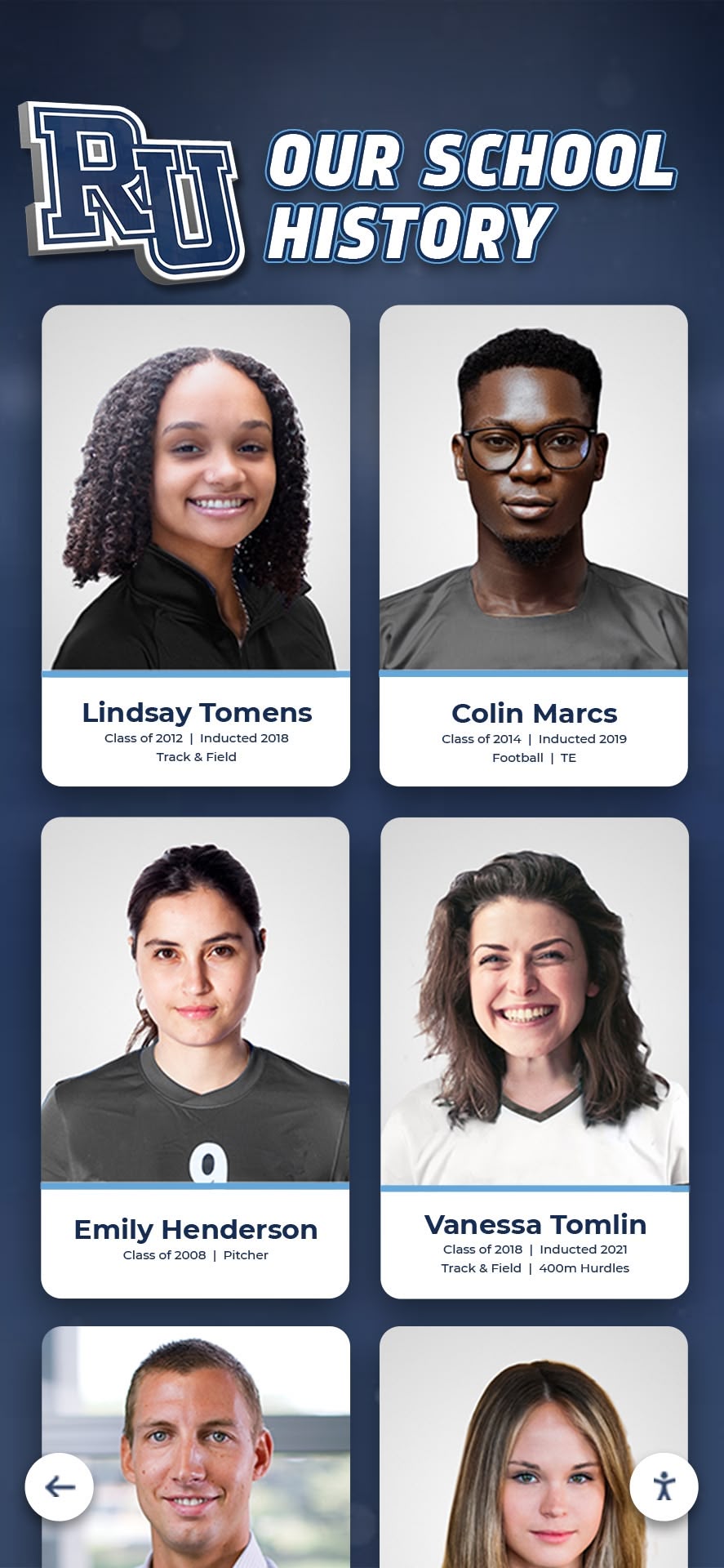
Solutions like Rocket Alumni Solutions transform faculty memorial recognition through interactive touchscreen displays offering capabilities impossible with traditional static approaches.
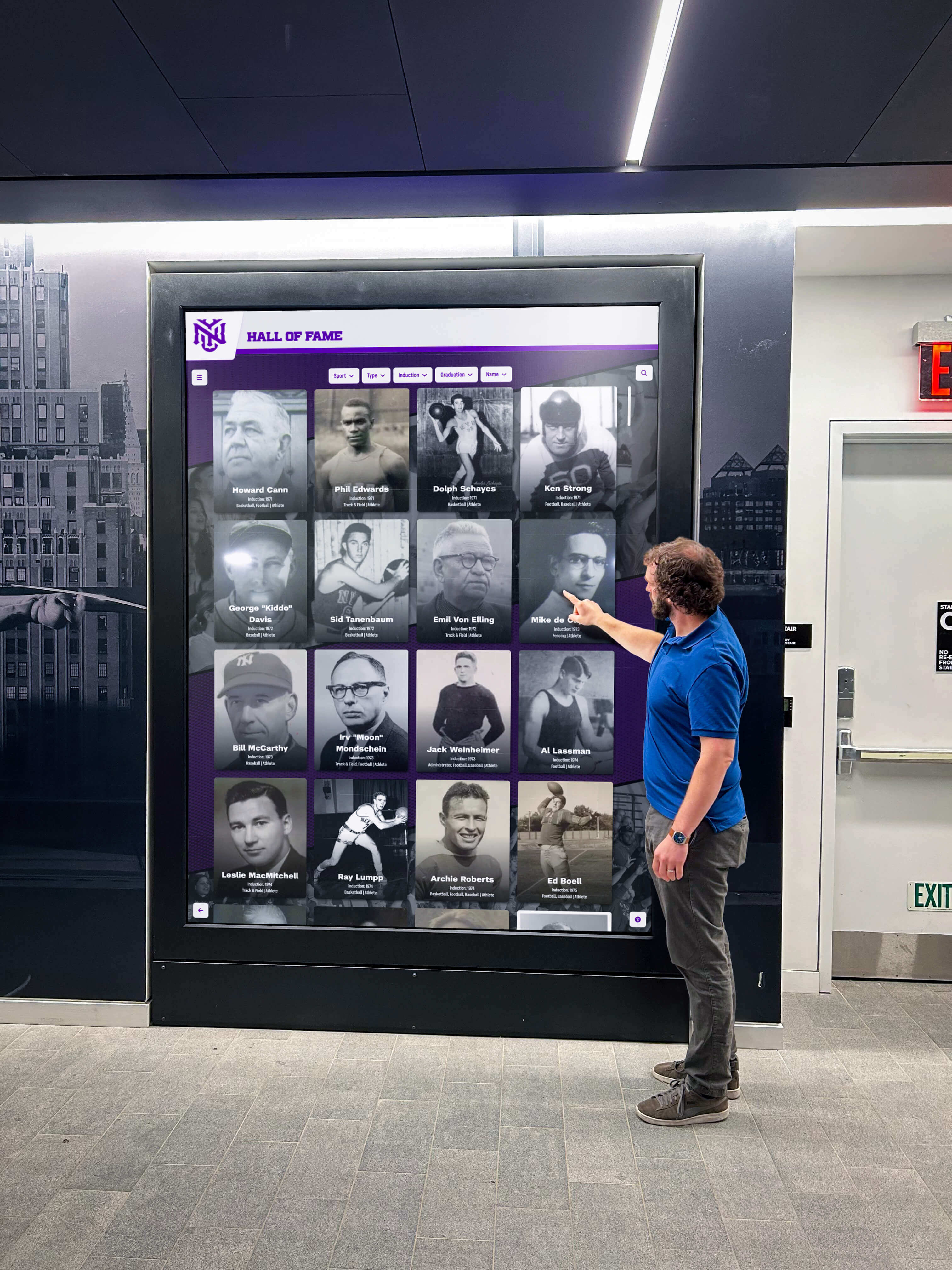
Unlimited Biographical Space: Physical plaques limit memorial content to names, dates, and perhaps brief inscriptions. Digital platforms enable comprehensive biographical profiles documenting complete careers, detailed teaching philosophies and approaches, extensive photo galleries spanning career progression, video tributes from students and colleagues, and scanned documents like awards or published works.
This unlimited space allows memorial recognition to truly honor deceased faculty by telling complete stories rather than reducing remarkable careers to abbreviated text on plaques.
Rich Multimedia Integration: Digital memorials incorporate diverse content types including professional portraits and candid photographs, video interviews or classroom footage when available, audio recordings of speeches or lessons, scanned documents and publications, and interactive timelines showing career progression.
These multimedia elements create engaging memorial experiences that bring deceased faculty to life for visitors who never knew them personally while evoking powerful memories for those who did.
Global Accessibility Through Web Platforms: Physical memorial displays restrict access to those able to visit campuses during limited hours. Digital memorial platforms accessible via websites enable families anywhere globally to visit memorials whenever they wish, former students to reconnect with beloved teachers, retired colleagues to maintain connections with institutions, and prospective families to learn about institutional values through faculty examples.
This extended accessibility multiplies memorial impact exponentially compared to displays accessible only to campus visitors.
Powerful Search and Discovery: Digital platforms provide search functionality enabling visitors to find specific deceased faculty instantly by name, teaching department or subject, years of service, or awards and recognition received. This searchability proves particularly valuable during reunions, memorial services, or historical research when specific information needs arise.
Strategic Memorial Display Placement
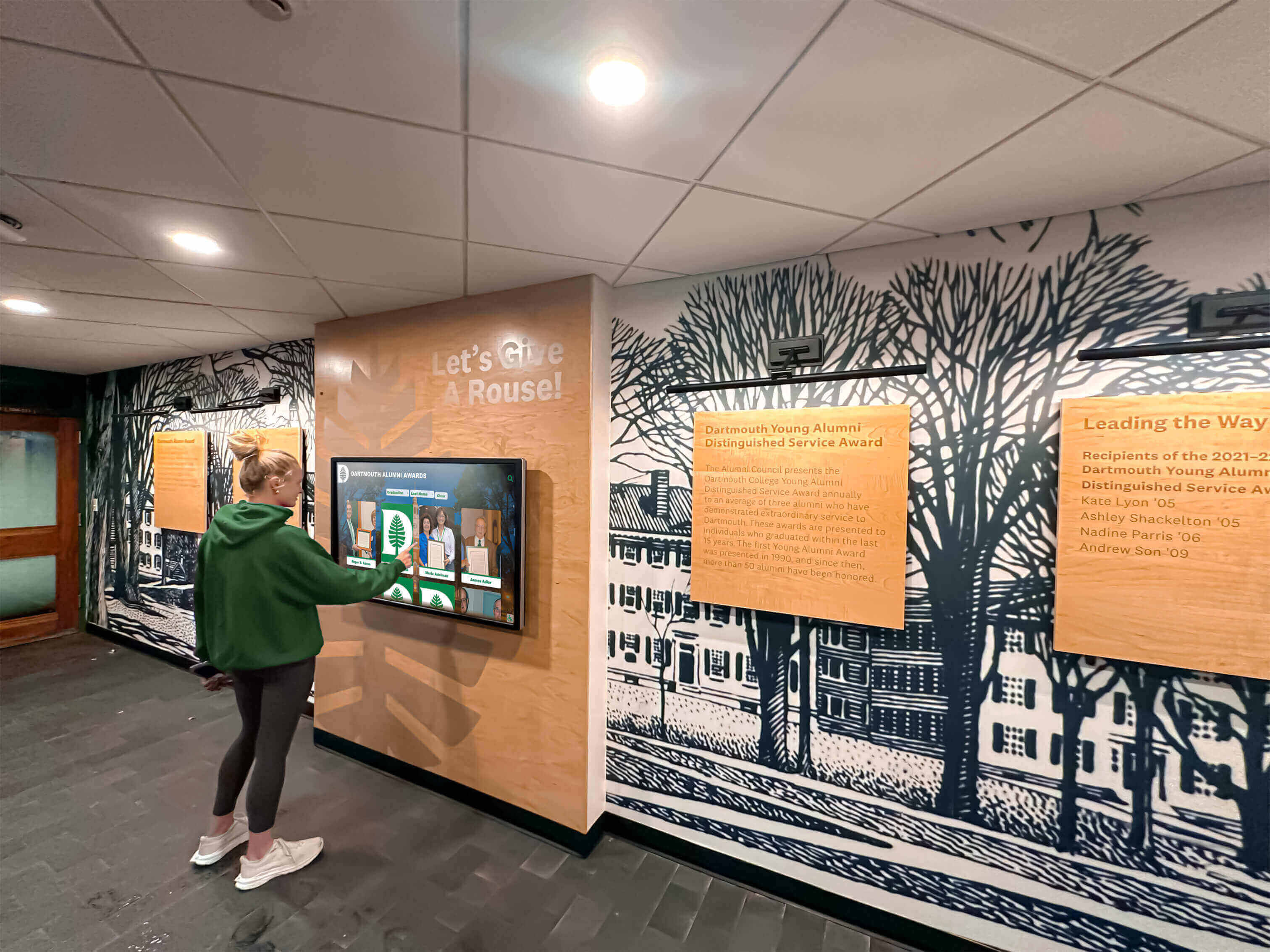
Location significantly influences memorial program visibility and impact. Consider installing digital memorial displays in main entrance lobbies where all visitors encounter them, administrative offices where families often visit, faculty lounges creating spaces for colleague reflection, libraries supporting historical research, and reunion spaces during alumni events.
Multiple installations extend memorial reach throughout campus while ensuring various stakeholder groups encounter memorials in contexts appropriate to their campus experiences. Many schools begin with flagship installation in primary location, expanding to additional venues as budgets allow and community response demonstrates value.
Hybrid Physical and Digital Approaches
Many schools implement combined strategies leveraging advantages of both traditional and digital memorial recognition.
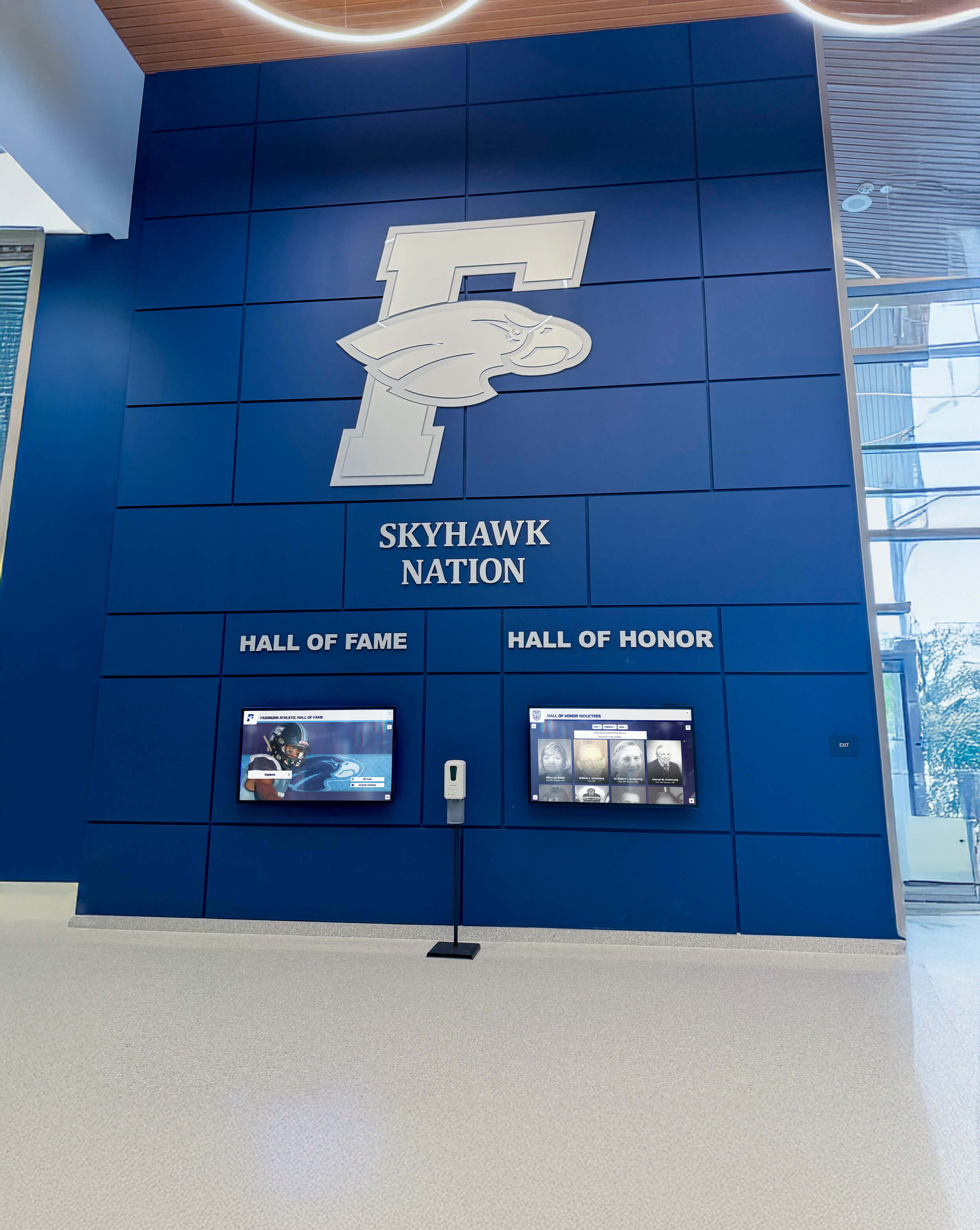
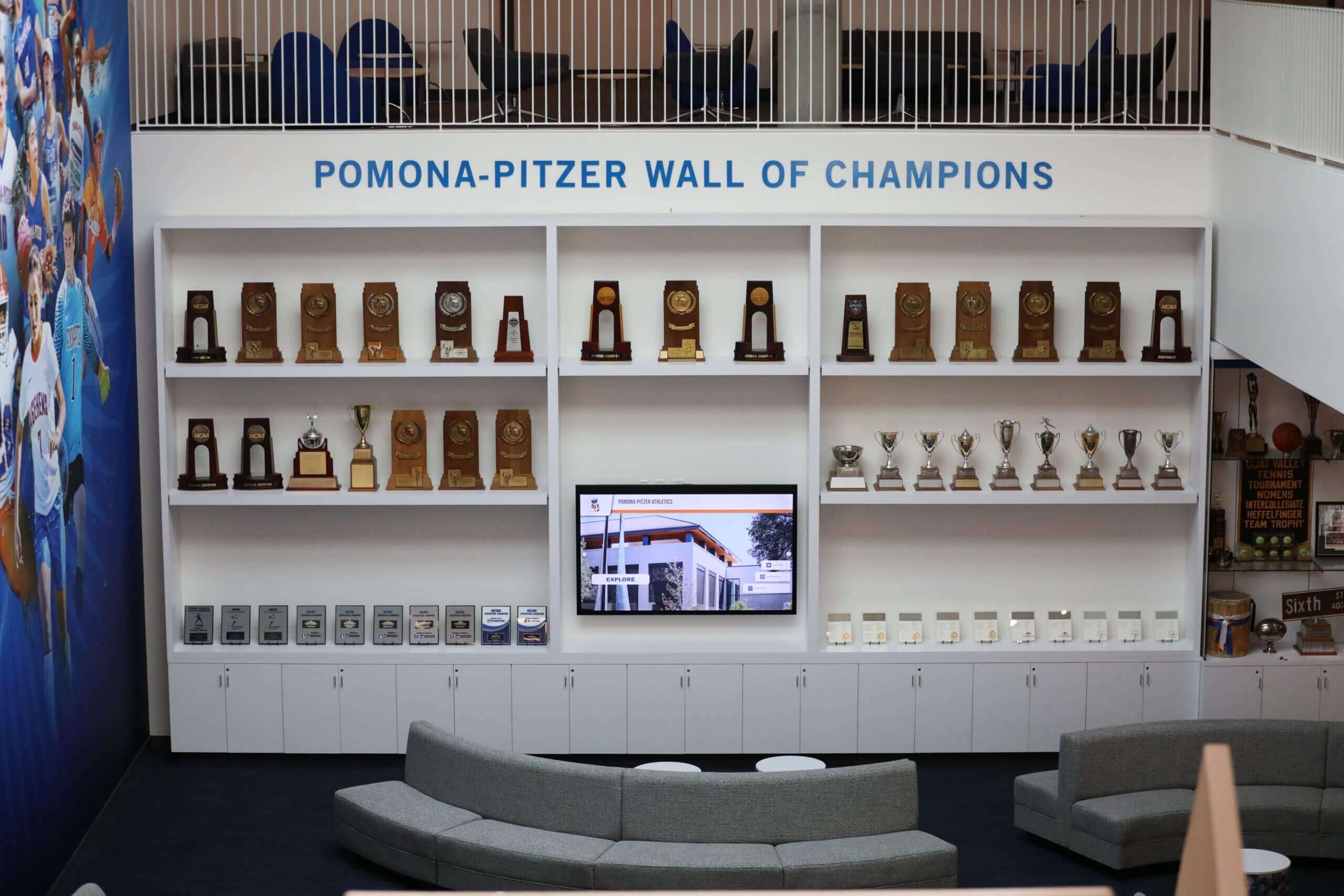
Physical Memorial Focal Points with Digital Enhancement: Prominent physical memorial plaques or walls in central locations create tangible, sacred spaces for reflection and remembrance. QR codes on these physical memorials link to comprehensive digital profiles enabling visitors to access full biographical content, photo galleries, and multimedia tributes. This hybrid approach satisfies stakeholders who value traditional memorial permanence while providing rich content digital platforms enable.
Dedicated Memorial Spaces Enhanced by Technology: Some schools create dedicated memorial rooms or gardens serving as contemplative spaces for honoring deceased faculty. Within these spaces, digital displays or touchscreen kiosks provide access to comprehensive memorial content. The combination of physical environment designed for reflection and digital access to rich biographical content creates particularly powerful memorial experiences.
Integration with Existing Recognition Systems: Memorial recognition becomes even more meaningful when integrated with broader recognition programs celebrating living faculty and distinguished alumni. Displays showing deceased faculty alongside living recognition demonstrate continuity of institutional appreciation spanning entire careers and extending beyond death. This integrated approach positions memorial recognition as natural extension of ongoing appreciation rather than separate, isolated commemoration.
Special Considerations for Different Types of Faculty Loss
Different circumstances of death require tailored memorial approaches demonstrating appropriate sensitivity while honoring unique contributions and sacrifice.
Honoring Faculty Who Died While Serving
When faculty members pass away during active employment, schools face immediate community grief requiring sensitive, timely response. These memorial situations deserve special attention including expedited memorial recognition providing closure for students and colleagues, involvement of classes or teams faculty taught in memorial planning, dedication ceremonies shortly after appropriate grieving period, and connection to ongoing programs or spaces bearing faculty names.
Active-service deaths often inspire memorial scholarships, named awards, or dedicated spaces ensuring deceased faculty remain visible presences inspiring current students rather than becoming distant historical figures.
Recognizing Distinguished Long-Serving Faculty
Faculty who dedicated decades to institutions and passed away after retirement deserve recognition celebrating complete career arcs and lasting institutional impact. These memorials might emphasize career milestones and teaching excellence, student testimonials spanning multiple decades, mentorship of early-career educators who became distinguished themselves, contributions to program development that continue serving students, and connections between teaching philosophies and current school culture.
For long-serving faculty, memorial recognition opportunities include connecting profiles to current programs they helped establish, featuring testimonials from diverse graduating classes, and documenting institutional evolution they witnessed and shaped.
Memorial Recognition for Educators Lost to Tragedy
When faculty die under tragic circumstances—unexpected accidents, violence, or health crises—memorial recognition requires particular sensitivity balancing acknowledgment of community trauma with celebration of lives and contributions.
Memorial approaches for tragic losses should focus memorial content on careers and contributions rather than death circumstances, provide resources and support for grieving students and staff, allow appropriate time before requesting family participation in memorial content, and consider community healing needs when planning memorial dedications or ceremonies.
The National Memorial to Fallen Educators at the National Teachers Hall of Fame honors those who lost lives in line of duty, providing model for appropriate memorial recognition of educators who died serving students. Schools facing such tragedies can find guidance from these national resources while adapting approaches to local community needs.

Connecting Memorial Recognition to Broader Institutional Goals
Thoughtfully implemented faculty memorial programs support multiple institutional objectives beyond simple commemoration.
Supporting Alumni Engagement and Fundraising
Alumni relations and development teams can leverage faculty memorial recognition for engagement initiatives including reunion planning where classes explore memorials for faculty members who taught them, fundraising campaigns connecting to memorial scholarships honoring beloved educators, donor cultivation personalizing outreach with references to faculty members donors remember, and legacy giving programs encouraging estate gifts honoring influential teachers.
Memorial recognition generates nostalgia and emotional connections that inspire alumni giving when institutions demonstrate they remember and appropriately honor educators who shaped graduates’ lives. Research on how digital displays inspire alumni giving demonstrates that recognition programs including memorial walls influence philanthropic behavior as alumni respond to institutional demonstrations of appreciation and memory.
Strengthening School Culture and Community Identity
Faculty memorial programs reinforce school culture by celebrating the types of contributions institutions value most, providing role models for current faculty demonstrating appreciated qualities, building school pride by honoring remarkable institutional community members, and creating shared history connecting generations of students and staff.
Schools implementing comprehensive staff recognition programs that include appropriate memorial recognition create cultures where appreciation flows consistently throughout and beyond careers, strengthening retention and community commitment.
Demonstrating Educational Values to Prospective Families
During campus tours and admission processes, memorial displays demonstrate to prospective families that institutions value people deeply, honor long-term dedication and service, maintain connections with community members beyond employment relationships, and preserve institutional history and traditions.
These values demonstrations prove particularly compelling for families evaluating multiple school options when deciding which institutions align with their priorities and will appreciate their children appropriately throughout and beyond educational experiences.
Implementing Sustainable Faculty Memorial Programs
Successful memorial programs require administrative structures, processes, and resources ensuring recognition remains consistent and sustainable across leadership transitions and changing circumstances.
Establishing Clear Governance and Processes
Sustainable programs need designated memorial committee or staff role with clear responsibilities for nomination review, content development, family communication, display maintenance, and program evaluation. Document standard processes including memorial nomination and selection procedures, family consultation protocols and templates, content development and approval workflows, memorial dedication ceremony planning, and regular program review schedules.
This documentation enables program continuity regardless of individual staff changes or administrative transitions while ensuring consistent, fair treatment of all deceased faculty deserving recognition.
Building Sustainable Funding Models
Memorial recognition programs require adequate resources from operating budget allocations for ongoing program operations, memorial display technology hardware and software, professional content development when needed for complex projects, ceremony and event expenses, and periodic display updates and technology refresh.
Funding sources might include annual budget line items ensuring sustainable support, alumni association contributions supporting memorial programs, memorial gift opportunities enabling families to fund enhanced recognition, endowed memorial funds providing perpetual support, and capital campaign components funding major display installations.
Diversified funding creates stability while building broad stakeholder investment in memorial program success and sustainability.
Planning Long-Term Digital Preservation
Digital memorial content requires ongoing technical maintenance ensuring accessibility perpetuates indefinitely. Critical preservation considerations include regular content backups with geographic redundancy, format migration as technologies evolve ensuring accessibility, platform selection favoring established vendors with long-term support commitments, documentation of content specifications and metadata, and succession planning ensuring institutional knowledge about memorial systems persists.
Guidance on digital asset management for schools provides frameworks for organizing, preserving, and managing digital content including memorial materials requiring long-term accessibility.
Measuring Memorial Program Impact and Success
Unlike living recognition programs where engagement metrics indicate success, memorial wall effectiveness requires different assessment approaches.
Family and Community Feedback
Primary indicators of memorial program success include family satisfaction with how loved ones are honored, family participation in contributing content and attending ceremonies, community members visiting memorials and engaging with content, student awareness and learning from faculty examples, and colleague appreciation for institutional remembrance of peers.
Systematic family feedback through conversations or brief surveys provides qualitative evidence about memorial program meaningfulness and appropriateness.
Institutional Benefits Assessment
Memorial programs deliver measurable value through alumni engagement increases around memorial dedications, fundraising success for memorial scholarships and recognition, prospective family responses during tours featuring memorials, staff retention improvements in cultures valuing educators, and media coverage celebrating institutional commitment to honoring faculty.
These outcome measures demonstrate return on investment in memorial recognition programs while providing evidence supporting continued resource allocation.
Continuous Program Improvement
Regular evaluation enables enhancement addressing stakeholder feedback about memorial content or processes, technology updates improving user experiences, content enrichment as additional information becomes available, and process refinements making memorial programs more effective and sustainable.
This improvement cycle ensures memorial programs remain relevant, meaningful, and valued across years and changing institutional circumstances.
Conclusion: Creating Lasting Tributes Through Thoughtful Memorial Recognition
Honoring deceased faculty represents sacred institutional responsibility—the opportunity to provide comfort to grieving families, preserve legacies of distinguished educators, inspire current students and staff, and demonstrate values that define school communities. When implemented thoughtfully with appropriate sensitivity, faculty memorial recognition programs serve multiple purposes benefiting living community members while appropriately remembering those who passed.
The most effective memorial programs combine traditional memorial dignity with modern capabilities enabling comprehensive storytelling and broad accessibility. Physical memorials provide tangible campus presences creating spaces for reflection and remembrance. Digital platforms enable rich biographical content, multimedia integration, and global access impossible with physical installations alone. Hybrid approaches leveraging both physical and digital elements often prove most effective, honoring tradition while embracing capabilities that modern technology enables.
Ready to Honor Your Faculty Appropriately?
Discover how modern memorial recognition solutions can help you create meaningful tributes celebrating educator contributions while providing comfort to families and inspiration to communities.
Success requires viewing faculty memorial walls as ongoing institutional commitments rather than one-time projects. Regular additions of newly deceased faculty, annual memorial observances, continuous content enrichment, and sustained family engagement ensure memorial programs remain vital rather than fading into invisible background installations.
For institutions ready to create or enhance faculty memorial recognition, solutions like Rocket Alumni Solutions provide specialized platforms designed specifically for memorial recognition, combining appropriate dignity with technological capabilities that enable comprehensive biographical storytelling, multimedia integration, family contribution features, and permanent digital preservation ensuring legacies endure perpetually.
Every deceased faculty member represents a life deserving appropriate remembrance. Every family deserves comfort knowing institutions honor loved ones meaningfully. Every student benefits from inspiring examples of dedicated educators who shaped their schools. Thoughtfully implemented faculty memorial recognition fulfills these purposes, creating enduring tributes that honor the past while serving present and future generations.
When memorial recognition combines respectful dignity with comprehensive storytelling, global accessibility, and sustained institutional commitment, faculty memorial programs transcend simple commemoration becoming living tributes that preserve legacies, comfort families, inspire students, and strengthen school communities across generations. These enduring memorials represent some of the most meaningful ways educational institutions honor those whose lives shaped institutional character and whose memories deserve preservation for perpetuity.































