Graduating from school represents one of life’s most significant milestones—marking years of dedication, growth, and achievement. How schools recognize this accomplishment shapes students’ lasting memories, influences their connection to the institution, and sets the tone for their relationship with their alma mater for decades to come.
Yet graduate recognition extends far beyond the few hours of commencement ceremonies. Educational institutions deploy comprehensive recognition systems encompassing formal ceremonies, academic honors, lasting displays, alumni engagement programs, and modern digital platforms that celebrate achievement while fostering lifelong institutional connections.
This comprehensive guide explores how schools at all levels recognize graduates in 2025, from traditional ceremonies and honors programs to innovative digital recognition that keeps alumni connected and celebrated throughout their lives. Whether you’re planning recognition programs, seeking to modernize existing approaches, or understanding how institutions honor their graduates, this guide provides actionable strategies and proven best practices.
Graduate recognition serves multiple critical purposes beyond ceremonial tradition. Meaningful recognition validates years of student effort, strengthens emotional bonds with institutions, inspires younger students through visible examples of achievement, creates pride among families and communities, establishes foundations for lifelong alumni engagement, and demonstrates institutional values through what and whom schools choose to celebrate.
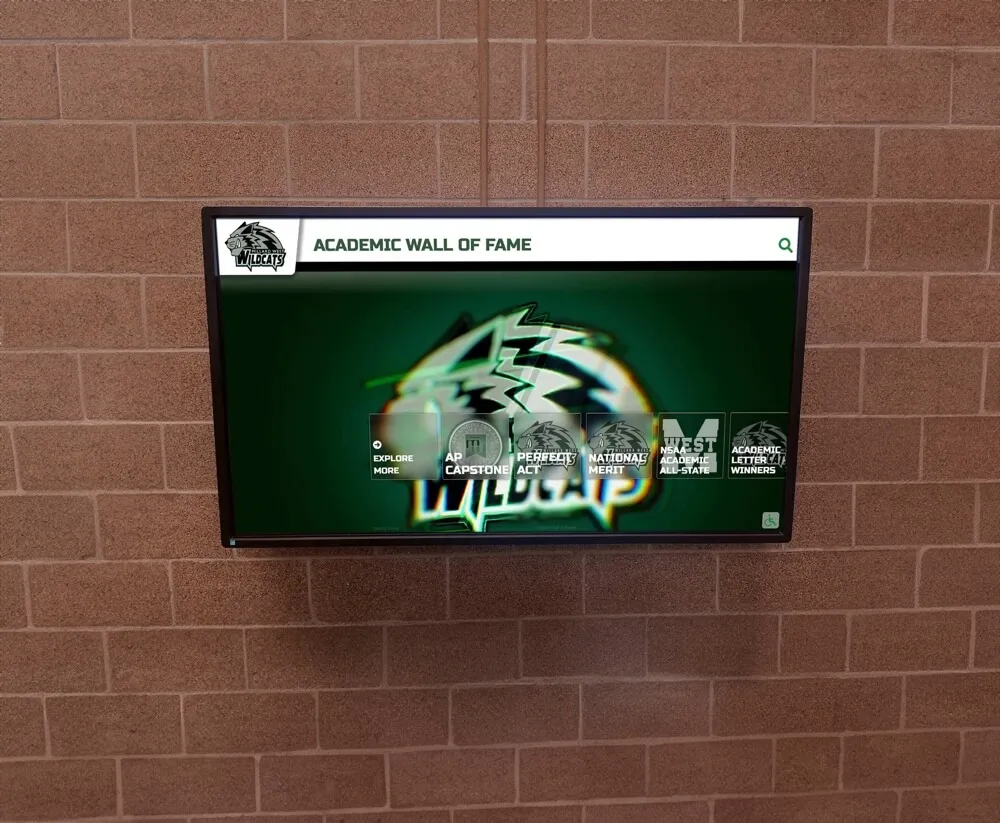
Schools increasingly blend traditional ceremonies with modern digital recognition to honor graduates comprehensively
Traditional Graduation Ceremonies: The Foundation of Graduate Recognition
Formal graduation ceremonies remain the centerpiece of how schools recognize graduates, creating shared experiences that mark educational completion and celebrate collective achievement.
Commencement Ceremony Components
Well-executed commencement ceremonies include essential elements that make the experience memorable and meaningful:
Processional and Academic Regalia The ceremonial entrance of graduates, faculty, and dignitaries wearing traditional academic regalia immediately establishes the significance of the occasion. The cap and gown tradition dating to medieval European universities visually unifies graduates while signaling achievement and transition.
Academic regalia follows established conventions with specific colors, styles, and embellishments indicating degree level, field of study, and institutional affiliation. This symbolic dress creates visual pageantry while connecting contemporary graduates to centuries of scholarly tradition.
Individual Graduate Recognition Reading each graduate’s name as they cross the stage remains central to recognition ceremonies. This individual acknowledgment—even in large graduating classes—validates personal achievement and creates the defining moment families and graduates anticipate. Many schools now include phonetic name pronunciations to ensure accurate recognition and cultural respect.
Schools employ various approaches to manage this recognition efficiently while preserving meaning:
- Professional announcers trained in name pronunciation
- Graduate self-pronunciation recordings played during crossing
- Faculty advisors who know students personally conducting announcements
- Credential presentation by department chairs or deans
- Photo opportunities captured professionally at the moment of crossing
Ceremonial Milestone Elements Traditional ceremony components carry symbolic significance:
- Tassel turning: Graduates move their cap tassel from right to left, symbolizing transition from candidate to degree holder
- Conferral of degrees: Formal pronouncement by institutional leadership granting degrees
- Closing charge: Final words of wisdom, encouragement, and connection sent with graduates
- Recessional: Ceremonial exit as newly recognized graduates
These ritual elements create structure and meaning that make ceremonies feel substantive rather than merely administrative.
Graduation Speech and Addresses
Commencement addresses provide graduates with inspiration, wisdom, and perspective as they embark on new chapters:
Speaker Selection Approaches
- Distinguished alumni sharing career journey insights
- Notable public figures providing broader perspective
- Faculty members representing educational partnership
- Student speakers selected for achievement or leadership
- Community leaders emphasizing local connection and impact
Effective commencement speeches balance celebration with challenge, honoring past achievements while inspiring future contributions.
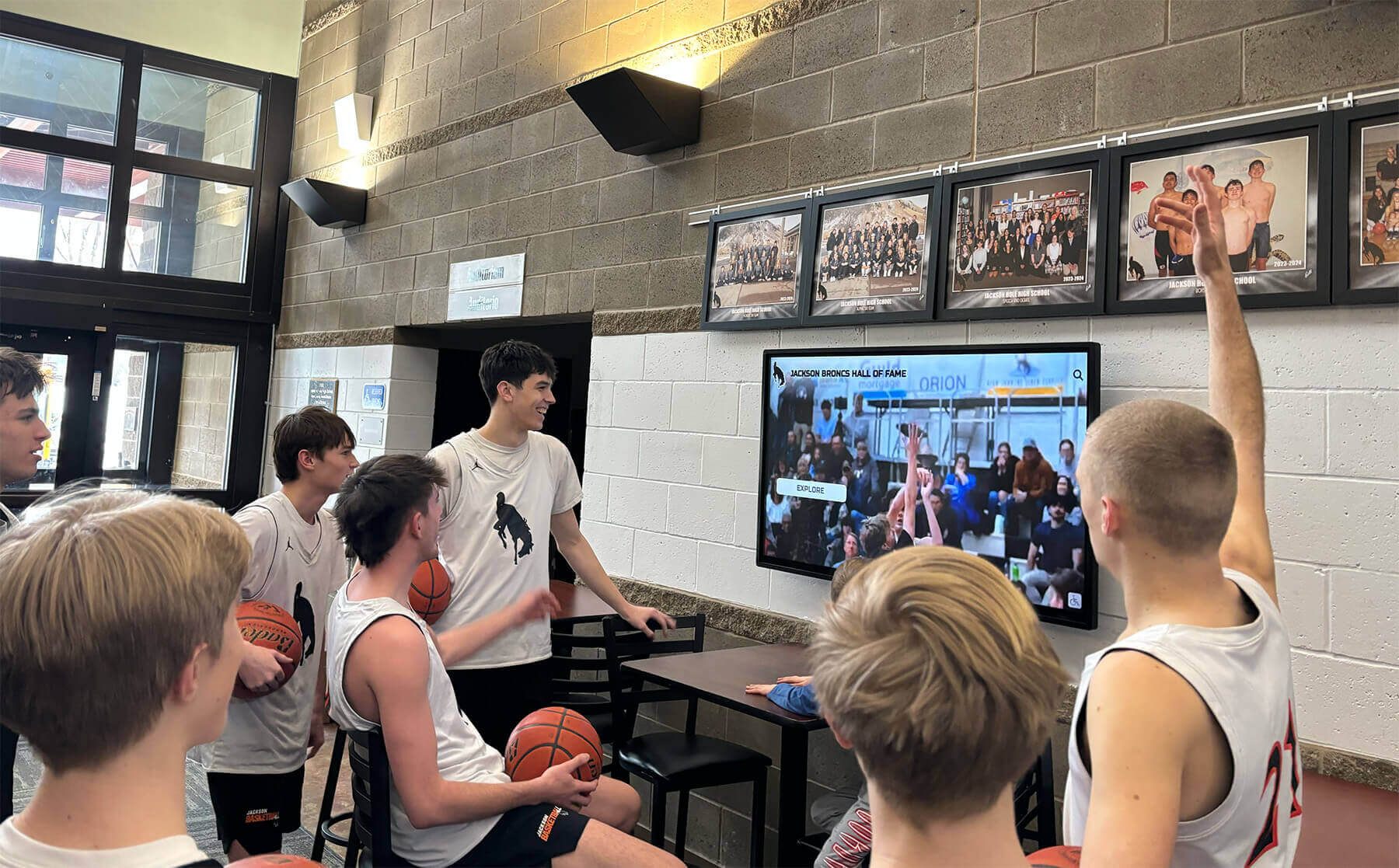
Modern technology enables graduates to explore and share their educational journey during recognition events
Musical Performance and Cultural Elements Processional and recessional music, national anthems, school songs, and cultural performances reflecting diverse graduate populations add emotional resonance and community character to ceremonies.
Schools increasingly incorporate multicultural elements recognizing the diverse backgrounds of contemporary graduating classes—including international anthems, cultural dress accommodations, and multilingual ceremony components.
Academic Honors and Distinctions at Graduation
Beyond basic diploma conferral, schools recognize exceptional academic achievement through formal honors and distinctions that appear on diplomas, transcripts, and official records.
Latin Honors Systems
Many institutions award Latin honors based on cumulative grade point averages:
Common Latin Honors Designations
- Summa Cum Laude: Highest honors, typically requiring 3.9-4.0 GPA
- Magna Cum Laude: Great honors, typically requiring 3.7-3.89 GPA
- Cum Laude: With honors, typically requiring 3.5-3.69 GPA
Specific GPA thresholds vary by institution, with some using class ranking percentiles rather than fixed GPA cutoffs. Elite universities may reserve summa designation for only the top 1-5% of graduates, while other schools use more inclusive thresholds.
These honors appear on diplomas, transcripts, commencement programs, and are often announced during degree conferral, with distinguished graduates wearing special cords, stoles, or regalia adornments.
Valedictorian and Salutatorian Recognition
Traditional highest-achieving graduate recognition remains common, particularly at high schools:
Valedictorian: Highest GPA in graduating class, typically delivering commencement address Salutatorian: Second-highest GPA, often providing welcoming remarks or alternative address
Some schools have modified or eliminated these singular recognitions due to concerns about:
- Intense competition creating unhealthy academic culture
- Splitting recognition among multiple students with identical GPAs
- Narrow focus on GPA missing other achievement dimensions
- Discouragement of academic risk-taking to preserve perfect GPAs
Alternative approaches include recognizing all students meeting high GPA thresholds, celebrating top 10 or top 10% without ranking, or rotating speaking opportunities among multiple high achievers.
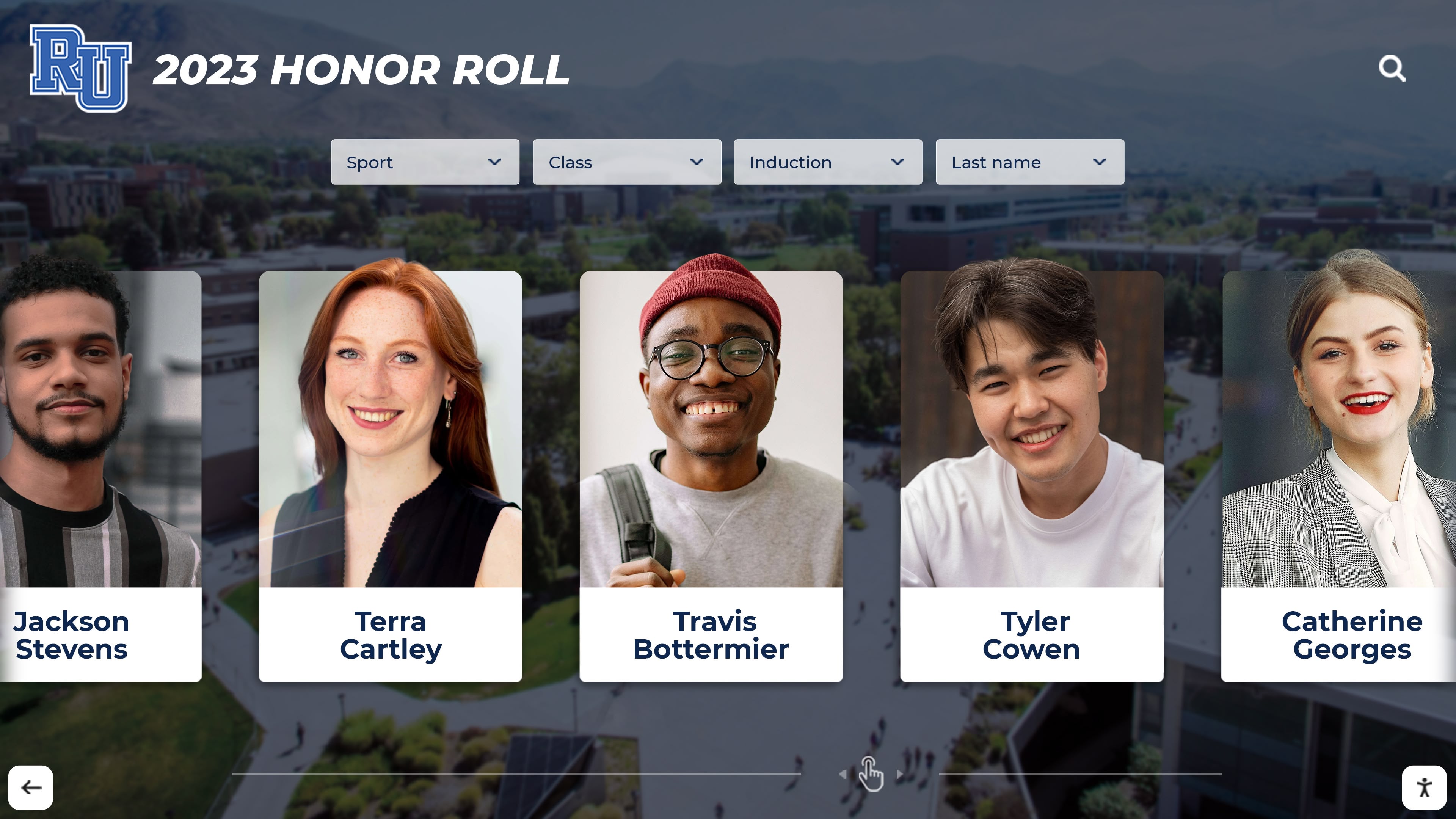
Schools celebrate academic achievement through multiple recognition tiers ensuring broad acknowledgment
Special Recognition Programs
Additional recognition categories celebrate diverse forms of achievement:
Subject-Specific Awards
- Departmental honors for excellence in specific disciplines
- Outstanding student awards in individual subjects
- Research and capstone project recognition
- Competition and contest achievement acknowledgment
- Faculty-nominated excellence awards
Discover comprehensive approaches in academic recognition programs that celebrate excellence across all disciplines.
Character and Leadership Recognition
- Service awards honoring community contribution
- Leadership recognition for student government and organizations
- Character awards selected by faculty and peers
- Citizenship honors for embodying institutional values
- Perseverance awards acknowledging growth and determination
National and External Recognition Schools prominently celebrate graduates receiving:
- National Merit Scholar designations
- Presidential Scholar awards
- State-level academic honors
- Professional certification and licensure
- Military service academy appointments
These external validations reflect positively on institutions while providing graduates with prestigious credentials supporting college admissions and career launches.
Graduate Recognition Through Physical Displays and Monuments
Lasting physical recognition creates permanent testament to graduate achievement while inspiring current students and strengthening community pride.
Traditional Alumni Recognition Approaches
Schools have long maintained physical displays honoring distinguished graduates:
Engraved Plaque Walls Bronze or brass plaques mounted on prominent walls list honored graduates by name, graduation year, and sometimes brief achievement descriptions. These traditional displays convey permanence and prestige while creating impressive visual impact in hallways, libraries, or dedicated alumni spaces.
The primary limitation of plaque-based recognition lies in capacity—wall space eventually fills, forcing difficult decisions about expansion or which achievements merit permanent display. Updates require expensive plaque manufacturing and professional installation.
Trophy Cases and Display Cabinets Glass-fronted cases showcase graduate achievements including:
- Athletic championship trophies and medals
- Academic competition awards
- Published works and creative achievements
- Professional recognition items donated by alumni
- Historical memorabilia connecting past to present
These three-dimensional displays create engaging visual interest while preserving tangible artifacts representing graduate accomplishments.
Naming Opportunities Significant alumni achievements merit permanent recognition through:
- Buildings, wings, or rooms named for distinguished graduates
- Endowed scholarships bearing graduate names
- Programs and departments honoring founding or contributing alumni
- Athletic facilities named for coaching or competitive excellence
- Research centers and laboratories recognizing scientific contributions
Learn more about comprehensive approaches in alumni recognition wall design and implementation.
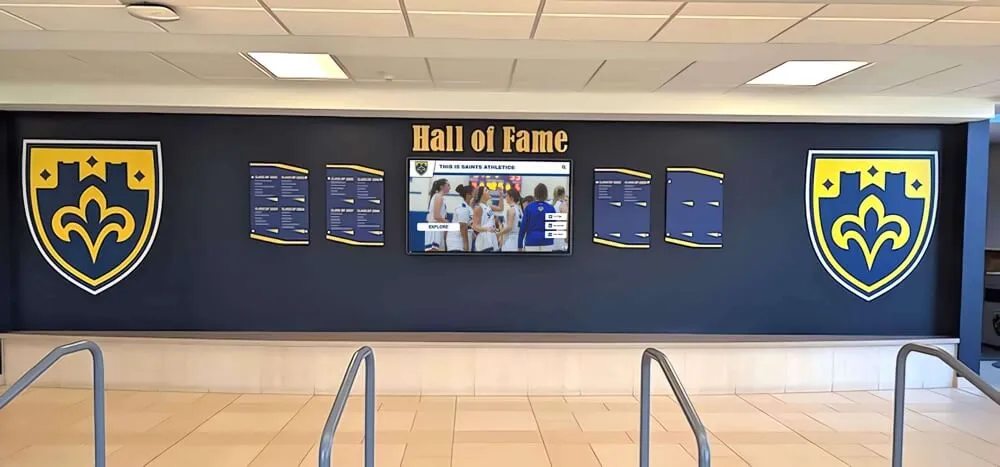
Many schools combine traditional physical recognition with space-efficient modern approaches
Modern Digital Recognition Displays
Contemporary schools increasingly implement digital recognition systems that overcome traditional display limitations while adding powerful new capabilities.
Interactive Touchscreen Recognition Walls Solutions like Rocket Alumni Solutions transform graduate recognition through digital recognition displays that enable schools to:
- Recognize unlimited graduates without physical space constraints
- Update content instantly without manufacturing new plaques
- Include rich multimedia—photos, videos, audio interviews, documents
- Enable search and filtering by graduation year, achievement type, or career field
- Track engagement through built-in analytics understanding display impact
- Extend recognition online allowing global alumni community access
A single digital display occupies minimal wall space while showcasing hundreds or thousands of graduates with detailed profiles impossible in traditional formats.
Content Management Advantages Cloud-based management systems eliminate administrative burden associated with traditional recognition maintenance:
- Remote updates from any internet-connected device
- Drag-and-drop interfaces requiring no technical expertise
- Scheduled content publication automating updates
- Bulk import tools for historical graduate data
- Role-based permissions enabling appropriate staff access
Schools report 80-90% reductions in time spent maintaining graduate recognition after implementing digital systems, with recognition staying consistently current rather than becoming outdated between major physical updates.
Enhanced Storytelling Capabilities Digital platforms enable schools to tell graduate stories more completely:
- Video interviews sharing career journeys and institutional impact
- Photo galleries documenting graduation through career progression
- Achievement timelines showing accumulating accomplishments
- Connection mapping illustrating networks among graduates
- Social media integration amplifying recognition reach
This rich storytelling creates emotional connections impossible with name plaques alone, helping current students understand possible futures while strengthening alumni bonds with institutions.
Explore comprehensive platforms in best platforms for building virtual halls of fame designed specifically for educational institutions.
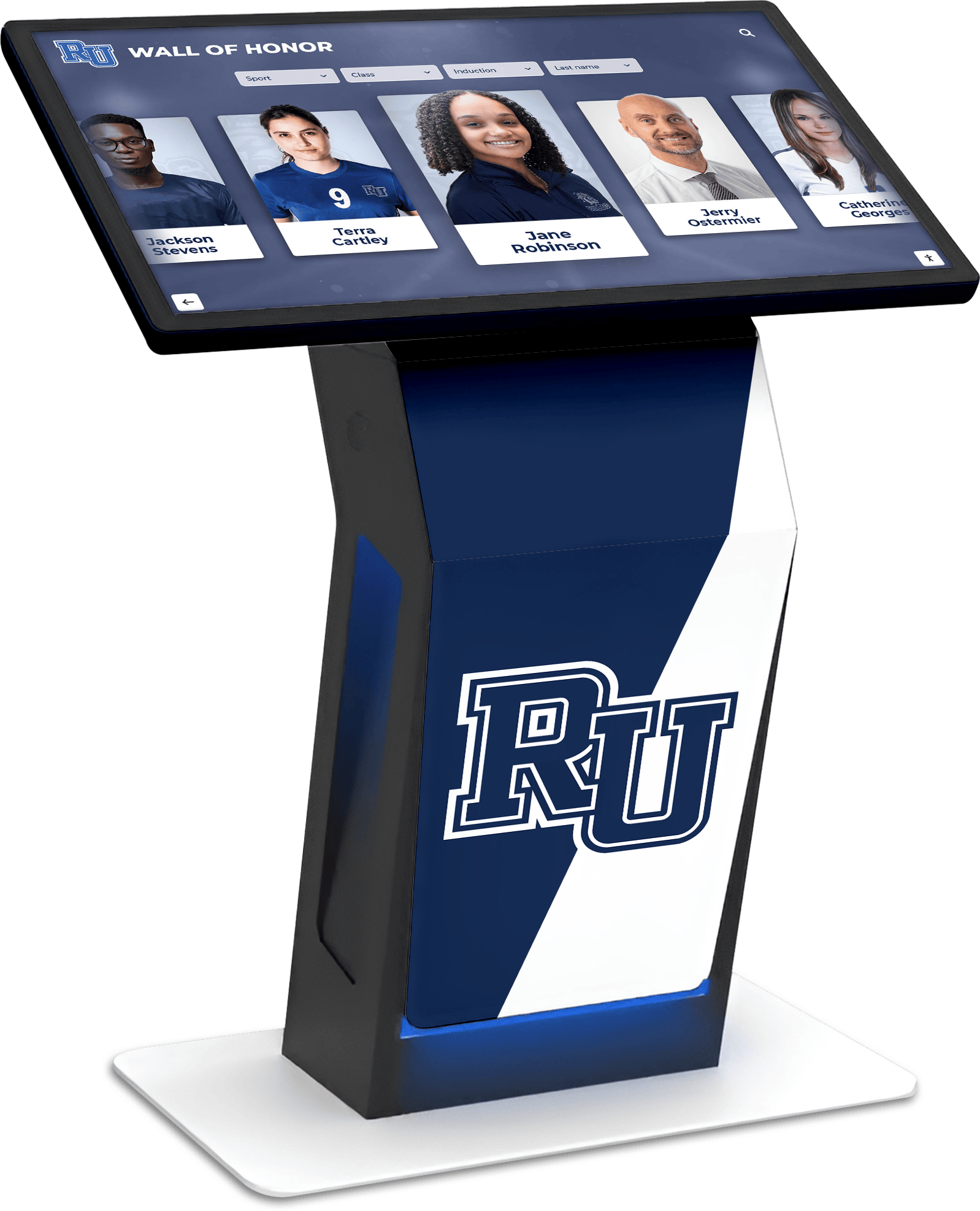
Interactive digital systems enable comprehensive graduate recognition with unlimited capacity and rich multimedia content
Post-Graduation Alumni Recognition Programs
Graduate recognition extends well beyond commencement, with schools implementing ongoing programs that celebrate achievements throughout alumni careers.
Alumni Hall of Fame Programs
Many schools establish formal halls of fame inducting distinguished graduates annually:
Selection Criteria Well-designed programs establish clear, transparent criteria considering:
- Professional achievement and career distinction
- Community service and philanthropic contribution
- Institutional support through time, expertise, or resources
- Character demonstration embodying institutional values
- Impact on their field or community
- Service as role model for current students
Selection committees typically include administrators, faculty, alumni association leaders, and sometimes student representatives, evaluating nominations against published standards.
Induction Ceremonies Annual or biennial induction ceremonies create special events celebrating new inductees:
- Formal programs introducing each honoree
- Biographical presentations sharing career journeys
- Acceptance speeches providing inspiration
- Reception opportunities for community engagement
- Media coverage extending recognition reach
- Digital display updates adding inductees permanently
These ceremonies provide compelling reasons for alumni to return to campus while generating content for ongoing communication and social media engagement.
Distinguished Alumni Awards
Beyond hall of fame induction, schools recognize alumni through various award categories:
Career Achievement Recognition
- Lifetime achievement awards for sustained excellence
- Young alumni achievement for early-career distinction
- Industry leadership awards in specific professional fields
- Entrepreneurship and innovation recognition
- Public service awards for government or nonprofit contribution
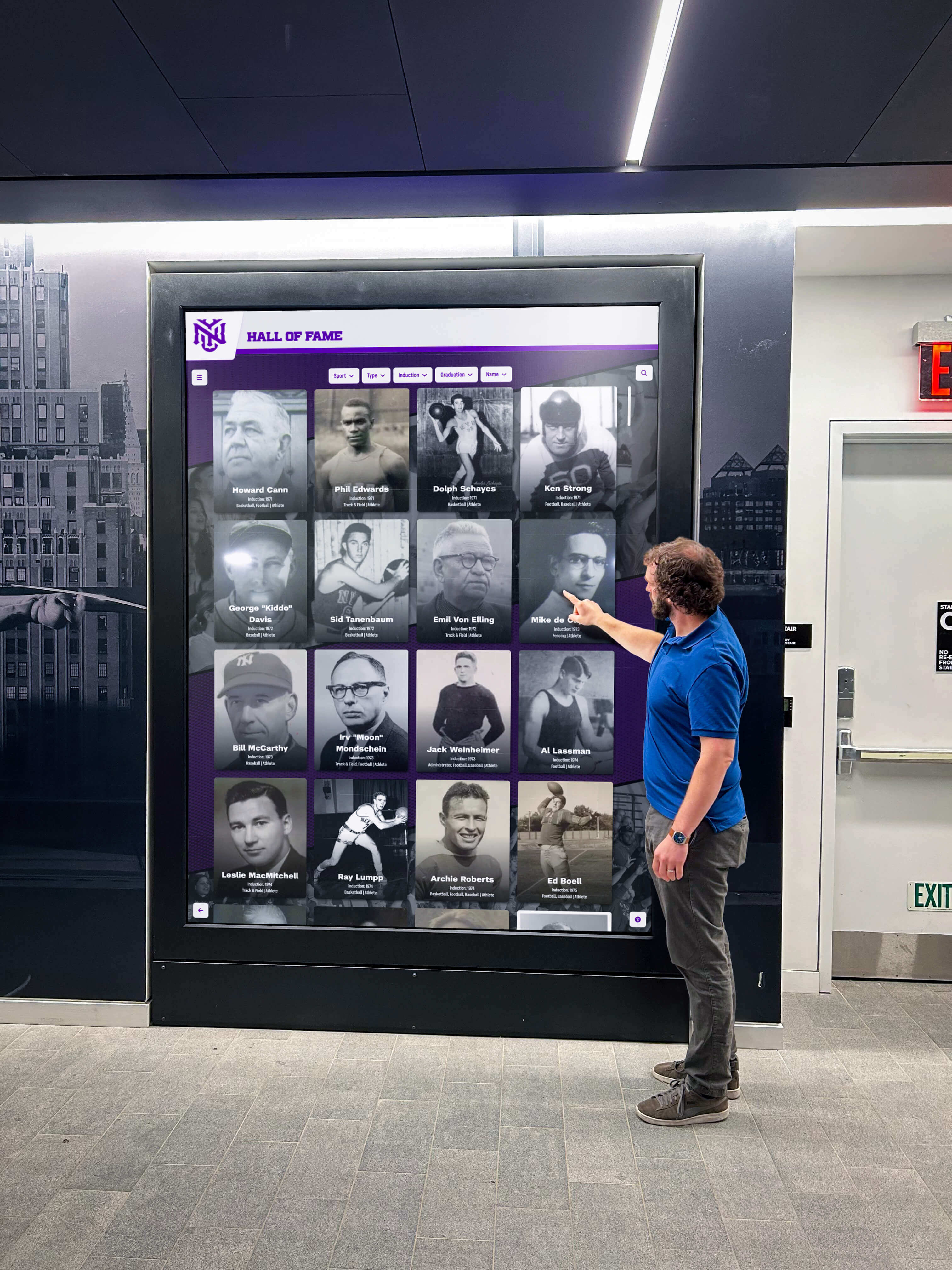
Interactive displays create engaging exploration experiences connecting alumni with institutional heritage
Service to Institution Awards
- Outstanding volunteer recognition for institutional contributions
- Mentorship awards honoring student support
- Fundraising leadership acknowledgment
- Alumni ambassador recognition for recruitment and representation
- Board service appreciation for governance contribution
Special Achievement Recognition
- Humanitarian awards for exceptional charitable work
- Athletic achievement for post-graduation sports accomplishments
- Arts and culture recognition for creative contributions
- Research and scholarship honors for intellectual advancement
- Social impact awards for community transformation
Learn about comprehensive recognition in teaching awards recognition programs applicable to graduate acknowledgment.
Class Reunions and Milestone Recognition
Regular reunion events create opportunities for cohort-specific recognition:
Milestone Reunion Programming
- 5th, 10th, 25th, and 50th reunion special events
- Class giving campaigns linked to reunion years
- Updated class photos and memory sharing
- Career panel discussions featuring returning graduates
- Campus tours showcasing institutional evolution
- Reunion class recognition during homecoming
Schools leverage reunion attendance to update graduate information, strengthen connections, and engage alumni in mentorship and giving programs.
Graduation Traditions and Cultural Recognition
Schools enhance graduate recognition through distinctive traditions that create shared experiences and strengthen community identity.
Academic Procession Traditions
Regalia and Academic Dress The ceremonial wearing of caps, gowns, hoods, stoles, and cords follows centuries-old traditions with specific meanings:
- Gown color and style indicating degree level
- Hood colors representing field of study and granting institution
- Cords and stoles signifying honors, organizations, or achievements
- Mortarboard decorating expressing personality and accomplishment
Many schools now accommodate cultural dress worn with or instead of traditional regalia, respecting diverse graduate backgrounds and traditions.
Processional Music and Pageantry The formal entrance of graduates and faculty to classical music like “Pomp and Circumstance” creates emotional resonance and ceremonial gravitas. Some schools incorporate:
- Cultural music reflecting diverse student populations
- School-specific processional traditions
- Live musical performance rather than recordings
- Student musical ensemble participation
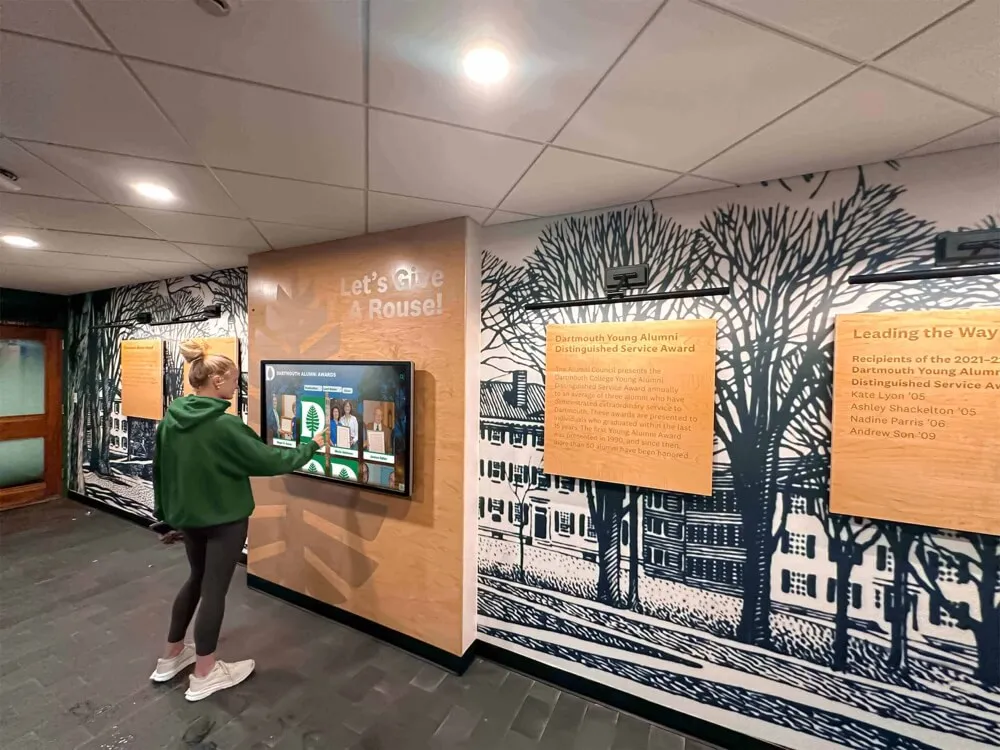
Schools preserve graduation traditions while creating modern ways for alumni to explore institutional heritage
Special Cultural Recognitions
Educational institutions increasingly incorporate diverse cultural traditions into graduation recognition:
Multicultural Graduation Ceremonies Many schools host separate or additional cultural graduation celebrations honoring specific communities:
- Latinx/Hispanic heritage celebrations with bilingual ceremonies
- African American recognition with Kente cloth stoles
- LGBTQ+ graduation ceremonies celebrating identity
- First-generation college graduate recognition
- International student celebrations
- Native American and Indigenous graduate honoring
These culturally-specific ceremonies supplement rather than replace main commencement, providing additional recognition that validates identity while celebrating achievement.
Religious Blessings and Ceremonies Faith-based institutions often include:
- Baccalaureate services with religious ceremonies
- Chaplain blessings during commencement
- Prayer and spiritual reflection components
- Sacred music and religious traditions
Even secular schools may offer optional religious ceremonies for graduates desiring faith-based recognition.
Institutional-Specific Traditions
Unique school traditions create distinctive graduate recognition:
- Ring ceremonies presenting class rings to graduates
- Tree planting or memorial dedications by graduating classes
- Time capsule sealing to be opened at future reunions
- Senior walk or final procession through campus
- Bell ringing or ceremonial milestone marking
- Legacy brick or paver programs with graduate names
These distinctive traditions create special memories while differentiating institutional graduation experiences from generic ceremonies.
Modern Digital Graduate Recognition Systems
Technology has transformed how schools can recognize and celebrate graduates, creating opportunities impossible with traditional approaches alone.
Online Alumni Directories and Platforms
Comprehensive web-based platforms serve as digital homes for graduate communities:
Core Platform Features
- Searchable graduate directories with current contact information
- Professional networking tools connecting alumni by industry or location
- Mentorship matching systems pairing students with graduates
- Event registration and management for reunions and programs
- Giving platforms facilitating philanthropic support
- News and updates maintaining institutional connection
These platforms keep graduates engaged beyond campus while providing valuable resources supporting career development and community building.
Learn about comprehensive platforms in best ways to connect with alumni strategies that strengthen lifelong relationships.

Modern platforms enable intuitive exploration of graduate achievements across decades
Social Media Recognition Strategies
Schools leverage social media for ongoing graduate recognition:
Platform-Specific Approaches
- LinkedIn profiles highlighting notable graduate career achievements
- Instagram stories featuring alumni success and campus visits
- Facebook groups facilitating peer networking and nostalgia
- Twitter celebrations of graduate milestones and accomplishments
- YouTube channels with graduate interview series
Effective social media recognition focuses on authentic storytelling rather than promotional broadcasting, creating community engagement while celebrating diverse graduate paths.
User-Generated Content Strategies Encouraging graduates to share their own stories:
- Hashtag campaigns around graduation anniversaries or reunions
- Alumni takeover days with graduates sharing perspectives
- Photo and memory sharing prompts generating engagement
- Career milestone celebration tags
- “Where are they now” features by graduating year
This approach distributes recognition workload while creating authentic peer connections among graduate communities.
Virtual Graduation Ceremonies
The 2020 pandemic accelerated virtual ceremony adoption, with many benefits persisting:
Hybrid Ceremony Models
- In-person ceremonies with high-quality livestreaming
- Virtual attendance options for distant family members
- Recorded segments enabling editing and replay value
- Chat and social media integration for virtual attendee engagement
- Professional production values matching broadcast television
Virtual-Only Options For distance education programs or continuing education graduations:
- Pre-recorded segments professionally produced and edited
- Live interactive components with graduate participation
- Virtual photo opportunities with customizable backgrounds
- Digital diploma presentation and credential sharing
- Permanent recording access for graduates and families
Virtual components democratize attendance while creating permanent records families can share and preserve indefinitely.
Graduate Recognition for Different Educational Levels
Recognition approaches vary appropriately across educational contexts from elementary through graduate education.
High School Graduate Recognition
Secondary schools celebrate graduates preparing for careers, military service, or higher education:
Ceremony Characteristics
- Intimate scale enabling individual graduate spotlight
- Strong family and community attendance and involvement
- Emphasis on future potential and opportunity
- Local tradition and school-specific customs
- Senior awards for outstanding students across categories
- Scholarship announcements supporting college attendance
High schools often maintain alumni spotlight programs featuring returning graduates as role models for current students.
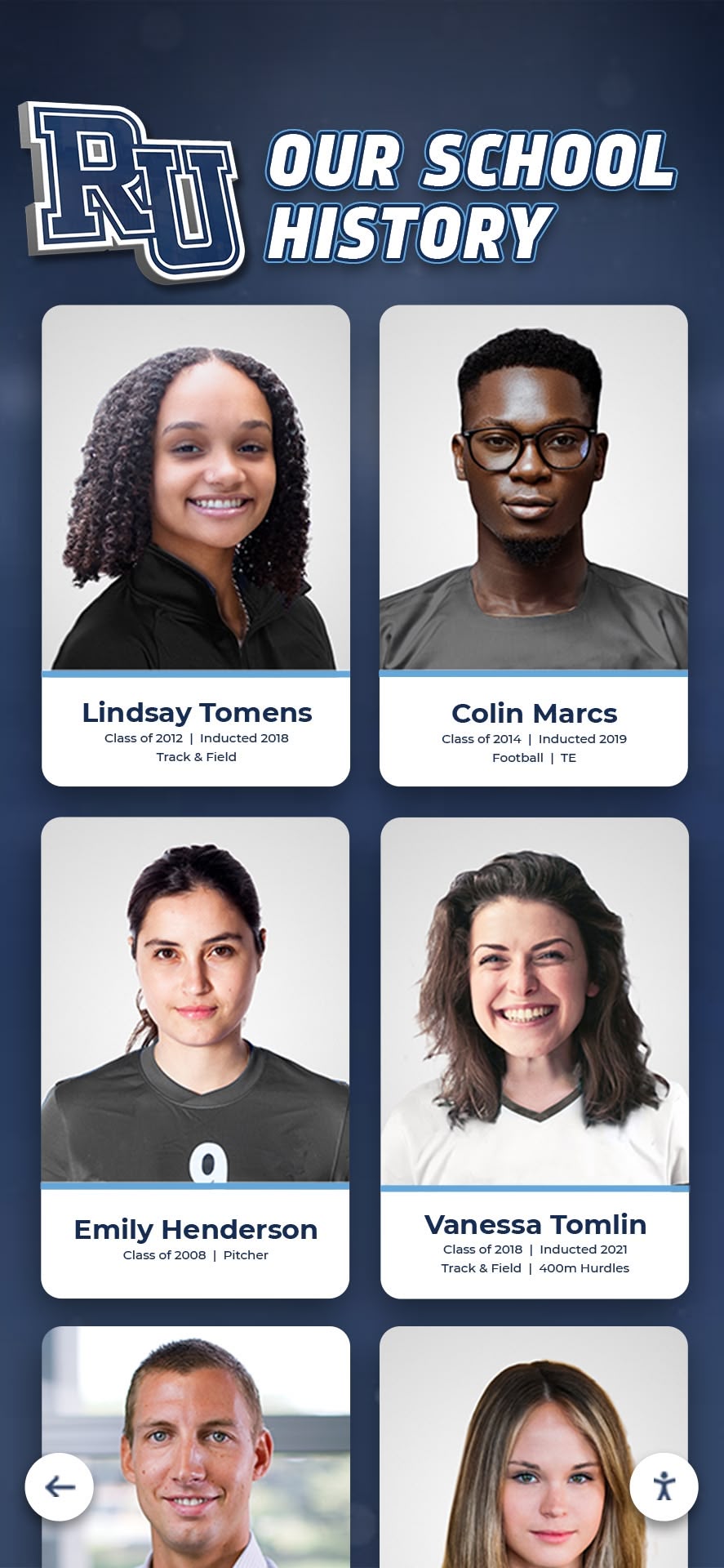
High schools maintain comprehensive graduate records inspiring current students through visible achievement examples
Post-Graduation High School Recognition
- Alumni weekend events during homecoming
- Distinguished graduate awards for career achievement
- Athletic hall of fame induction programs
- Legacy family recognition for multi-generational attendance
- Young alumni achievement celebrating recent graduate success
College and University Graduate Recognition
Higher education institutions maintain more complex recognition systems given larger scale and diverse graduate populations:
Commencement Complexity
- Multiple ceremonies by school, college, or degree level
- Separate undergraduate and graduate degree conferrals
- Professional school recognition (law, medicine, business)
- International graduate accommodation and celebration
- Research and thesis defense recognition
Universities often implement sophisticated digital recognition systems accommodating thousands of graduates across decades.
Graduate and Professional Degree Recognition Advanced degree recipients receive distinctive recognition:
- Hooding ceremonies for doctoral graduates
- Master’s degree recognition events by program
- Professional certification and licensure acknowledgment
- Research presentation opportunities
- Dissertation and thesis honors for exceptional scholarship
College Alumni Engagement Programs Universities maintain extensive ongoing recognition:
- School-specific alumni associations and programming
- Departmental recognition for disciplinary achievement
- Research collaboration opportunities with faculty
- Professional networking by industry and geographic location
- College athletics hall of fame programs celebrating sports excellence
Graduate and Professional School Recognition
Advanced degree programs often emphasize:
Professional Identity Formation
- Ceremonies marking professional licensure eligibility
- Symbolic professional role transitions (white coat ceremonies for medical students)
- Professional oath-taking and commitment ceremonies
- Specialty certification recognition
- Practice readiness acknowledgment
Research and Scholarly Achievement
- Dissertation defense celebrations
- Publication and presentation recognition
- Research award and grant acknowledgment
- Contribution to field advancement
- Faculty mentorship appreciation
Advanced degree recognition emphasizes both academic accomplishment and professional readiness for careers in specialized fields.
Measuring Graduate Recognition Program Effectiveness
Schools should assess recognition program impact to ensure meaningful engagement and justify resource investment.
Quantitative Success Metrics
Graduate Engagement Indicators
- Ceremony attendance rates and guest numbers
- Digital platform usage and interaction metrics
- Social media engagement with recognition content
- Alumni directory update rates and completeness
- Event participation rates for reunion and recognition programs
Long-Term Relationship Measures
- Alumni giving participation rates
- Volunteering and mentorship engagement
- Employment and internship provision for current students
- Referral rates for prospective student recruitment
- Long-term communication subscription maintenance
Schools with strong graduate recognition typically demonstrate 15-30% higher alumni engagement across multiple measures compared to institutions with minimal recognition programming.
Qualitative Assessment Approaches
Stakeholder Feedback Collection
- Graduate surveys about recognition meaningfulness and impact
- Family satisfaction with ceremony experiences
- Current student feedback on alumni recognition inspiration
- Faculty assessment of graduate connection maintenance
- Community perception of institutional achievement celebration
Cultural Indicators
- Observed changes in alumni culture and engagement
- Anecdotal evidence of recognition program influence
- Media coverage quality and quantity
- Peer institution comparative assessment
- Recognition program reputation in recruitment
Regular evaluation enables continuous improvement ensuring recognition remains meaningful and aligned with institutional goals.
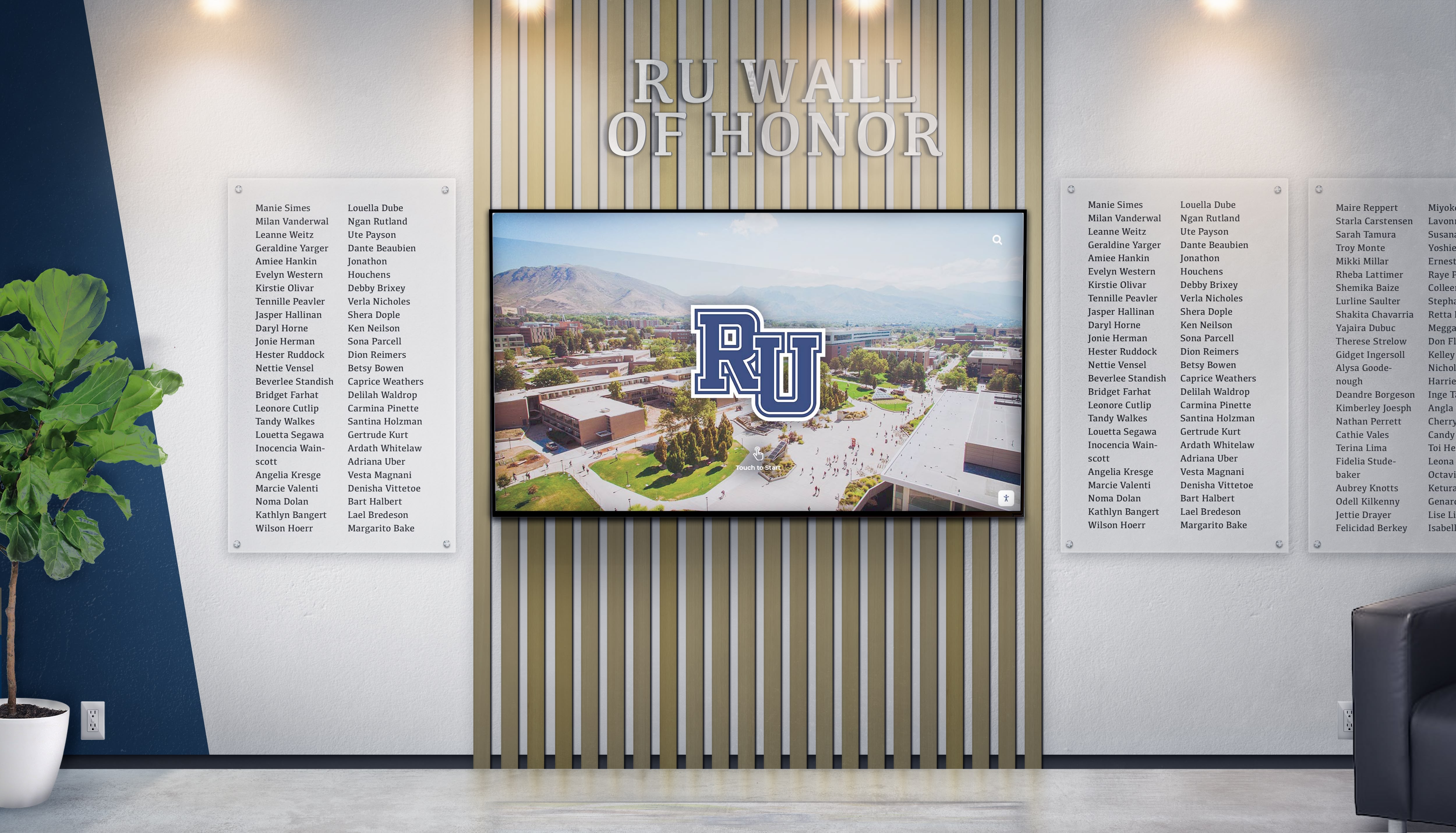
Successful recognition programs blend traditional and modern approaches creating comprehensive celebration visible throughout campus
Emerging Trends in Graduate Recognition
Graduate recognition continues evolving with technology advancement and changing student expectations.
Personalization and Customization
Modern systems enable individualized recognition experiences:
- Customized digital diploma designs with institutional branding
- Personalized graduation messages from faculty and administrators
- Custom ceremony elements reflecting graduate interests
- Individualized recognition videos shared with families
- Tailored alumni engagement based on career paths and interests
This personalization makes recognition feel more meaningful while accommodating diverse graduate preferences.
Blockchain Credentials and Digital Badges
Emerging technologies create portable, verifiable recognition:
- Blockchain-verified digital diplomas preventing fraud
- Shareable digital badges for skills and achievements
- Micro-credentials recognizing specific competencies
- Professional certification digital credentials
- Stackable credentials building toward degrees
These digital credential systems make graduate achievement easily verifiable and shareable across professional networks and employment platforms.
Augmented and Virtual Reality
Immersive technologies create novel recognition experiences:
- Virtual reality graduation attendance from anywhere globally
- Augmented reality campus tours featuring graduate achievements
- Mixed reality reunion experiences connecting distant alumni
- Virtual recognition display tours for online audiences
- Immersive historical archives exploring institutional evolution
While still emerging, these technologies promise to further expand recognition reach and engagement.
Lifelong Learning Recognition
As education becomes increasingly continuous throughout careers, recognition systems adapt:
- Continuing education credential recognition
- Professional development milestone acknowledgment
- Stackable micro-credential celebration
- Return-to-school graduate recognition
- Cross-institutional learning pathway validation
These evolving approaches recognize that education extends beyond traditional degree completion, creating ongoing recognition touchpoints throughout alumni lives.
Creating Comprehensive Graduate Recognition Programs
Effective recognition requires systematic approaches addressing multiple recognition dimensions.
Recognition Program Planning
Needs Assessment
- Current recognition program audit identifying gaps
- Stakeholder input from graduates, families, students, and faculty
- Budget evaluation for sustainable programming
- Technology infrastructure assessment
- Competitive analysis of peer institution approaches
Program Design
- Multiple recognition tier definition (ceremonial, ongoing, special achievement)
- Clear criteria establishment for special recognition
- Technology platform selection for modern needs
- Communication strategy development maintaining visibility
- Implementation timeline with realistic milestones
Sustainability Considerations
Resource Requirements
- Staff time for recognition program management
- Budget allocation for ceremonies, technology, and materials
- Volunteer coordination for alumni-led initiatives
- Technology maintenance and platform subscriptions
- Continuous improvement and assessment activities
Schools should establish sustainable recognition approaches matching available resources rather than overextending capabilities through programs requiring more investment than institutions can maintain.
Technology Investment Justification Modern digital recognition systems like Rocket Alumni Solutions provide compelling return on investment:
- 80-90% reduction in recognition maintenance time
- Unlimited recognition capacity without physical expansion
- Enhanced engagement driving increased giving and volunteerism
- 24/7 accessibility expanding recognition reach globally
- Analytics demonstrating program impact and value
Consider comprehensive digital platforms designed specifically for educational recognition in virtual hall of fame planning resources.
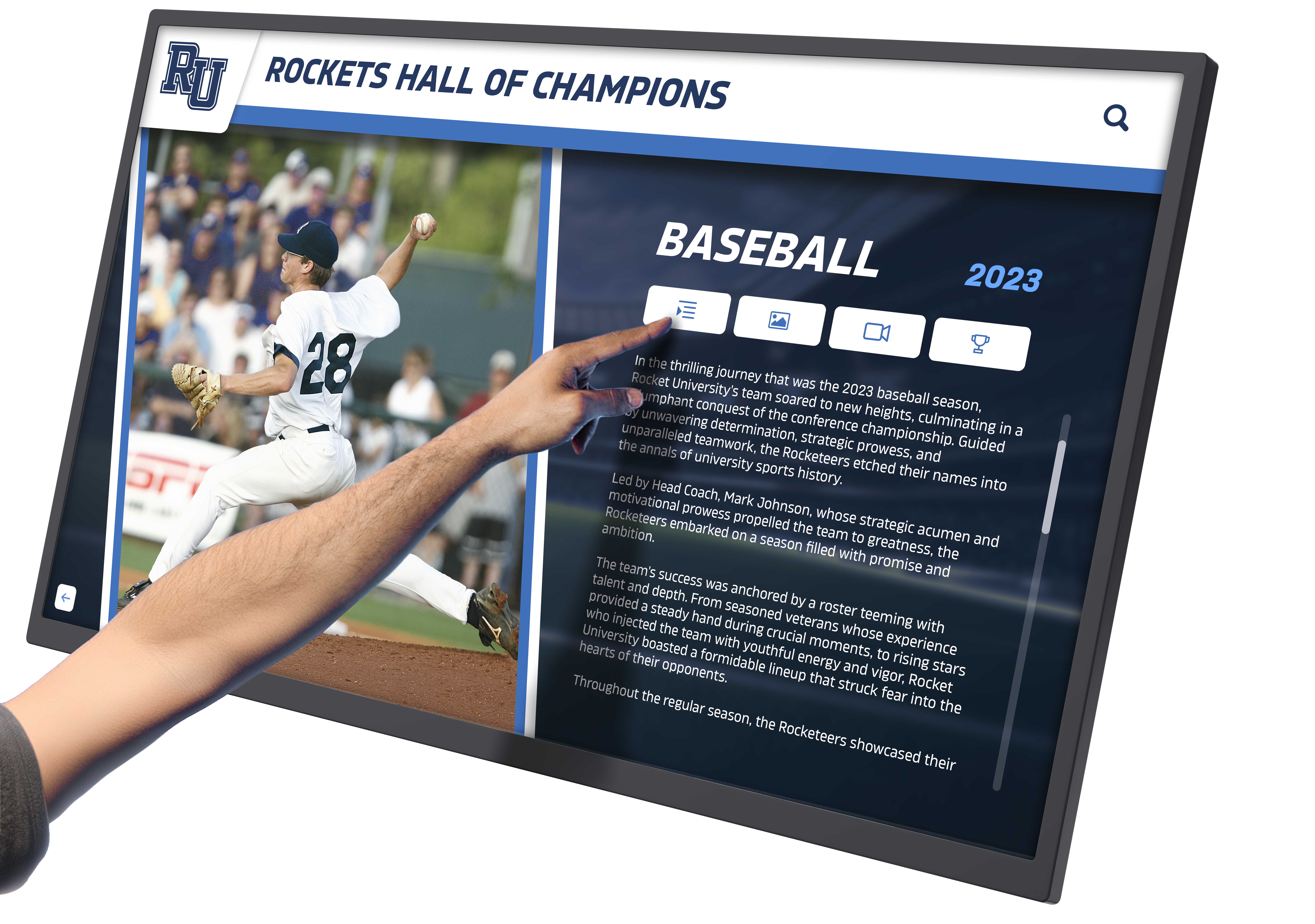
Modern recognition technology creates engaging experiences inspiring current students while honoring graduate achievement
Implementation Best Practices
Phased Rollout Approach
- Begin with achievable programs building momentum
- Pilot test new approaches with limited scope before full implementation
- Gather feedback and adjust approaches based on actual experience
- Expand successful programs systematically
- Maintain communication transparency throughout implementation
Stakeholder Engagement
- Graduate input in recognition program design
- Faculty partnership in nominee selection and special recognition
- Student involvement creating current-student connections
- Family communication ensuring ceremony satisfaction
- Community partnerships extending recognition visibility
Broad stakeholder engagement ensures recognition programs serve diverse needs while building widespread support for sustained investment.
Conclusion: Creating Lasting Graduate Recognition
How schools recognize graduates shapes lasting institutional relationships while honoring achievement that deserves celebration. Comprehensive recognition programs blend traditional ceremonies creating memorable milestone experiences with ongoing acknowledgment that keeps graduates connected and celebrated throughout their lives.
The most effective approaches combine time-honored traditions providing meaning and gravitas with innovative technology enabling recognition scale impossible through traditional methods alone. From formal commencement ceremonies to digital recognition displays showcasing unlimited graduates with rich multimedia content, these multilayered programs honor diverse achievement while strengthening community bonds spanning generations.
Transform Your Graduate Recognition Program
Discover how modern digital recognition solutions can help you celebrate graduates comprehensively while building lifelong alumni engagement and institutional pride.
Explore Recognition SolutionsTechnology has dramatically expanded what’s possible in graduate recognition. Solutions like Rocket Alumni Solutions provide comprehensive platforms combining intuitive management with powerful engagement features, enabling schools to maintain current, accessible recognition reaching graduates globally while inspiring current students through visible achievement examples.
Start by evaluating your current recognition approaches identifying opportunities for enhancement. Consider how innovative recognition programs can strengthen community while celebrating achievement across all graduates. With thoughtful planning, appropriate technology, and consistent implementation, you can create recognition systems that honor every graduate while building the positive, connected community where institutional mission thrives.
Your graduates’ achievements deserve celebration equal to their effort and accomplishment. Whether implementing comprehensive digital recognition, enhancing traditional ceremonies, or creating ongoing alumni engagement programs, thoughtful recognition investments yield returns through strengthened relationships, enhanced giving, increased volunteerism, and elevated institutional reputation.
Ready to begin transforming graduate recognition? Explore alumni recognition strategies demonstrating return on investment, or discover famous alumni recognition approaches that celebrate achievement while inspiring future generations. With proven platforms and comprehensive support, creating recognition programs that honor graduates and strengthen community has never been more achievable.































