Whether you’re a school administrator planning commencement, a parent wondering how much time to set aside for your child’s big day, or a graduate curious about what to expect, understanding how long is a graduation ceremony helps everyone prepare appropriately. Graduation ceremonies represent milestone moments deserving thoughtful planning that balances meaningful celebration with respect for attendees’ time and comfort.
The average graduation ceremony lasts between 60-90 minutes for most high schools, though duration varies significantly based on class size, program elements, speaker selections, and institutional traditions. Elementary and middle school promotions typically run 45-75 minutes, while college commencements range from 90 minutes to over two hours depending on degree conferrals and university customs.
Yet ceremony length alone doesn’t determine success. Some 60-minute ceremonies feel interminable when poorly paced, while thoughtfully designed two-hour celebrations maintain engagement throughout. This comprehensive guide explores typical graduation ceremony durations, factors influencing length, and expert strategies for creating memorable commencements that honor graduates without exhausting audiences.
Understanding graduation ceremony timing helps schools plan logistics, enables families to coordinate travel and accommodation, and allows graduates to prepare for their special day. Throughout this guide, we’ll examine duration expectations across educational levels, break down typical ceremony components, and provide actionable planning insights ensuring your graduation celebration strikes the perfect balance between meaningful recognition and practical time management.
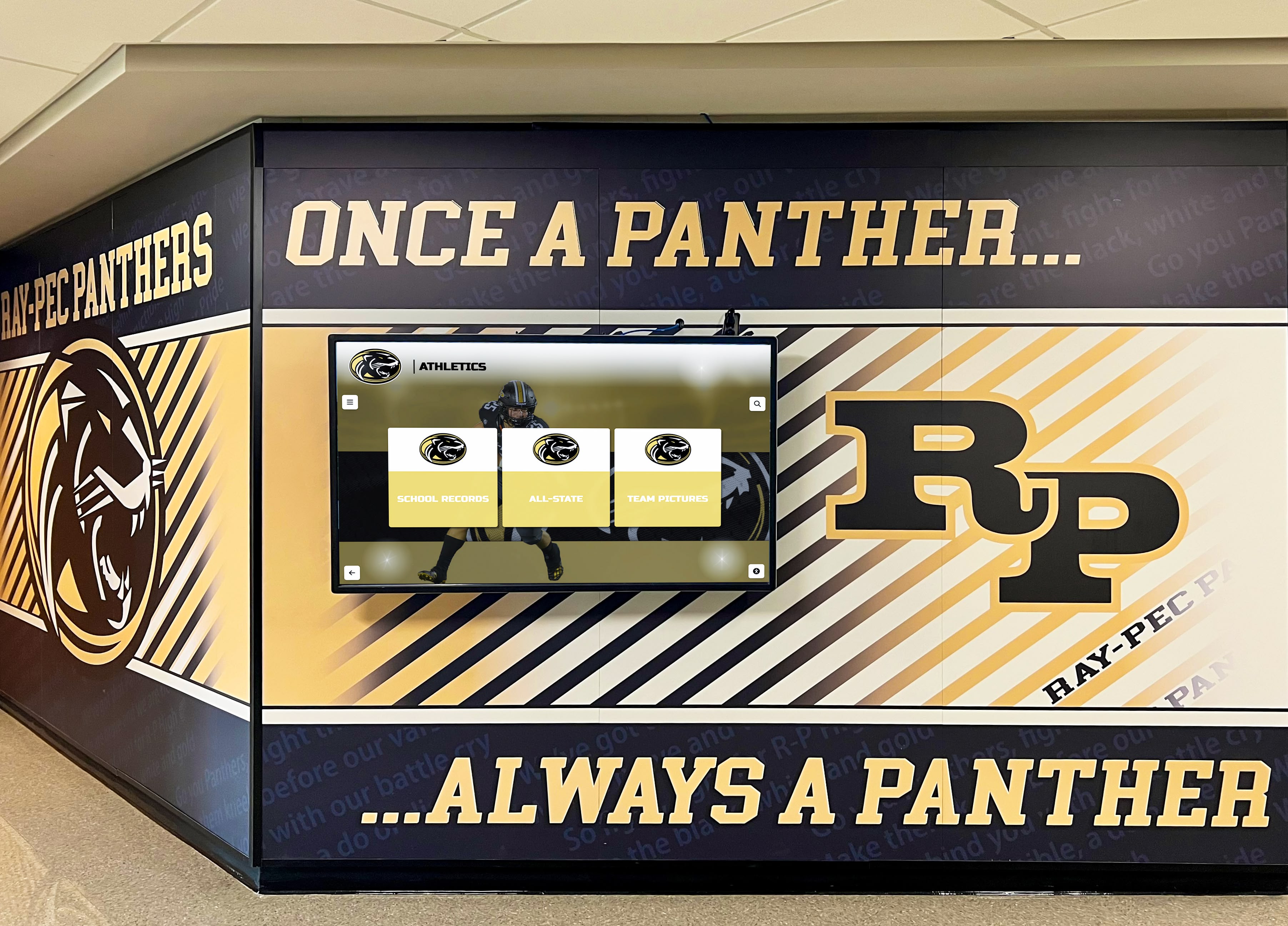
Modern recognition displays help celebrate graduate achievements while preserving commencement memories
Typical Graduation Ceremony Durations by Educational Level
Commencement length varies substantially based on educational stage, with each level having distinct characteristics that influence duration.
Elementary School Promotion Ceremonies
Elementary school graduation or promotion ceremonies typically last 45-60 minutes for most schools, though some extend to 75 minutes when incorporating extensive programming.
Elementary ceremonies usually feature smaller class sizes (often 50-150 students), simple processional and recessional without elaborate academic regalia, brief principal remarks rather than lengthy addresses, group recognition by classroom or achievement category rather than individual diploma presentation, and student performances including songs, recitations, or short skits.
These abbreviated formats respect younger children’s limited attention spans while providing age-appropriate celebration of academic milestones. Schools with multiple elementary classes often hold separate ceremonies for each classroom or grade level, keeping individual celebrations shorter and more intimate.
Time Allocation for Elementary Ceremonies:
- Processional and opening: 5-10 minutes
- Welcome and brief remarks: 5-10 minutes
- Student performances or recognition: 15-25 minutes
- Certificate distribution (often by group): 10-15 minutes
- Closing remarks and recessional: 5-10 minutes
Middle School Promotion Ceremonies
Middle school promotions generally run 60-75 minutes, reflecting slightly more formal structures than elementary celebrations while remaining more compact than high school graduations.
Middle school ceremonies incorporate individual recognition with students crossing stage to receive certificates, brief student or faculty speaker (5-7 minutes), awards presentation for academic honors, citizenship, or special achievements, more formal processional with students wearing simple caps and gowns, and transition messaging emphasizing next educational phase.
These ceremonies balance celebrating current accomplishments with acknowledging that students face additional academic milestones ahead, creating enthusiasm without the finality associated with high school graduation.
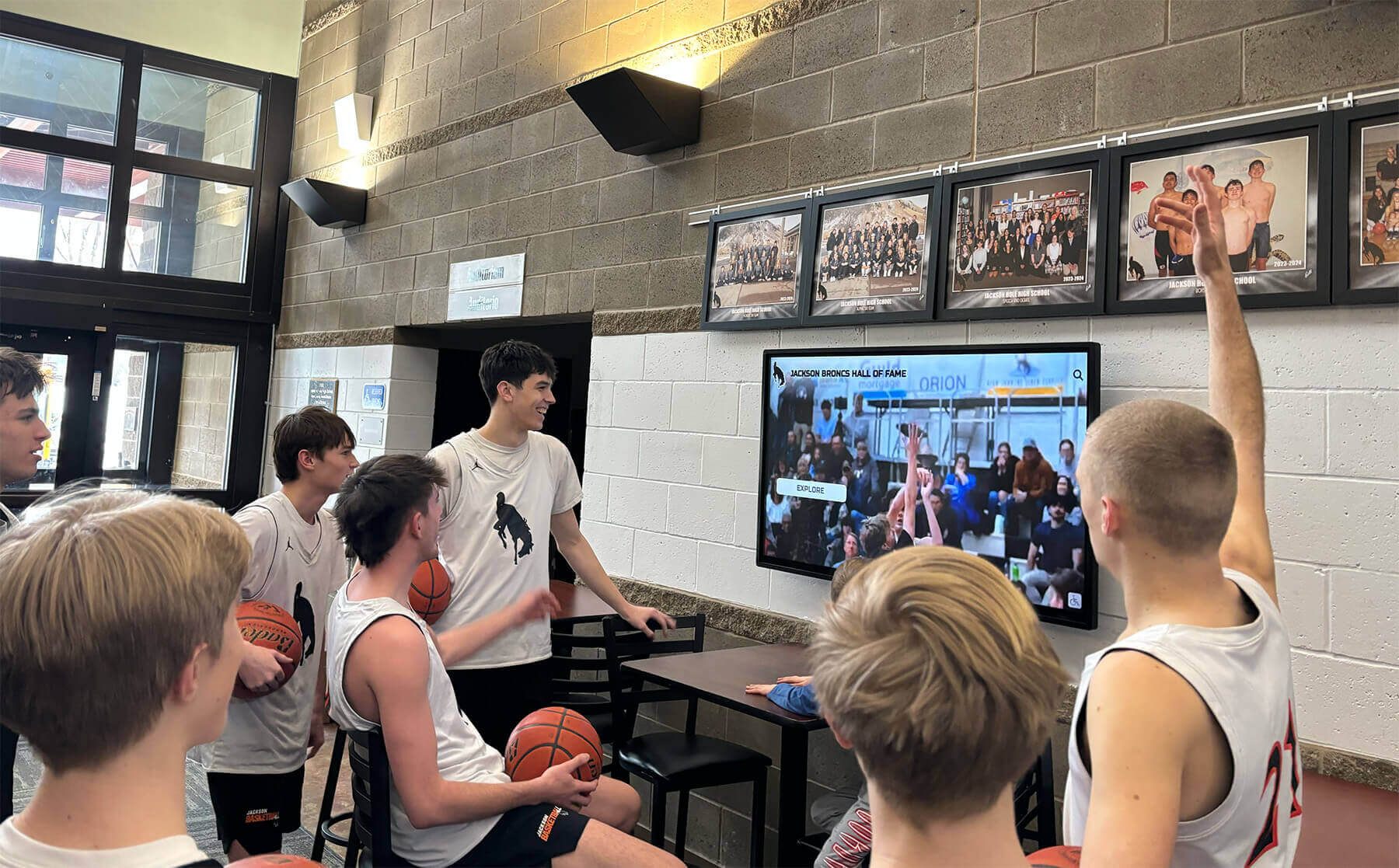
Recognition displays create lasting connections with school achievements beyond ceremony day
High School Graduation Ceremonies
High school commencements represent the most significant pre-collegiate milestone, typically lasting 75-120 minutes depending on class size and programming choices.
Small High Schools (under 100 graduates): 60-90 minutes Schools with smaller graduating classes can move more quickly through individual diploma presentations while still maintaining meaningful ceremony elements. With fewer names to read, these intimate celebrations often feel more personal and allow for additional special recognition or extended remarks.
Medium High Schools (100-300 graduates): 90-120 minutes Most high schools fall into this category, with ceremonies structured to maintain appropriate pacing while honoring each graduate individually. Strategic programming decisions about speaker length and recognition efficiency significantly impact total duration.
Large High Schools (over 300 graduates): 120-180 minutes Large graduating classes face inevitable length challenges, with diploma presentation alone consuming substantial time. Schools with 500+ graduates must make careful decisions about speaker selection, special recognition elements, and efficiency measures to prevent ceremonies from exceeding reasonable attention spans.
Typical High School Ceremony Components:
- Pre-ceremony music and seating: 15-30 minutes (not counted in official duration)
- Processional with graduate entry: 10-20 minutes
- Opening remarks and invocations: 5-10 minutes
- Welcome from administration: 5-10 minutes
- Salutatorian and valedictorian speeches: 10-15 minutes
- Guest speaker address: 15-25 minutes (if included)
- Special awards and scholarships: 10-20 minutes
- Diploma presentation: 30-90 minutes (class size dependent)
- Closing remarks: 5 minutes
- Class song or special recognition: 5-10 minutes
- Recessional: 5-10 minutes
Learn more about celebrating top academic achievers through valedictorian recognition programs.
College and University Commencements
Higher education ceremonies vary enormously based on institutional size, tradition, and structure:
Small College Ceremonies (under 500 graduates): 90-150 minutes Liberal arts colleges and specialized institutions often conduct unified ceremonies where every graduate crosses the stage individually. These celebrations maintain personal recognition while incorporating traditional academic pageantry including elaborate processionals with full faculty participation, multiple student speakers representing different schools or honors programs, comprehensive recognition of academic honors and distinctions, and historical traditions specific to institutional identity.
Large University Ceremonies: Multiple formats Major universities typically employ one of three approaches:
Unified Commencement (2-4 hours): All graduates attend single ceremony with degree conferral by school or college without individual name reading. Graduates attend subsequent smaller ceremonies by department or school for personal diploma receipt.
Separate College Ceremonies (90-120 minutes each): Business school, engineering, arts and sciences, and other colleges hold individual ceremonies throughout commencement weekend, allowing individual graduate recognition in more manageable groups.
Multiple Sessions (90-120 minutes each): Large colleges or schools divide graduates into multiple ceremony sessions (morning/afternoon or multiple days), keeping audiences and graduates more comfortable while maintaining individual recognition.
Graduate ceremonies (master’s and doctoral) typically run 60-90 minutes with smaller candidate pools and more formal academic traditions including hooding ceremonies for doctoral candidates.
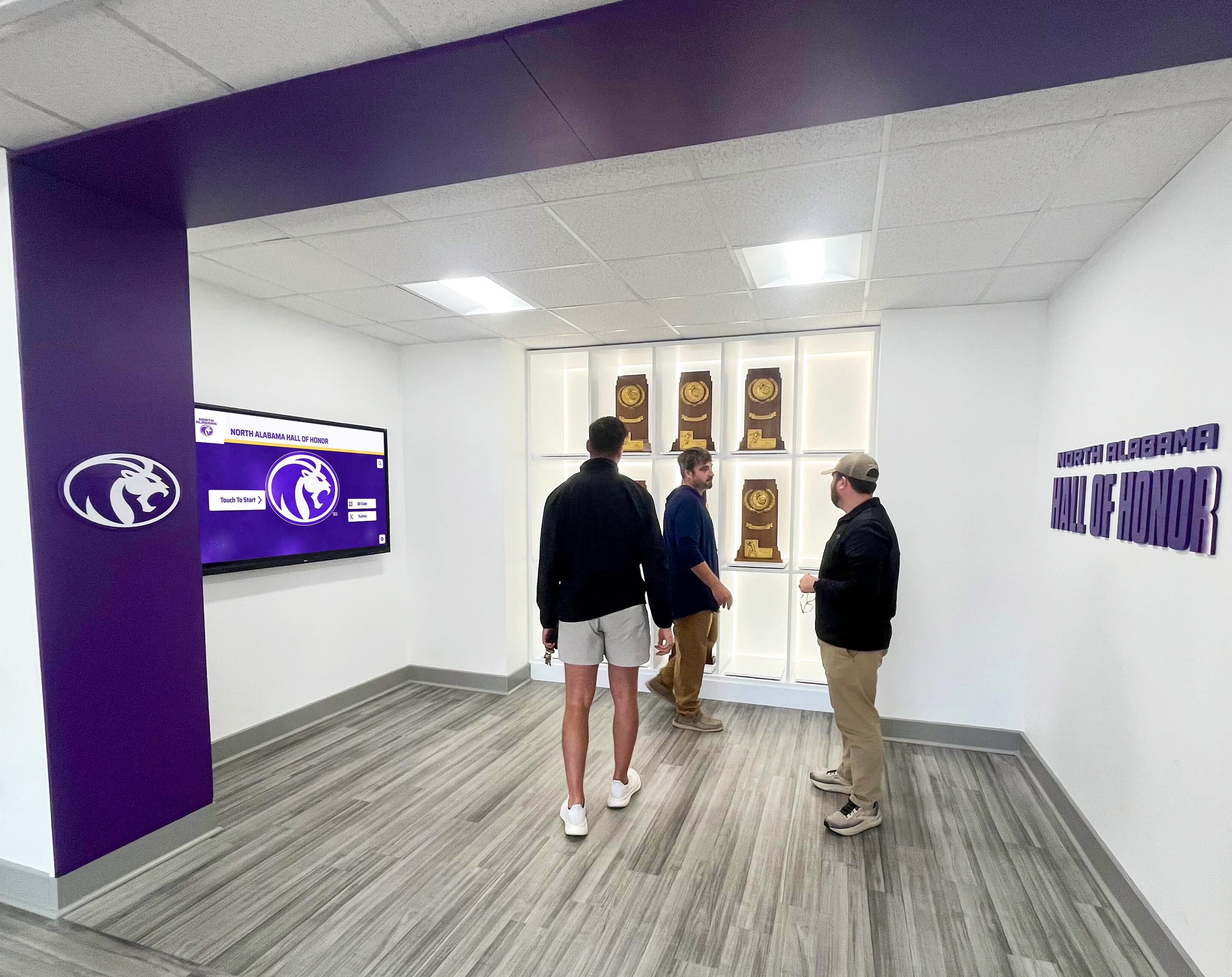
Permanent recognition installations celebrate graduating classes for years beyond ceremony day
Key Factors That Affect Graduation Ceremony Length
Understanding what drives ceremony duration helps planners make informed decisions that balance completeness with audience comfort.
Class Size and Individual Recognition
The single biggest factor influencing graduation length is class size and whether students receive individual recognition. When students walk across stage to receive diplomas individually with name announcements, the math becomes straightforward:
- 15-20 seconds per graduate: Efficient but feels rushed
- 20-30 seconds per graduate: Standard comfortable pace
- 30-45 seconds per graduate: Allows for photos, handshakes, brief pause
- 45+ seconds per graduate: Includes extended photo opportunities, special recognition, or slow processional flow
Calculation Examples:
- 100 graduates × 25 seconds = 42 minutes for diploma presentation alone
- 300 graduates × 25 seconds = 125 minutes (2+ hours) for diplomas
- 500 graduates × 25 seconds = 208 minutes (3.5 hours) for diplomas
Large schools face difficult choices between honoring individuals meaningfully and maintaining reasonable total ceremony duration. Some address this through efficiency measures including having graduates stand in groups by row for name reading rather than full stage crossing, conducting diploma distribution immediately after students cross stage rather than returning to seats, preparing name pronunciations in advance to avoid hesitations, or using professional announcers who maintain consistent pacing.
Others modify recognition formats: presenting diplomas by program or academic department in groups, conducting diploma receipt at separate smaller celebrations following main ceremony, or livestreaming detailed individual recognition that main ceremony audience can watch later.
For schools seeking to enhance graduate recognition beyond ceremony limitations, digital senior composite displays provide year-round celebration of graduating classes.
Speaker Selection and Speech Duration
Commencement speakers significantly impact ceremony length through both number and duration:
Student Speakers: Most ceremonies include salutatorian (second-highest academic rank) and valedictorian (highest academic rank) speeches. Typical guidelines suggest 5-8 minutes each, though speakers often exceed allocations. Schools should provide clear expectations, conduct rehearsals, and enforce gentle time limits to prevent 15-20 minute speeches that derail pacing.
Guest/Keynote Speakers: Outside speakers ranging from distinguished alumni to community leaders, elected officials, or celebrities add prestige but also consume significant time. Standard keynote addresses run 15-25 minutes, though some extend to 30-40 minutes. While inspirational messages provide value, overly lengthy addresses test audience patience, particularly in outdoor ceremonies or those already extended by large graduating classes.
Administrative Remarks: Principals, superintendents, or college deans typically offer welcoming remarks and context. Effective administrative addresses run 5-10 minutes maximum, hitting key themes without exhaustive elaboration.
Some schools reduce speaker count, limiting ceremonies to one student speaker plus brief administrative welcome, or alternating between student speeches and guest speakers in different years rather than including both annually.
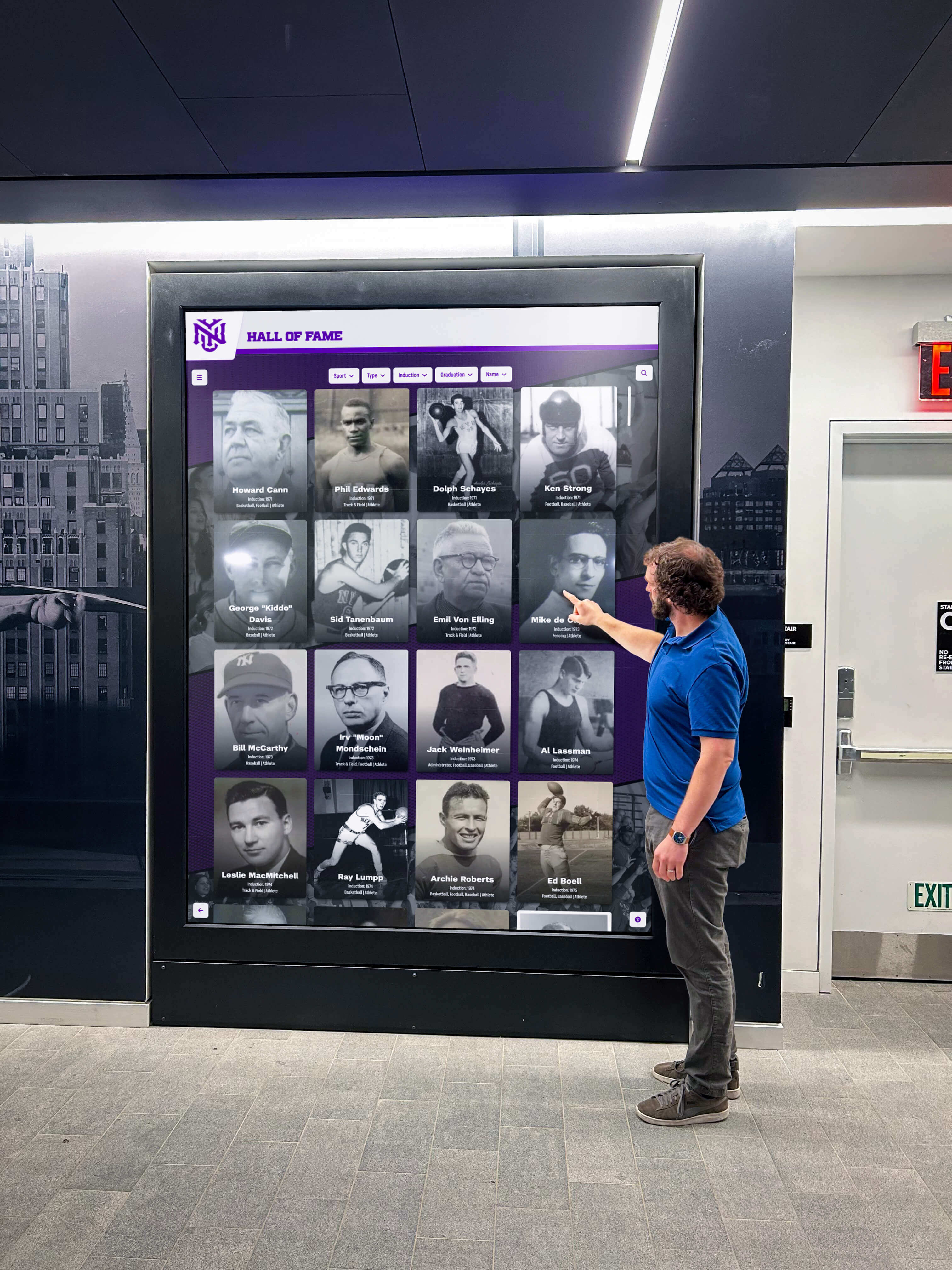
Interactive displays enable families to explore graduate achievements before and after ceremonies
Special Awards and Scholarship Recognition
Many graduation ceremonies include scholarship announcements, special awards, or honors recognition beyond basic diploma conferral:
Scholarship Presentations: Announcing major scholarships, college commitments, or financial aid awards adds 10-30 minutes depending on volume and format. Schools with extensive scholarship programs face decisions about comprehensive ceremony announcement versus program recognition or separate scholarship celebration events.
Academic and Special Honors: National Honor Society induction, perfect attendance awards, departmental honors, athletic letters, arts achievement recognition, and similar accolades add ceremonial time. Some schools present comprehensive honor recognition, others limit ceremony awards to highest distinctions while noting additional honors in printed programs.
Special Presentations: Legacy recognition for multi-generational graduates, twin/sibling graduates, military service commitments, or other unique celebrations personalize ceremonies but extend duration.
Strategic approaches include grouping similar awards together rather than interspersing throughout, having all recipients stand for collective recognition rather than individual stage crossing, or conducting separate honors ceremony during graduation week rather than incorporating everything into commencement.
Explore comprehensive approaches to academic recognition programs that celebrate student excellence throughout the year.
Musical and Performance Elements
Music and performances enhance ceremony atmosphere while impacting duration:
Processional and Recessional Music: Traditional “Pomp and Circumstance” or alternative selections accompany graduate entry and exit. Processional timing depends on class size and venue layout—larger groups with longer walking distances extend processional duration from 5 minutes to 20+ minutes.
National Anthem: Most ceremonies include anthem performance, typically 2-3 minutes.
School Songs: Many institutions incorporate traditional school songs, alma mater performances, or fight songs, adding 3-5 minutes per musical element.
Student Performances: Choir performances, band selections, or other musical presentations showcase student talent while extending ceremonies 5-15 minutes per performance element.
Cultural Performances: Schools with diverse populations may include cultural performances honoring graduate heritage, celebration dances, or traditional blessings that enrich ceremonies while adding time.
While these elements create memorable experiences, planners must balance cultural richness with audience stamina. Limiting musical performances to 1-2 elements or conducting extended performances at separate pre-graduation celebrations helps manage duration.
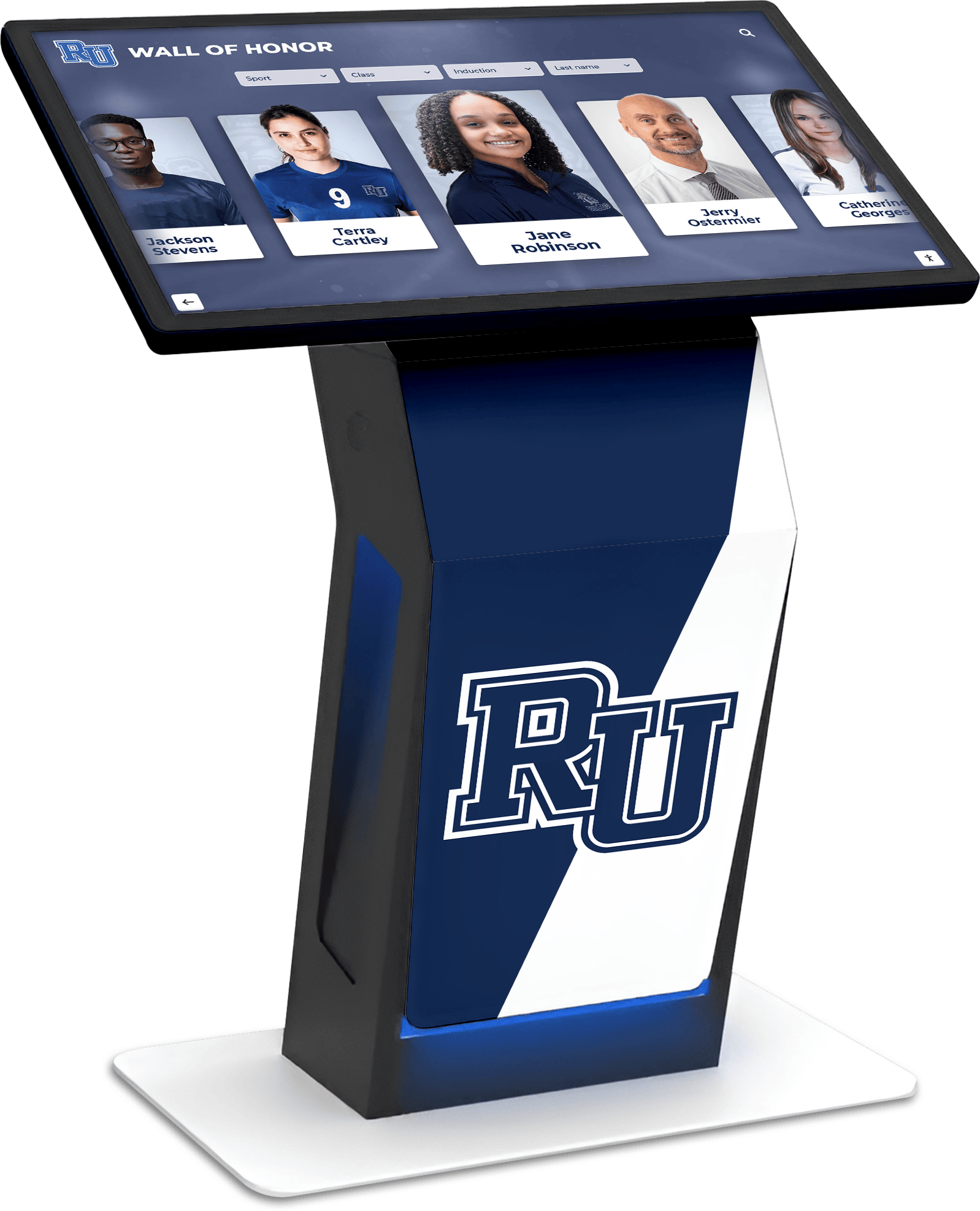
Digital recognition kiosks celebrate graduates year-round beyond single ceremony moments
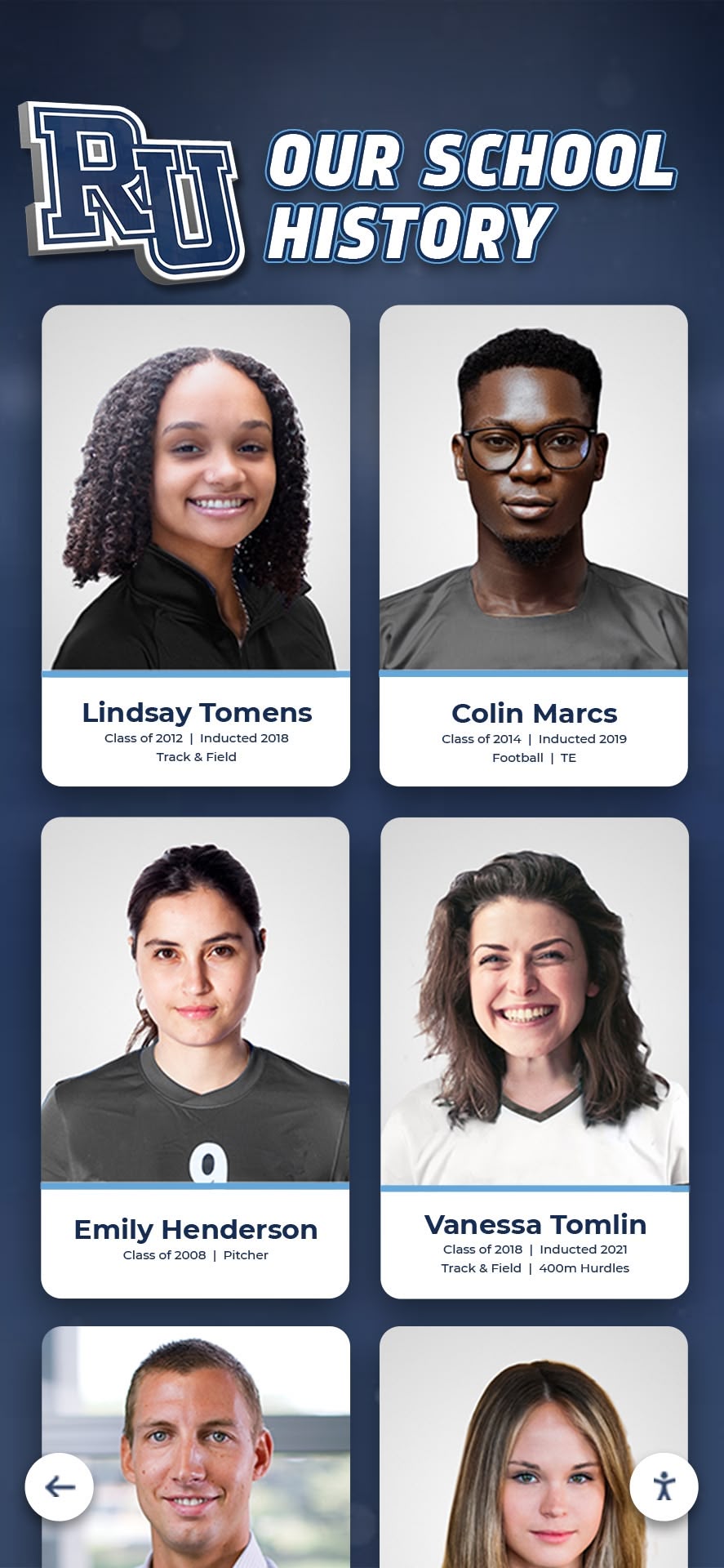
Recognition systems document graduating class achievements for institutional archives
Traditional Rituals and Customs
Institutional traditions significantly influence ceremony structure and length:
Religious Elements: Faith-based schools typically include opening prayers, invocations, blessings, scripture readings, or benedictions. These elements add 5-15 minutes depending on extent and denomination-specific practices.
Tassel Turning: The ceremonial movement of graduation cap tassels from right to left symbolizing degree conferral creates photographic moments but adds 2-5 minutes when conducted as choreographed collective action.
Cap Tossing: Traditional mortarboard cap throwing at ceremony conclusion provides iconic imagery but requires coordination and adds time, particularly when schools encourage graduates to retrieve caps before exiting.
Candle Lighting: Some ceremonies incorporate candlelight elements where graduates light individual candles, pass flames to classmates, or create illuminated moments requiring 5-10 minutes.
Legacy Acknowledgments: Schools may recognize historical significance—milestone graduation years (50th, 100th commencement), building dedications, or institutional achievements coinciding with graduation.
Each beloved tradition adds value for participants but incrementally extends ceremony duration. Schools must evaluate which customs remain essential versus which might transition to separate celebrations.
Planning Graduation Ceremonies: Best Practices for Time Management
Thoughtful ceremony design creates meaningful recognition without unnecessary length. Effective strategies balance tradition, personalization, and practical time constraints.
Establish Target Duration and Work Backward
Begin planning by establishing realistic target ceremony length based on venue constraints, audience comfort, class size, and institutional expectations. Once target duration is set, allocate time to essential components:
Sample 90-Minute High School Ceremony (200 graduates):
- Processional: 10 minutes
- Opening remarks/invocation: 5 minutes
- Administrative welcome: 7 minutes
- Student speakers (2): 12 minutes
- Special awards/honors: 10 minutes
- Diploma presentation: 35 minutes (210 names at ~10 seconds each including stage crossing)
- Closing remarks: 3 minutes
- Class song/tradition: 5 minutes
- Recessional: 8 minutes
- Total: 95 minutes (5-minute cushion built in)
This backward planning approach identifies whether proposed elements fit realistic time allocations, prompting adjustments before final ceremony structure is set.
Rehearse With Timing Awareness
Graduation rehearsals serve multiple purposes—familiarizing graduates with processional choreography, practicing stage crossing logistics, and timing ceremony components accurately.
Effective Rehearsal Strategies:
- Time complete diploma presentation sequence with all graduate names to understand actual pacing rather than estimating
- Practice speaker presentations with actual remarks rather than placeholder content to verify duration
- Conduct processional and recessional at actual ceremony pace accounting for graduate attire and walking speed
- Build 10-15% time cushion into final schedule, recognizing ceremony-day reality typically runs slightly longer than rehearsal timing
Schools consistently underestimate ceremony duration when planning abstractly versus timing actual sequences. Comprehensive rehearsal reveals realistic pacing, enabling final adjustments before ceremony day.

Prominent recognition installations in campus lobbies create ongoing graduate celebration spaces
Set and Enforce Speaker Guidelines
Speaker remarks create the most unpredictable ceremony time variables. Even with advance agreement on duration, speakers frequently exceed allocations when caught up in moments or underestimating their material.
Speaker Management Approaches:
- Provide clear written guidelines specifying exact time allocations (5 minutes, 7 minutes, 15 minutes) rather than vague “brief remarks” instructions
- Request draft speeches in advance, providing feedback on content appropriateness and length
- Conduct speaker rehearsals where presenters deliver complete remarks with timing feedback
- Assign discrete staff member to provide subtle time signals during ceremony—holding signs at “2 minutes remaining” and “time complete” prompts
- Consider using podium countdown timers visible only to speakers
- Explain to speakers how their remarks fit larger ceremony flow and impact overall duration
While enforcing time discipline with distinguished guest speakers requires diplomacy, most speakers appreciate clarity that helps them prepare effectively targeted remarks.
Consider Alternative Recognition Formats
Schools with large graduating classes or extended programming desires sometimes implement alternative recognition approaches that preserve personal acknowledgment while managing ceremony duration:
Diploma Distribution Alternatives:
Grouped Recognition: Present diplomas to clusters of graduates standing together (by academic program, alphabetical groupings, or homeroom) rather than individual stage crossing. All names are read, but graduates remain in proximity rather than walking individually.
Dual Recognition: Conduct streamlined main ceremony where graduates are recognized by group or section, followed by separate smaller celebrations (by academy, school-within-school, or program) where individual diploma presentation occurs in more intimate settings with extended time for family photos and personalization.
Video Recognition: Create high-quality video presentations featuring each graduate with photo, name, accomplishments, and future plans. Video plays during ceremony or immediately following, allowing detailed individual recognition without the physical time constraints of stage crossing.
Digital Recognition Extensions: Permanent digital recognition displays installed in school facilities celebrate graduating classes year-round, providing comprehensive graduate profiles beyond what ceremony time allows. These installations become lasting monuments to achievement while easing pressure to fit every recognition element into ceremony.
Optimize Logistics and Flow
Operational efficiency significantly impacts ceremony duration without sacrificing meaning:
Diploma Handling: Pre-sort diploma covers or certificates in presentation order, use diploma cover substitutes for ceremony (distributing actual documents later), confirm name pronunciation with every graduate in advance, and position multiple diploma presenters to maintain flow and allow for handshakes or photos without bottlenecks.
Stage Management: Design stage setup enabling smooth traffic flow with clear entry and exit paths, use multiple staging levels allowing graduates to receive diplomas while next group positions, position photographers strategically to capture moments without impeding graduate movement, and coordinate adequate staff managing graduate queuing to maintain consistent pacing.
Audience Management: Provide clear expectations in programs about photography policies (family photos afterward versus during ceremony), establish “no flash photography during diploma presentation” guidelines to minimize disruptions, and plan post-ceremony photo opportunities reducing pressure for families to capture perfect ceremony moments.
Technology Integration: Use professional audio systems ensuring clear name projection without repetition or clarification delays, display graduate names on screens as called, assisting audience members who miss announcements, and consider livestreaming ceremony, reducing audience crowding while expanding access for distant family or friends.
Solutions like interactive school displays provide year-round graduate recognition infrastructure that complements ceremony-day celebrations.
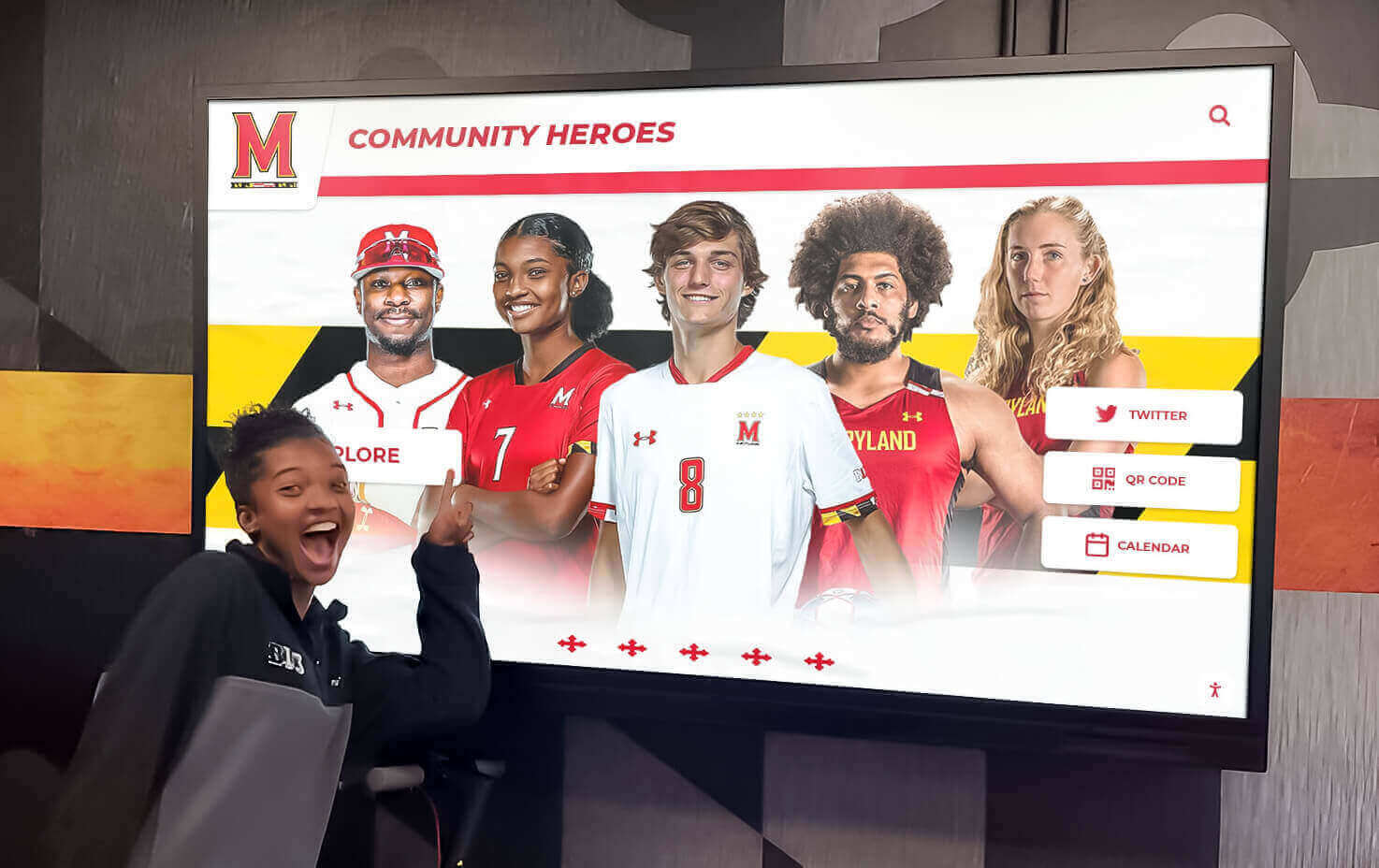
Year-round recognition displays complement ceremony celebrations with detailed graduate profiles
Venue Considerations That Impact Ceremony Duration
Location significantly influences both practical ceremony length and audience comfort throughout celebrations.
Indoor Venue Advantages and Constraints
Indoor facilities—gymnasiums, auditoriums, performing arts centers, convention centers—offer climate control, seating comfort, excellent acoustics, and professional lighting. These controlled environments support longer ceremonies when necessary, as audiences remain physically comfortable despite extended duration.
Indoor Capacity Planning: Most high schools allow 4-6 guest tickets per graduate, requiring venue capacity of 800-1,800 seats for 200-graduate ceremony. Insufficient capacity forces multiple ceremony sessions, actually reducing individual ceremony duration while requiring additional planning, logistics, and potential graduate disappointment about separated friend groups.
Indoor Acoustic Considerations: Professional sound systems in dedicated performance venues create clear name projection essential for efficient diploma presentations. Poor acoustics requiring name repetition significantly extend ceremonies while frustrating audiences and graduates.
Outdoor Ceremony Considerations
Football stadiums, athletic fields, outdoor quads, or lawns provide unique atmosphere and essentially unlimited capacity but introduce weather uncertainties and comfort challenges.
Weather Impact on Duration: Direct sun exposure, high temperatures, or humidity make extended ceremonies physically challenging. Planning outdoor ceremonies for early morning or evening helps, but heat remains consideration. Most planners target 90 minutes maximum for outdoor summer ceremonies, recognizing that discomfort increases with duration.
Weather Contingencies: Outdoor ceremony plans require indoor backup options. Transition logistics—moving setup, adjusting seating, modifying processional routes—often necessitate ceremony streamlining when weather forces indoor relocation to smaller venues.
Technical Challenges: Outdoor venues require robust audio systems to overcome ambient noise. Wind affects decorations, programs, and graduate attire. Natural lighting creates photography challenges depending on time of day and position.
Many schools embrace outdoor grandeur for processional and opening, then transition indoors for diploma presentation and remainder of ceremony, balancing aesthetic appeal with practical comfort.
Accessibility and Comfort Factors
Venue amenities directly impact audience willingness to remain engaged through extended ceremonies:
Seating Comfort: Padded theater seats support longer ceremonies better than gymnasium bleachers or outdoor folding chairs. When venue constraints require uncomfortable seating, ceremony duration should decrease proportionally.
Climate Control: Adequate air conditioning or heating is essential. Even indoor facilities can become uncomfortable when hundreds of attendees generate body heat in inadequately climate-controlled spaces.
Accessibility Features: Wheelchair accessible seating, sign language interpretation, hearing assistance systems, and accessible restroom facilities ensure all community members can participate comfortably regardless of physical needs or challenges.
Sight Line Considerations: Graduated seating where all attendees can see ceremony action maintains engagement. Venues requiring attendees to stand, crane necks, or watch screens rather than actual stage action create frustration that amplifies with ceremony length.
For schools planning comprehensive recognition programs that extend beyond ceremony day, explore academic recognition program approaches that celebrate student excellence throughout the year.
Family and Guest Planning Considerations
Understanding ceremony duration helps families plan effectively for graduation day logistics.
Arrival Time Recommendations
Families should plan arrival well before ceremony start:
60-90 Minutes Early: Large ceremonies at major venues where parking is limited, security screening is required, or seating is general admission requiring early arrival for optimal positions.
45-60 Minutes Early: Most ceremonies where reserved seating is assigned but parking, security, or venue size requires adequate lead time.
30-45 Minutes Early: Smaller ceremonies at familiar venues with ample parking and straightforward entry.
Programs should clearly communicate recommended arrival times, distinguishing between when doors open and when ceremony begins, while explaining any security protocols, prohibited items, or bag check requirements.
Travel and Schedule Coordination
For families traveling to attend ceremonies:
Day-Before Arrival: Families traveling significant distances should arrive the evening before rather than day-of graduation, allowing time cushion for travel delays and reducing stress.
Post-Ceremony Scheduling: Families planning restaurants, celebrations, or travel departures should build cushion time beyond stated ceremony duration. A ceremony scheduled 6:00-8:00 PM realistically keeps families occupied until 8:30-9:00 PM when accounting for post-ceremony family photos, building exit, parking lot departure, and locating graduates amid crowds.
Photography Opportunities: Most schools designate specific times and locations for professional family photos with graduates in regalia. These photo sessions may occur before ceremonies, immediately following, or at scheduled post-ceremony times. Families should plan accordingly rather than expecting to capture photos amid ceremony chaos.
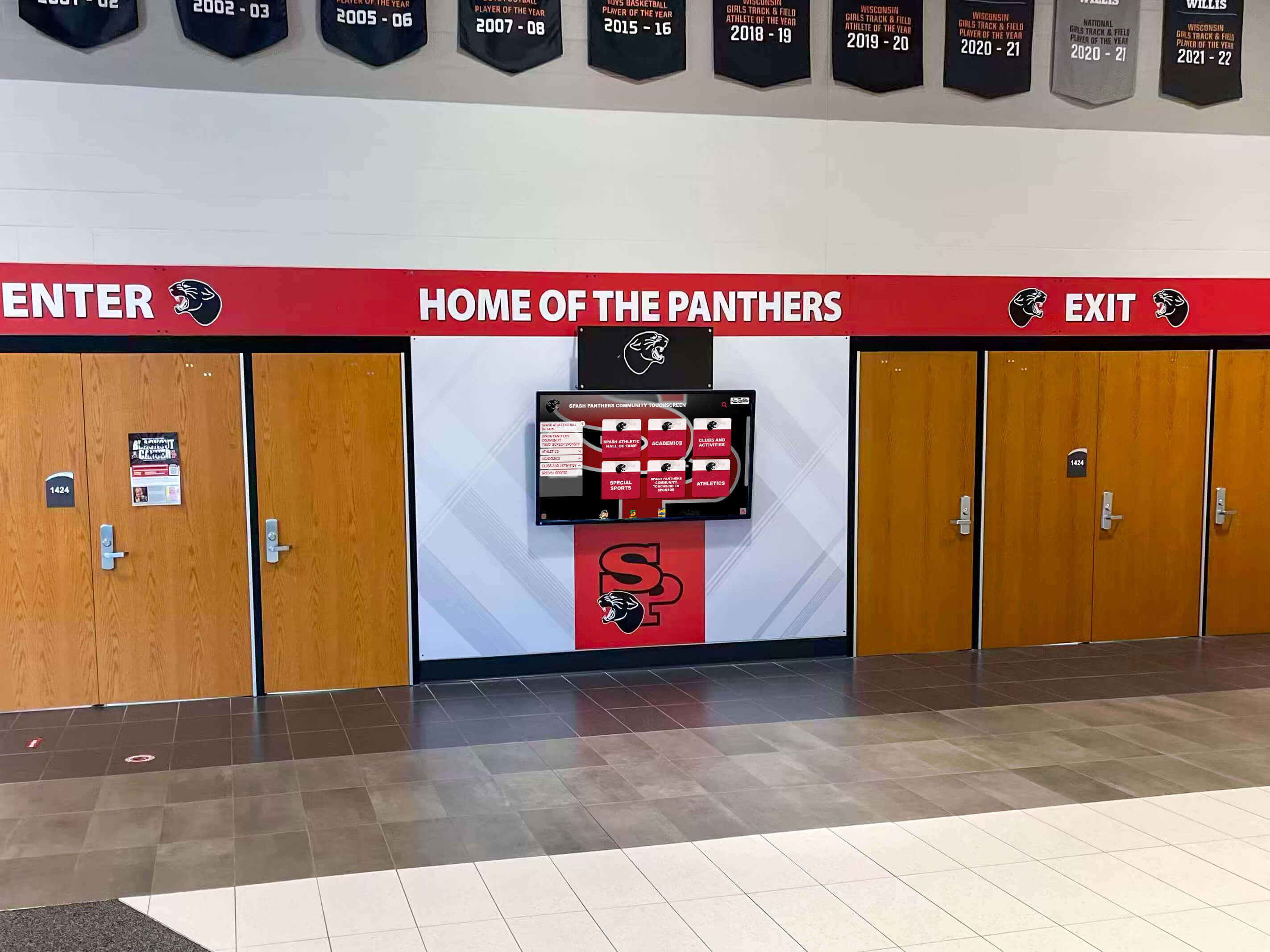
Recognition displays in school entrances create meaningful spaces for pre and post-ceremony family photos
Special Needs and Accommodation Planning
Families with specific accessibility needs, young children, or other considerations should contact schools in advance:
Accessibility Accommodations: Request wheelchair accessible seating, sign language interpretation, assistive listening devices, or other accessibility accommodations. Most schools readily provide these services with advance notice but struggle to accommodate last-minute requests.
Young Children: Long ceremonies challenge young siblings. Families might arrange childcare for ceremony duration or plan for one parent to step out with restless children. Some schools provide separate areas where families with infants can watch ceremony while managing children without disrupting others.
Medical Needs: Families with medical considerations (diabetes requiring regular meals, medications on schedules, mobility limitations, etc.) should communicate needs in advance and plan accordingly for ceremony duration.
Creating Lasting Recognition Beyond Ceremony Day
While graduation ceremonies create unforgettable milestone moments, lasting recognition extends celebration beyond single events.
Digital Recognition Solutions for Graduating Classes
Modern schools increasingly complement ceremony-day celebrations with permanent digital recognition installations that honor graduates year-round:
Comprehensive Graduate Profiles: Digital recognition displays installed in school lobbies, libraries, or common areas showcase each graduate with photo, accomplishments, college destinations, career plans, and personal messages. These systems accommodate unlimited profiles without space constraints limiting who receives recognition.
Interactive Exploration: Touchscreen interfaces enable students, families, and community members to search for specific graduates, browse by graduation year, or explore class histories. This interactivity creates engagement impossible with static displays while accommodating comprehensive content that ceremony time constraints prevent.
Multi-Year Archives: Digital platforms preserve every graduating class, creating searchable historical archives where alumni returning to campus can locate their own recognition years or decades after graduation. This continuity builds institutional legacy while strengthening ongoing alumni connections.
Remote Access: Web-based platforms enable families anywhere in the world to explore graduate recognition, share profiles on social media, and maintain connections to institutional achievement regardless of geographic distance.
Solutions like Rocket Alumni Solutions provide integrated systems combining physical touchscreen displays with web platforms and intuitive content management, enabling schools to create comprehensive graduate recognition without requiring technical expertise or ongoing per-graduate fabrication costs.
Planning Celebrations That Honor Multiple Dimensions
Effective graduate recognition celebrates diverse achievements beyond purely academic metrics:
Athletic Achievement: Recognize athletic accomplishments, team championships, individual records, college athletic commitments, or professional sports achievements. Learn more about athletic recognition approaches.
Arts Excellence: Celebrate performing arts participation, visual arts portfolios, musical achievements, theater productions, or creative competition success.
Academic Distinction: Honor valedictorians, honor society membership, scholarship recipients, academic competition achievements, or advanced coursework completion.
Service and Leadership: Recognize volunteer service hours, leadership positions, community impact projects, or civic engagement.
Technical and Career Preparation: Celebrate industry certifications, apprenticeship completions, career and technical education achievements, or specialized vocational training.
Comprehensive recognition acknowledging multiple pathways to success creates inclusive celebrations where every graduate finds meaningful acknowledgment rather than narrow focus on single achievement dimension.
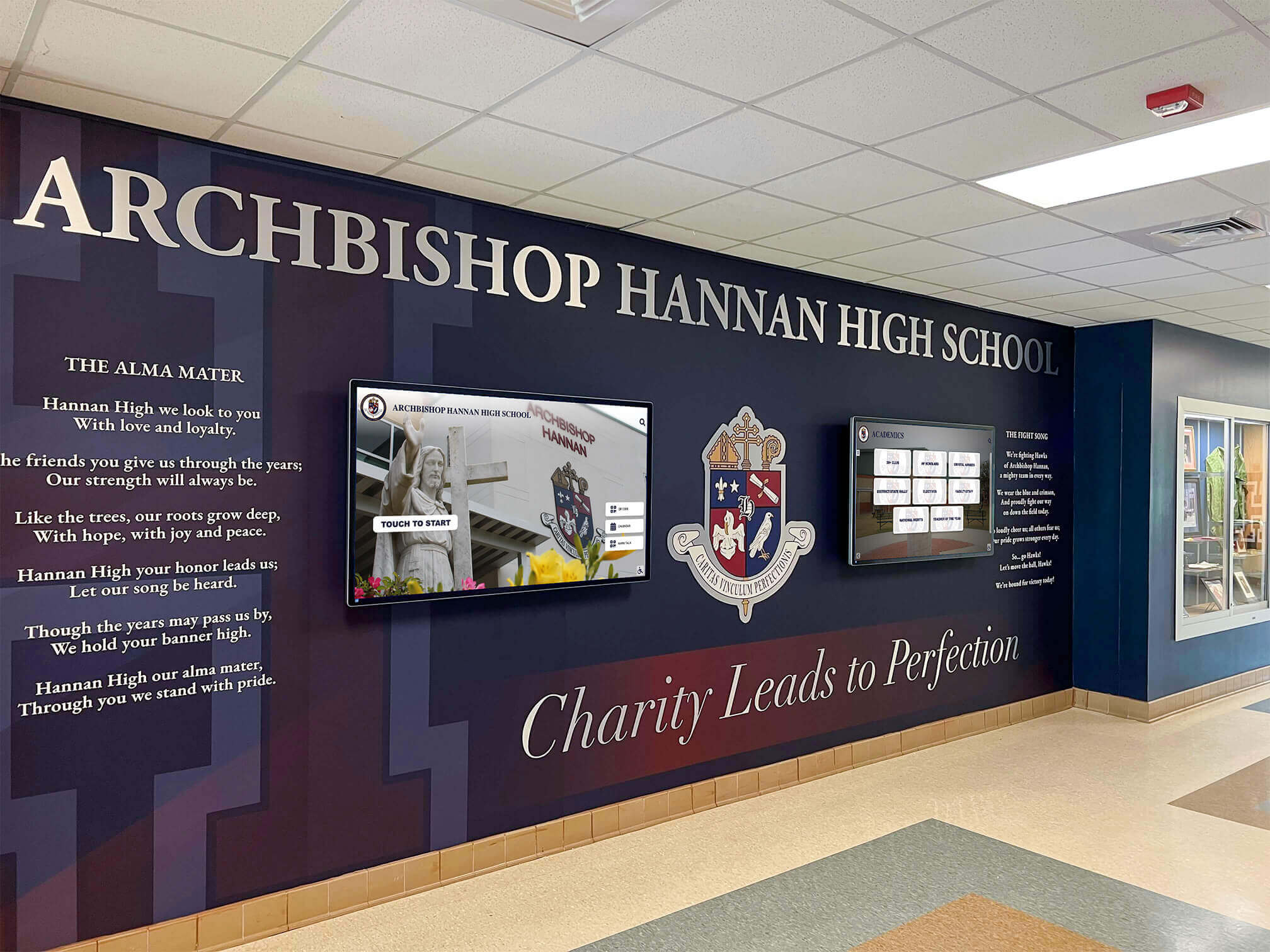
Prominent lobby installations create lasting graduate recognition beyond ceremony moments

Digital displays accommodate unlimited graduate profiles without space constraints
Preserving Graduation Memories
Beyond formal recognition, schools can help families preserve graduation memories:
Professional Photography and Videography: Many schools hire professional photographers and videographers capturing ceremony moments. Offering photos and video for purchase or providing digital access creates lasting keepsakes while generating revenue supporting future graduation expenses.
Livestreaming and Recording: Broadcasting ceremonies enables distant relatives, deployed military family members, or those unable to travel to participate virtually. Recording ceremonies creates archives families can revisit and share indefinitely.
Social Media Integration: Creating graduation hashtags, encouraging appropriate social sharing, and curating best photos for school social media channels extends celebration visibility while building institutional engagement.
Memory Books and Programs: Comprehensive ceremony programs documenting each graduate with photos and future plans become treasured keepsakes families preserve. Digital versions complement or replace printed programs while reducing costs and environmental impact.
For comprehensive approaches to celebrating graduates, explore senior recognition program ideas that honor achievement throughout senior year.
Common Graduation Ceremony Challenges and Solutions
Even well-planned ceremonies encounter predictable challenges. Anticipating issues enables proactive solutions maintaining positive experiences.
Managing Audience Behavior and Expectations
Challenge: Excessive celebration noise during diploma presentations—air horns, loud cheering, prolonged applause—makes hearing subsequent names difficult while extending ceremony duration.
Solutions: Clearly communicate expectations in programs and pre-ceremony announcements requesting families hold applause until all graduates in each section are recognized. Explain that this courtesy ensures every family hears their graduate’s name clearly. Designate post-ceremony celebration areas where families can cheer enthusiastically without disrupting ceremony. Consider playing background music between name groups, naturally reducing noise gaps.
Challenge: Unauthorized photography and videography interrupting ceremony flow—family members standing in aisles, using flash photography, or blocking sight lines.
Solutions: Clearly communicate photography policies in advance through pre-ceremony materials. Explain that professional photographers will capture ceremony moments available for purchase or viewing. Designate specific times and locations for family photos after ceremony. Position ushers to gently redirect attendees blocking aisles or sight lines.
Weather and Environmental Contingencies
Challenge: Unexpected weather forcing last-minute ceremony relocation or creating uncomfortable conditions.
Solutions: Monitor weather forecasts days in advance, communicating decisions about location changes with 24-48 hour notice when possible. Develop complete contingency plans including indoor backup venues, adjusted seating arrangements, and modified processional routes. For outdoor ceremonies proceeding despite heat, provide water stations, encourage light clothing, and shorten ceremony duration. Consider postponing rather than conducting ceremonies in dangerous weather conditions.
Challenge: Technical failures disrupting sound, lighting, or presentation elements.
Solutions: Conduct thorough technical rehearsals testing all equipment in actual ceremony configurations. Have backup batteries for wireless microphones, spare cables and adaptors, and backup power sources for critical equipment. Assign dedicated technical staff monitoring systems throughout ceremonies who can quickly address emerging issues.
Graduate Behavior and Expectations
Challenge: Graduates engaging in inappropriate behavior—throwing items, playing pranks, or disrupting ceremony solemnity.
Solutions: Communicate behavior expectations clearly during rehearsals, explaining that ceremonies honor not just individual graduates but entire community. Outline consequences for disruptive behavior (removal from ceremony, withholding diplomas temporarily). Most graduates respond positively to respectful expectations when clearly articulated. Position administrators strategically throughout graduate seating to provide subtle behavior management if needed.
Challenge: Graduate emotional overwhelm—nervousness, fainting, or unexpected reactions.
Solutions: Ensure adequate ventilation and comfortable temperatures. Have staff with water immediately available. Position medical personnel or trained staff ready to assist graduates who feel faint or overwhelmed. Brief graduates during rehearsals about what to do if they feel unwell—sit down, raise hand for assistance rather than trying to power through.

Interactive recognition systems create engaging graduate celebration experiences beyond traditional static displays
The Future of Graduation Ceremonies: Trends and Innovations
Graduation ceremonies continue evolving, incorporating new technologies and responding to changing family expectations and social norms.
Hybrid and Virtual Participation
COVID-19 accelerated adoption of virtual ceremony options that persist because they provide value beyond pandemic necessity:
Livestreaming Becomes Standard: Most schools now livestream graduations as expected service rather than special accommodation, enabling geographically distant relatives, military members, or those with health concerns to participate virtually. High-quality multi-camera productions with professional switching create compelling viewing experiences rivaling in-person attendance for those unable to travel.
Virtual Reality Exploration: Some institutions experiment with VR ceremony experiences enabling remote attendees to feel present in venue spaces through immersive technology. While early-stage, VR graduation attendance may become common option within decade.
On-Demand Ceremony Access: Recording ceremonies for on-demand viewing enables families to revisit moments, share with others, or watch sections they missed. Digital archives preserve ceremonies indefinitely, creating institutional historical records.
Personalization and Individual Recognition Technology
Technology enables personalization impossible in traditional graduation formats:
Personalized Video Presentations: Schools create individual graduate video profiles shown during ceremonies or available through digital platforms—featuring photos spanning school years, teacher messages, academic highlights, and personal messages. These rich profiles provide recognition depth that simple name announcement cannot match.
Augmented Reality Ceremony Enhancements: AR applications enable attendees to point phones at stage areas, viewing additional information about graduates, scholarship amounts, future plans, or achievement details impossible to announce comprehensively during ceremonies.
Interactive Graduate Displays: Permanent digital recognition installations complement ceremonies by providing comprehensive graduate information families explore before and after ceremonies at their own pace. These systems reduce pressure to fit all recognition into ceremony time constraints while creating lasting institutional archives.
Sustainability and Environmental Considerations
Environmental consciousness shapes graduation planning decisions:
Digital Program Alternatives: Schools increasingly offer digital programs accessed via QR codes or apps rather than printing thousands of paper programs. This reduces costs and environmental impact while enabling richer content including embedded videos, links to graduate profiles, or interactive elements impossible in printed formats.
Rental Regalia: Sustainable cap and gown rental programs reduce waste while cutting costs for families. High-quality rental products offer appearance equivalent to purchased regalia while preventing single-use purchases ending up in landfills.
Virtual Attendance Options: Livestreaming reduces carbon footprint associated with extensive family travel for ceremony attendance, particularly for families considering cross-country or international flights.
Digital Recognition Infrastructure: Permanent digital displays eliminate ongoing fabrication of plaques, physical composites, or other manufactured recognition elements requiring resources and producing waste.
Conclusion: Creating Meaningful Graduations That Honor Achievement
Understanding how long is a graduation ceremony involves more than simple time calculations—it requires balancing meaningful recognition, respectful acknowledgment of achievement, practical time constraints, and audience comfort to create celebrations that feel appropriately paced rather than rushed or interminable.
The ideal graduation ceremony duration depends on class size, institutional traditions, venue constraints, and community expectations. While most high school ceremonies run 75-120 minutes, success isn’t measured by clock time but by whether graduates, families, and community members experience meaningful celebration that appropriately honors milestone achievement without testing patience or creating physical discomfort.
Effective ceremony planning starts with realistic time targets, allocates minutes deliberately to each program element, rehearses thoroughly to verify actual pacing, and makes strategic compromises when desired programming exceeds reasonable duration limits. The best planners recognize that comprehensive recognition need not occur entirely during ceremony—permanent recognition installations, pre-graduation celebrations, and post-ceremony gatherings can distribute appreciation across multiple touchpoints rather than cramming everything into single event.
Modern technology transforms what’s possible in graduate recognition. Digital platforms enable schools to celebrate every graduate comprehensively through permanent installations accessible year-round, provide remote participation options including distant family members, create searchable historical archives preserving institutional memory across decades, and reduce pressure to fit all recognition into ceremony time constraints.
Create Lasting Graduate Recognition Beyond Ceremony Day
Discover how digital recognition solutions from Rocket Alumni Solutions help schools celebrate graduating classes year-round through interactive displays and web platforms that complement ceremony-day celebrations with comprehensive, permanent graduate recognition accessible to families worldwide.
Explore Graduate Recognition SolutionsWhether you’re planning your first graduation ceremony or refining approaches developed over decades, thoughtful attention to duration, pacing, and audience experience creates celebrations that graduates and families remember fondly as highlight moments appropriately honoring educational achievement. Every school’s ceremony should reflect its unique community character and institutional values—but all should share commitment to creating experiences that balance comprehensive recognition with respectful efficiency, ensuring graduates receive the celebration they’ve earned while families and community members can fully engage throughout.
Start planning early, communicate clearly with all stakeholders, rehearse thoroughly, remain flexible when unexpected challenges arise, and remember that graduation ceremonies exist to honor graduate achievement—let that purpose guide every decision ensuring time invested creates memories and recognition worthy of this significant educational milestone.































