Intent: Define the Complete Pathway to Athletic Director Success
Athletic directors shape the future of competitive sports programs, student-athlete development, and institutional athletic culture. They balance budgets exceeding millions of dollars, navigate complex NCAA or state athletic association regulations, manage diverse coaching staffs, ensure Title IX compliance, oversee facility maintenance and upgrades, coordinate transportation logistics, and serve as public faces representing their institutions’ athletic missions.
Yet the pathway to this influential leadership position remains surprisingly unclear to many aspiring sports administrators. Unlike coaching positions with visible role models and straightforward progression paths, athletic director careers require strategic navigation through education, certification, experience building, and relationship development that many candidates discover only through trial and error.
This comprehensive guide eliminates that uncertainty by mapping the complete journey to becoming an athletic director—from initial education decisions through mid-career positioning to final advancement into athletic leadership. Whether you’re a current teacher exploring administration, a coach considering the next step, or a college student planning your athletic administration career, you’ll discover actionable strategies for building credentials, gaining essential experience, and positioning yourself competitively for athletic director opportunities.
Throughout this guide, we’ll examine educational requirements, essential certifications, critical skill development, experience-building strategies, job search tactics, and career advancement approaches that successful athletic directors used to reach their positions. You’ll gain insights from actual career pathways while understanding how the role continues evolving in response to changing educational landscapes, technological advancement, and shifting societal expectations.

Modern athletic departments combine traditional leadership with technology-enhanced operations and recognition systems
Understanding the Athletic Director Role: Responsibilities and Expectations
Before pursuing any career, understanding what the position actually entails helps you assess fit and prepare appropriately.
Core Athletic Director Responsibilities
Athletic directors manage comprehensive sports programs requiring diverse capabilities:
Program Administration and Oversight
- Manage all athletic programs across multiple sports and competition levels
- Develop and monitor department budgets often exceeding $500,000 to several million dollars
- Ensure compliance with state, conference, and national athletic association regulations
- Coordinate scheduling for practices, competitions, facilities, and transportation
- Oversee equipment purchasing, inventory management, and maintenance
- Manage athletic facilities including gyms, fields, tracks, and training rooms
Personnel Management and Leadership
- Recruit, hire, supervise, and evaluate coaching staff across all sports programs
- Manage relationships with athletic trainers, maintenance staff, and support personnel
- Conduct performance evaluations and professional development for coaches
- Address personnel conflicts and disciplinary matters
- Build cohesive athletic department culture aligned with institutional mission
Student-Athlete Development
- Ensure student-athlete academic eligibility and support services
- Monitor student-athlete welfare, safety, and conduct
- Oversee athletic awards, recognition programs, and digital hall of fame displays
- Coordinate college athletic recruitment processes for high school programs
- Develop character education and life skills programming
- Address student-athlete behavioral issues and eligibility concerns

Athletic directors oversee comprehensive recognition programs celebrating student-athlete achievements
Compliance and Risk Management
- Ensure Title IX gender equity compliance across all athletic programs
- Maintain safety protocols, emergency action plans, and risk management procedures
- Manage insurance, liability concerns, and legal compliance
- Oversee eligibility verification and academic standards maintenance
- Coordinate health screening, concussion protocols, and injury documentation
- Ensure ADA accessibility and accommodation compliance
Community Relations and Communication
- Serve as primary spokesperson for athletic programs
- Manage relationships with booster organizations and athletic foundations
- Communicate with parents, students, staff, and community stakeholders
- Coordinate media relations and public information
- Organize athletic events, banquets, and recognition ceremonies
- Develop fundraising strategies and donor cultivation programs
Strategic Planning and Development
- Create long-term strategic plans for athletic program growth
- Assess facility needs and coordinate capital improvement projects
- Evaluate program effectiveness and implement improvement initiatives
- Stay current with athletic administration trends and best practices
- Integrate technology solutions like software products for athletic administrators
- Build programs creating collegiate experiences for high school athletes
Different Athletic Director Contexts
Athletic director roles vary significantly based on institutional level and context:
High School Athletic Directors
- Typically manage 15-25 varsity and sub-varsity teams
- Often maintain teaching responsibilities alongside administrative duties
- Navigate state high school athletic association regulations
- Balance competitive excellence with participation opportunities
- Budget ranges typically $300,000 to $2 million depending on school size
- Manage fewer full-time staff, relying heavily on part-time coaches
Small College/Division III Athletic Directors
- Oversee 15-25 intercollegiate sports programs
- Emphasize student-athlete experience and academic integration
- Manage department budgets typically $1-5 million
- Balance multiple administrative responsibilities beyond athletics
- Focus on regional competition and conference affiliations
- Navigate NCAA Division III philosophy and regulations
Large College/Division I Athletic Directors
- Lead comprehensive athletic departments with 20+ sports
- Manage significant budgets often exceeding $50-100 million at major programs
- Oversee large professional staff including assistant ADs, compliance officers, and fundraising teams
- Navigate complex NCAA Division I regulations and conference requirements
- Manage revenue-generating sports with significant media and donor scrutiny
- Serve as institutional leaders with high public visibility
Understanding these context differences helps you target appropriate career pathways matching your interests and capabilities.
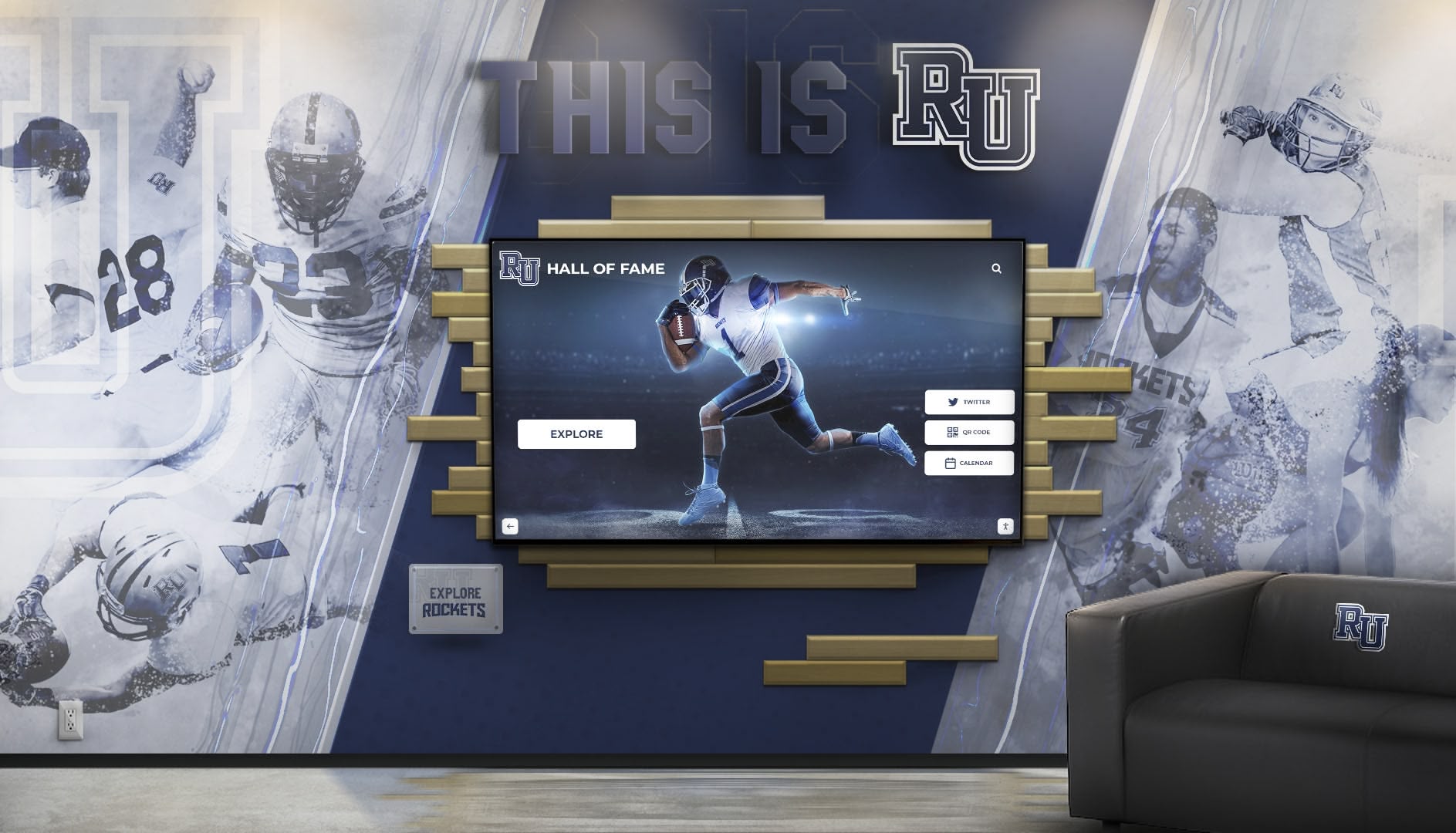
Athletic directors manage comprehensive facilities integrating traditional and digital recognition elements
Educational Requirements: Building Your Academic Foundation
Athletic director positions require specific educational credentials that qualify candidates for consideration.
Minimum Education Requirements
Most athletic director positions specify baseline educational qualifications:
High School Athletic Director Education
- Bachelor’s degree required (master’s preferred at larger schools)
- Teaching certification often required or strongly preferred
- Administrative certification or endorsement typically required
- Physical education background common but not always mandatory
- Some states require specific athletic administration coursework
College Athletic Director Education
- Master’s degree typically required (minimum bachelor’s)
- Doctorate preferred or required at Division I programs
- Sport administration, educational leadership, or business degrees most common
- Coaching certifications and licenses depending on position level
- Continuing education requirements for professional development
Recommended Degree Programs
Strategic degree selection creates competitive advantages:
Undergraduate Degree Options
Physical Education
- Provides teaching certification pathway
- Offers sport-specific knowledge foundation
- Enables coaching opportunities building experience
- Creates eligibility for many high school AD positions
Sport Management/Administration
- Directly aligned with athletic administration career goals
- Includes athletics-specific business courses
- Often includes internship requirements in athletic departments
- Provides networking opportunities in sport industry
Business Administration
- Builds financial management capabilities critical for budget oversight
- Develops organizational management skills
- Offers marketing knowledge useful for program promotion
- Provides broadly applicable business foundation
Education/Educational Leadership
- Creates teaching certification eligibility
- Builds understanding of educational institution operations
- Develops student development perspectives
- Enables administrative certification pathways
Graduate Degree Options
Master’s in Sport Administration/Management
- Most directly aligned degree for athletic director aspirations
- Comprehensive athletic department operations coverage
- Often includes practicum or internship requirements
- Strong program networking connecting to industry professionals
- Common programs include Ohio University, UMass Amherst, Texas, Florida, Oregon
Master’s in Educational Leadership/Administration
- Builds broader educational administration perspective
- Often includes principal certification as alternative pathway
- Develops understanding of institutional leadership
- Commonly required or preferred for high school ADs
- Creates opportunities for other educational leadership positions
MBA with Sport Management Emphasis
- Develops advanced business capabilities for complex department management
- Builds financial analysis, strategic planning, and marketing skills
- May be preferred for Division I positions with significant revenue management
- Provides versatile business degree with alternative career applications
Doctorate in Sport Administration or Educational Leadership
- Required or preferred for Division I programs
- Positions candidates for athletic director advancement at highest levels
- Develops research capabilities informing evidence-based practice
- Creates opportunities for faculty positions as alternative pathway
- Requires significant time investment (3-5 years beyond master’s)
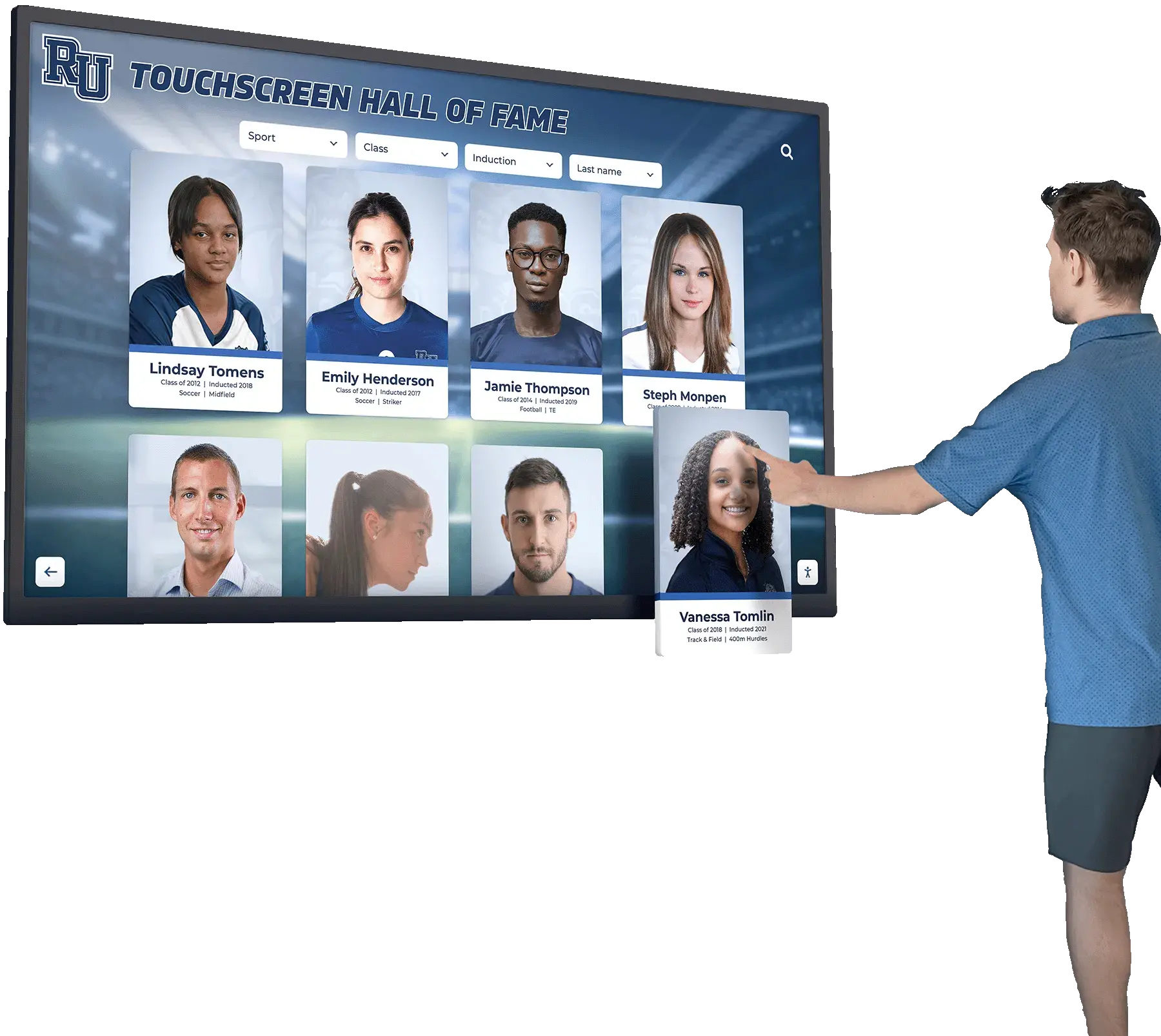
Modern athletic administrators leverage technology to enhance student-athlete recognition and program visibility
Strategic Education Planning
Maximize your educational investment through strategic planning:
Early Career Education Strategy
- Pursue undergraduate degree enabling coaching or teaching (physical education, sport management)
- Gain coaching certification during undergraduate years
- Complete internships in athletic departments at target institutional level
- Develop relationships with professors and professionals for networking and references
- Consider undergraduate athletic participation for insider perspective
Mid-Career Graduate Education
- Pursue master’s degree while gaining practical experience rather than consecutively
- Select programs offering evening, online, or summer formats accommodating work schedules
- Choose programs in geographic areas with strong athletic program job markets
- Prioritize programs with strong internship networks and industry connections
- Leverage graduate assistantship opportunities for financial support and experience
Advanced Career Doctorate Considerations
- Pursue doctorate only if targeting Division I positions or faculty roles
- Select programs with strong dissertation advisor networks in athletic administration
- Choose applied research topics addressing current athletic administration challenges
- Maintain full-time work when possible through online or limited residency programs
- Consider executive doctorate programs designed for working professionals
Essential Certifications and Professional Development
Beyond formal degrees, specific certifications and ongoing professional development strengthen qualifications and demonstrate commitment.
Athletic Administrator Certifications
Professional certifications validate expertise and signal dedication:
Certified Athletic Administrator (CAA)
The National Interscholastic Athletic Administrators Association (NIAAA) offers the most recognized high school athletic administration certification:
- Requires completion of Leadership Training Institute courses across multiple domains
- Demonstrates mastery of athletic administration competencies
- Often required or strongly preferred for high school AD positions
- Requires ongoing professional development to maintain certification
- Creates networking opportunities through NIAAA conferences and events
According to the NIAAA, the CAA credential requires completing courses in organizational management, educational sports leadership, interpersonal skills, facility management, legal responsibilities, and finance.
Registered Athletic Administrator (RAA)
Advanced NIAAA certification requiring:
- Prior CAA certification
- Specific years of athletic administration experience
- Additional advanced coursework
- Professional development requirements
- Positions holders as senior athletic administration leaders
State-Specific Athletic Administration Credentials
Many states require specific certifications or endorsements:
- Administrative licenses or certificates through state departments of education
- State athletic association certification programs
- Coaching education requirements specific to state regulations
- Professional administrator licenses enabling employment in public schools

Comprehensive athletic facilities integrate recognition and information displays throughout department spaces
College-Level Certifications
College athletic administrators pursue different credentials:
- Certified Athletic Administrator (CAA) through the National Association of Collegiate Directors of Athletics (NACDA)
- NCAA compliance certifications and continuing education
- Conference-specific training and certification programs
- Title IX coordinator certification
- Facility management certifications
Coaching Certifications
Coaching credentials strengthen athletic director qualifications:
Sport-Specific Coaching Licenses
- USA coaching licenses in specific sports (USA Football, USA Hockey, etc.)
- National Governing Body certifications demonstrating sport expertise
- Advanced coaching courses showing progressive development
- Coaching education through national coaching organizations
- Specialty certifications in strength training, sports medicine, or sport psychology
General Coaching Certifications
- First Aid, CPR, and AED certification (universally required)
- Concussion management and heads-up coaching programs
- NFHS coaching education courses
- Positive coaching alliance programs
- SafeSport training (required in many contexts)
Professional Development and Continuing Education
Ongoing learning demonstrates commitment and maintains current knowledge:
Professional Conference Attendance
- NIAAA annual conference and state association conferences
- NACDA annual convention for college administrators
- Conference-specific meetings and workshops
- Sport-specific administrator gatherings
- Title IX and compliance seminars
Online Professional Development
- NFHS Learning Center courses covering various athletic administration topics
- NCAA online education programs for college administrators
- Virtual webinars addressing current issues and trends
- State athletic association online learning requirements
- Leadership development programs from organizations like NIAAA and NACDA
Advanced Study and Specialization
- Certificate programs in sport law, Title IX compliance, or facility management
- Leadership development programs through professional organizations
- Executive education programs from universities
- Research engagement through journals and publications
- Graduate-level courses on emerging topics
Continuous professional development separates career-focused administrators from those content with minimal requirements.
Building Essential Skills and Competencies
Athletic director success requires developing specific capabilities beyond formal credentials.
Leadership and Personnel Management
Athletic directors must lead diverse groups effectively:
Team Building and Culture Development
- Creating unified athletic department culture across independent coaches and programs
- Building buy-in for department initiatives and institutional priorities
- Resolving conflicts between competitive programs over resources and recognition
- Developing shared vision connecting all programs to broader mission
- Celebrating successes while maintaining accountability for underperformance
Coaching Staff Management
- Providing constructive feedback and evaluation for coaches at all levels
- Managing difficult conversations about performance, conduct, or program concerns
- Developing coaching talent through mentorship and professional development
- Navigating personality differences and interpersonal conflicts
- Building coaching loyalty and longevity in competitive employment market
Delegation and Empowerment
- Identifying appropriate tasks for delegation versus personal handling
- Developing staff capabilities through progressive responsibility
- Trusting coaches and staff while maintaining accountability
- Creating systems enabling efficient operations without micromanagement
- Building assistant athletic director capacity for succession planning
Effective leaders create environments where coaches, athletes, and staff thrive while maintaining standards and accountability.

Modern athletic directors manage comprehensive recognition systems celebrating diverse student-athlete achievements
Financial Management and Budgeting
Athletic directors operate as chief financial officers for their departments:
Budget Development and Management
- Creating comprehensive department budgets projecting revenues and expenses
- Allocating limited resources fairly across programs with different needs
- Tracking expenditures and maintaining financial controls
- Adjusting budgets responding to revenue shortfalls or unexpected expenses
- Forecasting multi-year financial needs for strategic planning
Revenue Generation
- Developing fundraising strategies through booster organizations and foundations
- Creating sponsorship opportunities for local businesses
- Managing ticket sales, concessions, and athletic event revenues
- Pursuing grants and alternative funding sources
- Maximizing facility rental income and summer programming revenue
Cost Management
- Negotiating contracts for equipment, uniforms, transportation, and officials
- Identifying cost-saving opportunities without compromising program quality
- Managing personnel costs including coaching salaries and benefits
- Controlling facility operations and maintenance expenses
- Balancing program growth aspirations with budget realities
Financial acumen distinguishes successful athletic directors who grow programs sustainably from those who create unsustainable operations.
Communication and Public Relations
Athletic directors serve as public faces of athletic programs:
Stakeholder Communication
- Articulating athletic department vision and priorities to diverse audiences
- Managing parent communications about playing time, coaching decisions, and policies
- Reporting to superintendents, principals, or presidents about program performance
- Presenting to school boards, trustees, or institutional leadership
- Engaging with students about athletic participation and opportunities
Crisis Communication
- Responding appropriately to athletic program controversies or incidents
- Managing media inquiries about sensitive situations
- Communicating transparently while protecting privacy and institutional interests
- Coordinating with institutional leadership during crises
- Maintaining stakeholder confidence during challenging circumstances
Marketing and Promotion
- Developing compelling narratives about athletic program excellence and impact
- Leveraging social media and digital platforms for program visibility
- Creating engaging content showcasing student-athlete achievements
- Building community support and attendance at athletic events
- Establishing institutional athletic identity and brand
Strong communicators build support, navigate challenges effectively, and position athletic programs favorably.
Technology Integration and Digital Literacy
Modern athletic administration increasingly leverages technology:
Athletic Management Software
- Implementing and managing comprehensive platforms like FinalForms, DragonFly, or DASH
- Utilizing scheduling software coordinating complex athletic calendars
- Managing registration, eligibility, and documentation systems
- Tracking equipment inventory and maintenance
- Analyzing data informing program decisions
Digital Recognition and Engagement
- Implementing digital recognition displays celebrating student-athlete achievements
- Managing athletic department websites and social media presence
- Creating engaging multimedia content showcasing programs
- Utilizing best ways to showcase athletic achievement awards digitally
- Exploring replacing expensive gym banners with digital recognition
Data Management and Analytics
- Collecting and analyzing participation, performance, and demographic data
- Generating reports documenting program outcomes and impact
- Using data to inform budget allocation and program decisions
- Tracking compliance metrics and maintaining audit trails
- Assessing program effectiveness through evidence-based evaluation
Technology-competent athletic directors operate more efficiently while engaging modern audiences effectively.

Athletic directors oversee comprehensive branding and recognition throughout department facilities
Compliance and Legal Knowledge
Athletic directors navigate complex regulatory environments:
Title IX Compliance
- Understanding gender equity requirements across athletic programs
- Conducting regular Title IX audits and compliance assessments
- Ensuring equitable resource allocation, scheduling, facilities, and opportunities
- Responding appropriately to Title IX complaints or concerns
- Documenting compliance efforts and maintaining records
Athletic Association Regulations
- Mastering state high school athletic association rules
- Understanding NCAA, NAIA, or NJCAA regulations at college level
- Navigating eligibility requirements and transfer policies
- Ensuring recruiting compliance in college contexts
- Maintaining conference affiliation requirements
Risk Management and Liability
- Implementing safety protocols and emergency action plans
- Managing insurance coverage and liability concerns
- Addressing concussion protocols and return-to-play procedures
- Ensuring proper supervision and coaching certification
- Documenting incidents and maintaining appropriate records
Employment and Personnel Law
- Understanding coaching contracts, evaluation, and termination procedures
- Navigating union agreements where applicable
- Ensuring non-discrimination in hiring, evaluation, and programming
- Managing personnel conflicts appropriately
- Maintaining required documentation for personnel decisions
Legal competence protects institutions, student-athletes, and athletic directors themselves from liability.
Gaining Required Experience: Building Your Athletic Administration Resume
Theoretical knowledge alone doesn’t qualify candidates for athletic director positions. Strategic experience building proves essential.
Coaching Experience
Coaching provides credibility and athletic program understanding:
Beginning Coaching Roles
- Assistant coaching positions in target sport areas
- Volunteer coaching building experience while maintaining other employment
- Youth sport or club coaching developing foundational skills
- Summer camp coaching gaining exposure to program operations
- JV or freshman coaching preparing for varsity responsibilities
Head Coaching Progression
- Assistant varsity coaching learning from experienced head coaches
- JV or sub-varsity head coaching demonstrating leadership capabilities
- Varsity head coaching at smaller schools building program leadership experience
- Varsity head coaching at competitive programs demonstrating excellence
- Multi-sport coaching showing versatility and commitment
Successful head coaching experience at the varsity level provides strong foundation for athletic director candidacy, particularly at high school level.
Building Coaching Success Stories
- Documenting program growth under your leadership
- Highlighting competitive achievements and championships
- Showcasing student-athlete academic success and college placement
- Demonstrating community engagement and program visibility
- Collecting testimonials from athletes, parents, and administrators

Successful athletic directors create lasting recognition programs celebrating program history and achievement
Administrative Experience
Administrative roles develop essential non-coaching capabilities:
Assistant Athletic Director Positions
- Scheduling coordinator managing complex athletic calendars
- Compliance coordinator ensuring regulatory adherence
- Facilities coordinator overseeing facility operations and maintenance
- Business manager handling budgets and financial operations
- Student services coordinator supporting academic eligibility and welfare
Assistant athletic director roles provide invaluable preparation while demonstrating readiness for senior leadership.
Other Administrative Experiences
- Department chair roles showing leadership and management capability
- Dean of students or discipline coordinator positions
- Academic coordinator or intervention specialist roles
- Activities director or student life coordinator positions
- Grant coordinator or program development roles
Diverse administrative experience demonstrates versatility and broader institutional understanding.
Internship and Graduate Assistantship Experiences
Structured learning experiences accelerate development:
Athletic Department Internships
- Summer internships in athletic departments at target institutional level
- Academic year internships fitting around class schedules
- Conference office internships providing broader perspective
- Professional sports organization internships offering alternative viewpoints
- National governing body internships building sport-specific expertise
Graduate Assistantships
- Athletic department graduate assistantships providing tuition support and experience
- Specific sport program assistantships working directly with coaching staffs
- Athletic administration assistantships supporting athletic directors
- Compliance office assistantships developing regulatory expertise
- Marketing and communications assistantships building promotional skills
Strategic internship selection builds experience, creates networking opportunities, and demonstrates genuine interest in athletic administration career paths.
Volunteer and Supplemental Experience
Additional experiences strengthen candidacy:
Committee and Task Force Participation
- Serving on state athletic association committees
- Participating in conference athletic committees at college level
- Contributing to institutional athletics committees and task forces
- Volunteering for national organization committees and working groups
- Engaging in community sports organization boards
Event Management Experience
- Coordinating athletic tournaments and championship events
- Managing conference tournaments or playoff competitions
- Organizing athletic award ceremonies and recognition programs
- Directing fundraising events and athletic community gatherings
- Planning camps, clinics, or summer programming
Professional Association Involvement
- Active membership in NIAAA, NACDA, or state athletic administrator associations
- Presenting at professional conferences sharing expertise
- Serving in association leadership roles and committees
- Contributing to professional publications or research
- Mentoring aspiring athletic administrators
Comprehensive experience portfolios demonstrate commitment beyond minimum requirements while building essential networks.

Athletic directors implement comprehensive facility programs integrating traditional and digital recognition elements
The Athletic Director Job Search: Finding and Securing Positions
Systematic job search strategies improve your chances of securing desired positions.
Job Search Resources and Platforms
Athletic director positions appear through various channels:
General Education Job Boards
- EDJOIN (California public education positions)
- SchoolSpring (nationwide K-12 positions)
- State department of education job boards
- District and school websites posting local openings
- HigherEdJobs (college positions nationwide)
- ChronicleVitae (college positions particularly faculty-focused institutions)
Athletic Administration-Specific Resources
- NIAAA job board (high school athletic director positions)
- NACDA job board (college athletic director positions)
- Conference websites posting member institution openings
- State athletic association job postings
- Athletic administration focused LinkedIn groups and networks
Professional Networking
- NIAAA conference job fairs and networking events
- NACDA convention networking and informal job market
- State athletic administrator association gatherings
- Professional contacts sharing upcoming opportunities
- Graduate program alumni networks providing leads
Direct Institution Monitoring
- Regularly checking target institution employment pages
- Setting Google alerts for key position terms and institutions
- Following target institutions on LinkedIn for job postings
- Connecting with athletic directors at desired institutions
- Expressing interest proactively before openings occur
Many athletic director positions fill through networking and informal connections before public posting occurs.
Application Materials That Stand Out
Competitive applications require strategic development:
Resume/CV Strategy
- Emphasize athletic administration responsibilities beyond coaching
- Quantify achievements with specific metrics (budget size, team performance, student-athlete numbers)
- Highlight leadership progression showing career advancement
- Include relevant certifications prominently
- Customize resume emphasizing qualifications matching specific position requirements
Cover Letter Effectiveness
- Research institution thoroughly demonstrating genuine interest and institutional knowledge
- Address specific position requirements directly explaining your qualifications
- Share relevant success stories demonstrating capability
- Articulate athletic philosophy aligned with institutional mission and values
- Explain why this specific position fits your career goals and interests
Building Strong Reference Networks
- Maintain relationships with supervisors, colleagues, and mentors throughout career
- Request letters of recommendation proactively when leaving positions
- Provide references with position descriptions so they customize recommendations
- Include diverse references representing different perspectives (supervisor, colleague, subordinate)
- Prep references with talking points about your relevant qualifications
Creating Portfolio Materials
- Compile program handbooks, policy manuals, or strategic plans you developed
- Document budget management experience with sanitized financial documents
- Create presentation materials showing communication capabilities
- Include awards, recognitions, and achievement documentation
- Develop digital portfolio accessible through website or LinkedIn
Polished application materials reflect professionalism and attention to detail critical for administrative positions.
Interview Preparation and Performance
Interviews determine final hiring decisions:
Pre-Interview Research
- Study institutional history, mission, and values thoroughly
- Research current athletic program performance and challenges
- Understand community context and demographic characteristics
- Review recent news articles about institution and athletics
- Analyze publicly available athletic department documents
Anticipated Interview Questions
Leadership and Management
- “Describe your leadership philosophy and how you would build department culture.”
- “How would you evaluate coaching staff and address underperformance?”
- “How do you handle conflicts between coaches over resources or recognition?”
Financial Management
- “Describe your budget management experience and fiscal philosophy.”
- “How would you approach fundraising and revenue generation?”
- “How do you prioritize resource allocation across diverse programs?”
Student-Athlete Focus
- “How do you balance competitive excellence with broader participation opportunities?”
- “What role should athletics play in overall student development?”
- “How would you address student-athlete academic struggles?”
Compliance and Legal
- “How do you ensure Title IX compliance across athletic programs?”
- “Describe your approach to risk management and safety protocols.”
- “How would you handle a potential athletic association violation?”
Vision and Strategy
- “What is your vision for our athletic program in five years?”
- “What would be your priorities in the first year?”
- “How would you address our program’s specific challenges?” (based on research)
Preparing Thoughtful Questions
Ask questions demonstrating strategic thinking and genuine interest:
- “What are the athletic department’s greatest strengths and areas for growth?”
- “How does the institution balance competitive success with participation opportunities?”
- “What are the administration’s expectations for the athletic director in the first year?”
- “How does the athletic department integrate with broader institutional priorities?”
- “What resources or support does the institution provide for professional development?”
Post-Interview Follow-Up
- Send prompt thank-you notes to all interview participants
- Reiterate specific interest in position and institution
- Reference memorable interview moments demonstrating engagement
- Provide any requested additional materials promptly
- Maintain professional correspondence until hiring decision announced
Strong interview performance distinguishes equally qualified candidates.
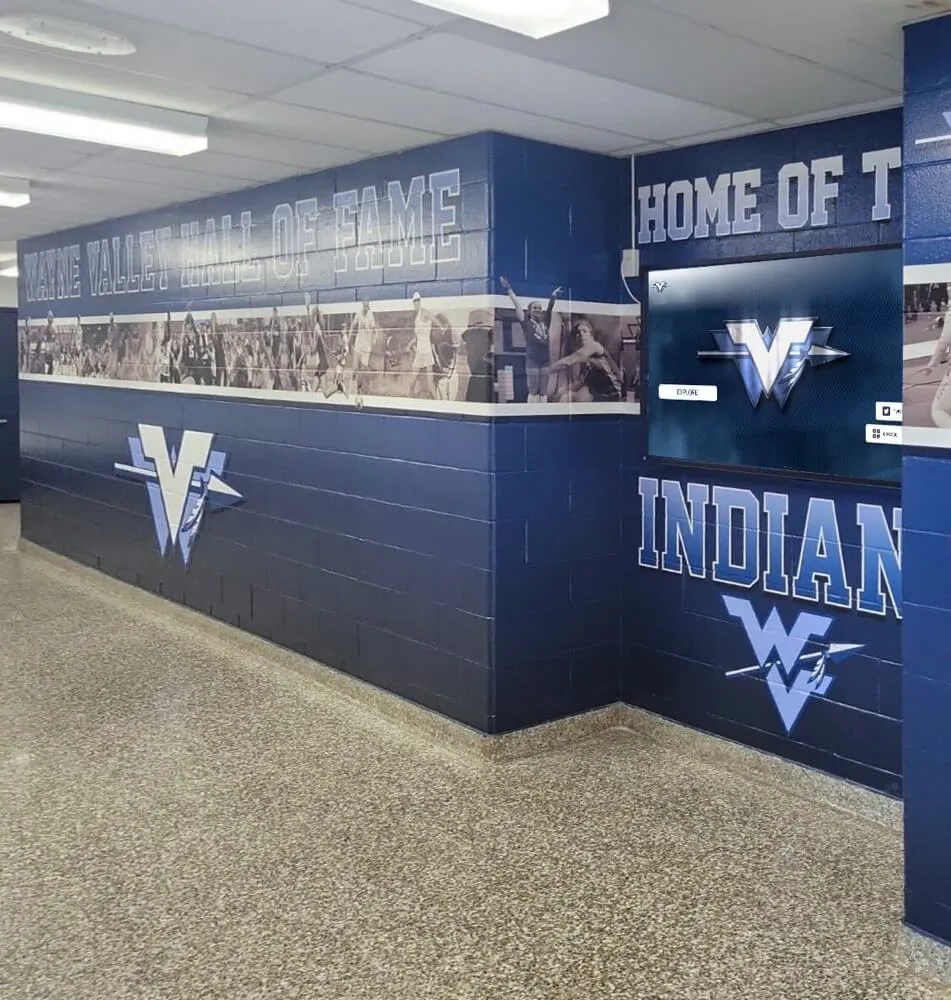
Athletic directors create comprehensive recognition programs celebrating institutional athletic tradition and excellence
Career Advancement: Growing as an Athletic Director
Athletic director career progression continues beyond initial placement.
First-Year Success Strategies
Starting strong establishes positive trajectories:
Assessment and Listening
- Spend initial months learning institutional culture and operations
- Meet individually with all coaches, staff, and key stakeholders
- Identify program strengths, challenges, and immediate needs
- Understand informal power structures and decision-making processes
- Observe rather than immediately implementing changes
Building Relationships
- Establish trust with coaching staff through support and accessibility
- Develop positive rapport with institutional leadership
- Connect with parent booster organizations and community stakeholders
- Build collaborative relationships with facilities, transportation, and support services
- Engage students through visibility at athletic events and campus presence
Quick Wins and Immediate Improvements
- Address obvious problems or inefficiencies requiring immediate attention
- Improve communication systems and information flow
- Enhance recognition and celebration of program achievements through state championship displays
- Implement simple improvements showing responsiveness and initiative
- Celebrate successes and acknowledge staff contributions
Strategic Planning
- Develop comprehensive assessment of department status
- Identify priority areas for development and improvement
- Create realistic timelines for major initiatives
- Align athletic department goals with broader institutional priorities
- Communicate vision and direction to all stakeholders
Successful first years build credibility enabling more significant later initiatives.
Professional Development and Growth
Continuing development sustains effectiveness:
Ongoing Learning
- Maintain active involvement in professional associations
- Pursue additional certifications and advanced degrees strategically
- Attend conferences and workshops regularly
- Stay current with athletic administration trends and research
- Engage professional networks sharing challenges and solutions
Skill Development
- Identify areas requiring growth and pursue targeted development
- Seek mentorship from experienced athletic directors
- Take on challenging projects building new capabilities
- Pursue leadership training and executive coaching when available
- Expand expertise beyond comfort zones
Thought Leadership
- Present at conferences sharing successful initiatives
- Publish articles in professional publications
- Serve on professional association committees and boards
- Mentor aspiring athletic directors
- Contribute to advancing athletic administration profession
Career Progression Pathways
Athletic director careers advance through various routes:
Vertical Advancement
- Progress from small school athletic director to larger school positions
- Move from Division III to Division II to Division I at college level
- Advance from assistant athletic director to athletic director roles
- Progress from athletic director to associate or senior athletic director at large programs
- Transition to conference commissioner or athletic association leadership
Lateral Opportunities
- Move to athletic director positions at more desirable institutions
- Transition between high school and college levels
- Shift between public and private institutions
- Relocate to different geographic regions
- Change institutional contexts (urban to suburban to rural)
Alternative Career Paths
- Professional sports organization administration
- National governing body leadership
- Athletic equipment or service company positions
- Consulting supporting athletic programs and administrators
- Faculty positions in sport management programs
Entrepreneurial Paths
- Athletic consulting businesses supporting schools and athletic directors
- Athletic program development services
- Athletic technology startup ventures
- Athletic event management companies
- Coaching education and development services
Athletic director experience creates diverse opportunities within and beyond traditional educational athletics.
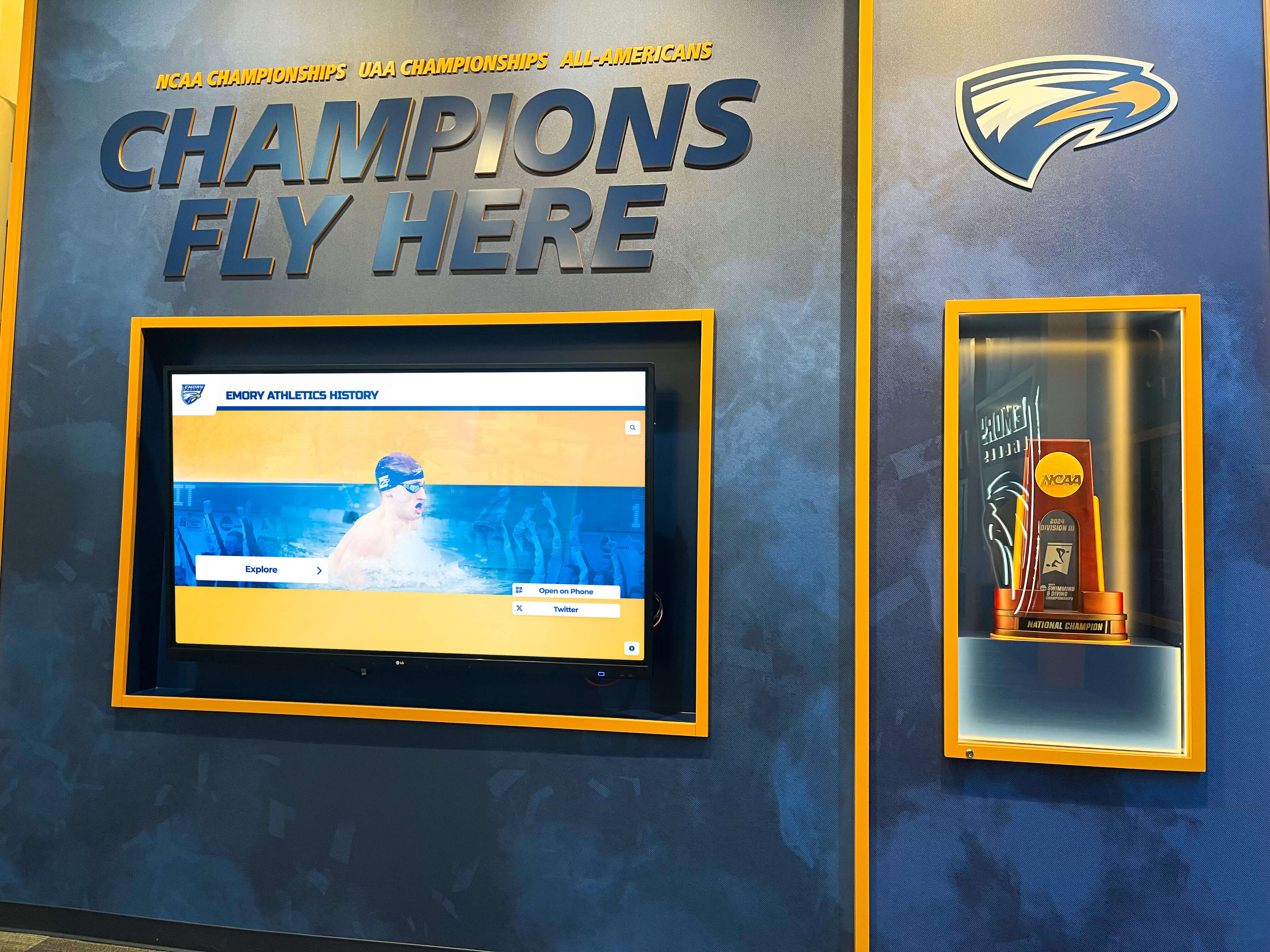
Successful athletic directors lead programs celebrating excellence and inspiring continued achievement
Challenges and Realities of Athletic Director Careers
Understanding potential challenges enables realistic preparation.
Work-Life Balance Challenges
Athletic director positions demand significant time:
Extended Work Hours
- Evening and weekend athletic events requiring attendance
- Emergency situations demanding immediate response
- Seasonal intensity during championship periods
- Facility issues and operational problems occurring after hours
- Parent meetings and community events outside regular schedules
Managing Burnout
- Establishing boundaries despite external pressures
- Delegating responsibilities to coaching staff and assistants
- Prioritizing self-care and personal relationships
- Taking vacation time despite program demands
- Maintaining perspective about role and responsibilities
Financial and Resource Constraints
Limited resources create ongoing challenges:
Budget Limitations
- Allocating inadequate resources across too many programs
- Managing coach frustration about budget constraints
- Saying no to legitimate program needs
- Identifying creative alternatives and cost-saving measures
- Balancing competitive aspirations with budget realities
Facility Challenges
- Maintaining aging facilities with limited maintenance budgets
- Scheduling conflicts over inadequate space
- Safety concerns about substandard facilities
- Capital campaign planning for major improvements
- Competing with other institutional priorities for facility investment
Political and Interpersonal Challenges
Athletic directors navigate complex relationships:
Parent Management
- Addressing playing time complaints and coaching concerns
- Managing unrealistic expectations about child’s abilities
- Responding to criticism on social media and in community
- Balancing parent satisfaction with coaching autonomy
- Maintaining professional boundaries in emotional situations
Institutional Politics
- Competing for resources and institutional attention
- Defending athletic budget against cuts during financial constraints
- Managing institutional leaders with limited athletic understanding
- Balancing athletic priorities with broader institutional missions
- Navigating competing stakeholder interests and demands
Coaching Staff Management
- Addressing underperforming coaches with loyal constituencies
- Managing interpersonal conflicts between competitive coaches
- Terminating coaches when necessary despite personal relationships
- Building coaching buy-in for unpopular policies or decisions
- Maintaining morale during challenging circumstances
These challenges require resilience, political acumen, and thick skin.
Modern Trends Shaping Athletic Director Roles
Understanding emerging trends helps aspiring athletic directors prepare for future demands.
Technology Integration
Technology increasingly transforms athletic administration:
Digital Operations
- Cloud-based management systems replacing paper-based processes
- Mobile apps enabling coach communication and parent engagement
- Video analysis platforms supporting coaching development
- Data analytics informing program evaluation and decision-making
- Online registration and payment systems streamlining operations
Recognition and Engagement Technology
- Interactive digital displays replacing static trophy cases
- Social media platforms amplifying program visibility
- Virtual tours showcasing facilities to prospective student-athletes
- Live streaming making athletic events accessible beyond attendees
- QR codes and augmented reality enhancing fan experiences
Social and Cultural Awareness
Contemporary athletic directors address broader social issues:
Equity and Inclusion
- Title IX compliance ensuring gender equity
- Programs supporting LGBTQ+ student-athlete inclusion
- Addressing racial equity in coaching opportunities and leadership
- Ensuring accessibility for students with disabilities
- Creating welcoming environments for diverse student populations
Student-Athlete Mental Health
- Providing mental health resources and support services
- Training coaches to recognize mental health concerns
- Reducing stigma around seeking help
- Balancing competitive demands with student wellbeing
- Coordinating with counseling services and mental health professionals
Name, Image, and Likeness (NIL) at College Level
- Understanding evolving NIL regulations and compliance requirements
- Supporting student-athletes navigating NIL opportunities
- Managing institutional relationships with collectives and sponsors
- Educating student-athletes about financial literacy and decision-making
- Balancing NIL with traditional amateur athletics models
Changing Educational Landscape
Broader educational trends impact athletic programs:
Enrollment Challenges
- Declining student populations reducing participation
- Competition from club sports and alternative athletic opportunities
- Merging athletic programs between schools
- Reducing team offerings due to insufficient participation
- Creative programming sustaining programs despite smaller populations
Budget Constraints
- Persistent budget cuts requiring creative resource management
- Increasing reliance on fundraising and community support
- Program reductions and sport eliminations
- Pressure to generate revenue through athletic programs
- Efficiency improvements through technology and process optimization
Alternative Education Models
- Charter school athletic program development
- Online school student athletic participation questions
- Homeschool athletic eligibility and inclusion
- Alternative credential program athletic participation
- Virtual competition formats and esports integration
Athletic directors must adapt to changing environments while maintaining program quality and opportunities.

Modern athletic directors leverage technology to create engaging recognition experiences celebrating student-athlete achievement
Conclusion: Your Pathway to Athletic Director Success
Athletic director careers offer rewarding opportunities to shape student-athlete experiences, build competitive programs, and serve educational institutions in visible leadership capacities. The position requires diverse capabilities—educational credentials, coaching experience, administrative skills, financial acumen, communication prowess, legal knowledge, and technological competence—developed progressively throughout strategic career pathways.
Success begins with understanding the role realistically, recognizing both its rewards and challenges. Aspiring athletic directors should pursue appropriate education—typically physical education, sport management, or educational leadership degrees at undergraduate level, followed by master’s degrees in sport administration, educational leadership, or business administration. Essential certifications, particularly CAA credentials for high school positions, demonstrate professional commitment while building required knowledge.
Experience building proves critical. Coaching provides credibility and program understanding, while administrative roles develop management capabilities. Strategic progression through assistant coaching, head coaching, and administrative positions creates comprehensive qualifications positioning candidates competitively. Internships, graduate assistantships, and volunteer experiences accelerate development while building essential networks.
Modern athletic directors must embrace technology transforming program operations and student-athlete engagement. Solutions like Rocket Alumni Solutions provide innovative platforms for recognizing student-athlete achievement through interactive digital displays, replacing static trophy cases with engaging touchscreen experiences showcasing unlimited athletes across all sports. These technologies enable athletic directors to celebrate accomplishments more comprehensively while creating modern recognition experiences students and communities appreciate.
Enhance Your Athletic Program With Modern Recognition Technology
Discover how digital recognition displays can transform your athletic program by celebrating every student-athlete achievement while creating engaging experiences that build school pride and community support. Explore comprehensive solutions designed specifically for athletic directors seeking to modernize their recognition programs.
Explore Athletic Recognition SolutionsThe athletic director career pathway requires patience, persistence, and strategic planning. Few candidates secure ideal positions immediately. Most progress through multiple positions, geographic relocations, and gradual advancement over decades-long careers. Continuous professional development, networking, and genuine commitment to student-athlete welfare distinguish successful athletic directors who advance to increasingly significant positions from those who stagnate.
Challenges persist throughout athletic director careers—long hours, difficult personnel decisions, parent complaints, budget constraints, political navigation, and high-stress situations. Yet the opportunity to positively impact hundreds of student-athletes annually, build competitive programs representing institutional excellence, develop coaching talent, and serve educational communities in meaningful leadership capacities provides profound professional satisfaction.
If you possess genuine passion for athletics, commitment to student development, leadership capabilities, willingness to work extremely hard, and thick skin to weather inevitable criticism, athletic director careers offer remarkable opportunities. Begin today by pursuing appropriate education, seeking coaching opportunities, volunteering in athletic administration contexts, and building relationships with athletic directors who can mentor your development.
The pathway exists. Your commitment, strategic planning, and persistent effort determine whether you successfully navigate it toward athletic director leadership positions where you’ll shape athletic programs and student-athlete experiences for years to come.































