Becoming an athletic director means stepping into one of the most dynamic and rewarding leadership positions in education. Athletic directors shape student-athlete experiences, build championship programs, manage multimillion-dollar budgets, and serve as the public face of their institution’s athletic mission. If you’ve ever watched from the coaching sidelines or worked in school administration and thought about advancing to this influential role, you’re considering a career path that combines educational leadership, business management, and genuine impact on young people’s lives.
The journey to an athletic director position requires deliberate preparation—specific educational credentials, progressive professional experience, specialized certifications, and a diverse skill set that few other positions demand. Unlike coaching roles where sport-specific expertise dominates, or teaching positions where subject mastery matters most, athletic directors must blend legal compliance knowledge with financial acumen, facility management with public relations, and strategic vision with operational execution.
This comprehensive guide maps the complete pathway to becoming an athletic director, from initial education through career progression, certification requirements, essential competencies, salary expectations, and practical steps you can take today to position yourself for these competitive leadership roles.
Understanding the Athletic Director Role
Before charting your path toward becoming an athletic director, understanding what the role actually entails helps you assess fit and identify preparation gaps.
Athletic directors serve as chief executives of school or university athletic departments. At high schools, they typically oversee 12-20 varsity sports programs while managing budgets ranging from $200,000 to $2 million. At colleges and universities, responsibilities expand to 15-30+ sports with budgets from $2 million at small Division III schools to $200 million+ at major Division I institutions.
Core Responsibilities
Program Management: Athletic directors oversee all competitive sports programs, coordinating schedules, managing competitive calendars, evaluating program effectiveness, and making strategic decisions about program additions or discontinuations.
Budget Administration: Developing annual budgets, allocating resources across programs, monitoring expenditures, generating revenue through fundraising and sponsorships, and providing financial accountability to stakeholders.
Staff Leadership: Recruiting and hiring coaching staff, conducting performance evaluations, providing professional development, addressing personnel issues, and building cohesive departmental culture.
Compliance and Risk Management: Ensuring adherence to governing body rules, maintaining Title IX gender equity compliance, implementing safety protocols, managing liability concerns, and navigating complex legal requirements.
Facility Oversight: Managing athletic facilities, coordinating maintenance and improvements, scheduling facility use, planning capital projects, and implementing recognition systems that celebrate athletic achievement.
Community Relations: Serving as department spokesperson, coordinating with media, engaging booster clubs and community supporters, managing parent communications, and representing athletics to administration.
For a detailed breakdown of daily responsibilities, see our comprehensive guide to athletic director duties and program management.

Educational Requirements: Building Your Foundation
Nearly all athletic director positions require specific educational credentials that provide foundational knowledge for the role’s demands.
Bachelor’s Degree Requirements
Your undergraduate education establishes baseline qualifications and shapes your career trajectory:
Common Undergraduate Majors for Future Athletic Directors
- Physical Education: Traditional pathway providing sport pedagogy, exercise science, and teaching certification
- Kinesiology: Science-based approach covering biomechanics, physiology, and human movement
- Sport Management: Business-focused preparation addressing administration, marketing, and facility management
- Education: General education degree with coaching or athletic emphasis
- Business Administration: Management foundation applicable to athletic department operations
Most states require athletic directors at public schools to hold teaching certification, making education-related bachelor’s degrees particularly valuable. Even at institutions not requiring teaching credentials, education backgrounds provide understanding of the academic environments within which athletic programs operate.
Undergraduate Preparation Strategies
While completing your bachelor’s degree:
- Seek coaching opportunities: Volunteer or assistant coaching positions build sport knowledge and program management experience
- Pursue leadership roles: Captain positions, student-athlete advisory committees, or intramural coordination demonstrate leadership capacity
- Complete internships: Athletic department internships provide exposure to administrative operations
- Build business competencies: Take coursework in accounting, management, marketing, and organizational behavior
- Develop communication skills: Practice public speaking, writing, and interpersonal communication essential to athletic administration
Master’s Degree: The Standard Credential
Master’s degrees have become standard requirements for athletic director positions at most institutions. Some larger districts or universities won’t consider candidates without advanced degrees.
Relevant Master’s Programs
- Educational Leadership/Administration: Comprehensive preparation for school leadership roles including athletic administration
- Sport Administration/Management: Specialized focus on athletic department operations, finance, marketing, and governance
- Athletic Administration: Targeted preparation specifically for athletic director roles
- Business Administration (MBA): Business management emphasis applicable to larger athletic departments
- Sport Management: Similar to sport administration with possible research or academic focus
What to Look for in Master’s Programs
Quality athletic administration master’s programs should include:
- Financial management: Budgeting, revenue generation, financial reporting, and resource allocation
- Personnel administration: Hiring processes, performance evaluation, labor relations, and staff development
- Legal foundations: Sport law, Title IX compliance, liability management, and risk assessment
- Facility planning: Design principles, project management, and operations oversight
- Governance structures: Understanding state associations, conferences, and governing body relationships
- Practicum experiences: Supervised fieldwork in athletic department settings
Many programs offer online or hybrid formats accommodating working professionals, making advanced degrees more accessible without leaving current positions.

Doctoral Degrees: Optional but Advantageous
Doctoral degrees aren’t typically required for athletic director positions but can provide advantages for specific career paths:
When Doctoral Degrees Make Sense
- Pursuing athletic director roles at major Division I universities
- Planning to advance to conference commissioner or national association leadership
- Intending to teach in higher education sport management programs while serving as AD
- Seeking competitive edge in highly competitive job markets
- Genuine interest in research related to athletic administration
Relevant Doctoral Programs
- Ed.D. in Educational Leadership with sport administration emphasis
- Ph.D. in Sport Management or Kinesiology
- Ed.D. in Higher Education Administration
Doctoral programs represent significant time and financial investments (typically 3-5 years beyond master’s). Carefully consider whether career aspirations justify this commitment.
Required Certifications and Credentials
Beyond formal degrees, specific certifications validate your preparation and often serve as prerequisites for employment.
State Athletic Administrator Certification
Most states require athletic directors at public schools to complete state-specific administrator certification programs.
Typical State Certification Requirements
- Completion of approved training program (40-120 hours depending on state)
- Coverage of eligibility rules, compliance requirements, and state association policies
- Understanding of Title IX, risk management, and legal responsibilities
- Examination demonstrating knowledge of governing body rules
- Continuing education to maintain certification (typically 10-20 hours annually)
Contact your state high school athletic/activities association to determine specific requirements in your state.
National Certification Programs
Several national organizations offer certification programs adding credibility beyond state requirements:
Certified Athletic Administrator (CAA)
- Offered by National Interscholastic Athletic Administrators Association (NIAAA)
- Requires completion of leadership training courses covering administration, management, and professional development
- Five-level certification system from LTC Course 500 through CAA
- Recognized nationwide as standard of professional preparation
Certified Master Athletic Administrator (CMAA)
- Advanced certification beyond CAA demonstrating extensive experience and professional development
- Requires CAA certification plus additional training and years of service
- Represents highest professional credential in high school athletic administration
Collegiate Athletic Administrator Certifications
- National Association of Collegiate Directors of Athletics (NACDA) offers professional development programs
- Conference-specific administrator training and certification programs
These certifications demonstrate commitment to professional excellence and provide valuable networking opportunities with fellow athletic administrators.
Teaching Certification
Many public school athletic director positions require valid teaching licenses:
Teaching Certification Considerations
- Required in most states for high school athletic director positions
- Demonstrates understanding of educational environments and student development
- Often prerequisite for educational leadership/principal certification
- May allow athletic directors to teach classes in addition to administrative duties
- Not typically required for private schools or collegiate positions
Investigate requirements in your target geographic area and institutional type.
Career Progression Pathway
Athletic directors rarely move directly from teaching or coaching into these leadership roles. Most follow progressive career paths that build relevant experience and demonstrate administrative capabilities.
Entry-Level Positions
Your journey typically begins with roles that provide foundational experience:
Head Coaching Positions
- Develop program management skills including scheduling, budgeting, parent communication, and facility coordination
- Build credibility within athletic community and demonstrate leadership capacity
- Understand student-athlete development and competitive program operations
- Create track record of success providing evidence of effective leadership
- Average timeline: 3-7 years before advancing to administrative roles
Many athletic directors served as successful head coaches before transitioning to administration. Coaching provides sport-specific knowledge, program building experience, and direct understanding of challenges coaches face—valuable perspective when supervising coaching staff.
Assistant Athletic Director Roles
- Assume specific administrative responsibilities like eligibility tracking, scheduling, event management, or compliance coordination
- Learn departmental operations while receiving mentorship from experienced athletic director
- Gain administrative experience without full responsibility of leadership position
- Build competencies in areas like budget management, policy implementation, and stakeholder communication
- Average timeline: 2-5 years before advancing to athletic director positions
Assistant AD positions provide ideal training grounds, allowing you to develop administrative skills while learning from experienced leaders.
Activities Director or Dean of Students
- Manage broader co-curricular programs beyond athletics
- Develop student management, event coordination, and administrative competencies
- Demonstrate organizational capacity applicable to athletic administration
- Build relationships with school leadership and community stakeholders
Mid-Career Advancement
After establishing foundational experience, strategic moves position you for athletic director opportunities:
Athletic Director at Smaller Institution
- Initial AD positions often occur at smaller schools with less complex programs
- Provides opportunity to demonstrate leadership effectiveness with manageable scope
- Builds comprehensive administrative experience across all AD responsibilities
- Creates track record of success opening doors to larger opportunities
- Typical progression: Start at Class A/1A school, advance to larger classifications
Department Coordinator or Sport Administrator Roles
- At larger collegiate programs, oversee specific sport groupings or administrative functions
- Manage senior woman administrator responsibilities, compliance, facilities, or external operations
- Build specialized expertise while demonstrating leadership capacity
- Position for advancement to deputy/senior associate AD or athletic director roles
Professional Development and Visibility
- Present at state and national conferences sharing successful initiatives
- Serve on state association committees or governing body task forces
- Publish articles in professional journals about administrative innovations
- Network actively through professional organization involvement
Many successful athletic directors intentionally build professional visibility, establishing reputations extending beyond their current institutions.
Senior Leadership Positions
Experienced athletic directors may advance to increasingly prestigious positions:
Athletic Director at Larger Institutions
- Progress from smaller to larger schools or from Division III to Division II/I
- Each advancement brings greater complexity, larger budgets, and higher profiles
- Success at each level creates opportunities for next advancement
- Top Division I positions can culminate careers or lead to conference leadership
Conference Commissioner or Association Leadership
- Oversight of multiple institutions through conference governance
- Policy development, championship management, and institutional coordination
- Requires extensive experience, strong reputation, and broad professional network
Senior Associate or Deputy AD at Major Program
- Executive-level leadership at prestigious institutions
- Oversight of significant departmental portfolios with substantial budgets and staff
- Alternative to primary AD role maintaining substantial influence and compensation
Essential Skills and Competencies
Successful athletic directors possess diverse skill sets spanning leadership, management, communication, and technical knowledge.
Leadership Skills
Strategic Vision: Ability to establish long-term direction, define departmental mission, and mobilize stakeholders toward shared goals. Athletic directors must see beyond current operations to chart courses positioning programs for sustained success.
Decision-Making Under Pressure: Athletic directors constantly face decisions requiring quick judgment with incomplete information—hiring choices, disciplinary actions, competitive scheduling, budget allocations. Strong decision-makers gather available information efficiently, consult appropriate stakeholders, and commit to choices even when no perfect option exists.
Change Management: Successfully implementing new policies, transitioning coaching staff, adopting new technologies, or responding to budget constraints requires skillfully guiding organizations through change while maintaining morale and productivity.
Team Building: Creating cohesive coaching staffs who collaborate rather than compete, establishing shared expectations, and fostering departmental culture where staff feel valued and motivated.
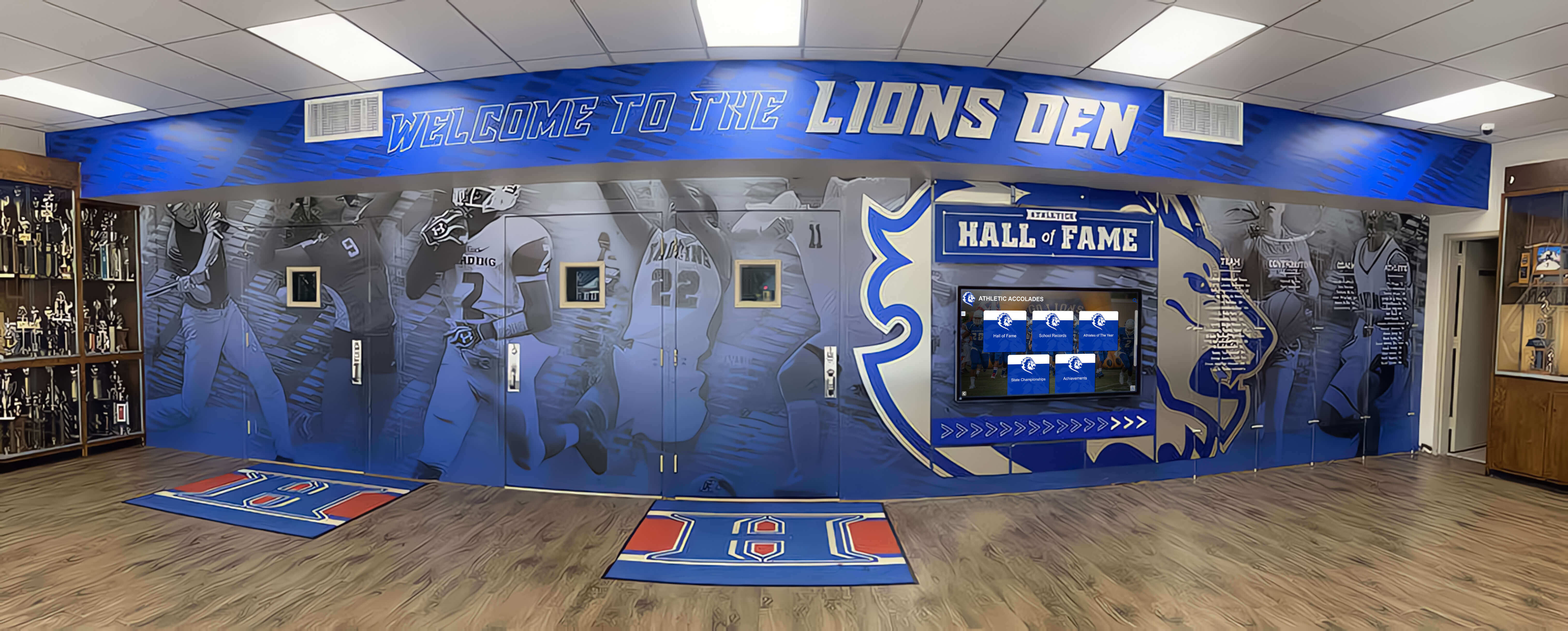
Modern athletic directors also manage comprehensive recognition programs, implementing digital hall of fame systems that celebrate achievements while engaging communities.
Management Competencies
Financial Management: Developing budgets, monitoring expenditures, forecasting revenue, controlling costs, and providing financial accountability. Athletic directors must understand financial statements, budget variance analysis, and resource allocation strategies.
Personnel Administration: Recruiting and evaluating staff, conducting performance reviews, addressing personnel issues, and managing compensation within collective bargaining constraints. Effective personnel management directly impacts program quality and departmental culture.
Project Management: Coordinating complex initiatives like facility renovations, championship hosting, or technology implementations involving multiple stakeholders, sequential steps, and competing timelines.
Time Management: Balancing numerous competing demands—scheduled meetings, unexpected crises, email communication, observation responsibilities, and strategic planning—requires disciplined prioritization and efficient systems.
Communication Abilities
Public Speaking: Athletic directors regularly address diverse audiences—booster clubs, school boards, media, coaching staffs, student-athletes. Comfortable, confident public speaking allows effective communication of vision, explanation of decisions, and inspiration of stakeholders.
Written Communication: Crafting policy documents, composing budget proposals, responding to complaints, writing to media, and preparing reports requires clear, concise, professional writing.
Media Relations: Serving as department spokesperson, providing information to journalists, managing credential requests, and representing programs publicly demands comfort with media interaction and message discipline.
Conflict Resolution: Mediating coach-parent disputes, addressing player complaints, resolving staff disagreements, and managing community concerns requires active listening, empathy, and problem-solving creativity.

Technical Knowledge
Regulatory Compliance: Understanding Title IX gender equity requirements, state athletic association rules, conference policies, and federal regulations affecting athletic programs. Compliance mistakes can create legal liability and reputational damage.
Technology Competency: Implementing athletic management software, maintaining websites, utilizing scheduling platforms, managing online registration systems, and leveraging data analytics for decision-making.
Facility Knowledge: Understanding playing surface standards, equipment specifications, safety requirements, accessibility compliance, and maintenance best practices. Athletic directors coordinate facility improvements, making informed decisions about technical specifications.
Many athletic directors implement modern championship recognition solutions and digital record boards that showcase athletic achievements while accommodating growing recognition needs.
Legal Awareness: Recognizing situations with legal implications, understanding institutional liability, knowing when to consult legal counsel, and implementing risk management strategies that protect student-athletes and institutions.
Interpersonal Skills
Relationship Building: Developing trust with diverse stakeholders—coaches expecting support, parents advocating for their children, administrators balancing competing priorities, community members wanting winning programs, and officials implementing rules.
Political Navigation: Understanding organizational power structures, building alliances, managing competing interests, and advancing initiatives through complex institutional bureaucracies.
Emotional Intelligence: Reading emotional dynamics in conversations, recognizing when coaches need encouragement versus accountability, understanding when parents need listening versus boundaries, and managing your own emotional responses under stress.
Negotiation: Reaching agreements with coaches about contract terms, working with vendors for favorable pricing, coordinating with other athletic directors about scheduling, and balancing stakeholder demands with resource constraints.
Salary Expectations and Compensation
Athletic director compensation varies significantly based on institutional size, competitive level, geographic location, and individual experience.
High School Athletic Directors
Smaller Schools (enrollment under 500)
- Salary range: $50,000-$75,000
- Often includes teaching responsibilities with administrative stipend
- May be 10-month positions following academic calendar
- Limited or no additional benefits beyond teacher contracts
Medium Schools (enrollment 500-1,500)
- Salary range: $75,000-$105,000
- May be full administrative positions or teaching plus stipend
- Typically 11-12 month contracts
- Standard administrative benefits including health insurance, retirement contributions
Larger Schools (enrollment over 1,500)
- Salary range: $95,000-$150,000+
- Full-time 12-month administrative positions
- Comprehensive benefits packages
- Performance bonuses sometimes tied to athletic success or fundraising
Factors Affecting High School AD Compensation
- Geographic location (higher in areas with elevated cost of living)
- State wealth and education funding levels
- Public versus private school (private schools vary widely)
- Athletic program prominence and revenue generation
- Individual experience and educational credentials
College Athletic Directors
Division III Small Colleges
- Salary range: $70,000-$120,000
- Often teaching responsibilities in addition to administrative duties
- Limited staff support requiring hands-on involvement
- Benefits typically include tuition remission for family members
Division III Larger Programs
- Salary range: $100,000-$160,000
- Full-time administrative positions
- Small support staff allowing some specialization
- Standard institutional benefits
Division II
- Salary range: $120,000-$225,000
- Dedicated administrative roles with moderate staff support
- May include performance incentives
- Comprehensive benefits and sometimes housing or car allowances
Division I FCS/Mid-Major
- Salary range: $175,000-$350,000
- Professional positions with significant staff support
- Performance bonuses tied to academic success, competitive achievement, fundraising
- Enhanced benefits including club memberships, professional development budgets
Division I Power Conferences
- Salary range: $300,000-$1,000,000+
- CEO-level positions managing departments with 300+ staff
- Substantial performance bonuses potentially doubling base compensation
- Comprehensive benefits, deferred compensation, and retention bonuses
Athletic directors at the largest programs can earn compensation comparable to university presidents or corporate executives, reflecting the business complexity and revenue generation of major athletic departments.
Additional Compensation Considerations
Beyond base salary, athletic directors may receive:
- Performance bonuses for academic success rates, fundraising targets, or competitive achievements
- Deferred compensation or retention bonuses
- Vehicle allowances or university vehicles
- Professional development funds for conferences and training
- Country club or athletic club memberships facilitating donor cultivation
- Speaking fees for external presentations
- Housing allowances or university-provided housing

Job Market and Career Outlook
Understanding employment trends helps you assess career prospects and identify opportunities.
Employment Outlook
Positive Factors
- Consistent demand as experienced athletic directors retire creates regular openings
- Growing recognition of athletic programs’ value in student recruitment and institutional branding
- Increasing program complexity requires dedicated professional administrators
- Expansion of women’s sports programs creates some new positions
Challenging Factors
- Competition for desirable positions can be intense with 50-100+ applicants for attractive openings
- Budget pressures may limit compensation growth or delay hiring
- Consolidation of smaller schools reduces total positions in some regions
- Increasing compliance complexity raises performance expectations
Overall, competent athletic directors with strong credentials and proven success find regular opportunities, though landing ideal positions requires patience, persistence, and strategic career management.
Geographic Considerations
Higher Demand Regions
- Growing population areas (Southeast, Southwest) with expanding school systems
- States with strong athletic traditions and competitive programs
- Regions with multiple collegiate institutions
Limited Opportunity Regions
- Declining population areas with consolidating school districts
- Geographic areas with fewer educational institutions
- Regions with low athletic participation rates or limited program investment
Willingness to relocate significantly expands opportunities, particularly early in your career when building experience matters more than location preference.
Competitive Positioning
Making yourself attractive to search committees requires:
Track Record of Success
- Demonstrated program improvements at current institutions
- Evidence of effective leadership through measurable outcomes
- Successful facility projects, fundraising campaigns, or program innovations
Professional Reputation
- Positive references from supervisors, peers, and community stakeholders
- State or national recognition through awards or professional organization involvement
- Presentation of successful practices at conferences or in publications
Comprehensive Credentials
- Advanced degrees from respected programs
- Current state and national certifications
- Continuing professional development demonstrating commitment to excellence
Cultural Fit
- Alignment between your leadership philosophy and institutional values
- Experience at similar competitive levels or institutional types
- Understanding of specific challenges facing target institutions
Athletic directors increasingly manage multifaceted responsibilities including comprehensive recognition programs, student-athlete celebrations, and donor stewardship initiatives.
Practical Steps to Become an Athletic Director
Ready to pursue this career path? These concrete actions position you for success.
If You’re Currently in College
Academic Preparation
- Choose major providing foundation for athletic administration (education, kinesiology, sport management)
- Maintain strong GPA (3.5+) positioning you for quality graduate programs
- Take business coursework even if not required by major (accounting, management, marketing)
- Develop writing and public speaking skills through coursework and extracurricular activities
Experience Building
- Volunteer coach with youth programs, intramurals, or club sports
- Pursue athletic department internships during summer breaks
- Seek leadership positions in student organizations
- Consider student-athlete advisory committee participation if you’re an athlete
- Work part-time in athletic facilities, equipment rooms, or sports information offices
Professional Development
- Attend athletic events observing operations and management
- Introduce yourself to athletic administrators expressing career interest
- Join student chapters of professional organizations
- Begin building professional network through informational interviews
If You’re Currently Coaching
Educational Advancement
- Enroll in master’s program in educational leadership or sport administration
- Complete state athletic administrator certification
- Pursue NIAAA Certified Athletic Administrator (CAA) credential
- Consider online/hybrid programs allowing continued employment
Administrative Experience
- Volunteer for additional responsibilities beyond coaching (scheduling, equipment management, eligibility tracking)
- Express interest to current athletic director about shadowing or assisting with administrative tasks
- Seek department head or coordinator roles within your sport
- Coach multiple sports if possible, broadening experience and perspective
Professional Engagement
- Join state athletic administrators association
- Attend professional conferences and workshops
- Present successful practices from your program at clinics or workshops
- Build relationships with athletic directors who can provide mentorship
If You’re in Another Education Role
Transition Strategies
- Volunteer to assist athletic department with specific projects
- Seek activities director or athletic coordinator positions bridging current role and AD position
- Offer to help with event management, facilities scheduling, or compliance tracking
- Coach if possible, even as volunteer, to build athletic credibility
Credential Building
- Complete athletic administrator certifications even before holding position
- Pursue educational leadership degree if not already completed
- Attend athletic administration conferences gaining knowledge and connections
Networking and Mentorship
Finding Mentors
- Identify successful athletic directors whose leadership style you respect
- Request informational interviews asking about their career paths and advice
- Maintain relationships through periodic check-ins and updates
- Seek specific guidance when facing career decisions
Professional Organization Involvement
- Join National Interscholastic Athletic Administrators Association (NIAAA)
- Participate in state athletic administrators association
- Engage with National Association of Collegiate Directors of Athletics (NACDA) if pursuing college positions
- Volunteer for committees providing visibility and networking
Building Your Professional Brand
- Create professional online presence (LinkedIn profile, professional website)
- Share insights and successful practices through social media or blogs
- Present at conferences or workshops
- Publish articles in professional journals or newsletters

Common Career Challenges and How to Navigate Them
Understanding obstacles helps you prepare appropriate responses.
Challenge 1: Breaking Into First Athletic Director Position
The Problem: Entry-level AD positions often require administrative experience, but gaining that experience requires an AD position—classic catch-22.
Solutions:
- Target smaller schools with less competitive applicant pools where coaching success carries more weight
- Seek assistant athletic director positions providing administrative experience
- Accept activities director or dean of students roles demonstrating organizational capacity
- Emphasize transferable administrative experience from department head, coordinator, or leadership roles
- Consider relocating to areas with higher demand and less competition
- Build exceptional track record as coach creating compelling narrative about leadership capacity
Challenge 2: Limited Advancement Opportunities
The Problem: Excellent athletic directors often remain in positions for decades, limiting openings. Geographic constraints may further restrict options.
Solutions:
- Develop patience recognizing quality positions don’t open frequently
- Build excellence in current role making yourself compelling when opportunities arise
- Consider lateral moves to different institutional types (public to private, high school to college) expanding options
- Evaluate willingness to relocate, even temporarily, to gain experience
- Pursue assistant or associate AD roles at larger institutions as stepping stones
- Recognize some athletic directors happily remain in positions long-term—this may be fulfilling career endpoint rather than stepping stone
Challenge 3: Work-Life Balance
The Problem: Athletic director responsibilities extend far beyond typical work hours—evening and weekend events, constant phone availability, crisis management at all hours.
Solutions:
- Establish clear boundaries where possible while recognizing some flexibility is inherent to role
- Delegate responsibilities to capable assistants reducing personal demands
- Implement efficient systems reducing time spent on routine tasks
- Communicate availability expectations clearly with family
- Prioritize strategically—not every event requires AD presence
- Recognize intensive seasons (fall sports) versus quieter periods allowing some balance
- Choose institutions whose expectations align with your work-life priorities
Challenge 4: Navigating Politics and Competing Interests
The Problem: Athletic directors constantly balance competing stakeholder demands—coaches wanting resources, parents seeking playing time explanations, administrators prioritizing academics, boosters pushing for wins.
Solutions:
- Establish clear policies providing consistent framework for decisions
- Communicate transparently about decision rationale even when decisions disappoint
- Build strong relationships before controversies arise
- Support coaches publicly while providing accountability privately
- Document decisions and interactions protecting against selective memory
- Recognize everyone won’t be pleased and accept this reality
- Align decisions with institutional mission and values providing defensible foundation
Modern athletic directors also manage recognition program complexities and coordinate comprehensive athletic celebrations.
Is Athletic Director the Right Career for You?
Before committing to this pathway, honestly assess fit between the role’s realities and your skills, interests, and priorities.
You’ll Likely Thrive as an Athletic Director If You:
- Genuinely enjoy organizational leadership and strategic planning more than sport-specific coaching
- Find satisfaction in behind-the-scenes work enabling others’ success rather than direct participant instruction
- Possess strong communication skills and comfort navigating difficult conversations
- Can maintain composure when facing criticism, complaints, and competing demands
- Enjoy problem-solving across diverse areas—budgets, facilities, personnel, compliance, community relations
- Accept that evening and weekend work is standard expectation, not occasional exception
- Derive meaning from student-athlete development beyond just competitive success
- Have patience for bureaucratic processes and tolerance for extensive meetings
- Can make unpopular decisions when necessary, accepting that universal approval is impossible
Consider Other Paths If You:
- Prefer hands-on coaching and direct athlete instruction over administrative work
- Find business management aspects (budgets, contracts, HR processes) tedious rather than engaging
- Desire clear work-life boundaries with evenings and weekends generally protected
- Become overly stressed by criticism or conflict
- Prefer specialized expertise in one area rather than generalist responsibilities
- Want primary credit for success rather than enabling others’ achievements
- Prioritize geographic stability and are unwilling to relocate for career advancement
- Become frustrated by compliance requirements and regulatory complexity
There’s no shame in recognizing athletic administration isn’t right for you. Outstanding coaches, teachers, and sport-specific administrators all contribute tremendously to athletic programs without pursuing athletic director roles.

Conclusion: Your Path Forward
Becoming an athletic director requires deliberate preparation, strategic career progression, and sustained professional development. The journey typically spans 10-15 years from initial coaching or teaching positions through master’s degrees, certifications, progressive administrative experience, and ultimately to athletic director appointments.
Success demands diverse competencies spanning educational leadership, business management, legal compliance, facility operations, and community engagement. You’ll need master’s degrees, state certifications, professional credentials, and demonstrated leadership effectiveness. You’ll balance competing stakeholder interests, manage tight budgets, navigate complex regulations, and make decisions where someone always disagrees with your choice.
Yet for those who embrace the complexity, athletic director positions offer tremendous professional fulfillment. Few roles provide comparable opportunities to influence hundreds of student-athletes’ development, build programs strengthening communities, support dedicated coaches pursuing excellence, celebrate achievements through modern recognition systems, and create environments where young people discover capabilities they didn’t know they possessed.
If you’re currently coaching, complete your master’s degree and pursue state certification while volunteering for administrative responsibilities. If you’re in another educational role, seek opportunities to support athletic department operations while building credentials. If you’re in college, pursue relevant major, gain coaching and administrative experience, and build professional network positioning you for graduate programs.
The pathway requires commitment, but for those passionate about athletic program leadership, serving as an athletic director represents one of education’s most rewarding and impactful career destinations.
For athletic directors seeking systems that simplify recognition program management while celebrating achievements, modern solutions like Rocket Alumni Solutions provide comprehensive platforms designed specifically for athletic departments.
Streamline Your Athletic Recognition Programs
Whether you're an aspiring athletic director or currently leading athletic programs, you need systems that simplify operations while celebrating achievements. Rocket Alumni Solutions provides comprehensive digital recognition platforms designed specifically for athletic departments—enabling you to showcase championships, honor student-athletes, and acknowledge supporters without adding administrative burden.
Our solutions address the recognition, communication, and facility enhancement needs that athletic directors manage daily. From hall of fame displays to championship recognition to donor acknowledgment, we provide integrated systems that enhance your athletic program's visibility while reducing the time required to update and maintain recognition displays.
Frequently Asked Questions
How long does it take to become an athletic director?
The timeline from initial entry into education or coaching to securing an athletic director position typically spans 10-15 years. This includes 4 years for bachelor’s degree, 2-5 years gaining coaching or teaching experience while completing master’s degree, 3-5 years in assistant athletic director or head coaching roles demonstrating administrative capacity, and then securing first athletic director position. Some candidates with exceptional circumstances or at smaller institutions may condense this timeline to 7-10 years, while advancement to athletic director positions at larger or more prestigious institutions may take 15-20 years. The pathway isn’t rigidly linear—some candidates serve as head coaches for extended periods before transitioning to administration, while others pursue administrative tracks earlier in their careers.
Do you need coaching experience to become an athletic director?
Coaching experience isn’t universally required but provides significant advantages for most athletic director positions, particularly at high school levels. Many search committees prefer or require coaching backgrounds because coaching demonstrates sport knowledge, program management capabilities, understanding of athlete development, and credibility with coaching staffs you’ll supervise. Approximately 75-80% of high school athletic directors have prior coaching experience. However, alternative pathways exist through activities director positions, assistant athletic director roles emphasizing compliance or operations, or business management backgrounds at collegiate levels. If you lack coaching experience, emphasize transferable administrative skills, pursue assistant AD positions where business competencies matter more than sport-specific knowledge, and consider volunteering to coach to add this credential.
What’s the difference between athletic director positions at high schools versus colleges?
While core responsibilities overlap—program oversight, budget management, staff supervision, compliance—the scale and focus differ substantially. High school athletic directors typically manage 12-20 sports with budgets of $200,000-$2,000,000, oversee primarily part-time coaches who are also teachers, emphasize educational mission and student development, maintain hands-on involvement in scheduling and game operations, and interact regularly with parents. College athletic directors manage 15-30+ sports with budgets from $2 million to $200 million+, supervise full-time professional coaching staffs, navigate conference realignment and media rights negotiations, coordinate major facility projects, work closely with development offices on fundraising campaigns, and delegate operational details to specialized assistant directors. College ADs at larger programs function as CEOs of complex business enterprises, while high school ADs remain closer to daily operational realities.
Can you become an athletic director without a master’s degree?
Technically yes at some smaller high schools or private institutions, but increasingly difficult and inadvisable. Master’s degrees have become standard expectations, with many larger districts and virtually all colleges requiring advanced degrees for athletic director candidates. Some smaller rural high schools still hire athletic directors with only bachelor’s degrees plus extensive coaching experience, but these opportunities become rarer. Additionally, most states require completion of athletic administrator certification programs, many of which include graduate-level coursework. If you’re serious about athletic director career aspirations, pursuing a master’s degree in educational leadership, sport administration, or related field is strongly recommended. The investment significantly expands opportunities, provides essential knowledge and credentials, and demonstrates commitment to professional preparation that search committees value.
What are the most important skills for athletic directors?
Athletic directors need diverse competencies, but several prove particularly critical. Financial management skills including budgeting, resource allocation, and revenue generation directly impact program viability. Communication abilities—public speaking, writing, listening, conflict resolution—affect every stakeholder interaction from coaches to parents to media. Decision-making capacity, particularly under pressure with incomplete information, matters daily when addressing personnel issues, disciplinary situations, or resource allocation. Organizational skills manage complex calendars, multiple simultaneous projects, and competing demands. Emotional intelligence helps navigate politically sensitive situations, read interpersonal dynamics, and build relationships across diverse stakeholder groups. Knowledge of compliance requirements including Title IX, state regulations, and governing body rules prevents costly mistakes. Time management balances numerous responsibilities while maintaining strategic focus. While no one excels equally in all areas, developing competence across this spectrum positions candidates for success.
How do athletic directors handle the stress and time demands of the position?
Successful athletic directors employ several strategies for managing demanding roles. Delegation to capable assistant athletic directors or administrative staff reduces personal workload, though smaller schools may lack such support. Systematic organization through calendars, task lists, and project management approaches prevents chaos from constant demands. Boundary-setting where possible—even recognizing some flexibility is inherent—protects personal time. Efficient systems for routine tasks (eligibility tracking, scheduling, communication) reduce time spent on repetitive activities. Strategic prioritization distinguishes truly urgent matters from those that seem pressing but can wait. Professional networks provide perspective, emotional support, and practical advice from fellow athletic directors facing similar challenges. Some athletic directors schedule recovery periods after intensive seasons, taking personal days during quieter times. Ultimately, the role demands significant time commitment and stress tolerance—those struggling persistently with work-life balance may find the position unsustainable long-term and should carefully evaluate whether it aligns with their priorities and capacity.































