The decision to implement a digital wall of fame represents a transformative commitment to honoring achievement in ways that traditional plaques and trophy cases simply cannot match. Yet between making that decision and successfully launching an engaging, sustainable recognition program lies a complex journey that trips up many well-intentioned institutions.
Schools, universities, and organizations across the nation invest tens of thousands of dollars in digital recognition displays only to watch them languish with outdated content, confusing navigation, or minimal community engagement. The technology sits idle in hallways, displaying the same handful of profiles on endless loops while administrators struggle with complex content management systems they never learned to use effectively.
The difference between digital recognition that transforms your institution and expensive equipment that becomes digital wallpaper comes down to implementation approach. This comprehensive guide walks you through every critical phase of deploying a digital wall of fame successfully—from initial planning and stakeholder engagement through content development, hardware selection, launch strategy, and sustainable ongoing management.
Whether you’re replacing overflowing trophy cases, digitizing decades of paper records, or creating recognition programs from scratch, this step-by-step framework ensures your investment delivers lasting value that grows stronger with each passing year.
Understanding What Makes Digital Wall of Fame Implementation Successful
Before diving into tactical steps, it’s essential to understand what separates successful implementations from disappointing ones. Schools that transform recognition through digital displays share several common characteristics that struggling institutions consistently lack.
The Success Factors That Actually Matter
Clear Purpose Beyond Technology: Successful implementations begin with specific goals beyond “going digital”—inspiring current students through role model discovery, strengthening alumni connections through accessible recognition, preserving institutional history before knowledge disappears, or creating comprehensive celebration that physical space constraints prevent. Technology serves these purposes rather than being the purpose itself.
Sustainable Content Workflows: The most impressive launch content means nothing when displays remain frozen in time because no one maintains updates. Successful institutions establish content management responsibility, create realistic update schedules, build approval processes preventing bottlenecks, and treat recognition as ongoing programs rather than one-time projects. Understanding common mistakes when installing hall of fame boards helps prevent these sustainability issues.
User-Centered Design Thinking: Digital recognition serves visitors exploring your achievements—students seeking inspiration, alumni discovering classmates, donors seeing impact, recruits evaluating programs. Successful implementations prioritize user experience through intuitive navigation, powerful search capabilities, compelling storytelling, and content organization reflecting how people actually explore recognition rather than administrative convenience.
Appropriate Technology Choices: Matching technology to genuine needs prevents both under-buying solutions lacking essential capabilities and over-buying complex enterprise systems exceeding what institutions can realistically manage. The best technology for your implementation provides the features your program actually requires without unnecessary complexity.
Institutional Commitment: Digital recognition succeeds when leadership demonstrates sustained commitment through adequate resource allocation, administrative time protection, celebration of program success, and ongoing attention signaling that recognition matters. Implementations fail when enthusiasm evaporates after initial launch, leaving recognition to compete with dozens of other priorities for limited staff attention.
Common Implementation Mistakes That Undermine Success
Understanding failure patterns helps you avoid repeating them:
Rushing Implementation Without Planning: Schools eager to launch skip essential planning phases—inadequate content preparation, unclear management responsibility, insufficient training, and unrealistic timelines. The result: delayed launches, incomplete content, frustrated staff, and programs that never reach their potential.
Treating Implementation as IT Project: Technology deployment represents just one implementation dimension. Successful programs require equal attention to content development, stakeholder engagement, change management, ongoing governance, and continuous improvement. IT installs hardware successfully while recognition value depends on entirely different factors.
Underestimating Content Development Effort: Creating comprehensive profiles with rich multimedia content requires significant time and effort. Institutions dramatically underestimate this work, then scramble to populate displays with minimal content that fails to engage users effectively. Learning best ways to highlight student accomplishments provides frameworks for creating compelling content efficiently.
Ignoring User Experience: Complex navigation, buried content, ineffective search, and confusing organization frustrate visitors regardless of content quality. User experience requires intentional design based on understanding how people actually interact with recognition displays.
Inadequate Training and Support: Administrators can’t manage systems they don’t understand. Insufficient training creates dependency on vendors for routine updates, reduces update frequency, limits content quality, and contributes to program abandonment.
No Success Metrics: What gets measured gets managed. Without clear metrics demonstrating engagement, identifying popular content, revealing usage patterns, and proving value, programs operate blindly without evidence supporting resource allocation or informing improvement priorities.
Schools avoiding these common mistakes while implementing the success factors dramatically increase odds of creating recognition programs that deliver lasting value rather than expensive disappointments.
Phase 1: Strategic Planning and Goal Definition
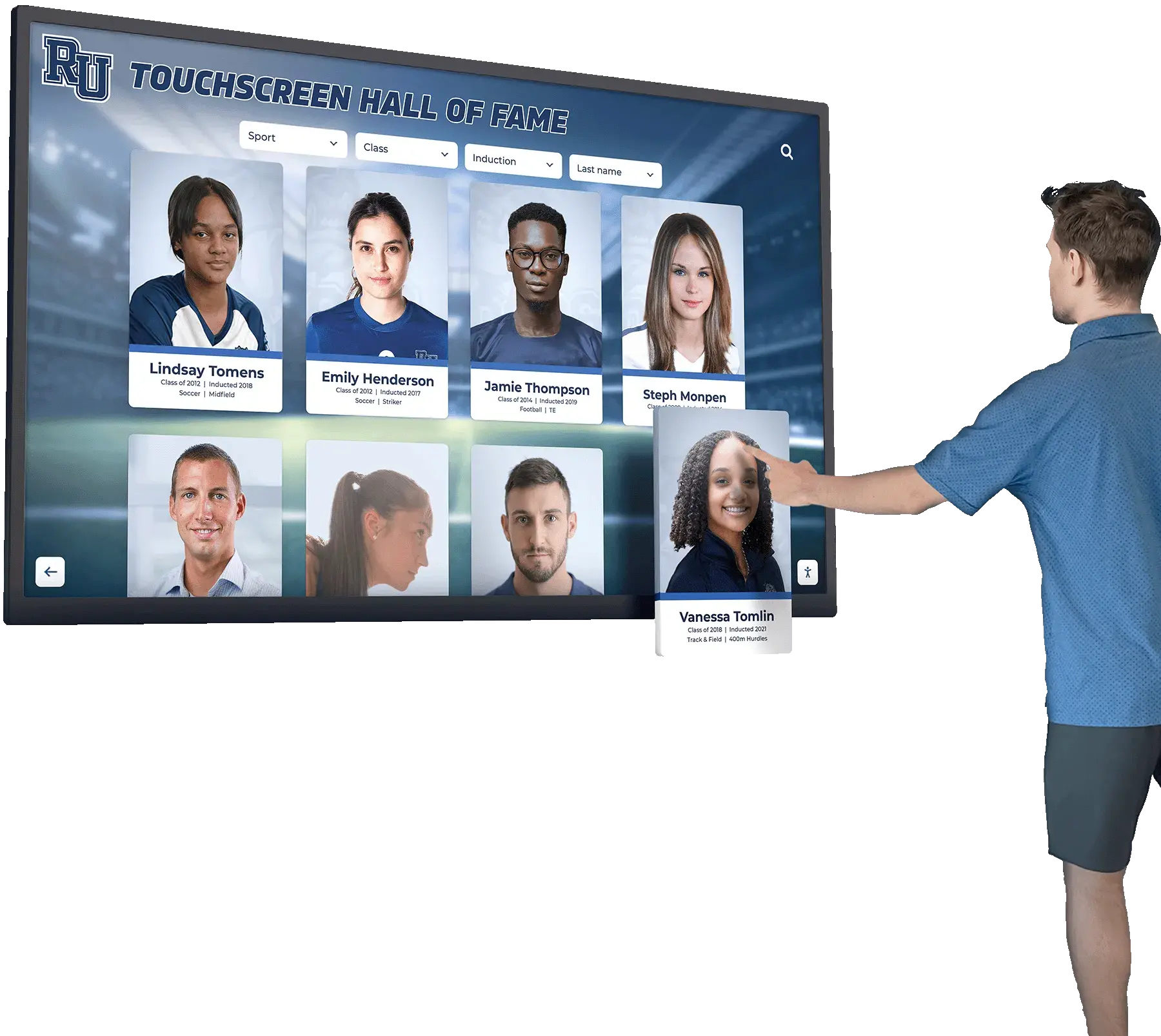
Every successful digital wall of fame implementation begins with thorough planning that establishes clear direction, secures necessary support, and creates realistic roadmaps preventing common mistakes that derail unprepared projects.
Defining Clear Recognition Objectives
Start by articulating specific objectives your digital wall of fame should accomplish. Vague goals like “honor achievements” or “go digital” provide insufficient direction for effective implementation. Instead, establish measurable objectives addressing your institution’s unique needs and circumstances.
Achievement Celebration Goals: Determine which achievement types deserve recognition—athletic excellence, academic distinction, alumni career success, donor generosity, faculty contributions, community service impact, or institutional history preservation. Comprehensive digital hall of fame systems can accommodate multiple categories, but initial focus helps prioritize content development and design decisions.
Engagement and Connection Objectives: How should recognition strengthen relationships between your institution and key stakeholders? Goals might include inspiring current students through role model discovery, deepening alumni connections through accessible recognition, supporting recruitment by showcasing program excellence, or demonstrating impact to donors and supporters.
Practical Problem-Solving: What specific challenges should digital recognition address? Common drivers include trophy case overflow exceeding physical space, preservation of deteriorating historical materials before they’re lost, administrative burden of maintaining traditional displays, or inability to honor achievement breadth that physical recognition limits.
Success Metrics: Define how you’ll measure whether implementation achieves objectives. Metrics might include engagement data from touchscreen interactions, content submission rates from alumni, time saved on recognition management, or stakeholder satisfaction from surveys. Clear metrics enable objective success assessment rather than subjective impressions.
Document these objectives explicitly and share them with stakeholders. Clear goals guide countless implementation decisions while maintaining focus when competing priorities emerge or scope expansion threatens timelines.
Building Your Implementation Team
Digital wall of fame implementation requires diverse expertise and perspectives. Assemble cross-functional teams bringing necessary capabilities while representing key stakeholder groups.
Core Team Roles and Responsibilities:
- Project Manager: Coordinates all implementation activities, maintains schedules, facilitates communication, removes obstacles, and ensures the project stays on track
- Content Lead: Develops content strategy, establishes standards, coordinates digitization efforts, manages contributors, and ensures quality consistency
- Technical Coordinator: Evaluates technology options, manages vendor relationships, oversees installation, coordinates IT requirements, and provides technical expertise
- Communications Leader: Develops launch strategy, creates promotional materials, engages stakeholders, manages change communication, and drives adoption
- Administrative Champion: Provides institutional authority, secures resources, addresses political barriers, celebrates progress, and demonstrates leadership commitment
Extended Team Members: Depending on your institution’s size and recognition scope, consider involving representatives from athletics, admissions, development, alumni relations, facilities management, design/marketing, and student groups. Diverse perspectives prevent blind spots while building broader ownership.
Vendor Partners: Your chosen digital recognition display provider becomes an essential team member. Select vendors offering genuine partnership—implementation guidance, content strategy consultation, comprehensive training, and responsive ongoing support—rather than simply shipping equipment.
Developing Implementation Timeline and Budget
Realistic timelines prevent rushed implementation that compromises quality while ensuring projects don’t drag indefinitely, losing momentum and stakeholder confidence.
Typical Implementation Timeline:
- Planning Phase (4-8 weeks): Goal definition, team formation, vendor selection, budget approval, and detailed project planning
- Content Development (8-16 weeks): Content strategy creation, historical material digitization, profile development, media collection, and quality review—often the longest phase
- Technical Deployment (2-4 weeks): Hardware installation, software configuration, network setup, integration testing, and system optimization
- Training and Preparation (2-3 weeks): Administrator training, content upload, final testing, troubleshooting, and launch readiness verification
- Launch and Promotion (2-4 weeks): Staged rollout, stakeholder communication, feedback collection, and initial optimization
Total timeline from decision to full launch typically ranges from 4-7 months for comprehensive implementations. Simpler projects with limited content scope might complete in 2-3 months, while complex multi-location implementations could require 9-12 months.
Budget Components: Complete implementation budgets include hardware costs for commercial-grade touchscreen displays, mounting equipment, and necessary accessories; software licensing for recognition management platforms including setup and training; installation services covering mounting, electrical work, and network connections; content development including photography, videography, and historical material digitization; training and support ensuring successful administrator onboarding; and contingency reserves (typically 15-20%) addressing unexpected costs or scope adjustments.
Single-display implementations typically range from $15,000-$35,000 for complete solutions including everything necessary for successful launch. Multi-display installations scale based on scope, with additional displays adding $8,000-$15,000 each when connecting to existing content platforms.
Phase 2: Content Strategy Development
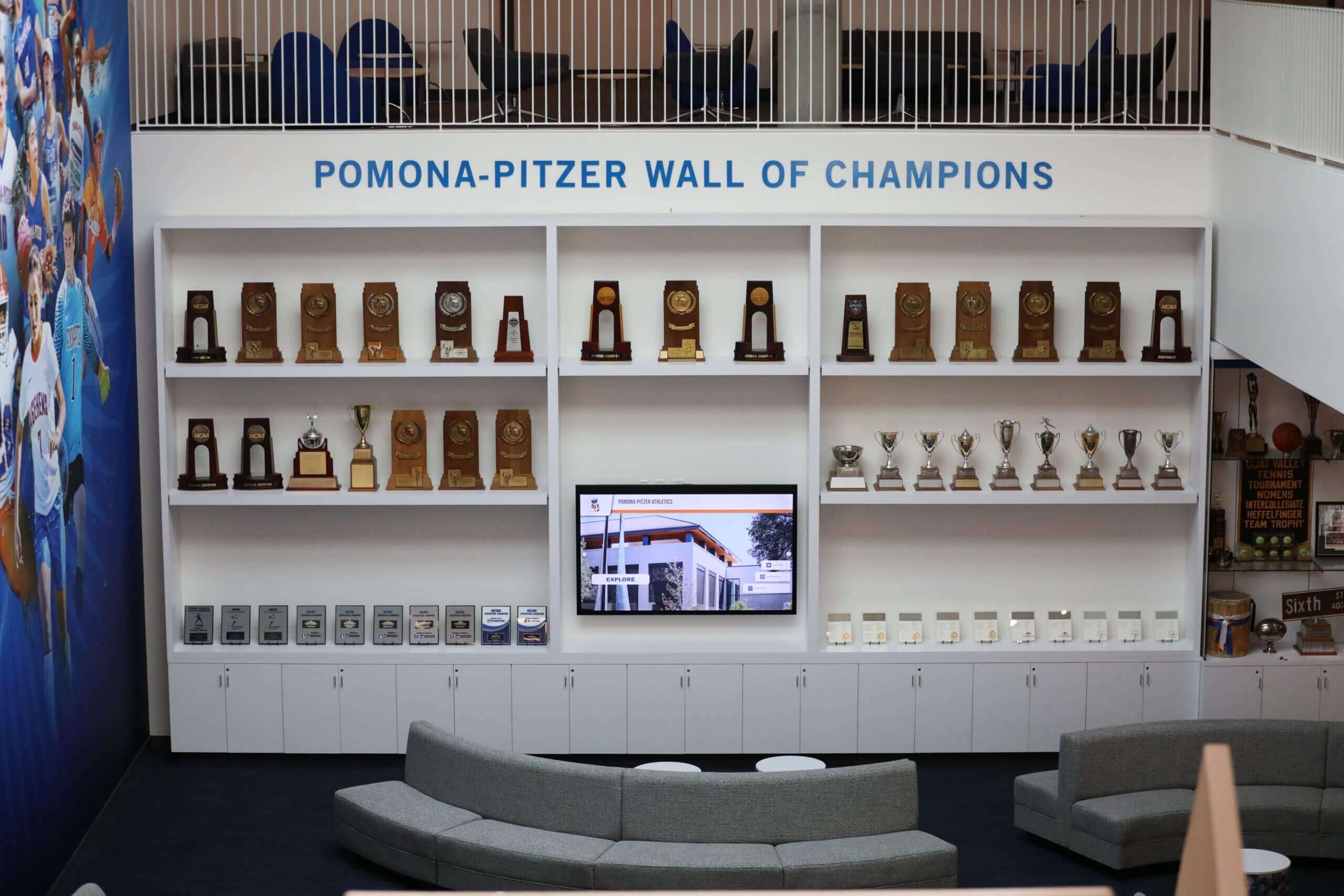
Content represents the heart of any digital wall of fame—the stories, achievements, and multimedia elements that engage visitors and honor contributions. Investing adequate time in content strategy before diving into profile creation prevents countless problems while establishing foundations for sustainable, high-quality recognition programs.
Establishing Content Structure and Organization
How you organize recognition content fundamentally shapes user experience and determines whether visitors discover relevant content easily or become frustrated with confusing navigation.
Primary Category Definition: Determine your top-level organization matching how users naturally think about recognition. Common structures include recognition by type (athletic hall of fame, academic honors, alumni achievement, donor recognition), sport or department grouping for athletic programs, decade or graduating class for alumni recognition, or giving level categories for donor walls.
Secondary Filtering and Search: Within primary categories, enable flexible exploration through multiple filtering dimensions—year or class, achievement type, keyword search, sport or activity, induction ceremony, or custom tags. Robust search functionality ensures visitors find specific individuals while browsing supports discovery of unexpected connections.
Profile Template Design: Standardized templates maintain visual consistency while ensuring all honorees receive comparable recognition depth. Effective templates include high-quality primary portrait photography, comprehensive biographical narratives, specific achievement descriptions, career highlights and accomplishments, statistics and records when relevant, media galleries with multiple photos, embedded video content capabilities, document attachments for awards or articles, and social sharing functionality.
Content Relationship Mapping: Digital recognition enables showing connections impossible with static displays—teammates appearing together, coaches linked with their athletes, mentors connected to mentees, or alumni associated with their schools and activities. These relationships enrich exploration and create more engaging discovery experiences, particularly for interactive touchscreen displays in schools.
Developing Comprehensive Content Standards
Clear standards established before content creation begins ensure consistency, maintain quality, prevent endless revisions, and enable distributed content development where multiple contributors create profiles meeting institutional expectations.
Photography Requirements:
- Portrait Photography: Minimum 1920x1080 resolution (higher preferred), professional or high-quality amateur photography, appropriate lighting and composition, proper framing with adequate headroom, consistent orientation (horizontal or vertical), and edited for color correction and enhancement
- Action and Historical Photos: Context-appropriate images telling achievement stories, properly licensed or permission-secured imagery, adequate resolution for display scaling, and organized with clear identification and dating
- Photo Restoration: Historical materials often require professional restoration—scanning at high resolution, digital repair of damage or deterioration, color correction for faded prints, and enhancement for optimal display quality
Video Content Specifications:
- Technical Requirements: 1080p minimum resolution (4K preferred for future-proofing), MP4 format with H.264 encoding, 15-90 second optimal length (under 3 minutes maximum), proper audio levels with clear narration, subtitles or captions for accessibility, and thumbnail images for video preview
- Content Guidelines: Interview-style personal reflections, game highlights and achievement moments, historical footage and archival materials, and celebration events or ceremonies
Biographical Text Standards: Establish guidelines for comprehensive yet concise biographical narratives (300-500 words), specific achievement descriptions with context and significance, career highlights demonstrating impact, writing style consistency, appropriate tone and voice, fact verification and accuracy, and proper attribution for quotes or sourced information.
Review and Approval Process: Define who reviews content before publication, what criteria determine approval, turnaround time expectations, and revision procedures. Clear processes prevent bottlenecks while maintaining quality.
Planning Historical Content Digitization
For institutions with existing recognition history, digitizing decades of physical materials represents substantial effort requiring systematic approaches preventing overwhelming workload while ensuring valuable history preservation.
Content Inventory and Prioritization: Begin by cataloging all existing recognition materials—trophy case contents, plaque walls, historical photos, newspaper clippings, programs and brochures, archived files and documents. Prioritize digitization based on material condition and deterioration risk, historical significance and completeness, accessibility of information for verification, and community interest and engagement potential.
Phased Digitization Approach: Few institutions can digitize complete history before launch. Instead, implement phased approaches starting with recent well-documented honorees (last 10-20 years), expanding to historically significant achievements, systematically working backward through decades, and engaging alumni to contribute information and materials. This approach works particularly well for athletic hall of fame creation.
This strategy delivers quick wins providing immediate launch value while distributing extensive digitization work across manageable timeframes. Each phase adds value progressively rather than delaying launch until complete historical coverage achieves impossible perfection.
Engaging Alumni and Community: Your broader community represents invaluable content resources. Develop outreach strategies soliciting career updates and accomplishments, requesting historical photos and materials, crowdsourcing information verification, and encouraging personal reflections and stories. Alumni engagement through interactive recognition displays creates meaningful connection opportunities while addressing content development challenges.
Professional Content Services: Consider professional support for specialized needs—bulk scanning and digitization services, photo restoration and enhancement, video production and editing, biographical writing and editing, or complete content development outsourcing. Professional services accelerate timelines while ensuring quality when internal resources prove insufficient.
Phase 3: Technology Selection and Procurement
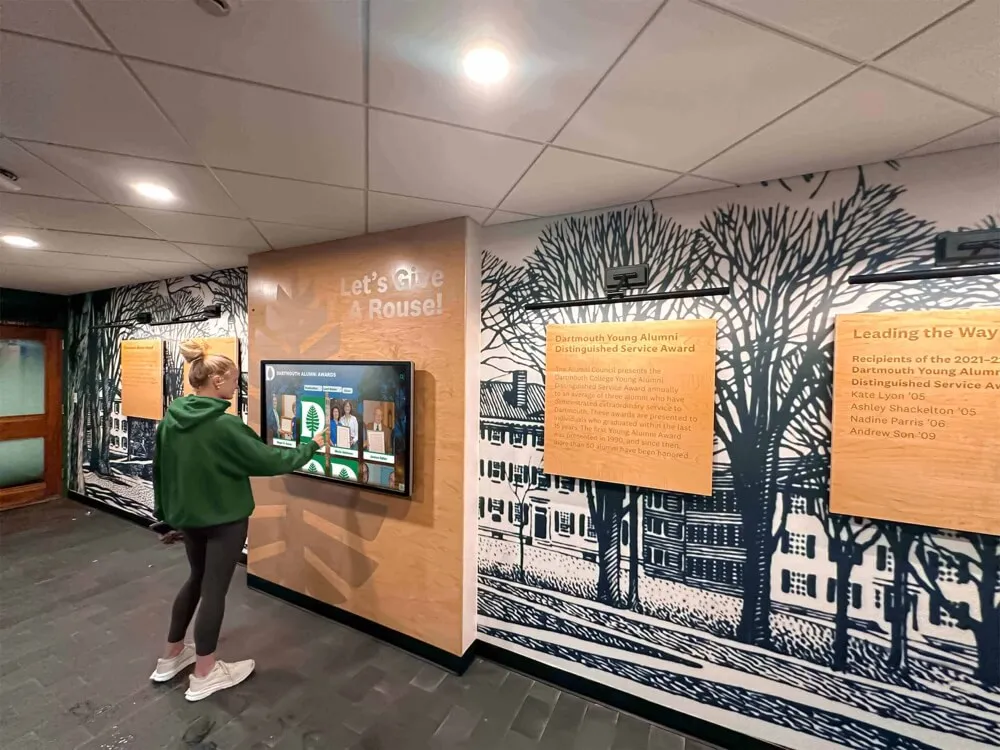
With clear goals established and content strategy defined, attention turns to selecting technology that will power your digital wall of fame. Hardware and software decisions profoundly impact user experience, administrative efficiency, system reliability, and long-term satisfaction.
Choosing the Right Software Platform
Software represents your recognition program’s foundation—the content management system, user interface, and administrative tools determining whether your digital wall of fame delights users or frustrates everyone involved.
Essential Software Capabilities: Purpose-built recognition software differs fundamentally from generic digital signage. Ensure your platform provides intuitive content management enabling non-technical administrators to create and update content confidently, comprehensive profile templates supporting detailed biographical information and multimedia content, powerful interactive user interfaces with search and filtering capabilities, unlimited scalability accommodating decades of continuous growth, professional customization reflecting institutional branding, web and mobile accessibility extending reach beyond physical installations, robust analytics revealing engagement patterns and content effectiveness, and dedicated implementation support with ongoing training and assistance.
Recognition Software vs. Digital Signage: Generic digital signage rotates predetermined content through passive displays—fine for announcements but inadequate for recognition requiring profile depth, interactive exploration, user-controlled navigation, and searchable content databases. Purpose-built interactive hall of fame displays deliver specialized capabilities generic signage fundamentally lacks. Schools considering touchscreen software options should prioritize recognition-specific features over generic signage.
Platform Evaluation Criteria: When comparing software options, systematically assess ease of use for non-technical administrators, profile and content depth supporting comprehensive recognition, search and navigation functionality enabling intuitive discovery, scalability supporting unlimited growth without performance degradation, customization options maintaining brand consistency, accessibility features ensuring inclusive experiences, integration capabilities connecting with existing systems, analytics and reporting revealing program effectiveness, training and support quality, vendor stability and commitment to education market, and total cost of ownership including licensing, updates, and ongoing costs.
Industry-Leading Solutions: Solutions like Rocket Alumni Solutions represent purpose-built platforms designed specifically for school and organizational recognition. These specialized systems deliver comprehensive functionality, exceptional ease of use, proven reliability across thousands of installations, and dedicated support that generic alternatives cannot match.
Selecting Appropriate Hardware
Software capabilities mean nothing without quality hardware enabling reliable operation, professional presentation, and engaging user experiences.
Commercial-Grade Touchscreen Displays: Consumer televisions and monitors lack the durability, touch responsiveness, and operational ratings recognition installations require. Specify commercial-grade displays designed for continuous operation with 24/7 duty cycles, projected lifespan of 60,000-100,000 hours, professional-grade touchscreen overlays supporting multi-touch gestures, anti-glare and anti-reflective coatings for various lighting conditions, and commercial warranties supporting institutional use.
Display Size Selection: Choose screen dimensions appropriate for viewing distances and installation locations. Common sizes include 55" displays for standard hallway installations (optimal 6-12 foot viewing distance), 65-75" displays for large spaces or distant viewing (optimal 10-15 foot viewing distance), and 42-50" displays for smaller spaces or tabletop kiosks (optimal 4-8 foot viewing distance).
Orientation Considerations: Displays can mount in portrait (vertical) or landscape (horizontal) orientations depending on space configuration, content design, and aesthetic preferences. Portrait orientation often suits individual profile browsing while landscape orientation works well for statistics, timelines, and group photos. Choose best touchscreen displays for schools matching your specific needs and installation environment.
Mounting and Enclosure Options: Secure installation requires professional mounting solutions including wall mounting with appropriate studs and reinforcement, freestanding kiosks for high-traffic areas without suitable walls, custom millwork integration matching architectural aesthetics, and protective enclosures for outdoor or high-risk environments.
Supporting Infrastructure: Successful installations require electrical power near mounting locations, reliable network connectivity (wired ethernet preferred over WiFi), proper ventilation preventing overheating, appropriate lighting avoiding screen glare and reflection, and accessible locations meeting ADA compliance requirements.
Managing Installation and Integration
Hardware arrives, software licenses activate, and everything must come together into functional systems that work reliably from day one.
Professional Installation Services: Unless your facilities team has extensive experience with commercial display installation, professional installation services ensure proper mounting securing expensive equipment safely, correct electrical connections meeting code requirements, optimal network configuration providing reliable connectivity, cable management maintaining clean professional appearance, and system testing verifying everything functions correctly before vendor departure.
System Configuration: Initial setup includes software installation and licensing activation, content management system configuration, user interface customization matching branding, display calibration optimizing color and touch response, network and security configuration, and integration with existing systems when applicable.
Integration Considerations: Depending on your broader technology ecosystem, digital recognition might integrate with student information systems providing automatic roster updates, alumni databases enabling data synchronization, development platforms connecting donor records, authentication systems controlling administrative access, and school websites embedding recognition content for online visibility.
Testing and Quality Assurance: Before launch, systematically verify all functionality works correctly—comprehensive content uploads displaying properly, search and filtering returning accurate results, touchscreen responsiveness across entire display surface, video and multimedia elements playing smoothly, web and mobile interfaces functioning correctly, and administrative capabilities enabling expected management tasks.
Thorough testing prevents embarrassing malfunctions during high-visibility launch events while ensuring systems meet expectations before training and content population consume significant time.
Phase 4: Content Population and Launch Preparation
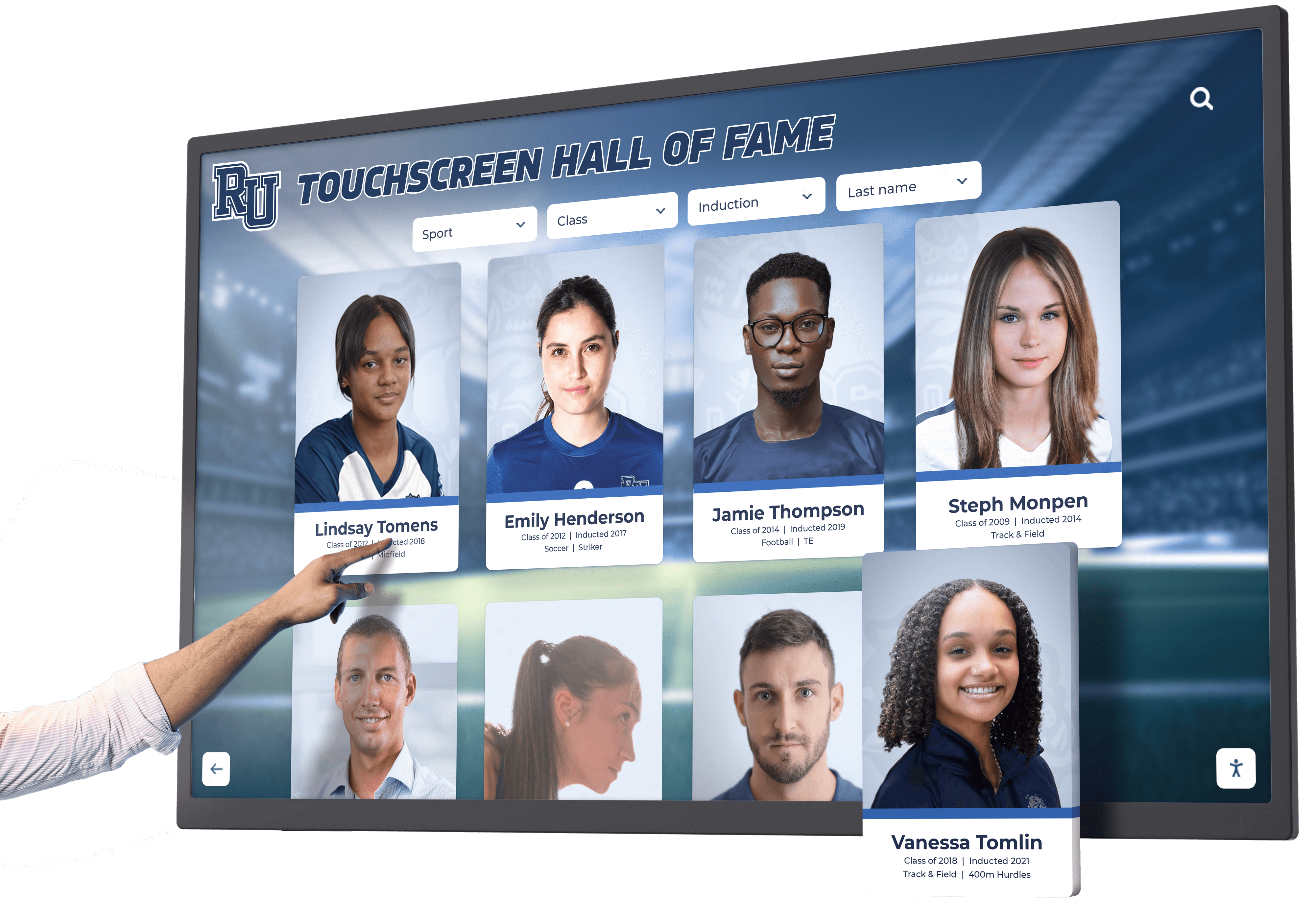
With technology in place and content standards established, focus shifts to the substantial work of creating actual content that will populate your digital wall of fame and engage your community.
Efficient Content Creation Workflows
Creating hundreds or thousands of detailed profiles seems overwhelming without systematic workflows distributing work across teams while maintaining quality consistency.
Batch Processing Approaches: Rather than completing one profile fully before starting another, process content in batches by task type—gather biographical information for 50 honorees, then photograph all 50, then write all 50 narratives, then review all 50. This assembly-line approach improves efficiency through repetition while maintaining focus on specific tasks without constant context switching.
Template and Example Development: Create 5-10 exemplary profiles representing the quality standard and format all content should match. These examples guide contributors while serving as quality benchmarks during review. Templates with clear field labels, character counts, and formatting instructions further standardize content development.
Distributed Content Creation: Engage broader teams in content development rather than burdening single individuals—journalism students write biographical profiles, photography students capture new portraits, digital media students produce video content, history students research historical achievements, and athletic staff gather statistics and records. This approach reduces staff burden while providing valuable learning opportunities. Schools can showcase diverse achievements including academic recognition programs alongside athletic accomplishments.
Alumni Contribution Systems: Enable alumni to contribute their own content through structured submission forms, providing career updates and accomplishments, uploading current photos, submitting historical materials, and writing personal reflections. User-generated content accelerates development while deepening engagement and ownership.
Quality Control and Review Processes
Consistent quality requires systematic review ensuring content meets established standards, maintains accuracy, appropriately honors achievements, and delivers engaging experiences.
Multi-Stage Review: Implement staged quality checks including content creator self-review against standards, peer review verifying accuracy and completeness, editorial review ensuring quality and consistency, subject review confirming honoree approval when possible, and final administrative approval authorizing publication.
Common Quality Issues: Watch for inconsistent formatting across profiles, inadequate achievement detail or context, poor photo quality or inappropriate images, factual errors or unverified information, privacy concerns requiring address, inappropriate tone or language, and incomplete profiles missing key elements.
Revision and Correction Processes: Even after publication, content requires occasional updates—career advancement and new achievements, photo updates replacing outdated images, error corrections addressing mistakes, additional context enriching stories, and multimedia additions enhancing profiles. Establish clear processes for ongoing content maintenance.
Administrator Training and Preparation
Technology succeeds only when people using it feel confident and capable. Comprehensive training prevents frustration while establishing sustainable practices.
Essential Training Components:
- Content Management System Navigation: Understanding dashboard organization, locating key functions, accessing different features, using search and filtering tools
- Profile Creation and Editing: Using profile templates, uploading and managing photos, embedding video content, formatting text properly, creating links and relationships, scheduling publication dates
- Bulk Operations: Batch uploading content, making mass updates, managing categories, reorganizing structure
- Media Library Management: Uploading and organizing photos, optimizing file sizes, creating galleries, tagging for discovery
- Search and Analytics: Running engagement reports, identifying popular content, analyzing search patterns, tracking viewing trends
- Troubleshooting Common Issues: Resolving upload errors, fixing formatting problems, addressing display issues, accessing support resources
Training Format Options: Effective training combines live instructor-led sessions for hands-on practice and Q&A, comprehensive documentation and video tutorials for ongoing reference, practice exercises creating actual content in safe environments, and follow-up coaching sessions addressing emerging questions.
Establishing Support Resources: Create ongoing support infrastructure including quick reference guides for common tasks, documented standard operating procedures, internal help desk contacts, vendor support access procedures, and scheduled refresher training for skill reinforcement and new feature introduction.
Phase 5: Strategic Launch and Promotion
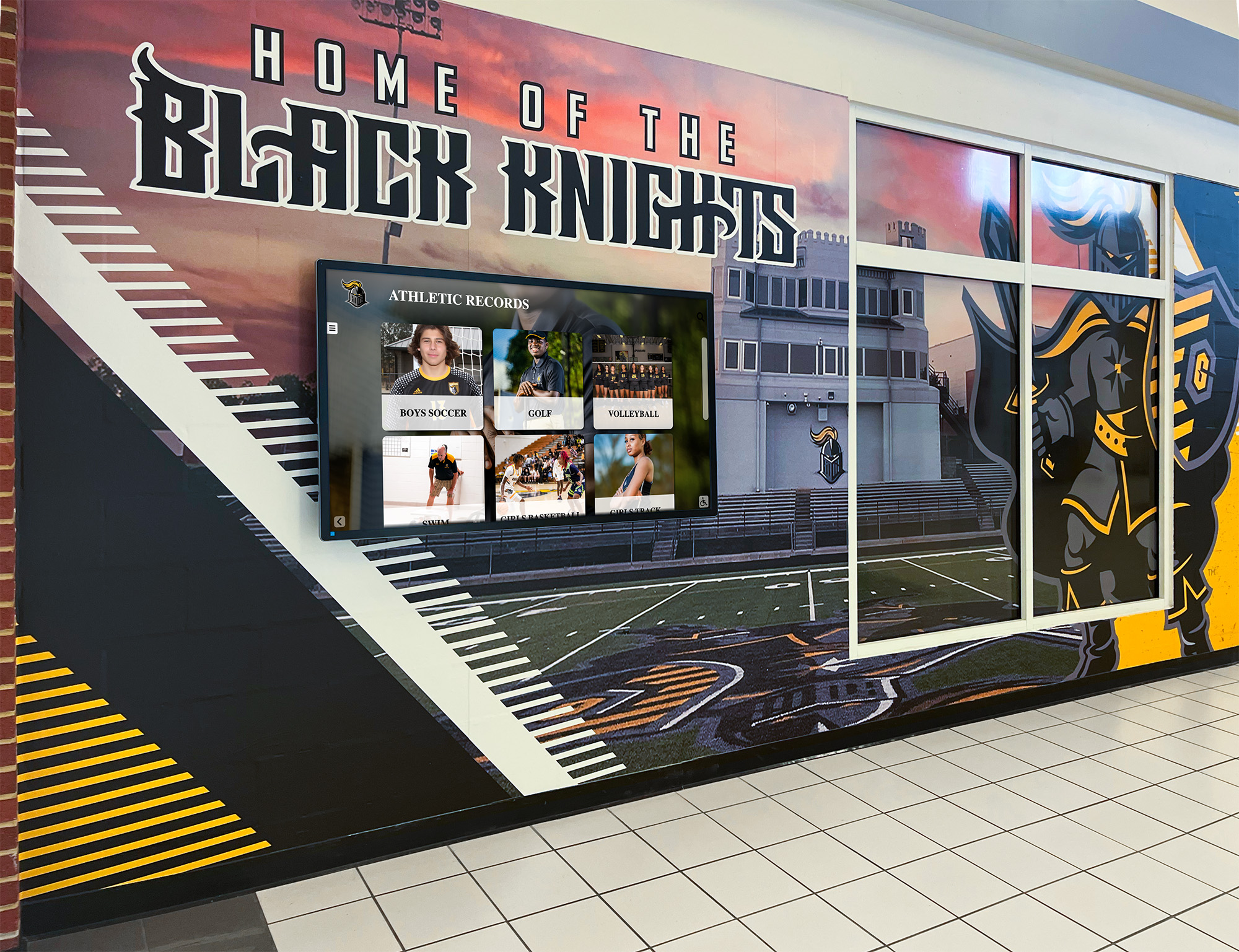
Launch strategy transforms technology and content into recognized, valued institutional resources that stakeholders embrace enthusiastically. Strategic promotion ensures your investment achieves maximum impact rather than quietly appearing without fanfare.
Staged Launch Approach
Rather than sudden unveiling, consider phased launch strategies building momentum while managing risk and gathering feedback informing final adjustments.
Soft Launch Phase: Begin with limited visibility testing allowing final system verification under real-world conditions, gathering initial feedback from small groups, identifying and resolving unexpected issues, and building confidence before high-profile promotion. Soft launch typically lasts 1-3 weeks with content accessible but not actively promoted.
Internal Preview Events: Host special preview sessions for key stakeholders—faculty and staff appreciation sessions, student leader demonstrations, alumni board presentations, and donor recognition gatherings. Preview events generate excitement while creating advocates who will promote recognition organically.
Grand Opening Ceremony: Plan celebratory launch events creating institutional milestone—formal unveiling with leadership remarks, special recognition of inaugural inductees, media coverage generating community awareness, celebration connecting launch with homecoming or significant institutional events, and symbolic elements like ribbon cutting or plaque unveiling commemorating the moment.
Phased Content Expansion: If complete historical content isn’t ready at launch, present initial content confidently while communicating expansion plans—launch with recent 10-20 years fully populated, announce monthly additions working backward through history, engage alumni in ongoing content contribution, and celebrate milestones as coverage expands.
This approach delivers immediate value while managing expectations and maintaining momentum through visible ongoing progress.
Multi-Channel Communication Strategy
Stakeholders can’t engage with recognition they don’t know exists. Comprehensive communication ensures all constituent groups learn about the new resource through channels they actually use.
Internal Communication Channels:
- All-Staff Email Announcements: Formal introduction explaining purpose, capabilities, and access methods
- Faculty Meetings: Live demonstrations showing functionality and encouraging student engagement
- Student Assemblies: Presentations inspiring students through role model discovery
- Newsletter Features: Detailed articles explaining vision, showing examples, and encouraging exploration
- Digital Signage: On-campus promotion directing traffic to physical installations
- Intranet Features: Prominent homepage placement with direct web access links
Alumni and Community Outreach:
- Alumni Magazine Features: Cover stories celebrating recognition transformation with compelling visuals
- Email Campaigns: Targeted messages encouraging profile exploration and content contribution
- Social Media Promotion: Coordinated posts across platforms showcasing features and honorees
- Reunion Integration: Featured demonstrations at alumni gatherings generating immediate engagement, similar to successful alumni of the month recognition programs
- Homecoming Celebrations: High-profile placement during major community events
- Press Releases: Local media coverage extending awareness beyond immediate community
Ongoing Promotion: Launch communication represents just the beginning. Sustain awareness through regular feature spotlights highlighting specific honorees, new inductee announcements celebrating additions, milestone celebrations marking content expansion benchmarks, and anniversary recognition acknowledging program success over time.
Gathering and Acting on Initial Feedback
Early feedback reveals what works well, what confuses users, what content resonates most, and where improvements would strengthen effectiveness.
Feedback Collection Methods: Systematically gather input through observation of user interactions noting confusion points and successful navigation, brief user surveys collecting structured feedback, informal conversations during launch events, analytics review revealing actual usage patterns, and administrative perspectives on management experience.
Rapid Response to Issues: When feedback reveals problems, respond quickly—clarify confusing navigation through interface adjustments, add missing search filters users expect, improve content based on engagement patterns, enhance instructions where users struggle, and fix technical glitches immediately.
Quick response demonstrates commitment while preventing negative first impressions from cementing before you can address issues. The first 30-60 days after launch represent critical windows when responsiveness most impacts long-term perception.
Phase 6: Sustainable Ongoing Management
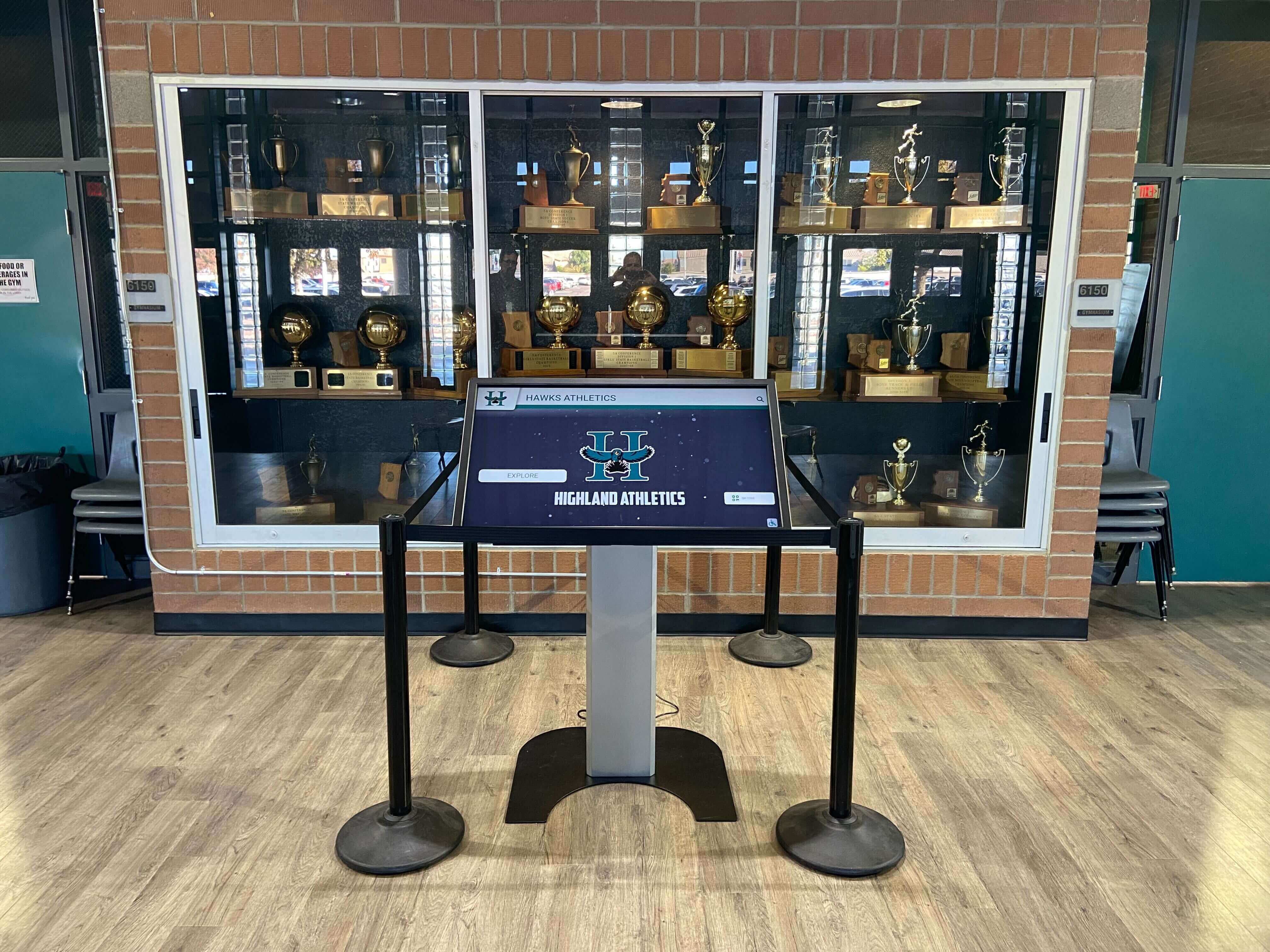
Initial launch represents beginning rather than conclusion. Long-term recognition program success depends on sustainable management practices maintaining content freshness, system reliability, user engagement, and continuous improvement.
Establishing Content Update Workflows
Static recognition quickly becomes invisible as communities lose interest in content they’ve already seen repeatedly. Regular updates maintain engagement while honoring new achievements and expanding historical coverage.
Regular Update Schedule: Establish predictable rhythm for content additions—weekly spotlights featuring different honorees each week, monthly additions for new inductee profiles, quarterly content expansions working through historical backlog, and annual major updates coinciding with induction ceremonies or significant events.
Defined Responsibilities: Assign clear ownership preventing ambiguity about who manages recognition—primary content manager as point person, backup administrators preventing single points of failure, category owners (athletic coordinator, alumni relations, development) maintaining their recognition areas, and approval authority defining who authorizes publication.
Content Submission Processes: Create streamlined systems enabling stakeholders to submit new recognition—nomination forms for new inductees, update forms for career developments, media upload portals for photos and videos, and review workflows ensuring quality before publication.
Automation Opportunities: Where possible, automate routine updates—roster imports from student information systems, achievement feeds from athletic management platforms, donor updates from development databases, and scheduled content rotations featuring different profiles regularly.
Measuring Engagement and Demonstrating Value
What gets measured gets managed. Robust analytics prove recognition value while revealing opportunities for improvement.
Key Performance Indicators:
- Usage Metrics: Total interactions over time periods, unique users versus repeat visitors, average session duration indicating engagement depth, and peak usage times informing content update scheduling
- Content Popularity: Most-viewed profiles revealing what resonates, popular search terms showing discovery patterns, frequently filtered categories indicating interest areas, and video view completion rates measuring content effectiveness
- Community Reach: Geographic distribution of web visitors showing alumni engagement spread, new versus returning visitors indicating sustained interest, social sharing frequency extending recognition beyond direct access, and mobile versus desktop access patterns informing optimization priorities
- Content Growth: Profile additions over time documenting expansion, media library growth showing enrichment, and completeness metrics tracking historical coverage progress
Reporting and Communication: Regular reporting maintains visibility and support—monthly dashboard sharing key metrics with stakeholders, quarterly summaries celebrating milestones and success, annual reviews documenting cumulative impact and value, and case examples showcasing specific engagement stories illustrating human impact behind numbers.
Continuous Improvement: Use data to inform enhancement priorities—enhance popular content with additional depth, improve underperforming content addressing low engagement, add requested features users seek, and optimize navigation based on search patterns and user flows.
Long-Term System Maintenance
Technology requires ongoing attention ensuring reliable operation and optimal performance.
Regular Maintenance Tasks:
- Software Updates: Apply platform updates adding features and security enhancements, review release notes understanding changes, test updates in staging environments before production deployment, and train administrators on new capabilities
- Hardware Maintenance: Clean touchscreens using appropriate materials, inspect mounting hardware ensuring security, verify network connectivity maintaining performance, monitor display performance for degradation signs, and coordinate professional servicing for technical issues
- Content Audits: Periodically review content quality and accuracy, update outdated information maintaining currency, remove or revise inappropriate content, enhance profiles benefiting from additional depth, and standardize formatting for consistency
- Security and Backup: Maintain access control protecting administrative functions, backup content regularly preventing catastrophic loss, update security credentials periodically, monitor unauthorized access attempts, and maintain disaster recovery plans
Vendor Relationship Management: Maintain productive partnerships with technology vendors—schedule annual check-ins reviewing performance and opportunities, leverage included support addressing issues quickly, participate in user communities sharing best practices, request enhancements supporting evolving needs, and maintain documentation of system configuration and customization.
Budget Planning: Ongoing recognition programs require sustained funding—software licensing and support renewals, content development and media production, periodic hardware upgrades or replacements, training and professional development, and enhancement projects expanding capabilities over time.
Many schools implementing digital trophy case solutions find that annual ongoing costs amount to 5-10% of initial implementation investment—modest expenses when recognition delivers sustained engagement and eliminates traditional plaque and trophy case maintenance costs. Understanding donor recognition wall digital transformation helps institutions plan comprehensive budgets.
Common Implementation Challenges and Solutions
Even well-planned implementations encounter obstacles. Understanding common challenges and proven solutions helps you navigate difficulties rather than becoming derailed by unexpected complications.
Challenge: Insufficient Time for Content Development
Symptoms: Launch dates approach with minimal content ready, rushed profile creation producing poor quality, incomplete information undermining recognition value, or exhausted staff resenting additional workload.
Solutions: Adjust timeline providing realistic content development duration, implement phased launch delivering immediate value while continuing expansion, engage broader teams distributing workload, leverage professional content services accelerating development, utilize alumni contribution systems crowdsourcing information and materials, and focus initial content on recent well-documented achievements before tackling historical complexity.
Challenge: Administrator Turnover and Knowledge Loss
Symptoms: Trained administrators leave positions, new staff lack necessary skills, content updates cease creating stagnation, system capabilities remain underutilized, or dependence on vendors increases costs and delays.
Solutions: Document all processes thoroughly, create video tutorials supplementing written guides, maintain multiple trained administrators preventing single points of failure, schedule regular refresher training reinforcing skills, establish mentoring relationships supporting new administrators, and maintain vendor support relationships providing backup expertise.
Challenge: Declining Engagement After Initial Launch
Symptoms: Usage metrics drop after launch excitement fades, repeat visitors decrease as content becomes familiar, community stops discussing recognition, or stakeholder enthusiasm wanes.
Solutions: Implement regular content update schedules maintaining freshness, create recurring spotlight features cycling through profiles, announce new inductee additions generating renewed interest, integrate recognition with events and ceremonies creating ongoing relevance, encourage alumni to revisit profiles as they update careers, promote specific content through social media and communications, and add new features expanding functionality over time.
Challenge: Budget Constraints Limiting Investment
Symptoms: Insufficient funding for comprehensive implementation, pressure to choose inadequate budget solutions, inability to fund necessary content development, or lack of resources for ongoing management and maintenance.
Solutions: Implement phased approaches starting smaller and expanding incrementally, demonstrate value through pilot installations supporting larger investments, seek alternative funding from development, boosters, or alumni associations, emphasize long-term cost savings versus traditional recognition approaches, leverage student work for content development reducing costs, and explore financing options distributing costs across multiple years.
Challenge: Resistance to Change
Symptoms: Stakeholders prefer traditional recognition approaches, skepticism about technology value, reluctance to retire beloved physical displays, or political opposition blocking progress.
Solutions: Engage resisters early understanding concerns and incorporating feedback, demonstrate digital enhancement complementing rather than replacing treasured traditions, create hybrid approaches preserving physical elements while adding digital capabilities, pilot limited implementations proving value before full commitment, share success stories from peer institutions, and maintain patience allowing time for comfort with change rather than forcing rapid transformation.
Conclusion: Transforming Recognition Through Thoughtful Implementation
Implementing a digital wall of fame successfully requires far more than purchasing equipment and uploading a few photos. The difference between transformative recognition programs that engage communities and expensive technology that disappoints depends entirely on implementation approach—strategic planning establishing clear direction, comprehensive content strategy creating engaging profiles, appropriate technology choices matching needs and capabilities, professional deployment ensuring reliability, and sustainable management maintaining long-term value.
This comprehensive guide has walked you through every critical implementation phase—from defining clear objectives and building cross-functional teams through content development, technology selection, strategic launch, and ongoing management. Schools and organizations following this systematic framework dramatically increase success odds while avoiding common mistakes that undermine less-prepared implementations.
When you’re ready to transform your institution’s recognition program through digital innovation, solutions like Rocket Alumni Solutions provide purpose-built platforms designed specifically for school and organizational recognition. These specialized systems deliver comprehensive functionality, exceptional ease of use, unlimited scalability, and dedicated support ensuring implementation success from initial planning through decades of sustained operation.
Your achievements, contributors, and historical legacy deserve recognition that appropriately honors excellence while inspiring future generations. The digital wall of fame implementation approach you choose determines whether your investment delivers lasting value that grows stronger with time or becomes expensive equipment that disappoints everyone involved.
Ready to begin your digital recognition transformation? Discover how Rocket Alumni Solutions provides comprehensive platforms and implementation support helping institutions successfully deploy digital walls of fame that deliver genuine community value rather than technological disappointment.































