College basketball recruiting can feel overwhelming for high school players and their families navigating complex timelines, NCAA rules, AAU tournaments, campus visits, and scholarship offers. Unlike professional drafts where talent evaluators come to you, the college recruiting process requires proactive planning, strategic positioning, and consistent effort across all four years of high school.
Understanding how to get recruited for college basketball starts with recognizing that recruitment is a multi-year process, not a single event. Coaches at Division I, Division II, Division III, NAIA, and junior college programs each follow different recruiting calendars, evaluation criteria, and communication rules. Players who successfully navigate this landscape share common strategies: they start early, compete at the right level, showcase their abilities effectively, maintain academic eligibility, and understand what coaches are actually looking for at each stage of development.
This comprehensive recruiting roadmap breaks down the basketball recruiting timeline year by year, from freshman preparation through senior commitment, providing actionable steps that position you for recruiting success regardless of your current class year or skill level.
Getting recruited for college basketball requires understanding that college coaches evaluate hundreds of prospects annually while operating under NCAA contact restrictions and limited scholarship budgets. Your job as a recruit is to make their evaluation process easier by providing accessible information, demonstrating consistent skill development, competing against quality opponents, and maintaining the academic standards that make you a viable scholarship investment.
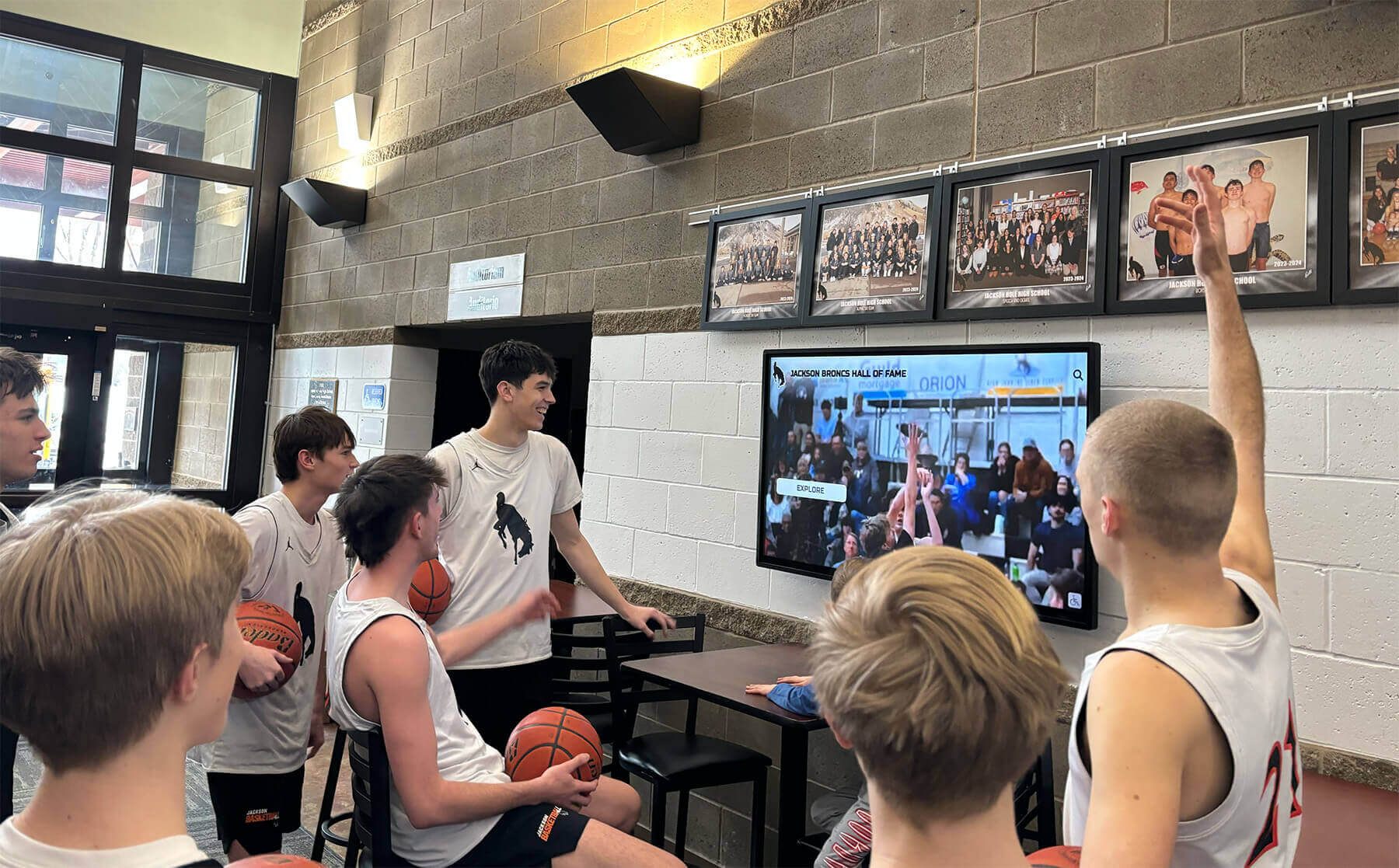
Modern basketball programs use digital displays to showcase player achievements and create visibility for recruiting prospects
Understanding the Basketball Recruiting Timeline
College basketball recruiting follows a structured timeline dictated by NCAA rules, coach evaluation periods, and the natural progression of high school athletic development. Understanding this timeline helps you prioritize the right activities at the right time.
NCAA Contact Rules and Recruiting Periods
NCAA Division I and Division II programs operate under strict contact restrictions that vary by your class year:
Before September 1st of Junior Year: College coaches cannot initiate phone calls, texts, or direct messages with you. They can, however, send recruiting materials like questionnaires and camp invitations. You or your parents can contact coaches at any time.
September 1st of Junior Year: Division I coaches can begin calling you once per week. This represents your first “live period” where coaches can watch you compete in person during designated evaluation periods.
June 15th Before Senior Year: Division II coaches can begin calling you. Contact restrictions also loosen significantly, with more frequent communication allowed.
Senior Year: All contact restrictions are removed for Division I and II programs. Coaches can call, text, and communicate freely.
Division III and NAIA programs follow different (typically less restrictive) rules, allowing earlier and more frequent contact with prospects.
Evaluation Periods vs. Contact Periods
Evaluation Periods: Coaches can watch you compete in person but cannot have face-to-face contact off campus. These periods typically align with major AAU tournaments during spring and summer.
Contact Periods: Coaches can have in-person contact both on and off campus, including home visits and campus official visits.
Dead Periods: No in-person recruiting contact allowed, though phone and electronic communication continues (subject to class year restrictions).
Quiet Periods: Coaches can have in-person contact on their campus but not at your games, school, or home.
Understanding these distinctions helps you plan when to attend which showcases and when coaches are actually able to evaluate your performance.
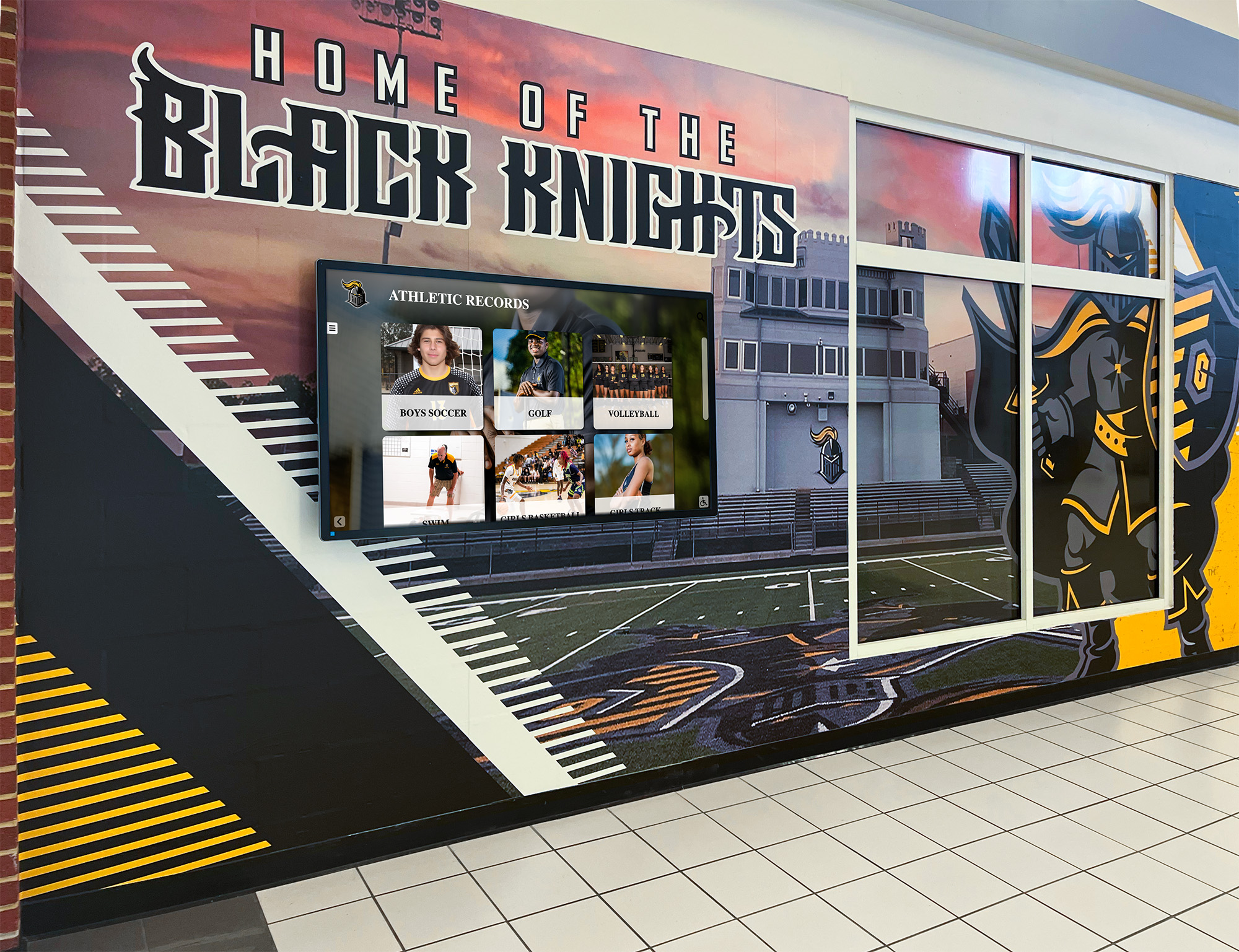
High school programs that showcase player achievements through permanent recognition help create visibility that supports recruiting efforts
Freshman Year: Building Your Foundation
Most serious college basketball recruiting paths begin during freshman year, even though coaches cannot directly contact you yet. This year establishes academic eligibility, skill development patterns, and competitive positioning that influence every subsequent recruiting stage.
Academic Foundation
Establish Strong GPA: Your freshman year GPA becomes the foundation for your cumulative high school GPA. NCAA Division I requires a 2.3 GPA in core courses, Division II requires 2.2, and many competitive programs seek significantly higher standards. Starting strong academically creates flexibility later rather than forcing desperate grade recovery during junior or senior year.
Understand NCAA Eligibility Requirements: Review the NCAA Eligibility Center requirements including 16 core course requirements across English, math, science, social studies, and additional academic areas. Not all high school classes count as “core courses” for NCAA purposes—confirm your schedule includes eligible courses.
Register with the NCAA Eligibility Center: While not urgent freshman year, familiarize yourself with the process. You’ll officially register during sophomore or junior year, but understanding requirements early prevents course selection mistakes.
Basketball Development
Master Fundamental Skills: Freshman year should emphasize skill development over showcase exposure. Focus on ball handling with both hands, shooting mechanics and consistent form, defensive stance and lateral movement, basketball IQ and court awareness, conditioning and strength training (age-appropriate), and understanding offensive and defensive systems.
Make Your High School Team: Whether varsity, junior varsity, or freshman team, making your school squad provides structured practice, coaching, and competitive experience. High school basketball matters significantly in the recruiting process—coaches want to see you compete for your school, not just AAU.
Consider AAU/Club Basketball: AAU basketball provides additional competition, skill development, and early exposure to higher-level players. Freshman year AAU should prioritize development and playing time over joining the highest-profile team where you might rarely see the court.
High school programs increasingly recognize freshman achievements through permanent displays, helping document athletic development from the earliest stages. Schools often feature these milestones through digital recognition systems that track player progression throughout their careers.
Initial Recruiting Preparation
Create an Athletic Resume: Begin compiling basic information including physical stats (height, weight, wingspan), positions played, teams and coaches, academic information (GPA, test scores when available), and contact information. You’ll expand this document each year.
Start Building Highlight Footage: Even at the freshman level, begin recording games to capture quality highlights. Early footage helps you track improvement over four years and provides content for future recruiting videos.
Research College Programs: Begin informally researching college programs at all levels. Understand the differences between Division I, II, III, NAIA, and junior colleges. Watch college games to understand what level matches your current trajectory.
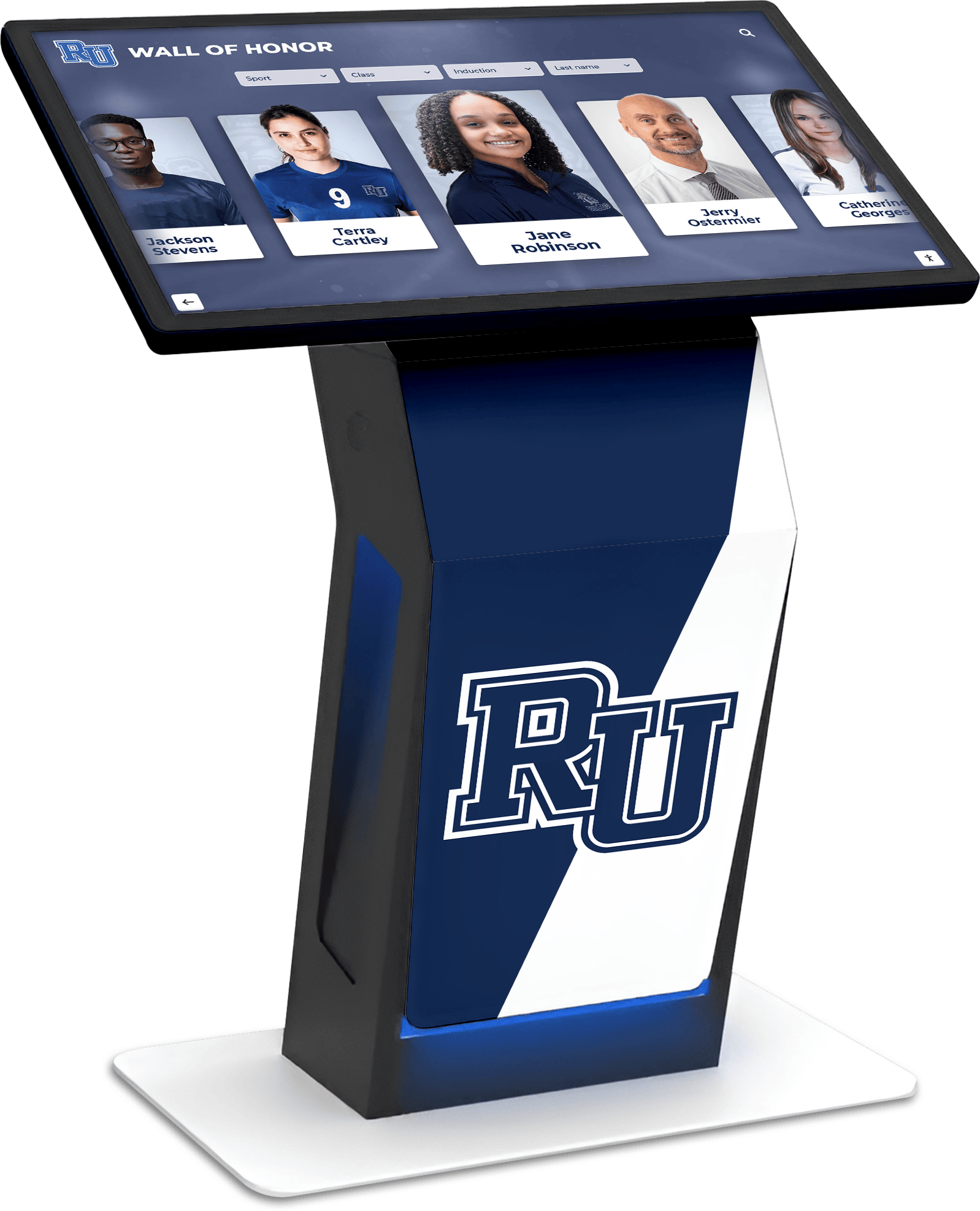
Interactive recognition displays help high school players document achievements and create portfolios that support college recruiting efforts
Sophomore Year: Increasing Visibility
Sophomore year represents the transition from pure development to early recruiting visibility. While coaches still cannot contact you directly, your performances begin appearing on their evaluation radars.
Basketball Competition and Exposure
Compete at Your Highest Level: Push to compete on varsity if possible, or dominate at the JV level if that provides more playing time and skill development. College coaches value players who compete against older, more experienced opponents.
Join a Competitive AAU/Club Program: Sophomore year is when AAU affiliation becomes more important for recruiting exposure. Research AAU programs in your area considering coaching quality, tournament schedule (do they attend events where college coaches evaluate?), positional needs and playing time opportunities, team success and competitive level, and program reputation with college coaches.
Attend College Camps (Optional): Some players benefit from attending college basketball camps at schools of interest. Camps provide direct exposure to coaching staffs and demonstrate interest in programs. However, camps are expensive and most are more revenue generators than serious recruiting tools. Prioritize skill development and AAU competition over excessive camp attendance.
AAU vs High School Basketball Recruiting
Understanding the relationship between AAU and high school basketball is critical for recruiting success:
AAU Basketball Advantages:
- Concentrated college coach attendance at major tournaments
- Competition against prospects from different regions
- Frequent games in short timeframes allowing coaches to evaluate efficiently
- National exposure through events like Nike EYBL, Adidas Gauntlet, and Under Armour Association
High School Basketball Advantages:
- Demonstrates loyalty and commitment to your school
- Showcases ability to perform in traditional high school environment
- Provides longer season for sustained evaluation
- Coaches value players who prioritize their high school programs
Reality: You need both. High school basketball demonstrates character and commitment; AAU basketball provides concentrated exposure to college coaches during evaluation periods. The best approach combines strong high school performance with strategic AAU participation at events where your target schools actually evaluate.
Academic Progress
Maintain or Improve GPA: Continue building your cumulative GPA. Sophomore grades still allow recovery time if you’ve struggled, but upward trends look better than decline.
Take the PSAT: Most sophomores take the PSAT as practice for the SAT. While scores don’t count for college, they indicate where you stand academically and which areas need improvement.
Stay on Track with Core Courses: Ensure you’re accumulating the required core courses for NCAA eligibility. Meet with your guidance counselor to confirm your course selection aligns with NCAA requirements.
Recruiting Communication Begins
Complete Recruiting Questionnaires: When colleges send questionnaires (mail, email, or online), complete them promptly and thoroughly. This gets you into program databases and demonstrates interest.
You Can Contact Coaches: While coaches cannot call you, nothing prevents you from calling, emailing, or messaging them. Consider reaching out to programs expressing your interest, sharing your upcoming schedule (AAU tournaments, high school games), including academic information and highlight footage, and keeping communications professional and concise.
Build Your Online Presence: Many recruiting services and platforms help connect players with coaches. While not mandatory, platforms like NCSA, BeRecruited, or sport-specific services can increase visibility. Maintain updated profiles with current stats, footage, and academic information.
Many high school programs help promote their athletes’ recruiting efforts by showcasing achievements through visible recognition displays. These systems create talking points when coaches visit campuses and demonstrate the school’s commitment to celebrating athletic achievement.
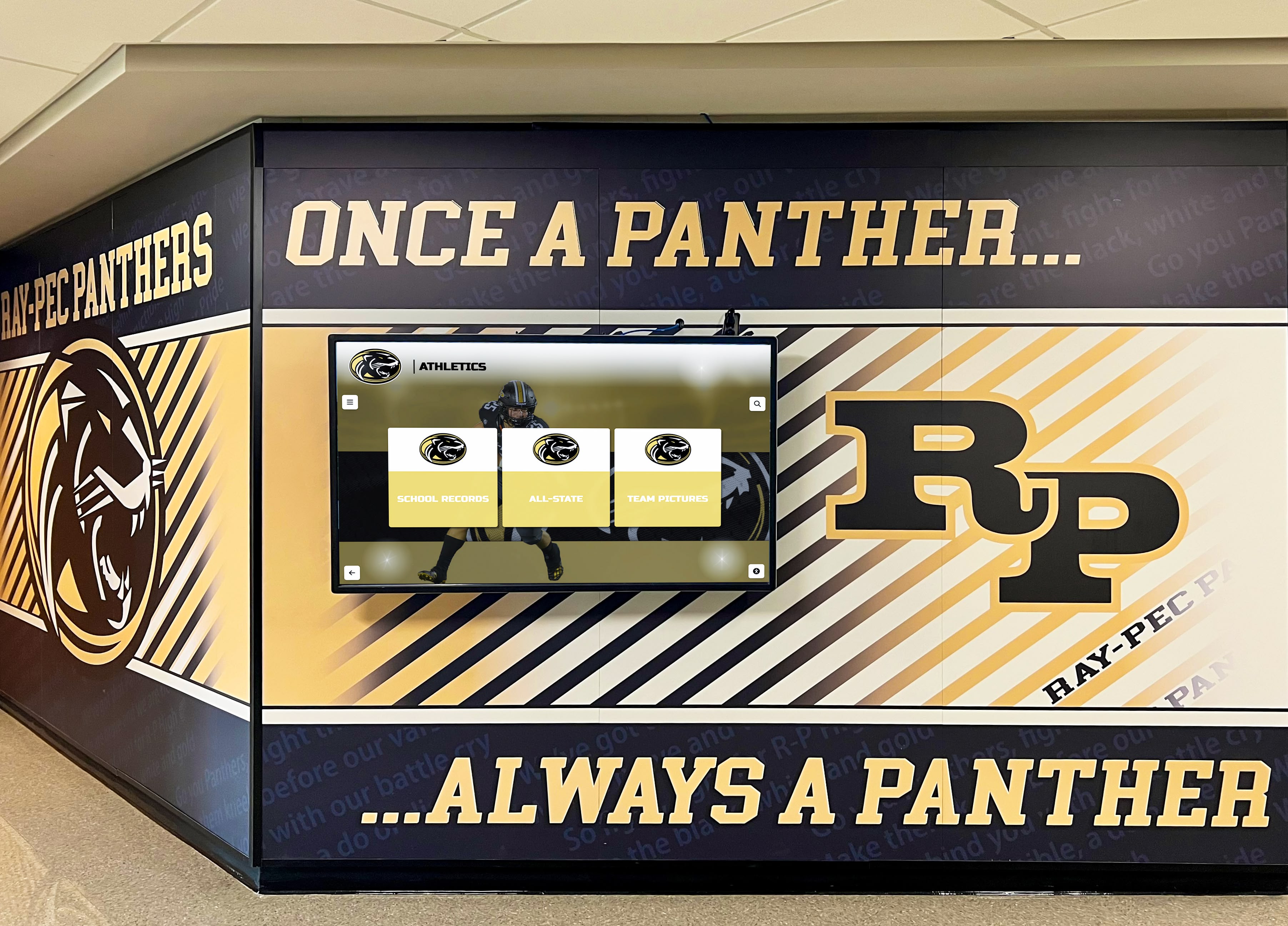
Digital displays showcase basketball program achievements and help create the visibility that attracts college coaching attention
Junior Year: Prime Recruiting Period
Junior year represents the most critical period in basketball recruiting. This is when college coaches actively evaluate prospects, recruiting intensity peaks, and scholarship offers begin materializing.
The September 1st Milestone
September 1st Junior Year Changes Everything: This date marks when Division I coaches can begin calling you once per week and having direct communication. Prepare for increased contact from programs genuinely interested in recruiting you.
Expect the Phone to Ring: Legitimate recruiting interest typically results in phone calls soon after September 1st from coaches who’ve been tracking you through sophomore year AAU and high school performance. If you’re not receiving calls, it doesn’t mean recruiting is over—it means you need to increase visibility through the strategies outlined here.
Peak Competition Season
Dominate Your High School Season: Junior year high school performance heavily influences recruiting evaluations. College coaches attend high school games during evaluation periods, so strong performance matters tremendously.
Strategic AAU Spring/Summer: The April-July AAU season during junior year is when most serious college evaluation occurs. Major events like the Nike EYBL, Adidas Gauntlet, Under Armour Association, and regional events draw hundreds of college coaches. Performance at these events directly impacts recruiting interest and scholarship offers.
Play at the Right Level: It’s better to be a featured player on a mid-level AAU team than a bench player on an elite squad. College coaches need to see you play extended minutes to evaluate your abilities—sitting on the bench provides no recruiting value regardless of team prestige.
Creating Your Basketball Highlight Reel
A quality basketball highlight reel is essential for junior year recruiting. Your highlight video should:
Length: Keep it 3-5 minutes maximum. Coaches won’t watch longer videos. Open with your best 30-60 seconds to grab attention immediately.
Content Structure:
- Opening slate with your name, graduation year, position, height, weight, GPA, contact info
- Best plays organized by category (shooting, ball handling, defense, passing, basketball IQ)
- Clips from both AAU and high school games
- Recent footage (junior year and sophomore year at earliest)
- Closing slate repeating contact information
Technical Quality:
- HD video quality from proper camera angles (mid-court elevated position is ideal)
- Clear view of you in every clip
- Mix of made shots and good plays—don’t include misses or mistakes
- Professional editing software (iMovie, Adobe Premiere, or dedicated recruiting video services)
What Coaches Want to See:
- Shooting ability from multiple ranges (three-point line, mid-range, finishing at rim)
- Ball handling in game situations against defensive pressure
- Defensive effort, positioning, and ability to guard multiple positions
- Basketball IQ including passing, court vision, and decision-making
- Athleticism and physical tools
- Competitiveness and effort
Distribution: Upload your highlight reel to YouTube with a searchable title including your name, graduation year, and position. Include the link in emails to coaches, recruiting profiles, and social media. Update your highlight reel throughout junior year as you generate better footage.
Official and Unofficial Visits
Unofficial Visits: You can take unlimited unofficial visits to college campuses at your own expense any time during high school. Junior year is ideal for unofficial visits to schools of interest. Unofficial visits allow you to tour campus, meet coaching staffs (during contact periods), watch practices or games, and assess program fit.
Schedule Visits Strategically: Try to visit during contact periods when coaches can interact with you. Dead periods and quiet periods limit what coaches can do during visits.
Official Visits: You cannot take official visits (paid by the school) until August 1st before senior year. However, junior year performances determine which schools will eventually offer official visits.
Academic Requirements Intensify
Take SAT/ACT: Most juniors take the SAT or ACT during spring semester. NCAA Division I requires minimum SAT/ACT scores paired with GPA on a sliding scale—higher GPA allows lower test scores and vice versa. Division II has different requirements. Prepare thoroughly and take tests multiple times if needed to achieve qualifying scores.
Register with NCAA Eligibility Center: If you haven’t already, register with the NCAA Eligibility Center during junior year. Request your high school send official transcripts. The eligibility certification process takes time—starting junior year prevents senior year complications.
Monitor Academic Progress: Ensure your cumulative GPA meets NCAA standards and that you’re on pace to complete all core course requirements before graduation.
Basketball programs that invest in showcasing their players’ achievements through prominent recognition displays demonstrate a commitment to athlete development that appeals to college coaches. These recognition programs create environments where athletic excellence is visibly celebrated.
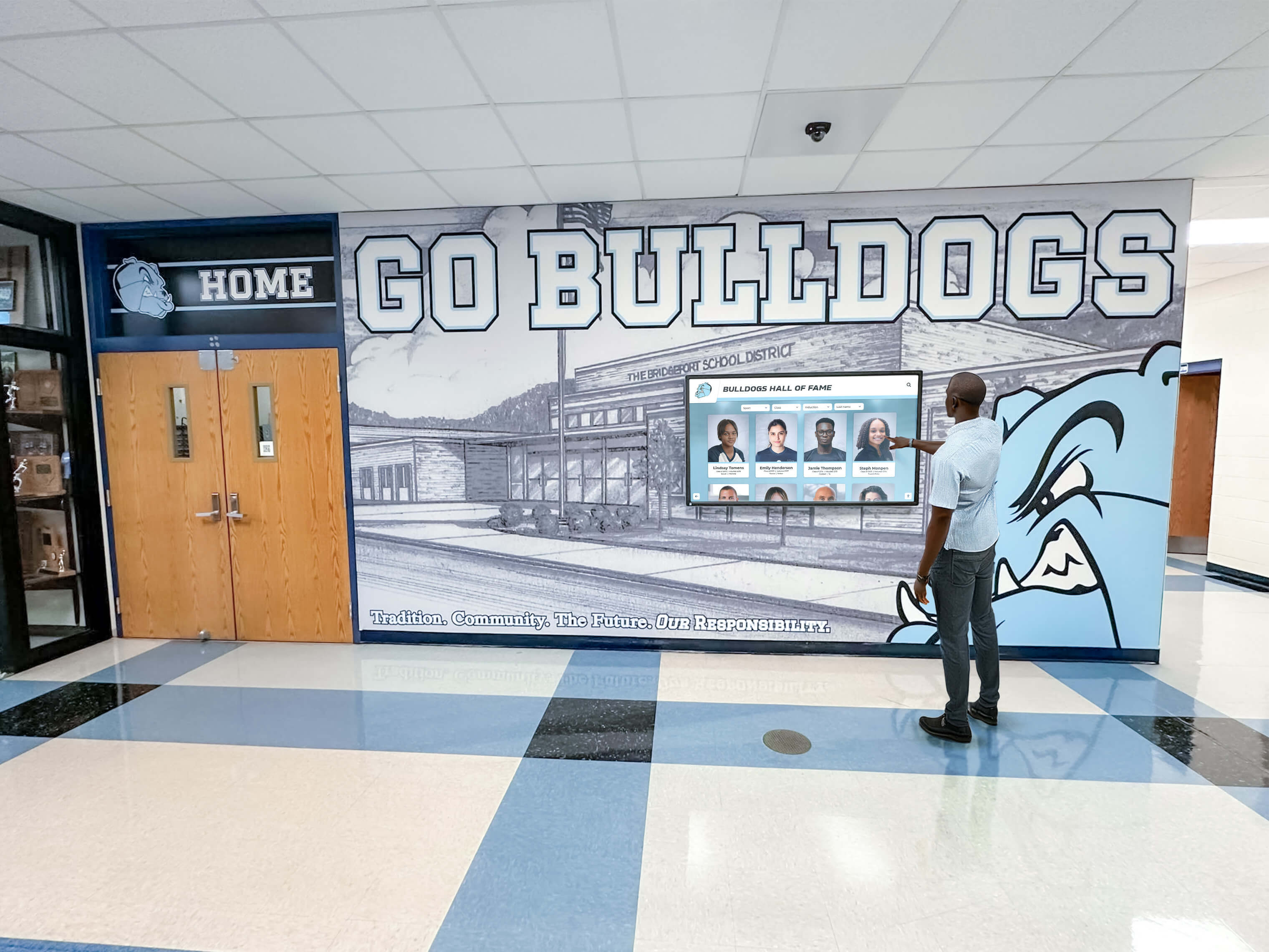
Schools that prominently feature athletic achievements create environments that attract college coach attention and support player development
Senior Year: Decision Time
Senior year shifts from building recruiting interest to evaluating offers, taking official visits, and ultimately committing to a program. For some players, recruiting intensifies senior year; for others, most recruiting concluded during junior year.
Fall Recruiting Period
October-November Evaluation: College coaches continue evaluating seniors during fall high school seasons and early AAU events. Strong senior year performance can generate late recruiting interest from programs that didn’t offer during junior year.
Official Visit Period: You can take up to five official visits (all expenses paid by the school) to NCAA Division I or II programs. These visits typically include campus tours, meals with team, watching games or practices, meetings with academic advisors, and one-on-one time with coaching staffs. Official visits are powerful recruiting tools—schools don’t offer official visits unless serious recruiting interest exists.
Communication Increases: Contact restrictions are removed senior year, meaning coaches can call, text, and communicate as frequently as they want. Expect regular contact from programs recruiting you seriously.
Making Your College Decision
Evaluate Offers Holistically: Consider multiple factors beyond just basketball:
- Playing time projections and positional fit
- Coaching staff stability, philosophy, and development track record
- Academic programs and major offerings
- Scholarship amount (full scholarship, partial, or no athletic aid)
- Campus culture and student life
- Geographic location and distance from home
- Team culture and current roster dynamics
- Post-basketball opportunities and alumni network
Division I vs Division II vs Division III vs NAIA vs Junior College:
Division I: Highest competitive level, largest athletic scholarships (full rides possible), significant time commitment, national exposure, largest schools typically.
Division II: Strong competition, partial athletic scholarships available, better academic-athletic balance than Division I, smaller schools than D1 typically.
Division III: No athletic scholarships (academic and need-based aid available), excellent academic programs often, true student-athlete experience, less intense time commitment than D1/D2.
NAIA: Competitive alternative to NCAA, athletic scholarships available, smaller schools typically, less restrictive recruiting rules.
Junior College: Two-year programs offering opportunity to develop skills while maintaining eligibility, pathway to transfer to four-year programs, full scholarships possible, strong competition level.
Consider the Total Package: The “best” college choice depends on your individual priorities. A Division III academic powerhouse might offer better long-term value than a Division I program where you never play. A junior college opportunity might provide necessary development time before transferring to a four-year school. Evaluate offers based on your specific situation, not prestige alone.
Commitment and Signing
Verbal Commitment: Verbal commitments are non-binding expressions of intent to attend a school. They generate media attention and recruiting momentum but don’t obligate you legally to attend.
National Letter of Intent (NLI): The binding commitment occurs when you sign a National Letter of Intent during one of the designated signing periods. Division I and II basketball has two signing periods:
- Early Signing Period (November)
- Regular Signing Period (April)
Signing an NLI commits you to attending that institution for one academic year in exchange for a scholarship agreement. This is the legally binding step that finalizes your college choice.
Financial Aid Agreement: Review scholarship offers carefully. Understand whether scholarships are guaranteed for four years or renewable annually, scholarship amount and what it covers, academic requirements to maintain scholarship, and medical scholarship provisions if injury occurs.
If You’re Not Getting Recruited
Not every high school player receives Division I offers or any college recruiting interest. If you’re not generating the recruiting attention you hoped for, consider these options:
Expand Your School Level Targets: If Division I schools aren’t interested, actively pursue Division II, Division III, NAIA, and junior college programs. These levels offer excellent basketball opportunities and education.
Attend Showcase Events: Late-stage recruiting showcases and all-star games provide additional exposure opportunities for senior prospects.
Walk-On Opportunities: Many college programs accept walk-ons (non-scholarship players) who earn roster spots through tryouts. Walk-on opportunities can lead to eventual scholarships if you perform well.
Prep School or Post-Graduate Year: Some players attend prep schools or post-graduate programs for an additional year of development and recruiting exposure before enrolling in college.
Focus on Academics: Remember that basketball should enhance your college experience, not define it. Strong academics open doors regardless of basketball outcome.
Many successful college programs actively showcase their recruiting success and player development through permanent recognition systems. High schools that create similar achievement recognition programs help students visualize pathways to college athletic participation.
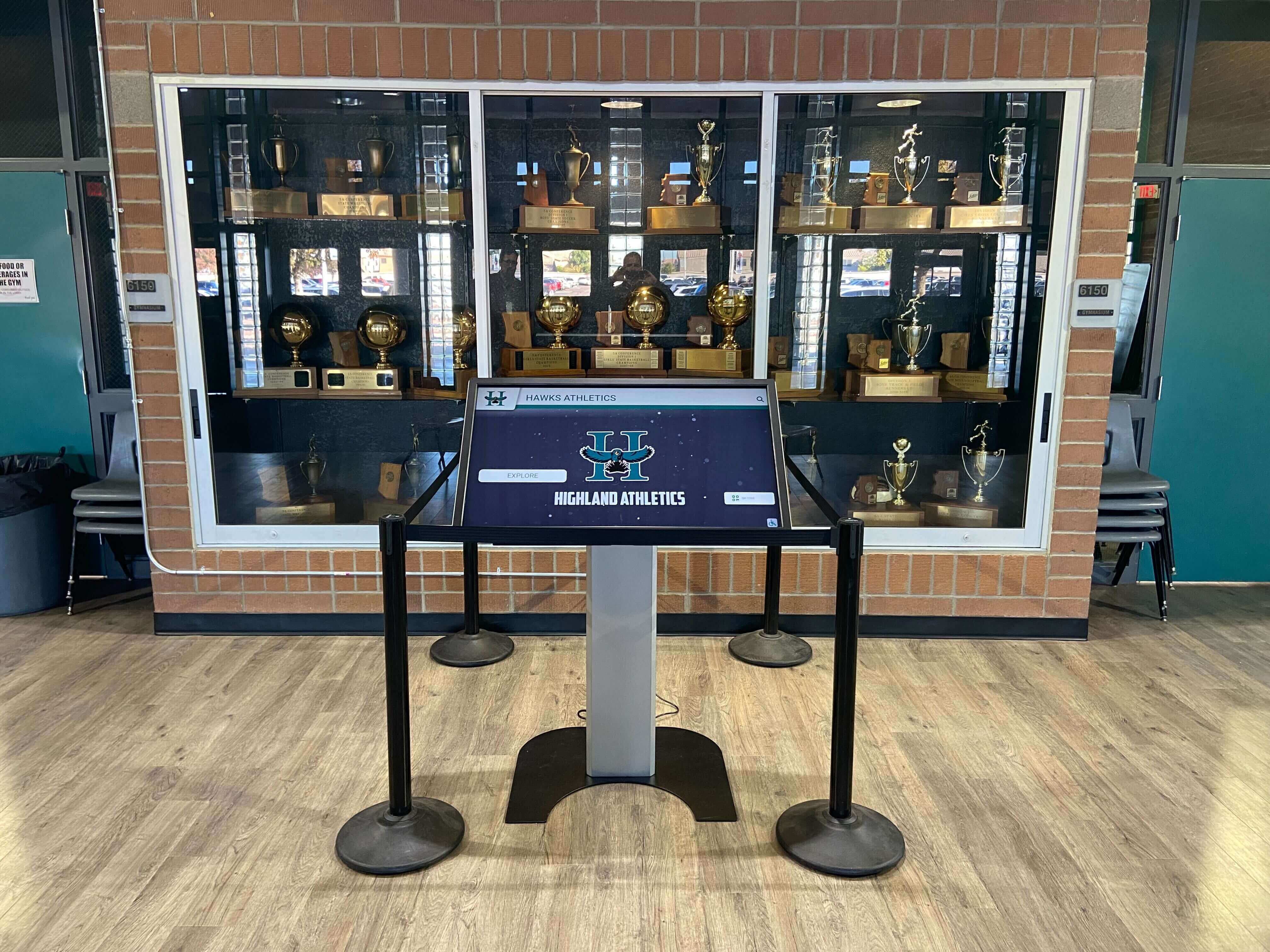
Modern recognition systems track athletic achievements from freshman through senior year, documenting the development that college coaches want to see
Additional Recruiting Strategies and Tips
Beyond the year-by-year roadmap, several additional strategies enhance recruiting success regardless of your current class year.
Building Relationships with College Coaches
Be Proactive: Don’t wait for coaches to find you. Research programs where you fit athletically and academically, then reach out expressing genuine interest.
Professional Communication: Every email, text, and phone call with college coaches should be professional, grammatically correct, and respectful. Coaches evaluate character as much as basketball ability.
Personalize Your Outreach: Generic mass emails are obvious and ineffective. Reference specific details about programs when contacting coaches—mention their offensive system, recent success, or why you specifically fit their program.
Consistent Follow-Up: Recruiting relationships require ongoing communication. Update coaches on your schedule, send updated footage, share academic achievements, and maintain regular contact without becoming annoying.
Social Media and Online Presence
Coaches Check Social Media: College coaches absolutely review prospect social media profiles. Ensure your presence reflects positively through appropriate content, professional language, highlighting basketball achievements and training, and demonstrating character and maturity.
Use Social Media Strategically: Post highlight clips, training videos, academic achievements, and basketball milestones. Tag relevant programs and coaches (appropriately, not excessively).
Privacy Settings: Make sure recruiting-relevant content is publicly viewable so coaches can find it, but maintain appropriate privacy for personal content.
Working with Your High School Coach
Your High School Coach is Your Biggest Advocate: High school coaches have direct relationships with college coaches and can advocate for you during recruiting conversations. Keep your coach informed about your recruiting interests, share your highlight reel and recruiting materials, ask for help contacting college coaches, and perform well in high school games where coaches actually watch you.
Request Recommendations: College coaches often contact high school coaches directly for assessments of your ability, character, and work ethic. Strong relationships with your high school coach benefit recruiting tremendously.
Physical Development and Training
Strength and Conditioning: College basketball demands significantly higher strength, speed, and conditioning than high school. Structured training programs focused on basketball-specific athleticism improve recruiting evaluations and college readiness.
Position Versatility: Modern basketball values players who can perform multiple roles. Developing skills outside your primary position increases recruiting value.
Measurables Matter: Height, wingspan, vertical jump, and athleticism measurements factor into recruiting evaluations. You can’t change height, but you can improve strength, speed, and explosiveness through dedicated training.
Financial Considerations
Recruiting Services: Paid recruiting services like NCSA, BeRecruited, and others offer varying levels of assistance ranging from basic profile hosting to full-service recruiting coordination. Evaluate cost versus benefit carefully—these services help some athletes but aren’t necessary for recruiting success.
AAU Costs: Competitive AAU basketball involves significant expenses including team fees, tournament entry, travel, lodging, and equipment. Budget accordingly and research potential financial assistance programs if costs are prohibitive.
Showcase Events: Numerous recruiting showcases and camps promise college exposure. Research each event carefully—some provide genuine value while others are primarily revenue generators with minimal legitimate recruiting impact.
High school athletic programs increasingly recognize that promoting student-athlete achievements supports recruiting success. Schools implementing comprehensive recognition systems create environments that help athletes visualize their potential college trajectories.
Common Recruiting Mistakes to Avoid
Understanding what not to do is as important as knowing the right strategies:
Waiting Too Long to Start: Freshman and sophomore years matter. Don’t wait until junior year to think about recruiting.
Overestimating Your Level: Be realistic about your ability and which college level matches your skills. Pursuing only Division I programs when you’re a Division III-level player wastes time and misses genuine opportunities.
Neglecting Academics: Athletic ability won’t overcome academic ineligibility. Maintain NCAA Eligibility Center standards throughout high school.
Poor Communication with Coaches: Unprofessional emails, inappropriate social media, or inconsistent follow-up damage recruiting relationships.
Choosing AAU Over High School: While AAU provides exposure, loyalty to your high school program matters to college coaches. Players who prioritize AAU over high school raise character concerns.
Ignoring Smaller Programs: Division II, Division III, NAIA, and junior college programs offer excellent basketball and education. Don’t dismiss these opportunities chasing impossible Division I dreams.
Focusing Only on Basketball: College is about education. Choose programs offering strong academics in areas you’re genuinely interested in studying.
Inadequate Highlight Video: Poor quality footage, excessively long videos, or highlights that don’t showcase your actual abilities hurt more than help.
Resources for Basketball Recruiting
NCAA Eligibility Center: www.eligibilitycenter.org - Register, check requirements, submit transcripts
Recruiting Websites:
- NCSA Sports Recruiting
- BeRecruited
- PrepHoops (regional recruiting coverage)
- Rivals, 247Sports, ESPN (national recruiting rankings)
AAU Basketball Organizations:
- Nike EYBL
- Adidas Gauntlet
- Under Armour Association
- Regional AAU circuits
Academic Testing:
- SAT: www.collegeboard.org
- ACT: www.act.org
Schools committed to celebrating athletic excellence create environments that support recruiting efforts through visible recognition of achievements. Programs implementing digital recognition displays provide permanent documentation of player development that reinforces recruiting narratives.
Final Thoughts: Your Recruiting Journey
Learning how to get recruited for college basketball is a multi-year process requiring strategic planning, consistent effort, realistic self-assessment, and persistence through inevitable setbacks. The basketball recruiting timeline begins freshman year and intensifies through junior year, when most serious college interest materializes.
Success in basketball recruiting doesn’t always mean Division I scholarships. Success means finding the right college fit where you can compete meaningfully, receive quality education, develop as a person and player, and create opportunities for life after basketball.
Start early, compete at your highest level, maintain academic eligibility, communicate professionally with college coaches, create quality highlight footage, and evaluate offers based on total opportunity rather than prestige alone. Whether you ultimately play Division I, Division II, Division III, NAIA, or junior college basketball, the recruiting process teaches invaluable lessons about goal-setting, perseverance, and self-advocacy that benefit you throughout life.
The college basketball recruiting journey is challenging but navigable for players willing to put in the work both on the court and through the recruiting process itself. Follow this roadmap, stay proactive, and you’ll maximize your opportunities to continue your basketball career at the college level.
Ready to showcase your basketball achievements? High school programs that prominently feature student-athlete accomplishments create environments that support recruiting efforts and inspire the next generation of players. Discover how Rocket Alumni Solutions helps schools celebrate athletic excellence through interactive digital recognition systems that highlight player development from freshman through senior year and beyond.































