
From Static Plaques to Dynamic Experiences: The Recognition Wall Revolution
Traditional recognition walls—rows of plaques, framed photos, and engraved nameplates lining hallways—have served schools, universities, and organizations for generations. But these static displays face significant limitations in today's digital world: they consume valuable wall space, require costly physical updates for each new honoree, lack engagement beyond a quick glance, and make historical recognition nearly impossible to find. Modernizing recognition walls transforms these limitations into opportunities, creating dynamic, interactive systems that honor more people, engage audiences longer, and reduce long-term maintenance costs while preserving the dignity and importance of recognition programs.
The shift from traditional recognition walls to modern digital systems represents one of the most impactful upgrades schools and organizations can make. This transformation goes beyond simple aesthetics—it fundamentally changes how institutions celebrate achievement, engage communities, and preserve history. Modern recognition walls combine touchscreen displays, cloud-based content management, multimedia storytelling, and web accessibility to create comprehensive systems that serve current needs while adapting to future requirements.
This comprehensive guide explores every aspect of modernizing recognition walls, from assessing your current system and planning the transition to implementing technology, creating compelling content, and measuring success. Whether you’re replacing aging plaques that no longer fit your institutional image, expanding recognition programs beyond physical space constraints, or implementing recognition for the first time, this guide provides the roadmap for successful modernization.

Modern digital recognition walls create engaging, interactive experiences that transform how institutions celebrate excellence
Understanding the Need for Recognition Wall Modernization
Before exploring how to modernize recognition walls, understanding why this transformation matters helps build institutional support and secure necessary resources.
Limitations of Traditional Recognition Walls
Traditional recognition approaches face inherent constraints that become increasingly problematic as organizations grow and community expectations evolve.
Space Constraints Create Impossible Choices:
Physical recognition walls have finite capacity. As programs expand and more individuals deserve recognition, institutions face difficult decisions: Which achievements deserve permanent display? Which past honorees must be removed to accommodate new recognition? Where can additional wall space be found when existing areas reach capacity?
These space limitations often result in storage closets filled with plaques for honorees no longer displayed—individuals whose contributions are effectively forgotten despite formal recognition. Many organizations estimate that 60-80% of their historical recognition sits in storage rather than on display, creating situations where recognition loses its meaning and value.
Costly and Time-Consuming Updates:
Adding new honorees to traditional recognition walls requires significant investment for each update cycle. Custom plaques typically cost $100-500 per person depending on size, materials, and engraving complexity. Installation requires coordination with facilities staff or contractors, often involving drilling, precise alignment, and professional mounting. Many organizations update recognition walls only annually or even less frequently due to these costs and logistics, creating delays between achievement and recognition that diminish impact.
Limited Information and Context:
Traditional plaques provide minimal information—typically just names, years, and perhaps brief achievement descriptions. This limitation makes it difficult to tell complete stories about honorees, provide context about their contributions, or help visitors understand why individuals were recognized. Younger generations particularly expect more comprehensive information and engaging presentations that traditional static displays cannot provide.
Minimal Engagement and Interaction:
Recognition walls are passive experiences—visitors walk past, briefly glance at plaques, and continue on. Research indicates that average viewing time for traditional recognition walls measures less than 10 seconds per visitor in most cases. This minimal engagement means recognition investments generate little actual impact in terms of inspiration, community building, or cultural reinforcement.
Maintenance and Deterioration Challenges:
Over time, traditional recognition walls show age: plaques tarnish, mounting hardware loosens, frames deteriorate, and photos fade from light exposure. Maintaining professional appearance requires periodic cleaning, refinishing, and restoration work that adds to ongoing costs. Many institutions find their recognition walls gradually become eyesores rather than sources of pride as maintenance falls behind actual needs.

Traditional recognition walls often reach capacity, forcing difficult decisions about which achievements to display
Benefits of Modern Digital Recognition Systems
Understanding what modern recognition walls offer helps justify modernization investments and build enthusiasm for transformation.
Unlimited Recognition Capacity:
Digital recognition systems eliminate space constraints entirely. A single touchscreen display can showcase unlimited individuals with comprehensive profiles for each honoree. Organizations can finally honor everyone who deserves recognition rather than making difficult choices about who gets displayed and who gets stored. This unlimited capacity is particularly valuable for institutions with long histories and large communities where recognition needs continuously expand.
Solutions like digital walls of fame enable organizations to honor entire organizational histories rather than just recent achievements, creating comprehensive recognition that strengthens community bonds and preserves institutional memory.
Dramatic Cost Reductions Over Time:
While digital recognition systems require higher initial investments than single plaques, long-term cost analysis reveals substantial savings. Once implemented, adding new honorees requires no physical production costs—just digital content creation through existing photos and information. Over 5-10 years, organizations typically save tens of thousands of dollars by eliminating recurring plaque production, installation, and maintenance expenses.
Rich Multimedia Content and Storytelling:
Modern recognition walls integrate photos, videos, audio recordings, detailed biographies, achievement narratives, and historical context—providing depth impossible with traditional plaques. These multimedia capabilities enable compelling storytelling that helps visitors understand not just what honorees achieved but why those contributions matter and how they impact communities.
Video testimonials from honorees, archival footage from achievement moments, and photo galleries spanning entire careers create emotional connections that static plaques cannot match. This enhanced storytelling capability transforms recognition from simple acknowledgment into inspiration that motivates current students, employees, or members.
Interactive Engagement and Exploration:
Touchscreen interfaces invite active participation rather than passive viewing. Visitors can search for specific individuals, filter recognition by categories or time periods, explore related honorees, and zoom in on photos for detail viewing. This interactivity dramatically increases engagement—analytics show that visitors spend 5-15 minutes exploring modern recognition displays compared to less than 30 seconds with traditional walls.
Extended engagement time means recognition actually influences visitors, creating opportunities for cultural reinforcement, value communication, and community building that justify recognition program investments.
Web Accessibility and Global Reach:
Traditional recognition walls reach only people who physically walk past displays. Modern systems extend recognition globally through online hall of fame websites that make content accessible from anywhere. Alumni living across the world, family members who cannot visit in person, and prospective students researching organizations can all explore recognition remotely.
Web accessibility also enables social sharing—honorees can share their recognition profiles to personal social media, exponentially expanding visibility and institutional reach. This extended audience transforms recognition from internal appreciation to external marketing and recruitment tools.
Real-Time Updates and Flexible Management:
Cloud-based content management systems enable instant updates from any internet-connected device. Add new honorees, correct information errors, or update profiles in minutes without physical access to displays. This flexibility ensures recognition remains current and accurate while eliminating administrative bottlenecks that delay traditional updates.
Remote management particularly benefits organizations with multiple locations or distributed administrative teams where coordinating physical updates creates logistical challenges.
Comprehensive Analytics and Insights:
Modern recognition systems provide detailed usage analytics revealing which content visitors explore most, how they navigate information, and what search queries they enter. These insights help organizations understand what recognition resonates most with communities, identify content gaps, and optimize recognition programs based on actual engagement data rather than assumptions.
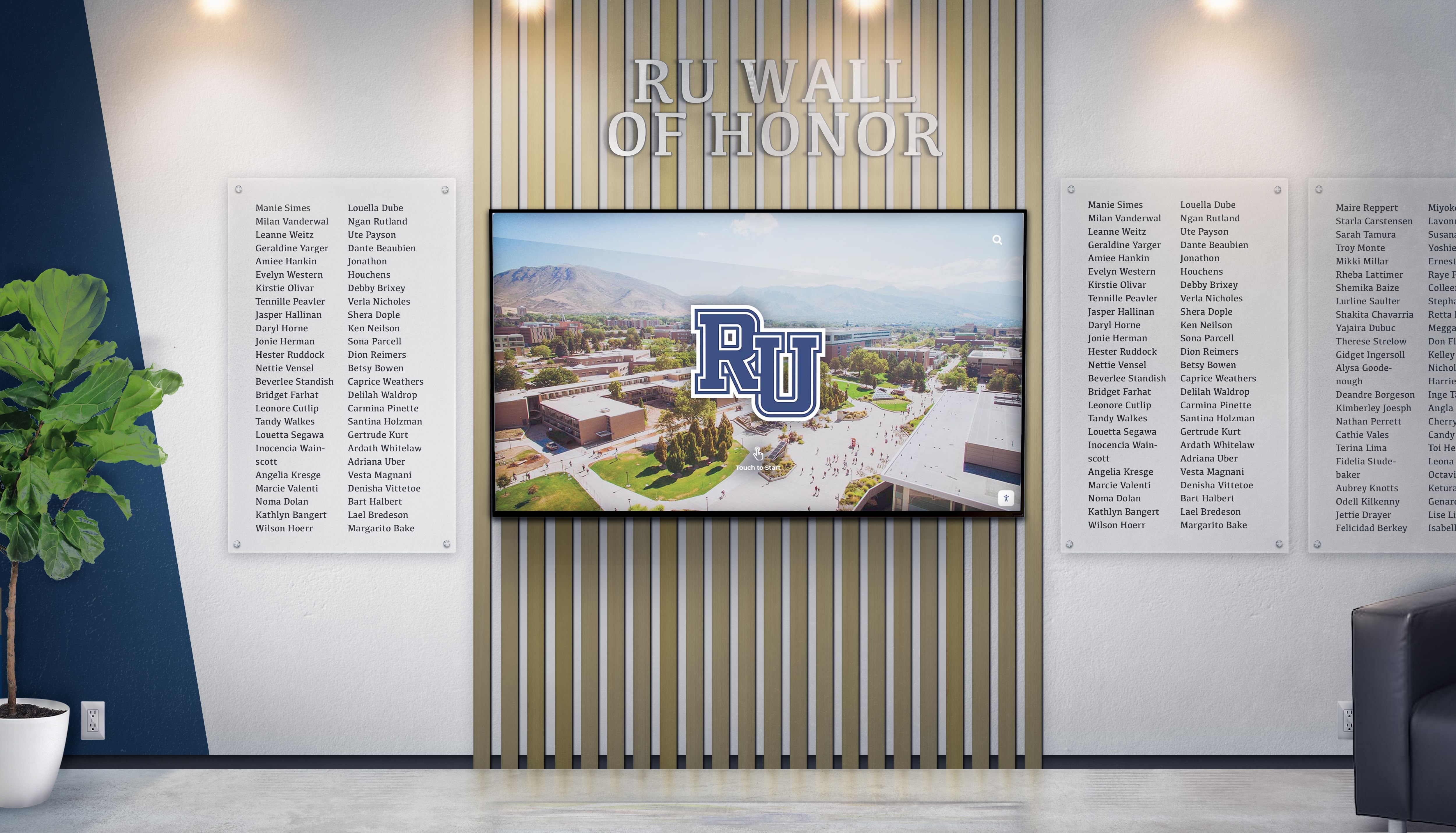
Modern recognition walls integrate touchscreen technology, multimedia content, and cloud management for comprehensive systems
Assessing Your Current Recognition System
Successful modernization begins with thorough assessment of existing recognition programs, understanding what works well and identifying specific problems to solve.
Inventory Current Recognition Content
Document all existing recognition in comprehensive inventories that inform modernization planning.
Physical Recognition Audit:
Walk through all facilities identifying every recognition element: plaques, trophies, framed photos, donor walls, achievement displays, memorial recognitions, and any other formal or informal recognition installations. Photograph each display and note location, condition, number of honorees, and date ranges covered.
This inventory often reveals surprising findings: recognition displays in forgotten corners that few people see, inconsistent recognition standards across different departments or time periods, and substantial amounts of recognition content stored rather than displayed. Understanding the full scope of current recognition helps ensure nothing important gets overlooked during modernization.
Content Categorization:
Organize recognition inventory by categories such as:
- Academic achievements and scholarships
- Athletic accomplishments and records
- Donor recognition and philanthropic support
- Service awards and community contributions
- Employee or staff recognition
- Historical honors and hall of fame inductees
- Memorial recognitions and dedications
This categorization reveals recognition program breadth and helps identify which categories receive disproportionate emphasis and which areas lack adequate recognition. Balanced modern systems typically honor excellence across all categories rather than focusing exclusively on one domain like athletics.
Historical Documentation:
For recognition with historical value, document creation dates, installation contexts, and any known stories about individuals or programs represented. This historical information becomes valuable content for modern recognition systems while also informing preservation decisions about physical artifacts that may deserve special treatment beyond general modernization.
Evaluate Current System Performance
Assess how well existing recognition serves institutional needs and community expectations.
Space Utilization Analysis:
Calculate total square footage dedicated to recognition displays and estimate capacity utilization. Many organizations discover they’ve allocated 200-500 square feet or more to recognition walls that could serve alternative purposes. Understanding space consumption helps demonstrate modernization value when digital systems reduce physical footprints by 70-90% while increasing recognition capacity.
Cost Documentation:
Review financial records documenting recognition program costs over the past 3-5 years: plaque production, frame purchases, engraving services, installation labor, maintenance, and any space renovation associated with recognition expansion. These historical costs establish baselines for comparing modern system economics and demonstrating return on investment.
Many organizations underestimate total recognition expenses because costs are distributed across multiple budget categories and departments. Comprehensive cost documentation often reveals spending significantly higher than initial estimates, strengthening financial justification for modernization.
Community Feedback Gathering:
Survey or interview key stakeholders about current recognition effectiveness: honorees, family members, students or employees, alumni, and visitors. Ask about recognition visibility, ease of finding specific individuals, understanding of why honorees were recognized, emotional impact of recognition, and suggestions for improvement.
This qualitative feedback identifies perception gaps between institutional intentions and community experience. Recognition that organizations consider adequate may fall short of community expectations, while aspects of recognition valued by staff may matter less to actual audiences.
Engagement Observation:
Observe how people actually interact with existing recognition. Track how many visitors stop to view recognition, how long they engage, whether they read content or just glance, if they photograph recognition, and if they discuss recognition with companions. These behavioral observations reveal actual recognition impact regardless of what surveys report.
Many institutions discover that recognition they invested heavily in receives minimal actual attention, while informal or unexpected recognition generates substantial interest. These insights inform modern recognition design ensuring resources focus on what actually engages audiences.
Identify Modernization Goals and Priorities
Based on assessment findings, establish clear objectives that modernization should achieve.
Specific Problem Resolution:
Identify the most significant issues with current recognition: insufficient capacity forcing difficult decisions about who gets honored, excessive costs making regular updates impractical, minimal engagement limiting recognition impact, or accessibility barriers preventing certain community members from experiencing recognition.
Clear problem definition helps evaluate modernization solutions and ensures investments address actual needs rather than implementing technology for technology’s sake.
Stakeholder Priority Alignment:
Different stakeholders often have varying recognition priorities. Leadership may emphasize cost efficiency and space optimization, advancement teams may prioritize donor recognition visibility, academic departments may focus on scholarly achievement celebration, and athletics may emphasize program tradition and competitive success.
Understanding these diverse priorities helps design modern recognition systems that balance competing interests and generate broad institutional support rather than favoring one constituency over others.
Phased Implementation Planning:
Most organizations cannot or should not replace all recognition simultaneously. Identify logical phasing that addresses highest priorities first while creating manageable project scopes: perhaps starting with main entrance recognition, then expanding to specific departments, and finally addressing comprehensive historical content digitization.
Phased approaches enable organizations to learn from early implementations, demonstrate value before major investments, and distribute costs across multiple budget cycles. Many schools begin with high-impact athletic or donor recognition before expanding to comprehensive systems.
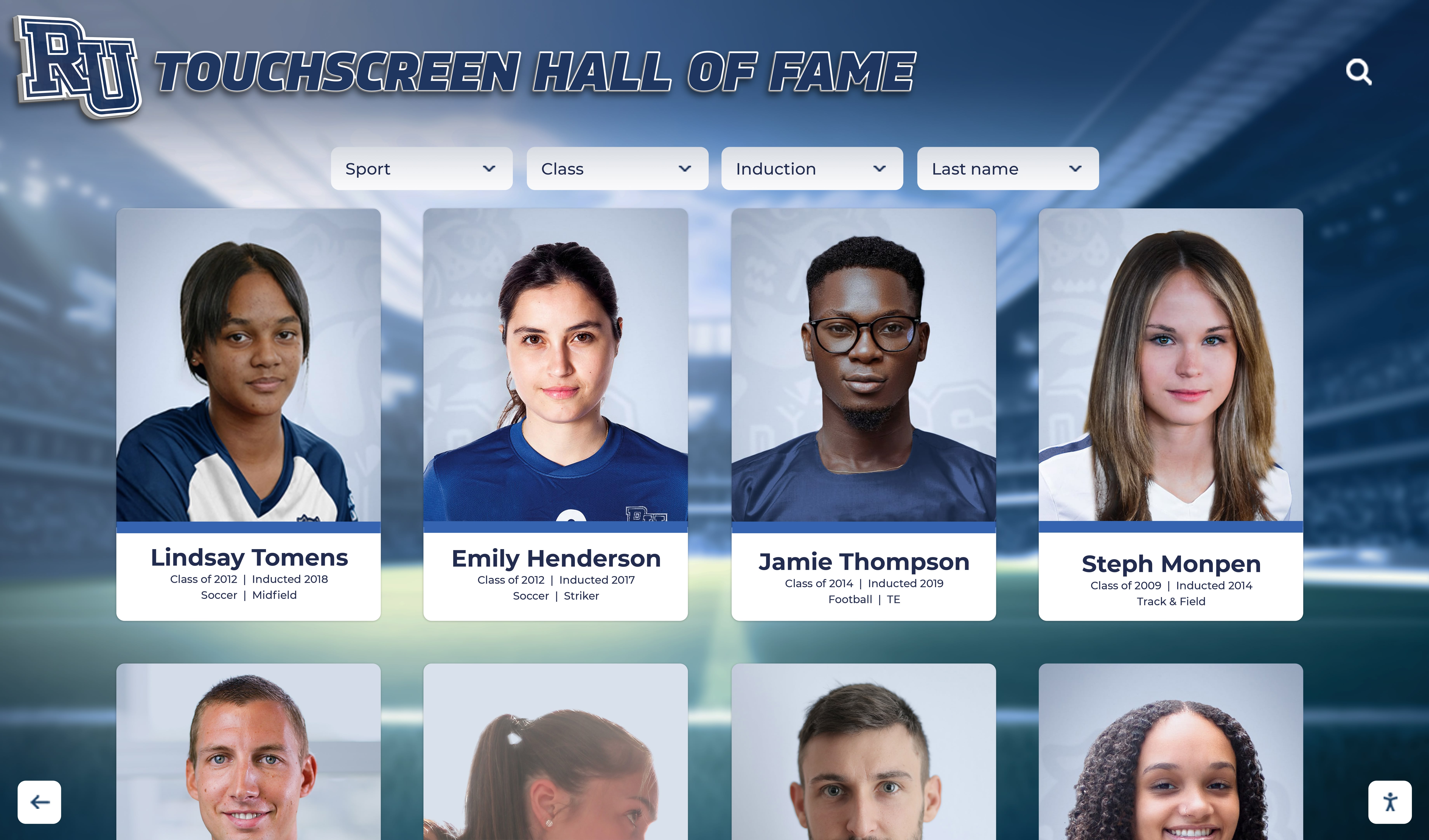
Modern content management systems enable efficient organization and updating of comprehensive recognition content
Planning Your Recognition Wall Modernization
Thoughtful planning ensures modernization projects deliver maximum value while minimizing disruption and avoiding common pitfalls.
Selecting Modern Recognition Technologies
Understanding available technology options helps make informed decisions aligned with institutional needs and budgets.
Display Hardware Considerations:
Modern recognition walls typically center on commercial-grade touchscreen displays designed for continuous institutional operation. Key hardware decisions include:
Screen Size Selection: Displays range from 43-inch screens suitable for smaller recognition installations to 75-inch or larger screens commanding attention in major lobbies. Larger screens cost more but provide more impressive presence and enable multiple simultaneous users. Consider viewing distances and available space when selecting sizes—displays in wide corridors benefit from larger sizes visible from greater distances, while displays in intimate spaces may work well with smaller screens.
Mounting Configurations: Wall-mounted installations create clean, professional appearances while preserving floor space, making them ideal for corridors and entrance areas. Freestanding kiosks offer flexibility for locations lacking appropriate wall space or situations requiring portable installations for special events. Protective enclosures shield displays in high-contact environments or outdoor installations while maintaining touch functionality.
Multi-Display Systems: Large organizations may benefit from multiple displays distributed across facilities rather than single central installations. Multiple displays bring recognition closer to relevant contexts—athletic recognition in gymnasiums, academic honors in library spaces, donor recognition in administration areas. Networked displays can share content libraries while presenting category-specific recognition in each location.
Software Platform Selection:
Recognition software distinguishes purpose-built systems from generic digital signage solutions. Look for platforms specifically designed for achievement recognition with features including:
- Structured content organization for individuals, teams, or categories
- Powerful search and filtering enabling visitors to find specific content
- Multimedia content support for photos, videos, and documents
- Cloud-based content management enabling remote administration
- Role-based permissions for distributed content responsibility
- Template systems maintaining visual consistency
- Web portal access extending recognition beyond physical displays
- Social sharing integration amplifying recognition reach
- Analytics providing engagement insights
Solutions like Rocket Alumni Solutions provide comprehensive platforms specifically designed for educational and organizational recognition, incorporating features that general-purpose systems lack.
Infrastructure Requirements:
Successful recognition wall implementations require attention to supporting infrastructure:
Network Connectivity: Reliable internet access enables remote content management, automatic software updates, and web-based recognition access. Wired Ethernet connections provide optimal stability and bandwidth, while robust WiFi offers acceptable alternatives where wiring proves impractical.
Electrical Power: Displays require dedicated electrical outlets positioned for clean installations without exposed wiring. Power consumption typically ranges from 150-400 watts depending on screen size—minimal enough to have negligible impact on utility costs.
Physical Installation: Wall-mounted displays require secure mounting to structural elements supporting 50-150 pounds depending on screen size. Professional installation ensures secure mounting, proper cable management, and integration with architectural elements for finished appearances.
Consider reviewing technical considerations for digital wall of fame implementations when planning infrastructure requirements.
Designing Recognition Content Architecture
Thoughtful content organization ensures modern recognition systems serve diverse audiences effectively.
Organizational Frameworks:
Multiple organizational approaches can structure recognition content:
Categorical Organization
Separate recognition by achievement domains—athletics, academics, arts, leadership, service, professional accomplishment. This organization communicates that excellence spans multiple dimensions and receives equal celebration regardless of category.
Chronological Organization
Structure recognition by time periods—decades, years, or graduation classes. This approach helps visitors explore specific eras and provides historical context showing institutional evolution and tradition continuity.
Recognition Level Organization
Separate achievements by competitive level or significance—international, national, state, regional, local. This organization helps visitors understand achievement context while ensuring all recognition levels receive appropriate celebration.
Hybrid Flexible Systems
Combine multiple organizational approaches, enabling visitors to browse and filter using whichever framework matches their interests. Most effective modern recognition walls support multiple navigation pathways rather than forcing single predetermined sequences.
Search and Discovery Features:
Powerful search capabilities differentiate digital recognition from traditional displays where finding specific individuals requires scanning entire walls. Implement search supporting:
- Name searches locating specific individuals
- Keyword searches finding achievements by type, sport, or category
- Year or date range filters showing recognition from specific time periods
- Advanced filters combining multiple criteria for precise content discovery
- Related content suggestions helping visitors explore connections between honorees
Content Depth Standards:
Establish standards for information included in each recognition profile ensuring consistency while providing comprehensive coverage. Typical recognition profiles include:
- High-resolution portrait photos
- Achievement descriptions with context about significance
- Dates and timeframes for achievements
- Statistics, records, or performance metrics where relevant
- Biographical information about honorees
- Career accomplishments or post-achievement success
- Connection information for web presence or professional profiles
- Related achievements, teammates, or associated recognition
Comprehensive profiles transform recognition from simple acknowledgment into engaging stories that visitors find meaningful and memorable.
Historical Content Digitization:
Modernization provides opportunities to finally honor historical recognition stored rather than displayed. Plan systematic digitization projects capturing:
- Photos of physical plaques and trophies
- Scanning of certificates, programs, and documents
- Research from yearbooks, archives, and historical records
- Interviews with longtime community members who remember historical achievements
This historical migration work requires substantial initial effort but results in comprehensive recognition spanning entire institutional histories rather than just recent years. Consider starting with recent recognition and systematically adding historical content in logical phases based on significance and available resources.
Creating Implementation Timelines and Budgets
Realistic project planning ensures modernization proceeds smoothly without unexpected delays or cost overruns.
Project Phase Definition:
Break modernization into discrete phases with clear deliverables:
Planning and Assessment (1-2 months): Complete recognition inventory, gather stakeholder input, define objectives, evaluate technology options, and develop project specifications.
Vendor Selection and Contracting (1-2 months): Research providers, request proposals, evaluate options, negotiate contracts, and finalize implementation agreements.
Infrastructure Preparation (1-2 months): Install networking, complete electrical work, prepare mounting locations, and ensure facilities readiness for hardware installation.
Hardware Installation and Configuration (2-4 weeks): Mount displays, install computers or media players, connect infrastructure, and configure system settings.
Content Development and Migration (2-6 months): Create initial recognition content, digitize historical materials, organize information, and populate management system. This phase often represents the most time-intensive component of modernization projects.
Testing and Refinement (2-4 weeks): Verify all functionality, test user interactions, gather initial feedback, and make necessary adjustments before public launch.
Launch and Training (2-4 weeks): Conduct official unveiling, train content administrators, create support documentation, and establish ongoing maintenance procedures.
Total timelines typically range from 6-12 months from initial planning through full implementation, with content-rich projects requiring longer development periods than minimal viable product approaches.
Budget Development:
Comprehensive budgets should account for all modernization costs:
| Cost Category | Typical Range | Notes |
|---|---|---|
| Display Hardware | $2,000 - $8,000 per screen | Varies by size, features, and protection requirements |
| Recognition Software Platform | $2,000 - $10,000 initial + $500-2,000/year | Purpose-built recognition systems vs. generic signage |
| Infrastructure (electrical, networking) | $500 - $3,000 per location | Depends on existing infrastructure adequacy |
| Installation and Mounting | $500 - $2,000 per display | Professional installation ensures quality and safety |
| Initial Content Development | $5,000 - $30,000+ | Varies dramatically based on content volume and depth |
| Training and Support | $1,000 - $3,000 | Administrator training and documentation development |
| Typical Total Investment | $12,000 - $60,000+ | Single-display basic implementation to comprehensive multi-location systems |
Many organizations implement in phases to distribute costs across multiple budget cycles: starting with one high-impact location and expanding after demonstrating value and building organizational experience.

Strategic placement and professional installation ensure modern recognition walls maximize impact and engagement
Implementing Modern Recognition Wall Technology
Moving from planning to execution requires careful coordination across technology deployment, content creation, and change management.
Hardware Installation and Setup
Professional installation ensures modern recognition systems function reliably and present professional appearances.
Location Finalization:
Confirm final installation locations considering:
- Traffic patterns and visibility: Position displays where maximum numbers of people naturally pass and have clear sightlines to screens.
- Ambient lighting conditions: Avoid locations with direct sunlight on screens causing glare or requiring excessive brightness that reduces display lifespan. Controlled indoor lighting typically provides optimal viewing environments.
- Accessibility compliance: Ensure displays meet ADA requirements for mounting heights, approach clearances, and accessible interaction zones.
- Infrastructure access: Verify locations provide practical access to electrical power and network connectivity without excessive wiring costs or aesthetic compromises.
Professional Mounting:
Work with experienced installers who understand commercial display mounting requirements. Proper installation includes:
- Locating wall studs or structural elements capable of supporting display weight
- Using commercial-grade mounting hardware rated for display size and weight
- Integrating cable management concealing wiring for clean appearances
- Ensuring secure mounting preventing display removal or tampering
- Verifying levelness and proper alignment with architectural elements
Many organizations partner with specialized providers of digital recognition displays who handle installation as part of complete solutions rather than attempting self-installation of complex systems.
System Configuration:
Once hardware is physically installed, configure systems for recognition-specific operation:
- Connect displays to institutional networks following IT security protocols
- Configure display settings for optimal brightness, color, and contrast
- Set up automatic restart schedules ensuring reliability
- Configure touch sensitivity and calibration for accurate interaction
- Enable necessary security features preventing unauthorized access or modifications
- Test all connectivity and functionality before content deployment
Content Migration and Development
Compelling content determines whether modern recognition walls achieve their engagement and impact potential.
Content Digitization Workflows:
For organizations with substantial existing recognition, systematic digitization processes ensure efficient content migration:
Photography Standards: Photograph existing plaques, trophies, and recognition materials using consistent methods. High-resolution images enable detail viewing and future reproduction if needed. Consider creating 360-degree views of three-dimensional trophies for virtual examination.
Information Extraction: Transcribe all text from physical recognition—names, dates, achievements, statistics. Verify accuracy through multiple reviews or cross-reference with archival records. Historical recognition often contains errors that modernization opportunities can correct.
Research and Enhancement: Use modernization as opportunity to add information beyond what physical recognition contained. Research honorees’ career paths, gather photos from achievement moments, interview longtime community members about historical context, and locate related materials from archives.
Batch Processing Tools: Leverage spreadsheet templates or database tools for efficient content organization before uploading to recognition platforms. Many systems support bulk imports accelerating initial content population compared to manual individual entry.
Photography and Visual Content Creation:
High-quality visual content dramatically impacts modern recognition effectiveness:
Portrait Photography: Whenever possible, secure high-resolution portrait photos showing honorees clearly. For historical recognition, scan yearbook photos, team photos, or other archival images. Modern photo enhancement tools can improve quality of older images that would appear poor on high-resolution displays.
Achievement Photography: Include photos from actual achievement moments—championship games, award ceremonies, research presentations, performances. Action photos and candid celebration moments create emotional connections that formal portraits alone cannot achieve.
Video Content Integration: Consider creating or sourcing video content for significant achievements: game highlights, performance excerpts, interviews with honorees, or testimonials from coaches and colleagues. Even brief 30-60 second videos dramatically increase engagement compared to static content alone.
Writing Compelling Recognition Narratives:
Written content provides context and tells stories that transform recognition from simple acknowledgment to inspiration:
Achievement Context: Explain why accomplishments mattered beyond bare facts. Describe competitive difficulty, historical significance, records broken, or obstacles overcome. Help visitors understand why honorees deserve recognition rather than assuming achievement significance is self-evident.
Personal Stories: When possible, include quotes from honorees about what achievements meant to them, memorable moments, or advice for future generations. These personal perspectives create authentic connections that institutional descriptions cannot match.
Consistent Voice and Standards: Establish style guidelines ensuring consistent tone, grammar, and formatting across all recognition content regardless of who creates it. Professional, warm tones typically work well—celebrating excellence while remaining humble and inclusive.
Regular Content Updates:
Modern recognition systems require ongoing content maintenance ensuring currency and continued relevance:
- Establish clear responsibilities for adding new recognition and updating existing content
- Create submission workflows enabling relevant staff to report achievements deserving recognition
- Schedule regular review cycles ensuring new accomplishments are recognized promptly
- Develop quality control processes verifying content accuracy before publication
Organizations implementing effective content management strategies find that systematic processes make ongoing maintenance manageable rather than overwhelming while ensuring recognition remains valued institutional resource.
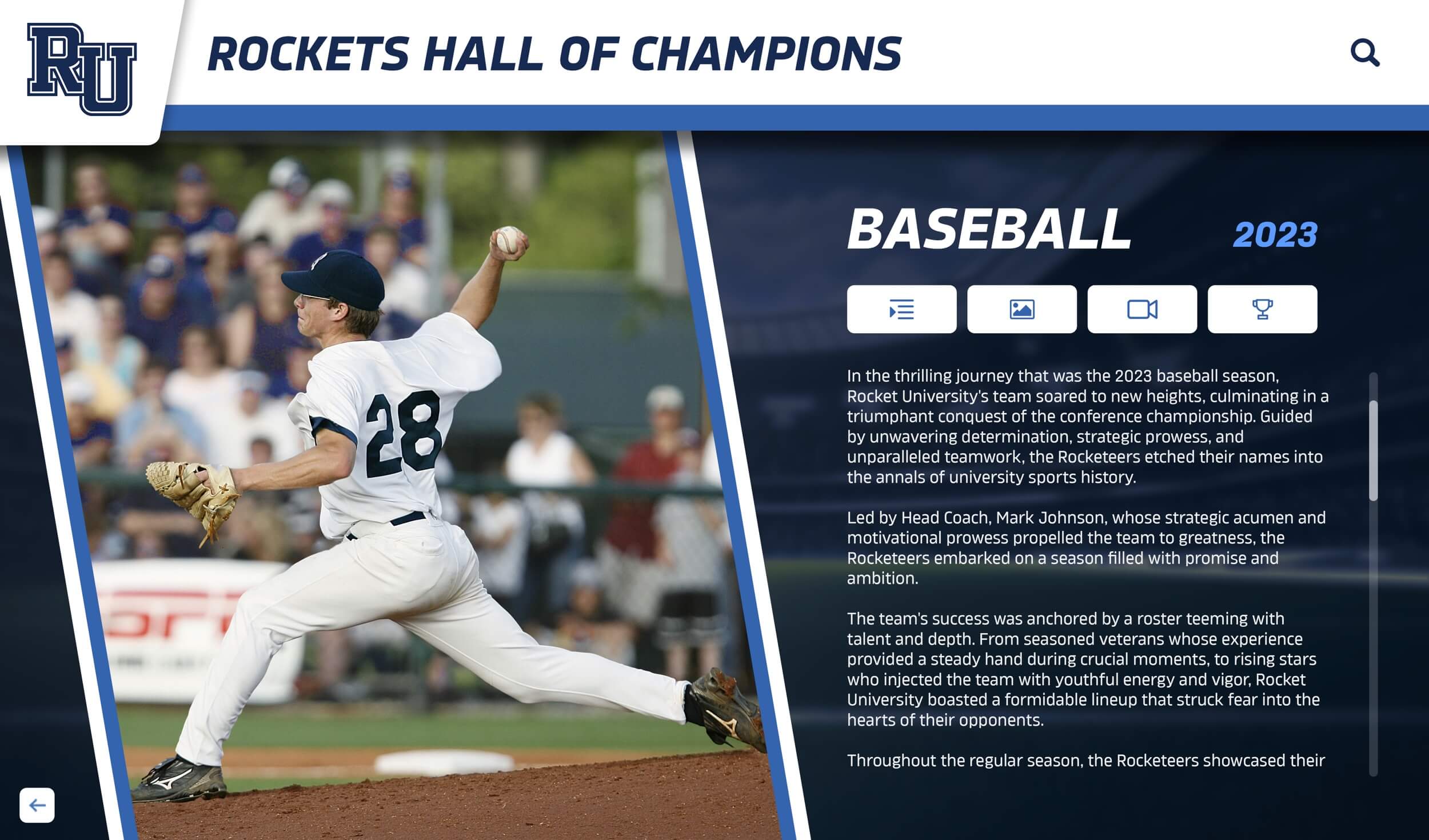
Rich content with photos, narratives, and context transforms simple acknowledgment into meaningful recognition
Training and Change Management
Successfully transitioning from traditional to modern recognition requires addressing both technical skills and cultural expectations.
Administrator Training:
Staff responsible for content management need comprehensive training ensuring confidence and competence:
System Navigation: Teach administrators how to navigate management interfaces, locate different content sections, and understand organizational structures.
Content Creation: Provide hands-on practice creating recognition profiles from start to finish—uploading photos, entering information, formatting text, categorizing content, and publishing.
Maintenance Procedures: Train on regular maintenance tasks like reviewing content for errors, updating information as circumstances change, and responding to community feedback or correction requests.
Troubleshooting: Prepare administrators to recognize and resolve common issues or know when to contact technical support for assistance.
Most organizations find that 2-4 hours of initial training plus follow-up refresher sessions every 6-12 months maintain administrator proficiency and confidence.
Community Communication:
Proactively communicate modernization plans, benefits, and timelines to build understanding and support:
Advance Notice: Alert communities about upcoming changes well before physical work begins. Explain modernization rationale focusing on how changes benefit communities rather than emphasizing cost savings or administrative convenience.
Progress Updates: Share implementation progress through newsletters, social media, or dedicated project websites. Visual content showing installation work and content development builds anticipation and demonstrates momentum.
Educational Content: Create materials explaining how to use modern recognition systems—quick start guides, video tutorials, FAQ documents. These resources help communities engage confidently with new technology rather than feeling intimidated or confused.
Addressing Concerns:
Some community members—particularly those with strong attachments to traditional recognition—may question modernization. Common concerns include:
“Will my plaque/trophy be removed?” Explain that physical recognition can be preserved (if desired) while digital systems supplement with enhanced content and accessibility. Many organizations photograph significant physical recognition for digital inclusion while preserving artifacts for display in special contexts.
“Is this just following trends?” Emphasize practical benefits—increased recognition capacity, reduced long-term costs, improved accessibility, enhanced engagement—rather than positioning modernization as simply adopting technology for its own sake.
“What about people who aren’t tech-savvy?” Demonstrate that modern touchscreen interfaces are intuitive and require no technical knowledge. Offer to provide personal demonstrations for concerned individuals showing how easily systems work.
Responsive, patient communication addressing concerns respectfully typically converts skeptics into supporters once they experience modern recognition benefits firsthand.
Maximizing Recognition Wall Impact After Modernization
Successful implementation is just the beginning—maximizing long-term value requires ongoing attention to content quality, engagement optimization, and integration with broader institutional goals.
Creating Engaging Content That Resonates
Content quality determines whether modern recognition walls achieve their engagement potential.
Storytelling Over Documentation:
The most effective recognition content tells compelling stories rather than simply documenting facts. Consider the difference between these approaches:
Basic Documentation: “Sarah Johnson, Class of 2015. State Champion, 100m Hurdles, 14.2 seconds.”
Compelling Storytelling: “Sarah Johnson overcame a devastating knee injury her junior year to return stronger than ever, setting a state record in the 100m hurdles at 14.2 seconds—breaking a 20-year-old mark. Her determination inspired her entire team to their best season in school history.”
The second approach provides context, overcome obstacles, impact on others, and achievement significance that create emotional connections and inspiration that bare facts cannot generate.
Multimedia Integration:
Leverage modern recognition systems’ multimedia capabilities for maximum impact:
- Photo galleries showing honorees throughout their careers or achievement journeys
- Video highlights capturing pivotal achievement moments visitors can experience virtually
- Audio recordings of fight songs, school cheers, or honoree reflections
- Document archives preserving certificates, newspaper articles, programs, and historical materials
- Interactive timelines showing how recognition fits within broader institutional history
Organizations that invest in comprehensive multimedia content report significantly higher engagement metrics compared to text-and-photo-only approaches.
Regular Content Refreshes:
Even excellent initial content loses impact if systems become stagnant. Maintain engagement through:
- Anniversary recognition: Highlight historical achievements on milestone anniversaries—25th, 50th, 75th years since accomplishments
- Then-and-now updates: Add current information about historical honorees—career accomplishments, family information, reflections on achievement impacts
- Expanded coverage: Gradually add more depth to existing profiles as additional information, photos, or media become available
- Featured content rotation: Regularly highlight different achievements, time periods, or categories preventing systems from seeming static
Community Contribution Encouragement:
Enable and encourage community members to contribute content enriching recognition:
- Alumni can submit career updates and accomplishments occurring after leaving institutions
- Family members can share photos, stories, or context about honorees’ achievements
- Former coaches or teachers can provide testimonials and memories
- Historians or archivists can contribute historical context and materials
This community engagement transforms recognition from one-way institutional communication to collaborative community projects that strengthen bonds while enriching content.
Integrating Recognition with Institutional Priorities
Modern recognition walls serve multiple purposes beyond simple achievement acknowledgment when integrated strategically with broader goals.
Recruitment and Admissions Support:
Prospective students and families visiting campuses form impressions based on everything they encounter. Modern recognition walls communicate:
- Excellence standards: Comprehensive achievement recognition demonstrates that institutions value and celebrate exceptional performance
- Diverse opportunity: Recognition spanning athletics, academics, arts, leadership, and service shows that success takes many forms and all receive celebration
- Strong traditions: Historical recognition reaching back decades demonstrates institutional stability and enduring quality
- Supportive culture: The care and attention given to recognition suggests institutions value individuals and invest in celebrating community members
Direct prospective families to recognition displays during campus tours, ensuring they experience these positive impressions. Many organizations report that recognition systems factor into enrollment decisions as families seek environments that celebrate achievement and demonstrate care for individuals.
Alumni Engagement and Development:
Modern recognition walls with web accessibility become powerful alumni engagement tools:
- Alumni can explore their own recognition and share profiles via social media
- Recognition provides conversation starters for development officers cultivating donors
- Comprehensive institutional history strengthens alumni emotional connections to schools or organizations
- Recognition of philanthropic contributions models giving and acknowledges generosity
Many advancement offices report that recognition investments pay dividends through increased alumni engagement metrics that correlate with donation rates and volunteer participation.
Cultural Reinforcement and Community Building:
Recognition walls communicate institutional values and priorities through what achievements receive celebration:
- Organizations emphasizing service should ensure service achievements receive equal recognition to competitive accomplishments
- Institutions promoting academic excellence should celebrate scholarly achievements as prominently as athletic success
- Communities valuing diversity should ensure recognition represents all demographic groups fairly
Regular exposure to comprehensive recognition reinforces desired cultural elements while demonstrating that stated values translate to actual priorities deserving resource allocation.
Marketing and External Communications:
Recognition content provides authentic marketing materials:
- Screenshots and photos of recognition displays enhance admissions materials and program brochures
- Achievement statistics drawn from recognition systems provide evidence for claims about program quality
- Video content featuring honoree testimonials creates compelling marketing narratives
- Social media content highlighting specific achievements generates engagement and positive institutional visibility
Unlike manufactured marketing content, recognition represents authentic institutional accomplishments that external audiences find credible and meaningful.

Modern recognition systems integrate multiple recognition categories creating comprehensive celebration of excellence
Measuring Success and Demonstrating Value
Systematic measurement demonstrates recognition wall modernization value and identifies optimization opportunities.
Engagement Metrics Analysis:
Modern recognition platforms provide detailed analytics revealing actual system usage:
- Total interactions and sessions: How many people use recognition systems and how frequently
- Average session duration: How long visitors engage, indicating content interest and value
- Popular content identification: Which achievements, time periods, or categories generate highest interest
- Search query analysis: What visitors look for, revealing interests and helping optimize content discovery
- Return visitor tracking: Whether people use systems repeatedly or only once, indicating sustained value
Review analytics quarterly identifying trends, successful content patterns, and opportunities for improvement. Share metrics with stakeholders demonstrating actual recognition system impact and justifying continued investment.
Community Feedback Collection:
Quantitative analytics complement qualitative feedback revealing how communities perceive and value recognition:
Stakeholder Surveys: Periodically survey students, staff, alumni, parents, and visitors about:
- Awareness of recognition systems and locations
- Frequency of interaction and exploration
- Content comprehensiveness and quality perceptions
- System ease of use and interface intuitiveness
- Overall satisfaction with recognition approach
- Suggestions for enhancements or additional content
Success Stories: Collect specific examples of recognition impact:
- Alumni who reconnected after exploring recognition online
- Prospective students influenced by recognition during campus visits
- Donors motivated to contribute after seeing impact documentation
- Current students inspired by recognition to pursue specific activities
These qualitative stories provide compelling narratives that complement quantitative data when communicating value to leadership or board members.
Return on Investment Calculation:
Demonstrate financial value through comprehensive cost-benefit analysis:
Compare total costs of traditional recognition approaches versus modern systems over 5-10 year periods accounting for:
- Initial implementation investments
- Recurring content production costs (eliminated with digital systems)
- Administrative time requirements (dramatically reduced with modern management)
- Physical space utilization (valuable square footage freed for alternative purposes)
- Engagement and reach benefits (web accessibility, social sharing, extended viewing times)
Many organizations find that modern recognition systems deliver positive ROI within 3-5 years even before accounting for enhanced engagement and expanded recognition capacity. When these additional benefits are considered, value propositions become overwhelming.
Conclusion: Embracing the Future of Institutional Recognition
Modernizing recognition walls represents far more than simply updating old plaques with digital displays. This transformation fundamentally changes how organizations celebrate achievement, engage communities, and preserve institutional history. Modern recognition systems eliminate the space constraints, cost barriers, and engagement limitations that plague traditional approaches, creating comprehensive platforms that honor more people, tell richer stories, reach wider audiences, and reduce long-term expenses.
The transition from traditional to modern recognition requires thoughtful planning, systematic implementation, and ongoing commitment to content quality and system optimization. But organizations completing this journey consistently report transformative results: recognition that actually influences and inspires rather than being passively ignored, administrative processes that take hours rather than weeks, community engagement that extends globally rather than being limited to physical visitors, and financial performance that justifies initial investments within several years.
As technology continues evolving, modern recognition systems will expand further with emerging capabilities like artificial intelligence content enhancement, augmented reality integration, and advanced predictive analytics. Organizations implementing these systems today position themselves at the forefront of recognition innovation while creating flexible platforms that will adapt and grow for decades to come.
Whether replacing aging recognition walls that no longer serve institutional needs effectively, expanding recognition programs beyond current physical limitations, or implementing comprehensive recognition for the first time, modern digital systems provide proven solutions that honor traditions while embracing future possibilities.
For schools and organizations ready to transform recognition programs, solutions like Rocket Alumni Solutions provide comprehensive platforms specifically designed for educational and institutional environments—combining intuitive content management, engaging user experiences, and flexible capabilities serving diverse recognition needs across all types of organizations.
Ready to Modernize Your Recognition Walls?
Discover how digital recognition systems can honor your achievements more comprehensively while reducing costs and administrative burdens.
Explore Modern Recognition Solutions

























