The first 30 seconds of your graduation speech will determine whether your audience leans forward with interest or mentally checks out before you’ve barely begun. Standing before hundreds of graduates, families, and faculty members, you face a singular pressure: deliver an opening line that transforms polite obligatory attention into genuine engagement. Too many graduation speeches begin with generic “Thank you for being here today” pleasantries that signal a forgettable address ahead, while the most memorable commencement moments start with openings that immediately connect, surprise, or inspire.
How to start a graduation speech effectively requires understanding that your opening serves multiple crucial purposes—it establishes your credibility and tone, creates immediate connection with diverse audience members, signals whether you’ll deliver substance worth sustained attention, and sets emotional foundation for the journey you’ll take listeners on throughout your address. Master this critical moment, and everything that follows becomes exponentially more impactful.
This comprehensive guide reveals proven opening techniques that transform graduation speeches from obligatory ceremony elements into memorable moments graduates and families recall years later. Whether you’re a valedictorian preparing your first major public address, a school administrator welcoming families to commencement, or a guest speaker looking to make meaningful impact, these strategies will help you craft openings that immediately captivate.
Graduation ceremonies represent milestone moments where authentic words can genuinely influence graduates embarking on new chapters. Yet ceremony-weary audiences have heard countless speeches following predictable formulas. Standing out requires intentional craft—particularly in those crucial opening moments when attention remains fluid and engagement isn’t yet earned.
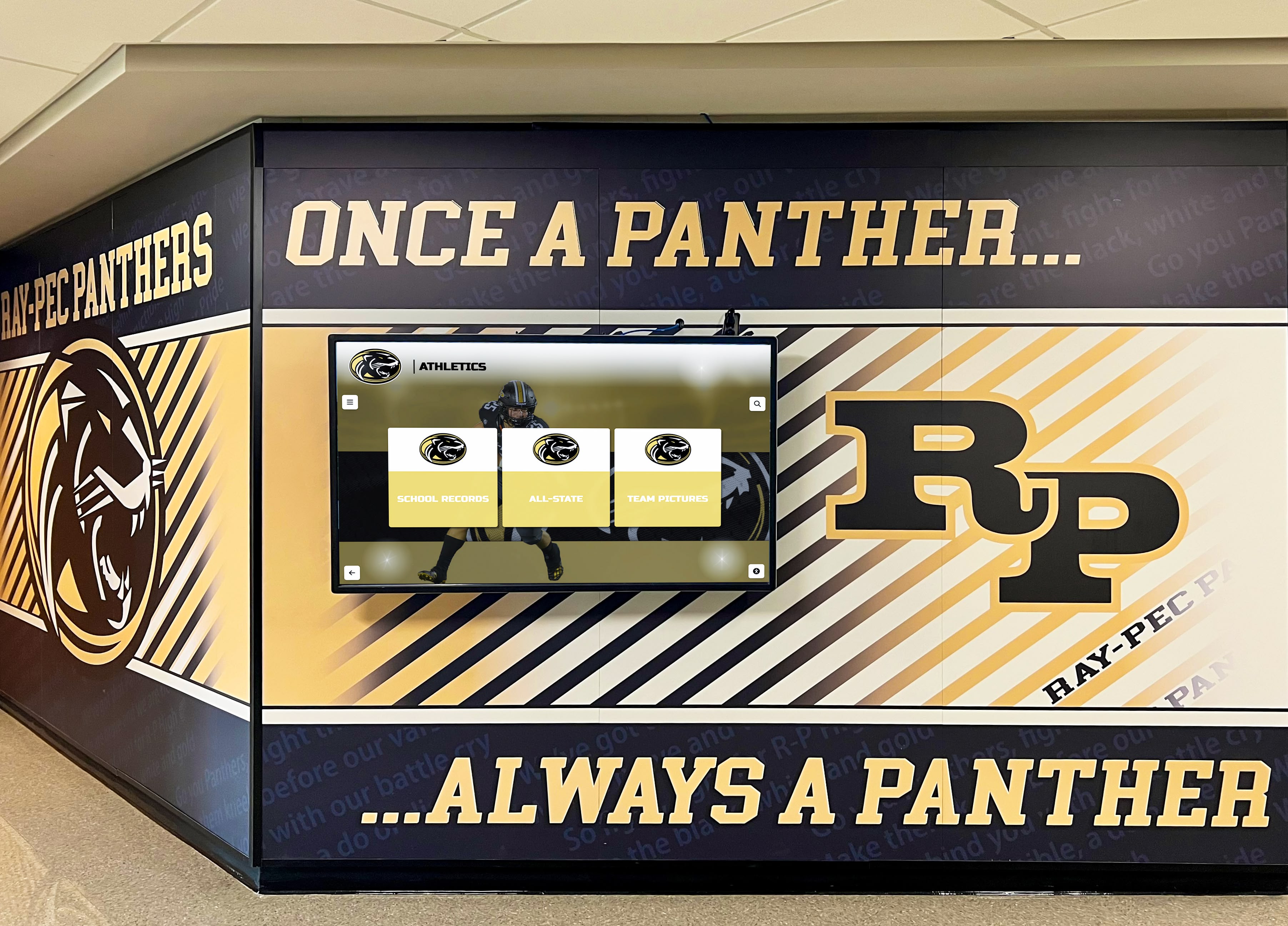
Modern recognition displays celebrate graduate achievements, complementing the inspiration shared during commencement addresses
Why Your Opening Lines Matter More Than You Think
Before exploring specific opening techniques, understanding the psychology behind first impressions helps speakers appreciate why these initial moments deserve disproportionate preparation time.
The 30-Second Attention Window
Research on audience attention patterns reveals uncomfortable truth: listeners make subconscious judgments about speaker credibility, message relevance, and whether sustained attention is warranted within the first 20-30 seconds of any presentation. For graduation speeches specifically, this judgment period occurs when audience attention is simultaneously at its highest potential (ceremony significance creates initial goodwill) and most fragile (long ceremony programs, uncomfortable seating, and environmental distractions compete for focus).
Critical First-Impression Factors:
Authenticity Assessment Audiences immediately evaluate whether speakers seem genuine versus performative. Generic openings signal speeches written to fulfill obligations rather than share authentic messages, creating instant skepticism about substance ahead.
Relevance Determination Listeners quickly assess whether content will relate to their specific experience. Student speakers must connect across diverse graduate backgrounds; guest speakers must demonstrate understanding of the specific community they’re addressing rather than delivering generic commencement addresses that could apply anywhere.
Energy and Tone Calibration Opening moments establish whether speeches will inspire, entertain, challenge, comfort, or bore. Audiences adjust expectations and engagement accordingly within seconds.
Speaker Credibility Establishment First impressions about speaker confidence, preparation, and authority form immediately through delivery, word choice, and whether openings demonstrate thoughtful preparation versus last-minute generic remarks.
The speakers who understand this brief judgment window invest disproportionate time crafting openings that immediately signal “this will be different—this will be worth your full attention.” Those who don’t often lose audiences permanently before they’ve finished pleasantries.
Common Opening Mistakes That Lose Audiences Immediately
Understanding what doesn’t work helps speakers avoid predictable pitfalls:
The Generic Gratitude Opening “Thank you Principal Johnson, faculty members, distinguished guests, families, and most importantly, the graduating Class of 2026…” While acknowledging key stakeholders matters, leading with administrative thank-yous signals a speech that will prioritize protocol over substance. Audiences hear identical openings at every ceremony—starting this way guarantees you blend into forgettable background.
The Obvious Observation Opening “Today is a very special day. We’re gathered here to celebrate an important milestone…” Stating obvious facts audiences already know wastes precious opening moments while signaling no fresh perspective ahead. Everyone knows why they’re at graduation—tell them something they don’t already know.
The Self-Deprecating Apology Opening “I know you’ve been sitting here a while and probably don’t want to hear another speech, so I’ll keep this brief…” Self-deprecation might seem humble, but opening by suggesting your speech is unwanted burden creates exactly that expectation. If you don’t believe your message deserves attention, audiences won’t either.
The Dictionary Definition Opening “Webster’s Dictionary defines ‘graduation’ as…” This tired academic opening signals a speech that will feel like homework assignment rather than authentic communication. Audiences respond to human connection, not textbook formalities.
The Overly Formal Academic Opening “Throughout the annals of educational institutions, commencement ceremonies have served as ritualistic passages marking the culmination of scholastic endeavors…” Pompous language creates distance rather than connection. Graduation speeches should feel like important conversations, not dissertation defenses.
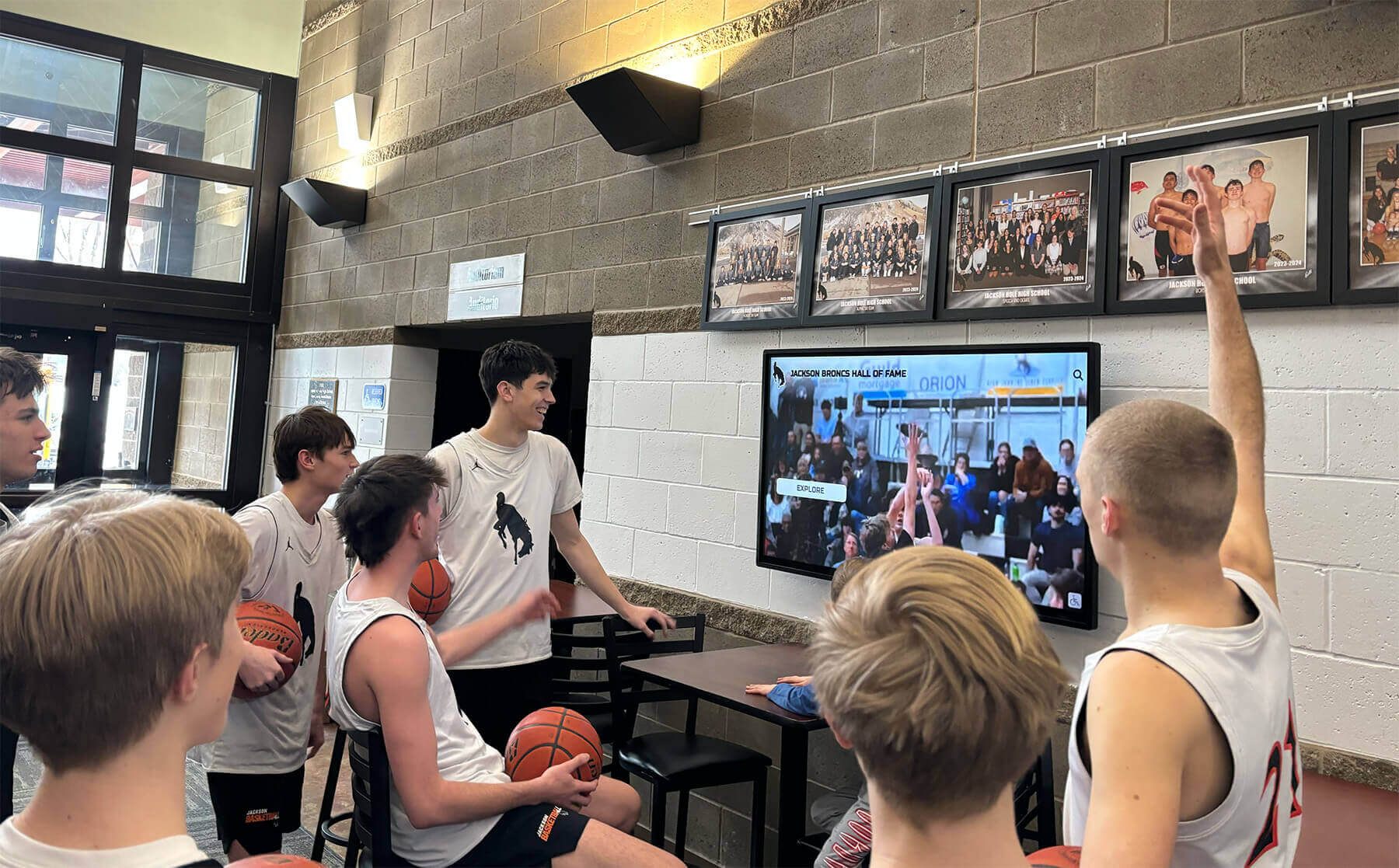
Recognition displays create environments celebrating achievement—the same spirit effective graduation speeches aim to capture
Proven Opening Techniques That Immediately Engage
Now that we understand what doesn’t work, let’s explore opening approaches that consistently create immediate audience connection and sustained engagement throughout speeches.
The Surprising Question Opening
Questions immediately activate audience minds differently than declarative statements. Surprising questions—those posing genuinely interesting, unexpected, or provocative inquiries—create immediate curiosity compelling listeners to stay engaged for answers.
Example Opening: “How many of you have already forgotten most of what you learned in sophomore biology? Be honest—when was the last time you used the Krebs cycle in conversation?”
This opening works because it acknowledges an uncomfortable truth graduates recognize but rarely hear validated at formal ceremonies. The slight humor creates connection while implicitly promising the speech will offer substance beyond academic platitudes. The question format requires audiences to engage—they’re mentally answering even if not responding aloud.
Effective Question Characteristics:
- Genuinely surprising rather than predictable rhetorical questions
- Personally relevant to graduate experiences across diverse backgrounds
- Creates curiosity about where the speech will go next
- Signals authenticity and willingness to acknowledge uncomfortable truths
- Can’t be answered with simple yes/no—requires thought
Poor Question Examples: “Are you excited to graduate today?” (Predictably obvious answer) “Who’s ready to change the world?” (Generic, heard at every ceremony) “How does it feel knowing high school is finally over?” (Lacks substance or direction)
The question opening works particularly well for student speakers who can draw on shared experiences with classmates, creating immediate “they get it” connection.
The Unexpected Story Opening
Stories create immediate engagement by transporting audiences into specific moments, bypassing analytical skepticism that greets abstract concepts or generic observations. The key is choosing stories that are genuinely unexpected—not the predictable “I remember my first day at this school” narratives everyone anticipates.
Example Opening: “Three weeks ago, at 2:47 AM, I was sitting in my car in an empty Target parking lot, crying over a calculus problem I couldn’t solve. My college application was due in hours, I was exhausted, and I genuinely believed I wasn’t smart enough for any of this. That moment of complete breakdown? It taught me more about resilience than four years of honor roll ever could.”
This opening succeeds by revealing unexpected vulnerability that humanizes the speaker immediately. The specific details (2:47 AM, Target parking lot, calculus problem) create vivid imagery making the moment feel authentic rather than manufactured. The setup of perceived failure followed by growth lesson signals the speech will offer genuine insight rather than empty inspiration.
Effective Story Opening Elements:
- Specific concrete details creating vivid mental imagery
- Unexpected vulnerability or surprising situation defying audience expectations
- Clear relevance promise connecting personal moment to broader graduate experience
- Concise setup—2-3 sentences maximum before extracting meaning
- Authentic emotion without manufactured drama
Effective story openings transport audiences into specific moments that illuminate broader truths about the graduate experience. The specificity proves authenticity—generic stories signal generic speeches ahead.
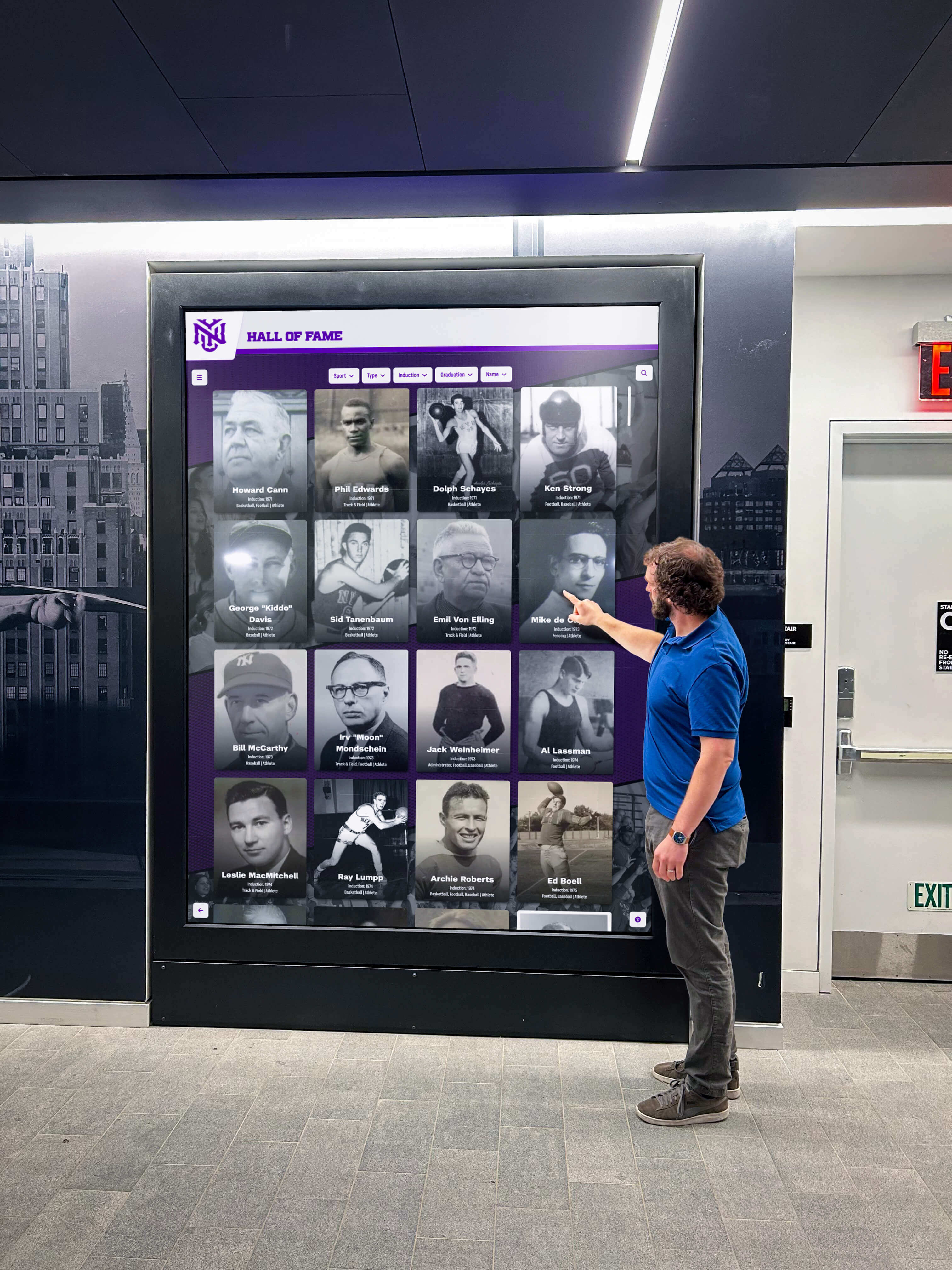
Interactive displays engage visitors through compelling content—the same principle graduation speech openings should employ
The Bold Statement Opening
Counterintuitive or provocative statements immediately capture attention by challenging audience expectations about what graduation speeches should say. This approach works when speakers have credibility to make bold claims and substance to support unexpected positions.
Example Opening: “Your diploma doesn’t actually prove you’re educated. It proves you’re capable of completing requirements someone else set for you. Real education—the kind that actually matters—starts today when nobody’s assigning chapters or grading your efforts.”
This opening challenges fundamental assumptions about what graduation represents, creating immediate cognitive tension audiences must resolve by listening to supporting logic. The bold claim signals this won’t be a typical self-congratulatory address but rather one offering fresh perspective worth considering.
Effective Bold Statement Characteristics:
- Genuinely challenges conventional wisdom without being needlessly contrarian
- Delivers insight graduates will recognize as true upon reflection
- Creates productive tension requiring resolution through speech content
- Demonstrates intellectual courage and independent thinking
- Supported by substance, not just provocative for attention
Caution with Bold Openings: This approach carries risk—poorly executed bold statements can seem arrogant, disrespectful of ceremony significance, or offensive to stakeholders who’ve invested in graduate success. Bold openings work best for speakers with established credibility (accomplished guest speakers, high-achieving student speakers) and when supporting content genuinely validates the provocative claim.
The Vivid Scene-Setting Opening
Immersing audiences in richly detailed moments or scenarios creates immediate engagement through sensory detail and emotional resonance. This technique works particularly well for guest speakers establishing connection with schools they may not have personal history with.
Example Opening: “Picture this: It’s 6:35 AM on a random Tuesday in November. The hallways smell like industrial cleaner and cafeteria breakfast. You’re clutching a lukewarm coffee with one hand while finishing homework you started during third period yesterday with the other. A locker slams somewhere. Someone’s rushing to class late again. It’s completely ordinary—and right now, you’d probably give anything to have just one more ordinary Tuesday exactly like that one.”
This opening creates powerful nostalgia by capturing specific sensory details of daily school experience graduates are about to lose forever. The specificity makes the scene universally recognizable while the emotional payoff reminds graduates to appreciate transitions they’re experiencing.
Scene-Setting Elements:
- Rich sensory details (sights, sounds, smells) creating vivid mental imagery
- Emotional resonance acknowledging feelings graduates experience
- Universal specificity—details particular enough to feel authentic yet general enough anyone can relate
- Clear purpose connecting scene to broader speech themes
- Present tense language making moments feel immediate

Recognition environments capture school spirit and achievement—effective speech openings capture graduate experiences with similar richness
The Humor Opening (When Done Right)
Humor creates instant likability and relaxes audiences when executed skillfully, but graduation speech humor presents unique challenges. Successful humor openings share specific characteristics that distinguish effective comedy from cringe-worthy attempts.
Example Opening: “For those of you wondering, yes, I wrote this speech at 11 PM last night. Not because I procrastinated—I’ve actually been working on it for weeks. But every draft sounded like a motivational poster threw up in a TED Talk. So here I am, embracing my truth: I have no idea what I’m doing, you have no idea what you’re doing, and anyone who claims otherwise is probably lying or selling something.”
This opening succeeds through self-aware humor acknowledging speech-writing challenges while subversively addressing anxiety many graduates feel about uncertain futures. The humor feels authentic rather than forced because it’s rooted in genuine experience most can relate to.
Effective Graduation Humor Characteristics:
- Self-deprecating rather than mocking others (avoid inside jokes excluding families or administrators)
- Universally relatable to diverse audience members regardless of background
- Organic to speaker personality rather than forced comedy routine
- Quick setup and payoff—humor should enhance openings, not consume them
- Relevant to graduation context rather than generic observational comedy
Humor Pitfalls to Avoid:
- Inside jokes requiring lengthy context or excluding portions of audience
- Sarcasm that can read as bitterness or disrespect
- Controversial topics (politics, religion, sexuality) creating division
- Humor at expense of specific individuals, groups, or programs
- Comedy requiring impeccable delivery timing most speakers don’t possess
For speakers naturally comfortable with humor, this approach creates immediate warmth and connection. For those less confident in comedic timing, other opening techniques often prove safer while remaining equally effective.
The Shared Memory Opening
Student speakers have powerful advantage: shared experiences creating instant “we were all there” connection that guest speakers cannot replicate. Referencing specific moments unique to graduating class creates immediate recognition and emotional resonance.
Example Opening: “Remember freshman year when we all thought the senior parking lot was basically Harvard? We’d walk past it every morning convinced that getting a parking spot there meant we’d made it. And then senior year actually came, and we realized it’s just… a parking lot. Turns out most of what we thought mattered actually didn’t, and most of what matters we didn’t even notice was happening.”
This opening works by anchoring abstract reflection about perspective to concrete memory most graduates share. The specific detail (freshman parking lot fascination) proves the speaker lived the same experience, creating instant credibility and connection before pivoting to meaningful insight about misplaced priorities and actual value.
Effective Shared Memory Elements:
- Specific to graduating class rather than generic school experiences
- Universally experienced across diverse student groups (avoid references only athletes, theater students, or specific subgroups would recognize)
- Serves larger thematic purpose rather than mere nostalgia
- Brief setup leading quickly to meaningful insight
- Acknowledges passage of time and changed perspective
Student speakers should inventory unique moments defining their class experience—specific assemblies, school-wide events, viral social media incidents, facility changes, or unusual circumstances (COVID-19 disruptions, weather events, etc.) that shaped collective identity.
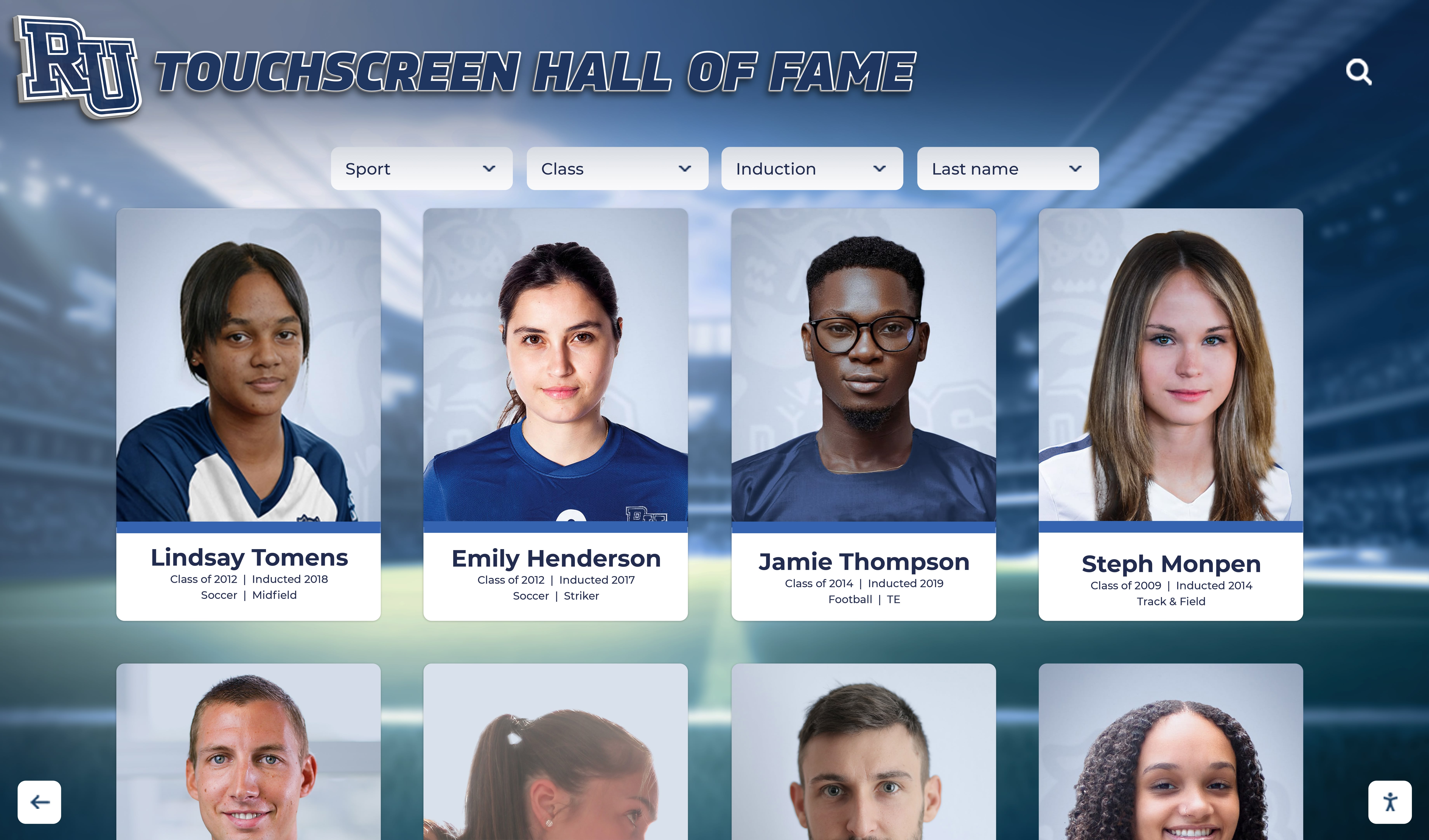
Digital recognition celebrates individual graduate achievements—effective speeches acknowledge diverse paths to success
Opening Framework for Different Speaker Roles
Graduation speeches come from various speakers—valedictorians, administrators, guest speakers—each with distinct credibility sources and audience relationships. Effective openings adapt to speaker position while maintaining core engagement principles.
Student Speaker Openings (Valedictorian, Student Council)
Advantages:
- Shared experience credibility graduates immediately recognize
- Permission to be vulnerable about challenges without seeming condescending
- Natural humor and references to class-specific moments
- Authentic peer voice rather than authority figure perspective
Opening Strategies:
- Leverage specific memories only this graduating class shares
- Acknowledge the awkwardness of giving advice to peers (“Who am I to give advice?”)
- Open with vulnerable moments proving you struggled too
- Reference specific teachers, traditions, or moments unique to your school
Example Student Opening: “If you’d told freshman me that I’d be standing here giving the valedictorian speech, I would’ve laughed and then probably asked you for homework help. Because here’s the truth: I spent most of high school convinced I was exactly average at everything. Turns out average effort is exactly what kept me average—and the moment I decided to actually try, everything changed. So this speech isn’t from someone who always had it figured out. It’s from someone who figured it out late and wants to save you some time.”
When schools celebrate top academic achievers through recognition programs and graduation honors, the speakers selected face unique pressure to deliver messages resonating across diverse classmate experiences.
Administrator/Principal Openings
Advantages:
- Institutional authority and broad perspective across graduating class
- Ability to reference school values and mission authentically
- Longitudinal view having watched graduates grow over years
- Platform to acknowledge specific challenges class overcame
Opening Strategies:
- Reference specific moments from graduates’ journey you witnessed
- Acknowledge what makes this particular class unique
- Use institutional voice while maintaining personal warmth
- Bridge to guest speaker or student speakers following you
Example Administrator Opening: “Four years ago, I watched you walk through our doors as nervous freshmen trying to find classrooms and pretending to understand your schedules. This morning, I watched you walk in as graduates—still occasionally pretending to understand things, but now with the confidence to ask questions when you don’t. That shift from performance to authenticity? That’s what education actually looks like.”
Guest Speaker Openings
Advantages:
- Outside credibility and fresh perspective
- Professional accomplishments demonstrating promised success is possible
- Distance allowing honest observations without political school dynamics
- Novel voice audiences haven’t heard throughout ceremony
Challenges:
- Limited knowledge of specific school culture or graduating class
- Risk of generic “follow your dreams” speeches lacking authentic connection
- Must establish credibility and relevance quickly
Opening Strategies:
- Acknowledge your outsider status honestly rather than pretending deep connection
- Research specific school accomplishments, challenges, or characteristics to reference
- Share specific failures or struggles proving success isn’t linear
- Make explicit connections between your experience and graduates’ upcoming challenges
Example Guest Speaker Opening: “I didn’t go to this school. I don’t know your mascot chants or your parking lot drama or which teachers give the impossible tests. But I do remember exactly what it felt like to sit where you’re sitting right now—simultaneously convinced that I knew everything that mattered and terrified that I knew nothing at all. Both of those feelings were correct. And I’m here to tell you that the tension between confidence and uncertainty never actually resolves—you just get better at working with it.”

Recognition installations create welcoming campus environments—guest speakers must similarly create immediate connection with unfamiliar audiences
Crafting Your Specific Opening: A Step-by-Step Process
Understanding effective opening types provides foundation, but crafting your specific opening requires systematic approach connecting your unique message to audience needs.
Step 1: Identify Your Core Message
Before worrying about clever opening lines, clarify exactly what you want audiences remembering after they forget 90% of your speech specifics. Your opening must point toward this destination.
Core Message Development Questions:
- If graduates could retain only one idea from my speech, what should it be?
- What truth about their experience or upcoming journey deserves articulation?
- What misconception or assumption should I challenge?
- What encouragement or perspective do they most need right now?
- What can I uniquely offer based on my role and experience?
Example Core Messages:
- Failure provides more valuable education than success
- Authentic connection matters more than impressive achievements
- You’re more prepared than you feel
- The next chapter requires unlearning much of what school taught
- Your value isn’t defined by traditional achievement metrics
Once your core message crystallizes, every word of your opening should point toward it directly or indirectly. Clever openings that don’t ultimately serve your central purpose represent wasted opportunity.
Step 2: Know Your Specific Audience
Generic speeches targeting “graduates” fail because they address abstract concepts rather than actual humans with specific contexts. Effective openings demonstrate understanding of particular audience you’re addressing.
Audience Research for Your Opening:
- What specific challenges did this graduating class face? (COVID-19 disruptions, facility changes, significant school events)
- What defines this particular school’s culture and values?
- What immediate concerns occupy graduate thinking right now? (College transition anxiety, career uncertainty, leaving friends)
- What assumptions or platitudes are they tired of hearing?
- What inside knowledge proves you actually understand their experience?
The more specific your understanding, the more your opening can reference details proving you’re speaking to them specifically rather than reading generic graduation remarks that could apply anywhere.
For schools, comprehensive recognition programs that celebrate diverse achievements throughout the year create culture where every graduate feels valued—effective speeches should similarly acknowledge diverse paths to success.
Step 3: Brainstorm Multiple Opening Approaches
Resist settling on your first opening idea. Generate multiple possibilities using different techniques explored earlier, evaluating each against your core message and audience understanding.
Brainstorming Exercise: Draft quick 2-3 sentence openings using each technique:
- Surprising question connecting to your core message
- Personal story illustrating your key theme
- Bold statement challenging conventional wisdom
- Vivid scene setting capturing graduate experience
- Humor acknowledging shared reality
- Shared memory specific to this class
You’ll immediately sense which approaches feel authentic to your voice versus forced. The right opening should feel natural to deliver while creating clear path to your central message.
Step 4: Test Your Opening
Write your opening and honestly assess against these criteria:
Critical Evaluation Questions:
- Does this opening sound like something anyone could say at any graduation, or is it specific to my message and this audience?
- Will this engage someone who’s already sat through 45 minutes of ceremony?
- Does this establish clear direction toward my core message?
- Does this feel authentically me, or am I performing someone else’s speaking style?
- Would I keep listening if someone else delivered this opening?
- Does this avoid the common mistakes discussed earlier?
Better yet, test openings on honest friends or mentors who’ll provide candid feedback. Openings that feel brilliant at 11 PM during writing sessions sometimes land flat when spoken aloud.
Step 5: Practice Delivery Until Natural
Even perfectly crafted openings fail if delivery seems rehearsed, nervous, or disconnected. Your opening must feel conversational despite preparation.
Delivery Practice Strategies:
- Record yourself delivering opening, noting vocal energy and pace
- Practice opening line until you can deliver it without notes (you can use notes later, but first lines should feel natural)
- Test different pacing—sometimes slower, more deliberate openings create more impact than rushed ones
- Experiment with strategic pauses creating emphasis
- Ensure your facial expression and body language match opening tone (humor should look light, vulnerability should show in posture, bold statements need confident delivery)
The goal isn’t perfection—slight nervousness reads as authentic. The goal is natural delivery where words feel like authentic communication rather than recitation.
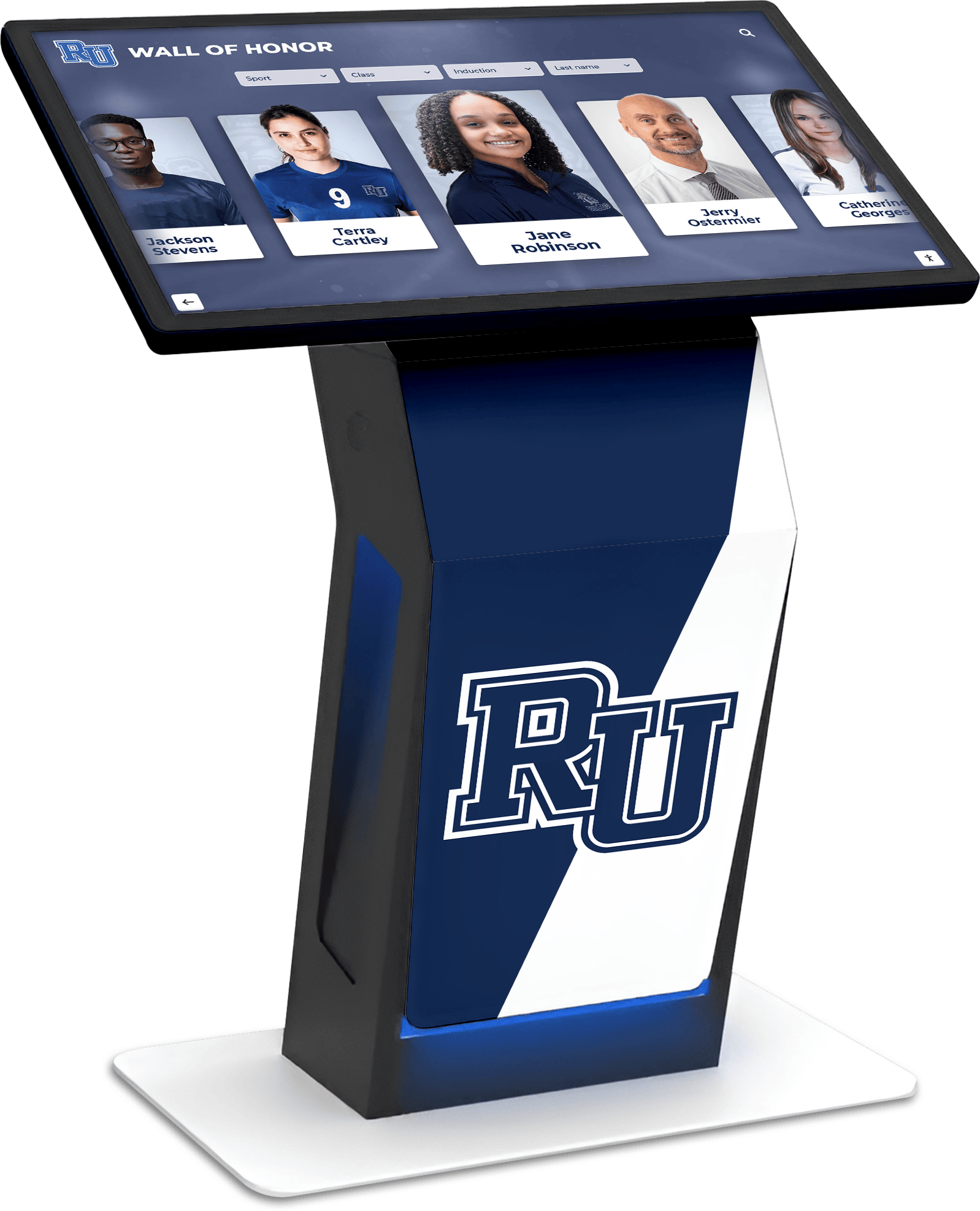
Modern recognition technology creates engaging experiences—effective speech openings similarly pull audiences in through compelling content
Connecting Your Opening to the Body of Your Speech
Brilliant openings that don’t connect to speech substance feel like bait-and-switch, creating disappointment rather than engagement. Your opening promises a journey—the rest of your speech must deliver on that promise.
The Bridge Technique
After your opening hook captures attention, you need brief transition explaining where you’re taking audiences. This bridge typically consists of 2-3 sentences connecting opening moment to broader speech themes.
Example of Opening with Bridge:
“Three weeks ago at 2:47 AM, I was sitting in my car in an empty Target parking lot, crying over a calculus problem I couldn’t solve. [Opening hook]
That moment taught me something important: our education never actually prepared us for the hardest parts of learning—the frustration, the self-doubt, the moments when nothing clicks despite desperate effort. [Bridge statement 1]
So today, instead of talking about how our education prepared us for everything ahead, I want to talk about how it prepared us for almost nothing—and why that’s exactly what makes it valuable. [Bridge statement 2 establishing speech direction]”
The bridge accomplishes three critical functions: validates that opening wasn’t just random attention grab by connecting to larger theme, establishes what speech will actually explore, and creates natural transition to first major point or story.
Circular Structure: Returning to Opening
One powerful technique involves returning to your opening image or story in your conclusion, now with added meaning based on everything audiences learned during your speech. This creates satisfying sense of journey completion.
Example Structure:
Opening: Story about Target parking lot calculus breakdown
Speech Body: Explores themes about education’s real value being process not product, importance of perseverance through frustration, how formal learning creates capacity for future learning rather than teaching specific answers
Closing: “So when you find yourself in your own Target parking lot at 2:47 AM facing something you can’t solve—and you will—remember that this moment isn’t proof of failure. It’s proof you’re still reaching beyond what’s comfortable, still pushing yourself, still learning. That breakdown was actually breakthrough in disguise. Every one of yours will be too.”
This circular structure creates coherence while demonstrating thoughtful speech architecture rather than disconnected inspirational quotes strung together.
Avoiding the Opening-Body Disconnect
Common mistake: speakers craft clever openings then deliver entirely different speech content. The opening promises specific journey, but speech veers into unrelated territory, creating confusion and feeling of unfulfilled expectation.
Ensuring Connection:
- Write your core message first, then craft opening pointing toward it
- Explicitly reference opening concept at least once during speech body
- Use consistent metaphors, imagery, or examples connecting to opening
- Return to opening in conclusion as demonstrated above
- Test speech by asking: “Does my opening accurately preview what audiences actually experience?”
When schools implement digital recognition displays celebrating graduate achievements, these installations maintain thematic consistency connecting recognition moments to broader institutional values—effective speeches should maintain similar thematic coherence.
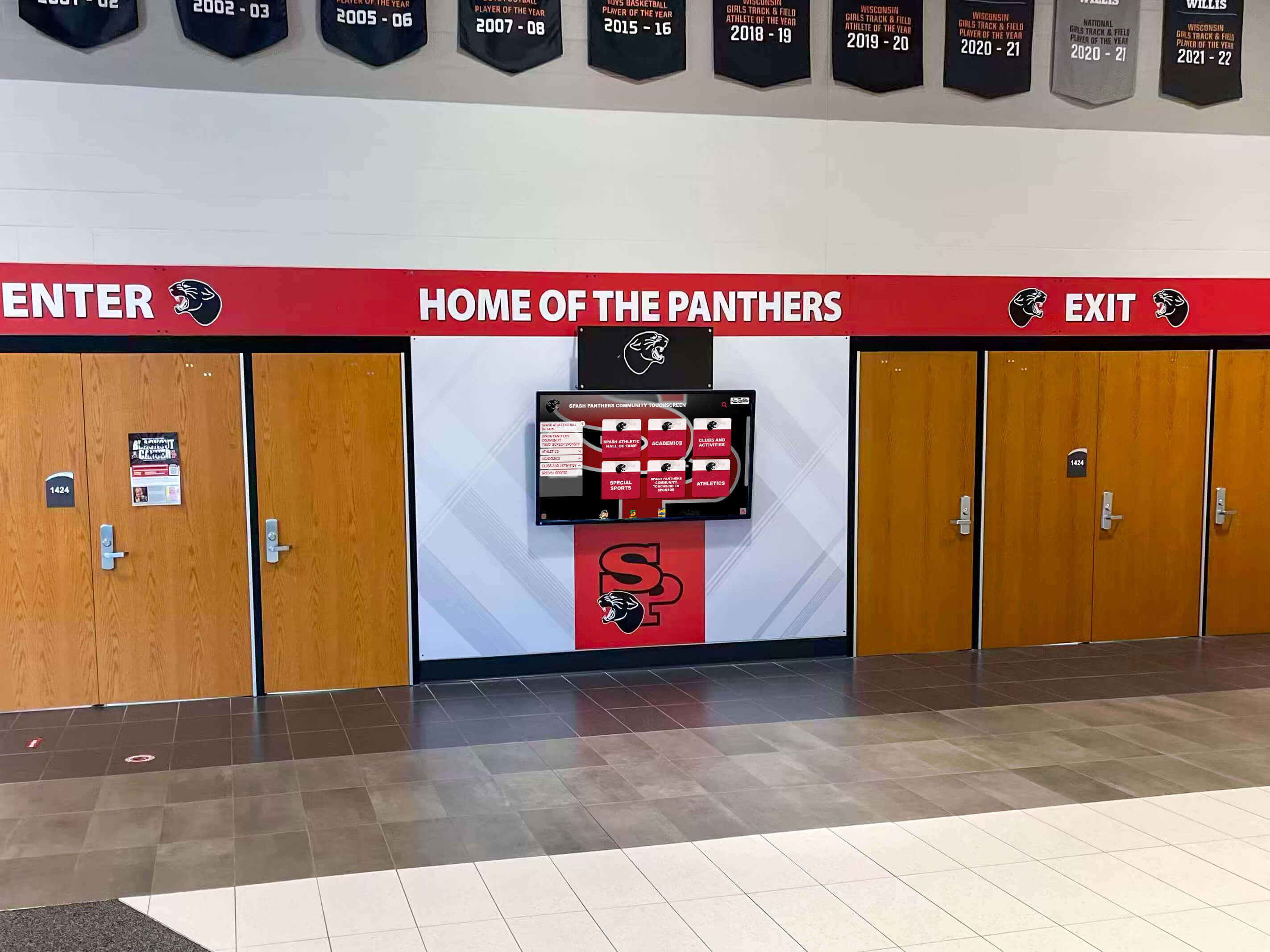
Recognition displays at key transition points create meaning—speech openings serve similar transitional purpose between ceremony and message
Special Considerations for Different Graduation Contexts
Graduation speeches occur in varying contexts requiring adaptation of opening strategies while maintaining core engagement principles.
Virtual and Hybrid Graduation Contexts
Speeches delivered via livestream or to hybrid audiences (some in-person, some virtual) present unique opening challenges.
Virtual Opening Strategies:
- Address virtual audiences explicitly in opening: “Whether you’re here in person or watching from home…”
- Use visual elements if possible (slides, props, held items) creating engagement for camera-dependent viewers
- Increase vocal energy and expression compensating for screen distance
- Keep openings slightly shorter given digital attention spans
- Reference the unusual delivery format if relevant to your message
Example Virtual-Adapted Opening: “To everyone watching from living rooms, bedrooms, and kitchen tables—welcome to the most technologically advanced graduation our school has ever attempted, which means approximately 30% of you are currently dealing with audio sync issues. To everyone here in person—congratulations on successfully locating the parking lot. This ceremony might look different than we imagined, but the achievement we’re celebrating is exactly as significant.”
This opening acknowledges the unusual format while using gentle humor to create connection across delivery modalities.
Large vs. Small Graduation Ceremonies
Ceremony size influences opening approach:
Large Ceremonies (300+ graduates):
- Avoid inside jokes or references only portion of large class would understand
- Use more universal themes resonating across diverse backgrounds
- Consider slightly more dramatic or bold openings standing out amid large-scale formality
- Ensure opening projects well in large venues (avoid subtle humor requiring intimacy)
Small Ceremonies (under 100 graduates):
- Can reference specific class moments most/all graduates experienced together
- More intimate, conversational tone often works well
- Personal stories and vulnerability read more effectively in smaller settings
- Class-specific details create stronger connection when everyone shares context
Cultural and Community Context Considerations
Effective openings respect ceremony context and community values:
Faith-Based School Graduations:
- Consider whether spiritual or religious themes fit your opening naturally
- Reference shared faith tradition appropriately if relevant to message
- Respect ceremony’s spiritual significance while avoiding forcing faith themes if not authentic to your message
Diverse Community Contexts:
- Ensure cultural references or examples resonate across different backgrounds
- Avoid assumptions about graduate experiences (not all have traditional families, college plans, resources)
- Use inclusive language acknowledging diverse paths represented in graduating class
Community Traditions:
- Research whether school has specific graduation traditions affecting speech expectations
- Consider referencing beloved traditions if relevant to message
- Respect institutional culture while bringing your authentic voice
Learn more about diverse recognition approaches that celebrate achievement across multiple dimensions.
What Comes After Your Opening: Maintaining Engagement
Brilliant openings mean little if energy dissipates 90 seconds into your speech. While this guide focuses on openings, brief attention to maintaining engagement ensures your strong start doesn’t fade.
Speech Structure Best Practices
Keep It Concise: Most graduation speeches should run 5-8 minutes maximum (750-1,200 words). Student speeches often work best at 5-6 minutes; guest speakers might extend to 8-10 minutes. Longer speeches, regardless of quality, lose audiences.
Use the Rule of Three: Organize speech body around three main points or stories rather than exhaustive lists. Three creates pattern recognition and memorability; seven points guarantees forgetting.
Vary Your Cadence: Alternate between: short punchy sentences creating emphasis, longer flowing sentences building momentum, and strategic pauses letting important points land before continuing.
Include Specific Examples: Abstract concepts bore; specific stories engage. Don’t say “work hard and success will follow”—tell specific story illustrating what that actually looked like for you.
Avoid Graduation Speech Clichés: Retire these overused phrases:
- “Follow your dreams”
- “The future is yours”
- “You can be anything you want”
- “Today is not an ending but a beginning”
- “Believe in yourself”
If you must use familiar concepts, find fresh language expressing them.
The Closing Circle
Return to your opening image, question, or story with new meaning informed by your speech content. This circular structure creates satisfying resolution while reinforcing your core message one final time.
Poor Closing: “So congratulations again, Class of 2026. Good luck with everything. Thank you.”
Strong Closing (Returning to Opening): “Remember that Target parking lot at 2:47 AM? I eventually solved that calculus problem. Not because I got smarter in the next three hours—because I accepted that struggle is part of the process, not proof I shouldn’t be attempting it. You’re all going to have your own 2:47 AM moments. And when they come, I hope you remember this: the breakdown is the breakthrough. Every time.”
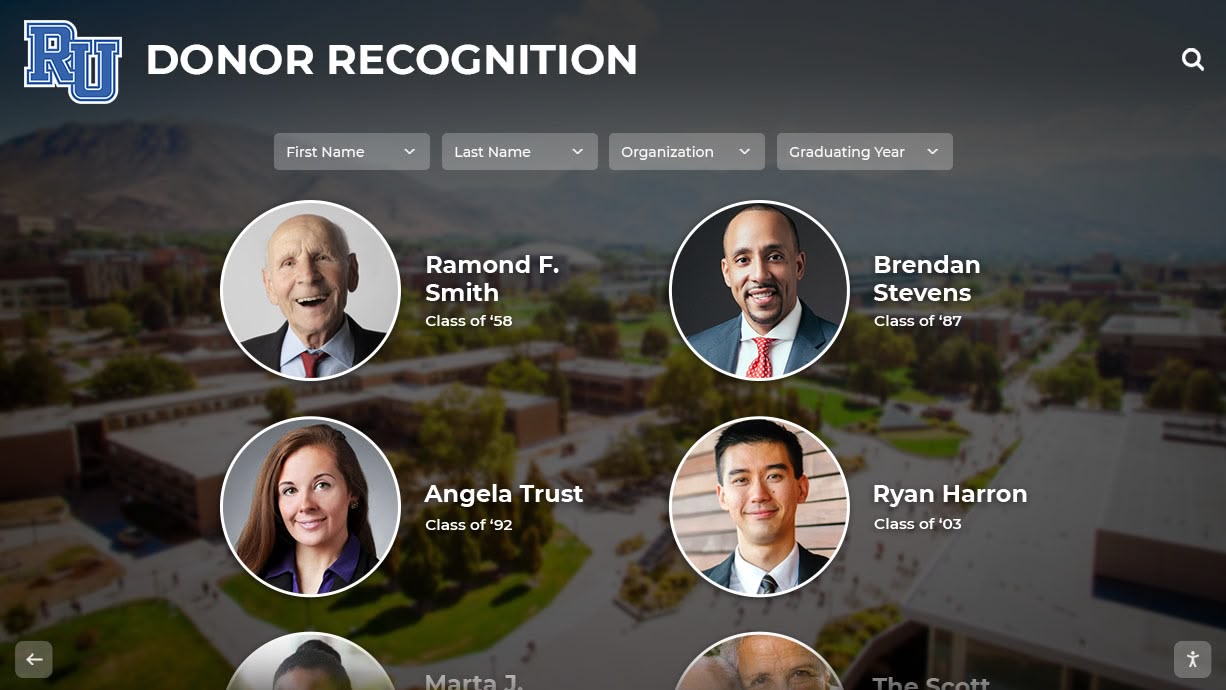
Recognition displays celebrate diverse achievements—effective speeches similarly acknowledge multiple paths to success
Overcoming Speech Anxiety and Delivery Challenges
Even perfectly crafted openings fail if delivery anxiety undermines presentation. Practical strategies help speakers manage nervousness while maintaining authentic presence.
Managing Opening Line Nerves
Opening lines carry maximum pressure—natural anxiety that can undermine even practiced speakers. Specific techniques help:
Memorize Your Opening: Even if you read the rest of your speech from notes, memorize your first 2-3 sentences. This allows natural eye contact and confident delivery when nerves peak. Once you successfully deliver the opening and see audience response, anxiety typically decreases.
Use a Confidence Anchor: Identify one friendly face in audience—friend, family member, supportive teacher. Deliver opening as though speaking directly to them rather than faceless hundreds. After opening, your perspective can widen.
Embrace Strategic Pause: After opening line, pause 2-3 seconds. This feels eternal when nervous but creates dramatic emphasis while giving you moment to breathe and audiences time to process. Rushed openings undermine impact.
Acknowledge Nerves if Helpful: For student speakers especially, briefly acknowledging nervousness can be endearing: “I’ve practiced this opening approximately 47 times, and I’m still terrified, so here goes…” Self-awareness creates authenticity and often relaxes both speaker and audiences.
Technical Delivery Elements
Microphone Technique:
- Test microphone beforehand noting optimal distance
- Hold handheld mics consistently at chin level
- For podium mics, adjust height before beginning
- Speak at normal volume—don’t shout or whisper
Posture and Presence:
- Stand tall with weight balanced
- Keep hands visible and use natural gestures
- Avoid nervous fidgeting with notes, podium, or clothing
- Make eye contact across different audience sections
Vocal Delivery:
- Speak slowly—nervous speakers rush, making openings hard to process
- Vary vocal pitch avoiding monotone delivery
- Use strategic volume changes for emphasis
- Let authentic emotion show in voice matching content
Managing the Unexpected:
- If you stumble on words, pause briefly and continue—don’t apologize or draw attention
- If microphone fails, project loudly until tech support arrives
- If you lose your place, pause to find it rather than panicking
- Remember audiences want you to succeed and forgive minor imperfections
Solutions like Rocket Alumni Solutions help schools create comprehensive recognition environments celebrating graduate achievements beyond ceremony moments—when graduates feel recognized throughout their journey, graduation speech moments become part of larger celebration narrative rather than isolated performance anxiety.
Final Checklist: Is Your Opening Ready?
Before finalizing your graduation speech opening, assess against this comprehensive checklist:
Content Quality:
- Opening captures attention within first 15 seconds
- Opening avoids common clichés and generic pleasantries
- Opening connects directly to your core message
- Opening demonstrates specific knowledge of this audience
- Opening establishes appropriate tone for remainder of speech
- Opening feels authentic to your voice and personality
Structure:
- Opening flows naturally into speech body through clear bridge
- Core message is clearly identifiable
- Speech maintains thematic consistency with opening promise
- Conclusion returns to opening image or concept with added meaning
- Total speech length remains under 8 minutes
Delivery Preparation:
- Opening is memorized or practiced until natural
- Vocal delivery matches content emotion and energy
- Strategic pauses are marked in notes
- Nervous habits identified and addressed
- Opening tested on honest reviewers who provided feedback
Audience Awareness:
- Opening respects ceremony significance while feeling fresh
- Content is inclusive across diverse graduate backgrounds
- References are specific enough to prove authenticity yet general enough all can relate
- Tone balances celebration with genuine insight
- Message offers substance worthy of audience time and attention
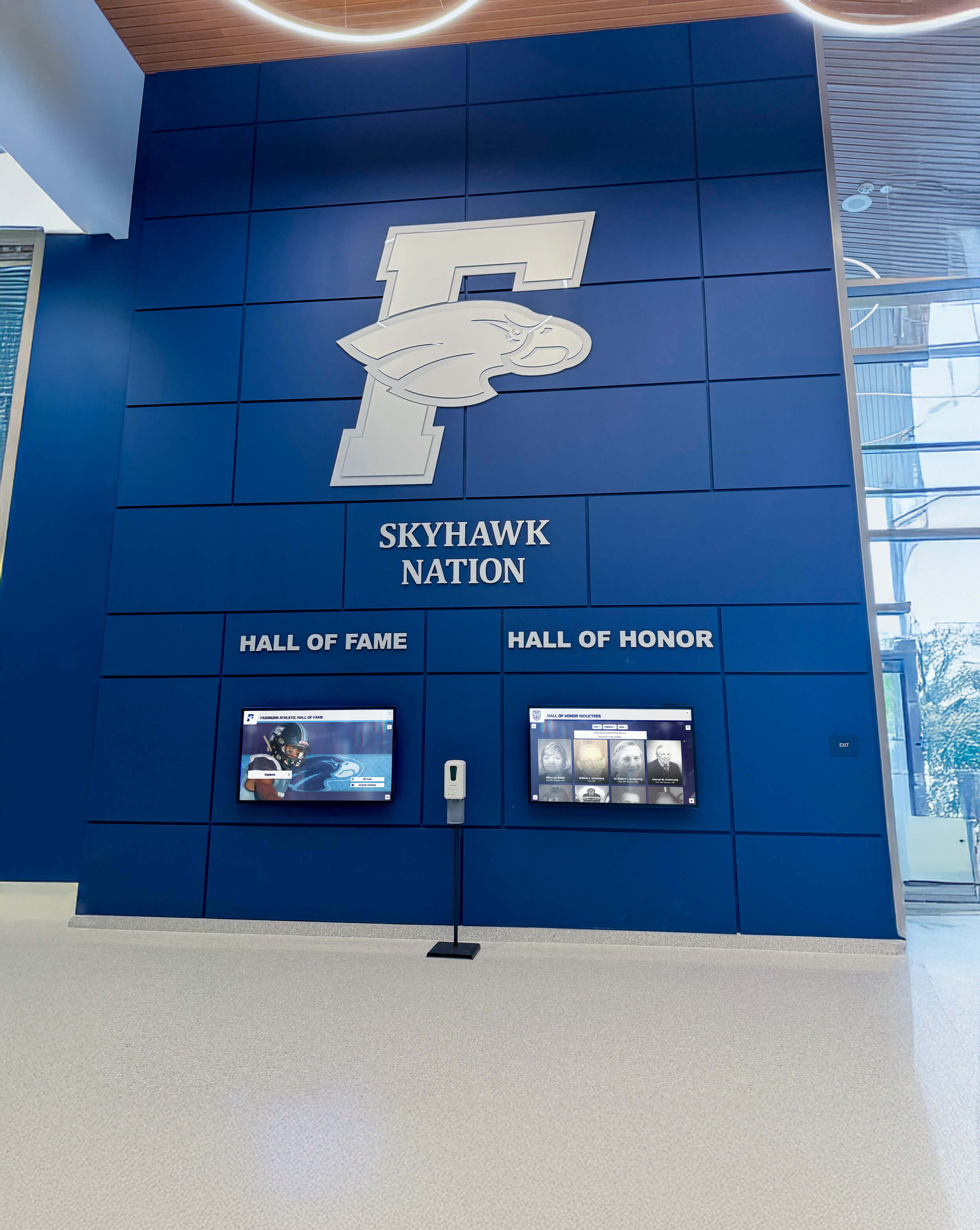
Recognition installations create welcoming environments celebrating achievement—effective speeches create similar moments of meaningful connection
Preserving Graduation Memories Beyond the Speech
Powerful graduation speeches create memorable moments, but comprehensive recognition extends beyond ceremony day. Modern schools increasingly complement traditional ceremonies with permanent installations celebrating graduate achievements.
Digital recognition platforms enable schools to:
- Showcase detailed graduate profiles featuring photos, achievements, and future plans
- Create searchable archives preserving graduating class information indefinitely
- Provide remote access for families unable to attend ceremonies in person
- Celebrate diverse achievements across academics, athletics, arts, service, and leadership
- Build institutional traditions connecting current students to graduate legacies
Solutions like Rocket Alumni Solutions provide integrated systems combining physical touchscreen displays with web platforms, enabling schools to honor graduates comprehensively while creating lasting connections between institutional values and individual achievement.
When schools invest in comprehensive recognition approaches beyond ceremony-day celebrations, they reinforce the same messages effective graduation speeches aim to communicate: every graduate’s journey matters, achievement takes many forms, and institutional community extends far beyond campus years.
Conclusion: Your Opening Sets the Stage for Impact
How to start a graduation speech effectively determines whether your message becomes one more forgettable address in an already long ceremony or a moment graduates recall years later when facing challenges you helped them anticipate. The difference lies not in grand gestures or perfect eloquence—it lies in authentic connection, specific insight, and respect for audience intelligence demonstrated from your very first words.
The proven opening techniques explored in this guide—surprising questions, unexpected stories, bold statements, vivid scene-setting, appropriate humor, shared memories—provide frameworks adaptable to your unique voice, role, and message. The most effective openings combine technical craft with authentic personality, creating moments that feel both carefully prepared and genuinely spontaneous.
Remember that graduation speeches serve graduates embarking on uncertain journeys, families celebrating milestone achievements, and communities marking generational transitions. Your opening must honor ceremony significance while cutting through formality to deliver substance worthy of this moment. Generic openings signal generic speeches ahead; specific, bold, vulnerable, or surprising openings promise—and must deliver—genuine value.
As you craft your opening, return repeatedly to core questions: Does this capture attention immediately? Does this prove I understand this specific audience? Does this point clearly toward valuable insight audiences will retain? Does this feel authentically me? If you can answer yes to all four, you’re ready to transform nervous anticipation into confident delivery of an opening that genuinely engages.
Celebrate Graduate Achievements Beyond Ceremony Day
Discover how comprehensive digital recognition solutions from Rocket Alumni Solutions help schools honor graduates year-round through interactive displays and web platforms that celebrate diverse achievements while preserving institutional legacy for future generations.
Explore Recognition SolutionsYour graduation speech opening represents opportunity to genuinely impact graduates at pivotal life moment. Invest the disproportionate preparation time these crucial first 30 seconds deserve. Test multiple approaches. Practice until delivery feels natural. Trust that specific, authentic, surprising openings will always outperform generic pleasantries regardless of speaking experience or confidence level.
Most importantly, remember that effective graduation speeches—and effective openings—come from genuine desire to offer something valuable rather than obligation to fulfill ceremony requirements. When you focus on serving graduates through authentic insight rather than impressing audiences through performance, your opening naturally aligns with that purpose. And that authenticity, communicated from your very first words, creates the foundation for graduation addresses audiences actually remember.
The graduates sitting before you deserve your best effort. Their families deserve meaningful celebration of significant achievement. Your opening line determines whether they’ll receive it. Make it count.































