The Friday night lights burn bright across Indiana every fall, but when November arrives and championship dreams hang in the balance, the stakes reach extraordinary heights. The indiana high school football state championship represents the pinnacle of high school athletics in the Hoosier state—where generations of tradition meet modern competitive excellence, and where single plays can define not just seasons but entire program legacies that communities celebrate for decades.
Indiana high school football championships carry unique significance shaped by the state’s deep athletic traditions, competitive classification system, and passionate communities that fill stadiums regardless of weather. From small-town rivalries that captivate entire counties to metropolitan powerhouses establishing multi-decade dynasties, Indiana’s championship landscape reflects the diverse character of high school athletics across the state.
This comprehensive guide explores the complete history of Indiana high school football state championships—from the early tournament origins through the modern IHSAA classification system, legendary programs and unforgettable championship games, traditions that define Indiana football culture, and how schools preserve championship legacies through modern recognition displays ensuring these remarkable achievements inspire future generations.
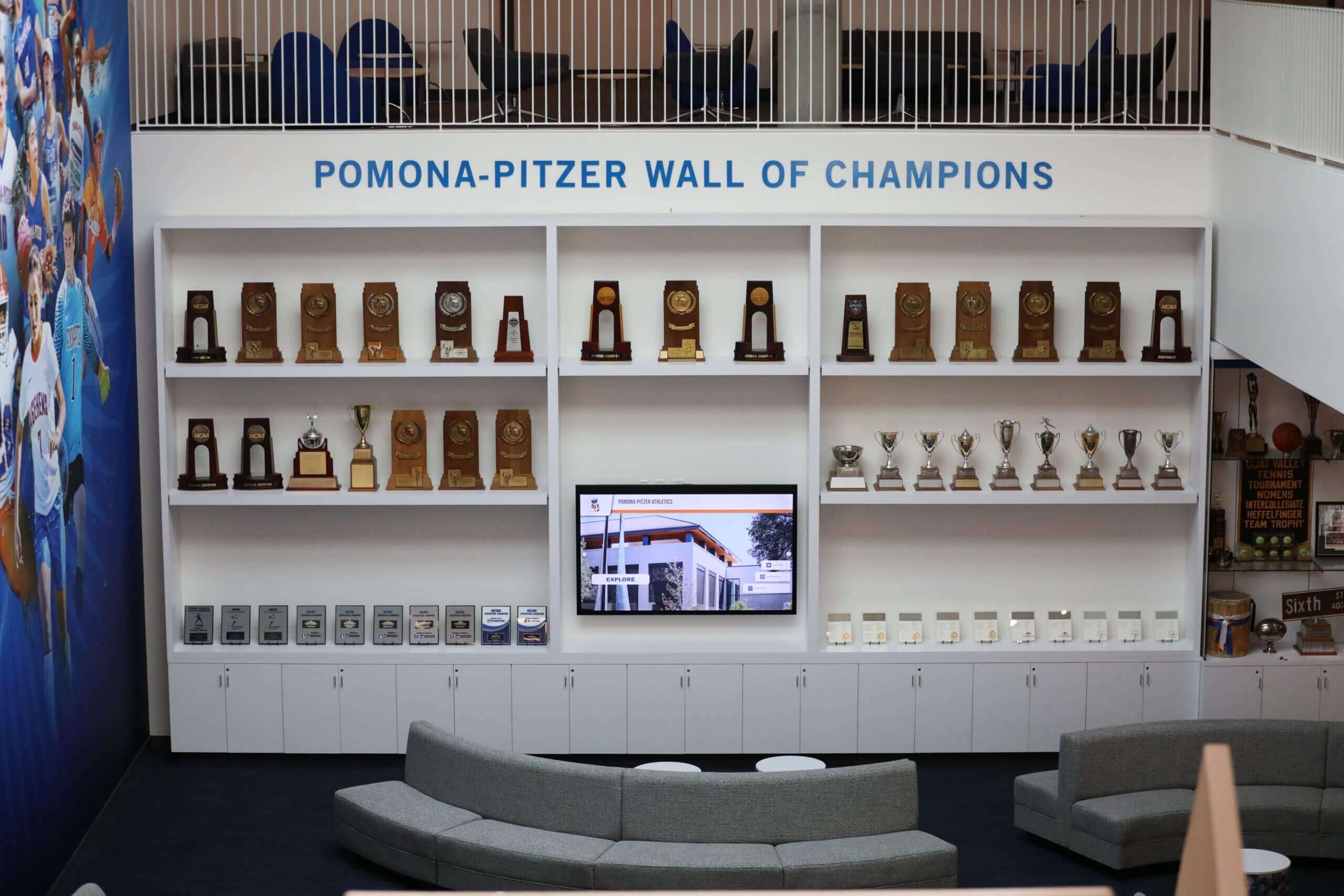
Championship trophy displays honor the tradition and excellence of Indiana high school football
The Evolution of Indiana High School Football Championships
Indiana’s path to organized state football championships reflects broader changes in high school athletics, evolving from loosely organized tournaments to the sophisticated classification system that ensures competitive equity across schools of vastly different sizes.
Early Tournament Origins and the IHSAA Foundation
The Indiana High School Athletic Association (IHSAA), founded in 1903, initially focused on basketball—the sport that would become synonymous with Indiana high school athletics. Football championship organization developed more gradually, with regional tournaments and claimed championships creating contested recognition through the early decades of the 20th century.
Unlike basketball, which adopted state tournament formats relatively early, football championships emerged through various conference competitions and postseason bowls rather than unified state playoffs. Multiple teams from different regions might claim “state championship” status in the same year based on perfect records, conference titles, or regional tournament victories.
This decentralized approach reflected both the logistical challenges of organizing statewide football playoffs—requiring travel, facility coordination, and extended postseason schedules—and the regional nature of football competition where conference championships carried tremendous significance within local communities.
Key Historical Developments:
- Early 1900s: Regional tournaments and conference championships serve as de facto state recognition
- Mid-century: Growing calls for unified championship structure as other states adopt playoff systems
- 1970s-1980s: Increasing standardization and IHSAA involvement in postseason structure
- Modern era: Comprehensive classification system ensuring championship opportunities across all school sizes
The Modern Classification System: Ensuring Competitive Balance
Contemporary Indiana high school football championships operate through a sophisticated classification system dividing schools into competitive brackets based on enrollment, ensuring that small rural schools compete for championships against similar-sized institutions rather than facing much larger metropolitan programs with significantly greater player pools.
Current IHSAA Football Classification Structure:
The IHSAA uses a six-class system (Class 1A through 6A) determining placement based on school enrollment:
- Class 6A: Largest schools (typically enrollment 2,000+)
- Class 5A: Large schools (enrollment approximately 1,500-2,000)
- Class 4A: Upper-mid-sized schools (enrollment approximately 1,000-1,500)
- Class 3A: Mid-sized schools (enrollment approximately 600-1,000)
- Class 2A: Smaller schools (enrollment approximately 300-600)
- Class 1A: Smallest schools (enrollment under 300)
This multi-class structure creates six separate state championship tournaments running simultaneously each November, with championship games traditionally held at Lucas Oil Stadium in Indianapolis—providing a professional venue experience that marks the culmination of championship journeys regardless of school size.
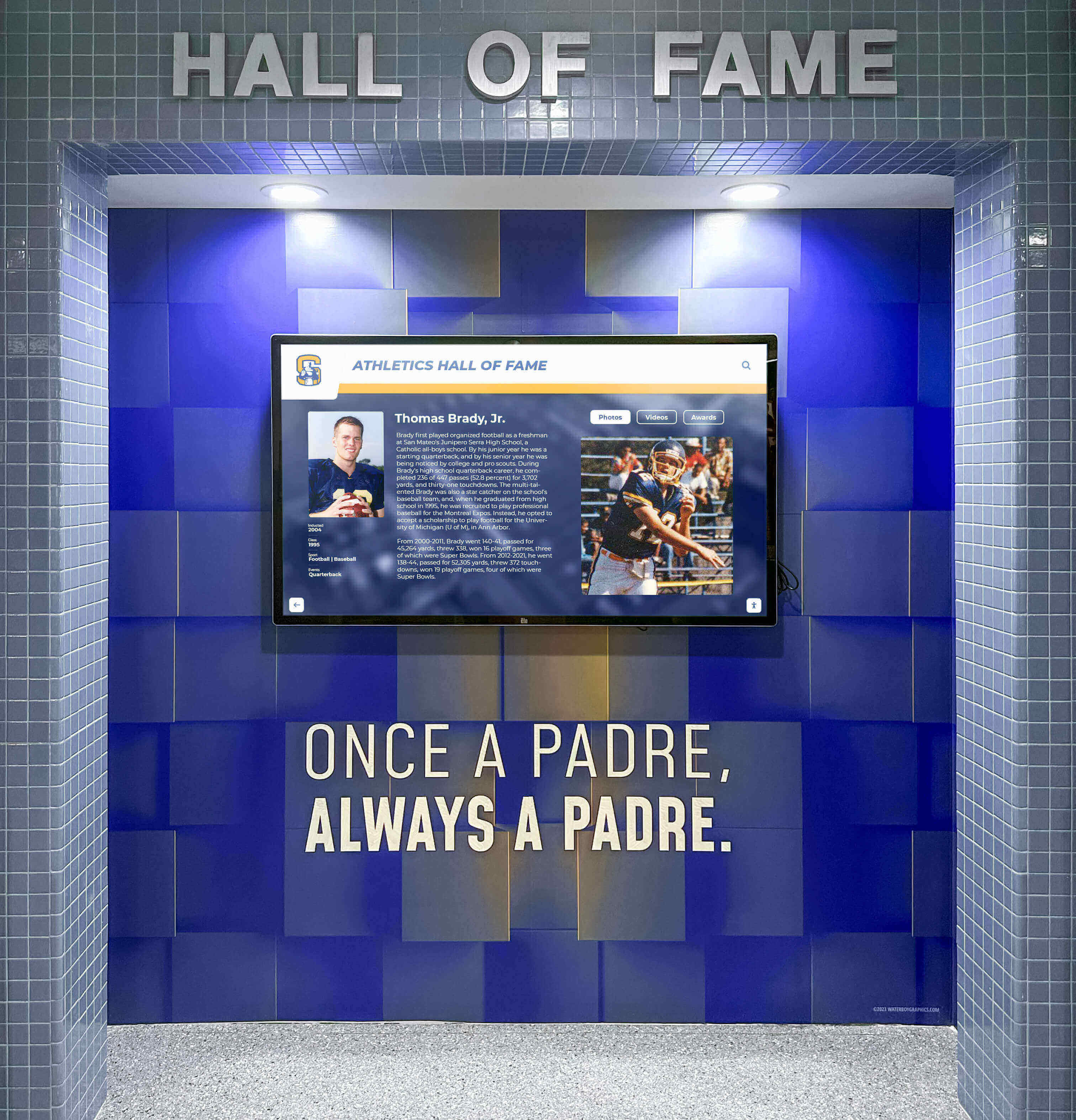
Modern athletic displays document complete championship histories across all classifications
Benefits of Classification-Based Championships:
The classification system fundamentally changed championship accessibility and competitive dynamics:
Expanded Championship Opportunities: Rather than a single champion dominated by large urban schools, six champions emerge annually representing diverse communities across Indiana. Small towns like Sheridan (Class 1A) can celebrate state championships with the same pride as metropolitan powers like Carmel or Warren Central (Class 6A).
Competitive Equity: Schools compete against institutions with comparable enrollment and resource bases, creating fairer competition where coaching, program development, and athlete dedication matter more than raw enrollment numbers.
Regional Representation: Classification systems ensure champions emerge from various geographic regions rather than concentrating titles in metropolitan areas. Rural communities, suburban schools, and urban programs all achieve championship recognition.
Increased Participation: Realistic championship aspirations encourage broader football program participation across all school sizes. Athletes at smaller schools maintain championship dreams rather than viewing postseason success as impossible against enrollment advantages of larger institutions.
Playoff Structure and Championship Path
Understanding Indiana’s championship path requires knowledge of the tournament structure determining which teams reach Lucas Oil Stadium for championship games:
Regular Season (August-October): Teams compete in conference and non-conference schedules establishing playoff seeding. The IHSAA uses a points system calculating strength of schedule and performance quality, creating balanced playoff brackets rather than relying solely on win-loss records.
Sectional Round (Week 1 of Playoffs): Regional sectional tournaments narrow fields within each class. Sectional championships carry tremendous significance in many communities, representing the first step toward state title aspirations while providing standalone recognition for programs advancing past conference competition.
Regional Round (Week 2): Sectional champions advance to regional competition, typically involving 2-3 hour travel to neutral sites. Regional titles mark significant achievement, placing teams among the elite programs statewide within their classifications.
Semi-State Round (Week 3): Four teams remain in each classification, competing for berths in state championship games. Semi-state victories guarantee championship game appearances—the achievement that defines exceptional seasons and creates lasting program legacies.
State Championship Games (Week 4): Lucas Oil Stadium hosts all six classification championship games over championship weekend, typically the final weekend before Thanksgiving. The professional venue provides championship experiences matching college and professional atmospheres, creating memorable conclusions to championship journeys.
Legendary Programs and Dynasty Builders
Indiana high school football history features programs establishing multi-decade excellence through sustained success, legendary coaches building winning cultures, and championship teams achieving extraordinary accomplishments that define state football lore.
Traditional Powerhouse Programs
Certain programs appear consistently in championship conversations, having built sustained excellence across multiple decades and coaching eras:
Warren Central Warriors (Indianapolis): Among the most successful large-school programs in state history, Warren Central has captured multiple Class 6A/5A championships spanning different eras. The Warriors exemplify suburban Indianapolis football excellence with comprehensive programs developing Division I talent while maintaining championship expectations across coaching transitions.
Carmel Greyhounds: Another Indianapolis-area power, Carmel represents the pinnacle of large-school success with multiple state championships and consistently competitive teams. The program’s sustained excellence reflects comprehensive community support, strong feeder systems, and coaching stability creating championship cultures.
Center Grove Trojans: The Johnson County program has emerged as a modern dynasty, particularly in recent decades, accumulating multiple championships and establishing reputation for physical, disciplined football winning championships through execution rather than individual talent dominance.
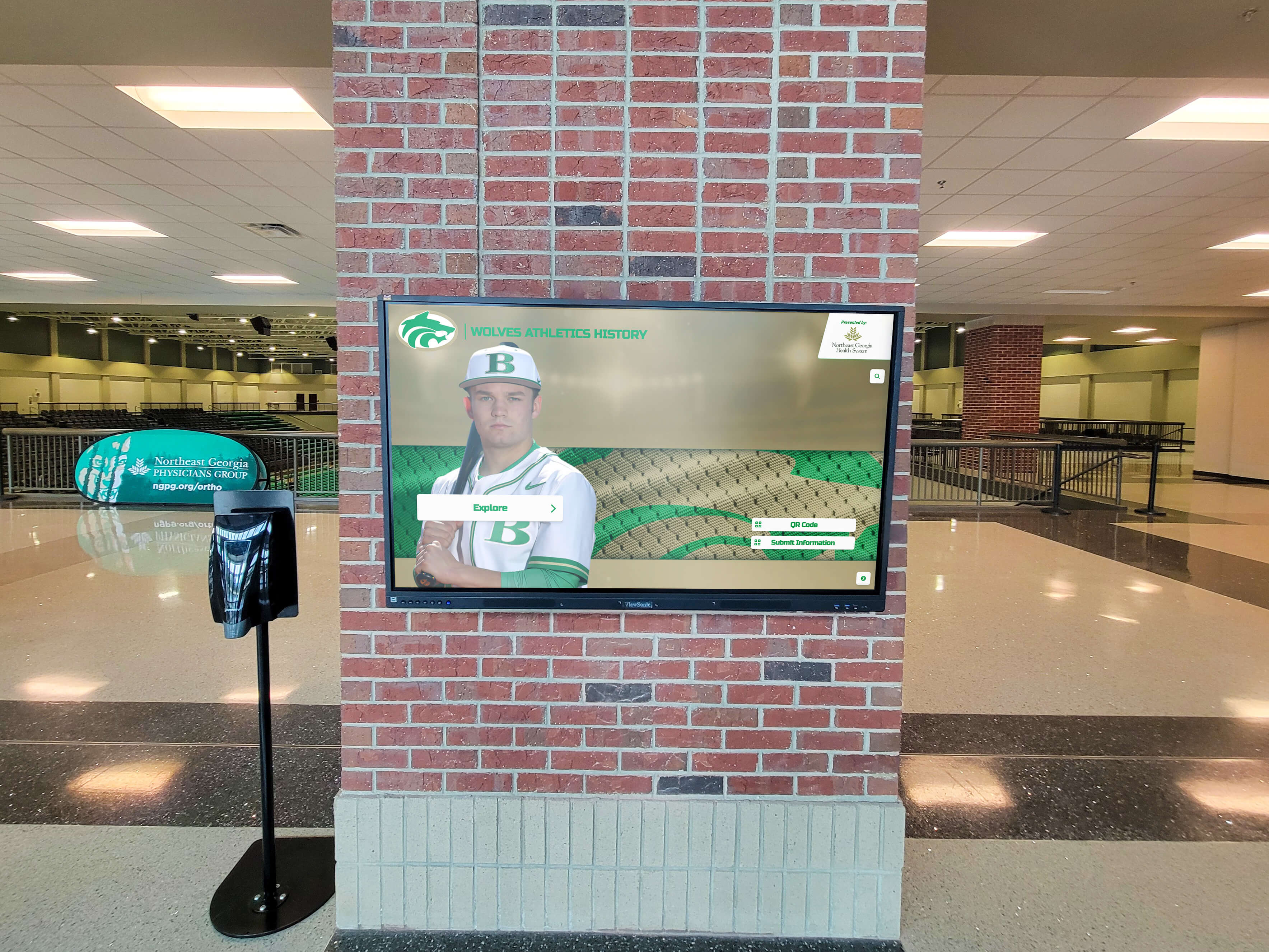
Strategic placement of recognition displays keeps championship tradition visible daily
Cathedral Fighting Irish (Indianapolis): As a private school competing in IHSAA tournaments, Cathedral has built remarkable championship tradition with multiple titles across different classifications. The program consistently develops college-level talent while maintaining team-first cultures that prioritize championships over individual accolades.
Bishop Chatard Trojans (Indianapolis): Another successful Indianapolis private school program, Bishop Chatard demonstrates how smaller enrollment institutions can build championship traditions through comprehensive program development, excellent coaching, and strong community connections.
East Central Trojans: Representing southeastern Indiana, East Central has captured multiple championships while building one of the state’s most recognizable programs outside metropolitan Indianapolis. The Trojans exemplify how mid-sized community programs can achieve sustained excellence rivaling larger urban schools.
Adams Central Flying Jets: In small-school football, Adams Central stands among the most successful programs, capturing multiple Class 1A/2A championships while demonstrating how rural communities can build dynasty-level programs through comprehensive youth development and strong community engagement. For schools celebrating athletic excellence across multiple sports, athletic achievement recognition strategies help document these remarkable traditions.
Coaching Legends Who Built Championships
Behind every successful program stand coaches who established winning cultures, developed championship systems, and built legacies measured in titles, former players, and lasting community impact:
Program Architects: Legendary coaches like those who built Warren Central, Center Grove, and Carmel into perennial powers didn’t simply win games—they created comprehensive programs with youth development pipelines, coaching staff continuity, strength and conditioning systems, and cultural expectations ensuring sustained success beyond individual seasons.
Small-School Success Stories: Coaches at smaller schools who built multiple championship teams often achieve even more remarkable accomplishments given resource constraints and smaller talent pools. These coaches maximize every athlete’s potential, create innovative offensive and defensive systems, and build community connections transforming entire towns into football-focused communities during championship runs.
Coaching Trees: Indiana football coaching trees—the legacy of assistants trained under successful head coaches who then build their own successful programs—demonstrate how championship knowledge and culture spread throughout the state. Former assistants carry lessons learned at established programs to new institutions, raising competitive levels statewide.
Memorable Championship Games and Legendary Moments
Certain championship games transcend typical postseason competition, becoming legendary for dramatic finishes, underdog triumphs, dynasty-defining victories, or performances that enter state football lore:
Classic Overtime Battles: State championship games decided in overtime create particularly intense drama. Teams that battled through four quarters of physical football finding themselves tied at regulation’s end must summon additional reserves of determination, execution, and resilience. These marathon championships become community stories retold for generations.
Undefeated Championship Seasons: Programs achieving perfect records culminating in state championships—going 14-0 or 15-0 through regular season, sectionals, regionals, semi-state, and championship games—accomplish rare excellence. Undefeated championships represent sustained dominance across diverse competition, weather conditions, injuries, and increasing pressure.
Underdog Championships: Small schools defeating larger classification programs in cross-class exhibitions, or programs from communities experiencing economic challenges defeating well-resourced suburban powers, create inspiring narratives demonstrating that championships reward preparation, execution, and heart rather than simply enrollment and budgets.
Weather-Impacted Championships: November football in Indiana often features challenging weather—cold temperatures, wind, rain, or early snow creating additional obstacles. Championships won in brutal conditions become legendary, with players who persevered through adversity earning special recognition for toughness matching their athletic excellence. Schools can document these remarkable moments through high school football playoff recognition displays that preserve the complete championship story.

Interactive displays allow exploration of individual player contributions to championship teams
The Unique Culture of Indiana High School Football
Indiana football culture differs notably from neighboring states like Ohio, Illinois, and Michigan—shaped by basketball’s traditional dominance, geographic diversity from urban Indianapolis to rural communities, and passionate fan bases that create electric championship atmospheres.
Basketball State Embracing Football Excellence
Indiana’s identity as “the basketball state” created interesting dynamics as football programs developed championship aspirations. While basketball historically dominated high school athletic attention, successful football programs demonstrated that championships in both sports strengthen rather than compete with each other, building comprehensive athletic excellence.
Seasonal Complement: Football and basketball seasons occur sequentially rather than simultaneously, allowing communities to focus attention on each sport during its season. Fall Friday nights belong to football, while winter basketball takes center stage—creating year-round athletic engagement rather than divided attention.
Multi-Sport Athletes: Many of Indiana’s most successful football players also star in basketball, baseball, or track. These multi-sport athletes bring diverse skill sets developed across different competitive contexts while building leadership and competitive experience that serves championship pursuits across all sports. Programs recognizing academic excellence alongside athletic achievement create comprehensive cultures, as demonstrated by academic recognition programs implemented alongside athletic displays.
Coaching Crossover: Successful coaches often work across multiple sports, bringing organizational excellence and leadership development that benefits entire athletic departments. Football coaches who also coach baseball or track create continuity with athletes across seasons, strengthening relationships and building comprehensive competitive cultures.
Community Investment and Friday Night Traditions
Indiana communities invest deeply in high school football programs, creating Friday night traditions that bring towns together and establish social fabric connecting generations:
Packed Stadiums: Successful programs regularly draw 3,000-8,000 fans to home games—remarkable attendance representing significant percentages of entire community populations. Championship games at Lucas Oil Stadium often draw 10,000+ fans per team, creating Big Ten-level atmospheres for high school competition.
Tailgate Traditions: Many Indiana communities develop elaborate tailgate traditions surrounding home football games, with families arriving hours early to grill, socialize, and build anticipation. These gatherings become important social events connecting community members beyond the football context itself.
Booster Support: Active booster organizations provide financial support enabling facility improvements, equipment purchases, travel accommodations, and program enhancements. Successful programs typically feature well-organized boosters who view their contributions as investments in community pride and youth development rather than simple donations.
Youth Program Integration: Comprehensive youth football programs feeding high school teams create continuity and excitement spanning kindergarten through senior year. Younger players attend varsity games wearing their youth jerseys, idolizing high school players they aspire to emulate, while high school athletes mentor youth participants, strengthening program culture across age groups.
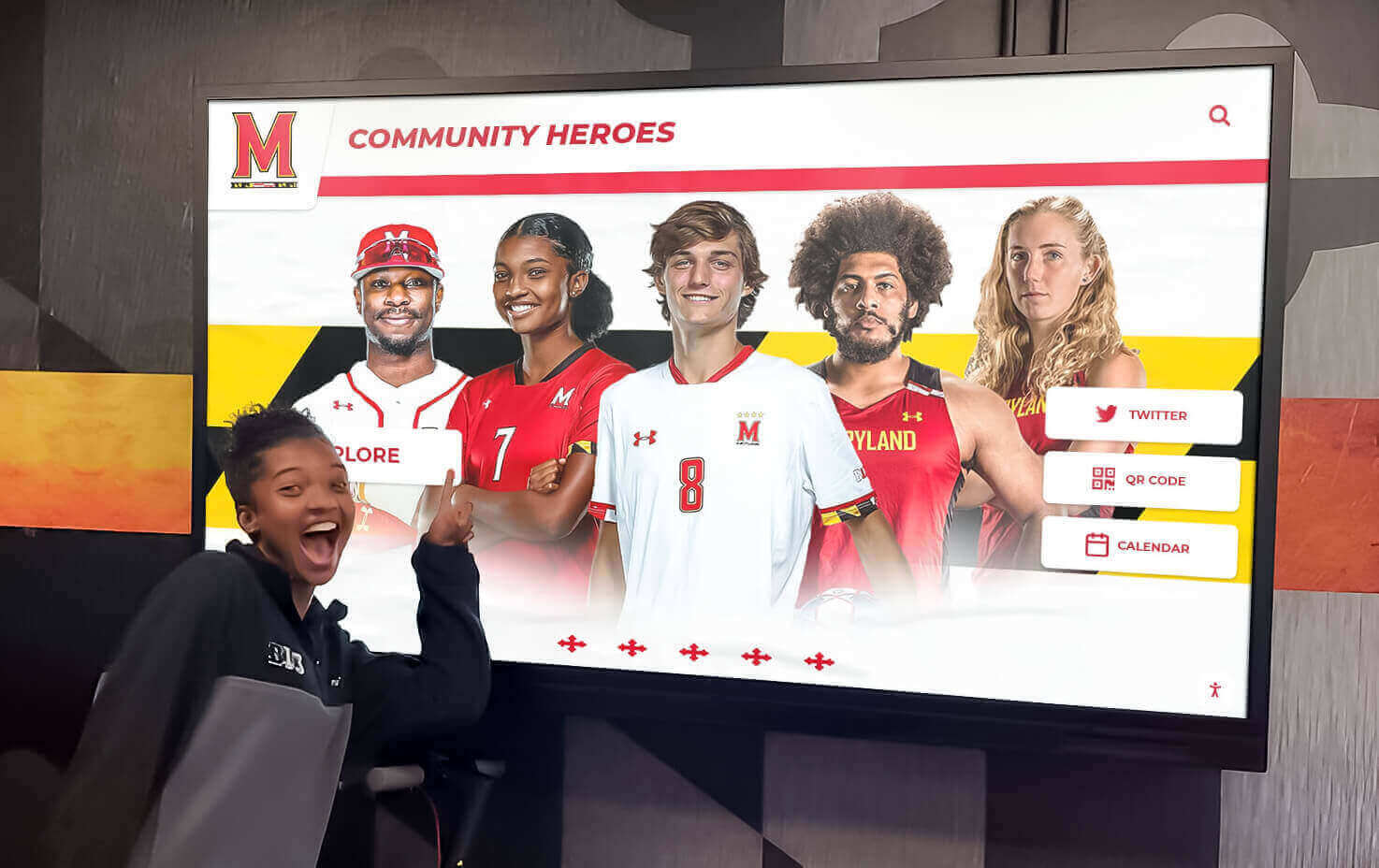
Community hero displays celebrate local athletes who achieved championship excellence
The Lucas Oil Stadium Championship Experience
Playing state championship games at Lucas Oil Stadium—home of the NFL’s Indianapolis Colts—provides experiences that distinguish Indiana championships from states using high school or college venues for title games:
Professional Venue Atmosphere: Walking through NFL locker rooms, emerging from professional tunnels, and playing on the same field used for Colts games and college football championships creates memories matching or exceeding the championship victories themselves. Athletes remember these experiences for life, often citing championship weekends as pinnacle moments in their athletic careers.
Neutral Site Prestige: Lucas Oil Stadium’s Indianapolis location places it centrally for most Indiana schools while providing truly neutral ground where neither team enjoys home-field advantage. The venue’s prestige elevates championship games above typical high school competition, emphasizing significance and providing ceremony matching achievement importance.
Family Accessibility: Indianapolis’ central location makes championship games accessible to families throughout Indiana, with reasonable travel distances enabling broad attendance. Hotels, restaurants, and attractions near the stadium accommodate championship visitors, creating weekend experiences extending beyond the games themselves.
Multi-Class Weekend: Hosting all six classification championships over a single weekend creates festival-like atmospheres with fans from across Indiana converging on Indianapolis. Teams practicing at nearby facilities encounter other championship participants, creating camaraderie and mutual respect among programs pursuing similar dreams across different classifications.
Preserving Championship Legacies: Modern Recognition Approaches
State championships represent pinnacle achievements deserving comprehensive recognition that preserves these accomplishments, inspires current athletes, connects alumni, and builds program pride. Modern schools increasingly adopt digital recognition approaches addressing limitations of traditional trophy cases and banners.
The Challenge of Limited Physical Recognition
Traditional championship recognition faces inherent constraints limiting effectiveness:
Finite Trophy Case Space: Physical trophy cases fill quickly as programs accumulate championships across multiple sports and decades. Athletic directors face impossible choices about which championships receive display versus storage in boxes.
Banner Space Exhaustion: Gymnasium ceilings accommodate limited banner quantities. Successful programs run out of hanging space, forcing decisions about retiring older championships to accommodate recent victories—effectively hiding historical achievements from public view.
Minimal Information Capacity: Traditional trophies and banners display basic information—year, sport, championship level—without capturing the complete story of how championships were won, who contributed, what obstacles were overcome, or why specific championships hold special significance.
Update Complexity: Adding new championship recognition through traditional methods requires ordering custom plaques or banners, coordinating professional installation, and paying per-item costs. This process creates delays between championship victories and recognition, diminishing motivational impact.
Digital Recognition Systems: Comprehensive Championship Documentation
Modern interactive recognition systems address every limitation of traditional approaches while creating engaging discovery experiences:
Unlimited Capacity: Digital platforms showcase every championship across complete program histories without space constraints. Schools never face decisions about which achievements deserve recognition—comprehensive inclusion demonstrates that all championships matter equally.
Rich Multimedia Storytelling: Digital recognition presents complete championship narratives including team rosters with individual athlete profiles, season game-by-game results and statistics, playoff bracket progression, championship game highlights, coaching staff information, photos throughout championship seasons, video footage when available, and participant reflections on championship significance.
Interactive Exploration: Touchscreen interfaces enable visitors to search for specific championships, filter by classification or year, explore decade-by-decade program history, view individual athlete contributions, and discover related achievements. This active engagement generates far longer interaction times than passive trophy case viewing.
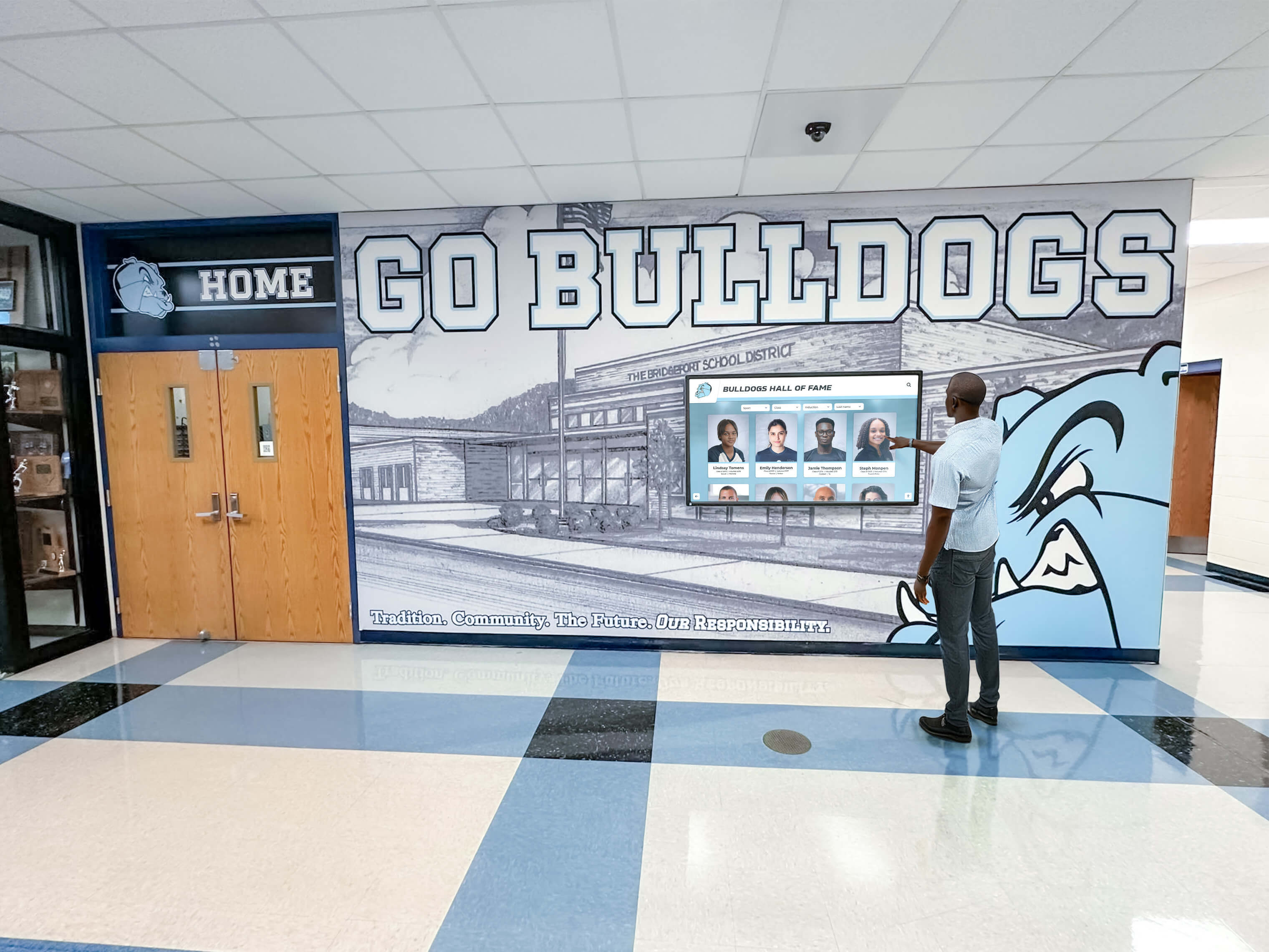
Touchscreen displays transform championship recognition from passive viewing to active exploration
Web Accessibility: The best recognition systems extend beyond physical displays to web-accessible platforms enabling alumni worldwide to explore championship histories. Graduates who moved away decades ago can find their championship teams, share with family and friends, and maintain connections to programs despite geographic distance. For comprehensive implementation guidance, schools can reference state championship display strategies developed specifically for athletic recognition.
Simple Content Management: Cloud-based content management systems enable athletic directors and coaches to add new championships, update information, and publish recognition in minutes without technical expertise. This simplicity ensures recognition stays current rather than becoming outdated due to update complexity.
Implementing Comprehensive Football Recognition
Schools building effective championship recognition follow systematic approaches ensuring comprehensive coverage and sustainable operation:
Complete Historical Documentation: Begin by inventorying every football championship across program history—sectionals, regionals, semi-states, and state titles. Gather existing materials including yearbooks, newspaper clippings, photos, programs, and media guides documenting championship seasons.
Alumni Outreach for Content: Contact championship team participants requesting photos, memories, and stories. Alumni typically respond enthusiastically when invited to contribute, providing valuable content while strengthening their own connections to programs.
Phased Implementation: Rather than attempting to document every championship simultaneously, implement in phases starting with recent championships where information and photos are readily available, then systematically building backward through program history. This approach delivers immediate value while building toward complete archives.
Consistent Content Standards: Establish templates ensuring every championship receives comparable recognition depth regardless of classification or era. Consistency demonstrates professional quality while making content development more efficient.
Integration With Broader Recognition: Coordinate football championship recognition with broader athletic recognition systems celebrating achievements across all sports. Comprehensive approaches demonstrate that excellence matters across entire athletic departments rather than privileging specific sports.
Special Recognition: Individual Excellence and Milestones
Beyond team championships, individual achievements and career milestones deserve recognition celebrating personal excellence within team contexts:
All-State and All-Conference Honors
Indiana all-state football selections recognize the most outstanding players across each classification annually. These prestigious honors identify athletes who excelled at positions across offense, defense, and special teams—earning recognition from coaches and media members statewide.
Recognition Significance: All-state selection represents objective validation of excellence beyond team success. Athletes from non-championship teams can still achieve all-state recognition through individual dominance, while championship teams often place multiple players on all-state rosters.
Historical All-State Documentation: Comprehensive recognition systems document all-state selections across decades, creating searchable databases enabling discovery of historical achievements. Visitors can filter by position, year, or classification, exploring how all-state recognition patterns evolved across program history.
Career Recognition: Athletes earning multiple all-state selections across different seasons achieve rare excellence deserving special acknowledgment. Digital systems can highlight these multi-year honorees while connecting them to similar achievements by program alumni across different eras.
Statistical Leaders and Record Holders
Football generates extensive statistical data documenting individual and team performance. Record holders in key categories earn recognition reflecting sustained excellence or single-game dominance:
Career Statistical Leaders:
- Rushing yards leaders (single season and career)
- Passing yards and touchdown leaders
- Receiving yards and reception leaders
- Tackle and defensive statistic leaders
- Kicking accuracy and special teams achievement
Single-Game Records: Extraordinary individual performances—rushing for 300+ yards, throwing for 400+ yards, multiple-touchdown games—deserve celebration as remarkable achievements even if they occurred during non-championship seasons.
Team Statistical Records: Program records for points scored, total yards, defensive statistics, and winning streaks document collective excellence across multiple athletes and seasons, highlighting eras of exceptional program strength.
Digital recognition platforms can showcase statistical leaders through sortable leaderboards, comparison visualizations, and integrated profiles connecting statistics to broader athlete stories. For schools developing comprehensive recognition, athletic record board systems provide specialized capabilities for displaying evolving statistics.
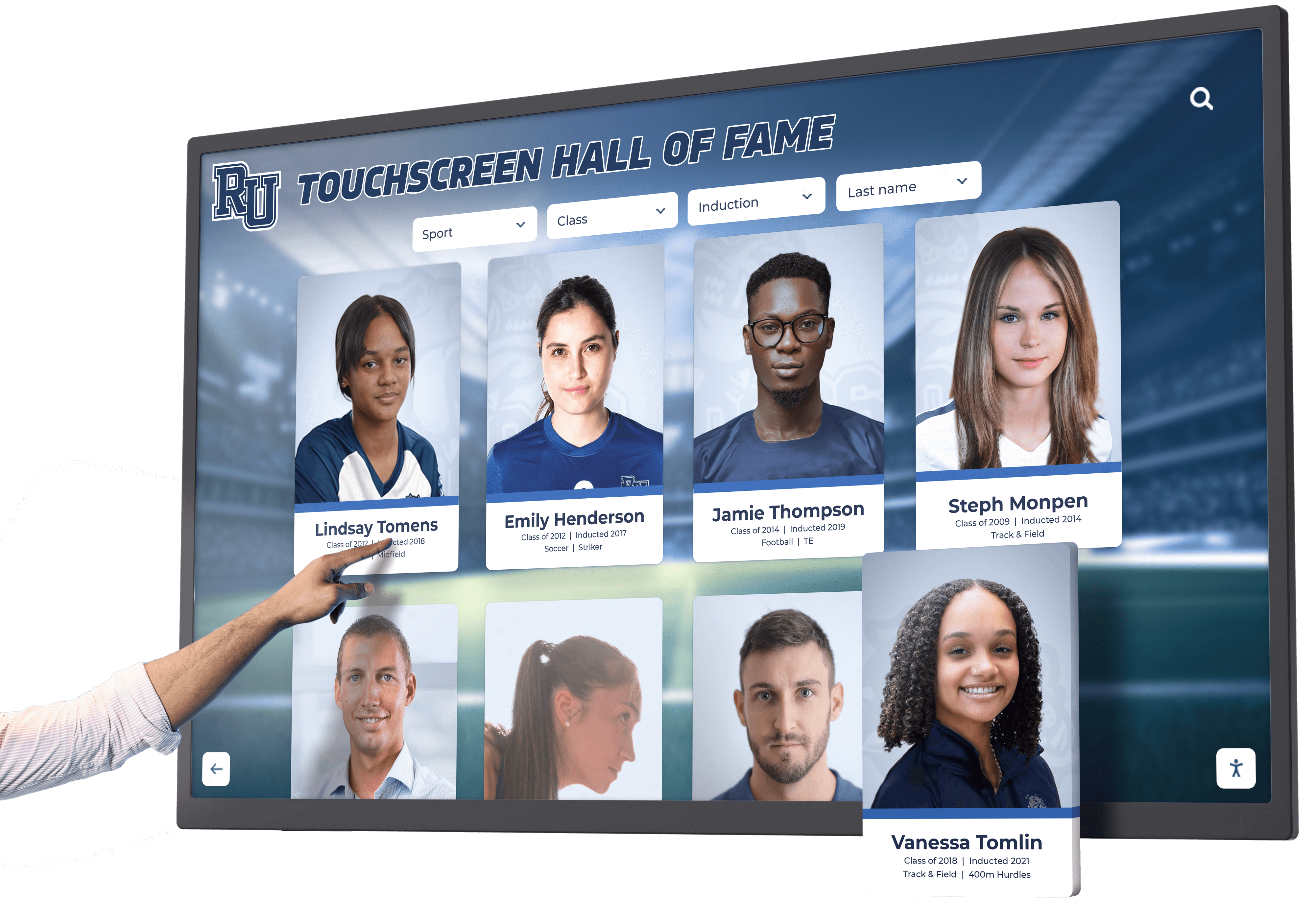
Statistical displays connect individual excellence to championship team success
College Signing Recognition and Beyond
Indiana produces significant Division I talent annually, with championship programs regularly placing athletes at Power Five conferences, Mid-American Conference schools, and FCS programs. Recognizing athletes who continue playing collegiately celebrates athletic excellence while demonstrating program quality to recruits evaluating high school programs.
Signing Day Recognition: National Signing Day in February provides opportunities to celebrate athletes committing to college programs. Digital recognition can showcase college destinations, scholarship information, and intended positions for athletes continuing their careers.
Professional and Elite Achievements: Rare Indiana high school football players who reach NFL rosters or achieve other extraordinary post-high-school success deserve special recognition. These exceptional alumni demonstrate the highest levels achievable through talent developed in Indiana high school programs. Similar approaches are used for senior night celebrations that honor athletes’ complete high school careers.
Regional Variations and Geographic Traditions
Indiana’s geographic diversity creates distinct regional football cultures reflecting different community types, competitive landscapes, and historical traditions:
Indianapolis Metropolitan Power
The Indianapolis metropolitan area—encompassing Marion County and surrounding suburban counties like Hamilton, Johnson, and Hendricks—concentrates significant football talent and establishes powerhouse programs regularly competing for Class 5A and 6A championships.
Suburban Excellence: Wealthy suburban districts like Carmel, Center Grove, and Westfield invest heavily in facilities, coaching, and comprehensive programs. These resource-rich schools maintain sustained excellence through professional-level operations, extensive youth programs, and community support.
Indianapolis Public Schools: Traditional Indianapolis Public Schools programs like Pike, Warren Central, and Lawrence Central represent diverse communities with deep football traditions. These programs often feature extraordinary individual talent while competing for championships through athlete development and strong coaching.
Private School Tradition: Indianapolis Catholic schools like Cathedral, Bishop Chatard, and Roncalli compete successfully despite smaller enrollments, demonstrating how comprehensive program development and strong community connections enable championship success across classification levels.
Northern Indiana Football Culture
Northern Indiana—particularly the South Bend, Fort Wayne, and northwest Indiana regions—develops distinctive football culture influenced by proximity to Chicago, Michigan programs, and Notre Dame’s presence:
South Bend Area Programs: Communities like Mishawaka, South Bend, and Elkhart maintain strong football traditions in urban and suburban contexts. Notre Dame’s presence influences local football culture, with some high school athletes aspiring to walk-on opportunities or using high school success as stepping stones toward other colleges.
Fort Wayne Metropolitan Competition: Fort Wayne-area programs compete intensely within northeastern Indiana, with schools like Snider, Carroll, and Bishop Dwenger establishing championship traditions across multiple decades.
Northwest Indiana Proximity to Chicago: Towns like Valparaiso, Crown Point, and Merrillville benefit from proximity to Chicago media markets while maintaining distinct Indiana identities. These programs often feature athletes with Chicago-area connections while representing Indiana pride.
Southern Indiana Traditions
Southern Indiana develops unique football culture distinct from northern metropolitan areas—emphasizing community identity, traditional rivalries, and programs deeply embedded in small-town social fabric:
River Community Programs: Ohio River communities like Madison, Charlestown, and Tell City build football around river geography and Appalachian-influenced culture. Championships in these communities represent entire regional pride rather than single-school achievements.
Limestone Belt Football: South-central Indiana communities built around limestone quarrying and manufacturing maintain strong working-class football traditions emphasizing physicality and toughness. Programs like Bedford North Lawrence represent these communities with pride.
Evansville Area Competition: Southwestern Indiana’s largest city supports multiple competitive programs including Evansville schools and surrounding county programs like Castle and Reitz, creating intense local rivalries complementing championship pursuits.
Small-Town Rural Excellence
Rural communities throughout Indiana build football programs that become central to town identity—Friday night games serving as primary social gatherings where entire populations turn out supporting local teams:
Agricultural Community Football: Towns surrounded by farmland build football around harvest schedules and agricultural rhythms. These communities view football as essential to youth development, teaching work ethic, teamwork, and perseverance valued in both athletics and agricultural livelihoods.
Factory Town Traditions: Manufacturing-based communities build blue-collar football cultures emphasizing toughness and preparation. These programs often produce championship teams through comprehensive preparation and physical styles matching community identities.
County Seat Programs: County seat towns that consolidated multiple townships into unified school districts create programs representing entire counties. Championships achieved by these consolidated programs celebrate collective regional pride. For celebrating community athletic heroes, recognition displays and traditions strengthen connections between schools and communities.
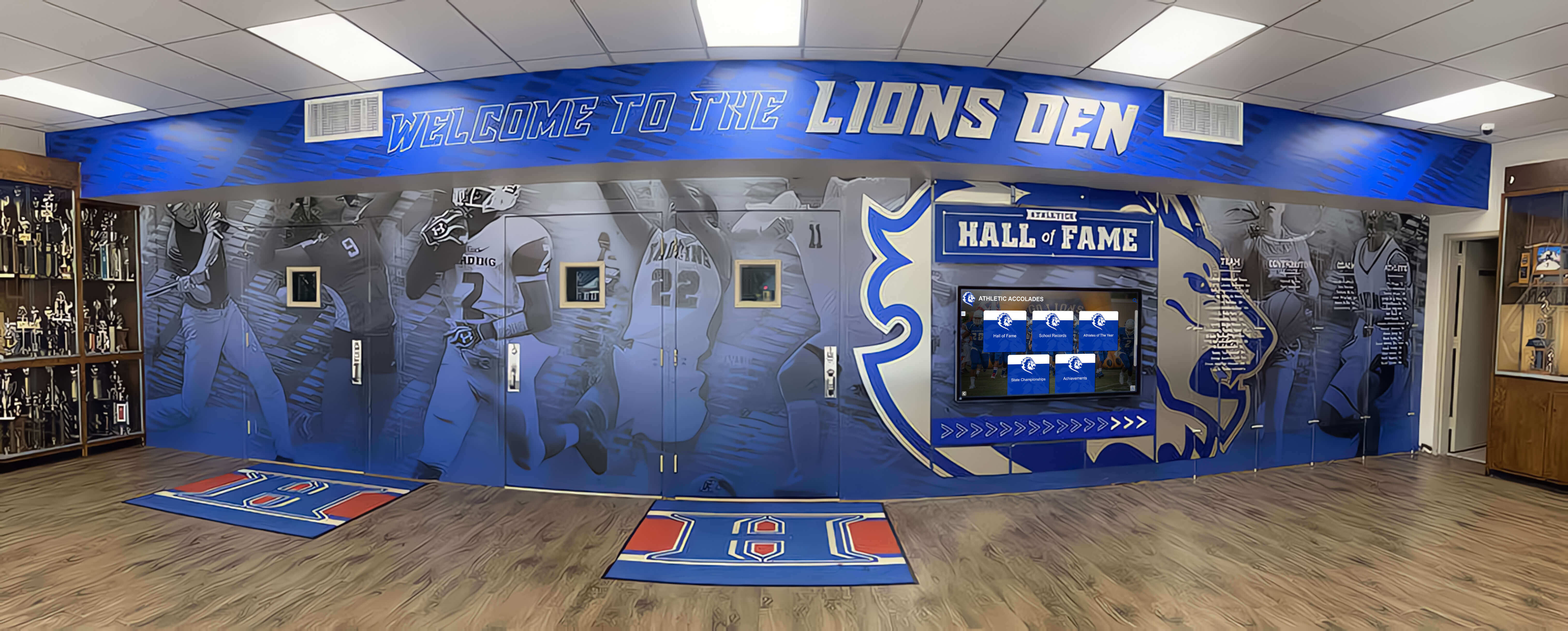
Comprehensive recognition environments integrate traditional and modern display approaches
The Impact of Championship Success on Communities
State football championships create ripples extending far beyond the teams that win them—affecting community identity, economic impacts, youth participation, and long-term program development:
Economic and Social Impact
Championship runs generate significant economic activity in communities:
Local Business Support: Championship teams often receive sponsorships, donations, and promotional support from local businesses celebrating shared achievement. Restaurants, retailers, and service businesses display championship congratulations, sell team apparel, and create special promotions honoring championship teams.
Tourism and Visitor Spending: Communities hosting successful programs attract visiting fans throughout seasons, generating hotel, restaurant, and retail spending. Championship games at Lucas Oil Stadium bring hundreds of community members to Indianapolis, supporting downtown businesses during championship weekends.
Property Values and Community Perception: Successful football programs enhance school district reputations, potentially affecting property values and attracting families valuing athletics when selecting communities. While difficult to quantify precisely, strong athletic programs contribute to overall community attractiveness alongside academic quality and amenities.
Youth Development and Participation
Championship success dramatically affects youth program participation and long-term athletic development:
Increased Youth Enrollment: Championship seasons typically generate youth program enrollment surges as younger children aspire to emulate championship teams they watched. This increased participation expands talent pools for future high school teams while providing youth development opportunities.
Coaching and Volunteer Recruitment: Successful programs attract coaching volunteers and program supporters more easily than struggling programs. Championships validate existing approaches while drawing additional community members who want to contribute to sustained success.
Multi-Generational Participation: Championship traditions create multi-generational family participation patterns, with children of former championship players continuing family legacies. These traditions strengthen program culture and community investment across decades.
College Recruitment and Athletic Opportunity
Programs regularly competing for championships gain advantages in college recruitment processes:
Increased Visibility: College coaches pay closer attention to programs appearing regularly in state championship conversations. Athletes from successful programs receive more recruiting attention than equally talented athletes from lower-profile programs.
Competitive Experience: Athletes who compete in championship games gain invaluable experience handling pressure, executing in high-stakes situations, and performing when outcomes matter most. College coaches value this competitive experience highly when evaluating prospects.
Coaching Relationships: Coaches at successful programs often develop relationships with college staffs, opening recruitment pipelines benefiting multiple athletes across seasons. These relationships help place athletes at appropriate collegiate levels maximizing their opportunities to compete and earn playing time.
Traditions and Rituals: Creating Championship Culture
Successful Indiana football programs develop traditions and rituals that strengthen team culture, build connections across generations, and create identity distinguishing programs from competitors:
Pre-Game and Post-Game Traditions
Team Entrances: Memorable team entrance traditions—running through banners, touching symbolic objects, or following specific routes to fields—create ritual anticipation building focus before competition. These traditions become part of program identity that alumni remember decades later.
Victory Celebrations: Consistent celebration rituals after significant victories—team chants, fight songs, or symbolic actions—create shared experiences bonding teammates. Championship teams often develop special celebration traditions distinguishing title-clinching victories from regular season wins.
Senior Recognition: Senior night traditions honoring graduating players and their families provide emotional closure while celebrating individual contributions. These traditions acknowledge that football relationships extend beyond competition to community and family connections. Many programs enhance these traditions with letterman jacket patch recognition celebrating specific achievements.
Off-Season and Team-Building Traditions
Summer Workouts and Camps: Organized off-season training builds championship foundations through strength development, skill refinement, and team chemistry. Programs that structure comprehensive off-season programs typically outperform those with limited structured training.
Team Camps and Retreats: Multi-day camps away from home communities create bonding opportunities and intensive preparation. These retreats remove normal distractions while forcing teammates to rely on each other, strengthening relationships that carry through competitive seasons.
Community Service Integration: Programs that incorporate service projects and community engagement build athlete character while strengthening community support. These service traditions demonstrate that championship programs develop complete individuals rather than simply winning football games.
Ceremonial Traditions
Ring Ceremonies: Championship ring presentations provide formal recognition celebrating achievement. These ceremonies typically occur months after championship victories, providing opportunities to reflect on accomplishments while presenting tangible symbols athletes keep lifelong.
Banner Unveiling: Formal ceremonies unveiling championship banners create communal celebration opportunities where entire communities gather recognizing shared achievement. These events reinforce that championships belong to entire communities rather than simply teams.
Hall of Fame Inductions: Programs maintaining athletic halls of fame create formal induction ceremonies honoring greatest achievements and most distinguished alumni. These traditions connect current teams to program history while providing aspirational examples of excellence.
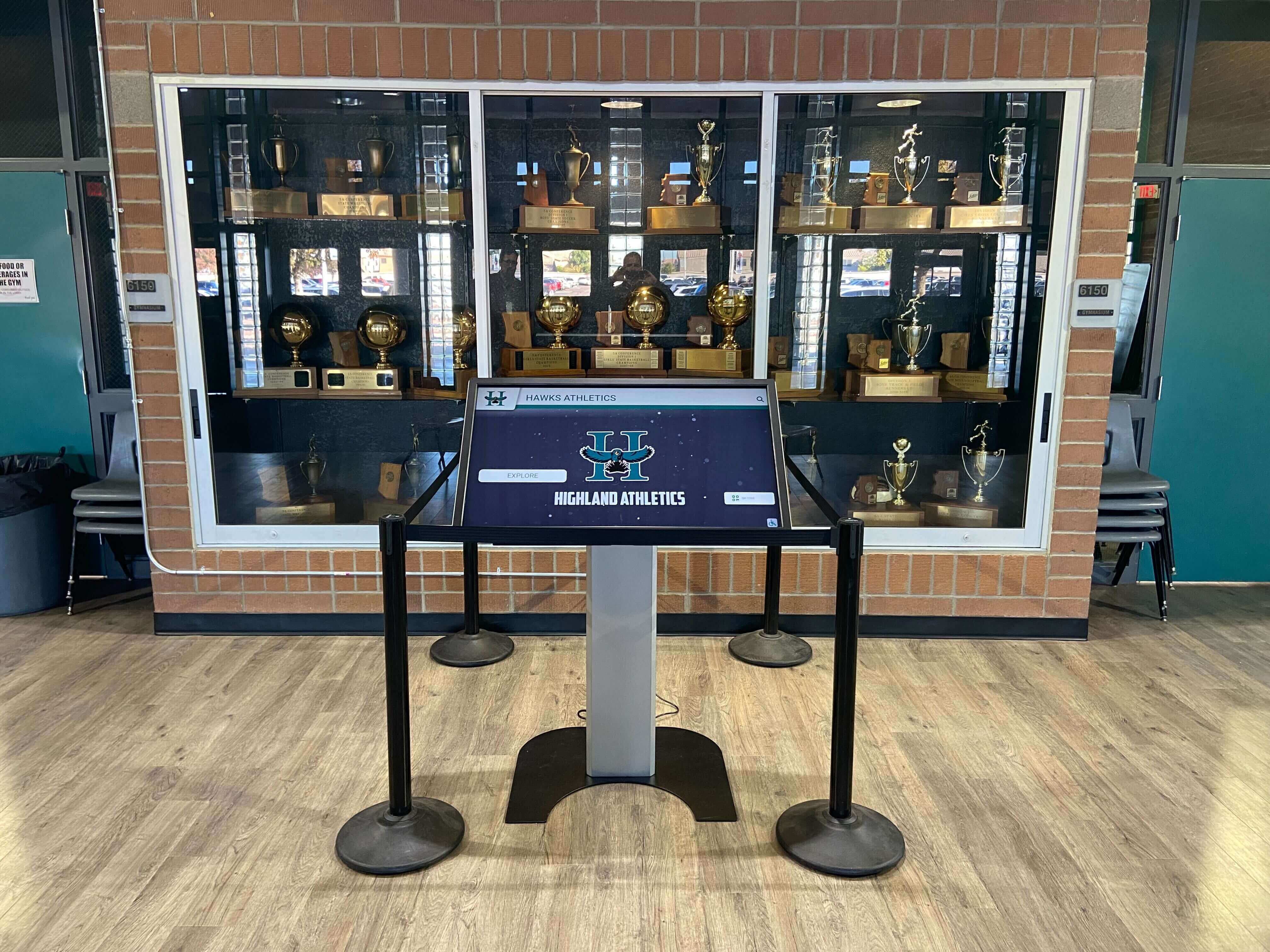
Hall of fame displays positioned near trophy cases create comprehensive recognition environments
Challenges Facing Indiana High School Football
While championship traditions remain strong, contemporary Indiana high school football faces challenges affecting participation, competitive balance, and program sustainability:
Declining Participation Numbers
National trends toward declining football participation affect Indiana programs, though impacts vary significantly by region and school size:
Safety Concerns: Increased awareness of concussion risks and long-term health impacts causes some families to discourage football participation, choosing alternative sports or activities with lower perceived injury risks.
Multi-Sport Athletes: Some traditional multi-sport athletes now specialize in single sports, particularly basketball, soccer, or baseball. This specialization reduces football talent pools while potentially limiting athlete development benefits from diverse athletic participation.
Economic and Time Commitments: Football requires significant time and financial commitments through equipment, camp fees, and extended seasons. Families facing economic constraints or students managing academic and work commitments may find football participation difficult despite interest.
Competitive Balance Questions
Classification systems aim to ensure competitive equity, but imbalances persist:
Private vs. Public School Debates: Private schools with enrollment flexibility and broader geographic recruiting areas sometimes achieve sustained success that public schools struggle to match. Ongoing debates about classification formulas and competitive advantages continue throughout Indiana high school athletics.
Transfer Policies and Recruiting: Athletic-motivated transfers and perceived recruiting by successful programs raise questions about competitive fairness and eligibility enforcement. IHSAA transfer rules aim to prevent competitive advantages through player movement, but enforcement challenges persist.
Resource Disparities: Wealthy suburban districts often invest significantly more in facilities, equipment, and coaching than resource-limited rural or urban districts. While classification systems address enrollment differences, resource disparities create additional competitive advantages beyond simple student population.
Maintaining Tradition in Modern Context
Balancing tradition with modern realities creates ongoing challenges:
Facility Investment: Aging facilities require significant capital investment for renovation or replacement. Communities must balance football facility needs against competing priorities including academic facilities, technology, and other athletic programs.
Coaching Recruitment and Retention: Finding and retaining quality coaching becomes increasingly difficult as time commitments increase while compensation often remains minimal for assistant coaches. Volunteer coaching pools shrink as professional demands on community members increase.
Technology Integration: Modern athletes expect contemporary technology—video analysis, training equipment, communication platforms—requiring investment and expertise. Programs that fail to adopt modern approaches risk falling behind competitors embracing technology-enhanced preparation.
The Future of Indiana High School Football Championships
Looking forward, several trends will likely shape Indiana high school football championships in coming decades:
Technology and Recognition Evolution
Digital technology will continue transforming how schools recognize and celebrate championships:
Enhanced Content Capture: Improved video technology, drone footage, and multi-angle game documentation will enable richer championship documentation. Future recognition systems will incorporate video highlights, 360-degree experiences, and immersive content impossible with current technology.
Social Media Integration: Championship recognition will increasingly integrate with social media platforms, enabling real-time sharing, alumni interaction, and global reach extending far beyond physical school communities. These integrated approaches will strengthen alumni connections while amplifying program visibility. Programs implementing digital hall of fame platforms position themselves for future recognition approaches.
Virtual and Augmented Reality: Future recognition may include VR experiences enabling alumni to virtually “attend” past championship games or AR applications overlaying championship information when viewing physical locations through smartphones.
Classification and Format Evolution
Tournament formats and classification systems will likely continue evolving:
Enrollment-Based Adjustments: As demographic patterns shift and school consolidations continue, classification boundaries will adjust ensuring competitive balance as Indiana’s educational landscape changes.
Success Factor Considerations: Discussions about implementing success factors—adjusting classification placement based on competitive success—may influence future tournament structure, particularly regarding programs achieving sustained dominance within classifications.
Alternative Tournament Formats: Innovations in playoff formats, possibly including expansion or modification of current structures, may enhance competitive opportunities or address scheduling challenges.
Community and Cultural Changes
Broader social changes will influence Indiana football culture:
Changing Community Demographics: Population shifts toward suburban Indianapolis while rural populations decline will affect geographic distribution of competitive programs and potentially consolidate traditional small-school programs.
Media and Entertainment Competition: Professional sports, streaming entertainment, and diverse activity options compete for attention previously devoted exclusively to local high school athletics. Programs must work harder maintaining community engagement amid expanded entertainment choices.
Health and Safety Evolution: Ongoing research on concussions, improved safety equipment, and modified rules will continue shaping how football is played and perceived. Programs prioritizing player safety while maintaining competitive excellence will model sustainable approaches.
Conclusion: Preserving Excellence for Future Generations
The indiana high school football state championship represents far more than athletic competition—it embodies community pride, personal excellence, team sacrifice, and traditions connecting generations. From the early tournament origins through modern classification systems hosting championship weekends at Lucas Oil Stadium, Indiana football championships create moments and memories defining lives and communities.
Championship teams achieve remarkable accomplishments through preparation, dedication, and collective effort spanning years of youth development, strength training, practice repetition, and game-day execution. These achievements deserve recognition matching their significance—comprehensive documentation that honors every contributor, preserves complete championship stories, and inspires current athletes pursuing similar excellence.
Modern recognition technology ensures championship legacies remain accessible and engaging for current students who didn’t experience historical championships firsthand, while connecting alumni globally to achievements they participated in decades ago. Solutions like Rocket Alumni Solutions provide platforms specifically designed for educational athletic recognition, combining sophisticated technology with intuitive management enabling schools to celebrate championships comprehensively without overwhelming staff or budgets.
Celebrate Your Championship Tradition
Discover how comprehensive recognition systems help Indiana schools preserve championship legacies, inspire current athletes, and strengthen community connections through engaging displays accessible to alumni worldwide.
The championships your program achieves represent pinnacle moments in athletes’ lives—accomplishments they’ll remember and celebrate for decades. Whether your school has won multiple state titles across different eras or is pursuing that first championship that will launch new traditions, ensuring these achievements receive comprehensive, engaging recognition honors the sacrifice, dedication, and excellence that define Indiana high school football at its finest.
From legendary programs establishing multi-decade dynasties to small-town teams achieving underdog championships that captivate entire regions, Indiana high school football state championships create stories worth preserving and celebrating. The traditions, rivalries, dramatic finishes, and community celebrations that distinguish Indiana football deserve recognition approaches matching their significance—ensuring current and future generations understand, appreciate, and aspire to add their own chapters to your program’s championship legacy.































