Track and field meets present unique logistical challenges—dozens of simultaneous events, hundreds of athletes, complex heat assignments, constantly changing schedules, and spectators desperate for real-time results. Traditional paper programs and static announcement boards simply can’t keep pace with the dynamic nature of these competitions. Athletes miss events, parents struggle to locate their children, coaches scramble for updated results, and meet directors field endless questions about schedule changes.
Interactive digital boards at track meets solve these problems by providing real-time schedule updates, instant race results, live standings, and intuitive navigation that transforms the competition experience for everyone involved. These modern solutions replace chaotic paper heat sheets and outdated public address announcements with accessible, always-current information that athletes, coaches, and spectators can access instantly from anywhere at the venue.
Track meets differ fundamentally from other sporting events. While basketball or football features linear gameplay that everyone watches simultaneously, track meets involve parallel competition across multiple events—sprints, distance races, hurdles, jumps, and throws happening concurrently. This complexity demands information systems capable of managing and communicating intricate, constantly evolving details to diverse audiences with different information needs.

Digital displays bring order to the complexity of multi-event track competitions
The Information Challenge at Track and Field Meets
Track competitions generate massive information management demands that traditional approaches struggle to address effectively:
Simultaneous Event Complexity
Unlike single-focus sports, track meets feature overlapping events requiring careful coordination:
Running Events
- Multiple heats of sprint races (100m, 200m, 400m)
- Distance races with large fields requiring seeding
- Hurdle events across various distances
- Relay competitions involving team coordination
- Finals and preliminary rounds in the same session
Field Events
- Long jump and triple jump competitions
- High jump and pole vault progressions
- Shot put, discus, and javelin throws
- Athletes competing in multiple events simultaneously
A typical high school invitational might schedule 40+ separate competition elements within a 4-5 hour window. College and championship meets can exceed 100 distinct events across multiple days. Communicating this complexity through traditional methods proves nearly impossible without creating confusion.
Dynamic Schedule Changes
Track meet schedules rarely proceed exactly as planned:
- Weather delays push back entire sessions
- Events run ahead or behind schedule based on competition pace
- Field events adjust starting heights based on athlete performance
- Heat compositions change due to scratches and additions
- Flight assignments for jumps and throws get reorganized
- Conflicts arise when athletes are needed in multiple simultaneous events
Static printed programs become obsolete within minutes of competition start. Manual announcements reach only those within earshot, and constant PA updates create disruptive noise pollution. Athletes and coaches need reliable, accessible information sources they can reference independently without waiting for announcements.
Diverse Information Needs
Different meet participants require different information at different times:
Athletes
- Personal event schedules and heat assignments
- Reporting times for check-in at each event
- Current standings and qualification standards
- Heat lane assignments
- Conflict identification with multiple events
Coaches
- Team rosters and entry verification
- Real-time results across all team events
- Schedule conflicts requiring athlete prioritization
- Comparative performance data and standards
- Team scoring and placement standings
Spectators
- Event schedules to plan viewing
- Athlete identification and performance tracking
- Results to follow specific individuals or teams
- Facility navigation and amenities location
- Understanding of technical track and field rules
Meet Officials
- Heat assignments and event progression
- Athlete check-in status
- Timing and measurement verification
- Conflict resolution and schedule optimization
- Awards ceremony coordination
Traditional single-source information systems cannot effectively serve these diverse, simultaneous needs without creating bottlenecks and confusion.
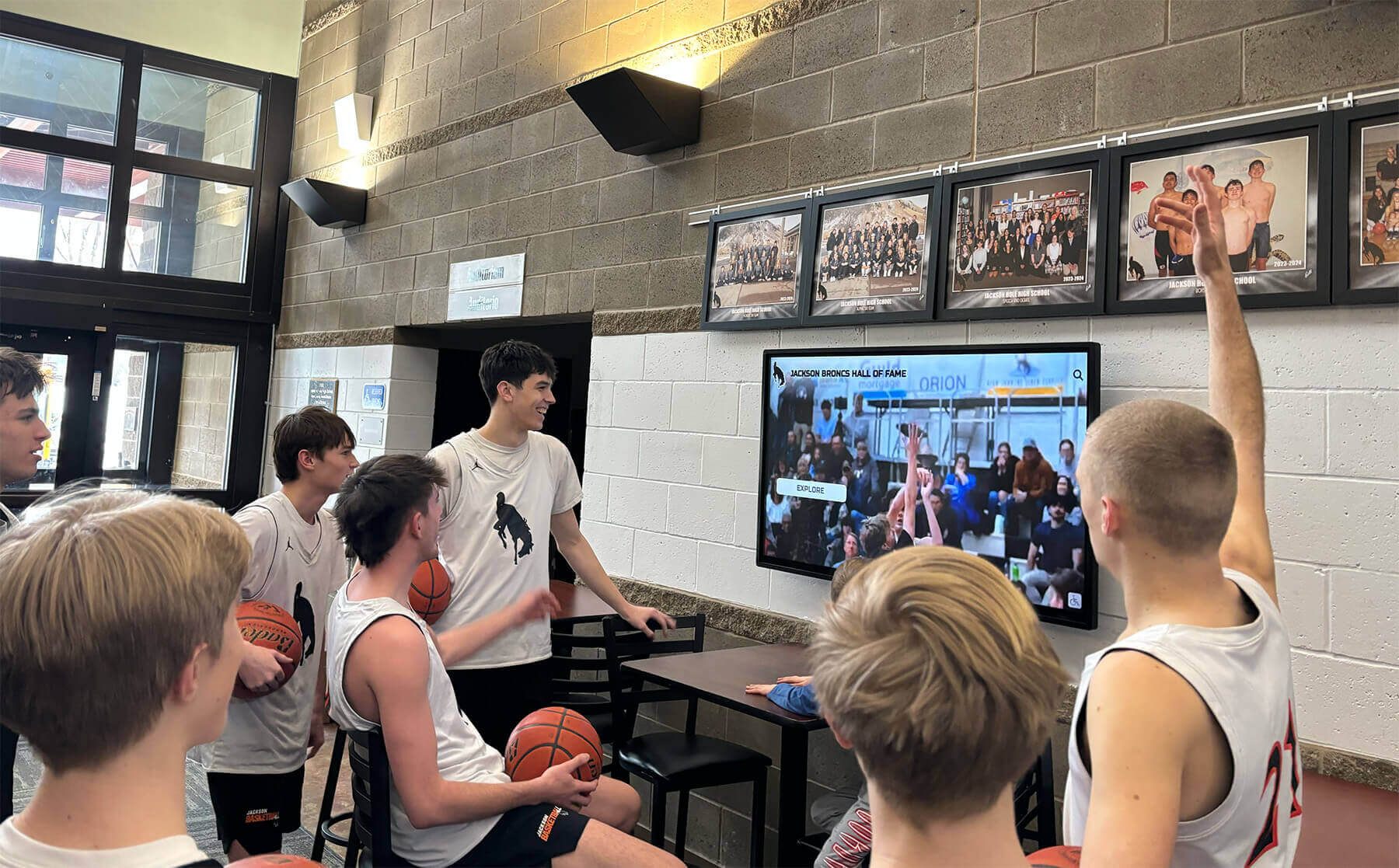
Digital systems enable athletes to access personalized event information independently
Interactive Digital Board Solutions for Track Meets
Modern digital display technology addresses track meet information challenges through comprehensive, real-time systems specifically designed for competition environments:
Real-Time Schedule Management
Digital boards provide continuously updated event schedules accessible throughout the facility:
Dynamic Timeline Display
Interactive displays show current and upcoming events:
- Live “now competing” indicators for all active events
- Projected start times that update based on actual competition pace
- Countdown timers to next events in each category
- Visual differentiation between running and field events
- Color-coding for different competition levels or gender
- Automatic advancement when events complete
Athletes and spectators can glance at any display to immediately understand what’s happening now and what’s coming next, eliminating constant questioning and confusion about schedule status.
Personalized Event Tracking
Advanced systems enable customized schedule views:
- Athletes search by bib number to see personal schedules
- Teams filter to show only their entered events
- Event-specific views showing all heats within a discipline
- Conflict identification highlighting scheduling challenges
- Reporting time notifications for athlete check-in
- Integration with mobile apps for personal device access
This personalization ensures athletes never miss events while reducing the burden on meet officials to manually track hundreds of individual schedules. Solutions like digital athletic recognition displays demonstrate how tailored information presentation improves athlete experience.
Weather and Delay Communication
Digital systems provide clear status updates:
- Weather delay notifications with resumption estimates
- Lightning detection system integration
- Facility closure and evacuation instructions
- Updated warm-up and competition timelines
- Alternative schedule scenarios for extended delays
- Safety protocol information
Clear, consistent communication during weather interruptions reduces anxiety while ensuring all participants understand revised expectations.
Live Results and Performance Data
Immediate result posting transforms competition experience:
Instant Result Publication
Integration with timing systems enables real-time performance display:
- Race results appearing seconds after finish
- Split times and pace information for distance events
- Field event marks posted after each attempt
- Automatic ranking and heat progression determination
- Personal record identification
- Meet record alerts when standards are exceeded
Spectators no longer wait minutes or hours for results—performances appear instantly, maintaining engagement and excitement throughout the meet. This immediacy particularly benefits distance events where spectators struggle to track runners through long races without current pace information.
Qualification and Advancement Tracking
Digital boards clarify progression requirements:
- Current qualifying marks for advancement to finals
- Position indicators showing “in” or “out” status
- Championship qualification standard comparisons
- Historical context comparing current marks to meet records
- Automatic heat winner identification
- Time-based qualifier determination across all heats
Athletes and coaches immediately understand competitive standing without calculating qualification positions manually or waiting for official announcements. This clarity enables better strategic decisions for subsequent events.
Comparative Performance Analytics
Advanced displays provide context beyond simple results:
- Side-by-side heat comparison showing relative performances
- Personal record indicators for returning athletes
- Season-best and personal-best tracking
- Age-group and classification comparisons
- Wind reading impacts on sprint and jump performances
- Conversion calculations for varying conditions
Performance context helps spectators appreciate achievements even when unfamiliar with track and field performance standards. Seeing that a time represents a personal record or approaches a meet standard adds meaning for casual observers.
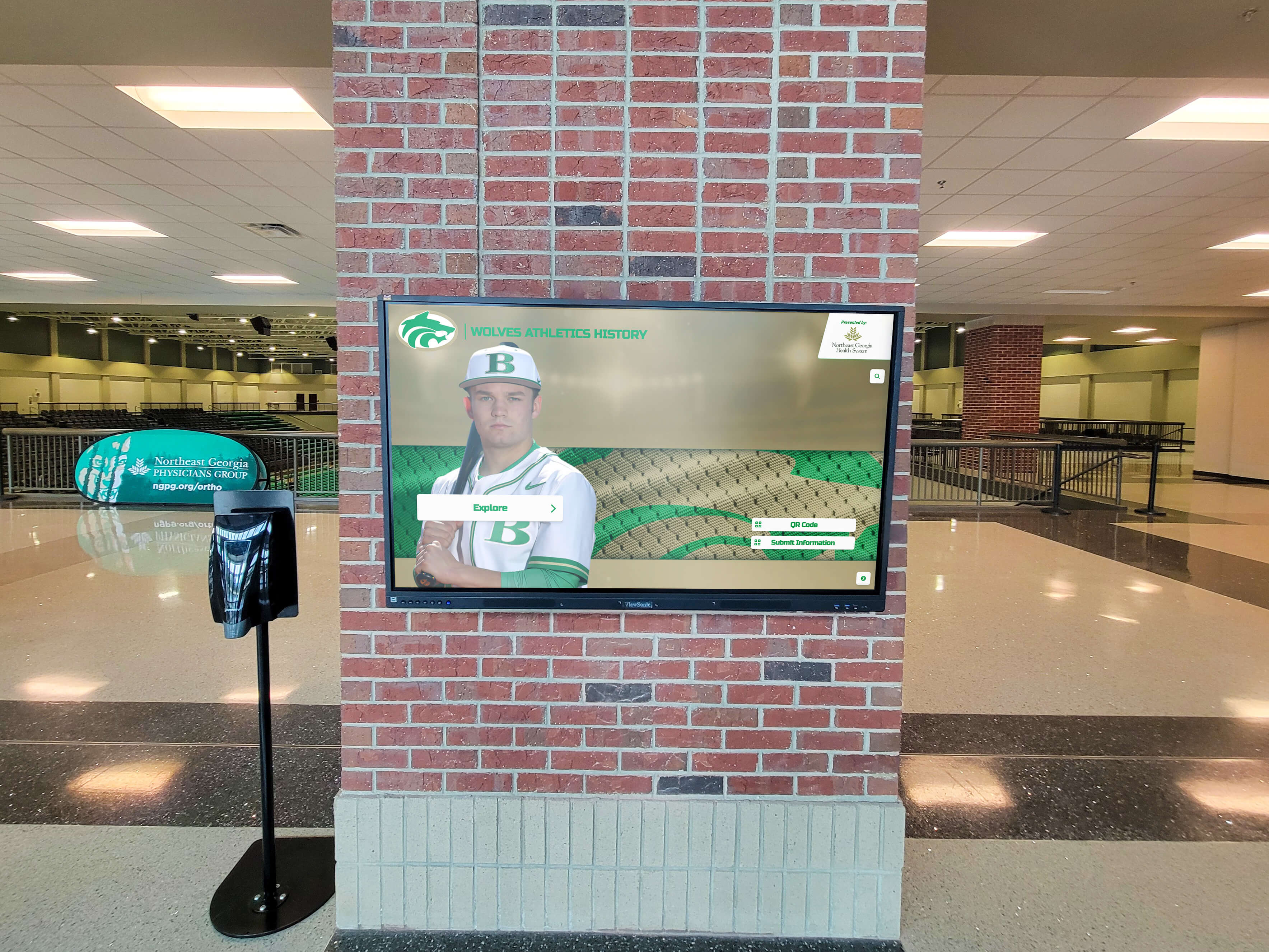
Real-time results create engagement and eliminate waiting for performance information
Team Standings and Scoring
Comprehensive scoring displays maintain competitive excitement:
Live Team Score Updates
Digital boards track team performance throughout competition:
- Current team standings updating after each event
- Point totals with scoring event breakdowns
- Projection scenarios showing potential final standings
- Division or classification-specific scoring
- Visual representations like bar graphs or progress meters
- Historical comparison to previous meet performances
Team scoring represents one of track’s most compelling elements for school competitions, yet traditional methods struggle to maintain current standings as dozens of events contribute points throughout the meet. Digital displays solve this challenge through automatic calculation and prominent display. Programs focusing on comprehensive athletic recognition understand the importance of visible performance acknowledgment.
Individual Contribution Tracking
Systems can highlight individual athlete impacts:
- Point earners highlighted with contribution totals
- Multi-event athlete accomplishments aggregated
- Outstanding performance recognition
- Most valuable athlete tracking
- Comparison to school or meet records
- Achievement milestone identification
This individual recognition within team contexts motivates athletes while helping spectators appreciate exceptional performances that contribute to team success.
Interactive Navigation and Wayfinding
Large track facilities present navigation challenges that digital displays address:
Facility Maps and Directions
Interactive kiosks provide navigation assistance:
- Venue maps showing all competition areas
- Restroom, concession, and first aid locations
- Shortest routes between multiple viewing areas
- Accessibility information and accommodations
- Parking and transportation options
- Weather shelter locations
First-time visitors particularly benefit from visual navigation tools that reduce confusion and improve overall meet experience. Solutions like interactive campus displays demonstrate effective wayfinding integration.
Event Location Indicators
Systems clarify where specific events occur:
- Field event location assignments
- Track lane configurations for various distances
- Starting line locations for different race distances
- Warm-up area designations
- Check-in locations for upcoming events
- Awards ceremony staging areas
This location guidance prevents athletes from missing events due to confusion about where to report, while helping spectators locate specific competitions they wish to watch.
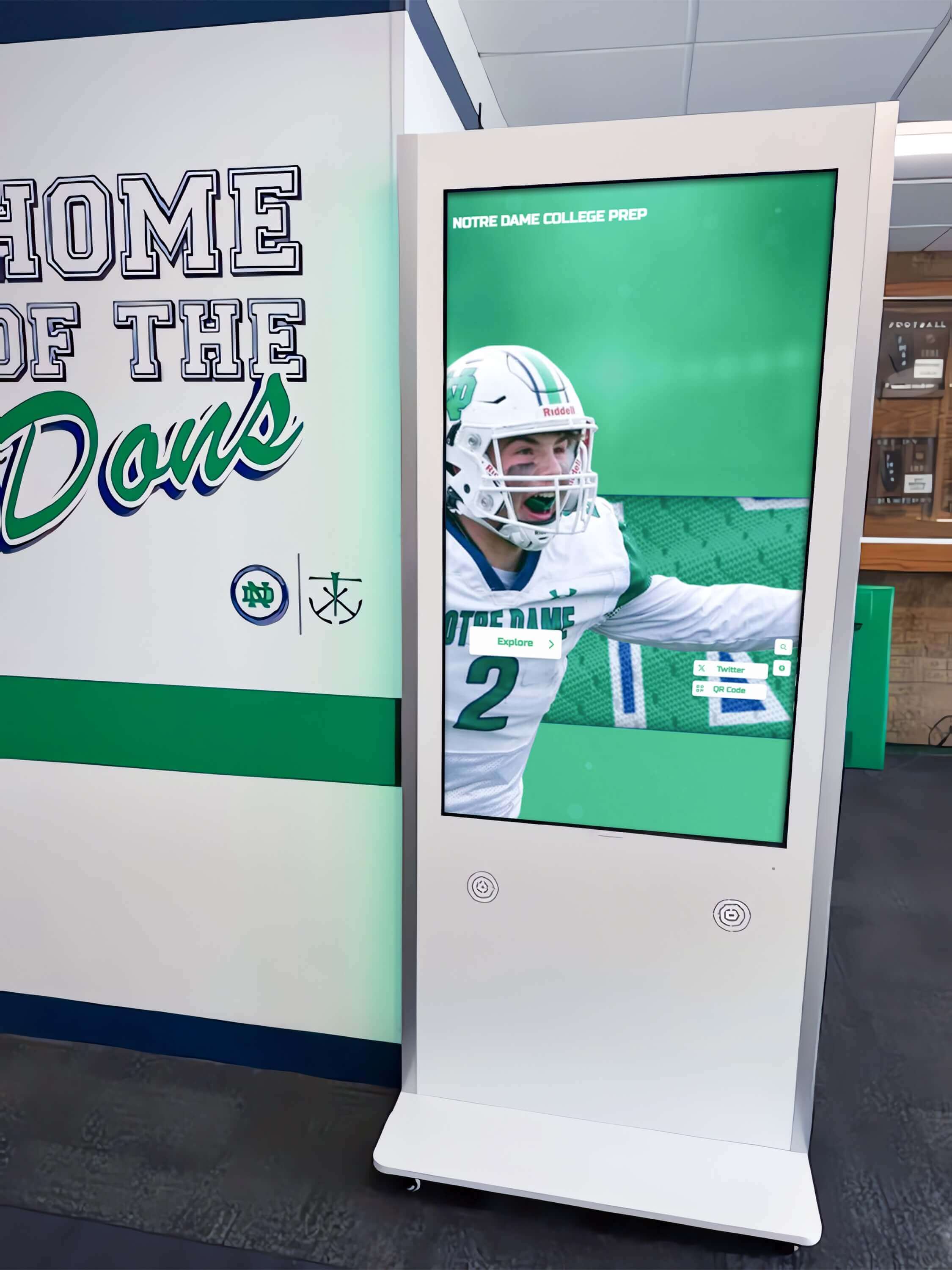
Interactive displays provide navigation assistance in complex athletic venues
Technology Components and Implementation
Effective track meet digital board systems integrate multiple technological elements:
Display Hardware Options
Various display types serve different meet needs:
Large-Format Fixed Displays
Prominent screens visible across broad areas:
- 55-75 inch commercial displays for grandstand viewing
- Outdoor-rated screens with high brightness for sunlight visibility
- Multiple displays positioned around track perimeter
- Scoreboard-style displays visible from all seating areas
- Weather-resistant enclosures for permanent outdoor installations
- Network connectivity for real-time data updates
These primary displays ensure all spectators can access current information without moving from their viewing positions. Facilities investing in digital athletic displays recognize the value of prominent, high-visibility installations.
Interactive Touchscreen Kiosks
Self-service information stations throughout the facility:
- Freestanding kiosks at venue entrances
- Concourse installations between seating areas
- Check-in stations at event reporting locations
- Warm-up area information access points
- Accessible height mounting for all users
- Protective enclosures for high-traffic areas
Interactive capabilities enable personalized information access that large displays cannot provide, allowing users to search for specific athletes, teams, or events relevant to their interests.
Mobile-Responsive Web Platforms
Personal device access extending information reach:
- Mobile-optimized websites accessible via smartphone
- Native mobile apps for iOS and Android
- QR code access points throughout facility
- SMS/text message result notifications
- Push notifications for event reminders
- Data-efficient interfaces for limited connectivity
Mobile access represents perhaps the most valuable information delivery method, as spectators and athletes always have personal devices available. Network connectivity challenges at outdoor venues require consideration during implementation planning.
Meet Management System Integration
Digital displays derive maximum value through integration with meet management software:
Direct Data Connections
Automated information flow eliminates manual entry:
- Integration with Hy-Tek Meet Manager (industry standard)
- Direct timing system interfaces (FinishLynx, Fully Automatic Timing)
- Field event measurement system connections
- Automatic result verification and publication
- Real-time schedule adjustment propagation
- Central database ensuring consistency across all displays
This integration ensures information accuracy while reducing administrative workload on meet officials who can focus on competition operations rather than manually updating multiple information sources.
Cloud-Based Management
Centralized control systems enable efficient administration:
- Remote content updates from meet management office
- Multi-user access for distributed responsibilities
- Automatic backup and disaster recovery
- Scheduled content for different meet phases
- Template systems for recurring meet formats
- Historical data access for comparison and planning
Cloud platforms eliminate the need for on-site servers while providing robust management capabilities accessible from any internet-connected device. Resources discussing digital recognition system implementation provide insights into effective cloud management strategies.
Content Design Considerations
Effective information presentation requires thoughtful design:
Visual Hierarchy and Clarity
Display layouts must communicate information instantly:
- Large text sizes readable from distance
- High-contrast color schemes for visibility
- Consistent layout patterns across all screens
- Clear section delineation for different information types
- Minimal animation avoiding distraction
- Brand integration maintaining meet identity
Track meet spectators rarely focus continuously on displays—they glance for specific information then return attention to competition. Design must support this scan-and-comprehend viewing pattern through immediate clarity.
Information Prioritization
Content organization reflecting user needs:
- Current event status as primary focus
- Upcoming events as secondary information
- Recent results as supporting context
- Team standings prominently featured
- Detailed information available through interaction
- Automatic rotation balancing multiple priorities
Attempting to show all information simultaneously creates cluttered, unusable displays. Effective systems present essential information prominently while enabling deeper exploration through interaction or rotation.
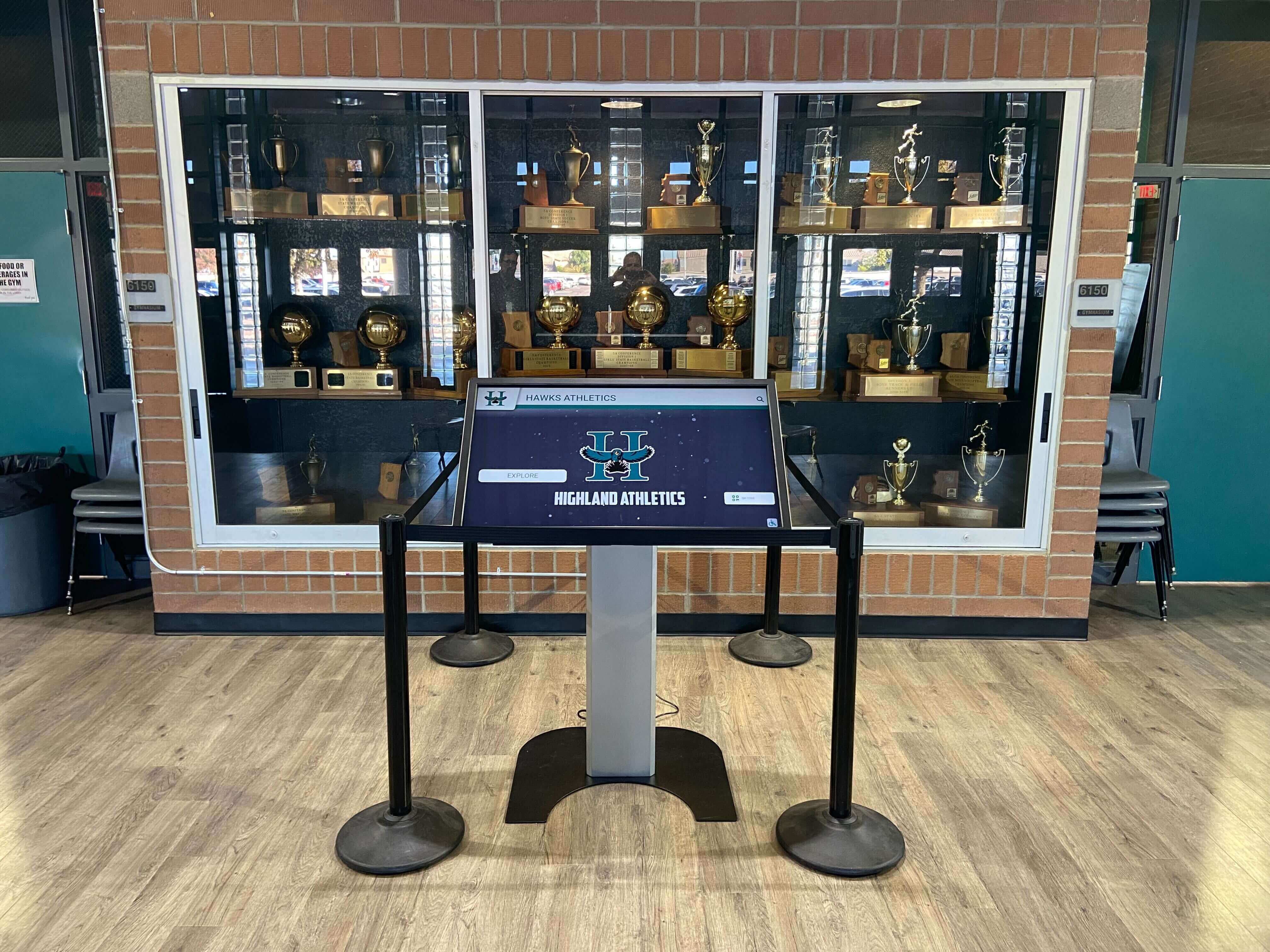
Clear visual design enables instant information comprehension during busy competitions
Benefits for Different Stakeholders
Interactive digital boards deliver distinct advantages across meet participant groups:
Enhanced Athlete Experience
Digital information systems directly improve competitor experience:
Reduced Stress and Confusion
Clear, accessible information eliminates common anxiety sources:
- No uncertainty about event timing or location
- Clear communication about schedule changes
- Conflict identification before problems arise
- Easy verification of entry and heat assignments
- Self-service access reducing dependence on officials
- Consistent information eliminating contradictory announcements
Athletes perform better when they can focus on competition rather than administrative logistics. Digital systems remove information barriers that create unnecessary stress. Programs emphasizing student athlete support recognize the importance of reducing non-competitive stressors.
Improved Performance Context
Access to competition information supports better athletic performance:
- Understanding qualifying standards for strategic pacing
- Awareness of competition level informing race tactics
- Real-time standings affecting relay team selections
- Immediate result feedback enabling technique adjustments
- Historical performance comparison for motivation
- Recognition of achievements as they occur
Athletes compete more effectively when they understand competitive context. Digital displays provide this information immediately rather than requiring delayed conversations with coaches who may be managing multiple athletes simultaneously.
Operational Efficiency for Meet Directors
Administrative benefits justify digital system investments:
Reduced Information Request Burden
Self-service displays dramatically decrease official workload:
- Elimination of constant schedule questions
- Reduced result inquiries after each event
- Decreased navigation assistance requests
- Self-service check-in verification
- Automatic conflict identification
- Standardized information reducing misunderstandings
Meet directors report that information management represents one of the most time-consuming operational elements. Digital systems automate this function, allowing officials to focus on competition management, safety oversight, and problem resolution rather than answering repetitive questions.
Professional Presentation
Modern information systems enhance meet reputation:
- Professional appearance attracting high-quality entries
- Positive participant experience encouraging return visits
- Social media appeal through shareable displays
- Sponsor recognition opportunities
- Broadcasting enhancement for live streaming
- Differentiation from competing meets
High school invitationals and club meets increasingly compete for entries from top athletes and programs. Professional information presentation contributes to overall meet quality perception that influences entry decisions.
Data Collection and Analysis
Digital systems generate valuable insights:
- Attendance and engagement metrics
- Popular event and timing analysis
- Schedule efficiency assessment
- Information access patterns
- Comparative meet performance
- Improvement opportunity identification
These analytics support continuous meet improvement while demonstrating value to sponsors and facility managers.
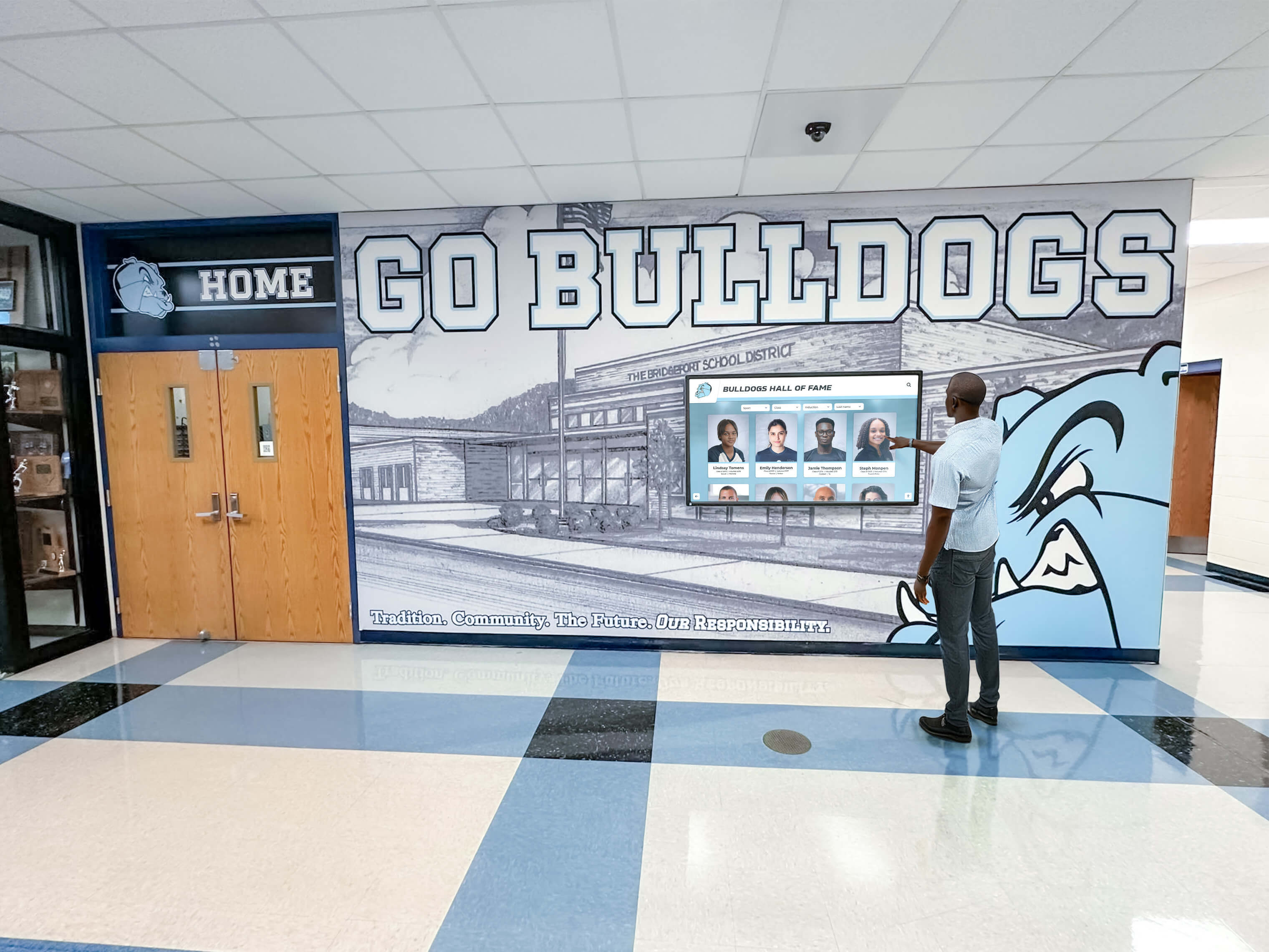
Self-service displays reduce administrative burden while improving information access
Superior Spectator Engagement
Enhanced family and fan experience drives event growth:
Improved Understanding and Enjoyment
Clear information helps spectators appreciate competition:
- Event explanations for unfamiliar observers
- Performance context comparing to standards
- Athlete background information
- Historical comparisons to previous meets
- Technical explanation of rules and scoring
- Achievement significance clarification
Track and field’s technical nature can intimidate casual spectators unfamiliar with performance standards. Digital displays educate while entertaining, making events more accessible and engaging for diverse audiences. Strategies for enhancing athletic program visibility apply equally to competition and recognition contexts.
Personalized Viewing Experience
Interactive systems enable customized meet following:
- Individual athlete tracking across multiple events
- Team-specific filtering showing only relevant competitions
- Event favorites list with notifications
- Social sharing of results and accomplishments
- Photo and video integration showing performances
- Personal schedule planning for optimal viewing
This personalization transforms passive spectating into active engagement, increasing satisfaction while encouraging longer attendance and more frequent return visits.
Reduced Friction and Frustration
Information accessibility eliminates common irritants:
- No more missed events due to unclear timing
- Elimination of constant “when is…” questions
- Clear navigation reducing facility confusion
- Weather delay communication preventing uncertainty
- Concession and restroom location awareness
- Parking and exit information for departure planning
Removing frustration points directly increases satisfaction and willingness to attend future meets. Spectators who enjoy positive experiences become advocates recruiting additional attendees.
Coaching Strategic Advantages
Digital information systems support coaching effectiveness:
Comprehensive Team Monitoring
Coaches managing multiple athletes benefit from centralized information:
- All team events visible on single interface
- Athlete conflict identification
- Performance tracking across entire roster
- Comparative analysis with competitors
- Historical performance comparison
- Quick result verification
Coaches can only physically observe limited events at any moment. Digital systems provide awareness of all team activities simultaneously, enabling better resource allocation and athlete support.
Data-Informed Decisions
Real-time information supports tactical choices:
- Relay team composition based on current performances
- Event entry decisions for athletes in multiple competitions
- Rest period optimization between events
- Strategic focus on closest team scoring opportunities
- Qualification standard awareness for pacing strategies
- Competitor performance analysis
Access to comprehensive, current information enables coaching decisions that optimize team performance across the entire meet rather than focusing only on immediately visible events.

Digital systems provide coaches comprehensive visibility across all team activities
Implementation Considerations and Best Practices
Successful track meet digital board implementation requires strategic planning:
Site Assessment and Infrastructure
Technical requirements must align with venue capabilities:
Network Connectivity Requirements
Digital displays require reliable data connections:
- Wired ethernet connections for fixed installations
- High-speed WiFi with sufficient bandwidth
- Cellular data backup for critical systems
- Network security addressing public access
- Remote management VPN capabilities
- Adequate power supplies at all display locations
Outdoor track facilities often lack robust networking infrastructure, requiring significant investment before display implementation. Temporary solutions like cellular hotspots provide alternatives for facilities where permanent installation proves impractical or cost-prohibitive.
Display Location Strategy
Placement optimization maximizes information accessibility:
- Main grandstand displays visible from all seating areas
- Field event area screens near competition sites
- Check-in location displays for athlete reference
- Warm-up area access for pre-competition review
- Concourse kiosks for detailed exploration
- Entrance displays for new arrival orientation
Strategic placement ensures information reaches audiences at moments when they need specific details. Programs developing comprehensive recognition systems apply similar location optimization principles.
Environmental Protection
Outdoor installations require weather resistance:
- IP-rated enclosures protecting against rain
- High-brightness displays overcoming sunlight
- Temperature management for extreme conditions
- Vandal-resistant construction for security
- Secure mounting withstanding wind loads
- Maintenance access for cleaning and service
Environmental requirements significantly impact hardware costs and installation complexity. Some facilities opt for indoor-only initial implementations, adding outdoor displays in subsequent phases after demonstrating value.
Content Strategy and Information Architecture
Effective displays require thoughtful content planning:
Information Priority Framework
Structured approach to content decisions:
- Primary content automatically updated from meet management
- Secondary content rotated on timed intervals
- Tertiary content accessible through interaction
- Emergency messaging overriding standard displays
- Sponsor content integrated appropriately
- Branding maintaining consistent meet identity
Clear priorities ensure most important information receives prominence while supporting content serves appropriate supplementary roles.
User Journey Mapping
Content design reflecting actual user needs:
- Arrival phase: Schedule overview and navigation
- Pre-event phase: Specific event timing and location
- Competition phase: Current results and standings
- Post-event phase: Final results and awards schedule
- Departure phase: Exit routes and future meet information
- Mobile phase: Personalized tracking and notifications
Understanding how different users interact with information at various meet stages enables targeted content that serves specific needs efficiently.
Accessibility and Inclusion
Digital systems must serve all participants:
- ADA-compliant installation heights
- High-contrast viewing modes
- Text size options for vision differences
- Audio descriptions for vision-impaired users
- Multi-language support for diverse communities
- Simple navigation for technology-uncomfortable users
Inclusive design ensures all meet participants can access critical information regardless of ability or familiarity with technology. Resources addressing digital recognition accessibility provide implementation guidance.
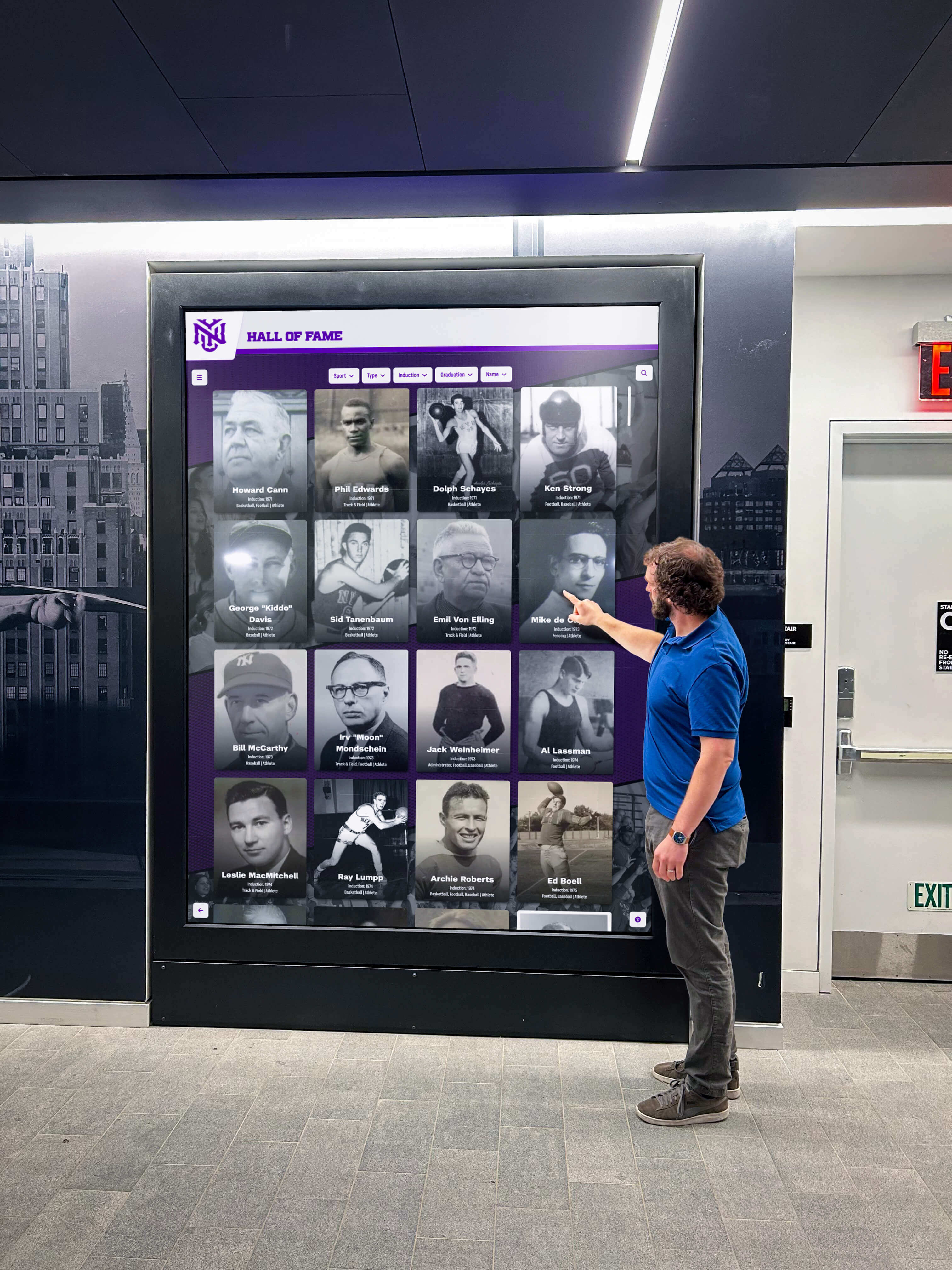
Inclusive design ensures digital information serves all meet participants effectively
Training and Support Requirements
User adoption requires appropriate preparation:
Staff Training Programs
Meet personnel need operational understanding:
- System administration and content management
- Troubleshooting common technical issues
- Emergency messaging and override procedures
- Sponsor content management
- Analytics access and interpretation
- Maintenance and cleaning procedures
Adequate training prevents implementation failure due to staff discomfort or confusion. Vendor-provided training should address both technical operation and strategic content management.
Athlete and Coach Orientation
Users benefit from system introduction:
- Pre-meet communication about digital resources
- On-site demonstration stations
- Quick reference guides and signage
- Support staff for initial meet implementation
- Feedback collection for improvement
- Promotional materials highlighting capabilities
Many track participants, particularly at high school level, may not expect sophisticated digital information systems. Active promotion and education maximize utilization and value delivery.
Ongoing Technical Support
Reliable support maintains system effectiveness:
- Vendor technical support during meets
- Remote monitoring and troubleshooting
- Rapid on-site response for critical failures
- Regular software updates and maintenance
- Continuous improvement based on usage patterns
- Multi-year support agreements preventing obsolescence
Technical failures during competitions create significant problems. Reliable support agreements ensure minor issues don’t escalate into major disruptions.
Financial Planning and ROI
Digital board investments require justification and planning:
Investment Range Expectations
Typical implementation costs vary widely based on scope:
- Basic single-display system: $3,000-8,000
- Mid-range multi-display installation: $15,000-40,000
- Comprehensive facility-wide system: $50,000-150,000
- Annual software and support fees: $1,000-10,000
Costs depend on display quantity, size, interaction capabilities, integration complexity, installation requirements, and customization needs.
Funding Sources and Strategies
Various approaches enable digital board acquisition:
- Booster club fundraising campaigns
- Corporate sponsorships with display recognition
- Facility improvement capital budgets
- Grant programs supporting athletic technology
- Phased implementation spreading costs
- Naming opportunities for major donors
Meet directors should develop multi-year implementation plans that build toward comprehensive systems gradually rather than attempting complete solutions immediately beyond available budget.
Value Demonstration
Quantifying benefits justifies investment:
- Administrative time savings calculations
- Participant satisfaction improvements
- Entry growth in subsequent meets
- Sponsor value enhancement
- Broadcasting quality improvements
- Competitive advantages over alternative meets
Building compelling cases for digital boards requires connecting technology investment to measurable operational improvements and strategic objectives.

Demonstrating value through measurable improvements justifies digital system investments
Extended Applications Beyond Competition Day
Track meet digital boards provide value beyond immediate competition use:
Permanent Facility Recognition
Displays serve recognition functions between competitions:
Athletic Records and Achievements
Digital boards showcase facility records:
- All-time meet records across all events
- Facility records for home team athletes
- Championship results and qualifiers
- Historical performances and progressions
- Alumni achievement tracking
- Season-by-season record updates
This permanent recognition maximizes display investment utilization while motivating athletes training at the facility. Programs implementing comprehensive track and field recognition integrate competition and historical content seamlessly.
Program History and Culture
Displays preserve and promote program legacy:
- Historical photos and video footage
- Coach profiles and tenure recognition
- Championship team celebrations
- Facility development timeline
- Training philosophy and values
- Alumni success stories
This cultural content builds pride and identity while helping current athletes understand their place within program history.
Training and Development Tools
Digital systems support athlete improvement:
Performance Tracking
Athletes monitor personal development:
- Personal record tracking across seasons
- Progression visualization toward goals
- Comparison to qualification standards
- Training milestone recognition
- Technique video analysis access
- Goal-setting frameworks
Visible progress tracking motivates continued improvement while helping athletes and coaches identify development priorities.
Educational Content
Digital platforms deliver instructional materials:
- Event technique demonstrations
- Training methodology explanations
- Nutrition and recovery guidance
- Mental preparation strategies
- Equipment selection and care
- Competition strategy development
Educational content transforms displays from pure recognition tools into comprehensive athlete development resources.
Community Engagement
Digital boards strengthen program connections:
Event Promotion
Displays advertise upcoming competitions:
- Meet schedules and entry information
- Host facility logistics and directions
- Live streaming and results access details
- Volunteer recruitment and opportunities
- Spectator amenities and services
- Hotel and travel information
Effective promotion drives meet attendance and participation, supporting financial sustainability and competitive quality.
Sponsor Recognition
Digital platforms provide sponsor value:
- Rotating sponsor messaging during meets
- Thank-you recognition for contributors
- Sponsor logo integration throughout content
- Click-through access to sponsor information
- Value demonstration through engagement metrics
- Flexible sponsor tier implementation
Sponsor revenue often offsets digital system costs, making implementations more financially accessible. Systems designed for donor recognition apply equally to athletic sponsorship acknowledgment.
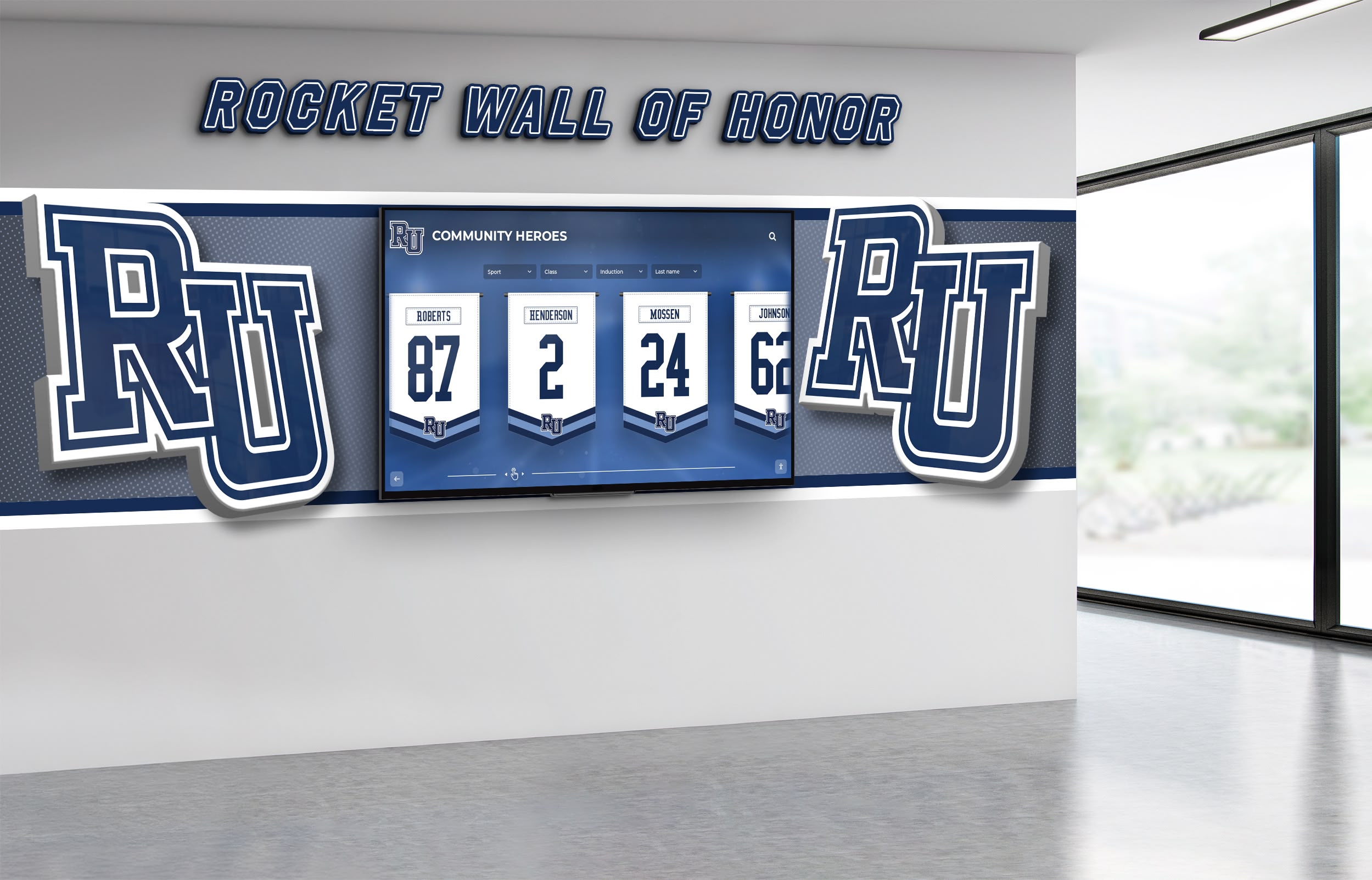
Sponsor integration creates revenue supporting digital board implementation and operation
Future Technology Trends
Emerging capabilities will enhance track meet digital boards:
Artificial Intelligence Integration
AI features streamline operations:
- Automatic highlight generation from race footage
- Predictive scheduling optimization
- Athlete conflict detection and resolution suggestions
- Natural language search and queries
- Personalized content recommendations
- Automatic caption generation for accessibility
These intelligent systems reduce administrative burden while creating more sophisticated user experiences.
Augmented Reality Features
AR capabilities extend digital board utility:
- Smartphone camera overlay of athlete information
- Virtual course previews for distance events
- Performance visualization projections
- Historical performance comparison overlays
- Facility navigation with directional overlays
- Interactive equipment and technique demonstrations
Augmented reality bridges physical and digital experiences, creating engagement opportunities impossible with displays alone.
Advanced Analytics and Insights
Enhanced data capabilities inform program development:
- Performance trend analysis across seasons
- Training approach effectiveness assessment
- Injury risk prediction and prevention
- Talent identification and development tracking
- Competitive intelligence and scouting
- Meet efficiency optimization
Data-driven decision making improves both individual athlete development and program-level strategic planning.
Integration with Wearable Technology
Connected devices enhance information richness:
- Real-time biometric data during races
- GPS tracking for distance events
- Power and stride analysis for sprints
- Fatigue monitoring across multi-event days
- Recovery tracking between events
- Personalized pacing recommendations
Wearable integration creates previously impossible performance insights while enhancing spectator engagement through additional data dimensions.
Conclusion: Transforming Track Meet Information Management
Track and field competitions generate extraordinary information management challenges—simultaneous events, hundreds of athletes, complex schedules, constant changes, and diverse stakeholder needs. Traditional approaches using paper programs, public address announcements, and static boards simply cannot serve modern meet requirements effectively, creating frustration for athletes, coaches, spectators, and officials alike.
Interactive digital boards at track meets address these challenges comprehensively through real-time schedule updates, instant result posting, live team standings, personalized information access, and intuitive navigation. These systems transform chaotic, confusing events into well-organized competitions where all participants can easily access the information they need exactly when they need it.
The benefits extend across all stakeholder groups—athletes who compete with less stress and better context, coaches who can monitor entire teams simultaneously, spectators who understand and engage more deeply with competition, and meet directors who reduce administrative burden while enhancing professional presentation. Financial investments prove justified through operational efficiency, enhanced meet reputation, improved satisfaction, and extended utility beyond competition day.
Successful implementations require thoughtful planning addressing infrastructure requirements, content strategy, training needs, and financial considerations. Facilities should approach digital boards as strategic, multi-year initiatives rather than simple equipment purchases, building comprehensive systems gradually while demonstrating value that justifies continued investment.
Bring Modern Information Management to Your Track Meets
Discover how solutions like Rocket Alumni Solutions can transform your competition experience with interactive digital boards providing real-time schedules, instant results, and comprehensive information access for athletes, coaches, and spectators.
Explore Digital Board SolutionsFor meet directors frustrated with information management challenges, for coaches seeking better team visibility, for athletes who need reliable schedule and result access, and for spectators wanting enhanced engagement—interactive digital board solutions offer proven approaches specifically designed for track and field’s unique complexity.
This competition season, evaluate how your meets communicate schedules, results, and standings. Will participants continue struggling with outdated paper programs and missed announcements, or will you implement modern information systems that eliminate confusion while creating professional experiences that attract top competitors and engaged spectators?
Learn more about comprehensive digital athletic displays for various sports applications, discover how interactive recognition systems engage audiences across different contexts, or explore athletic facility digital solutions that serve multiple institutional goals simultaneously.































