Bringing School History to Life: The Power of Interactive Timelines
Every educational institution has a unique story—decades or centuries of achievement, tradition, innovation, and community impact that define its character and inspire future generations. Yet too often, this rich heritage remains locked away in dusty archives, scattered across fading documents, or condensed into static plaques that fail to capture the depth and emotion of institutional history. Interactive timelines of school history transform this challenge into opportunity, creating dynamic digital experiences that make heritage accessible, engaging, and meaningful for current students, alumni, prospective families, and entire communities.
School history represents far more than a collection of dates and facts. It’s the accumulated wisdom of generations of educators, the legacy of students who’ve shaped their communities, the evolution of programs and facilities that serve each new class, and the foundation upon which current excellence builds. Schools that effectively preserve and present their history through interactive digital timelines create powerful connections between past achievement and present identity, strengthening institutional pride while inspiring future excellence.
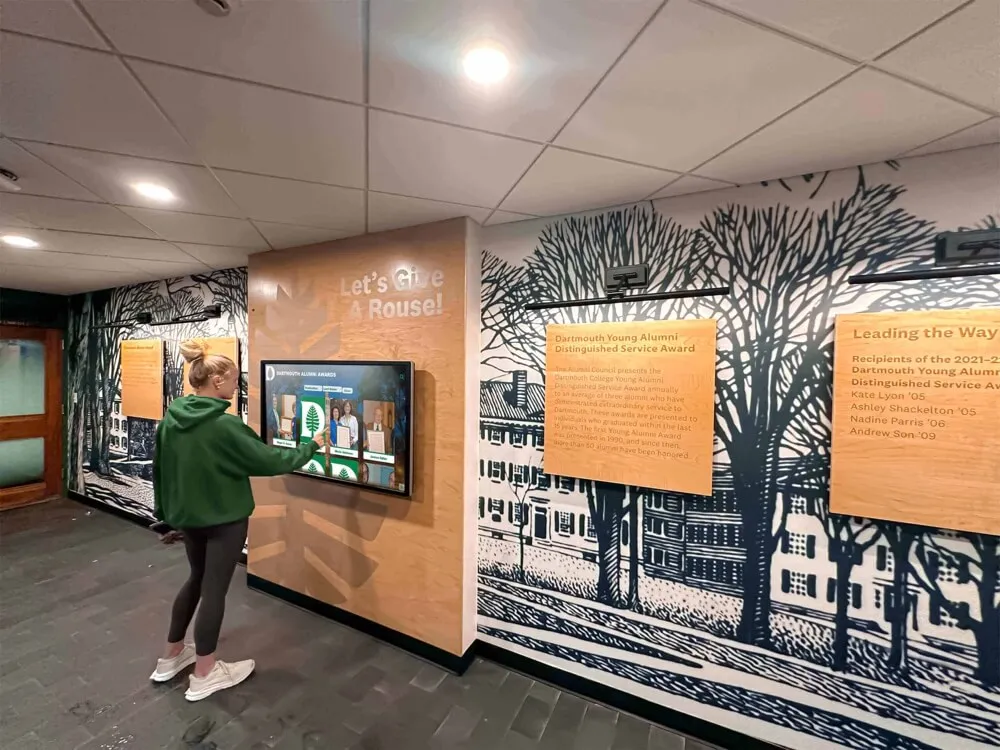
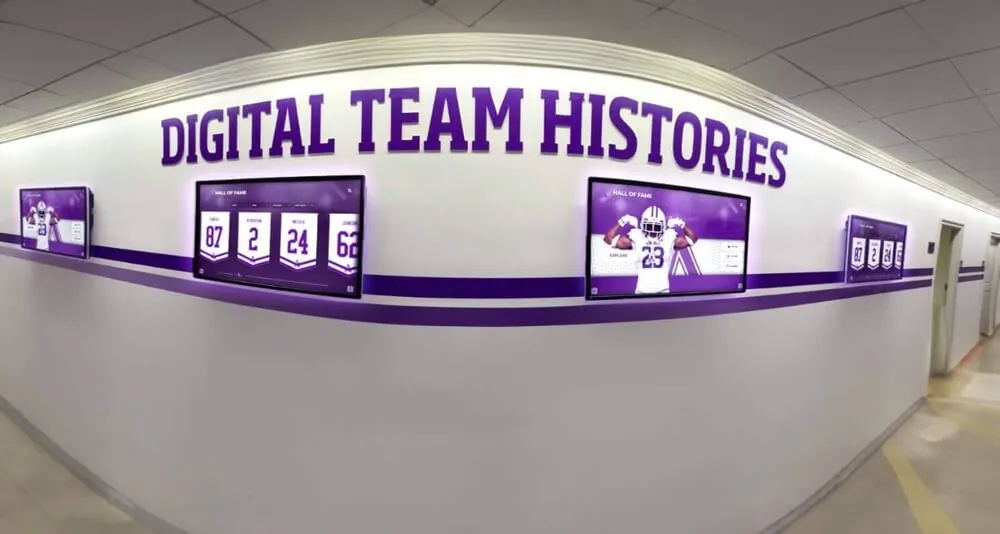
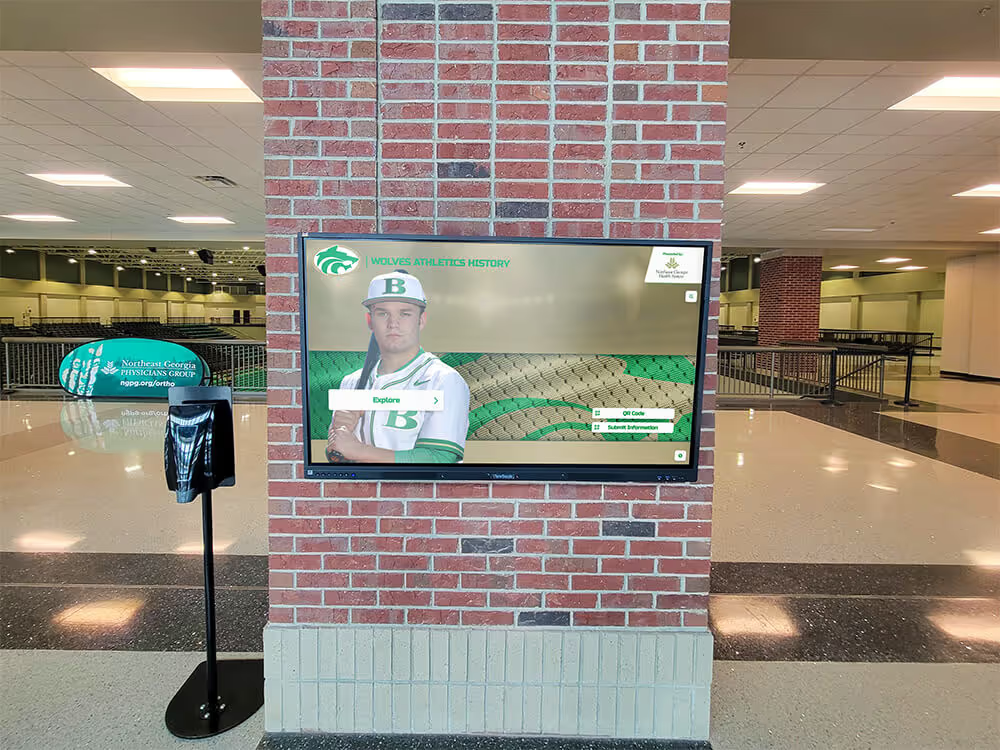
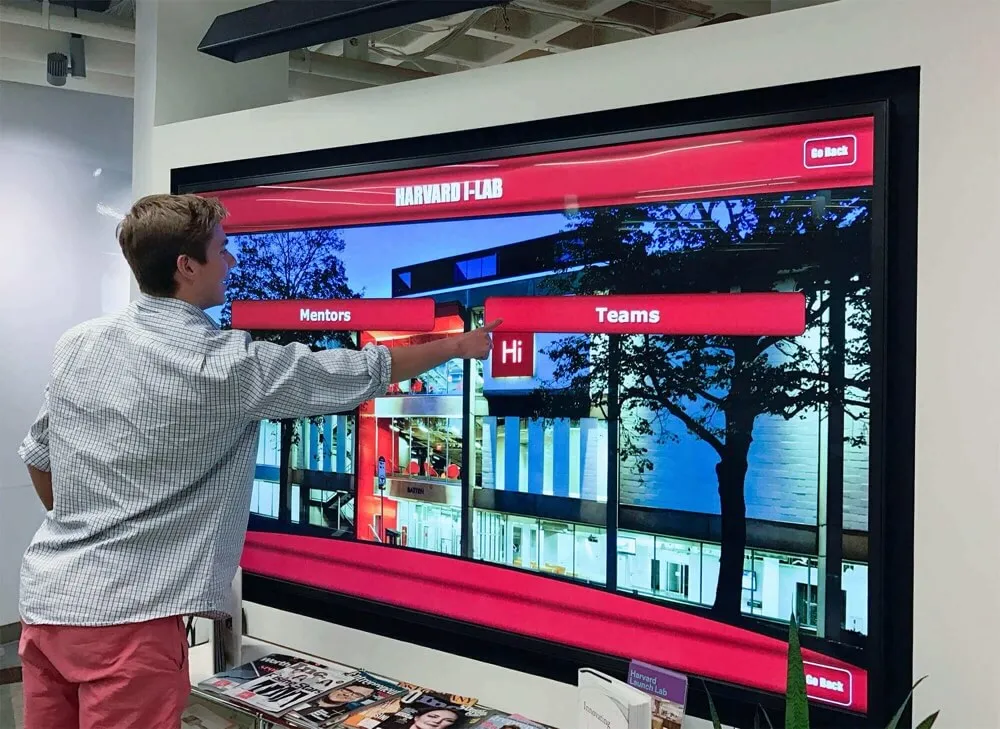
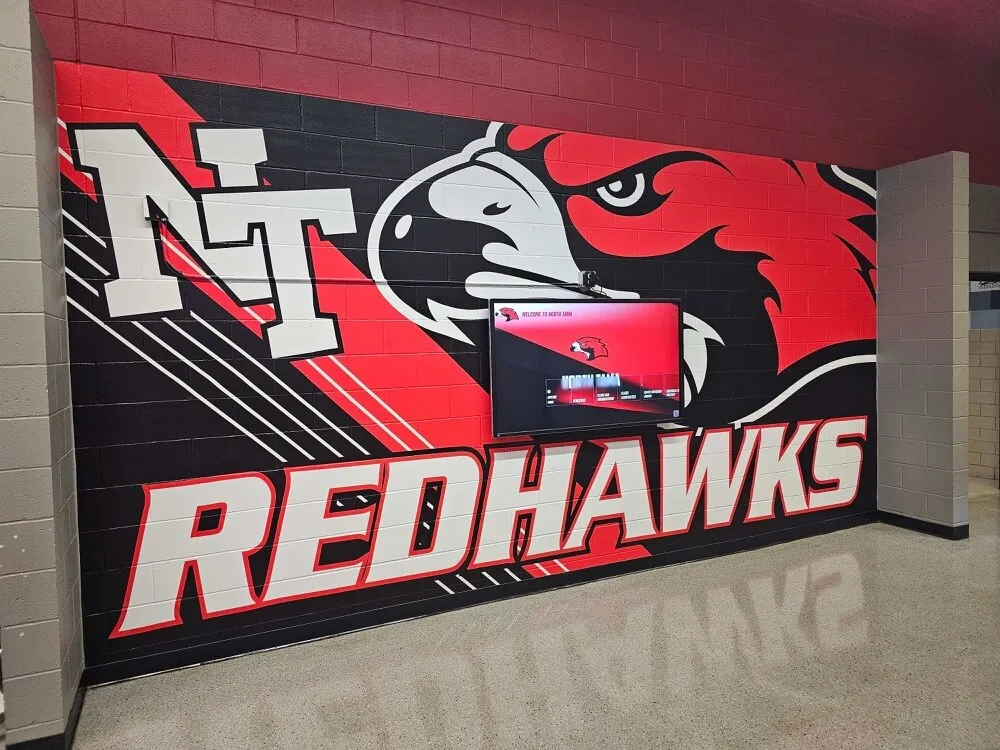
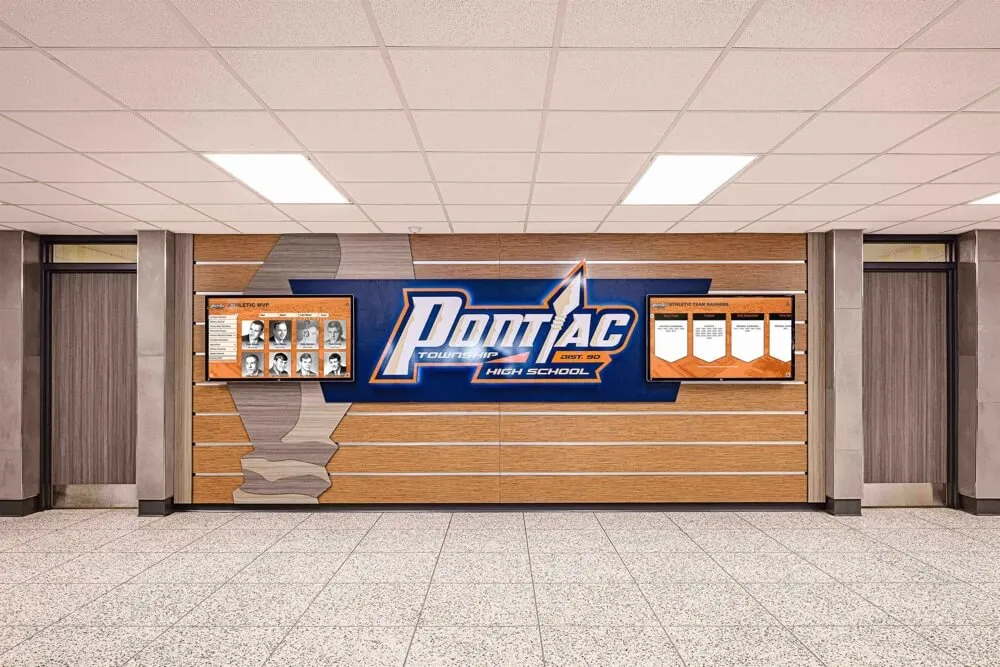
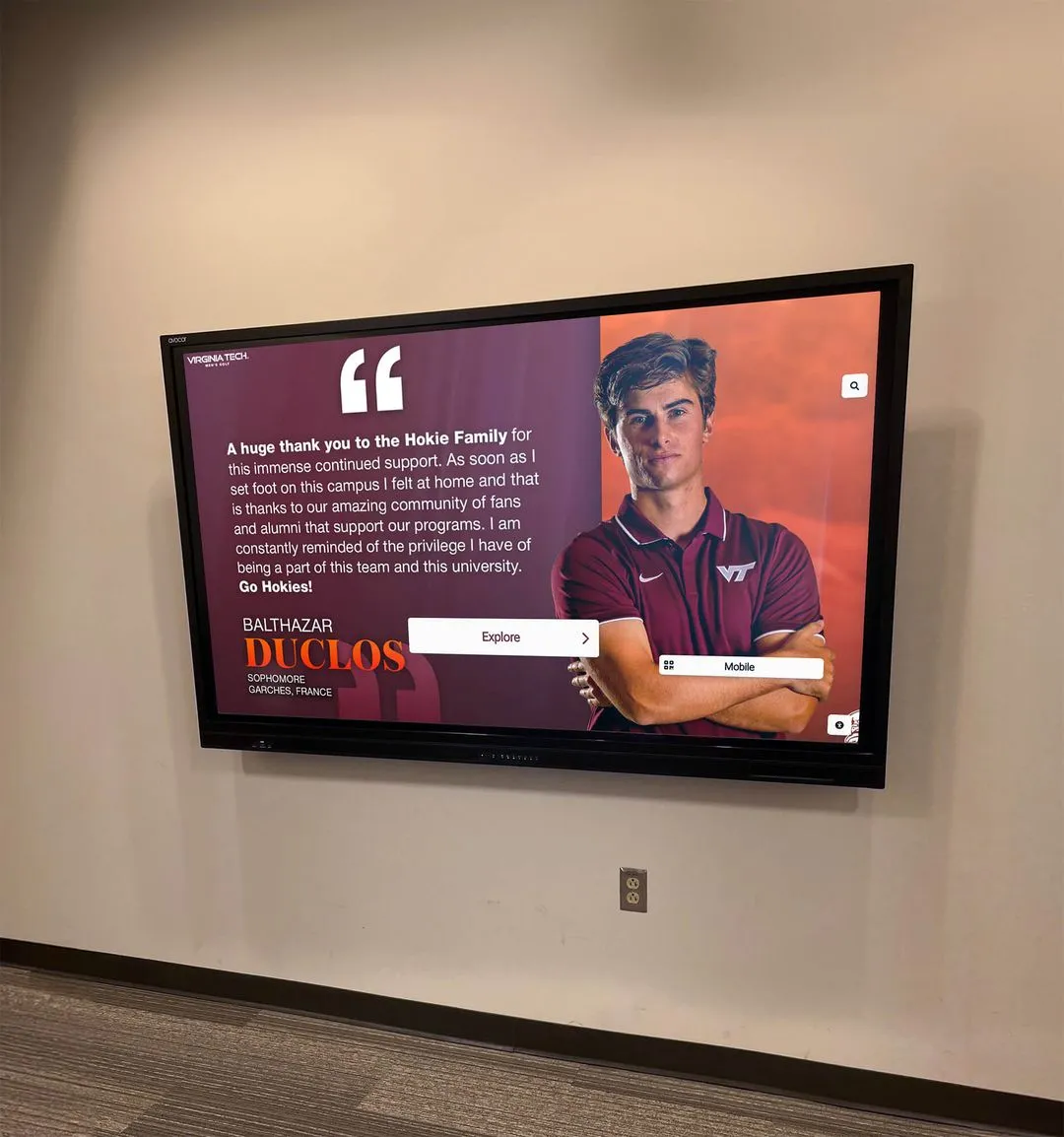
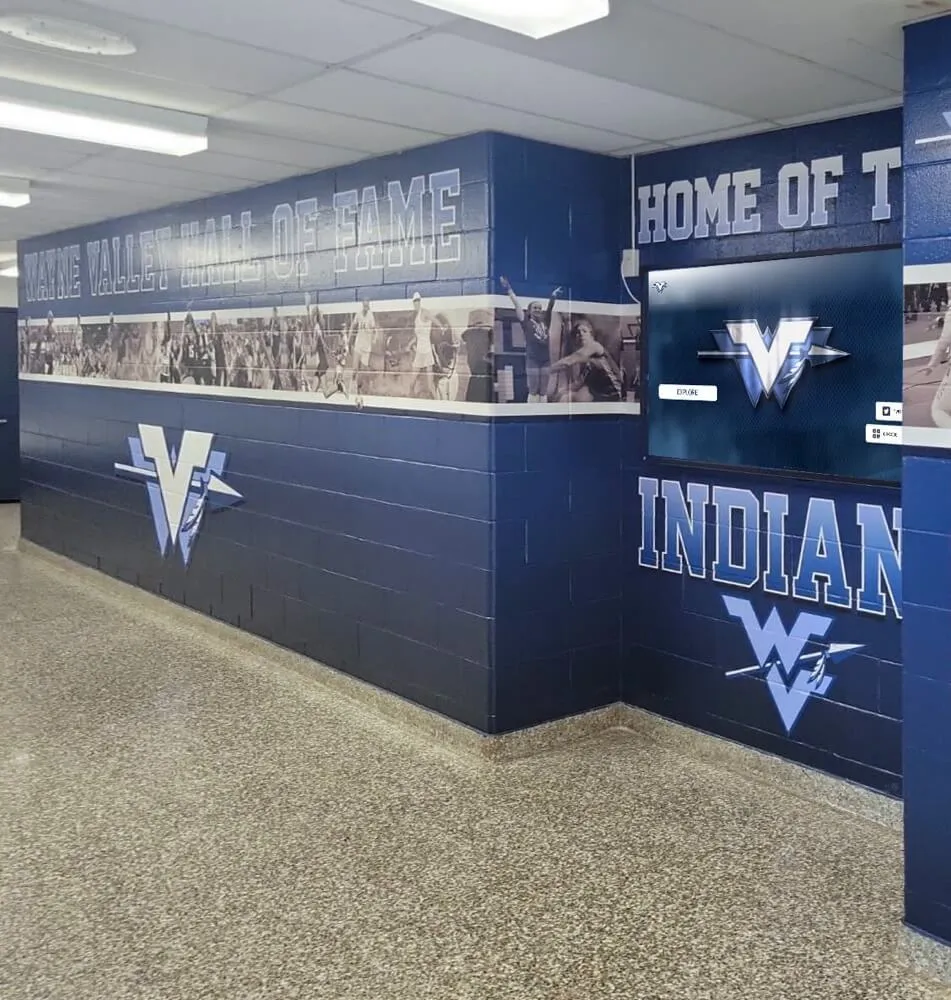
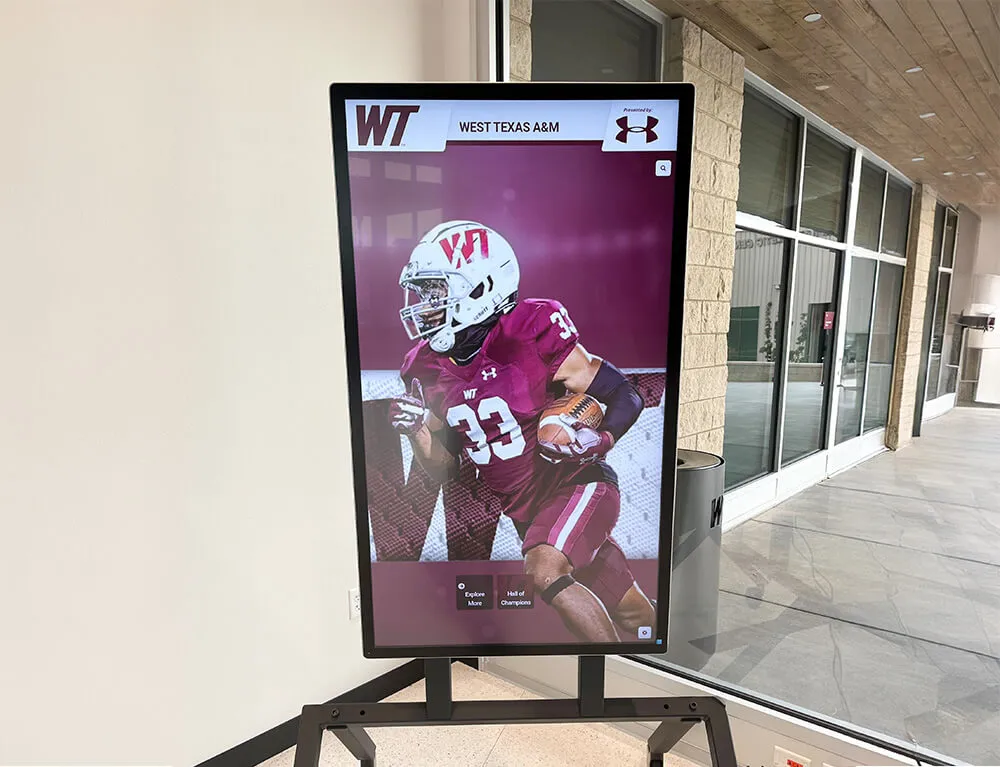
Contemporary heritage displays transform school history into engaging interactive experiences
Why Interactive School History Timelines Matter
Before exploring implementation strategies, understanding the tangible benefits of historical timelines helps justify investment in these transformative heritage programs.
Building Institutional Identity and Pride
School history timelines provide visual frameworks that help community members understand institutional evolution and their place within continuing narratives spanning generations.
Creating Shared Understanding: Students who arrive at schools often know little about institutional history beyond recent years. Comprehensive interactive timelines reveal the broader context—founding stories, significant milestones, program development, and community relationships that span decades or centuries. This historical knowledge transforms attendance from temporary participation into membership in something larger and more enduring than individual experience.
Demonstrating Values Through Historical Action: Historical timelines reveal institutional values through actual examples rather than abstract mission statements. When timelines showcase how schools responded to challenges, embraced innovation, or served communities during difficult periods, these stories demonstrate authentic values more powerfully than any written statement could achieve.
Connecting Excellence Across Generations: Effective timelines draw explicit connections between past achievements and current opportunities. When students see that graduates from decades ago went on to meaningful careers, significant contributions, or remarkable achievements, excellence becomes tangible and attainable rather than abstract.
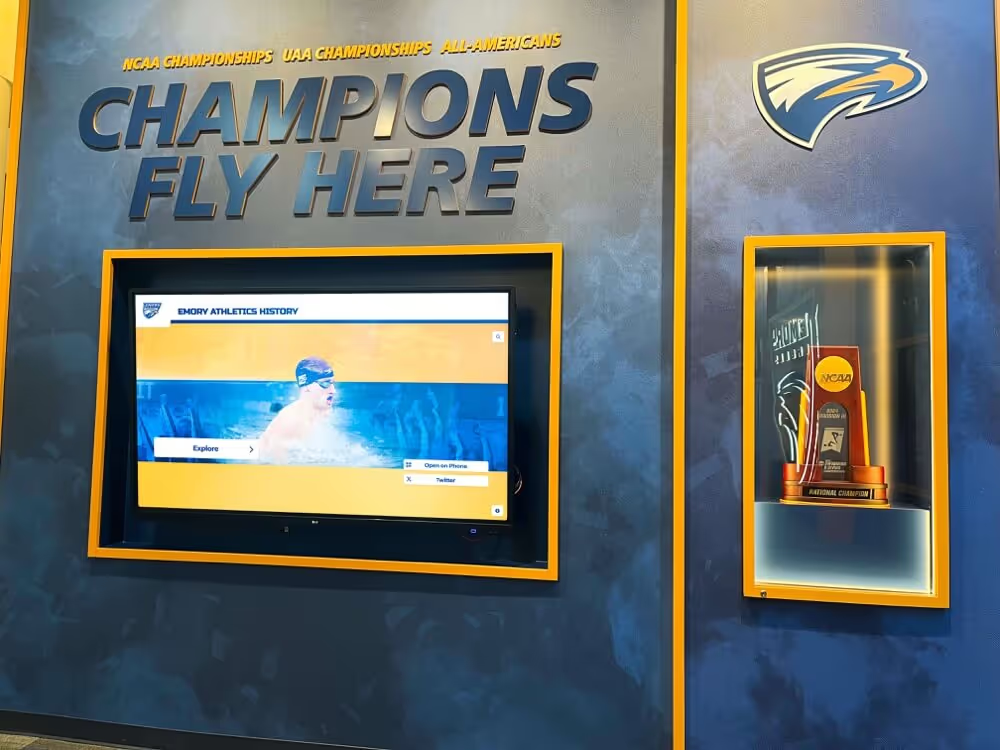
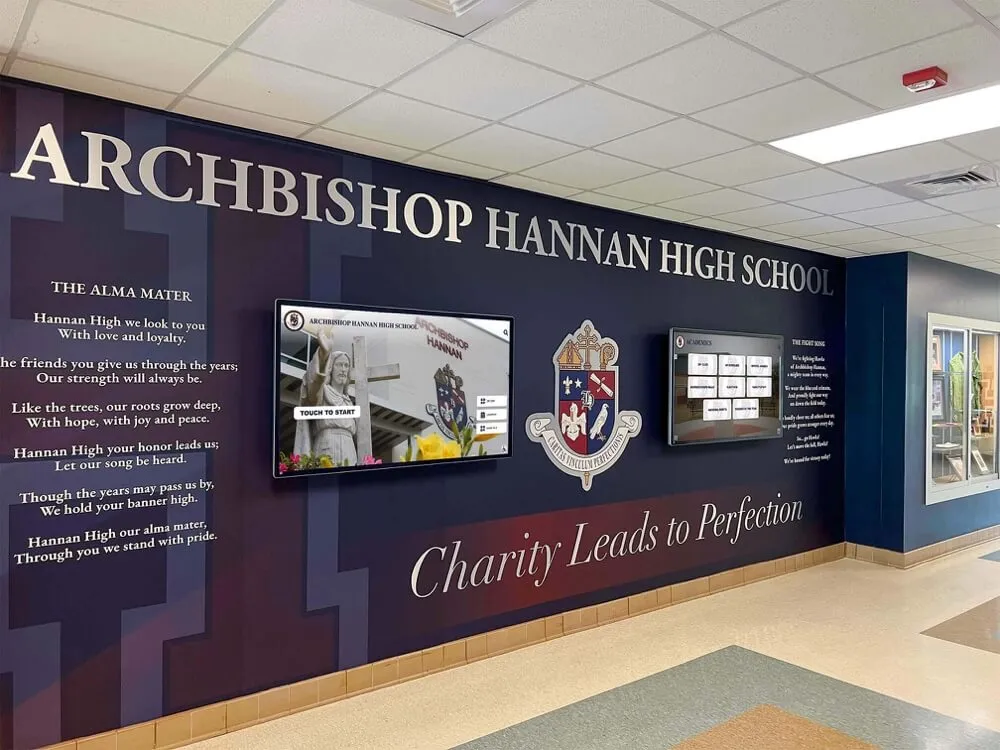
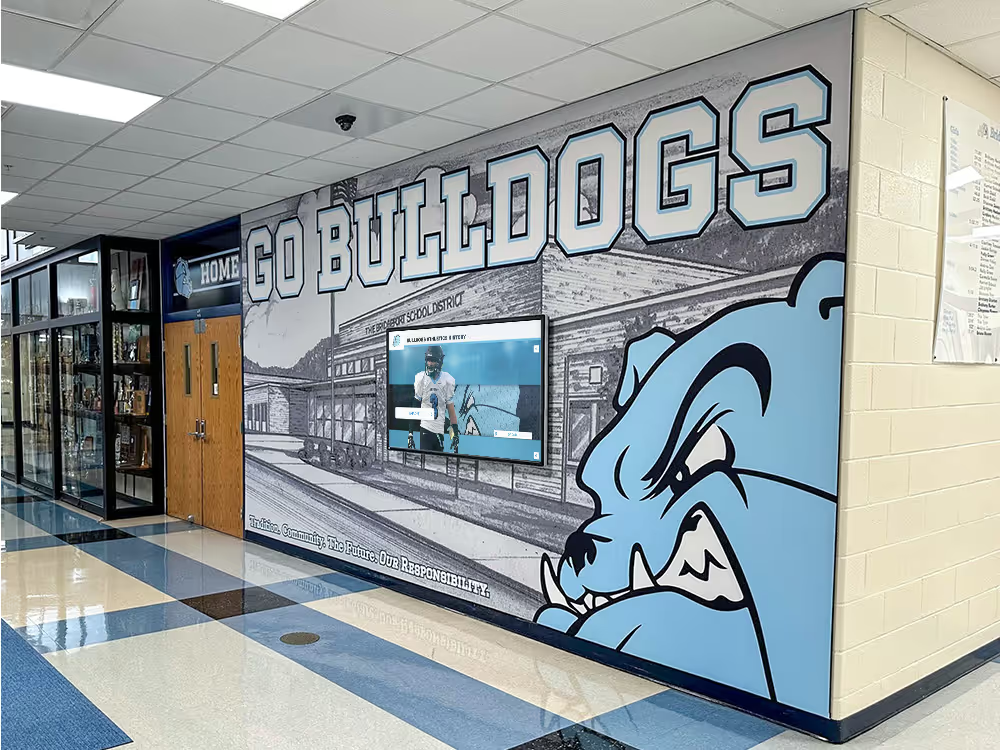
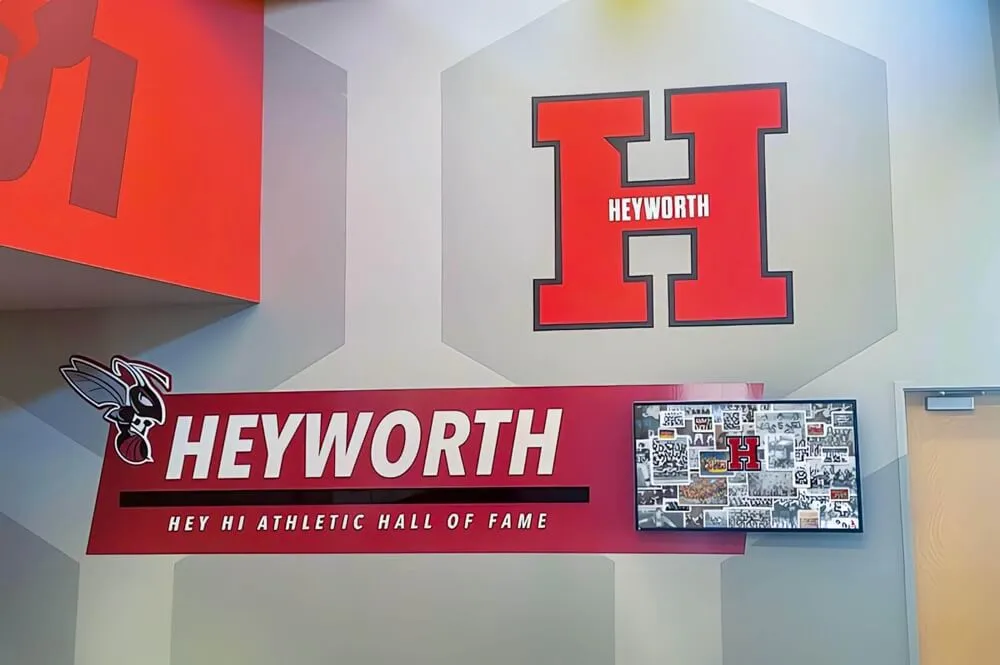
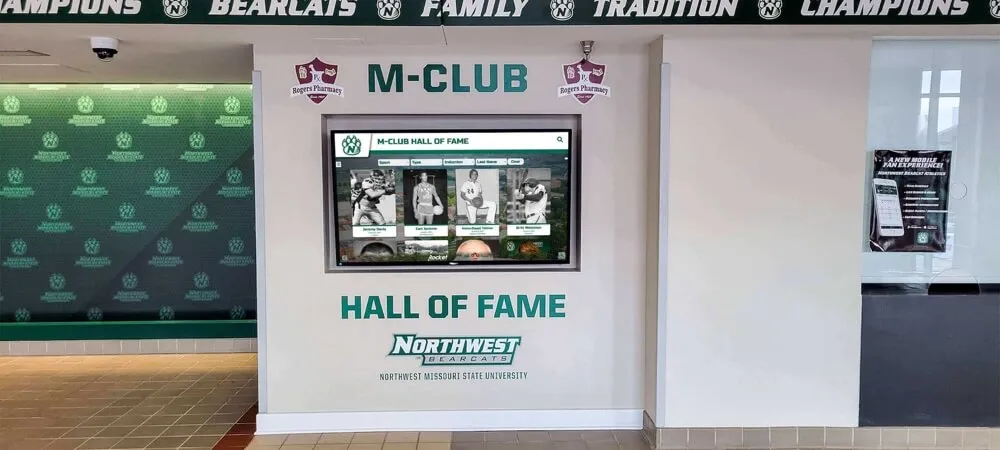
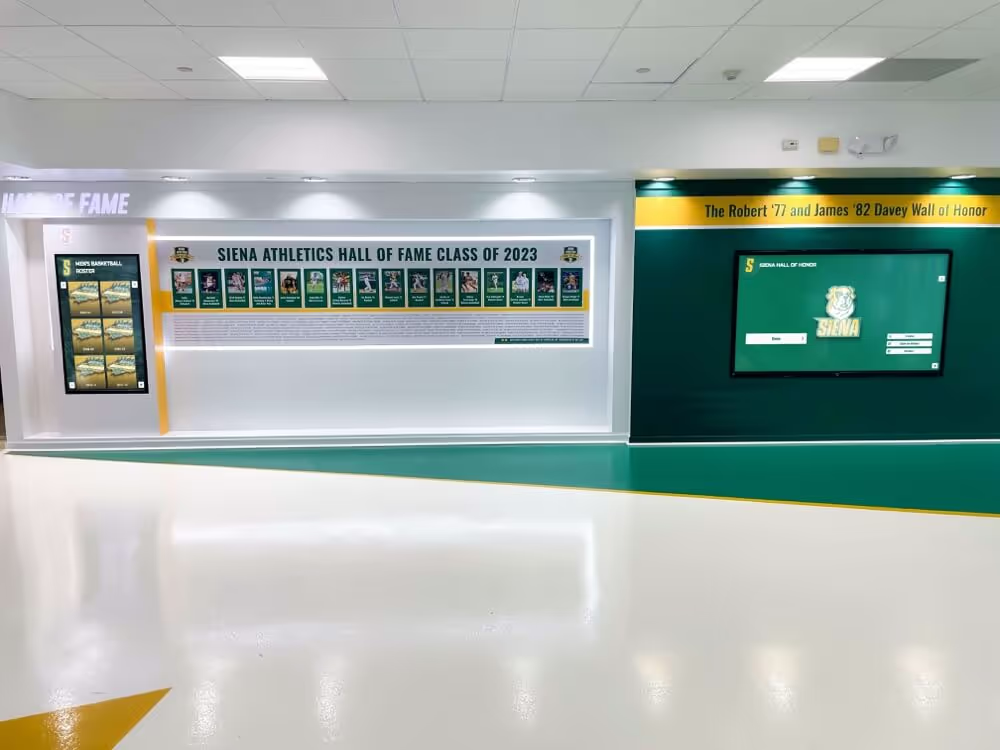
Preserving architectural and educational heritage through comprehensive historical recognition
Inspiring Current Students Through Historical Context
Historical timelines serve as powerful motivation when thoughtfully presented and meaningfully connected to contemporary student experiences.
Role Models Across Generations: Timeline displays featuring distinguished alumni from different eras provide diverse examples of paths to success. Students discover individuals who faced similar challenges, pursued various interests, or overcame obstacles on their journeys to achievement. These examples inspire while demonstrating that multiple paths exist toward meaningful contributions.
Standards of Excellence: Historical timelines establish visible benchmarks that motivate pursuit of excellence. Championship teams, academic achievements, innovative programs, and community contributions create standards that inspire current students to reach higher while honoring traditions of achievement.
Understanding Institutional Evolution: Timelines showing how schools adapted to changing educational landscapes, embraced new technologies, or expanded opportunities help students appreciate that institutions evolve continuously. This understanding positions current students as participants in ongoing evolution rather than passive recipients of fixed traditions.
Personal Connection to Legacy: When students see their own activities, programs, or interests represented in historical timelines, they recognize themselves as continuing established traditions while potentially creating new legacies for future generations to discover and build upon.
Strengthening Alumni Engagement and Connection
Historical timelines create powerful touchpoints for alumni engagement by acknowledging their place in institutional narratives and facilitating connections across graduating classes.
Personal Recognition in History: Alumni who see their graduation years, achievements, or contributions featured in historical timelines experience validation that their time at school mattered and contributed to ongoing institutional stories. This acknowledgment strengthens emotional bonds between alumni and institutions, supporting sustained engagement and philanthropic relationships.
Cross-Generational Discovery: Interactive timeline displays enable alumni from different eras to explore how schools evolved during other periods, creating appreciation for how experiences varied across decades. This cross-generational understanding builds community among alumni who might otherwise feel little connection to graduates from different time periods.
Nostalgia and Memory Preservation: Well-designed historical timelines preserve memories and traditions that might otherwise be forgotten as older alumni age and institutional knowledge naturally erodes. Digital preservation ensures these stories remain accessible for future generations while triggering powerful nostalgia among alumni encountering memories from their own school experiences.
Traditional vs. Interactive Timeline Approaches
Understanding both conventional and modern approaches to historical timelines helps schools make informed decisions about heritage preservation strategies.
Physical Timeline Displays: Benefits and Limitations
Traditional corridor displays present institutional history through mounted panels, plaques, and graphics arranged chronologically along hallways or in dedicated heritage spaces.
Advantages of Physical Timeline Displays
- Permanent Visibility: Physical displays remain constantly visible to students, staff, and visitors passing through high-traffic areas daily, creating ongoing exposure to institutional heritage
- Tangible Connection: Traditional displays can incorporate actual historical objects, documents, or three-dimensional items alongside photographs, creating tactile connections to history
- Architectural Integration: Well-designed physical timelines become architectural features that enhance facility aesthetics while conveying institutional history
- No Technology Dependence: Quality physical displays last many years without requiring software updates, network connectivity, or technical maintenance
Limitations of Traditional Displays: Physical timeline displays face inherent constraints including limited space restricting content volume, expensive updates requiring professional design and fabrication, static presentation without interactivity or multimedia capabilities, and difficulty accommodating ongoing institutional history without complete redesign. As schools continue evolving, traditional displays become outdated unless institutions invest in regular expensive updates that many find cost-prohibitive.
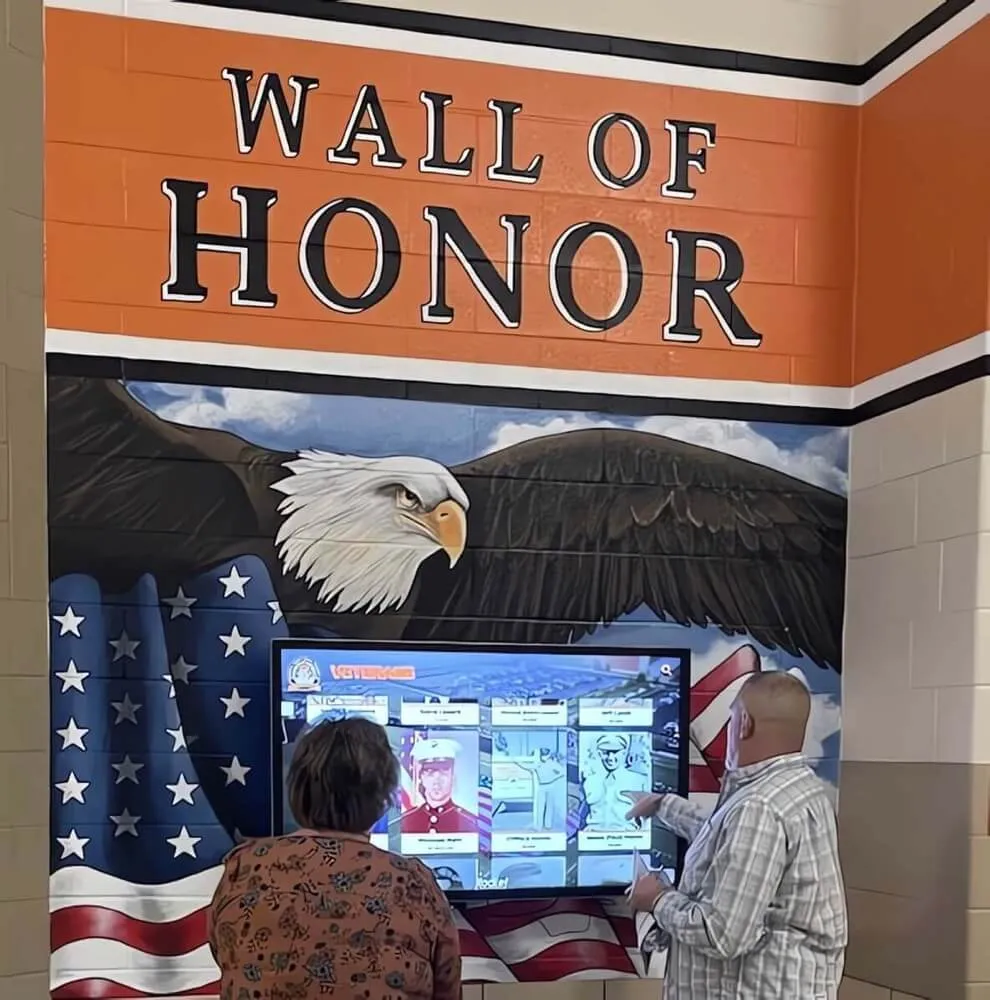
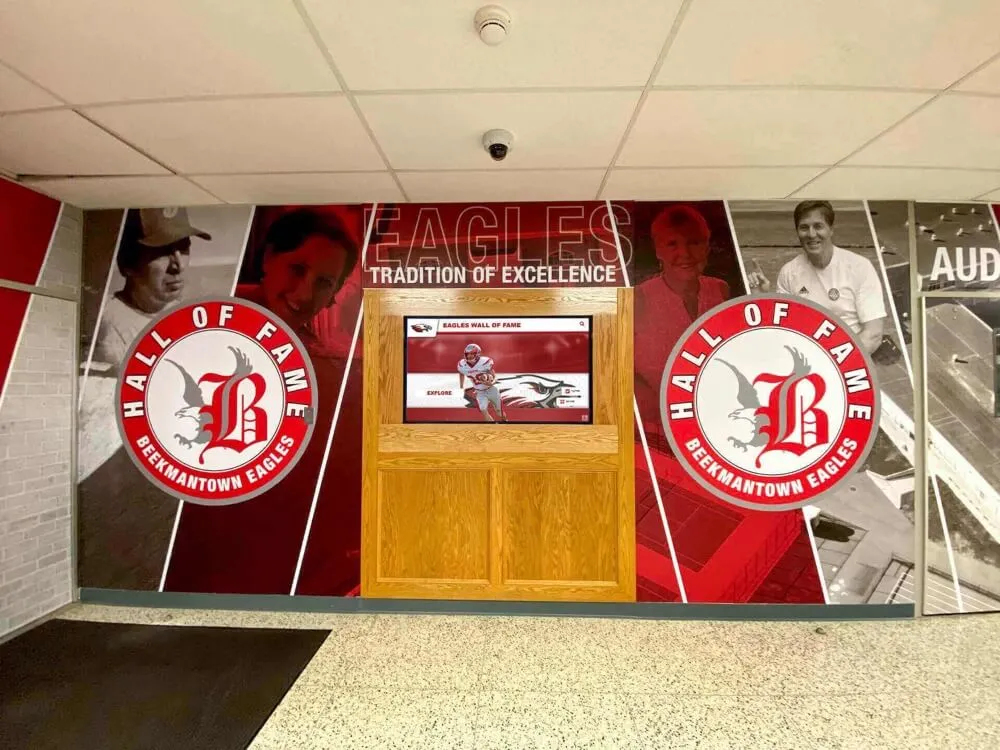
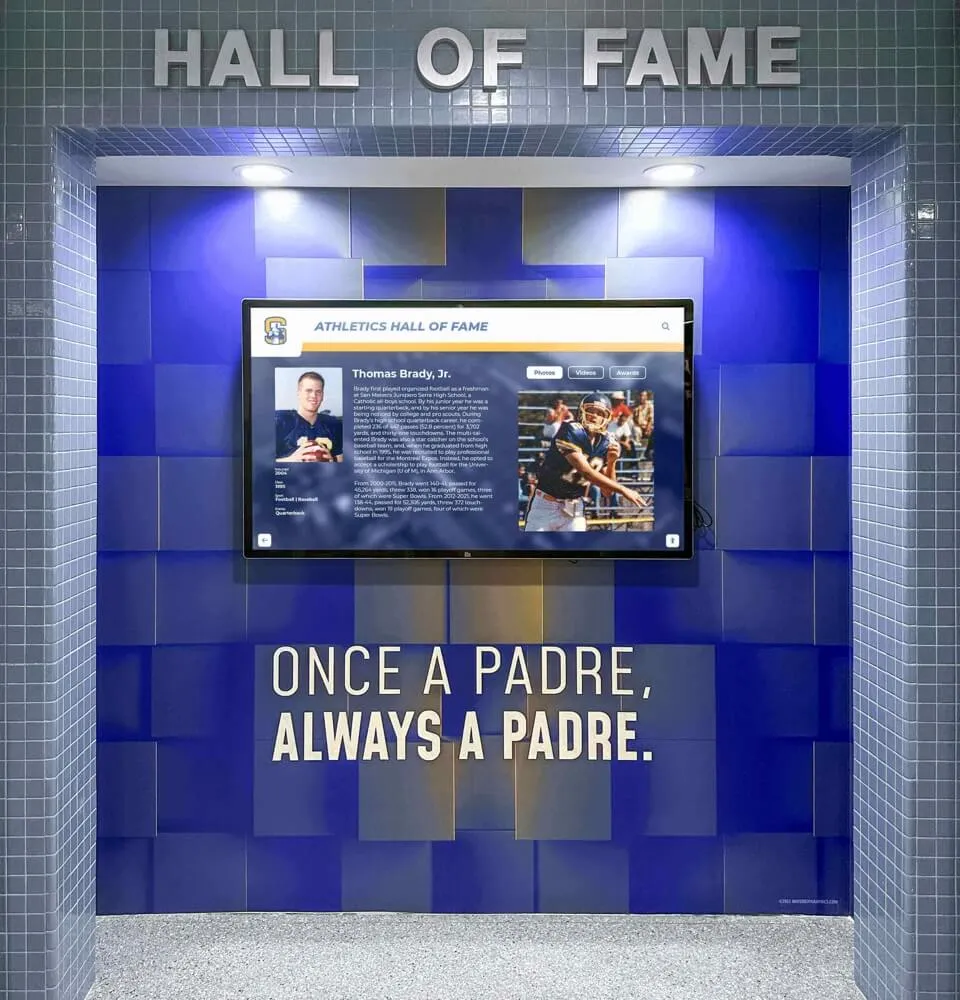
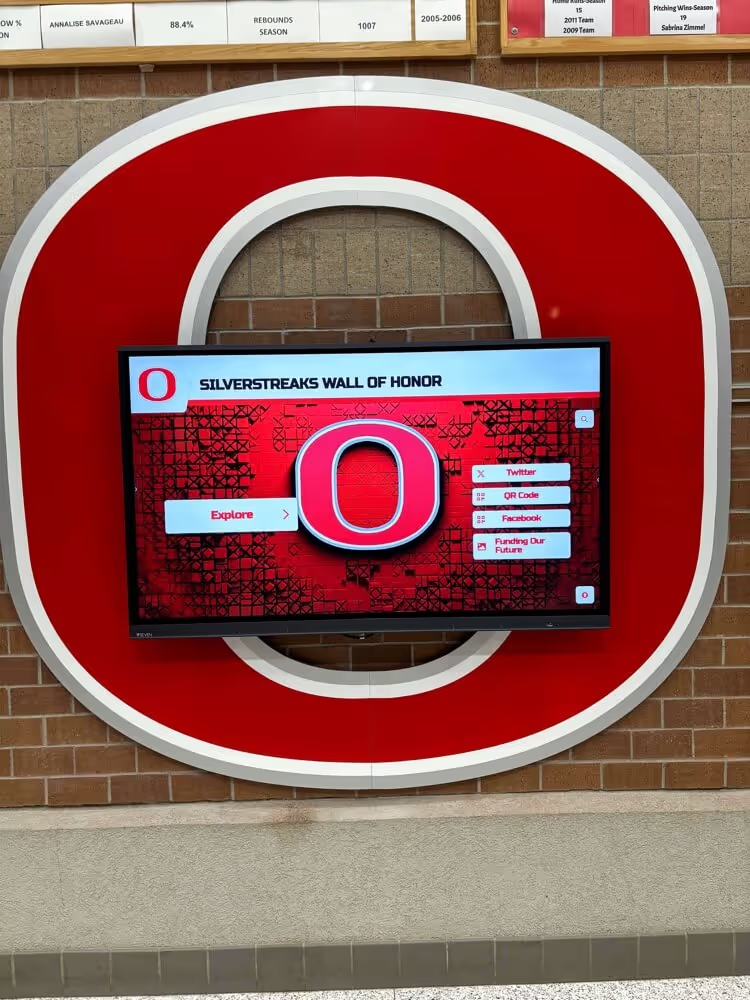
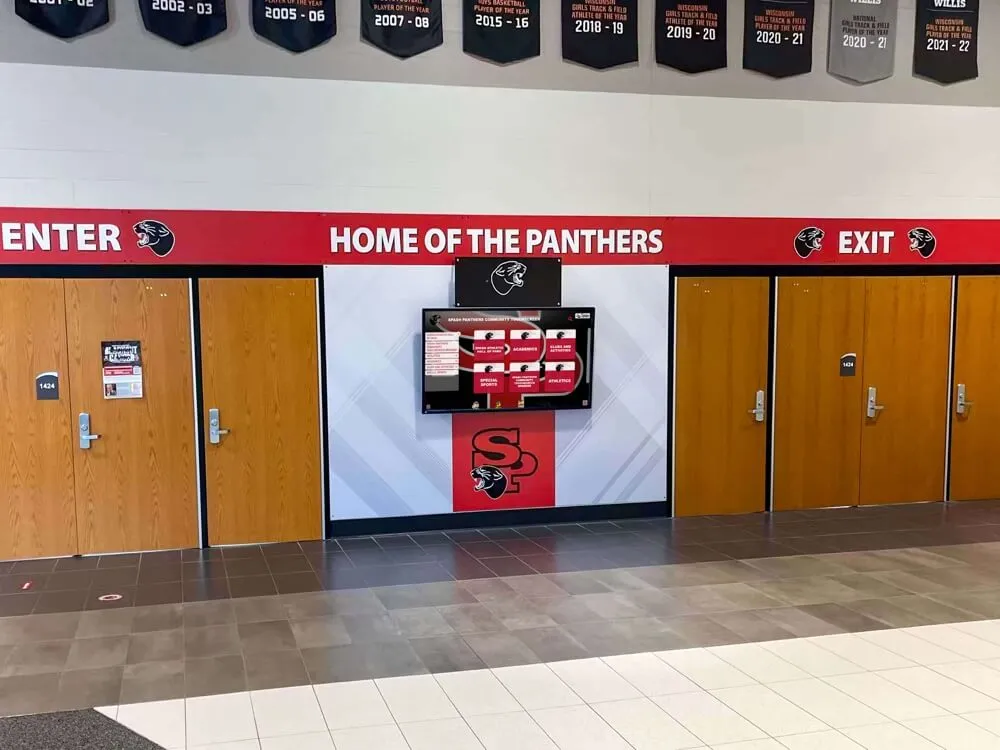
Traditional displays provide foundation for contemporary interactive enhancements
Digital Interactive Timelines: Transformative Capabilities
Contemporary digital technology addresses traditional limitations while creating unprecedented opportunities for comprehensive, engaging, and continuously updated historical presentations.
Unlimited Content Capacity: Digital timelines accommodate essentially unlimited content—thousands of photographs, hundreds of milestone entries, extensive biographical information, and detailed documentation impossible in physical displays constrained by wall space. Schools can include comprehensive institutional history spanning founding through present day without space limitations forcing difficult decisions about what to exclude.
Rich Multimedia Integration: Interactive systems combine photographs, video interviews, audio recordings, scanned historical documents, and narrative text creating immersive storytelling experiences. Students can watch video interviews with distinguished alumni, view championship game footage, explore digitized historical yearbooks, or listen to oral histories—creating richer connections to history than traditional static formats allow.
Intuitive Navigation and Search: Well-designed digital interfaces enable users to navigate decades of history through simple touch gestures or web-based controls. Timeline views provide overview perspectives while detailed entries accessible through clicks reveal deeper information for those wanting to explore specific periods, individuals, or events.
Instant Updates and Additions: Unlike physical displays requiring expensive fabrication for updates, digital timelines allow immediate content additions through simple web-based content management systems. Schools can add recent achievements, correct historical information, or incorporate newly discovered materials through straightforward interfaces requiring no technical expertise.
Multi-Platform Accessibility: Digital timeline content remains accessible beyond physical campus locations through web portals and mobile applications. Alumni anywhere in the world can explore institutional history, prospective families can research heritage before visiting campus, and community members can access school history at their convenience.
Solutions like Rocket Alumni Solutions provide comprehensive interactive timeline platforms specifically designed for educational institutions, combining intuitive content management with engaging public displays and online access that bring school history to life across multiple touchpoints.
Essential Components of Effective Interactive Timelines
Creating compelling interactive historical timelines requires thoughtful attention to content, technology, and user experience design.
Comprehensive Content Development
Rich, well-organized content forms the foundation of engaging timeline experiences that maintain visitor interest and communicate institutional heritage effectively.
Key Historical Milestones:
- Founding and early institutional history
- Facility construction and major renovations
- Program establishment and curriculum evolution
- Leadership transitions and administrative milestones
- Accreditation achievements and recognitions
- Significant policy changes or institutional transformation
Academic Excellence Documentation:
- Distinguished scholars and research achievements
- Notable academic competitions and awards
- Valedictorians and academic honor recipients
- Faculty achievements and teaching innovations
- Educational program expansion and development
- Partnership establishment with universities or organizations
Athletic Achievement History:
- Championship seasons and tournament victories
- Individual record holders and standout athletes
- Conference affiliations and competitive evolution
- Notable coaches and their program impact
- Professional athletes who attended the institution
- Athletic facility development and improvement
Cultural and Community Impact:
- Traditions establishment and evolution
- Community service initiatives and partnerships
- Diversity milestones and inclusion progress
- Arts and performance achievement highlights
- Student leadership and organizational development
- Alumni success stories and contributions
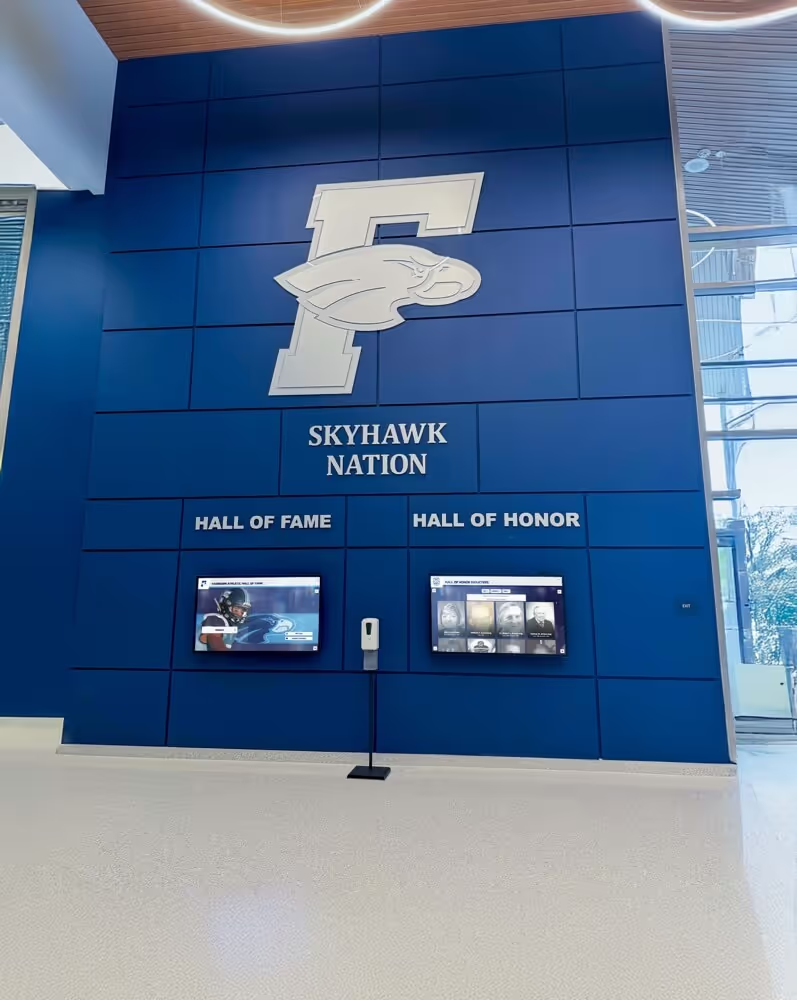
Systematic content gathering creates foundation for compelling historical storytelling
Engaging Storytelling Techniques
Timeline content that resonates emotionally tells stories rather than listing facts, helping visitors connect personally with institutional history.
Focus on People Over Dates: The most engaging timeline entries emphasize human experiences rather than abstract institutional events. Instead of “New science building opened in 1985,” consider “Dr. Margaret Chen led the biology department into a purpose-built facility in 1985, enabling hands-on laboratory experiences that transformed how students learned science.” People connect with other people—centering narratives on individuals creates emotional resonance.
Provide Historical Context: Help viewers understand significance by explaining broader contexts. Timeline entries noting “School integrated in 1967” become more meaningful with context about how this compared to regional patterns, what challenges the transition involved, or how students and faculty navigated significant change with courage and determination.
Connect Past and Present: Draw explicit links between historical timeline entries and current institutional characteristics. When timelines note that a music program began in 1952, mention how that initial program evolved into today’s comprehensive performing arts curriculum that serves hundreds of students annually. These connections help viewers see themselves as part of continuing institutional narratives.
Include Multiple Perspectives: Comprehensive timelines feature diverse voices providing varied perspectives on institutional history—alumni from different eras reflecting on their experiences, faculty discussing teaching evolution, staff sharing behind-the-scenes knowledge, and community members describing schools’ local impact. These multiple viewpoints create richer, more authentic historical understanding.
Technical Infrastructure and User Experience
Technology selection and interface design significantly influence engagement levels and long-term satisfaction with interactive timeline systems.
Display Hardware Considerations: For physical interactive displays, commercial-grade touchscreens sized appropriately for viewing distance (43-65 inches for most installations) provide reliable, responsive interaction. Consider factors including screen resolution supporting detailed content, touch sensitivity matching smartphone responsiveness, durability for continuous institutional use, and mounting options suitable for intended locations.
Software Platform Requirements: Effective timeline platforms should include intuitive content management requiring no coding knowledge, flexible timeline visualization with zoom and navigation capabilities, multimedia support for photos, videos, audio, and documents, powerful search functionality across all historical content, responsive design adapting to various screen sizes, and comprehensive analytics revealing engagement patterns.
Content Organization Structure: Organize timeline content with clear navigation enabling multiple discovery pathways—chronological browsing through consecutive time periods, category-based exploration of specific types of content (athletics, academics, facilities, etc.), search functionality for finding specific individuals or events, and featured content highlighting particularly significant or engaging historical moments.
Working with specialists like Rocket Alumni Solutions who focus on educational recognition and heritage displays ensures technical selections match institutional needs while avoiding common pitfalls that schools encounter when attempting timeline projects with generic tools not designed for heritage preservation purposes.
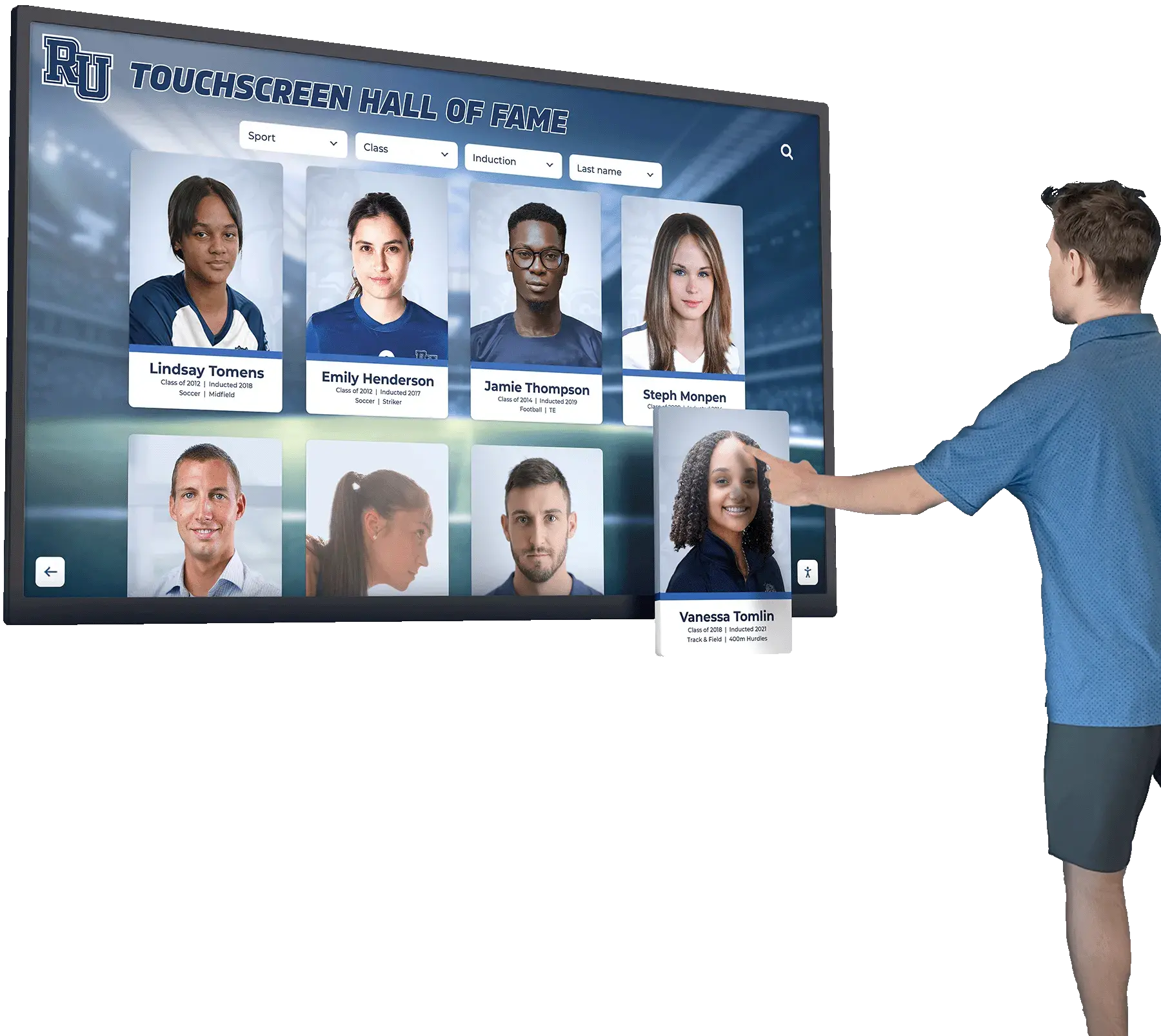
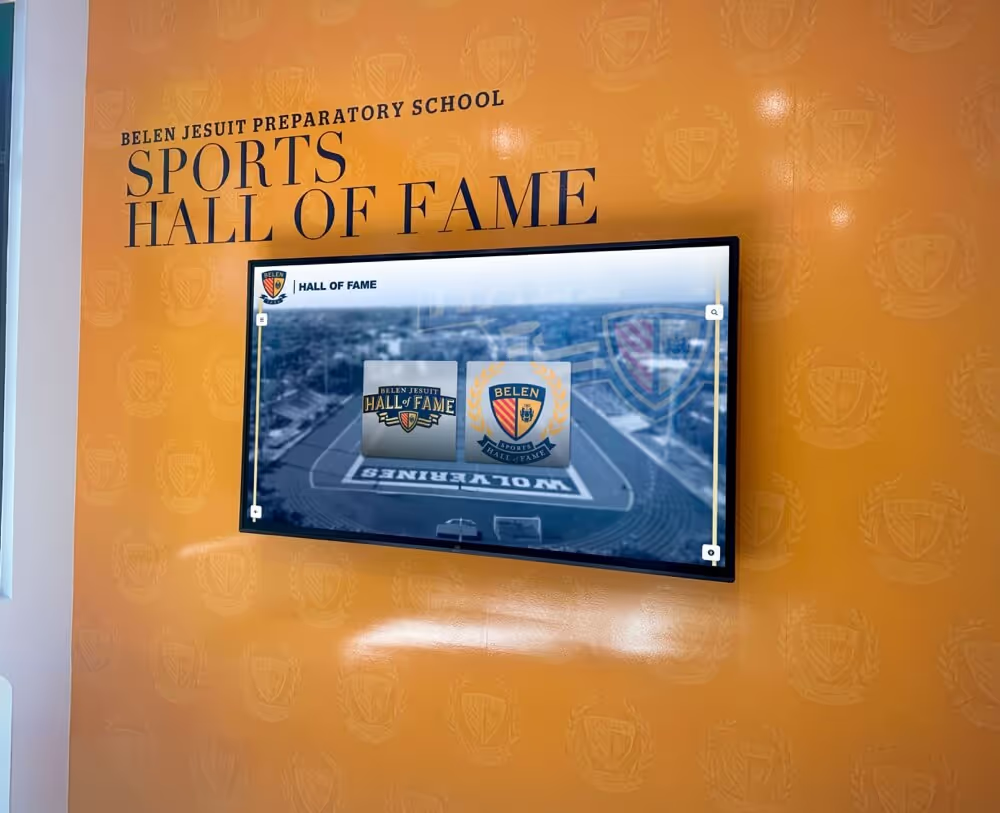
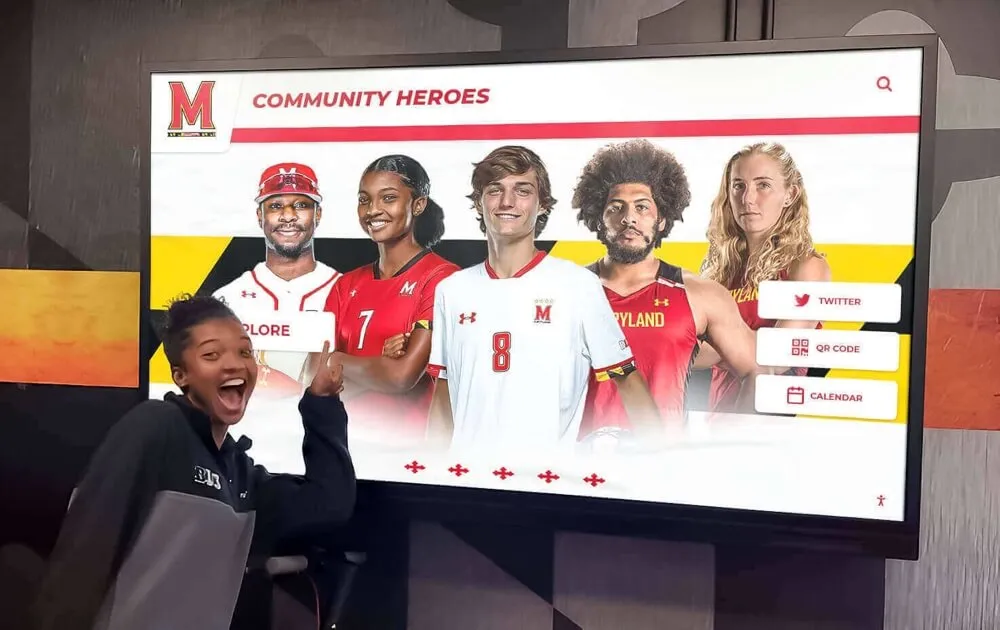
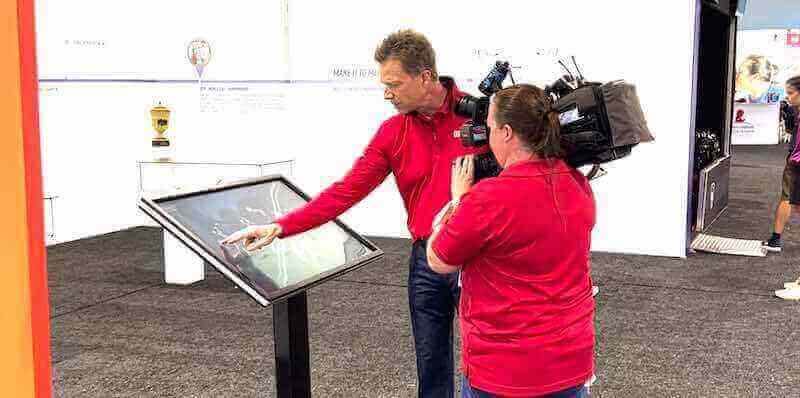
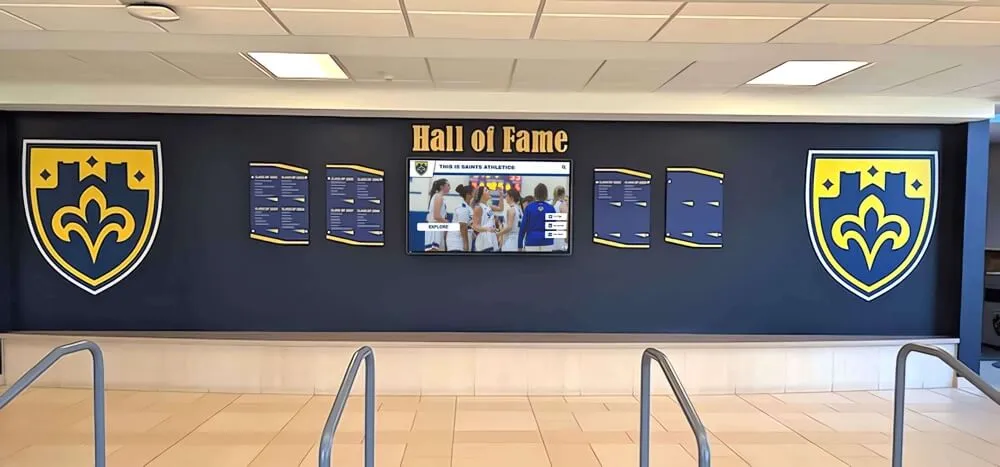
Intuitive design makes historical exploration accessible to all community members
Strategic Implementation: From Planning to Launch
Successfully deploying interactive timeline projects requires systematic approaches addressing planning, content development, technology implementation, and sustained operations.
Phase 1: Planning and Assessment (Months 1-2)
Establish Project Team and Goals: Form cross-functional teams including advancement staff, librarians or archivists, technology representatives, communications professionals, and senior administration. Define clear objectives connecting timeline initiatives to broader institutional priorities—whether enhancing alumni engagement, supporting admissions recruitment, strengthening institutional pride, or preserving endangered historical knowledge.
Conduct Heritage Audit: Document what historical materials currently exist, how they’re organized and stored, what gaps exist in historical documentation, and what recognition or display programs currently operate. Survey stakeholders including alumni, students, faculty, and community members about what aspects of institutional history matter most and how they’d prefer to access heritage content.
Develop Budget and Timeline: Calculate total investment requirements including hardware for physical displays if desired ($8,000-$25,000 per display location), software platform costs (typically $3,000-$8,000 annually for cloud-based solutions), content development time and expenses, installation and infrastructure needs, and ongoing management and maintenance resources. Establish realistic implementation timeline recognizing that content development typically represents the most time-intensive phase.
Phase 2: Content Collection and Development (Months 2-5)
Systematic Content Gathering: Collect historical materials from multiple sources including school archives and yearbook collections, alumni submissions and personal collections, local historical societies and community archives, newspaper archives and media records, and oral history interviews with longtime community members. Use consistent digital storage and organization practices facilitating subsequent timeline development.
Digitization and Preservation: Scan historical photographs, documents, and artifacts at appropriate resolution (minimum 300 DPI for display purposes), organize digital files with consistent naming conventions and metadata, back up all digital content in multiple locations, and document source information and permissions for all materials gathered.
Content Creation and Writing: Develop timeline entries with compelling narrative text (150-500 words per major entry), organize materials chronologically with appropriate detail level, create themed content collections enabling non-chronological exploration, write photo captions and video descriptions, and implement consistent style and tone across all content.
The content development phase often reveals fascinating discoveries—photographs never seen by current community members, stories that correct long-held misconceptions, or connections between historical events and present circumstances that weren’t previously understood. This research process creates value beyond timeline implementation through broader institutional knowledge development.
Phase 3: Technology Implementation (Months 4-6)
Platform Selection and Configuration: Evaluate available solutions based on educational-specific features, ease of content management, multimedia support capabilities, search and discovery functionality, analytics and reporting tools, and integration potential with existing systems. Configure selected platforms with institutional branding, organize content taxonomies and navigation structures, set up administrative accounts with appropriate permissions, and conduct thorough testing before public launch.
Display Installation (if applicable): For physical interactive displays, work with facilities teams to ensure adequate power and network connectivity, professional mounting at appropriate heights and viewing angles, secure installation preventing theft or damage, and accessibility compliance for users with disabilities. Test all functionality thoroughly before considering installation complete.
Online Portal Development: Create or configure web-based timeline access providing all content in browser-optimized formats, mobile-responsive design for smartphone and tablet access, social sharing capabilities extending reach, and integration with existing school websites maintaining consistent branding and user experience.
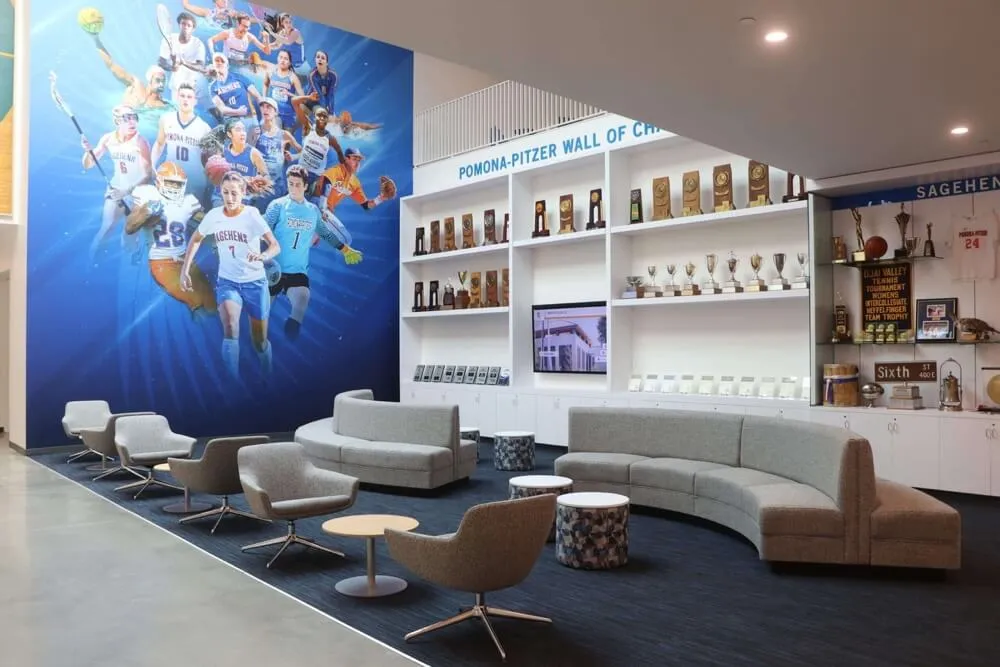
Strategic placement and professional installation maximize timeline visibility and impact
Phase 4: Launch and Promotion (Month 6)
Soft Launch and Testing: Conduct limited soft launch with stakeholder groups providing feedback, gather initial reactions identifying any usability issues or content gaps, make refinements based on actual user experiences, and prepare for broader public launch incorporating lessons learned.
Public Launch Campaign: Execute coordinated multichannel promotion through email announcements to alumni highlighting new timeline capabilities, social media content featuring historical highlights and interesting discoveries, press releases to local media and institutional publications, launch event with featured honorees or historical experts, and integration into admissions tours and campus visit experiences.
Ongoing Visibility Integration: Establish sustained promotion practices including regular content features in alumni communications, QR codes throughout campus directing to online timeline components, event integration during homecoming and reunion activities, website and email signature links from relevant staff, and social media content calendars maintaining consistent timeline visibility.
Initial launch excitement generates strong first-month engagement that predictably declines without consistent visibility efforts reminding community members that new content appears regularly, warranting return visits to discover recent additions.
Creative Applications and Advanced Features
Schools discovering timeline system flexibility find innovative applications that maximize technology investment while enhancing multiple aspects of institutional communication.
Thematic Timeline Presentations
Supplement comprehensive chronological timelines with focused thematic presentations exploring specific aspects of institutional history in depth.
Athletic Heritage Focus: Create dedicated sports history timelines documenting evolution of athletic programs, championship achievements across all sports, notable athletes and coaching legends, facility development supporting competitive excellence, and traditions that define athletic culture. Sport-specific timelines might trace individual program histories—football, basketball, swimming—providing comprehensive documentation for passionate athletics communities.
Academic Excellence Chronicles: Focus specifically on educational evolution including curriculum changes and program development, teaching innovations and pedagogical advancement, technology integration transforming learning experiences, distinguished faculty and scholarly achievements, student academic accomplishments and recognition, and partnerships with universities or research institutions.
Diversity and Inclusion Milestones: Create focused timelines documenting institutional evolution toward greater inclusivity including integration milestones and civil rights era experiences, demographic evolution and community expansion, program establishment serving diverse populations, leadership from underrepresented communities, and ongoing journeys toward full inclusion that continue today.
Campus Development Evolution: Visual timelines showing facility evolution through architectural drawings, construction photos, and before/after comparisons help community members understand how campuses transformed over decades. These facilities-focused timelines resonate particularly during capital campaigns or major construction projects by providing historical context for ongoing development.
Thematic presentations from sources like comprehensive guides to honoring school history demonstrate how focused content strengthens specific dimensions of institutional identity while complementing broader chronological timelines.
Interactive Engagement Features
Digital platforms enable engagement approaches impossible with static traditional displays, creating experiences that actively involve visitors rather than passively presenting information.
Comparative Timeline Views: Allow users to select multiple time periods displaying them side-by-side for comparison. Alumni can view their graduation years alongside current times, parents’ or grandparents’ eras, or other meaningful periods revealing evolution and continuity across generations.
Personal Timeline Customization: Enable logged-in alumni to create personalized timeline views highlighting their graduation years, activities they participated in, teachers who influenced them, or classmates they knew. Personalization increases engagement by making historical content personally relevant rather than generic institutional narrative.
Contribution and Commenting Features: Allow community members to submit additional photos, share personal memories related to timeline entries, suggest corrections or additions to existing content, or upload their own historical materials expanding collective archives. These interactive features transform timelines from one-way presentations into collaborative community historical projects.
Gamification Elements: Incorporate timeline trivia challenges, historical scavenger hunts encouraging complete exploration, achievement badges for discovering different timeline sections, or leaderboards showing most engaged users. Game-like elements particularly engage younger audiences while encouraging comprehensive investigation of institutional history.
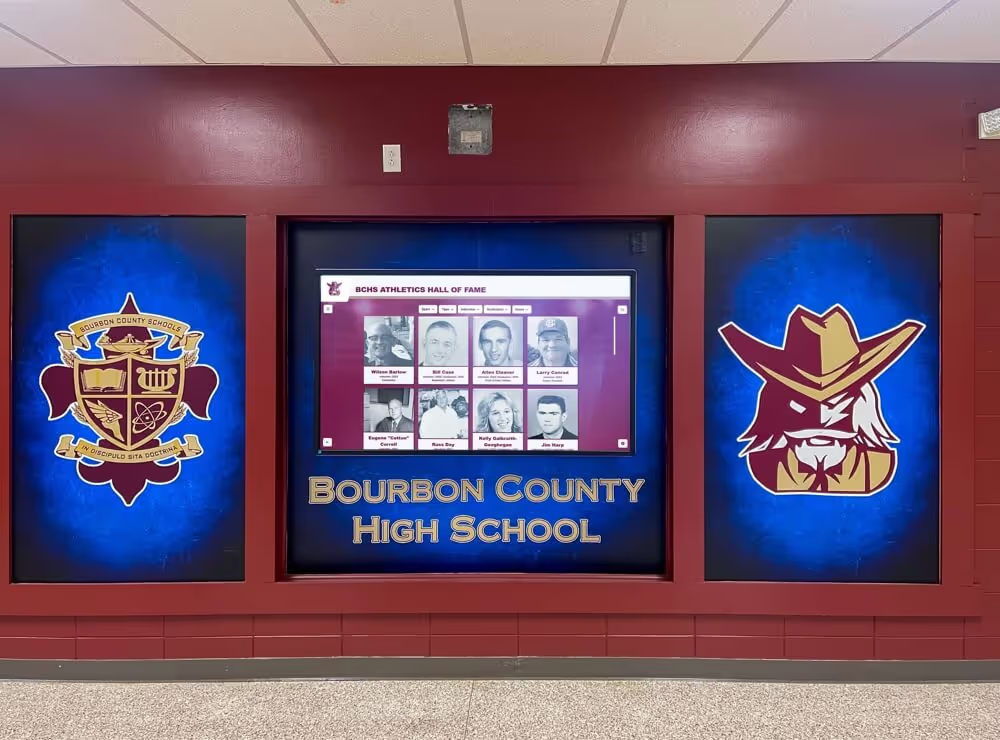
Interactive capabilities transform passive viewing into active historical exploration
Integration with Broader Recognition Programs
The most powerful timeline implementations connect historical documentation with active recognition initiatives celebrating ongoing achievement while demonstrating excellence as continuous tradition.
Linking Historical and Contemporary Achievement: Create explicit connections showing institutional excellence as ongoing tradition—connect distinguished alumni in halls of fame displays to their graduation year timeline entries, link athletic records on digital record boards to championship teams shown in historical timelines, relate current program strengths to timeline entries documenting program founding and evolution, and tie facility naming dedications to biographical timeline entries about honored individuals.
Anniversary-Based Recognition: Use historical timeline frameworks to structure ongoing recognition initiatives—establish decade-specific alumni recognition where each year’s induction focuses on graduates from specific decades, create anniversary recognition programs honoring significant events at 25-year, 50-year, or 75-year milestones, and develop historical tribute events connecting current students with alumni from earlier eras through shared timeline explorations.
Timeline-Inspired Content Marketing: Leverage historical timeline content for broader marketing and communications—feature “this day in history” or “this month in history” content in regular newsletters, create social media series highlighting interesting historical discoveries, develop video content exploring fascinating historical moments, and produce print materials showcasing institutional evolution for recruitment or fundraising purposes.
Measuring Timeline Success and Impact
Demonstrating timeline value through both quantitative metrics and qualitative assessment helps justify investments while informing continuous improvement.
Quantitative Engagement Metrics
Interactive platforms provide detailed analytics impossible with traditional recognition approaches, revealing exactly how community members engage with historical content.
Usage and Interaction Data: Track unique visitors interacting with timelines, average session duration indicating engagement depth, pages or entries viewed per session showing exploration breadth, return visitor rates demonstrating sustained interest, and peak usage patterns informing promotional timing and content scheduling.
Content Performance Analytics: Monitor most-viewed timeline entries revealing what resonates, category popularity showing preferred content types, search query patterns indicating what visitors seek, video completion rates for multimedia content, and social sharing frequency measuring organic promotion reach.
Technical Performance Indicators: Ensure system uptime maintains consistent availability, monitor load times affecting user experience, track error rates requiring attention, and verify cross-platform consistency across display, web, and mobile versions.
Qualitative Impact Assessment
Beyond numbers, successful timelines demonstrate meaningful impact through stakeholder testimonials, observable behavior changes, and broader institutional outcomes.
Stakeholder Feedback: Collect alumni testimonials about emotional responses to seeing school history preserved, student reflections on how historical awareness influences current experiences, faculty observations about timeline usage in teaching or advising, and community expressions of appreciation for heritage preservation efforts.
Institutional Pride Indicators: Observe whether community members reference historical examples when discussing current achievements, note if prospective families mention timelines as impressive during campus visits, document if alumni cite timeline content when explaining school pride to others, and assess whether media coverage increases following timeline implementation and promotion.
Connection to Broader Outcomes: Examine correlation between timeline engagement and alumni giving participation, compare event attendance before and after timeline launch, analyze website traffic patterns to alumni and heritage pages, and assess recruitment metrics for prospective families exposed to timeline content during campus visits.
Resources exploring measuring engagement and ROI for digital recognition programs provide frameworks applicable to timeline initiative assessment, connecting heritage investments to measurable institutional benefits.
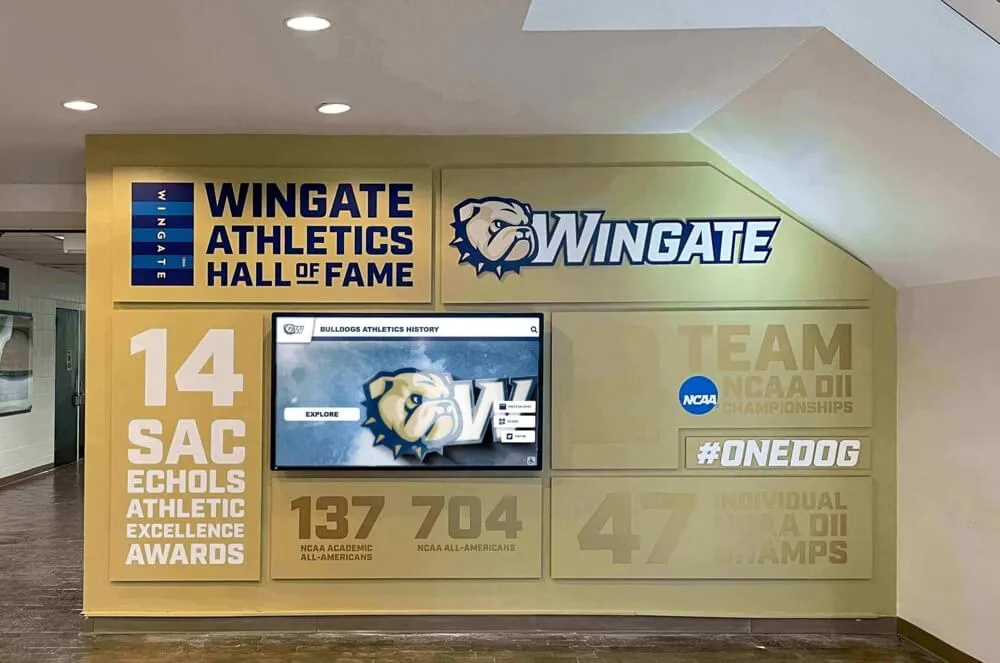
Comprehensive analytics reveal how community members discover and engage with institutional history
Sustaining Timeline Programs Long-Term
Creating effective heritage programs requires planning for ongoing content additions, system maintenance, and sustained community engagement beyond initial launch enthusiasm.
Regular Content Update Cycles
Timelines require systematic approaches to adding recent institutional history, enhancing existing content, and expanding coverage of underrepresented periods or themes.
Annual Timeline Additions: Establish predictable processes for adding current year’s significant events ensuring institutional history documentation remains current. Schedule review sessions identifying what from recent years warrants timeline inclusion based on consistent criteria matching content already featured.
Ongoing Content Enhancement: Continuously improve existing timeline entries by adding newly discovered photographs or documents, incorporating oral history interviews with participants in historical events, updating entries with current perspectives on historical significance, and connecting historical content to present-day institutional characteristics.
Community Contribution Integration: Implement systems enabling alumni to submit historical materials, share personal memories related to timeline entries, suggest corrections to existing content, or nominate additional events for inclusion. These contributions create collaborative timeline development enriching official institutional documentation with personal stories and materials not accessible through formal archives.
Organizational Structure and Resources
Sustainable programs establish clear responsibility, adequate resources, and succession planning ensuring continuity despite individual staff changes.
Designated Timeline Stewardship: Assign specific staff responsibility for timeline management including regular content review and updates, responding to community submissions and corrections, monitoring engagement analytics and user feedback, coordinating with other departments on content development, and maintaining technical systems and troubleshooting issues.
Budget Allocation: Ensure adequate ongoing funding for annual platform subscriptions or hosting fees, periodic content development projects, hardware refresh cycles (typically 5-7 years for displays), professional photography or videography when needed, and promotional activities maintaining community awareness.
Documentation and Knowledge Transfer: Maintain comprehensive documentation of content management procedures, file organization standards and locations, administrative access credentials and permissions, vendor contacts and support resources, and institutional knowledge about historical content sources and subject matter experts.
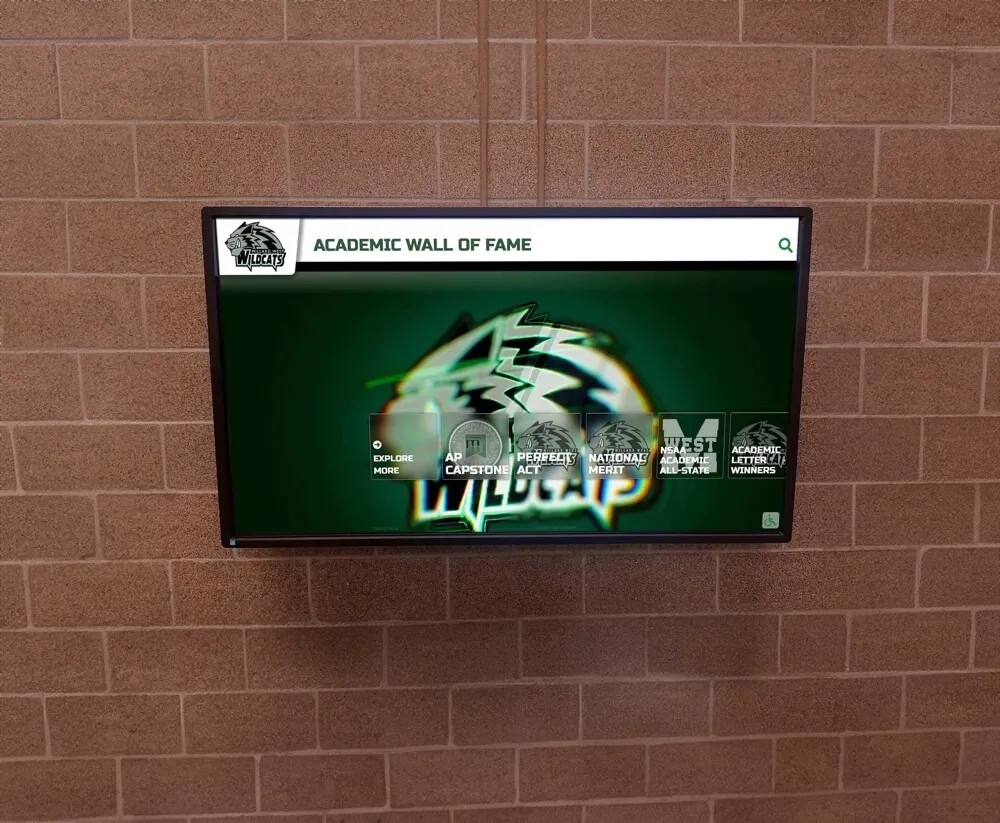
Systematic approaches ensure timeline programs thrive beyond initial implementation
Conclusion: Transforming Heritage Into Living Connection
Interactive timelines represent far more than digital upgrades to traditional historical displays. These powerful platforms transform how institutions preserve heritage, engage communities, and connect past excellence with present identity and future aspiration. By making history accessible, searchable, and engaging through contemporary interactive technology, schools create experiences that resonate with current students raised on digital interaction while honoring traditions and achievements that define institutional character.
The transformation from static, space-constrained physical displays to dynamic, unlimited digital timelines fundamentally changes what’s possible in heritage preservation. Schools can now document comprehensive institutional history without physical constraints, tell complete stories through rich multimedia rather than brief text, update content instantly as new information emerges, engage global communities through online access, and measure impact with precision enabling continuous improvement.
Keys to Interactive Timeline Success:
- Start with clear objectives connecting heritage to broader institutional priorities
- Invest in quality content development telling compelling human stories
- Select technology platforms matching institutional capacity and needs
- Promote timelines consistently maintaining ongoing community awareness
- Measure engagement systematically enabling data-driven enhancement
- Integrate with broader recognition and advancement programming
- Plan for sustainability through adequate resources and clear responsibility
Every school possesses unique stories worth preserving and sharing—founding visions that guided development, challenges overcome through community resilience, traditions connecting generations, and achievements demonstrating educational excellence. Creating compelling interactive timelines ensures these stories remain visible and valued rather than fading as memories dim and documentation scatters.
Whether your institution begins with focused pilot projects or comprehensive timeline initiatives, the journey toward effective historical preservation starts with commitment to honoring heritage while embracing tools that make stories accessible and engaging for contemporary audiences. Modern interactive timeline solutions from providers like Rocket Alumni Solutions address traditional limitations while creating unprecedented opportunities for comprehensive, accessible, and dynamic historical presentations specifically designed for educational institutions.
Your school’s story deserves to be told comprehensively, preserved permanently, and shared broadly. Creating interactive historical timelines ensures that story lives vibrantly for current community members while remaining accessible for future generations who will add their own chapters to your continuing narrative of educational excellence.
Ready to Create Your Interactive School History Timeline?
Discover how modern recognition and heritage solutions from Rocket Alumni Solutions can help your institution transform historical preservation while creating engaging connections between past excellence and present community. Whether you're launching your first heritage initiative or modernizing existing programs, expert guidance ensures successful implementation that honors your unique institutional story.
Explore Timeline Solutions