Junior college athletics represents a vital pathway for thousands of student-athletes pursuing their dreams while building skills, character, and competitive excellence. The National Junior College Athletic Association (NJCAA) and its member institutions create opportunities that launch careers, transform lives, and build legacies that deserve lasting recognition. Yet many community college athletic programs struggle to effectively showcase these achievements using traditional trophy cases and static displays that fail to capture the depth and impact of their programs.
Digital recognition systems designed specifically for JuCo athletics offer comprehensive solutions that honor past excellence, motivate current student-athletes, attract prospective talent, and strengthen alumni connections. This guide explores how junior colleges can leverage modern technology to create interactive athletic halls of fame that celebrate their unique role in developing competitive athletes while preserving program history for generations to come.
Understanding the Unique Landscape of Junior College Athletics
Junior college athletics occupies a distinctive position in the American sports landscape. Unlike four-year universities with century-long traditions and massive budgets, community colleges typically operate with limited resources while serving student-athletes who are building toward their next opportunity—whether that’s transferring to a four-year program, pursuing professional sports, or launching careers.
The NJCAA Structure and Competitive Landscape
The National Junior College Athletic Association governs athletics at two-year colleges across the United States. The NJCAA organizes competition across three divisions, sponsors 28 national championship sports, and serves approximately 60,000 student-athletes at more than 500 member colleges. Regional structures within the NJCAA create natural rivalries and competitive frameworks that define seasons and championship opportunities.
This structure creates diverse achievement categories worthy of recognition—national championships, regional titles, individual all-American honors, conference championships, and academic all-American designations. The breadth of accomplishments across multiple sports and competitive levels demands recognition systems capable of showcasing this diversity comprehensively.
The Transfer Pathway Challenge
Many JuCo athletes view their two-year experience as a stepping stone toward four-year programs or professional opportunities. This creates unique challenges for recognition programs. Athletes may spend only one or two years at an institution before transferring, yet their contributions during that time significantly impact program success and tradition.
Traditional recognition systems struggle with this transient nature. By the time physical plaques are fabricated and installed, recognized athletes may have already moved on. Digital recognition systems address this challenge through immediate updates that honor achievements in real time while maintaining comprehensive historical archives that preserve every contributor’s legacy regardless of how brief their tenure.

Resource Constraints and Budget Realities
Community colleges typically operate athletic programs with significantly smaller budgets than four-year institutions. Limited funding must be allocated across multiple sports, facility maintenance, coaching salaries, equipment, and operations. Recognition programs, while valued, often compete with more immediate operational needs for scarce resources.
This reality makes cost-effectiveness and return on investment critical factors when evaluating recognition solutions. Digital systems that eliminate ongoing fabrication costs while providing comprehensive recognition capabilities often prove more sustainable for budget-conscious programs than traditional approaches requiring continuous physical updates.
The Case for Digital Recognition in JuCo Athletics
Junior college athletic programs face distinct challenges that make digital recognition systems particularly valuable compared to traditional trophy cases and plaque walls.
Overcoming Physical Space Limitations
Many community college athletic facilities face severe space constraints. Gymnasiums, field houses, and athletic offices often lack the extensive wall space or display areas that four-year universities dedicate to recognition. Available space must accommodate multiple sports competing for visibility, creating difficult decisions about which achievements receive prominent placement.
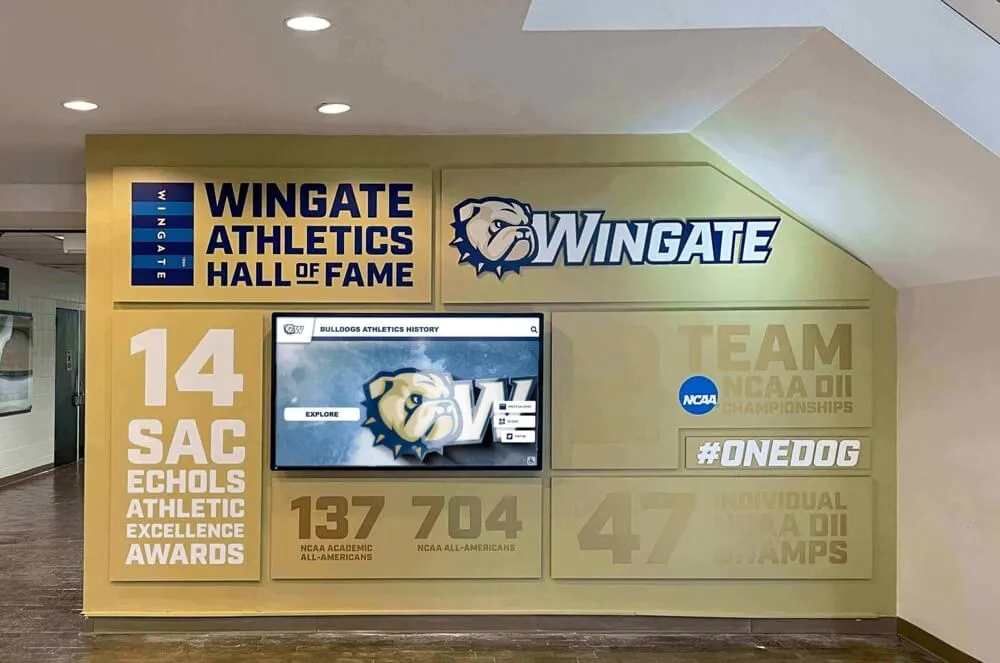
Digital recognition systems maximize impact within limited footprints. A single touchscreen display can showcase thousands of athletes across all sports and decades of history without requiring more physical space as programs grow. This scalability proves essential for programs adding sports, expanding participation, or building longer competitive histories over time.
Real-Time Recognition for Current Athletes
The motivational impact of recognition increases dramatically when it happens immediately rather than months or years after achievements occur. When an athlete earns all-conference honors, breaks a program record, or achieves academic distinction, recognizing that accomplishment promptly reinforces positive behaviors and demonstrates institutional appreciation.
Digital systems enable instant updates that traditional fabrication processes cannot match. Athletic departments can add new achievements within minutes through cloud-based content management platforms accessible from any device. This immediacy creates recognition experiences that remain relevant to current student-athletes rather than feeling like historical artifacts from previous eras.

Comprehensive Multi-Sport Recognition
Junior colleges typically compete across numerous sports—often 10 to 20 different teams within a single athletic program. Ensuring equitable recognition across all sports presents significant challenges with traditional displays where prominent placement implicitly creates hierarchies between sports.
Digital recognition systems solve this equity challenge through organizational structures that give every sport equal access to comprehensive showcases. Navigation interfaces allow visitors to explore specific sports of interest without physical placement determining visibility. Search and filtering capabilities ensure that achievements in less prominent sports receive equal discovery opportunities as high-profile programs.
This comprehensive approach strengthens program-wide culture and unity. When athletes from all sports see their accomplishments honored equally, it reinforces institutional commitment to excellence across every team rather than focusing exclusively on revenue-generating or high-visibility programs.
Storytelling Beyond Statistics
Traditional plaques list names, dates, and basic achievements but rarely capture the stories behind athletic excellence. Junior college athletes often overcome significant obstacles to compete—financial challenges, academic setbacks, personal circumstances, or simply the determination to prove doubters wrong and earn transfer opportunities to four-year programs.
Digital platforms enable rich storytelling through multimedia content that brings achievements to life. Video interviews with athletes discussing their journeys, photo galleries showing progression over seasons, and detailed narratives contextualizing statistical achievements create emotional connections that inspire current student-athletes facing similar challenges. These stories demonstrate that success is possible and provide role models who navigated paths that current athletes can follow.
Essential Components of JuCo Digital Recognition Systems
Effective digital recognition for junior college athletics should include multiple content categories that collectively showcase program breadth and excellence.
Individual Athlete Profiles
Comprehensive athlete recognition forms the foundation of effective digital halls of fame. Each profile should include essential biographical information such as name, hometown, years of competition, sport and position, detailed statistics organized by season and career totals, major awards and honors including all-American selections and academic recognition, and memorable performances with contextual narratives. For athletes who transferred to four-year programs, including their subsequent achievements demonstrates the pathway your program provided toward continued success.
The state championships display guide offers insights into organizing achievement categories that apply equally to junior college contexts including conference, regional, and national recognition levels.
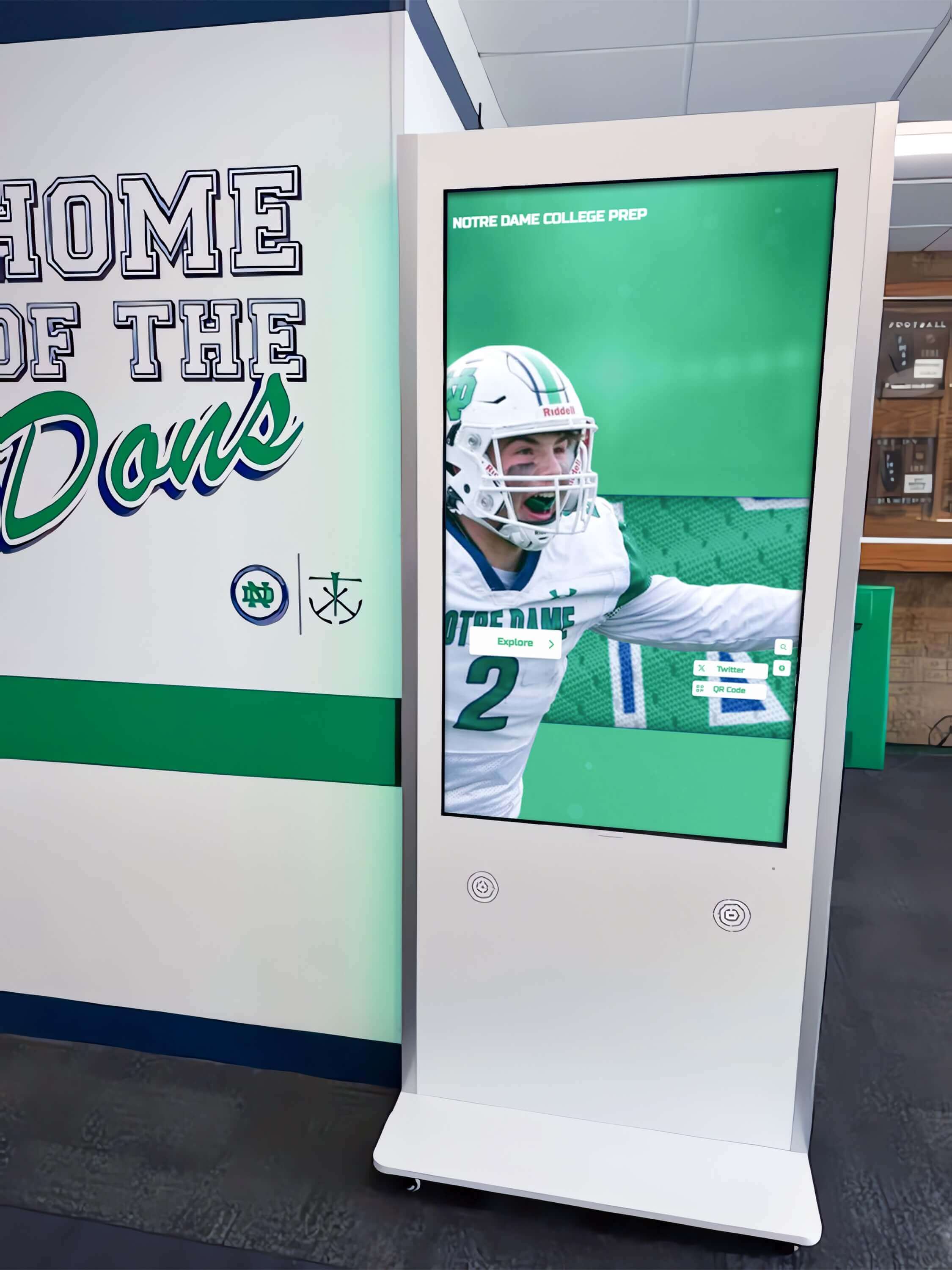
Team Championships and Memorable Seasons
Team achievements create shared memories that bind programs together across generations. Championship recognition should document complete rosters ensuring every contributor receives credit, season records showing competitive journeys, championship tournament or playoff results with game-by-game details, coaching staff who led teams to excellence, statistical leaders across major categories, and defining moments that characterized championship seasons.
Many junior college programs have won multiple regional or national championships across various sports. Organizing these achievements chronologically or by sport creates visual timelines that demonstrate sustained excellence and program-building momentum over decades.
Conference and Regional Recognition
Within the NJCAA structure, conference championships and regional recognition carry particular significance. These achievements represent excellence within natural competitive peer groups and often serve as qualifiers for national championship opportunities.
Digital systems should prominently feature conference titles, all-conference team selections, regional championship appearances and victories, and region-specific honors and awards. This localized recognition resonates strongly with athletes, coaches, and community supporters who understand the competitive context and rivalry traditions within specific geographic regions.
Academic Achievement Integration
The student-athlete ideal—excelling both competitively and academically—defines junior college athletics’ educational mission. Recognition programs should celebrate academic excellence alongside athletic achievement through academic all-American honorees, scholar-athlete award recipients, team GPA achievements, graduation rates and transfer success, and profiles highlighting athletes who achieved remarkable academic and athletic balance.
The academic recognition programs guide explores strategies for integrating academic honors that apply directly to athletic recognition contexts, ensuring that the educational mission remains central to competitive excellence.
Transfer Success Stories
One of junior college athletics’ most important contributions is preparing athletes for continued competition at four-year institutions. Showcasing transfer success accomplishes multiple objectives—it demonstrates program quality to recruits, honors athletes who continued their journeys, and provides aspirational examples for current student-athletes.
Transfer success content should include athletes who earned scholarships to four-year programs organized by destination institutions, subsequent achievements at transfer schools including all-conference and all-American honors, professional sports careers that began at your junior college, and coaching careers where alumni returned to the sport in leadership roles. These success stories validate the junior college pathway while building pride in your program’s role within larger athletic journeys.
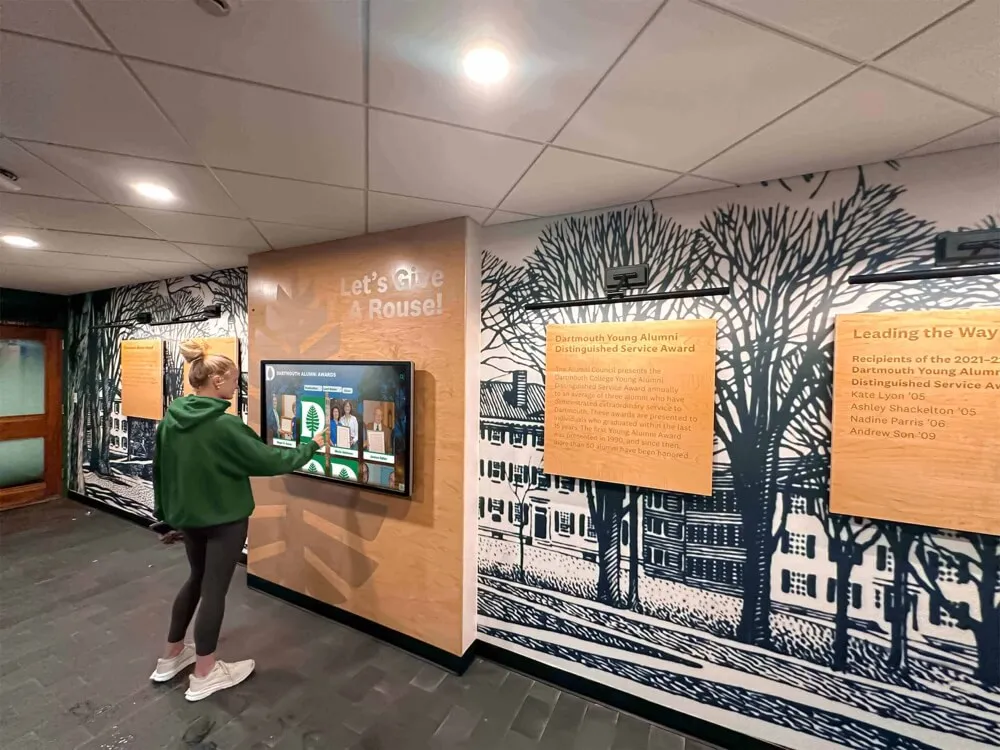
Strategic Implementation for Junior College Programs
Successfully implementing digital recognition requires careful planning that addresses institutional constraints while maximizing impact and sustainability.
Identifying Optimal Placement Locations
Location significantly influences recognition impact and usage. Ideal placements combine high visibility with appropriate infrastructure and symbolic meaning within athletic facilities.
High-traffic areas ensure regular exposure. Athletic facility main entrances, locker room corridors where athletes pass daily, training facility entrances, concession areas or concourses where fans gather during competitions, and recruiting tour routes where prospects always pass create natural touchpoints. Solutions like digital recognition displays work particularly well when integrated throughout facilities rather than concentrated in single locations.
Infrastructure requirements include reliable electrical power on dedicated circuits, secure network connectivity preferably through wired connections, appropriate environmental conditions protected from weather and extreme temperatures, and mounting surfaces capable of supporting display weight securely. Working with facilities staff early in planning ensures technical requirements are addressed before installation.
Developing Content from Historical Records
Many junior college athletic programs have decades of history but incomplete records due to limited archival resources over the years. Systematic content development requires creative approaches to historical research.
Historical sources typically include athletic department records and championship documentation, yearbooks and student publications, local newspaper archives covering games and athletes, state and regional athletic association records, interviews with longtime coaches and community members, and alumni outreach requesting photographs and memories. The digitizing yearbooks complete guide provides strategies for converting historical materials into digital formats suitable for recognition displays.
Starting with recent history and working backward often proves most practical. Current athletes’ information is readily accessible, and gradually expanding historical coverage makes initial implementation manageable while creating a framework for ongoing additions as research uncovers older records.
Establishing Recognition Criteria and Selection Processes
Clear, consistent criteria ensure fairness and maintain recognition prestige. Junior college programs should establish standards considering multiple factors including athletic achievements and statistical excellence, all-conference, all-region, and all-American selections, championship contributions and team success, academic achievement alongside athletic performance, character and sportsmanship demonstrated during competition, and post-graduation success at transfer institutions or professionally.
Many programs implement tiered recognition levels—comprehensive profiles for exceptional achievers like national champions and all-Americans, standard recognition for significant contributors like all-conference athletes, and basic listing for all letter-winners. This approach honors excellence while ensuring inclusive recognition that strengthens broad alumni connections.
Documenting criteria in writing and communicating them clearly to your athletic community prevents perceptions of favoritism or inconsistency. Transparent processes build confidence in recognition program integrity.
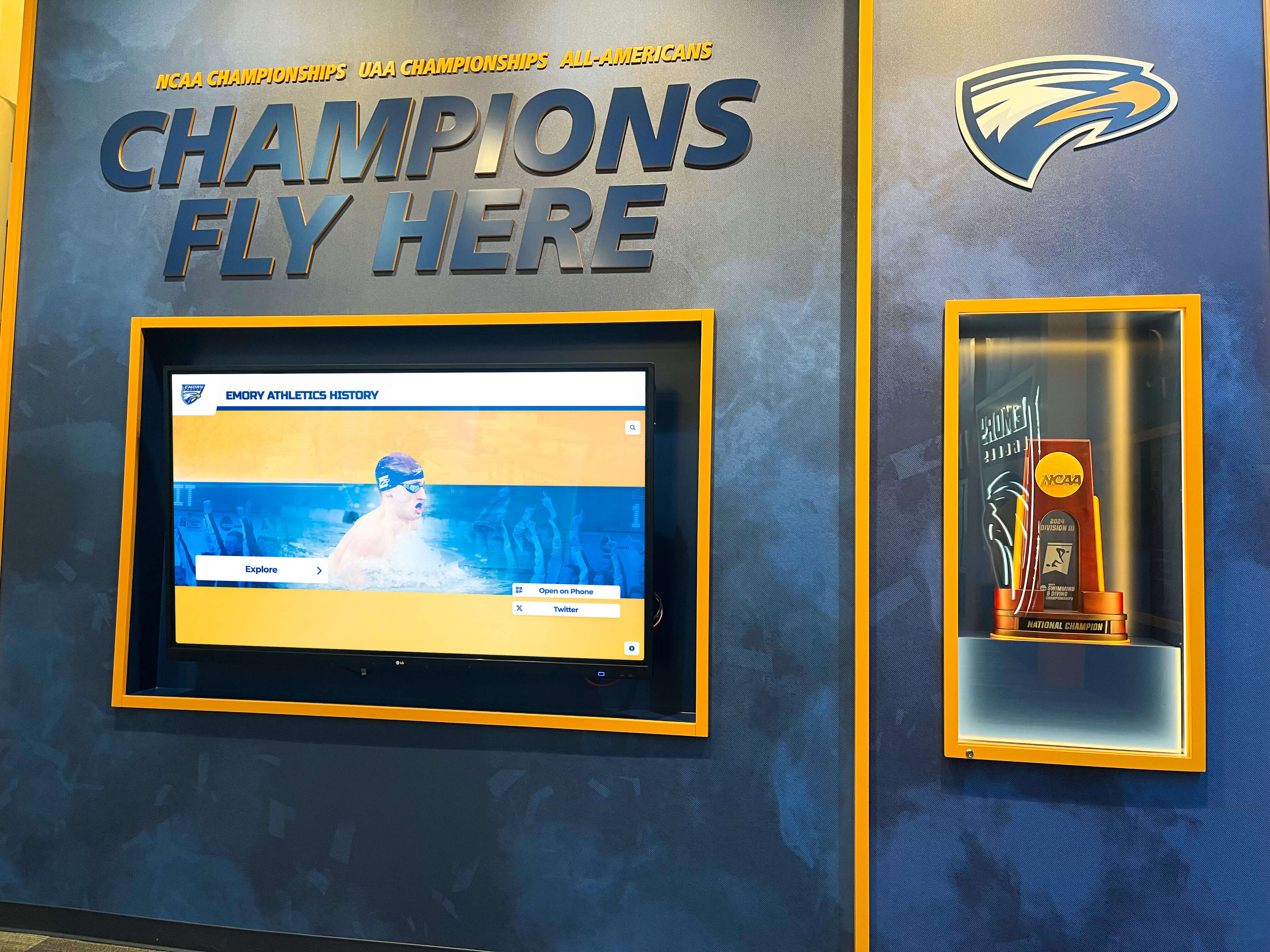
Budget Planning and Funding Strategies
Junior college athletic programs must maximize value from limited budgets. Digital recognition investments should demonstrate clear returns that justify costs against competing priorities.
Initial implementation costs typically include display hardware with commercial-grade touchscreens rated for continuous operation, content management software with licensing appropriate to institutional needs, professional installation addressing electrical and mounting requirements, and initial content development including research, writing, and media collection. Systems typically range from $12,000 to $35,000 depending on size, features, and complexity.
Ongoing costs include annual software maintenance and updates, periodic content additions and refinements, electricity costs for powered displays, and eventual hardware replacement after 6-10 years of operation. These ongoing costs typically prove significantly lower than traditional recognition’s continuous fabrication and installation expenses for new plaques and updates.
Funding approaches for budget-conscious programs include phased implementation starting with core functionality and expanding over time, booster club support through fundraising specifically for recognition projects, alumni association contributions particularly from former athletes being honored, corporate sponsorships with appropriate recognition, and operational budget reallocation from reduced traditional display fabrication costs. The donor recognition complete guide explores funding strategies applicable to athletic recognition contexts.
Advanced Features for Enhanced Engagement
Modern digital recognition platforms offer sophisticated capabilities that create deeper connections and broader impact than basic display systems.
Interactive Search and Discovery Tools
Comprehensive search functionality transforms how visitors explore recognition content. Rather than passively viewing whatever happens to be displayed, visitors actively search for information that interests them personally.
Effective search capabilities include name search finding specific athletes instantly, sport filtering showing only relevant team achievements, year or era browsing exploring specific time periods, achievement type filtering such as championships, records, or academic honors, and keyword search enabling discovery of specific accomplishments, hometowns, or transfer destinations. These discovery tools prove particularly valuable for junior college programs with extensive multi-sport histories where visitors want to focus on specific areas of interest.
The touchscreen software complete guide explores interface design principles that make navigation intuitive for diverse audiences regardless of technical familiarity.
Social Media Integration and Sharing
Extending recognition beyond physical displays amplifies impact and engagement. Social integration features enable content to reach broader audiences through networks that connect alumni, current students, and athletic supporters.
Integration features should include one-click social sharing of individual profiles or achievements, automated posting when new content is added, hashtag campaigns linking recognition to broader athletic branding, and embedded social feeds displaying community conversations about recognized achievements. These connections create ongoing engagement that keeps recognition programs relevant in daily digital conversations rather than limiting interaction to occasional facility visits.

Web and Mobile Accessibility
Physical displays serve only visitors present in facilities. Web-accessible recognition extends reach to alumni, family members, and supporters anywhere in the world.
Responsive web interfaces should provide full access to all recognition content through standard browsers, mobile optimization ensuring excellent experiences on smartphones and tablets, searchable databases enabling quick discovery regardless of access method, and shareable URLs allowing direct links to specific athletes or achievements. This dual presence—physical displays for on-site impact and web access for remote audiences—maximizes recognition’s reach and influence.
Many junior college athletes come from communities at considerable distances from campuses. Web accessibility allows proud family members to share their athletes’ achievements with friends and relatives who may never visit campus, multiplying recognition’s impact many times over.
Analytics and Engagement Insights
Understanding how communities interact with recognition helps refine content and maximize impact. Analytics capabilities should track total interactions and unique visitors over time, most-viewed content revealing which athletes and achievements resonate most strongly, search patterns showing what information visitors seek, peak usage times informing content update scheduling, and engagement duration indicating depth of interest and exploration.
These insights guide content development priorities, help identify gaps where additional information would serve visitors, and provide quantitative evidence of recognition program value when justifying budgets or expansions.
Measuring Success and Demonstrating Value
Junior college administrators need evidence that recognition investments generate meaningful returns that justify costs and support broader institutional objectives.
Student-Athlete Recruitment Impact
Recognition systems influence recruiting by demonstrating program quality and tradition. Measurable indicators include recruit feedback during campus visits specifically mentioning recognition displays, commitment decisions where athletes cite program history as factors, improved recruiting class rankings relative to peer institutions, and increased applications from prospective student-athletes.
Coaching staffs can provide qualitative assessments of how recognition contributes to recruiting conversations and competitive positioning. When coaches consistently report that prospects and families respond positively to recognition showcases, it validates program value even if isolating causal effects proves difficult.
The college recruitment digital recognition strategies article explores how recognition integrates into comprehensive recruiting approaches that attract top talent to programs.
Alumni Engagement and Connection
Recognition strengthens alumni identification with institutions and athletic programs. Assessment metrics include attendance at athletic events and alumni gatherings, participation in mentoring programs connecting alumni with current athletes, giving rates and contribution amounts to athletic programs, social media engagement when recognition content is shared, and qualitative feedback through surveys or focus groups.
Many junior college programs report that athletic alumni—particularly those who transferred successfully to four-year programs—become more engaged after their achievements receive formal recognition. This engagement creates value through financial support, volunteer efforts, and career networking that benefits current student-athletes.
Current Student-Athlete Motivation
Perhaps the most important impact is whether recognition inspires current athletes to pursue excellence. Relevant measures include athlete awareness of program records and traditions, goal-setting influenced by recognition standards and examples, leadership development and positive team culture, academic performance meeting student-athlete standards, and qualitative feedback from athletes about recognition’s motivational influence.
Athletic directors and coaches consistently report that visible recognition of past excellence raises expectations and standards within programs. When current athletes see what previous generations accomplished, they internalize those achievements as benchmarks to meet or exceed rather than abstract ideals disconnected from program reality.
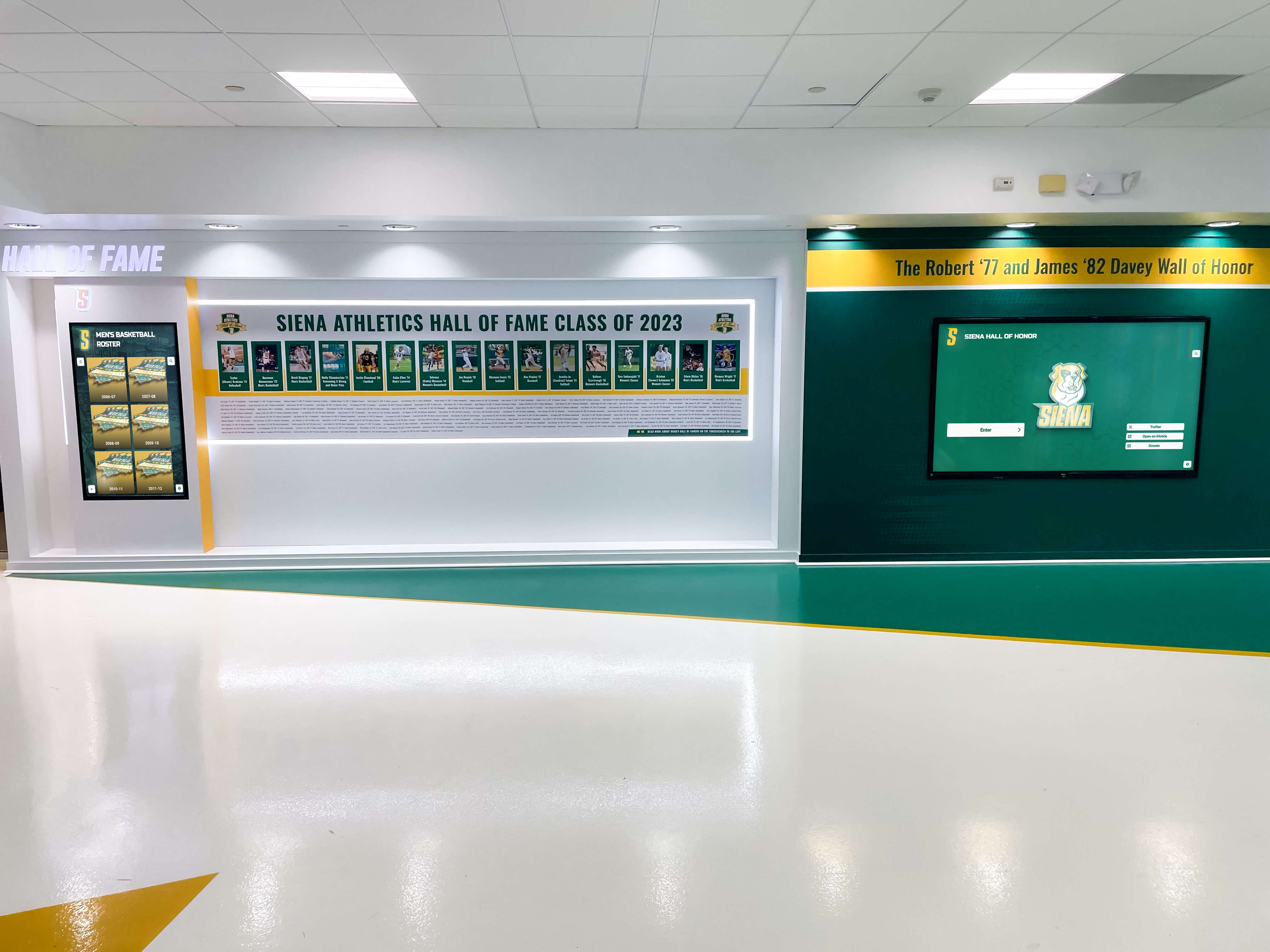
Institutional Pride and Community Connection
Junior colleges serve specific communities and regions. Athletic success and recognition strengthen institutional pride that extends beyond campuses into broader communities.
Community impact manifests through increased attendance at athletic events, local media coverage of program achievements and recognition, community support through donations and volunteerism, employer engagement with student-athletes for internships and career opportunities, and strengthened institutional reputation within service areas. These broader impacts contribute to enrollment, community support, and institutional sustainability in ways that extend far beyond athletics alone.
Addressing Common Implementation Challenges
Junior college athletic programs face predictable obstacles when implementing digital recognition systems. Understanding these challenges and their solutions increases implementation success rates.
Limited Technical Infrastructure
Many community college athletic facilities lack sophisticated technology infrastructure. Network connectivity may be unreliable, electrical systems may be outdated, and IT support may be limited compared to larger universities.
Solutions include working with IT departments early in planning to address infrastructure gaps, considering cellular connectivity as backup where wired networks prove unreliable, selecting systems designed for easy management without extensive technical support, and choosing vendors who provide comprehensive installation and configuration services rather than assuming institutional capacity. The training staff digital recognition systems guide explores preparation strategies that set programs up for success.
Incomplete Historical Records
Unlike established four-year programs with extensive archives, many junior colleges have incomplete records from earlier eras. Missing information about past athletes, championships, or achievements creates challenges for comprehensive recognition.
Practical approaches include starting with recent history where records are complete and working backward gradually, conducting alumni outreach requesting information and photographs, partnering with local libraries or historical societies that may have newspaper archives, and being transparent that recognition represents best available information that will be refined as additional records surface. Digital systems make corrections and additions straightforward when new information becomes available.
Staff Capacity for Content Management
Junior college athletic departments typically operate with small staffs juggling multiple responsibilities. Adding recognition content management to already full workloads risks systems becoming outdated quickly.
Solutions include establishing clear ownership with specific individuals responsible for updates, creating simple workflows and schedules for regular maintenance, engaging student workers or interns to assist with content development, developing relationships with journalism or communications programs where students might contribute as learning projects, and selecting systems with genuinely intuitive management interfaces that minimize training requirements. Many programs find that initial content development demands significant effort but ongoing maintenance requires only modest time investments.
Balancing Recognition Across Sports
Athletic departments must ensure that recognition doesn’t privilege certain sports while marginalizing others. This challenge proves particularly acute in junior college contexts where sports vary dramatically in visibility, funding, and competitive success.
Fair approaches include establishing sport-neutral criteria applied consistently, giving each sport equal navigation access rather than homepage prominence based on current success, featuring rotating highlights that cycle through all sports systematically, and recognizing diverse achievement types beyond championships that allow all sports opportunities for visibility. Regular reviews examining actual content distribution across sports help identify and correct imbalances before they undermine program unity.

Integration with Broader Athletic Department Initiatives
Maximum value from recognition systems comes when they integrate with other athletic department priorities and initiatives rather than existing as isolated installations.
Recruiting Enhancement
Digital recognition should be incorporated strategically into recruiting processes. Coaches should include recognition displays in standard facility tours, use tablets to show specific examples relevant to individual prospects, share web-accessible recognition content in email and social media recruiting outreach, and feature recognition during prospect weekend visits and camps.
This integration ensures recognition contributes directly to competitive recruiting objectives while demonstrating program quality and tradition to prospective student-athletes and their families.
Alumni Relations Programming
Recognition creates natural touchpoints for ongoing alumni engagement. Athletic departments should coordinate recognition additions with reunion events and homecoming celebrations, feature newly inducted honorees at athletic events, create digital campaigns highlighting specific athletes or eras, and use recognition content in alumni newsletters and communications.
These connections ensure recognition supports relationship-building with former athletes who become supporters, donors, mentors, and ambassadors for programs long after their competitive careers conclude.
Fundraising and Development
Athletic recognition can support fundraising when integrated appropriately. Approaches include creating naming opportunities for recognition displays or specific content sections, honoring major donors through recognition alongside athletic achievements, using recognition events as cultivation opportunities for prospective supporters, and demonstrating program quality and tradition that justify philanthropic investment.
The athletic history display guide explores how recognition systems create advancement opportunities without compromising their primary purpose of honoring achievement.
Institutional Marketing
Junior college athletic success strengthens institutional reputation and supports enrollment objectives. Marketing and communications departments should incorporate recognition content in institutional promotional materials, feature athlete success stories in recruitment campaigns, highlight recognition in campus tour routes, and share recognition milestones through institutional social media channels.
This broader institutional integration ensures athletic recognition contributes to community college missions beyond athletics alone while building institutional pride across entire campuses.
Future Trends in Junior College Athletic Recognition
Digital recognition technology continues evolving, creating new opportunities for junior college athletic programs to enhance how they celebrate achievement and engage communities.
Enhanced Multimedia Integration
Emerging capabilities include virtual reality experiences recreating championship moments or competitions, augmented reality features adding interactive layers to physical displays, AI-powered video highlight generation automatically creating compilation content, and holographic displays creating three-dimensional presentations. While bleeding-edge features may exceed junior college budgets initially, mainstream adoption will eventually make sophisticated multimedia recognition accessible to programs at all levels.
Predictive Analytics and Performance Tracking
Advanced systems may integrate with performance tracking technologies to provide real-time recognition of developing achievements. When an athlete approaches a program record during competition, displays could automatically highlight the existing record and current performance, creating immediate awareness and excitement.
These integrations blur the line between recognition of past achievement and celebration of current performance, creating unified experiences that honor tradition while engaging with present competition.
Social and Community Participation
Future recognition systems will likely incorporate more participatory elements including crowdsourced content where alumni contribute memories and materials, voting features allowing community input on greatest moments or achievements, collaborative storytelling building comprehensive narratives through multiple perspectives, and live connections between recognized alumni and current athletes through video or messaging features.
These participatory approaches transform recognition from institutional pronouncement into community conversation that strengthens connections across generations of athletes and supporters.
Artificial Intelligence Content Enhancement
AI technologies may assist with various recognition functions including automated research identifying achievements from historical records, intelligent content generation creating initial profile drafts from statistical data, natural language search enabling conversational queries about program history, and personalized content recommendations suggesting related achievements based on visitor interests.
These AI enhancements could make comprehensive recognition more achievable for resource-constrained programs by reducing manual research and content development workload.
Selecting the Right Digital Recognition Partner
Junior college athletic programs should carefully evaluate providers based on factors that determine long-term success and satisfaction.
Junior College Experience and Understanding
Providers familiar with junior college contexts understand unique challenges and priorities that differ from four-year institutions. Look for vendors who demonstrate understanding of NJCAA structure and competition levels, recognize resource constraints and budget realities, appreciate transfer pathways and their recognition implications, and show examples of successful junior college implementations.
This specialized experience translates into solutions designed for your context rather than systems developed for universities and adapted superficially for community college needs.
Content Management Simplicity
Technical sophistication matters less than genuine ease of use for non-technical administrators. Evaluate systems based on intuitive interfaces requiring minimal training, bulk import tools enabling efficient historical content addition, remote accessibility allowing updates from any location, and responsive vendor support when questions arise.
Request demonstrations where you attempt actual content management tasks rather than watching prepared presentations. This hands-on evaluation reveals whether systems are genuinely user-friendly or require more technical expertise than claimed.
Comprehensive Solution Approach
The best partners provide complete solutions rather than just hardware or software. Look for providers offering professional design and implementation services, comprehensive training and documentation, ongoing technical support and maintenance, content development assistance, and established upgrade pathways as technology evolves.
This comprehensive approach proves particularly valuable for junior colleges with limited internal technical resources and staff capacity.
Proven Track Record and References
Established providers should readily provide references from similar institutions. Speak with current clients about implementation experiences, ongoing support quality, system reliability, actual ease of content management, and whether realized benefits matched initial expectations.
These conversations reveal provider strengths and weaknesses that marketing materials and demonstrations don’t surface, helping you make informed decisions aligned with your specific needs and priorities.
Transform Your Junior College Athletic Recognition
Rocket Alumni Solutions specializes in digital recognition systems designed specifically for community college athletic programs. Our comprehensive platform honors your athletes' achievements while inspiring current student-athletes and strengthening alumni connections—all within budgets realistic for junior college programs.
Our solutions include commercial-grade touchscreen displays built for continuous operation, intuitive cloud-based content management requiring no technical expertise, comprehensive training and ongoing support, and flexible financing options that make advanced recognition accessible. Whether you're recognizing a single sport or documenting decades of multi-sport excellence, we'll help you create a recognition system that celebrates your program's unique tradition and competitive spirit.
Contact us today to learn how Rocket Alumni Solutions can help you honor your athletic legacy while building excitement for continued excellence in junior college sports.
Conclusion: Celebrating the Junior College Athletic Experience
Junior college athletics creates transformative experiences for thousands of student-athletes annually. These programs provide opportunities for academic and athletic development, create pathways toward four-year competition and professional sports, and build community pride through competitive excellence. Yet these achievements often receive insufficient recognition using outdated systems that fail to capture the depth and impact of junior college athletic programs.
Digital recognition systems offer comprehensive solutions specifically suited to junior college contexts. They overcome space constraints that limit traditional displays, enable immediate recognition that motivates current athletes, provide cost-effective long-term value within constrained budgets, ensure equitable visibility across all sports, and extend reach through web accessibility that connects with alumni anywhere.
Implementing effective recognition requires thoughtful planning that addresses infrastructure realities, historical research that may span decades, clear criteria that ensure fairness and consistency, and strategic integration with recruiting, alumni relations, and institutional advancement initiatives. The investment of time and resources in building comprehensive digital recognition creates lasting value that serves programs for generations.
As junior college athletics continues evolving, digital recognition will become increasingly essential for programs seeking to compete effectively for talent, engage alumni communities, and build traditions that inspire excellence. The programs that implement these systems thoughtfully position themselves to celebrate past achievement while building excitement for future success that honors the unique and vital role junior colleges play in American athletics.
Whether your program competes in the NJCAA, another junior college athletic association, or independent conferences, modern digital recognition solutions can help you honor the athletes, coaches, and supporters who have built your tradition while inspiring the next generation of student-athletes pursuing their dreams through community college sports.
Frequently Asked Questions
What makes junior college athletic recognition different from four-year programs?
Junior college recognition faces unique challenges including shorter athlete tenure as many students transfer after one or two years, smaller budgets requiring cost-effective solutions, limited physical space in athletic facilities, and the need to showcase the transfer pathway success that demonstrates program quality. Digital systems address these challenges through immediate recognition capabilities, space-efficient designs, and comprehensive capacity that honors all contributors regardless of tenure length. The focus should emphasize program development and athlete preparation for next-level opportunities rather than exclusively celebrating championships.
How much does implementing a digital recognition system typically cost for a junior college?
Comprehensive digital recognition systems for junior college athletic programs typically range from $12,000 to $35,000 depending on display size, features, and content complexity. Entry-level single-sport systems might start around $8,000 while comprehensive multi-sport installations with multiple displays and extensive historical content development reach the higher end of this range. Ongoing costs including software maintenance, content updates, and electricity typically prove lower than traditional recognition’s continuous fabrication expenses for new plaques and updates. Many programs implement in phases, starting with core sports or recent history and expanding over time as budget allows.
Can we update recognition systems ourselves or do we need technical staff?
Modern digital recognition platforms are designed for non-technical administrators to manage independently. Cloud-based content management systems feature intuitive interfaces similar to social media platforms or basic website editors. Most updates—adding new athletes, uploading photos, updating records—require only basic computer skills and internet access. Initial implementation typically includes training sessions, and vendors provide ongoing support for unusual situations. Many junior colleges assign recognition management to athletic administrators, administrative assistants, or student workers without specialized technical backgrounds. The key is selecting systems genuinely designed for ease of use rather than those requiring IT expertise for routine updates.
How do we handle recognition when athletes transfer to four-year programs?
Transfer success should be celebrated as evidence of program quality and athlete development. Athlete profiles should prominently include achievements at your institution while noting transfer destinations and subsequent success. This approach honors contributions during their junior college years while demonstrating the pathway your program provided. Many successful programs create specific “transfer success” sections showcasing athletes who earned scholarships to four-year institutions, organized by destination schools. This recognition appeals to recruits who view junior college as a stepping stone, validates the developmental mission, and maintains connections with alumni who may return to support programs that launched their careers.
What content categories should junior college recognition include?
Comprehensive junior college recognition should include individual athlete profiles with statistics and achievements, team championships and memorable seasons, conference and regional recognition, all-conference and all-American selections, academic achievement and scholar-athletes, program records and statistical leaders across sports, coaching excellence and tenure milestones, and transfer success stories showing pathway results. Many programs also recognize distinguished alumni, community supporters, and memorable moments that define program character. The specific categories depend on your program’s history and competitive context, but ensuring representation across all sports and achievement types creates inclusive recognition that strengthens broad alumni connections.
How can recognition systems help with student-athlete recruitment?
Digital recognition influences recruiting through multiple mechanisms. Displays provide tangible evidence of program quality and competitive tradition during campus visits. Prospective athletes visualize themselves as potential future honorees, creating aspirational motivation. Coaches use recognition content in recruiting communications and social media to demonstrate program culture. Web-accessible recognition allows prospects to explore program history remotely before visits. Transfer success showcases provide concrete evidence of developmental pathways that resonate with recruits seeking eventual four-year opportunities. Most importantly, comprehensive recognition demonstrates institutional commitment to celebrating achievement, signaling that athletes’ contributions will be honored and remembered long after they move on.
What if we have incomplete records from earlier eras?
Incomplete historical records are common challenges for junior college programs. Practical approaches include starting with recent history where documentation is complete and working backward gradually, conducting systematic alumni outreach requesting photos and information, researching local newspaper archives that covered games and athletes, connecting with state and regional athletic associations that may have championship records, and being transparent that recognition represents best available information that will be refined as additional materials surface. Digital systems make corrections and additions straightforward when new information emerges. Many programs discover that launching initial recognition prompts alumni to contribute previously unknown photographs and stories that enrich historical coverage over time.
How do we ensure fair recognition across all sports in our program?
Equitable recognition across sports requires intentional structural decisions. Establish sport-neutral criteria applied consistently regardless of visibility or competitive success. Give each sport equal navigation access in display interfaces rather than homepage prominence based on championships. Feature rotating highlights that systematically cycle through all sports. Recognize diverse achievement types beyond championships—including academic honors, sportsmanship awards, individual statistical achievements, and improvement milestones—that provide visibility opportunities for all programs. Conduct regular content audits examining actual distribution across sports to identify and correct imbalances. Seek input from coaches across all sports during planning to ensure recognition structures serve everyone’s needs.































