Junior varsity basketball teams represent the foundation of athletic programs—where young players develop fundamental skills, learn competitive teamwork, and begin basketball journeys that often lead to varsity excellence. Yet despite their critical role in program success, JV teams frequently receive minimal recognition compared to varsity counterparts, with their achievements relegated to forgotten yearbook pages or brief season recaps. This recognition gap overlooks the dedication, growth, and meaningful accomplishments that characterize junior varsity basketball.
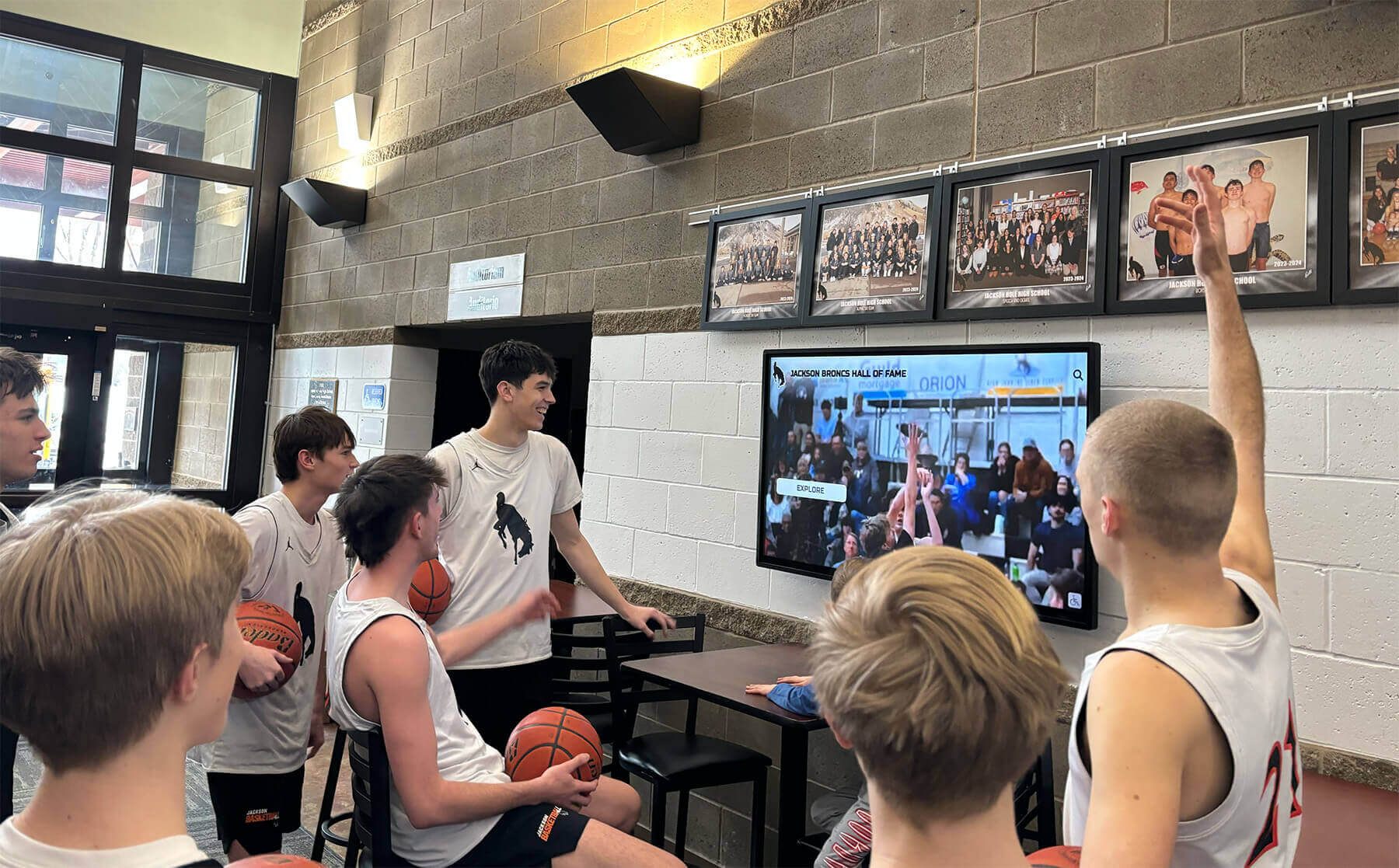
Interactive digital displays are transforming how schools honor JV basketball history by preserving team rosters, season highlights, individual development stories, and the progression of players from foundational programs to varsity success. These comprehensive recognition systems celebrate achievement at every competitive level while inspiring current JV athletes by demonstrating that their contributions matter and deserve lasting acknowledgment.
Whether you’re an athletic director seeking to build stronger program culture, a coach wanting to motivate junior varsity players, or an administrator looking to create comprehensive basketball recognition, understanding how interactive displays elevate JV basketball history provides valuable insights into modern athletic recognition that honors development alongside championship success.
Understanding Junior Varsity Basketball’s Essential Role
Junior varsity basketball serves purposes extending far beyond simply providing playing time for athletes not yet ready for varsity competition. These programs form the developmental backbone of successful basketball traditions.
The JV Program Mission
Junior varsity teams typically serve athletes in grades 9-10, though some programs include younger upperclassmen still developing skills, physicality, or experience necessary for varsity competition. The primary mission focuses on player development rather than exclusively competitive success.
Effective JV programs emphasize fundamental skill refinement in shooting, ball-handling, defensive positioning, and offensive execution, competitive experience in structured game situations, team concept learning regarding offensive systems and defensive schemes, physical conditioning and strength development, basketball IQ growth through film study and strategic understanding, and leadership skill development as younger players begin assuming team responsibilities.
Many successful varsity players attribute their later achievements to foundational development during junior varsity seasons. The deliberate practice, extended playing time, and developmental focus characteristic of quality JV programs create the foundation for subsequent success.
Recognition Challenges for JV Programs
Despite their importance, junior varsity teams face persistent recognition challenges within school athletic programs. Gymnasium championship banners typically celebrate only varsity titles, with JV achievements rarely memorialized. Season-ending award ceremonies often emphasize varsity accomplishments while minimizing junior varsity recognition. School athletic displays predominantly feature varsity athletes, records, and team photos. Media coverage focuses almost exclusively on varsity games and players.
This recognition disparity creates several problems including reduced motivation among JV athletes who feel their efforts don’t matter, difficulty recruiting younger players to basketball programs that seem to value only top-level performers, weakened program culture when developmental teams feel undervalued, and lost institutional memory as JV seasons pass without documentation or celebration.
Athletics walls of honor that recognize multi-level achievement help address these challenges by ensuring recognition extends throughout entire athletic programs rather than concentrating exclusively at varsity levels.
Why JV Basketball History Deserves Comprehensive Recognition
Creating permanent recognition for junior varsity basketball accomplishments serves multiple important purposes within athletic departments and school communities.
Motivating Current JV Athletes
Junior varsity players are often told to “wait your turn” and “keep working hard”—messages that become hollow when no evidence exists that previous developmental athletes received recognition for their efforts. When JV athletes see detailed displays honoring previous junior varsity teams, the message becomes tangible: your current contributions will be remembered and celebrated, not forgotten after graduation.
This concrete recognition impacts athlete motivation in measurable ways. Players understand that JV seasons matter beyond being preparation for potential varsity careers. Team accomplishments like winning records, tournament success, or exceptional team statistics receive appropriate acknowledgment. Individual development—players who dramatically improved shooting percentages, defensive capabilities, or basketball IQ—earns documented celebration.
The knowledge that current efforts will result in lasting recognition rather than obscurity motivates sustained commitment during challenging developmental phases when playing time is limited, skills are still developing, and varsity promotion remains uncertain.
Preserving Complete Program History
Comprehensive basketball program histories include developmental levels alongside varsity achievements. Schools with deep basketball traditions risk losing institutional memory when junior varsity documentation remains sparse or nonexistent.
Effective historical preservation captures JV team rosters ensuring complete records of all program participants, season records and tournament results documenting team success at developmental levels, coaching staff who dedicated time to player development, facility evolution showing where JV teams practiced and competed, and player progression stories tracking athletes from JV through varsity and beyond.
Solutions like digital recognition displays make comprehensive historical documentation practical by eliminating space constraints that force difficult choices about what history to preserve when physical display area is limited.
Building Stronger Program Culture
Basketball programs with strong cultures create connections between current and former players across all competitive levels. When varsity athletes can explore digital displays showing their own JV seasons alongside current developmental teams, cultural continuity strengthens.
This connection manifests in several ways including varsity players attending JV games and supporting developmental teammates, JV alumni returning to mentor current developmental players, families staying engaged with programs throughout athletes’ development rather than only during varsity years, and broader community support as more athletes and families feel valued by comprehensive recognition.
Programs that honor all contributors create inclusive cultures where athletes at every level understand their importance to overall program success.
Supporting Long-Term Athletic Development
The junior varsity experience directly influences whether young athletes continue in basketball or abandon the sport during critical developmental years. Recognition plays a significant role in retention and continued commitment.
Athletes who feel their JV contributions receive appropriate acknowledgment remain more committed during challenging developmental phases. Parents who see schools value their children’s developmental participation become stronger program supporters. Younger players considering basketball tryouts view JV participation positively when programs clearly honor developmental athletes.
Student engagement strategies increasingly recognize that acknowledgment at all participation levels—not just elite achievement—builds sustainable programs with strong pipelines from youth leagues through varsity levels.
Designing Interactive JV Basketball Recognition Displays
Effective junior varsity recognition requires thoughtful approaches that honor developmental achievement appropriately while maintaining standards that preserve recognition value.
Essential Content Categories
Comprehensive JV basketball displays should include several core content types that tell complete developmental stories rather than just listing names and years.
Team Season Documentation:
Each junior varsity season deserves thorough documentation including complete roster with player names, jersey numbers, positions, and class years, coaching staff and their roles, season record including conference performance, notable victories over rival schools or competitive opponents, tournament participation and results, team statistical leaders in scoring, rebounding, assists, steals, and other categories, and high-quality team photographs from season.
This complete documentation ensures future viewers understand team composition, competitive success level, and the context surrounding each JV season.
Individual Player Development Stories:
Junior varsity recognition should emphasize player growth throughout seasons—the fundamental purpose of developmental programs. Effective displays document beginning-of-season baseline statistics compared to end-of-season growth, skill development in specific areas like shooting percentage improvement or defensive capabilities, playing time progression as athletes earned increased minutes through performance, awards or recognition received during JV seasons such as team MVP or Most Improved designations, and quotes from coaches about player development and contributions.
This development focus distinguishes JV recognition from varsity displays that emphasize achievement. At developmental levels, celebrating growth matters as much as celebrating wins.
Progression Stories:
One of the most powerful JV recognition elements traces athlete journeys from developmental programs through varsity and beyond. Basketball record boards that connect JV development with later varsity achievement create compelling narratives showing how foundational experiences contributed to subsequent success.
These progression stories might document JV players who became varsity starters, athletes who earned all-conference or all-state honors after developmental JV seasons, players who received college scholarships following JV beginnings, or individuals who became team captains after learning leadership during junior varsity years.
Such stories prove to current JV athletes that developmental programs truly prepare players for success rather than serving as holding patterns for athletes who don’t immediately excel.

Interactive Features That Enhance Engagement
Modern digital recognition platforms offer interactive capabilities that transform static information into engaging exploration experiences perfectly suited for honoring developmental achievements.
Search and Filter Capabilities:
Powerful search functions allow users to quickly locate specific JV seasons, players, or coaches without manually browsing chronologically through decades of content. Filtering by graduating class helps alumni find their specific seasons, while sport-specific filtering works when schools display multiple athletic programs through single recognition systems.
These search capabilities prove particularly valuable for JV recognition because parents, grandparents, and extended family members often want to locate specific athletes from past seasons. Intuitive search removes barriers to engagement, encouraging exploration rather than brief passive viewing.
Multimedia Integration:
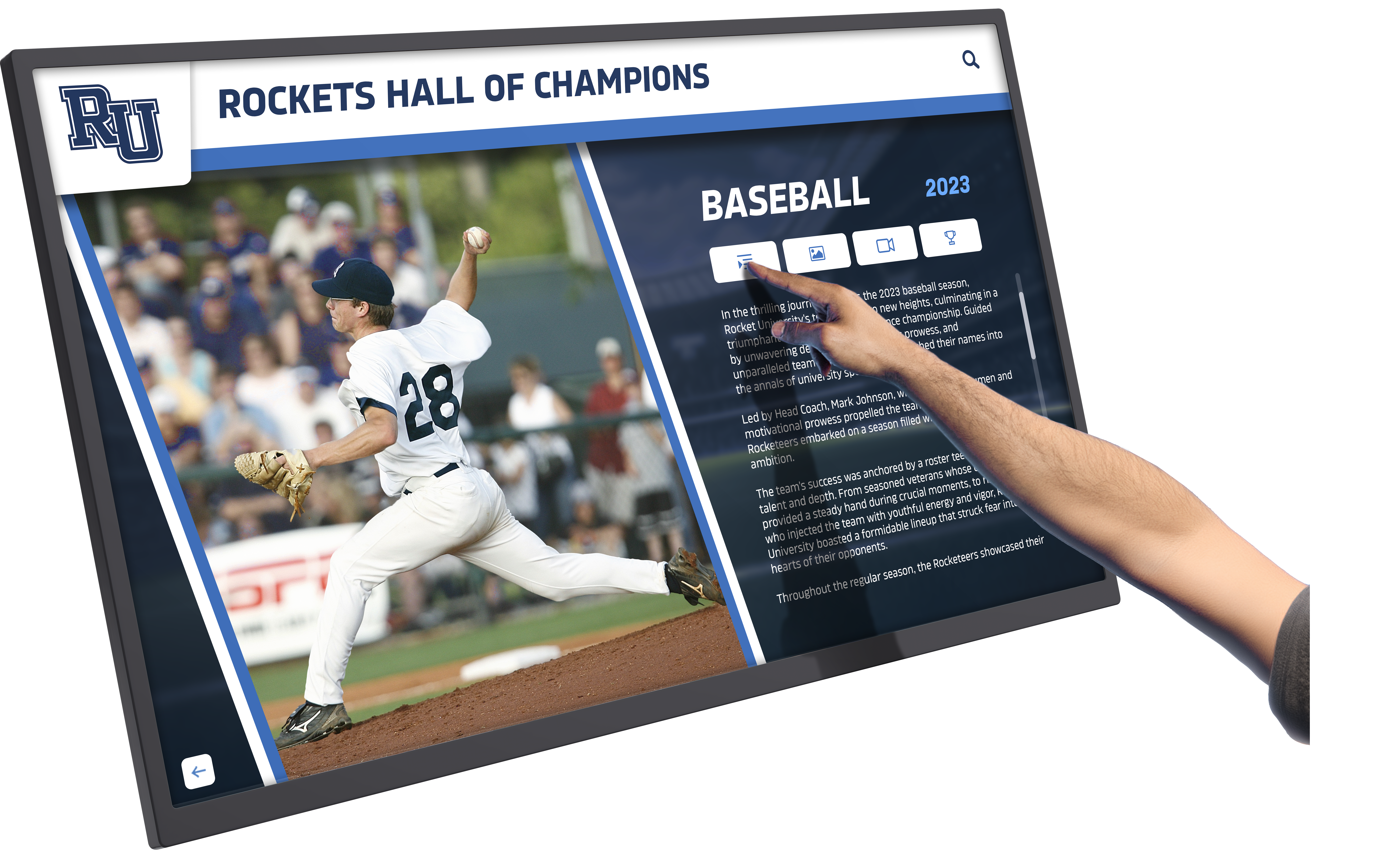
Digital platforms accommodate rich content impossible with traditional recognition plaques including video highlights from JV games and tournaments, photo galleries documenting practices, games, team bonding, and season celebrations, audio recordings of coach reflections on specific seasons or players, historical documents like newspaper clippings about JV tournament success, and statistical data visualizations showing team and individual performance trends.
This multimedia depth brings JV history to life in ways that resonate with modern audiences accustomed to engaging digital content rather than text-only information.
Comparative Analytics:
Interactive systems can present JV achievement in broader contexts through comparisons between different seasons showing program evolution, statistical leaders across multiple years identifying developmental excellence, win percentage trends revealing program strength over time, and connections between coaching tenures and program results.
These analytical views help visitors understand individual seasons within larger program narratives, adding meaningful context to specific team or player achievements.
Implementing JV Basketball Recognition Programs
Creating effective junior varsity recognition requires systematic approaches addressing content development, technical implementation, and ongoing program management.
Content Development Strategies
Building comprehensive JV basketball recognition begins with thorough content gathering across potentially decades of program history.
Historical Research:
Many schools lack complete JV records organized in accessible formats. Effective content development requires systematic research through yearbooks containing team photos and limited season information, school newspaper archives documenting JV games and achievements, coaches’ personal records including season statistics and rosters, parent and alumni personal photo collections, and local newspaper sports sections that covered JV basketball.
This research often reveals forgotten achievements, notable players, or interesting season stories that enrich recognition beyond basic roster listings.
Prioritization Approaches:
Given the extensive work required for complete historical documentation, most programs prioritize content development by starting with recent JV seasons where information remains readily accessible, documenting current season comprehensively to establish baseline for ongoing additions, identifying historically significant JV seasons like notably successful teams or classes that produced multiple varsity standouts, and gradually expanding backward through program history as resources allow.
This phased approach creates usable recognition displays quickly while committing to ongoing historical expansion over time.
Player and Family Engagement:
Former JV athletes and their families often possess photos, stories, and memories that official records lack. Alumni engagement strategies that solicit content contributions from past players significantly enrich recognition quality.
Effective outreach includes social media campaigns requesting photos and stories, alumni event promotions encouraging attendees to share JV memories and materials, direct contact with notable alumni who played JV basketball, and online submission forms making contribution simple and convenient.
This collaborative approach not only gathers valuable content but also builds alumni investment in recognition programs by involving them in documentation of their own basketball histories.
Technology Platform Selection
Choosing appropriate technology platforms significantly affects both initial implementation success and long-term program sustainability.
Digital Display Systems:
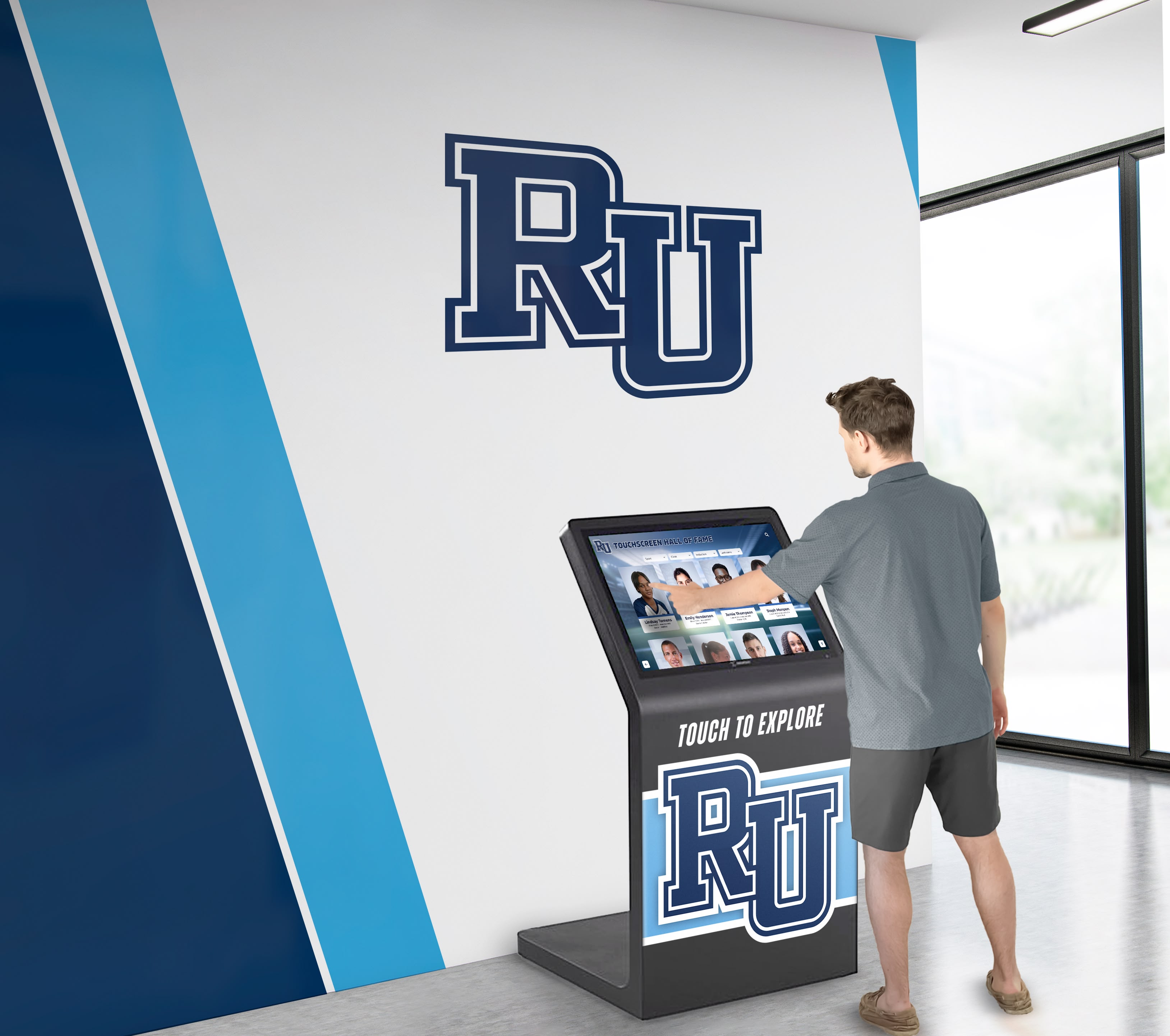
Modern interactive recognition platforms designed specifically for athletic achievements offer features that generic digital signage cannot efficiently replicate. Purpose-built solutions provide sport-specific templates optimized for basketball content, intuitive content management requiring no technical expertise, robust search and filtering designed for athletic recognition, multimedia support for photos, videos, and documents, and proven reliability in educational environments across thousands of installations.
Solutions like Rocket Alumni Solutions specialize in educational athletic recognition, offering comprehensive platforms that make JV basketball recognition practical for schools without dedicated IT departments or technical staff.
Cloud-Based Management:
Cloud platforms enable convenient content management from any internet-connected device, eliminating requirements for specialized software or on-site servers. This accessibility allows coaches, athletic directors, or designated staff members to update JV recognition displays easily throughout seasons as new achievements occur, photos become available, or historical information emerges.
Cloud systems also provide automatic backups ensuring recognition content remains secure, updates across all connected displays simultaneously when schools implement distributed recognition, and access analytics showing how visitors engage with JV basketball content.
Web and Mobile Accessibility:
The most effective recognition systems extend beyond physical displays through responsive web platforms accessible worldwide. This extended access allows JV alumni living anywhere to explore their basketball history, parents to share their children’s team pages on social media, prospective families to research basketball program culture, and community members to engage with program traditions without visiting campus.
This dual presence—physical displays for on-campus inspiration and web access for distributed engagement—maximizes recognition impact while building broader program connections.
Display Location Considerations
Strategic placement significantly affects how effectively JV basketball recognition serves intended purposes.
Primary Basketball Facilities:
Junior varsity displays belong where basketball happens—gymnasiums, practice facilities, locker areas, and athletic department offices. Placing JV recognition in these locations ensures current players encounter displays regularly, creating constant reminders that their developmental efforts matter and will be remembered.
Integrated Athletic Recognition:
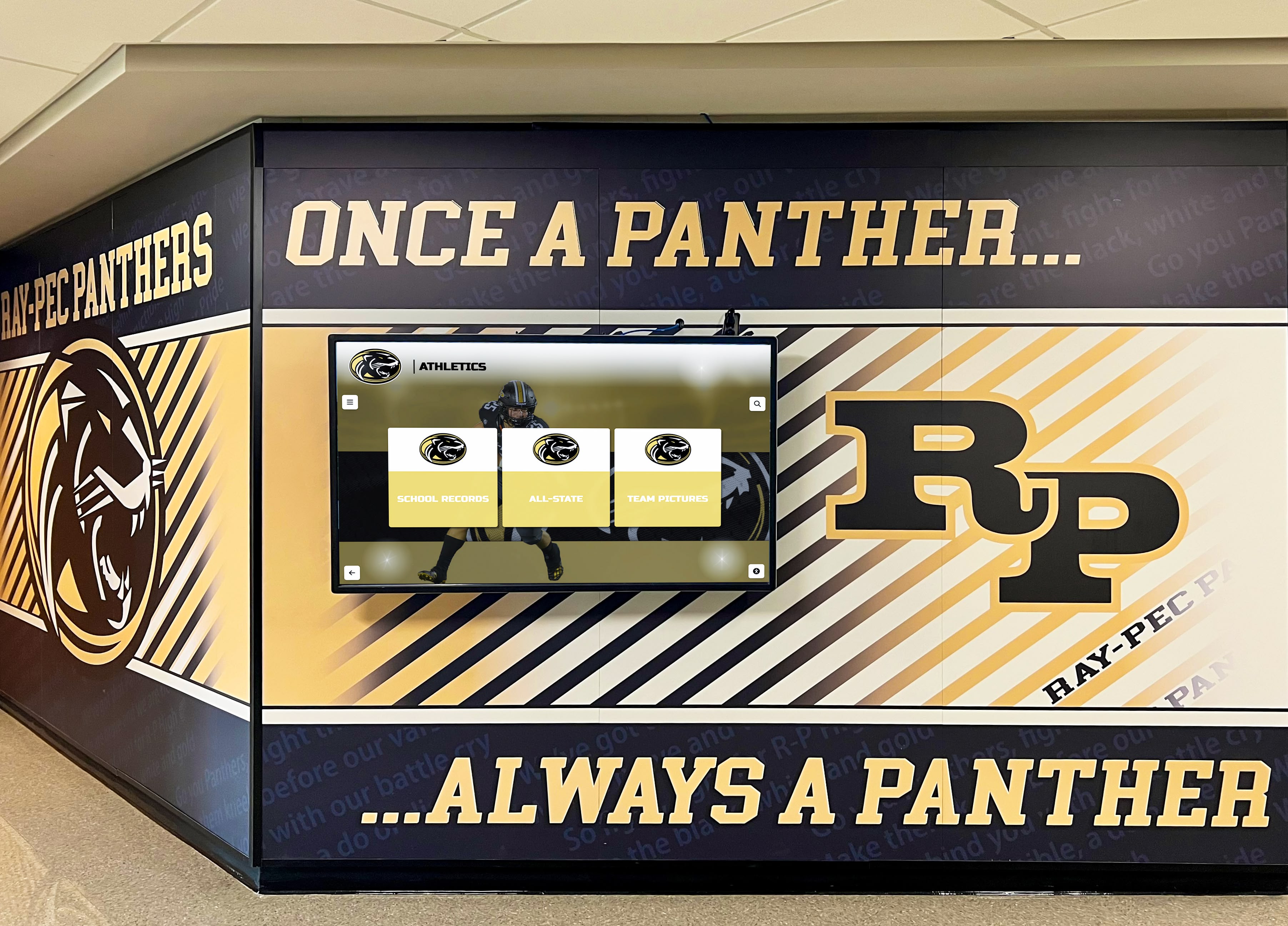
Many schools create comprehensive athletic history displays that include varsity, JV, and freshman levels together. This integrated approach demonstrates institutional commitment to recognizing achievement at all competitive levels while showing program progression as athletes develop through different teams.
Integrated displays often organize content by graduating class, allowing visitors to see complete basketball careers—JV seasons, varsity achievements, post-high school success—in connected narratives rather than fragmented across separate displays.
High-Visibility Community Spaces:
Beyond athletic facilities, consider placing JV recognition in school entrances where prospective students and families first encounter school culture, main hallways with consistent student and visitor traffic, cafeterias and commons areas where students gather informally, and administrative areas visited by parents and community members.
These broader placements communicate that schools value JV achievements as integral parts of institutional identity, not just athletic department interests.
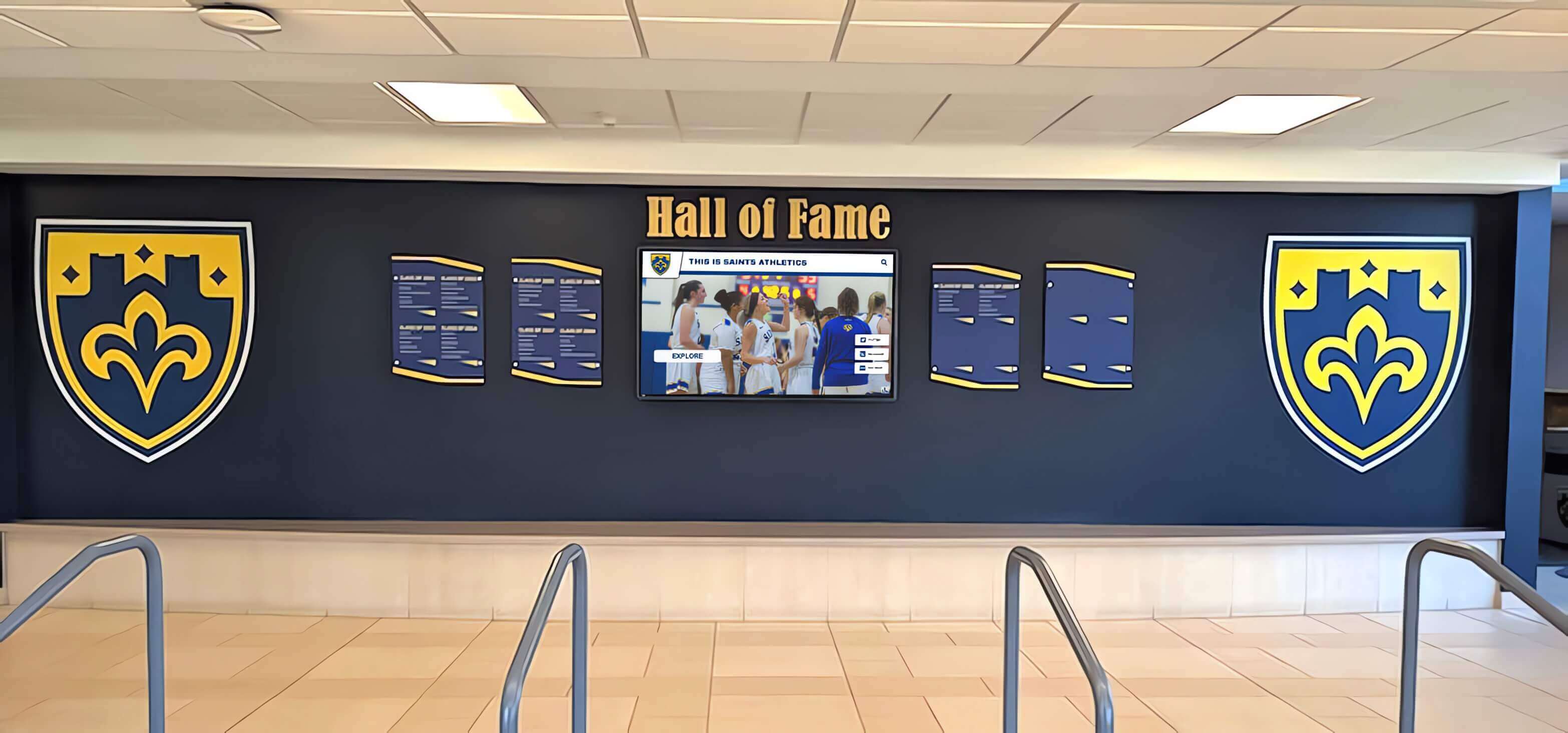
Showcasing JV Basketball Accomplishments
Effective recognition celebrates diverse achievement types reflecting the developmental nature of junior varsity basketball while maintaining standards that preserve recognition prestige.
Team Achievement Recognition
Junior varsity team success deserves celebration paralleling varsity championship recognition, adapted for developmental competitive contexts.
Conference Championships:
JV conference titles represent legitimate team achievements demonstrating consistent excellence throughout seasons. Recognition should include complete team roster and coaching staff, season record highlighting conference performance, tournament results if applicable, and team statistical achievements like points per game or defensive efficiency.
Some programs create specific digital banner recognition for JV conference championships, providing visual acknowledgment similar to varsity championship banners while distinguishing competitive levels appropriately.
Tournament Success:
Many JV teams participate in invitational tournaments or holiday classics that provide competitive opportunities beyond conference play. Tournament championships, runner-up finishes, or notable victories over strong programs merit recognition documenting competitive achievements.
Win Milestones:
Seasons with exceptional records—15+ wins, winning percentages above specific thresholds, or undefeated conference records—represent significant accomplishments worth highlighting. These milestones demonstrate team excellence and coaching effectiveness at developmental levels.
Individual Player Recognition
While JV recognition appropriately emphasizes team development over individual statistics, certain individual achievements warrant specific acknowledgment.
Statistical Excellence:
Players leading JV teams in major categories like scoring average, rebounding, assists, steals, or shooting percentage should receive recognition within season documentation. Unlike varsity record boards tracking all-time statistical leaders, JV recognition typically focuses on season-specific excellence reflecting developmental achievement rather than career accumulation.
Development Awards:
Many JV programs present end-of-season awards recognizing various contributions. Documenting these awards preserves important recognition including most improved player designations celebrating growth, coaches’ awards honoring intangible contributions like leadership or work ethic, most valuable player recognition for season-long excellence, and sportsmanship awards acknowledging character alongside competitive performance.
All-Conference Honors:
Some conferences recognize junior varsity all-conference teams honoring exceptional developmental players. These external validations carry particular significance, as independent recognition from league coaches provides objective acknowledgment of player excellence.
Special Recognition Categories
Comprehensive JV programs can create additional recognition categories celebrating achievements beyond competitive results.
Character and Leadership:
Junior varsity teams often showcase leadership development as athletes gain confidence and learn to guide teammates. Recognition for team captains, players demonstrating exceptional sportsmanship, or athletes who elevated team culture through positive attitude and encouragement communicates that character matters alongside competitive ability.
Academic Excellence:
Many JV programs honor scholar-athletes maintaining high academic standards while competing. Academic all-conference recognition, honor roll achievement, or exceptional grade point averages deserve acknowledgment reinforcing that basketball develops well-rounded individuals rather than only athletes.
Multi-Sport Participation:
Athletes competing in multiple sports while participating in JV basketball exemplify versatility and commitment. Multi-sport athlete recognition within JV basketball displays acknowledges well-rounded athletic participation while JV teams develop players who excel in various athletic contexts.
Creating Engaging JV Basketball Content
The quality and depth of content determine whether recognition displays become valued program resources or underwhelming installations that receive minimal engagement.
Team Season Profiles
Comprehensive team profiles should tell complete seasonal stories rather than simply listing roster names.
Narrative Season Overviews:
Effective JV team profiles include 200-300 word narratives describing season context, key developments, memorable games, and team identity. These narratives might address pre-season expectations and challenges faced, significant mid-season turning points or defining moments, playoff or tournament experiences and lessons learned, team chemistry and memorable bonding experiences, and coach reflections on what made specific teams special.
These written narratives transform roster listings into engaging stories that capture season character and help future viewers understand what made particular JV teams unique.
Game Highlights and Key Moments:
Document memorable individual games or performances including upset victories over higher-ranked teams, comeback wins demonstrating resilience, standout individual performances in critical situations, rivalry game results and significance, and tournament games against unfamiliar opponents.
These specific details provide concrete examples illustrating broader season narratives while creating content that resonates emotionally with team members, families, and communities.
Photo Documentation:
Visual content significantly enhances engagement, particularly when photos capture authentic moments rather than only formal team pictures. Effective JV recognition includes action photography showing athletes competing, team huddles and coaching moments, pregame preparations and warmups, celebration photos after victories, community support at games, and end-of-season banquets or awards ceremonies.
This varied visual documentation brings JV seasons to life in ways that text alone cannot achieve, creating emotional connections that strengthen recognition impact.
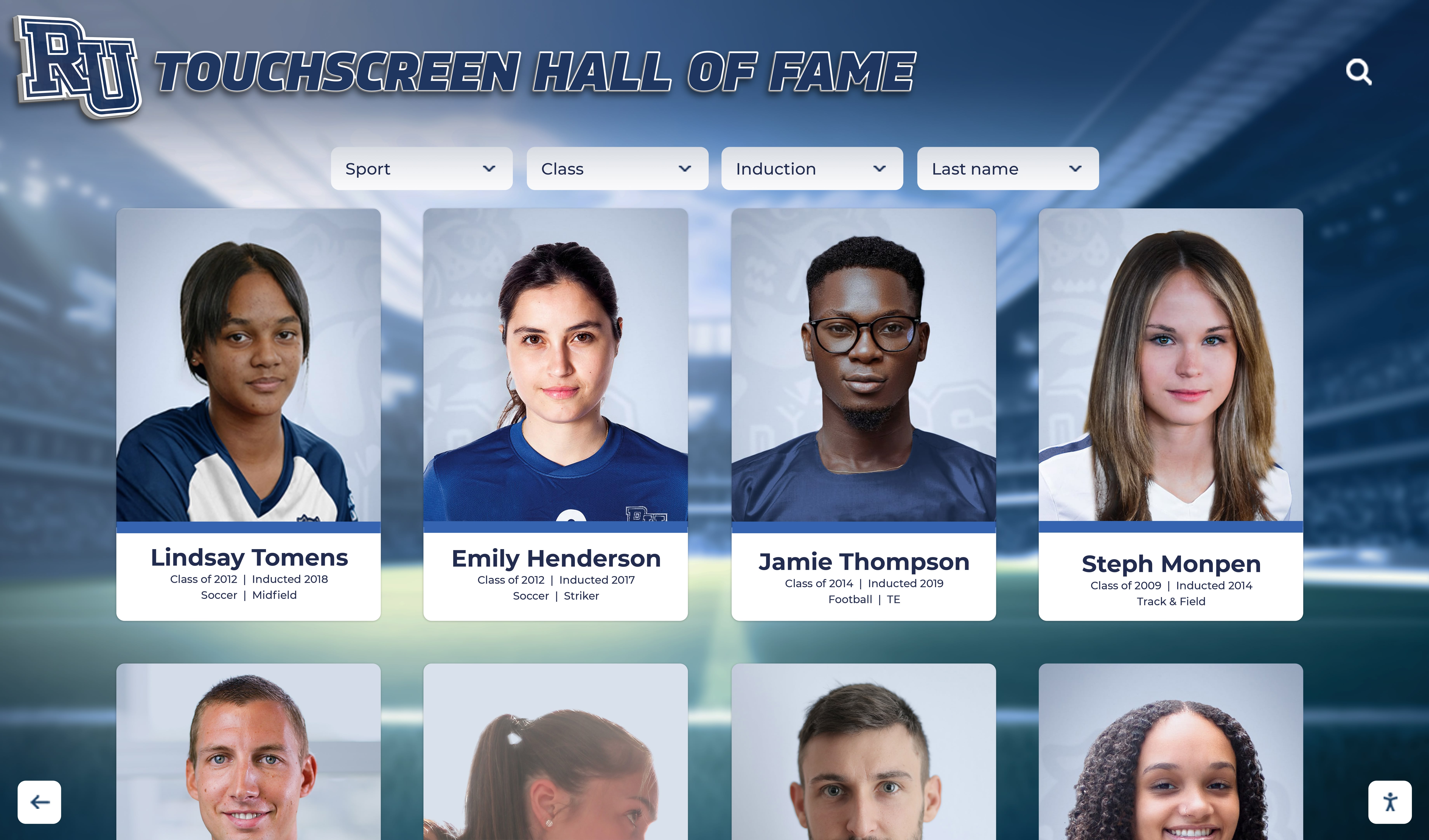
Individual Player Development Stories
At JV levels, player development stories often prove more compelling than statistical achievements, as growth represents the fundamental program purpose.
Skill Development Documentation:
Highlight specific skill improvements individual players demonstrated throughout seasons. These might include shooting percentage improvement from early season through playoffs, defensive capability growth enabling players to guard different positions, ball-handling development allowing increased playmaking responsibilities, basketball IQ advancement visible through better decision-making, or physical conditioning gains supporting improved performance.
Documenting these improvements with specific data—“improved free throw shooting from 58% to 78% throughout season”—provides concrete evidence of development that generic praise cannot match.
Coach Testimonials:
Quotes from coaches about individual players add personal perspectives that statistics and narrative descriptions cannot provide. Effective testimonials describe what coaches observed about player work ethic, detail how athletes overcame specific challenges, explain unique contributions to team success, project player potential based on developmental trajectory, and express appreciation for intangible leadership or character.
These coach voices add authenticity and depth to player profiles while demonstrating that developmental programs provide personalized attention to individual athletes.
Player Reflections:
When possible, include brief quotes from players themselves reflecting on JV experiences, lessons learned, favorite memories, or teammates who influenced their development. These first-person perspectives provide authenticity that third-person descriptions lack, creating content that resonates particularly strongly with current JV athletes who see themselves in previous players’ experiences.
Connecting JV History to Broader Program Success
The most powerful JV recognition connects developmental achievements to subsequent success, demonstrating how foundational experiences contribute to later excellence.
Tracking Player Progression
One compelling recognition element traces individual athletes from JV through varsity and beyond, creating narratives showing program development pipelines functioning effectively.
JV to Varsity Advancement:
Document which JV players advanced to varsity rosters in subsequent years, when this advancement occurred, and what roles athletes filled. This progression documentation proves to current JV players that developmental programs truly prepare athletes for higher competitive levels rather than serving as dead-end positions for athletes never advancing.
Varsity Achievement After JV Experience:
Highlight JV alumni who achieved significant varsity success like becoming varsity starters or captains after JV development, earning all-conference or all-state recognition, setting school records or achieving statistical milestones, contributing to varsity championship teams, or receiving college athletic scholarships.
These success stories provide aspirational models for current JV athletes while validating program development effectiveness.
Post-High School Success:
Some JV alumni achieve notable success beyond high school including college athletic careers at various competitive levels, professional athletic opportunities in basketball or other sports, coaching careers where former JV players return as high school or youth coaches, or notable professional achievements in non-athletic careers.
This broader success documentation demonstrates that JV basketball develops life skills, work ethic, and character extending well beyond basketball courts—outcomes that justify program investment even for athletes who never achieve varsity stardom.
Celebrating Program Builders
Comprehensive JV recognition honors individuals who built developmental program success beyond just players.
Coaching Excellence:
JV coaches often receive insufficient recognition despite their critical roles in player development. Effective displays honor JV coaching contributions through career statistics including overall records, seasons coached, conference championships won, and players developed who later achieved varsity success, coach profiles describing coaching philosophies and development approaches, testimonials from former players about coaching impact, and recognition when JV coaches advance to varsity positions or achieve broader coaching success.
This coaching recognition validates developmental program importance while acknowledging that JV success requires quality coaching, not just talented players.
Program Support:
Many individuals support JV programs through volunteer efforts, financial contributions, or other essential support. Recognition for team parents who coordinated travel or fundraising, booster club members who funded equipment or facilities, community volunteers who assisted with various program needs, and local businesses who sponsored JV teams or events creates inclusive recognition acknowledging that successful programs require broad community support.
Technology Features Enhancing JV Basketball Recognition
Modern digital recognition platforms offer specific capabilities that significantly enhance junior varsity basketball displays beyond what traditional physical recognition can achieve.
Unlimited Recognition Capacity
Physical space constraints force difficult recognition choices—which teams to display, which players to highlight, how much information to include. Digital systems eliminate these limitations entirely.
A single touchscreen display can comprehensively document decades of JV basketball including complete team rosters for every season, detailed player profiles with statistics, development stories, and photos, season narratives with game highlights and memorable moments, coaching staff recognition across all years, and historical context about program evolution.
This unlimited capacity ensures no JV athlete or season goes unrecognized due to physical display constraints—particularly important for developmental programs where comprehensive recognition matters more than selective highlighting of exceptional achievements.
Easy Content Management
Many schools hesitate to implement recognition programs because they anticipate difficult ongoing maintenance. Modern platforms designed for educational recognition provide intuitive content management requiring no technical expertise.
Cloud-based systems allow coaches, athletic staff, or designated administrators to add new JV content immediately after seasons conclude, update player profiles when alumni achieve notable accomplishments, correct errors or add missing information as it emerges, and organize content through user-friendly interfaces rather than complex database management.
This management simplicity ensures JV recognition remains current rather than becoming outdated as maintaining displays grows burdensome.
Engagement Analytics
Digital platforms provide usage data revealing how visitors interact with JV basketball recognition—information impossible with traditional displays. Analytics show total interactions indicating overall engagement levels, most-viewed content revealing which teams or players generate highest interest, search patterns demonstrating what visitors seek, session duration indicating engagement depth, and visitor return rates showing sustained interest.
These metrics help athletic departments understand recognition impact while identifying content that resonates most strongly with audiences, informing ongoing development strategies.
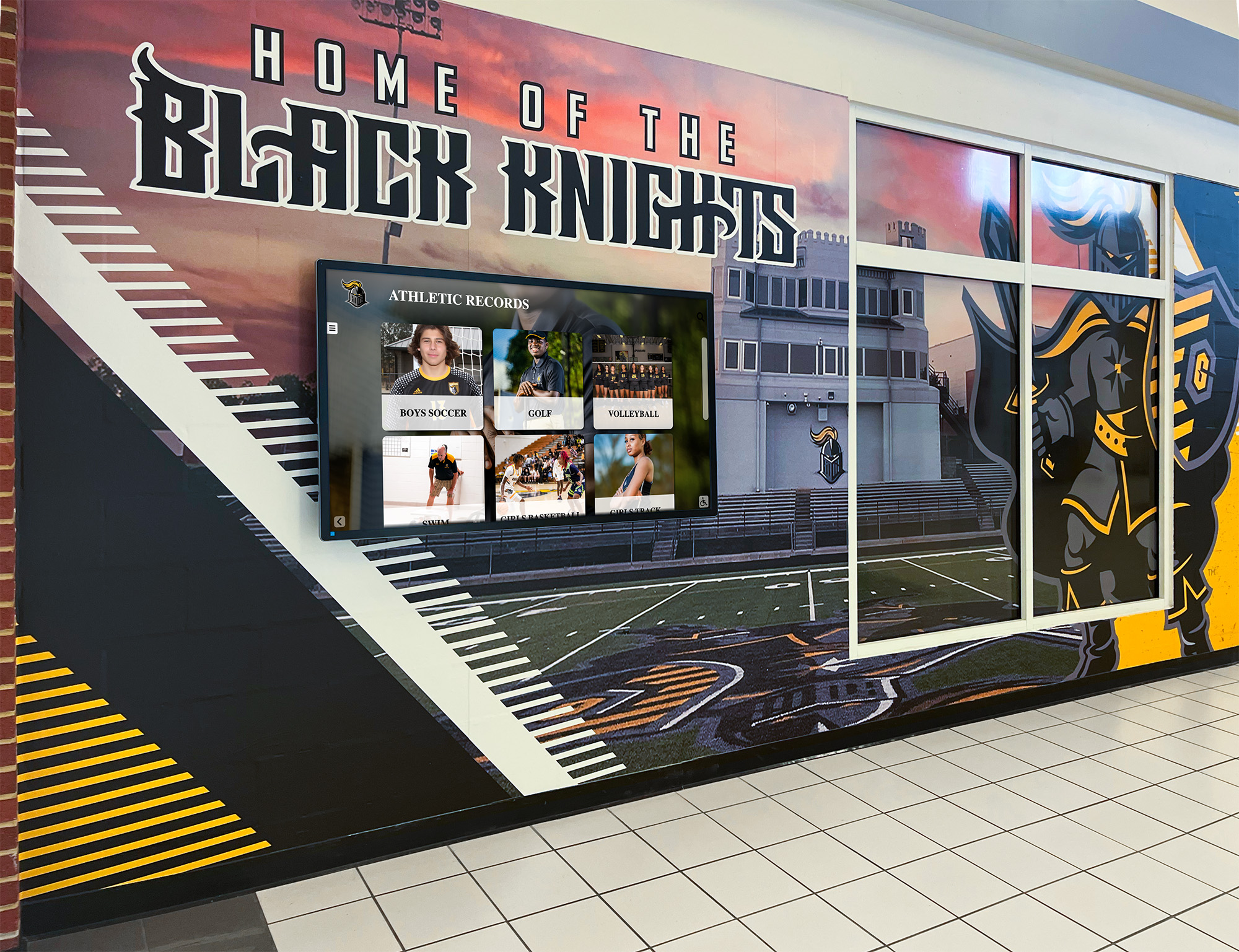
Best Practices for Sustainable JV Recognition Programs
Long-term success requires thoughtful approaches ensuring JV recognition remains vibrant and relevant across years and leadership transitions.
Establishing Clear Recognition Standards
Creating fair, transparent criteria prevents confusion and maintains program credibility.
Inclusion Criteria:
Define which JV seasons and athletes receive recognition. Most programs recognize all JV team members each season regardless of playing time, acknowledging program participation itself deserves recognition at developmental levels.
This inclusive approach distinguishes JV recognition from selective varsity halls of fame, communicating that developmental programs value all contributors rather than only top performers.
Content Standards:
Establish consistent standards for content quality and depth. All team profiles should include minimum information sets like complete rosters, season records, coaching staff, and team photos, while individual player recognition typically requires specific achievement thresholds like season-ending awards, statistical leadership, or notable development.
These documented standards ensure consistency across different seasons and personnel responsible for content management.
Maintaining Consistent Updates
Programs lose effectiveness when recognition grows stale due to inconsistent maintenance.
Annual Addition Schedules:
Establish regular processes for adding new content. Many programs update recognition within 3-4 weeks of season conclusions when information remains fresh and accessible. This timing ensures current players receive prompt recognition while memories and photos are readily available.
Historical Expansion Plans:
For schools documenting past JV seasons, create systematic approaches for gradually expanding backward through history rather than attempting comprehensive documentation simultaneously. Steady historical expansion demonstrates ongoing commitment while managing workload realistically.
Integrating JV Recognition with Broader Athletics
Maximum value comes from connecting junior varsity basketball recognition to comprehensive athletic recognition strategies.
Multi-Sport Platforms:
Schools often benefit from integrated athletic recognition platforms that include basketball alongside other sports rather than creating separate systems for each program. This integration creates consistent visitor experiences while sharing platform costs across multiple teams.
Solutions like school hall of fame walls designed for comprehensive athletic recognition make multi-sport integration practical through sport-specific filtering and navigation that maintains clear distinctions between different programs.
Connection to School History:
Junior varsity basketball recognition becomes more powerful when connected to broader school history through links to specific graduating classes, connections to facility evolution and renovations, integration with alumni achievement across academics and activities, and ties to community history and traditions.
These connections position JV basketball as part of broader institutional narratives rather than isolated athletic accomplishments.
Measuring JV Recognition Program Success
Effective programs assess impact through multiple indicators demonstrating value beyond anecdotal appreciation.
Quantitative Success Metrics
Track measurable indicators revealing program reach including number of JV athletes recognized across all documented seasons, content volume measured by team profiles, player pages, and multimedia elements, engagement statistics from digital platforms showing visitor interactions, social media reach when content is shared through school channels, and annual update consistency demonstrating sustained program maintenance.
Growing recognition breadth and sustained engagement suggest programs successfully achieve intended purposes.
Qualitative Impact Assessment
Beyond numbers, evaluate recognition effect on program culture through current JV player feedback about motivation and inspiration, coach observations regarding team morale and commitment, parent satisfaction with developmental program recognition, alumni engagement as former JV players connect with basketball history, and community perception of basketball program comprehensiveness and quality.
These qualitative indicators reveal whether recognition achieves its fundamental purpose of honoring JV contributions while strengthening basketball program culture.
Program Development Indicators
Monitor broader trends potentially influenced by enhanced JV recognition including basketball program participation rates across all levels, player retention from JV through varsity programs, competitive performance trends at both JV and varsity levels, alumni engagement with basketball program through mentoring or support, and fundraising success as community support strengthens for programs demonstrating values beyond varsity victories.
While multiple factors affect these outcomes beyond recognition alone, positive trends may partially reflect cultural impact from visible acknowledgment celebrating development and comprehensive achievement.
Conclusion: Honoring Every Level of Basketball Achievement
Junior varsity basketball teams represent essential program foundations where young athletes develop skills, learn competitive basketball, and begin journeys that often lead to varsity excellence and lifelong appreciation for the sport. These developmental contributions deserve recognition matching their importance to program success—comprehensive acknowledgment demonstrating that schools value growth, teamwork, and commitment at all competitive levels, not just varsity championships.
Interactive digital displays make thorough JV basketball recognition practical by providing unlimited capacity that accommodates complete team documentation across decades, rich multimedia storytelling bringing seasons and player development to life, intuitive management allowing easy ongoing updates, web accessibility extending recognition beyond physical campuses, and measurable engagement data demonstrating recognition impact.
Schools implementing comprehensive JV basketball recognition create stronger program cultures, motivate developmental athletes through visible acknowledgment, preserve complete basketball histories honoring all contributors, and demonstrate institutional values extending beyond competitive victories to embrace athlete development at every level.
Solutions like Rocket Alumni Solutions offer purpose-built platforms specifically designed for comprehensive athletic recognition including developmental programs, with features that make JV basketball history accessible, engaging, and sustainable across years of ongoing additions and evolution.
Celebrate Your Complete Basketball Program
Discover how Rocket Alumni Solutions can help you create interactive displays that honor JV basketball achievement alongside varsity excellence, building program culture that values development at every level.
Schedule Your Free DemoEvery junior varsity athlete who dedicates afternoons to practice, commits to team success, and develops skills through competitive experience contributes to basketball program excellence. Their contributions deserve recognition honoring developmental achievement as integral to program traditions—not footnotes to varsity success stories. The question isn’t whether JV basketball matters, but whether your recognition approach reflects that importance through comprehensive celebration of every level of achievement.
Ready to transform how your school honors junior varsity basketball? Explore how interactive digital displays can preserve JV history, motivate current developmental athletes, and strengthen the basketball program culture that values growth alongside competitive excellence.































