Lacrosse all stars represent the pinnacle of achievement in one of America's fastest-growing sports. From high school players earning All-American honors to collegiate athletes selected for national recognition, these achievements deserve celebration that matches their significance. Yet many schools and programs struggle to adequately honor lacrosse excellence, with achievements fading from memory soon after seasons end.
Lacrosse has experienced remarkable growth over the past two decades, evolving from a regional sport concentrated in the Northeast and Mid-Atlantic to a truly national athletic pursuit. As participation has expanded, so too have the opportunities for elite players to earn recognition through All-American selections, All-Academic honors, conference awards, and various all-star designations. These achievements represent not just individual excellence but also the countless hours of practice, team dedication, and program quality that make such recognition possible.
Understanding how to effectively recognize lacrosse all stars involves more than simply announcing honors at end-of-season banquets. It requires creating permanent displays, maintaining comprehensive records, inspiring younger players, and building systems that keep these achievements visible for years to come. This comprehensive guide explores everything schools and programs need to know about lacrosse all stars recognition.
Understanding Lacrosse All Stars Recognition
Lacrosse all stars recognition encompasses several distinct honor categories, each representing different aspects of excellence within the sport.
USA Lacrosse All-American Selections
USA Lacrosse, the national governing body for men’s and women’s lacrosse, sponsors All-American awards that recognize players who exhibit superior skills and techniques. These athletes possess exceptional game sense and knowledge, representing the best players within their respective regions while embodying excellent sportsmanship.
The selection process for USA Lacrosse All-Americans is rigorous and comprehensive. Regional committees composed of coaches, officials, and lacrosse experts evaluate player performance throughout the season. Nominees must demonstrate consistent excellence, not just single-game performances. The selection criteria include technical skill mastery, tactical understanding, physical abilities, leadership qualities, and sportsmanship both on and off the field.
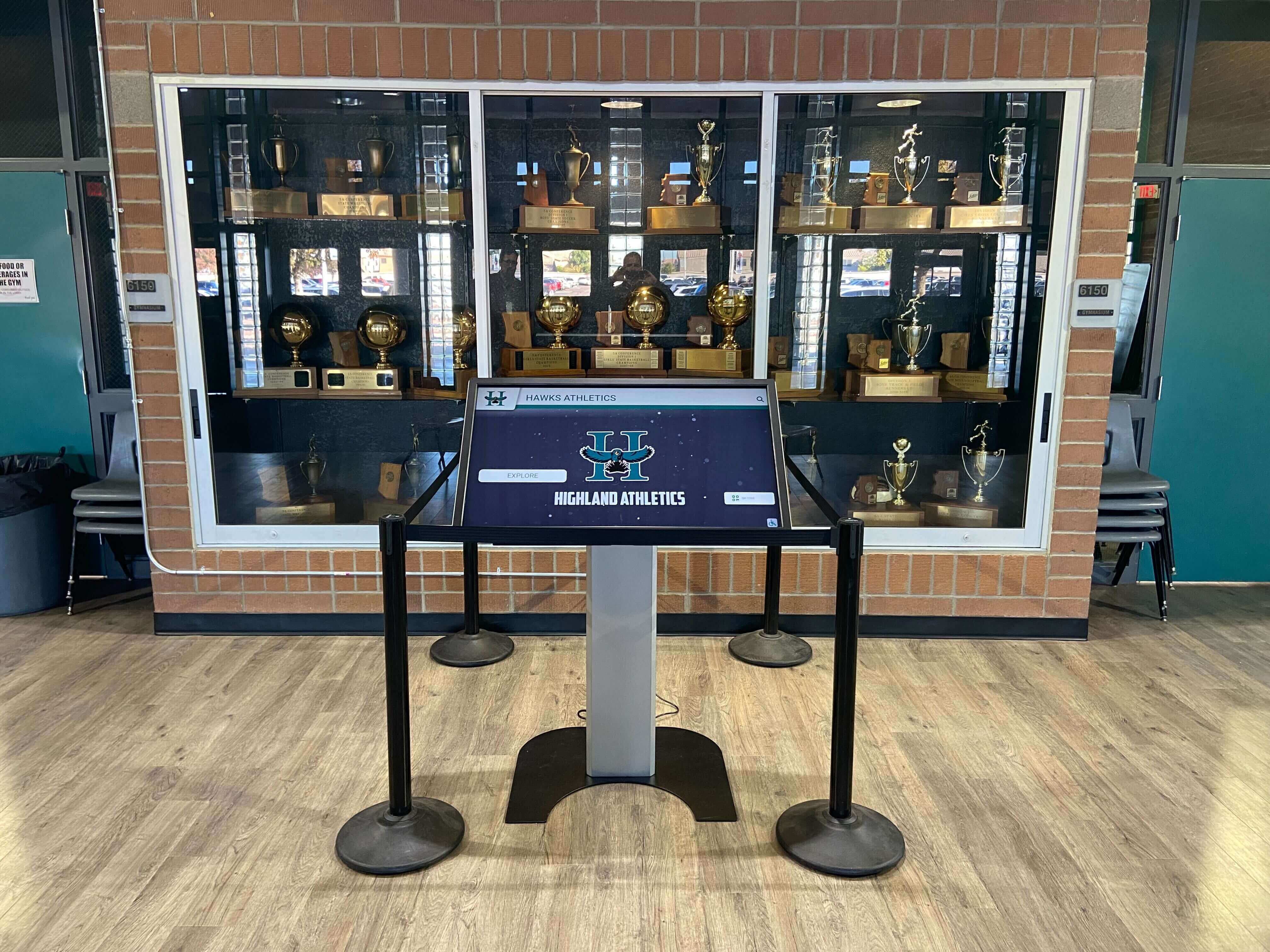
Each year, approximately 44 of the very best high school lacrosse players are selected to represent the sport in All-Star games, providing these elite athletes with opportunities to compete alongside and against their peers from across the nation. These showcase events not only celebrate achievement but also serve as important recruiting opportunities where college coaches can evaluate top talent in concentrated settings.
All-Academic Lacrosse Recognition
Academic excellence receives special recognition through USA Lacrosse All-Academic honors. These awards celebrate student-athletes who excel both on the field and in the classroom, embodying the true student-athlete ideal. In recent years, more than 500 boys and 500 girls have earned All-Academic recognition annually, demonstrating the depth of talent achieving at high levels academically.
The criteria for All-Academic honors typically require a minimum cumulative GPA of 3.7 out of 4.0, though specific requirements may vary by division and level. Players must maintain academic excellence throughout their high school careers while simultaneously competing at elite athletic levels. This dual achievement reflects exceptional time management, dedication, and character.
Schools implementing academic recognition programs report that visible celebration of scholar-athletes reinforces institutional priorities and encourages other athletes to pursue academic excellence alongside athletic achievement.
Conference and State All-Star Selections
Beyond national recognition, many lacrosse players earn conference all-star and all-state selections. These honors recognize the top performers within specific geographic regions or competitive conferences. Conference all-star teams typically include first team, second team, and honorable mention selections across various positions including attack, midfield, defense, and goalie.
All-state selections carry particular prestige because they represent recognition as the best players across an entire state’s competitive landscape. State athletic associations and lacrosse coaches associations collaborate to identify athletes who demonstrated exceptional performance throughout the season. The selection process considers statistical achievements, team success, strength of competition, and overall impact on games.
Common Lacrosse Recognition Categories
- USA Lacrosse All-American (National)
- USA Lacrosse All-Academic (National)
- All-State First Team, Second Team, Honorable Mention
- All-Conference selections by position
- All-Region teams
- All-Tournament honors
- Position-specific awards (Offensive Player, Defensive Player, Goalie of the Year)
- Leadership and Sportsmanship awards
Selection Criteria Factors
- Statistical performance (goals, assists, saves, ground balls)
- Impact on team success and championships
- Quality of competition faced
- Consistency throughout the season
- Leadership and character
- Academic achievement for scholar-athlete honors
- Sportsmanship and conduct
- Coach and peer nominations
Why Proper Recognition Matters for Lacrosse All Stars
Celebrating lacrosse all stars serves multiple important purposes within athletic programs and school communities.
Validating Years of Dedication
Earning all-star recognition in lacrosse represents the culmination of years of commitment. Players who achieve these honors typically began playing in elementary or middle school, spent countless hours in practice, attended specialized camps and clinics, played on club teams in addition to school teams, and often specialized in lacrosse at the expense of other athletic opportunities.
Proper recognition validates this extraordinary investment of time and effort. It provides tangible acknowledgment that their dedication produced meaningful results. For many student-athletes, all-star recognition represents the highest honor they’ll achieve in competitive athletics, making it especially important that schools celebrate these achievements appropriately.
Motivating Younger Players
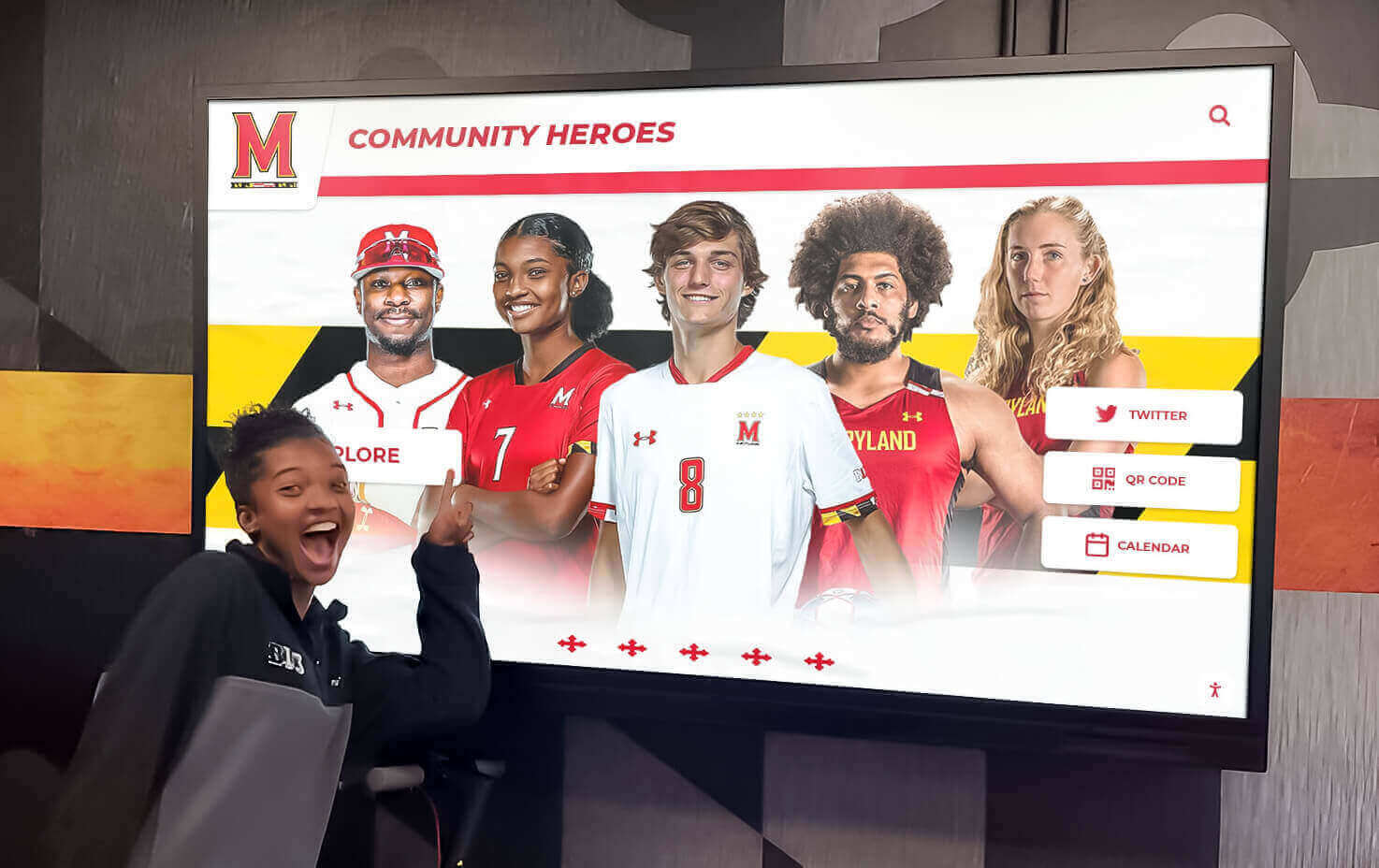
When schools prominently display lacrosse all-star achievements, they create visible goals for younger players to pursue. Freshmen and sophomores who see alumni and upperclassmen recognized for their accomplishments gain concrete benchmarks to work toward. The recognition transforms abstract concepts of “excellence” into specific, achievable targets.
Coaches consistently report that visible all-star recognition becomes integral to program culture. Players discuss who might earn all-conference honors in the upcoming season. Underclassmen identify specific records or achievements they’re pursuing. Position groups compete to have multiple players earn recognition. This goal-oriented mentality drives individual development and team performance.
Research on student recognition programs shows that visible achievement displays significantly impact student motivation and goal-setting behavior across both athletic and academic domains.
Supporting College Recruiting
College lacrosse coaches actively monitor All-American selections, All-Academic honors, and all-state teams when identifying recruiting prospects. Players who earn these distinctions immediately gain credibility with college programs because the external validation confirms their abilities.
Schools that maintain updated, accessible records of their lacrosse all stars make it easier for college programs to discover their talent. Digital recognition systems can include athletic statistics, position information, academic credentials, and contact details that facilitate the recruiting process. Some advanced platforms even integrate highlight videos, allowing recruiters to quickly evaluate player abilities.
Many programs have found that implementing college recruiting displays creates opportunities that might otherwise be missed. When college coaches visit to evaluate one player, comprehensive recognition displays often lead them to discover additional talented athletes worthy of recruitment consideration.
Building Program Reputation
Lacrosse programs develop reputations based partly on the all-star honors their players consistently earn. Programs known for regularly producing All-Americans, scholar-athletes, and conference standouts become destinations for serious lacrosse players seeking high-level competition and development.
This reputation affects multiple stakeholder groups. Prospective families choose schools partly based on athletic program quality. Community members take pride in programs that compete successfully and produce recognized athletes. Alumni maintain stronger connections to programs that properly honor achievement. Booster clubs find fundraising easier when they can point to visible program success.
Traditional vs. Modern Lacrosse Recognition Methods
Schools face important choices about how to recognize lacrosse all stars. Understanding both traditional and contemporary approaches helps programs make informed decisions.
Traditional Recognition Approaches
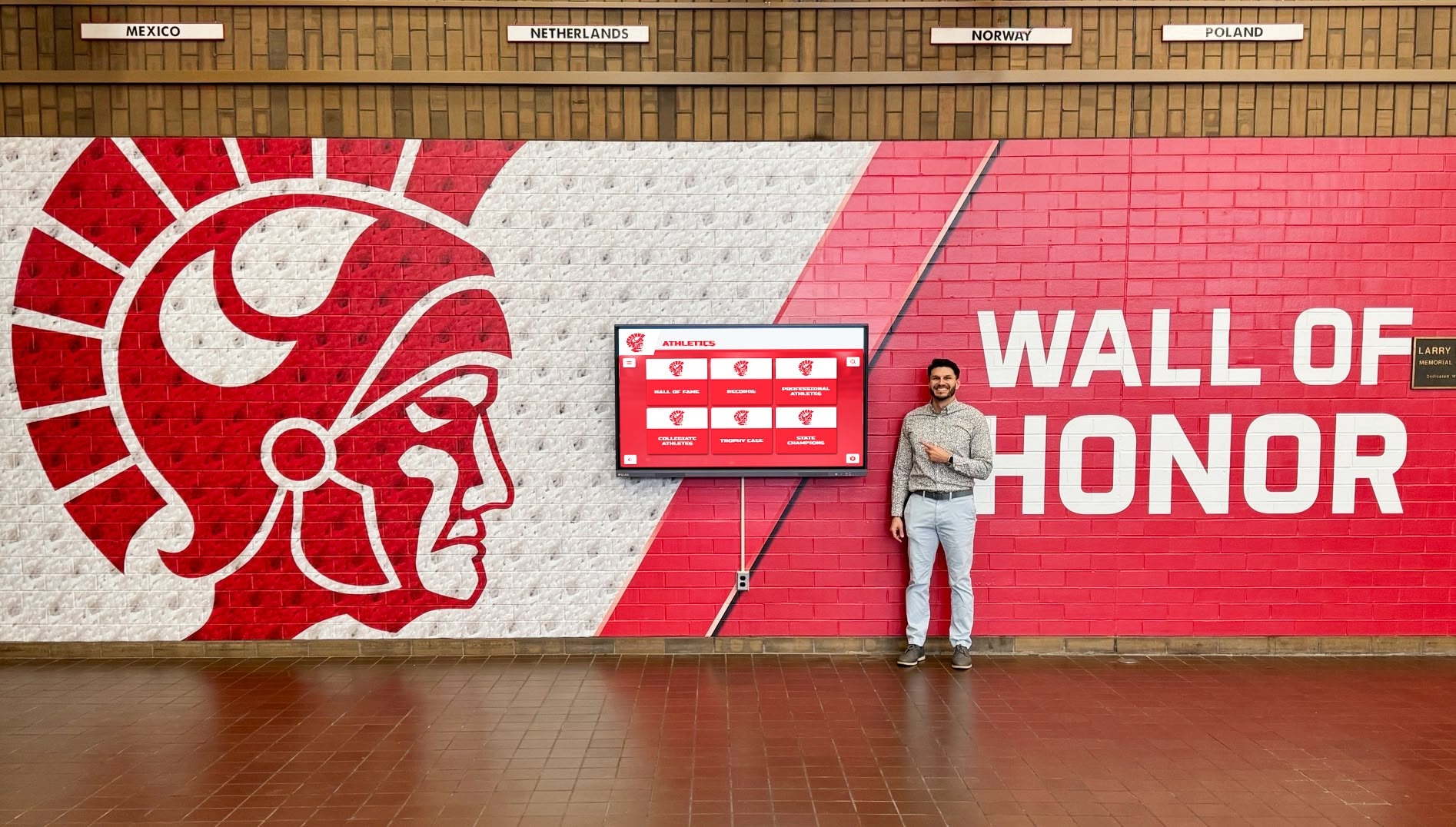
Many lacrosse programs have relied on conventional methods to honor all-star athletes. Physical plaques mounted in trophy cases list players who earned All-American or all-state honors. Gymnasium or fieldhouse walls display painted names of conference all-stars. Banners hanging from rafters celebrate championship teams and recognized players. Yearbooks and media guides document annual achievements.
These traditional approaches offer certain advantages. Physical plaques and painted walls convey permanence and create tangible connections to program history. Traditional displays require no ongoing technology maintenance or electrical power. For programs with limited budgets and only occasional all-star selections, simple plaques represent affordable recognition options.
However, traditional displays present significant limitations that become increasingly problematic as programs grow and achievements accumulate. Physical space constraints eventually force difficult decisions about what to display and what to archive. Each update requires physical modification—engraving new plaques, repainting record boards, or adding new banners. The cost of these updates accumulates substantially over years.
Advantages of Traditional Recognition
- Permanent physical presence
- No technology requirements or learning curve
- Strong emotional connection to tradition
- Works during power outages
- Lower initial costs for small-scale recognition
- Aesthetic appeal of classic displays
Limitations of Traditional Recognition
- Physical space constraints limit capacity
- Expensive and time-consuming to update
- Cannot include multimedia content
- Difficult to search or navigate
- Limited to names and basic information
- Physical deterioration over time
- Only accessible to people physically present
Digital Recognition Systems for Lacrosse
Modern digital displays transform how schools can recognize lacrosse all stars. Interactive touchscreen systems, cloud-based content management, and multimedia capabilities create recognition experiences impossible with traditional approaches.
Digital lacrosse recognition displays offer virtually unlimited capacity to showcase honored athletes. A single touchscreen can present hundreds of player profiles, complete with photos, statistics, honors, and biographical information. When new players earn all-star recognition, updates happen within minutes through web-based management interfaces, eliminating physical modification costs and delays.
Interactive features distinguish digital systems from static displays. Visitors can search for specific athletes by name, filter displays by year or honor type, browse by position to see attack, midfield, defense, and goalie honorees separately, view career statistics and achievements in detail, and access related content about teams, seasons, and championships.
Solutions like Rocket Alumni Solutions specialize in creating digital recognition systems optimized for lacrosse programs. These platforms include sport-specific templates designed to showcase lacrosse statistics and achievements effectively. Schools can update content remotely, adding new all-star athletes as honors are announced without requiring physical access to displays.
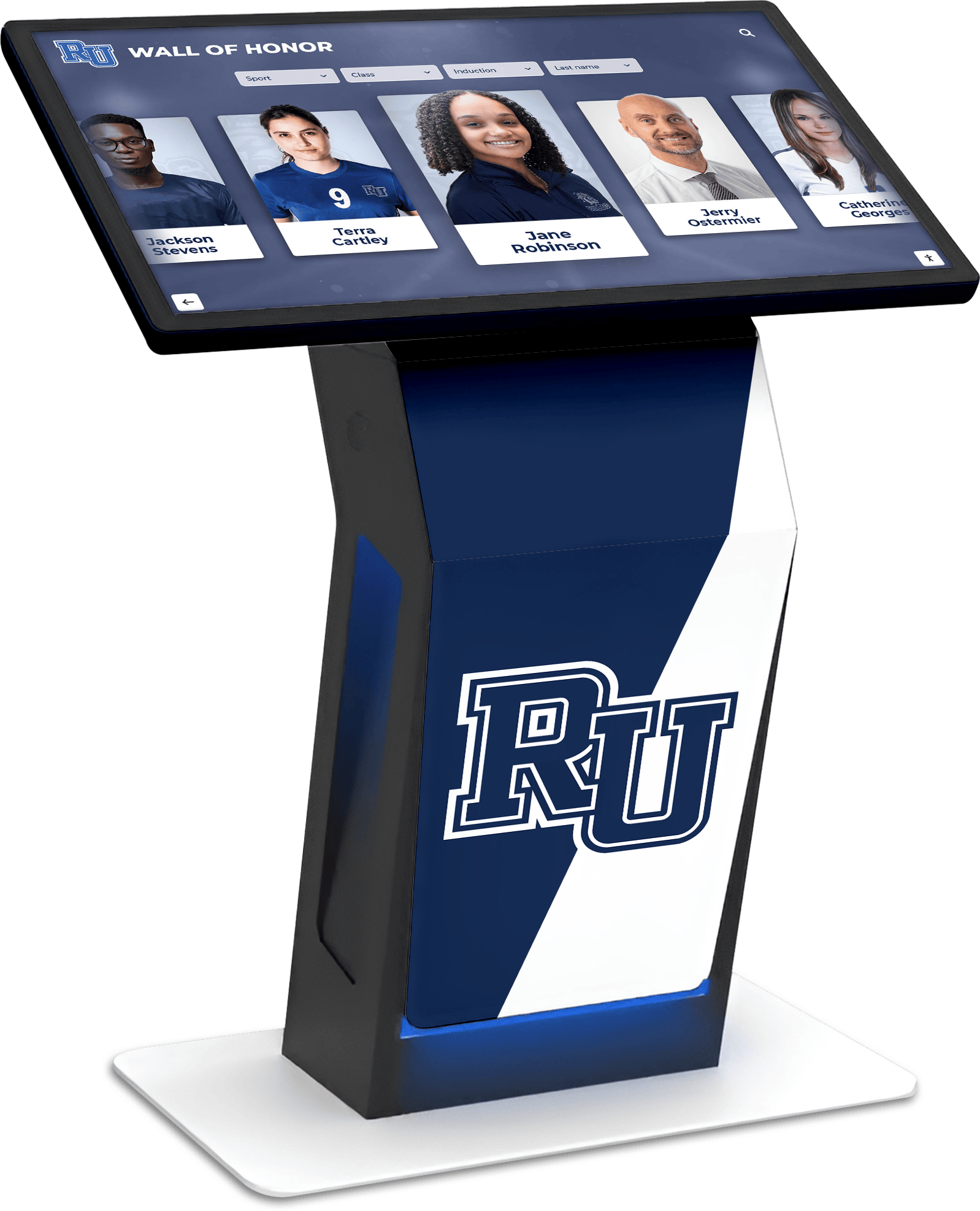
The multimedia capabilities of digital systems enable rich storytelling about lacrosse all stars. High-resolution action photos show athletes competing. Video highlights capture game-changing plays and championship moments. Career timelines present progression from freshman to all-star performer. Quote overlays share perspectives from players, coaches, and teammates. This comprehensive storytelling honors athletes more completely than name-and-year plaques.
Many digital recognition systems also extend beyond physical displays to include web and mobile access. Alumni can explore their school’s lacrosse history from anywhere in the world. Parents can share their child’s all-star recognition with extended family. Prospective students researching programs can view athletic achievement histories. This expanded accessibility dramatically increases recognition reach and impact.
Hybrid Approaches for Comprehensive Recognition
Many lacrosse programs find that combining traditional and modern recognition creates optimal results. A traditional banner or painted wall might honor USA Lacrosse All-Americans, while a digital display provides comprehensive information about all conference, state, and academic honors. This hybrid approach respects tradition while embracing enhanced capabilities.
The key consideration is ensuring that lacrosse all-star recognition remains visible, accessible, and comprehensive. Whether through traditional plaques, modern digital displays, or combinations of both, the goal is creating systems that properly honor achievement while inspiring future generations of players.
Implementing Lacrosse All Stars Recognition Programs
Creating effective lacrosse recognition requires systematic planning and ongoing commitment.
Establishing Recognition Criteria
The foundation of any recognition program involves clearly defining which achievements will be honored. Lacrosse programs should document their criteria in writing and communicate them clearly to athletes, coaches, and parents.
Key Criteria Questions
- Which all-star selections will we recognize (All-American, All-State, All-Conference)?
- Will we include academic honors alongside athletic achievements?
- How will we recognize different levels (First Team vs. Second Team vs. Honorable Mention)?
- Will we honor both boys' and girls' lacrosse equally?
- Should we include club lacrosse achievements or only school-sponsored teams?
- How will we verify all-star selections from official sources?
- Who is responsible for maintaining and updating recognition displays?
- What timeline will we follow for adding new honorees each year?
Clear criteria prevent confusion and ensure consistent treatment across seasons and coaching changes. They also create transparency, helping athletes understand exactly what they need to achieve to earn recognition.
Researching Historical Achievements
Programs implementing new recognition systems should invest time researching historical all-star selections. This research might involve reviewing old yearbooks and program guides, interviewing long-time coaches and athletic staff, consulting with alumni who may have records or memories, searching local newspaper archives for all-star announcements, and contacting state lacrosse associations for historical records.
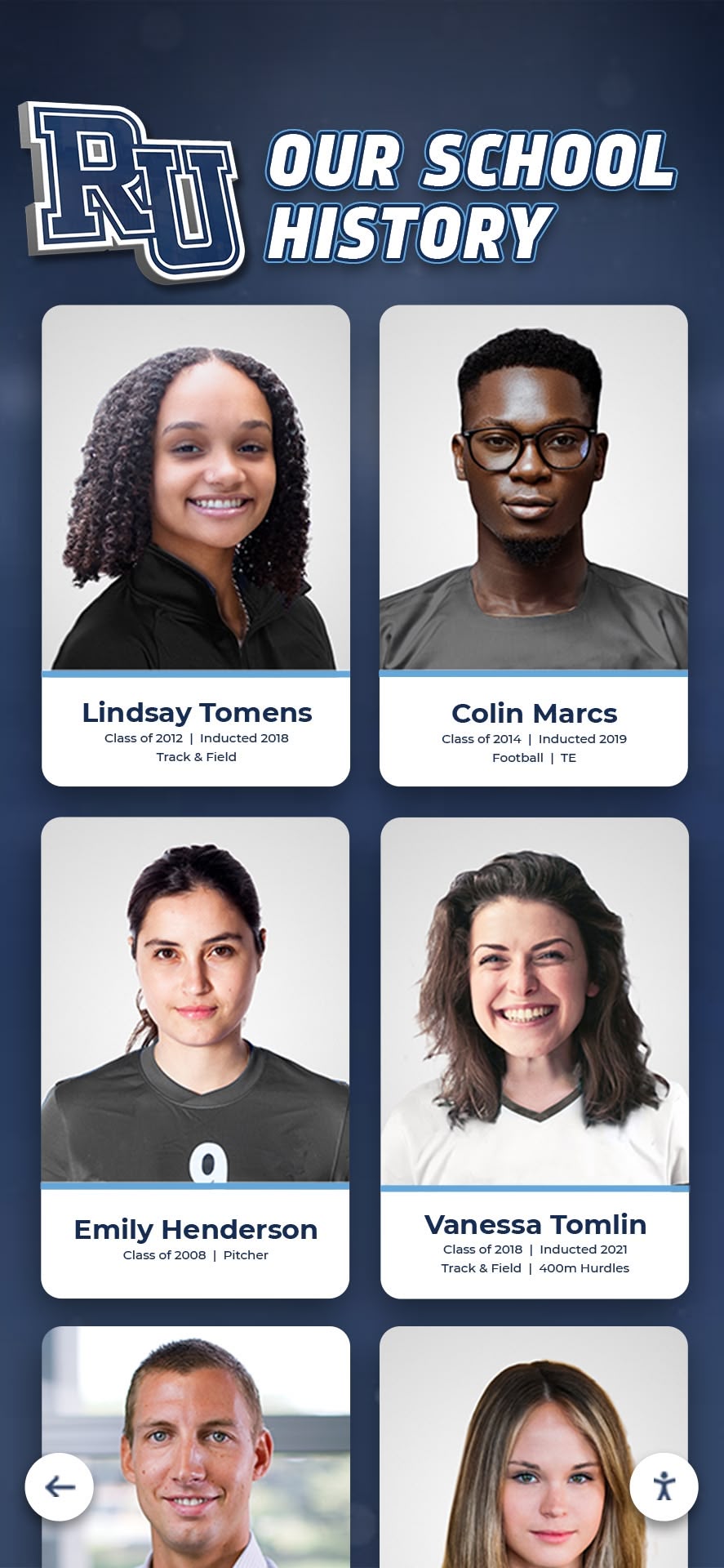
The effort required for historical research pays dividends when programs unveil comprehensive recognition displays honoring athletes across multiple decades. Alumni who see their all-star achievements recognized alongside current players often develop renewed connections with their alma maters.
Creating Comprehensive Content
Effective lacrosse recognition includes more than just names and honors. Comprehensive profiles create meaningful recognition that honors athletes completely.
Essential Information for Each Lacrosse All Star:
- Full name and graduating class
- Position(s) played (attack, midfield, defense, goalie)
- Specific honors earned (All-American, All-State, All-Conference with team designation)
- Year(s) honors were earned
- High-quality action photo showing the athlete competing
- Career statistics (goals, assists, points, saves, ground balls as appropriate)
- Team achievements during playing career (championships, tournament results)
- Academic honors if applicable
- College destination and continued playing information (optional)
Digital recognition systems excel at presenting this comprehensive information in organized, searchable formats. Users can access essential details at a glance while having the option to explore deeper information if interested.
Location and Visibility
Recognition displays should be located in high-traffic areas where students, athletes, families, and visitors will regularly encounter them. Fieldhouse lobbies, main athletic facility entrances, gymnasium corridors, and areas near lacrosse practice facilities all work well.
Some programs create multiple recognition touchpoints. A primary comprehensive display in the main athletic area might showcase all lacrosse achievements, while smaller displays near specific fields highlight team photos and recent achievements. This distributed approach maximizes visibility while allowing different locations to serve different purposes.
Programs implementing digital recognition displays should consider both indoor and outdoor placement options depending on environmental protection and viewing patterns.
Best Practices for Lacrosse All Stars Recognition
Following proven best practices helps programs create more effective recognition systems.
Celebrate Diverse Achievement Types
Comprehensive lacrosse recognition programs honor excellence across multiple dimensions, not just scoring achievements. While goals and assists naturally receive attention, effective programs also recognize defensive specialists through ground balls, caused turnovers, and defensive excellence awards, goalies through save statistics and goals-against averages, face-off specialists through face-off win percentages, scholar-athletes through All-Academic selections and academic achievement, and leadership through captain designations and sportsmanship awards.
This inclusive approach ensures that players contributing in different ways all see their excellence valued. It strengthens team culture by demonstrating that the program appreciates diverse contributions to success.

Maintain Separate Boys’ and Girls’ Recognition
Lacrosse programs with both boys’ and girls’ teams should ensure equitable recognition for both. Many schools create parallel recognition systems that give equal prominence to male and female athletes. This approach reinforces that both programs receive equal institutional support and that achievement deserves recognition regardless of gender.
Digital recognition systems make equitable display straightforward through separate navigation sections or filtering options that allow visitors to explore boys’ lacrosse or girls’ lacrosse achievements independently while maintaining integrated displays for multi-sport athletes.
Update Recognition Promptly
The motivational impact of all-star recognition is highest immediately after honors are announced. Programs should establish processes for updating displays within days of official announcements rather than waiting until season-end ceremonies or annual updates.
Digital recognition systems make prompt updates practical. When a player earns All-American honors, athletic staff can add the recognition to displays within minutes. Traditional systems requiring physical modification typically involve weeks or months of delay between achievement and display, significantly reducing motivational effectiveness.
Integrate Recognition Into Program Culture
The most effective lacrosse recognition programs integrate displays into team culture and traditions. Coaches reference recognition displays when discussing program standards and expectations. Season-opening meetings include tours of displays to establish goals. Alumni return during homecoming to see their achievements honored. Recruiting visits always include time exploring recognition displays.
Some programs create special traditions around recognition. Championship teams might unveil their addition to displays during end-of-season banquets. Players who earn All-American honors receive special recognition at games. Seniors give speeches referencing the legacy they’re joining when they earn all-star selections.
Schools implementing athletic recognition programs report that visible, integrated celebration of achievement becomes central to athletic program identity.
Leveraging Recognition for Program Development
Beyond honoring past achievements, lacrosse all stars recognition supports broader program development goals.
Enhancing Recruiting
Comprehensive recognition displays serve as powerful recruiting tools. When prospective lacrosse players visit schools, prominent recognition immediately communicates program quality and tradition. Parents evaluating programs for their children see evidence of athlete development and achievement.
Digital recognition systems offer particular recruiting advantages. Remote access allows prospects to explore program history before campus visits. Statistics and achievements provide concrete evidence of competitive level. Video highlights help prospects evaluate the quality of competition they’ll face. College placement information demonstrates pathways beyond high school.
Programs implementing college commitment recognition find that showcasing where former all-stars continued their careers reinforces program reputation as a developmental pathway to higher levels.
Strengthening Alumni Engagement
Lacrosse all stars recognition creates natural engagement opportunities with alumni. Former players who see their achievements honored develop stronger connections to their schools. These connections can lead to mentorship of current players, financial support for lacrosse programs, volunteer coaching or assistance, attendance at games and events, and participation in alumni networks.
Digital recognition platforms that include web accessibility enable ongoing alumni engagement regardless of geographic location. An alumnus living across the country can explore current team rosters, view recent all-star selections, and maintain connection to program evolution.
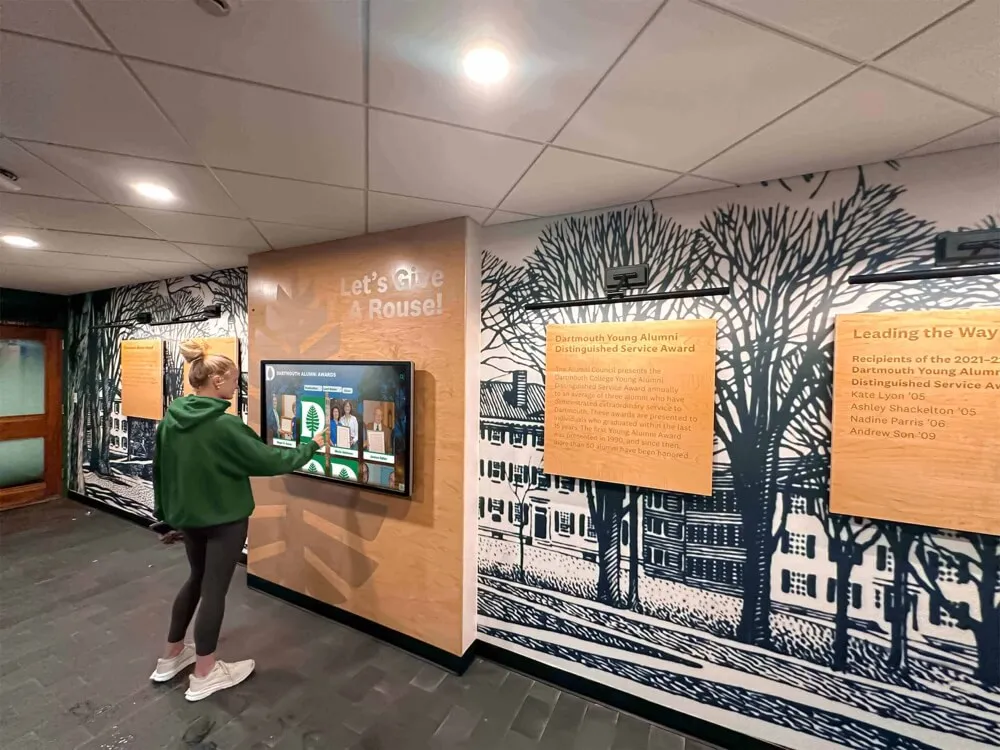
Some schools create targeted alumni engagement programs built around recognition displays. Reunions feature displays prominently, with special sections highlighting specific graduating classes. Alumni are invited to contribute memories, photos, and stories that enrich recognition content. Former all-stars mentor current players pursuing similar honors.
Building Community Support
In many communities, high school lacrosse has become an important social focal point as the sport has grown. All-star recognition reinforces community connection by celebrating local athletes who achieved at high levels. Community members take pride knowing their school produces athletes worthy of state and national recognition.
Programs should leverage all-star selections in their communications with broader communities. Press releases to local media announce selections and honors. Social media posts celebrate achievements with photos and statistics. Recognition displays welcome community visitors and reflect institutional commitment to excellence. Local businesses partner with programs to sponsor recognition displays or celebration events.
This community engagement builds support for lacrosse programs, making fundraising more successful and creating broader buy-in for athletic facility improvements and program development.
Technical Considerations for Digital Lacrosse Recognition
Programs considering digital recognition should understand technical requirements and implementation factors.
Hardware Selection
Digital lacrosse recognition typically involves commercial-grade touchscreen displays mounted on walls or integrated into custom kiosks. Commercial displays are more durable than consumer televisions and designed for continuous operation in public spaces. Screen sizes typically range from 43 inches to 75 inches depending on installation locations, viewing distances, and budgets.
The displays connect to computing systems that run recognition software. Modern systems often use compact, fanless computers requiring minimal maintenance. Internet connectivity enables cloud-based content management and remote updates.
Software and Content Management
Recognition software should be intuitive for both users exploring displays and administrators managing content. The best systems require no technical expertise, allowing athletic staff to add new all-stars, upload photos, and modify information through simple web-based interfaces.
Look for platforms specifically designed for lacrosse or athletic recognition rather than generic digital signage software. Sport-specific templates include appropriate statistical categories and layout optimizations for lacrosse content.
Installation and Support
Professional installation ensures displays are properly mounted, safely secured, and correctly configured. Electrical requirements typically involve standard outlets, though some installations may require dedicated circuits. Network connectivity may use WiFi or wired Ethernet depending on location.
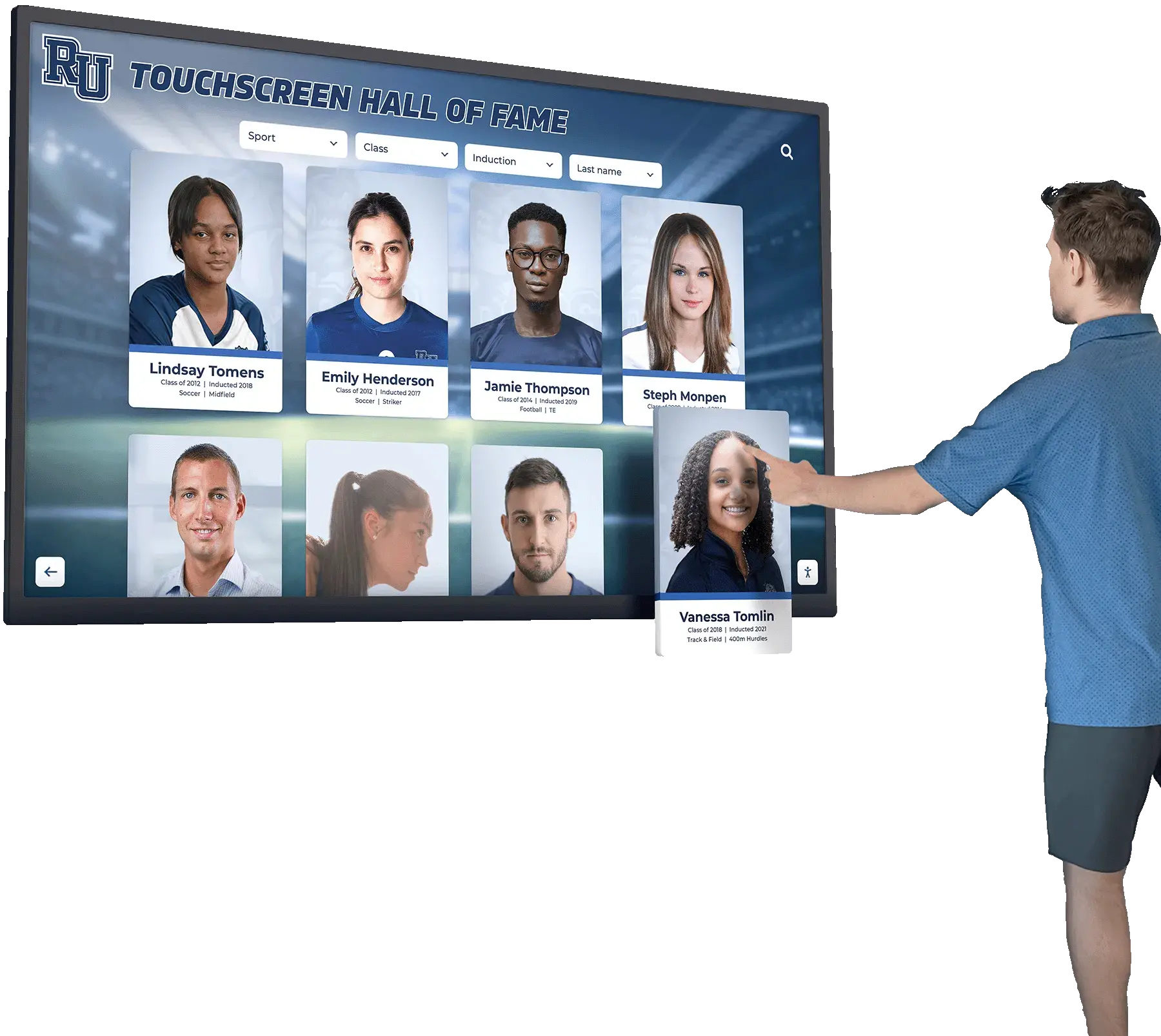
Ongoing technical support addresses any issues that arise. Rocket Alumni Solutions provides comprehensive support for recognition systems, ensuring schools can quickly resolve technical problems. Cloud-based systems allow remote diagnosis and resolution of many issues without requiring on-site visits.
Future Trends in Lacrosse Recognition
The landscape of athletic recognition continues evolving as technology advances and programs seek increasingly engaging ways to celebrate achievement.
Video and Multimedia Integration
As bandwidth and storage costs decrease, recognition systems increasingly incorporate video content. Game highlights showing all-star performances create emotional engagement that static photos cannot match. Video profiles can include career highlight reels, championship moments, player interviews, and statistical overlays.
Programs are beginning to create comprehensive video profiles for all-star athletes that transform recognition from simple documentation into compelling storytelling honoring athletes while inspiring younger players.
Social Media Integration
Modern recognition systems increasingly integrate with social platforms, automatically generating shareable content when new all-stars are added. This integration amplifies recognition beyond physical displays, allowing achievements to reach extended family, community members, and college recruiters through digital channels.
Families appreciate recognition systems that make social sharing effortless. When an athlete earns All-American honors, systems can automatically generate attractive social media graphics that families share on Facebook, Instagram, and other platforms with a single click.
Personalized Experiences
Advanced recognition systems create personalized experiences based on individual interests. Visitors might indicate they played attack, and the display highlights attack position all-stars. Alumni enter their graduation year and see all-stars from their era featured prominently. Position groups can view all recognized players at their position across program history.
This personalization makes large recognition databases more navigable and creates more relevant experiences for different audiences. The technology required is becoming increasingly accessible for schools and athletic programs.
Taking the Next Step with Lacrosse Recognition
Schools ready to implement or upgrade lacrosse all stars recognition should begin by assessing current approaches and defining goals.
Getting Started Checklist
- Assess Current Recognition: Inventory existing lacrosse recognition and identify gaps
- Define Goals: Determine what you want to achieve with enhanced recognition
- Research Historical Achievements: Compile lists of past all-star athletes
- Establish Criteria: Document which honors will be recognized and how
- Explore Options: Research both traditional and digital recognition approaches
- Develop Budget: Determine available funding and explore fundraising options
- Form Planning Committee: Involve coaches, administrators, and stakeholders
- Select Solution: Choose recognition approach fitting needs and budget
- Plan Implementation: Create timeline for installation and content development
- Launch and Celebrate: Unveil new recognition with appropriate ceremony
Many schools find value in consulting with recognition specialists who can guide them through the process. Rocket Alumni Solutions offers consultations that help schools understand options and make informed decisions about lacrosse recognition programs.
The investment in proper lacrosse all stars recognition delivers returns for years to come. Athletes feel appropriately honored. Younger players gain role models and clear goals. The entire school community benefits from visible celebration of lacrosse excellence. Whether through traditional plaques or modern digital displays, the key is creating recognition systems that match program needs, budgets, and visions for celebrating lacrosse achievement.
Conclusion
Lacrosse all stars recognition represents more than acknowledgment of past achievements. It creates living traditions that inspire future generations while strengthening program culture and community connections. Schools that invest in thoughtful, comprehensive recognition programs create lasting value extending far beyond initial costs.
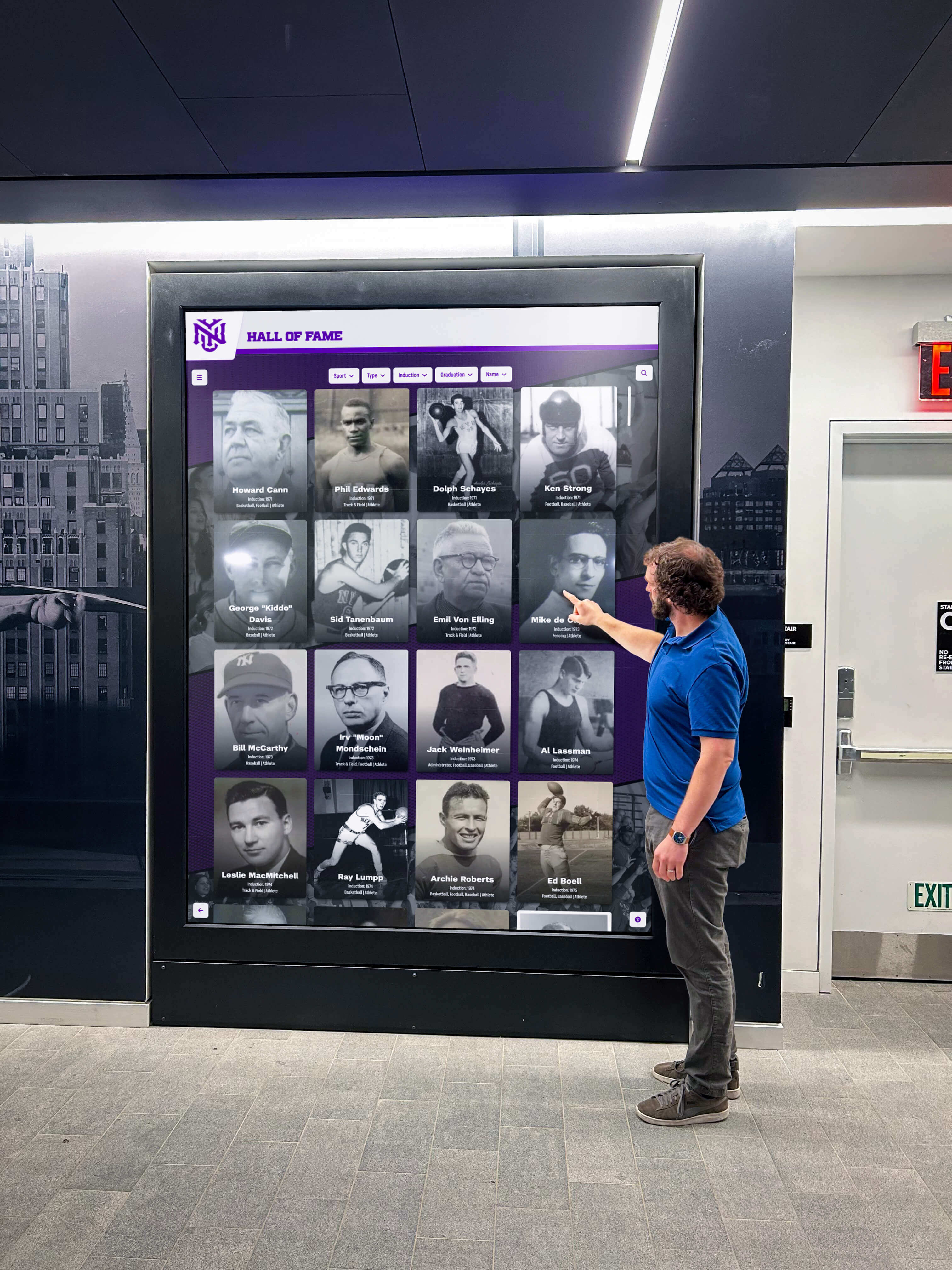
Modern digital recognition solutions transform what’s possible for honoring lacrosse all stars. These systems overcome the limitations of traditional plaques while creating engaging, dynamic displays that visitors want to explore. Combined with the permanence and tradition of physical recognition where appropriate, schools can create approaches that honor the past while embracing future possibilities.
The most important decision is committing to recognition that properly honors lacrosse all-star achievement. Whether your program chooses traditional plaques, modern digital displays, or combinations of both, the key is creating systems that keep these important achievements visible and celebrated for years to come.
Lacrosse excellence deserves recognition matching its significance. All-star athletes have earned special places in program history through their dedication, skill, and achievement. The question isn’t whether to recognize them, but how to do so in ways that create maximum impact for athletes, programs, and communities.































