Modern libraries have evolved far beyond traditional book repositories into dynamic community hubs that blend physical and digital resources. At the heart of this transformation sits library touchscreen technology—interactive displays that revolutionize how patrons discover materials, navigate facilities, and engage with collections. These intuitive systems eliminate barriers between visitors and information while reducing staff workload and enhancing the overall library experience.
Whether you’re a library director planning a technology upgrade, a facilities manager evaluating wayfinding solutions, or an administrator seeking to modernize patron services, understanding library touchscreen applications and benefits will help you make informed decisions that improve service delivery while maximizing limited budgets and staff resources.
The Evolution of Library Technology: From Card Catalogs to Touchscreens
Libraries have continuously adapted technology to improve patron access to information. The journey from handwritten ledgers to card catalogs, then to early computer terminals, and now to intuitive touchscreen interfaces reflects libraries’ commitment to meeting users where they are technologically.
Traditional library catalogs required specialized knowledge—understanding call numbers, filing systems, and complex search protocols. Early computer catalog systems (OPACs) improved search capabilities but maintained text-based interfaces that intimidated less tech-savvy patrons. Modern touchscreen library systems eliminate these barriers through familiar smartphone-style interactions that require no specialized knowledge or training.
Key Drivers Behind Library Touchscreen Adoption
Several factors have accelerated library touchscreen implementation in recent years:
Patron Expectations: Visitors accustomed to touchscreen interactions on smartphones and tablets expect similar intuitive experiences in all public spaces, including libraries.
Staffing Constraints: Many libraries face reduced staffing while maintaining extended hours—self-service touchscreens help maintain service levels despite resource limitations.
Space Optimization: Physical collections compete with growing demands for community spaces, meeting rooms, and maker spaces—digital systems maximize information access without requiring additional floor space.
Accessibility Requirements: Touchscreen systems can incorporate features like adjustable text size, screen readers, and multilingual support that make library services more inclusive.
COVID-19 Impact: The pandemic accelerated contactless service adoption, with touchscreens enabling self-service that reduces face-to-face interactions while maintaining access.
Primary Applications of Library Touchscreen Systems
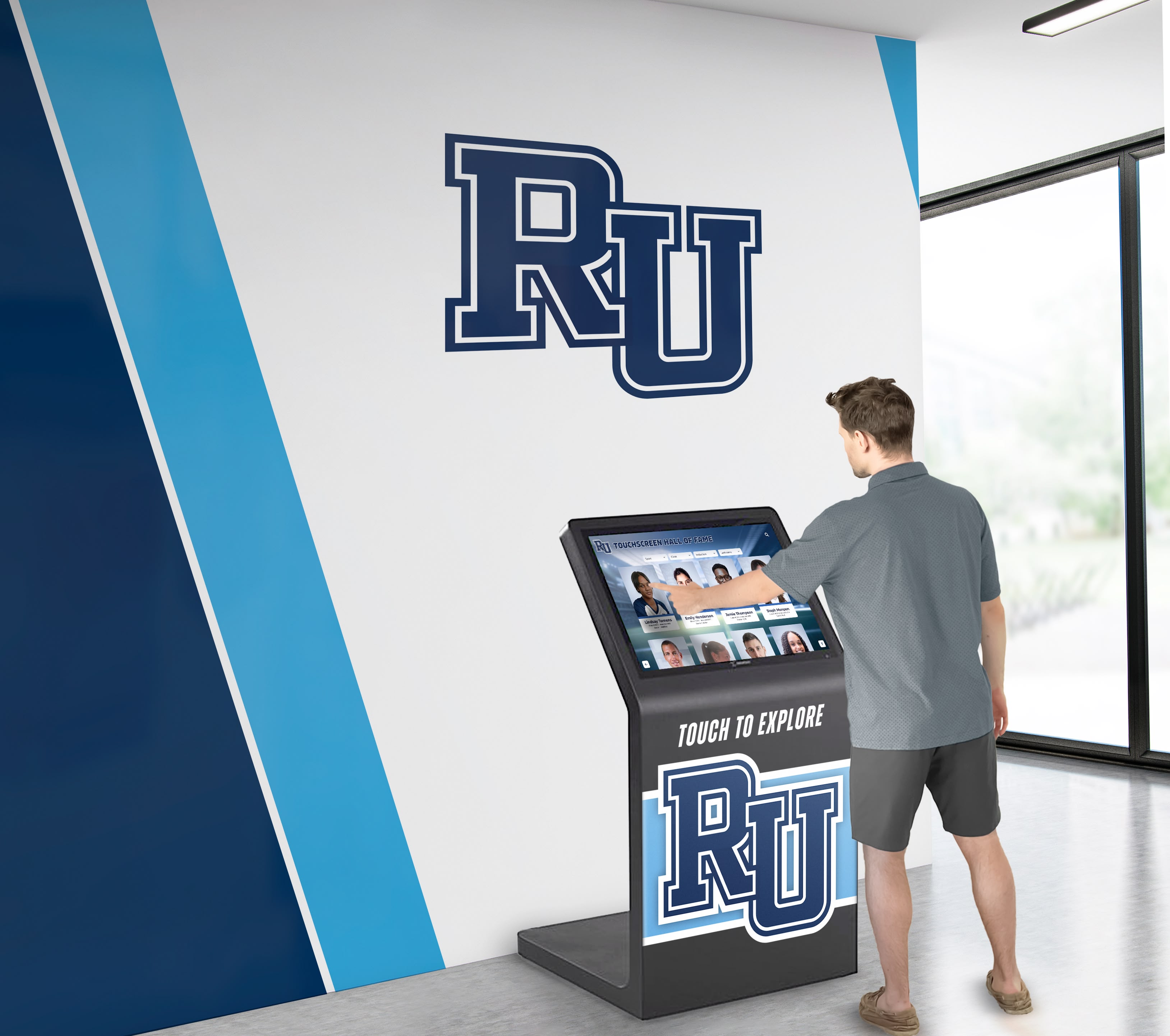
Library touchscreen technology serves multiple distinct functions, each addressing specific patron needs and operational challenges.
Interactive Catalog Browsing and Discovery
Digital catalog kiosks represent the most common library touchscreen application, replacing or supplementing traditional computer terminals with intuitive interfaces that encourage exploration.
Enhanced Search Capabilities:
Modern touchscreen catalog systems offer search functions that go far beyond traditional keyword lookup:
- Visual browsing displaying book covers and media thumbnails rather than text-only lists
- Faceted filtering enabling refinement by format, publication date, language, subject, and availability
- Recommendation engines suggesting related materials based on patron interests and borrowing patterns
- Popular content highlighting showcasing trending materials and staff picks
- New arrivals showcases featuring recently added materials with visual appeal
Studies of touchscreen catalog implementations indicate that patrons commonly spend significantly less time searching for resources using touchscreen systems compared to traditional computer-based catalogs, with many libraries reporting substantial improvements in satisfaction rates. The visual, intuitive nature of touchscreen browsing reduces friction between patrons and materials, particularly for younger users and those less comfortable with traditional library systems.
Simplified Account Management:
Touchscreen catalog kiosks enable patrons to independently manage their library accounts:
- Viewing checked-out materials and due dates
- Renewing eligible items with a single touch
- Placing holds on materials currently checked out
- Reviewing fines and making online payments
- Updating contact information and communication preferences
- Managing digital content like ebooks and audiobooks
This self-service functionality reduces routine transactions at service desks, allowing library staff to focus on complex patron needs requiring professional expertise rather than repetitive account maintenance tasks.
Digital Wayfinding and Navigation
Large library facilities—particularly academic and regional public libraries—can overwhelm first-time visitors with complex layouts spanning multiple floors and wings. Interactive wayfinding systems transform potentially frustrating navigation experiences into confident, independent exploration.
Intuitive Location Finding:
Touchscreen wayfinding kiosks help visitors locate specific resources without staff assistance:
- Visual floor plans displaying library layouts with clear orientation markers
- Collection mapping showing precise locations of subjects, genres, and call number ranges
- Amenity location identifying restrooms, printing stations, study rooms, and accessibility features
- Animated pathways providing step-by-step visual directions from kiosk to destination
- “You are here” orientation helping visitors understand their current location relative to destinations
These systems particularly benefit patrons with limited English proficiency, visitors unfamiliar with Dewey Decimal or Library of Congress classification systems, and those seeking specific services rather than browsing collections.
Facility and Service Information:
Beyond physical navigation, wayfinding touchscreens communicate essential library information:
- Hours of operation for main library and departmental branches
- Service desk locations and specialized staff assistance available
- Equipment availability including computers, printers, scanners, and specialized technology
- Room reservation systems for study rooms, meeting spaces, and program areas
- Current program schedules and event information
- Policy information addressing common patron questions
By answering routine directional and informational questions, wayfinding kiosks reduce interruptions at service desks while ensuring patrons quickly find needed resources and services.
Digital Exhibitions and Historical Collection Access
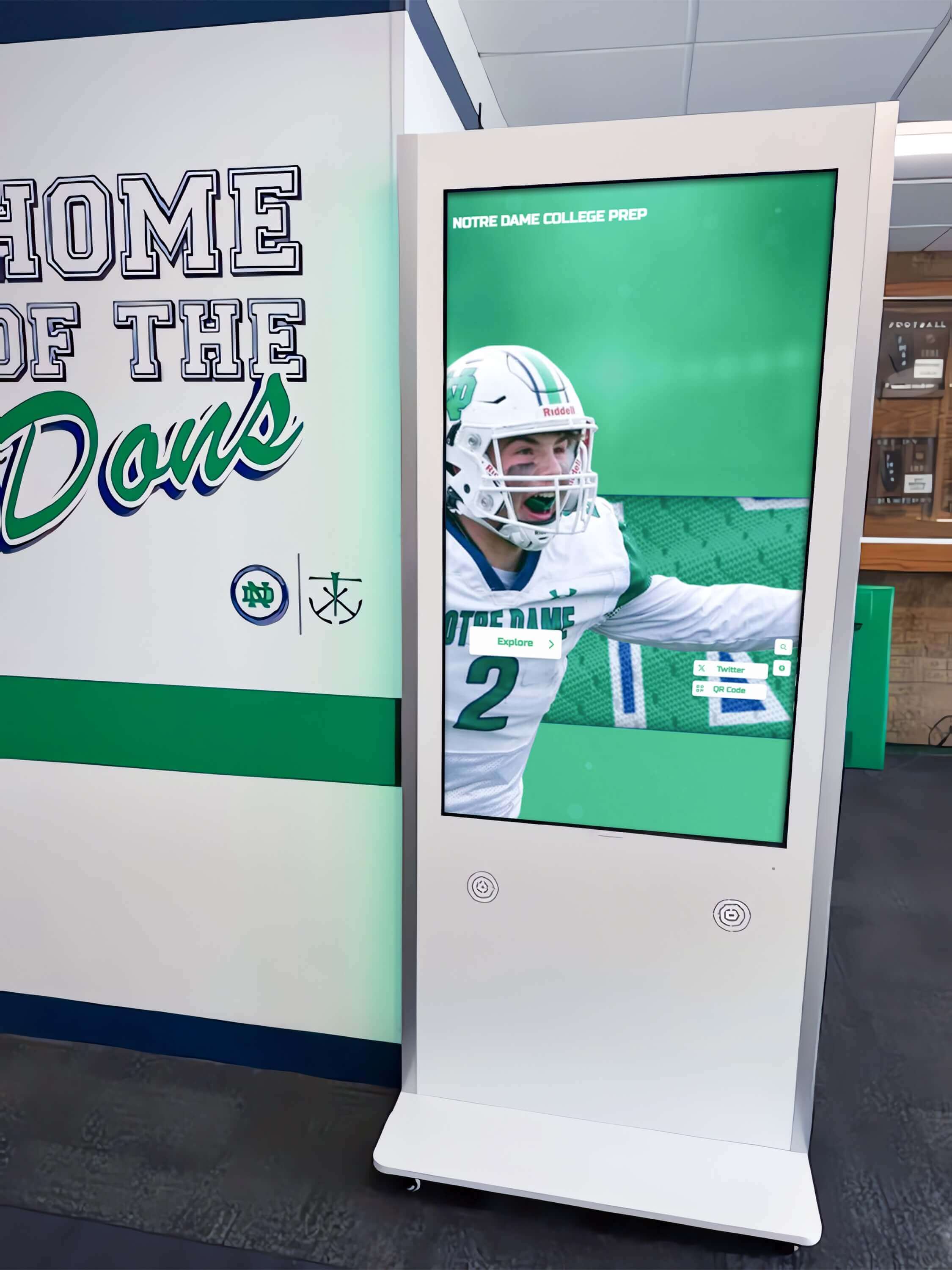
Library touchscreen technology enables public access to rare, fragile, or archived materials that preservation requirements typically restrict to specialized reading rooms with supervised access. Similar to how institutions create digital storytelling experiences, libraries can showcase historical collections through engaging multimedia presentations.
Virtual Collection Exploration:
Interactive exhibit touchscreens transform how patrons engage with special collections:
- High-resolution digitized materials allowing detailed examination of manuscripts, photographs, maps, and rare books
- Zoom functionality enabling inspection of details invisible to naked eye viewing
- Contextual information providing historical background, provenance, and scholarly interpretation
- Multimedia integration incorporating audio narration, video explanations, and documentary footage
- Curated digital exhibitions highlighting themed collections and commemorating anniversaries or events
- Archival photograph browsing showcasing local history through community image collections
The Library of Congress’s David M. Rubenstein Treasures Gallery demonstrates this approach with circular interactive tables allowing visitors direct interaction with collection items through touch and audio content. The FDR Presidential Library features multiple touchscreen experiences including digital “flipbooks” containing documents, photographs, and historical excerpts throughout their exhibitions.
Accessibility Benefits:
Digital exhibition touchscreens democratize access to materials that physical viewing restrictions otherwise limit:
- Patrons can examine fragile materials without risking damage from handling
- Multiple visitors can simultaneously view items with digital copies versus single physical items
- Zoom and magnification assist visitors with visual impairments
- Translation capabilities make materials available across language barriers
- Extended captions and audio descriptions serve diverse learning preferences
These systems effectively multiply the reach of special collections, transforming materials viewed by dozens of supervised researchers annually into resources accessible to thousands of casual library visitors.
Community Engagement and Programming Information
Libraries serve as vital community gathering spaces hosting hundreds of programs annually—story times, author talks, technology classes, job search assistance, and more. Touchscreen displays prominently communicate this programming while capturing interest that static bulletin boards cannot match.
Interactive Event Calendars:
Touchscreen community boards offer engaging program discovery:
- Filterable event listings by age group, topic, date, and registration status
- Visual program previews with photos, videos, and detailed descriptions
- One-touch registration allowing immediate sign-up for programs with available space
- Calendar synchronization enabling export to personal digital calendars
- Reminder notifications prompting patrons to sign up for email or text alerts
- Past program archives showcasing photos and videos from previous events
Community Resource Directories:
Beyond library-organized programming, touchscreens can serve as comprehensive community information hubs:
- Local service organization directories
- Government office locations and contact information
- Community event listings from external organizations
- Job and volunteer opportunity postings
- Educational program information from partner institutions
This community-focused functionality extends libraries’ traditional role as information centers while increasing touchscreen utility and patron engagement.
Key Benefits of Library Touchscreen Implementation
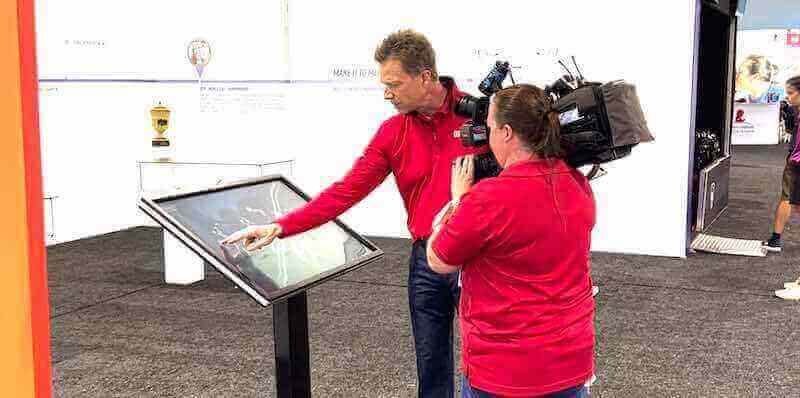
Library touchscreen systems deliver measurable benefits across patron experience, operational efficiency, and institutional goals.
Enhanced User Experience and Patron Satisfaction
Touchscreen technology transforms library interactions from potentially intimidating to confidently independent:
Intuitive Interfaces: Smartphone-style interactions require no instruction—patrons immediately understand how to search, browse, and navigate using familiar gestures like swiping, tapping, and pinching to zoom.
Visual Discovery: Cover art, thumbnails, and images engage patrons more effectively than text-only lists, particularly younger users and visual learners who find traditional catalogs overwhelming.
Reduced Friction: Self-service access eliminates waiting for assistance with routine tasks, particularly valuable during busy periods when service desks have queues.
Multilingual Support: Touchscreen systems easily accommodate multiple languages with simple interface selection, serving diverse communities more effectively than English-only traditional systems.
Accessibility Features: Text magnification, high-contrast modes, screen reader compatibility, and adjustable height mounting ensure all community members can access library services regardless of ability.
Libraries implementing touchscreen catalog and wayfinding systems consistently report significant improvements in patron satisfaction metrics, with particular gains among first-time visitors, younger patrons, and those from non-English-speaking backgrounds.
Operational Efficiency and Staff Time Savings
Library staff face constant tension between assisting patrons and completing behind-the-scenes work essential to library operations. Touchscreen self-service systems shift this balance favorably:
Reduced Routine Inquiries: Studies show self-service information kiosks answer common questions about hours, locations, policies, and services that previously consumed significant staff time—often the same questions repeated dozens of times daily.
Decreased Catalog Assistance: Touchscreen catalog systems’ intuitive nature reduces patron requests for search help, particularly basic lookup questions that interrupt more complex reference assistance.
Wayfinding Independence: Interactive maps eliminate the most common question in any large library: “Where is the bathroom?” along with hundreds of other directional inquiries that fragment staff attention.
24/7 Information Access: Touchscreen kiosks in library vestibules or exterior installations provide information during closed hours, reducing calls and emails asking basic questions answered by the system.
These time savings don’t eliminate the need for professional library staff—instead, they free librarians to focus on complex research assistance, collection development, program planning, and community engagement activities that leverage professional expertise rather than repetitive directional assistance.
Space Optimization and Physical Collection Management
Library space faces constant pressure from competing demands—expanding physical collections, growing digital resource access needs, community programming spaces, and collaborative study areas all vie for limited square footage.
Compact Footprint: A single 43-55 inch touchscreen kiosk occupies roughly 15-20 square feet while providing access to entire catalog holdings that would require thousands of square feet if completely displayed physically.
Digital Capacity: Touchscreen systems showcase unlimited virtual content without physical space constraints—featured new arrivals, staff recommendations, community favorites, and thematic collections all occupy the same digital footprint.
Reduced Signage Clutter: Dynamic digital displays eliminate the proliferation of printed directional signs, promotional posters, and informational flyers that create visual clutter while quickly becoming outdated.
Flexible Repurposing: As collections shift from physical to digital formats, touchscreen access points enable space reallocation from shelving to seating, programming areas, or collaborative technology zones without reducing collection access.
This space efficiency proves particularly valuable as libraries balance traditional collection roles with emerging functions as community gathering spaces, technology access points, and social infrastructure.
Improved Accessibility and Inclusion
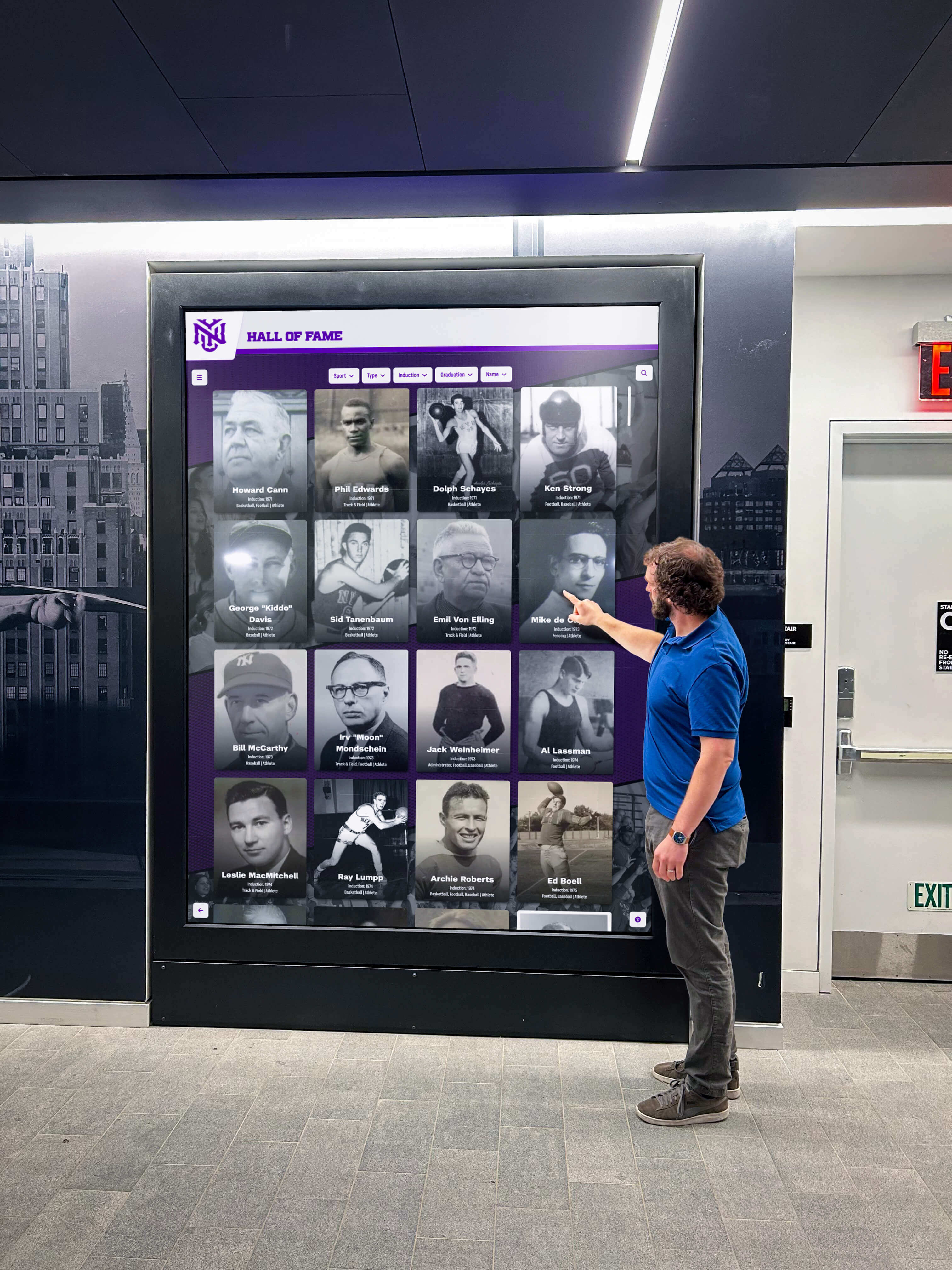
Modern libraries embrace responsibility to serve entire communities regardless of age, language, physical ability, or technical proficiency. Touchscreen systems advance this inclusion mission:
Physical Accessibility: Touchscreens can mount at ADA-compliant heights with appropriate approach clearances, ensuring wheelchair users and those with mobility limitations access all functionality. Adjustable-height kiosks serve users of different statures including children and those in wheelchairs.
Visual Accommodations: Built-in accessibility features include text magnification up to 200%+, high-contrast display modes reducing eye strain, and screen reader compatibility for blind and low-vision users navigating through audio output.
Language Access: Multilingual interfaces eliminate English-language barriers that discourage library use among immigrant and refugee communities. Simple language selection provides complete interface translation rather than requiring patrons to navigate English menus.
Cognitive Considerations: Clear visual design, consistent navigation patterns, and simple interactions reduce cognitive load compared to complex computer interfaces that overwhelm users with disabilities or limited technical familiarity.
Age Inclusivity: Intuitive touchscreen interactions work equally well for digital-native teenagers and older adults less comfortable with traditional computer interfaces, bridging generational technology divides.
These accessibility features transform libraries from facilities that some community members struggle to use into genuinely inclusive spaces serving all residents regardless of ability or background.
Essential Features to Evaluate in Library Touchscreen Systems
Selecting appropriate touchscreen technology requires understanding which features deliver meaningful value versus marketing buzzwords with limited practical benefit.
Hardware Specifications for Library Environments
Library touchscreen hardware must withstand years of daily public use in environments ranging from climate-controlled reading rooms to vestibules exposed to temperature extremes:
Commercial-Grade Displays: Residential-grade screens fail quickly under constant public use. Specify commercial displays rated for 16-24 hour daily operation with 50,000+ hour lifespans and industrial-grade components designed for continuous use.
Touch Technology: Capacitive touchscreens provide smartphone-style responsiveness and support multi-finger gestures, while infrared touch offers larger size options and works with gloves or styluses. Either technology performs adequately—prioritize responsiveness and durability over specific technology.
Vandal-Resistant Construction: Public installations require tempered glass surfaces at least 6mm thick resisting scratching and impact, sealed construction preventing object insertion, and secure mounting preventing adjustment or removal by users.
Screen Size Selection:
- Information kiosks and wayfinding: 32-43 inches provides adequate detail without overwhelming floor space
- Catalog browsing: 43-55 inches offers comfortable extended use for reading descriptions and browsing covers
- Exhibition displays: 55-75 inches creates impactful presentations for group viewing
- Feature installations: 75+ inches makes dramatic statement in prominent locations
Brightness and Visibility: Minimum 350 nit brightness ensures visibility in varied lighting conditions. Installations near windows or in naturally bright spaces require 500+ nits. Anti-glare coatings maintain visibility without compromising touch responsiveness.
Mounting Options: Wall-mounted installations save floor space and reduce trip hazards, while freestanding kiosks offer flexibility in open areas. Adjustable-height options serve diverse user needs including children and wheelchair users.
Software and Content Management Capabilities
Hardware represents only half of effective touchscreen implementations—software determines whether systems deliver promised benefits or become frustrating underutilized installations:
Intuitive Interface Design: Successful library touchscreens require no instructions—clear visual hierarchy, obvious touch targets, consistent navigation patterns, and familiar interactions allow patrons to successfully complete tasks on first use without training or assistance.
Cloud-Based Management: Modern systems enable content updates from any internet-connected device rather than requiring on-site access to locked kiosks. This remote management proves essential for multi-branch systems and when content updates need immediate deployment.
Multi-Language Support: True multilingual capability means complete interface translation including menus, instructions, and content labels—not just catalog records. Easily accessible language selection should appear on home screens rather than buried in settings menus.
Integration Capabilities: Touchscreen systems should connect with existing library infrastructure:
- Integrated Library Systems (ILS): Real-time catalog data, availability status, and account information
- Event management platforms: Automated program calendar updates without manual data entry
- Digital signage networks: Coordinated messaging across multiple display types
- Authentication systems: Single sign-on using existing library cards or credentials
- Analytics platforms: Usage data feeding broader institutional assessment efforts
Accessibility Features: Built-in support for screen readers, keyboard navigation for those unable to use touch, adjustable text sizes and contrast modes, and audio output for blind users. These features should integrate natively rather than requiring add-on applications.
Offline Functionality: Systems should maintain core functionality during internet outages—cached catalog data, facility maps, and essential information remain accessible even when live integration temporarily fails.
Security and Data Privacy Considerations
Public touchscreen systems require robust security measures protecting both institutional and patron data:
User Privacy Protection:
- Automatic session timeout clearing personal information after inactivity
- No local storage of patron account credentials or search history
- Clear privacy disclosures about data collection and usage
- Encrypted transmission of authentication credentials and personal information
- Compliance with library patron privacy policies and applicable regulations
System Security:
- Locked-down operating systems preventing user access to system settings
- Automatic security updates patching vulnerabilities without staff intervention
- Network segmentation isolating public touchscreens from administrative systems
- Antivirus and malware protection appropriate for public-facing systems
- Physical security preventing USB insertion or peripheral device connection
Content Control:
- Web filtering preventing access to inappropriate content on systems with internet browsing
- Administrative controls restricting application access and system modifications
- Age-appropriate content filtering for children’s area installations
- Audit logging tracking system usage and unauthorized access attempts
Libraries must balance security with usability—overly restrictive systems frustrate patrons while insufficient protection creates data breach and inappropriate content risks.
Implementation Best Practices for Library Touchscreen Projects
Successful touchscreen deployment requires careful planning addressing technology selection, physical installation, content development, and staff training.
Needs Assessment and Planning
Before evaluating specific products, conduct thorough assessment of library needs, patron behaviors, and institutional goals:
Usage Pattern Analysis:
- Observe current patron traffic flows and high-congestion areas
- Document most frequent directional and informational questions
- Identify peak usage times when staff assistance is least available
- Assess which patron demographics struggle most with current systems
- Review complaint and suggestion data highlighting service gaps
Stakeholder Input:
- Survey patrons about desired self-service capabilities and technology preferences
- Interview frontline staff about repetitive questions and pain points
- Consult with accessibility advocates about inclusive design requirements
- Engage library board and administrators about strategic goals and budget realities
- Consider input from IT staff about infrastructure requirements and support capacity
Space and Infrastructure Evaluation:
- Identify potential installation locations with appropriate traffic, power, and networking
- Assess ADA compliance requirements for each potential location
- Evaluate structural considerations for wall-mounting versus freestanding installations
- Consider environmental factors like sunlight, temperature extremes, and moisture exposure
- Review security and supervision visibility for vandalism prevention
This upfront assessment prevents investing in solutions that sound impressive but don’t address actual patron needs or operational pain points.
Strategic Installation Location Selection
Touchscreen placement dramatically impacts utilization—excellent technology in poor locations delivers minimal value:
High-Visibility Locations:
- Main entrance lobbies where all patrons pass and naturally pause
- Near circulation desks where patrons already seek assistance
- Elevator landings on each floor serving as natural orientation points
- Between entrance and collections where patrons make navigation decisions
- Adjacent to self-checkout stations complementing other self-service options
Avoid Problem Locations:
- Secluded corners where patrons don’t naturally pass or pause
- Directly beside service desks where staff proximity makes self-service unnecessary
- Areas with excessive window glare making screens difficult to view
- Narrow hallways where kiosks create congestion or accessibility barriers
- Near loud mechanical systems or program spaces where noise interferes with audio content
Multi-Location Strategies:
Larger libraries benefit from multiple touchscreen installations serving different functions:
- Main entrance wayfinding kiosk with facility maps and service directory
- Catalog browsing stations throughout collection areas for in-stack discovery
- Special collections digital exhibit displays in reading room vestibules
- Children’s area touchscreens with age-appropriate interfaces and content
- Exterior vestibule installations providing information during closed hours
Coordinate placement ensuring coverage without redundancy—understand each installation’s unique purpose and patron flow patterns.
Content Development and Management
Hardware and software capability means nothing without compelling, current content that serves patron needs:
Initial Content Development:
- Digitize facility maps with clear labeling and “you are here” orientation
- Photograph subject sections and special areas for visual identification
- Create clear, concise service descriptions in plain language avoiding library jargon
- Develop FAQ content addressing most common patron questions
- Compile program schedules and registration information with appealing imagery
- If applicable, digitize special collection materials for exhibition displays
Ongoing Content Maintenance:
- Assign clear responsibility for regular content reviews and updates
- Establish schedules for recurring updates like event calendars and program schedules
- Create processes for quickly updating time-sensitive information like policy changes
- Monitor analytics identifying outdated content with declining engagement
- Refresh feature content regularly preventing stale, repetitive displays
Content Quality Standards:
- Use high-resolution images that remain sharp on large displays
- Write concise, scannable text—screen reading differs from print reading
- Maintain consistent voice and terminology across all content
- Ensure accuracy through review processes before content publication
- Test content on actual displays at viewing distances rather than just computer screens
Many libraries underestimate ongoing content management requirements—successful implementations treat content as a continuous process rather than one-time project.
Staff Training and Change Management
Technology succeeds only when staff understand, support, and promote it to patrons:
Pre-Launch Training:
- Demonstrate all system functionality to frontline staff who will field questions
- Practice common patron tasks to ensure staff can provide assistance when needed
- Explain maintenance procedures including cleaning, restarting, and reporting problems
- Review privacy and security protocols staff should follow and communicate
- Discuss how self-service technology changes rather than replaces staff roles
Patron Education Strategies:
- Create simple one-page guides introducing touchscreen capabilities
- Conduct demonstration sessions during programs and orientation tours
- Train staff to proactively redirect appropriate questions to self-service systems
- Install brief instructional signage near touchscreens for first-time users
- Feature touchscreen capabilities in library newsletters, social media, and website
Change Management Considerations:
Some staff may perceive self-service technology as threatening their roles or reducing patron interactions. Address these concerns directly:
- Frame touchscreens as handling routine questions so staff can focus on complex needs requiring professional expertise
- Celebrate time savings allowing enhanced programming, collection development, and community engagement
- Involve skeptical staff in implementation planning incorporating their expertise
- Share positive patron feedback about improved service and convenience
- Emphasize that technology enhances rather than replaces human library service
Staff buy-in proves essential—resistant staff can undermine implementations by failing to promote systems or continuing to manually assist with tasks touchscreens could handle.
Budget Considerations and Cost-Benefit Analysis
Library touchscreen investments require careful financial planning understanding both upfront costs and long-term value:
Typical Investment Ranges
Basic Information Kiosks:
- Single 32-43 inch touchscreen with wayfinding and directory software: $5,000-$10,000
- Includes basic commercial display, simple kiosk enclosure or wall mount, and standard software licensing
- Installation, network connection, and basic content setup: Additional $1,500-$3,000
Catalog Browsing Stations:
- 43-55 inch touchscreen with full catalog integration and account access: $8,000-$15,000
- Includes higher-grade commercial display, ILS integration, and user-friendly interface design
- Custom mounting solution and professional installation: Additional $2,000-$4,000
Exhibition and Feature Displays:
- 55-75 inch touchscreen with custom content presentation and multimedia capabilities: $15,000-$30,000
- Includes premium display, custom software development, and rich media management
- Professional content digitization and exhibit design: Additional $5,000-$20,000 depending on collection size
Comprehensive Multi-System Implementations:
- Multiple coordinated touchscreens throughout facility with centralized management: $30,000-$100,000+
- Includes hardware for multiple installations, unified software platform, and staff training
- Infrastructure upgrades (network, power, mounting) and professional project management: Additional 20-30% of hardware/software costs
Ongoing Annual Costs:
- Software licensing and cloud platform subscriptions: Typically 10-15% of initial software investment
- Maintenance and support agreements: 5-10% of hardware cost
- Content management staff time: Varies by implementation scope
- Electrical costs: $50-$150 per display annually depending on usage hours
Return on Investment Analysis
While touchscreen systems represent significant investment, multiple factors contribute to measurable ROI:
Staff Time Savings:
If touchscreen systems reduce staff time on directional and informational questions by even 2-3 hours daily, the annual value reaches $15,000-$25,000 in staff capacity redirected to higher-value activities. Libraries can quantify this by logging question types before and after implementation.
Space Value:
Digital information delivery eliminates physical signage, bulletin boards, and informational displays that consume valuable wall and floor space. Repurposing even 200 square feet from informational displays to public seating or collections adds significant value.
Extended Service Hours:
Touchscreens in vestibules or exterior installations provide 24/7 access to library information without staffing costs. This extended access particularly benefits patrons whose work schedules prevent visits during open hours.
Improved Patron Satisfaction:
While harder to quantify financially, improved satisfaction and reduced friction increase library usage, support community funding, and advance institutional missions. Patron feedback and usage statistics typically show measurable improvements following touchscreen implementation.
Reduced Print Costs:
Dynamic digital signage eliminates printing, mounting, and regularly replacing paper directional signs, event posters, and informational handouts. Large libraries spend $5,000-$15,000 annually on such ephemeral printed materials.
Most libraries achieve positive ROI within 3-5 years when accounting for staff time savings, space reallocation, eliminated printing costs, and extended service hours—before considering harder-to-quantify satisfaction and usage benefits.
Funding Strategies and Grant Opportunities
Library Technology Grants:
Many state library agencies, private foundations, and federal programs fund library technology modernization. Research available grants through:
- Institute of Museum and Library Services (IMLS) grants and state allotments
- State library association technology grant programs
- Private foundation funding supporting libraries in specific regions
- Technology company donation and partnership programs
Friends Groups and Library Foundations:
Library support organizations often fund visible projects improving patron experience. Touchscreen kiosks make appealing donor recognition opportunities—donors can sponsor specific installations with acknowledgment on screens or nearby plaques.
Capital Improvement Budgets:
Position touchscreen installations as facility improvements rather than technology purchases—this shifts budget source from often-limited technology line items to capital improvement funds supporting building enhancements.
Phased Implementation:
Begin with single high-impact installation demonstrating value before expanding. Successful pilot installations in main lobbies build support for future phases while allowing refinement of content strategies and staff processes before full-scale deployment.
Leasing and Financing:
Many vendors offer financing arrangements spreading costs over 3-5 years with monthly payments. While increasing total cost through interest, financing enables immediate implementation within annual budget constraints.
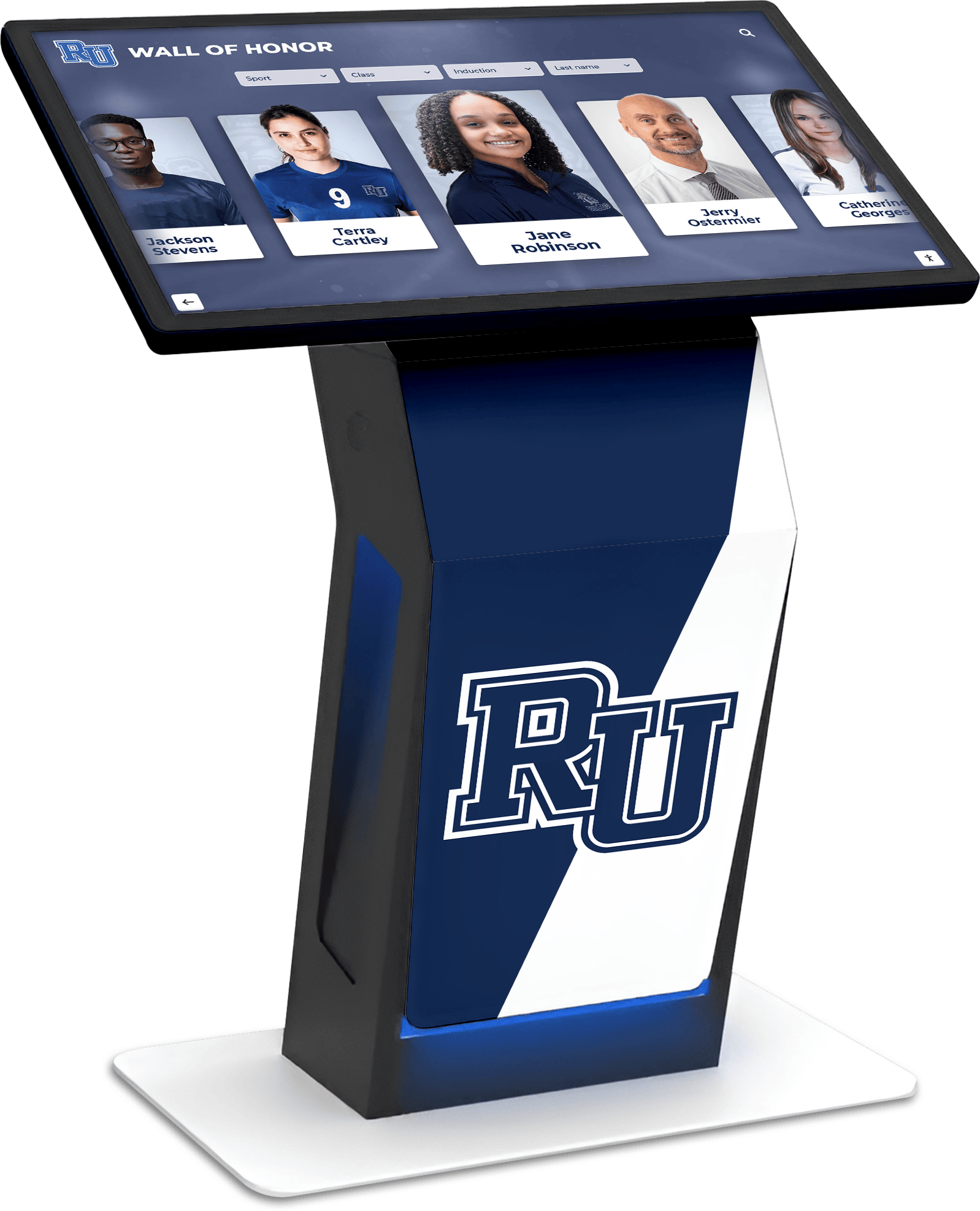
How Digital Recognition Systems Can Enhance Libraries
While catalog browsing and wayfinding represent primary library touchscreen applications, some institutions expand usage to recognize contributors, honor patrons, and build community connections through digital recognition features.
University and academic libraries increasingly install touchscreen systems highlighting notable alumni, distinguished faculty, major donors, and institutional history. These digital recognition displays transform underutilized hallway spaces into engaging exhibits strengthening institutional identity and inspiring current students.
Public libraries can similarly recognize:
- Local history preservation: Interactive exhibits showcasing historical photographs, documents, and oral histories from community archives
- Author recognition: Highlighting local authors, poets, and writers with biographical profiles and work samples
- Volunteer appreciation: Recognizing dedicated volunteers and Friends group members who support library operations
- Reading achievement programs: Celebrating summer reading participants and reading milestone achievers in children’s and teen programs
- Library history: Documenting institutional evolution, historical photographs, and legacy of longtime staff members
These recognition applications leverage the same touchscreen technology as catalog and wayfinding systems but shift focus from finding materials to celebrating community and institutional heritage.
Solutions like Rocket Alumni Solutions provide specialized platforms for recognition-focused implementations with features optimized for biographical profiles, achievement timelines, and engaging storytelling rather than catalog searching or facility navigation. While distinct from core library service touchscreens, recognition displays can complement traditional library technology while extending functionality beyond purely operational applications.
Libraries planning recognition displays should carefully distinguish between:
- Service-focused touchscreens (catalog, wayfinding, information) managed by circulation and reference staff as operational tools
- Recognition-focused displays (community history, donor acknowledgment, notable patron profiles) managed by development, programming, or community engagement staff as relationship-building tools
Each serves important but different purposes requiring distinct content management processes, update schedules, and staff responsibilities.
Future Trends in Library Touchscreen Technology
Library touchscreen applications continue evolving as technology advances and patron expectations shift:
Emerging Capabilities
Artificial Intelligence Integration: AI-powered recommendation engines will provide increasingly sophisticated suggestions based on patron interests, reading history, and community trends—moving beyond simple “similar books” to truly personalized discovery.
Voice Interface Options: Voice-activated search and navigation will complement touchscreen interaction, particularly benefiting patrons with visual impairments, mobility limitations, or those preferring voice commands.
Augmented Reality Features: AR-enabled library apps could use touchscreen kiosks as orientation points, with patrons using smartphones to follow virtual arrows and overlaid information finding specific materials throughout facilities.
Advanced Analytics: Machine learning analyzing kiosk usage patterns will optimize content placement, identify underutilized features, and predict peak demand periods enabling better staff scheduling.
Contactless Interaction: Post-pandemic interest in touchless technology may drive gesture-controlled displays and smartphone-controlled kiosks reducing physical touch requirements while maintaining self-service capabilities.
Extended Reality Exhibits: Virtual and augmented reality integrated with touchscreen displays could transport patrons into historical settings, provide immersive exploration of archival materials, or create engaging educational experiences around special collections.
Strategic Considerations for Future-Proofing
Flexible Software Platforms: Prioritize systems with regular feature updates and extensibility rather than fixed functionality—technology evolves faster than hardware replacement cycles.
Standards-Based Integration: Select systems using open standards and APIs enabling integration with future technologies rather than proprietary closed systems.
Scalable Architecture: Choose platforms supporting expansion from single installations to facility-wide networks without replacing initial investments.
Sustainable Maintenance: Consider long-term support availability—will vendors support systems in 5-7 years when hardware continues functioning but software needs updates?
Accessible Design Future: Ensure systems accommodate assistive technologies and accessibility standards likely to evolve beyond current ADA requirements.
The most successful library touchscreen implementations balance current needs with flexibility to adopt emerging capabilities as patron expectations and available technology continue evolving.
Conclusion: Transforming Library Service Through Strategic Touchscreen Implementation
Library touchscreen technology has matured from experimental novelty to essential infrastructure supporting modern library service delivery. These intuitive systems eliminate barriers between patrons and information while reducing staff workload, optimizing physical space, and improving accessibility for diverse communities.
Successful implementations require more than purchasing impressive hardware—they demand careful needs assessment, strategic placement, compelling content, staff training, and ongoing management. Libraries should approach touchscreen projects as service transformations rather than technology acquisitions, focusing on patron outcomes and operational improvements over technical specifications.
Whether deploying catalog browsing stations, wayfinding kiosks, digital exhibition displays, or comprehensive multi-system installations, library touchscreens represent strategic investments in patron experience, operational efficiency, and institutional accessibility that deliver measurable returns over multi-year lifecycles.
As patron expectations continue shifting toward self-service digital experiences in all aspects of life, libraries that strategically implement touchscreen technology position themselves as modern, accessible community resources serving diverse populations effectively despite ongoing resource constraints. The question facing library leaders is no longer whether to implement touchscreen systems, but rather how to deploy them most strategically to advance institutional missions and serve communities most effectively.































