Being selected as a McDonald’s All-American represents the pinnacle of high school basketball achievement. Since 1977, this prestigious honor has identified the nation’s top 24 boys and 24 girls basketball players, creating a legacy that includes legends like Michael Jordan, LeBron James, Kobe Bryant, Maya Moore, and countless other NBA and WNBA stars. For high schools and prep academies, having a McDonald’s All-American alumnus is a badge of honor that demonstrates exceptional athletic program quality and player development.
Yet many schools struggle to give this rare achievement the recognition it deserves. A simple trophy in an already-crowded case or a name on a static plaque fails to capture the significance of being named one of the top basketball players in an entire nation of millions of student-athletes. This extraordinary accomplishment demands recognition that matches its magnitude—displays that tell the complete story, inspire current players, and honor the dedication required to reach this elite level.
This comprehensive guide explores how schools can effectively recognize McDonald’s All-American honorees through modern digital display solutions that celebrate individual excellence while building program pride and motivating the next generation of basketball talent.
The McDonald’s All-American distinction carries weight that extends far beyond high school basketball. College recruiters, professional scouts, and basketball fans nationwide recognize this honor as a reliable indicator of elite talent. Schools that properly recognize their McDonald’s All-Americans honor exceptional individuals while demonstrating the quality of their basketball programs to prospective players, families, and the broader community.
Understanding the McDonald’s All-American Legacy
Before designing recognition programs, schools should understand the history, selection process, and significance of this prestigious designation.
History and Prestige
The McDonald’s All-American Game began in 1977 with the first boys’ team selection, and the inaugural game was played in 1978. According to Wikipedia, the games quickly became the premier showcase for high school basketball talent. The girls’ game was added in 2002, creating equal recognition opportunities for female basketball stars.
The program’s prestige is demonstrated through its extraordinary alumni roster. Nearly every McDonald’s All-American has gone on to play Division I college basketball, with many becoming NBA and WNBA stars, Olympic gold medalists, and Hall of Fame players. In fact, all but four NCAA men’s championship teams since 1978 have featured at least one McDonald’s All-American on their rosters—a remarkable testament to the award’s predictive accuracy.
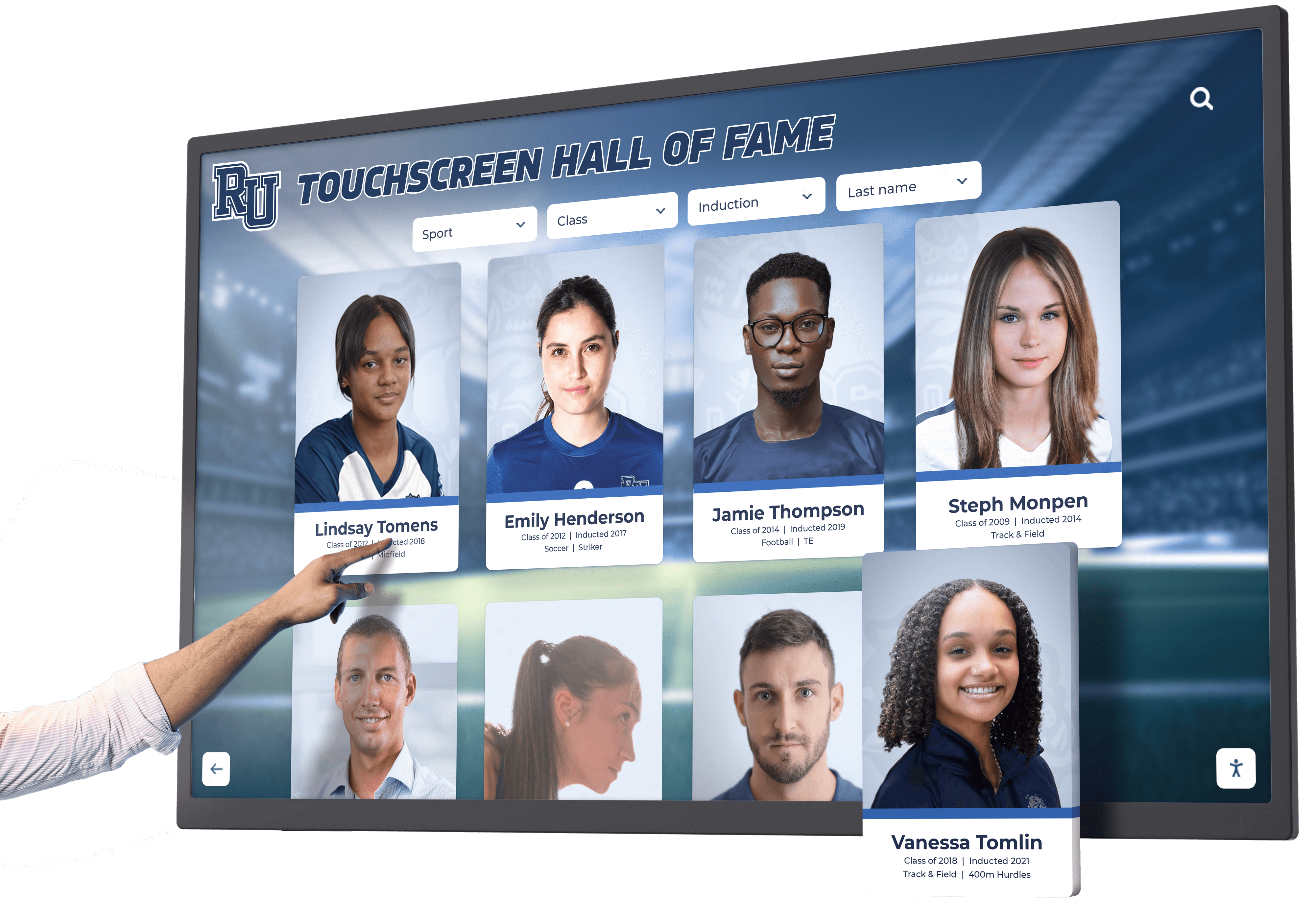
Interactive touchscreen displays provide comprehensive platforms for celebrating McDonald's All-American achievements with the prominence this rare distinction deserves
Selection Process and Criteria
Understanding the rigorous selection process helps schools communicate the achievement’s significance:
Nomination Requirements According to the official McDonald’s All-American nomination guidelines, players must meet specific eligibility criteria:
- Be a high school senior on schedule to graduate in May or June of their senior year
- Have their 19th birthday occur on or after September 1st of their senior year
- Have lived in the United States for one calendar year prior to nomination
- Have attended a U.S.-based high school for at least one calendar year
- Cannot hold professional status as a basketball player
- Cannot have received payment or inducements for participation in basketball games or events
- Players convicted of or charged with a felony will not be considered
Selection Committee Evaluation From hundreds of nominees nationwide, the final 24 boys and 24 girls are hand-selected by a committee composed of basketball experts, including top analysts, prep scouts, media members, and coaches. The Selection Committee, led by Director Terri Lynn Wootten and committee chair Joe Wootten, evaluates multiple dimensions:
- Fundamental skill level and basketball IQ
- Competitive motor and intensity
- Potential for continued growth and development
- Overall athleticism and physical tools
- On-court performance throughout the season
- Off-court conduct and character
This comprehensive evaluation means McDonald’s All-Americans represent not just exceptional athletic talent but complete players with the character and work ethic to succeed at the highest levels.
The 2025 Games and Beyond
The 2025 McDonald’s All-American Games were held at Barclays Center in Brooklyn for the first time, showcasing the program’s continued evolution and prestige. The 24 boys and 24 girls were selected from over 700 nominees—highlighting just how exclusive this honor truly is. Featured players included BYU signee AJ Dybantsa and Duke commit Cameron Boozer, both projected as future NBA lottery picks.
The games continue to serve as must-watch events for college coaches, professional scouts, and basketball fans, reinforcing the significance of selection for both players and their high school programs.
Explore related elite basketball recognition in high school basketball scoring records tracking programs that celebrate exceptional on-court achievement.
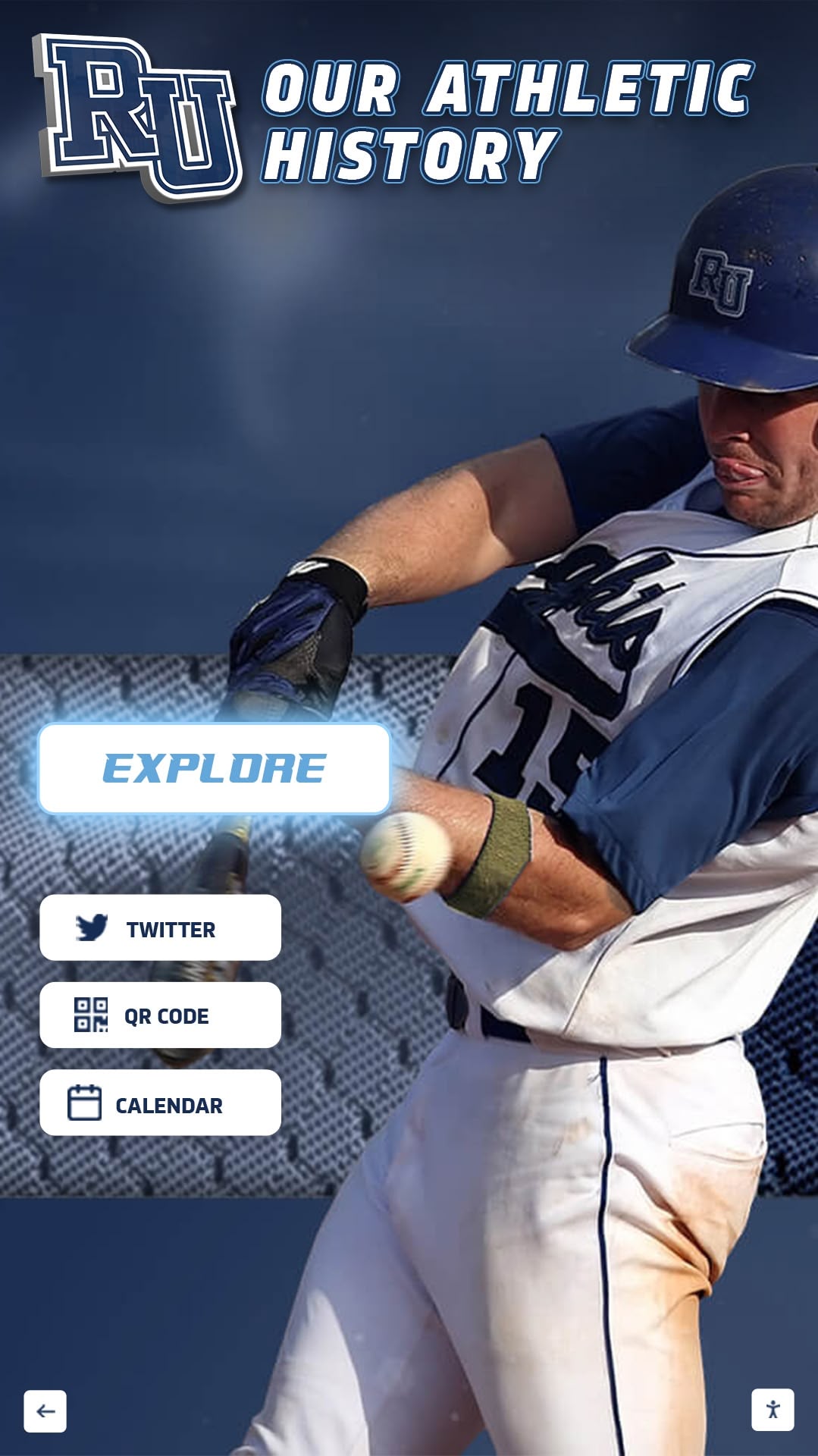
Digital displays enable schools to showcase individual athlete achievements with professional presentation quality
Why Proper McDonald’s All-American Recognition Matters
Creating prominent recognition for McDonald’s All-Americans serves multiple strategic purposes that extend well beyond simply honoring past players.
Inspiring Current and Future Players
When young basketball players see that someone from their school reached the absolute pinnacle of high school basketball, abstract dreams become tangible possibilities. A freshman point guard who encounters a detailed profile of a McDonald’s All-American who once walked the same hallways, practiced in the same gym, and learned from coaches they know understands that elite achievement is genuinely achievable.
Recognition displays featuring McDonald’s All-Americans provide concrete evidence that exceptional dedication, skill development, and competitive excellence can lead to the ultimate high school basketball goal. These visible examples create motivation that generic inspirational speeches cannot match, showing current players that their program has successfully developed elite talent.
The psychological impact cannot be overstated. When athletes see specific pathways from freshman team through varsity excellence to McDonald’s All-American selection, they gain clear developmental roadmaps. Many schools report that prominent athletic recognition directly influences player commitment, practice intensity, and goal-setting behaviors.
Demonstrating Program Quality to Recruits
In the competitive world of basketball recruiting, McDonald’s All-American alumni represent the ultimate credential. When elite prospects and their families evaluate programs, they seek evidence of player development capabilities—and producing McDonald’s All-Americans provides the most compelling proof possible.
Prominent digital displays showcasing McDonald’s All-Americans become powerful recruiting tools during campus visits. Prospective players can explore detailed profiles showing complete development trajectories from incoming recruit through McDonald’s All-American selection, understanding exactly how the program prepares players for elite status.
For programs competing to attract top talent, these displays demonstrate development expertise that influences commitment decisions. When recruiting presentations reference specific alumni who reached McDonald’s All-American status, programs validate their ability to develop players to the highest competitive levels.
Learn about comprehensive athletic recruiting through college commitment day digital board displays that celebrate player development success.
Building Program Reputation and Brand
McDonald’s All-Americans bring reflected prestige to their high school programs through national media coverage, social media visibility, and basketball community recognition. When former players compete in the McDonald’s All-American Game, institutional names appear in broadcasts, articles, and digital content viewed by hundreds of thousands of basketball fans nationwide.
Recognition displays celebrating McDonald’s All-Americans leverage this visibility by connecting high-profile individuals back to their program origins. Schools that produce consistent McDonald’s All-American talent develop reputations as elite basketball development centers, attracting additional talented recruits and strengthening program trajectories.
The cumulative effect of multiple McDonald’s All-Americans creates powerful narratives about coaching excellence and program quality. These reputations attract not just players but also community support, booster engagement, and broader institutional recognition.
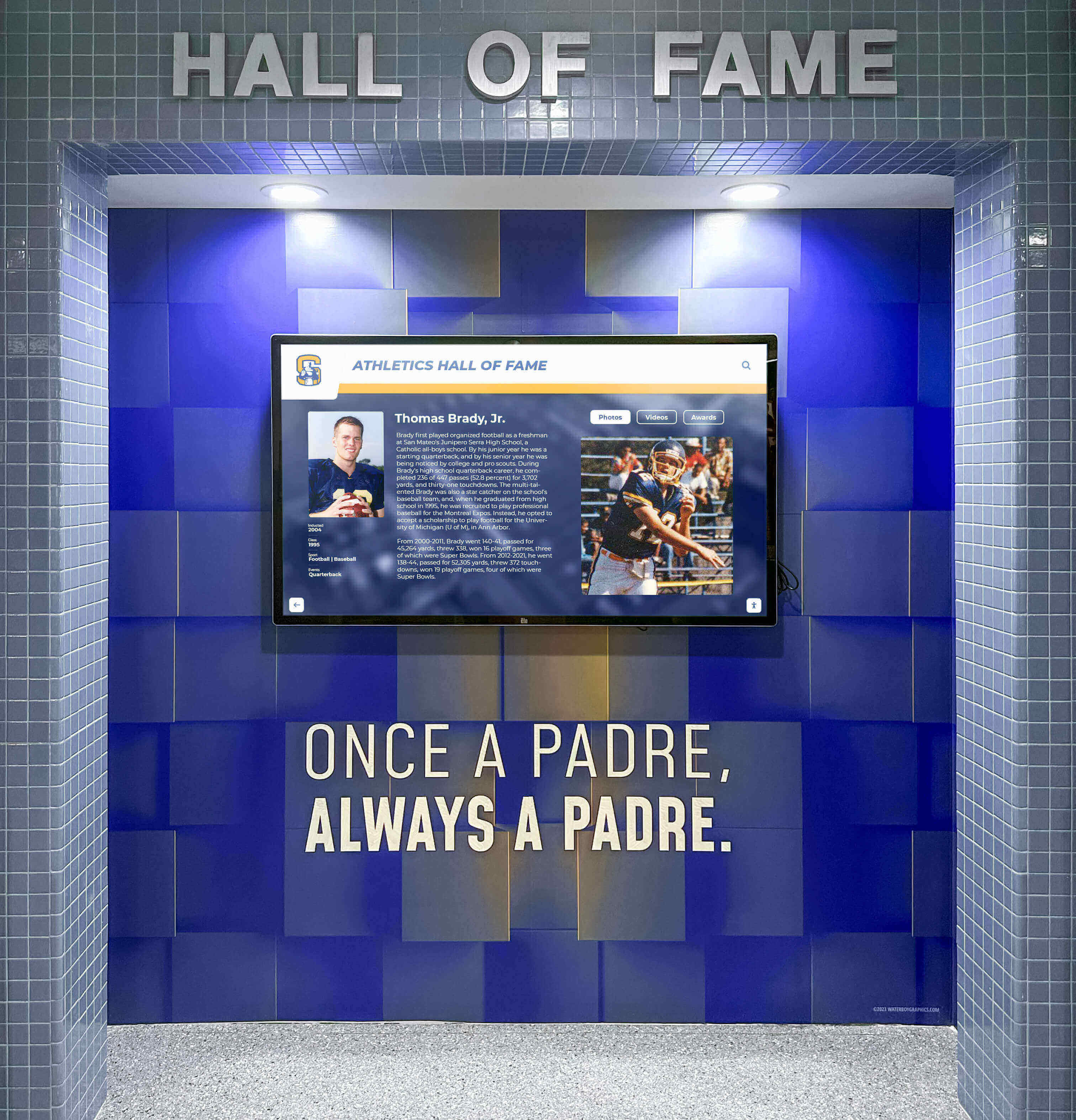
Strategic athletic facility displays ensure McDonald's All-American achievements receive prominent visibility
Creating Alumni Engagement Opportunities
McDonald’s All-Americans typically maintain strong connections to programs that prepared them for elite competition. These high-profile alumni represent ideal candidates for meaningful engagement—speaking at basketball camps, mentoring current players, supporting fundraising initiatives, and serving as program ambassadors.
Recognition displays honoring McDonald’s All-Americans create natural touchpoints for ongoing connection. When programs reach out to alumni about updating profiles with college or professional achievements, adding new career milestones, or participating in recognition events, these communications maintain relationships that benefit both parties.
Many former McDonald’s All-Americans actively seek opportunities to give back to programs that developed them. Prominent recognition demonstrating program pride in their achievements encourages deeper engagement, as players appreciate institutions that celebrate their success and maintain connection beyond their high school playing days.
Traditional vs. Modern Recognition Approaches
Schools face important decisions about how to recognize McDonald’s All-Americans in ways that match the achievement’s extraordinary significance.
Limitations of Traditional Recognition
Many schools have traditionally recognized McDonald’s All-Americans through conventional methods that face significant constraints:
Physical Trophy Cases While trophy cases serve important purposes, they encounter several limitations:
- Limited space constrains how many achievements can be prominently displayed
- Trophies and plaques compete for visibility with other athletic honors
- Static displays provide minimal context about the achievement
- No opportunity to include action photos, video highlights, or detailed statistics
- Updating or modifying displays requires physical work and often significant expense
Wall Plaques and Banners Permanent wall recognition faces similar challenges:
- Fixed presentation limits information that can be shared
- Once installed, modifications are difficult and costly
- Space constraints force difficult decisions about what to recognize
- Photos can fade or become dated over time
- No ability to showcase multimedia content or detailed career narratives
Yearbook and Program Recognition While valuable for documentation, these approaches lack ongoing visibility:
- Only accessible when someone specifically seeks them out
- Limited to single year of prominence
- Cannot be easily updated with subsequent achievements
- Minimal impact on current players who rarely review historical yearbooks
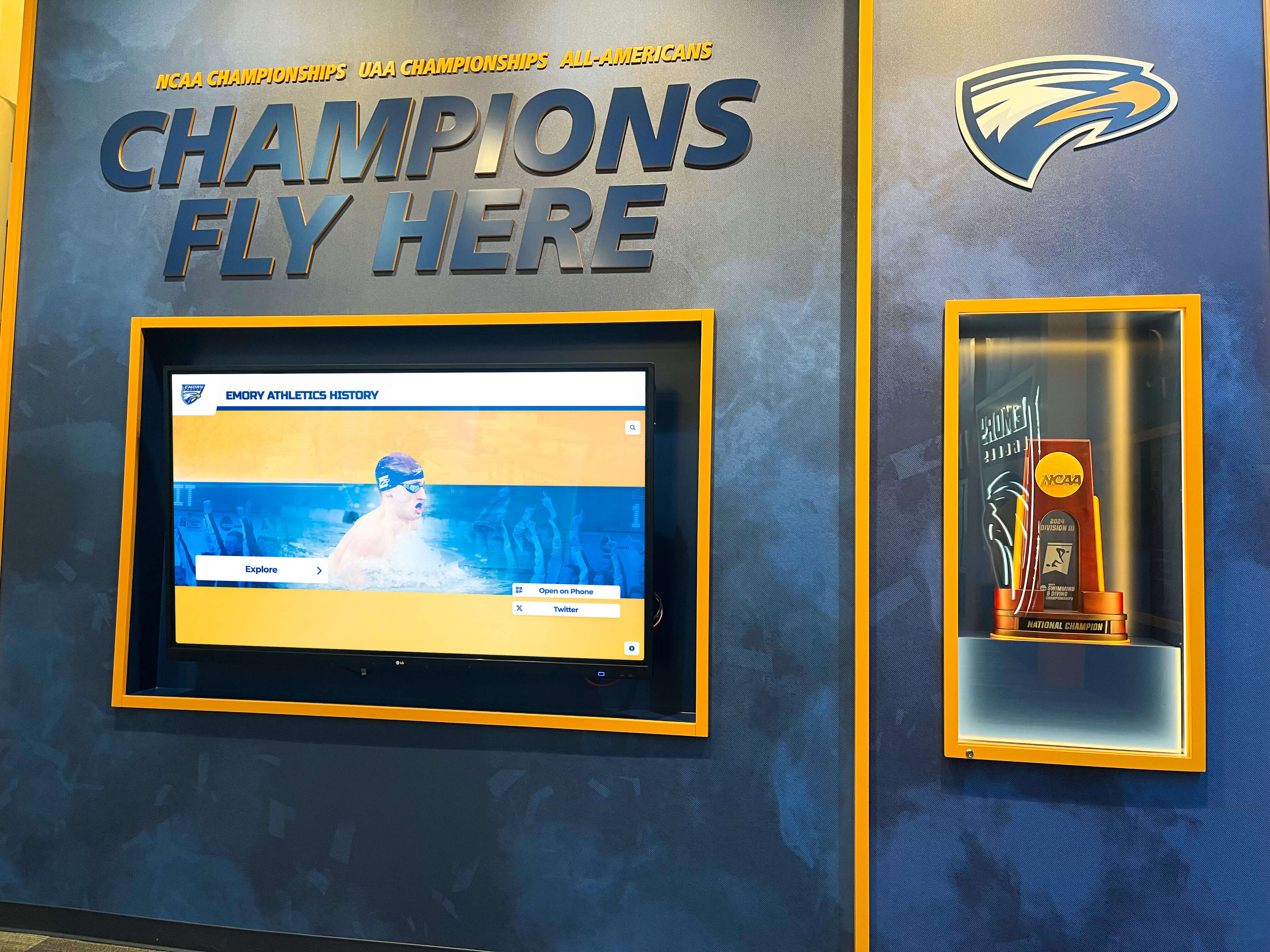
While traditional trophy displays serve important purposes, they face space limitations and cannot provide comprehensive achievement context
Digital Recognition Advantages
Modern digital display systems offer transformative advantages for McDonald’s All-American recognition:
Unlimited Recognition Capacity Solutions like Rocket Alumni Solutions enable schools to create comprehensive recognition without space constraints:
- Single display showcases unlimited McDonald’s All-Americans across all years
- Historical honorees receive equal prominence with recent selections
- Easy expansion as new players earn the honor annually
- No need to remove older recognition to accommodate new achievements
- Integration with broader athletic achievement recognition systems
Rich Multimedia Content Digital platforms seamlessly incorporate content impossible with physical displays:
- High-resolution action photos from high school games
- McDonald’s All-American Game highlight videos
- Complete high school career statistics and achievements
- Coach testimonials about player development and work ethic
- College and professional career updates showing continued success
- Interactive timelines documenting progression from freshman to All-American
Simple Content Management Cloud-based systems dramatically simplify recognition administration:
- Remote updates from any internet-connected device
- Form-based interfaces requiring no technical expertise
- Instant publishing when players earn McDonald’s All-American selection
- Easy correction of errors without physical modifications
- Multiple administrator access with appropriate permissions
- Scheduled content updates and automatic rotations
Enhanced Engagement Features Interactive displays create experiences that static recognition cannot match:
- Touchscreen exploration enabling visitors to discover achievement details
- Search functionality locating specific players by name or graduation year
- Filter options by decade, position, or achievement type
- Social media integration for sharing accomplishments
- Web accessibility extending recognition beyond physical campus
- Mobile optimization for viewing on smartphones and tablets
Discover comprehensive digital approaches in high school graduate display programs that celebrate student achievement.
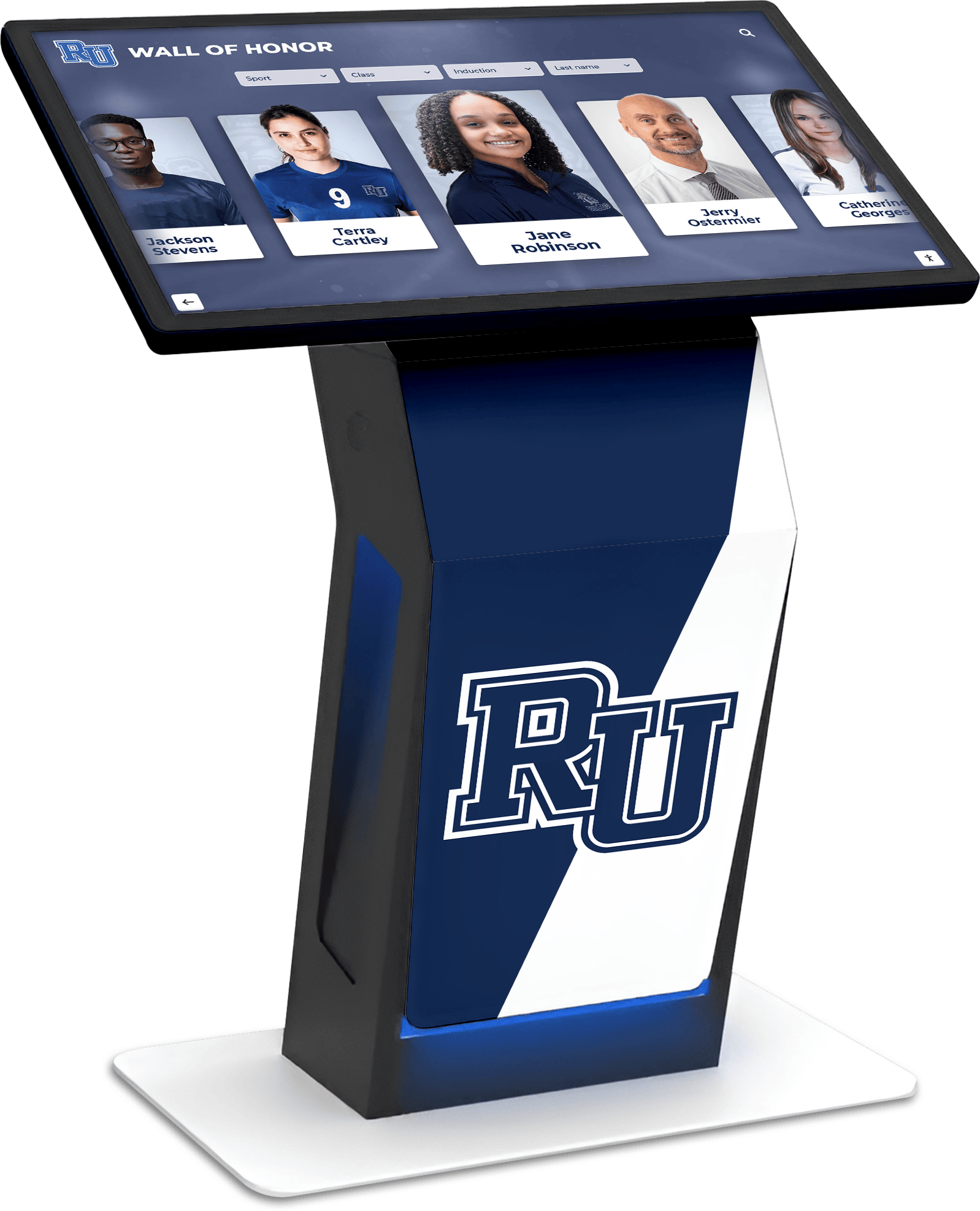
Freestanding interactive kiosks provide prominent visibility for McDonald's All-American recognition with unlimited content capacity
Creating Comprehensive McDonald’s All-American Profiles
The depth and quality of recognition content significantly impacts motivational effectiveness and appropriate honoring of achievement.
Essential Profile Elements
Comprehensive McDonald’s All-American profiles should include multiple information layers:
Basic Achievement Information
- Player name and graduation year
- Year selected as McDonald’s All-American
- Whether selected for Boys or Girls game
- High school attended during selection year
- Position played and jersey number
High School Career Documentation Create complete pictures of the excellence that led to selection:
- Career statistics (points, rebounds, assists, etc.)
- Championship achievements and tournament success
- Individual awards and all-state selections
- Significant game performances and career highlights
- High school records set or tied
- Team records during player’s career
- Coach quotes about player development and impact
McDonald’s All-American Game Details Honor the actual All-American experience:
- Game date and location
- Game statistics and performance
- Notable moments or highlights from the game
- Photos from the game and surrounding events
- Team designation (East/West or regional assignments)
- Fellow All-Americans from that year’s game
College and Beyond Document continued success after high school:
- College commitment and athletic scholarship details
- College career highlights and achievements
- Professional basketball career information if applicable
- International competition and national team participation
- Current occupation and continued basketball involvement
- Community engagement and giving back to the sport
Explore related comprehensive recognition in academic recognition programs celebrating complete student achievement.
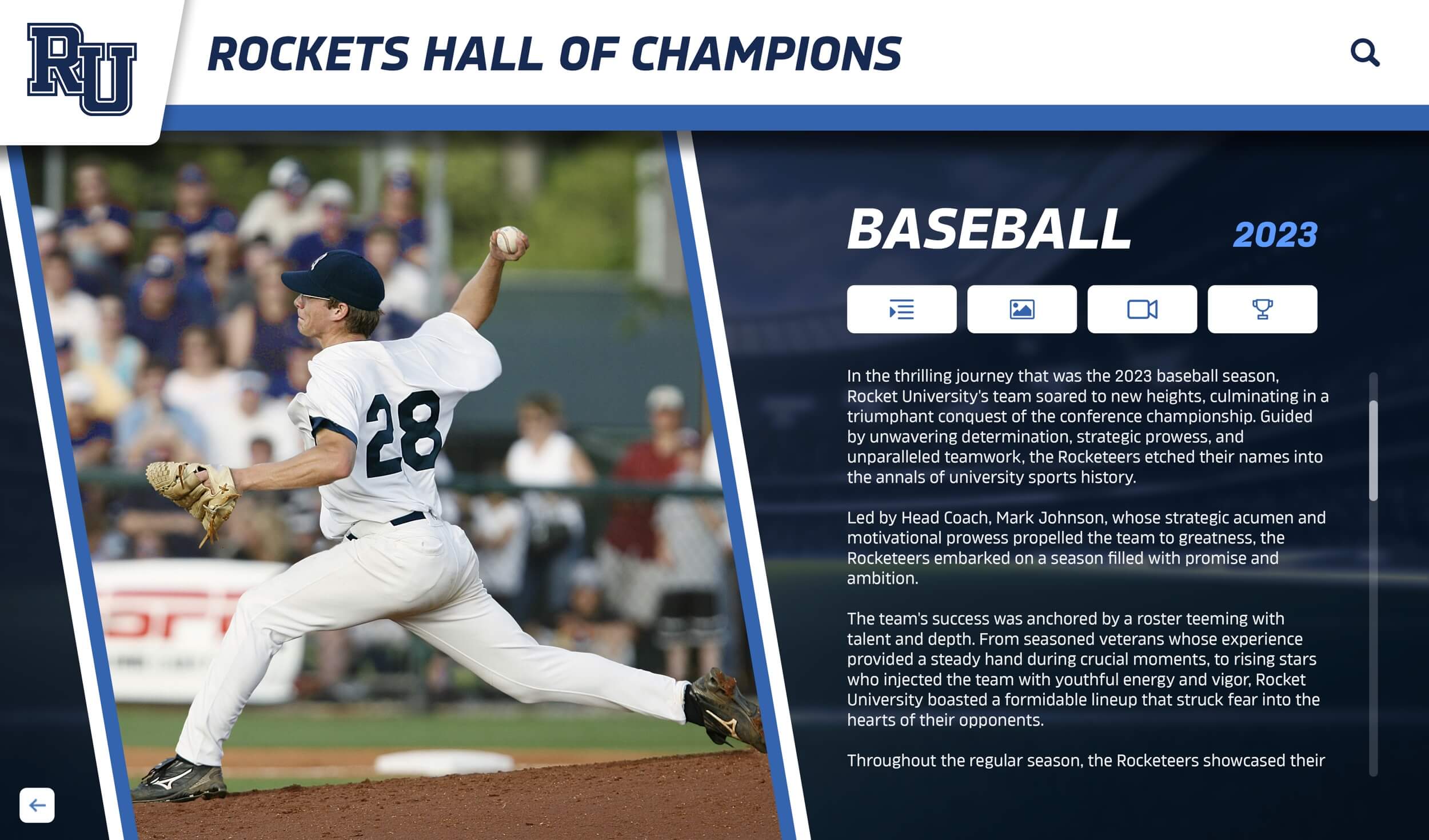
Individual athlete profiles allow schools to tell complete stories behind McDonald's All-American achievements
Storytelling Elements That Inspire
The most impactful recognition extends beyond statistics to tell meaningful achievement stories:
Development Journey Narratives Profiles should capture the pathway to elite status:
- Early basketball experiences and when talent emerged
- Key developmental moments and breakthrough performances
- Challenges overcome and obstacles navigated
- Training regimens and dedication required
- Balance between academics, athletics, and personal life
- Coaching and mentorship relationships that shaped development
- Specific skills or attributes that led to All-American selection
Multimedia Content Integration Digital platforms enable rich content that brings achievements to life:
- Video highlights from high school championship games
- McDonald’s All-American Game highlight clips
- Coach interviews discussing player impact and character
- Player testimonials about their journey and what the honor means
- Family perspectives on commitment and sacrifice
- Teammate reflections on playing alongside an All-American
- Comparison videos showing skill development from freshman to senior year
Legacy and Continued Impact Complete profiles document ongoing influence:
- How the player’s success inspired teammates and younger players
- Current involvement with the program or basketball community
- Mentorship of current student-athletes
- Professional career achievements demonstrating continued excellence
- Community service and giving back to the sport
- Updates showing long-term impact of skills and character developed in high school
This comprehensive storytelling transforms recognition from simple acknowledgment to inspirational educational resources that motivate current and future basketball players while properly honoring extraordinary achievement.
Integrating McDonald’s All-American Recognition Into Athletic Programs
McDonald’s All-American recognition should integrate within comprehensive athletic recognition frameworks rather than existing as isolated displays.
Multi-Tiered Basketball Recognition Systems
Create recognition hierarchies acknowledging achievements at multiple levels:
Pinnacle Recognition Reserve highest prominence for rarest achievements:
- McDonald’s All-Americans
- State Player of the Year recipients
- Individual state championship MVPs
- National competition participants
- National top-100 recruiting rankings
Elite Recognition Second-tier recognition for exceptional accomplishments:
- All-State First Team selections
- Conference Player of the Year honors
- 1,000-point career scorers
- Division or regional championship teams
- College athletic scholarship recipients
Broad Achievement Recognition Wider recognition ensuring multiple achievement opportunities:
- All-Conference selections across all levels
- Team MVP and special awards
- Academic All-Conference recognition
- Career milestone achievements (500 points, 100 assists, etc.)
- Four-year varsity letter winners
- Team championship participants
This tiered approach maintains special significance for McDonald’s All-American selection while ensuring achievement opportunities exist across all athletic participation levels.
Learn about comprehensive athletic recognition in all-state athlete digital displays celebrating diverse achievement levels.
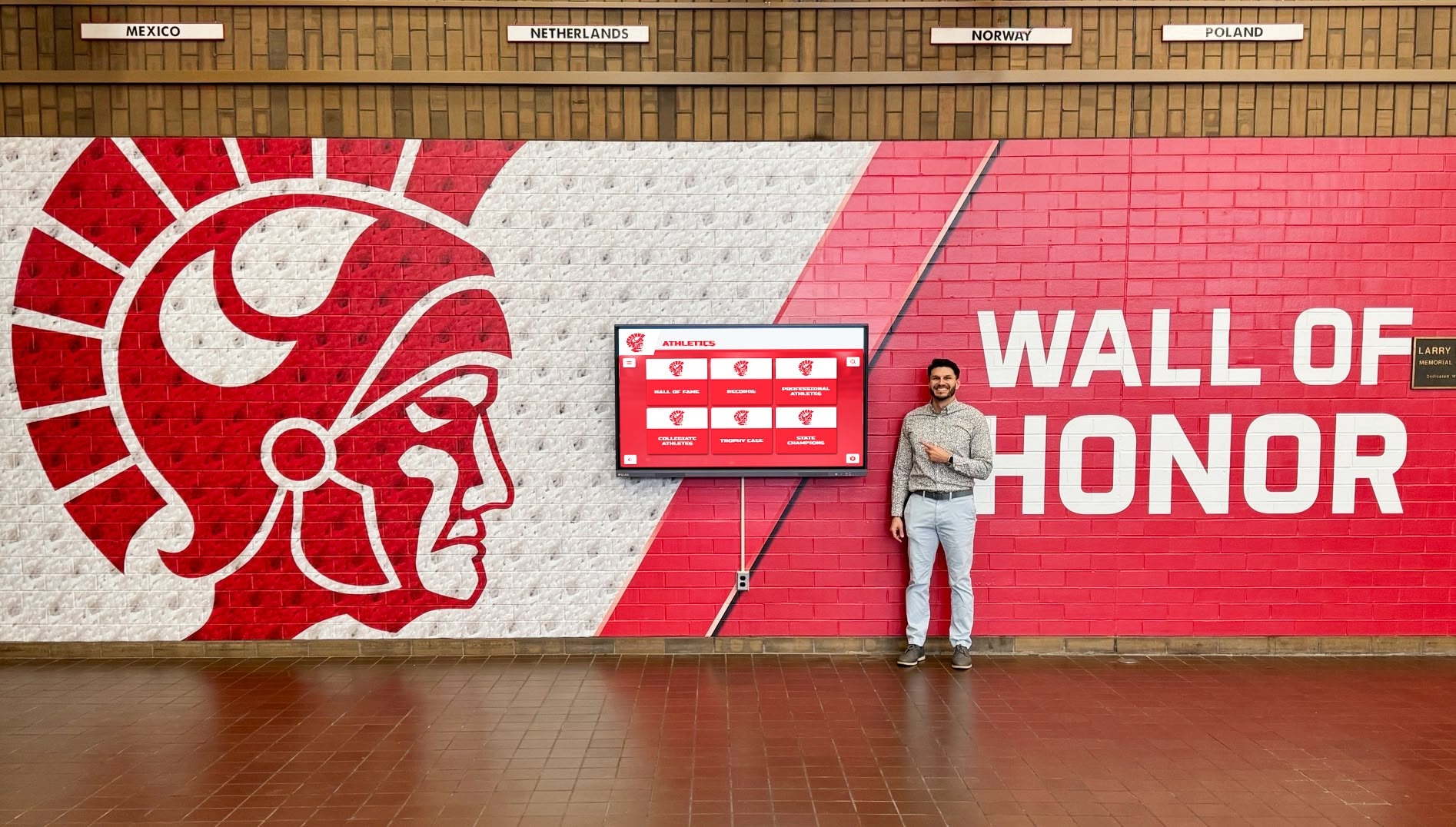
Integrated recognition systems celebrate diverse basketball achievements while maintaining appropriate prominence for McDonald's All-American honors
Connecting Recognition to Program Culture
McDonald’s All-American recognition should reinforce broader basketball program values:
Excellence Standards Use All-American recognition to communicate program expectations:
- Elite achievement requires comprehensive excellence, not just basketball skill
- Academic performance matters alongside athletic development
- Character and leadership define complete players
- Consistent effort and development lead to highest achievements
- Program commitment to developing players to their maximum potential
Mentorship Opportunities Leverage McDonald’s All-Americans as program resources:
- Peer mentorship programs connecting All-Americans with current players
- Virtual advising sessions with All-American alumni
- Summer camp appearances and skill development clinics
- Recruiting event participation and program advocacy
- Speaking engagements at team dinners or awards ceremonies
Tradition Building Create institutional culture through consistent recognition:
- Annual ceremonies when players selected as McDonald’s All-Americans
- Permanent displays in prominent basketball facility locations
- Recruiting materials featuring All-American alumni
- Social media campaigns celebrating All-American selection
- Alumni events reconnecting historical All-Americans with current programs
Implementation Strategies for McDonald’s All-American Recognition
Successfully launching recognition programs requires careful planning and strategic execution.
Display Selection and Placement
Strategic hardware and location decisions maximize recognition visibility and impact:
Display Hardware Considerations
- Commercial-grade touchscreen displays (43"-75" typical)
- Displays rated for continuous operation in high-traffic areas
- High resolution supporting detailed photographs and video content
- Mounting options: wall-mounted, freestanding kiosk, or integrated architectural
- Protective screens or enclosures for gymnasium environments
- Sound capabilities for video content without disturbing adjacent areas
Optimal Placement Locations Position displays ensuring maximum visibility to multiple audiences:
- Main basketball gymnasium entrances and lobbies
- Athletic hallways leading to basketball facilities
- Locker room areas where players gather before practices and games
- Weight rooms and training facilities used by basketball teams
- Areas visible during recruiting visits and campus tours
- Locations accessible during basketball games and community events
Integration With Existing Recognition Ensure McDonald’s All-American displays complement broader basketball recognition:
- Proximity to team championship banners and trophies
- Connection with all-state and all-conference displays
- Integration with college commitment recognition
- Relationship to school hall of fame programs
- Coordination with broader athletic achievement displays
Explore comprehensive athletic facility recognition in athletic wall of honor programs showcasing multiple achievement types.
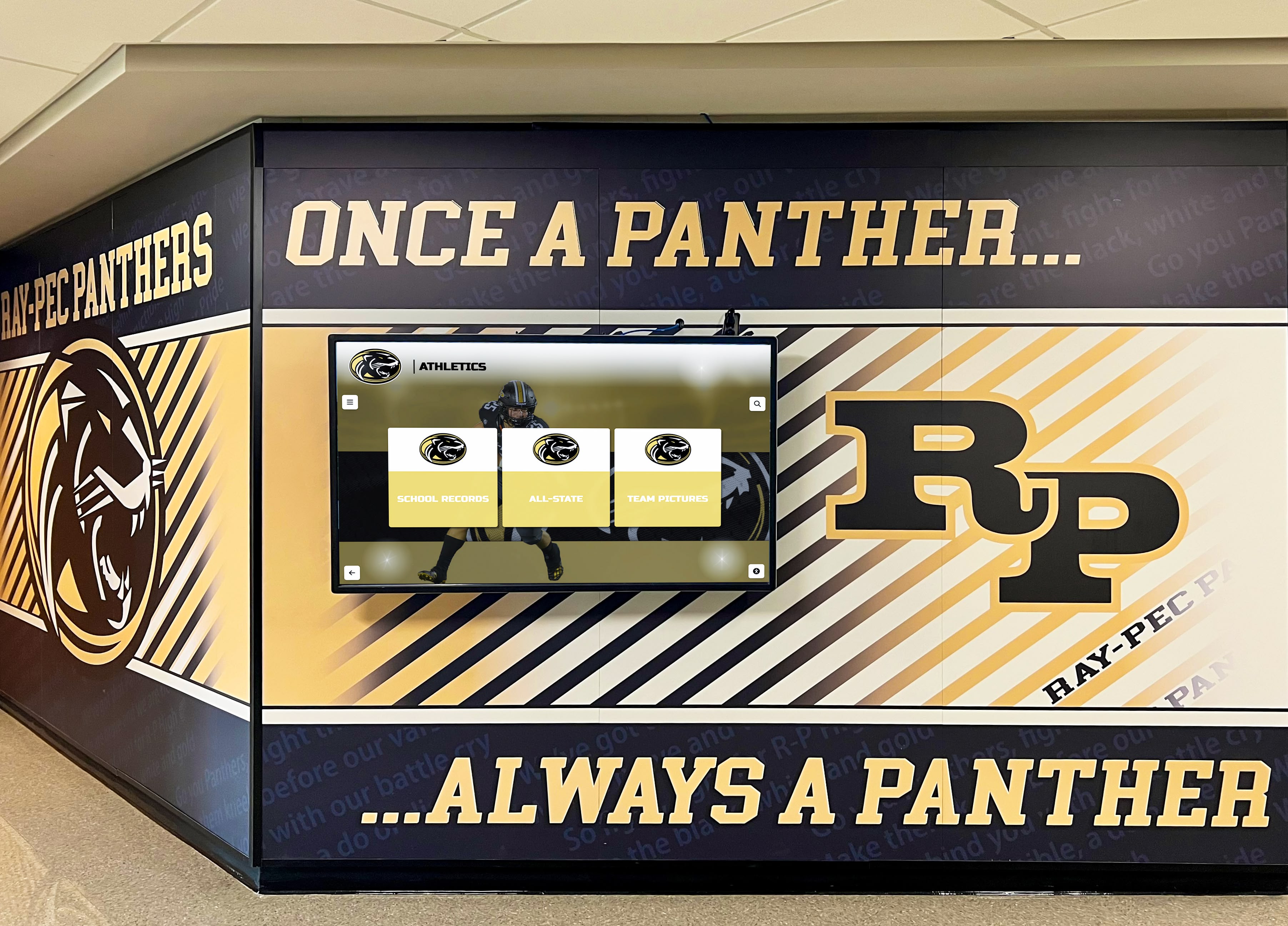
Strategic placement integrates McDonald's All-American recognition into daily basketball program experience
Research and Content Development
Identifying all qualifying McDonald’s All-Americans and developing comprehensive content requires systematic approaches:
Historical Research
- Review athletic department records and media guides
- Search newspaper archives for All-American announcements
- Consult with long-time coaches and athletic staff
- Contact alumni associations for historical information
- Review McDonald’s All-American Game historical rosters online
- Reach out to identified All-Americans for biographical information
Content Collection Gather materials for comprehensive profiles:
- High-resolution action photos from high school games
- McDonald’s All-American Game photos and videos
- Statistical records from high school careers
- Coach and teammate testimonials
- College and professional career information
- Current photos and career updates for historical players
Profile Development Create engaging, comprehensive recognition content:
- Write compelling narratives about development journeys
- Compile complete statistical records
- Edit video highlights appropriately
- Design visual layouts that highlight key achievements
- Ensure consistent formatting across all profiles
- Review content with featured players when possible
Launch and Promotion Strategies
Strategic launches generate excitement and maximize recognition program impact:
Ceremonial Unveiling Plan formal unveiling during high-visibility events:
- Basketball season home opener or major rivalry game
- Homecoming weekend or alumni reunion events
- Athletic awards banquet or end-of-season celebration
- Invite McDonald’s All-American alumni to attend
- Create opportunities for current players to meet All-American alumni
- Generate media coverage through press releases and social media
Ongoing Promotion Maintain recognition visibility through multiple channels:
- Social media posts featuring individual All-Americans
- Website integration providing remote access
- Game program features celebrating All-Americans
- Announcements during basketball games
- Athletic department newsletters highlighting recognition
- Community media partnerships extending reach
Annual Recognition Traditions Create sustainable celebration patterns:
- Special ceremonies when current players selected as All-Americans
- Senior night recognition for graduating McDonald’s All-Americans
- Alumni weekend events honoring historical All-Americans
- Annual updates to displays with new selections
- Social media anniversary posts celebrating historical selections
Measuring Recognition Program Success
Effective programs assess impact through multiple metrics demonstrating value:
Engagement Metrics
Digital recognition systems provide quantitative engagement data:
- Total Interactions: Track how many people view McDonald’s All-American recognition
- Profile Views: Identify which players generate most interest
- Session Duration: Measure average time spent exploring recognition
- Return Visits: Track repeat users showing sustained interest
- Social Sharing: Monitor recognition content sharing via social media platforms
Qualitative Feedback
Structured feedback collection provides insights beyond quantitative metrics:
Current Player Surveys Assess whether McDonald’s All-American recognition influences:
- Motivation and goal-setting behaviors
- Understanding of program excellence standards
- Pride in program affiliation
- Commitment to development and improvement
- Long-term athletic aspirations
Recruit Impressions Gather feedback from prospective players about:
- Whether All-American recognition influenced program perceptions
- Impact on commitment decisions
- Understanding of program development capabilities
- Comparison to recognition at other programs being considered
Community Response Track broader community engagement:
- Media coverage of recognition program
- Social media engagement and discussions
- Booster club and supporter reactions
- Alumni engagement and event attendance
- General community awareness of program quality
Program Outcome Indicators
Longer-term assessment examines broader program impacts:
Player Development Monitor whether prominent recognition correlates with:
- Increased practice intensity and player commitment
- Improved player goal-setting and development planning
- Enhanced team culture and competitive standards
- Greater player persistence through challenges
Recruitment Success Compare recruiting results before and after recognition implementation:
- Quality of prospects showing interest in program
- Commitment rates among top recruits
- Number of campus visits from elite prospects
- Recruiting ranking improvements
Alumni Relations Assess whether recognition strengthens relationships:
- Increased involvement from McDonald’s All-American alumni
- Participation in mentorship and speaking opportunities
- Financial support for program or facilities
- Advocacy during recruiting efforts
Cost Considerations and Return on Investment
Schools should understand financial implications and value of McDonald’s All-American recognition investments.
Implementation Investment
Digital Recognition System Costs Typical investment ranges for modern displays:
- Display hardware (commercial touchscreen): $3,000-$8,000
- Content management software licensing: $1,500-$3,500 annually
- Professional installation and integration: $500-$2,000
- Initial content development: $1,000-$3,000
- Network infrastructure if required: $500-$1,500
- Training and implementation support: $500-$1,000
Total initial investment typically ranges from $7,000-$19,000 depending on display size, features, and installation complexity.
Ongoing Operational Costs
- Annual software licensing and support: $1,500-$3,500
- Content updates for new McDonald’s All-Americans: minimal with cloud systems
- Occasional hardware maintenance: $200-$500 annually
- Electricity costs: approximately $50-$100 annually
- Photography and video production: variable based on approach
Compare this to traditional approaches requiring $200-$500 per engraved plaque with extremely limited information capacity and no multimedia capabilities.
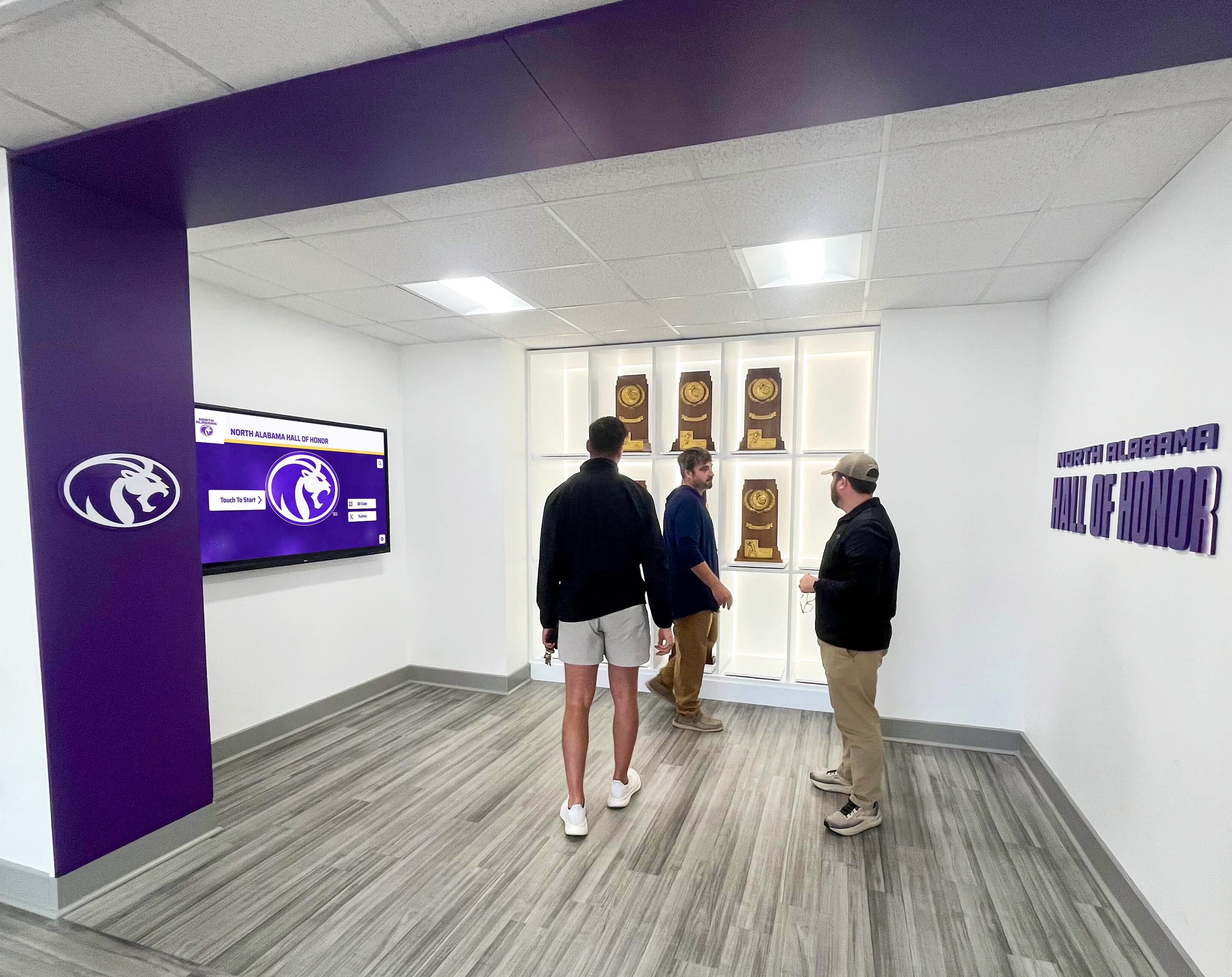
Dedicated recognition spaces create prominent visibility for McDonald's All-American and other major basketball achievements
Return on Investment
Digital recognition systems deliver value across multiple dimensions:
Intangible Benefits
- Enhanced basketball program reputation and recruiting appeal
- Increased player motivation toward comprehensive excellence
- Improved community perception of program quality
- Alumni engagement through historical recognition
- Reinforcement of program values around development and achievement
Measurable Outcomes Schools implementing prominent basketball recognition report:
- Increased basketball program enrollment and participation
- Enhanced recruiting success with higher-quality prospects
- Greater booster club engagement and financial support
- Improved community attendance at basketball games
- Increased social media engagement and program visibility
Administrative Efficiency Digital systems create significant time savings:
- 80-90% reduction in recognition update time versus traditional methods
- Elimination of engraving coordination and physical installation
- Simplified error correction and information updates
- Reduced space management concerns
- Streamlined recognition program administration
The value of proper McDonald’s All-American recognition extends far beyond immediate costs, creating lasting benefits for players, programs, and school communities.
Best Practices for McDonald’s All-American Recognition
Successful programs share common characteristics that maximize impact and honor achievement appropriately:
Recognition Timing
Immediate Acknowledgement When players selected as McDonald’s All-Americans:
- Same-day social media posts celebrating achievement
- Morning announcements sharing news with school community
- Email communications to families and supporters
- Press releases to local and national basketball media
- Website updates featuring achievement prominently
Formal Celebration Create memorable recognition moments:
- Special halftime ceremony at next home basketball game
- Assembly presentation to entire school community
- Team dinner or gathering honoring the selection
- Senior night or end-of-season banquet recognition
- Award ceremony celebrating comprehensive achievement
Permanent Display Addition Most lasting recognition comes through permanent display systems showcasing McDonald’s All-Americans in high-traffic locations with comprehensive achievement profiles.
Maintaining Accuracy and Respect
Verification Processes
- Confirm McDonald’s All-American selection from official sources
- Verify correct spelling of player names
- Validate graduation year and achievement details
- Review statistics and career information for accuracy
- Obtain player consent for profile information and photos
Ongoing Updates
- Add college commitment and career information
- Include professional career achievements when applicable
- Update photos as higher-quality images become available
- Correct any errors discovered promptly
- Maintain respect for player privacy and preferences
Privacy and Consent
Respect player preferences regarding public recognition:
- Obtain signed permission before displaying personal information
- Clearly communicate what information will be publicly shown
- Provide opportunities to review profiles before publication
- Respect family photography preferences
- Allow players to decline recognition if preferred
Conclusion: Honoring Basketball’s Elite
Being named a McDonald’s All-American represents the pinnacle of high school basketball achievement—a distinction earned by only 48 players annually from millions of student-athletes nationwide. This extraordinary honor deserves recognition matching its significance: prominent displays that tell complete achievement stories, inspire current players to pursue similar excellence, and demonstrate program quality to recruits and the broader community.
Traditional recognition methods—simple plaques, trophies in crowded cases, or brief yearbook mentions—fall short of adequately celebrating this rare distinction. Modern digital recognition solutions like those from Rocket Alumni Solutions provide schools with platforms that truly honor McDonald’s All-Americans through unlimited recognition capacity, rich multimedia content showcasing complete career narratives, simple cloud-based management requiring no technical expertise, interactive touchscreen engagement creating memorable experiences, and web accessibility extending recognition beyond campus boundaries.
Celebrate Your McDonald's All-Americans
Discover how modern digital recognition solutions can help you honor McDonald's All-American selections while building program pride and inspiring future basketball talent through interactive displays designed specifically for schools and basketball programs.
Explore Recognition SolutionsSchools ready to implement or enhance McDonald’s All-American recognition should begin by researching all qualifying alumni throughout program history, gathering comprehensive biographical and career information, selecting appropriate display technology matching budget and facility needs, developing rich multimedia profiles documenting complete achievement narratives, and establishing sustainable maintenance processes ensuring recognition remains current.
The investment in proper McDonald’s All-American recognition generates returns far exceeding implementation costs. Current players gain inspiration from tangible evidence that elite achievement is possible, coaching staffs demonstrate development capabilities to recruits and families, programs build reputations as elite basketball development centers, alumni feel honored and maintain program connections, and communities take pride in basketball excellence.
Every McDonald’s All-American selection represents years of dedication, countless hours of practice, exceptional talent development, and extraordinary achievement. These remarkable individuals deserve recognition that matches the significance of their accomplishment—recognition that inspires future generations while building lasting program pride and basketball tradition.
Ready to honor your McDonald’s All-Americans appropriately? Explore how solutions like Rocket Alumni Solutions can transform your basketball recognition program, or discover more about comprehensive famous alumni recognition approaches and athletic hall of fame creation that celebrate complete basketball excellence.































