Memorial Day stands as one of our nation’s most solemn observances, a day when Americans pause to remember and honor the brave men and women who made the ultimate sacrifice while serving in the United States Armed Forces. For schools, this holiday presents a profound opportunity to educate students about military service, instill values of gratitude and respect, and create meaningful tributes that honor both fallen heroes and living veterans within their communities.
Schools across the country are discovering that effective Memorial Day tributes extend far beyond a single assembly or moment of silence. The most impactful programs combine educational components, community engagement, student participation, and lasting recognition displays that honor service members year-round while building toward a crescendo of remembrance each late May.
This comprehensive guide explores proven Memorial Day tribute ideas specifically designed for K-12 schools, colleges, and universities, providing actionable strategies you can adapt to your institution’s unique culture, resources, and community of veterans and service members.
Why Memorial Day Matters in Educational Settings
Memorial Day carries particular significance in schools because educational institutions serve as community anchors where values are transmitted across generations. When schools create thoughtful Memorial Day tributes, they accomplish several critical objectives:
Historical Education: Students learn the difference between Memorial Day (honoring fallen service members) and Veterans Day (honoring all who served), understanding the specific sacrifices Memorial Day commemorates.
Civic Responsibility: Tribute programs teach students about service, sacrifice, and the freedoms these sacrifices protect, fostering civic awareness and gratitude.
Community Connection: School tributes often bring together students, faculty, families, and local veterans, strengthening bonds between educational institutions and their surrounding communities.
Living History: Many schools have alumni who served or are currently serving. Memorial Day tributes create opportunities to preserve and share these personal stories before they’re lost to time.
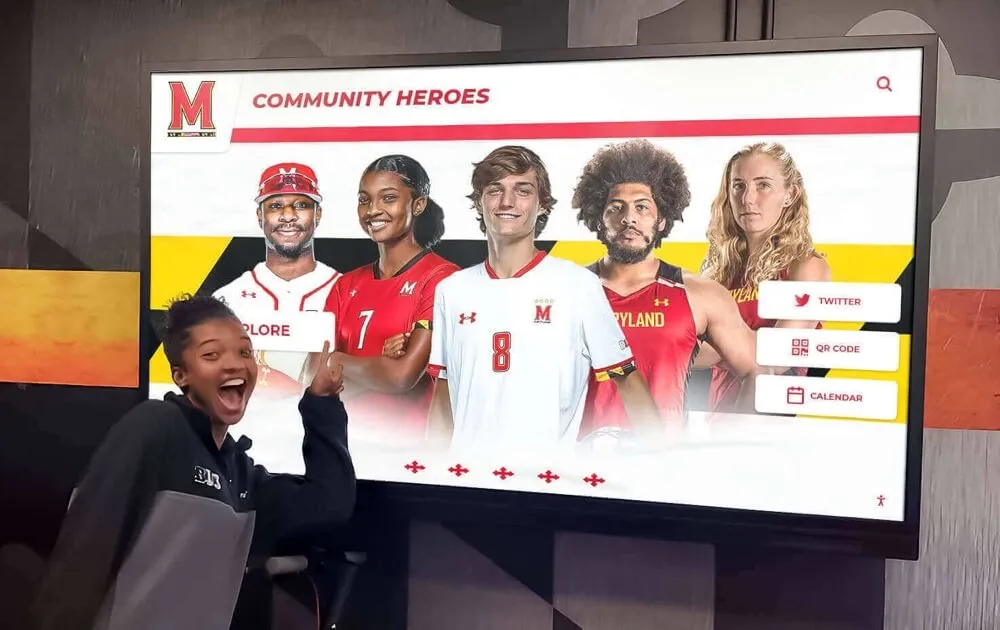
According to research from the National Center for Education Statistics, schools with active recognition programs report higher levels of community engagement and stronger alumni connections. When these programs specifically honor military service, they create powerful intergenerational conversations about duty, sacrifice, and national service.
Traditional Memorial Day Tribute Ideas for Schools
Many schools begin their Memorial Day observance with time-tested approaches that create meaningful experiences for students and honor service members with dignity:
Memorial Day Assemblies and Ceremonies
School-wide assemblies remain one of the most common Memorial Day tributes, offering opportunities for collective remembrance:
- Guest Speaker Programs: Invite local veterans, Gold Star family members, or active-duty service members to share their experiences and perspectives on service and sacrifice.
- Student Presentations: Have students research and present on significant battles, military units with local connections, or individual service members from your school community.
- Musical Tributes: School bands, choirs, or orchestras perform patriotic music, including “The Star-Spangled Banner,” “America the Beautiful,” and “Taps.”
- Moment of Silence: Observe the National Moment of Remembrance at 3:00 PM local time on Memorial Day, as designated by Congress.
Physical Memorial Displays
Tangible displays create focal points for remembrance that students encounter throughout the year:
- Memorial Day Bulletin Boards: Student-created displays featuring information about Memorial Day history, local veterans, or military branches.
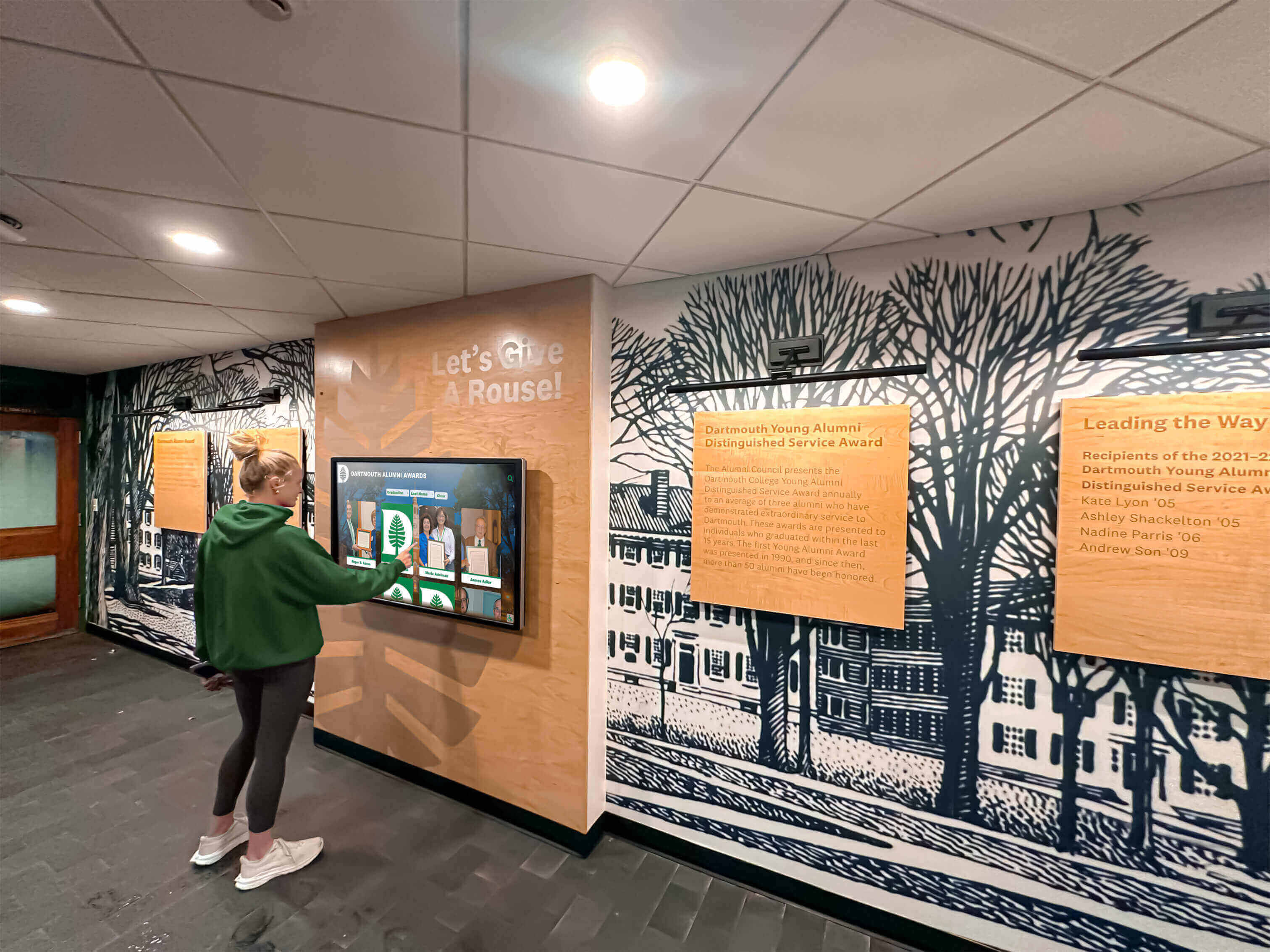
- Hallway Recognition Galleries: Photographs and biographies of alumni who served, particularly those who made the ultimate sacrifice.
- Memorial Trees or Gardens: Outdoor spaces dedicated to service members, where students can participate in planting and maintenance.
- Flag Displays: Proper flag ceremonies teaching students about flag etiquette while honoring service members.
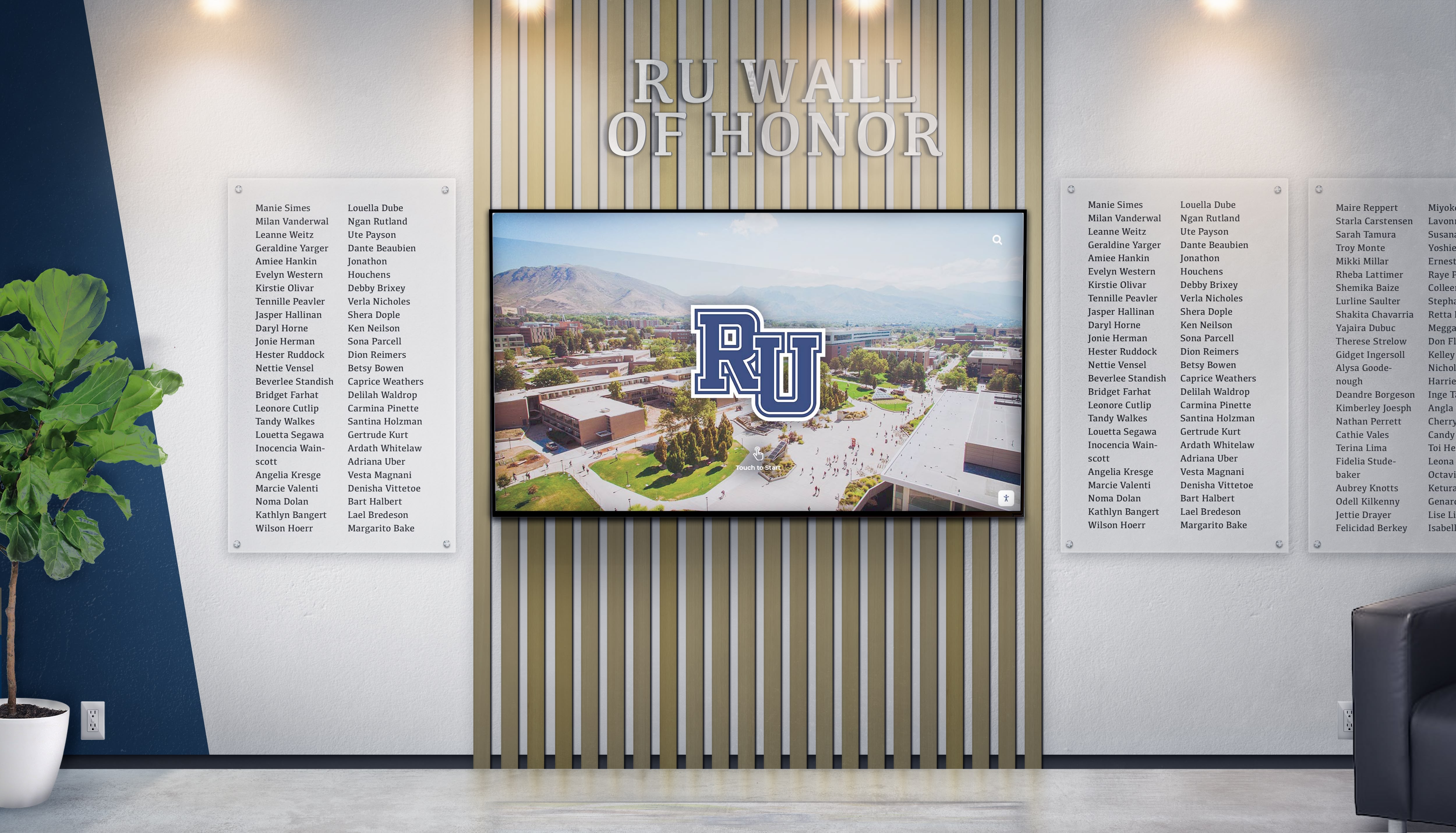
Schools implementing these traditional approaches often discover they create powerful emotional connections. A principal at a New Jersey high school noted that their annual Memorial Day assembly consistently ranks as students’ most memorable school experience, with alumni returning years later specifically mentioning the impact of learning about classmates’ family members who served.
Creative Memorial Day Tribute Activities
Beyond traditional ceremonies, innovative schools are developing engaging activities that make Memorial Day personally meaningful for students:
Student Research Projects
Research-based activities transform Memorial Day from abstract concept to personal connection:
- Interview Projects: Students interview family members, neighbors, or community members about military service, creating oral histories or written profiles.
- Genealogy Research: Students investigate their own family history to discover military service connections, learning research skills while uncovering personal stories.
- Local History Studies: Classes research military service within their community, identifying alumni service members, local units, or hometown heroes.
- Digital Storytelling: Students create multimedia presentations, podcasts, or videos telling service members’ stories.
Many schools have found success with academic recognition programs that incorporate military history research into existing curriculum standards, ensuring Memorial Day education becomes part of regular learning rather than a standalone event.
Community Service Projects
Service-oriented activities teach students that honoring veterans includes active citizenship:
- Cemetery Flag Placement: Partner with local veterans organizations to place flags on service members’ graves at community cemeteries.
- Care Package Creation: Assemble care packages for deployed service members or veterans in local VA facilities.
- Veteran Home Visits: Organize supervised student visits to homebound veterans, providing companionship and expressing gratitude.
- Fundraising Drives: Conduct fundraisers supporting military family organizations, scholarship funds, or veterans’ programs.
Artistic Expression
Creative projects allow students to process and express their understanding of Memorial Day themes:
- Memorial Art Installations: Collaborative art projects such as mural paintings, sculpture gardens, or installations representing service and sacrifice.
- Poetry and Essay Contests: Writing competitions exploring themes of remembrance, service, courage, and freedom.
- Music Performances: Student compositions or arrangements of patriotic or contemplative music performed at ceremonies or community events.
- Photography Exhibits: Student photographers document local memorials, veterans, or Memorial Day observances.
Similar to how schools showcase athletic achievements through various formats, military service recognition benefits from diverse creative approaches that resonate with different learning styles and interests.
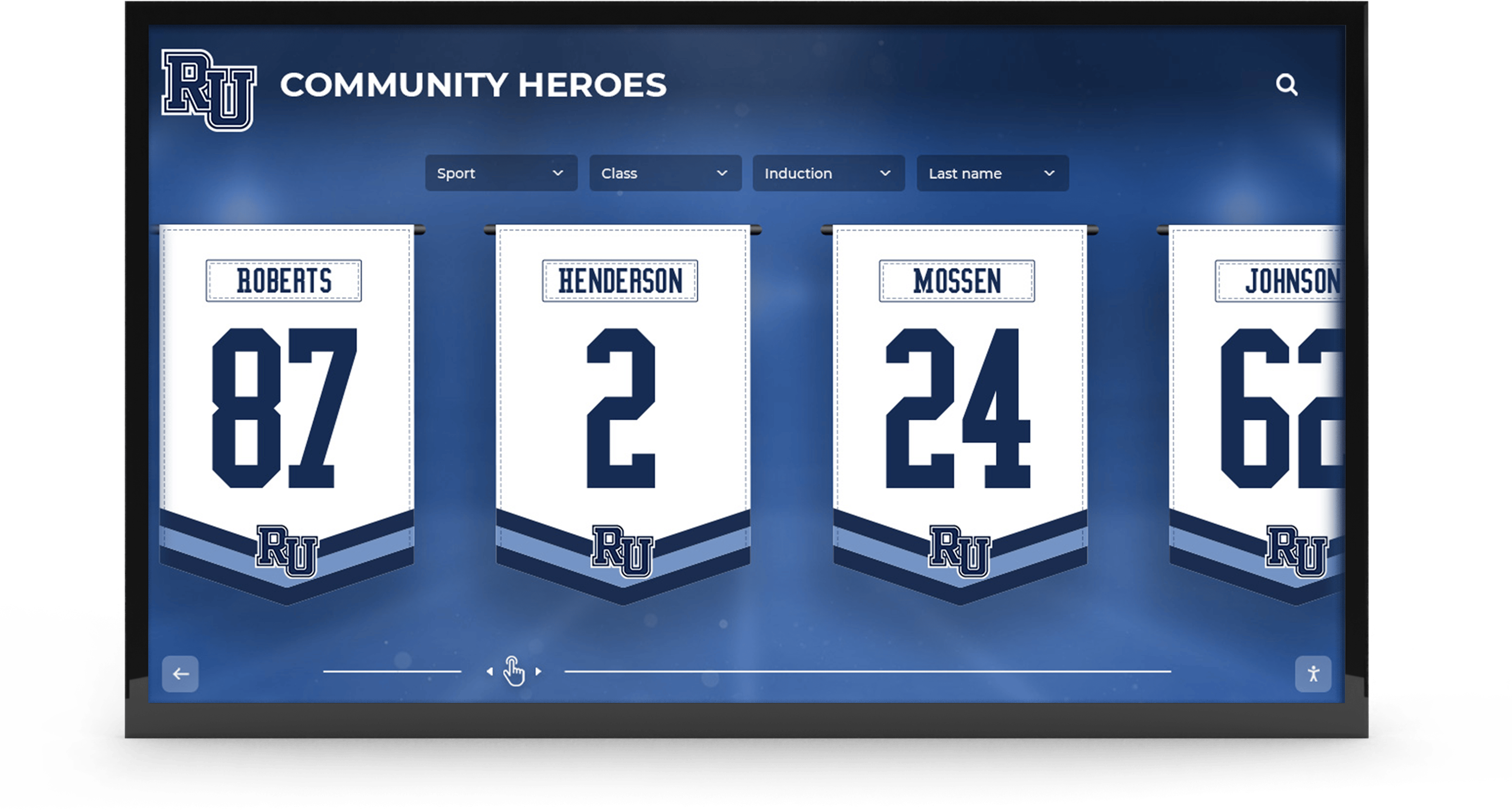
Digital Memorial Day Tributes: Modern Recognition Solutions
As schools seek more comprehensive and flexible ways to honor service members, many are discovering that digital recognition displays offer unique advantages for Memorial Day tributes:
Year-Round Recognition with Seasonal Focus
Digital displays enable schools to maintain permanent military recognition that can be highlighted during Memorial Day:
- Searchable Databases: Alumni, students, and visitors can search for and learn about specific service members at any time throughout the year.
- Seasonal Content Updates: Special Memorial Day content can be featured during May, then transition to regular military recognition displays the rest of the year.
- Thematic Organization: Digital systems allow content to be organized by branch of service, era of service, unit, or type of recognition.
- Scalability: Unlike physical plaques with finite space, digital displays accommodate unlimited service members as new alumni enter military service.
Interactive Educational Features
Modern digital tributes transform passive displays into engaging learning tools:
- Full Service Histories: Each service member can have a comprehensive profile including biographical information, service history, photographs, medals earned, and personal stories.
- Educational Context: Displays can include historical background about conflicts, military branches, ranks and insignia, and military terminology.
- Multimedia Integration: Video interviews with veterans, audio recordings, historical footage, and document scans bring service stories to life.
- Student Engagement: Interactive features encourage students to explore service members’ stories rather than simply walking past static displays.
Many schools have found that digital recognition systems create opportunities for deeper engagement similar to interactive alumni directories that connect current students with graduates who’ve made significant contributions.
Connecting Memorial Day to Existing Recognition Programs
Schools with digital recognition systems can create cohesive programs that honor various forms of contribution:
- Unified Platform: The same system that recognizes athletic achievements, academic excellence, and arts accomplishments also honors military service.
- Cross-Generational Connection: Alumni recognized for athletics or academics can also be highlighted for their subsequent military service, showing the full arc of their contributions.
- Family Legacy Features: Digital systems can show multi-generational military service within families, creating powerful legacy narratives.
- Community Building: Recognition platforms strengthen connections between current students and alumni who served, facilitating mentorship and engagement.
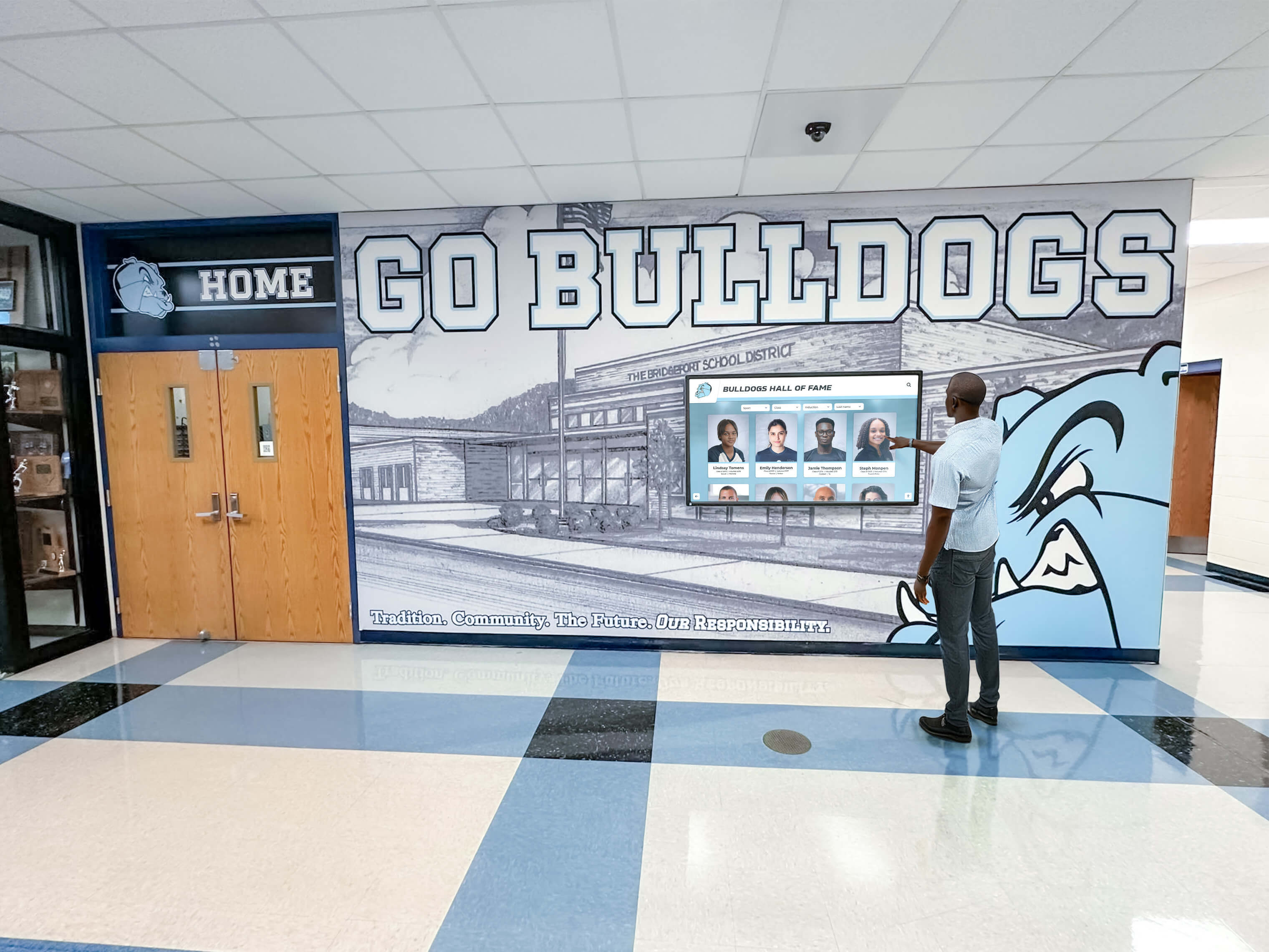
Solutions like Rocket Alumni Solutions provide schools with cloud-based platforms specifically designed for comprehensive recognition programs. These systems enable schools to maintain permanent military tribute sections while easily featuring specific service members during Memorial Day observances, combining the flexibility of digital content management with the gravitas of formal recognition.
Planning a Comprehensive Memorial Day Tribute Program
Schools creating impactful Memorial Day tributes typically follow a structured planning process that ensures meaningful, sustainable programs:
Start with Research and Data Collection
Effective tribute programs begin with thorough information gathering:
- Alumni Database Review: Identify all alumni with military service in your existing records, noting branch, era, and any available service details.
- Community Outreach: Contact alumni associations, local veterans organizations, and community members to identify additional service members.
- Information Requests: Develop standardized forms for collecting service information, photographs, and stories from veterans and their families.
- Historical Research: Investigate school archives, yearbooks, and local historical societies for information about alumni service members.
Establish Clear Criteria and Categories
Define what your tribute program will include:
- Scope Determination: Will you recognize all service members, only those who served in combat, only those who were killed in action, or other criteria?
- Timeframe Decisions: Will you include all eras of service or focus on specific conflicts or time periods?
- Branch Inclusion: Will all military branches be recognized, including reserves and National Guard?
- Update Protocols: How will you add newly identified service members or recently graduated alumni who enter service?
Build a Sustainable Maintenance Plan
Long-term success requires ongoing commitment:
- Annual Updates: Establish processes for adding new service members and updating existing profiles.
- Content Refresh: Plan regular content updates to maintain engagement and relevance.
- Memorial Day Focus: Create special Memorial Day content or features each year to keep the observance fresh and meaningful.
- Community Involvement: Engage veterans, families, students, and community members in ongoing program maintenance.
Similar to how schools manage donor recognition programs, successful military tribute programs require dedicated stewardship and regular attention to remain relevant and accurate.
Memorial Day Tribute Ideas by School Level
Different educational settings call for age-appropriate and contextually relevant Memorial Day activities:
Elementary School Memorial Day Tributes
Young students benefit from concrete, participatory activities:
- Simplified History Lessons: Age-appropriate explanations of Memorial Day’s meaning and importance.
- Letter Writing Campaigns: Students write thank-you letters or draw pictures for veterans or active-duty service members.
- Community Helper Connections: Frame military service within broader lessons about community helpers and public service.
- Patriotic Art Projects: Flag crafts, poppy flowers (the Memorial Day symbol), or other memorial-themed artwork.
- School Assembly Participation: Simple songs, poems, or presentations students can perform for the school community.
Middle School Memorial Day Programs
Middle school students can engage with more complex themes:
- Historical Research Projects: Deeper investigation of specific conflicts, battles, or military units with local connections.
- Interview Assignments: Structured interviews with veterans or family members, including preparation and follow-up reflection.
- Service Learning: Community service projects like cemetery flag placement or veteran facility visits.
- Debate and Discussion: Age-appropriate discussions about war, peace, service, and civic responsibility.
- Digital Media Creation: Student-produced videos, podcasts, or digital presentations about Memorial Day themes.
High School Memorial Day Recognition
High school programs can incorporate sophisticated analysis and reflection:
- Advanced Research: In-depth historical research projects that could contribute to school archives or community historical societies.
- Oral History Projects: Comprehensive interviews with veterans using established oral history methodologies.
- Leadership Opportunities: Student-led Memorial Day ceremonies, giving students ownership of the observance.
- Career Exploration: Connections between Memorial Day observances and discussions about military service as a career path.
- Multi-Disciplinary Integration: Memorial Day themes woven through history, English, art, music, and other curricula.
Much like honor roll recognition programs that adapt to different academic levels, Memorial Day tributes should match developmental stages and learning capabilities.
College and University Memorial Day Programs
Higher education institutions often create more expansive programs:
- Academic Conferences: Symposiums or speaker series exploring military history, veterans affairs, or civil-military relations.
- Memorial Scholarships: Scholarship programs honoring service members while supporting military-connected students.
- Veterans Resource Centers: Comprehensive support centers for student veterans that host Memorial Day programs.
- ROTC Collaborations: Partnership with campus ROTC programs for ceremonies and educational events.
- Alumni Military Networks: Organizations connecting alumni who served, facilitating mentorship and engagement.
Universities often integrate Memorial Day tributes into broader alumni engagement strategies, recognizing military service as part of comprehensive alumni relations programs.
Common Challenges and Solutions
Schools implementing Memorial Day tribute programs frequently encounter specific obstacles. Here’s how to address them:
Challenge: Incomplete Service Member Information
Problem: Many schools lack comprehensive records of which alumni served in the military, making it difficult to create complete tributes.
Solutions:
- Conduct broad alumni outreach through newsletters, social media, and reunion events specifically requesting military service information
- Partner with local veterans organizations like American Legion or VFW posts to identify service members
- Review historical yearbooks, school newspapers, and archives for mentions of military service
- Create simple submission forms allowing families to provide service member information at any time
- Accept that the list will always be incomplete and frame it as a living, growing tribute
Challenge: Limited Space for Physical Recognition
Problem: Traditional plaques or physical displays quickly run out of space as more service members are identified.
Solutions:
- Implement digital recognition displays that accommodate unlimited profiles without requiring additional physical space
- Rotate featured service members on existing physical displays, cycling through different individuals throughout the year
- Create tiered recognition with physical plaques for specific categories (e.g., Medal of Honor recipients or KIA) and digital displays for all service members
- Consider QR codes linked to online profiles that provide expanded information beyond what physical space allows
Challenge: Maintaining Student Engagement Year After Year
Problem: Memorial Day tributes can become routine and lose impact if approached the same way annually.
Solutions:
- Rotate between different types of activities—assemblies one year, service projects another, creative competitions a third
- Feature different aspects of military service each year—focus on one branch per year, or specific conflicts, or types of service
- Give students leadership roles in planning and executing Memorial Day programs, ensuring fresh perspectives
- Connect Memorial Day themes to current events or anniversaries (e.g., significant wartime anniversaries)
- Use technology to create evolving displays rather than static tributes
Challenge: Balancing Solemnity with Accessibility
Problem: Memorial Day’s serious themes can be difficult to address in age-appropriate ways, particularly for younger students.
Solutions:
- Provide teacher training and resources for discussing military service, sacrifice, and death appropriately for different age groups
- Frame discussions around gratitude, courage, and service rather than focusing heavily on death and loss for younger students
- Include joyful remembrance alongside solemn reflection—celebrating service members’ lives, not just mourning their deaths
- Invite service members to share personal stories that make abstract concepts concrete for students
- Offer opt-out provisions for students who may find certain aspects particularly difficult due to personal circumstances
Similar to how schools address memorial planning for individual community members, Memorial Day programs require sensitivity and adaptability to serve diverse audiences appropriately.
Technology Tools for Modern Memorial Day Tributes
Schools leveraging technology can create more comprehensive and engaging Memorial Day recognition:
Digital Archive Systems
Cloud-based platforms enable sophisticated memorial programs:
- Centralized Information Storage: Securely store service member profiles, photographs, documents, and multimedia content
- Easy Content Updates: Administrative teams can add new service members or update existing profiles without requiring technical expertise
- Remote Access: Content management from any location, facilitating collaboration among staff, veterans, and family members
- Backup and Preservation: Cloud storage protects historical information from loss due to physical damage or obsolescence
Interactive Display Technology
Modern touchscreen displays transform how students engage with military recognition:
- Self-Directed Exploration: Students can browse service members by name, branch, era, or other categories
- Deep Information Access: Each service member can have extensive profiles with photographs, service history, awards, and personal stories
- Educational Integration: Teachers can incorporate displays into lesson plans, having students research specific service members
- Wayfinding Features: Visitors to your school can easily locate and explore military recognition
Mobile Integration
Smartphone connectivity extends tribute reach beyond physical displays:
- QR Code Access: Physical memorial spaces can include QR codes linking to digital profiles or multimedia content
- Mobile-Responsive Design: Service member profiles accessible on any device, allowing students to explore from home
- Social Media Sharing: Appropriate sharing features let students and community members share service members’ stories
- Alumni Engagement: Alumni can access military recognition from anywhere, strengthening connection to their school community
The same technological infrastructure that supports volunteer recognition programs and other community engagement initiatives can be leveraged for comprehensive Memorial Day tributes.
Measuring the Impact of Your Memorial Day Tribute Program
Schools should assess the effectiveness of their Memorial Day initiatives:
Quantitative Metrics
Track measurable indicators of program reach:
- Participation Rates: Number of students, staff, and community members involved in Memorial Day activities
- Service Member Profiles: Total number of service members recognized and rate of new additions
- Display Engagement: For digital systems, track number of profile views, searches, and time spent engaging with content
- Community Involvement: Attendance at ceremonies, number of volunteers for service projects, or participation in community partnerships
Qualitative Assessment
Gather feedback to understand program impact:
- Student Reflections: Surveys, essays, or discussions exploring what students learned and how the experience affected them
- Teacher Observations: Faculty feedback on student engagement, learning outcomes, and program logistics
- Community Response: Comments from veterans, families, alumni, and community members about the tribute program
- Behavioral Changes: Observations of increased respect for veterans, greater participation in patriotic observances, or expanded interest in military history
Continuous Improvement
Use assessment data to refine your program:
- Annual Reviews: Evaluate each year’s activities to identify successes and areas for improvement
- Best Practice Sharing: Connect with other schools to learn from their Memorial Day programs
- Evolution Over Time: Allow the program to grow and change based on feedback, resources, and community needs
- Documentation: Maintain records of program elements, outcomes, and lessons learned to inform future planning
Creating Your School’s Memorial Day Tribute: A Checklist
Use this planning tool to develop a comprehensive Memorial Day tribute program:
Initial Planning (6-12 Months Before Memorial Day)
- Form a planning committee including administrators, teachers, veterans, students, and community members
- Define program goals and scope (who will be recognized, what activities will be included)
- Establish budget and identify funding sources
- Begin research to identify service members within your school community
- Determine whether physical, digital, or hybrid recognition best fits your needs
- Review existing school policies regarding memorials and recognition programs
Content Development (3-6 Months Before Memorial Day)
- Create standardized forms for collecting service member information
- Launch outreach campaign to alumni, families, and community members
- Gather photographs, biographical information, and service histories
- Organize information into database or content management system
- Develop educational materials about Memorial Day and military service
- Create age-appropriate lesson plans or curriculum integration points
Implementation Planning (1-3 Months Before Memorial Day)
- Schedule Memorial Day assembly, ceremony, or events
- Invite guest speakers, honor guests, or community partners
- Plan student activities, projects, or competitions
- Arrange for any needed audio/visual equipment, flags, or decorations
- Coordinate with facilities staff for space preparation
- Prepare communications to parents, alumni, and community members
- If implementing digital displays, complete installation and content loading
Execution (Memorial Day Week)
- Conduct final walk-throughs and equipment checks
- Brief participants on schedule, roles, and expectations
- Execute planned activities, ceremonies, and recognitions
- Document events through photographs and videos
- Gather initial feedback from participants
Follow-Up (After Memorial Day)
- Send thank-you communications to participants, speakers, and volunteers
- Gather comprehensive feedback from students, staff, and community members
- Document lessons learned and best practices
- Update service member database with any new information gathered
- Begin planning for next year’s observance
- Maintain year-round recognition displays or programs
The Lasting Impact of School-Based Memorial Day Tributes
When schools invest in thoughtful, comprehensive Memorial Day tribute programs, they create ripple effects that extend far beyond a single observance:
Character Development: Students develop gratitude, respect, and understanding of civic duty that shapes their character and citizenship.
Historical Consciousness: Young people gain appreciation for history not as abstract dates and events but as real people and sacrifices that directly affect their lives.
Community Strengthening: Schools become focal points for community remembrance, bringing together diverse groups around shared values.
Veteran Connection: Service members feel valued by their communities, and the gap between military and civilian populations narrows through personal connection.
Institutional Identity: Schools develop stronger identity and pride by honoring the service members within their communities.
Legacy Preservation: Stories of service and sacrifice are documented and preserved before they’re lost, creating lasting historical records.
As one high school counselor noted after implementing a comprehensive military recognition program: “We started this to honor our veterans, but we’ve discovered it’s just as much about teaching our current students what real service and sacrifice mean. Memorial Day went from being just another day off to being one of the most meaningful experiences of the school year.”
Implementing a Digital Memorial Day Tribute System
For schools ready to enhance their Memorial Day recognition with modern technology, the implementation process follows a clear path:
Assess Your Needs
Begin with honest evaluation:
- Current State: What memorial or recognition systems exist now? What’s working and what limitations exist?
- Goals: What do you hope to accomplish with a Memorial Day tribute program? Who should be included?
- Resources: What budget, staff time, and technical capabilities are available?
- Location: Where will recognition displays be positioned for maximum visibility and engagement?
- Timeline: What’s realistic for implementation given your current academic year calendar?
Research Solutions
Explore available options:
- Digital Recognition Platforms: Systems specifically designed for schools and organizations needing comprehensive, scalable recognition
- Hardware Considerations: Screen sizes, mounting options, touchscreen vs. display-only, indoor vs. outdoor installation
- Content Management: How easy is it to add and update service member profiles? Can multiple staff members contribute?
- Integration Capabilities: Will the system work with your existing data sources, websites, or communication tools?
- Support and Training: What assistance is available for implementation, training, and ongoing technical support?
Plan Implementation
Develop a clear roadmap:
- Phased Approach: Consider starting with core functionality and expanding over time
- Content Migration: If you have existing service member information, plan how to transfer it to the new system
- Training Schedule: Ensure staff members know how to manage and update content
- Communication Plan: Inform your community about the new recognition system and how to engage with it
- Launch Event: Consider timing the launch around Memorial Day or Veterans Day for maximum impact
Solutions like Rocket Alumni Solutions specialize in helping schools implement comprehensive digital recognition systems that include military tribute functionality alongside athletic, academic, and alumni recognition. These integrated platforms enable schools to honor service members within the context of overall institutional recognition, creating cohesive programs that celebrate all forms of contribution to the school community.
Beyond Memorial Day: Year-Round Military Recognition
While Memorial Day provides a powerful focal point, the most effective military tribute programs extend throughout the year:
Veterans Day Connection
Coordinate Memorial Day tributes with November’s Veterans Day observance:
- Complementary Focus: Memorial Day honors the fallen; Veterans Day honors all who served—create distinct but connected programs
- Consistent Platform: Use the same recognition system for both observances, featuring different content appropriate to each
- Seasonal Updates: Refresh digital displays twice annually around these key military observances
Military Appreciation Month
Use May (Military Appreciation Month) to expand recognition:
- Extended Programming: Memorial Day becomes the culmination of month-long military appreciation activities
- Branch-Specific Recognition: Feature different military branches throughout the month
- Career Education: Connect with military recruiters or service academy representatives for career exploration events
Integration with School Culture
Make military recognition part of ongoing school identity:
- Permanent Displays: Maintain year-round recognition that’s enhanced but not limited to specific observances
- Curriculum Integration: Incorporate military history and service members’ stories into regular curriculum
- Alumni Engagement: Include military service in alumni communications, newsletters, and engagement programs
- Student Projects: Create ongoing opportunities for students to research and add to military recognition throughout the year
Just as schools maintain continuous recognition for perfect attendance or academic excellence, military service recognition benefits from year-round visibility with special emphasis during appropriate observances.
Conclusion: Building Memorial Day Tributes That Honor and Educate
Memorial Day offers schools a powerful opportunity to teach students about service, sacrifice, and gratitude while honoring the veterans and service members who’ve contributed to their communities. The most effective tribute programs combine traditional ceremonies with innovative activities, engage students at age-appropriate levels, and create lasting recognition that extends beyond a single observance.
Whether you implement simple assembly programs, comprehensive service projects, or sophisticated digital recognition systems, the key is thoughtful planning, authentic community involvement, and genuine commitment to preserving and sharing service members’ stories.
As schools increasingly recognize that comprehensive military tribute programs require flexible, scalable solutions, many are turning to digital platforms that can accommodate unlimited service members, provide rich educational content, and adapt to both Memorial Day observances and year-round recognition needs. These modern systems don’t replace the solemnity of traditional observances but rather enhance them by ensuring that every service member can be recognized with dignity and that their stories remain accessible to future generations.
The students walking your hallways today are tomorrow’s citizens, leaders, and perhaps service members. The Memorial Day tributes you create today shape how they understand duty, honor, sacrifice, and civic responsibility—lessons that will guide them throughout their lives.
Ready to Create a Lasting Memorial Day Tribute?
Discover how digital recognition displays can help your school honor veterans and service members with comprehensive, year-round tributes that educate students and strengthen community connections.
Schedule a Free TouchWall Demo






























