Student mental health has become one of the most pressing challenges facing schools today. With increasing rates of anxiety, depression, and stress among young people, educational institutions are recognizing that academic excellence cannot be separated from emotional wellbeing. Yet while schools celebrate athletic achievements and academic honors, mental health and wellness accomplishments often go unrecognized—missing a powerful opportunity to reduce stigma, motivate positive behaviors, and create supportive cultures.
Mental health and wellness recognition programs provide systematic frameworks for celebrating students who demonstrate resilience, support their peers, practice self-care, participate in wellness initiatives, and contribute to positive school climates. These programs send clear messages that emotional wellbeing matters just as much as test scores or championship trophies.
This comprehensive guide explores evidence-based strategies for creating mental health recognition programs that honor student wellness achievements while fostering cultures where seeking support is seen as strength, not weakness.
Creating effective mental health recognition requires sensitivity, thoughtful design, and understanding of how acknowledgment can support—rather than undermine—wellness goals. Schools that successfully implement these programs report reduced stigma, increased help-seeking behaviors, and stronger peer support networks that benefit entire school communities.
Why Mental Health Recognition Matters: The Research Foundation
Understanding the evidence behind wellness recognition helps schools design programs that maximize positive impact while avoiding potential pitfalls.
The Growing Mental Health Crisis in Schools
Recent data reveals the urgent need for comprehensive mental health support in educational settings:
Prevalence of Mental Health Challenges
According to the Centers for Disease Control and Prevention, approximately 1 in 5 children ages 3-17 in the United States have a mental, emotional, developmental, or behavioral disorder. Among high school students specifically, rates of anxiety and depression have increased significantly in recent years.
Impact on Academic Performance
Mental health challenges directly affect educational outcomes. Students experiencing anxiety or depression show lower academic achievement, higher absenteeism rates, and reduced engagement in school activities. The connection between emotional wellbeing and academic success is undeniable.
Stigma as a Barrier to Help-Seeking
Many students who need mental health support don’t seek it due to stigma and fear of judgment. Recognition programs that normalize wellness conversations can reduce these barriers and encourage students to access available resources.
Benefits of Wellness Recognition Programs
Thoughtfully designed mental health recognition delivers measurable benefits:
Reducing Stigma Through Visibility
When schools publicly celebrate wellness achievements, they send powerful messages that mental health matters and seeking support represents strength. This visibility helps normalize conversations about emotional wellbeing.
Encouraging Positive Wellness Behaviors
Recognition motivates students to engage in mental health practices like mindfulness, stress management, peer support, and help-seeking when needed. Celebrating these behaviors reinforces their importance.
Building Supportive Peer Cultures
Recognition of peer support and empathy creates cultures where students actively care for one another’s wellbeing. These peer support networks often provide the first line of assistance for struggling students.
Connecting Students to Resources
Wellness recognition programs provide natural opportunities to educate students about available mental health resources, making it easier for them to access support when needed.
Research from organizations focused on school mental health consistently shows that reducing stigma and creating supportive environments are among the most effective strategies for improving student wellbeing outcomes.
Core Components of Effective Mental Health Recognition
Successful wellness recognition programs share essential characteristics that ensure positive impact while maintaining sensitivity.
Recognition Category Framework
Mental health recognition should celebrate diverse dimensions of wellness achievement:
Personal Wellness Practice Recognition
Celebrate students who demonstrate commitment to their own mental health:
- Consistent engagement in mindfulness or meditation practices
- Active participation in wellness programs and support groups
- Development and maintenance of healthy coping strategies
- Setting and achieving personal wellness goals
- Demonstrating resilience through challenging circumstances
- Practicing self-care and stress management techniques
These individual wellness achievements show other students that prioritizing mental health is valued and celebrated.
Peer Support and Empathy Recognition
Honor students who support others’ mental health:
- Active listening and emotional support for peers
- Participation in peer counseling or mentorship programs
- Creating inclusive environments where all students feel welcomed
- Standing up against bullying and promoting kindness
- Checking in on peers who may be struggling
- Connecting classmates to appropriate resources and support
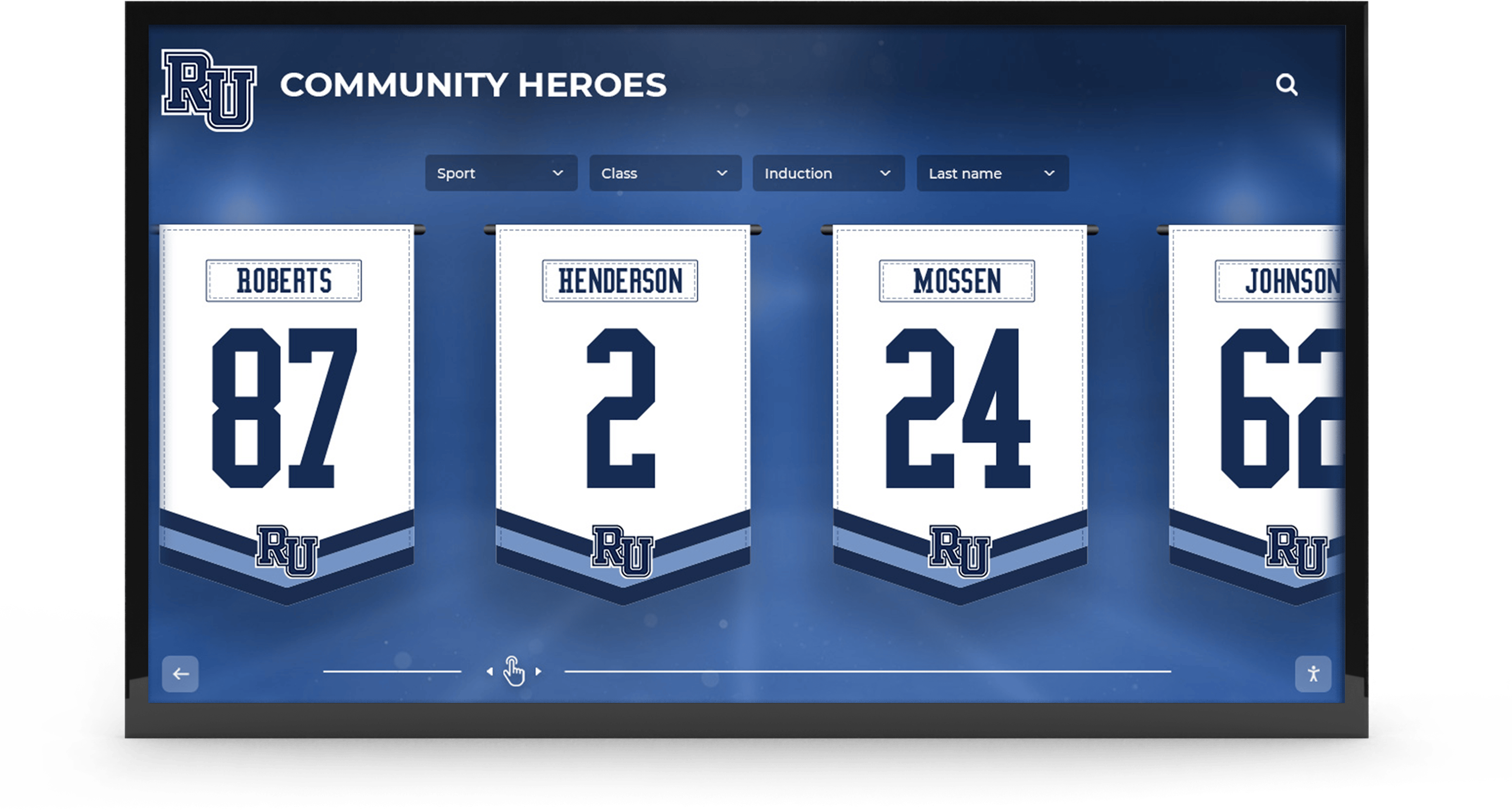
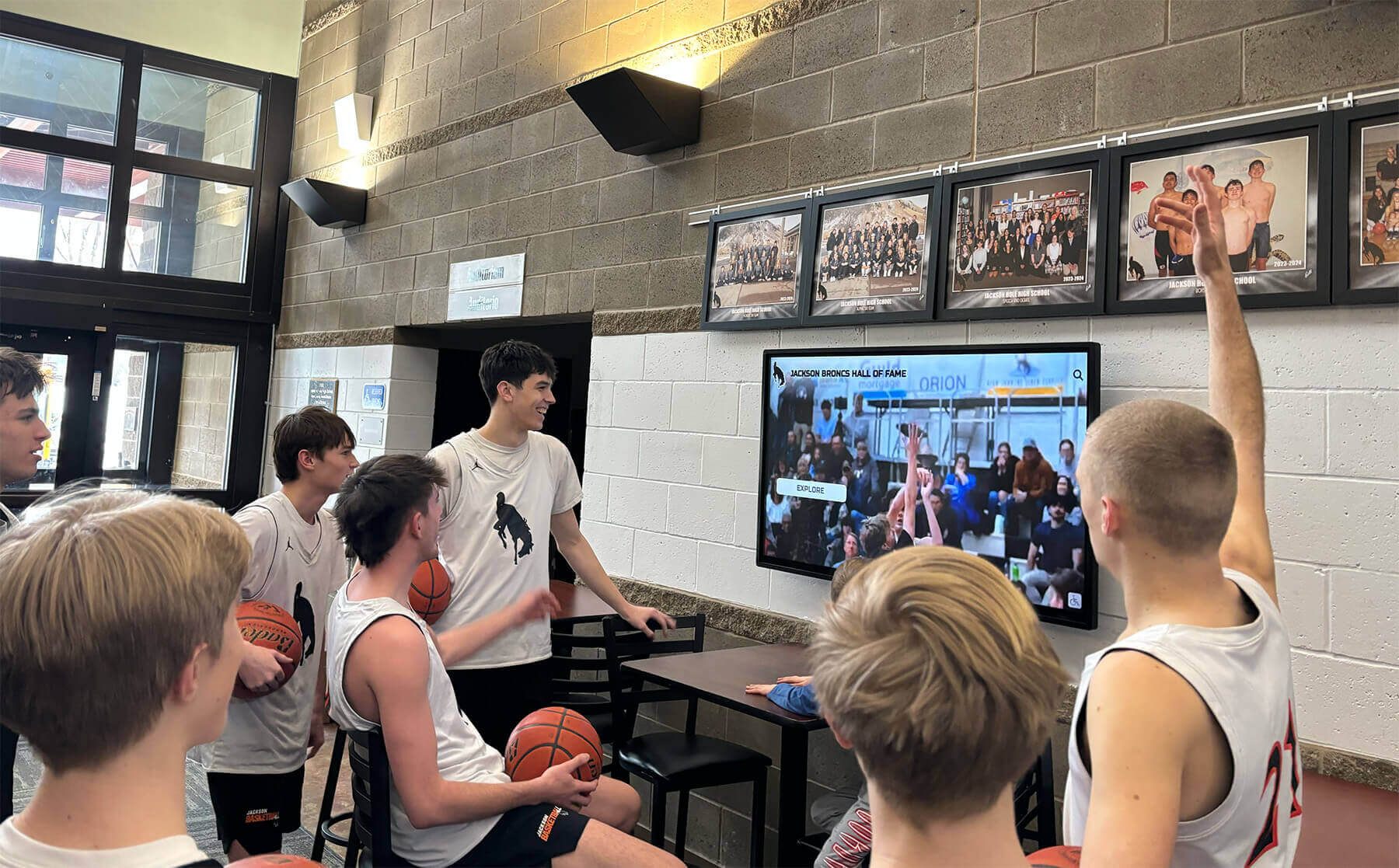
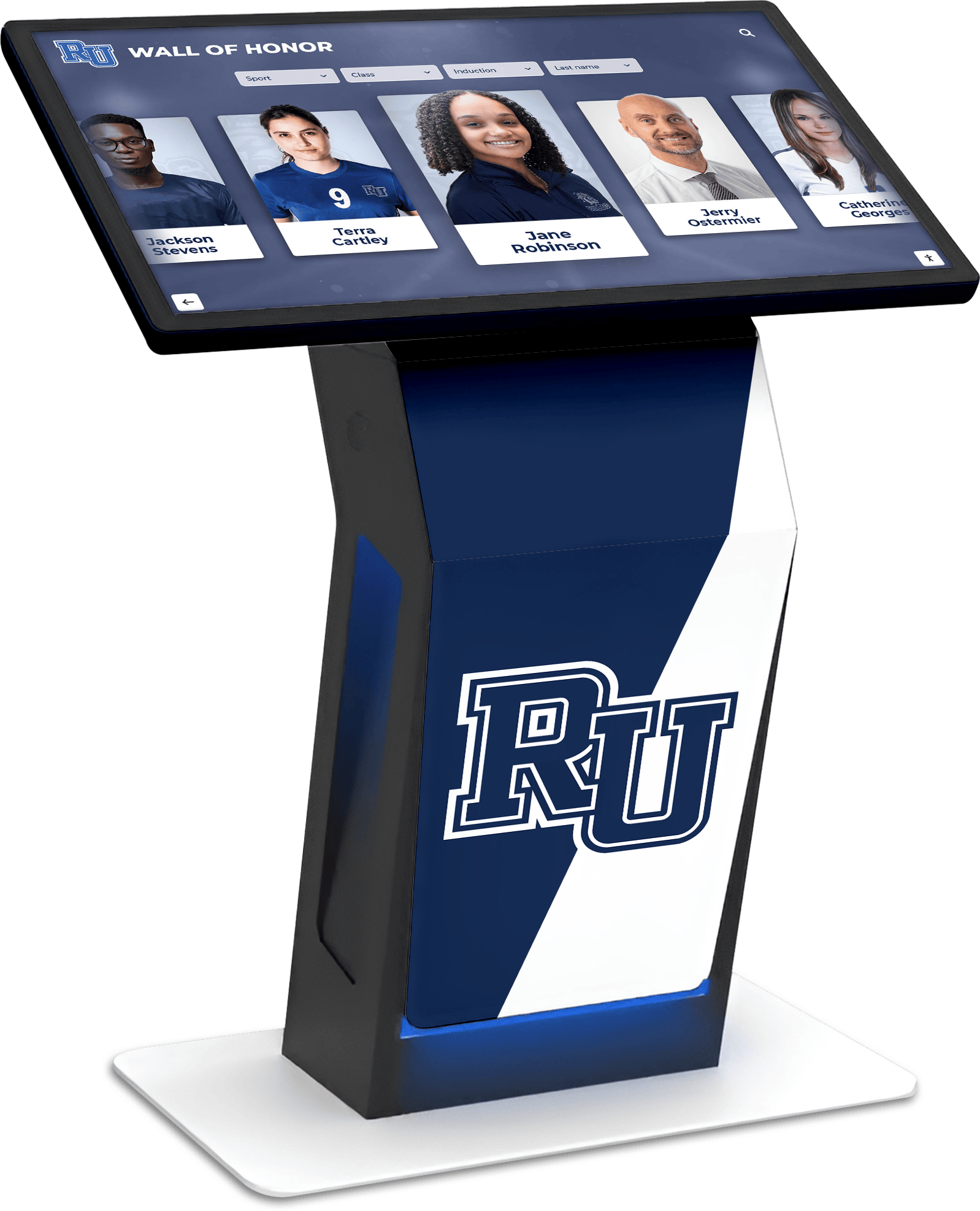
Recognizing peer support reinforces its importance and encourages more students to look out for one another. Solutions like digital recognition displays make it easy to celebrate these contributions.
Wellness Leadership and Advocacy Recognition
Celebrate students who lead mental health initiatives:
- Leadership in student wellness clubs and organizations
- Mental health awareness campaign participation
- Organizing wellness events and activities
- Sharing personal stories to reduce stigma
- Advocating for mental health resources and support
- Educating peers about wellness topics
Student leaders play critical roles in creating supportive school cultures and deserve recognition for these contributions.
Resilience and Growth Recognition
Honor students who demonstrate emotional strength:
- Overcoming significant personal challenges
- Seeking help when struggling and following through with support
- Demonstrating growth mindset in facing difficulties
- Adapting positively to change and transition
- Supporting family members through challenges
- Maintaining academic engagement despite personal struggles
This recognition type requires particular sensitivity, as students may not want specific challenges publicized. Programs should allow students to control how much detail is shared.
Wellness Program Participation Recognition
Acknowledge engagement in school wellness initiatives:
- Attendance at mental health awareness events
- Completion of social-emotional learning programs
- Participation in mindfulness and stress reduction activities
- Engagement in therapeutic arts programs
- Involvement in physical wellness activities supporting mental health
- Contributing to wellness program development and improvement
Regular participation recognition encourages consistent engagement in supportive programs.
Designing Sensitive and Effective Recognition Approaches
Mental health recognition requires more thoughtfulness than traditional achievement acknowledgment due to privacy considerations and potential risks.
Privacy and Consent Considerations
Student Control Over Recognition
Always obtain student permission before publicly recognizing mental health-related achievements. Some students may not want attention drawn to their wellness journey, and their preferences must be respected.
Opt-In Recognition Systems
Create programs where students actively choose to participate rather than being nominated without their knowledge. This ensures recognition feels supportive rather than invasive.
Flexible Specificity Levels
Allow students to determine how much detail is shared about their achievements. Some may feel comfortable discussing specific challenges overcome, while others prefer general wellness recognition without specifics.
Family Communication
When recognizing younger students, involve families in recognition decisions to ensure everyone feels comfortable with public acknowledgment.
Avoiding Competitive or Exclusive Approaches
Mental health recognition should be inclusive and growth-focused:
Multiple Recognition Pathways
Create diverse opportunities for recognition so students with different wellness journeys can all receive acknowledgment. Avoid single “Mental Health Champion” awards that exclude most students.
Growth and Effort Over Outcomes
Recognize progress and effort rather than perfect mental health, which doesn’t exist. Celebrate steps forward, not just arrival at destinations.
Non-Competitive Celebration
Frame recognition as celebration of individual journeys rather than competition between students. Mental health is not a contest.
Widespread Participation Opportunities
Design programs so many students can receive recognition throughout the year rather than limiting acknowledgment to a small elite group.
Professional Guidance and Support
School Counselor Involvement
Involve mental health professionals in designing recognition programs to ensure approaches support rather than undermine wellness goals. School counselors can identify potential issues and suggest appropriate modifications.
Evidence-Based Framework
Base recognition on established social-emotional learning frameworks and mental health best practices rather than well-intentioned but potentially problematic approaches.
Ongoing Assessment
Regularly evaluate recognition program impact on school climate, help-seeking behaviors, and student wellbeing. Adjust approaches based on evidence of what’s working.
Learn more about comprehensive approaches to student recognition programs that support positive development.
Implementing Mental Health Recognition Programs: Step-by-Step
Creating effective wellness recognition requires systematic planning and thoughtful implementation.
Phase 1: Foundation Building
Stakeholder Engagement
Begin by convening a planning team including:
- School counselors and mental health professionals
- Administrators supporting the initiative
- Teachers across different departments
- Student representatives from various groups
- Parents and family members
- Community mental health partners
This diverse team ensures recognition programs meet real needs and avoid unintended consequences.
Needs Assessment
Understand your school’s current mental health landscape:
- Survey students about mental health climate and support needs
- Review existing wellness programs and participation rates
- Analyze data on help-seeking behaviors and resource utilization
- Identify gaps in current recognition and celebration approaches
- Assess student awareness of available mental health resources
This assessment informs recognition program design.
Policy and Guidelines Development
Create clear frameworks for mental health recognition:
- Establish consent and privacy protocols
- Define recognition categories and eligibility criteria
- Develop selection or nomination processes
- Create guidelines for sensitive communication about mental health
- Establish oversight and accountability mechanisms
Written policies ensure consistent, appropriate recognition practices.
Phase 2: Recognition Program Design
Category Selection
Based on your needs assessment, select recognition categories that address your school’s specific context and goals. Schools might focus on:
- Peer support and kindness (elementary schools building empathy)
- Resilience and help-seeking (middle schools addressing stigma)
- Wellness leadership (high schools empowering student advocates)
- Specific program participation (schools with established wellness initiatives)
Tailor recognition to developmental levels and institutional priorities.
Recognition Formats and Frequency
Determine how and when recognition occurs:
- Weekly acknowledgments for ongoing wellness behaviors
- Monthly spotlights for peer support and leadership
- Quarterly celebrations for sustained program participation
- Annual recognition for significant wellness contributions
- Moment-in-time acknowledgment for specific acts of kindness or support
Multiple recognition frequencies ensure consistent visibility for mental health.
Communication Channels
Plan how recognition will be shared:
- Morning announcements highlighting wellness achievements
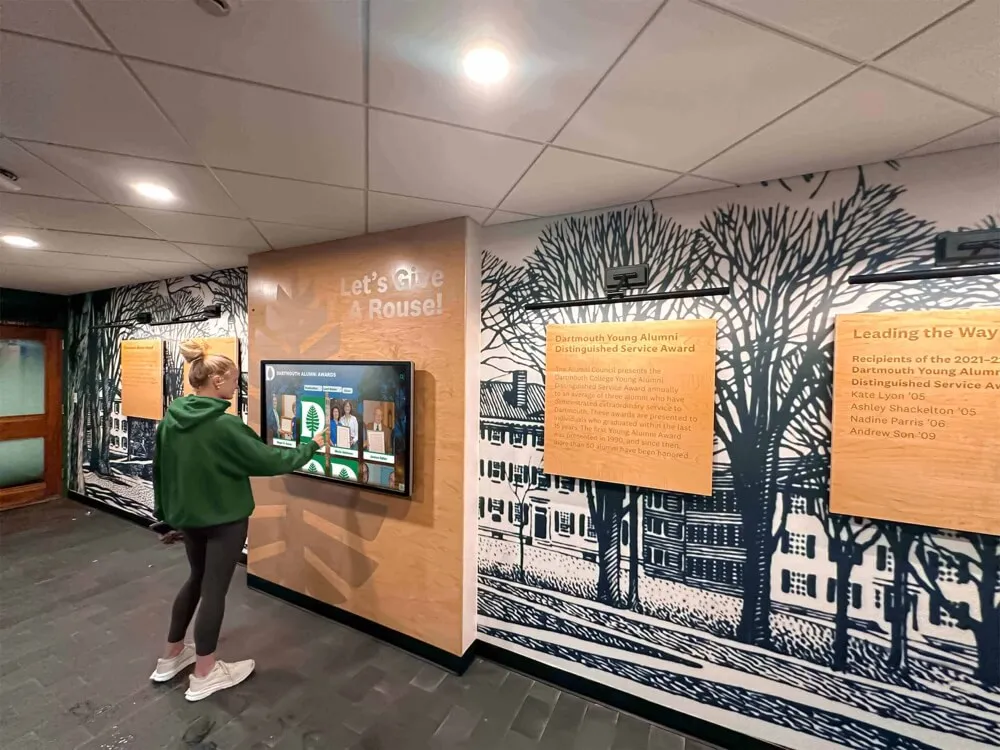
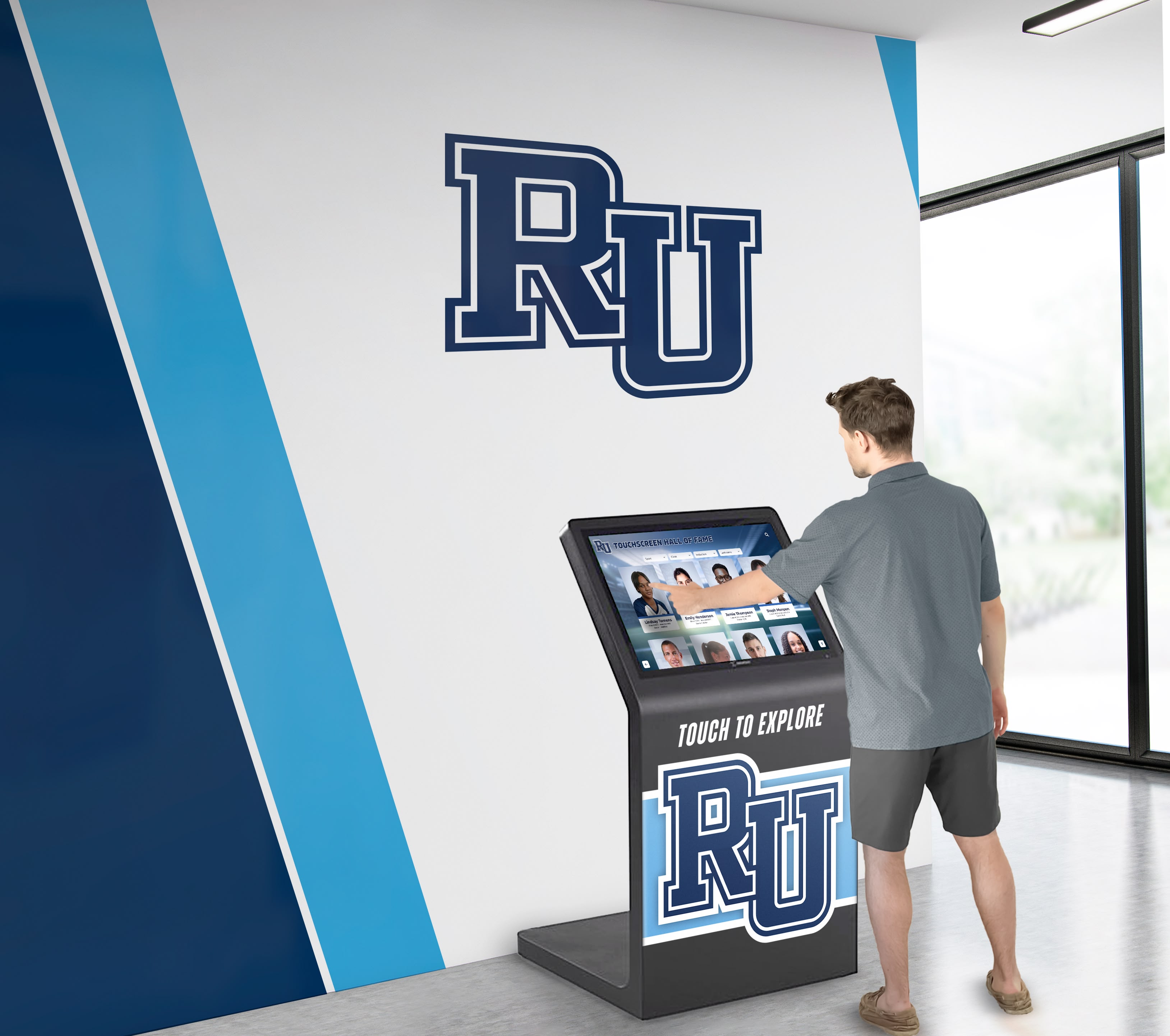
- Digital recognition displays in common areas celebrating student wellbeing
- Social media posts with student permission
- Newsletter features sharing wellness stories
- Recognition ceremonies creating community celebration
- Classroom acknowledgment from teachers and counselors
Multi-channel communication maximizes recognition impact.
Phase 3: Launch and Implementation
Staff Training
Prepare all staff members to support mental health recognition:
- Training on appropriate mental health language and concepts
- Guidance on identifying students for recognition
- Instruction on consent and privacy procedures
- Education about available student support resources
- Practice with recognition nomination processes
Well-trained staff ensure consistent, sensitive recognition.
Student Education
Help students understand the recognition program:
- Explain why mental health recognition matters
- Clarify how students can be recognized or nominated
- Describe consent and privacy protections
- Connect recognition to available wellness resources
- Emphasize that everyone’s mental health journey is unique and valued
Clear communication prevents confusion and encourages participation.
Pilot Program Launch
Consider starting with a pilot program:
- Begin with one or two recognition categories
- Test recognition processes and communication channels
- Gather feedback from students, staff, and families
- Identify challenges and needed modifications
- Refine approaches before full-scale implementation
Piloting allows learning and adjustment before broader rollout.
Resource Integration
Connect recognition to support resources:
- Feature information about school counseling services
- Highlight peer support programs and how to participate
- Share crisis resources and hotlines
- Promote wellness activities and programs
- Provide mental health education alongside recognition
Recognition becomes a gateway to support rather than an end in itself.
Digital Recognition Solutions for Mental Health Programs
Modern technology platforms make mental health recognition more accessible and impactful while respecting privacy.
Benefits of Digital Recognition Displays
Solutions like Rocket Alumni Solutions offer advantages for wellness recognition:
Unlimited Recognition Capacity
Digital platforms eliminate space constraints that limit traditional recognition:
- Showcase unlimited students across all wellness categories
- Archive recognition history creating inspiring legacy
- Feature multiple achievement types simultaneously
- Update content instantly as new students are recognized
- Accommodate growing programs without physical limitations
Privacy-Respectful Sharing
Digital systems can implement sophisticated privacy controls:
- Student-controlled visibility settings for recognition profiles
- Password-protected or permission-based access to sensitive information
- Public and private recognition layers respecting different comfort levels
- Easy removal or modification of recognition at student request
- Secure systems protecting student information
Engaging Interactive Features
Interactive displays create meaningful engagement:
- Search functionality helping students find peers they want to celebrate
- Filtering by wellness category, grade level, or time period
- Detailed profiles telling complete wellness journey stories with student permission
- Resource connections linking recognition to support services
- Comment or encouragement features allowing peer affirmation
Learn about innovative recognition approaches that strengthen community bonds.
Simple Content Management
Cloud-based systems make recognition management accessible:
- Update recognition from any device without technical expertise
- Bulk upload capabilities for program-wide recognition
- Scheduled publishing for planned recognition events
- Role-based access allowing counselors, administrators, and teachers appropriate permissions
- Mobile management enabling quick recognition additions
Web and Mobile Accessibility
Extend recognition beyond physical displays:
- Web-based platforms accessible to families and community members with appropriate permissions
- Mobile-optimized displays enabling smartphone access
- Social sharing capabilities with student control
- Integration with school websites and communication platforms
- Remote accessibility for students unable to be on campus
Digital recognition ensures wellness acknowledgment reaches beyond school walls to engage families and support networks.
Implementing Digital Recognition Systems
Platform Selection Considerations
When choosing digital recognition technology:
- Prioritize platforms with robust privacy and permission controls
- Ensure systems meet student data protection requirements
- Look for user-friendly interfaces requiring minimal technical expertise
- Verify accessibility features serving students with disabilities
- Confirm integration capabilities with existing school systems
- Consider solutions specifically designed for educational recognition like Rocket Alumni Solutions
Content Development Best Practices
Create compelling, respectful recognition content:
- Use strength-based language focusing on positive attributes
- Highlight specific wellness behaviors and contributions
- Include student voice when possible through quotes or reflections
- Feature diverse students representing your full school community
- Connect individual recognition to broader wellness themes
- Provide context helping viewers understand significance of achievements
Learn about content strategies for recognition displays that engage audiences.
Integration with Existing Programs
Connect digital recognition to broader wellness initiatives:
- Link recognized students to the programs supporting their growth
- Feature information about how others can participate in wellness activities
- Highlight staff members and counselors supporting student mental health
- Showcase wellness resources and how to access them
- Coordinate recognition timing with mental health awareness campaigns
- Use recognition as springboard for broader wellness conversations
Digital platforms work best when integrated into comprehensive mental health support systems.
Creating Inclusive and Equitable Wellness Recognition
Recognition programs must ensure all students have opportunities for acknowledgment regardless of background or circumstances.
Addressing Systemic Barriers
Recognition Access for All Students
Design programs ensuring equitable recognition opportunities:
- Multiple recognition pathways matching diverse student needs and strengths
- Outreach to underrepresented student populations
- Recognition criteria that don’t advantage students with more resources
- Translation of recognition information into home languages
- Awareness that different cultural backgrounds may view mental health differently
- Sensitivity to how trauma and adverse experiences affect student capacity
Resource Equity
Ensure recognition doesn’t create additional barriers:
- No costs associated with recognition or celebration events
- School-provided materials for recognition ceremonies
- Access to wellness programs that form basis for recognition available to all students
- Transportation for recognition events if held outside school hours
- Technology access for digital recognition platforms
- Support for students with disabilities in recognition program participation
Culturally Responsive Recognition
Understanding Cultural Context
Mental health concepts vary across cultures:
- Some communities may stigmatize mental health challenges more than others
- Cultural values around individual versus collective wellbeing affect recognition
- Different cultures have varying comfort levels with public acknowledgment
- Family involvement preferences differ across cultural backgrounds
- Traditional practices and healing approaches deserve respect alongside Western mental health frameworks
Culturally Adapted Recognition
Adapt programs to serve diverse communities:
- Consult with families from different cultural backgrounds in program design
- Offer recognition formats aligned with cultural preferences
- Translate recognition materials and communications
- Feature diverse wellness practices reflecting various cultural traditions
- Train staff on cultural considerations in mental health recognition
- Partner with culturally specific community organizations
Inclusive Language and Representation
Ensure recognition reflects diversity:
- Use inclusive language avoiding assumptions about identity or experience
- Feature students representing your full school diversity in recognition
- Highlight diverse wellness practices and coping strategies
- Showcase various types of strength and resilience
- Recognize that mental health journeys look different for different students
- Avoid one-size-fits-all approaches that privilege certain experiences
Explore academic recognition approaches that can be adapted for wellness programs.
Measuring Impact and Program Success
Regular assessment ensures mental health recognition achieves intended goals and doesn’t create unintended harms.
Quantitative Metrics
Participation and Reach Data
Track recognition program scope:
- Number of students recognized across different categories
- Percentage of student body receiving wellness recognition
- Distribution of recognition across grade levels, demographics, and groups
- Recognition frequency and timing patterns
- Nomination or self-identification rates for recognition
- Participation trends over time
Behavioral Outcome Indicators
Monitor whether recognition influences key behaviors:
- Help-seeking rates at school counseling services
- Participation in wellness programs and activities
- Reports of peer support and positive interactions
- Disciplinary incidents related to bullying or unkindness
- Attendance rates among recognized students
- Academic engagement among wellness program participants
Resource Utilization Changes
Assess whether recognition connects students to support:
- Counseling service utilization trends
- Peer support program participation
- Crisis hotline awareness and usage
- Wellness program enrollment
- Mental health resource access patterns
Qualitative Assessment
Student Voice and Experience
Gather direct feedback from students:
- Surveys about mental health climate and stigma levels
- Focus groups with recognized students about their experiences
- Interviews with student wellness leaders about program impact
- Open-ended feedback about recognition program design
- Student suggestions for program improvement
- Stories of how recognition influenced individual students
Staff Observations
School staff provide valuable perspectives:
- Counselor insights about help-seeking pattern changes
- Teacher observations of peer support and classroom climate
- Administrator assessment of overall school culture shifts
- Staff feedback about recognition program implementation challenges
- Professional judgment about program appropriateness and impact
Family Perspectives
Include family voices in assessment:
- Parent surveys about student wellness and school support
- Family feedback about recognition communication
- Input about cultural appropriateness and sensitivity
- Suggestions from families about program enhancements
- Stories from families about recognition impact
Continuous Improvement Processes
Regular Program Review
Establish systematic evaluation cycles:
- Annual comprehensive program assessment
- Semester check-ins with stakeholder groups
- Quarterly data review and adjustment
- Ongoing feedback collection mechanisms
- Comparison with research-based best practices
Evidence-Based Refinement
Use assessment data to improve programs:
- Modify recognition categories based on participation patterns
- Adjust communication strategies to increase awareness
- Enhance privacy protections based on student feedback
- Expand successful recognition approaches
- Eliminate ineffective or problematic program elements
- Share learnings with broader school community
Learn about measuring recognition program effectiveness to demonstrate impact.
Integration with Comprehensive Mental Health Support
Recognition works best as one component of broader wellness systems rather than standalone initiatives.
Connecting Recognition to Support Services
Resource Linkages
Ensure recognized students and observers know how to access support:
- Feature counseling services information alongside recognition
- Highlight peer support programs students can join
- Share crisis resources and hotline information
- Promote community mental health partnerships
- Connect to online mental health tools and resources
- Provide clear pathways to additional support
Recognition as Conversation Starter
Use wellness acknowledgment to facilitate important discussions:
- Teacher follow-up conversations with classes about mental health
- Counselor sessions building on recognition themes
- Family conversations about student wellbeing
- Peer discussions about supporting one another
- Community dialogues about mental health priorities
Coordinated Messaging
Align recognition with broader mental health education:
- Coordinate recognition timing with awareness campaigns
- Use similar language and frameworks across all wellness initiatives
- Feature recognized students in wellness education programs with permission
- Connect recognition stories to available support resources
- Reinforce consistent messages about mental health across all channels
Supporting the Whole School Community
Student Wellbeing Programs
Recognition should complement comprehensive support:
- Social-emotional learning curriculum in all grades
- School-based mental health services and counseling
- Peer support and mentoring programs
- Crisis intervention and prevention systems
- Wellness activities and stress reduction programs
- Physical health initiatives supporting mental wellbeing
Staff Mental Health Support
Educator wellbeing matters too:
- Staff mental health resources and support
- Professional development on mental health topics
- Reasonable workload and self-care opportunities
- Staff recognition for supporting student wellbeing
- Peer support systems for educators
- Clear referral processes when staff are concerned about students
Family Engagement
Involve families in comprehensive wellness approaches:
- Parent education about adolescent mental health
- Family wellness resources and support groups
- Communication about school mental health services
- Partnership in supporting student wellbeing
- Inclusion in recognition program design and implementation
- Resources for families experiencing challenges
Learn about comprehensive recognition programs that celebrate diverse achievements.
Addressing Common Concerns and Challenges
Schools implementing mental health recognition may encounter predictable challenges requiring thoughtful responses.
Concern: Recognition Could Embarrass Students
Response Strategies:
Always obtain explicit consent before recognizing students for mental health achievements. Provide clear opt-in mechanisms rather than surprising students with public acknowledgment. Allow students to control what information is shared and how specific recognition is. Some students may want general wellness recognition without details about challenges overcome.
Create tiered recognition options from completely private acknowledgment to full public celebration, letting students choose their comfort level. Emphasize that declining recognition is perfectly acceptable and doesn’t diminish achievement.
Concern: Recognition Might Trivialize Mental Health
Response Strategies:
Ground recognition in evidence-based social-emotional learning frameworks and mental health best practices. Involve school counselors and mental health professionals in all program design decisions. Use appropriate mental health language and avoid flippant or dismissive framing.
Connect recognition to resources and support systems, making clear that acknowledgment exists within broader commitment to student wellbeing. Frame recognition as celebration of wellness behaviors and peer support rather than suggesting mental health challenges are easily overcome.
Concern: Some Students May Not Have Access to Recognition
Response Strategies:
Design multiple recognition pathways ensuring students with different strengths and circumstances can all receive acknowledgment. Include recognition for everyday wellness behaviors accessible to all students, not just exceptional achievements or program participation requiring resources some families lack.
Ensure wellness programs forming basis for recognition are freely available to all students regardless of circumstances. Provide necessary support for students to participate in activities leading to recognition. Monitor recognition distribution and actively address inequities.
Concern: Recognition Creates Competitive Rather Than Supportive Culture
Response Strategies:
Frame all recognition as celebration of individual journeys rather than competitions between students. Avoid ranking students or creating exclusive elite categories. Establish clear expectations that mental health is not a contest and everyone’s wellness journey is unique.
Recognize many students across diverse categories rather than limiting acknowledgment to a small group. Emphasize collective growth and community support over individual superiority. Celebrate peer support and kindness equally with personal wellness achievements.
Special Considerations for Different Grade Levels
Mental health recognition should adapt to developmental stages and age-appropriate approaches.
Elementary School Wellness Recognition
Age-Appropriate Approaches
Young children benefit from:
- Simple, concrete recognition for observable behaviors like sharing, kindness, and including others
- Frequent, immediate acknowledgment rather than delayed formal recognition
- Visual recognition systems children can understand and engage with
- Emphasis on emotional vocabulary development and expression
- Celebration of using coping strategies and asking for help
- Recognition presented in positive, encouraging ways
Elementary Implementation
- Classroom-level recognition from teachers for wellness behaviors
- School-wide kindness and empathy acknowledgment
- Peer compliment systems where students celebrate one another
- Visual displays showing emotional intelligence and social skills
- Parent communication about wellness recognition and its purpose
- Integration with social-emotional learning curriculum
Middle School Wellness Recognition
Adolescent-Appropriate Approaches
Middle schoolers respond to:
- Balance between visibility and not singling students out during sensitive developmental period
- Recognition acknowledging the challenges of adolescence
- Peer support emphasis resonating with social development stage
- Choice in whether and how recognition is shared
- Connection to developing identity and values
- Authentic acknowledgment avoiding patronizing or childish approaches
Middle School Implementation
- Advisory-based recognition within smaller communities
- Peer nomination systems empowering student voice
- Anonymous or private recognition options respecting preferences
- Wellness club leadership acknowledgment
- Student-designed recognition approaches increasing buy-in
- Integration with health and wellness curriculum
High School Wellness Recognition
Adolescent and Young Adult Approaches
High school students benefit from:
- Recognition connected to future opportunities and goals
- Leadership and advocacy acknowledgment
- Authentic student voice in wellness conversations
- Sophisticated understanding of mental health complexity
- Connection to college and career readiness
- Respect for growing autonomy and decision-making
High School Implementation
- Student-led wellness initiatives and peer support programs
- Recognition of authentic leadership and advocacy
- Mental health awareness campaign involvement
- Connection to service learning and community impact
- Senior legacy recognition for sustained wellness contributions
- Integration with advisory, health classes, and school culture
Explore student recognition strategies adapted for different developmental levels.
Creating Sustainable Mental Health Recognition
Long-term program success requires planning for sustainability from the outset.
Staffing and Responsibility
Clear Ownership
Designate specific staff members responsible for recognition program management:
- School counselor coordination of wellness recognition
- Administrator oversight ensuring program alignment with priorities
- Teacher involvement in nomination and identification
- Student leadership roles in peer-to-peer recognition
- Support staff participation in recognition processes
Manageable Workload
Design programs staff can maintain alongside other responsibilities:
- Streamlined nomination and selection processes
- Technology solutions reducing administrative burden
- Scheduled recognition cycles requiring predictable effort
- Shared responsibilities across multiple staff members
- Student involvement reducing adult workload
Budget and Resource Planning
Initial Investment
Plan for program launch costs:
- Recognition technology or display systems if using digital approaches
- Professional development and staff training
- Program promotion and communication materials
- Recognition events and celebration costs
- Consultation with mental health professionals for program design
Ongoing Costs
Budget for annual program maintenance:
- Software licensing for digital recognition platforms
- Content updates and recognition materials
- Training for new staff members
- Program assessment and evaluation
- Recognition events and celebrations
- Program enhancement and expansion
Funding Strategies
Consider diverse funding approaches:
- General operating budget allocation
- Grant applications to mental health-focused foundations
- Community mental health partnerships providing resources
- PTA or parent organization support
- Community business sponsorships aligned with wellness priorities
- Integration with existing wellness program budgets
Technology Sustainability
Digital Platform Management
If using digital recognition systems:
- Select platforms with long-term viability and support
- Choose user-friendly systems staff can manage without technical expertise
- Ensure cloud-based solutions with automatic updates and maintenance
- Plan for periodic hardware refresh cycles
- Train multiple staff members to prevent single points of failure
- Document management processes for staff transitions
Solutions like Rocket Alumni Solutions provide ongoing support ensuring long-term program success.
Conclusion: Building Cultures Where Wellbeing Matters
Mental health and wellness recognition programs represent powerful tools for reducing stigma, supporting student wellbeing, and creating school cultures where emotional health receives the same attention and celebration as academic or athletic achievement. When implemented thoughtfully with appropriate privacy protections, cultural sensitivity, and connection to comprehensive support systems, these programs send clear messages that student wellbeing matters deeply.
The strategies explored in this guide provide comprehensive frameworks for building recognition systems that honor diverse wellness achievements while remaining sustainable, equitable, and aligned with mental health best practices. From peer support acknowledgment to resilience recognition, from wellness leadership celebration to simple kindness acknowledgment—these approaches help schools systematically celebrate the wellbeing behaviors that strengthen entire school communities.
Transform Your School's Wellness Recognition
Discover how digital recognition solutions can help you celebrate student wellbeing, reduce mental health stigma, and build supportive school cultures where every student thrives.
Explore Wellness Recognition SolutionsCreating effective mental health recognition requires moving beyond assumptions that wellness conversations must remain private and stigmatized. When schools courageously celebrate the students who practice self-care, support their peers, demonstrate resilience, and lead wellness initiatives, they create environments where seeking help becomes normalized and emotional wellbeing receives the priority it deserves.
Start where you are with recognition approaches you can implement immediately, then systematically expand to create comprehensive programs your students need. Every student who receives meaningful recognition for wellness achievements develops stronger connection to school community and greater willingness to prioritize their own mental health and support others’ wellbeing.
Your students’ mental health and wellness achievements deserve celebration equal to any academic or athletic accomplishment. With thoughtful planning, appropriate privacy protections, and consistent implementation, you can create recognition systems that reduce stigma, motivate positive wellness behaviors, and build the supportive, caring educational environments where all students thrive emotionally and academically.
For additional guidance on creating comprehensive recognition programs, explore resources on student achievement recognition, building community through recognition, and digital recognition platforms that make celebrating student wellbeing accessible and impactful.































