The Strategic Advantage of Mid-Year Implementation
Back-to-school chaos has settled, fall events are in full rhythm, and your team finally has breathing room to plan strategically. If you've been considering modernizing your school's recognition program with a digital hall of fame, mid-year presents the optimal implementation window that most athletic directors and administrators overlook. While conventional wisdom suggests launching recognition systems at academic year beginnings or endings, mid-year timing offers distinct advantages in planning capacity, budget flexibility, vendor support, and spring event readiness that significantly increase implementation success rates.
The question facing athletic directors, advancement professionals, and school administrators isn’t whether to implement digital recognition—it’s when to begin implementation that maximizes success while minimizing disruption. Mid-year implementation, typically spanning October through February, provides strategic advantages that other timing options cannot match.
According to research on educational technology adoption, implementation timing significantly affects both short-term adoption success and long-term sustainability. Systems launched during high-stress periods like August back-to-school or May end-of-year often experience rushed deployments, inadequate planning, insufficient training, and poor initial adoption that undermines long-term success. Mid-year launches capitalize on the relative calm between major academic milestones, enabling thoughtful implementation that establishes strong foundations for lasting program success.
This comprehensive guide examines why mid-year timing creates optimal conditions for digital hall of fame launches, exploring planning capacity advantages, budget timing strategies, vendor support availability, and alignment with crucial spring events that collectively make October through February the smartest implementation window for schools and organizations seeking recognition program modernization.

Mid-year implementation positions your digital hall of fame for maximum spring impact
Advantage 1: Meaningful Planning Time Without Peak-Season Pressure
Perhaps the most significant mid-year advantage comes from having authentic planning capacity when launch teams aren’t simultaneously managing other major initiatives or seasonal demands.
The Mid-Year Planning Window
Athletic directors and administrators face predictable annual cycles of intense activity alternating with relatively calmer periods. Late summer through early fall brings back-to-school preparation, fall sports championships, and parent engagement events. Late spring involves end-of-year activities, graduations, spring sports peaks, and summer planning.
Mid-year—roughly October through February—occupies the sweet spot between these intensity peaks. While daily operations continue, the absence of major concurrent initiatives creates capacity for strategic projects requiring sustained attention that digital hall of fame implementations demand.
Peak-Season Constraints:
- Competing urgent priorities demand immediate attention
- Multiple simultaneous major initiatives overwhelm capacity
- Decision fatigue reduces strategic thinking quality
- Compressed timelines force rushed execution
- Staff availability fluctuates unpredictably
Mid-Year Planning Advantages:
- Focused attention on strategic implementation
- Thoughtful content development and organization
- Thorough vendor evaluation and selection
- Comprehensive stakeholder engagement
- Adequate training and preparation time
Critical Planning Activities Requiring Time
Digital hall of fame implementations require substantial upfront planning that rushed deployments often skimp on, undermining long-term success:
Content Strategy Development: Determine which achievement categories to feature, establish recognition criteria and induction standards, plan content organization and navigation structure, identify historical content requiring research and digitization, and define ongoing content management workflows. These strategic content decisions fundamentally determine recognition program effectiveness and require careful deliberation impossible during peak-season rush.
Historical Content Research: Many schools discover that historical recognition records contain gaps, conflicts, and missing documentation requiring extensive research across yearbooks, newspaper archives, trophy inscriptions, and alumni memories. This research-intensive work suits mid-year timing when staff can dedicate concentrated effort to accuracy rather than rushing through documentation gaps.
Photo and Media Gathering: Quality digital recognition depends on comprehensive visual content. Mid-year planning enables systematic photo collection from athletic departments, development offices, school archives, alumni, and families—processes requiring patient outreach unsuited to compressed timelines.
Stakeholder Engagement: Successful implementations require buy-in from administrators, coaches, development staff, alumni associations, and booster organizations. Mid-year timing allows genuine engagement conversations exploring needs, addressing concerns, and building collaborative ownership rather than perfunctory approvals rushed through peak-season urgency.
Vendor Selection and Evaluation: Choosing recognition technology providers deserves careful evaluation comparing features, pricing, implementation support, and long-term sustainability. Mid-year timing supports thorough vendor assessment including reference checks, demonstration reviews, and contract negotiations that rushed decisions often shortcut.
Solutions like Rocket Alumni Solutions benefit schools approaching implementation thoughtfully, as comprehensive platforms require strategic planning that capitalizes on mid-year capacity advantages.
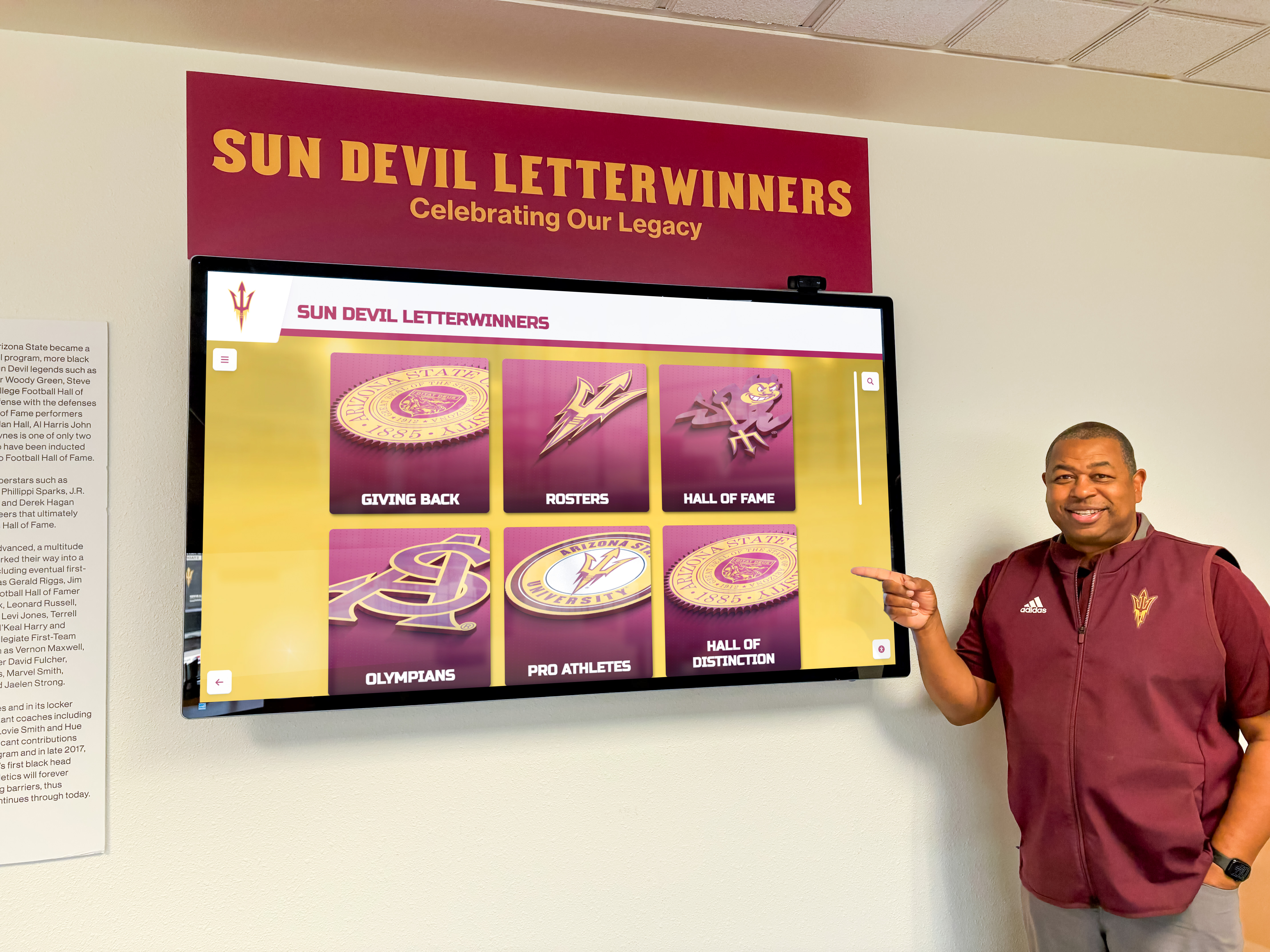
Mid-year planning enables thoughtful content strategy and stakeholder engagement
Advantage 2: Strategic Budget Timing and Creative Funding Approaches
Budget availability represents one of most critical implementation factors, and mid-year timing opens funding opportunities that other launch windows cannot access.
Mid-Year Budget Flexibility
Most educational institutions experience predictable budget cycles affecting technology procurement timing:
Traditional Year-End Budget Challenges: Schools approaching fiscal year-ends typically face either budget exhaustion with limited funds remaining for new initiatives, or use-it-or-lose-it spending pressure that encourages rushed decisions optimizing expense timing rather than strategic value. Neither condition supports thoughtful digital hall of fame implementations requiring sustained multi-year investment.
Mid-Year Budget Advantages: October through February often coincides with budget surpluses from first-quarter spending rates below projections, multi-year budget planning cycles when institutions approve significant new initiatives, grant opportunities with mid-year application deadlines, and administrative flexibility allocating unexpected funds to strategic priorities.
Creative Mid-Year Funding Strategies
Beyond regular operating budgets, mid-year timing facilitates alternative funding approaches:
Current-Year Budget Reallocation: Organizations may discover that certain planned expenditures won’t materialize this fiscal year due to project delays, position vacancies creating salary savings, lower-than-expected expense categories, or deferred facility projects. These mid-year budget surpluses create opportunities for recognition system funding that didn’t exist during initial budget planning. Institutions willing to reallocate surplus funds to strategic investments can capitalize on mid-year flexibility.
Booster Club Engagement: Athletic booster organizations love projects celebrating student-athletes and engaging communities—exactly what digital recognition displays accomplish. Mid-year represents optimal booster engagement timing because:
- Holiday fundraising campaigns generate revenue available for project commitments
- Post-fall-season booster meetings seek new initiatives for spring focus
- Recognition projects demonstrate tangible returns on booster support
- Digital displays provide lasting visibility for booster contributions
Approaching booster organizations mid-year with comprehensive proposals enables meaningful engagement when boosters actively seek impactful investment opportunities rather than competing with numerous other requests during peak fundraising seasons.
Department Cost-Sharing: Mid-year budget conversations facilitate creative cost-sharing arrangements impossible during inflexible annual budget processes. Athletic departments, development offices, and alumni relations might jointly fund recognition systems serving overlapping constituencies. Mid-year discussions enable flexible arrangements allocating costs proportionally to departmental benefits.
Sponsorship and Donor Engagement: Development offices pursuing major gift commitments often find that recognition technology presents compelling giving opportunities for donors seeking visible lasting impact. Mid-year timing aligns with donor cultivation cycles targeting year-end giving decisions while providing adequate time for proposal development, donor engagement, and commitment cultivation.
Mid-Year Budget Planning Timeline
October-November:
- Develop comprehensive project proposals with cost analysis
- Approach department heads about cost-sharing opportunities
- Engage booster organizations with recognition project concepts
- Identify surplus funds potentially available for reallocation
December:
- Finalize budget commitments and funding sources
- Secure administrative approvals for multi-department funding
- Leverage year-end giving campaigns for donor-funded components
- Take advantage of vendor year-end incentives and promotions
January-February:
- Execute vendor contracts and initiate procurement
- Allocate next fiscal year budgeting for ongoing subscriptions
- Document funding arrangements for future reference
- Begin implementation with secured funding in place
This timeline capitalizes on mid-year budget flexibility while ensuring spring launch readiness.
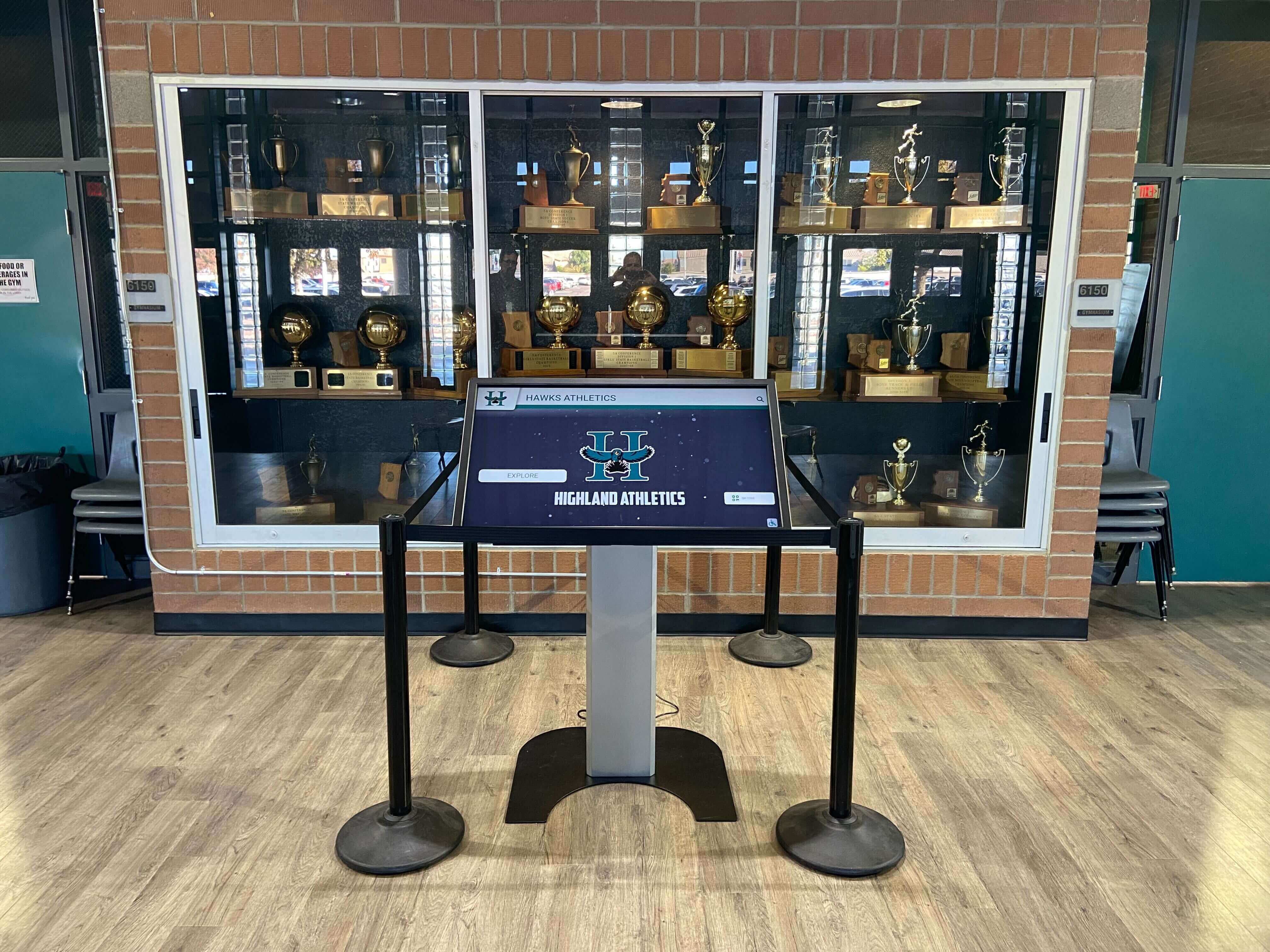
Strategic budget timing enables comprehensive recognition systems that serve multiple departments
Advantage 3: Dedicated Vendor Support and Implementation Partnership
Technology vendors experience their own annual cycles affecting customer support quality and availability—cycles that significantly impact implementation success.
The Vendor Capacity Advantage
Digital recognition providers face predictable demand patterns creating capacity constraints during peak seasons:
Peak-Season Vendor Challenges (August-September): Summer months bring overwhelming demand as schools rush to implement systems before academic year beginnings. This concentration creates vendor capacity challenges including:
- Implementation teams overextended across simultaneous projects
- Rushed onboarding and training reducing effectiveness
- Limited responsiveness to questions and support needs
- Compressed timelines reducing customization opportunities
- Higher stress levels affecting customer experience quality
Mid-Year Vendor Benefits (October-February): Vendor workload typically moderates mid-year as peak summer implementation rush subsides. This capacity relief translates to customer benefits:
Personalized Implementation Support: Vendor implementation teams can dedicate focused attention to your project rather than dividing time across numerous simultaneous deployments. This personalization enables customizations addressing specific needs, thorough training ensuring administrator confidence, responsive problem-solving when issues emerge, and strategic guidance optimizing system configuration for your unique requirements.
Flexible Project Timelines: Rather than compressed rush implementations, mid-year launches accommodate thoughtful phased approaches with adequate time for historical content development, iterative stakeholder review and feedback, systematic staff training across departments, and comprehensive testing before public launch. These measured timelines significantly increase implementation quality and long-term success.
Enhanced Communication and Responsiveness: Vendor account managers and technical support teams provide faster response times when not overwhelmed by peak-season volume. Enhanced communication means quicker answers to questions, proactive check-ins identifying potential issues before they escalate, dedicated troubleshooting rather than generic support, and genuine partnership rather than transactional relationships.
Mid-Year Provider Incentives
Beyond capacity advantages, many digital hall of fame providers offer mid-year incentives that improve financial value:
Year-End Promotions: November and December often bring vendor promotions targeting year-end sales goals through discounted pricing, bundled hardware and software packages, waived implementation fees, extended payment terms, or enhanced features at standard pricing. These promotions can significantly reduce total cost of ownership while maintaining full functionality.
Early Adopter Advantages: Vendors launching new features or platform versions mid-year may offer early adopter advantages including feature access before general availability, extended free trial periods, reduced first-year pricing, and enhanced support during initial adoption. These benefits provide value while helping vendors validate new capabilities.
Schools exploring touchscreen hall of fame technology should specifically inquire about mid-year program incentives when evaluating vendors, as timing flexibility creates negotiation leverage unavailable during peak demand periods.

Mid-year implementations receive enhanced vendor support and personalized attention
Advantage 4: Perfect Alignment with Spring Event Milestones
Strategic timing culminates in having fully operational recognition systems ready for the spring event season when maximum visibility creates optimal community impact.
Critical Spring Milestones
Schools experience several major spring events where digital halls of fame generate significant engagement and visibility:
Hall of Fame Induction Ceremonies (March-May): Many schools conduct annual hall of fame induction ceremonies during spring seasons. Mid-year implementation ensures new inductees immediately appear in comprehensive digital systems during their induction events—creating powerful unveiling moments impossible if implementation hasn’t yet occurred. Inductees and families appreciate seeing recognition displayed prominently during ceremonies rather than learning about eventual future inclusion.
Graduation Celebrations (May-June): Graduation represents the academic year’s pinnacle celebration drawing maximum community attendance. Having digital recognition systems operational for graduation means families exploring school facilities encounter impressive displays celebrating excellence, graduating seniors see their own achievements acknowledged prominently during final campus visits, and prospective families attending sibling graduations witness institutional commitment to recognition. This visibility during high-traffic events maximizes community impressions and recognition impact.
Alumni Weekend and Reunions (Varies, Often Spring): Schools scheduling alumni events during spring seasons benefit from timing that showcases recognition systems to engaged alumni audiences specifically interested in institutional history and peer accomplishments. Alumni discovering their own achievements and exploring classmates’ success creates positive engagement supporting advancement goals including giving cultivation, volunteer recruitment, and lasting institutional connection.
Athletic Banquets and End-of-Season Celebrations: Spring sports conclude with banquets and celebrations ideal for introducing new recognition systems. Athletes and families gathered to celebrate current season achievements naturally engage with comprehensive displays showing program history and record progressions. This contextual introduction during athletics-focused events creates natural adoption among key stakeholder groups.
Prospective Student Visits and Recruitment (Year-Round, Peak Spring): High school juniors and families visit college campuses most intensively during spring months as admission decisions approach. Similarly, middle school families tour high schools most frequently during winter-spring enrollment windows. Having impressive digital recognition systems operational for these critical visits demonstrates institutional commitment to celebrating excellence while providing differentiating features that influence enrollment decisions.
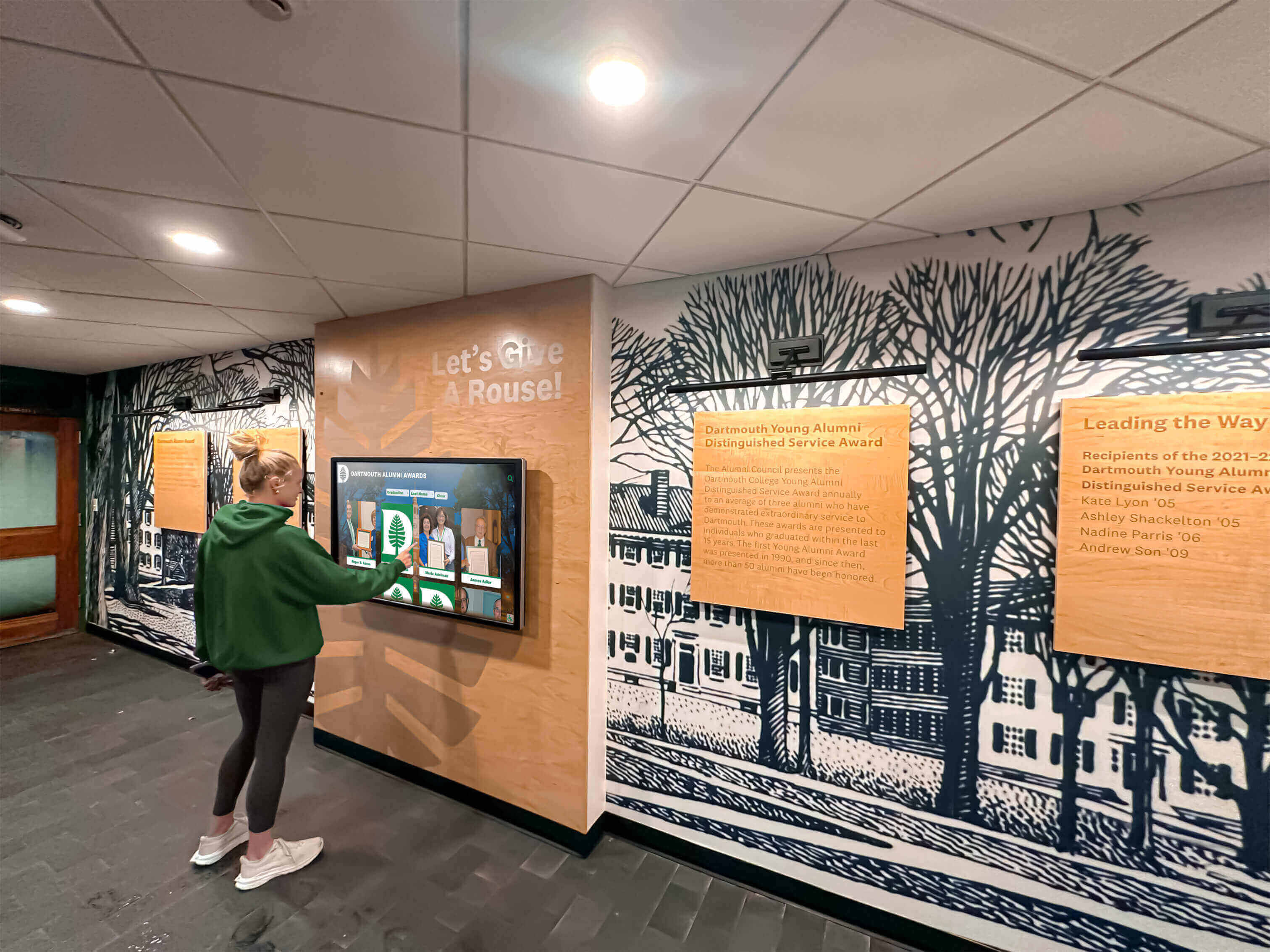
Spring graduation season provides maximum visibility for new recognition systems
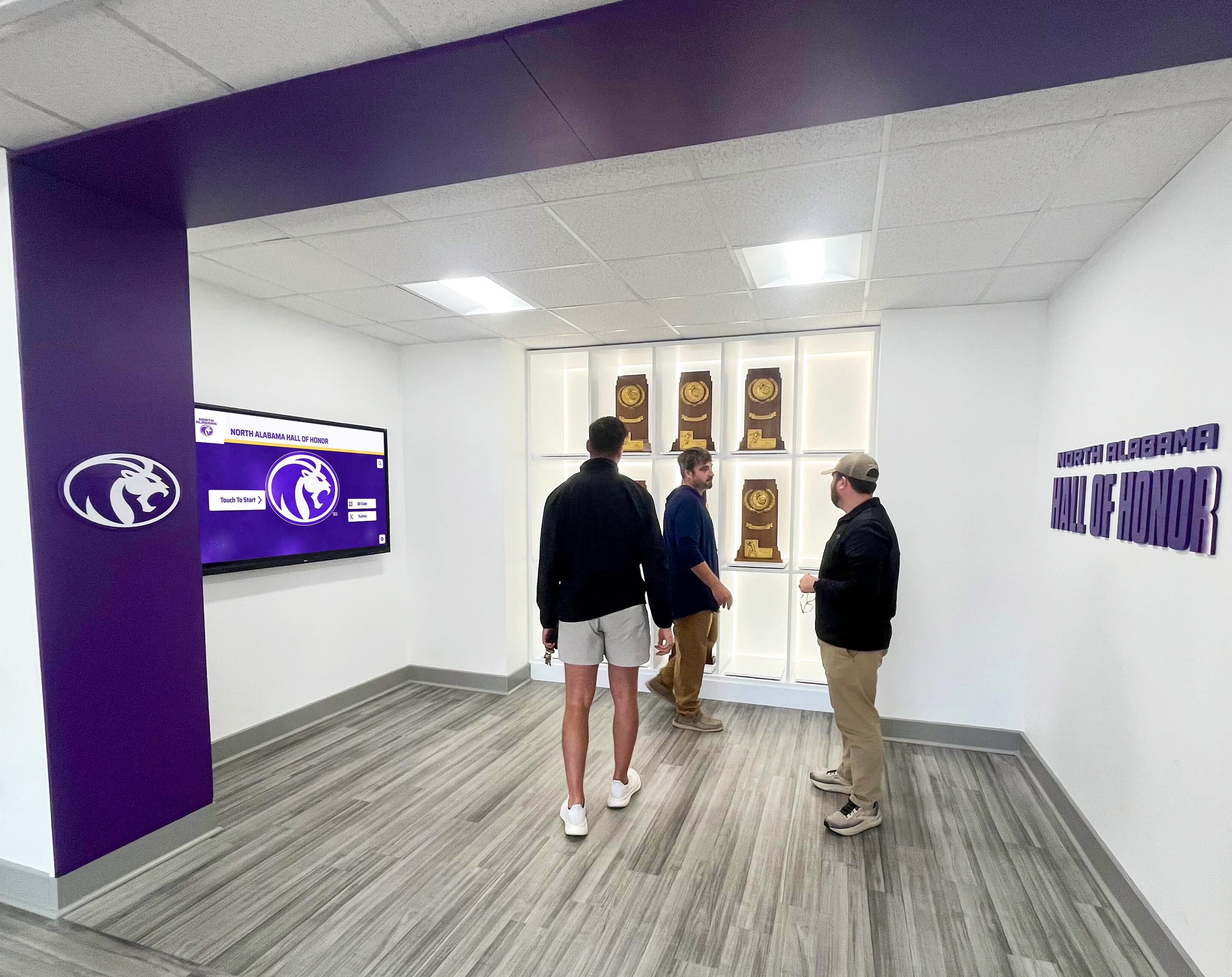
Alumni events create ideal contexts for introducing comprehensive digital recognition
Building Pre-Launch Momentum
Mid-year implementations provide adequate runway for building anticipation before spring unveiling:
Teaser Communications: Beginning in February or March, schools can initiate countdown communications creating excitement including behind-the-scenes implementation photos, featured content previews highlighting compelling inductees, staff testimonials about upcoming system capabilities, and community engagement inviting contribution of historical photos and information. This multi-week drumbeat builds anticipation culminating in spring launch events.
Stakeholder Previews: Before public launch, provide exclusive early access to VIP groups including board members, major donors, hall of fame inductees, senior alumni, and booster leadership. These private previews create ambassadors enthusiastically promoting systems within their networks while making key supporters feel valued through privileged access.
Media Outreach: Mid-year planning enables proactive media relationship building with local reporters covering education, sports, or community interest stories. Advance outreach positions spring launches for publicity coverage that rushed implementations struggle to secure.
Schools can explore launch strategy best practices ensuring mid-year implementations build toward impactful spring debuts.
Advantage 5: Academic Calendar Coordination and Training Integration
Beyond individual advantages, mid-year timing aligns optimally with academic calendars and institutional rhythms in ways that facilitate smooth integration.
Semester Break Benefits
Many schools experience semester breaks during December-January providing natural implementation windows:
Installation During Break Periods: Hardware installation requiring facility access, electrical work, network configuration, and mounting installations can occur during break periods when buildings are less active, minimizing disruptions to normal operations. This timing contrasts with summer installations competing with facility maintenance, renovations, and summer programming that constrain access.
Training Between Terms: Staff training sessions scheduling proves easier between semesters when grading pressures ease and professional development time naturally occurs. Training during these transition periods means staff begin new semesters prepared to manage recognition systems rather than cramming training into already-overwhelming August professional development.
Phased Content Development: Academic breaks provide concentrated time for intensive content development work including historical research, photo digitization, profile writing, and quality review that benefits from uninterrupted focus rather than fragmented attention during busy operational periods.
Staff Onboarding and Turnover Cycles
Educational institutions experience staff transitions following predictable patterns that mid-year timing accommodates:
New Hire Integration: Staff hired during summer often spend fall months learning primary responsibilities before having capacity for additional initiatives. Mid-year timing allows these employees to integrate recognition system management into roles after establishing basic competency, whereas fall implementations expect immediate proficiency from staff still learning core functions.
Professional Development Rhythms: Schools front-load professional development during August-September when adding major technology training creates overwhelming cognitive load. Mid-year implementations distribute training more sustainably when staff can dedicate focused attention without competing with back-to-school intensity.
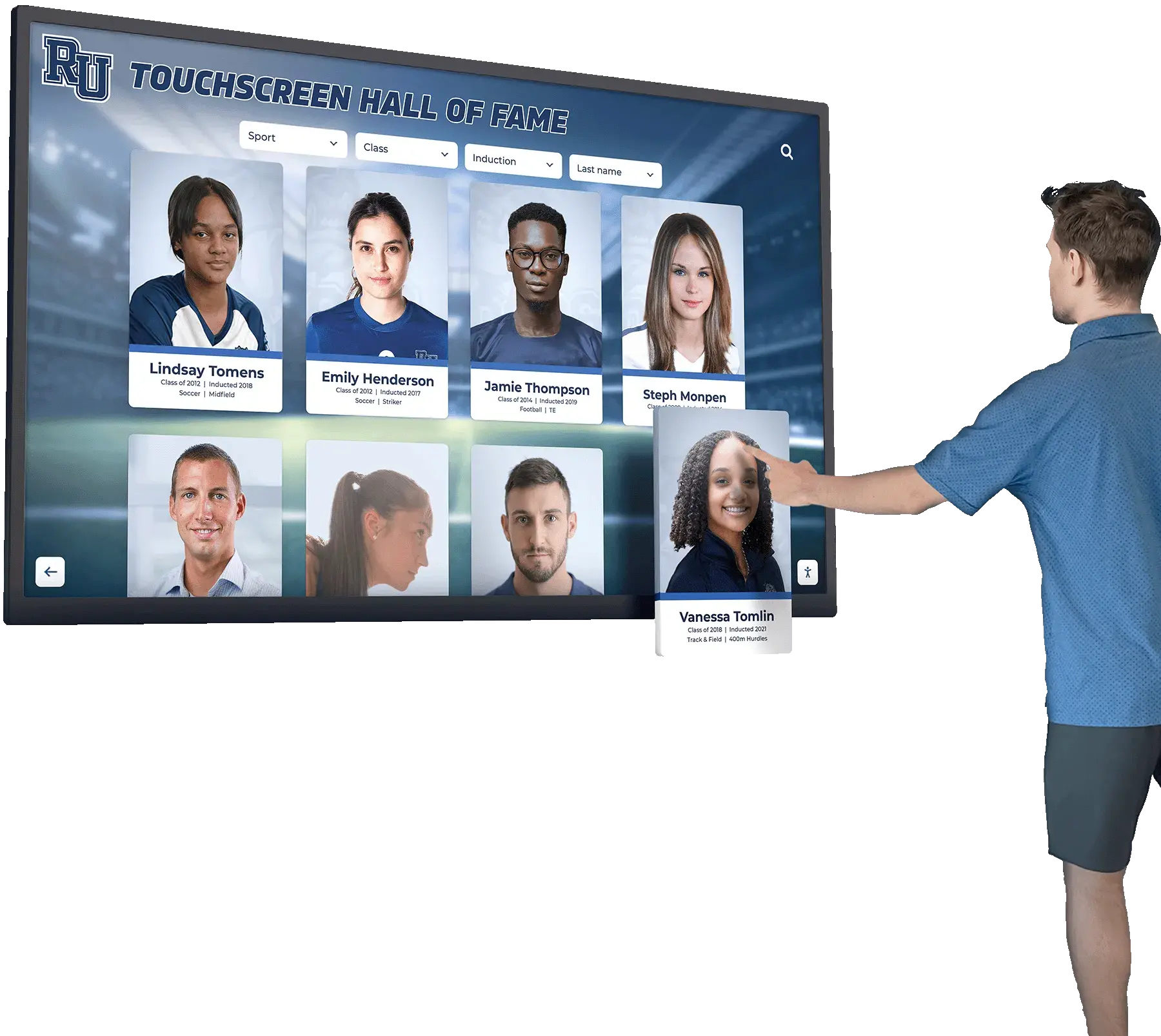
Mid-year training timing integrates smoothly with academic calendar rhythms
Advantage 6: Competitive Advantage Through Off-Season Positioning
While less obvious than operational advantages, mid-year timing provides strategic market positioning benefits worth considering.
Differentiation Through Timing
Schools launching digital recognition mid-year demonstrate:
Proactive Innovation: Mid-year launches signal institutions thinking strategically about improvement opportunities rather than only responding to beginning-of-year pressures. This proactiveness reflects positively on institutional culture and forward-thinking administration.
Resource Availability: Organizations implementing substantial new systems mid-year implicitly communicate financial health and capacity for strategic investment—positive signals to prospective families, donors, and community stakeholders.
Sustained Excellence Focus: Rather than treating recognition as annual exercise, mid-year emphasis demonstrates year-round commitment to honoring achievement and maintaining institutional traditions.
Market Availability Advantages
Competition for recognition technology, installation services, and content development support concentrates during peak summer months. Mid-year implementations avoid competing with numerous simultaneous projects for:
Preferred Installation Dates: Schedule installations when you prefer rather than accepting available slots remaining after peak-season booking Content Development Services: Engage professional photographers, videographers, or writers without competing for capacity during busy periods Consultant Availability: Access expert guidance from consultants and advisors less overwhelmed by concurrent engagements
These availability advantages translate to better service, enhanced quality, and more personalized attention across implementation dimensions.
Recommended Mid-Year Implementation Timeline
Successful mid-year launches follow systematic timelines coordinating multiple work streams toward spring debut:
October-November: Foundation and Planning
Strategic Planning:
- Define recognition program scope, categories, and criteria
- Identify stakeholder groups and engagement approaches
- Develop preliminary content organization and structure
- Establish implementation team with clear role assignments
Vendor Evaluation:
- Research digital hall of fame providers and platform options
- Request demonstrations and review reference installations
- Compare features, pricing, and long-term total cost of ownership
- Evaluate implementation support, training, and ongoing service
Budget Development:
- Calculate comprehensive costs including hardware, software, installation, and content
- Explore funding sources and cost-sharing arrangements
- Engage booster organizations with project proposals
- Secure preliminary administrative approvals
December: Commitment and Procurement
Final Decisions:
- Select vendor and finalize contract terms
- Secure complete funding and administrative approval
- Confirm installation location and technical requirements
- Take advantage of year-end vendor incentives
Technical Preparation:
- Verify electrical, network, and mounting infrastructure
- Schedule installation for semester break if applicable
- Order hardware with adequate delivery lead time
- Coordinate with facilities and IT departments
Content Launch:
- Begin historical research and content gathering
- Reach out to alumni and community for historical photos
- Identify featured inductees for launch content
- Establish content development workflows
January-February: Development and Training
Content Creation:
- Develop comprehensive profiles for launch inductees
- Digitize historical photos and documents
- Write achievement narratives and biographical information
- Organize content according to planned structure
Hardware Installation:
- Complete display mounting and electrical connections
- Configure network connectivity and system integration
- Test hardware functionality thoroughly
- Address any installation issues immediately
Staff Training:
- Train administrators on content management system
- Establish workflows for ongoing recognition updates
- Document processes for long-term sustainability
- Identify backup administrators ensuring continuity
Quality Assurance:
- Review all content for accuracy and completeness
- Test search and navigation functionality
- Verify mobile and web accessibility
- Gather feedback from test users and stakeholders
Schools can reference digital record board implementation guides for additional technical implementation details.
March-April: Launch and Promotion
Pre-Launch Promotion:
- Begin countdown communications building anticipation
- Provide stakeholder previews for VIP groups
- Prepare media materials and outreach
- Train student ambassadors for demonstration support
Official Launch Event:
- Coordinate unveiling with hall of fame induction ceremony or major spring event
- Invite featured inductees and their families
- Generate publicity and social media coverage
- Provide guided demonstrations and assistance
Post-Launch Support:
- Monitor usage and gather user feedback
- Address any technical or content issues
- Add additional content on regular schedule
- Sustain promotional efforts beyond initial launch
Evaluation:
- Track engagement metrics and usage patterns
- Survey stakeholders about recognition program satisfaction
- Document lessons learned for continuous improvement
- Plan long-term content development and management
This timeline provides adequate planning and development time while positioning spring launch for maximum visibility and impact.
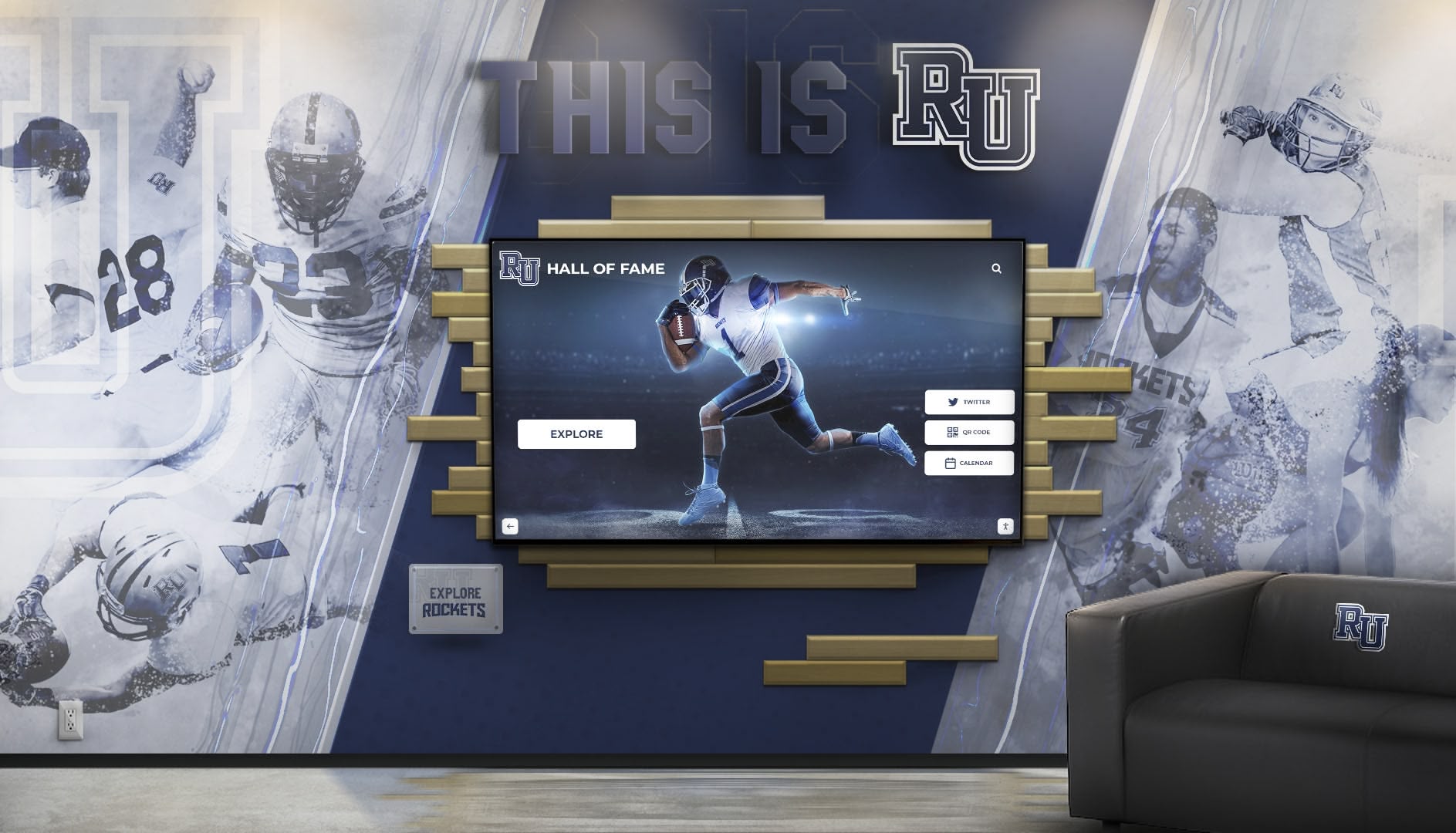
Comprehensive planning enables impressive spring launches that wow communities
Common Mid-Year Implementation Challenges and Solutions
While mid-year timing provides significant advantages, understanding potential challenges enables proactive mitigation:
Challenge: Holiday Season Coordination
December holidays and semester breaks that facilitate some implementation aspects also create coordination challenges when stakeholders have reduced availability or conflicting priorities.
Solutions: Schedule major decisions and approvals before Thanksgiving rather than December, plan asynchronous communication and decision-making processes not requiring synchronous meetings, front-load time-intensive work to October-November ahead of holiday periods, and leverage January momentum when teams return refreshed and ready to execute.
Challenge: Mid-Year Budget Access
While mid-year budget flexibility creates opportunities, some institutions maintain rigid budget controls preventing mid-cycle allocations or reallocation of surplus funds.
Solutions: Engage finance and administration early about mid-year implementation proposals, demonstrate strategic value justifying budget flexibility, explore multi-year budget planning incorporating next fiscal year funding, and investigate alternative funding through boosters, donors, or departmental cost-sharing.
Challenge: Limited Historical Momentum
Schools attempting comprehensive historical recognition discover research requires more time than anticipated when documentation proves incomplete or contradictory.
Solutions: Launch with manageable content scope focused on recent achievements where documentation is strong, plan phased historical additions over subsequent months, engage alumni and community through crowdsourcing historical information, and accept that some historical gaps may remain despite best research efforts—digital systems enable ongoing additions as new information surfaces.
Challenge: Spring Event Deadline Pressure
Targeting specific spring events for launch creates pressure if implementation faces unexpected delays or complications.
Solutions: Build timeline buffers allowing for contingencies, define minimum viable launch scope achievable even with delays, communicate tentative launch dates rather than rigid commitments, and prepare backup launch options if primary spring event timing becomes infeasible.
Long-Term Advantages of Mid-Year Timing
Beyond immediate implementation benefits, mid-year launches create lasting advantages for ongoing recognition program success:
Established Rhythm Before Peak Seasons
Organizations launching mid-year establish operational rhythms and familiarity before encountering busy fall or spring seasons when recognition updates compete with other priorities. This established foundation means staff understand systems and processes before adding end-of-season content updates during hectic periods.
Demonstrated Value for Future Budget Cycles
Mid-year launches operational by summer enable institutions to demonstrate recognition program value and community engagement during next annual budget planning cycles. Established programs with usage data and stakeholder testimonials secure ongoing funding more easily than proposals for unproven initiatives.
Momentum Through Key Events
Spring launches generate initial excitement and adoption that summer maintains through alumni events, orientation programs, and facility tours. This sustained momentum through multiple event cycles establishes recognition systems as integral community resources rather than novelties losing attention after initial launches.
Learning Curve Advantage
Staff managing systems for 6-9 months before next academic year beginning enter fall with confidence and expertise. This experience means schools avoid overwhelming new staff during August rushes while having knowledgeable administrators prepared to train others as responsibilities evolve.
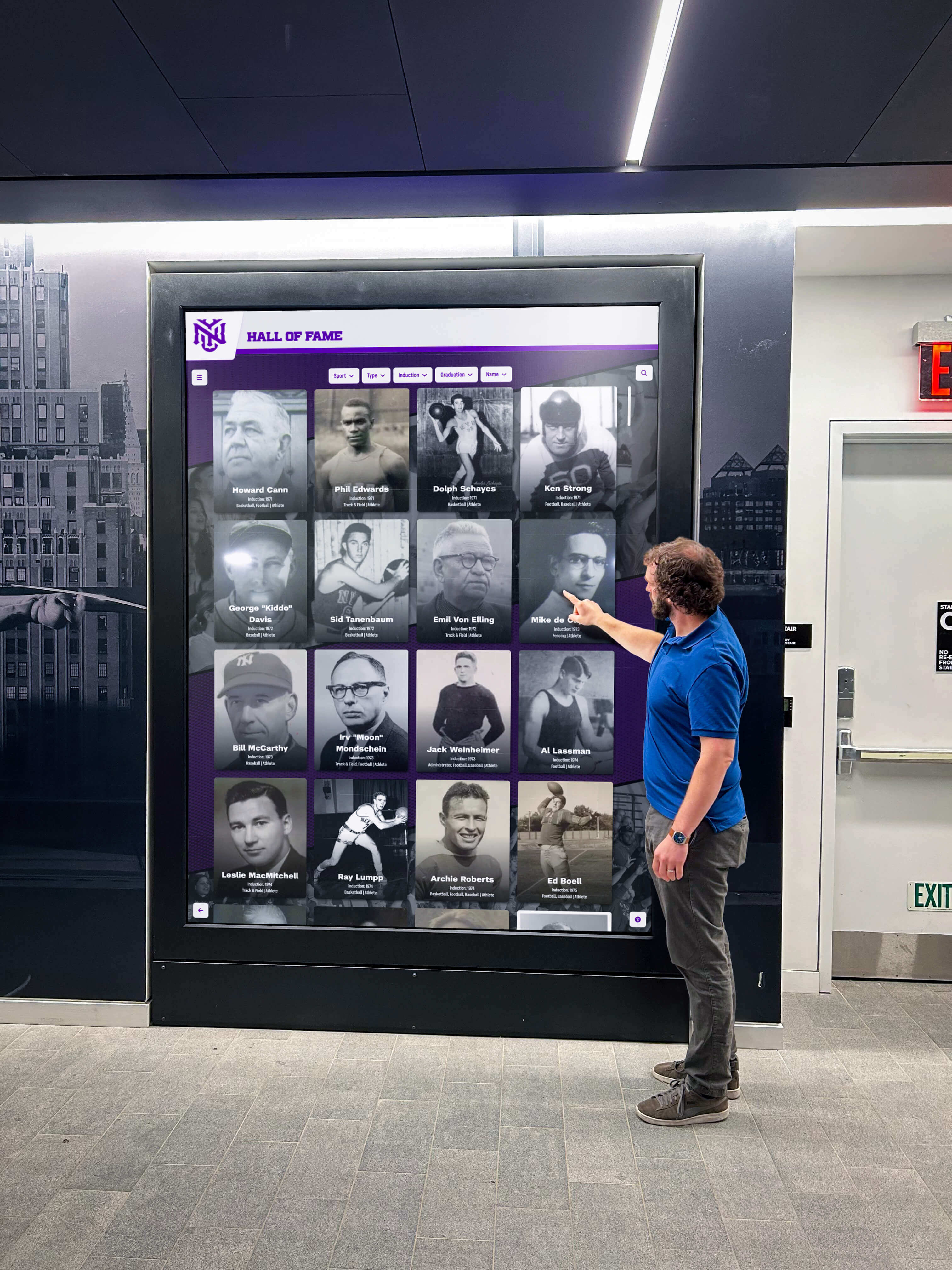
Mid-year launches create established programs ready for sustained engagement
Making the Mid-Year Decision: Is This Timing Right for You?
While mid-year offers numerous advantages, evaluating whether this timing suits your specific circumstances ensures successful implementation.
Ideal Mid-Year Launch Scenarios
Mid-year timing particularly benefits organizations experiencing:
- Relative Mid-Year Capacity: Staff and leadership have bandwidth for strategic projects after fall season intensity subsides
- Spring Event Focus: Major recognition events, graduations, or induction ceremonies occur spring seasons providing natural launch contexts
- Budget Flexibility: Institutional budget processes accommodate mid-year approvals or funding surpluses exist for strategic allocation
- Adequate Lead Time: Organizations beginning planning October-November have sufficient runway for comprehensive March-April launches
- Content Readiness: Recognition criteria are established and substantial content exists or can be developed within available timeframes
Alternative Timing Considerations
Organizations might defer to different implementation windows when:
- Major Concurrent Initiatives: Other strategic projects consume available capacity making additional implementation inadvisable
- Budget Constraints: Current fiscal year lacks adequate funding and next year budget planning hasn’t yet occurred
- Leadership Transitions: Administrative changes pending suggest deferring major decisions until new leadership establishes priorities
- Insufficient Planning Runway: Late winter timing provides inadequate lead time for comprehensive spring launches
- Summer Event Focus: Organizations emphasizing summer programming or reunions might prefer summer-fall implementations
Honest assessment of institutional readiness and capacity ensures implementation timing optimizes success probability rather than forcing timelines that overwhelm already-stretched teams.
Conclusion: Strategic Timing for Lasting Recognition Success
The question of when to launch digital hall of fame systems deserves as much strategic consideration as which systems to implement. Mid-year timing provides a constellation of advantages that collectively increase implementation success probability while positioning spring debuts for maximum community impact and sustained long-term engagement.
Mid-year implementations capitalize on planning capacity when teams aren’t overwhelmed by peak-season demands, access budget flexibility not available at fiscal year boundaries, receive enhanced vendor support when provider workload moderates, align with spring event milestones creating optimal launch contexts, and integrate smoothly with academic calendars facilitating training and content development.
Organizations implementing comprehensive digital recognition through solutions like Rocket Alumni Solutions find that thoughtful timing significantly affects both implementation quality and long-term sustainability. Rushed implementations driven by arbitrary deadlines often shortchange planning, compress training, limit content development, and undermine adoption—failures that strategic mid-year timing helps avoid through adequate preparation runways and alignment with natural institutional rhythms.
Whether your school, university, or organization has contemplated digital recognition for years or recently began exploring options, mid-year represents the strategic window that transforms interest into action. October through February creates optimal conditions for deliberate planning, comprehensive content development, stakeholder engagement, and vendor partnership that establish recognition programs delivering lasting value for decades to come.
Rather than waiting for another back-to-school rush or scrambling through spring chaos, mid-year implementation provides the strategic foundation ensuring your digital hall of fame launches successfully, engages powerfully, and sustains effectively as enduring celebration of excellence within your community.
Ready to Launch Your Mid-Year Digital Hall of Fame?
Rocket Alumni Solutions provides comprehensive implementation support specifically designed for mid-year launches. Our team guides you through strategic planning, content development, installation coordination, and successful spring debut—ensuring your recognition program launches smoothly and sustains effectively for years to come.
Schedule Your Mid-Year Planning ConsultationThe optimal time to modernize your recognition program isn’t next August, next May, or someday indefinitely deferred—it’s now, during the strategic mid-year window that sets the stage for successful spring launches creating lasting community impact. Your achievements, your students, your alumni, and your institutional legacy deserve recognition done right, and mid-year timing provides the strategic foundation ensuring implementation success that rushed alternatives cannot match.
Additional resources on how to showcase student achievement, best platforms for building virtual halls of fame, and college athletics hall of fame implementations provide comprehensive frameworks for organizations beginning mid-year planning journeys toward recognition excellence.
Frequently Asked Questions
What makes mid-year the best time to launch a digital hall of fame?
Mid-year timing, typically October through February, provides optimal conditions for digital hall of fame launches through planning capacity when teams aren’t overwhelmed by peak-season demands, budget flexibility as mid-year surplus funds become available, enhanced vendor support when implementation workload moderates, and perfect alignment with spring event milestones including induction ceremonies and graduations. These advantages collectively increase implementation success rates while positioning systems for maximum community impact.
How long does mid-year digital hall of fame implementation typically take?
Comprehensive mid-year implementations typically require 4-6 months from initial planning through spring launch. A typical timeline includes October-November for vendor selection and planning (6-8 weeks), December for procurement and technical preparation (3-4 weeks), January-February for content development and installation (8-10 weeks), and March-April for final preparation and launch (3-4 weeks). Organizations beginning planning in October can realistically launch by March-April for major spring events.
What budget should schools expect for mid-year digital hall of fame projects?
Digital hall of fame investments typically range from $8,000-$25,000 for comprehensive systems including commercial-grade touchscreen hardware, specialized recognition software with content management capabilities, professional installation and configuration, initial content development support, and training for administrative staff. Schools can explore creative funding through current-year budget surplus reallocation, booster organization support, departmental cost-sharing between athletics and development, donor-funded recognition in honor of specific individuals, or phased payment plans distributing costs across fiscal years. Many organizations find that total investment per student honored over system lifespans proves significantly lower than traditional recognition approaches requiring ongoing plaque production and physical expansion.
Can digital halls of fame launch before all historical content is ready?
Yes, successful digital hall of fame launches commonly occur with partial content that expands over time. Organizations typically launch with comprehensive recent achievements where documentation is readily available (past 10-20 years), plus selected notable historical highlights creating immediate value while signaling commitment to comprehensive coverage. Additional historical content can be added systematically over subsequent months as research progresses and alumni contribute information. Digital platforms enable ongoing additions that physical displays cannot accommodate, making phased content development practical and sustainable rather than requiring complete historical research before launch.
How do mid-year launches align with hall of fame induction ceremonies?
Many schools conduct annual hall of fame induction ceremonies during spring seasons, making mid-year implementation perfect for unveiling digital systems during induction events. This alignment means new inductees immediately appear in comprehensive digital recognition during their induction ceremonies, creating powerful unveiling moments that honor inductees while introducing systems to engaged audiences specifically interested in recognition. Mid-year planning ensures systems are fully operational, populated with content, and refined through testing before high-visibility spring induction events.
What vendor support should schools expect during mid-year implementations?
Mid-year implementations typically receive enhanced vendor support compared to peak-season summer launches when providers manage numerous simultaneous projects. Schools should expect personalized implementation guidance customized to specific needs, comprehensive training ensuring administrator confidence with content management, responsive technical support during setup and early operation, flexibility in implementation timelines accommodating institutional schedules, and proactive communication with regular check-ins throughout the process. Organizations should specifically request information about mid-year incentives, promotions, or enhanced support programs when evaluating vendors.
Is mid-year too late to launch for spring events?
Organizations beginning serious planning in October-November have adequate time for March-April spring launches if they maintain focused momentum through planning, procurement, and implementation phases. However, organizations just beginning initial exploration in February or March should realistically plan for summer-fall launches rather than rushing spring implementations. The key is honest assessment of planning runway—comprehensive implementations require 4-6 months, and compressing timelines below this threshold risks implementation quality that undermines long-term success.































