Middle school represents a critical developmental period where students navigate significant academic, social, and emotional changes. A middle school recognition digital board provides a powerful tool for celebrating achievements, building confidence, and fostering positive school culture during these formative years. Unlike traditional bulletin boards or trophy cases, digital recognition displays offer dynamic, inclusive, and engaging ways to honor diverse student accomplishments while creating lasting impact on school climate and student motivation.
This comprehensive guide explores how middle schools can implement effective digital recognition systems that celebrate every student, strengthen community connections, and demonstrate institutional commitment to acknowledging growth and achievement across all areas of school life.
Middle school students face unique developmental challenges that make meaningful recognition particularly impactful. During ages 11-14, students experience rapid physical, cognitive, and emotional changes while navigating complex social dynamics and developing their identities. Recognition during this critical period reinforces positive behaviors, builds self-efficacy, and helps students see themselves as valued members of their school community.

Modern digital recognition displays transform how middle schools celebrate student achievements
Why Middle Schools Need Specialized Recognition Approaches
Middle school students differ significantly from elementary and high school populations, requiring recognition strategies tailored to their developmental stage.
The Middle School Challenge
Middle school educators consistently identify several challenges that effective recognition programs can address:
Social and Emotional Development
- Students become increasingly peer-focused and sensitive to social comparison
- Self-esteem often declines during early adolescence
- Identity formation makes recognition of authentic achievement particularly meaningful
- Belonging needs intensify as students seek acceptance and connection
Academic Engagement
- Motivation commonly decreases during middle school years
- Students begin developing fixed mindsets about their abilities
- Academic confidence directly correlates with continued effort and achievement
- Growth mindset development benefits from recognition of improvement, not just excellence
Behavioral Considerations
- Positive recognition reduces negative attention-seeking behaviors
- Public acknowledgment motivates many students when delivered appropriately
- Peer recognition carries significant weight during adolescence
- Inclusive recognition prevents feelings of exclusion that fuel disengagement
Benefits of Digital Recognition for Middle Schoolers
Modern digital recognition boards address middle school needs more effectively than traditional approaches:
Inclusivity and Diversity
- Unlimited digital space allows recognition of all achievement types
- Multiple categories ensure every student receives acknowledgment
- Regular updates keep recognition fresh and relevant
- Diverse achievement paths accommodate varied student strengths

Interactive displays invite exploration and engagement from middle school students
Engagement and Motivation
- Interactive features appeal to tech-savvy middle schoolers
- Multimedia content brings achievements to life with photos and videos
- Search capabilities allow students to find their own recognitions
- Social sharing extends recognition beyond school walls
Flexibility and Responsiveness
- Real-time updates allow immediate recognition of achievements
- Content adjusts to reflect current initiatives and priorities
- Recognition categories expand as student interests evolve
- Mistakes can be corrected instantly without physical replacement costs
Essential Recognition Categories for Middle Schools
Comprehensive middle school recognition celebrates the full spectrum of student growth and achievement.
Academic Excellence and Growth
Middle school recognition should honor both achievement and improvement:
Subject-Specific Recognition
- Honor roll and principal’s list achievements
- Most improved student awards by subject area
- Outstanding project and assignment recognition
- Academic competition participation and results
- Subject mastery demonstrations and assessments
Growth-Focused Recognition
- Grade improvement celebrations across marking periods
- Reading level advancement and literacy milestones
- Math skills progression and computational fluency gains
- Writing development and communication improvements
- Study skills and organizational growth demonstrations
Digital displays from providers like Rocket Alumni Solutions enable schools to showcase these achievements with detailed profiles that include before-and-after comparisons, teacher testimonials, and student reflections on their learning journey.

Comprehensive academic recognition celebrates both excellence and meaningful growth
Athletic and Physical Education Recognition
Middle school represents a critical period for developing lifelong fitness habits and sports skills:
Team Sports Recognition
- Season records and championship celebrations
- Individual athletic achievements and records
- Most improved athlete awards
- Sportsmanship and team leadership recognition
- Multi-sport athlete acknowledgment
Individual Sports and Fitness
- Track and field personal records and improvements
- Swimming and diving accomplishments
- Gymnastics and individual competition results
- Physical education excellence and participation
- Fitness milestone achievements and testing results
Solutions like digital record boards help middle schools maintain comprehensive athletic recognition across all sports and activities.
Arts and Creative Expression
Middle school is when many students discover artistic talents and creative passions:
| Arts Category | Recognition Opportunities |
|---|---|
| Visual Arts | Art show participants, competition winners, gallery displays, creative projects, artistic growth portfolios |
| Music | Concert performances, solo/ensemble ratings, all-district/state selections, recitals, composition achievements |
| Drama/Theater | Play performances, competition results, technical theater contributions, directorial debuts, dramatic improvements |
| Creative Writing | Published works, competition placements, poetry slams, journalism contributions, narrative excellence |
| Digital Arts | Graphic design, video production, animation, photography, multimedia projects, technology integration |
Character, Leadership, and Service
Middle school provides opportunities to develop crucial life skills and values:
Character Recognition
- Kindness and compassion demonstrations
- Integrity and honesty examples
- Respect and responsibility modeling
- Perseverance through challenges
- Positive attitude and school spirit
Leadership Development
- Student government participation and leadership
- Peer mentoring and tutoring contributions
- Club and organization leadership roles
- Event planning and execution
- Voice and advocacy for school improvements
Community Service
- Service hour accumulation and documentation
- Community project participation
- Environmental stewardship initiatives
- Charitable fundraising efforts
- Volunteer recognition for sustained community impact

Character and service recognition reinforces values central to middle school development
Unique Talents and Contributions
Middle schools should recognize achievements that don’t fit traditional categories:
Special Recognitions
- Perfect attendance achievements
- Significant personal goal accomplishments
- Overcoming obstacles and demonstrating resilience
- Unique talents and special skills
- Positive peer relationships and friendship
- Technology assistance and support
- Translation and language assistance for multilingual peers
- Creative problem-solving demonstrations
This comprehensive approach ensures all students see themselves reflected in school recognition, strengthening belonging and motivation.
Implementing Your Middle School Recognition Digital Board
Strategic implementation ensures your digital recognition system achieves maximum impact.
Phase 1: Planning and Stakeholder Engagement
Essential Planning Steps
- Form Planning Committee: Include administrators, teachers from various departments, students, parents, and support staff
- Define Recognition Philosophy: Establish what values and achievements your recognition program will honor
- Identify Target Locations: Select high-traffic areas where students naturally gather (cafeteria entrance, main hallway, media center)
- Set Budget Parameters: Determine resources available for hardware, software, installation, and ongoing content management
- Establish Success Metrics: Define how you'll measure program effectiveness (engagement, behavior changes, survey results)
- Create Implementation Timeline: Develop realistic schedule for procurement, installation, content development, and launch
Phase 2: Technology Selection and Installation
Middle schools need recognition systems that balance sophistication with durability and ease of use:
Hardware Considerations
- Commercial-grade touchscreen displays designed for educational environments
- Appropriate screen size for viewing distance (typically 43"-65" for hallway installations)
- Durable construction withstanding student interaction
- Mounting options (wall-mounted or freestanding kiosk configurations)
- Network connectivity and power requirements
- Accessibility compliance ensuring all students can interact with displays
Software Requirements
Solutions like those from Rocket Alumni Solutions provide middle school-specific features:
- Intuitive content management systems requiring no technical expertise
- Cloud-based platforms allowing updates from any internet-connected device
- Template systems ensuring consistent, professional presentation
- Interactive touchscreen software with age-appropriate navigation
- Search and filtering capabilities for finding specific students or achievements
- Multimedia support for photos, videos, and documents
- Web accessibility extending recognition beyond physical displays
Phase 3: Content Development Strategy
Compelling content makes recognition meaningful and engaging:
Initial Content Population
Begin with recent achievements and build historical archive over time:
Current Recognition
- Current school year achievements across all categories
- Ongoing recognition programs and initiatives
- Recent events and celebrations
- Current student leaders and representatives
Historical Content
- Previous year recognitions and achievements
- School history and milestone celebrations
- Notable alumni accomplishments
- Traditions and legacy content
Content Creation Best Practices
Middle school recognition requires sensitivity to developmental needs:
- Student Privacy: Obtain proper permissions before posting student photos and names
- Balanced Representation: Ensure recognition reflects your entire student body
- Age-Appropriate Content: Use language and imagery suitable for middle school audience
- Regular Updates: Keep content fresh with weekly or bi-weekly additions
- Multimedia Integration: Include photos, videos, and testimonials that bring achievements to life
- Student Voice: Feature student reflections and testimonials when appropriate
Modern content management systems make recognition updates simple for school staff
Phase 4: Launch and Promotion
Strategic launch creates excitement and establishes recognition as central to school culture:
Pre-Launch Preparation
- Student assembly introducing the recognition board and explaining how students can be featured
- Staff training on nominating students and submitting content
- Parent communication explaining recognition categories and selection processes
- Initial content population with diverse representation across categories
- Testing of all interactive features and functionality
Launch Event Activities
- Formal unveiling ceremony with administrators, students, and community
- Recognition of initial featured students with certificates or awards
- Interactive demonstration showing how to explore content
- Social media campaign celebrating the new recognition system
- Digital hall of fame tour for different grade levels during school day
Sustained Promotion
- Morning announcements highlighting newly added recognitions
- Newsletter features about recognized students
- Social media integration sharing recognitions digitally
- Classroom time for exploration during advisory or homeroom periods
- Ongoing staff reminders about nomination opportunities
Maximizing Impact Through Strategic Integration
Recognition boards achieve maximum impact when integrated throughout school operations and culture.
Connecting Recognition to School-Wide Initiatives
Align recognition with broader educational goals and programs:
PBIS Integration
Schools using Positive Behavioral Interventions and Supports can showcase:
- Students demonstrating behavioral expectations
- PBIS point leaders and achievement milestones
- Classroom and grade-level behavior accomplishments
- Positive behavior growth trajectories
- School-wide behavior goal celebrations
SEL Programming
Social-emotional learning initiatives integrate naturally with digital recognition:
- Self-awareness demonstrations through personal goal achievement
- Self-management examples like organization and time management improvements
- Social awareness through community service and peer support
- Relationship skills modeled through collaboration and conflict resolution
- Responsible decision-making through leadership and character demonstrations
Solutions for student recognition help schools create belonging and connection central to SEL objectives.
Academic Goal Tracking
Use recognition boards to visualize school-wide academic initiatives:
- Reading challenge participants and completion milestones
- Math fluency achievement and improvement
- Writing portfolio development and publishing
- STEM competition participation and results
- Project-based learning showcase
Classroom Integration Opportunities
Teachers can leverage recognition boards for instructional purposes:
Student Activities
- Research projects exploring school history through archived recognitions
- Writing assignments creating nomination essays for peers
- Data analysis projects examining recognition patterns and trends
- Technology projects helping create multimedia recognition content
- Career exploration through alumni achievement profiles

Recognition systems serve as educational resources across subject areas
Teaching Applications
- Examples for character education lessons
- Motivational tools highlighting peer achievements
- Goal-setting inspiration showing achievable accomplishments
- Growth mindset demonstrations through improvement recognition
- Community building through shared celebration of classmates
Family Engagement Strategies
Digital recognition extends beyond school walls to strengthen family connections:
Communication Channels
- Email notifications when students receive recognition
- Weekly digests highlighting recent recognitions by grade level
- Web-accessible platforms allowing families to explore from home
- Social media sharing enabling families to celebrate publicly
- Parent portal integration connecting recognition to broader student information
Family Participation
- Parent nomination opportunities for achievements outside school
- Family testimonials about student growth and accomplishments
- Recognition of family involvement and support
- Parent volunteer acknowledgment
- Multi-generational recognition connecting siblings and family legacy
Best Practices for Sustainable Recognition Programs
Long-term success requires systematic approaches to content management and program administration.
Establishing Recognition Workflows
Create clear processes ensuring consistent, timely recognition:
Nomination Systems
Multiple pathways for identifying students to recognize:
- Teacher Nominations: Regular submission forms for classroom achievements
- Administrative Recognition: Principal and counselor identification of character and growth
- Peer Nominations: Student-driven recognition of classmates (with staff review)
- Self-Nominations: Student submission of accomplishments outside school
- Automated Recognition: System-generated for quantifiable achievements (grades, attendance, etc.)
Review and Approval Process
Implement quality control ensuring appropriate recognition:
- Initial submission with supporting information and documentation
- Administrative review verifying accuracy and appropriateness
- Content creation including photos, descriptions, and multimedia elements
- Final approval before publication to recognition board
- Notification to student, family, and nominating staff member
Update Schedules
Regular cadence maintains engagement and anticipation:
- Daily automatic updates for time-sensitive recognitions
- Weekly manual additions for new achievements and nominations
- Monthly featured student spotlights with extended profiles
- Quarterly thematic content aligned with school calendar
- Annual recognition ceremonies with comprehensive showcases

Clear workflows ensure consistent, sustainable recognition programs
Content Diversity and Representation
Intentionally ensure recognition reflects your entire student community:
Representation Monitoring
Regular audits identify gaps and imbalances:
- Track recognition by grade level, gender, and demographic categories
- Monitor recognition types to ensure balance across achievement areas
- Identify students who haven’t received recent recognition
- Review nomination sources to ensure equitable participation
- Adjust processes to reach underrepresented student groups
Proactive Outreach
Don’t wait for nominations—actively seek diverse achievements:
- Partner with counselors identifying students needing recognition
- Connect with special education and ELL teachers about student accomplishments
- Engage elective teachers whose students may receive less visibility
- Reach out to community organizations about student involvement
- Monitor social media and local news for student achievements outside school
Training and Support Systems
Success requires capable, confident staff who understand recognition’s importance:
Initial Training
Comprehensive onboarding covers:
- Recognition philosophy and its connection to school values
- Technical training on content management system
- Nomination process and approval workflow
- Photography and content creation best practices
- Privacy policies and permission requirements
- System administration and troubleshooting basics
Ongoing Support
Sustained assistance maintains program quality:
- Regular refresher training sessions for staff
- Video tutorials for common tasks and features
- Technical support access for questions and issues
- Content review and feedback to improve quality
- Recognition of staff members who actively participate in nominating students
Measuring Recognition Program Success
Data-driven assessment demonstrates value and identifies improvement opportunities.
Quantitative Metrics
Engagement Data
For digital systems with analytics capabilities:
- Number of interactions with touchscreen display
- Most frequently viewed content and profiles
- Search queries revealing student interests
- Time spent engaging with recognition content
- Web platform visits and page views
Recognition Distribution
Track equity and comprehensiveness:
- Total number of students recognized
- Percentage of student body receiving recognition
- Recognition by category, grade level, and demographic groups
- Recognition frequency and patterns over time
- New students recognized each reporting period
Behavioral Indicators
Measure recognition’s impact on broader outcomes:
- Attendance rates before and after recognition implementation
- Disciplinary referrals and behavior incidents
- Academic performance trends
- Participation rates in activities and programs
- Student mobility and retention
Qualitative Assessment
Student Surveys and Feedback
Regular assessment of student perception:
- Sense of belonging and connection to school
- Awareness of recognition opportunities
- Motivation and goal-setting influenced by recognition
- Fairness perception of recognition processes
- Suggestions for recognition program improvements
Staff Input
Educator perspectives provide crucial insights:
- Program ease of use and nomination burden
- Observed impact on student motivation and behavior
- Suggestions for recognition categories and processes
- Training and support needs
- Success stories and notable recognition impacts
Family and Community Perception
External stakeholder views demonstrate broader impact:
- Family satisfaction with recognition programs
- Community perception of school culture and values
- Alumni engagement with school recognition
- Media coverage and external visibility
- Prospective family interest influenced by recognition programs
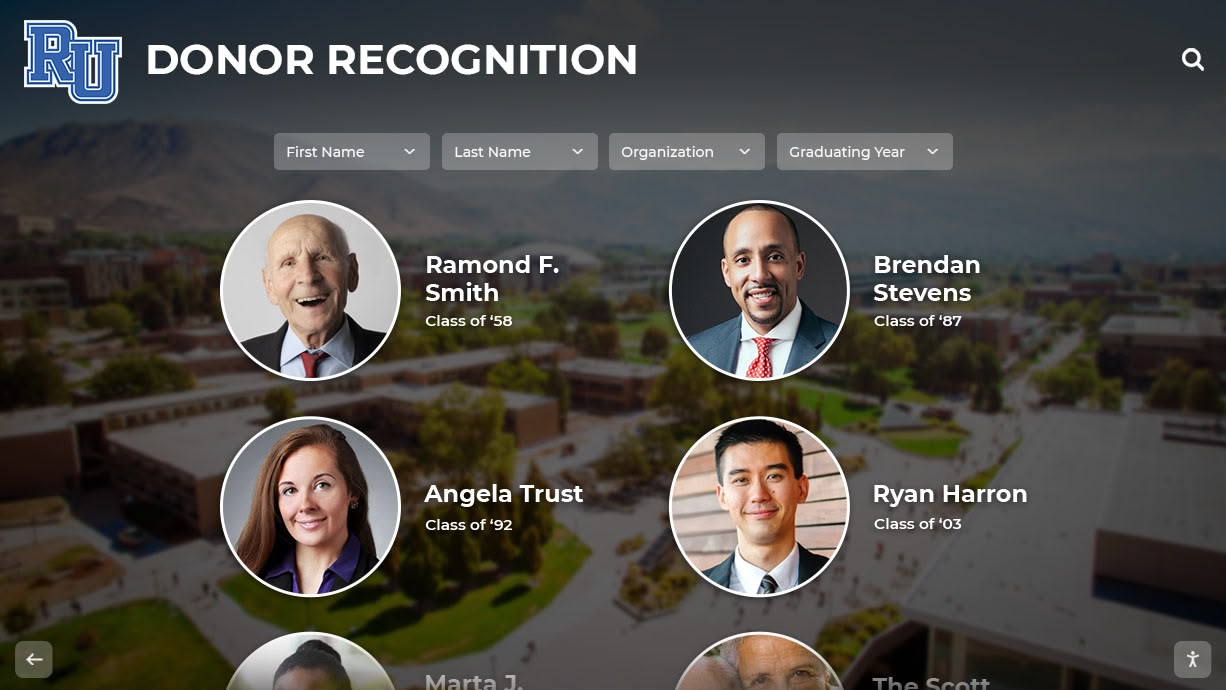
Data analytics help schools assess recognition program effectiveness and identify opportunities
Addressing Common Challenges and Concerns
Anticipating obstacles enables proactive problem-solving.
Privacy and Permission Management
Student privacy requires careful attention:
Permission Systems
- Comprehensive media release forms signed at enrollment
- Opt-out provisions for families preferring limited exposure
- Separate permissions for photos vs. names and information
- Age-appropriate consent for student-generated content
- Regular permission verification and updates
Privacy Best Practices
- Limit personally identifiable information to names and achievements
- Avoid including addresses, phone numbers, or sensitive details
- Review content for background details that could reveal private information
- Establish clear policies about removing content upon family request
- Train staff on FERPA compliance and privacy considerations
Equity and Fairness Concerns
Perception of fairness critically affects program success:
Addressing “Favorites” Concerns
- Transparent nomination criteria published and communicated
- Multiple nomination pathways ensuring diverse recognition sources
- Regular equity audits identifying recognition gaps
- Proactive outreach to underrepresented student groups
- Clear communication about recognition philosophy emphasizing growth and diverse achievements
Supporting Struggling Students
Recognition should motivate, not discourage:
- Celebrate improvement and growth, not just achievement
- Create recognition categories accessible to all students
- Highlight perseverance through challenges
- Recognize character and contributions beyond academics
- Provide pathways to recognition for students with different abilities and circumstances
Technical and Maintenance Issues
Technology requires ongoing attention:
Technical Support
Schools should establish:
- Primary and backup system administrators
- Troubleshooting protocols for common issues
- Vendor support contact information and response expectations
- Regular maintenance schedules for hardware and software
- Backup and recovery procedures protecting recognition content
Content Management Sustainability
Prevent recognition programs from becoming obsolete:
- Designate specific staff positions responsible for content management
- Build recognition responsibilities into job descriptions
- Allocate appropriate time for recognition program administration
- Create succession planning for when administrators change roles
- Document processes ensuring continuity during transitions
Advanced Features and Future Trends
Emerging capabilities enhance recognition effectiveness and engagement.
Interactive Elements
Modern recognition boards offer sophisticated interactivity:
Student Profiles
Comprehensive profiles go beyond basic recognition:
- Photo galleries showing achievement context
- Video testimonials from students, teachers, and families
- Written reflections on achievement journey
- Timeline visualization of growth over time
- Connection mapping showing collaboration and team achievements
Search and Discovery
Powerful navigation helps users find relevant content:
- Name search for finding specific students
- Category filtering for browsing achievement types
- Grade level selection for age-appropriate exploration
- Date range selection for viewing historical recognitions
- Achievement type sorting showing similar accomplishments
Integration with School Systems
Connected recognition systems work seamlessly with existing infrastructure:
Student Information System Integration
Automatic data synchronization:
- Student demographic information and photos
- Grade and attendance data for automated recognition triggers
- Course enrollment for academic achievement categorization
- Activity participation for comprehensive achievement profiles
- Graduation year for appropriate content organization
Social Media Integration
Extend recognition reach through digital sharing:
- Automated posts celebrating new recognitions
- Shareable achievement graphics for families
- Hashtag campaigns aggregating recognition content
- Alumni network engagement with current student achievements
- Digital yearbook integration preserving recognition history

Social media integration amplifies recognition reach beyond school walls
Artificial Intelligence and Personalization
Emerging technologies will transform recognition capabilities:
Personalized Recognition Experiences
Future systems may offer:
- Customized content based on viewer grade level or interests
- Natural language search understanding conversational queries
- Recommended content based on viewing patterns
- Achievement path visualization showing progression opportunities
- Predictive recognition identifying students approaching milestones
Content Automation
AI-assisted systems could provide:
- Automated writing of achievement descriptions from structured data
- Photo selection and optimization from multiple images
- Video editing creating highlights from longer recordings
- Translation services for multilingual recognition content
- Accessibility enhancements including automated captions and descriptions
Building Community Through Recognition
Recognition boards serve as anchors for positive school culture and community connection.
Alumni Engagement Opportunities
Middle school recognition creates lasting connections:
Alumni Features
Connecting current students with alumni success:
- Alumni spotlight programs showing career paths and achievements
- “Where are they now?” updates on former students
- Alumni testimonials about middle school experience impact
- Mentorship program connections between alumni and current students
- Alumni achievement inspiration for current student goal-setting
Reunion Integration
Recognition boards enhance alumni events:
- Historical recognition browsing during reunion visits
- “Find yourself” activities exploring archived content
- Alumni submissions updating their profiles and achievements
- Comparative recognition showing how programs have evolved
- Alumni contributions to current student recognition programs
Community Partnership Recognition
Acknowledge supporters strengthening school programs:
Community Contributor Recognition
- Volunteer appreciation for community members supporting schools
- Business partnership acknowledgment for program sponsors
- Donor recognition for financial contributors
- Community organization collaboration celebration
- Mentor recognition for professionals working with students
These recognitions demonstrate how community support enables student achievement while encouraging continued involvement.
School Pride and Identity
Recognition builds the positive culture that defines successful middle schools:
Transform Your Middle School Recognition Program
Discover how modern digital recognition boards can help you celebrate every student, strengthen school culture, and create lasting positive impact during these critical developmental years.
Explore Recognition SolutionsConclusion: Recognition That Transforms Middle School Experience
Middle school recognition digital boards represent far more than technology installations—they embody institutional commitment to seeing, celebrating, and supporting every student during a critical developmental period. When implemented thoughtfully with comprehensive recognition categories, clear processes, and sustained commitment, these systems transform school culture by:
Creating Belonging: Every student sees themselves reflected in school recognition, strengthening their connection to the school community and their sense of belonging.
Building Confidence: Recognition during vulnerable early adolescence reinforces developing identities and validates students’ worth and contributions.
Motivating Achievement: Visible celebration of peers’ accomplishments inspires students to set and pursue their own goals across academic, social, and personal domains.
Demonstrating Values: Recognition choices communicate what schools truly value, influencing student priorities and aspirations.
Strengthening Community: Shared celebration of student achievements creates positive culture that benefits everyone—students, staff, families, and broader community.
The middle school years profoundly shape students’ trajectories, self-concepts, and relationship with education. Recognition systems that honor diverse achievements, celebrate growth alongside excellence, and ensure every student experiences acknowledgment create environments where young adolescents thrive.
Modern digital recognition solutions like those from Rocket Alumni Solutions provide the flexibility, capacity, and engagement needed to recognize middle school students in ways that resonate with their developmental needs and digital native expectations. These systems ensure recognition programs can scale with your student body, evolve with your priorities, and continue making impact for years to come.
Whether your school is beginning to explore digital recognition or ready to implement a comprehensive system, the investment in properly recognizing middle school students yields returns in student achievement, school culture, and community strength that far exceed the resources required.
Start where you are with what you have—even incremental steps toward more comprehensive, equitable, and engaging recognition create momentum that transforms middle school experience for students who need it most. Every student deserves to be seen, celebrated, and inspired during these formative years. Digital recognition boards make that universal recognition possible.
Ready to explore how digital recognition can transform your middle school culture? Learn more about interactive recognition displays or discover best practices for school recognition programs.
























