Middle school represents a unique challenge for coaches and athletic directors. Young athletes aged 11-14 are navigating significant physical, emotional, and social changes while learning to work together toward common goals. Unlike high school teams where many athletes have years of experience playing together, middle school rosters constantly turn over, bringing new personalities, skill levels, and social dynamics each season.
Effective middle school team building activities create the foundation for successful athletic programs by developing trust, communication, and cohesion among young athletes during this formative period. These structured exercises help players move beyond cliques and social hierarchies that dominate middle school hallways, creating team identities where everyone contributes and feels valued regardless of playing time or athletic ability.
This comprehensive guide provides coaches, athletic directors, and program leaders with practical team building activities specifically designed for middle school athletes, along with strategies for implementing activities that create lasting positive impact on team culture and performance.
Building strong team culture in middle school athletics requires intentional effort. Young adolescents naturally gravitate toward existing friend groups, creating divisions that undermine team cohesion. Simultaneously, middle schoolers are developing identities separate from their families, making peer relationships and team belonging particularly influential during this developmental stage.
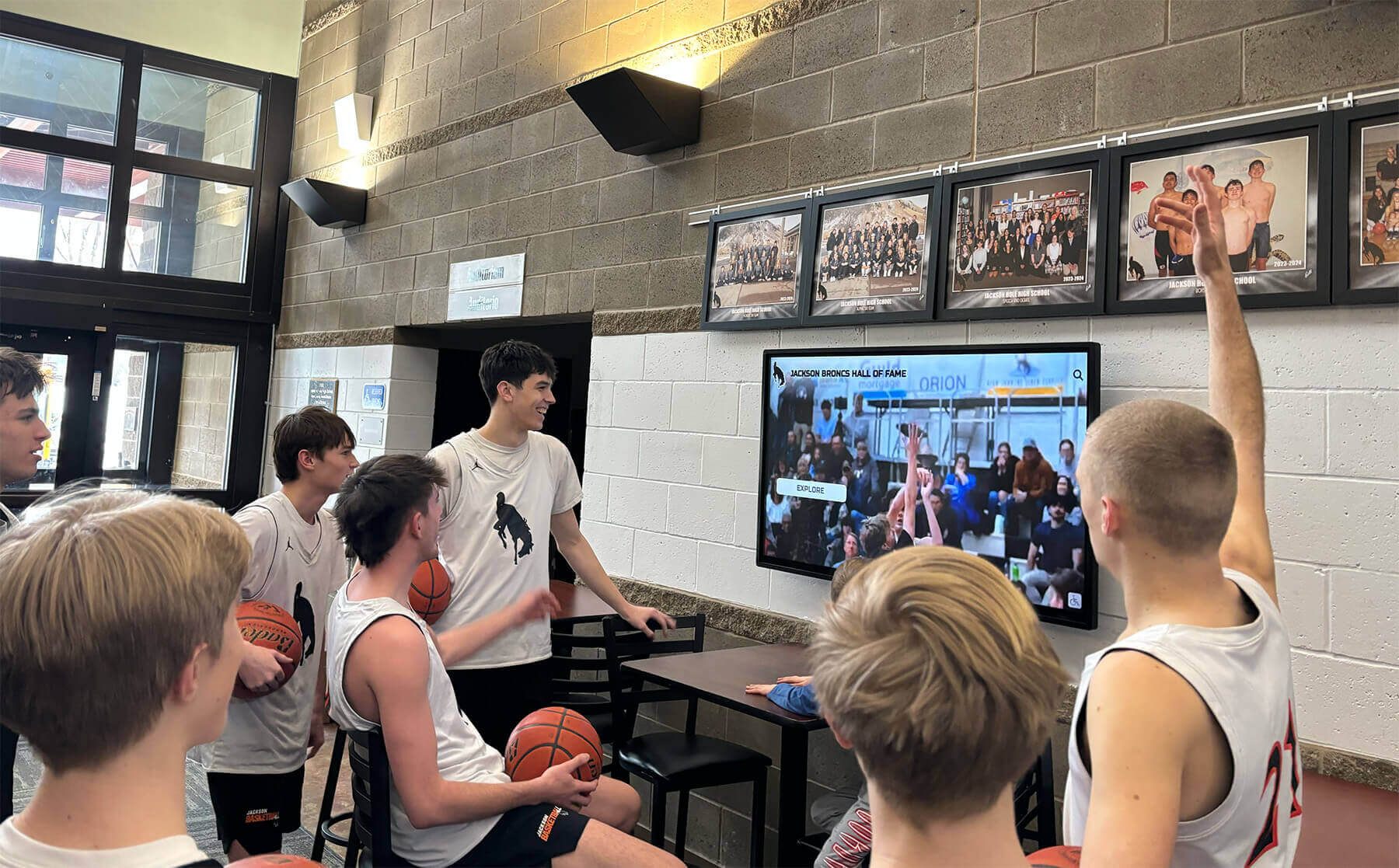
Creating shared experiences and celebrating collective achievements strengthens middle school team bonds
Why Middle School Teams Need Specialized Team Building Approaches
Middle school athletes face distinct challenges that require age-appropriate team building strategies different from elementary or high school programs.
The Developmental Context
Understanding middle school development informs effective team building:
Physical Changes
- Dramatic differences in physical maturity create size and strength disparities on the same team
- Growth spurts affect coordination and body awareness, impacting confidence
- Energy levels fluctuate significantly, requiring flexible activity planning
- Physical self-consciousness peaks during early adolescence
Cognitive Development
- Abstract thinking emerges, allowing deeper understanding of teamwork concepts
- Ability to see others’ perspectives develops, supporting empathy and collaboration
- Self-awareness increases, making feedback more impactful but requiring careful delivery
- Decision-making skills improve but remain inconsistent under pressure
Social-Emotional Characteristics
- Peer acceptance becomes paramount, driving behavior and attitudes
- Social hierarchies intensify, creating inclusion and exclusion dynamics
- Emotional regulation remains developing, leading to heightened reactions
- Identity formation makes belonging to respected groups particularly meaningful
Common Team Challenges in Middle School Athletics
Middle school teams consistently encounter specific cohesion challenges:
Social Dynamics
- Pre-existing friend groups resist expanding to include other teammates
- Social status from school carries into team settings
- Exclusion and clique formation undermine team unity
- Social media extends team dynamics beyond practice and games
- Conflicts escalate quickly and require adult intervention
Skill Level Disparities
- Wide range of experience from recreational to club athletes on same team
- Frustration when skilled players perceive less experienced teammates as liabilities
- Intimidation preventing less experienced players from fully participating
- Playing time decisions creating perceived “favorites” and resentment
- Different commitment levels to sport based on varied interests and priorities
Communication Barriers
- Limited vocabulary for expressing thoughts and emotions constructively
- Fear of judgment preventing athletes from speaking up
- Passive-aggressive behavior instead of direct communication
- Difficulty giving and receiving constructive feedback
- Misinterpretation of tone and intent in peer interactions
Effective team building activities directly address these challenges by creating structured opportunities for positive interaction, skill development, and relationship building that might not occur naturally.
Core Principles for Effective Middle School Team Building
Before exploring specific activities, coaches should understand foundational principles that make team building effective with young adolescents.
Create Psychologically Safe Environments
Middle schoolers need to know participation won’t result in embarrassment or judgment:
- Establish clear ground rules about respect, confidentiality, and supportive behavior before activities begin
- Model vulnerability by sharing your own experiences with teamwork challenges and growth
- Intervene immediately when students make fun of teammates during activities
- Celebrate effort over outcome to reduce performance anxiety
- Provide opt-out options for students genuinely uncomfortable with specific activities while encouraging participation
Make Activities Relevant and Engaging
Middle school athletes respond best to activities they perceive as meaningful and fun:
Engagement Strategies
- Connect to real situations: Frame activities around actual team scenarios athletes will face
- Include movement and energy: Sedentary activities lose middle schoolers' attention quickly
- Provide immediate feedback: Young adolescents need to see how activities relate to actual improvement
- Incorporate competition appropriately: Use friendly competition to drive engagement while emphasizing cooperation within teams
- Keep activities time-efficient: Multiple shorter activities maintain engagement better than extended single exercises
Balance Structure with Flexibility
Middle school team building requires planning but also responsiveness:
- Design activities with clear objectives, rules, and time parameters
- Prepare to adjust based on team energy, engagement, and dynamics you observe
- Have backup activities ready if planned exercises aren’t working
- Allow students some voice in activity selection to increase buy-in
- Reflect after activities to assess effectiveness and identify needed modifications
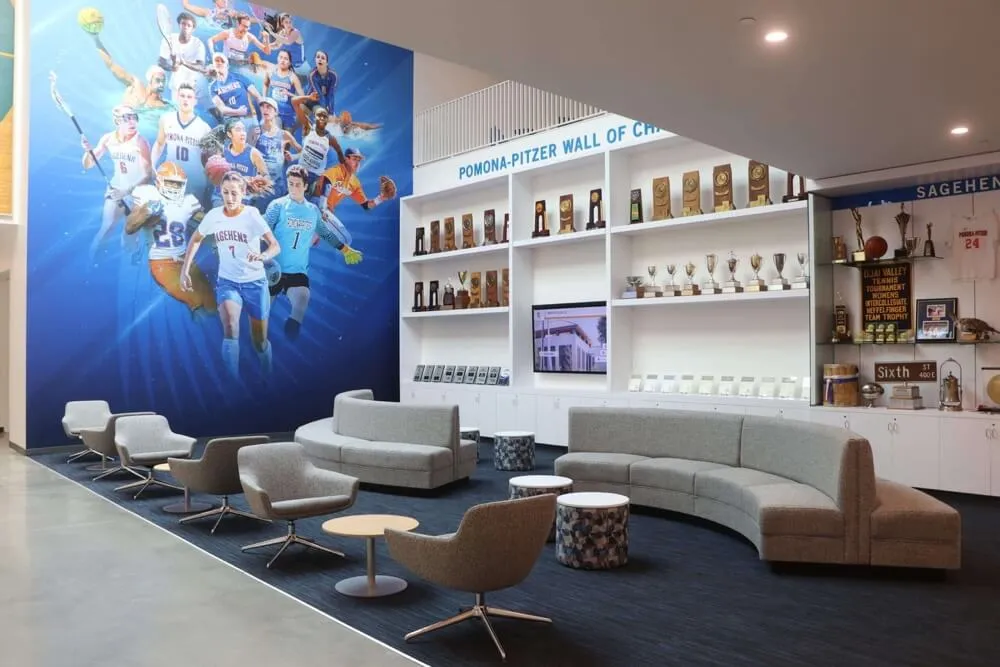
Physical environments that showcase team values and achievements reinforce positive culture
Communication-Building Activities for Middle School Teams
Effective communication forms the foundation of successful teams. These activities develop essential communication skills.
Activity 1: Back-to-Back Drawing Challenge
Objective: Develop clear verbal communication and active listening skills
Setup: Pair athletes and have them sit back-to-back. One athlete receives a simple image or shape arrangement. Using only verbal instructions (no showing), they must guide their partner to recreate the image.
Time Required: 15-20 minutes
Instructions:
- Partners sit back-to-back so they cannot see each other’s paper
- Athlete A receives an image (start simple with geometric shapes)
- Athlete A describes the image using only words while Athlete B attempts to draw it
- After 5 minutes, compare the original and recreation
- Switch roles and use a different image
- Discussion: What communication strategies worked? What caused confusion?
Coaching Tips:
- Start with very simple images and progress to more complex ones
- Emphasize that mistakes create learning opportunities
- Highlight successful communication techniques you observe
- Connect to on-court/field situations requiring clear communication
Variations:
- Use sport-specific diagrams (plays, formations) for advanced teams
- Add time pressure to simulate game situations
- Create small groups where one person describes and multiple people draw
Activity 2: Minefield Navigation
Objective: Build trust and develop precise communication under pressure
Setup: Create an obstacle course using cones, balls, and other equipment spread across gym floor. Athletes navigate while blindfolded, guided only by a partner’s verbal directions.
Time Required: 20-25 minutes
Instructions:
- Spread equipment randomly across playing area as “mines”
- Pair athletes (consider pairing students who don’t typically interact)
- One athlete puts on blindfold, the other guides from sideline using only voice
- Blindfolded athlete must reach opposite side without touching obstacles
- If they touch an obstacle, they return to start
- Switch roles once first athlete completes course
- Debrief: What communication was most helpful? How did it feel to trust your partner?
Coaching Tips:
- Match pairs thoughtfully to build cross-group connections
- Start with simpler courses and add obstacles for subsequent rounds
- Emphasize the trust required and how teammates must trust each other during competition
- Connect to game situations where athletes must trust teammates they can’t see
Many schools use digital recognition displays to celebrate not just individual athletic achievement but also moments of exceptional teamwork and communication, reinforcing the behaviors these activities develop.
Activity 3: Silent Line-Up Challenge
Objective: Practice non-verbal communication and problem-solving
Setup: Athletes must arrange themselves in specific order without speaking.
Time Required: 10-15 minutes
Instructions:
- Announce that no verbal communication is allowed for this activity
- Challenge team to line up by birth date (month and day only) without talking
- Time the activity and note when team believes they’re correctly ordered
- Verify order and celebrate success or identify what went wrong
- Repeat with different criteria: height, alphabetically by middle name, jersey number
- Discussion: What non-verbal strategies worked? How did you coordinate without words?
Coaching Tips:
- Position yourself to observe but don’t intervene in the process
- Note athletes who emerge as non-verbal leaders or problem-solvers
- Connect to game situations requiring non-verbal communication (hand signals, eye contact, body language)
- Progress to more challenging sorting criteria as team improves
Extension: Have athletes complete the challenge while maintaining one continuous connection (holding hands, shoulders touching) to increase difficulty and interdependence.
Trust-Building Activities for Middle School Athletes
Trust enables teams to take risks, support each other through failures, and perform cohesively under pressure.
Activity 4: Trust Fall Variations
Objective: Build interpersonal trust and demonstrate teammate reliability
Setup: Athletes practice various trust fall exercises with appropriate spotting and safety protocols.
Time Required: 20-30 minutes
Safety First: Never force participation. Establish clear safety protocols including proper spotting techniques before beginning.
Progressive Sequence:
Level 1: Trust Lean
- Athletes pair up with similar-sized partners
- Partners face each other, arms extended, palms touching
- Both lean forward, supporting each other’s weight
- Gradually increase lean angle as comfort grows
- Emphasizes mutual dependence and equal support
Level 2: Trust Walk
- One athlete closes eyes while partner guides them through space using only touch (hand on shoulder)
- Navigate around gym, up/down stairs, or around obstacles
- Switch roles after several minutes
- Builds trust in allowing teammates to guide and support
Level 3: Controlled Fall (if appropriate for your team)
- Small groups of 6-8 form spotting formation
- One athlete stands on low platform (6-12 inches)
- Falls backward with arms crossed, caught by team
- Only progress to this level if team demonstrates readiness
Debrief Questions:
- How did it feel to trust your teammates to support you?
- What did catching teammates show you about your role on the team?
- When do we need to trust teammates during competition?
- How do we build trust with teammates we don’t know well yet?
Activity 5: Human Knot
Objective: Foster cooperation, problem-solving, and physical trust
Setup: Athletes form a tangled “knot” with joined hands and must untangle without releasing hands.
Time Required: 15-20 minutes
Instructions:
- Form groups of 8-10 athletes in tight circles
- Everyone reaches across and grabs hands of two different people (not people directly next to them)
- Without releasing hands, group must untangle into a circle
- Coach can allow one “break” if group gets genuinely stuck
- Time the activity and challenge groups to beat their time with subsequent attempts
Coaching Tips:
- Circulate among groups offering strategic hints if needed (not solutions)
- Highlight effective communication and cooperative problem-solving you observe
- Connect to sports situations requiring adaptation and collective problem-solving
- Note leadership behaviors and give positive recognition during debrief
Variations:
- Silent version: Complete challenge without speaking
- Speed competition: Which group untangles fastest
- Add challenge: Groups must maintain physical connection throughout by holding foam ball between heads
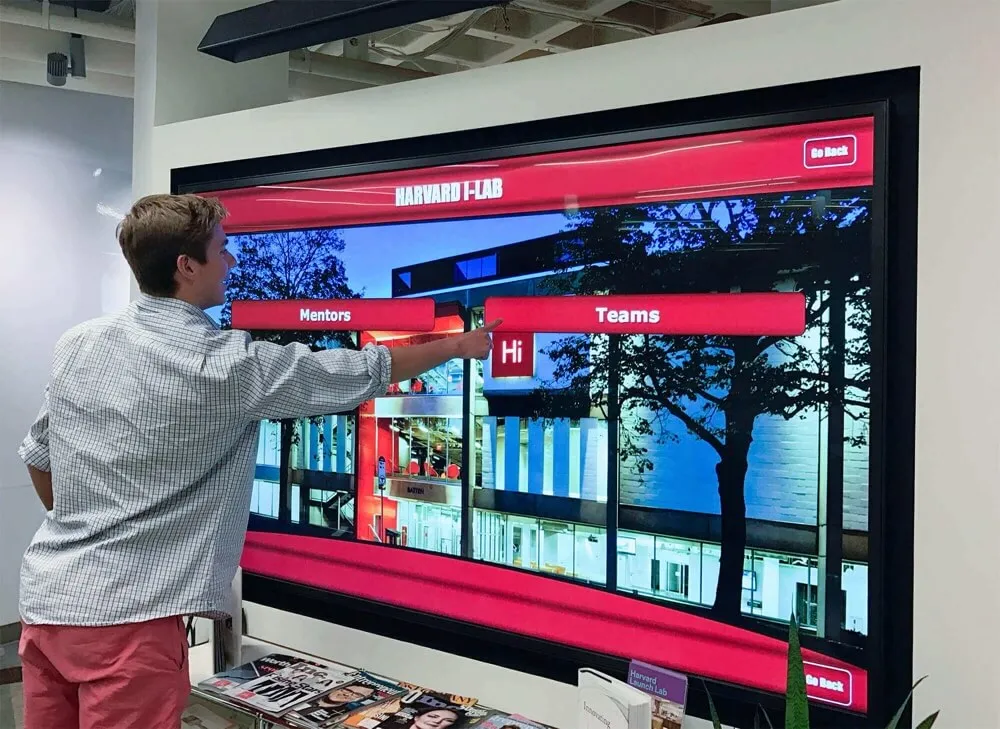
Interactive technology enhances team building by facilitating shared experiences and collaborative learning
Problem-Solving and Critical Thinking Activities
These activities develop collective intelligence and strategic thinking while building team cohesion.
Activity 6: Tower Building Challenge
Objective: Encourage creative problem-solving, resource allocation, and collaborative planning
Setup: Teams compete to build the tallest freestanding tower using limited materials.
Time Required: 25-30 minutes
Materials (per team):
- 20 pieces of uncooked spaghetti
- 1 yard of masking tape
- 1 yard of string
- 1 marshmallow (must be placed on top)
Instructions:
- Divide athletes into teams of 4-5
- Explain challenge: build tallest free-standing structure with marshmallow on top
- Teams have 18 minutes to plan and build
- Structure must be free-standing (not attached to anything) when time expires
- Measure successful towers and recognize winning team
- Discussion: What strategies worked? How did you divide responsibilities? What would you do differently?
Coaching Tips:
- Observe team dynamics and note how roles emerge naturally
- Highlight effective collaboration and constructive disagreement
- Connect to game planning and strategy execution
- Allow teams to attempt challenge again with lessons learned
This type of structured problem-solving mirrors the strategic thinking required in athletics and helps athletes develop the collaborative skills that translate directly to competitive performance.
Activity 7: Escape Room Challenge
Objective: Develop collective problem-solving and time management under pressure
Setup: Create sport-themed puzzle sequence that teams must solve within time limit to “escape.”
Time Required: 30-45 minutes (plus setup)
Setup Ideas:
- Lock equipment bag with combination lock; clues lead to combination
- Create riddles related to team history, records, or sport rules
- Include physical challenges that must be completed to unlock next clue
- Design puzzles requiring different skills so all team members can contribute
Sample Puzzle Sequence:
- Team Trivia: Answer questions about program history to reveal first clue location
- Physical Challenge: Complete specified exercise reps to earn next puzzle piece
- Pattern Recognition: Decode message using sport statistics or jersey numbers
- Team Coordination: Complete group task requiring synchronized action
- Final Challenge: Combine all clues to discover “escape” solution
Coaching Tips:
- Design puzzles ensuring diverse skills are needed (not just athletic ability or intelligence)
- Observe who emerges as leaders and how team manages different perspectives
- Set appropriate difficulty - challenging but achievable builds confidence
- Debrief thoroughly: What problem-solving approaches worked? How did you leverage different strengths?
Schools often celebrate team problem-solving achievements through digital recognition displays that showcase not just wins and losses but the process of teams working together to overcome challenges.
Team Identity and Cohesion Activities
These activities help middle school athletes develop shared identity and sense of belonging that transcends individual differences.
Activity 8: Team Values Definition Workshop
Objective: Establish shared values and behavioral expectations through collaborative process
Setup: Facilitated discussion where team collectively defines core values and expected behaviors.
Time Required: 30-40 minutes
Instructions:
- Individual Reflection (5 minutes): Each athlete lists 3-5 values they believe great teams embody
- Small Group Discussion (10 minutes): Groups of 4-5 share lists and identify common themes
- Whole Team Sharing (10 minutes): Each group presents their top 3-4 values
- Collective Definition (15 minutes): Facilitate team discussion narrowing to 4-5 core team values
- Behavioral Translation: For each value, identify specific behaviors that demonstrate that value
Example Output:
- Value: Respect
- Listen when teammates speak
- Encourage rather than criticize
- Honor commitments to team
- Accept coaching and feedback positively
Follow-Up: Create visual representation of team values for locker room. Reference these values regularly and recognize athletes who exemplify them.
Coaching Tips:
- Ensure all voices are heard, not just vocal leaders
- Push beyond generic terms to specific, observable behaviors
- Connect values to actual team situations and challenges
- Hold team (including yourself) accountable to identified values
Modern recognition systems like those from Rocket Alumni Solutions help schools showcase not just athletic achievements but also moments where athletes demonstrate core team values, reinforcing positive culture beyond wins and losses.
Activity 9: Team Time Capsule
Objective: Create shared artifact representing team identity and building connection to program legacy
Setup: Team collectively creates time capsule capturing current season for future teams.
Time Required: 45-60 minutes (can be completed across multiple sessions)
Contents Ideas:
- Team photo with signatures and messages
- Individual goal statements from each athlete
- Team values and mission statement
- Season schedule and roster
- Predictions for team accomplishments
- Letters to next year’s team sharing advice
- Small items representing team inside jokes or memories
- Local newspaper clippings or game programs
Instructions:
- Discuss concept and brainstorm what should be included
- Assign athletes responsibility for different elements
- Gather materials over several practices
- Hold team meeting to compile and seal capsule
- Designate opening date (end of season, 5 years, etc.)
- Store securely with plan for future retrieval
Coaching Tips:
- Photograph process to document team building activity itself
- Include diverse representation of team - not just starters or top performers
- Connect to program history by reviewing past teams or accomplishments
- Consider creating annual time capsules as program tradition
This activity works especially well in conjunction with digital archives that preserve team history and help current athletes understand their connection to program legacy.
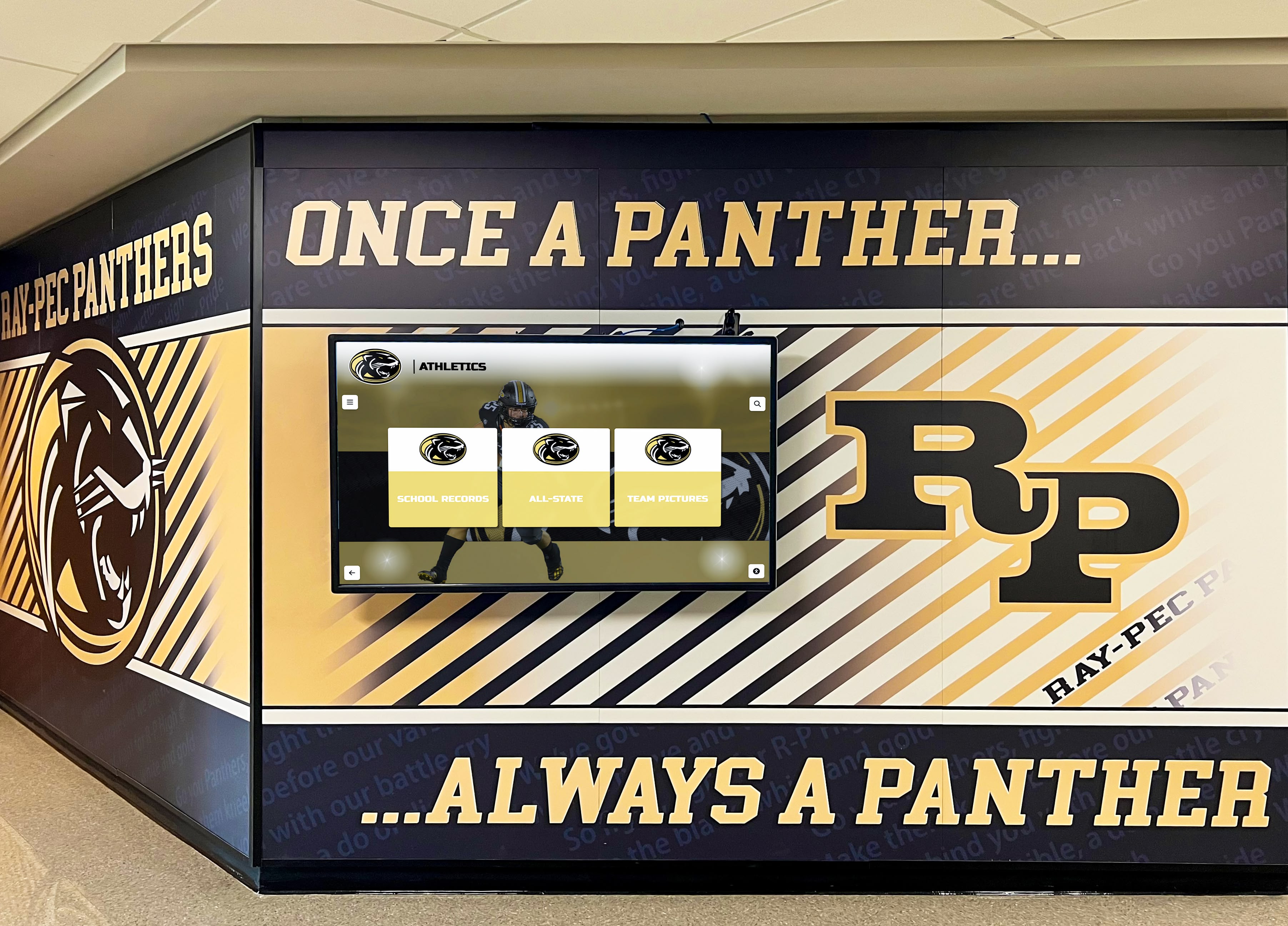
Visible recognition of team achievements and values strengthens program identity and pride
Activity 10: Teammate Appreciation Circle
Objective: Build positive relationships and help athletes see value in all teammates
Setup: Structured activity where athletes recognize and appreciate specific teammates.
Time Required: 20-30 minutes
Instructions:
- Form circle with entire team seated or standing
- Explain that each person will recognize one teammate for something specific they’ve done or a quality they bring to team
- Coach starts by recognizing an athlete with specific example
- That athlete then recognizes another teammate
- Continue until everyone has been recognized (coach tracks to ensure inclusion)
- Set ground rules: Be specific, be sincere, recognize different people if possible
Example Recognitions:
- “I want to recognize Maya for always encouraging everyone at practice, especially when drills get tough.”
- “Jordan, I appreciate how you helped me learn the new plays even though I was confused.”
- “Sam always brings positive energy, even after tough losses.”
Coaching Tips:
- Go first to model specificity and sincerity
- Ensure quieter athletes receive recognition, not just vocal leaders
- Track recognitions to ensure everyone is acknowledged
- Make this a regular practice (monthly or bi-weekly)
- Follow up privately with athletes to discuss what recognition meant to them
This activity directly addresses middle school social dynamics by creating structured opportunities for positive cross-group interaction that might not occur naturally.
Season-Long Team Building Strategies
One-time activities create impact, but sustained team building requires ongoing strategies integrated throughout the season.
Progressive Team Building Calendar
Effective team building follows developmental progression throughout the season:
| Season Phase | Team Building Focus | Activity Types |
|---|---|---|
| Pre-Season | Getting to know teammates, establishing norms, creating psychological safety | Icebreakers, team values workshop, communication activities |
| Early Season | Building trust, developing communication patterns, defining roles | Trust activities, problem-solving challenges, team identity work |
| Mid-Season | Maintaining cohesion, addressing conflicts, sustaining motivation | Appreciation activities, challenge debriefs, team goal reviews |
| Late Season | Celebrating growth, honoring contributions, preparing for transitions | Reflection activities, teammate recognition, legacy building |
| Post-Season | Celebrating season, saying goodbye to graduating athletes, maintaining connections | Team celebrations, senior recognition, alumni connections |
Team Building Integration Ideas
Incorporate team building naturally into regular programming:
Practice Integration
- Begin or end each practice with brief team building activity (5-10 minutes)
- Use team building warm-ups that combine physical activity with cooperation
- Include communication challenges during water breaks
- End practice with teammate appreciation or recognition moment
Beyond Practice Opportunities
- Team meals before away competitions
- Community service projects together
- Social events separate from sport context (movies, bowling, team parties)
- Study sessions where athletes help each other academically
- Pre-game traditions that build anticipation and unity
Leadership Development
- Rotate team captaincy so multiple athletes experience leadership
- Assign partnership pairs that change periodically
- Create team committees (spirit, service, social) with different leaders
- Provide leadership training specifically for team captains
- Recognize different leadership styles and contributions
Schools implementing comprehensive athletic recognition programs through solutions like digital trophy cases can showcase leadership development alongside athletic achievement, reinforcing that team building and character development matter as much as competitive success.
Addressing Common Challenges in Middle School Team Building
Coaches often encounter obstacles when implementing team building activities with young adolescents.
Challenge 1: Athlete Resistance or Eye-Rolling
Middle schoolers sometimes resist activities they perceive as “babyish” or “pointless.”
Solutions:
- Frame activities in relation to performance outcomes: “This improves on-court communication”
- Use age-appropriate language and avoid overly structured or elementary approaches
- Get athlete input on activity selection to increase buy-in
- Model enthusiasm yourself - your attitude influences athletes’ attitudes
- Start with activities that feel more like games than explicit “team building”
- Share how high school or professional teams use similar activities
Challenge 2: Unequal Participation
Some athletes dominate while others disengage or remain passive.
Solutions:
- Design activities requiring all participants to contribute
- Assign specific roles ensuring everyone has responsibility
- Create smaller groups where quieter athletes feel safer participating
- Provide multiple ways to contribute (verbal, physical, creative)
- Privately encourage less vocal athletes while gently redirecting dominant ones
- Recognize different types of participation, not just vocal leadership
Challenge 3: Pre-Existing Conflicts
Athletes bring existing tensions from school social dynamics into team building.
Solutions:
- Address known conflicts privately before team-wide activities
- Strategically assign partners/groups to build new connections
- Establish clear behavioral expectations before activities
- Intervene quickly if conflicts surface during activities
- Use activities specifically designed to build empathy and understanding
- Consider involving school counselor for significant conflicts
Challenge 4: Wide Skill/Experience Disparities
Mixed-ability groups can create frustration for both experienced and novice athletes.
Solutions:
- Choose activities emphasizing different skills than athletic ability
- Design challenges requiring diverse strengths (planning, creativity, encouragement)
- Explicitly teach and model valuing different contributions
- Create roles within activities that leverage different abilities
- Recognize that team building is one area where all athletes start equal
- Connect to reality that successful teams need diverse skills and roles
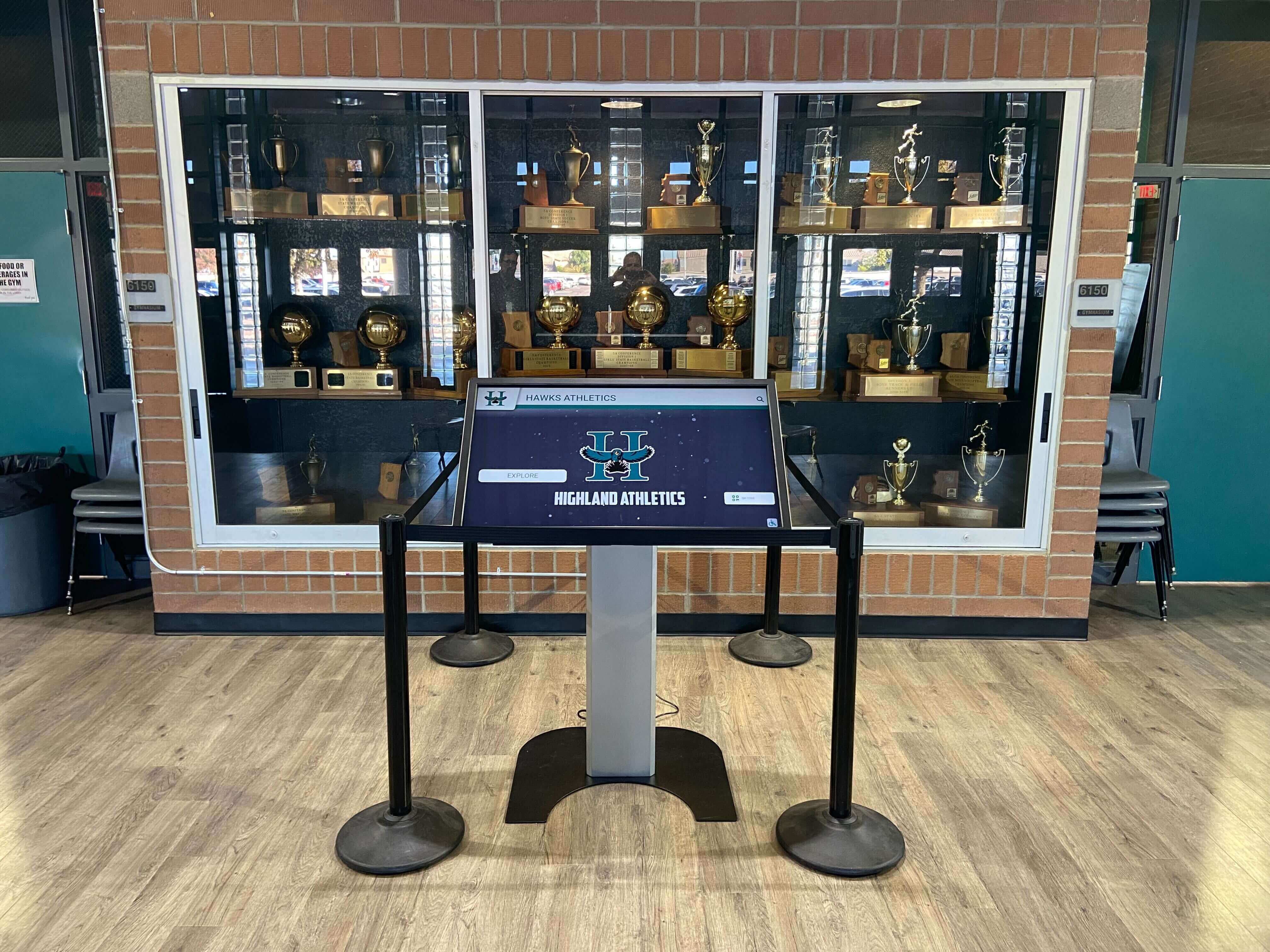
Interactive recognition displays showcase both competitive achievements and team culture development
Measuring Team Building Success
Effective team building produces observable changes in team dynamics, culture, and performance.
Observable Indicators of Strong Team Cohesion
During Practice and Competition
- Athletes encourage teammates rather than criticize
- Players celebrate others’ successes genuinely
- Communication increases (calling plays, giving feedback)
- Athletes hold each other accountable to standards
- Less arguing and more problem-solving during challenges
- Bench engagement remains high regardless of playing time
- Teammates naturally include all members in activities
Beyond Athletics
- Athletes interact across social groups at school
- Team members support each other’s non-sport activities
- Social media reflects positive team culture
- Athletes defend teammates who face challenges
- Incoming athletes report welcoming, inclusive atmosphere
- Team members voluntarily spend time together
- Conflicts resolve more quickly with less adult intervention
Assessment Approaches
Athlete Surveys
Periodically survey team members on:
- Sense of belonging and inclusion
- Trust in teammates
- Quality of communication
- Team cohesion and unity
- Leadership and accountability
- Changes they’ve observed in team culture
Behavioral Observations
Track observable behaviors indicating team health:
- Communication frequency during competitions
- Sideline engagement and encouragement
- Conflict frequency and resolution
- Social grouping patterns (same groups vs. mixing)
- Practice attendance and punctuality
- Voluntary participation in team activities
Performance Indicators
While not the only measures, team cohesion often correlates with:
- Improved competitive performance over season
- Ability to overcome adversity during games
- Consistent effort regardless of score
- Decreased practice disruptions or behavioral issues
- Higher retention rates year-to-year
- Positive reputation attracting quality athletes to program
Many athletic directors use comprehensive recognition systems to document and celebrate not just competitive outcomes but growth in team culture, leadership development, and character—the outcomes effective team building activities produce.
Creating Sustainable Team Building Programs
Long-term success requires systematic approaches that outlast individual coaches or seasons.
Documentation and Resources
Create program resources that ensure consistency:
Team Building Playbook
- Document effective activities with instructions, timing, and materials needed
- Include seasonal calendar showing when to implement specific activities
- Note modifications that worked for different team sizes or dynamics
- Record lessons learned and coach observations from past implementations
Coach Training
- Train new coaches in program’s team building philosophy
- Share successful activities and implementation strategies
- Provide troubleshooting guidance for common challenges
- Create mentorship between experienced and new coaches
Athlete Leadership Development
- Train team captains in facilitating certain team building activities
- Develop senior athletes who can help welcome and integrate new team members
- Create peer mentorship programs connecting experienced and new athletes
- Recognize and celebrate leadership development throughout season
Program-Wide Integration
Build team building into comprehensive athletic program culture:
Multi-Sport Coordination
Athletic directors can coordinate across teams:
- Share successful activities and resources among coaches
- Create all-sports team building events bringing different teams together
- Develop consistent program-wide values across all teams
- Provide professional development for coaches on team building strategies
- Recognize coaches who excel at building positive team culture
Facilities and Resources
Schools can support team building through:
- Dedicated spaces for team meetings and bonding activities
- Budget allocation for team building materials and activities
- Digital recognition displays celebrating team culture alongside competitive achievement
- Time allocation within practice schedules for relationship building
- Support for team social events and bonding opportunities
Community Connections
Extend team building beyond individual teams:
- Booster club support for team building activities and events
- Alumni involvement sharing experiences and mentoring current athletes
- Family engagement in team culture and activities
- Community service connecting teams to broader community
- Partnerships with local organizations supporting youth development
Connecting Team Building to Long-Term Athletic Development
Team building during middle school athletics creates foundation for future success beyond immediate season outcomes.
Skills That Transfer Beyond Sports
Middle school team building develops competencies valuable throughout life:
Interpersonal Skills
- Communication across different personalities and perspectives
- Conflict resolution and negotiation
- Empathy and perspective-taking
- Collaboration and cooperation
- Building relationships with diverse individuals
Personal Development
- Leadership in various forms and contexts
- Accountability to others and commitments
- Resilience when facing challenges
- Self-awareness and emotional regulation
- Goal-setting and achievement orientation
Group Dynamics
- Understanding team roles and responsibilities
- Contributing to collective goals while maintaining individuality
- Navigating hierarchies and social structures
- Building consensus and making collective decisions
- Creating positive culture and inclusive environments
Building Program Legacy
Strong team building creates multi-generational program success:
Culture Continuity
- Older athletes model positive team culture for younger ones
- Team traditions connect generations of athletes
- Alumni remain engaged with program, giving back and mentoring
- Positive reputation attracts quality athletes and families
- Coaches inherit strong culture rather than building from scratch each season
Recognition and Memory
Solutions like those from Rocket Alumni Solutions help schools preserve and celebrate team building achievements through interactive digital displays that showcase:
- Team accomplishments beyond wins and losses
- Leadership development and character growth
- Evolution of team culture and values over time
- Alumni connections showing long-term impact of middle school athletic experiences
- Traditions that define program identity
These recognition systems make team culture visible and permanent, reinforcing to current athletes that their contributions to team building matter as much as competitive outcomes.
Celebrate Team Culture and Athletic Achievement
Discover how interactive digital recognition displays can showcase not just your teams' competitive success but also the leadership, character, and team culture that middle school athletics develop. Modern recognition solutions help schools celebrate comprehensive athlete development and preserve program legacy.
Explore Recognition SolutionsPractical Implementation: Getting Started with Team Building
Coaches ready to implement team building activities should follow systematic approach.
Step 1: Assess Current Team Culture
Before implementing activities, understand your starting point:
Observation Period
- Watch social interactions before/after practice
- Notice who interacts with whom and who remains isolated
- Observe communication patterns during drills and competition
- Identify existing conflicts or tensions
- Note strengths already present in team dynamics
Informal Conversations
- Talk individually with athletes about their team experience
- Ask returning athletes about previous season’s team culture
- Listen to concerns, ideas, and observations from athletes
- Understand athlete perspectives on team strengths and challenges
Step 2: Set Clear Objectives
Define what you want team building to accomplish:
Specific Goals
- Increase communication during games
- Build connections between different social groups
- Develop team leadership beyond designated captains
- Improve conflict resolution and decrease drama
- Strengthen bench engagement and support
- Build program culture that transcends individual seasons
Success Indicators
- How will you know if team building is working?
- What behaviors or outcomes indicate progress?
- What timeline is realistic for seeing changes?
Step 3: Create Implementation Plan
Develop structured approach to team building:
Activity Selection
- Choose 8-10 activities addressing your specific objectives
- Ensure variety (communication, trust, problem-solving, identity)
- Order activities progressively (simpler trust before advanced)
- Plan timing within season calendar
Resource Preparation
- Gather materials needed for selected activities
- Schedule time within practice or separate sessions
- Prepare explanations and discussion questions
- Arrange facility needs (space, equipment, privacy)
Communication
- Explain team building purpose and importance to athletes
- Get parent support by communicating program philosophy
- Coordinate with athletic director on program priorities
- Share plans with assistant coaches for consistent implementation
Step 4: Implement with Fidelity
Execute activities as designed while remaining responsive:
Consistency
- Follow through on planned activities rather than skipping when time is tight
- Maintain regular schedule (weekly team building time)
- Model engagement and enthusiasm yourself
- Hold athletes accountable to participation expectations
Flexibility
- Adjust activities based on team response and engagement
- Extend successful activities or cut short ineffective ones
- Add activities addressing emerging team needs
- Respond to current team dynamics and challenges
Reflection
- Always debrief activities with guided discussion
- Connect activities explicitly to on-court/field situations
- Have athletes articulate what they learned
- Follow up on team building concepts in subsequent practices
Step 5: Evaluate and Adjust
Regular assessment ensures continuous improvement:
Ongoing Assessment
- Observe changes in team behaviors and dynamics
- Check in with athletes about team building value
- Note which activities produced most impact
- Identify persistent challenges needing different approaches
Seasonal Review
- Evaluate overall impact on team culture and performance
- Document successful activities and modifications for future seasons
- Gather athlete feedback on team building program
- Revise implementation plan based on lessons learned
Program Development
- Share successful practices with other coaches in your program
- Contribute to program-wide team building resources
- Mentor new coaches in team building implementation
- Advocate for resources and support for team building initiatives
Conclusion: Building Teams That Last Beyond Seasons
Middle school team building activities create far more than competitive advantage in immediate seasons. Thoughtfully implemented team building during these formative years teaches young adolescents how to navigate relationships, communicate effectively, work toward collective goals, and find belonging in communities beyond existing friend groups. These skills transcend athletics, preparing middle schoolers for success in high school, college, careers, and life.
The middle school athletes on your roster today will remember their experience on your team long after they forget wins and losses. They’ll remember whether they felt valued and included. They’ll remember if teammates supported them through challenges. They’ll remember learning to trust people different from themselves. They’ll remember developing confidence as both individual and team member.
Effective team building doesn’t happen accidentally. It requires intentional planning, consistent implementation, and sustained commitment from coaches and program leaders who understand that athletic programs serve educational missions extending well beyond competitive outcomes.
The activities outlined in this guide provide starting points, but the most important ingredient is a coach who genuinely values every athlete and believes that building strong teams requires investing in relationships alongside developing skills. Middle school athletes recognize authentic care and respond by investing themselves in team culture worth building.
As you implement team building activities, remember that progress isn’t always linear and that the most significant growth often happens gradually rather than dramatically. Small improvements in communication, incremental increases in trust, and slight shifts in social dynamics accumulate into transformed team culture over time.
Schools that showcase comprehensive athletic achievement—competitive success, leadership development, character growth, and team culture—through modern recognition systems reinforce to current athletes that their contributions to positive team culture matter as much as their athletic performance.
Start with one activity. Commit to regular team building time. Observe changes in your team dynamics. Adjust based on your team’s needs and responses. Document what works for future seasons. Share successful practices with colleagues. Over time, you’ll build not just successful seasons but program culture that attracts quality athletes, develops character alongside competence, and creates positive experiences that impact young adolescents long after they leave your team.
The investment you make in team building today creates ripples extending far beyond middle school athletics. Former athletes will credit their team experience with teaching them cooperation, leadership, resilience, and belonging—lessons that shaped who they became. That’s the true measure of successful middle school team building.
Ready to showcase your program’s commitment to comprehensive athlete development? Explore how digital recognition solutions can help you celebrate team culture, leadership growth, and character development alongside competitive achievement.































