Minnesota high school basketball represents one of the state’s most passionate athletic traditions, with programs competing across multiple classifications in pursuit of state tournament glory. From the legendary Target Center and Williams Arena hosting championship games to small-town gymnasiums packed with dedicated communities, basketball excellence thrives throughout the North Star State. Understanding rankings, tournament structures, and recognition traditions helps schools, athletes, families, and communities fully engage with Minnesota’s rich basketball heritage.
As programs across Minnesota seek effective ways to celebrate championship achievements, honor standout players, and preserve program history, many are discovering that modern digital recognition solutions provide comprehensive platforms for showcasing basketball excellence while inspiring current and future athletes to pursue their own path toward distinction.
Minnesota’s basketball culture combines small-town passion with urban excellence, creating competitive landscapes where programs of all sizes can achieve recognition and state tournament success. This comprehensive guide explores Minnesota high school basketball rankings, state tournament traditions, classification structures, and how schools effectively celebrate and preserve their basketball achievements through both time-honored traditions and innovative digital recognition displays.
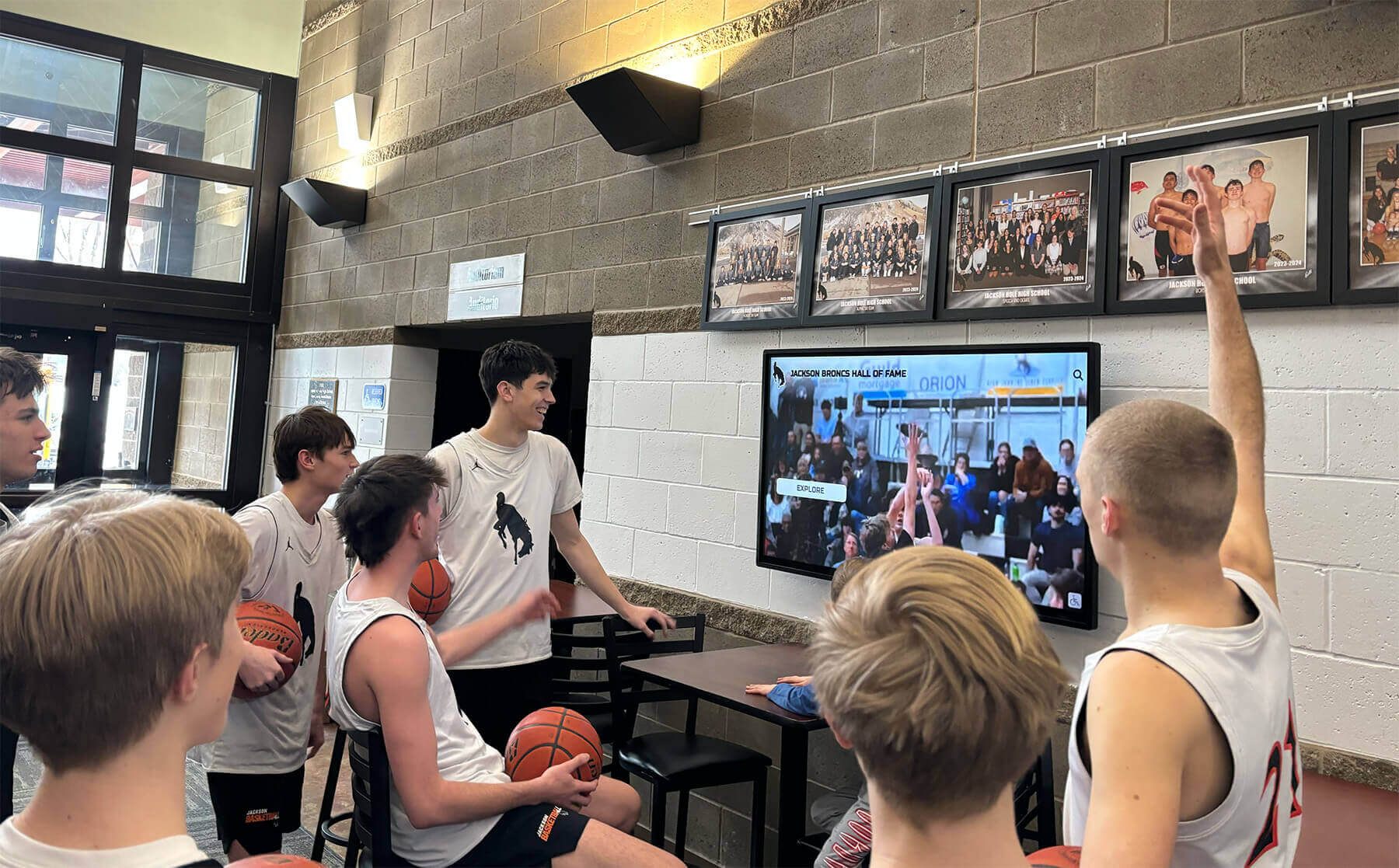
Minnesota high school basketball programs create passionate communities celebrating athletic excellence
Understanding Minnesota High School Basketball Classifications
The Minnesota State High School League (MSHSL) organizes basketball competition across multiple classifications, ensuring fair competition while providing championship opportunities for schools of all sizes.
Current Classification Structure
Minnesota high school basketball operates through a classification system that groups schools by enrollment, creating competitive balance and diverse championship pathways.
Boys’ Basketball Classifications
Minnesota boys’ basketball competes across four classifications based on school enrollment, providing championship opportunities at multiple levels. Class AAAA represents the largest schools with robust enrollments typically exceeding 1,000 students, featuring metropolitan powerhouses and suburban programs with deep talent pools. Class AAA includes mid-size schools often from regional centers and larger suburban communities. Class AA encompasses smaller schools from towns throughout Greater Minnesota. Class A represents the smallest schools, typically from rural communities, where entire towns rally behind their basketball programs.
This multi-classification structure ensures programs compete against similarly-sized schools while maintaining pathways to state tournament glory regardless of enrollment. The competitive balance created through classifications has produced memorable championship runs from programs across all sizes.
Girls’ Basketball Classifications
Minnesota girls’ basketball similarly operates across four classifications (AAAA, AAA, AA, A), with schools classified by enrollment size. Girls’ basketball has experienced tremendous growth in Minnesota, with increasing participation, competitive parity, and community support rivaling boys’ programs. Many Minnesota communities show equal passion for both boys’ and girls’ basketball, creating comprehensive basketball cultures celebrating all student-athletes.
Section Competition and State Tournament Qualification
Before reaching the state tournament, Minnesota basketball teams must navigate section tournaments determining which programs advance to championship competition.
Section Tournament Structure
Minnesota divides each classification into multiple sections based on geographic proximity, with section tournaments held in late February and early March. Teams compete within their assigned sections for the opportunity to advance to state. Section play creates intense rivalries as neighboring schools battle for limited state tournament berths, with only section champions or runners-up (depending on classification) advancing to state competition.
Section tournaments generate extraordinary community engagement, with local gymnasiums packed with passionate fans supporting their schools. The single-elimination format creates dramatic moments where entire seasons culminate in winner-take-all games determining state tournament qualification.
State Tournament Qualification
Each section sends representatives to the state tournament, with the number of qualifiers varying by classification. Larger classifications typically allow section champions to advance, while some smaller classifications may include runners-up as well. This structure ensures geographic representation at state tournaments while rewarding consistent excellence throughout section competition.
Programs that consistently navigate challenging sections and reach state tournaments earn reputations for sustained excellence, with state tournament appearances becoming defining achievements in program histories that deserve permanent recognition.
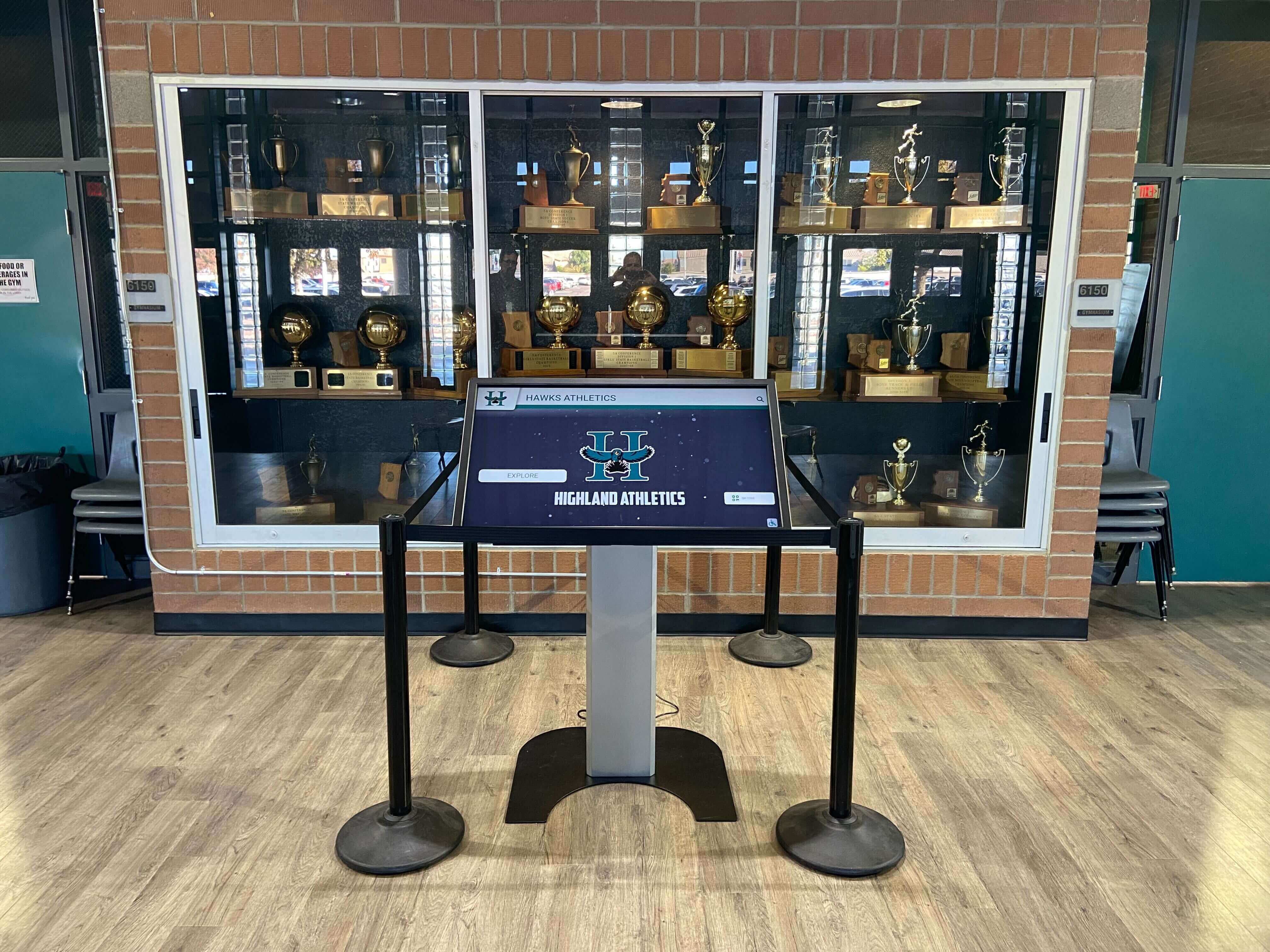
Digital recognition displays enable schools to comprehensively showcase basketball achievements and state tournament history
Minnesota High School Basketball Rankings Systems
Multiple organizations track and publish Minnesota high school basketball rankings throughout the season, providing perspectives on competitive standings and championship contenders.
Official vs. Media Rankings
Minnesota basketball rankings come from various sources serving different purposes within the basketball community.
Associated Press Rankings
The Associated Press publishes weekly rankings throughout the basketball season based on voting from sportswriters and broadcasters covering high school basketball across Minnesota. AP rankings consider win-loss records, strength of schedule, head-to-head results, performance against ranked opponents, and momentum and recent performance trends. These rankings generate discussion and debate, though they hold no official bearing on playoff seeding or tournament qualification.
AP rankings provide conversation starters and recognition for programs achieving excellence during regular seasons, even if rankings don’t determine postseason outcomes. Athletes and programs take pride in rankings recognition while understanding that section tournament success ultimately determines championship opportunities.
QRF (Quadrant Ranking Formula) Ratings
The MSHSL utilizes the Quadrant Ranking Formula for tournament seeding purposes in some classifications. QRF considers strength of schedule more heavily than simple win-loss records, rewarding programs that face challenging competition. This mathematical approach attempts to objectively evaluate team quality beyond basic record analysis, though it remains somewhat controversial among programs and fans who debate formula accuracy.
QRF ratings influence section tournament seeding, potentially affecting matchups and paths toward state tournament qualification. Programs seeking favorable section positioning often schedule challenging non-conference opponents to boost QRF ratings while building tournament readiness through quality competition.
Regional Media and Fan Rankings
Various Minnesota basketball websites, podcasts, and media outlets publish their own rankings and power ratings throughout the season. These rankings reflect diverse methodologies and regional perspectives, with some focusing primarily on metropolitan teams while others emphasize Greater Minnesota programs. Fan polls and social media discussions add additional ranking perspectives, creating robust conversations about Minnesota basketball excellence throughout winter months.
While unofficial rankings don’t determine championships, they create engagement, recognition, and motivation for programs and athletes throughout the regular season.
How Rankings Impact Minnesota Basketball Programs
Basketball rankings create both tangible and intangible effects on programs throughout Minnesota.
Motivation and Goal Setting
Rankings provide benchmarks against which programs measure themselves, creating aspirational goals for unranked teams seeking recognition while motivating ranked teams to maintain or improve positioning. Athletes often use rankings as fuel, particularly when they believe their programs are underrated or overlooked in state conversations.
Coaches leverage rankings discussions to build team focus and competitive drive while maintaining perspective that section tournament success matters more than regular-season rankings. The most successful programs balance rankings awareness with focus on controllable factors like preparation, execution, and continuous improvement.
Recruitment and Program Visibility
Strong rankings throughout seasons enhance program visibility beyond local communities, attracting attention from college recruiters, state media coverage, and regional basketball communities. Consistent rankings success over multiple seasons builds program reputations that extend beyond individual teams, creating expectations for sustained excellence that shape community identity.
Programs with basketball recognition displays showcasing historical rankings, tournament achievements, and player accomplishments create tangible evidence of excellence that supports recruiting efforts while building program tradition appreciated by current and future athletes.
Community Engagement
Rankings generate community conversation and engagement throughout winter months, with local businesses displaying team rankings, community members following weekly rankings releases, social media discussions about rankings positioning, and increased attendance when highly-ranked opponents visit town.
This community investment creates supportive environments where student-athletes feel valued and celebrated for their basketball achievements, contributing to positive program cultures extending beyond competition itself.
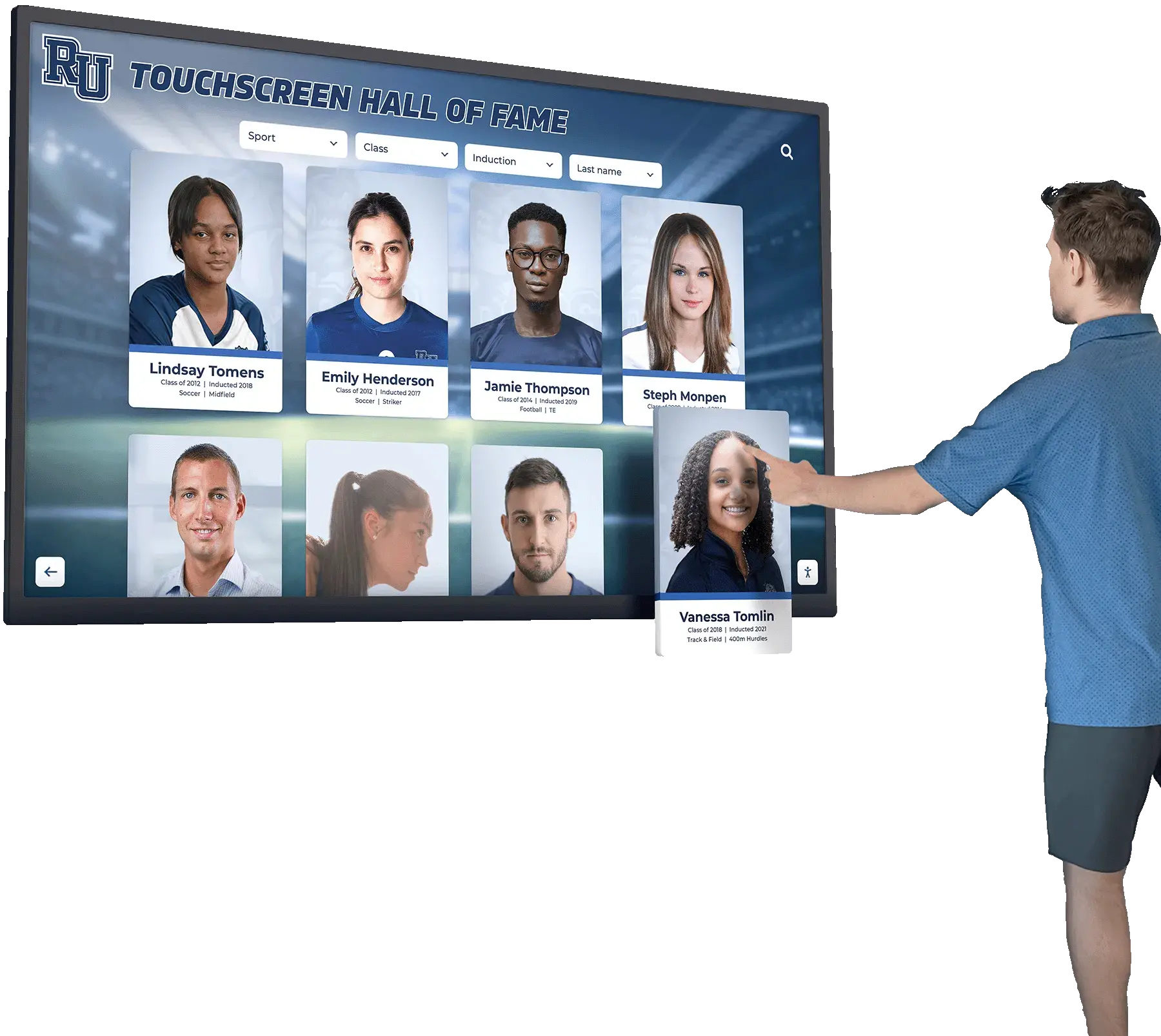
Interactive recognition systems allow community exploration of program rankings history and championship achievements
The Minnesota State Basketball Tournament Tradition
The Minnesota state basketball tournament represents one of the state’s most beloved athletic traditions, with championship games attracting thousands of fans and generating statewide attention.
Tournament History and Significance
Minnesota’s state basketball tournament has created legendary moments and traditions spanning decades, establishing the championship as a cultural touchstone within the state’s athletic landscape.
Historic Venues
Minnesota’s largest basketball programs compete for championships at iconic venues including Target Center in Minneapolis, home to the NBA’s Timberwolves and a premier basketball facility, and Williams Arena at the University of Minnesota, known as “The Barn” and steeped in basketball history. These professional and collegiate venues elevate the state tournament experience, providing Minnesota high school athletes opportunities to compete on stages typically reserved for elite basketball.
Smaller classifications often compete at regional venues providing championship environments appropriate for school sizes while maintaining tournament prestige and community accessibility.
Tournament Week Culture
State tournament week transforms Minnesota’s basketball landscape into a statewide celebration. Schools qualifying for state tournaments often see entire communities travel to championship games, with businesses closing, school districts providing transportation, and local media providing extensive coverage. The tournament creates collective experiences bonding communities through shared support of their basketball programs.
Athletes describe playing in the state tournament as career-defining experiences, with championship atmosphere, elite competition, and community support creating memories lasting far beyond their playing careers. Programs that reach state tournaments often commemorate achievements through championship recognition displays ensuring these special moments remain visible parts of program history.
Tournament Format and Competition
State tournament structures vary by classification but generally follow single-elimination formats determining state champions.
Championship Brackets
Each classification creates tournament brackets featuring section champions and qualifiers, with games played over multiple days culminating in championship games determining state champions. Seeding may incorporate QRF ratings or section tournament performance, though geographic distribution ensures representation from across Minnesota rather than concentrating teams from single regions.
The single-elimination format creates high-stakes competition where every possession matters and seasons can end on a single shot, generating dramatic moments that become part of Minnesota basketball lore discussed and remembered for years.
Championship Recognition
State tournament success represents the pinnacle of Minnesota high school basketball achievement, with state champions receiving championship trophies, individual medals for athletes and coaches, official state championship banners, and MSHSL recognition documentation. Beyond official recognition, schools typically create permanent displays commemorating championship achievements while communities honor teams through celebrations and recognition events.
Digital recognition platforms enable comprehensive documentation of state tournament achievements including tournament brackets showing paths to championships, complete rosters with individual player contributions, game-by-game statistics and scoring, championship photographs and video highlights, and coach and athlete reflections about championship experiences.
Notable Minnesota Basketball Traditions
Minnesota high school basketball has developed distinctive traditions that enhance the championship experience.
Tournament Programs and Media Guides
The MSHSL produces comprehensive tournament programs featuring team information, player profiles, historical records, and tournament history. These programs become cherished keepsakes for participating schools, with alumni often preserving tournament programs for decades as tangible connections to their state tournament experiences.
Schools increasingly supplement physical programs with digital recognition platforms providing permanent, comprehensive documentation accessible to future generations exploring program history.
Tournament Awards and Honors
Beyond team championships, the state tournament recognizes individual excellence through all-tournament team selections, Mr. Basketball and Miss Basketball awards (separate from tournament), class-specific recognition, and statistical achievement awards. Individual recognition honors standout performances while acknowledging that championship success requires collective team contributions.
Programs that systematically document individual honors alongside team achievements create comprehensive recognition celebrating all forms of basketball excellence rather than exclusively emphasizing team championships.
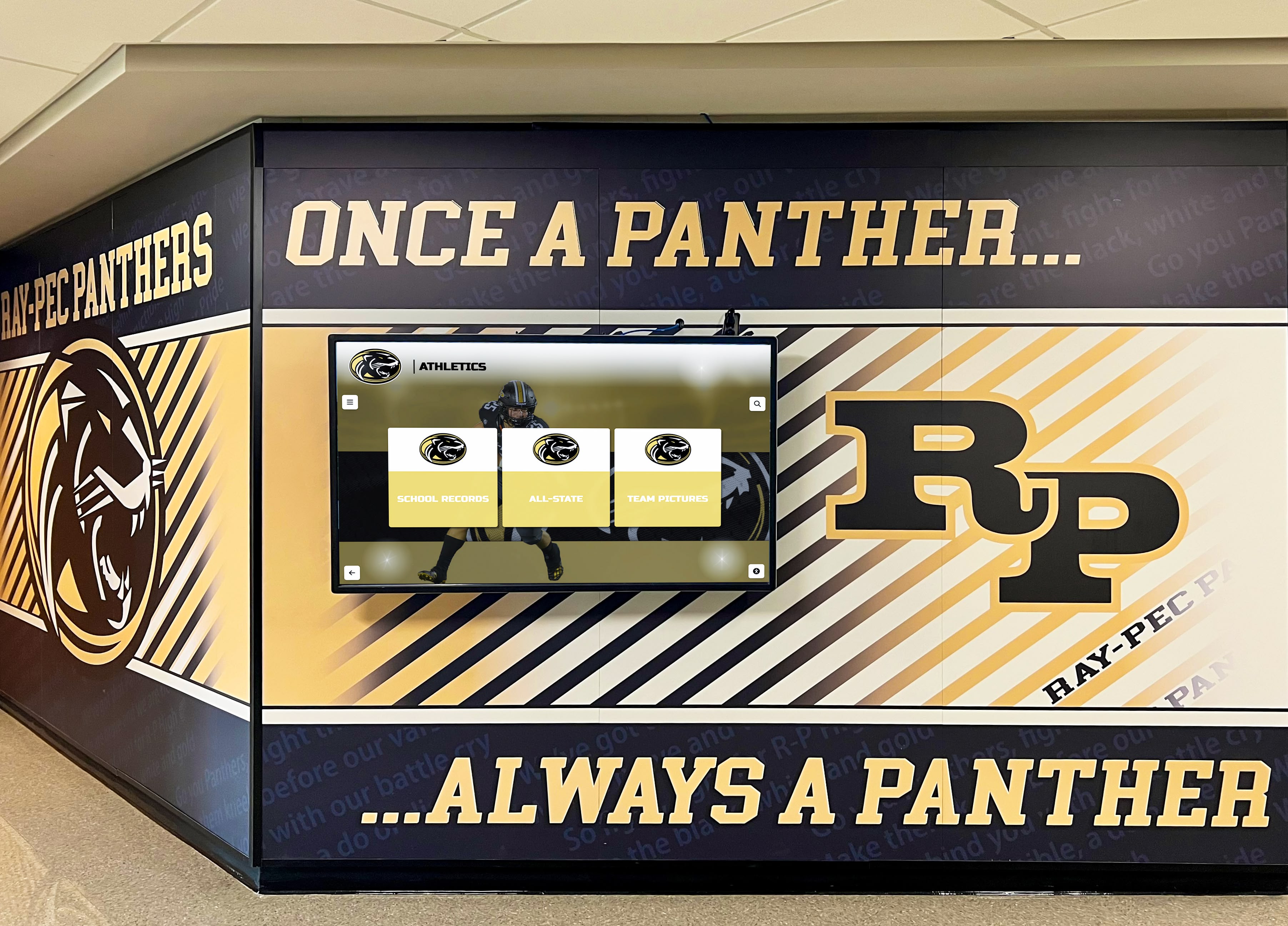
Permanent recognition displays showcase tournament achievements and individual honors from program history
Minnesota Basketball Program Recognition and Legacy Preservation
While competition creates immediate excitement, thoughtful recognition and history preservation ensure basketball achievements inspire current and future athletes long after championship seasons conclude.
Traditional Recognition Approaches
Minnesota high schools have honored basketball excellence through time-tested recognition methods creating visible program traditions.
Physical Recognition Displays
Traditional basketball recognition includes championship banners hung in gymnasiums documenting state titles and tournament appearances, trophy cases displaying championship hardware and individual awards, record boards listing all-time statistical leaders and program records, retired jersey numbers honoring exceptional players, and wall-mounted plaques recognizing all-conference and all-state selections.
These physical displays create tangible reminders of program excellence while facing inherent limitations including finite space constraining how many achievements can be displayed, expensive updates requiring new plaques or banners, difficult corrections when errors are discovered, minimal information beyond basic names and years, and static presentations offering no interactivity or expanded information.
Yearbook and Program Documentation
Schools document basketball history through yearbooks preserving team photographs and season summaries, game programs distributed during season contests, media guides compiling statistics and historical information, and newspaper archives chronicling game results and achievements.
These materials create valuable historical records, though they often scatter across multiple locations, deteriorate over time, and remain inaccessible to those unable to physically access archives.
Modern Digital Recognition Solutions
Digital recognition technology addresses traditional limitations while expanding possibilities for comprehensive basketball celebration.
Interactive Touchscreen Displays
Modern recognition systems provide interactive exploration of program history through touchscreen displays in gymnasiums, athletic facilities, or school lobbies. Visitors can search by athlete name finding specific individuals instantly, filter by season or era exploring particular time periods, browse achievements including championships, individual honors, and statistical leaders, watch video highlights of memorable games and performances, and access detailed athlete profiles with statistics, photographs, and biographical information.
Solutions like Rocket Alumni Solutions provide purpose-built platforms specifically designed for athletic recognition, transforming static displays into engaging experiences that comprehensively celebrate basketball excellence across program history.
Interactive displays eliminate space constraints that plague traditional physical recognition, allowing schools to honor every deserving athlete, team, and achievement without difficult decisions about which accomplishments to remove when space fills. The unlimited digital capacity ensures recognition grows continuously as programs add new achievements without erasing historical accomplishments.
Comprehensive Multimedia Documentation
Digital platforms enable rich documentation impossible with traditional plaques through high-resolution action photographs showing athletes competing, career statistics documenting complete playing records, video highlights preserving memorable performances, coach testimonials explaining what made players exceptional, biographical narratives telling athlete stories beyond statistics, and post-graduation updates tracking college basketball careers and life achievements.
This multimedia approach brings basketball achievements to life in ways that resonate with modern audiences expecting engaging digital content rather than text-only presentations.
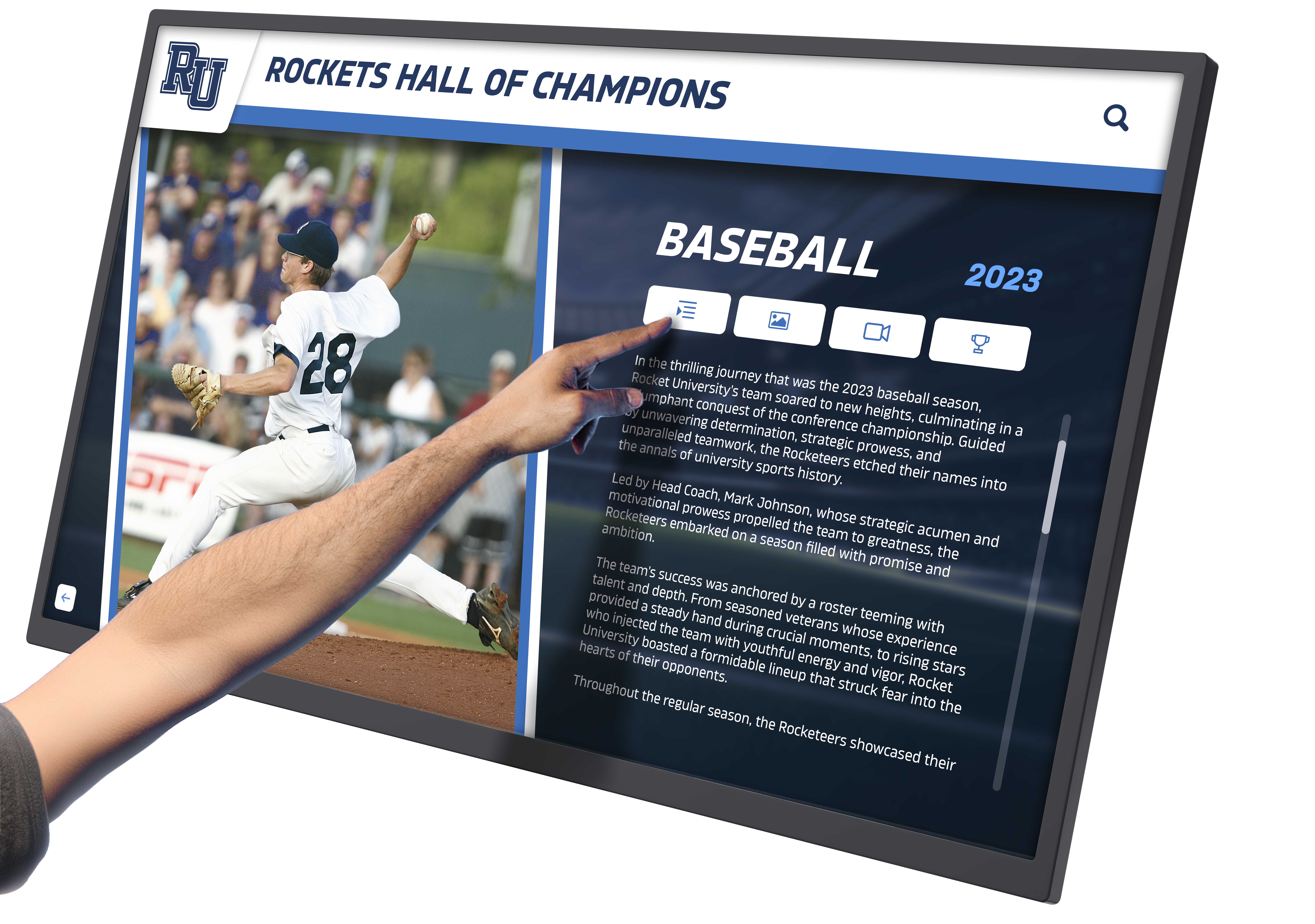
Digital platforms enable detailed athlete profiles with statistics, photographs, and accomplishments beyond traditional plaque limitations
Real-Time Updates and Recognition
Cloud-based content management systems enable athletic directors or coaches to update recognition displays instantly from any internet-connected device. When teams win section championships, athletes earn all-conference honors, or records fall, recognition can be updated within minutes rather than waiting weeks or months for physical plaque production.
This responsiveness ensures recognition remains current and celebrates achievements while they’re still fresh, maintaining community engagement and athlete motivation throughout and immediately following seasons.
Web and Mobile Accessibility
Modern recognition platforms extend beyond physical displays through responsive web interfaces accessible worldwide. Alumni living anywhere can explore their school’s basketball history from smartphones or computers, families share their student-athlete’s accomplishments across social networks, prospective athletes research program tradition during recruitment processes, and community members engage with basketball excellence without visiting campus.
This accessibility dramatically expands recognition reach while creating permanent archives ensuring basketball history remains accessible to current and future generations regardless of where they live or when they seek information.
Strategic Benefits of Comprehensive Recognition
Well-implemented basketball recognition delivers value extending far beyond simple documentation.
Current Athlete Motivation
When athletes see previous players from their programs honored comprehensively, achievement becomes tangible and attainable. Visible recognition of statistical milestones, championship teams, and individual honors creates clear benchmarks toward which current athletes can aspire, generating goal-setting behavior and competitive motivation.
Programs with prominent, detailed recognition consistently report athletes referencing specific records or achievements they’re pursuing, demonstrating that visibility directly influences motivation and performance aspirations.
Recruitment and Program Marketing
Comprehensive basketball recognition demonstrates program quality to prospective athletes and families exploring school options. Interactive displays showing championship history, statistical leaders, and college placement provide tangible evidence of development capability and competitive success.
Prospects visiting campuses can independently explore program history through self-directed interaction with recognition displays, creating memorable impressions distinguishing programs from competitors offering only basic physical trophy cases or limited recognition.
Alumni Engagement and Connection
Basketball players who receive meaningful recognition maintain stronger connections to their alma maters, creating lifelong relationships benefiting both individuals and schools. Alumni whose achievements are comprehensively documented and easily accessible are more likely to attend reunion events, support current programs through mentorship, make philanthropic contributions, and promote their schools within professional and social networks.
Digital recognition enables alumni living anywhere to access their recognition and share accomplishments with their own children, grandchildren, and communities, extending engagement far beyond what traditional campus-only physical displays can achieve.
Community Pride and Institutional Identity
Visible celebration of basketball excellence strengthens school spirit and creates distinctive institutional identity. Communities take pride in comprehensive documentation of local basketball tradition, with recognition displays becoming gathering points during school events and sources of community conversation.
This pride translates into practical benefits including increased game attendance supporting programs financially, community support for athletic facilities and resources, positive perception of schools within broader communities, and enhanced recruitment of quality coaching talent attracted to programs that appropriately value and recognize basketball excellence.
Programs implementing comprehensive recognition solutions report measurable positive impacts across these dimensions, demonstrating that recognition represents strategic investment rather than mere display expense.
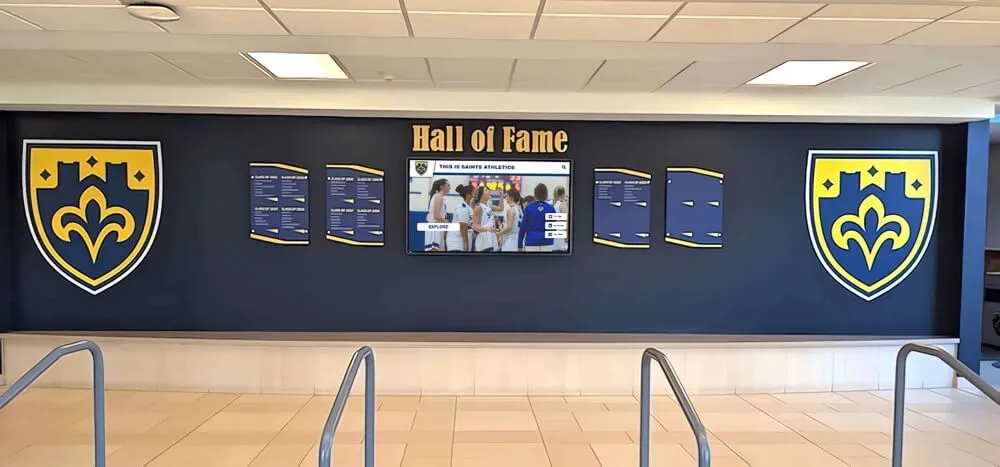
Professional recognition installations honor program history while inspiring current and future athletes
Notable Minnesota High School Basketball Programs and Traditions
While competitive balance creates opportunities for programs statewide, certain Minnesota schools have established particularly distinguished basketball traditions worthy of recognition and study.
Historic Championship Programs
Several Minnesota high schools have built legendary basketball traditions through sustained excellence and championship success.
Minneapolis and St. Paul Metro Programs
The Twin Cities metropolitan area features numerous powerhouse programs competing in the largest classifications. Schools like Hopkins, Prior Lake, Apple Valley, Eastview, and many others have established national recognition for basketball excellence, producing college and professional players while competing for state championships regularly.
These metropolitan programs often feature deep talent pools, strong feeder systems from youth basketball, excellent facilities and resources, and community cultures prioritizing basketball development. Their sustained success creates programs where basketball tradition itself becomes recruiting advantage, attracting families seeking high-level competition and development opportunities.
Greater Minnesota Basketball Tradition
Beyond the metropolitan area, communities throughout Greater Minnesota have produced remarkable basketball programs demonstrating that championship success and basketball excellence aren’t limited to large schools or urban areas.
Small-town programs often create extraordinary community investment where entire towns plan around basketball schedules, gymnasiums fill to capacity for every game, multi-generational families maintain decades-long season ticket traditions, and local businesses financially support program development. This community culture creates environments where basketball matters deeply, generating competitive programs despite smaller enrollment sizes.
Schools from communities like Caledonia, Minnehaha Academy, Mountain Iron-Buhl, and numerous others have built distinguished basketball traditions creating state championship contenders and producing exceptional players who excel at higher levels. These programs demonstrate that coaching quality, community support, and institutional commitment to excellence matter more than enrollment size alone.
Boys’ and Girls’ Basketball Parity
Minnesota stands out nationally for the comparable strength and recognition between boys’ and girls’ basketball programs, with many schools providing equal resources, facilities, recognition, and community support to both programs.
Equal Championship Tradition
Minnesota communities celebrate girls’ basketball championships with enthusiasm matching boys’ titles, recognizing that athletic excellence deserves celebration regardless of gender. Schools increasingly implement comprehensive recognition systems documenting both boys’ and girls’ basketball history equally, avoiding historical tendencies to prioritize boys’ achievements in permanent displays.
Digital recognition platforms particularly support equitable documentation by eliminating space constraints that sometimes led to unequal representation in traditional physical displays with limited capacity.
College Pipeline Development
Minnesota has produced numerous college basketball players across both boys’ and girls’ programs, with state athletes competing at Division I, II, and III levels throughout the country. Programs that systematically document college commitments and track athlete post-high school careers create visible evidence of development capability that supports recruitment while inspiring current athletes to pursue their own college basketball aspirations.
Recognition showing that previous program graduates successfully transitioned to college basketball demonstrates that athletic aspirations are realistic rather than distant dreams, generating motivation and goal-setting among current athletes who see clear pathways from their programs to next competitive levels.
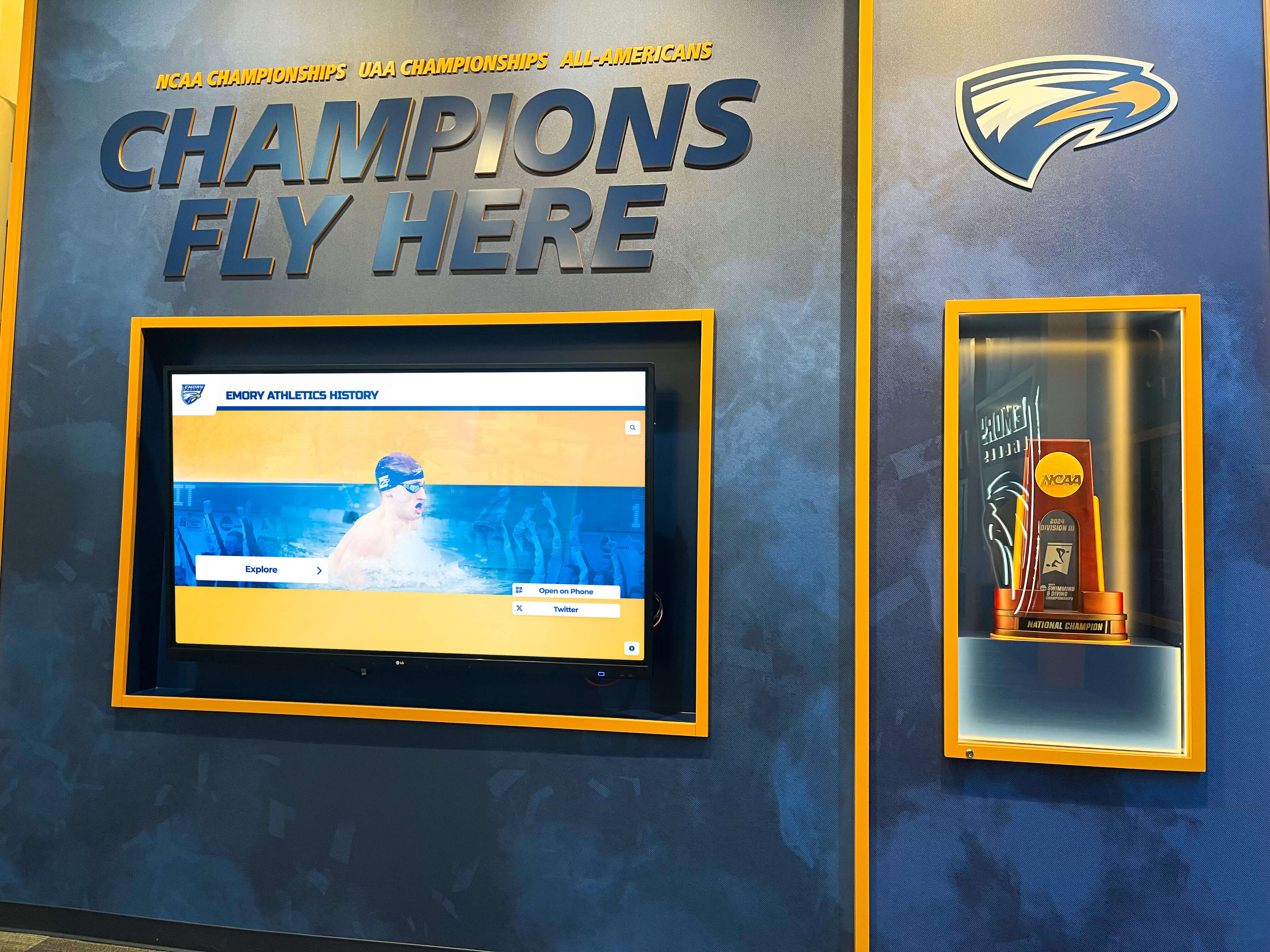
Championship recognition honors both team and individual excellence across comprehensive program history
Implementing Effective Basketball Recognition Programs
Schools seeking to honor basketball excellence and preserve program history benefit from strategic planning ensuring recognition systems meet program needs while delivering maximum value.
Planning Recognition Systems
Successful implementation begins with thoughtful assessment of program needs, goals, and resources.
Defining Recognition Scope
Schools should clarify what aspects of basketball excellence they want to celebrate, including championship teams and tournament achievements, individual statistical leaders and record holders, all-conference and all-state honors, college commitments and athletic scholarships, academic achievement among basketball athletes, coaching milestones and career recognition, and historical program evolution and tradition.
Comprehensive scoping ensures recognition systems accommodate diverse achievement types rather than focusing exclusively on championships or scoring records, creating inclusive recognition celebrating all forms of basketball excellence.
Stakeholder Input and Buy-In
Effective recognition systems reflect input from multiple perspectives including current coaches sharing priorities and program needs, athletic directors understanding institutional goals, alumni providing historical context and information, current athletes expressing what recognition matters to them, and community members offering broader perspective on program tradition.
This collaborative approach ensures recognition systems serve actual needs rather than implementing solutions that look impressive but fail to address real program priorities or community values.
Budget and Resource Allocation
Recognition represents investment requiring realistic budget planning including initial system costs for hardware and implementation, content development time and resources, ongoing maintenance and updates, technical support and training, and facility modifications or installation if needed.
Schools should evaluate total cost of ownership rather than only initial expenses, understanding that traditional physical displays often incur higher long-term costs through ongoing updates and expansions compared to digital systems with lower maintenance requirements after implementation.
Content Development and Historical Research
Building comprehensive recognition requires systematic approach to gathering, verifying, and organizing historical information.
Historical Documentation Research
Schools often possess scattered basketball information requiring consolidation including existing trophy cases and recognition displays, yearbooks and school publications, newspaper archives and media coverage, coaching records and scorebooks, state association historical databases, alumni recollections and personal records, and statistical services or historical tracking systems.
Methodically gathering information from diverse sources creates comprehensive historical records while identifying gaps requiring additional research or accepting limitations where complete documentation proves impossible to reconstruct.
Content Quality Standards
Professional recognition requires consistent standards ensuring quality including high-resolution photographs appropriate for large displays, verified statistics and achievements with documentation, biographical information providing context beyond bare facts, consistent formatting maintaining professional appearance, and regular review processes catching errors before public display.
Establishing and documenting quality standards prevents ad-hoc content creation producing inconsistent results undermining recognition credibility and professional appearance.
Ongoing Content Management
Recognition systems require sustainable approaches to continuous maintenance including designated staff responsible for updates, regular content schedules ensuring currency, efficient workflows minimizing administrative burden, backup and security procedures protecting information, and periodic comprehensive reviews verifying accuracy.
Programs treating recognition as ongoing process rather than one-time project maintain current, comprehensive documentation while preventing the gradual degradation that occurs when systems lack sustained attention and maintenance.
Technology Selection and Implementation
Choosing appropriate recognition platforms matching program needs ensures successful outcomes.
Essential System Capabilities
Effective basketball recognition systems should provide intuitive content management requiring minimal technical expertise, basketball-specific templates optimizing for athletic achievements, multimedia support including photos and videos, searchable databases enabling easy information access, web accessibility extending recognition beyond physical locations, analytics demonstrating system usage and value, and reliable technical support from knowledgeable providers.
Schools should evaluate systems against their specific requirements rather than choosing platforms based solely on cost or appearance without understanding functional capabilities.
Implementation and Training
Successful technology adoption requires adequate preparation including comprehensive staff training on system operation, documented procedures for common tasks, initial content migration or development support, testing periods validating functionality, and phased rollout managing change effectively.
Providers offering complete implementation support, training, and ongoing assistance typically deliver better outcomes than platforms requiring schools to independently manage complex technical implementation without guidance.
Measuring Success and Value
Schools should establish metrics evaluating recognition system effectiveness including content completeness and accuracy, user engagement and interaction rates, stakeholder satisfaction from athletes and alumni, administrative efficiency and time savings, community response and visibility, recruitment impact and prospect feedback, and return on investment across multiple dimensions.
Regular assessment ensures recognition systems deliver expected value while identifying opportunities for improvement or expansion maximizing program benefits.
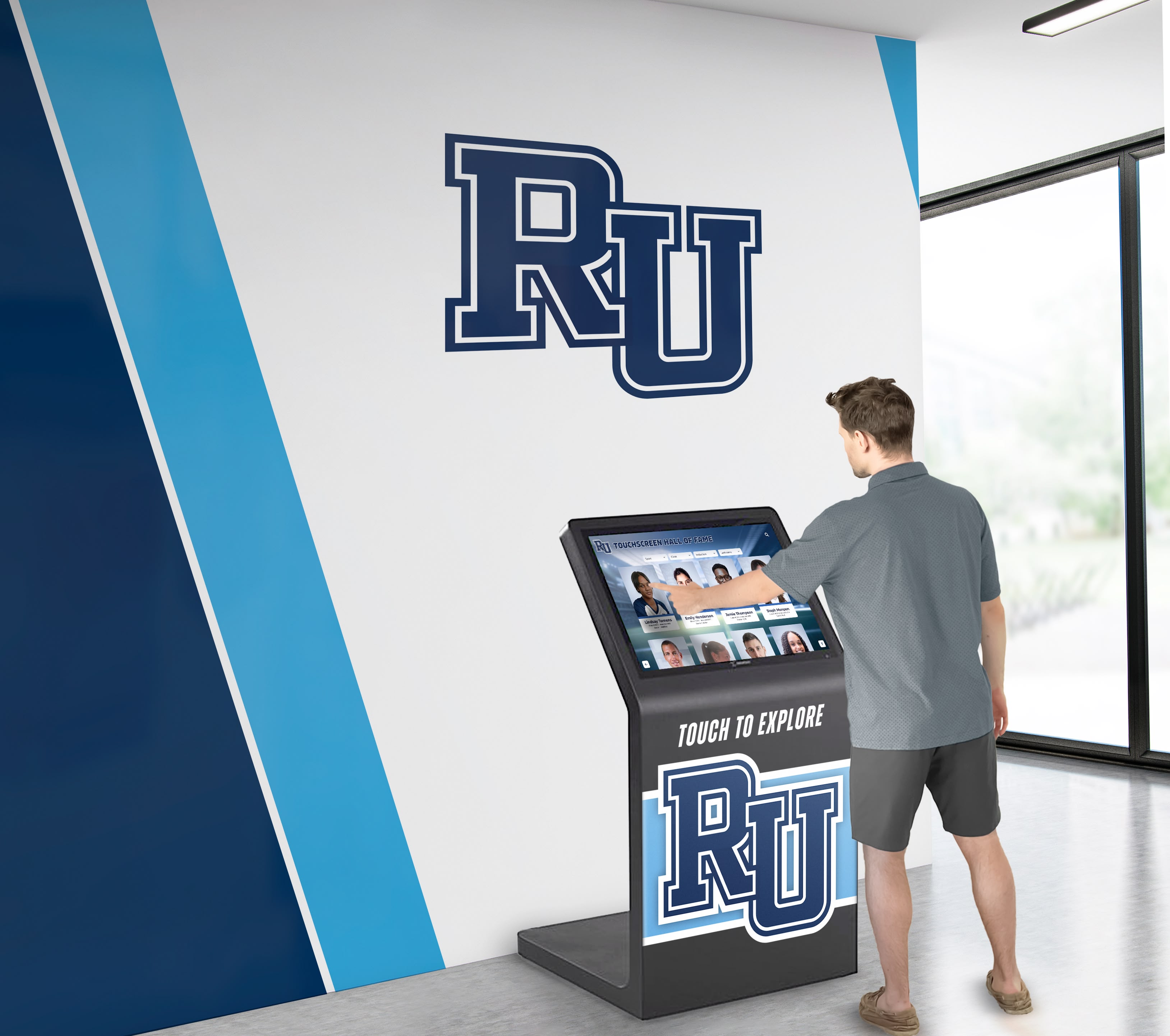
User-friendly recognition systems enable community exploration of comprehensive basketball history
Minnesota Basketball Records and Statistical Tracking
Beyond championships and tournament success, comprehensive recognition includes systematic documentation of statistical achievements and individual records creating additional recognition opportunities.
Individual Statistical Categories
Basketball generates diverse statistical achievements worthy of documentation and celebration.
Scoring Records
Career, season, and single-game scoring achievements represent most visible recognition categories including all-time career points leaders, highest single-season scoring totals, single-game scoring records, three-point shooting records, and career scoring averages accounting for games played.
Programs should document scoring achievements in context including games played, era of achievement, and competition level ensuring fair comparison across different time periods with varying season lengths and playing styles.
All-Around Statistical Excellence
Comprehensive recognition extends beyond scoring to acknowledge diverse contributions including rebounding records and achievements, assist totals and playmaking recognition, steals and defensive statistics, blocked shots and shot alteration, and double-double or triple-double performances.
Recognizing diverse statistical categories creates inclusive cultures valuing all player contributions rather than exclusively celebrating scorers, improving team chemistry and morale while motivating athletes whose strengths lie in areas beyond scoring.
Career Achievement Milestones
Specific milestone achievements deserve recognition including 1,000-point scorers joining exclusive program clubs, career games played demonstrating consistency and longevity, consecutive games streaks showing reliability, and progression charts tracking statistical development across four-year careers.
Milestone recognition creates interim goals motivating athletes throughout careers while providing recognition opportunities beyond ultimate records that few athletes realistically approach.
Team Statistical Records
Collective achievements documenting program excellence complement individual recognition.
Season Performance Records
Team records including most wins in a season, best winning percentage, longest winning streaks, highest scoring average per game, and lowest defensive scoring average create recognition opportunities celebrating collective excellence rather than only individual achievement.
Tournament and Playoff Success
Documentation of postseason achievements including consecutive tournament appearances, tournament win records, championship game appearances, and playoff performance statistics provides comprehensive view of program competitive success beyond regular season records.
Digital Record Board Solutions
Modern digital record board systems provide advantages over traditional static displays including unlimited capacity for comprehensive record documentation, instant updates when records fall, statistical comparisons enabling historical perspective, multimedia enhancement with photos and videos, and web accessibility extending reach beyond gymnasium walls.
These systems transform record keeping from administrative burden into engaging recognition platforms motivating athletes while preserving program history comprehensively and accessibly.
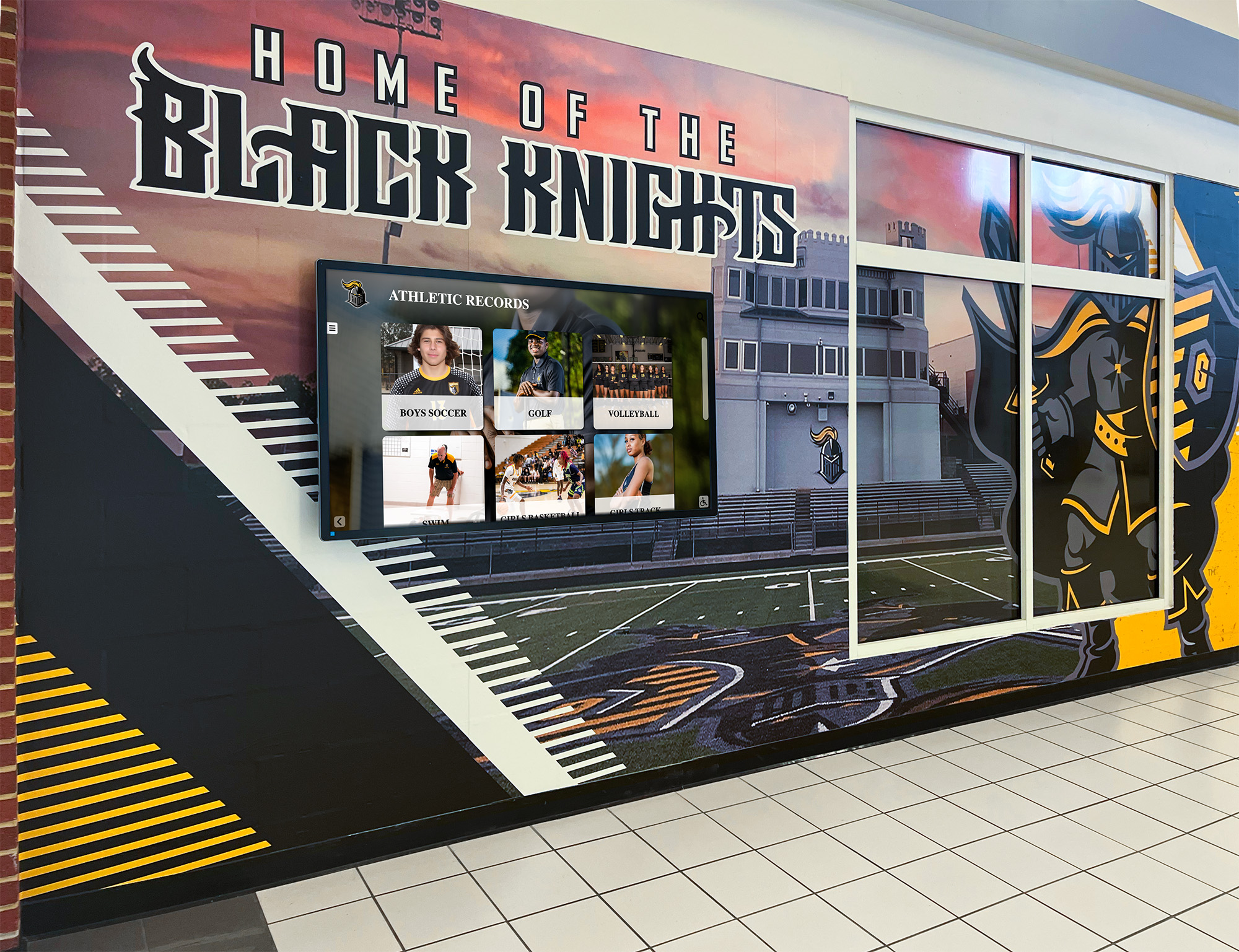
Modern record boards showcase comprehensive statistical achievements in engaging, accessible formats
Supporting Student-Athletes Beyond Basketball Competition
Comprehensive recognition extends beyond athletic achievement to honor well-rounded student-athletes excelling in multiple domains.
Academic Achievement Recognition
Student-athletes balancing demanding basketball schedules with academic excellence deserve appropriate recognition including Academic All-State and All-Conference selections, honor roll recognition during basketball season, team GPA achievements and academic awards, and college academic scholarship recipients demonstrating preparation beyond athletics.
Integrated recognition platforms can seamlessly document academic honors alongside athletic achievements, creating comprehensive profiles celebrating complete student-athlete excellence rather than separating academic and athletic accomplishments artificially.
Character and Leadership Recognition
Basketball develops qualities extending beyond statistics and victories including team captain selections recognizing leadership, sportsmanship awards honoring exemplary conduct, community service and volunteer engagement, mentorship of younger players, and overcoming adversity or personal challenges.
Character-based recognition creates cultures valuing how athletes compete and contribute to communities, not merely what they accomplish on scoreboards.
Post-High School Transitions
Comprehensive recognition can track athlete development beyond high school including college basketball commitments and careers, academic and professional achievements after athletics, coaching or basketball industry careers, and community contributions as adults demonstrating values developed through basketball.
This long-term documentation demonstrates that basketball provides foundation for lifelong success extending far beyond high school competition itself, validating investment in athletic programs as development platforms preparing young people for diverse future paths.
Conclusion: Celebrating Minnesota Basketball Excellence for Generations
Minnesota high school basketball represents more than athletic competition—it embodies community pride, youth development, tradition building, and excellence pursuit across the state’s diverse landscape. From metropolitan powerhouses to small-town programs creating outsized impact, basketball unites Minnesota communities through shared passion and competitive tradition.
Effective recognition and history preservation ensure that championship moments, individual excellence, and program tradition inspire current and future athletes long after final buzzers sound. While competition creates immediate excitement, thoughtful recognition creates lasting value by motivating current athletes through visible aspirational goals, engaging alumni through accessible historical documentation, supporting recruitment through demonstrated program excellence, building community pride through celebration of local achievement, and preserving institutional memory preventing history loss as people and time pass.
Modern digital recognition technology has transformed what’s possible in celebrating basketball achievement through unlimited capacity eliminating space constraints, instant updates celebrating achievements immediately, multimedia content bringing basketball stories to life, web accessibility extending recognition worldwide, comprehensive documentation impossible with traditional displays, and measurable engagement demonstrating recognition value.
Whether honoring state championship teams, recognizing statistical leaders, celebrating all-conference selections, or documenting complete program history, schools benefit from recognition systems that are comprehensive enough to honor all deserving achievements, accessible to athletes, alumni, and communities, current with recent accomplishments and information, engaging through multimedia and interactive features, and sustainable through efficient management and maintenance.
Minnesota basketball programs committed to excellence deserve recognition matching their achievements—celebration that’s comprehensive, professional, permanent, and accessible to all who contributed to program tradition and those inspired by it in the future.
Celebrate Your Minnesota Basketball Tradition
Discover how Rocket Alumni Solutions can help your program create comprehensive digital recognition displays showcasing championships, honoring athletes, preserving history, and inspiring future generations of Minnesota basketball excellence.
Explore Recognition SolutionsReady to transform how your Minnesota basketball program celebrates excellence and preserves tradition? Modern recognition platforms specifically designed for athletic programs provide turnkey solutions enabling schools to honor all achievements comprehensively, engage athletes and alumni meaningfully, and build lasting traditions inspiring championship pursuit across generations. Your basketball legacy deserves recognition that matches your program’s excellence and Minnesota’s basketball tradition.































