
The Power of Family Legacy in School Communities
Few experiences connect us to our institutional heritage as powerfully as discovering our family's multi-generational connection to a school. When grandchildren walk the same hallways their grandparents once navigated, when they compete on the same fields, and when they discover archived photos and achievements of relatives they may never have met, something remarkable happens—history becomes personal, and the past comes alive in meaningful ways.
For families from Bishop Loughlin Memorial High School and countless other institutions, digital recognition platforms are revolutionizing how multi-generational connections are discovered, celebrated, and preserved. These modern systems transform dusty yearbooks and forgotten trophy cases into searchable, accessible digital archives where families can explore their heritage, uncover forgotten stories, and maintain connections that span decades or even centuries.
The emotional impact of these discoveries cannot be overstated. As one family member from Bishop Loughlin Memorial High School shared:
"Unfortunately our grandpa is not with us anymore, but being able to scroll through these old memories and photos - some that we honestly have never seen before is super special. Our grandpa will always be remembered with the help of Rocket."
This powerful testimony captures what digital recognition platforms make possible—the ability to preserve, discover, and share family legacies in ways that physical displays and paper archives never could. This comprehensive guide explores how schools and educational institutions can celebrate multi-generational families through digital recognition, the features that make these connections possible, and the profound impact on family engagement and institutional pride.

Families discover shared heritage through interactive digital recognition platforms
The Multi-Generational Family Phenomenon in Education
Educational institutions cultivate unique relationships with families that often span multiple generations. Understanding these connections helps schools appreciate their role in family heritage and community fabric.
Legacy Families in School Communities
Multi-generational school families represent some of the most deeply connected members of any educational community. These families demonstrate commitment to institutional values through decades of enrollment decisions, often becoming pillars of school culture and tradition.
Common Multi-Generational Patterns:
Schools encounter various multi-generational scenarios including grandparents, parents, and children all attending the same institution, siblings across decades maintaining family traditions, extended family networks with cousins and relatives enrolled simultaneously or sequentially, multiple family branches converging at single institutions, and families maintaining connections across five or more generations at historic schools.
These legacy families frequently become institutional ambassadors—sharing school experiences across generations, supporting schools through volunteering and giving, recruiting prospective families from their networks, and maintaining traditions that define school culture. Their continued connection represents invaluable institutional assets worthy of recognition and celebration.
The Emotional Significance of Shared Heritage:
When families discover their multi-generational connections documented and celebrated, powerful emotional responses follow. Family members experience pride in shared institutional heritage, connection to relatives they may never have met personally, understanding of family values transmitted across generations, inspiration from ancestral achievement and perseverance, and validation that their family’s commitment matters to the institution.
For grandchildren learning about grandparents’ school experiences decades earlier, these connections create tangible links to family history that might otherwise remain abstract stories. Seeing a grandparent’s yearbook photo, athletic achievement, or academic honor makes history real in ways that verbal storytelling alone cannot achieve.

Digital archives preserve family memories and enable cross-generational discovery
Why Physical Archives Limit Multi-Generational Discovery
Traditional approaches to preserving school heritage create significant barriers to family discovery and connection.
Limitations of Physical Yearbooks and Archives:
Physical yearbook collections stored in school libraries face multiple accessibility challenges. Many schools cannot maintain complete collections across decades, with missing years creating gaps in institutional memory. Books deteriorate through handling and age, making older volumes fragile and difficult to access. Library hours restrict when families can explore archives, and geographic distance prevents alumni living elsewhere from accessing materials. Physical browsing proves time-consuming when searching for specific individuals across multiple years.
Trophy cases and wall displays face similar limitations. Space constraints force schools to display only select achievements, often rotating older recognition to storage where families cannot access it. Physical installations require campus visits, excluding distant alumni and their families from experiencing recognition. Descriptive information on plaques often lacks sufficient detail to tell complete stories.
The Discovery Problem:
Even when physical archives exist, families often don’t know what materials might document their relatives’ school experiences. Without systematic ways to search across decades of yearbooks, sports programs, award records, and historical documents, families miss discovering relatives’ achievements they never knew existed.
This discovery problem particularly affects families who’ve lost direct connection to older generations’ school experiences. When grandparents pass away, their school stories often disappear unless documented comprehensively. Grandchildren inherit incomplete narratives, unaware of achievements, friendships, or experiences that shaped their relatives’ lives and, by extension, their own family heritage.
How Digital Recognition Platforms Enable Multi-Generational Connections
Modern digital recognition systems transform how families discover and connect with their school heritage through features specifically designed to make multi-generational exploration intuitive and meaningful.
Comprehensive Searchable Archives
The foundation of multi-generational discovery is comprehensive, searchable digital archives that aggregate historical records previously scattered across physical formats.
What Comprehensive Archives Include:
Effective platforms like Rocket Alumni Solutions centralize yearbook photos spanning decades or centuries, athletic achievement records and team rosters, academic honors and award recipients, activity and club participation, historical photos from school events, archived newspaper clippings and announcements, and donor recognition when families have supported institutions financially.
This centralization transforms institutional memory from fragmented physical collections into unified digital repositories where families can explore complete school histories without tracking down multiple sources or visiting campus archives during limited hours.
Powerful Search Enabling Family Discovery:
Search functionality proves critical for multi-generational discovery. Families need to search by individual names to find all relatives who attended, graduation years or decade ranges to explore specific time periods, achievement categories like athletics or academics, and keywords describing activities or honors. Advanced filtering allows families to narrow results by multiple criteria simultaneously.
The power of search becomes evident when families discover unexpected connections. A parent searching their own graduation year might discover a cousin they didn’t know attended the same school. A student exploring their grandparent’s era might find the grandparent served as team captain of the same sport they now play—creating profound connection across 50 or 60 years.
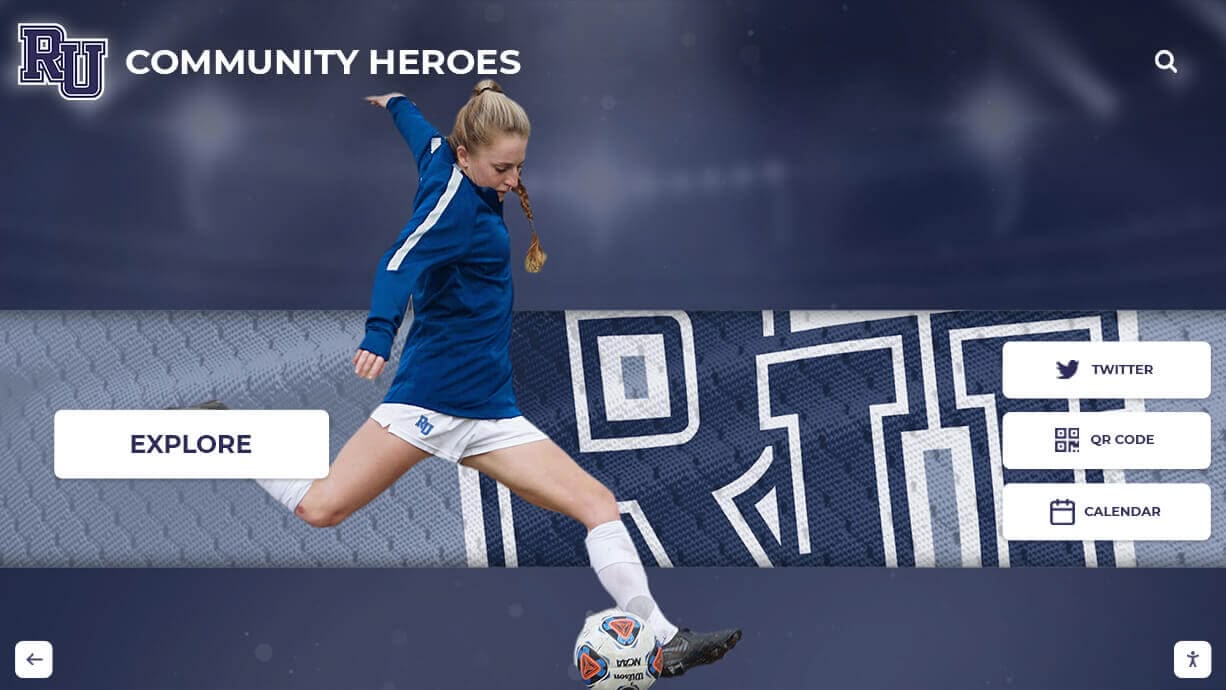
Search capabilities enable families to discover relatives across decades of school history
Family Connection Features
Beyond basic search, sophisticated platforms include features specifically designed to highlight and celebrate multi-generational family connections.
Family Tree Integration:
Some digital recognition systems can link family members within the database, creating visual family trees showing multiple generations of school attendance. When viewers explore one family member’s profile, they immediately see related family members who also attended—grandparents, parents, siblings, cousins—creating comprehensive family narratives rather than isolated individual profiles.
This integration helps schools identify legacy families they might not have recognized otherwise, enabling targeted outreach and celebration of multi-generational commitment.
Legacy Family Galleries:
Schools can create special recognition categories or galleries specifically celebrating multi-generational families. These collections might feature three-generation families attending the same institution, families with five or more siblings enrolled across decades, or families maintaining century-long connections to schools.
Legacy galleries serve multiple purposes beyond honoring existing multi-generational families. They inspire current families to maintain connections by demonstrating how valued legacy families become. They attract prospective families by showing the multi-generational communities schools cultivate. They create aspirational identity for students who hope their future children might attend their alma mater.
Anniversary and Milestone Celebrations:
Digital platforms enable schools to celebrate family milestones automatically. When families reach significant anniversaries—25, 50, or 75 years of family attendance—schools can feature these milestones prominently, creating special recognition that honors sustained family commitment.
Schools might highlight when grandchildren graduate from programs their grandparents pioneered, when multiple family members achieve similar honors decades apart, or when families’ cumulative service hours or financial contributions reach significant thresholds across generations.
Photo and Memory Preservation
Perhaps nothing creates more powerful emotional connections than discovering old photographs and memories of relatives who are no longer living.
Digitized Photo Archives:
Quality digital recognition platforms include comprehensive photo digitization from yearbooks spanning decades, team photos from athletic seasons, event photos from dances, plays, and ceremonies, candid photos from school newspapers and archives, and historical building and campus photos showing how schools evolved.
For families like those from Bishop Loughlin Memorial High School, scrolling through these digital archives reveals photos family members may never have seen—candid shots of grandparents at school events, team photos showing athletic prowess, or yearbook portraits from youth. These discoveries create precious gifts for families, particularly those who’ve lost physical photos through moves, disasters, or simply the passage of time.
Memory and Story Collection:
Beyond photos, comprehensive platforms allow collection of alumni memories and stories. Living alumni can contribute written reflections, audio recordings, or video interviews sharing school experiences and memories. These first-person narratives create rich historical records while preserving voices and perspectives for future generations.
When grandchildren can read their grandparent’s written memories of school experiences or watch video interviews recorded years earlier, they receive gifts of connection impossible through traditional recognition methods. These preserved voices keep relatives present in family consciousness even after they’ve passed away.
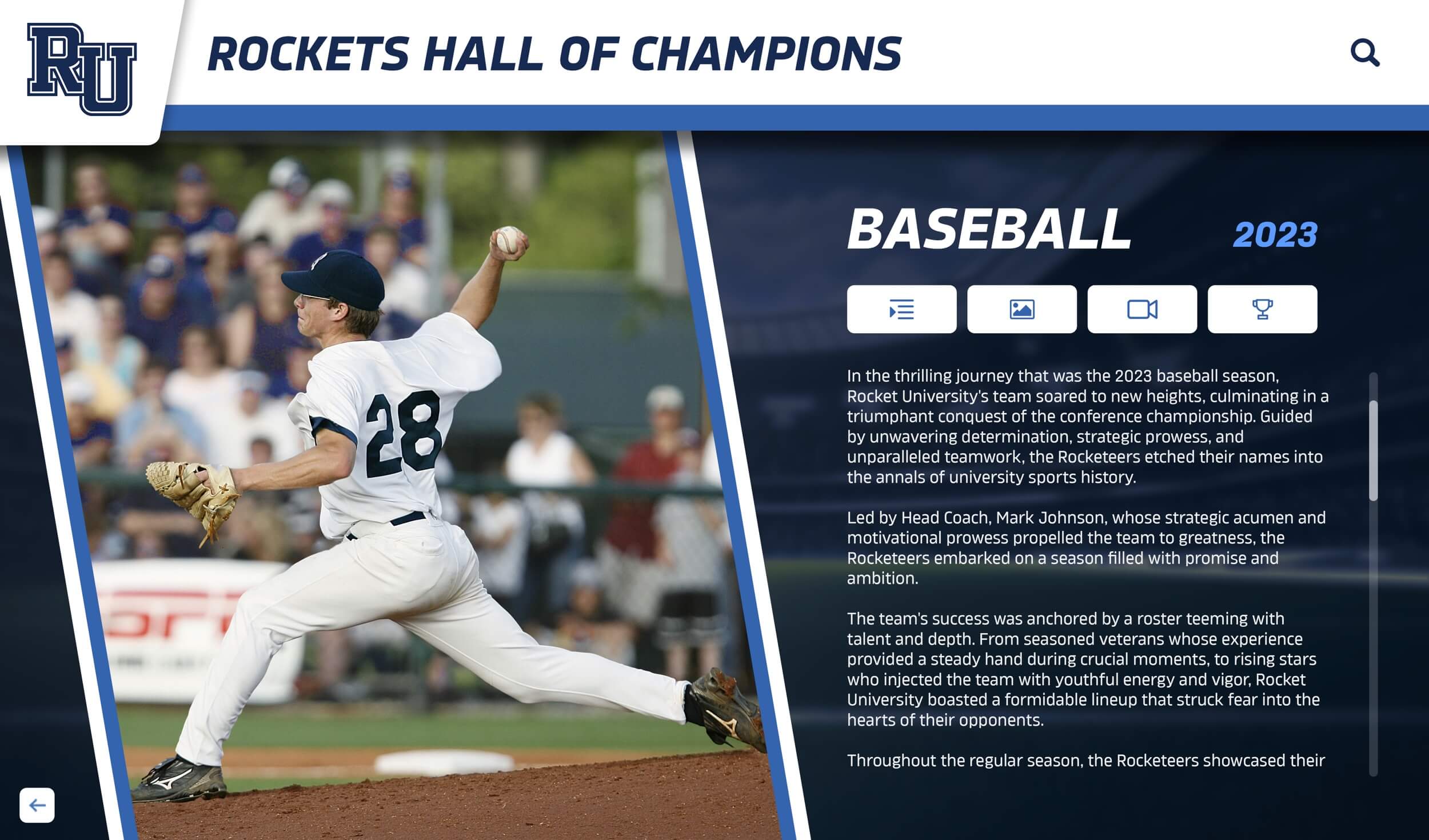
Digitized photos preserve family memories across generations
Creating Recognition Programs That Celebrate Family Legacy
Schools can intentionally design recognition programs that identify, celebrate, and strengthen multi-generational family connections.
Identifying Multi-Generational Families
Before schools can celebrate legacy families, they must identify which families have multi-generational connections—information not always immediately obvious from current enrollment records.
Database Integration and Research:
Schools can identify legacy families through enrollment database queries showing family relationships, alumni database mining revealing parent-child-grandchild connections, advancement office records tracking family giving history, and direct surveys asking families about multi-generational attendance.
Many schools discover they have far more legacy families than initially realized. Relatives might share different surnames after marriage, family connections might span distant time periods, or families might not have explicitly mentioned their multi-generational history during enrollment.
Creating Family Heritage Profiles:
Once identified, schools can create comprehensive family heritage profiles documenting each generation’s attendance, achievement highlights across family members, service contributions and volunteer leadership, cumulative family giving history, and notable family traditions or involvement patterns.
These heritage profiles serve multiple purposes. They inform how schools communicate with legacy families, recognizing their deep institutional connection. They provide content for recognition displays and communications. They help development offices understand family capacity and inclination for major giving. They create foundation for centennial or sesquicentennial celebrations highlighting century-long family connections.
Legacy Family Recognition Events
Dedicated events celebrating multi-generational families create powerful community experiences while demonstrating how much schools value sustained family commitment.
Annual Legacy Family Celebrations:
Many schools host annual events specifically honoring multi-generational families. These events might include legacy family dinners or receptions, special seating at homecoming games or ceremonies, recognition during school assemblies or chapel services, featured profiles in school publications and social media, or special tours of updated facilities showing how schools have evolved since earlier generations attended.
These celebrations create opportunities for multi-generational family members to attend together—grandparents, parents, and current students experiencing school community simultaneously while celebrating their shared heritage. The intergenerational gathering itself creates meaningful memories while reinforcing family identity connected to institutional identity.
Milestone Recognition Programs:
Beyond annual events, schools can recognize families reaching significant milestones with personalized recognition when families complete 25, 50, or 75 years of attendance, special acknowledgment when third or fourth generations enroll, features in development or alumni publications, custom commemorative items like engraved bricks or plaques, and permanent recognition in digital platforms highlighting the family’s century of connection.
Milestone recognition communicates that schools notice, value, and celebrate sustained family commitment—creating powerful positive reinforcement that encourages continued family connection through subsequent generations.

Schools celebrate multi-generational families through dedicated recognition events
Scholarship and Giving Programs for Legacy Families
Financial recognition and support programs designed specifically for legacy families strengthen multi-generational connections while providing practical enrollment support.
Legacy Family Scholarships:
Many institutions create scholarship programs specifically for students whose parents or grandparents attended the school. These programs serve dual purposes: providing financial assistance that makes continued family enrollment possible while honoring the family’s sustained institutional commitment.
Legacy scholarships communicate that multi-generational commitment matters enough to warrant tangible support. They reduce financial barriers that might otherwise prevent families from maintaining enrollment traditions. They create competitive advantage in recruiting legacy students who might consider alternative schools.
Multi-Generational Giving Circles:
Development programs can create special giving societies recognizing families whose cumulative giving across generations reaches significant thresholds. When combining grandparents’, parents’, and current generation giving, families might reach major donor status they wouldn’t individually achieve.
This approach to donor recognition acknowledges that family philanthropy often spans generations, with each generation contributing according to their capacity while collectively creating substantial impact. Recognizing cumulative family giving honors this multi-generational commitment appropriately.
Technology Features That Power Multi-Generational Discovery
Specific technological capabilities enable the multi-generational discovery experiences that create powerful family connections.
Advanced Search and Filtering
Beyond basic name search, sophisticated platforms include filtering and discovery tools designed specifically for exploring family connections across decades.
Multi-Criteria Search:
Effective platforms allow simultaneous filtering by name, graduation year or decade range, activity or achievement type, family relationships when documented, and keywords describing involvement or honors. This multi-criteria approach enables families to explore specific questions—like “Show me all family members who played basketball” or “Find all relatives who graduated in the 1960s.”
Relationship Visualization:
The most advanced systems can automatically identify and visualize potential family relationships based on shared surnames, graduation year patterns suggesting parent-child relationships, and address history indicating family connections. While these algorithmic suggestions require verification, they help schools and families discover connections they might not have known existed.
Mobile Access and Social Sharing
Multi-generational discovery often happens during family conversations and gatherings. Mobile optimization and social sharing enable these natural discovery moments.
Mobile-Optimized Experience:
Quality interactive recognition displays provide responsive design ensuring excellent mobile experiences. Families might explore digital archives during holiday gatherings when multiple generations are together, at family reunions when discussing shared heritage, or during car rides to campus for current students’ events.
Mobile access ensures digital recognition is available whenever these spontaneous family history conversations arise—not just during formal computer use at desks.
Social Media Integration:
One-click sharing to Facebook, Twitter, and other platforms enables families to share discoveries with broader networks. When families find and share a grandparent’s yearbook photo or athletic achievement, they extend recognition beyond their immediate family to friends, community members, and distant relatives who might not otherwise know about the school connection.
This social amplification serves school marketing purposes—every shared family discovery becomes authentic endorsement of the school’s value and the positive experiences generations have enjoyed. It also strengthens family pride in their institutional heritage.
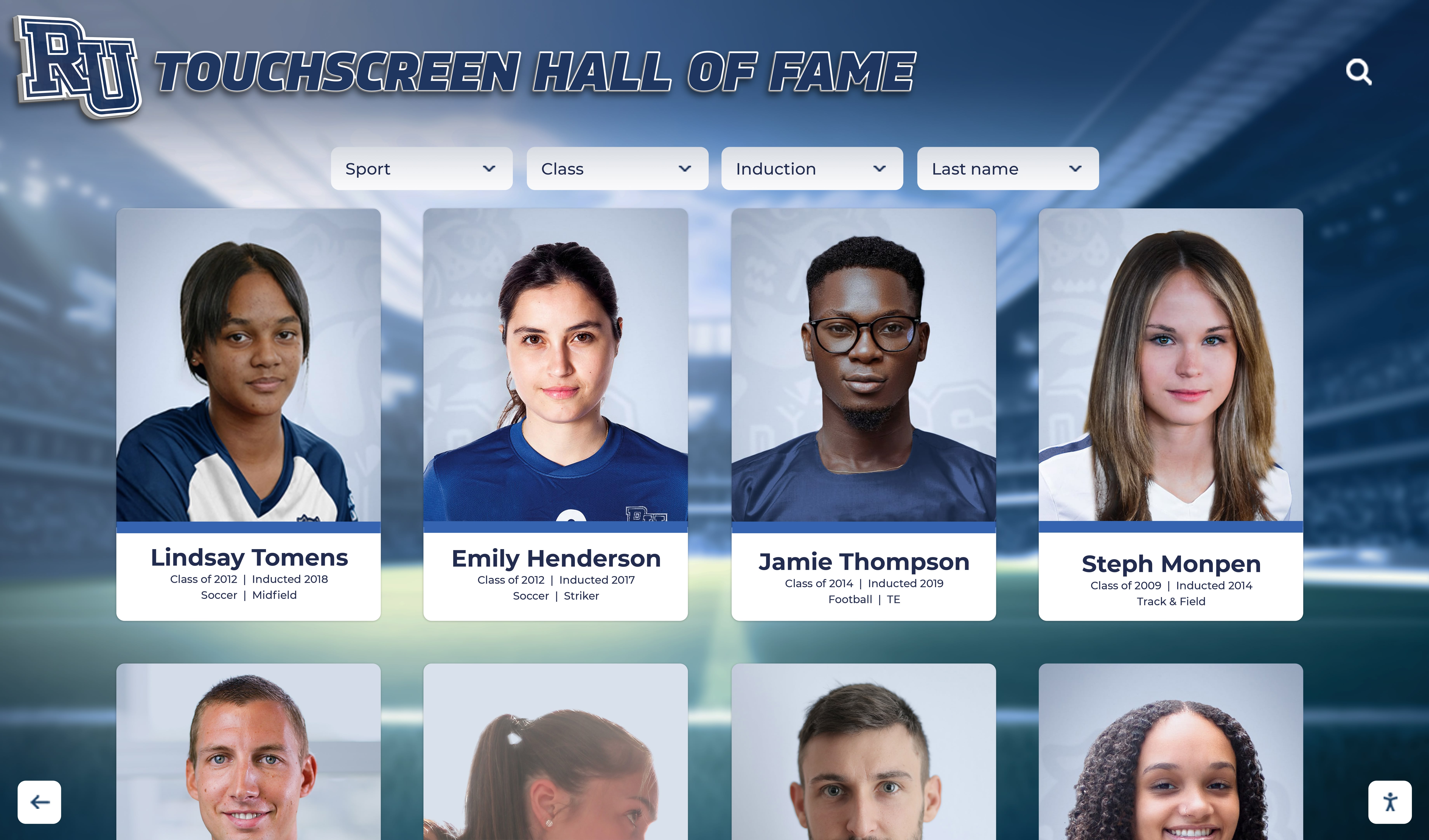
Mobile-optimized platforms enable family exploration from anywhere
Integration with School Systems
Comprehensive family recognition becomes easier when digital platforms integrate with schools’ existing databases and systems.
Student Information System Integration:
When recognition platforms connect to student information systems, schools can automatically identify family relationships during enrollment. This integration enables schools to flag legacy families immediately when students enroll, create family connection records that feed recognition displays, and trigger outreach to legacy families during enrollment processes.
Alumni Database Connection:
Online hall of fame websites that integrate with alumni databases gain access to updated career information, current contact details, and self-reported family relationship data that alumni provide through profile updates. This integration ensures recognition platforms maintain current, accurate information while reducing manual data entry burden on school staff.
Implementing Multi-Generational Recognition Programs
Schools ready to celebrate family legacy through digital recognition can follow proven implementation approaches that maximize impact while managing resource requirements.
Planning and Content Development
Successful programs begin with thorough planning establishing program scope, goals, and content development strategies.
Defining Program Scope:
Schools should determine recognition time frame (how many years of history to digitize initially), content types to include (yearbooks, athletic records, academic honors, etc.), family connection types to track (parent-child, siblings, extended family), and phased implementation plan if comprehensive coverage isn’t immediately feasible.
Many schools implement in phases—starting with recent decades where content is more readily available and easier to digitize, then working backward through historical records. This approach delivers value quickly while allowing systematic expansion of historical coverage over time.
Content Collection Strategies:
Schools can gather content for multi-generational recognition through in-house digitization of yearbooks and archives, alumni submissions of photos and memories, family interviews and oral histories, local historical society partnerships, and professional digitization services when volume or condition requires expertise.
Quality matters significantly for emotional impact. Families scrolling through old photos experience disappointment when images are too low resolution to see clearly or poorly scanned with artifacts obscuring faces. Schools should establish minimum quality standards ensuring preserved memories remain accessible and clear for future generations.
Engaging Families in Content Contribution
Multi-generational recognition programs benefit enormously from family participation in content creation.
Alumni Memory Collection:
Schools can invite living alumni to contribute memories, stories, and photos from their school years. These first-person narratives add depth and personality to yearbook photos and achievement lists, creating rich historical records that preserve voices and perspectives.
Memory collection might include online submission forms for written memories, scheduled video interview days capturing oral histories, reunion-based memory collection when alumni gather, or focused campaigns around significant school anniversaries or milestones.
Family Photo Submissions:
Beyond official school archives, families often possess personal photos from school events, informal campus scenes, or candid moments that official yearbooks never captured. Inviting families to share these personal archives enriches digital collections with diverse perspectives and previously unseen images.
Schools should establish clear usage permissions ensuring families understand how submitted photos might appear while respecting privacy concerns about sharing personal materials publicly.
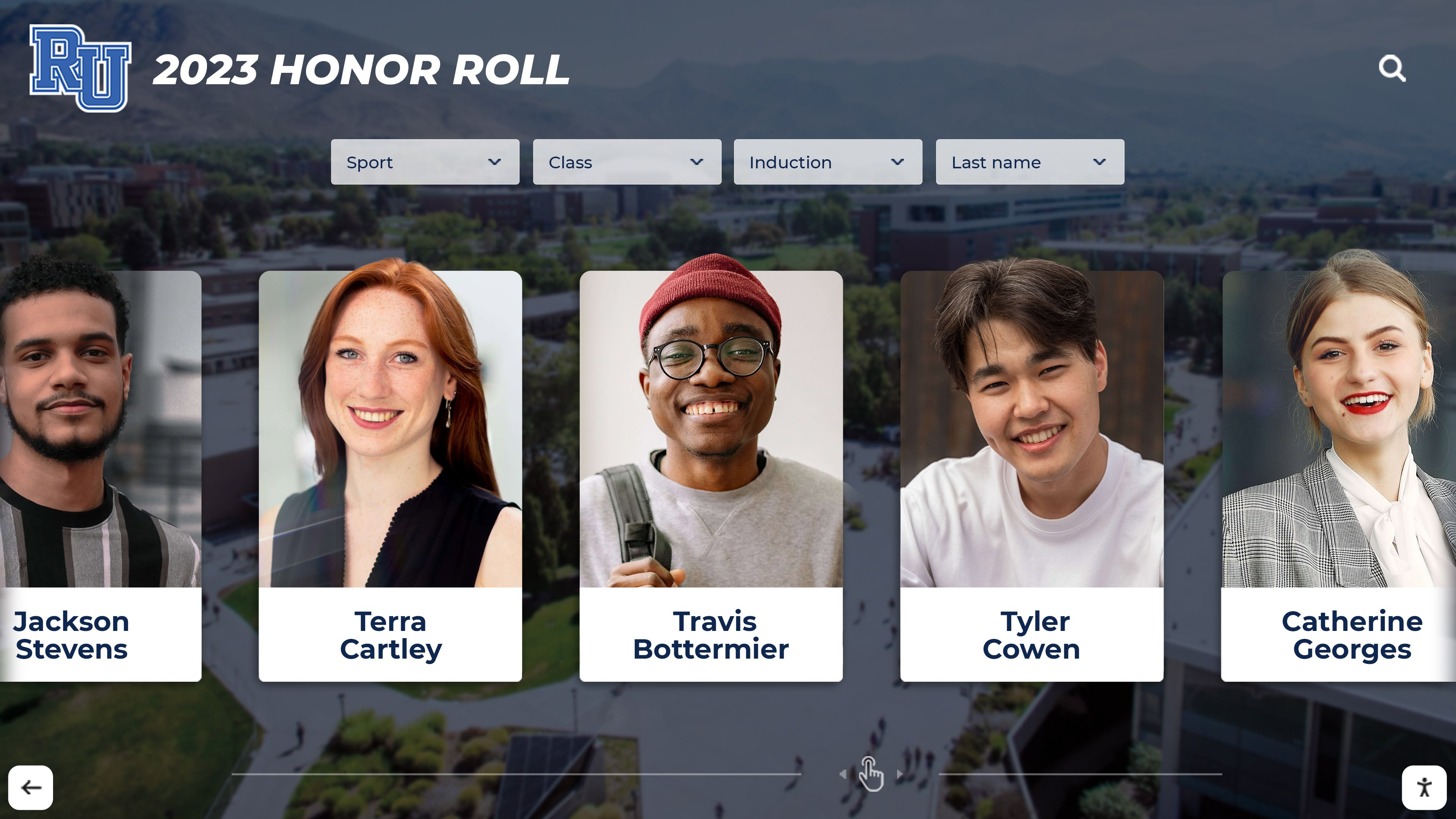
User-friendly systems enable easy content contribution from families and alumni
Promoting Multi-Generational Discovery
Creating comprehensive digital archives represents only half the equation. Strategic promotion ensures families discover and engage with recognition content.
Launch Communications:
Schools should announce digital recognition platforms prominently through email campaigns to current families and alumni, social media features highlighting specific family discoveries, parent meetings or back-to-school nights demonstrating platform capabilities, and legacy family direct outreach encouraging them to explore their family’s history.
Launch communications should emphasize emotional benefits—discovering never-before-seen photos, sharing heritage with younger generations, preserving family memories—rather than focusing primarily on technical features.
Ongoing Promotion Strategies:
Sustained engagement requires continuous promotion through featured family spotlights in newsletters and social media, anniversary recognition marking milestones in family attendance, reunion integration encouraging returning alumni to explore archives, homecoming events demonstrating platforms prominently, and student projects incorporating family history research using digital archives.
Schools might create contests or campaigns encouraging families to find and share the oldest family photo in archives, identify families with most generations represented, or collect family stories about shared school traditions across generations.
The Impact of Multi-Generational Recognition
Schools investing in family legacy recognition programs realize both measurable outcomes and intangible benefits that strengthen institutional community.
Enrollment and Retention Benefits
Multi-generational family recognition influences enrollment decisions and strengthens retention of current families.
Legacy Enrollment Advantages:
Schools with strong legacy family programs report higher re-enrollment rates among legacy families compared to first-generation families, increased likelihood of younger siblings enrolling when older siblings attend, higher probability of extended family enrollment (cousins, etc.), and competitive advantages when legacy families consider alternative schools. Multi-generational families represent some of the most stable, committed enrollment populations schools serve.
Community Stability and Culture:
Legacy families contribute significantly to school culture through institutional knowledge passed across generations, active volunteer participation in school programs, financial support often increasing across generations, and cultural continuity maintaining school traditions and values. Their sustained presence creates stability that benefits entire school communities.
Development and Fundraising Impact
Multi-generational family recognition significantly influences philanthropic behavior.
Increased Giving from Legacy Families:
Schools celebrating family legacy see measurable increases in giving participation among legacy families, higher average gift sizes from multi-generational families, increased planned giving when families develop deep institutional connection, major gift conversations often beginning with recognition appreciation, and multi-generational giving that compounds family impact over time.
When families feel their sustained commitment is noticed, valued, and celebrated, they respond with increased philanthropic support. Recognition communicates that schools don’t take family loyalty for granted—creating powerful positive reinforcement for continued giving.
Endowed Scholarships and Named Funds:
Multi-generational families frequently establish endowed scholarships or named funds honoring family legacy. These philanthropic vehicles create permanent connections while supporting subsequent generations of students. Schools with strong legacy recognition programs report higher rates of family-named giving vehicles compared to institutions without systematic family celebration.
Understanding how honoring the past helps fund the future proves essential for advancement professionals seeking to maximize the development potential of multi-generational family recognition.

Recognition programs strengthen family giving and philanthropic commitment
Emotional and Community Benefits
Beyond measurable outcomes, family legacy recognition creates profound emotional and community impacts.
Strengthened Institutional Identity:
When schools celebrate multi-generational families prominently, they communicate powerful messages about institutional values—that loyalty and commitment matter, that schools maintain traditions worthy of sustaining across generations, that individual families contribute meaningfully to institutional history, and that schools honor and remember all who’ve been part of their communities.
These messages strengthen institutional identity and pride for everyone—not just legacy families. Current first-generation families aspire to become future multi-generational families when they see how celebrated legacy families become.
Preserved Heritage and Memory:
Digital recognition platforms preserve institutional heritage that might otherwise disappear as generations pass. When schools digitize yearbooks, photos, and records comprehensively, they create permanent archives accessible regardless of physical building changes, natural disasters, or storage deterioration. These preserved memories become invaluable historical resources for families and institutions alike.
For families like those from Bishop Loughlin Memorial High School who shared their powerful testimony, this preservation creates lasting gifts. When grandparents are no longer living, digitally preserved photos and achievements keep their memories present for grandchildren and great-grandchildren who otherwise might never know their relatives’ school experiences.
Best Practices for Multi-Generational Recognition Programs
Schools implementing family legacy recognition programs benefit from proven best practices that maximize impact while managing common challenges.
Privacy and Sensitivity Considerations
Family recognition requires careful attention to privacy and sensitivity issues.
Respecting Privacy Preferences:
Not all families wish to have their information prominently displayed publicly. Schools should establish clear opt-out provisions allowing families to decline recognition or limit what information appears publicly, obtain appropriate permissions before sharing photos or stories, provide mechanisms for families to request content removal, and respect privacy concerns about minor children in historical records.
Privacy policies should balance recognition’s public celebration nature with respect for individual and family preferences about visibility.
Handling Sensitive Family Situations:
Schools must navigate complex family situations sensitively including divorced parents with different surnames, adopted children with various family connection scenarios, deceased family members requiring appropriate memorial approaches, and estranged family members who may not wish to be associated. Recognition programs should acknowledge these complexities through flexible family relationship definitions and sensitivity to individual circumstances.
Content Quality and Accuracy Standards
Maintaining content quality and historical accuracy builds trust and ensures recognition serves intended purposes.
Historical Accuracy Verification:
Schools should verify names, dates, and achievements before publication, cross-reference multiple sources when information conflicts, acknowledge when information is uncertain or incomplete, correct errors promptly when families report inaccuracies, and document sources for historical claims and narratives.
Accuracy matters significantly for family recognition. Misspelled names, incorrect graduation years, or misattributed achievements undermine families’ trust in recognition platforms while potentially creating lasting errors in institutional records.
Photo and Content Quality Standards:
Establish minimum standards for image resolution and clarity, consistent treatment of historical photos (restoration, coloration decisions), appropriate context and captions for all photos, and professional presentation maintaining institutional brand standards. Quality directly influences emotional impact—families respond more powerfully to high-quality, well-presented materials than to poorly scanned, unclear, or unprofessionally presented content.
Sustainability and Long-Term Maintenance
Multi-generational recognition programs must remain sustainable for decades, not just initial implementation periods.
Resource Planning:
Schools should designate clear administrative responsibility for recognition programs, establish realistic ongoing time commitments for content updates, budget for annual platform fees and technical support, plan for periodic content refreshes and photo addition, and create succession plans ensuring program continuity despite staff turnover.
Programs that begin with enthusiasm but lack sustainable resource commitments often decline over time, with content becoming outdated and platforms falling into disuse. Sustainable planning prevents this common pitfall.
Technology Platform Selection:
Schools should choose platforms with proven longevity and stability, manageable learning curves for non-technical staff, comprehensive support and training resources, regular updates maintaining security and functionality, and reasonable total cost of ownership over expected lifespan.
Purpose-built recognition platforms like Rocket Alumni Solutions provide advantages over custom-built or adapted general-purpose solutions by including all necessary features for recognition while offering sustainable support models designed for long-term institutional use.

User-friendly management systems ensure long-term program sustainability
Conclusion: Honoring Heritage, Building Connection
Multi-generational family recognition represents far more than nostalgic celebration of the past. When schools systematically identify, honor, and facilitate discovery of family legacy, they strengthen institutional community in profound ways—creating emotional connections that span generations, encouraging sustained family enrollment and support, preserving heritage that might otherwise disappear, and communicating institutional values that honor loyalty, commitment, and tradition.
For families like those from Bishop Loughlin Memorial High School, digital recognition platforms create irreplaceable gifts. The ability to discover “old memories and photos—some that we honestly have never seen before” creates precious connections to relatives no longer living. These digital archives ensure that “grandpa will always be remembered”—not just within immediate families but within the broader school community that shaped his youth and education.
The technology enabling multi-generational discovery has matured significantly. Modern platforms provide comprehensive search and filtering, beautiful presentation of historical photos and achievements, intuitive interfaces requiring no technical expertise, mobile access enabling anytime exploration, and sustainable management systems ensuring long-term viability. The barriers to implementing effective family recognition programs have largely disappeared, making this an opportune time for schools to invest in celebrating their legacy families.
Taking Action:
Schools ready to celebrate multi-generational families should begin by identifying which families have multi-generational connections through database research and direct inquiry, inventorying existing historical content available for digitization, evaluating technology platforms designed specifically for recognition, developing implementation plans with realistic timelines and resource commitments, and engaging legacy families as partners in content development and program design.
The investment in multi-generational recognition delivers returns across multiple dimensions—enrollment stability, enhanced giving, strengthened community, preserved heritage, and powerful family experiences that create lasting emotional connections. For schools seeking to deepen family engagement while honoring their institutional heritage, comprehensive family recognition programs represent strategic opportunities worthy of serious consideration.
Ready to Celebrate Your School's Legacy Families?
Discover how Rocket Alumni Solutions' comprehensive digital recognition platform helps schools identify, honor, and strengthen multi-generational family connections through searchable archives, beautiful photo preservation, and intuitive discovery tools that bring family heritage to life.
Explore Family Recognition SolutionsWhether implementing new recognition programs or enhancing existing approaches, solutions like those from Rocket Alumni Solutions provide comprehensive platforms combining sophisticated search capabilities, beautiful content presentation, sustainable management systems, and dedicated support that together enable schools to celebrate multi-generational families effectively while preserving heritage for future generations.
Visit touchhalloffame.us to explore interactive recognition examples, halloffamewall.com for implementation guidance, or digitalrecordboard.com for athletic recognition applications that help schools honor family legacy across diverse achievement categories and recognition contexts.

























