National College Signing Day represents one of the most significant milestones in a student-athlete’s career—the moment when years of dedication, training, and academic commitment culminate in the opportunity to compete at the collegiate level. High schools across the country celebrate these achievements with signing ceremonies, social media announcements, and temporary displays. Yet within weeks, these celebrations fade, the recognition disappears, and the historic significance of each year’s commitments becomes difficult to access or reference.
Digital recognition displays transform how schools celebrate National College Signing Day by enabling comprehensive showcases that not only highlight current signings but also archive every prior year’s commitments, creating a permanent legacy of athletic excellence. With the flexibility to bring specific content to the forefront throughout the school year—whether spotlighting fall signings during football season or spring athletes during basketball playoffs—these systems adapt to your school’s rhythms while maintaining complete historical records that demonstrate your program’s sustained tradition of developing college-level talent.
National College Signing Day, observed in early February for most sports and in November for early signing periods, has become a celebrated tradition in American high schools. According to the NCAA, approximately 480,000 students compete in NCAA sports across all divisions, representing less than 7% of high school athletes—making each college commitment a truly exceptional achievement worthy of lasting recognition.
Traditional approaches to recognizing these accomplishments typically involve temporary bulletin boards with printed photos, one-day ceremonies documented primarily through social media posts that quickly scroll out of view, physical plaques that crowd limited trophy case space, and disconnected records that make it difficult to reference historical commitments. These methods capture moments but fail to create the comprehensive, accessible, and flexible recognition systems that modern technology enables.
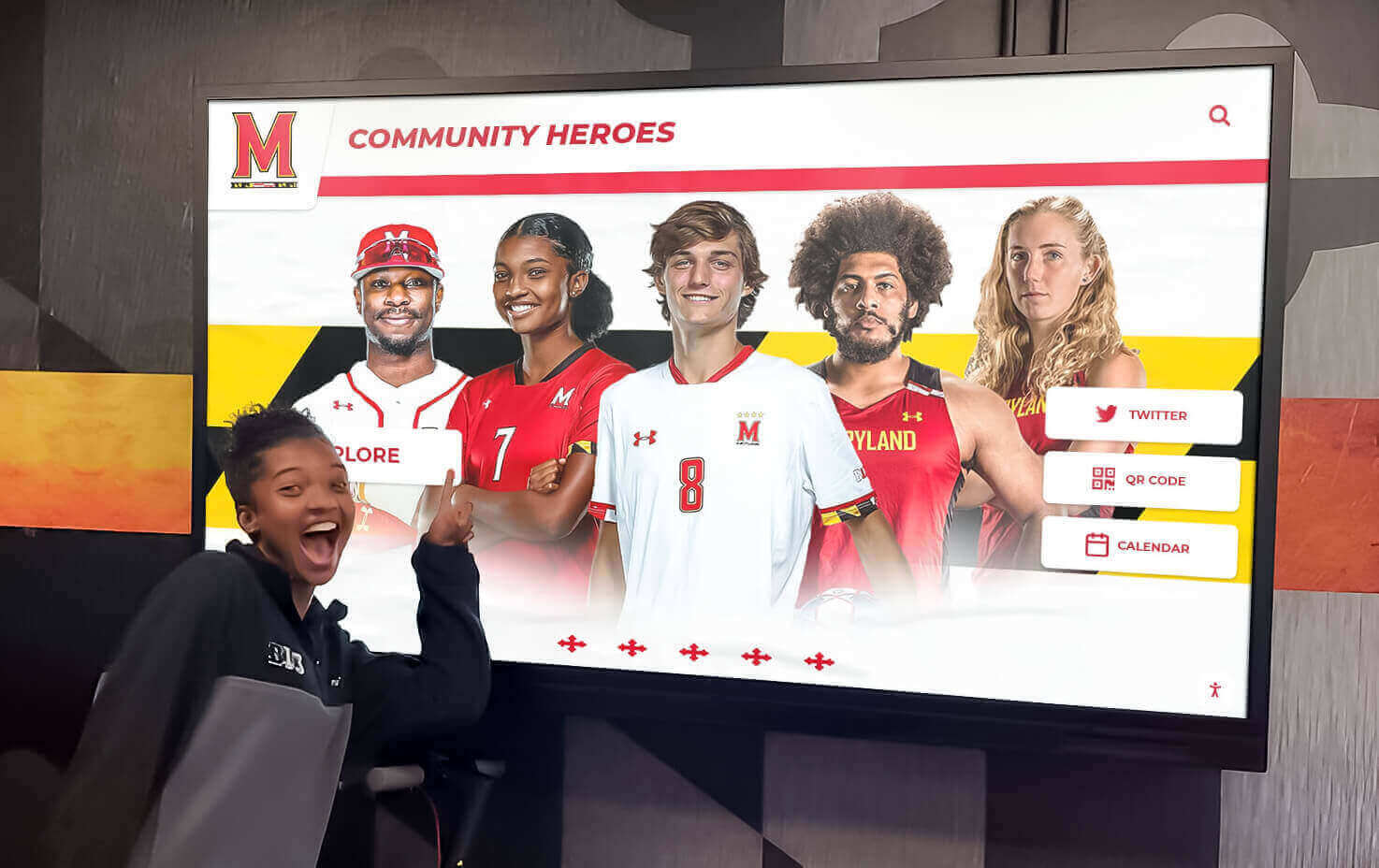
The Evolution of College Signing Day Recognition
Understanding how recognition practices have evolved helps contextualize why flexible digital displays represent such a significant advancement for athletic programs.
Traditional Recognition Methods and Their Limitations
For decades, high schools have celebrated college commitments through fairly standard approaches that, while well-intentioned, create several challenges:
Physical Plaques and Trophy Cases: Many schools install brass plaques or framed photos in trophy cases honoring college-bound athletes. While these provide permanent recognition, they consume finite physical space that becomes increasingly scarce as programs continue producing college athletes year after year. Schools eventually face difficult decisions about removing older recognition to accommodate new achievements—diminishing the very permanence these installations were designed to provide.
Temporary Bulletin Board Displays: Athletic departments commonly create bulletin boards featuring current signings with photos, college logos, and basic information. These displays offer flexibility and cost-effectiveness but typically remain visible for only a few weeks or months before being taken down to accommodate other content. The temporary nature means last year’s class quickly becomes invisible, and accessing information about signings from five or ten years ago becomes virtually impossible without digging through archives.
Annual Banners and Posters: Some programs print commemorative banners or posters celebrating each year’s college commitments. While these can be retained and displayed, they often end up stored in closets or offices rather than remaining visible to students, families, and visitors. The physical format makes searching for specific information challenging—finding which athletes signed with a particular university or how many football players your program has sent to college over the past decade requires manually reviewing multiple years of materials.
Social Media Announcements: In recent years, schools have embraced social media for sharing signing day celebrations through photos, videos, and graphics. While this approach provides wide initial visibility, content quickly becomes buried in feeds and difficult to locate even days later. Social platforms aren’t designed for creating searchable, organized archives—they prioritize recent content over historical records.
These traditional methods share common limitations: they lack comprehensive archives accessible beyond the current year, offer no flexibility to highlight different content at different times, provide minimal searchable or filterable organization, and require physical space that becomes increasingly constrained as programs continue succeeding.
The Digital Transformation of Athletic Recognition
The emergence of purpose-built digital recognition platforms specifically designed for schools has fundamentally changed what’s possible in celebrating college commitments. Modern systems like those provided by Rocket Alumni Solutions combine the permanence of physical installations with the flexibility and accessibility of digital media.
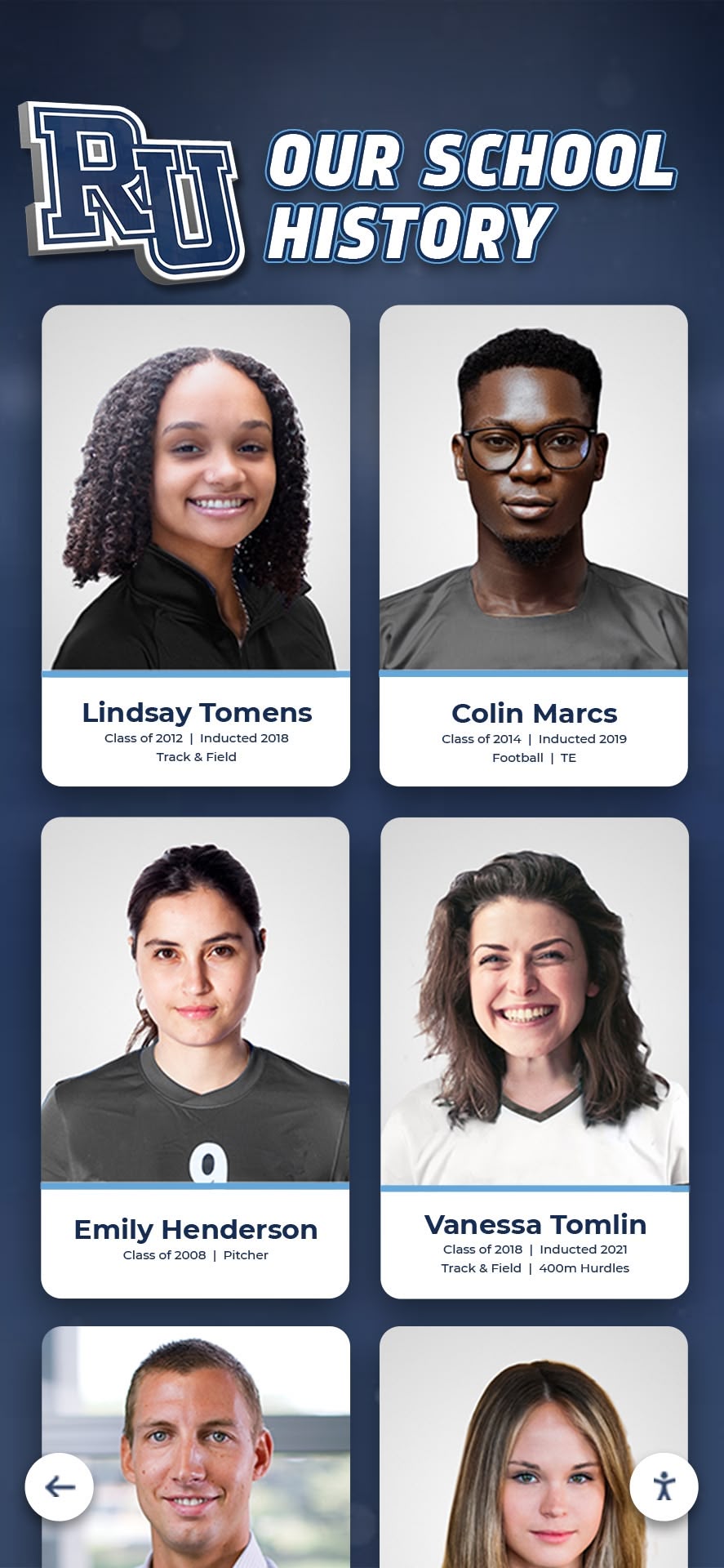
These platforms enable schools to create comprehensive databases containing every college commitment from your program’s history, with detailed profiles including photos, statistics, academic achievements, and college destinations. Content remains permanently accessible rather than being replaced each year, building institutional knowledge about your program’s legacy of developing college-level athletes.
The flexibility of digital systems allows athletic directors to bring specific content to the forefront based on what’s most relevant at any given time. During early signing period in November, you might feature current football and basketball commitments prominently. In spring, the display shifts focus to baseball, softball, lacrosse, and other spring sport signings. During homecoming or alumni weekends, you could highlight commitments from reunion milestone years, creating connections between current students and program alumni.
This adaptability doesn’t require removing or hiding content—it simply changes what displays most prominently while keeping complete archives fully accessible through search and browse functions. Schools using digital hall of fame displays report that the ability to contextualize current achievements within historical program success creates deeper appreciation for both individual accomplishments and program traditions.
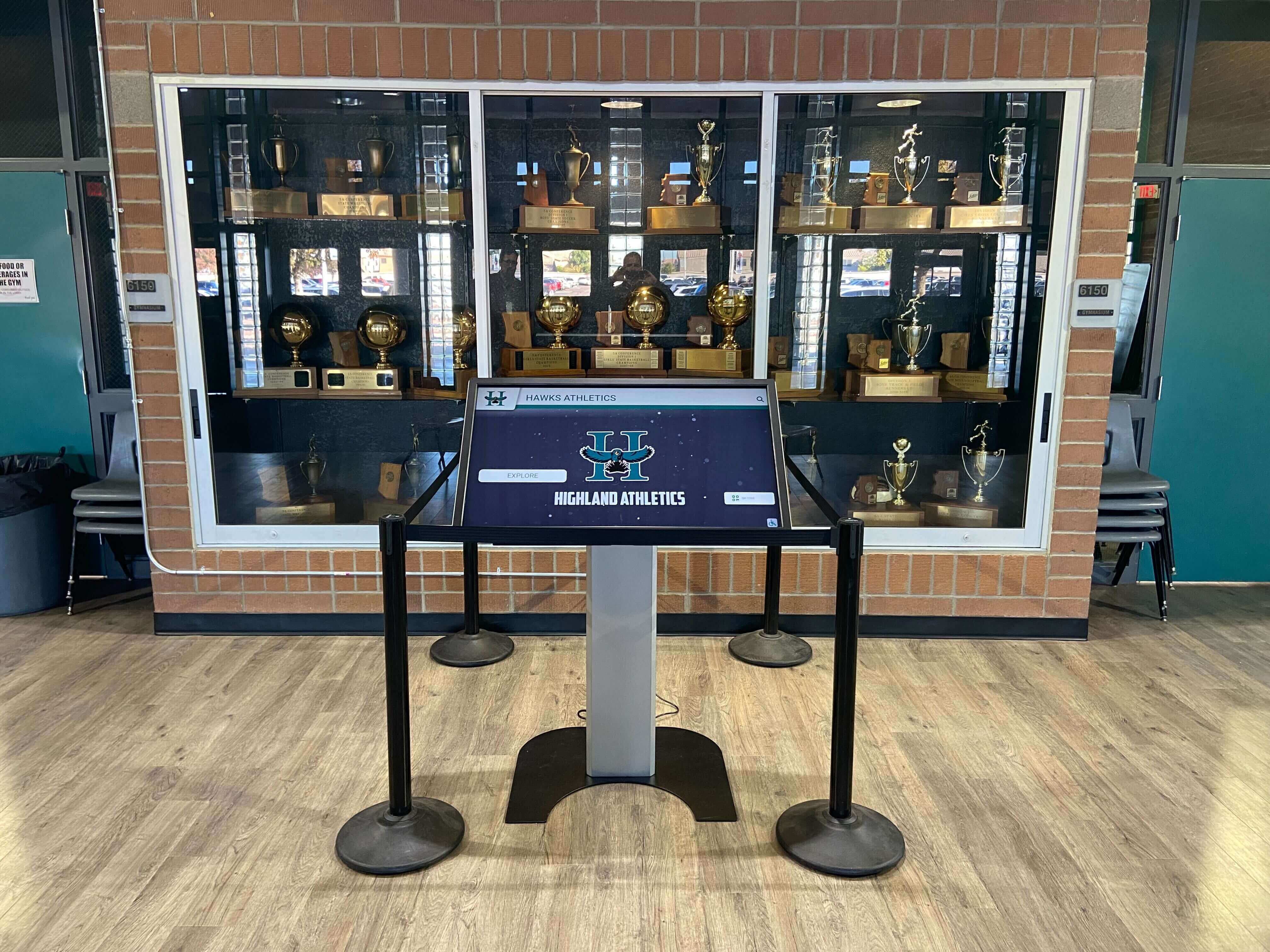
Building Your National College Signing Day Showcase
Creating an effective digital showcase for college commitments requires thoughtful planning around content collection, organization, and presentation.
Essential Content for College Commitment Profiles
Comprehensive recognition goes far beyond simply listing names and college destinations. Rich profiles tell complete stories about student-athletes and provide younger athletes with genuine insight into the pathway to college sports.
Basic Commitment Information
Every profile should capture foundational details: the student-athlete’s name with proper spelling and any preferred name variations, high school graduation year to contextualize when they competed, sport or sports they competed in during high school, college or university they’re attending with correct official naming, sport or sports they’re competing in at the college level, division level (NCAA Division I, II, III, NAIA, NJCAA), and athletic conference affiliation.
This information forms the searchable foundation that allows visitors to filter and discover commitments by various criteria—all athletes attending a specific college, all commitments from a particular graduating class, all athletes competing in a certain sport, or all athletes in a specific division or conference.
High School Athletic Achievements
Context about what athletes accomplished during high school helps younger athletes understand what level of performance typically earns college opportunities. Relevant achievements include career statistics and performance highlights, records set or approached during their careers, all-conference, all-region, and all-state honors, team captain designations and leadership roles, championship participation and postseason success, and individual awards and special recognition.
This information doesn’t need to be exhaustive—you’re highlighting achievements rather than creating complete statistical databases—but providing enough context to illustrate the athlete’s high school career helps current students gauge what college recruiters look for in prospects.
Academic Excellence and Character
College athletics requires academic eligibility and success. Profiles should acknowledge the complete student-athlete by including grade point averages or academic honor status, National Honor Society or academic recognition, intended majors or academic interests, scholar-athlete awards and recognition, and community service or leadership beyond athletics.
Including academic information reinforces that college athletic opportunities depend on classroom performance alongside competitive achievement—a critical message for younger athletes who might focus exclusively on sports without recognizing that academic commitment is equally essential. Research on academic recognition programs demonstrates that highlighting academic achievement alongside athletic success creates more well-rounded program culture.
The Personal Journey
What makes recognition truly inspirational is hearing athletes’ own voices about their experiences, decisions, and advice. When athletes are willing to share, include brief statements about why they chose their college, what factors were most important in their decision-making, what advice they’d offer younger athletes pursuing college opportunities, gratitude to coaches, teammates, and families who supported their journeys, and reflections on what their high school athletic experience meant to them.
These personal elements transform recognition from data documentation into genuine storytelling that connects emotionally with viewers and provides practical guidance for students beginning their own college athletic journeys. Similar approaches work effectively for college commitment recognition displays across all sports.
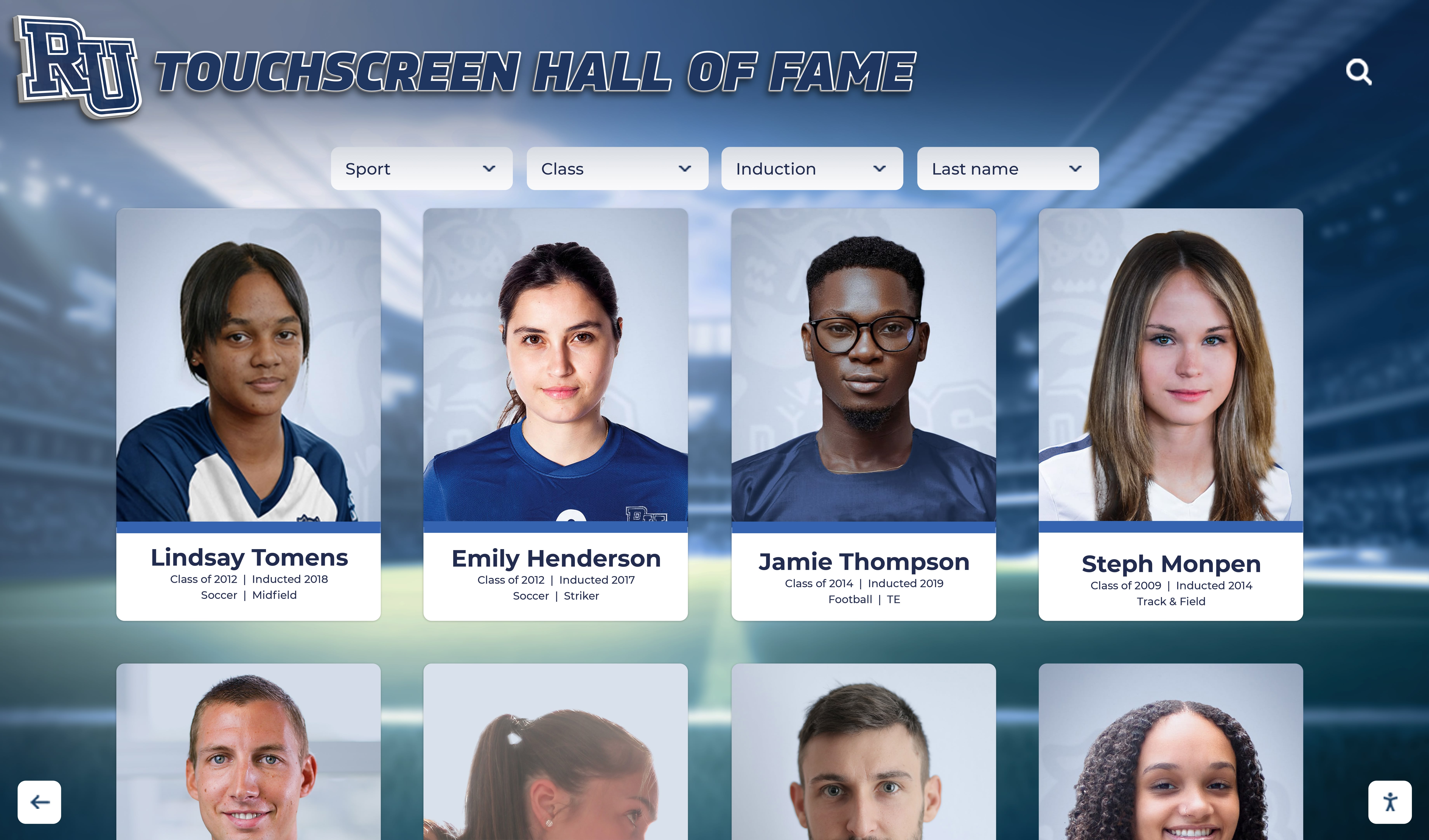
Organizing Archives for Easy Access
As your digital showcase grows to include commitments across multiple years, thoughtful organization becomes critical for ensuring visitors can easily find information that interests them.
Chronological Organization
The most natural organization method is chronological—grouping commitments by graduating class year. This approach allows visitors to browse by specific years, track how many athletes signed each year over time, compare different graduating classes, and identify trends in college destinations or sports over time.
Chronological organization works particularly well when you want to feature specific classes, such as highlighting 10th or 25th reunion classes during alumni weekends or celebrating particularly successful years that sent exceptional numbers of athletes to college.
Sport-Based Organization
Many visitors want to see commitments from specific sports—current basketball players looking at where previous basketball athletes have competed, or football families researching your program’s college placement record in that sport. Organizing by sport enables visitors to view all college commitments for football, basketball, baseball, or any other sport, compare college placement rates across different sports in your program, and identify which colleges have recruited multiple athletes from specific sports at your school.
This organization proves especially valuable during season-specific times when interest in particular sports peaks. During fall football season, featuring football college commitments prominently makes sense. In winter, basketball commitments become more relevant.
College and University Grouping
Some schools develop strong pipelines with specific colleges—perhaps your region’s state universities consistently recruit from your program, or you’ve built relationships with particular Division III programs. Organizing by destination college allows visitors to see all athletes who’ve attended specific universities, identify which colleges have recruited most heavily from your program, understand where athletes at specific positions or in certain sports typically attend, and research colleges they’re considering by seeing alumni experiences there.
This organization particularly helps underclassmen in college search phases, allowing them to identify schools where students from your program have successfully transitioned and potentially contact those alumni for honest perspectives about their experiences.
Division and Conference Filtering
Athletes and families often think in terms of division levels and competitive conferences. Enabling filtering by NCAA Division I, II, or III, NAIA or junior college levels, and specific athletic conferences helps visitors find relevant comparison points at their target competitive level.
A sophomore hoping to compete at Division III schools benefits more from seeing other Division III commitments from your program than from viewing Division I signings—the pathway, academic requirements, and recruiting processes differ significantly between division levels.
Effective digital platforms allow multiple simultaneous organization methods—visitors can browse chronologically by year, filter by specific sports, further narrow to specific colleges, and refine to certain division levels, creating precisely targeted views that surface the most relevant information for their specific interests or questions. Schools implementing comprehensive touchscreen athletic displays find that these flexible filtering capabilities dramatically increase engagement and utility.
Showcasing Current Year Prominently While Preserving History
The real power of digital recognition lies in simultaneously highlighting what’s most current and relevant while preserving complete historical archives that remain fully accessible.
Dynamic Featured Content
Modern content management systems allow you to designate specific profiles or groups as “featured,” causing them to display prominently in primary viewing areas while other content remains accessible through search and browse functions. This capability enables you to feature current year’s commitments prominently during and immediately following signing periods, highlight specific sports during their competitive seasons, showcase milestone reunion classes during alumni events, or spotlight particularly inspiring stories or exceptional achievements.
This dynamic featuring doesn’t hide or remove other content—it simply determines what displays first when visitors approach or what cycles through on passive viewing. Complete archives remain available through simple navigation.
Seasonal Rotation and Adaptation
The flexibility to adapt content focus throughout the school year keeps displays relevant and engaging rather than static. Schools commonly rotate content focus through patterns like:
Fall (September-November): Feature current fall sport commitments alongside previous year’s full class, highlight football and volleyball prominently during those seasons, and showcase early signing period commitments in November.
Winter (December-February): Transition to winter sport focus with basketball, wrestling, swimming and diving, celebrate National Signing Day in early February with current commitments, and maintain previous year’s commits visible as they complete their freshman college seasons.
Spring (March-May): Shift to baseball, softball, lacrosse, track and field, tennis, feature spring signing period commitments, and highlight seniors approaching graduation and college enrollment.
Summer (June-August): Celebrate recent graduates as they prepare for college, feature college campus arrival and preseason content from recent commits, and begin previewing upcoming year’s anticipated commitments.
This seasonal adaptation keeps content fresh and relevant without requiring creation of entirely new displays or removal of existing recognition. The flexibility to adapt what’s prominent based on school rhythms and priorities represents one of digital recognition’s most valuable advantages over static physical installations. Many schools combine signing day recognition with broader digital athletic recognition systems that celebrate multiple forms of achievement.
Implementing Flexible Recognition Systems
Successfully implementing digital college signing day recognition requires careful planning around technology selection, content development, and ongoing management.
Selecting the Right Platform and Display Technology
The foundation of effective digital recognition is choosing appropriate technology that meets your needs, budget, and technical capabilities.
Purpose-Built Recognition Platforms vs. Generic Digital Signage
Schools face a fundamental choice between systems designed specifically for recognition purposes versus adapting generic digital signage solutions. Purpose-built platforms like Rocket Alumni Solutions offer significant advantages including templates optimized specifically for athlete profiles and recognition content, intuitive content management designed for athletic directors and coaches without technical backgrounds, integrated features like search, filtering, and interactive exploration, and responsive support from teams that understand educational environments and athletic program needs.
Generic digital signage systems can technically display recognition content but typically require significant customization to create appropriate profile templates, develop search and filter functionality, enable interactive exploration capabilities, and integrate with web platforms for remote access.
For most schools, purpose-built recognition platforms deliver professional results with far less technical burden, making sophisticated recognition accessible even for programs with limited technology resources. Research on touchscreen software options can help schools understand platform capabilities and requirements.
Hardware Considerations for Physical Displays
If implementing touchscreen displays in athletic facilities, several hardware factors affect success:
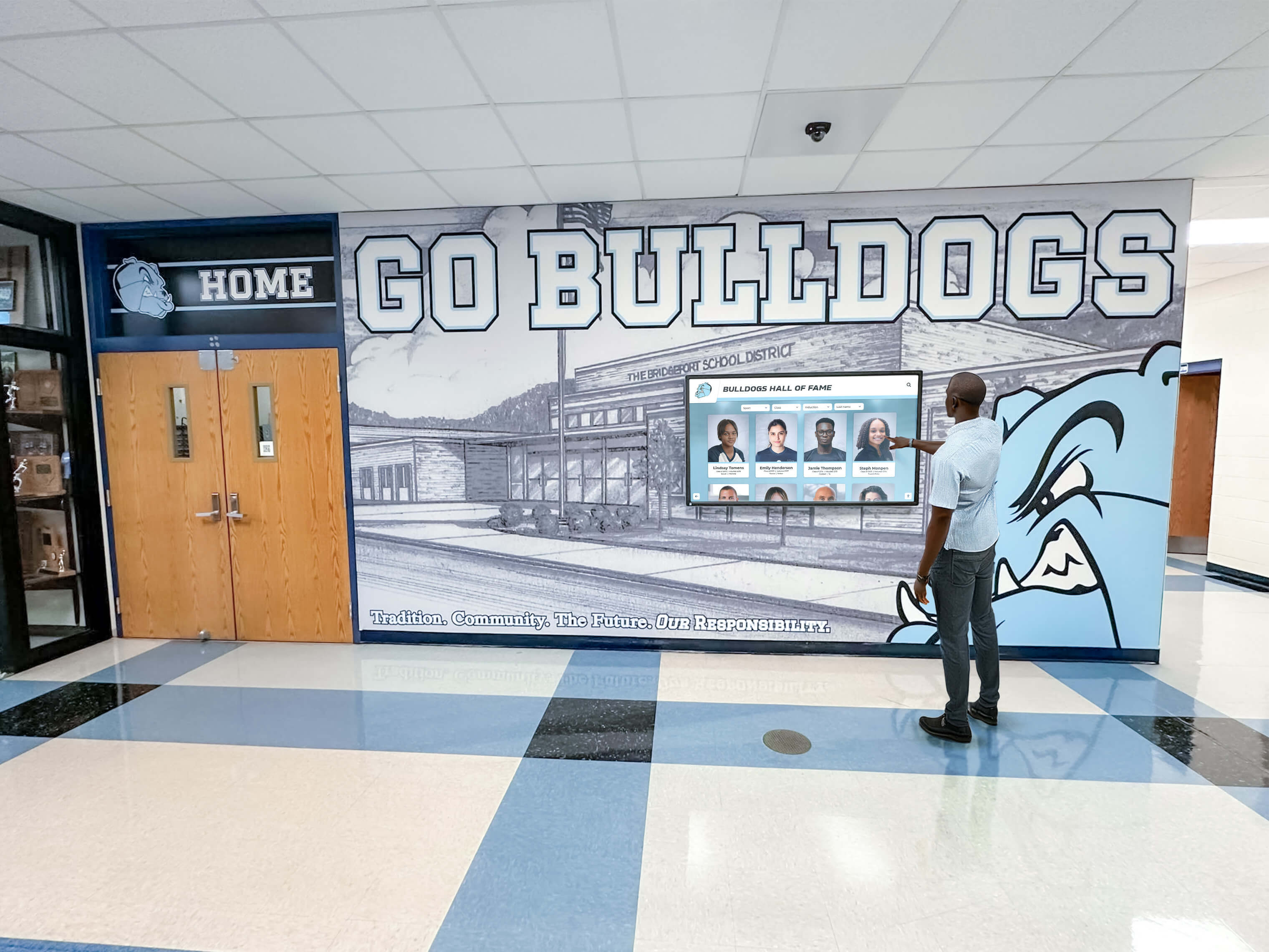
Display Size and Type: Commercial-grade touchscreen displays in 55"-75" sizes work well for lobby or hallway installations where multiple viewers might engage simultaneously. Smaller 43"-50" displays suit offices or more intimate viewing areas. Choose displays rated for continuous operation rather than consumer televisions, which aren’t designed for all-day, every-day use and often fail within months in commercial applications.
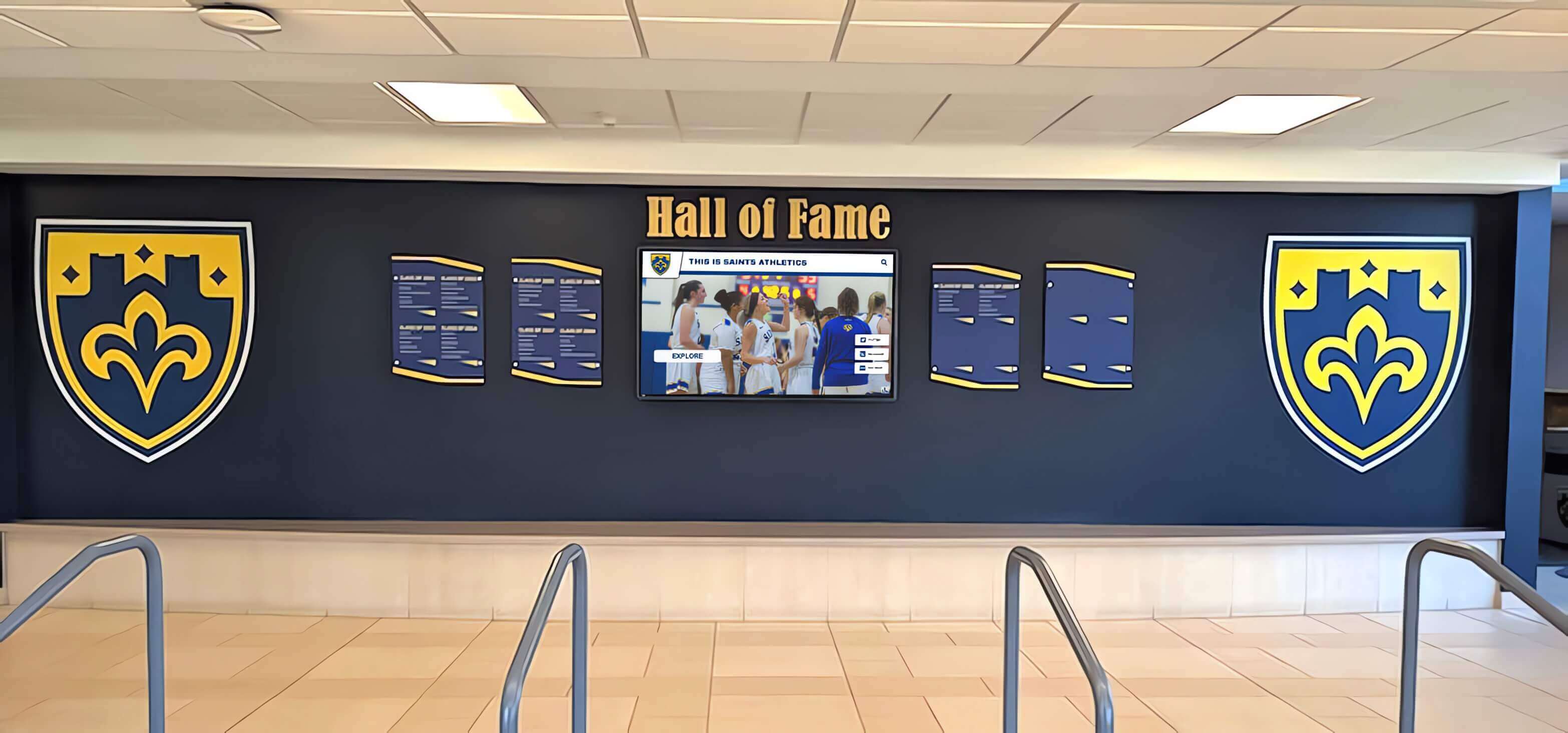
Placement and Mounting: Position displays in high-traffic areas where students, families, and visitors naturally congregate—main athletic facility entrances, gymnasium lobbies, hallways connecting to locker rooms, and near athletic administration offices. Secure commercial mounting hardware ensures safety and professional appearance.
Network Connectivity: Cloud-based content management requires reliable network connectivity. Ethernet connections provide the most reliable option, though quality wifi can work in many situations. Ensure your IT department provisions adequate network access and any necessary firewall configurations for cloud-based platforms.
Installation and Maintenance: Professional installation ensures proper mounting, cable management, and screen positioning. Budget for periodic maintenance including screen cleaning and software updates to ensure displays remain attractive and functional over years of use.
Schools researching hardware options benefit from understanding digital display buying guides that explain commercial versus consumer equipment and appropriate specifications for educational environments.
Web and Mobile Accessibility
The most effective recognition systems extend beyond physical displays to provide web and mobile access that dramatically expands who can view and share your college commitment showcase. Quality platforms include responsive websites that work seamlessly on smartphones, tablets, and computers, allowing athletes, families, and alumni to access content from anywhere. Mobile apps provide optimized experiences on personal devices with push notifications for new commitments or updates. QR codes placed near physical displays allow visitors to quickly jump to online content for easier exploration or sharing.
This extended access transforms recognition from something only visible to those physically present at your school into content that can be shared with extended family across the country, referenced by college coaches recruiting from your program, explored by prospective families researching your athletic programs, and revisited by alumni maintaining connections with their high school programs.
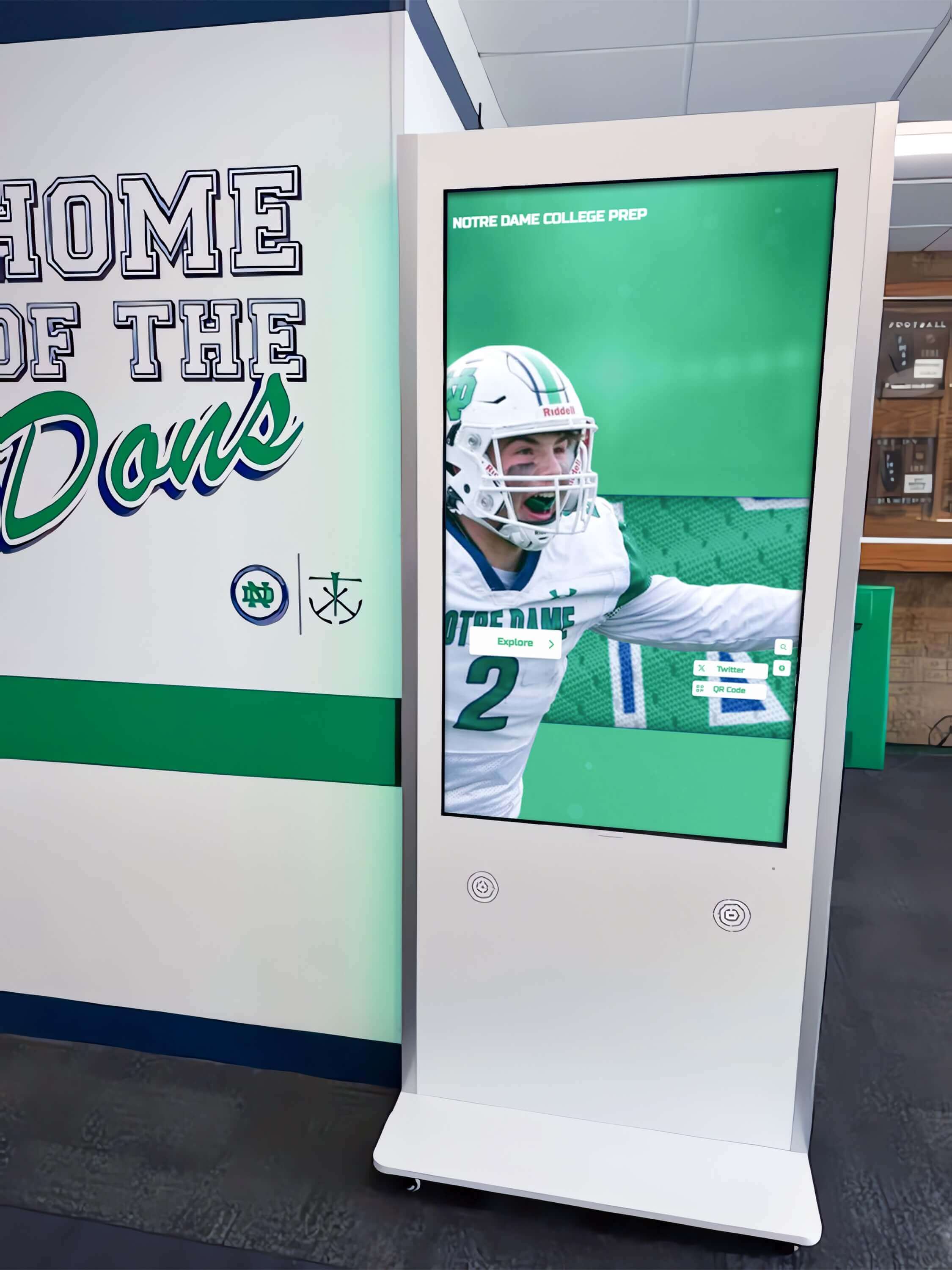
Content Collection and Profile Development
Building comprehensive recognition requires systematic approaches to gathering complete, accurate information from athletes and families.
Developing Standardized Information Collection
Create consistent submission processes that capture all desired profile elements. Effective approaches include online forms that walk athletes through required and optional fields, clear instructions about photo requirements and file upload processes, submission timelines that give adequate time for processing before you want profiles live, and examples of strong profiles to illustrate what complete submissions look like.
Make submission as simple as possible—every additional step or complicated requirement increases the likelihood athletes won’t complete the process. Balance comprehensive information goals against practical realities of getting busy senior athletes to submit content.
Photo and Video Content Standards
Visual content dramatically affects profile quality and engagement. Establish clear standards including minimum photo resolution (1920x1080 or higher for display screens), appropriate content showing athletes in athletic context, uniform, or formal attire, quality requirements ensuring good lighting, focus, and framing, and quantity requesting 2-4 photos showing different aspects of athletes’ careers.
For video content, brief 30-60 second clips work well for digital recognition. Authentic athlete voices speaking naturally create more engaging content than overly scripted statements. Ensure adequate audio quality—viewers won’t persist with videos they can’t clearly hear.
Consider organizing photo sessions during signing ceremonies to capture quality imagery when athletes are in college gear and families are present for photos together.
Writing Compelling Profile Narratives
Transform the information athletes provide into engaging narratives rather than dry recitations of facts. Compare these approaches:
Basic: “John Smith signed to play baseball at State University. He was a four-year varsity player and team captain his senior year.”
Compelling: “Senior pitcher John Smith has committed to continue his baseball career at State University, where he’ll join a Division I program that has sent multiple players to professional baseball. Smith’s high school career included 156 strikeouts across four varsity seasons, a school record for career ERA, and back-to-back all-conference selections. ‘State’s coaching staff emphasized player development and their track record spoke for itself,’ Smith noted. ‘I watched their games and could see myself fitting into their system.’ Smith will major in engineering while competing in the competitive Atlantic Conference.”
The compelling version provides specific performance context, explains decision-making factors, includes athlete voice, and gives younger players concrete examples of the achievements that typically earn college opportunities.
Creating Sustainable Content Management Workflows
The difference between recognition systems that remain current and valuable versus those that become outdated and ignored often comes down to establishing sustainable workflows for ongoing content management.
Assigning Clear Responsibilities
Designate specific individuals responsible for recognition system maintenance—typically athletic directors, senior coaches, or administrative staff with direct connections to athletes and programs. Clear ownership prevents assumptions that “someone” will handle updates, which often means no one actually does.
Integrating Updates into Existing Workflows
Rather than treating recognition updates as separate additional tasks, integrate them into existing workflows. When athletes formalize college commitments, immediately collecting their information for recognition becomes part of your standard celebration process. When new season schedules are published, reviewing whether any profile updates are needed becomes routine.
Scheduling Regular Review Cycles
Establish scheduled review cycles—quarterly or semi-annually—for verifying profile accuracy, adding any late commitments or updates, featuring content appropriate for upcoming seasons or events, and removing any information athletes or families request be taken down.
Scheduled reviews ensure content doesn’t become neglected even during busy periods when urgent priorities consume attention.
Building Historical Archives Retroactively
Many schools implementing new recognition systems want to include historical commitments from prior years, creating comprehensive archives rather than starting fresh with only current athletes. Building historical content requires research through yearbooks, media guides, and team records, interviews with coaches who remember athletes from their tenure, contact with alumni who can provide photos and current information, and local newspaper archives that covered signing ceremonies and college commitments.
This historical digitization takes time but creates immediate depth and context that demonstrate your program’s sustained tradition of developing college-level athletes. Rather than showing only current year commitments, you can immediately display decades of college signings, providing perspective and program legacy that strengthens current athletes’ and families’ sense of being part of something larger than themselves. Schools investing in digital archives for athletic history often find the process reveals forgotten achievements and creates valuable documentation of program heritage.
Maximizing Recognition Impact Throughout the School Year
The flexibility of digital platforms enables strategic content curation that keeps recognition relevant and engaging regardless of season or timing.
Seasonal Content Featuring Strategies
Thoughtfully rotating featured content based on school calendars and athletic seasons maintains fresh, relevant displays that students engage with repeatedly rather than tuning out.
Fall Sport Emphasis (August-November)
As school years begin and fall sports commence, feature content including current year football, volleyball, soccer, and cross country commitments, highlights of fall sport alumni from previous years now competing in college, early signing period announcements and celebrations in November, and homecoming features spotlighting reunion milestone years.
This seasonal focus creates natural connections between what’s happening currently in your athletic programs and the college opportunities those programs have historically produced.
Winter Sport Focus (December-February)
As seasons transition, shift content emphasis to current year basketball, wrestling, swimming, and gymnastics commitments, National Signing Day celebration content in early February, profiles of winter sport alumni achieving success in their college programs, and countdown content building excitement for upcoming signing ceremonies.
The flexibility to shift emphasis doesn’t mean removing fall sport content—it remains fully accessible—but winter sports receive prominent featured positioning when they’re most relevant.
Spring Sport Highlighting (March-May)
Spring brings final signing opportunities for baseball, softball, lacrosse, track and field, tennis, and golf commitments, senior athlete celebration as graduation approaches, recognition of recent alumni completing successful freshman college seasons, and preview content for upcoming year when underclassmen commitments are already known.
Summer Transition Content (June-August)
During summer months, feature recent graduates preparing for college arrival, college preseason and arrival content from recent commits, celebration of alumni summer achievements or internships, and preview upcoming year’s anticipated commitments and early recruits.
This year-round rotation strategy ensures recognition remains perpetually relevant and fresh rather than becoming stale displays students walk past without engaging. Schools implementing seasonal recognition strategies report significantly higher sustained engagement compared to static displays.
Connecting Recognition to Recruiting and Development
Beyond honoring individual achievements, college commitment recognition serves strategic purposes in program development and recruiting.
Showcasing Program Quality to Prospective Families
When families with talented middle school athletes research high schools, college placement rates significantly influence school selection—particularly in areas with school choice, open enrollment, or competitive private school environments. Comprehensive commitment showcases provide immediate visual evidence of program quality and college development track records. Families touring facilities see concrete proof rather than taking claims on faith.
The ability to filter and analyze your showcase data helps families answer specific questions: How many athletes in my child’s sport have earned college opportunities from this program? Which colleges have recruited from this school? What division levels do athletes typically reach? Do athletes with similar profiles to my child tend to succeed here?
This transparency builds trust and credibility with families making important educational decisions. Effective athletic recruiting strategies leverage comprehensive recognition as evidence of program development capabilities.
Inspiring Current Athletes with Concrete Pathways
Abstract encouragement helps less than concrete examples. When freshmen and sophomore athletes see specific recent graduates from their teams who’ve earned college opportunities, college athletics transforms from distant possibility to achievable goal. Younger athletes study what achievements, statistics, and development paths led to college opportunities for athletes just a few years older than themselves. This creates actionable blueprints they can work toward replicating rather than wondering generally what it takes to play college sports.
Recognition that includes athletes competing at various division levels—D-I, D-II, D-III, NAIA, junior college—demonstrates that multiple pathways exist for athletes at different competitive levels and with different academic profiles.
Building Relationships with College Coaches
College coaches recruiting from your program notice and appreciate comprehensive recognition that demonstrates you value and honor the athletes you develop. When college coaches visit your facilities or attend competitions, professional recognition showcases signal program seriousness, pride in athlete development, and celebration of college placement—all factors that contribute to coaches’ willingness to recruit from your program consistently.
Over time, strong college placement records become self-reinforcing: college coaches know your program develops college-ready athletes, they recruit from you consistently, your athletes see these regular college opportunities, and the resulting program culture attracts talented athletes who want college opportunities—creating positive cycles of development and placement.
Celebrating the Complete Student-Athlete Journey
The most impactful recognition extends beyond just college commitment announcements to celebrate complete student-athlete development over their four-year high school careers.
Documenting Development Over Time
Rather than only recognizing the end point of college commitment, document athlete progression including freshman year participation and early development, sophomore season growth and emerging abilities, junior year achievements and recruiting attention, and senior season culmination leading to college opportunities.
This longitudinal perspective helps younger athletes understand that college recruiting isn’t just about senior year performance—it’s about sustained development over multiple years. Freshmen who worry they’re not immediately receiving recruiting attention can see that many successful college athletes developed gradually over their high school careers.
Recognizing Academic Achievement Alongside Athletic Excellence
College athletic eligibility requires academic success, yet recognition often focuses exclusively on athletic statistics while treating academics as an afterthought. Comprehensive recognition that prominently features academic achievements including GPAs and class rankings, National Honor Society and academic honors, standardized test scores when publicly shared, scholar-athlete awards and academic all-conference recognition, and intended college majors and academic interests communicates that classroom performance matters as much as competitive achievement.
This balanced approach reinforces for younger athletes that college recruiting considers complete student-athletes, not just athletic performers. Schools implementing comprehensive academic recognition alongside athletic honors create cultures where academic excellence is celebrated as an essential component of athletic success rather than an unrelated separate requirement.
Acknowledging Support Systems and Communities
Athletes don’t achieve college opportunities alone—they benefit from coach mentorship and development, teammate support and competition, family sacrifices and encouragement, trainer and conditioning expertise, and community support and pride.
With appropriate permissions, recognition can acknowledge these broader support systems, creating appreciation for the many people who contribute to individual athlete success. This community approach to celebration strengthens bonds between athletes, programs, and communities while demonstrating gratitude and perspective—qualities college coaches value in recruits.
Measuring Success and Demonstrating Impact
Effective recognition programs assess impact through both engagement metrics and broader program outcome indicators.
Tracking Engagement and Usage
Digital platforms provide analytics that reveal how communities engage with college commitment recognition including visitor counts and unique users, session duration measuring engagement depth, most-viewed profiles identifying particularly compelling content, search queries revealing what information visitors seek, filtering patterns showing common information discovery paths, and sharing activity indicating content that resonates enough to distribute.
These metrics demonstrate actual usage and reveal which content creates greatest impact, informing ongoing development priorities and helping justify continued investment in recognition programs.
Assessing Cultural and Program Impact
Beyond direct engagement metrics, observe broader indicators suggesting recognition affects program culture and outcomes including younger athlete awareness of college pathway possibilities, college commitment rates across sports and graduating classes, quality of college destinations measured by division levels and institutional reputation, athlete participation rates as program profile strengthens, prospective family interest and enrollment inquiries, and community pride and support for athletic programs.
While many factors influence these outcomes, sustained positive trends correlating with recognition implementation suggest digital showcases contribute meaningfully to program culture and development.
Gathering Stakeholder Feedback
Systematically collect perspectives from multiple stakeholder groups including current athletes about whether recognition inspires their goals, families about satisfaction with recognition quality and visibility, alumni about appreciation for ongoing honor of their achievements, college coaches about their perception of your program’s professionalism, and community members about pride and connection to athletic programs.
This qualitative feedback reveals whether recognition achieves intended purposes beyond just generating engagement metrics—whether it genuinely inspires athletes, strengthens culture, and builds community connections.
Schools demonstrating recognition impact can build cases for continued investment, expansion to additional displays or sports, and integration with other school recognition programs celebrating diverse student achievements.
Overcoming Common Implementation Challenges
Schools implementing digital recognition typically encounter several predictable obstacles that strategic planning addresses effectively.
Challenge: Building Historical Archives from Limited Records
Situation: Many schools want to include historical commitments from years or decades past but lack comprehensive records documenting all college athletes from program history.
Solutions: Research through multiple sources including yearbooks and media guides from past years, local newspaper archives that covered signing ceremonies, interviews with long-tenured coaches who remember athletes, contact with alumni who can identify classmates who competed in college, and athletic department records and archives when they exist.
Start with more recent history where records are better and work backwards. Even partial historical archives create valuable context—you don’t need perfect completeness to demonstrate program tradition. Set realistic scope based on available resources and information rather than pursuing impossible perfection.
Challenge: Maintaining Current Information as Situations Change
Situation: College commitments sometimes change after initial announcements—athletes transfer, decommit and sign elsewhere, or adjust their college plans.
Solutions: Establish clear update procedures for processing changes, maintain direct communication channels with athletes and families, implement regular review cycles for verification, date all information noting when details were current, and develop policies for handling decommitments or transfers sensitively.
Accept that some information lag is inevitable and be transparent about dates. Noting “as of signing day February 2025” acknowledges that circumstances may evolve while honoring the commitment as it existed at that significant moment.
Challenge: Balancing Recognition Across All Sports
Situation: Some sports produce many college athletes while others rarely have commitments, creating potential equity concerns.
Solutions: Celebrate all college commitments regardless of sport or division level equally, feature multiple sports simultaneously rather than exclusively highlighting highest-profile programs, rotate seasonal emphasis giving all sports prominent periods, and consider recognizing other achievements (academic honors, individual records, championship participation) for sports with fewer college signings.
The goal is celebrating all athletic excellence, not just college commitment. Recognition systems can accommodate diverse achievement types rather than exclusively focusing on college signings.
Challenge: Working Within Budget Constraints
Situation: Comprehensive digital recognition represents significant investment competing with numerous other athletic department priorities.
Solutions: Implement phased approaches starting with web-based recognition before adding physical displays, seek booster club or parent organization funding specifically for recognition, pursue corporate sponsorships with appropriate acknowledgment, apply for education technology grants, emphasize long-term cost savings compared to annual temporary display expenses, and consider leasing or financing options spreading investment over time.
Start with affordable implementations demonstrating value, building cases for expansion as results justify additional investment. Many schools begin with single displays in primary locations, adding additional screens as budgets allow and demonstrated impact builds support.
Advanced Strategies and Future Possibilities
As digital recognition technology continues evolving, emerging capabilities create new opportunities for enhancing college commitment showcases.
Enhanced Interactivity and Personalization
Advanced platforms increasingly offer personalized content recommendations based on viewer interests, interactive comparison tools allowing visitors to compare multiple athletes or years side-by-side, virtual college campus information integrated within profiles, direct messaging enabling current athletes to contact alumni with questions, and AI-powered natural language search supporting conversational queries.
These capabilities will make recognition more intuitive and valuable for visitors seeking specific information or perspectives.
Integration with College Athletic Departments
Future platforms may enable direct connections with college athletic department systems providing automatic updates about alumni college achievements, feeding college statistics and honors back to high school profiles, enabling high school programs to celebrate alumni college successes, and creating seamless connections between high school and college phases of athletic careers.
This integration would transform recognition from capturing a single moment (commitment) to documenting ongoing athletic journeys spanning high school through college graduation.
Augmented Reality and Enhanced Media
Emerging technologies may soon support augmented reality experiences overlaying additional content on physical displays, 360-degree video providing immersive college campus tours, interactive 3D statistical visualizations bringing performance data to life, and virtual signing ceremony recreations allowing visitors to experience historic moments.
These advanced capabilities will create increasingly engaging and memorable recognition experiences while serving educational purposes around college selection and planning.
Schools investing in modern digital recognition platforms now position themselves to adopt emerging capabilities as they become available without requiring complete system replacements. Choosing platforms with clear development roadmaps and regular feature updates ensures recognition systems improve over time rather than becoming outdated.
Conclusion: Building Lasting Legacies of Athletic Excellence
National College Signing Day represents one of the most significant achievements in student-athletes’ careers—the culmination of years of dedication and the beginning of new opportunities at the collegiate level. These accomplishments deserve recognition extending far beyond brief ceremonies and temporary displays that quickly fade from view.
Digital recognition platforms transform how schools celebrate college commitments by simultaneously showcasing current year signings with prominent visibility while preserving complete historical archives documenting your program’s sustained tradition of developing college-level athletes. The flexibility to adapt content focus throughout the school year—highlighting fall signings during football season, winter athletes during basketball playoffs, and spring commitments during baseball and softball seasons—keeps recognition perpetually relevant and engaging rather than static.
With digital systems like Rocket Alumni Solutions, schools create comprehensive showcases that inspire younger athletes by demonstrating concrete pathways to college athletics, validate program quality with evidence of consistent college placement, celebrate complete student-athlete development including academic achievement, honor support systems and communities contributing to athlete success, and build institutional knowledge documenting program legacy across generations.
The implementation process involves selecting appropriate platforms and display technology, developing systematic content collection workflows, building historical archives documenting program heritage, establishing seasonal content rotation strategies, and creating sustainable management processes ensuring recognition remains current.
Transform Your National College Signing Day Recognition
Discover how Rocket Alumni Solutions can help you create flexible digital displays that showcase current commitments, preserve your program's complete legacy, and adapt throughout the school year with multiple template options and real-time content management designed specifically for athletic programs.
Book a DemoThe most successful recognition programs understand that celebrating college commitments serves multiple purposes simultaneously: honoring individual achievements with the prominence they deserve, inspiring current underclassmen by making college pathways visible and achievable, demonstrating program quality to prospective families researching athletic programs, building relationships with college coaches who consistently recruit from quality programs, and strengthening community pride and connection through shared celebration of achievement.
Whether your program sends dozens of athletes to college annually or celebrates just a few commitments each year, comprehensive digital recognition demonstrates that you value every athlete’s achievement and maintain pride in your program’s complete legacy of developing college-level talent. The flexibility to bring relevant content to the forefront throughout the year while preserving complete archives ensures your recognition system remains valuable and engaging long-term rather than requiring replacement or becoming outdated.
Ready to create a National College Signing Day showcase that celebrates your current class while honoring every athlete who’s earned college opportunities from your program? Visit Rocket Alumni Solutions to explore how flexible digital recognition can transform your athletic program’s celebration of excellence while building lasting institutional legacy that inspires future generations of college-bound student-athletes.































