National heritage months provide educational institutions with powerful opportunities to celebrate diversity, educate communities about cultural contributions, and create inclusive environments where all students see themselves reflected and valued. From Black History Month in February to Hispanic Heritage Month spanning September and October, these designated observances offer structured frameworks for recognizing the rich tapestry of cultures, identities, and experiences that make up our educational communities.
Yet many schools struggle to move beyond token gestures during heritage months. Recognition often defaults to hallway bulletin boards that quickly become dated, single-day assemblies that feel disconnected from daily life, or programmatic celebrations that reach only small segments of the school community. Meanwhile, opportunities to create year-round visibility for diverse achievements, ongoing educational programming, and systematic recognition of cultural contributions remain unrealized.
This comprehensive guide explores evidence-based strategies for implementing heritage month recognition programs that genuinely honor diversity while creating lasting impact through flexible digital solutions that adapt to celebrate each community throughout the academic year.
Effective heritage month recognition extends beyond awareness—it creates systematic approaches that celebrate diverse achievements, educate entire communities about cultural contributions, and build inclusive environments where all students develop pride in their heritage while appreciating the richness of others’ experiences.
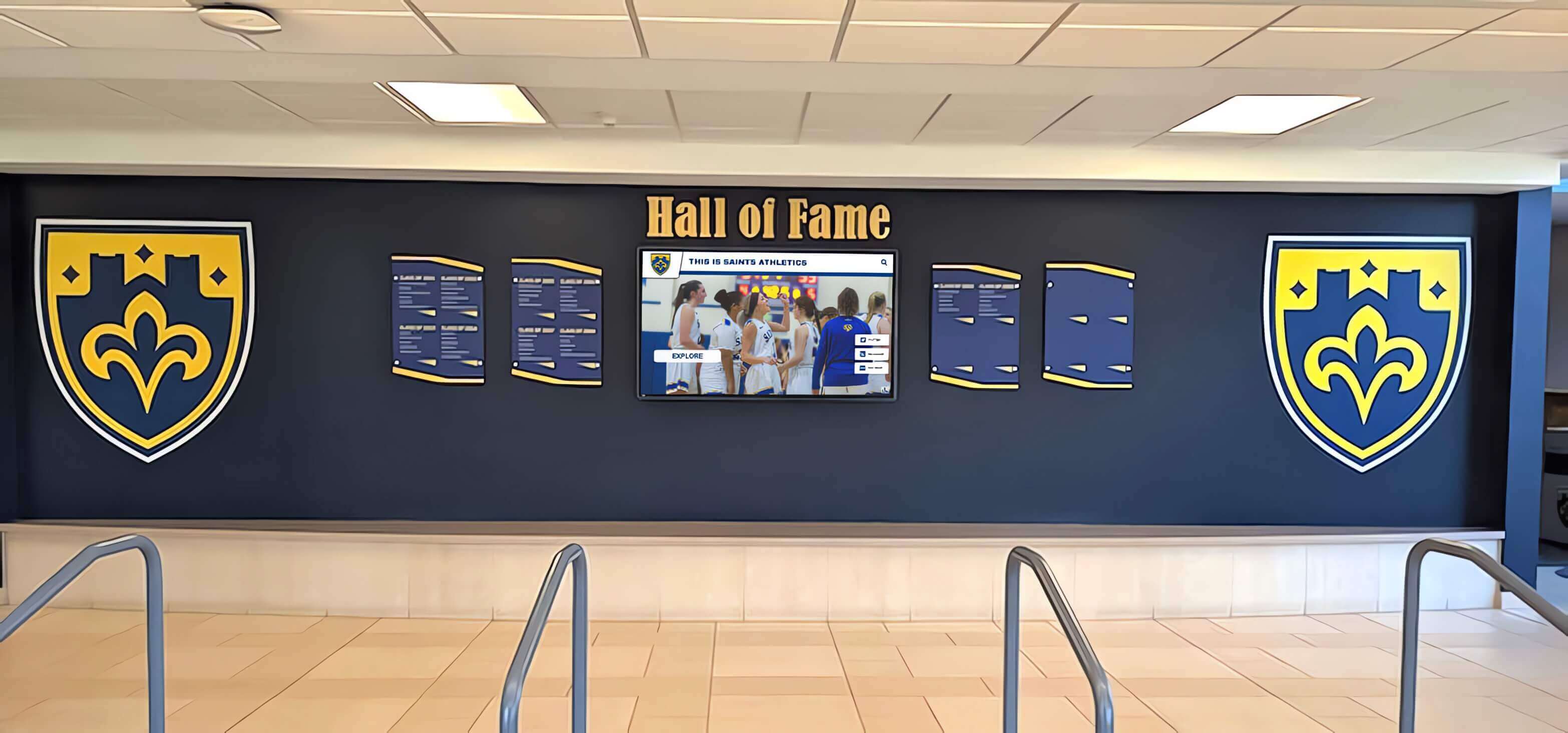
Digital recognition displays enable schools to celebrate heritage months with dynamic, culturally relevant content throughout the year
Understanding National Heritage Months and Their Educational Significance
Before implementing recognition programs, understanding the purpose and scope of heritage month observances helps schools create meaningful celebrations aligned with educational goals.
The Heritage Month Calendar: Year-Round Recognition Opportunities
Educational institutions recognize multiple heritage months throughout the academic year, creating continuous opportunities for cultural celebration and education:
Fall Semester Heritage Observances
- Hispanic Heritage Month (September 15 - October 15): Celebrates the histories, cultures, and contributions of Americans whose ancestors came from Spain, Mexico, the Caribbean, and Central and South America
- LGBTQ+ History Month (October): Recognizes the history, achievements, and ongoing struggles of the LGBTQ+ community
- Native American Heritage Month (November): Honors the rich ancestry and traditions of Native Americans and acknowledges their important contributions to American society
Spring Semester Heritage Observances
- Black History Month (February): Celebrates the contributions, achievements, and rich history of Black Americans to American culture and society
- Women’s History Month (March): Designated by presidential proclamation to honor women’s contributions throughout American history
- Arab American Heritage Month (April): Celebrates the history, contributions, culture, and understanding of Arab Americans
- Asian American and Pacific Islander Heritage Month (May): Recognizes historical and cultural contributions of people of Asian and Pacific Islander descent
- Jewish American Heritage Month (May): Celebrates Jewish American achievement and contributions to American culture
- LGBTQ+ Pride Month (June): Celebrates the diversity, history, and contributions of the LGBTQ+ community
According to information from Fairfax County Public Schools, schools integrate meaningful learning experiences that increase representation of all identity groups in all subject areas, providing guidance and resources to teachers for heritage months and observances.
Why Heritage Month Recognition Matters in Educational Settings
Educational institutions implementing systematic heritage recognition create measurable positive outcomes across multiple dimensions:
Building Inclusive School Culture
- Students from recognized heritage groups experience validation that their identities and contributions matter to the broader community
- All students develop cultural competency and appreciation for diverse perspectives through exposure to multiple heritage narratives
- Schools demonstrate institutional commitment to diversity, equity, and inclusion through visible recognition
- Heritage celebrations create opportunities for cross-cultural dialogue and understanding
Educational Enrichment and Curriculum Integration
- Heritage months provide natural frameworks for curriculum enhancements across subject areas
- Students learn history from multiple perspectives, understanding contributions beyond dominant narratives
- Interdisciplinary approaches connect heritage observances with literature, social studies, arts, and sciences
- Educational programming during heritage months creates memorable learning experiences extending beyond traditional instruction
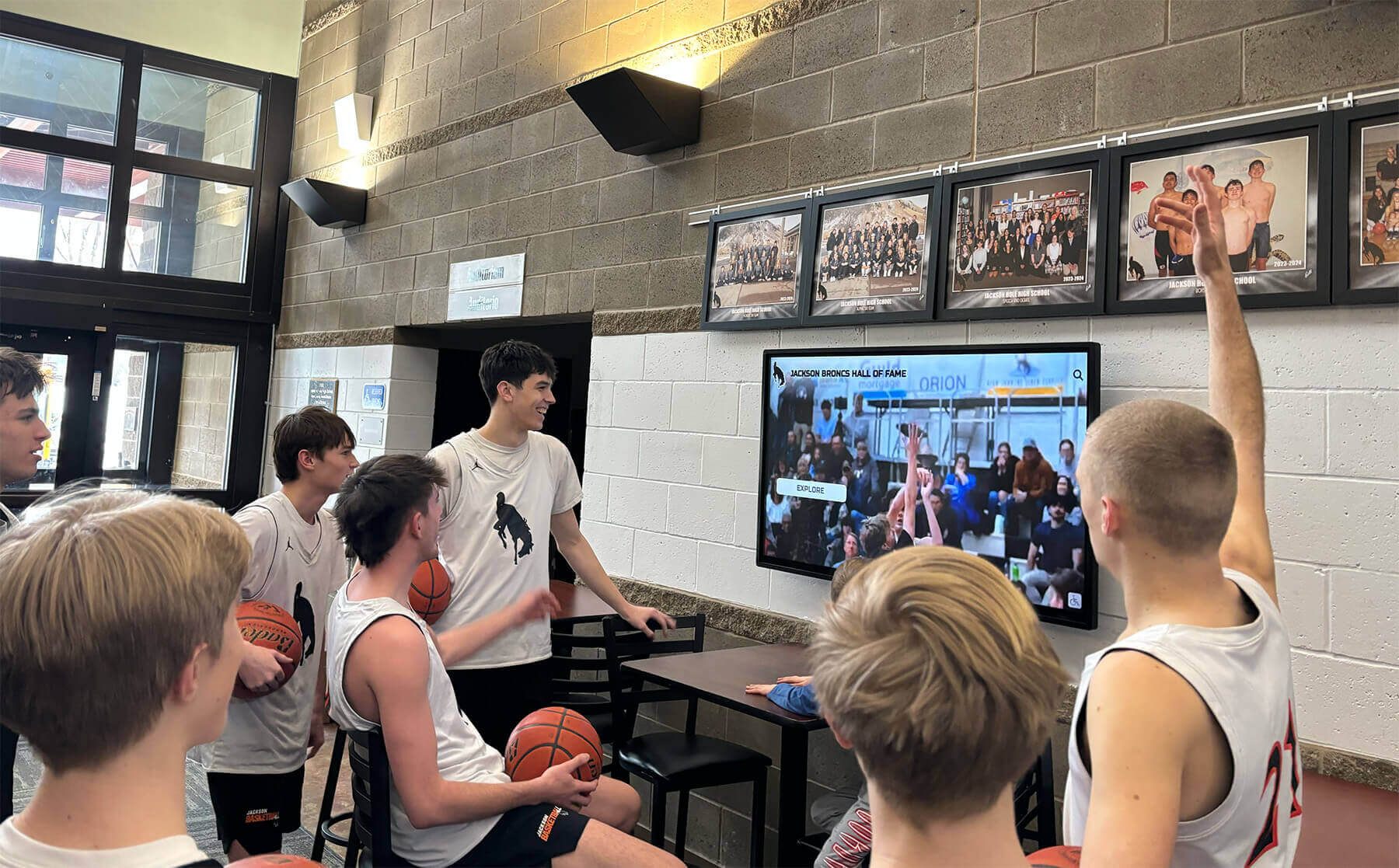
Interactive displays engage students in exploring cultural heritage and diverse achievements throughout the school community
Family and Community Engagement
- Heritage celebrations create opportunities for families to share cultural traditions with school communities
- Community partnerships with cultural organizations enrich programming and provide authentic voices
- Schools strengthen relationships with diverse community constituencies through meaningful recognition
- Family participation in heritage celebrations increases overall school engagement
Research from educational institutions implementing comprehensive heritage recognition consistently demonstrates improved school climate, increased sense of belonging among students from recognized groups, and enhanced cultural competency across entire school populations.
Core Components of Effective Heritage Month Recognition Programs
Successful heritage recognition programs share essential characteristics that maximize educational impact while ensuring authenticity and inclusivity.
Multi-Dimensional Recognition Approaches
Moving beyond single-event celebrations ensures comprehensive heritage recognition throughout designated months:
Visual Recognition and Environmental Messaging
- Hallway displays featuring heritage month themes and notable figures
- Digital screens showcasing diverse achievements and cultural contributions
- Library displays highlighting literature from or about recognized communities
- Cafeteria decorations reflecting cultural traditions and symbols
- Classroom door decorations created by students exploring heritage themes
Educational Programming and Speaker Events
- Guest speakers from recognized heritage communities sharing experiences and perspectives
- Panel discussions addressing contemporary issues facing heritage communities
- Documentary screenings followed by facilitated discussions
- Artistic performances celebrating cultural traditions through music, dance, or theater
- Workshops teaching cultural practices, languages, or traditional arts
Learn more about comprehensive recognition approaches in displaying your school’s history complete guide.
Curriculum Integration and Academic Connections
- Literature selections featuring authors from recognized heritage groups
- Historical perspectives examining events through cultural lenses
- Science and mathematics highlighting contributions from diverse scholars
- Arts education exploring cultural artistic traditions and contemporary expressions
- Social studies examining heritage group experiences and social movements
Student-Led Initiatives and Clubs
- Heritage-focused student organizations leading celebration planning
- Student-created content for morning announcements, newsletters, or social media
- Peer education programs where students teach classmates about heritage topics
- Student art exhibitions celebrating heritage themes
- Student performances showcasing cultural traditions
This multi-dimensional approach ensures heritage recognition reaches all students through multiple touchpoints rather than relying on single events that limited audiences experience.
Creating Authentic and Respectful Recognition
Heritage month observances must honor cultures authentically rather than perpetuating stereotypes or engaging in tokenism:
Community Partnership and Voice
- Partner with cultural organizations, community centers, and heritage-focused nonprofits for programming guidance and speaker recommendations
- Include representatives from recognized communities in planning processes ensuring authentic representation
- Seek feedback from students and families from heritage groups about preferred recognition approaches
- Avoid having heritage communities educate others without compensation or appropriate support
- Connect with university cultural centers or ethnic studies departments for educational resource recommendations
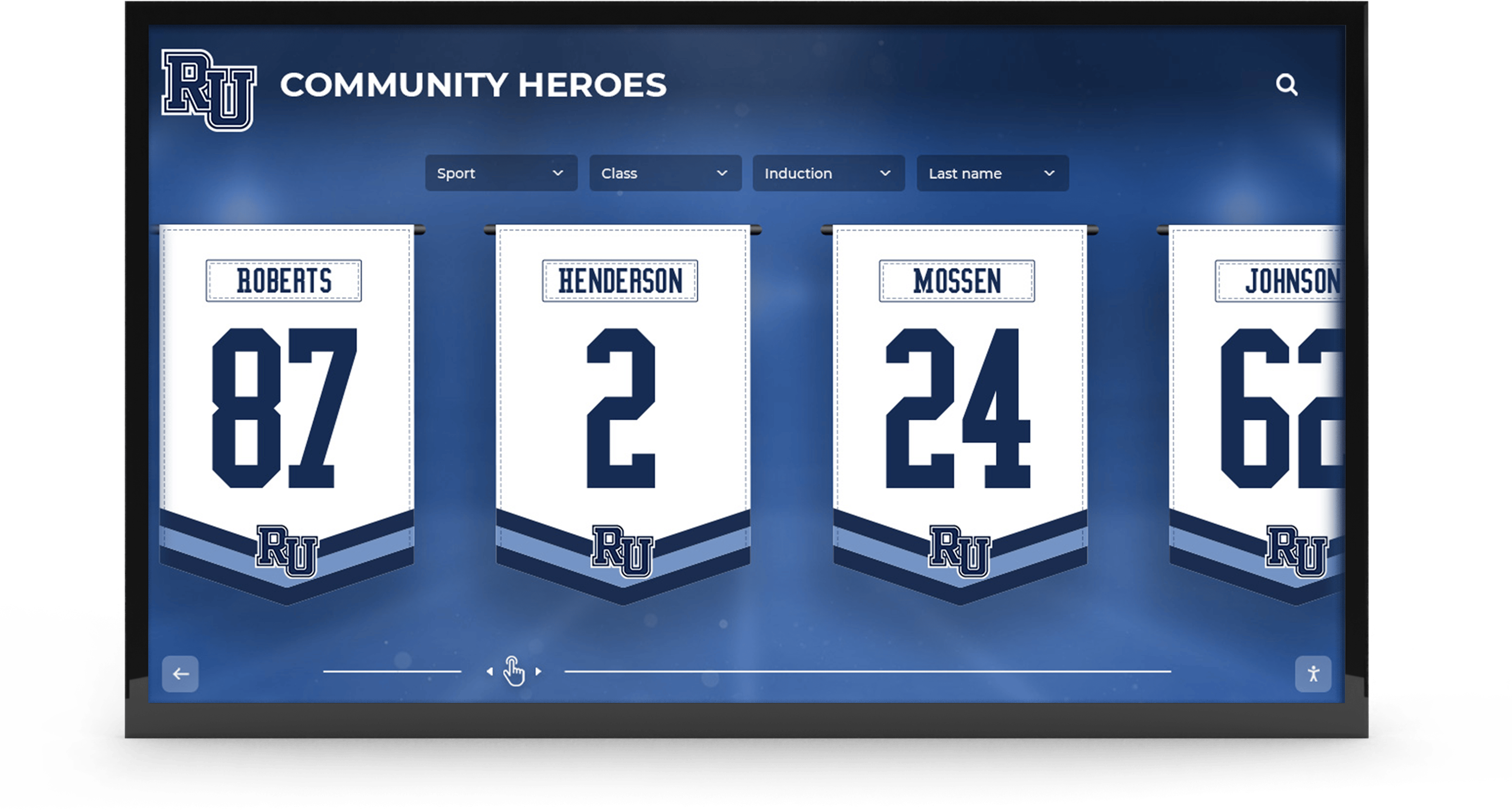
Recognition displays can showcase diverse community heroes and cultural achievements throughout heritage months
Avoiding Cultural Appropriation and Stereotyping
- Research cultural practices thoroughly before incorporating them into celebrations
- Avoid reducing rich cultures to food, flags, or superficial symbols
- Present nuanced perspectives acknowledging diversity within heritage communities
- Address both historical contributions and contemporary experiences
- Recognize intersectionality—individuals hold multiple identities that inform their experiences
Year-Round Commitment Beyond Heritage Months
- Incorporate diverse voices and perspectives throughout curriculum year-round
- Maintain diverse representation in all recognition programs, not just during heritage months
- Sustain partnerships with cultural organizations beyond specific observances
- Continue educational programming addressing diversity, equity, and inclusion throughout the year
- Build comprehensive academic recognition programs celebrating achievements from all backgrounds consistently
Explore strategies in teacher and staff recognition programs guide that can incorporate cultural competency and inclusive practices.
Planning and Implementing Heritage Month Recognition Programs
Systematic planning ensures heritage observances achieve educational goals while remaining manageable for school staff and sustainable over time.
Forming Heritage Recognition Planning Teams
Successful implementation begins with inclusive planning processes involving diverse stakeholders:
Committee Composition
- Administrators providing institutional support and resource allocation
- Teachers across departments ensuring curriculum integration
- Student representatives from heritage-focused clubs and organizations
- Parent and community members from recognized heritage groups
- Diversity, equity, and inclusion coordinators or specialists
- Library media specialists curating resources and materials
Planning Timeline and Responsibilities
- Begin planning 2-3 months before each heritage month to allow adequate preparation
- Assign specific responsibilities across committee members preventing over-reliance on individuals
- Create detailed implementation calendars outlining all activities and programs
- Establish budget allocations for materials, speakers, and programming
- Coordinate with school calendars avoiding conflicts with major events or assessment periods
Curriculum Integration Strategies
Heritage recognition creates maximum educational impact when woven throughout academic instruction rather than existing as separate add-on activities:
Subject-Specific Integration Approaches
English Language Arts
- Literature circles featuring books by authors from recognized heritage communities
- Writing prompts exploring heritage themes, identity, and cultural experience
- Research projects examining historical or contemporary issues affecting heritage groups
- Poetry units studying traditional and contemporary works from diverse cultural traditions
- Media literacy analyzing representation of heritage communities in various media
Social Studies and History
- Primary source analysis from diverse historical perspectives
- Biography studies of notable figures from recognized heritage groups
- Historical event examinations from multiple cultural viewpoints
- Geography lessons exploring regions connected to heritage communities
- Civics discussions about rights, representation, and social movements
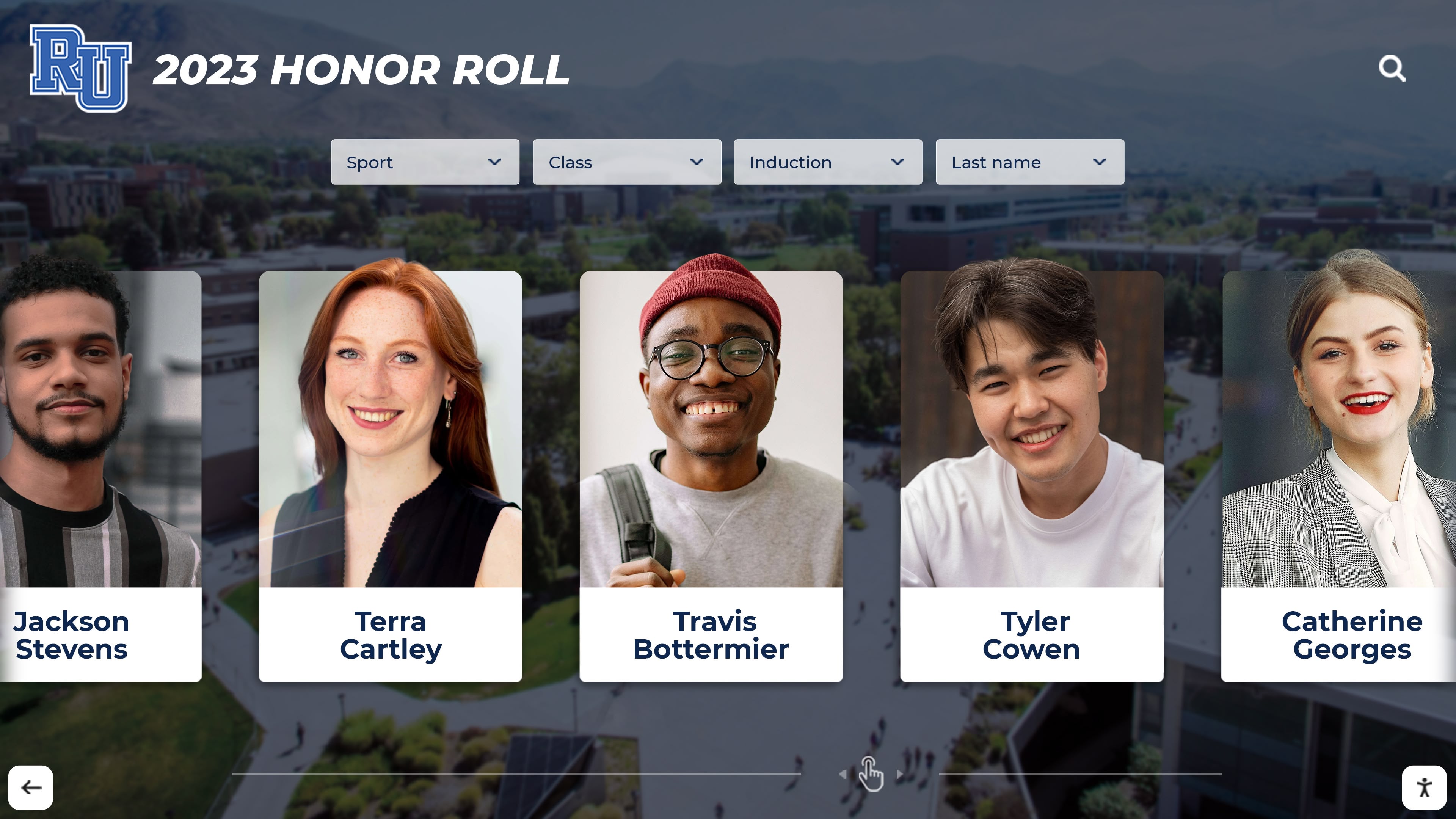
Digital recognition cards can highlight students from diverse backgrounds throughout heritage month celebrations
Science and Mathematics
- Biography studies of scientists, mathematicians, and innovators from heritage communities
- Historical context exploring how cultural perspectives influenced scientific development
- Contemporary research highlighting diverse scientists addressing relevant challenges
- Mathematics history examining contributions from various cultures and civilizations
- Environmental science connections to indigenous knowledge and traditional practices
Arts Education
- Visual arts exploring traditional and contemporary styles from heritage cultures
- Music education studying cultural musical traditions and influential artists
- Theater examining plays written by or about heritage communities
- Dance exploring traditional movement styles and contemporary choreography
- Film studies analyzing representation and authentic storytelling
These integrated approaches ensure heritage education enriches core instruction rather than displacing essential curriculum, creating meaningful learning experiences for all students.
Assessment and Reflection
Effective heritage recognition includes mechanisms for evaluating impact and continuously improving programs:
Quantitative Metrics
- Attendance at heritage month events and programs
- Participation rates in heritage-focused activities
- Student engagement with heritage-related curriculum content
- Library circulation of heritage-focused materials
- Social media engagement with heritage month content
Qualitative Assessment
- Student surveys about learning experiences and cultural awareness growth
- Focus groups with students from recognized heritage communities about program authenticity and impact
- Teacher reflections on curriculum integration effectiveness
- Family feedback about programming quality and cultural appropriateness
- Community partner assessments of collaboration and representation
This assessment data informs continuous improvement ensuring heritage recognition evolves to meet community needs and achieves intended educational outcomes.
Modern Digital Solutions for Heritage Month Recognition
Contemporary technology transforms heritage recognition from temporary displays to dynamic, year-round systems celebrating diversity comprehensively and accessibly.
Interactive Digital Recognition Displays
Solutions like Rocket Alumni Solutions revolutionize how schools celebrate heritage months through flexible digital platforms that adapt to showcase different communities throughout the academic year:
Flexible Content Management for Multiple Heritage Months Unlike static bulletin boards requiring physical reconstruction for each heritage month, digital recognition systems enable seamless content transitions:
- Schedule heritage month content to display automatically during designated observances
- Maintain comprehensive databases of achievements and contributions from all heritage groups
- Rotate featured individuals and stories throughout each heritage month
- Create themed collections highlighting specific aspects of heritage (arts, sciences, leadership, etc.)
- Update content remotely from any device without requiring physical display access
Schools implementing digital systems report dramatic time savings—updating heritage month recognition takes minutes rather than hours of physical display work, enabling richer content and more frequent updates throughout each observance period.

Interactive touchscreen kiosks provide engaging platforms for heritage month recognition and cultural education
Multimedia Storytelling Capabilities Digital platforms incorporate diverse media types creating immersive heritage experiences impossible with traditional displays:
- Video interviews with community members sharing cultural heritage and experiences
- Audio recordings of traditional music, spoken word, or oral history
- Photo galleries showcasing cultural celebrations, historical moments, and community achievements
- Biographical profiles telling complete stories of notable figures from heritage communities
- Interactive timelines contextualizing heritage group experiences within broader history
- Educational content explaining cultural traditions, historical events, and contemporary issues
This rich multimedia approach brings heritage recognition to life in ways static displays cannot match, creating emotional connections and deeper understanding.
Interactive Exploration Features Modern touchscreen systems enable active engagement with heritage content:
- Search functionality locating specific individuals or topics within heritage month content
- Filter options displaying only certain achievement types, time periods, or cultural aspects
- Related content connections enabling discovery of connections between individuals and movements
- Social sharing capabilities allowing students to share heritage content with families
- Accessibility features including multiple languages, screen reader compatibility, and adjustable text sizes
Students interacting with digital heritage displays spend significantly more time exploring content compared to static displays—5-10 minutes of active engagement versus 30-second glances at bulletin boards.
Web-Based Heritage Recognition Portals
Extending heritage recognition beyond campus boundaries enables families and communities worldwide to engage with cultural celebrations:
Global Accessibility and Family Engagement Web-accessible heritage platforms overcome geographic barriers:
- Alumni and extended family members anywhere can explore heritage month content
- Mobile-optimized displays ensure accessibility on smartphones and tablets
- Social sharing features enable students to share heritage recognition with personal networks
- 24/7 availability means families engage with heritage content on their schedules
- Integration with school websites creates unified digital presence
Schools report 10-20 times more heritage content engagement through online platforms compared to physical displays alone, dramatically extending recognition reach.
Community Contribution Systems Digital platforms can enable community members to participate actively in heritage recognition:
- Family members submit stories about their cultural heritage and traditions
- Community organizations contribute educational resources and content
- Students upload projects exploring their heritage and identity
- Alumni share reflections about how heritage influenced their school experiences
- Local historians provide context and additional information about heritage topics
Learn about comprehensive digital approaches in displaying school history complete guide.
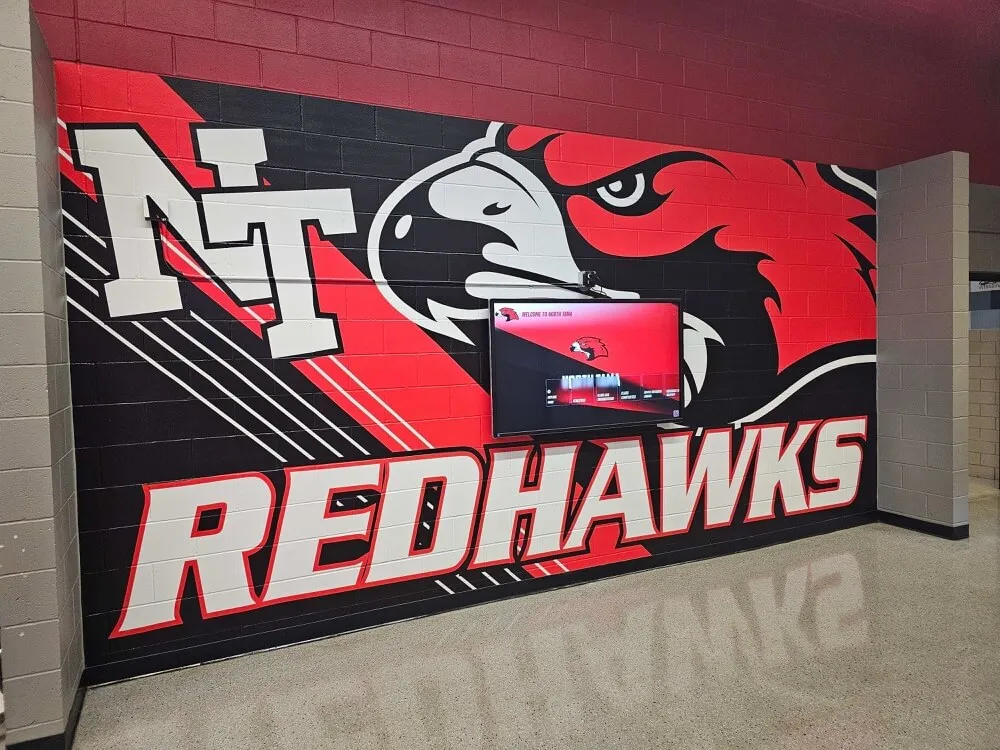
Wall-mounted digital displays in high-traffic areas ensure heritage recognition remains visible throughout each observance
Dynamic Content Rotation and Scheduling
Advanced digital recognition systems enable sophisticated content management supporting year-round heritage celebration:
Automated Heritage Month Transitions
- Schedule content to automatically display during specific heritage months
- Create seamless transitions between different cultural celebrations
- Maintain previous heritage month content in searchable archives accessible year-round
- Feature “Today in History” content highlighting heritage-related anniversaries
- Rotate individual profiles ensuring diverse representation within each heritage month
Multi-Purpose Recognition Infrastructure The same digital platform celebrating heritage months serves additional recognition needs:
- Academic achievement recognition during non-heritage months
- Athletic accomplishments and team celebrations
- Arts and performance showcase opportunities
- Community service and leadership recognition
- Teacher appreciation and staff recognition
This multi-purpose functionality maximizes technology investment while ensuring consistent recognition infrastructure serving diverse celebration needs throughout the year.
Creative Heritage Month Recognition Activities and Programs
Schools discovering digital recognition flexibility find innovative applications maximizing educational impact:
Student-Created Heritage Content
Empower students to become heritage educators through creative projects showcased on recognition displays:
Heritage Biography Projects
- Students research notable figures from specific heritage communities
- Create multimedia presentations including images, video, and biographical information
- Showcase student projects on digital displays during heritage months
- Enable students to present their research to classes or assemblies
- Maintain student projects in permanent archives celebrating their educational work
Identity Exploration and Personal Heritage Projects
- Students explore and document their own cultural heritage and family traditions
- Create digital presentations sharing personal heritage stories with school community
- Interview family members about immigration experiences, traditions, or cultural practices
- Design visual representations of cultural identity and heritage connections
- Share projects during heritage months celebrating diverse student backgrounds
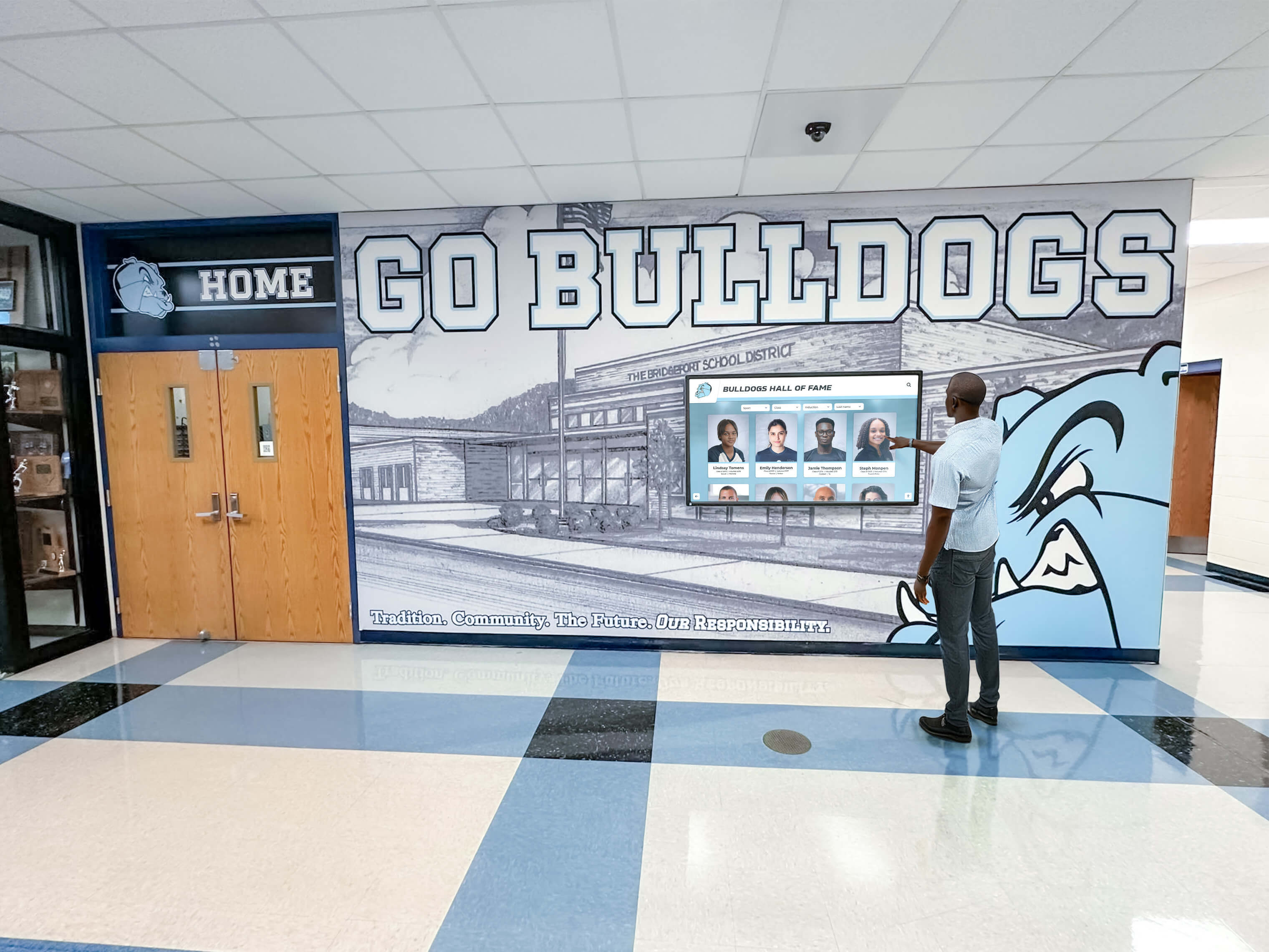
Interactive displays encourage exploration and engagement with heritage month content from students, families, and visitors
Heritage Month Social Media Campaigns
- Students create daily heritage month facts and features for school social media
- Student-produced video content highlighting historical events, notable figures, or cultural traditions
- Student photography projects documenting heritage celebrations or cultural practices
- Student-written blog posts exploring heritage topics in depth
- Student-designed graphics and infographics explaining heritage concepts
Schoolwide Heritage Celebrations and Events
Large-scale programming creates memorable community experiences celebrating diversity:
Heritage Fairs and Cultural Showcases
- Student booths representing different cultures and heritage groups
- Family participation sharing traditional foods, artifacts, and cultural practices
- Artistic performances celebrating cultural traditions through music, dance, or theater
- Interactive activities teaching cultural games, crafts, or traditions
- Educational exhibits created by students exploring heritage topics
Heritage Month Assembly Programs
- Guest speakers from heritage communities sharing experiences and perspectives
- Student performances celebrating cultural artistic traditions
- Video presentations exploring heritage history and contributions
- Recognition ceremonies honoring community members from celebrated heritage groups
- Interactive elements engaging entire student body in heritage learning
Heritage-Themed School Events
- Reading weeks featuring literature from heritage communities
- Film series showcasing documentaries or films about heritage experiences
- Heritage art exhibitions displaying student work exploring cultural themes
- Heritage history weeks with daily educational programming
- Heritage career days featuring professionals from diverse backgrounds
Learn about implementing recognition events in homecoming festivities guide.
Partnerships and Community Connections
Authentic heritage recognition requires partnerships with cultural organizations and community groups:
Cultural Organization Collaborations
- Partner with local cultural centers, ethnic associations, or heritage organizations
- Invite representatives to speak at assemblies or participate in programming
- Co-create educational resources ensuring cultural authenticity
- Connect students with mentoring or cultural enrichment opportunities
- Support community organization missions through awareness and volunteer participation
University and Museum Partnerships
- Connect with university cultural centers or ethnic studies departments
- Arrange field trips to museums with heritage-focused exhibits
- Invite university students or professors specializing in heritage topics as guest speakers
- Access educational resources and curriculum materials developed by cultural institutions
- Participate in heritage-focused programs offered by university or museum partners
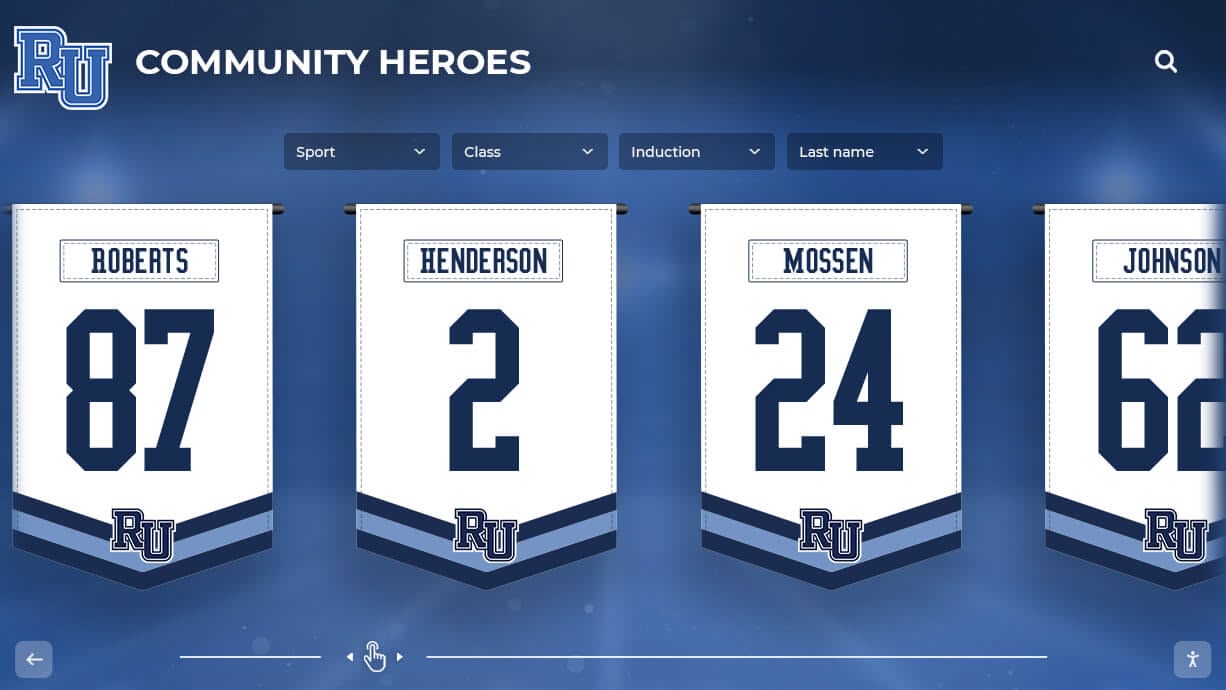
Multiple display formats including banners and digital screens create comprehensive heritage recognition throughout school spaces
Business and Professional Community Connections
- Invite professionals from heritage communities for career panels or mentoring
- Partner with heritage-owned businesses for authentic cultural experiences
- Connect students with internship or job shadowing opportunities
- Recognize heritage community business leaders contributing to local economy
- Create scholarship partnerships supporting students from underrepresented heritage groups
Overcoming Common Heritage Recognition Challenges
Schools implementing heritage month programs encounter predictable obstacles; understanding solutions helps ensure successful implementation.
Limited Time and Resources
Many schools struggle with resource constraints limiting heritage programming:
Time-Efficient Digital Solutions
- Digital recognition systems dramatically reduce time spent creating and maintaining heritage displays
- Cloud-based content management enables updates in minutes from any device
- Automated scheduling eliminates manual display changes between heritage months
- Templates and reusable content structures streamline creation of new heritage profiles
- Single platform serves multiple recognition needs throughout year maximizing technology investment
Solutions like Rocket Alumni Solutions provide comprehensive platforms requiring minimal ongoing time investment while delivering professional results impossible with traditional manual approaches.
Budget-Conscious Implementation
- Begin with single digital display in high-traffic location before expanding
- Leverage free educational resources from cultural organizations and museums
- Utilize student-created content reducing need for professional design
- Partner with community organizations willing to provide programming at reduced cost
- Phase implementation over multiple years building comprehensive systems gradually
Ensuring Authentic Representation
Avoiding stereotypes and tokenism requires intentional planning:
Community Consultation
- Involve families and community members from heritage groups in planning processes
- Seek feedback from cultural organizations about program authenticity
- Include diverse voices in content creation and curation
- Address contemporary experiences alongside historical contributions
- Recognize diversity within heritage communities avoiding monolithic portrayals
Ongoing Education for Staff
- Professional development about cultural competency and inclusive practices
- Training on avoiding common mistakes in heritage recognition
- Resources helping teachers integrate heritage content authentically
- Opportunities for staff to learn from cultural community representatives
- Regular reflection about program effectiveness and areas for improvement

Strategically placed touchscreen kiosks in school lobbies create welcoming environments celebrating diversity for all visitors
Moving Beyond Surface-Level Celebration
Meaningful heritage recognition extends deeper than food, flags, and famous figures:
Addressing Contemporary Issues
- Explore current challenges facing heritage communities alongside historical contributions
- Discuss ongoing struggles for equality, representation, and justice
- Connect historical movements to contemporary social justice efforts
- Examine systemic barriers and opportunities for positive change
- Empower students to become advocates for equity and inclusion
Curriculum Integration Throughout Year
- Incorporate diverse voices and perspectives in regular instruction, not just during heritage months
- Use literature, primary sources, and materials from multiple cultural perspectives year-round
- Examine historical events from multiple viewpoints including heritage community experiences
- Highlight contemporary achievements and contributions from diverse individuals across subjects
- Build cultural competency as ongoing educational goal rather than heritage month-specific outcome
Measuring Heritage Recognition Program Success
Regular assessment ensures heritage initiatives achieve intended goals and justify resource investment:
Quantitative Engagement Metrics
Participation and Attendance Data
- Event attendance compared to overall student enrollment
- Participation in heritage-focused activities and programs
- Digital display interaction rates and session duration
- Web-based content views and unique visitors
- Social media engagement with heritage month content
Academic Integration Indicators
- Number of teachers incorporating heritage content into curriculum
- Student completion rates for heritage-related assignments
- Library circulation of heritage-focused materials
- Student research project topics exploring heritage themes
- Interdisciplinary projects connecting multiple subjects with heritage observances
Qualitative Impact Assessment
Student Experience and Learning
- Student surveys measuring cultural awareness and competency growth
- Focus groups exploring student perceptions of inclusion and representation
- Student reflections in journals or essays about heritage learning experiences
- Testimonials from students from recognized heritage groups about program impact
- Observed changes in student interactions and cross-cultural relationships
Community and Family Response
- Family feedback through surveys or focus groups
- Community partner assessments of collaboration quality
- Testimonials from guest speakers or program participants
- Media coverage and community recognition
- Alumni reflections on how heritage recognition influenced their school experience
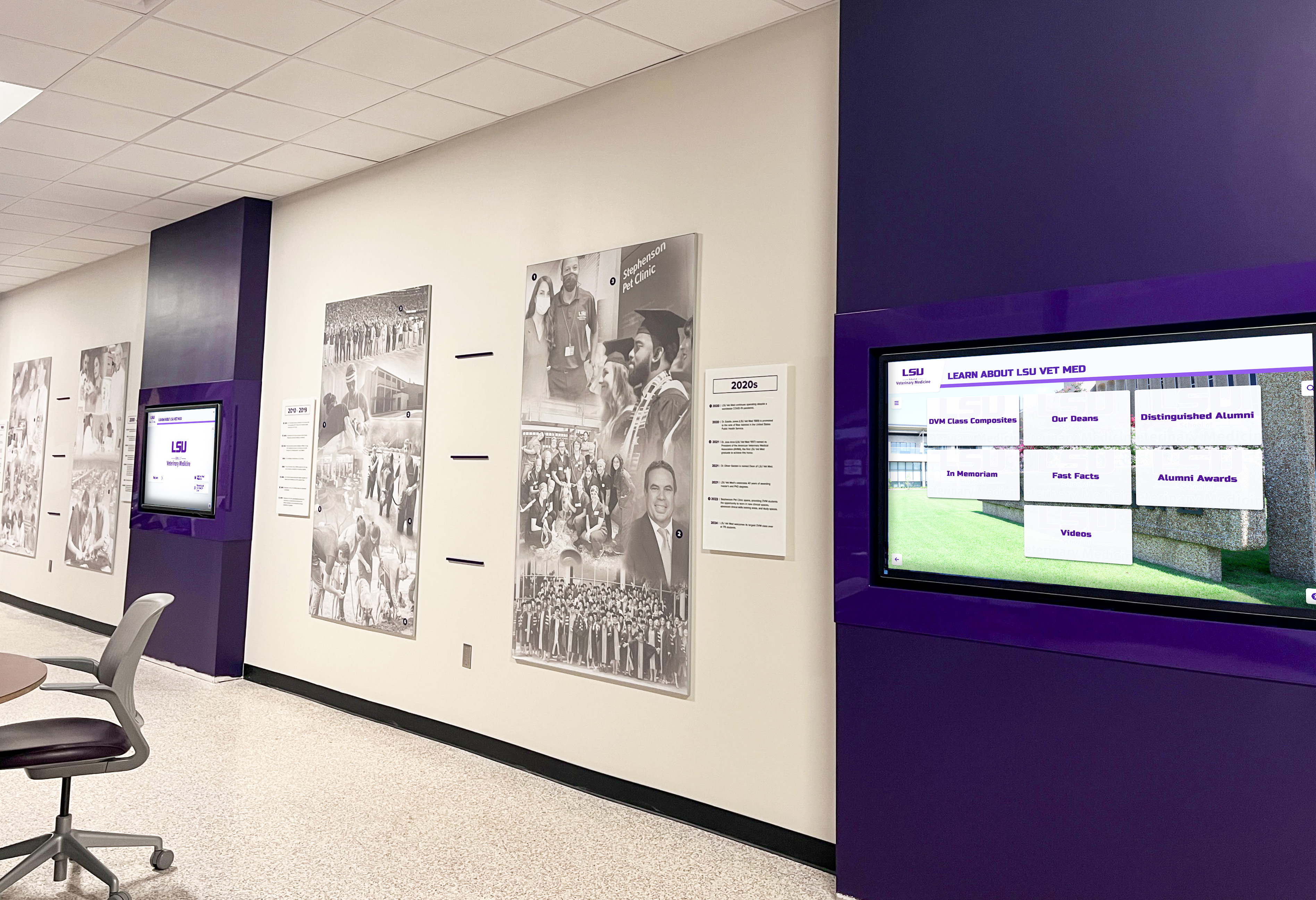
Multiple coordinated displays throughout campus create comprehensive heritage recognition visible throughout school spaces
Long-Term Cultural Indicators
School Climate Improvements
- Sense of belonging measures for students from diverse backgrounds
- Reported incidents of bias or discrimination compared to baseline
- Student retention and attendance patterns across demographic groups
- Diversity of student leadership positions and achievement recognition
- Family engagement levels among diverse constituencies
Regular assessment enables continuous improvement ensuring heritage recognition programs remain meaningful, authentic, and impactful over time.
Conclusion: Building Inclusive Communities Through Heritage Recognition
Effective heritage month recognition programs represent strategic investments in inclusive school culture, student belonging, and educational enrichment. When schools systematically celebrate diverse communities throughout the academic year—from Hispanic Heritage Month in fall through Asian American and Pacific Islander Heritage Month in spring—they create environments where all students see themselves reflected and valued while developing deep appreciation for the rich diversity of human experience and contribution.
The strategies explored in this guide provide comprehensive frameworks for building heritage recognition systems that honor diverse communities authentically while remaining manageable for school staff and sustainable over time. From curriculum integration that enriches academic instruction to community partnerships that bring authentic voices into schools, from student-led initiatives that empower young people as heritage educators to digital recognition displays that make celebration accessible and engaging, these approaches transform heritage months from token observances to meaningful educational experiences.
Transform Your Heritage Month Recognition
Discover how flexible digital recognition solutions can help you celebrate every heritage month throughout the year with dynamic, engaging displays that honor diversity and build inclusive school culture.
Explore Recognition SolutionsModern technology makes comprehensive heritage recognition achievable for schools of all sizes. Solutions like Rocket Alumni Solutions provide integrated platforms combining flexible content management, multimedia storytelling, interactive displays, and web-based portals making sophisticated heritage celebration accessible without requiring extensive technical expertise or prohibitive budget investments. Single digital systems serve multiple heritage months throughout the year, rotating automatically to showcase different communities during their designated observances while maintaining searchable archives ensuring year-round accessibility.
Your school community’s diversity deserves recognition equal to its richness. The students, families, and staff members from every heritage background deserve to see their cultures celebrated, their contributions honored, and their experiences validated through systematic, authentic recognition programs. With thoughtful planning, appropriate technology, and ongoing commitment to authenticity and inclusion, you can create heritage recognition systems that genuinely honor diversity while building the positive, welcoming educational culture where all students thrive.
Start transforming your heritage month recognition today—explore comprehensive approaches to celebrating diversity through digital recognition and discover how the right combination of educational programming, community partnership, and flexible digital platforms transforms heritage observances from temporary displays into ongoing celebration of the diverse excellence that defines your school community.































