Your National Honor Society essay represents one of the most important academic writing assignments you’ll complete in high school. This single document can determine whether you join an organization that appears on college applications, connects you with community service opportunities, and recognizes you as one of your school’s top students. Yet many qualified candidates struggle to translate their accomplishments into compelling narratives that selection committees remember.
The challenge isn’t lack of achievement—most NHS candidates have stellar grades, meaningful service hours, and genuine leadership experience. The difficulty lies in presenting these qualifications in ways that stand out among dozens or hundreds of equally impressive applications. Selection committees read countless essays describing volunteer work, academic dedication, and leadership roles. Breaking through requires strategic storytelling that transforms standard experiences into memorable demonstrations of character.
This comprehensive guide walks you through every element of writing a National Honor Society essay that showcases your unique strengths, demonstrates authentic commitment to NHS values, and positions you as exactly the type of member the organization seeks.
Understanding what NHS selection committees look for—and how to present your experiences through that lens—transforms essay writing from intimidating challenge to strategic opportunity. You’ve earned the grades and demonstrated the character. Now it’s time to communicate that effectively through writing that captures who you are and why you belong in the National Honor Society.

National Honor Society members earn recognition among their school's highest academic achievers
Understanding National Honor Society Requirements and Values
Before drafting your essay, you must thoroughly understand what the National Honor Society evaluates and values. NHS selection is never based solely on grades—the organization seeks well-rounded individuals who embody four specific pillars.
The Four Pillars of National Honor Society
Every NHS application is evaluated based on demonstrated excellence across four foundational areas. Your essay must address how you exemplify each pillar, not just list activities.
Scholarship: Academic Excellence as Foundation
The scholarship pillar represents more than earning high grades. NHS seeks students who demonstrate intellectual curiosity, challenge themselves with rigorous coursework, and view learning as a lifelong pursuit rather than transactional grade accumulation.
Strong scholarship evidence includes maintaining challenging course schedules with honors and AP classes, showing consistent academic improvement and growth mindsets, pursuing learning beyond classroom requirements through independent research or advanced topics, demonstrating academic resilience when facing difficult subjects, and applying classroom knowledge to real-world situations.
Learn more about recognizing academic excellence in what is the honor roll and what is National Honor Society.
Service: Commitment to Community Impact
The service pillar evaluates meaningful contribution to communities through volunteer work that demonstrates genuine commitment rather than hour accumulation. NHS values service that creates real impact, addresses authentic needs, and reflects personal investment.
Effective service examples include sustained involvement with organizations over extended periods, leadership roles within service projects showing initiative, service addressing causes you genuinely care about, measurable impact demonstrating your contribution value, and reflection showing how service shaped your perspective.
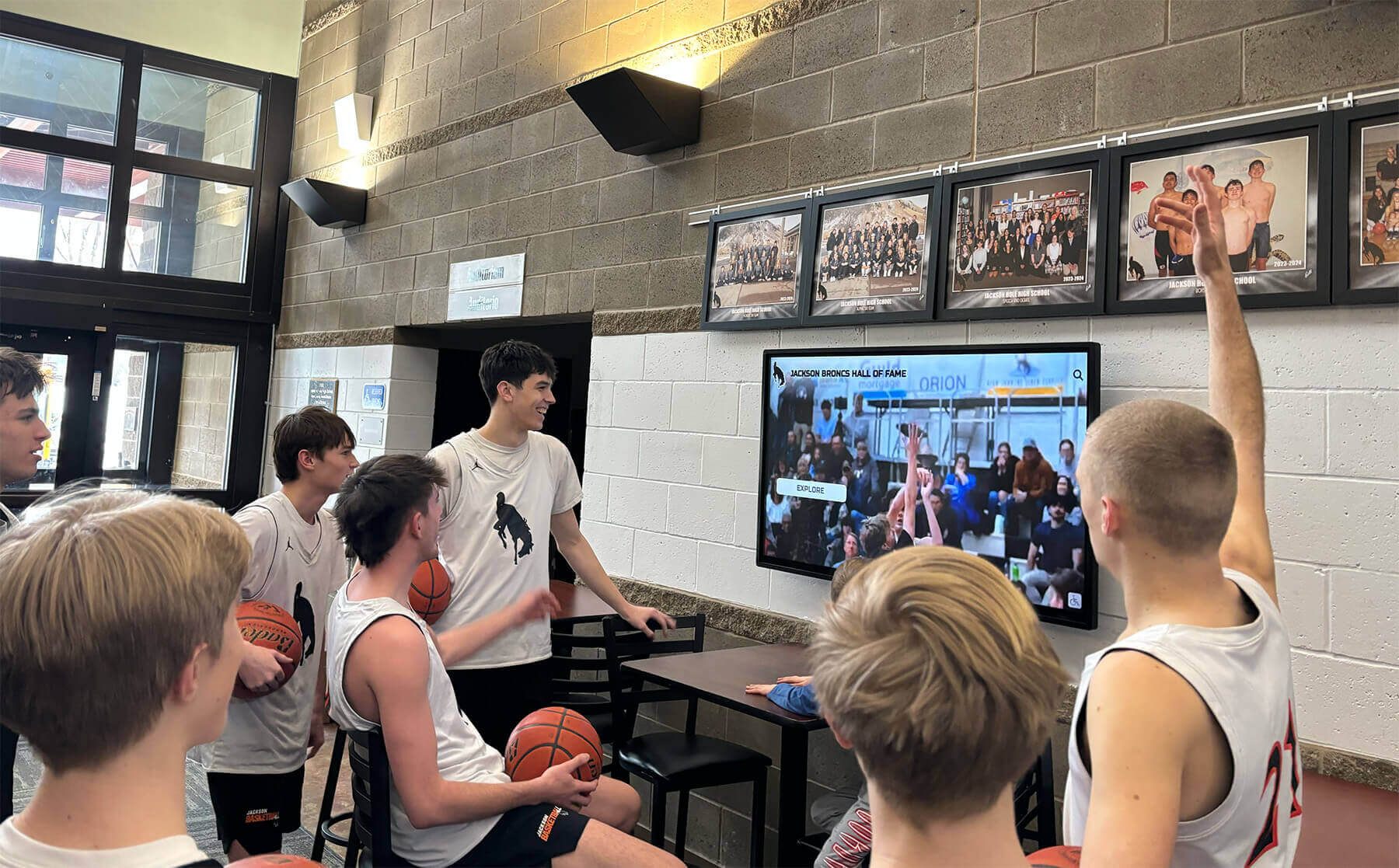
NHS emphasizes well-rounded excellence across academics, service, leadership, and character
Leadership: Influence and Initiative
Leadership extends far beyond holding titled positions. NHS seeks students who inspire others, take initiative, solve problems, and create positive change regardless of whether they hold formal leadership roles.
Meaningful leadership evidence includes identifying problems and creating solutions without being told, positively influencing peers through example and encouragement, taking responsibility when projects face challenges, empowering others to contribute and develop their skills, and demonstrating leadership in both formal roles and everyday situations.
Character: Integrity in Action
Character represents the most challenging pillar to demonstrate through essays because it requires showing rather than telling. Selection committees evaluate integrity, respect, responsibility, trustworthiness, and ethical behavior through concrete examples.
Character is demonstrated through maintaining honesty when dishonesty would be easier, treating all individuals with respect regardless of social status, following through on commitments even when inconvenient, standing up for what’s right when facing peer pressure, and demonstrating reliability that causes others to trust you.
What Selection Committees Actually Look For
Understanding the evaluation process helps you craft essays that directly address selection criteria. NHS faculty advisors and selection committees review dozens or hundreds of applications, looking for specific qualities that distinguish outstanding candidates.
Authenticity Over Performance
Selection committees recognize when students present manufactured personas designed to impress. They value genuine reflection, honest examples, and authentic voice over perfectly polished corporate-speak that could apply to any candidate.
Write in your natural voice. Share experiences that genuinely shaped you. Acknowledge challenges you faced and how you grew. Committees appreciate students who present as real people with authentic motivations rather than resume-building machines.
Specific Examples Over Generic Claims
Claims like “I am a leader” or “I care about service” mean nothing without concrete examples. Selection committees need specific stories demonstrating these qualities in action.
Instead of stating “I have strong character,” describe the specific moment when you faced an ethical dilemma, what you decided, and why. Instead of claiming “I’m a natural leader,” share how you brought together a divided group to accomplish a common goal.

NHS applications should showcase your unique achievements and personal journey
Growth Mindset Over Perfection
Selection committees appreciate candidates who demonstrate growth, learning from challenges, and continuous improvement more than students presenting perfectly curated accomplishment lists.
Don’t be afraid to discuss situations where you initially struggled, made mistakes, or had to overcome obstacles. Showing how you adapted, learned, and improved demonstrates maturity and character more effectively than pretending everything always came easily.
Impact Over Activity Lists
NHS committees can see your activity list. Your essay should provide context showing why activities mattered, what impact you created, and how experiences shaped your development.
Rather than listing every club membership, focus on two or three experiences where you made meaningful contributions or underwent significant growth. Depth matters more than breadth.
Brainstorming and Preparing Your NHS Essay Content
Effective essays begin long before writing first drafts. Strategic preparation ensures you identify the strongest examples and organize content that directly addresses NHS criteria.
Conducting a Personal Achievement Audit
Before writing, systematically inventory your experiences across all four NHS pillars. This audit helps you identify which examples best demonstrate each quality while revealing gaps you might address.
Scholarship Achievement Inventory
List all academic accomplishments and intellectual pursuits including specific challenging courses where you excelled, academic awards and recognition you’ve received, instances where you pursued learning beyond requirements, research projects or independent studies you conducted, academic competitions you participated in, and times you helped classmates understand difficult concepts.
For each item, note not just what you accomplished but why it mattered to you and what it demonstrated about your approach to learning.
Service Experience Catalog
Document all volunteer and service activities including organizations you’ve served regularly, specific projects where you contributed significantly, causes you support and why they matter to you, leadership roles within service organizations, measurable impact your service created, and moments when service changed your perspective or understanding.
Prioritize sustained commitments over one-time events. Selection committees value depth of engagement showing genuine commitment rather than resume-padding breadth.
Leadership Moments Documentation
Identify all situations where you demonstrated leadership—both formal positions and informal influence including titled roles (team captain, club president, group leader), projects where you took initiative without being assigned leadership, situations where you influenced others positively, times you solved problems or resolved conflicts, instances where you empowered or mentored others, and moments you took responsibility when things went wrong.
Remember that leadership doesn’t always mean being in charge. Sometimes leadership means supporting others, facilitating collaboration, or taking the first step.

Track your achievements across academics, service, leadership, and character development
Character Demonstration Examples
Character proves most difficult to articulate but most important to show. Identify specific examples of ethical decisions or integrity demonstrations including times you chose honesty despite potential negative consequences, situations where you stood up for what was right, instances when you kept commitments even when difficult, examples of treating everyone with respect regardless of circumstance, and moments when others trusted you with important responsibilities.
These examples reveal more about character than any claim you could make about yourself.
Identifying Your Strongest Stories
After completing your achievement audit, identify 3-5 experiences that best demonstrate NHS values while revealing something unique about you. Strong essay stories share several characteristics.
Stories With Transformation
The most compelling narratives show how you changed, grew, or developed new understanding through experience. Selection committees want to see personal evolution, not just accomplishment accumulation.
Effective transformation stories include clear before and after states, specific moments when your thinking shifted, concrete changes in your behavior or approach, meaningful realizations about yourself or the world, and evidence of applying what you learned subsequently.
Stories With Specific Detail
Generic descriptions could apply to any candidate. Vivid, specific details make your experiences memorable and uniquely yours.
Instead of “I volunteered at a food bank,” write “Every Saturday morning, I sorted donations in the back room of First Community Food Bank, where I noticed many families needed personal care items we didn’t stock. I researched this need and organized a hygiene product drive that collected 847 items in three weeks.”
Specific numbers, names, sensory details, and concrete actions make stories come alive.
Stories Demonstrating Multiple Pillars
The strongest examples naturally illustrate several NHS values simultaneously. A single experience might demonstrate leadership, service, and character together, creating efficient essays that avoid repetitive structure.
Look for experiences where you showed leadership while serving others, where scholarship informed your service approach, or where character shaped leadership decisions.
Understanding Your “Why”
Beyond describing what you did, effective essays articulate why experiences mattered to you. Your motivations, values, and personal connections to service and leadership reveal character more than activities themselves.
Before writing, answer these questions for your key experiences: What drew you to this activity or cause initially? What kept you engaged when it became challenging? What did you learn about yourself through this experience? How did this change your perspective or priorities? Why does this experience represent who you are?

NHS recognition appears alongside other academic honors throughout your educational career
Your authentic motivations make your application unique. Two students might have similar volunteer experience, but their different reasons for serving and what they gained distinguish them.
Structuring Your National Honor Society Essay
Strong structure ensures your essay flows logically while comprehensively addressing all selection criteria. Several organizational approaches work effectively depending on your experiences and writing style.
The Four-Pillar Structure Approach
This straightforward organizational method dedicates specific sections to each NHS pillar, systematically addressing scholarship, service, leadership, and character in turn.
Four-Pillar Structure Benefits
This approach ensures comprehensive coverage of all evaluation criteria, creates clear organization easy for selection committees to follow, allows balanced attention across all four pillars, and works well when you have strong examples in each category.
Four-Pillar Structure Implementation
Begin with a compelling introduction establishing your central theme or motivation. Then dedicate one paragraph or section to each pillar, using specific examples demonstrating that quality. Conclude by connecting all four pillars to explain how they combine to make you an ideal NHS member.
For example: “My commitment to the National Honor Society stems from four years of developing the scholarship, service, leadership, and character that define this organization. [Scholarship paragraph with specific examples] [Service paragraph with specific examples] [Leadership paragraph with specific examples] [Character paragraph with specific examples] Together, these experiences have prepared me to contribute meaningfully to NHS and continue growing as a student and community member.”
This structure works particularly well for shorter essays with strict word limits requiring efficient coverage of all criteria.
The Thematic Narrative Approach
Rather than organizing by pillars, the thematic approach weaves all four values through a central story or connected experiences that naturally demonstrate multiple qualities simultaneously.
Thematic Narrative Benefits
This approach creates more engaging storytelling that feels less formulaic, demonstrates how NHS values intersect and reinforce each other in real experience, allows deeper exploration of fewer experiences rather than surface coverage of many, and showcases writing sophistication through sophisticated organization.
Thematic Narrative Implementation
Identify a central experience, project, or value that demonstrates multiple NHS pillars simultaneously. Structure your essay around this core story while naturally incorporating evidence of scholarship, service, leadership, and character throughout the narrative.
For example, an essay about starting a peer tutoring program could demonstrate service (helping struggling students), leadership (creating and organizing the program), scholarship (applying your academic strengths), and character (commitment to equity and student success) all within a single cohesive story.
This approach works best when you have one particularly meaningful experience that comprehensively demonstrates NHS values and when word count allows deeper exploration.
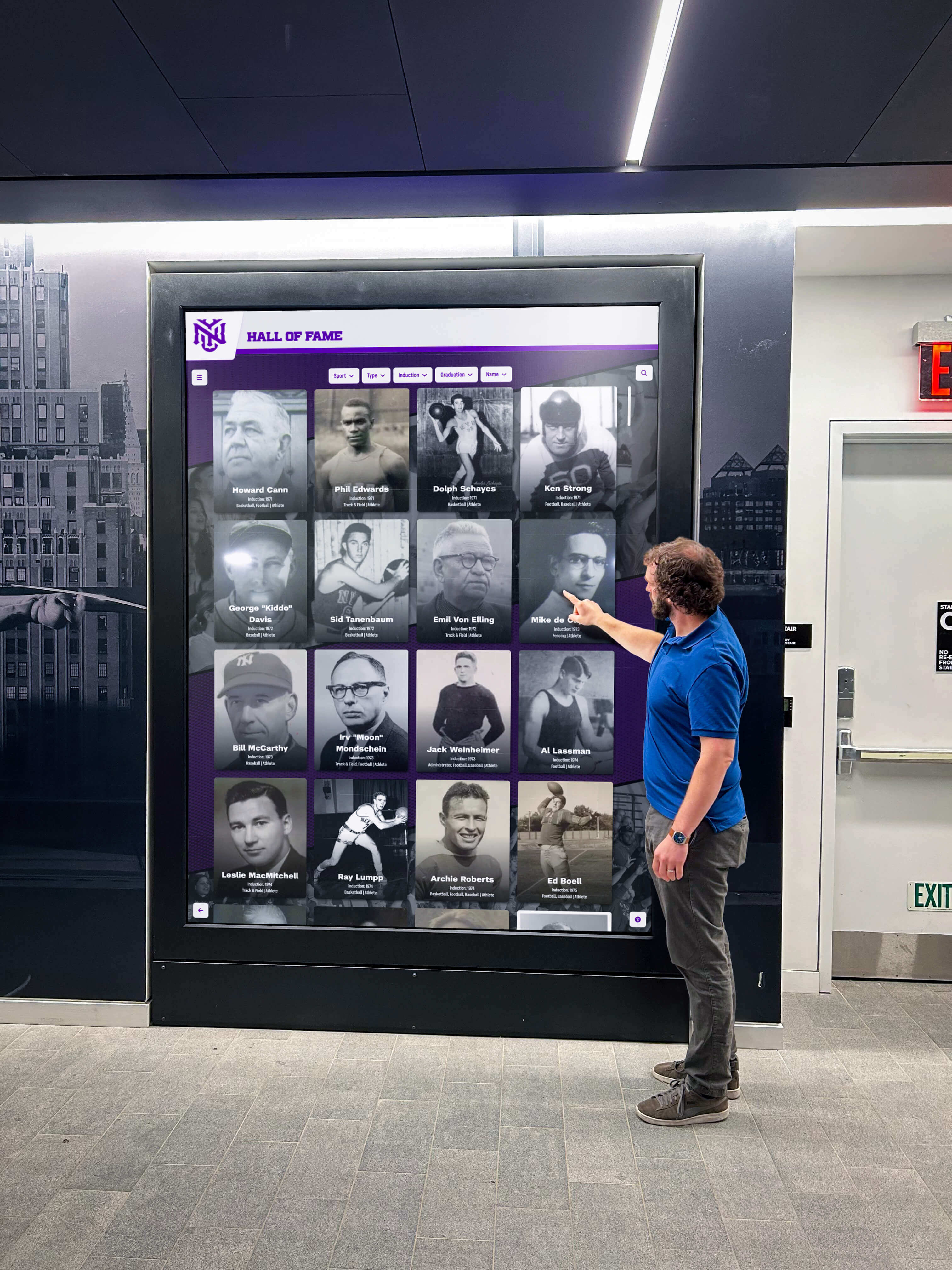
NHS membership becomes part of your permanent academic record and recognition
The Growth Journey Structure
This organizational approach traces your development across high school, showing how experiences progressively shaped the scholar, servant, leader, and person of character you’ve become.
Growth Journey Benefits
This chronological or developmental structure demonstrates maturity and self-reflection, shows how experiences built upon each other creating cumulative growth, allows discussion of challenges and learning moments effectively, and creates natural narrative arc engaging readers throughout.
Growth Journey Implementation
Organize content chronologically or developmentally, showing how early experiences sparked interests that later evolved into deeper commitments. Discuss how initial involvement led to increased responsibility, how early challenges taught lessons you applied subsequently, and how diverse experiences combined to shape your understanding of scholarship, service, leadership, and character.
This structure works particularly well when your NHS commitment developed gradually through connected experiences rather than appearing fully formed, and when you want to emphasize personal growth and evolution.
Crafting Powerful Opening Paragraphs
Regardless of organizational structure, your opening paragraph must immediately engage selection committee attention while establishing your essay’s direction and tone.
Effective Opening Strategies
Strong openings use several proven techniques:
The Vivid Scene Opening – Begin with a specific moment, using sensory detail to place readers directly into a meaningful experience: “The elementary student’s face lit up when she finally understood long division after three tutoring sessions where I’d adjusted my teaching approach each time based on what worked and what didn’t.”
The Surprising Statement Opening – Start with a counter-intuitive claim or unexpected truth that reframes common assumptions: “My most important leadership lesson came not from the student council presidency I held, but from the election I lost sophomore year.”
The Personal Connection Opening – Immediately establish why NHS values matter personally to you: “Growing up watching my single mother work three jobs while taking night classes taught me that scholarship, service, leadership, and character aren’t abstract ideals—they’re daily commitments.”
The Reflective Question Opening – Begin with a meaningful question that your essay answers: “What does it mean to truly serve a community rather than simply accumulating volunteer hours for college applications? This question transformed my approach to service and my understanding of genuine impact.”
Avoid generic openings like “I am honored to apply for National Honor Society” or “Ever since I was young, I knew I wanted to make a difference.” These weak starts waste valuable space without conveying meaningful information.
Writing Compelling Content That Demonstrates NHS Values
After establishing structure and opening strongly, your essay body must provide concrete evidence demonstrating each NHS pillar through specific, memorable examples.
Showing Rather Than Telling
The single most important writing principle for NHS essays: show selection committees your qualities through specific examples rather than simply claiming you possess them.
The Telling Problem
Telling occurs when you make claims about yourself without providing evidence: “I am a natural leader who people trust.” “I have always been passionate about helping others.” “My strong character guides all my decisions.”
These statements might be true, but they prove nothing. Selection committees need evidence, not self-assessment.
The Showing Solution
Showing provides specific examples demonstrating qualities in action through concrete details:
Instead of “I am a natural leader who people trust,” write: “When our robotics team faced internal conflict about design direction three weeks before competition, I organized individual conversations with each member to understand concerns, then facilitated a meeting where we used components from everyone’s ideas to create a hybrid design. The team went on to place second at regionals with a robot everyone took ownership of.”
This specific example demonstrates leadership, problem-solving, collaboration, and emotional intelligence without claiming any of those qualities directly.

Your NHS essay should tell your unique story through specific, memorable examples
Demonstrating Scholarship Beyond Grades
Selection committees know your GPA—it’s on your transcript. Your essay must show what your grades don’t capture about your intellectual character and approach to learning.
Scholarship Essay Strategies
Effective scholarship demonstration goes beyond grade reporting to show intellectual curiosity, academic resilience, learning application, interdisciplinary connections, and scholarship as lifelong value rather than transactional grade pursuit.
Strong scholarship examples: “When studying World War II in history class sparked questions about the mathematics of code-breaking, I spent weeks teaching myself basic cryptography principles beyond curriculum requirements, ultimately presenting findings to my math class and history class, connecting both subjects.”
“After struggling with chemistry first semester junior year, I fundamentally changed my approach from memorization to understanding underlying principles. I formed a study group, created visual models explaining concepts, and improved my grade from C to A while helping two group members pass the course.”
These examples demonstrate authentic engagement with learning, intellectual curiosity, and growth mindset—qualities that define scholarship beyond simply earning high grades.
Explore how academic excellence is recognized in academic recognition programs.
Articulating Meaningful Service and Impact
Service sections fail when they simply list volunteer hours and organizations. Effective service writing shows genuine commitment, meaningful impact, and how service shaped your perspective.
Service Essay Strategies
Transform service descriptions by emphasizing sustained commitment over scattered activities, specific impact over general participation, personal connection to causes served, how service changed your understanding, and leadership or initiative within service activities.
Weak Service Description: “I have volunteered 200 hours at various organizations including the food bank, nursing home, and animal shelter. Through this service, I have learned the importance of helping others.”
Strong Service Description: “Every Saturday for two years, I’ve read to residents at Riverside Nursing Home. Initially, I viewed this as volunteer hour accumulation, but Mrs. Henderson changed my perspective. During our fifth session, she squeezed my hand and said ‘You have no idea how much this means to us.’ I realized I wasn’t just reading stories—I was providing connection and dignity to isolated people. I recruited six friends to join me, expanding our program to reach more residents, and I now plan to study geriatric nursing to continue serving elderly populations.”
The strong example demonstrates sustained commitment, shows specific impact, reveals authentic personal connection, includes reflection showing growth, and mentions leadership initiative expanding the program.
Illustrating Leadership Through Initiative and Influence
Leadership essays fall flat when they simply list titled positions. Selection committees need evidence of how you actually led—the initiative you took, influence you exerted, and impact you created.
Leadership Essay Strategies
Demonstrate leadership by describing problems you identified and addressed, showing how you influenced others toward common goals, explaining challenges you navigated during leadership, highlighting how you empowered others rather than just directing, and revealing lessons you learned about leadership through experience.

NHS values leadership demonstrated through initiative, influence, and positive impact
Weak Leadership Description: “As student council treasurer, I managed the budget and attended all meetings. This role taught me responsibility and leadership skills.”
Strong Leadership Description: “When I became student council treasurer, I inherited a chaotic system of handwritten receipts and unclear budget categories. Rather than simply continuing this approach, I researched accounting software, proposed adopting a free student organization platform, trained the entire council on the new system, and created quarterly financial reports making our budget transparent to the student body. These changes reduced our annual audit time from three days to four hours while improving budget accuracy and building student trust in council fiscal responsibility.”
The strong example shows initiative identifying a problem, demonstrates leadership implementing solutions, reveals influence getting others to adopt new systems, and highlights tangible impact improving organizational function.
Revealing Character Through Ethical Decisions
Character represents the most challenging pillar to demonstrate because it requires revealing moments when you faced ethical choices, displaying integrity, showing respect and responsibility, demonstrating trustworthiness, and acknowledging when you made mistakes and how you learned.
Character Essay Strategies
Character emerges most powerfully through specific dilemmas and decisions rather than abstract claims about integrity.
Weak Character Description: “I have strong character and always do the right thing. People know they can trust me because I am honest and responsible.”
Strong Character Description: “During a group project worth 30% of our grade, I discovered a teammate had plagiarized their entire section two days before submission. Confronting this felt impossible—we were friends, and revealing plagiarism would hurt the entire group’s grade. After a sleepless night, I spoke privately with my teammate, explaining we needed to rewrite that section even if it meant submitting late. When they refused, I informed our teacher, accepting a late penalty and strained friendship. Our teacher appreciated the integrity, gave us an extension, and my former teammate eventually thanked me for preventing a more serious consequence. This taught me that character sometimes means choosing right over easy, even when the cost feels high.”
This example demonstrates character through specific ethical dilemma, shows decision-making process revealing values, acknowledges difficulty and cost of ethical choice, reveals consequences both immediate and long-term, and includes reflection showing mature understanding of integrity.
Polishing Your NHS Essay for Maximum Impact
After drafting content demonstrating NHS values through specific examples, strategic revision and polishing separate competent applications from truly exceptional ones.
Revising for Clarity and Concision
First drafts typically contain unnecessary words, redundant phrases, and unclear sentences. Systematic revision tightens writing while sharpening focus.
Elimination Strategies
Remove qualifying phrases that weaken writing like “I think,” “I believe,” “in my opinion,” “sort of,” and “kind of.” These phrases add no meaning while consuming precious word count.
Cut redundant descriptors where single strong words communicate more effectively than multiple weak ones. “Very unique” becomes “unique.” “Absolutely essential” becomes “essential.” “Completely finished” becomes “finished.”
Eliminate throat-clearing openings that delay getting to meaningful content. “What I really want to say is…” and “The point I’m trying to make is…” can simply be deleted, starting immediately with the actual point.
Active Voice Emphasis
Passive voice (“The tutoring program was started by me”) creates weaker, wordier sentences than active voice (“I started the tutoring program”). Review every sentence, converting passive constructions to active voice unless passive serves specific purpose.
Specific Language Selection
Replace vague language with precise terminology. “Worked with kids” becomes “mentored elementary students.” “Helped at the hospital” becomes “assisted nurses in the pediatric ward.” Specific language creates vivid mental images while consuming fewer words.

NHS membership represents documented achievement recognized throughout your academic career
Ensuring Authentic Voice
Your essay should sound like you—a thoughtful, mature high school student—not like a corporate executive writing a business proposal or an overly formal academic paper.
Voice Authenticity Strategies
Read your essay aloud. If sentences sound unnatural or like vocabulary you’d never use in conversation with teachers or counselors, revise for more natural phrasing.
Use first person (“I,” “my”) confidently. NHS essays evaluate you personally, so first person is appropriate and expected. Avoid awkward third person (“This student has demonstrated…”) or passive constructions hiding your agency.
Include appropriate personality. You can be professional and thoughtful while still sounding human. Sentences like “I was terrified before my first speech competition” or “This realization hit me like a revelation” add humanity without being unprofessional.
Avoid thesaurus abuse. Selection committees recognize when students search for impressive-sounding synonyms resulting in awkward or incorrect word choices. Use vocabulary you genuinely understand and would naturally employ.
Verifying Complete Coverage of All Pillars
Before submitting, systematically verify your essay addresses all four NHS values with specific evidence. Create a simple checklist:
Scholarship Coverage: Does my essay include specific examples demonstrating intellectual curiosity, academic challenge, or learning application beyond grades?
Service Coverage: Does my essay show sustained service commitment with measurable impact and genuine personal connection?
Leadership Coverage: Does my essay demonstrate initiative, influence, problem-solving, or empowering others through specific examples?
Character Coverage: Does my essay reveal integrity, responsibility, respect, or ethical decision-making through concrete situations?
If any pillar lacks specific evidence, revise to include concrete demonstration of that quality.
Proofreading and Error Elimination
Even outstanding content loses impact when undermined by careless errors. Systematic proofreading prevents typos, grammar mistakes, and formatting issues that suggest insufficient care.
Multi-Stage Proofreading Approach
First, run automated spell-check catching obvious errors, but never rely on automation alone—spell-check misses correctly spelled wrong words like “there” for “their.”
Second, read your essay aloud slowly, noticing awkward phrasing, run-on sentences, and repeated words that eyes alone might miss.
Third, review specifically for common errors including subject-verb agreement, pronoun-antecedent agreement, consistent verb tense, proper comma usage, correct semicolon and colon application, and consistent formatting throughout.
Fourth, have someone else read your essay. Fresh eyes catch errors you’ve become blind to through multiple drafts. Ask your reader to mark any confusing sentences, unclear references, or awkward phrasing in addition to catching grammatical errors.
Allow time between writing and final proofreading. You’ll spot more errors and improvement opportunities when returning to your essay after a day or two away from the text.
Respecting Word Limits and Format Requirements
Exceeding word limits demonstrates inability to follow directions—a character concern that can disqualify otherwise strong applications. If your essay exceeds limits, cut ruthlessly.
Strategic Cutting Strategies
First eliminate any content that doesn’t directly demonstrate NHS pillars. Interesting tangents and background information that doesn’t serve your main purpose must go.
Tighten remaining content by removing qualifiers, converting longer phrases to single words, and combining related points.

NHS applications should demonstrate comprehensive excellence worthy of lasting recognition
Ensure formatting matches specified requirements regarding font choice and size, margin specifications, spacing requirements (single vs. double), header or heading formats, and file format if submitting digitally.
Common NHS Essay Mistakes to Avoid
Understanding frequent application pitfalls helps you avoid undermining strong qualifications through preventable errors.
The Humble-Brag Problem
Many students struggle with self-promotion, resulting in essays that simultaneously claim accomplishments while apologetically minimizing them: “I don’t want to brag, but I’ve done some service work.” “I’m not trying to sound conceited, but my grades are pretty good.”
These qualifiers undermine your application. NHS requires self-advocacy—you must present your accomplishments confidently without false modesty. The key distinction: describe what you did and its impact without comparative claims about being better than others.
Appropriate Confidence: “I maintained a 4.0 GPA while taking six AP courses junior year, spending my weekends volunteering at the community center.”
Humble-Brag: “I know it’s not that big a deal, but I somehow managed to get decent grades while occasionally helping out at the community center.”
State your accomplishments directly. The application context makes clear you’re presenting qualifications, not randomly boasting.
The Resume Rehash Trap
Selection committees can see your activity list and transcript. Essays that simply repeat this information in paragraph form waste the opportunity to provide meaningful context and reflection.
Resume Rehash Example: “I am a member of debate club, Spanish club, and student council. I have a 3.9 GPA and have taken five AP classes. I volunteer at the hospital and animal shelter.”
This paragraph provides no information beyond what appears elsewhere in your application. It reveals nothing about who you are, why you did these activities, what they meant to you, or what you learned.
Transform activity lists into meaningful stories by selecting 2-3 experiences rather than listing everything, explaining why each experience mattered personally, describing specific impact or growth, showing how experiences connect to NHS values, and revealing what experiences taught you about yourself.
The Vague Language Problem
Generic language that could apply to any applicant fails to distinguish you from dozens of other candidates.
Vague Statement Examples: “I learned a lot from this experience.” “This taught me important lessons.” “I gained valuable skills.” “This was very meaningful to me.”
These statements communicate nothing specific. What exactly did you learn? Which lessons? What skills? Why was it meaningful?
Transform vague language by specifying exactly what you learned or gained, explaining how experiences changed your thinking or behavior, describing concrete skills or knowledge acquired, and providing specific examples illustrating general claims.
Specific Version: “Through leading the fundraising committee, I learned to delegate tasks based on each member’s strengths rather than trying to control every detail myself. This shift from micromanaging to strategic oversight increased our fundraising by 40% while reducing my stress.”
The Martyr Complex Error
Some essays present students as selfless saints who never think of themselves, always sacrifice, and find complete fulfillment through constant service to others. This portrayal often sounds inauthentic and can actually raise concerns.
Martyr Complex Example: “I never think of myself. All my time is devoted to serving others because I find no greater joy than sacrificing my own needs for those less fortunate.”
Selection committees recognize high school students as real people with normal teenage concerns, social lives, and personal interests. Pretending otherwise suggests either inauthenticity or concerning lack of self-care.
Balance service commitment with authentic humanity by acknowledging that service requires sacrifice but yields personal growth, admitting you’ve learned from those you serve (avoiding savior complex), showing how service connects to your interests and values, and presenting yourself as someone who both serves and has a fulfilling life beyond service.

NHS membership complements other achievements in comprehensive recognition systems
The “Future Plans” Distraction
Some essays spend significant space discussing college plans, career goals, or future aspirations rather than focusing on demonstrated NHS values through past and present experiences.
Selection committees evaluate what you’ve already accomplished, not what you promise to do. While brief mention of how NHS aligns with future goals can work in conclusions, extended future discussion wastes space better used demonstrating current qualifications.
Focus essays primarily on experiences demonstrating current scholarship, service, leadership, and character. If discussing future, connect it directly to how past experiences inform future direction.
After Submission: What Happens Next
Understanding the selection process helps manage expectations and prepares you for various outcomes.
The Selection Timeline
NHS selection typically follows structured timelines, though specifics vary by school. Generally, applications are submitted in fall or spring of eligible year, selection committees review applications over several weeks, students receive acceptance or non-acceptance notifications, accepted students are inducted during formal ceremonies, and NHS membership continues through graduation.
Recognize that selection committees face difficult decisions when evaluating many qualified candidates. Not all deserving students can be accepted if membership numbers are limited. Selection represents evaluation of application quality, not comprehensive judgment of your worth as a person or student.
If You’re Accepted
Congratulations! NHS acceptance validates your academic achievement and character. After acceptance, participate fully in NHS activities, fulfill service hour requirements consistently, maintain academic standards required for continued membership, take on leadership roles within your NHS chapter, and prepare to include NHS membership prominently on college applications.
NHS membership becomes part of your permanent academic record. Schools often recognize NHS members through displays and digital recognition systems like those from Rocket Alumni Solutions that celebrate academic achievement alongside athletic and other accomplishments.
Learn about comprehensive academic recognition in honor roll touchscreen displays and AP Scholar recognition.
If You’re Not Accepted
Not being selected for NHS, while disappointing, doesn’t diminish your accomplishments or predict future success. Many highly successful people weren’t NHS members. If you aren’t selected, request feedback if your school provides it—understanding evaluation can help with future applications, continue your service and leadership activities because they matter beyond NHS, maintain academic excellence for college applications and personal growth, consider reapplying if your school allows (some chapters accept juniors and seniors in different cycles), and remember that college admissions consider many factors beyond NHS membership.
Your character, accomplishments, and potential remain exactly what they were before selection. NHS recognition or lack thereof doesn’t define you.

Academic achievement deserves recognition equal to athletic and other accomplishments
Sample NHS Essay Excerpt Analysis
Examining strong essay excerpts helps identify effective techniques you can apply to your own writing.
Effective Opening Example
“The weekly meeting reminder appeared on my phone every Tuesday at 6:00 AM: ‘Reading program at Riverside Nursing Home, 9:00 AM Saturday.’ For the first three months, I hit snooze, dreading the two-hour commitment. But the morning Mrs. Henderson squeezed my hand after I finished reading ‘To Kill a Mockingbird’ and whispered ‘You’ve given me back something I thought I’d lost,’ I realized I’d been viewing service entirely backwards. I wasn’t giving time—I was receiving the profound privilege of meaningful human connection.”
Why This Opening Works: Starts with specific, vivid detail readers can visualize, reveals honest emotion (initial reluctance) establishing authenticity, includes a transformative moment showing growth, demonstrates service pillar while revealing character, and sets up essay theme about understanding authentic service.
Effective Body Paragraph Example
“When our chemistry study group faced the challenge of explaining equilibrium concepts we’d all struggled with initially, I realized teaching others would reinforce my own understanding while helping the group succeed. Rather than just reviewing textbook definitions, I created physical demonstrations using household items—red and blue marbles representing forward and reverse reactions in sealed containers. These visual models helped all five group members finally grasp equilibrium conceptually rather than just memorizing formulas. Our collective test average improved from 72% to 91%, and I learned that true scholarship means not just understanding material yourself but finding ways to make learning accessible for others.”
Why This Body Paragraph Works: Opens with specific situation and challenge, demonstrates leadership through initiative creating solutions, shows scholarship applied practically to help others, includes concrete, measurable impact (test score improvement), and concludes with reflection revealing mature understanding of scholarship.
Effective Closing Example
“My four years of developing scholarship, service, leadership, and character haven’t been about checking boxes for college applications—they’ve been about discovering the person I want to become. Whether explaining difficult concepts to struggling classmates, organizing donation drives for causes I believe in, or choosing integrity when expedience tempted me otherwise, I’ve learned these four pillars aren’t separate qualities but interconnected values that reinforce each other. Joining National Honor Society would formalize a commitment I’ve already made to living these principles, while connecting me with peers who share this dedication to using our strengths in service of others and our communities. I’m prepared not just to be a member, but to be an active contributor to NHS mission and values.”
Why This Closing Works: Synthesizes all four pillars showing how they connect, reveals authentic motivation beyond resume-building, demonstrates mature self-awareness and reflection, explicitly states readiness to contribute actively to NHS, and ends with forward-looking commitment rather than simply restating qualifications.
Your Path to NHS Acceptance
Writing an exceptional National Honor Society essay requires understanding what selection committees value, demonstrating NHS pillars through specific examples, organizing content strategically while maintaining authentic voice, and revising ruthlessly to eliminate errors and tighten focus.
The strategies explored in this guide transform essay writing from intimidating challenge to structured opportunity. You’ve earned the grades. You’ve demonstrated service, leadership, and character through years of meaningful activities. Your essay simply needs to communicate these accomplishments effectively through concrete examples that selection committees remember.
Start by auditing your experiences across all four pillars, identifying your strongest stories that demonstrate multiple values simultaneously. Choose organizational structure matching your experience pattern—whether four-pillar, thematic narrative, or growth journey approach. Draft content that shows rather than tells, using specific details that could only apply to you. Then revise systematically, tightening language, strengthening examples, and eliminating errors.
Your NHS essay represents one of high school’s most important writing opportunities. Selection determines not just organizational membership, but recognition of your comprehensive excellence as student, servant, leader, and person of character. This recognition often appears on digital displays and recognition walls throughout schools, celebrating academic achievement using solutions like Rocket Alumni Solutions that showcase student excellence.
Celebrate Academic Excellence and Student Achievement
Discover how modern digital recognition solutions can help your school celebrate NHS members, honor roll students, and academic achievers while building a thriving culture of intellectual excellence.
Explore Recognition SolutionsThe difference between acceptance and rejection often comes down to essay quality. Two candidates with identical GPAs and similar activities face different outcomes based on how effectively they communicate their qualifications, authenticity, and understanding of NHS values.
You control essay quality. You can’t change your GPA at this point or manufacture new experiences. But you can craft an essay that presents your genuine accomplishments compellingly through strategic structure, specific examples, authentic voice, and polished execution.
Begin writing now, following the strategies outlined throughout this guide. Allow time for multiple drafts, revision, feedback, and final polishing. Your effort will show in essay quality—and essay quality determines selection outcomes.
Your accomplishments deserve recognition. Your character merits acknowledgment. Your service has created impact. Your leadership has influenced others. Now communicate these truths effectively through writing that honors your achievements while demonstrating exactly why you belong in the National Honor Society.
Whether you’re just beginning your essay or revising a draft, the strategies in this guide provide the framework for creating applications that stand out from generic submissions. Take the time to identify your strongest stories, present them through specific details, and reflect genuinely on what experiences taught you. Selection committees will recognize authentic excellence when they see it.
Ready to continue exploring academic achievement recognition? Learn more about student recognition programs that increase future success and comprehensive academic recognition strategies.































