Beyond the Signing Table: Transforming National Letter of Intent Day Recognition
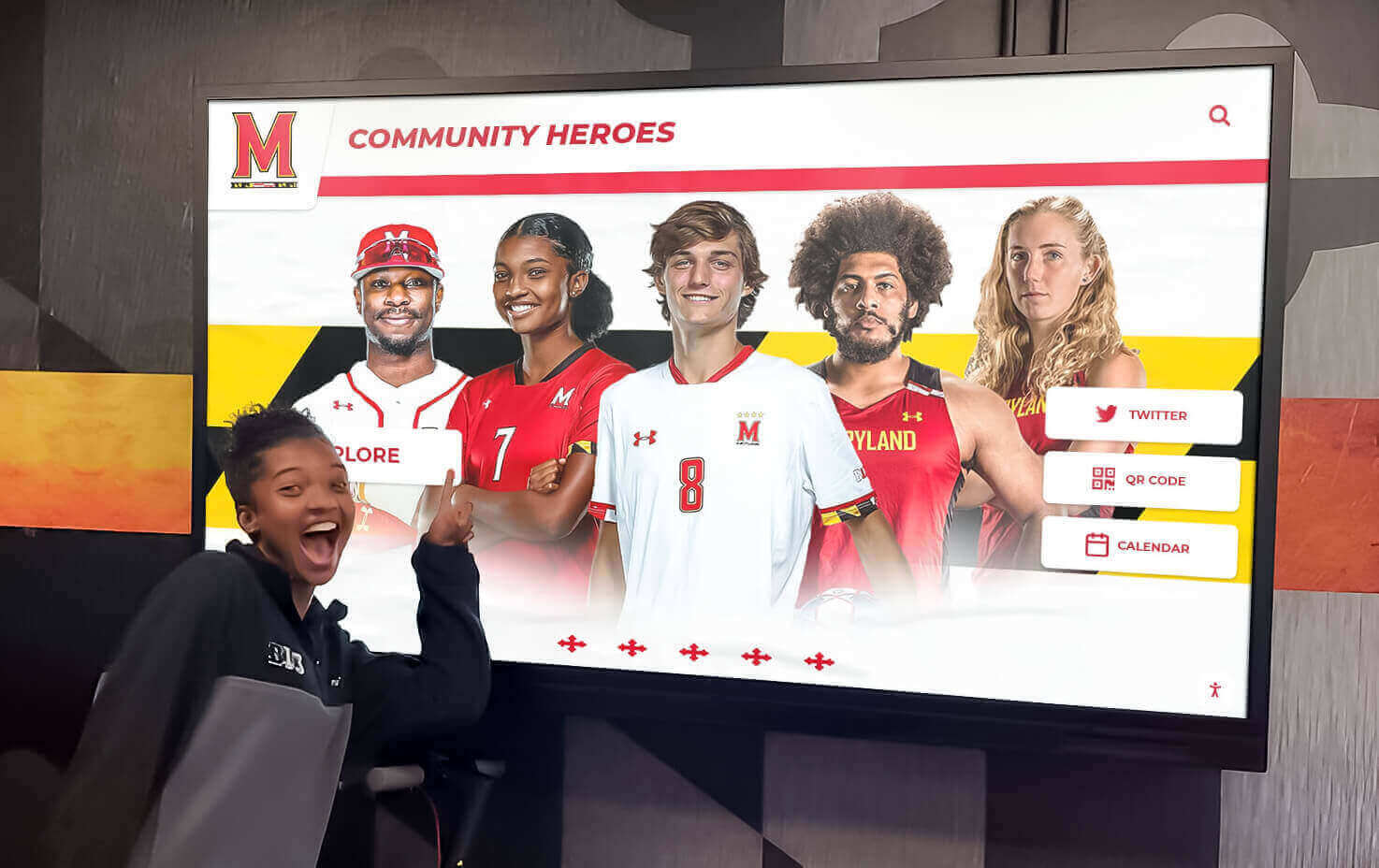
For student-athletes, National Letter of Intent Day represents the culmination of years of dedication, countless hours of training, and the realization of dreams to compete at the collegiate level. This milestone deserves celebration that extends beyond a single ceremony—recognition that honors their journey, inspires younger athletes, and preserves their achievement for the entire school community to celebrate. Virtual and interactive digital recognition boards transform how schools celebrate college commitments, creating permanent, engaging showcases that bring National Letter of Intent Day accomplishments to life through multimedia storytelling and searchable databases accessible to the entire community.
According to research from the NCAA, fewer than 7% of high school athletes advance to compete at the college level, making National Letter of Intent Day commitments truly exceptional achievements. When schools create meaningful recognition for these student-athletes, they accomplish multiple strategic goals: honoring individual dedication and achievement, motivating current underclassmen to pursue similar excellence, demonstrating program quality to prospective families and recruits, strengthening community pride in local athletic programs, and building lasting connections with alumni who advance to college athletics.
Traditional National Letter of Intent Day celebrations—signing tables decorated with college pennants, family photos, and brief ceremonies—provide important moments of recognition. However, these celebrations are typically confined to single events, with limited ongoing visibility beyond the day itself. Physical displays like poster boards or bulletin boards quickly become outdated, offer limited space for comprehensive information, and remain visible only to people physically present at school facilities.
Digital recognition solutions address these limitations while amplifying the celebration of student-athlete achievements in ways that resonate with today’s digitally connected communities.
Understanding National Letter of Intent Day
National Letter of Intent Day marks the formal commitment period when high school student-athletes sign binding agreements to attend particular colleges or universities on athletic scholarships. These signing periods vary by sport and NCAA division, with major signing days occurring in November for early commitments and February for football and most spring sports.
In October 2024, the NCAA Division I Council approved significant changes to the National Letter of Intent program, eliminating the traditional NLI in favor of financial aid agreements that provide similar core functions. Despite these administrative changes, the tradition of celebrating college athletic commitments remains central to high school athletic programs across the country.
The Significance of College Signing Recognition
Student-athletes who earn opportunities to compete collegiately represent elite achievement across multiple dimensions. Beyond athletic performance, college recruitment recognizes:
Academic Excellence: College-bound student-athletes typically maintain strong academic records, demonstrating the balance between athletic commitment and academic achievement that colleges value highly.
Character and Leadership: Coaches recruit athletes who demonstrate leadership, coachability, work ethic, and character qualities that contribute positively to team cultures and represent institutions well.
Athletic Development: Years of skill development, competition experience, and performance progression culminate in recognition from college programs seeking to build competitive rosters.
Commitment and Perseverance: The path to college athletics requires sustained dedication through injuries, setbacks, competition pressures, and the daily demands of balancing athletics with academic and personal responsibilities.
When schools properly celebrate these multidimensional achievements, they validate the comprehensive excellence student-athletes demonstrate while creating aspirational examples for younger athletes beginning their own journeys.
The Evolution of National Letter of Intent Day Celebrations
Traditional National Letter of Intent Day celebrations have evolved significantly over recent decades, reflecting changing communication technologies and community engagement expectations.
Traditional Signing Day Ceremonies
Conventional celebrations typically include designated signing tables adorned with college merchandise, family members gathered for photos and support, brief remarks from coaches or athletic directors, local media coverage capturing the moment, and refreshments for attendees celebrating together.
These ceremonies provide important recognition and create memorable moments for student-athletes and their families. However, their impact remains largely confined to the people physically present during the event. Once ceremonies conclude, recognition often disappears beyond yearbook mentions or hallway photos that receive minimal ongoing attention.
The Digital Recognition Evolution
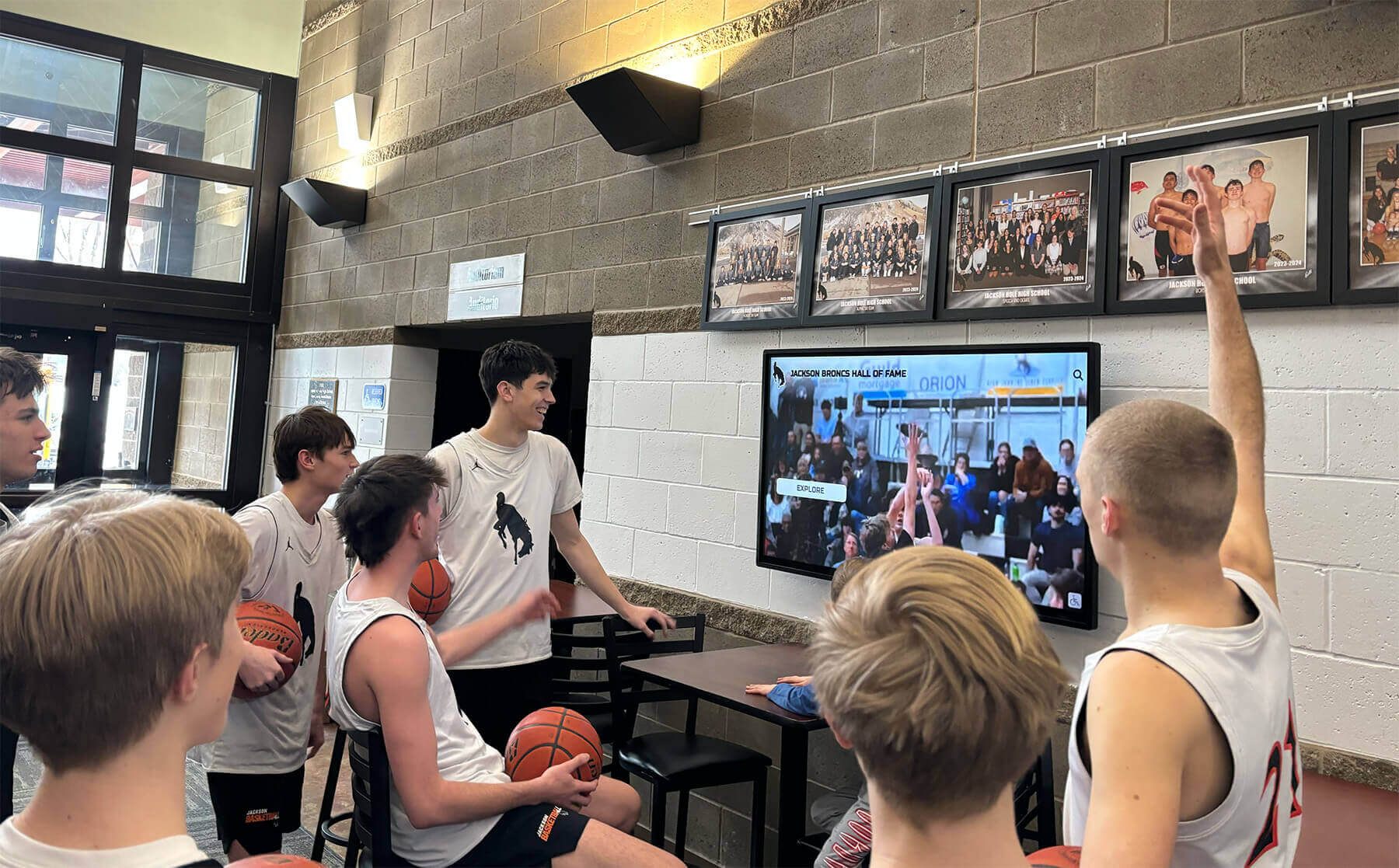
Modern digital recognition platforms transform single-event celebrations into permanent, engaging showcases accessible to entire communities. Solutions like Rocket Alumni Solutions provide comprehensive platforms specifically designed for celebrating student-athlete achievements through interactive displays that combine signing day ceremony photos and videos, comprehensive athlete profiles and career statistics, college commitment details and recruiting information, personal statements about their decisions and future goals, and historical context connecting current signings to program tradition.
This digital approach extends recognition reach far beyond physical ceremony attendees to include extended family members in distant locations, college coaches and future teammates following commitments, prospective high school recruits evaluating programs, alumni interested in current program success, and broader community members supporting local athletics.
The permanent nature of digital recognition means athletes remain celebrated not just on signing day, but throughout their high school careers, during their college athletic experiences, and as part of enduring program history showcasing decades of student-athlete achievement.
Benefits of Virtual and Interactive Recognition Boards
Digital recognition boards deliver numerous advantages over traditional celebration approaches, creating more comprehensive and engaging recognition experiences.
Unlimited Recognition Capacity
Physical space constraints limit traditional displays to featuring select athletes or requiring regular content rotation that removes older recognition. A single 55-inch digital display can showcase detailed profiles for hundreds of college-bound athletes spanning decades of program history, ensuring every commitment receives permanent recognition regardless of when it occurred.
This unlimited capacity proves particularly valuable for programs with multiple signing days throughout the year across different sports, enabling comprehensive celebration of every athlete regardless of their sport’s traditional visibility or the timing of their commitment announcement.
Rich Multimedia Storytelling
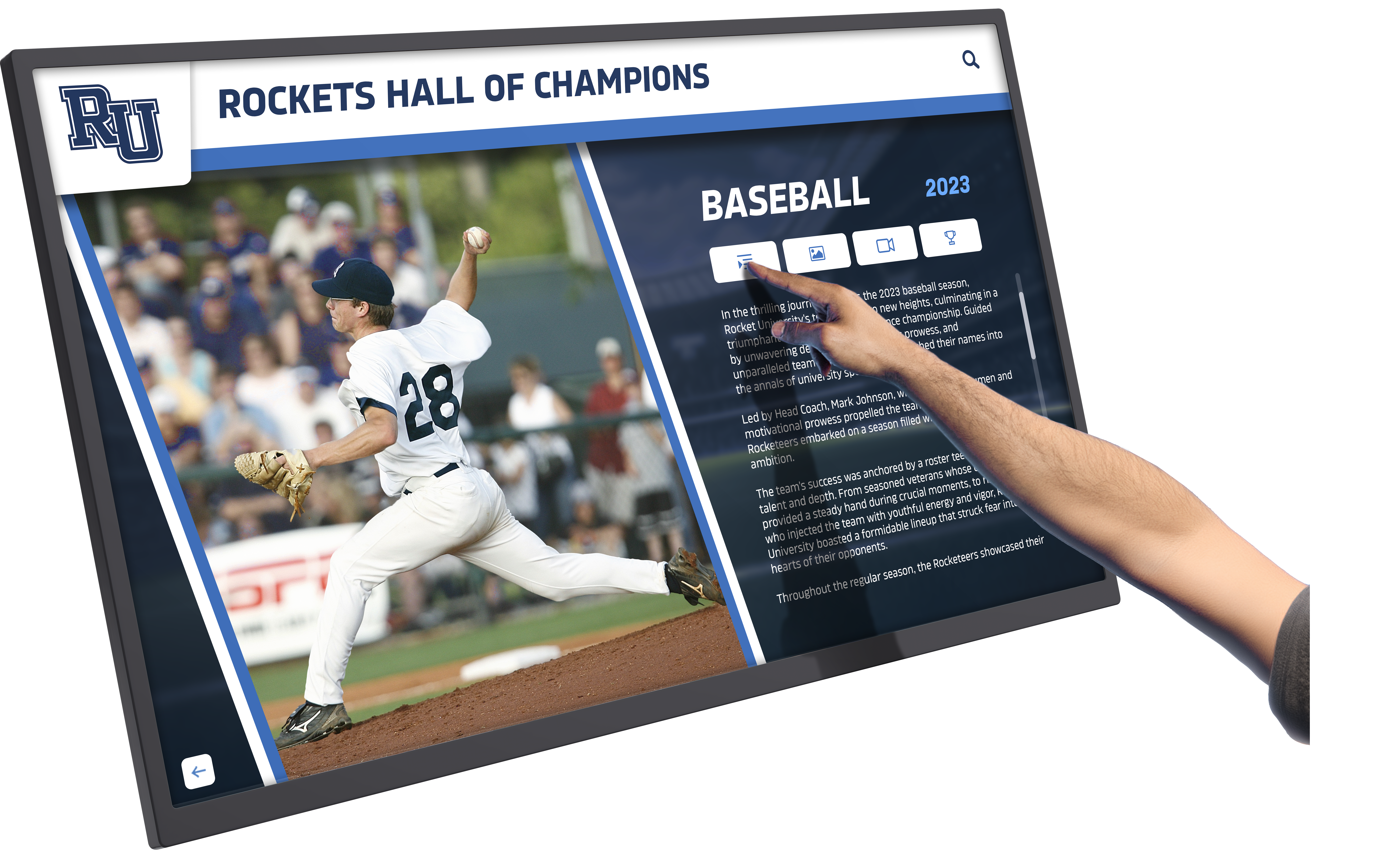
Traditional printed displays rely on static text and photos that provide limited context about athlete journeys. Interactive recognition boards support comprehensive multimedia content including:
Video Integration: Signing day ceremony footage, athletic highlight reels, athlete interviews about their decisions, family reaction moments, and coach testimonials celebrating the athlete’s development.
Photo Galleries: Progression photos showing development from freshman to senior year, signing ceremony images with family and coaches, action photography from competitions, team photos and championship moments, and college visit photos documenting the recruitment process.
Interactive Statistics: Career statistics and performance metrics, school records broken or approached, conference and state honors received, team success and championship contributions, and comparison to historical program performers.
Personal Narratives: Written athlete statements about their commitment, stories about obstacles overcome, discussion of values and goals, acknowledgment of supporters and influences, and reflections on their high school experience.
This multimedia richness creates emotional connections and comprehensive understanding impossible with traditional name-and-photo displays, transforming recognition into engaging storytelling that brings athlete journeys to life.
Searchable and Accessible Content
One of the most powerful benefits of digital recognition is searchability. Visitors can instantly find specific athletes by name, browse commitments by sport or year, filter by college or conference, search by hometown or high school team, and explore related athlete profiles and achievements.
For families, this searchability enables grandparents and relatives to quickly find their student-athlete, share their profiles via social media or email, show recognition to extended networks, and revisit the content repeatedly over time.
For prospective recruits and their families evaluating high school programs, searchable recognition databases provide evidence of program quality and development effectiveness, demonstration of college placement track records, visibility into which colleges recruit from the program, and understanding of what achievements typically earn college opportunities.
Real-Time Updates and Timeliness
Traditional recognition requires printing, mounting, and physical installation that delays displays for weeks or months after commitments occur. Digital platforms enable immediate updates celebrating commitments the same day they’re announced, keeping content current throughout signing seasons, adding information as recruitment progresses, and updating profiles with college athletic achievements as they occur.
This real-time capability ensures recognition feels relevant and timely rather than outdated, maintaining community interest and engagement throughout the year rather than only during concentrated signing periods.
Extended Community Reach
Web-based platforms accompanying physical digital displays extend recognition globally. Athletes can share direct links to their recognition profiles, family members anywhere can celebrate without traveling, college coaches can view comprehensive athlete information, prospective recruits can research programs remotely, and alumni can stay connected to current program success.
This extended reach amplifies the celebration exponentially compared to recognition confined to physical school locations, creating broader awareness of program excellence while strengthening connections across dispersed communities.
Implementing Virtual Recognition for National Letter of Intent Day
Schools successfully implementing digital recognition for college signing celebrations follow strategic approaches addressing planning, content, and ongoing maintenance.
Planning and Preparation
Define Recognition Scope: Determine what information to include in signing day profiles, which sports and commitment types to celebrate, how much historical content to feature initially, and what multimedia elements to prioritize.
Establish Content Workflows: Create submission processes for athletes and families to provide information, define responsibilities for content creation and approval, establish timelines aligning with signing day schedules, and develop quality standards ensuring consistency across profiles.
Select Technology Solutions: Evaluate digital recognition platforms based on ease of content management for non-technical staff, multimedia support for photos and videos, mobile and web accessibility for remote viewing, search and filtering capabilities enabling content discovery, and ongoing technical support from experienced vendors.
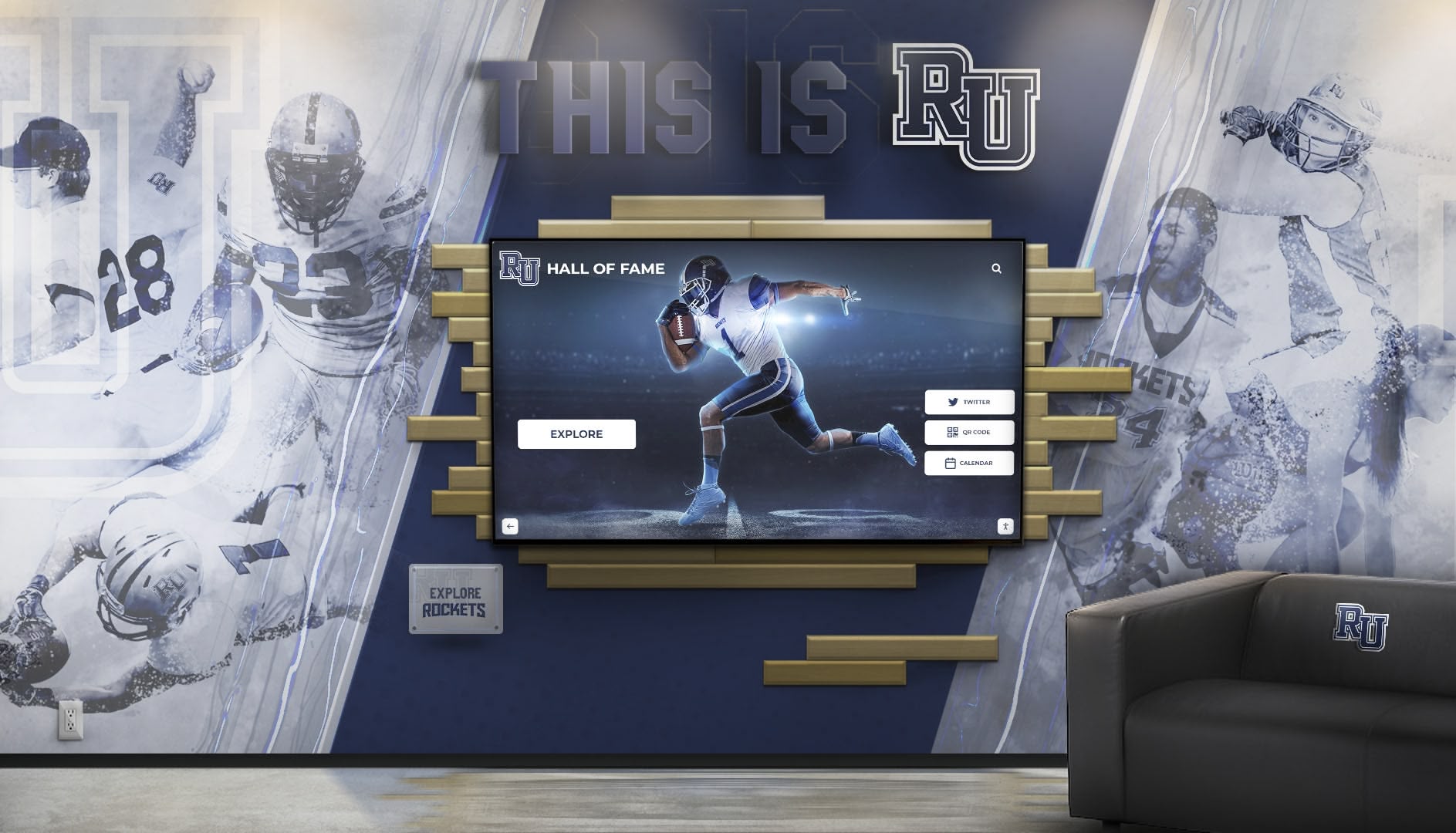
Plan Display Placement: Strategic location selection significantly impacts engagement and program visibility. Prime placement locations include main athletic facility entrances creating strong first impressions, commons areas and cafeterias with high daily traffic, gymnasium or competition venue lobbies, guidance offices where college planning occurs, and hallways connecting to athletic facilities.
Creating Compelling Signing Day Content
Effective recognition profiles tell complete stories rather than simply listing names and colleges. Comprehensive profiles include:
Essential Commitment Information: Student-athlete name and high school graduation year, sport(s) competed in during high school career, college or university name and location, sport(s) they will compete in collegiately, division level and athletic conference, and scholarship or preferred walk-on status when publicly shared.
Athletic Achievement Context: High school career statistics and performance metrics, team captaincies and leadership roles, conference, regional, and state honors received, championship contributions and significant victories, records broken or school ranking, and signature performances in key competitions.
Academic and Character Excellence: GPA, class rank, and academic honors, intended college major and career interests, community service involvement, character awards and recognition, and peer or coach testimonials highlighting leadership and values.
Personal Journey Elements: Statements from athletes about why they chose their college, discussion of goals and aspirations, acknowledgment of coaches, teammates, and family support, reflections on their development and growth, and stories about obstacles overcome or lessons learned.
Multimedia Enhancement: Professional signing ceremony photography, family celebration photos, athletic competition video highlights, athlete interview clips, and historical context connecting to program tradition.
By incorporating these elements, recognition becomes rich storytelling that engages viewers and creates lasting impressions far beyond basic informational displays.
Signing Day Event Integration
Digital recognition systems complement rather than replace traditional signing day ceremonies. Effective integration strategies include:
Pre-Event Promotion: Generate excitement by announcing that signing day recognition will appear on new digital displays, creating anticipation for both the ceremony and permanent recognition.
During-Ceremony Updates: Update digital displays in real-time during signing ceremonies so athletes and families can immediately see their recognition appear, creating additional excitement and celebration moments.
Photo and Video Capture: Professionally document ceremonies specifically for integration into digital profiles, ensuring high-quality content that represents the significance of the moment.
Post-Ceremony Sharing: Enable athletes and families to access their digital profiles immediately after ceremonies for sharing via social media, email, and text with extended networks unable to attend in person.
This integration creates cohesive recognition experiences that honor the ceremonial tradition while leveraging technology to amplify and extend celebration beyond single events.
Strategic Benefits for Athletic Programs
Beyond celebrating individual athletes, comprehensive digital recognition for National Letter of Intent Day delivers significant strategic advantages for athletic programs.
Recruiting and Program Reputation
Visible celebration of college commitments signals to prospective student-athletes and families that programs successfully develop talent and maintain strong college placement track records. Top recruit recognition strategies demonstrate that prominent displays showcasing college-bound athletes serve powerful recruiting purposes by:
Demonstrating Development Quality: Evidence that coaching develops college-level athletes rather than claims requiring faith from prospective families.
Showing College Relationships: Visibility into which colleges recruit from the program, indicating established relationships and scouting attention.
Creating Aspirational Culture: Younger athletes seeing upperclassmen advance to college athletics envision their own potential pathways to similar success.
Providing Social Proof: Multiple college commitments validate program quality more powerfully than marketing materials or coach assertions alone.
Schools that effectively showcase college signing success gain competitive advantages in attracting talented athletes evaluating where to compete during high school years, particularly in competitive markets where multiple programs recruit the same athletes.
Community Engagement and Pride
College signing recognition strengthens connections between athletic programs and broader communities. When community members see local student-athletes advancing to college athletics, it creates collective pride in program excellence, validates community support and investment, generates positive media attention and coverage, strengthens booster and supporter engagement, and encourages youth participation in feeder programs.
Digital recognition accessible via web platforms enables geographically distributed community members to remain connected to program success even when they cannot physically attend school facilities or signing ceremonies, expanding the community of supporters celebrating achievements.
Alumni Connection and Tradition
Student-athletes who advance to college athletics represent important parts of program legacy. Maintaining ongoing recognition creates lasting connections through:
Continued Engagement: Alumni can revisit their own recognition profiles, see how current athletes are celebrated, and maintain connection to their high school programs throughout and beyond their college careers.
Legacy Building: Comprehensive historical recognition connects current athletes to decades of program tradition, creating continuity and sense of being part of something larger than individual teams or seasons.
Mentorship Opportunities: Alumni profiles can include contact information or social media links enabling current athletes to reach out for advice, creating mentorship relationships between current and former athletes.
Giving and Support: Strong alumni connections often translate to financial support, volunteer involvement, and advocacy that benefits current programs and future athletes.
Effective alumni recognition strategies demonstrate that maintaining visibility for past athletes creates stronger institutional connections yielding long-term program benefits.
Addressing Common Implementation Challenges
Schools implementing digital recognition for National Letter of Intent Day often encounter predictable challenges. Proactive strategies address these obstacles effectively.
Budget Considerations
Digital recognition systems require upfront investment that may exceed single-year athletic department budgets. Funding strategies include:
Phased Implementation: Start with single display in highest-visibility location, expand to additional displays as budgets allow, and phase in historical content over multiple years.
Booster and Supporter Funding: Approach athletic booster organizations about funding recognition displays as visible, lasting contributions to programs they support, consider donor recognition features within displays as incentives, and frame recognition systems as investments in recruiting and program reputation.
Grant Opportunities: Research education technology grants from foundations, explore facilities improvement funding sources, and include recognition systems in capital campaign priorities.
Multi-Department Collaboration: Share costs across athletic department, guidance department, and advancement office budgets, recognizing that multiple departments benefit from signing day recognition and college placement visibility.
Content Development Capacity
Creating comprehensive profiles for many college-bound athletes requires significant effort. Efficient workflows include:
Standardized Submission Forms: Create detailed online forms capturing all required information in single submissions, allow photo and video uploads directly from athletes and families, and automate data entry to recognition platforms when possible.
Coach Coordination: Designate individual coaches as points of contact for their sports, responsible for ensuring all commits from their teams submit information, and preventing athletes from falling through administrative gaps.
Student Involvement: Engage student journalism or yearbook classes in creating signing day content, providing authentic student perspectives, and developing multimedia elements like video interviews.
Template-Based Creation: Use profile templates requiring only content insertion rather than custom design for each athlete, maintaining visual consistency while dramatically reducing production time.
Maintaining Currency and Relevance
Recognition displays require ongoing attention to remain current and engaging. Maintenance strategies include:
Established Update Schedules: Create calendars aligned with signing day periods across sports, designate specific staff responsible for updates, and establish quality review processes before publishing new content.
Alumni Achievement Updates: Track college athletic accomplishments of recent graduates, update profiles with freshman season achievements, celebrate conference honors, championship participation, and continued success at higher levels.
Content Refresh Cycles: Periodically review older content for photo quality improvements, add newly discovered historical information, and ensure all technical elements remain functional.
Clear assignment of responsibility prevents recognition displays from becoming neglected projects after initial launch enthusiasm fades, ensuring long-term value and continued community engagement.
Best Practices for Maximum Impact
Schools achieving greatest success with digital National Letter of Intent Day recognition implement systematic approaches addressing quality, engagement, and continuous improvement.
Quality Content Standards
Professional Photography: Invest in high-quality signing ceremony photography, ensure proper lighting and composition, maintain consistent style across athlete profiles, and update photos as athletes develop throughout high school careers.
Accurate Information: Cross-reference all statistics and records across multiple sources, verify college commitment details before publishing, maintain updated information as circumstances change, and correct errors immediately when identified.
Consistent Writing Quality: Maintain similar depth across all athlete profiles, use proper grammar and professional tone throughout, tell compelling stories rather than listing dry facts, and have multiple reviewers check content before publication.
Engagement Optimization
Strategic Promotion: Announce new recognition through school communications, share individual athlete profiles via social media channels, encourage athletes to share their own profiles, and reference recognition during campus tours and prospective family visits.
Interactive Features: Enable social sharing directly from recognition displays, provide search functionality allowing quick athlete discovery, organize content by multiple categories for varied browsing, and include related content suggestions connecting similar athletes.
Analytics Monitoring: Track which content generates most engagement, identify popular search terms and browsing patterns, monitor peak usage times and traffic sources, and use data to inform content development priorities.
Community Connection
Family Involvement: Make sharing capabilities prominent and simple, provide high-quality downloadable photos for personal use, enable family members to contribute memories and messages, and recognize family support in athlete profiles.
School-Wide Integration: Connect signing day recognition to broader academic recognition programs, highlight balanced excellence across athletics and academics, feature community service and leadership alongside athletic achievements, and demonstrate comprehensive development of complete individuals.
Local Media Collaboration: Provide media with access to digital recognition content, offer high-resolution photos and video clips for coverage, coordinate recognition announcements with media coverage timing, and leverage media relationships to amplify recognition reach.
The Future of National Letter of Intent Day Recognition
Digital recognition technology continues evolving, creating new opportunities for celebrating student-athlete achievements in increasingly engaging and personalized ways.
Emerging Technologies
Augmented Reality Integration: Mobile apps could overlay additional content when viewing displays through smartphones, enable virtual tours of recognition accessible remotely, and create immersive experiences bringing athlete stories to life in new ways.
Artificial Intelligence Applications: AI-powered search could enable natural language queries like “show me all football players who signed with SEC schools,” automated content recommendations could surface related athletes and achievements, and intelligent analytics could identify recognition gaps requiring attention.
Enhanced Personalization: Student login systems could provide personalized dashboards showing their complete achievement collections, customized recognition notifications when friends or teammates receive honors, and personalized goal tracking showing progress toward college commitment milestones.
Live Streaming Integration: Direct streaming of signing ceremonies through recognition platforms, integration with social media for real-time engagement, and archived video accessible through athlete profiles for extended viewing.
Schools staying current with emerging recognition technologies maintain competitive advantages while maximizing long-term value from digital recognition investments.
Expanding Recognition Scope
Leading programs are expanding beyond traditional college athletic signings to celebrate:
Academic Commitments: College acceptances to competitive academic programs, scholarship recipients and academic honors, and distinguished institution admissions deserve equal recognition prominence.
Military Commitments: Students entering military service or service academies represent exceptional dedication worthy of comprehensive celebration.
Career and Technical Pathways: Apprenticeships, specialized training programs, and career placements demonstrate diverse definitions of post-secondary success.
Arts and Creative Pursuits: Students pursuing performing arts, visual arts, or creative careers at specialized institutions warrant recognition equal to athletic commitments.
This comprehensive approach reinforces that schools value excellence across all domains, not exclusively athletics, creating more inclusive recognition cultures where every student can identify pathways to celebration.
Getting Started with Digital National Letter of Intent Recognition
Schools ready to transform how they celebrate college athletic commitments benefit from systematic implementation approaches ensuring successful deployment.
Phase 1: Assessment and Planning (Months 1-2)
Define clear goals for signing day recognition, inventory current celebration approaches and limitations, form planning committee with athletic directors, coaches, and administrators, establish preliminary budget and identify funding sources, and research technology solutions and vendor options.
Phase 2: Technology Selection (Months 2-3)
Request demonstrations from qualified vendors like Rocket Alumni Solutions, evaluate platforms based on ease of use, multimedia support, and searchability, check references from schools with similar needs and circumstances, make platform selection and secure funding, and coordinate with IT staff on technical requirements and installation.
Phase 3: Content Development (Months 3-5)
Photograph current signing classes and recent alumni, gather career statistics and achievement documentation, conduct athlete interviews for personal narrative content, organize digital assets using consistent structure, and begin data entry using templates and established workflows.
Phase 4: Installation and Launch (Months 5-6)
Complete site preparation and display installation, load initial content and test all functionality, conduct staff training on content management, perform soft launch for testing and refinement, and host grand opening event generating awareness and excitement.
Phase 5: Operations and Growth (Month 6+)
Continue systematic content addition aligned with signing days, establish regular update schedules and maintenance routines, gather user feedback and refine based on usage patterns, monitor analytics and engagement metrics, and plan expansion to additional displays or content categories as appropriate.
Celebrating Achievement That Inspires Excellence
National Letter of Intent Day represents milestone moments when student-athletes realize dreams of competing at the college level. These achievements deserve recognition that matches their significance—celebration that honors the dedication required to earn college opportunities, inspires younger athletes to pursue similar excellence, demonstrates program quality to entire communities, preserves legacy connecting current athletes to program tradition, and extends reach far beyond single-day ceremonies.
Virtual and interactive digital recognition boards transform how schools celebrate college athletic commitments, making recognition permanent, comprehensive, engaging, and accessible in ways traditional approaches cannot match. Through multimedia storytelling, searchable databases, real-time updates, and web accessibility, modern recognition systems ensure every commitment receives celebration worthy of the achievement while serving strategic program goals around recruiting, community engagement, and reputation building.
Whether implementing new recognition capabilities or enhancing existing programs, digital solutions provide proven approaches for honoring student-athletes advancing to college athletics. The investment in comprehensive recognition pays ongoing dividends through enhanced student motivation, improved program culture, strengthened community connections, and positioning that attracts future talented athletes to programs demonstrating they appropriately celebrate excellence.
Transform Your National Letter of Intent Day Celebrations
Discover how Rocket Alumni Solutions can help your school create engaging digital recognition for college-bound student-athletes. Our interactive touchscreen platforms are specifically designed for educational institutions, combining powerful features with intuitive management that requires no technical expertise.
Explore Recognition SolutionsFor schools committed to celebrating student-athlete achievements comprehensively, digital recognition represents more than technology adoption—it demonstrates institutional commitment to honoring excellence, preserving legacy, and inspiring future achievement through accessible, engaging recognition serving entire school communities. Every college commitment deserves celebration matching the dedication required to earn it, and modern recognition systems ensure every athlete receives the honor their accomplishment deserves.































