The National Letter of Intent (NLI) represents one of the most significant moments in a student-athlete's career—the formal commitment to continue playing at the collegiate level. For thousands of high school athletes each year, signing day marks the culmination of years of dedication, competitive excellence, and recruiting conversations. Understanding what the NLI actually means, how it protects both athletes and institutions, and what obligations it creates proves essential for families navigating the college athletic recruitment process.
The path to signing a National Letter of Intent begins long before the actual signing date. Athletes spend years developing skills, competing at high levels, attending showcases, communicating with college coaches, and evaluating programs before reaching this defining moment. Yet despite the NLI’s importance in college athletics, many athletes and families approach signing day without fully understanding the binding agreement they’re entering or the protections it provides.
This comprehensive guide explores everything student-athletes and parents need to know about the National Letter of Intent—from understanding what it is and how it works through signing periods, scholarship details, transfer considerations, and how schools commemorate these achievements with lasting recognition that celebrates athletic excellence and college commitments.
What Is the National Letter of Intent?
The National Letter of Intent program provides a voluntary binding agreement between prospective student-athletes and NCAA Division I and Division II institutions. When an athlete signs an NLI, they commit to attend that institution for one academic year in exchange for the institution’s commitment to provide athletics financial aid for the same period.
The Binding Agreement and What It Means
The NLI serves as a contract creating mutual obligations. Athletes agree to attend the signing institution for at least one academic year and cease all recruiting contact with other schools. In return, the institution agrees to provide athletics financial aid for one full academic year as specified in the accompanying written financial aid offer.
This binding nature distinguishes the NLI from verbal commitments or scholarship offers alone. Once signed, the athlete stops being recruited by other institutions, and the signing school stops recruiting that athlete’s position as actively. The agreement creates certainty for both parties—athletes know they have a guaranteed roster spot and financial support, while programs know committed athletes will actually enroll.
Key characteristics of the NLI include:
- Binding commitment to attend the institution for one academic year
- Financial aid guarantee for the same period
- End of recruiting by other institutions
- Seven-day review period before submission
- Release procedures if circumstances change
- Penalties for not fulfilling the commitment
Understanding that the NLI is a binding legal document emphasizes the importance of careful consideration before signing. This isn’t merely a ceremonial photograph opportunity—it’s a contractual commitment with real consequences.
How NLI Differs from Scholarship Offers
Many families confuse scholarship offers with the National Letter of Intent, but these are separate documents serving different purposes. A scholarship offer from a coach represents the institution’s intention to provide athletics financial aid, but it’s not binding until the NLI is signed during the appropriate signing period.
Athletes may receive verbal scholarship offers months or even years before they can sign an NLI. These early commitments, often announced on social media or during college commitment day celebrations, represent intentions rather than binding agreements. The actual commitment becomes official only when the NLI is signed during an approved signing period.
The financial aid agreement accompanies the NLI as a separate document detailing the specific scholarship terms—whether it’s a full scholarship, partial scholarship, or what percentage of costs the athletics aid covers. Athletes should review both documents carefully, ideally with family members and potentially legal counsel, before signing.
NLI Signing Periods by Sport
The National Letter of Intent program designates specific signing periods when athletes in different sports can sign their commitments. These structured periods prevent year-round recruiting pressure and provide predictable timelines for both athletes and programs.
Early and Regular Signing Periods
Most sports feature two signing periods—an early period and a regular period—giving athletes flexibility in timing their commitments based on their recruiting timelines and decision-making processes.
Football (FBS and FCS):
- Early Signing Period: December (first Wednesday through third Friday)
- Regular Signing Period: February (first Wednesday of the month)
The early December signing period for football has become increasingly popular, with approximately 85-90% of recruits signing during this window rather than waiting until February. This shift reflects athletes’ preferences for resolving recruiting uncertainty before the holidays and starting their college careers with clarity.
Basketball (Men’s and Women’s):
- Early Signing Period: November (second Wednesday through following Wednesday)
- Regular Signing Period: April (second Wednesday through May third Wednesday)
Basketball’s early November period allows athletes to commit before their senior seasons begin, though some prospects prefer waiting until spring to see how their senior years develop or to explore late-emerging opportunities.
Other Sports (Soccer, Volleyball, Baseball, etc.):
- Early Signing Period: November (second Wednesday through following Wednesday)
- Regular Signing Period: April (second Wednesday through August 1)
The extended regular period for non-revenue sports provides flexibility for athletes whose recruiting timelines vary based on club seasons, showcase events, and evaluation periods specific to their sports.
Strategic Considerations for Signing Timing
Athletes face strategic decisions about whether to sign during early or regular periods based on several factors:
Reasons to sign early include certainty and closure allowing focus on senior season performance, securing a roster spot before programs fill their recruiting classes, ending the recruiting process and associated stress, and celebration opportunities during high school senior year activities.
Reasons to wait for regular periods include allowing time for additional college visits or coach meetings, observing how college programs perform during their competitive seasons, leaving options open if academic or athletic circumstances change, and waiting to see if preferred programs make late scholarship offers.
Neither approach is inherently better—the right timing depends on individual circumstances, comfort with the decision, and recruiting landscape for that specific athlete and sport. Schools often commemorate these signings regardless of timing through student athlete signing day recognition programs that celebrate these achievements publicly.
Understanding Athletic Scholarship Details
The National Letter of Intent accompanies a written financial aid offer detailing the specific scholarship terms. Understanding what these offers actually cover proves essential for families planning college finances.
Types of Athletic Scholarships
NCAA Division I and Division II athletics offer two primary scholarship types with different financial implications:
Full Scholarships (Full Ride): Full athletic scholarships cover tuition, fees, room, board, and course-related books. These comprehensive packages represent the maximum financial aid athletics can provide and are most common in high-revenue sports like football and basketball. However, full scholarships remain relatively rare—most student-athletes receive partial athletics aid supplemented by academic scholarships, need-based aid, or family contributions.
Partial Scholarships: Partial athletic scholarships cover a percentage of the full cost of attendance. The financial aid offer specifies exactly what the athletics scholarship covers—perhaps 50% of tuition, or full tuition but not room and board, or various other combinations. Understanding the specific terms allows families to plan for covering remaining costs through other financial aid sources, academic scholarships, or personal funds.
Equivalency vs. Head-Count Sports
NCAA sports divide into two categories for scholarship purposes:
Head-Count Sports provide full scholarships to each athlete awarded athletics aid. These sports include Football (FBS), Basketball (Men’s and Women’s Division I), and Women’s Volleyball, Gymnastics, and Tennis (Division I). In head-count sports, athletes receive either full scholarships or no athletics aid—partial scholarships aren’t permitted.
Equivalency Sports allow coaches to divide their total scholarship allotment among multiple athletes. For example, baseball programs receive 11.7 scholarships they can divide among 27 roster players, meaning most players receive partial awards. This structure appears in most non-revenue sports including soccer, baseball, softball, swimming, track and field, and many others.
Understanding whether your sport uses head-count or equivalency scholarships helps set realistic expectations about likely financial aid amounts and whether combining athletics aid with academic scholarships makes sense.
Multi-Year vs. One-Year Scholarship Guarantees
The NLI itself represents a one-year commitment from both parties, but institutions may offer multi-year scholarship guarantees providing additional security. When reviewing financial aid offers, clarify whether the scholarship is:
One-Year Renewable: Standard approach where scholarships renew annually at the institution’s discretion based on athletic performance, academic standing, and conduct. Coaches typically renew scholarships for athletes meeting expectations, but renewal isn’t guaranteed.
Multi-Year Guarantee: Commitment extending beyond one year, potentially covering two, three, or four years regardless of athletic performance (though academic and conduct standards still apply). These guaranteed multi-year scholarships provide security against scholarship reduction if athletic performance declines or coaching changes occur.
Many institutions now offer multi-year guarantees, particularly for highly recruited athletes. Families should ask specifically about multi-year terms during recruiting conversations and ensure any guarantees appear in writing as part of the financial aid offer.
NLI Release Process and Transfer Considerations
While the National Letter of Intent creates a binding commitment, circumstances sometimes change requiring athletes to request release from their agreements. Understanding the release process proves essential for families facing unexpected situations.
When and Why Athletes Seek NLI Releases
Athletes may request NLI releases for various legitimate reasons including coaching changes at the signing institution, significant changes in academic program offerings, family circumstances requiring attendance closer to home, medical situations affecting the athlete or family members, or determination that the institutional fit isn’t appropriate.
The NLI office emphasizes that signing an NLI is a serious commitment that shouldn’t be taken lightly, but they recognize that genuine circumstances sometimes warrant release consideration.
The Release Request Process
Athletes seeking release from National Letter of Intent commitments must follow specific procedures:
- Submit formal release request to the signing institution’s athletics director or designated NLI administrator explaining the circumstances and reasons for seeking release
- Institution evaluation where the athletics department reviews the request and circumstances, potentially meeting with the athlete and family
- Institution decision to grant or deny the release request based on their policies and the specific situation
- Appeal process available through the NLI office if the institution denies the release and the athlete believes circumstances warrant appeal consideration
Institutions maintain discretion over release decisions, though most grant releases for legitimate circumstances like coaching changes or family emergencies. Some institutions release athletes without restriction, while others grant releases with conditions—such as prohibiting transfer to specific competing programs.
Penalties for Not Fulfilling NLI Obligations
Athletes who fail to fulfill their NLI commitments without obtaining proper release face specific penalties:
Basic Penalty: Loss of one full year of competition eligibility at any NCAA Division I or II institution, plus serving one full academic year in residence before competing
Financial Aid Limitations: Loss of athletics scholarship for one full academic year at any Division I or II institution
These penalties create significant consequences, potentially delaying college athletic careers by one full year and eliminating athletics financial aid during that period. The penalties underscore why athletes should make informed, careful decisions before signing and follow proper release procedures if circumstances change.
Transfer Portal Considerations
The NCAA transfer portal, introduced in recent years, provides a mechanism for athletes already enrolled at institutions to indicate transfer interest. However, the transfer portal operates separately from the National Letter of Intent—it applies to athletes already enrolled and competing, not to prospects who haven’t yet attended their signing institution.
Athletes who signed an NLI but haven’t yet enrolled must follow the NLI release process rather than the transfer portal. Once enrolled and competing, the transfer portal becomes the appropriate mechanism for exploring transfer opportunities while maintaining eligibility.
Important Things Athletes Should Know Before Signing
Several critical considerations deserve careful attention before athletes sign National Letter of Intent documents.
The Seven-Day Review Period
The NLI program mandates a seven-day review period between when athletes receive NLI documents and when the documents can be submitted to the NLI clearinghouse. This waiting period ensures families have adequate time to review all terms carefully, consult with advisors or legal counsel if desired, and ask questions before making binding commitments.
Athletes receive the NLI documents and accompanying financial aid offer at least seven days before they can officially submit signed documents. This protection prevents pressure for immediate signing and emphasizes the seriousness of the commitment.
What Happens After Signing
Once an athlete signs and submits an NLI during an appropriate signing period:
Recruiting ends from other institutions. Other college coaches must cease all recruiting contact and cannot offer athletics scholarships. The athlete stops being recruited by competing programs.
Enrollment commitment becomes binding. The athlete commits to attend the signing institution for one academic year starting with the next fall term.
Financial aid is guaranteed. The signing institution must provide the athletics financial aid specified in the written offer for one full academic year.
Recruiting by signing institution continues. While the athlete is committed, the relationship with coaches and the program continues as they prepare for the transition to college athletics.
Many high schools commemorate these commitments through signing day ceremonies with family, coaches, and administrators present. These celebrations often receive permanent recognition through athletic achievement displays that honor athletes continuing their careers at the collegiate level.
Questions Every Athlete Should Ask Before Signing
Before committing to a National Letter of Intent, athletes and families should have clear answers to these essential questions:
- What specific financial aid does the athletics scholarship cover, and what costs remain my family’s responsibility?
- Is the scholarship guaranteed for multiple years, or is it one-year renewable?
- What academic requirements must I maintain to keep my athletics scholarship?
- What happens to my scholarship if I suffer a career-ending injury?
- What are the expected time commitments for my sport (practice hours, travel, off-season training)?
- What academic support services does the institution provide for student-athletes?
- What is the athletics department’s graduation rate for athletes in my sport?
- What is the coaching staff’s track record with athlete development and success?
- Am I genuinely excited about attending this institution for the next four years?
Having clear, honest answers to these questions helps ensure the signing decision is well-informed and appropriate for the individual athlete’s circumstances and goals.

How Schools Celebrate and Honor Signing Day
National Letter of Intent signing represents a significant achievement that high schools commemorate through various celebration and recognition approaches that honor athletic excellence and college opportunities.
Traditional Signing Day Ceremonies
Most high schools host formal signing day ceremonies where athletes officially sign their National Letter of Intent documents surrounded by family members, teammates, coaches, and administrators. These events typically feature photo opportunities with the athlete seated at a table displaying their future college’s apparel and materials, remarks from high school coaches celebrating the athlete’s achievements and character, presentations of framed jerseys or memorabilia commemorating high school careers, and recognition from administrators emphasizing the significance of the achievement.
These ceremonies create memorable moments for athletes and families while publicly celebrating the success of the athletic program in developing college-level competitors. The events often receive local media coverage and social media attention, building pride throughout the school community.
Permanent Recognition of College Commitments
Beyond signing day ceremonies, many schools create lasting recognition for athletes who sign National Letter of Intent commitments. Traditional approaches include wall displays featuring photos of signing athletes with their college destinations, painted or printed banners hanging in gymnasiums or athletic facilities, plaques listing college-bound athletes by year and destination, and printed programs or posters displayed in athletics areas.
These permanent displays serve multiple purposes—honoring the individual athletes’ achievements, demonstrating program quality to recruits and families evaluating the program, building school pride around tangible evidence of athletic excellence, and creating tradition and culture celebrating academic-athletic success.
Modern Digital Recognition Solutions

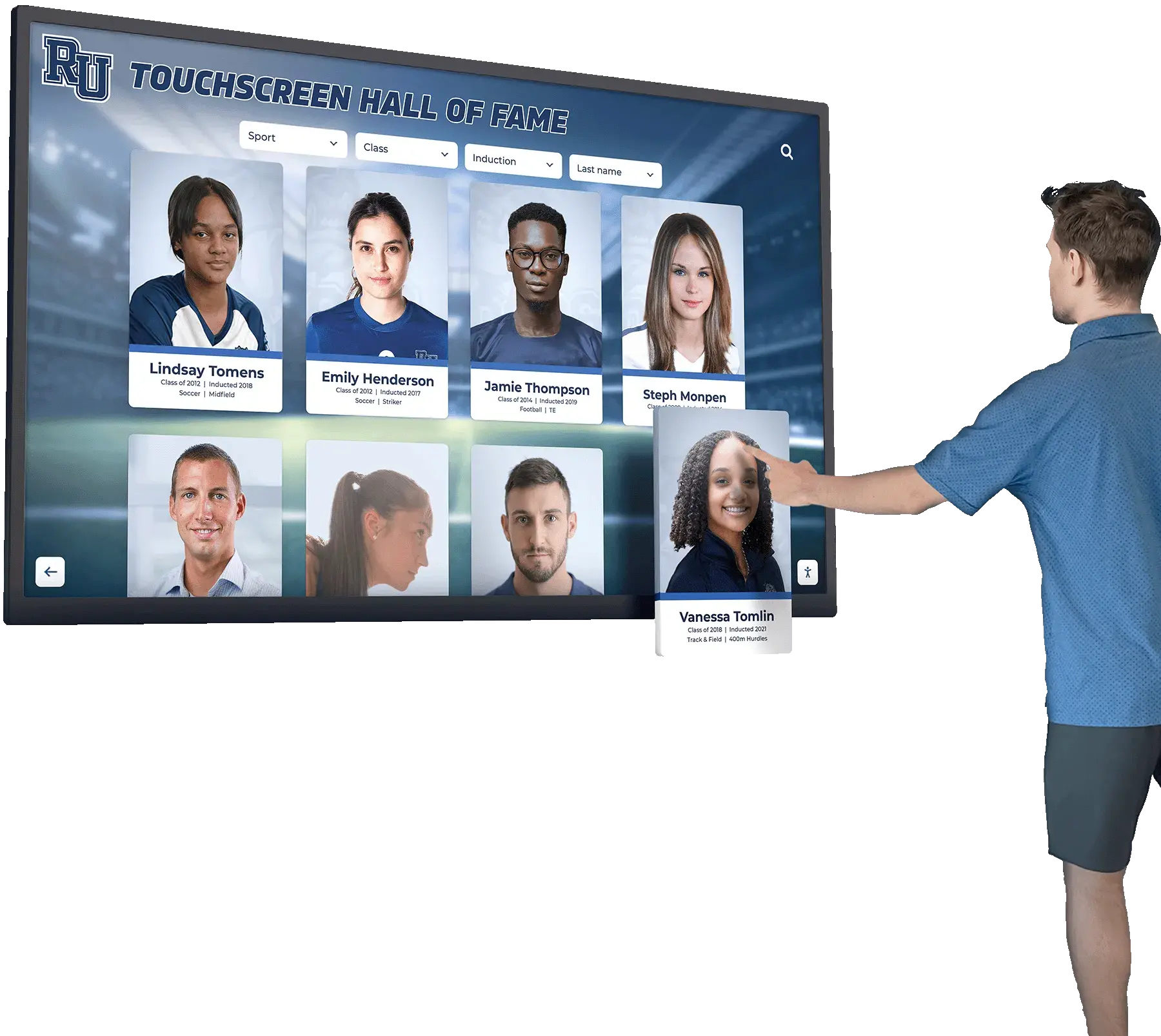
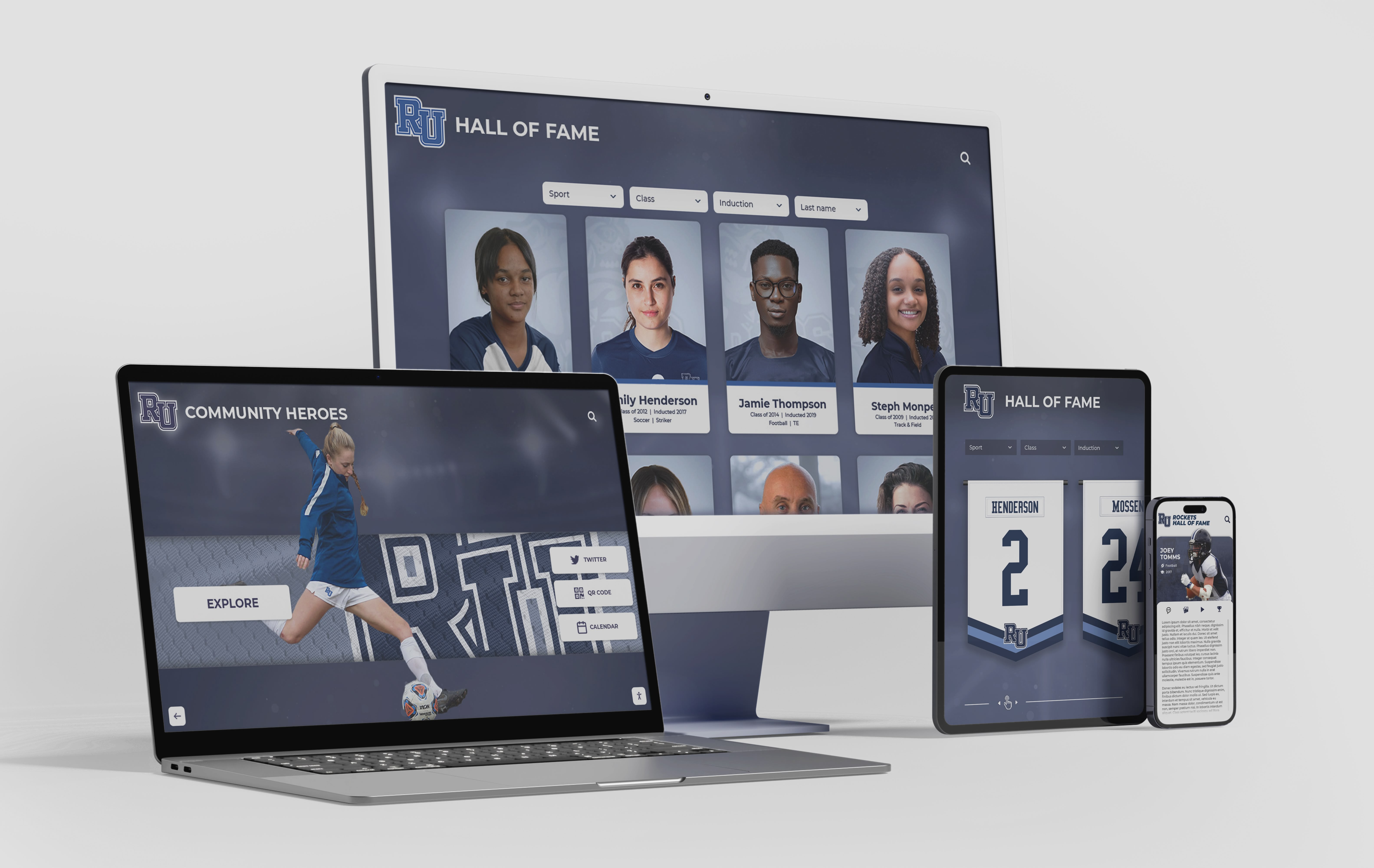
Increasingly, schools supplement or replace traditional static displays with comprehensive digital recognition systems that provide expanded capability for celebrating college commitments alongside broader athletic achievements. Modern approaches include interactive touchscreen displays featuring searchable databases of college-bound athletes with photos, statistics, college destinations, and future plans, digital recognition walls displaying rotating highlights of signing athletes in high-traffic areas, web-accessible databases allowing families and alumni to explore college commitment history from any location, and social media integration automatically sharing recognition across multiple platforms.
These digital solutions provide unlimited space for recognizing every college-bound athlete without physical display constraints, instant updates when new athletes sign commitments, rich multimedia storytelling with photos, videos, and detailed narratives, and accessibility for dispersed communities who cannot visit physical displays.
Solutions like Rocket Alumni Solutions offer specialized platforms designed specifically for K-12 educational recognition needs, combining interactive touchscreen kiosks with cloud-based content management that athletic directors and coaches can update easily as athletes make college commitments throughout signing periods.
Creating Comprehensive Recognition Programs
The most effective school recognition programs celebrate college athletic commitments as part of comprehensive systems honoring all forms of student achievement. Rather than isolating college athlete recognition, these integrated approaches include athletic achievements (All-State recognition, conference honors, championship teams), academic excellence (honor roll, AP scholars, academic competitions), artistic achievements (music, theater, visual arts), and leadership recognition (student government, service learning, community engagement).
This comprehensive approach celebrates college athletic commitments within the broader context of student success, reinforcing that athletic achievement connects to academic preparation and overall excellence. Digital recognition platforms excel at this integration by enabling single systems to accommodate all recognition categories with appropriate prominence for each.
NCAA Division III and NAIA: Alternatives to NLI
While the National Letter of Intent program applies to NCAA Division I and Division II institutions, thousands of student-athletes compete at NCAA Division III and NAIA schools that don’t participate in the NLI program. Understanding these alternatives helps families evaluate all collegiate athletic opportunities appropriately.
NCAA Division III Athletic Commitments
NCAA Division III institutions don’t offer athletics scholarships or participate in the National Letter of Intent program. Instead, athletes receive admission and financial aid through the same processes as non-athletes, based on academic merit, need-based aid, and institutional grants unconnected to athletic participation.
Division III athletes make commitment decisions and communicate their plans to coaches, but these commitments aren’t formalized through binding agreements like the NLI. Athletes can change their minds about attendance without facing the penalties associated with breaking NLI commitments.
This flexibility provides both advantages and disadvantages. Athletes maintain options longer into their decision-making processes, but programs also lack the certainty that NLI commitments create. Division III coaches continue recruiting until athletes actually enroll, recognizing that commitments without binding agreements may change.
Despite the absence of athletics scholarships, Division III athletics offers tremendous opportunities for student-athletes who prioritize the overall college experience, value the integration of athletics within broader educational pursuits, and want competitive opportunities without the time demands of Division I or II athletics.
NAIA Signing Opportunities
The National Association of Intercollegiate Athletics (NAIA) operates a separate letter of intent program distinct from the NCAA’s National Letter of Intent. NAIA letters of intent create similar binding commitments between athletes and institutions, but with different rules, signing periods, and procedures.
Key differences in NAIA letters of intent include:
- Year-round signing without designated signing periods for most sports
- Binding commitment to the institution with penalties for non-fulfillment
- Athletics scholarships available (NAIA institutions can offer athletics aid)
- Separate release procedures administered by NAIA rather than the NLI program
Athletes considering NAIA opportunities should understand their letter of intent operates under NAIA rules rather than NCAA guidelines, even though the fundamental concept—binding commitment in exchange for athletics financial aid—remains similar.
Comparing Collegiate Athletic Opportunities
Families navigating college athletic recruitment should evaluate opportunities across all levels based on multiple factors beyond just athletics scholarships and signing processes:
Athletic considerations including level of competition and playing time opportunities, coaching quality and staff stability, team culture and athlete experience, facilities and resources supporting athlete development, and competitive success and championship opportunities.
Academic factors including strength of academic programs in intended majors, graduation rates for student-athletes, academic support services, class sizes and faculty accessibility, and career preparation and internship opportunities.
Financial elements including total cost of attendance, athletics scholarships (where available), academic merit and need-based aid, expected family contribution, and overall affordability comparing financial aid packages.
Campus fit including campus size and culture, geographic location and distance from home, extracurricular opportunities beyond athletics, and overall student experience and satisfaction.
The National Letter of Intent represents just one element of college athletic commitments—albeit an important one—within the much broader decision of choosing the right institutional fit for four years of academic and athletic development.
Protecting Your Interests: When to Seek Advice
The National Letter of Intent creates legally binding obligations with significant consequences. While most signing processes proceed smoothly with positive outcomes for all parties, certain situations warrant seeking professional guidance before committing.
Circumstances That May Require Legal Review
Consider consulting with attorneys experienced in sports and education law if you encounter coaching staff changes between verbal commitment and signing period, scholarship offers that seem unclear or contain unusual stipulations, pressure to sign before you feel ready or fully understand terms, concerns about academic program quality or institutional accreditation, questions about scholarship multi-year guarantees or reduction policies, or complex family circumstances affecting college choice and attendance.
Many families successfully navigate the NLI process without legal consultation, but legitimate questions about terms, obligations, or unusual circumstances justify professional review before signing binding documents. The modest cost of legal review pales compared to the potential consequences of signing commitments you don’t fully understand or that don’t appropriately protect your interests.
Resources for Understanding Your Rights
Several resources provide information about National Letter of Intent procedures and athlete rights:
Official NLI Program Resources:
- The National Letter of Intent website (www.nationalletter.org) contains comprehensive information about the program, procedures, signing periods, and policies
- The site includes the full NLI document, program rules, frequently asked questions, and contact information for the NLI office
NCAA Eligibility Resources:
- The NCAA Eligibility Center (www.eligibilitycenter.org) provides guidance on academic requirements, amateurism rules, and recruiting regulations
- NCAA.org contains detailed information about Division I and Division II rules, recruiting calendars, and transfer regulations
High School Guidance Counselors and Coaches:
- Your high school’s athletic director, coaches, and counselors have experience guiding athletes through signing processes
- They can provide perspective on standard practices and help identify when situations warrant additional consultation
College Athletics Compliance Offices:
- Every NCAA institution maintains athletics compliance staff who ensure recruiting and scholarship processes follow appropriate rules
- These professionals can clarify scholarship terms, answer process questions, and ensure everything proceeds properly
Taking time to understand your rights, ask questions, and seek guidance when needed demonstrates maturity and responsibility—qualities that serve athletes well throughout their college careers and beyond.
Planning for Success After Signing
Signing a National Letter of Intent marks an ending—the conclusion of high school athletic careers and recruiting processes—but more importantly, it marks a beginning. The period between signing and arriving on campus requires continued preparation for successful transitions to college athletics.
Staying Academically Eligible
The National Letter of Intent includes academic requirements that athletes must maintain through high school graduation. Final admission and scholarship offers depend on completing academic commitments, maintaining minimum GPAs, and graduating on schedule.
Athletes must complete required coursework with appropriate grades, maintain NCAA initial eligibility standards for GPA and test scores if not already certified, submit final transcripts to the institution upon graduation, and complete any NCAA Eligibility Center requirements before enrollment.
Some athletes mistakenly relax academically after signing, assuming their college commitment is guaranteed regardless of academic performance. This misconception can prove disastrous—institutions can and do revoke scholarship offers if athletes fail to meet academic requirements or don’t graduate as expected.
Continuing Athletic Development
The months between signing and reporting to campus provide crucial time for athletic preparation. College coaches typically provide off-season training programs, conditioning protocols, and skill development recommendations helping incoming athletes prepare for the increased demands of collegiate competition.
Following these preparation programs demonstrates commitment and professionalism while physically preparing for the transition. Athletes who arrive on campus already conditioned and familiar with training protocols integrate more smoothly into team environments than those who neglected preparation during their final high school months.
Understanding the Transition to College Athletics
College athletics represents a significant step up from high school competition in intensity, time commitment, and performance expectations. Understanding what to expect helps athletes navigate this transition successfully:
Time demands increase substantially with longer practices, extensive strength and conditioning programs, travel to competitions, team meetings and film study, and mandatory study halls and academic support sessions.
Competition intensity elevates as every teammate was among the best athletes at their high school, depth charts create competition for playing time even among scholarship athletes, speed of play and game complexity increases significantly, and physical demands require enhanced strength and conditioning.
Academic challenges require discipline with time management balancing athletics, academics, and social life, independent learning without parental oversight or high school structure, challenging coursework requiring effective study habits, and athletics travel causing missed classes requiring proactive communication.
Many successful college athletes attribute their positive experiences to realistic expectations about these transitions and willingness to seek support from coaches, academic advisors, athletics academic staff, and athletic achievement recognition programs celebrating progress while emphasizing both athletic and academic excellence.
Celebrating the Journey: Recognition That Lasts
The National Letter of Intent signing represents the culmination of years of dedication, countless practices, competitive sacrifices, and personal growth through athletics. These achievements deserve recognition that extends beyond signing day ceremonies to create lasting commemoration of athletic excellence and college opportunities.
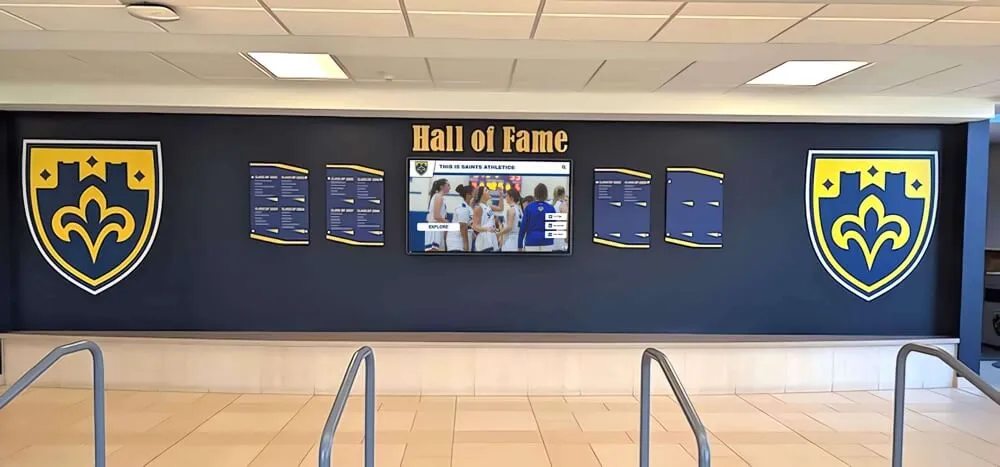
Traditional trophy cases and wall plaques served recognition purposes for decades, but modern digital solutions provide expanded capabilities that better serve today’s athletes, families, and school communities. Interactive recognition systems enable comprehensive storytelling about athletic journeys, unlimited capacity for recognizing every college-bound athlete without space constraints, instant updates as athletes sign commitments throughout signing periods, web accessibility allowing families and communities to explore recognition anywhere, and integrated celebration of athletic, academic, and leadership achievements together.
Solutions like Rocket Alumni Solutions offer specialized platforms designed specifically for educational institutions needing flexible, professional recognition that honors all forms of student achievement. These systems combine interactive touchscreen displays in school buildings with cloud-based management enabling easy content updates and web-accessible databases extending reach to dispersed alumni and family communities.
Whether through traditional displays or modern digital platforms, the key is creating recognition that appropriately honors the significance of college athletic commitments while inspiring future generations of student-athletes to pursue similar excellence. When younger athletes see comprehensive recognition of their predecessors’ achievements, they gain tangible evidence that dedication and excellence lead to opportunities—motivation that drives the next generation toward their own signing day celebrations.
The National Letter of Intent represents more than a contract—it symbolizes years of early morning training sessions, competitive challenges overcome, personal growth through athletics, family support and sacrifice, and coach mentorship and development. Properly commemorating these achievements honors not just the signing moment but the entire journey that made it possible.
Conclusion: Making Informed Signing Decisions
The National Letter of Intent represents one of the most significant decisions in a student-athlete’s life—a binding commitment to an institution and athletic program that will shape the next four years and potentially beyond. Understanding what the NLI means, what obligations it creates, what protections it provides, and what happens after signing empowers athletes and families to make informed decisions aligned with their goals, values, and circumstances.
Take time to understand all terms before signing. Use the mandatory seven-day review period to carefully evaluate financial aid offers and contractual obligations. Ask questions about anything unclear—from scholarship renewal policies to expected time commitments and academic support services. Consult with family members, high school coaches, guidance counselors, and potentially legal advisors if circumstances warrant additional perspective.
Remember that signing an NLI should feel exciting and affirming—a celebration of athletic achievement and educational opportunity, not a source of anxiety or uncertainty. If you feel pressured, rushed, or unclear about any aspect of the commitment, take additional time for clarity before signing. Reputable college programs respect the seriousness of the decision and support athletes making informed choices.
For high schools celebrating these achievements, consider how your recognition systems honor college-bound athletes appropriately. Modern digital recognition platforms provide comprehensive solutions that celebrate National Letter of Intent signings alongside all forms of student achievement, creating cultures of excellence that inspire current students while connecting alumni to institutional legacy.
The National Letter of Intent signing represents the culmination of one journey and the beginning of another. Approach this milestone with the careful consideration it deserves, celebrate it appropriately, and then focus on the preparation and continued growth that will make your college athletic experience everything you hope it can be.































