National Signing Day 2025 represents a celebration of athletic achievement, academic commitment, and years of dedication culminating in the opportunity to compete at the collegiate level. For high school athletes, coaches, and families, signing day marks the official culmination of the recruiting process—the moment when verbal commitments become binding agreements and athletic futures are secured.
Understanding when National Signing Day occurs, how signing periods work across different sports, and how schools can meaningfully celebrate college-bound athletes helps athletic directors, coaches, and families navigate this significant milestone while creating memorable recognition experiences that honor student-athlete accomplishments.
This comprehensive guide explores everything you need to know about National Signing Day 2025: specific signing period dates across all sports, the significance of Early Signing Day versus National Signing Day, what happens during signing ceremonies, NCAA regulations governing commitments, and how schools can create lasting recognition for college-bound athletes through digital displays and comprehensive celebration programs.
National Signing Day represents more than administrative paperwork—it symbolizes the intersection of athletic excellence, academic achievement, and the realization of college athletic dreams. Schools that effectively celebrate signing day create cultures that honor multi-year dedication while inspiring younger athletes to pursue their own collegiate goals.
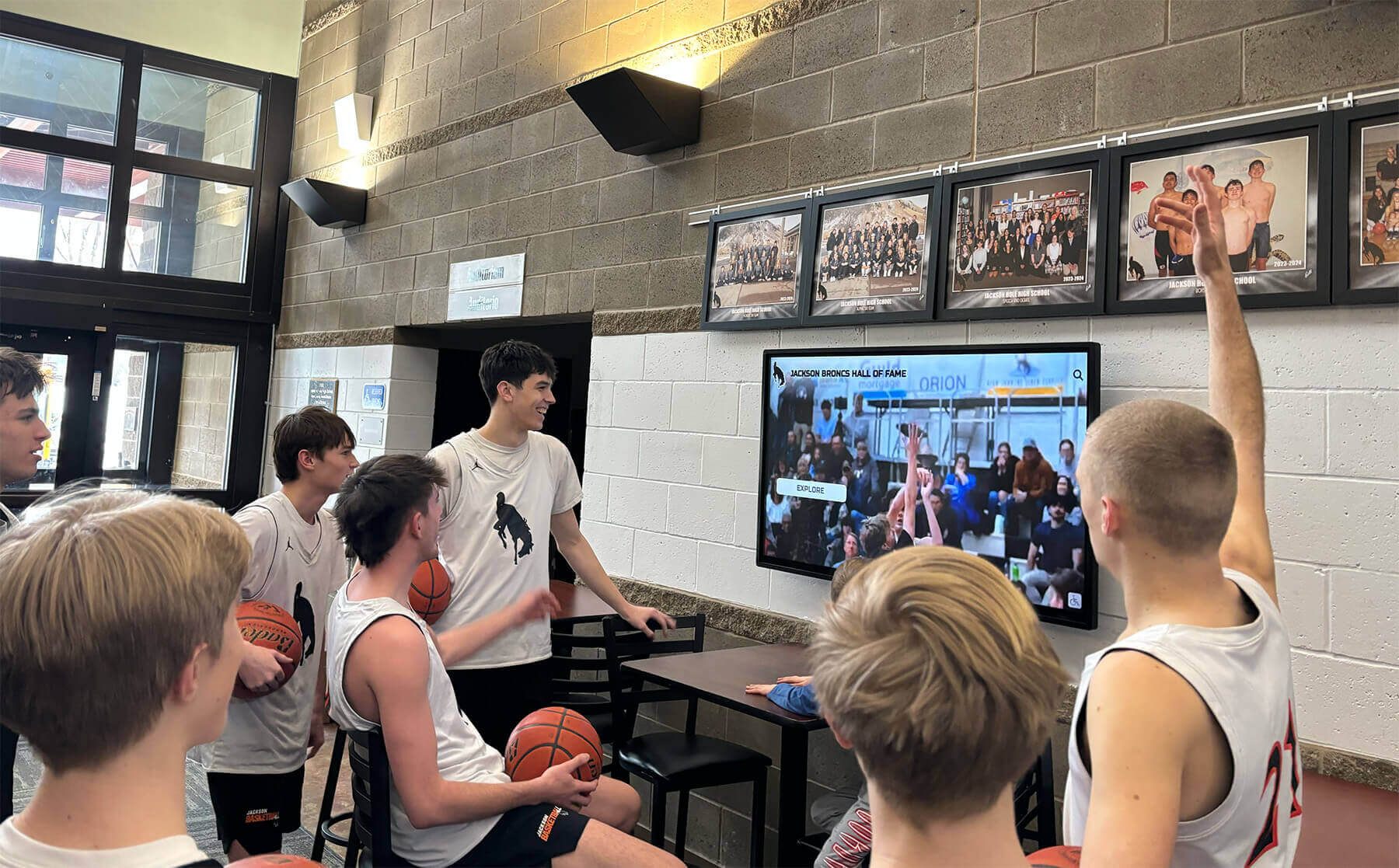
National Signing Day ceremonies bring together athletes, families, coaches, and school communities to celebrate college athletic commitments
What Is National Signing Day?
National Signing Day refers to the first day high school student-athletes can sign National Letters of Intent (NLI) to play college sports. While commonly associated with football, signing day actually exists across multiple sports with different dates and rules depending on the sport and NCAA division.
National Letter of Intent Explained
The National Letter of Intent is a binding agreement between a prospective student-athlete and an NCAA Division I or Division II institution. By signing the NLI:
Student-Athlete Commitments:
- Agrees to attend the institution for at least one academic year
- Commits to participate in the athletics program
- Cannot be recruited by other institutions
- Receives protection from other schools’ recruiting contact
Institutional Commitments:
- Provides athletic financial aid for a minimum of one academic year
- Guarantees athletic opportunity according to NCAA regulations
- Cannot reduce or cancel aid before the athlete arrives on campus
- Must honor the terms outlined in the financial aid agreement
The NLI program operates through the NAIA and the Collegiate Commissioners Association (CCA), providing standardized agreements across hundreds of participating institutions.
Verbal Commitments vs. National Letter of Intent
Many athletes announce verbal commitments months or even years before signing day. These verbal commitments represent non-binding agreements between the athlete and the institution—either party can change their mind without penalty. The National Letter of Intent makes these commitments official and legally binding.
Verbal Commitment:
- Non-binding agreement
- Can occur at any time
- No financial aid guarantee
- Either party can change their mind
- Often announced on social media
National Letter of Intent:
- Legally binding contract
- Occurs only during official signing periods
- Guarantees financial aid for one year
- Significant consequences for backing out
- Official ceremony and recognition
This distinction matters for schools planning signing day celebrations—not every athlete who verbally committed will necessarily sign during the official signing periods, and the binding nature of NLI signatures makes them significant milestones worth celebrating formally.

Schools use digital recognition systems to permanently celebrate athletes who sign to compete at the collegiate level
National Signing Day 2025 Dates by Sport
Different sports have different signing period structures. Understanding these dates helps schools plan appropriate celebration timing and ensures athletes receive recognition when they officially commit.
Football Signing Periods 2025
Football has the most well-known and heavily publicized signing periods:
Early Signing Period:
- December 4-6, 2024 (3-day period)
- Most Division I FBS football players sign during this window
- Allows athletes to secure commitments before their senior seasons conclude
- Reduces recruiting uncertainty and pressure during senior year
- Approximately 85-90% of Division I football recruits sign early
National Signing Day (Traditional):
- February 5, 2025 (first Wednesday in February)
- Original traditional signing day before Early Signing Period was introduced
- Now primarily used by later-deciding recruits and transfers
- Still maintains significant attention and media coverage
- Important for athletes who had late season success or coaching changes
Many high schools schedule signing ceremonies during both periods to celebrate all their football players committing to college programs. According to athletic recognition best practices, schools should plan separate celebrations for each signing period to ensure every athlete receives appropriate recognition.
Basketball Signing Periods 2025
Basketball uses a different signing period structure:
Early Signing Period:
- November 13-20, 2024
- Week-long period during fall of senior year
- Most Division I basketball players sign during this window
- Allows certainty before competitive high school season begins
National Signing Day (Traditional):
- April 9 - May 14, 2025
- Extended 5-week signing period
- Used by later-deciding prospects and reclassified athletes
- Important for players exploring professional options before committing
High school basketball coaches should coordinate signing celebrations around both windows, with most recognition occurring during the November early period when the majority of commitments become official.
Soccer, Baseball, and Spring Sports Signing Dates 2025
Many spring sports share common signing period dates:
Early Signing Period:
- November 13-20, 2024
- Applies to sports including soccer (men’s and women’s), baseball, softball, water polo, and lacrosse
- Allows athletes to commit before club and high school seasons
- Reduces recruiting pressure during competitive spring seasons
National Signing Day (Traditional):
- April 9 - May 14, 2025
- Extended signing window for athletes making later decisions
- Important for late bloomers and athletes receiving late offers
- Particularly relevant for baseball and softball players evaluating draft possibilities
Schools with strong spring sports programs should plan recognition ceremonies during both signing windows to celebrate all college-bound athletes appropriately. Learn about comprehensive sports banquet planning that can incorporate signing day celebrations.
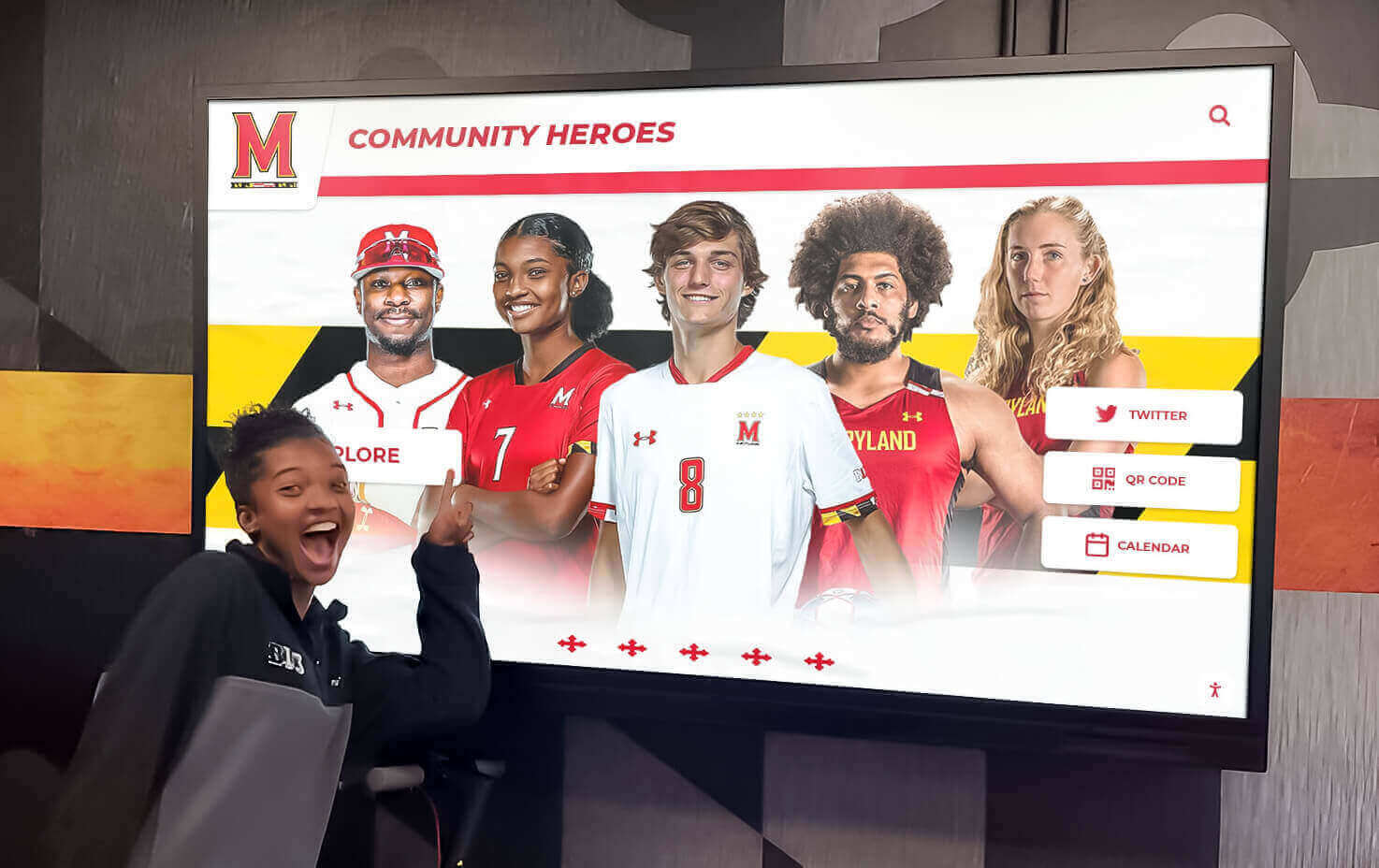
Year-round recognition displays keep college commitments visible long after signing ceremonies conclude
Olympic Sports Signing Periods 2025
Individual and Olympic sports including track and field, swimming, diving, tennis, golf, gymnastics, and volleyball follow different schedules:
Track and Field, Cross Country, Swimming, Diving:
- Early Signing Period: November 13-20, 2024
- Spring Signing Period: April 9 - May 14, 2025
Wrestling:
- Early Signing Period: November 13-20, 2024
- Spring Signing Period: April 9 - May 14, 2025
Volleyball (Women’s):
- Early Signing Period: November 13-20, 2024
- Spring Signing Period: April 9 - May 14, 2025
Tennis, Golf, Ice Hockey:
- Early Signing Period: November 13-20, 2024
- Spring Signing Period: April 9 - May 14, 2025
Schools with diverse athletic programs should coordinate comprehensive signing ceremonies that celebrate athletes from multiple sports simultaneously during the primary November and April signing windows. This approach maximizes attendance, creates greater celebration atmosphere, and ensures equitable recognition across all sports programs.
Explore comprehensive athletic recognition approaches that celebrate both academic and athletic achievements.
Planning Memorable Signing Day Ceremonies
Signing day ceremonies create lasting memories for student-athletes and their families while demonstrating school support for college athletic pursuits. Effective ceremonies balance formality with celebration and ensure each athlete receives appropriate individual recognition.
Essential Ceremony Components
Venue Selection and Setup Schools typically host signing ceremonies in locations with significance and sufficient capacity:
- Library or media center: Provides formal atmosphere and accommodates families
- Gymnasium or athletic facility: Creates connection to athletic achievement
- Auditorium or cafeteria: Offers largest capacity for schools with many signing athletes
- Outdoor stadium or field: Weather-dependent but creates dramatic setting
Setup should include:
- Table(s) with school colors and branding where athletes will sign
- Name cards or placards identifying each athlete
- School letterhead or official documents for signing photo opportunities
- Media area for local news coverage and photography
- Seating arranged to view signing table clearly
Invitations and Attendees Formal invitations demonstrate the significance of the occasion:
- Student-athlete and immediate family members
- Coaching staff from relevant sports
- School administrators (principal, athletic director)
- Guidance counselors who supported the athlete’s recruitment
- Teammates and close friends
- Local media representatives
- College coaching staff (when possible and NCAA-permitted)
Ceremony Program Structure
Welcome and Opening Remarks (5-7 minutes) Athletic director or principal welcomes attendees and contextualizes the significance of National Signing Day, emphasizing how these athletes represent years of dedication and achievement.
Individual Athlete Recognition (3-5 minutes per athlete) Each athlete receives dedicated recognition including:
Introduction by coach or administrator:
- Athletic accomplishments and statistics
- Character qualities and team contributions
- Academic achievements demonstrating student-athlete balance
- Reasons why college program represents excellent fit
Athlete statement:
- Why they chose their institution
- Thanks to coaches, family, and supporters
- Goals for collegiate career
- Advice for younger athletes
Signing moment:
- Athlete formally signs National Letter of Intent
- Family members join for photos at signing table
- School colors or college apparel worn for photos
- Display of college gear or merchandise
College representative remarks (when present):
- Brief welcome from college coaching staff
- Excitement about athlete joining program
Closing Celebration Following individual recognitions, group photos, refreshments, and informal celebration allow families and community members to congratulate athletes personally.
Many schools coordinate with academic recognition ceremonies to celebrate the complete student-athlete experience.
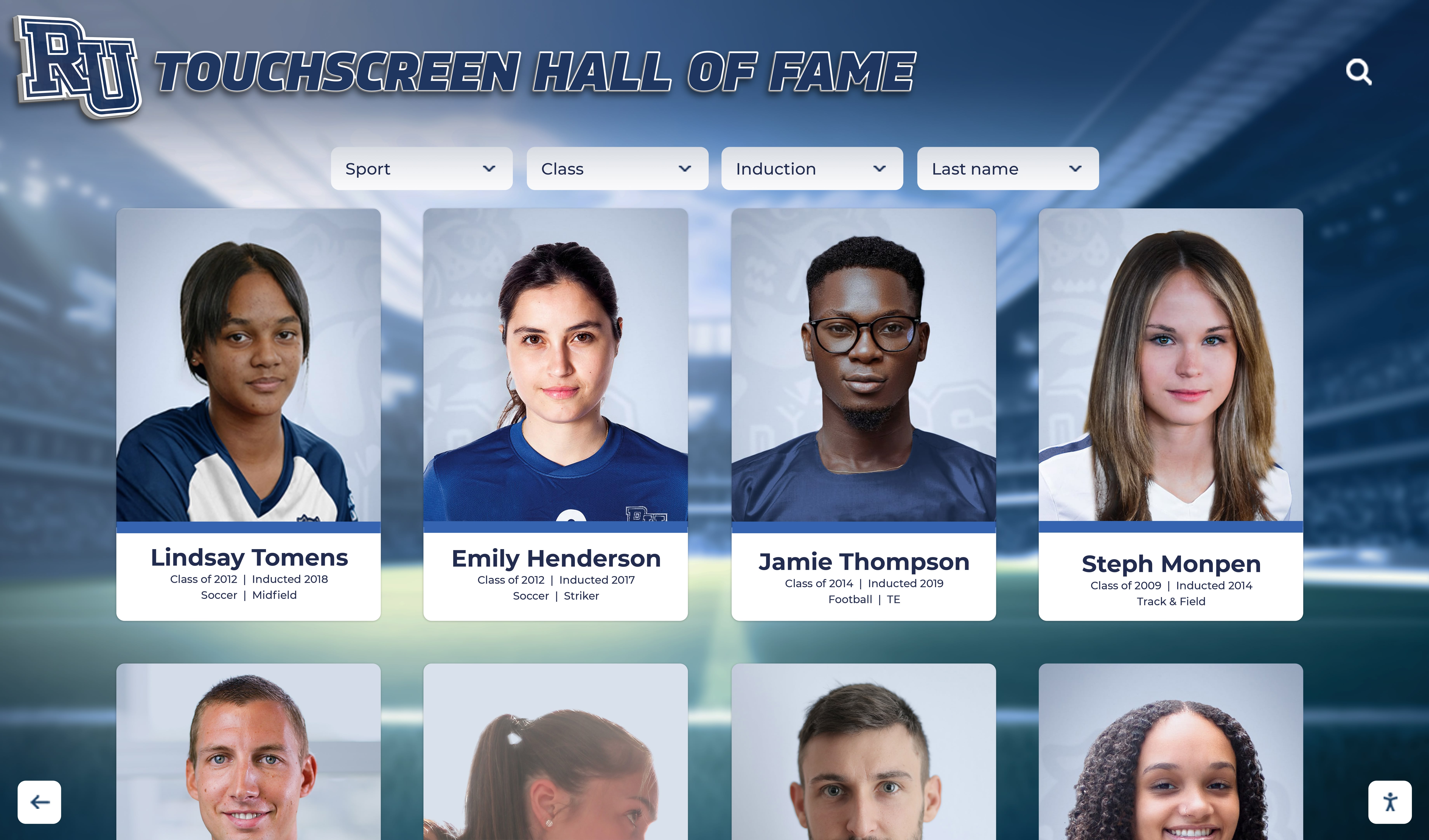
Interactive displays allow school communities to explore detailed profiles of college-bound athletes
Media and Communication Strategy
Press Release Distribution Formal announcements extend signing day visibility:
- Local newspapers and media outlets
- School district communications office
- Alumni association newsletters
- Booster club communications
- Regional sports networks and websites
Social Media Coverage Real-time documentation creates engagement:
- Live tweets or Instagram stories during ceremony
- Individual athlete spotlight posts with college logo
- Photo galleries from ceremony
- Video clips of athlete statements
- Tagged posts connecting school and college social accounts
Documentation and Archives Professional documentation preserves memories:
- Professional photography of each athlete signing
- Video recording of entire ceremony
- Individual athlete interview recordings
- Candid photos of families celebrating
- Official certificates or commemorative items
These materials become content for digital recognition displays that celebrate college-bound athletes long after signing day concludes.
Creating Permanent Recognition for College-Bound Athletes
While signing ceremonies create memorable moments, permanent recognition displays ensure college commitments remain visible throughout the school year and across multiple years, inspiring future athletes and celebrating your athletic program’s success.
Digital College Signing Wall Solutions
Traditional bulletin boards displaying college logos and athlete photos face significant limitations—they become outdated quickly, require manual updates, consume limited wall space, and can only showcase current year signings before needing replacement. Modern digital recognition solutions eliminate these constraints.
Unlimited Recognition Capacity
Solutions like Rocket Alumni Solutions enable schools to maintain comprehensive archives of college-bound athletes spanning decades:
- Single display showcases unlimited athletes across all sports and years
- Historical records preserve institutional athletic tradition
- No need to remove previous years to accommodate new signings
- Searchable archives enabling families and alumni to find past athletes
- Comprehensive documentation demonstrating program success over time
Rich Multimedia Profiles
Digital displays support content impossible with static bulletin boards:
- High-resolution athlete photos in uniform
- College logos and official branding
- Detailed athletic statistics and achievements
- Academic honors and achievements
- Video highlights from high school career
- Quotes from athletes about their college choice
- Coach commentary on athlete’s contributions
- Links to college roster pages and social media
This comprehensive approach to athletic recognition programs creates permanent records that honor multi-year dedication.
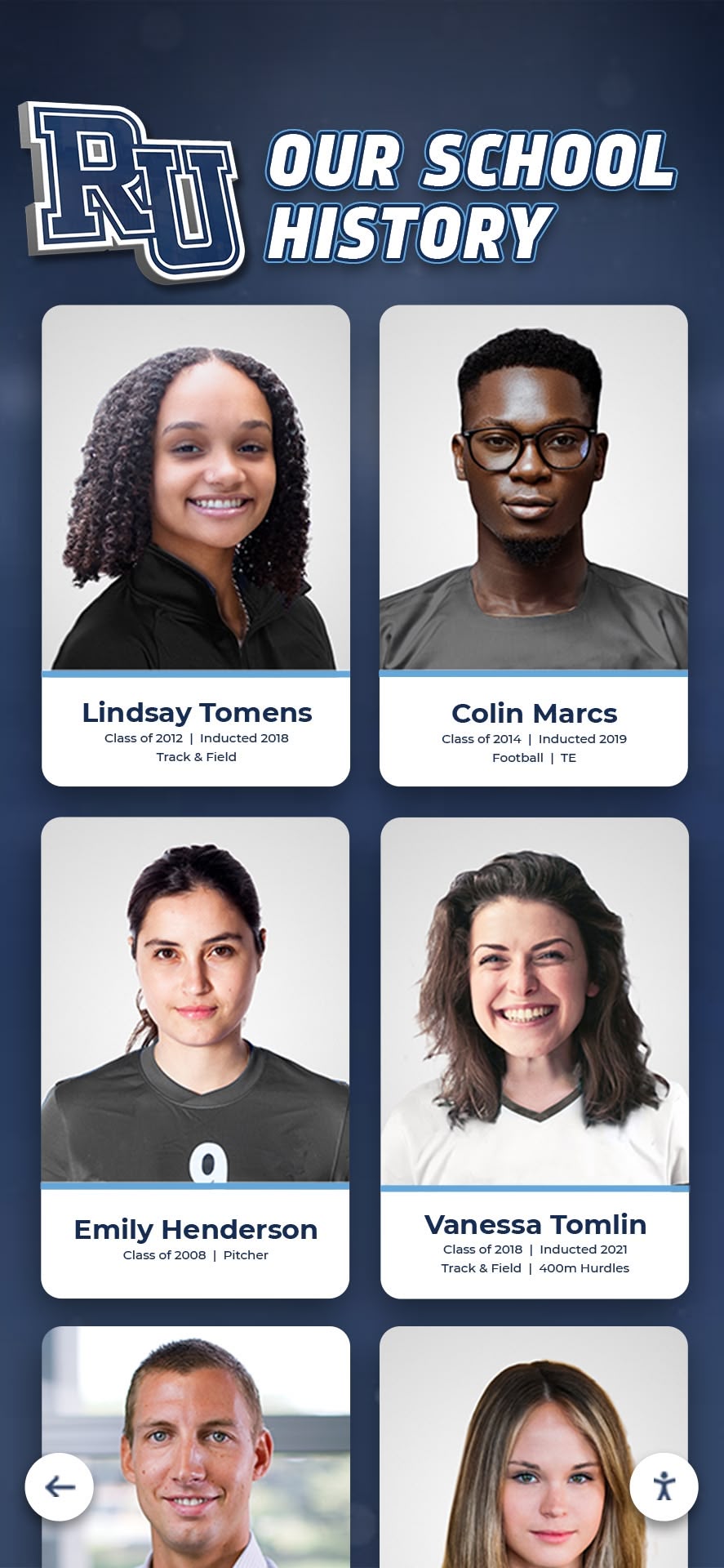
Digital systems organize college-bound athletes by sport, year, and achievement for easy exploration
Interactive Features Engaging School Community
Modern touchscreen displays transform passive recognition into engaging experiences:
Search and Filter Capabilities:
- Find athletes by name, sport, college, or graduation year
- Filter displays by conference (SEC, Big Ten, ACC, etc.)
- View all athletes attending specific universities
- Track which high school teams produced most college athletes
- Identify trends in college placement over time
Statistical Dashboards:
- Total college athletes by sport across all years
- Division I, II, III, and NAIA placement breakdowns
- Geographic distribution of college destinations
- Scholarship value recognition (when appropriate)
- Academic achievement alongside athletic recognition
Mobile and Web Access: Digital recognition extends beyond physical displays through responsive web platforms:
- Alumni worldwide can view current college commitments
- Recruiting prospects explore program’s college placement success
- Social media integration enabling easy sharing
- Family members show college commitments to extended relatives
- College coaches verify high school program quality
Learn about interactive kiosk solutions that enhance athletic recognition programs.
Strategic Display Placement
Location significantly impacts recognition effectiveness:
High-Traffic Athletic Areas:
- Main gymnasium entrance or lobby
- Hallway connecting locker rooms to competition venues
- Weight room or athletic training facilities
- Coaches’ offices and conference rooms
- Booster club gathering spaces
Academic Integration Locations:
- School main entrance demonstrating institutional pride
- Guidance counselor offices reinforcing college possibilities
- Library or media center connecting athletics and academics
- Cafeteria or commons areas reaching entire student body
- College and career center emphasizing athletic pathways
This strategic placement ensures recognition serves multiple purposes—celebrating current commitments, inspiring younger athletes, and demonstrating program excellence to prospective families and recruits.
Year-Round Recognition Updates
Digital systems eliminate the “once and done” problem of traditional signing day recognition:
Ongoing Content Enrichment:
- Update profiles when athletes earn college playing time
- Add freshman year statistics and highlights
- Recognize academic achievements and honors
- Document conference championships and awards
- Celebrate professional opportunities following college
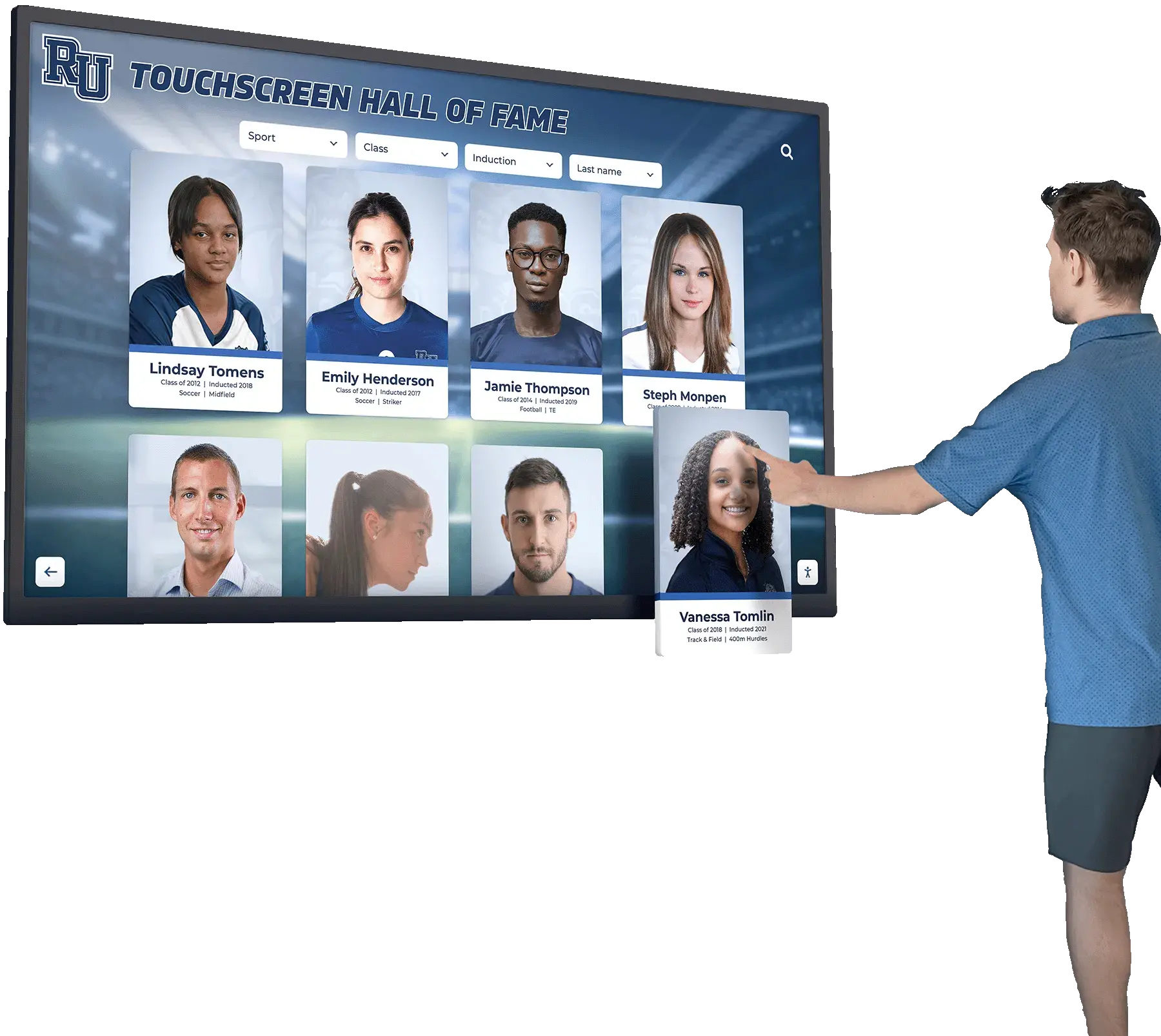
Intuitive interfaces make exploring athlete profiles engaging for students, families, and visitors
Automatic Updates:
- Scheduled publication of new signees during signing periods
- Integration with athletic department databases
- Automated social media cross-posting
- Email notifications to families when profiles go live
- Remote management from any internet-connected device
This dynamic approach to digital trophy case management ensures recognition remains current and engaging throughout the year.
NCAA Regulations Governing National Signing Day
Understanding NCAA rules helps schools, coaches, and families navigate signing day appropriately while avoiding violations that could jeopardize athlete eligibility.
Contact and Communication Rules
Pre-Signing Period:
- NCAA Division I coaches can contact prospects directly based on sport-specific contact periods
- High school coaches can facilitate communication but must understand dead period restrictions
- Unofficial and official visit regulations vary by sport and division
- Social media communication counts as recruiting contact
Signing Day Contact:
- College coaches can attend signing ceremonies at their own institutions but not at high schools (this varies by sport and requires verification)
- High school coaches should verify current NCAA regulations before inviting college staff
- Phone calls and messages between prospects and college coaches are generally permitted on signing day
Post-Signing Contact:
- Once athletes sign National Letters of Intent, other institutions must cease recruiting contact
- Signed athletes can communicate freely with their future college program
- High school coaches can coordinate with college programs regarding athlete preparation
Financial Aid and Scholarship Regulations
Scholarship Disclosure: Schools should handle scholarship information sensitively during signing ceremonies:
- Specific financial aid amounts are private information between family and institution
- Full scholarship, partial scholarship, and preferred walk-on distinctions should only be disclosed with athlete/family permission
- Academic scholarships and financial aid separate from athletic aid may be part of total package
- Multi-year guarantee versus one-year renewable scholarships represent different commitment levels
National Letter of Intent Binding Terms:
- Financial aid guaranteed for minimum one academic year
- Athletes who don’t attend forfeit opportunity to compete at Division I or II schools for one year
- Medical hardship exceptions exist for significant injuries
- Release from NLI requires written petition and institutional approval
Athletic directors should consult athletic recognition best practices to ensure compliance with all regulations.
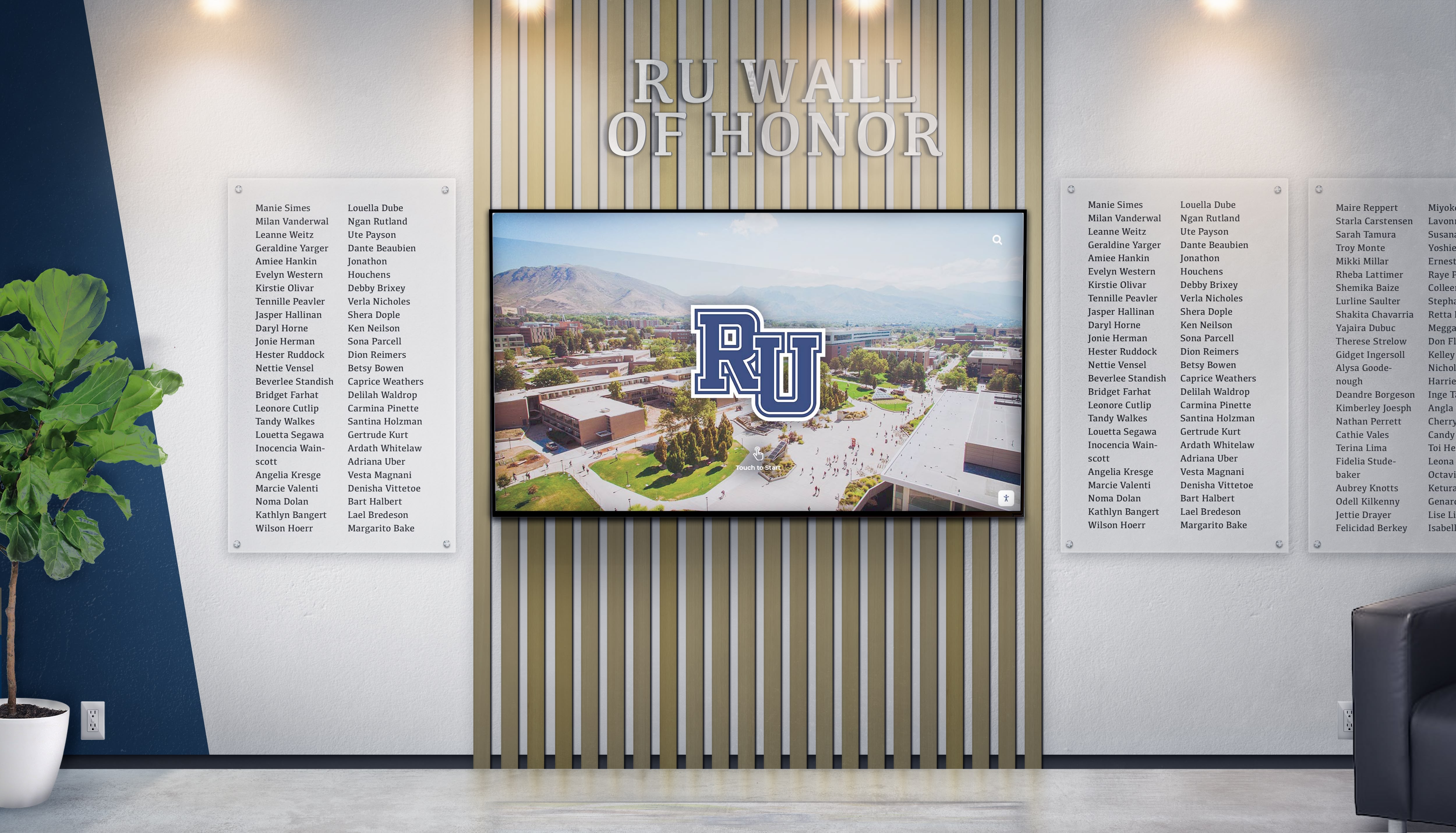
Integrated recognition systems honor college-bound athletes alongside other distinguished achievements
Division III and NAIA Considerations
Not all college athletic commitments use the National Letter of Intent system:
NCAA Division III:
- Does not use National Letters of Intent
- Athletes sign financial aid agreements through admissions offices
- Athletic aid prohibited; academic and need-based aid only
- Commitments announced but not formally “signed” on national signing days
- Schools should still celebrate Division III commitments equally
NAIA Institutions:
- Participate in National Letter of Intent program
- Different signing date structures than NCAA
- Earlier signing opportunities in some sports
- Scholarship regulations differ from NCAA divisions
Schools should clarify which signing framework applies to each athlete and plan recognition ceremonies accordingly, ensuring Division III and NAIA commitments receive equal celebration to NCAA Division I and II signings.
Celebrating All College Athletic Commitments
Effective signing day recognition extends beyond high-profile sports and highly recruited athletes to celebrate all students continuing their athletic careers at the collegiate level.
Inclusive Recognition Across All Sports
Athletic directors should ensure equitable celebration:
Major Sports Programs: Football, basketball, baseball, softball, soccer, and volleyball often receive extensive signing day coverage and recognition.
Olympic and Individual Sports: Track and field, cross country, swimming, diving, tennis, golf, wrestling, and gymnastics athletes deserve equal recognition despite potentially lower attendance sports or individual rather than team focus.
Emerging Sports Programs: Lacrosse, rowing, bowling, sand volleyball, competitive cheer, and other growing college sports represent legitimate college athletic opportunities worthy of celebration.
Less Traditional Athletic Programs: Esports, competitive dance, rodeo, equestrian, and other specialized college programs should receive recognition when students commit to competing at these programs.
Creating comprehensive recognition programs ensures all athletes feel valued regardless of sport visibility or perceived prestige.
Recognizing All Division Levels Equitably
Division I Commitments: Often receive most attention and publicity but should not overshadow other achievements.
Division II Programs: Offer excellent competitive and educational opportunities combining athletic and academic scholarships.
Division III Institutions: Represent prestigious academic institutions with competitive athletics—the highest percentage of college athletes compete at Division III level.
NAIA Programs: Provide outstanding opportunities particularly at faith-based and smaller institutions with strong athletic traditions.
Junior College Programs: Often serve as stepping stones to four-year programs and should be celebrated as legitimate college athletic opportunities.
Athletic directors committed to inclusive recognition understand that signing to compete at any collegiate level represents significant achievement worthy of formal celebration. The journey matters more than the destination’s perceived prestige.
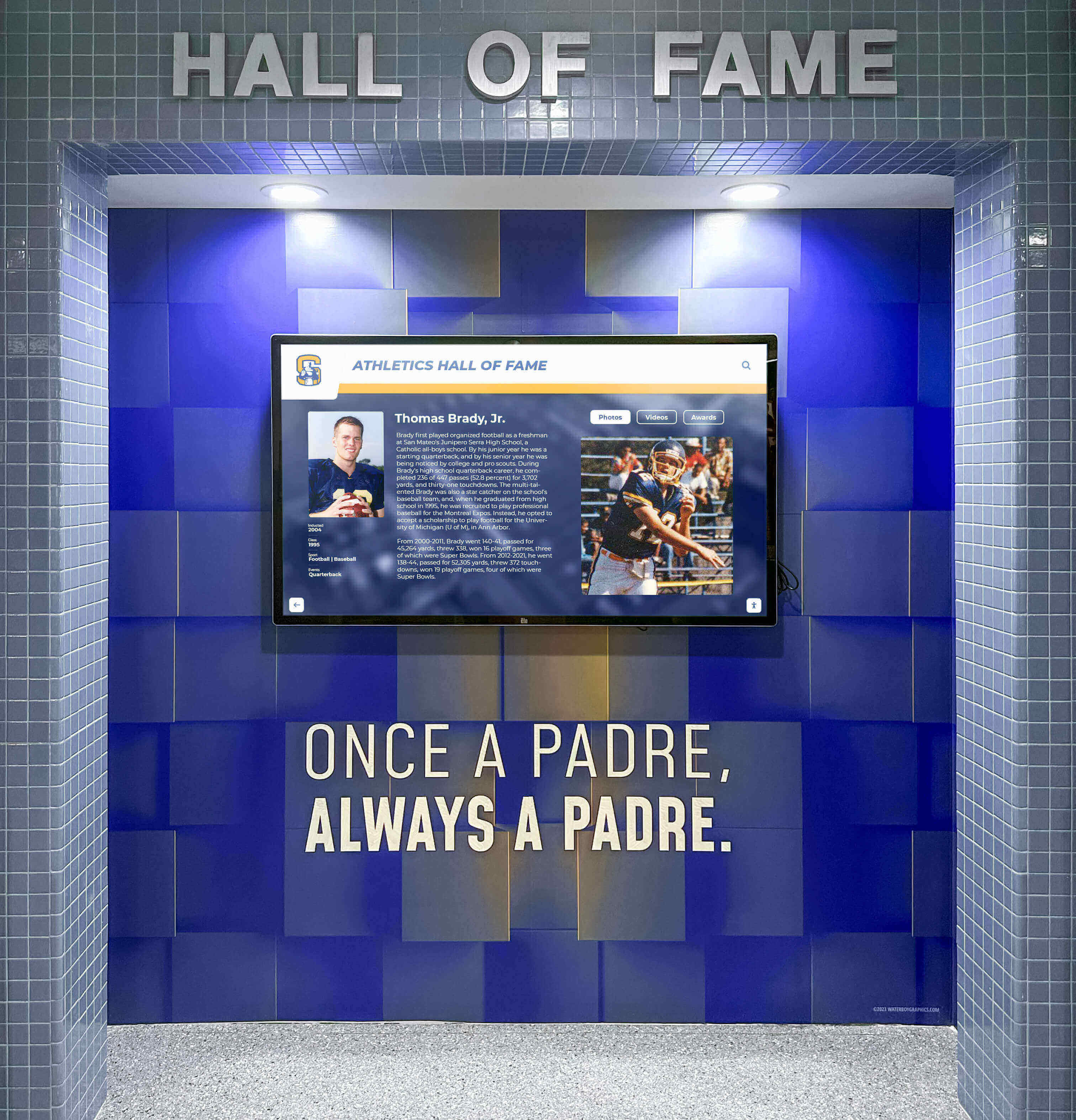
Prominent placement of recognition displays signals institutional commitment to celebrating college athletic commitments
Recognizing Non-Scholarship Athletes
Many college athletes compete without athletic scholarship support:
Preferred Walk-Ons:
- Invited by college coaches to join program without athletic scholarship
- Guaranteed roster spot and participation opportunity
- May earn scholarship after proving themselves in program
- Demonstrates commitment to compete at collegiate level
Walk-Ons:
- Tryout for college programs after enrollment
- May not be announced during traditional signing day
- Deserve recognition when they make college rosters
- Often display exceptional dedication and love of sport
Schools should consider creating student athlete recognition programs that celebrate all students competing at the college level regardless of scholarship status.
Building Multi-Year Recognition Traditions
Effective signing day programs evolve into comprehensive traditions that strengthen school culture and athletic program identity.
Historical Archives and Trend Tracking
Digital recognition systems enable powerful historical documentation:
Decade-by-Decade Analysis:
- Track total college athletes across different eras
- Identify program growth trends
- Recognize coaching staff who developed college talent
- Document facilities and program improvements correlated with college placement
College Destination Maps:
- Visual representation of where athletes attend college
- Conference affiliation tracking
- In-state versus out-of-state placement trends
- Distance from home school analysis
Sport-Specific Success Stories:
- Programs consistently placing athletes at college level
- Coaching changes and their impact on placement
- Facilities investments and recruitment outcomes
- Correlation between youth programs and college success
This data becomes powerful for program development, fundraising campaigns, and demonstrating return on investment for athletic program support. Learn about building school pride through recognition programs.
Alumni Connection Programs
College-bound athlete recognition creates natural alumni engagement opportunities:
Current College Athlete Updates:
- Feature updates when alumni earn playing time
- Celebrate conference championships and individual awards
- Recognize academic achievements and honors
- Highlight professional opportunities following college career
Mentorship Connections:
- Connect current college athletes with recruiting high school athletes
- Create sport-specific mentorship programs
- Facilitate college transition advice sharing
- Build networks within specific college programs
Reunion and Recognition Events: Bring back former college athletes during homecoming or special anniversaries to:
- Share college experience insights
- Inspire current athletes
- Strengthen alumni connections
- Build mentorship relationships
These programs transform one-time signing day recognition into ongoing relationships that benefit current students and maintain alumni engagement. Explore alumni engagement strategies that build on athletic recognition foundations.
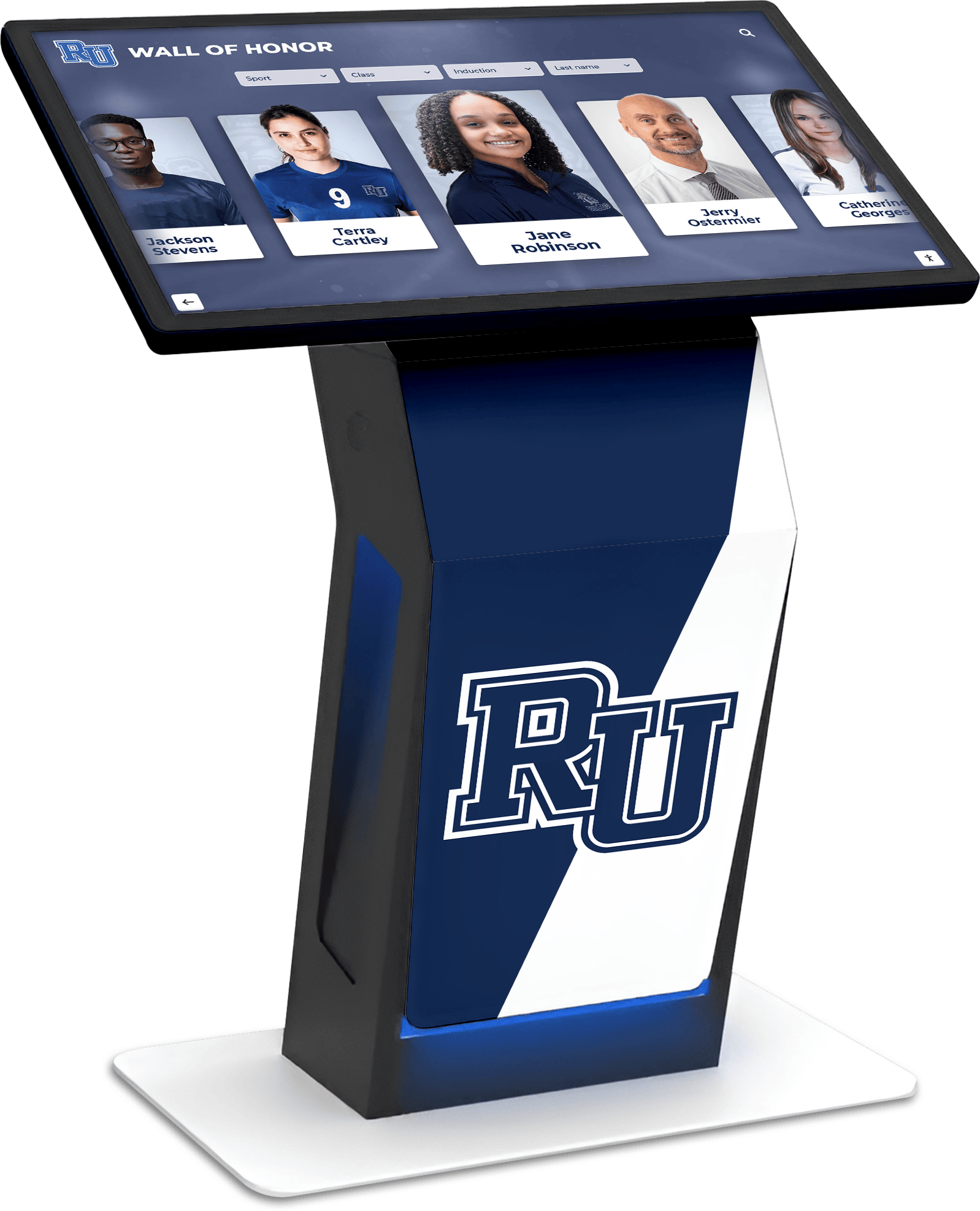
Floor-standing kiosks provide flexible placement options for schools without available wall space
Inspiring Future College Athletes
Current signing day recognition directly impacts younger athletes:
Youth Program Integration:
- Invite middle school and youth program athletes to signing ceremonies
- Create “future college athlete” programs for elementary athletes
- Display college-bound athletes at youth program facilities
- Develop progression pathways from youth programs through high school to college
Underclassmen Motivation:
- Highlight academic requirements for college athletic eligibility
- Connect GPA and standardized test preparation to college opportunities
- Emphasize multi-year development and improvement
- Showcase late bloomers and athletes who maximized their potential
Realistic Goal-Setting:
- Celebrate all division levels equally to set realistic expectations
- Emphasize education quality alongside athletic opportunity
- Discuss preferred walk-on and roster-spot opportunities
- Address transfer portal and junior college pathways
Effective recognition programs balance celebrating exceptional achievements while making college athletic participation feel attainable for dedicated athletes across all ability levels.
Technology and Tools for Signing Day Recognition
Modern technology transforms how schools plan, execute, and memorialize signing day celebrations.
Digital Display Solutions
Comprehensive platforms like Rocket Alumni Solutions provide purpose-built tools for athletic recognition:
Content Management Features:
- Cloud-based management enabling remote updates from any device
- Drag-and-drop interfaces requiring no technical expertise
- Bulk upload tools for adding multiple athletes simultaneously
- Scheduled publishing automation for signing period announcements
- Role-based permissions enabling appropriate staff access
Display Options:
- Wall-mounted commercial-grade touchscreens for high-traffic areas
- Floor-standing kiosks for flexible placement
- Multiple screen synchronization for larger spaces
- Network-connected displays updated automatically
- Backup and redundancy systems preventing data loss
Integration Capabilities:
- School website embedding for extended reach
- Mobile-responsive viewing across all devices
- Social media sharing functionality
- Email notification systems for families
- Analytics tracking engagement and usage
Schools implementing digital signage solutions report significant time savings and enhanced recognition effectiveness compared to traditional static displays.
Social Media Integration Strategy
Coordinated social media amplifies signing day impact:
Platform-Specific Approaches:
- Twitter/X: Real-time updates during ceremony, athlete commitment announcements
- Instagram: Visual storytelling with athlete photos, college logos, ceremony highlights
- Facebook: Longer-form content including athlete profiles and family photos
- TikTok: Short video highlights and athlete statements
- YouTube: Full ceremony recording and individual athlete spotlight videos
Hashtag Strategy: Create consistent hashtags connecting your recognition:
- #[SchoolName]SigningDay2025
- #Future[CollegeName][Mascot]
- #[SchoolName]ToTheNextLevel
- #SigningDay2025
Tagging Best Practices:
- Tag college programs in all posts (builds relationships)
- Tag athletes and families (with permission)
- Tag athletic conferences
- Tag athletic booster clubs and supporters
- Cross-promote with college program social accounts
This comprehensive digital approach ensures signing day recognition extends far beyond the physical ceremony, reaching alumni, extended family, and the broader athletic community.
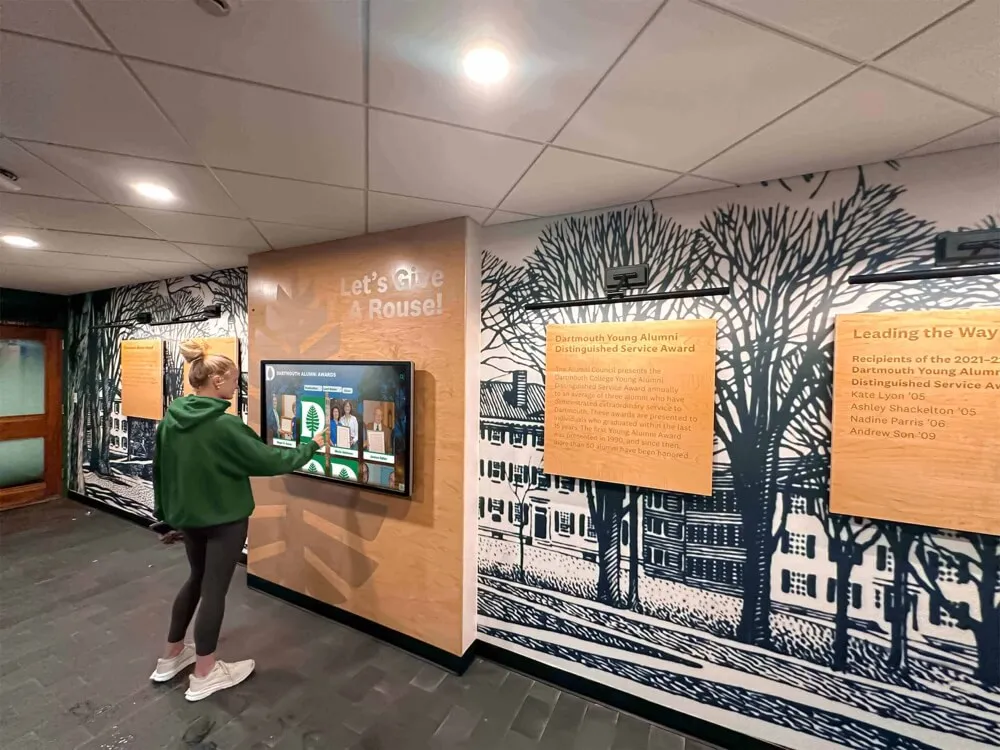
Strategic hallway placement ensures maximum visibility and engagement with college commitment recognition
Live Streaming and Virtual Participation
For families unable to attend in person:
Live Stream Platforms:
- YouTube Live or Facebook Live for free streaming
- Unlisted or private options for controlled viewing
- Archive recordings for later viewing
- Professional multi-camera setups when budget allows
Virtual Participation Features:
- Video conferencing connection for extended family
- Chat or comment features for congratulations
- Digital signing of virtual guestbooks
- Social media interaction during ceremony
Post-Event Content:
- Edited highlight reels of ceremony
- Individual athlete spotlight videos
- Photo galleries organized by sport or athlete
- Transcript or written summary for those who missed ceremony
These tools particularly benefit military families, grandparents living distant, and alumni interested in following current program success. Explore digital storytelling for athletic programs that extends recognition reach.
Budget-Friendly Signing Day Celebration Options
Schools with limited resources can still create meaningful signing day recognition through strategic planning and resource allocation.
Low-Cost Ceremony Options
Venue Strategies:
- Use existing school spaces eliminating rental costs
- Schedule during school day to maximize student audience
- Combine multiple signing periods into single comprehensive ceremony
- Partner with booster clubs for refreshment donations
Decoration and Setup:
- Student art classes create congratulatory posters
- Technology classes design and print professional programs
- Photography classes document ceremony professionally
- Media classes create video highlights
Recognition Materials:
- Digital certificates eliminating printing costs
- Social media recognition providing wide reach without expense
- School-branded materials like folders or T-shirts at bulk discount
- Group photos eliminating need for individual professional photos
Phased Digital Recognition Implementation
Schools can implement comprehensive recognition systems over time:
Phase 1: Basic Digital Presence
- Add college commitment section to athletics website
- Create simple photo galleries with athlete names and colleges
- Maintain social media documentation
- Build baseline recognition infrastructure
Phase 2: Enhanced Content
- Add detailed athlete profiles with statistics and achievements
- Include video highlights from high school careers
- Develop searchable databases of college commitments
- Expand content depth without hardware investment
Phase 3: Physical Display Investment
- Install digital recognition displays in strategic locations
- Implement touchscreen interactive features
- Integrate web and physical recognition experiences
- Create comprehensive system like Rocket Alumni Solutions
This phased approach allows schools to build toward comprehensive recognition without requiring significant upfront investment, demonstrating value and building support before major capital expenses.
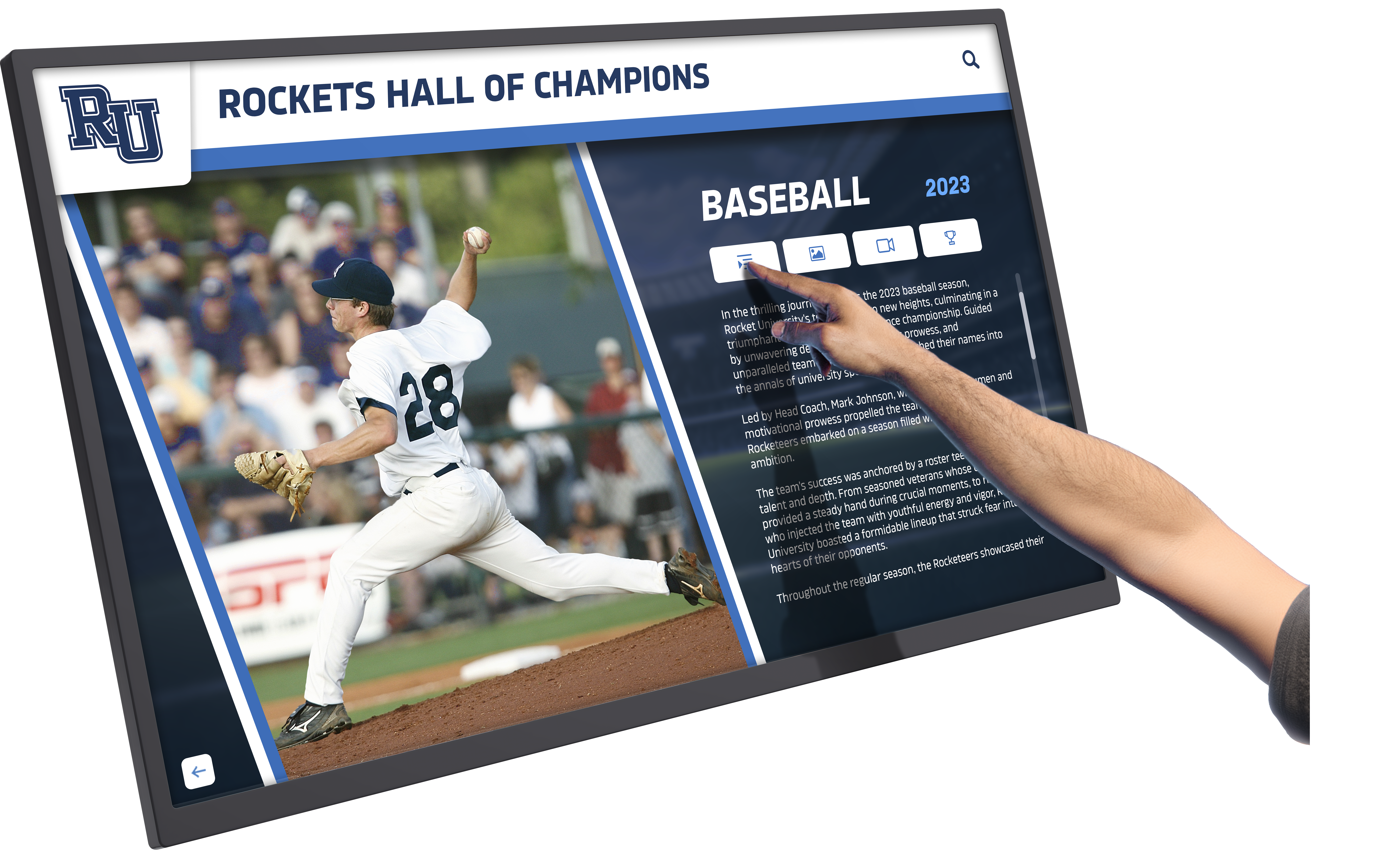
Intuitive touchscreen interfaces make exploring athlete achievements engaging for all ages
Conclusion: Celebrating Athletic Excellence and College Opportunities
National Signing Day 2025 represents more than administrative formality—it symbolizes the culmination of years of athletic dedication, academic commitment, and personal growth. When schools effectively celebrate college-bound athletes through well-planned ceremonies and permanent recognition systems, they create cultures that honor achievement while inspiring younger athletes to pursue their own collegiate dreams.
Understanding specific signing period dates across all sports ensures appropriate timing for celebration. Implementing inclusive recognition that celebrates all division levels and sports equitably demonstrates institutional commitment to every student-athlete continuing their career. Creating permanent, dynamic recognition through digital display solutions transforms one-day events into lasting traditions that strengthen school culture, engage alumni, and build program reputation.
From formal signing ceremonies bringing together families and communities to interactive digital displays preserving these achievements for decades, comprehensive signing day recognition strategies honor the complete student-athlete experience. Schools that invest in these recognition systems demonstrate their commitment to celebrating excellence, supporting student goals, and building traditions that inspire future generations.
As National Signing Day 2025 approaches—whether during the November early signing periods, the December football early period, the February football national signing day, or the April-May spring signing windows—athletic directors, coaches, and school administrators should plan meaningful recognition that appropriately celebrates every athlete committing to compete at the collegiate level.
Create Lasting Recognition for Your College-Bound Athletes
Rocket Alumni Solutions provides comprehensive digital recognition systems designed specifically for celebrating athletic achievements including college commitments. Our platform enables schools to create permanent, interactive displays that honor college-bound athletes while inspiring younger athletes to pursue their own collegiate opportunities.
From unlimited athlete profiles and multimedia content to searchable archives and remote content management, our solutions transform how schools celebrate National Signing Day and maintain year-round recognition of athletic excellence. Schedule a demonstration to see how modern digital recognition can enhance your athletic program's celebration of college commitments.
Your college-bound athletes deserve recognition that matches their years of dedication. With thoughtful planning, inclusive celebration, and modern technology, you can create signing day traditions that honor every commitment while building athletic program culture that inspires excellence across all sports and division levels. Start planning your National Signing Day 2025 celebrations today.
Frequently Asked Questions
When is National Signing Day 2025 for football?
Football has two primary signing periods: Early Signing Day from December 4-6, 2024 (three-day period), and traditional National Signing Day on February 5, 2025 (first Wednesday in February). Most Division I FBS recruits sign during the December early period, with the February date serving athletes making later decisions or experiencing coaching changes.
Do all sports have the same signing day dates?
No, different sports have different signing period schedules. Basketball, soccer, baseball, softball, and many Olympic sports use an early signing period from November 13-20, 2024, and a spring signing period from April 9 - May 14, 2025. Football has its own distinct schedule with December and February signing periods. Athletic directors should verify current dates for their specific sports when planning recognition ceremonies.
Can Division III athletes sign on National Signing Day?
Division III institutions do not participate in the National Letter of Intent program since they cannot offer athletic scholarships. Division III athletes sign financial aid agreements through standard admissions processes rather than through athletic departments. However, schools should still recognize and celebrate Division III commitments equally during signing day ceremonies even though no formal NLI signing occurs.
How should schools recognize athletes who sign during different signing periods?
Schools have several approaches: schedule separate signing ceremonies for each major signing period (November, December, February, April-May), creating multiple celebration opportunities; hold combined spring ceremony recognizing all athletes who signed throughout the year; or implement rolling recognition using digital displays that add athletes as they sign throughout the various periods. Many schools combine approaches with ceremony during major signing periods and digital display updates for all commitments.
What should be included in a signing day ceremony?
Essential components include formal welcome and context-setting remarks, individual recognition for each athlete including their achievements and college choice, opportunity for athletes to speak about their decisions and thank supporters, formal signing of National Letters of Intent with family photos, and closing celebration with refreshments. Ceremonies typically run 5-7 minutes per athlete plus opening and closing remarks, ranging from 30 minutes for small groups to 90+ minutes for large signing classes.
How can schools permanently recognize college-bound athletes beyond signing day ceremonies?
Digital recognition systems provide the most comprehensive long-term solution, enabling schools to maintain unlimited athlete profiles across all years with photos, statistics, video highlights, and detailed information about college destinations. These interactive displays can be updated remotely, searched by visitors, and expanded indefinitely without physical space limitations. Many schools also maintain college commitment sections on athletics websites, create dedicated social media highlight series, and incorporate college-bound athlete recognition into broader athletic hall of fame displays.
Related Resources
Athletic directors planning comprehensive National Signing Day celebrations may find value in these related implementation guides:
- College Commitment Day Digital Board Guide - Detailed planning for year-round commitment recognition
- Athletic Hall of Fame Complete Guide - Comprehensive athletic recognition systems
- Sports Banquet Planning Ideas - Combining signing celebrations with awards banquets
- Senior Night Recognition Programs - Celebrating senior athletes alongside college commitments
- Athletic Recognition Programs That Increase Participation - Building comprehensive athletic celebration culture
- National College Signing Day Digital Showcase - Technology implementation for signing day recognition
These resources provide complementary frameworks that athletic directors can adapt to their specific program needs and resources.































