National Signing Day represents one of the most significant milestones in a student-athlete’s high school career—the moment when college athletic dreams become official reality. For schools, athletic directors, and coaches, creating meaningful celebrations that honor these achievements while inspiring future generations requires thoughtful planning that goes far beyond simple announcements or brief ceremonies.
The way schools celebrate National Signing Day reflects institutional values about athletic excellence, student achievement, and community pride. Effective celebrations balance ceremony with substance, immediate recognition with lasting honor, and individual celebration with program legacy. Schools that excel at National Signing Day recognition create cultures where athletic pursuit of collegiate opportunities becomes an aspirational goal that younger athletes actively pursue.
This comprehensive guide explores how schools across the country successfully celebrate National Signing Day through memorable ceremonies, permanent recognition displays, community engagement strategies, and modern digital platforms that extend celebration impact far beyond a single moment in time.
National Signing Day marks the culmination of years of athletic dedication, academic commitment, and recruiting processes that transform high school athletes into college-bound student-athletes. According to the NCAA, fewer than 7% of high school athletes continue competing at the collegiate level, making these commitments exceptional achievements worthy of comprehensive recognition. Schools that celebrate these moments effectively create lasting inspiration while honoring individual excellence.
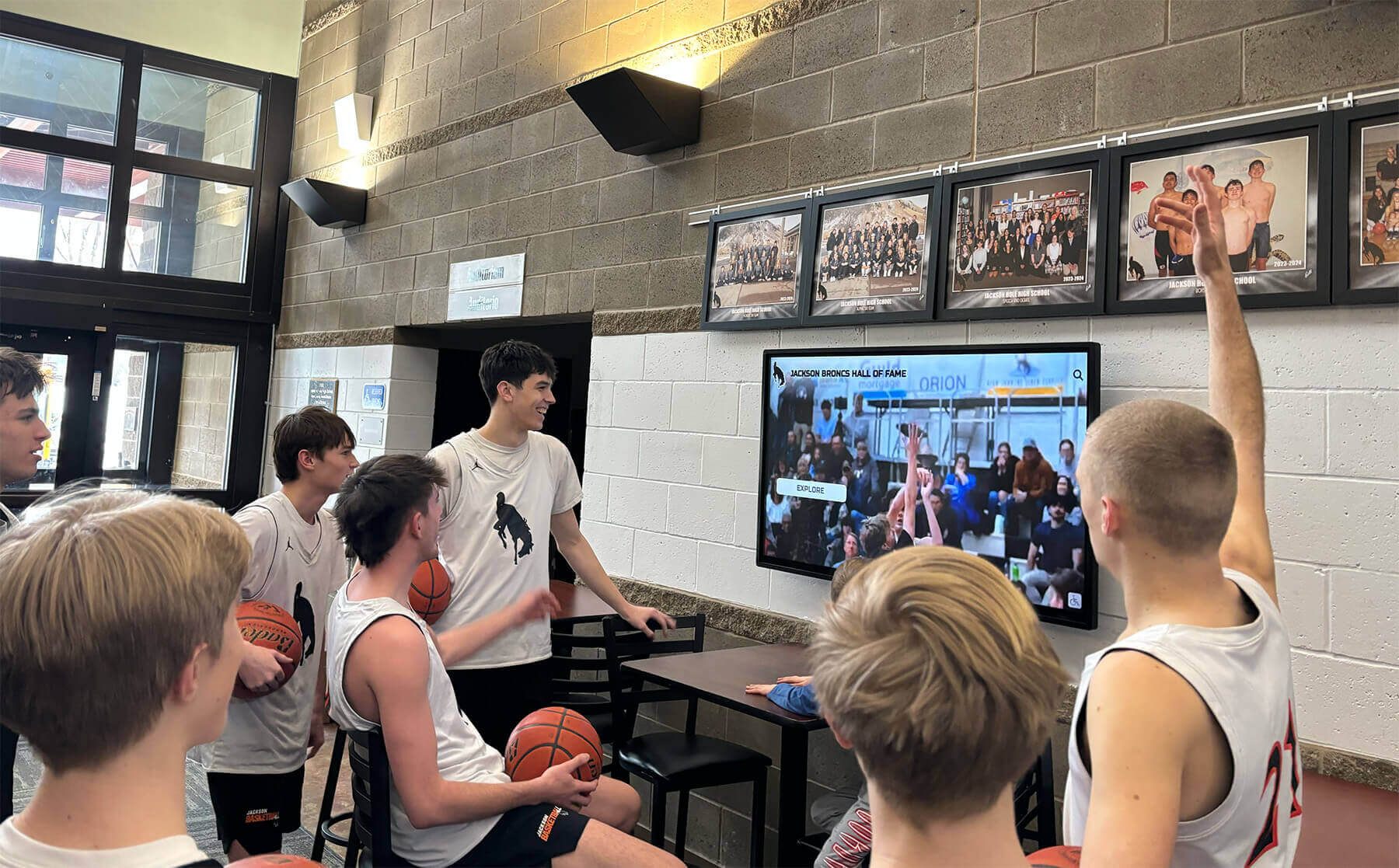
National Signing Day celebrations bring together athletes, families, coaches, and communities to honor college athletic commitments
Understanding National Signing Day Significance
Before designing celebration strategies, understanding what National Signing Day represents—and why it matters to student-athletes, families, and school communities—provides essential context for creating meaningful recognition experiences.
What National Signing Day Means for Student-Athletes
National Signing Day transforms verbal commitments into binding agreements through the National Letter of Intent (NLI), a legal contract between student-athletes and NCAA Division I or Division II institutions. This transition from possibility to certainty carries profound significance for athletes who have invested years pursuing collegiate athletic opportunities.
For most student-athletes, signing represents validation of countless hours in practice facilities, weight rooms, and competition venues. It confirms that their dedication produced measurable results recognized by college coaches and programs. Beyond athletic achievement, signing demonstrates the successful balance of academic requirements, athletic performance, and character development that collegiate programs demand.
The binding nature of National Letters of Intent means these signatures carry real consequences and commitments—athletes agree to attend institutions for at least one academic year while institutions guarantee athletic financial aid. This mutual commitment transforms aspirational college plans into concrete futures, providing certainty that shapes senior year experiences and post-graduation transitions.
Many student-athletes describe signing day as their first “adult” milestone—a moment where they make binding decisions about their future that carry legal and financial implications. Schools that recognize this significance through appropriate celebration honor not just athletic achievement but the maturity and decision-making these commitments represent.

Signing day represents years of athletic dedication culminating in collegiate opportunity
Why Schools Should Prioritize Signing Day Celebrations
Comprehensive signing day celebrations create value that extends throughout athletic programs and school communities in multiple dimensions.
Inspiring Younger Athletes
When freshmen and sophomores witness seniors they know personally committing to college programs, abstract possibilities transform into tangible, achievable goals. Visible celebration of signing day achievements demonstrates that collegiate athletic opportunities represent realistic outcomes of dedication and performance, not distant dreams reserved for exceptional talents.
According to athletic recognition research, athletes who witness older teammates celebrated for college commitments set more ambitious goals, demonstrate increased practice dedication, and maintain higher performance standards than those in programs without visible recognition cultures.
Demonstrating Program Quality
Signing day celebrations provide concrete evidence of coaching effectiveness and program development capabilities. When prospective families evaluate schools, comprehensive signing recognition demonstrates that programs develop collegiate-level talent rather than merely claiming quality coaching without evidence.
College coaches visiting facilities for games or recruiting can quickly assess program track records through well-organized signing displays and celebrations, potentially increasing recruitment interest in current athletes. This visibility creates recruiting advantages that benefit both individual students and overall program reputation. Schools implementing digital recognition for college commitments make these achievements continuously visible to all stakeholders.
Building School and Community Pride
College commitments generate positive attention for entire school communities. Strategic signing day celebrations amplify this impact through local media coverage opportunities, enhanced reputation among school-choice families, strengthened connections with youth feeder programs, increased community engagement at athletic events, and visible evidence of student achievement benefiting all stakeholders.
When schools recognize athletes continuing careers at all competitive levels—from elite Division I programs to NAIA schools to competitive Division III institutions—they communicate that multiple pathways to success exist and deserve celebration.
Multiple Signing Periods Throughout the Year
Understanding that signing day occurs multiple times throughout the academic year helps schools plan appropriate celebrations for different sports and signing periods.
Early Signing Periods (November-December)
Many sports including football, basketball, soccer, and baseball offer early signing periods during fall and early winter. November Early Signing Period (typically November 13-20) accommodates basketball, soccer, baseball, softball, and many Olympic sports, while the December Early Signing Period (typically first Wednesday in December) serves football specifically.
Most Division I commitments occur during early signing periods, allowing athletes to secure collegiate futures before high school seasons conclude. Schools should plan major signing day celebrations during these periods when the majority of commitments become official.
Traditional National Signing Day (February)
The traditional National Signing Day in early February remains significant for football players making later decisions and athletes across various sports who commit during extended signing windows. While fewer athletes sign during traditional National Signing Day compared to early periods, these commitments deserve equal celebration and recognition.
Spring Signing Periods (April-May)
Extended spring signing periods (typically April 9 through May 14) accommodate athletes making later decisions, exploring professional options before committing, or receiving late recruitment offers. Baseball and softball players particularly utilize spring signing periods due to professional draft considerations.
Schools committed to comprehensive signing day recognition plan celebrations during all relevant signing periods rather than limiting recognition to single traditional dates. Learn about coordinating signing celebrations throughout the academic year.
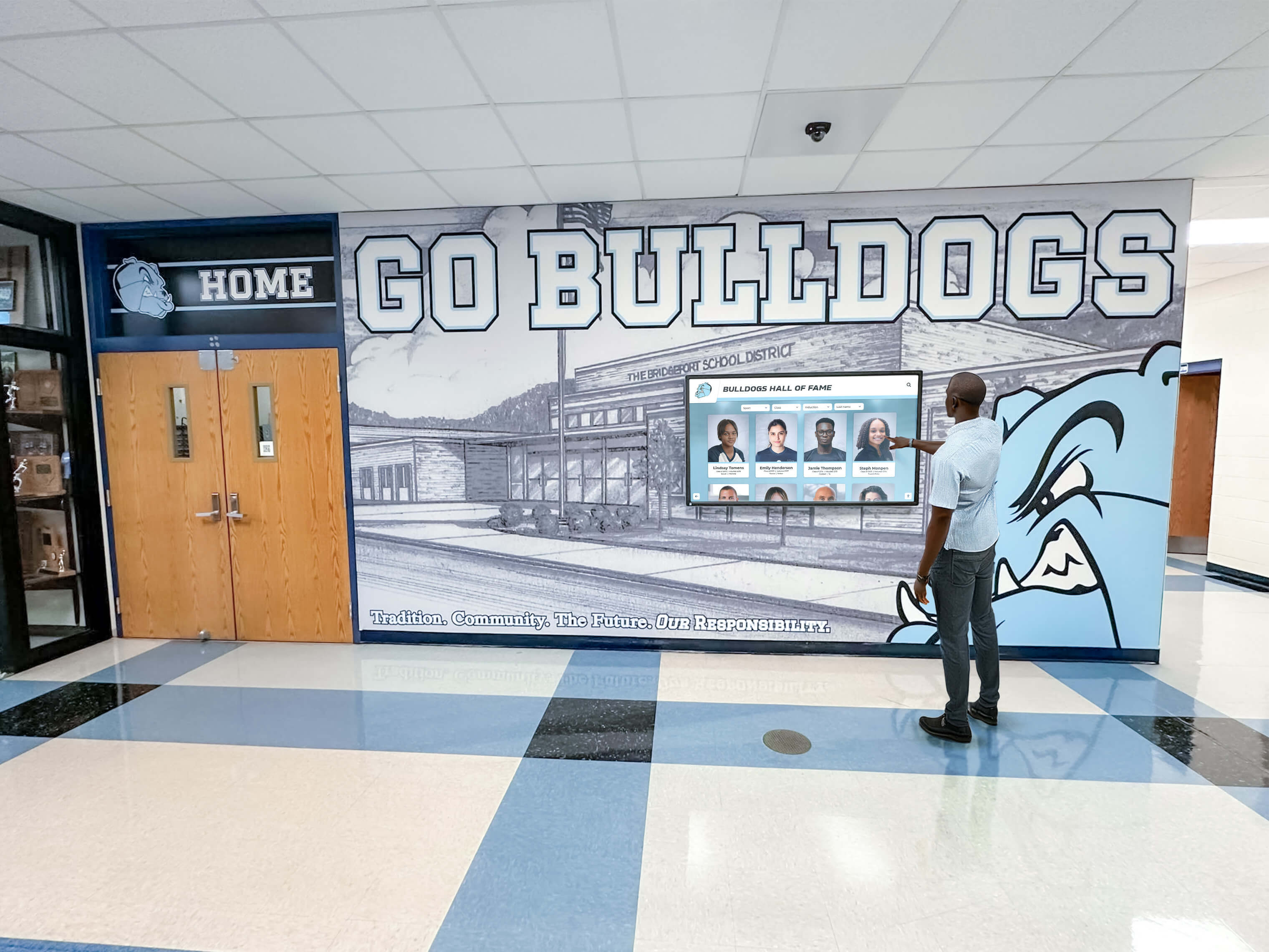
Year-round recognition displays keep signing day achievements visible beyond ceremony dates
Planning Memorable Signing Day Ceremonies
Effective signing day ceremonies balance formality with celebration, honor individual achievements while building program legacy, and create memorable moments for athletes and families while inspiring younger teammates.
Essential Ceremony Components
Schools that excel at signing day celebrations incorporate several key elements that transform administrative formalities into meaningful recognition experiences.
Strategic Venue Selection
Ceremony location significantly impacts atmosphere and participation. Schools typically host signing ceremonies in locations that balance significance, capacity, and practical logistics:
Library or media center provides formal atmosphere conveying academic-athletic balance while accommodating families comfortably. Gymnasium or athletic facility creates direct connection to athletic achievement and allows larger attendance. Auditorium or cafeteria offers maximum capacity for schools with many signing athletes or large anticipated crowds. Dedicated team rooms or athletic lounges create intimate settings emphasizing program culture and relationships.
When selecting venues, consider capacity for invited guests, accessibility for family members with mobility limitations, available technology for presentations or video displays, natural lighting or quality artificial lighting for photography, and symbolic significance connecting location to athletic achievement or school tradition.
Comprehensive Invitation Lists
Formal invitations demonstrate signing day significance while ensuring appropriate stakeholders can attend and participate in celebrations. Comprehensive invitation lists include:
Student-athletes signing and their immediate family members, coaching staff from relevant sports, school administrators including principals and athletic directors, guidance counselors who supported recruitment and college applications, teammates who trained alongside signing athletes, youth program coaches who developed athletes in earlier years, local media representatives for coverage and publicity, and college coaches from commitment institutions when schedules permit.
Formal printed invitations or professionally designed digital invitations convey ceremony importance while providing essential details about date, time, location, format, and any special instructions for attendees. Consider senior athlete celebration strategies that can complement signing day recognition.
Professional Ceremony Setup
Physical setup communicates respect for athlete achievements while creating visual environment suitable for photographs and video that families treasure permanently:
Signing tables draped with school colors and branded tablecloths create formal atmosphere. Name placards or tent cards identify each athlete at signing positions. College-branded materials including flags, banners, or apparel representing commitment institutions add color and specificity. Official signing documents or ceremonial letters of intent provide authentic elements for signing photographs. Media area designated for photographers, videographers, and journalists ensures quality documentation. Display areas showcasing athlete accomplishments, statistics, or career highlights provide context and talking points.
Quality setup requires advance preparation gathering materials, confirming technology functionality, arranging seating for optimal viewing, and conducting dry runs to identify logistical issues before ceremonies begin.

Professional ceremony setup creates memorable experiences while honoring athlete achievements
Ceremony Format and Program Elements
Structured ceremony formats ensure appropriate recognition for each athlete while maintaining engaging pace that respects attendee time and attention.
Opening Remarks and Welcome
Administrators or athletic directors typically open ceremonies by welcoming guests, acknowledging ceremony significance, recognizing coaches and families for their support roles, and providing brief context about what signing day represents and why these achievements deserve celebration.
Opening remarks set ceremonial tone while expressing institutional pride in athlete accomplishments. Brief, sincere opening statements (3-5 minutes) establish appropriate atmosphere without testing audience patience.
Individual Athlete Recognition
The ceremony core involves recognizing each signing athlete individually with appropriate detail and personal attention. Effective individual recognition typically includes:
Athletic director or principal introduces each athlete by name and sport. Coach provides 2-3 minute remarks covering athletic career highlights, character attributes, reasons for college choice, and expressions of pride in athlete development. Athlete approaches signing table accompanied by family. Formal signing of National Letter of Intent or commitment materials with photo opportunities. Athlete provides brief remarks (optional but encouraged) thanking coaches, family, teammates, and discussing collegiate plans. Presentation of commemorative items like framed letters of intent, school memorabilia, or recognition plaques.
Individual recognition duration varies based on number of signing athletes—ceremonies with 3-5 athletes can provide more extensive individual recognition than events with 20+ signings. Adjust detail level to maintain appropriate total ceremony length (typically 45-90 minutes depending on athlete numbers).
Special Presentations and Recognition
Beyond individual athlete signing, ceremonies often include elements that provide additional context and build program narrative:
Video compilations showcasing signing athletes’ high school careers with highlights, statistics, and memorable moments create emotional impact. Parent recognition thanking families for years of support, transportation, encouragement, and sacrifice. Historical context connecting current signings to program traditions and notable alumni who preceded them. Motivational messages directed toward younger athletes emphasizing pathways to collegiate opportunities. Introduction of special guests including college coaches, notable alumni, or community supporters.
These supplementary elements enrich ceremonies beyond administrative signing processes, creating more meaningful experiences that attendees remember positively.
Closing Remarks and Reception
Ceremonies typically conclude with brief closing remarks from athletic directors or principals that congratulate athletes again, thank attendees for participating, encourage continued support for athletic programs, invite guests to receptions or informal gathering opportunities, and reinforce institutional pride in student-athlete accomplishments.
Post-ceremony receptions provide informal interaction opportunities where families, coaches, and community members can congratulate athletes personally, view displayed materials more closely, and build relationships that extend beyond formal ceremony structure. Simple refreshments and casual atmosphere facilitate meaningful conversations.
Maximizing Media Coverage and Publicity
Strategic media engagement amplifies signing day celebration impact throughout communities while providing valuable promotional benefits for athletic programs.
Pre-Event Media Outreach
Contact local media outlets 7-10 days before ceremonies providing information about scheduled events, signing athlete details, unique or newsworthy angles, and invitation to attend or cover ceremonies. Media releases should include:
Date, time, and location of signing ceremonies. Number of athletes signing and sports represented. Notable details like athletes signing with prestigious programs, multiple athletes from single team, or historical significance. High-resolution photos of signing athletes in action or formal portraits. Quotes from coaches, athletes, or administrators about signing significance. Contact information for additional details or interviews.
Many local media outlets appreciate advance notice enabling story planning and scheduling, particularly for schools with strong athletic traditions or athletes signing with high-profile programs. Explore comprehensive sports recognition strategies that complement signing day publicity.
Live Coverage and Social Media
Real-time ceremony coverage through social media platforms extends celebration reach beyond physical attendees while creating engagement opportunities with broader athletic community:
Live streaming through Facebook Live, YouTube, or Instagram enables distant family members, alumni, and supporters to participate virtually. Live tweet threads with photos from each athlete’s signing moment create ongoing engagement throughout ceremonies. Instagram Stories capturing behind-the-scenes moments, athlete reactions, and family celebrations provide authentic content. Dedicated hashtags like #SchoolNameSigningDay aggregate content and facilitate discovery by interested audiences.
Assign specific staff members or student volunteers to manage social media coverage, ensuring quality content creation without distracting from ceremony participation and athlete recognition.
Post-Event Content and Follow-Up
Maximize signing day impact through comprehensive post-event content distribution:
Professional photos and videos shared through school websites, social media, and email communications. Individual athlete feature stories highlighting career achievements, college choices, and future plans. Local media follow-up providing additional details, quotes, and human interest angles. Email communications to school community celebrating athlete achievements and recognizing program success. Digital yearbook or program sections documenting signing day achievements permanently.
Sustained content distribution over days and weeks following ceremonies maintains visibility and engagement far beyond single-day events, maximizing recognition value and inspirational impact on younger athletes.
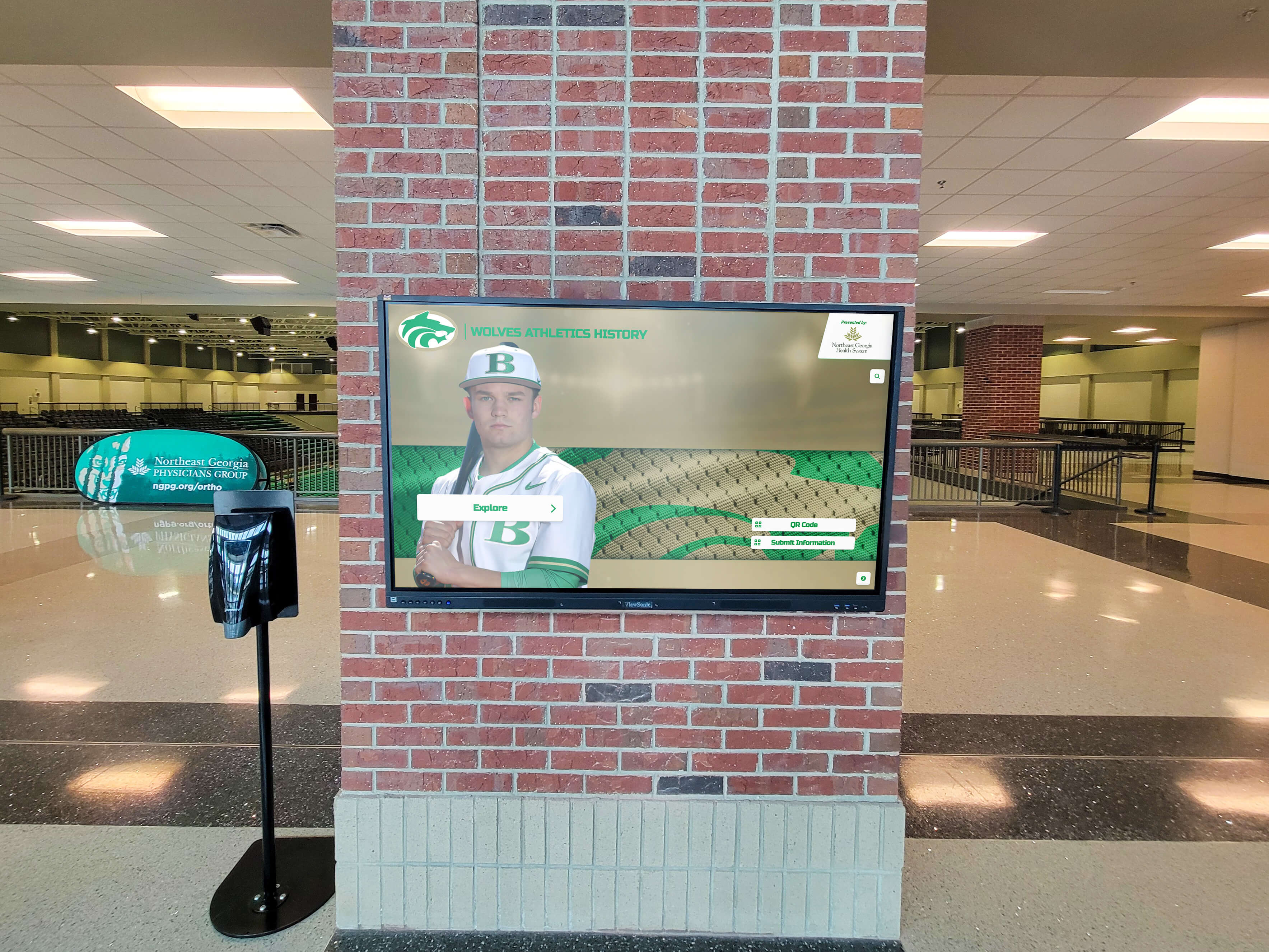
Digital displays create lasting signing day recognition beyond single ceremony events
Creating Lasting Recognition Beyond Ceremony Day
While signing day ceremonies create memorable moments, permanent recognition displays ensure athlete achievements remain visible and inspirational throughout future years, inspiring subsequent generations and honoring commitments permanently.
Traditional Physical Recognition Approaches
Schools have historically created permanent signing day recognition through various physical display methods that commemorate commitments visibly within athletic facilities.
College Signing Walls
Dedicated wall spaces displaying signing athletes create visible program legacy while documenting collegiate commitment history. Traditional signing walls typically include:
Individual plaques for each signing athlete displaying name, graduation year, sport, committed college, and division level. Organized by graduating class year or chronologically showing program history evolution. Professional-quality materials like engraved metal, wood, or acrylic ensuring durability. School branding elements including logos, colors, and motivational messaging. Strategic placement in high-traffic areas like athletic facility entrances, main lobbies, or hallways.
Physical signing walls require ongoing maintenance adding new plaques annually, managing space limitations as commitments accumulate, and addressing deterioration or damage over time. Learn about comprehensive athletic recognition programs that complement signing recognition.
Trophy Case Displays
Many schools incorporate signing day recognition within broader athletic trophy case displays, creating connections between team championships, individual records, and collegiate commitments:
Signed letters of intent displayed in protective frames. Signing day ceremony photos showing athletes with coaches and families. College program materials like signed hats, jerseys, or pennants. Timeline displays showing recruiting progression from verbal commitment through signing. Related achievements like All-State selections or championship victories that supported collegiate recruitment.
Trophy case integration emphasizes relationships between high school achievement and collegiate opportunities, helping younger athletes understand developmental pathways leading to signing days.
Banner and Wall Graphic Recognition
Athletic facilities often feature banner displays or wall graphics celebrating signing athletes as part of comprehensive recognition environments:
Ceiling-hung banners displaying athlete names, photos, and college commitments. Wall murals incorporating signing athlete recognition within broader athletic achievement displays. Window decals or vinyl graphics in gym or cafeteria windows showcasing recent signings. Entrance displays welcoming visitors while highlighting program excellence through collegiate commitment evidence.
These high-visibility approaches ensure signing recognition reaches maximum audiences including students who might not specifically seek trophy cases or dedicated signing walls.
Modern Digital Recognition Systems
Digital platforms transform signing day recognition by eliminating physical space limitations while creating engaging, multimedia-rich celebration impossible with traditional displays.
Interactive Touchscreen Displays
Purpose-built interactive touchscreen recognition systems provide the most comprehensive approach to permanent signing day celebration. Professional platforms like Rocket Alumni Solutions enable schools to create searchable, multimedia athlete databases accessible through large-format touchscreen displays in athletic facilities.
Digital signing recognition includes high-resolution photos from signing ceremonies and athletic competitions, detailed biographical information including career statistics and achievements, video content featuring signing announcements, recruitment stories, or highlight reels, signed letters of intent and commitment materials displayed digitally, coach and athlete testimonials discussing college choices and recruitment experiences, related content connecting teammates, sports, or graduating classes, and unlimited capacity accommodating decades of signings without physical space constraints.
Interactive functionality enables visitors to search by athlete name, filter by sport or college, browse by graduating year, or explore related content. This self-directed discovery creates engagement impossible with static physical displays. Schools implementing interactive display technology report dramatically increased community engagement with recognition content.
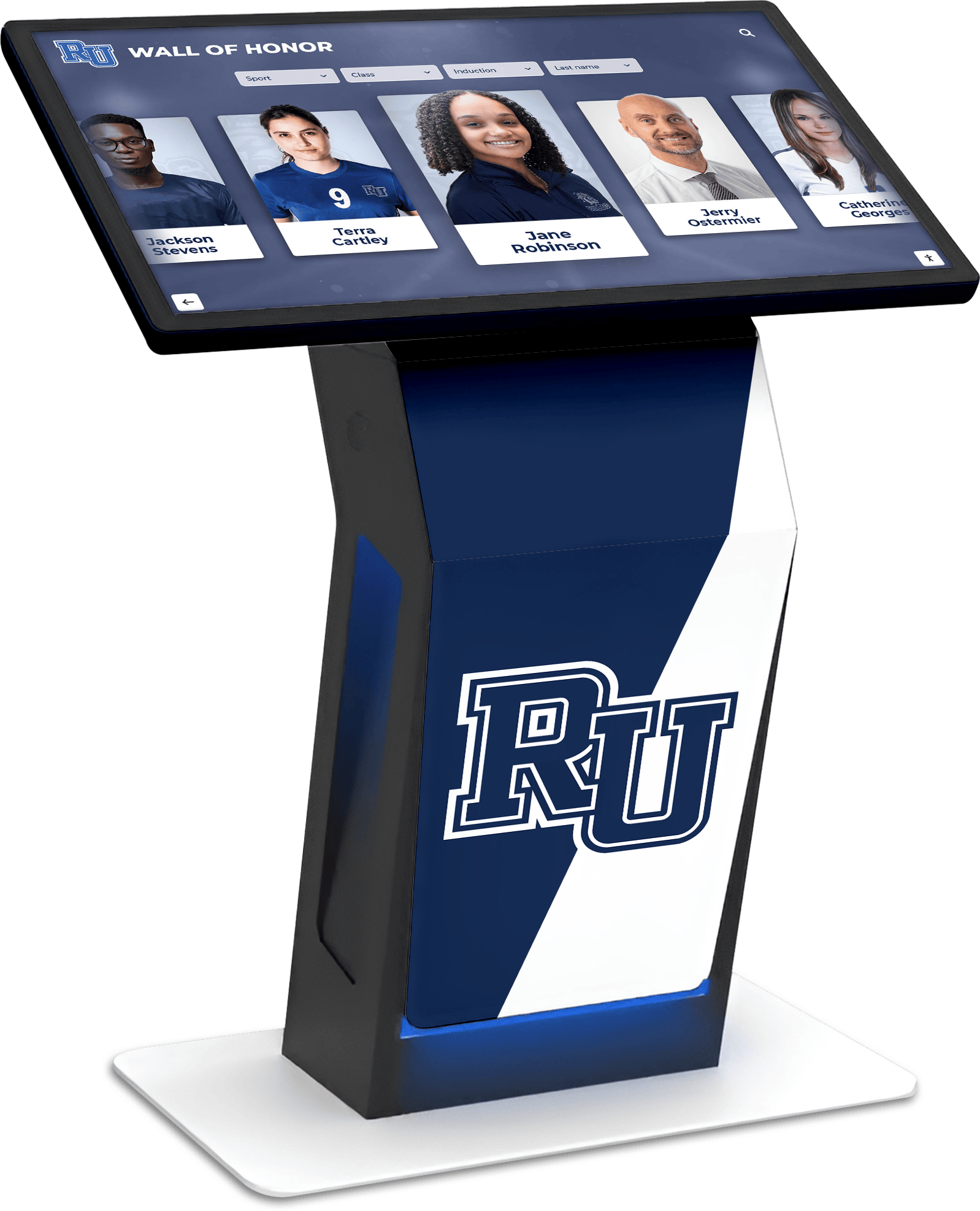
Interactive touchscreen displays enable comprehensive signing day recognition with unlimited capacity
Web-Accessible Signing Recognition Databases
Complementing physical displays, web-accessible signing recognition extends celebration reach to global audiences including alumni, distant family members, college coaches, and prospective students:
Responsive websites optimized for desktop, tablet, and mobile viewing. Powerful search and filtering capabilities enabling quick discovery of specific athletes. Rich media integration displaying photos, videos, statistics, and biographical details. Social sharing features allowing visitors to share specific athlete profiles through email or social platforms. QR code integration linking physical displays to extended web-based content. Analytics tracking revealing engagement patterns and popular content.
Web accessibility ensures signing recognition reaches audiences far beyond those who physically visit athletic facilities, maximizing celebration impact while supporting recruitment, alumni engagement, and community connection. Explore digital recognition platforms that integrate physical and web-based recognition.
Social Media Recognition Platforms
While not permanent installations, strategic social media recognition creates ongoing visibility that complements physical and web-based displays:
Dedicated signing day highlights preserved in Instagram Story Highlights accessible indefinitely. Facebook photo albums documenting signing ceremonies and athlete achievements. YouTube playlists collecting signing day videos, athlete interviews, and highlight compilations. LinkedIn posts celebrating athlete achievements reaching professional networks. Periodic “throwback” posts revisiting historical signing days and celebrating alumni accomplishments.
Social platforms excel at immediate visibility and sharing velocity while traditional displays provide permanence and institutional gravitas. Comprehensive recognition strategies leverage both approaches strategically.
Hybrid Recognition Approaches
The most effective signing day recognition often combines traditional and digital elements, creating layered experiences that serve multiple purposes and audiences:
Physical signing walls providing symbolic permanence and institutional gravitas paired with adjacent QR codes linking to comprehensive digital profiles. Trophy case displays featuring selected notable signings while directing visitors to complete digital databases containing all commitments. Touchscreen kiosks in athletic facilities complementing web-accessible versions enabling home viewing. Social media celebration generating immediate awareness while permanent displays ensure lasting recognition.
This hybrid approach honors traditional recognition values while embracing modern capabilities that extend celebration reach and engagement beyond what either approach achieves independently. Learn about comprehensive recognition display systems integrating multiple recognition methods.
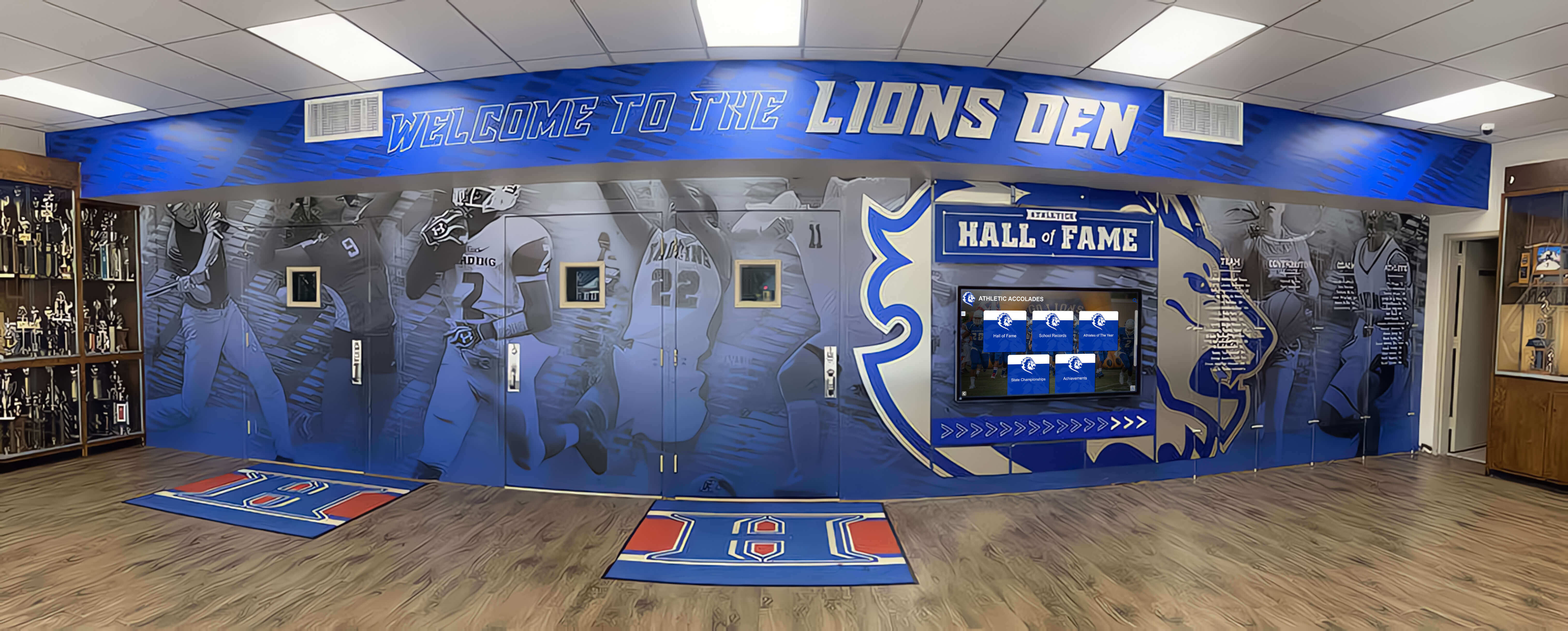
Effective recognition combines traditional physical displays with modern digital capabilities
Engaging Families and Community in Signing Day Celebrations
Signing day represents family and community milestones beyond individual athlete achievement. Inclusive celebration strategies honor shared investment while strengthening relationships between schools, families, and communities.
Recognizing Family Contributions
Student-athlete college commitments reflect family sacrifices, support, and investment over years of athletic development. Meaningful signing day celebrations acknowledge these contributions explicitly:
Formal Family Recognition During Ceremonies
Include ceremony segments specifically recognizing parent and family roles: brief remarks acknowledging years of transportation, financial support, encouragement, and sacrifice required for athletic development. Invitations for parents to join athletes at signing tables for family signing photographs. Commemorative gifts or certificates thanking families for their partnership in athlete development. Opportunities for family members to share brief remarks or stories about athletic journeys.
This formal recognition validates family contributions while creating emotional connections that strengthen school-family relationships and demonstrate institutional appreciation for partnership in student-athlete development.
Family Involvement in Recognition Content
When creating permanent signing recognition through digital displays or traditional physical recognition, involve families in content development:
Collect family photos documenting athletic journeys from youth sports through high school. Request parent quotes or reflections about athlete development and college commitments. Include family perspectives in video content featured in digital recognition displays. Invite families to contribute to athlete biographies highlighting defining moments or character development.
Family involvement ensures recognition captures complete stories while creating meaningful participation opportunities that strengthen relationships and demonstrate that schools value family perspectives and contributions.
Building Community Connection and Pride
Signing day celebrations provide opportunities to strengthen relationships between schools and broader communities while generating positive visibility that benefits athletic programs and institutional reputations.
Community Invitation and Participation
Extend signing day celebration beyond immediate school community to include broader local supporters:
Youth program coaches and administrators who developed athletes in earlier years deserve invitation and recognition for foundational contributions. Local business sponsors of athletic programs appreciate inclusion in celebrations showcasing return on their support investments. City or community leaders benefit from association with positive youth achievement stories. Alumni athletes value connection to current program success and next-generation athletes following similar pathways.
Inclusive invitation strategies position signing days as community celebrations rather than exclusively internal school events, building broader support networks and positive institutional reputation. Consider community engagement strategies that complement athletic recognition.
Local Media Engagement
Strategic media relationships amplify signing day celebration impact throughout communities while generating positive publicity for athletic programs:
Provide media-ready materials including professional photos, athlete statistics, compelling storylines, and quotable remarks. Offer exclusive interview opportunities with signing athletes, coaches, or administrators. Facilitate college coach interviews when commitment program representatives attend ceremonies. Create video content suitable for broadcast or online distribution. Follow up with human interest stories about athlete backgrounds, overcoming challenges, or unique commitment circumstances.
Comprehensive media engagement transforms single-day celebrations into extended recognition that reaches community members who couldn’t attend ceremonies while building program visibility that supports future recruitment and community support.
Feeder Program Connections
College commitments represent culmination of development often beginning in youth programs years before high school. Recognizing these connections strengthens relationships with feeder organizations while inspiring young athletes:
Invite youth program coaches to signing ceremonies recognizing their foundational contributions. Feature youth program affiliations in signing recognition content. Create content highlighting developmental pathways from youth through high school to collegiate levels. Coordinate youth program visits to signing recognition displays inspiring younger athletes. Share signing day content through youth program communication channels extending celebration reach.
These connection strategies build comprehensive athletic community spanning age groups and organizations, creating developmental pipelines that benefit all levels through mutual support and shared celebration of ultimate success indicators like college commitments.
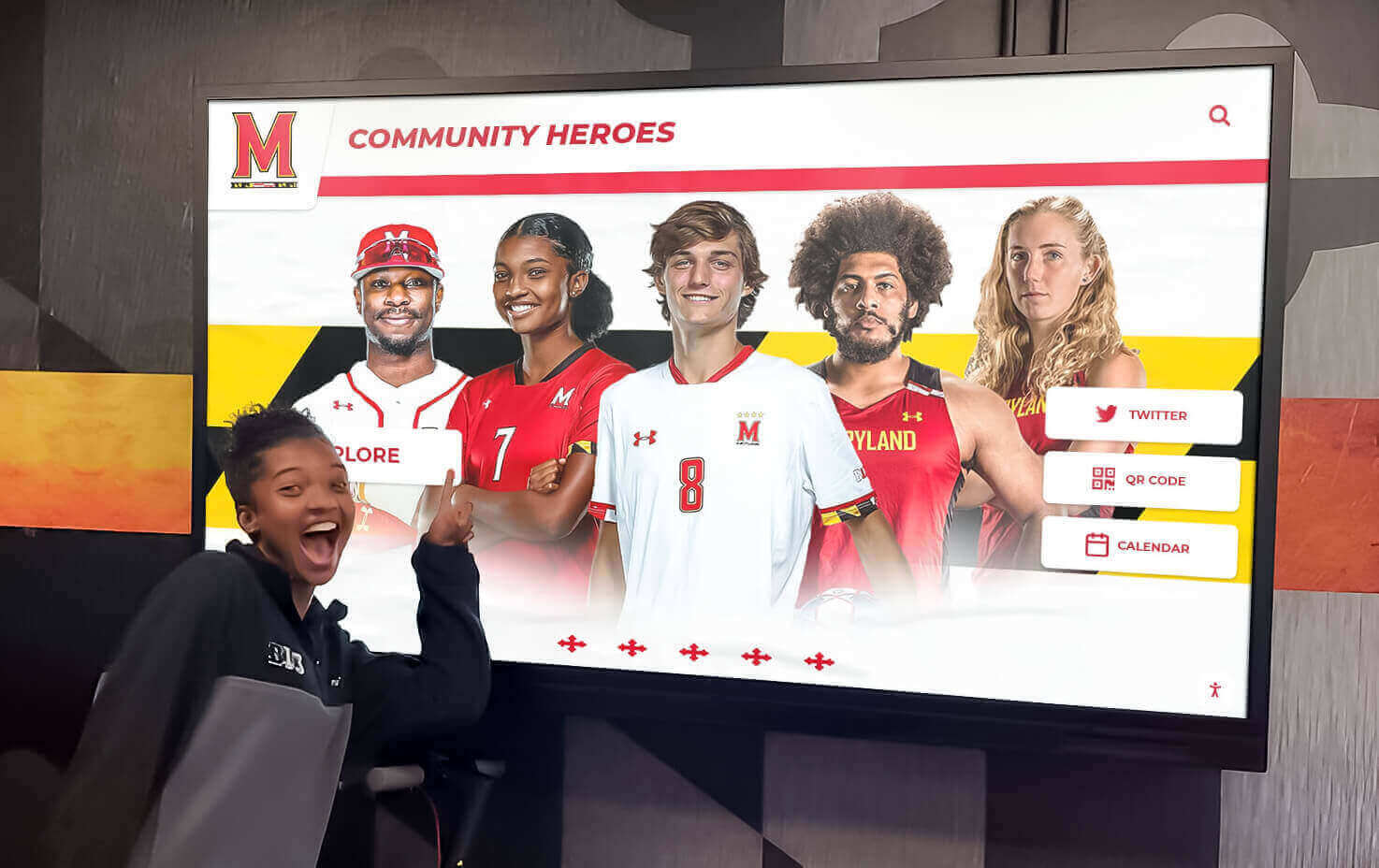
Community-focused recognition strengthens relationships while celebrating shared achievements
Inspiring Future Generations Through Signing Day Recognition
Perhaps the most important purpose of comprehensive signing day celebration involves inspiring younger athletes to pursue their own collegiate athletic goals by demonstrating that such opportunities represent achievable outcomes of dedication and performance.
Creating Aspirational Role Models
When younger athletes witness older teammates they know personally achieving college commitments, abstract possibilities transform into concrete, relatable goals influencing motivation and goal-setting behaviors.
Visibility and Accessibility
Permanent signing day recognition ensures ongoing inspiration rather than limiting impact to brief ceremony moments:
Year-round displays in high-traffic areas mean younger athletes see signing recognition daily, maintaining continuous awareness of collegiate pathways. Digital displays featuring searchable databases enable athletes to explore position-specific role models or athletes from their specific sports. Detailed biographical content revealing athlete backgrounds, challenges overcome, and developmental journeys demonstrates that various pathways lead to collegiate opportunities. Video testimonials where signing athletes discuss their experiences provide authentic, relatable perspectives.
Continuous visibility creates cultural environments where pursuing collegiate athletics becomes normalized expectation rather than exceptional outcome reserved for extraordinary talents. Research on athletic hall of fame displays confirms that visible achievement recognition significantly increases goal-setting and performance motivation among younger program participants.
Relatable Developmental Narratives
Signing recognition that tells complete stories rather than merely documenting outcomes helps younger athletes understand realistic pathways to collegiate opportunities:
Include freshman and sophomore year performances demonstrating that college recruitment doesn’t require immediate stardom. Highlight multi-year improvement trajectories showing how consistent development matters more than early dominance. Acknowledge challenges overcome, setbacks navigated, or position changes demonstrating resilience and adaptability. Feature various commitment levels from Division I through Division III, NAIA, and junior college showing multiple valid pathways. Recognize diverse sports ensuring athletes in all programs see relevant role models from their specific athletics.
These comprehensive narratives demystify recruitment while providing realistic roadmaps that younger athletes can internalize and emulate through their own developmental journeys.
Connecting Younger Athletes with Signing Day Traditions
Beyond passive observation of signing recognition, active involvement in signing day traditions creates personal connections that inspire future pursuit of collegiate opportunities.
Underclassman Participation in Ceremonies
Include younger athletes meaningfully in signing day ceremonies rather than positioning them as mere observers:
Invite team members to attend ceremonies supporting signing teammates with visible presence demonstrating program unity. Assign roles to younger athletes like ushering, program distribution, or setup assistance creating ownership in celebration processes. Include team presentation elements where younger teammates share remarks about signing athletes’ leadership and influence. Create photo opportunities with full teams gathered around signing athletes emphasizing collective program achievement.
Active participation creates memories and associations that younger athletes carry forward, increasing likelihood they’ll pursue their own collegiate opportunities knowing their teammates will celebrate similar achievements when their signing days arrive.
Mentorship Connections
Facilitate ongoing relationships between signing athletes and younger teammates that extend inspiration beyond single ceremony days:
Structure formal or informal mentorship programs pairing signing seniors with underclassmen in similar positions or sports. Organize panel discussions where signing athletes share recruitment experiences, answer questions, and provide advice to younger teammates. Create digital mentorship content where signing athletes record video advice, training tips, or motivational messages for future team members. Maintain alumni networks connecting younger athletes with former team members now competing collegially who can provide ongoing guidance and encouragement.
These sustained relationships provide continuous inspiration and practical guidance that ceremonies alone cannot deliver, creating developmental support systems that increase likelihood of future collegiate commitments. Explore athletic mentorship programs that complement signing day recognition.
Measuring Inspirational Impact
Schools committed to maximizing signing day recognition’s inspirational value should track indicators revealing whether celebrations effectively motivate younger athletes:
Survey younger athletes about whether signing recognition influences their collegiate athletic goals. Track participation rates in training programs, camps, or showcases indicating serious collegiate pursuit. Monitor GPA and academic achievement patterns showing attention to academic requirements for collegiate eligibility. Assess goal-setting conversations with coaches revealing whether athletes articulate collegiate aspirations. Document year-over-year trends in college commitment numbers indicating whether program culture shifts toward normalized collegiate pursuit.
While inspiration proves difficult to quantify precisely, these indicators provide evidence about whether signing day celebrations achieve intended motivational outcomes beyond merely honoring current achievements.
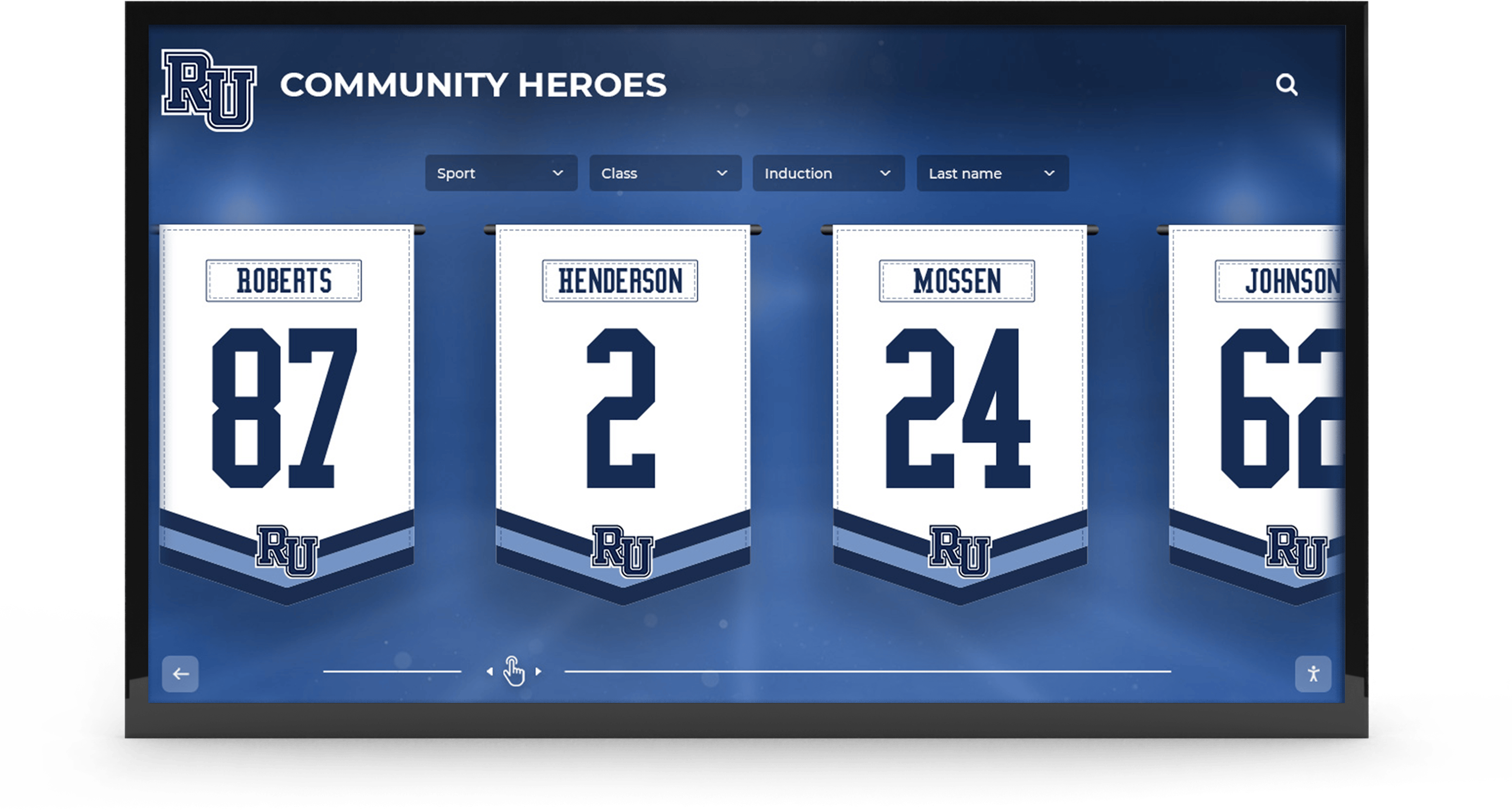
Recognition displays that celebrate achievement inspire younger athletes toward their own collegiate goals
Implementing Digital Recognition for Signing Day Success
Schools seeking to maximize signing day celebration impact increasingly turn to digital recognition platforms that eliminate traditional display limitations while creating engaging, comprehensive recognition impossible with physical approaches alone.
Advantages of Digital Signing Day Recognition
Modern digital recognition systems address virtually every limitation of traditional physical displays while providing enhanced capabilities that increase engagement and long-term value.
Unlimited Capacity Without Space Constraints
Digital platforms accommodate unlimited athlete profiles spanning decades without physical space limitations. Schools can recognize every signing athlete across all sports and years without ever removing historical recognition or making difficult decisions about which achievements receive visibility.
Unlike physical displays where wall space determines recognition capacity, digital systems ensure every commitment from first to most recent maintains equal presence and accessibility. This unlimited capacity proves particularly valuable for successful programs generating numerous commitments annually across multiple sports.
Rich Multimedia Storytelling
Digital recognition enables comprehensive storytelling through photos, videos, statistics, and biographical narratives impossible with physical plaques or static displays:
Professional or action photography showing athletes competing in high school careers. Signing ceremony videos capturing emotional moments when commitments become official. Highlight reels showcasing athletic performance throughout high school careers. Interview content where athletes discuss college choices, recruitment experiences, and future plans. Coach testimonials providing perspectives on athlete development and character. Statistical summaries documenting achievements that attracted collegiate recruitment interest.
This multimedia richness transforms basic name recognition into compelling stories that engage viewers for extended periods while honoring achievements comprehensively. Solutions like digital recognition systems for athletic programs demonstrate how technology amplifies recognition impact.
Remote Management and Easy Updates
Cloud-based content management systems enable athletic directors and coaches to update signing recognition remotely from any internet-connected device without requiring technical expertise:
Add new signing athletes immediately after ceremonies rather than waiting weeks or months for physical plaque production. Update athlete information as situations change or additional details become available. Publish content from laptops, tablets, or smartphones without requiring IT support or physical facility access. Schedule content to appear automatically on specific dates coordinating with signing periods. Manage multiple displays across different locations through single unified interfaces.
This operational simplicity ensures recognition remains current while eliminating administrative burdens that cause physical displays to become outdated when maintenance proves too difficult or time-consuming.

Modern digital platforms enable comprehensive signing recognition with intuitive management
Implementing Rocket Alumni Solutions for Signing Day Recognition
Rocket Alumni Solutions provides comprehensive digital recognition platforms designed specifically for educational institutions seeking to honor student-athlete achievements through professional, engaging displays that serve multiple purposes while remaining easy to manage.
Purpose-Built for Educational Athletics
Unlike generic digital signage repurposed for recognition, Rocket Alumni Solutions offers platforms specifically designed for celebrating student-athlete achievements including college commitments:
Intuitive athlete profile structures capturing relevant information without requiring database expertise. Pre-designed templates maintaining professional quality while enabling customization reflecting school branding. Sport-specific organization and filtering enabling visitors to discover content relevant to their interests. Integration with broader athletic recognition including records, championships, and hall of fame content creating comprehensive celebration. Mobile and web accessibility extending recognition reach beyond physical display locations. Analytics revealing engagement patterns and popular content informing recognition strategies.
Purpose-built platforms eliminate technical complexity while ensuring recognition maintains professional quality that honors achievement significance appropriately.
Comprehensive Implementation Support
Successful digital recognition requires more than technology—it demands content development, installation coordination, staff training, and ongoing support ensuring long-term success:
Professional content development services helping schools digitize historical recognition and create comprehensive athlete profiles. Hardware recommendations and installation coordination ensuring optimal display placement and functionality. Staff training on content management systems enabling confident independent operation. Ongoing technical support addressing questions and resolving issues promptly. Regular platform updates providing enhanced capabilities and security without disruption.
This comprehensive support approach ensures schools achieve recognition goals without becoming overwhelmed by technical complexity or content development requirements they lack capacity to manage independently.
Integration with Existing Recognition Programs
Signing day recognition gains maximum impact when integrated with broader athletic recognition rather than existing as isolated celebration:
Connect signing athletes to team championship recognition from their high school careers. Link to related teammates or athletes in similar positions creating discovery pathways. Include signing recognition within searchable athletic databases containing records, awards, and historical achievements. Display signing content alongside academic honors for scholar-athletes emphasizing academic-athletic balance. Integrate with alumni recognition celebrating former athletes’ continued accomplishments beyond high school.
Comprehensive integration positions signing recognition within complete athletic program narratives rather than treating college commitments as disconnected achievements separate from broader development and success stories. Explore comprehensive recognition solutions that serve multiple recognition purposes.
Best Practices for Sustainable Signing Day Celebration
Creating memorable single-year signing day celebrations proves easier than establishing sustainable programs that maintain quality and impact across multiple years as personnel change and organizational priorities evolve.
Establishing Clear Processes and Responsibilities
Sustainable signing day programs require documented processes and designated responsibilities ensuring celebrations continue regardless of personnel transitions.
Designated Signing Day Coordinators
Assign specific individuals responsibility for planning and executing signing day celebrations:
Athletic directors or assistant athletic directors typically serve as primary coordinators with authority to make decisions and allocate resources. Sport-specific head coaches provide athlete information, coordinate with families, and participate in ceremony planning. Administrative assistants or secretaries manage logistics including venue arrangements, invitation distribution, and material procurement. Communications directors or marketing staff handle media relations, social media coverage, and promotional content.
Clear role definition prevents duplicated efforts while ensuring no critical tasks get overlooked due to assumed responsibilities that no one actually owns.
Documentation and Procedures
Create written documentation capturing signing day procedures enabling smooth transitions when personnel change:
Timeline documents specifying when various tasks must occur relative to signing periods. Template collections for invitations, programs, media releases, and social media content. Vendor contact lists for materials, photography, catering, or technical services. Budget templates documenting typical expenses and funding sources. Checklists ensuring all necessary tasks receive attention.
Comprehensive documentation transforms institutional knowledge into transferable procedures that new personnel can execute successfully without requiring extensive experience or informal knowledge transfer from departing staff.
Budget Planning and Resource Allocation
Signing day celebrations require financial resources for materials, venues, food, recognition displays, and related expenses. Sustainable programs plan budgets proactively rather than scrambling for funding when signing periods approach.
Identifying Funding Sources
Schools typically fund signing day celebrations through combinations of:
Athletic department operating budgets allocating specific signing day line items. Booster club contributions supporting celebration expenses. Sponsorships from local businesses receiving recognition during ceremonies or in related materials. Fundraising events specifically designated for athletic recognition purposes. In-kind donations of food, materials, or services from community supporters.
Diversified funding reduces pressure on any single budget source while building community investment in celebration success.
Cost-Conscious Planning
Meaningful signing day celebrations don’t require excessive spending—thoughtful planning creates impact without unnecessary expenses:
Leverage existing school facilities rather than renting external venues. Coordinate with other school events sharing resources like catering or AV equipment. Create digital content in-house rather than hiring external production services. Use bulk purchasing for materials needed across multiple signing periods. Prioritize lasting recognition investments like digital displays over consumable celebration elements.
Resource-conscious approaches demonstrate good stewardship while ensuring sustainable programs that don’t face budget-driven elimination when financial pressures emerge.
Continuous Improvement Through Feedback
Programs that improve over time systematically gather feedback from athletes, families, and attendees while implementing enhancements based on insights gained.
Post-Event Evaluation
Following each signing day celebration, conduct brief evaluations identifying strengths and improvement opportunities:
Survey athletes and families about ceremony satisfaction, communication effectiveness, and recognition quality. Debrief planning teams discussing logistical successes and challenges encountered. Review media coverage assessing publicity effectiveness and community reach. Analyze attendance patterns identifying whether invitation strategies reached intended audiences. Document lessons learned while experiences remain fresh in participant memories.
Systematic evaluation prevents repeating mistakes while identifying successful practices worth continuing or expanding in future celebrations.
Benchmarking and External Learning
Examine how other schools approach signing day celebrations identifying innovative practices worth adapting:
Visit or research programs at schools with exceptional signing day traditions. Attend conferences or workshops focused on athletic recognition and student celebration. Engage with professional organizations sharing best practices across institutions. Review social media content from other schools’ signing day celebrations identifying creative approaches. Network with athletic directors at comparable institutions discussing celebration strategies and lessons learned.
External learning accelerates improvement beyond what purely internal evaluation achieves while preventing insular thinking that limits innovation and excellence.

Professional recognition installations demonstrate institutional commitment to celebrating achievement
Conclusion: Honoring Achievement, Inspiring Excellence
National Signing Day represents far more than administrative formality marking college athletic commitments—it symbolizes years of dedication, sacrifice, and excellence culminating in opportunities to compete at collegiate levels. Schools that celebrate these moments comprehensively honor individual achievement while creating cultures where pursuing collegiate athletics becomes aspirational goal that inspires younger generations.
Effective signing day celebrations balance ceremony with substance, immediate recognition with lasting honor, and individual celebration with program legacy. Schools excelling at signing day recognition create memorable ceremonies that athletes and families treasure, implement permanent displays ensuring achievements remain visible across future years, engage communities in shared celebration building support and pride, leverage modern digital platforms eliminating traditional recognition limitations, and inspire younger athletes through visible role models demonstrating achievable pathways.
The investment schools make in comprehensive signing day celebration demonstrates institutional values about athletic excellence, student achievement, and community pride. Recognition that matches the significance of college athletic commitments validates years of effort while motivating continued pursuit of excellence throughout athletic programs.
Whether your school celebrates three college commitments annually or thirty across multiple sports, thoughtful signing day recognition creates value extending throughout athletic programs and school communities. Solutions like Rocket Alumni Solutions provide platforms enabling professional, engaging recognition that honors achievement appropriately while remaining sustainable for resource-limited athletic departments.
Your student-athletes’ college commitments deserve celebration reflecting their significance—recognition that extends beyond single ceremony moments to inspire future generations pursuing their own collegiate dreams while preserving program legacy permanently.
Transform Your Signing Day Recognition
Rocket Alumni Solutions provides comprehensive digital recognition platforms designed specifically for schools celebrating student-athlete achievements including college commitments. Our purpose-built systems eliminate space limitations, enable rich multimedia storytelling, provide intuitive content management, and create lasting recognition that inspires excellence across generations.
From interactive touchscreen displays in athletic facilities to web-accessible databases reaching global audiences, we'll help you create professional signing day recognition that honors achievement while building program culture and community pride.
Frequently Asked Questions
When should schools schedule signing day ceremonies?
Schedule signing ceremonies during official signing periods when athletes actually sign National Letters of Intent rather than verbal commitment dates. Major signing periods include early November for most sports, early December for football, February for traditional National Signing Day, and April-May for spring signing periods. Schools should plan separate ceremonies for each relevant signing period ensuring all athletes receive appropriate recognition when their commitments become official. Consider scheduling ceremonies during school hours enabling underclassman attendance that maximizes inspirational impact on younger athletes.
How can small schools with few college commitments create meaningful signing day celebrations?
Schools with limited annual commitments should focus celebration quality over scale. Individual ceremonies with extended family involvement create intimate, meaningful experiences. Comprehensive permanent recognition through digital displays ensures limited commitment numbers don’t result in minimal visibility—every signing athlete deserves prominent, detailed recognition regardless of whether they’re among three commitments or thirty. Consider combining signing recognition with broader senior athlete celebration or end-of-season recognition creating appropriate ceremony scale while ensuring signing athletes receive special distinction. Quality celebration matters more than quantity of attendees or elaborate production.
Should schools recognize all college commitments equally regardless of division level?
Yes—schools should celebrate all college athletic commitments equally whether athletes sign with Division I, Division II, Division III, NAIA, or junior college programs. Every college commitment represents exceptional achievement given that fewer than 7% of high school athletes compete collegially. Creating recognition hierarchies based on division level or program prestige diminishes achievements of athletes competing at different competitive levels while sending harmful messages that only certain pathways deserve celebration. Multiple valid routes to collegiate competition exist, and all deserve equal institutional recognition and pride.
How can schools afford comprehensive digital recognition systems?
Digital recognition represents investment rather than expense—schools should evaluate total cost over 5-10 year periods comparing to ongoing physical display expenses. Many schools fund digital recognition through booster club support, designated donor gifts, sponsorship opportunities, facility improvement budgets, or phased implementation spreading costs across multiple budget cycles. Return on investment includes unlimited recognition capacity, simplified content management, extended community reach, enhanced recruitment appeal, and inspirational impact on younger athletes. Most schools find comprehensive digital recognition costs less than equivalent traditional physical displays over time while providing dramatically superior capabilities. Explore financing options and phased implementation if upfront investment proves challenging.
What information should permanent signing day recognition include?
Comprehensive signing recognition should include athlete name and graduation year, sport and position, committed college and location, division level and conference, signing date, high school career highlights and achievements, coach quotes or testimonials, reasons for college choice, career statistics relevant to recruitment, photos from signing ceremonies and athletic competitions, video content when available, and connections to teammates or related athletes. Rich biographical detail transforms basic commemoration into inspiring storytelling that engages viewers while honoring achievement comprehensively. Digital recognition systems enable unlimited detail impossible with physical plaques or limited-space displays.
Additional Resources
Schools planning signing day celebrations and recognition programs may find value in related implementation guides:
- National Letter of Intent: What Athletes & Families Need to Know - Understanding signing day processes and requirements
- Senior Night Ideas for Unforgettable Athlete Celebrations - Complementary senior athlete recognition strategies
- Sports Banquet Planning Ideas - Comprehensive team celebration approaches
- Digital Trophy Case Complete Guide - Comprehensive athletic recognition displays
- Best Ways to Showcase Athletic Achievement Awards - Digital recognition strategies and implementations
These resources provide complementary frameworks that administrators and athletic directors can adapt to their specific situations, creating comprehensive recognition programs that celebrate achievement across multiple dimensions while building program culture and community pride.































