NBA icons represent the pinnacle of basketball achievement—legends whose skills, dedication, and impact transcended the game itself. From Michael Jordan and LeBron James to Magic Johnson and Kobe Bryant, these athletes defined eras, inspired millions, and created legacies that continue shaping basketball culture decades after their peak performances. Honoring NBA icons requires recognition systems matching the magnitude of their achievements, celebrating both on-court excellence and broader cultural influence these legends generated.
The National Basketball Association has produced some of the most recognizable athletes in global sports history. NBA icons aren’t simply great players—they’re cultural phenomena whose influence extends far beyond basketball courts into fashion, business, social justice, and popular culture worldwide. Their achievements deserve recognition that captures this multidimensional impact while preserving their legacies for future generations of basketball fans and aspiring athletes.
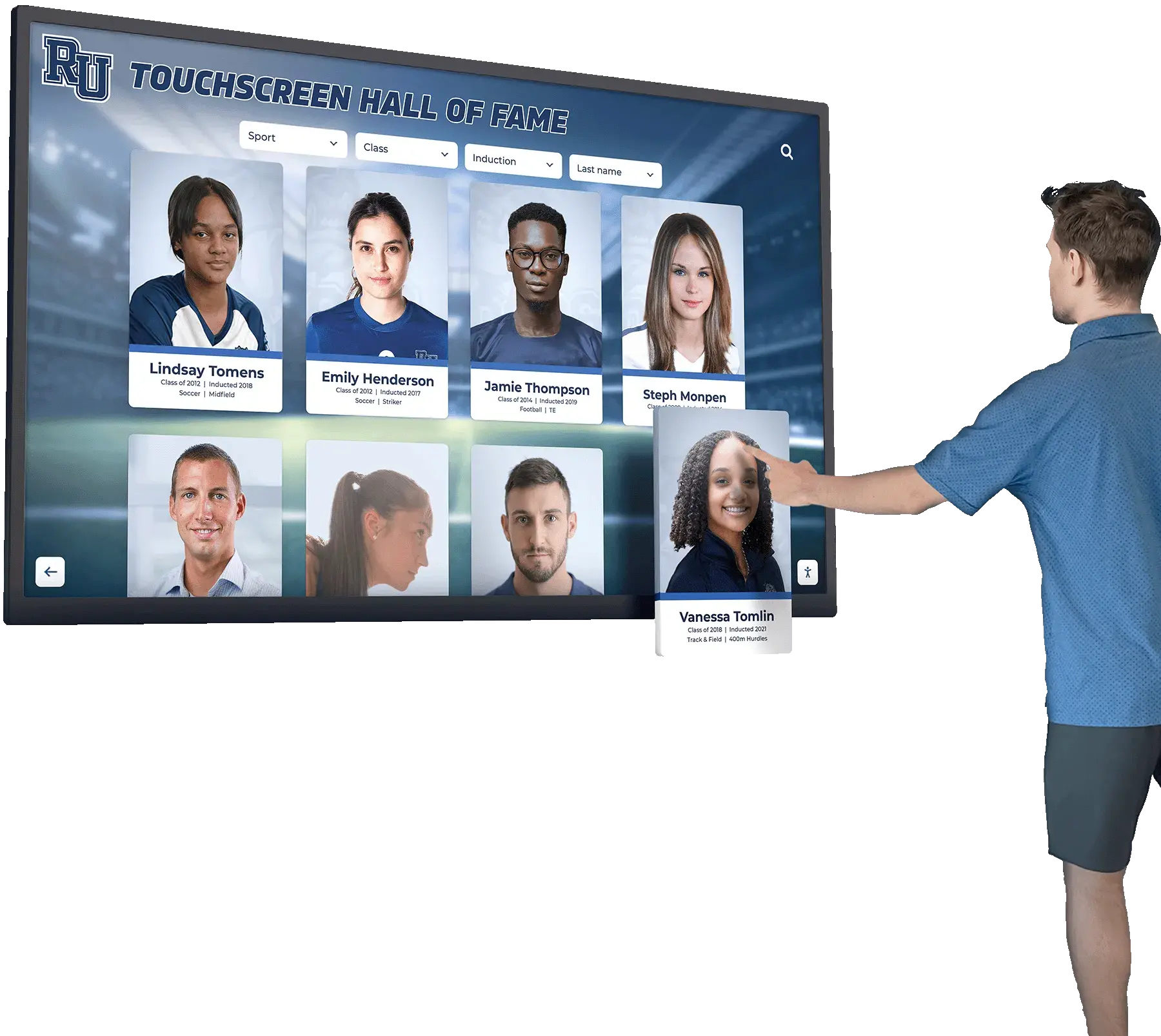
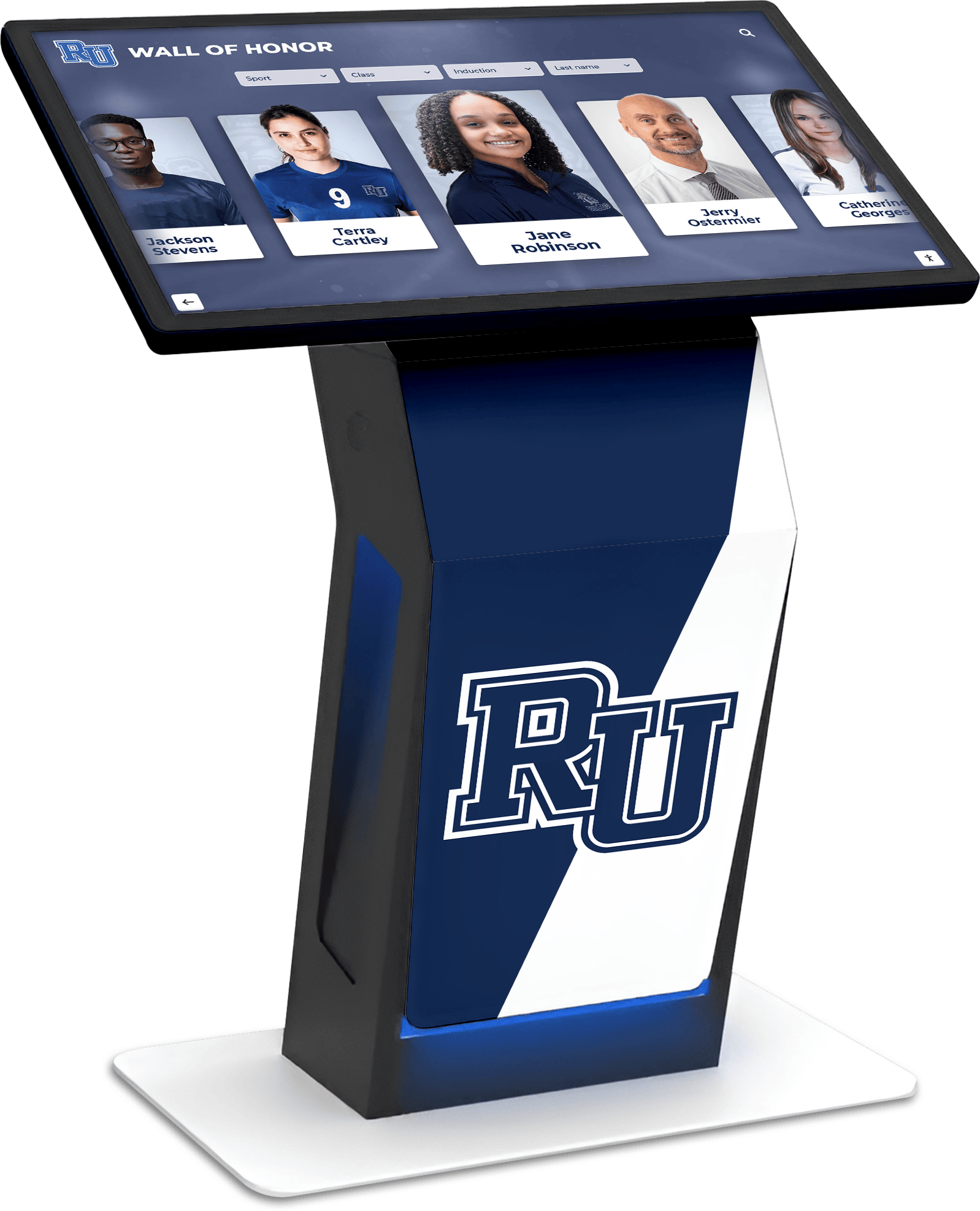
Interactive display technology has transformed how organizations honor NBA icons, replacing static plaques with dynamic, engaging experiences that bring basketball legends to life through multimedia content, statistical depth, and immersive storytelling. Whether recognizing professional athletes who emerged from local programs, celebrating basketball history in museums and halls of fame, or honoring the sport’s cultural impact on communities, modern interactive displays create recognition experiences matching the extraordinary nature of NBA icon achievements.
This comprehensive guide explores how schools, museums, communities, and organizations can effectively recognize NBA icons through interactive displays that preserve legacies, inspire audiences, and celebrate basketball excellence at its highest level.
Understanding NBA Icons and Their Cultural Significance
NBA icons transcend statistical achievement alone. While records, championships, and individual honors provide objective measures of basketball greatness, true icons impact the sport and broader culture in ways statistics cannot fully capture.
Defining NBA Icon Status
Not every great NBA player achieves icon status. Icons typically demonstrate sustained excellence across multiple seasons, championship success validating individual brilliance, cultural influence extending beyond basketball performance, global recognition making them household names worldwide, and lasting legacy continuing to inspire years after retirement.
The Naismith Memorial Basketball Hall of Fame in Springfield, Massachusetts, serves as basketball’s ultimate recognition institution, having inducted over 400 individuals since its founding in 1959. Hall of Fame enshrinement represents official acknowledgment of NBA icon status, though cultural impact often extends far beyond this formal recognition.
Cultural Impact Beyond Basketball
NBA icons influence fashion trends, business ventures, social movements, and popular culture in ways few athletes from other sports achieve. Michael Jordan revolutionized athletic endorsement relationships and created a billion-dollar brand extending far beyond his playing career. LeBron James has leveraged his platform for social justice advocacy and media production. Stephen Curry transformed how basketball is played and viewed globally through his three-point shooting excellence.
This cultural significance means recognition of NBA icons serves purposes beyond simply honoring athletic achievement. Displays celebrating these legends educate audiences about broader cultural history, demonstrate sports’ role in social change, inspire entrepreneurship and business thinking, and connect basketball excellence to broader human achievement narratives.
Connection to Community and Youth Development
Many NBA icons maintain deep connections to communities where they developed. Programs, schools, and organizations that played roles in icon development take tremendous pride in these connections. Recognizing local athletes who reached NBA icon status strengthens community identity, validates youth development programs, provides role models for aspiring athletes, and demonstrates that extraordinary achievement can emerge from any community background.
Schools and programs that produced future NBA icons often implement professional athletes recognition displays celebrating these connections while inspiring current students to pursue their own excellence paths.
Why Interactive Displays Excel for NBA Icon Recognition
Traditional recognition approaches struggle to adequately honor NBA icons whose achievements, cultural impact, and continuing legacies require comprehensive, dynamic presentation exceeding what static plaques or photos can provide.
Capturing Multidimensional Achievement
NBA icons excel across multiple dimensions requiring diverse recognition content. Interactive displays enable comprehensive presentation including career statistics and records establishing excellence benchmarks, championship achievements and playoff performances, individual awards and honors earned, cultural impact and business ventures, philanthropy and community engagement, media presence and entertainment contributions, and influence on basketball evolution and playing styles.
Static displays must choose limited subsets of this information due to space constraints. Interactive systems present everything, allowing viewers to explore whichever achievement dimensions interest them most while ensuring comprehensive recognition of multidimensional excellence.
Bringing Legends to Life Through Multimedia
Truly honoring NBA icons requires more than listing achievements—it demands bringing legends to life through rich multimedia content. Interactive displays incorporate game highlights showing defining moments and signature moves, interview clips capturing personalities and perspectives, championship celebration footage preserving emotional peaks, career retrospectives documenting evolution from rookie to legend, and tribute videos celebrating retirement and legacy impact.
This multimedia storytelling creates emotional connections that statistics alone cannot achieve. When viewers watch Michael Jordan’s 1998 Finals performance or hear Kobe Bryant discuss his competitive mindset, recognition transcends information transfer to become genuine experience of greatness.
Dynamic Content Supporting Legacy Evolution
NBA icon legacies continue evolving long after playing careers end. Hall of Fame inductions, jersey retirements, business successes, coaching or executive roles, media ventures, and philanthropic initiatives all add to legend status. Interactive displays accommodate this ongoing legacy evolution through real-time content updates as recognition moments occur, anniversary celebrations marking career milestones, comparative analytics showing historical context, and integration of new media including documentaries and biographical content.
Traditional plaques remain static while legacies evolve. Digital recognition grows alongside icons themselves, maintaining relevance across decades.
Types of Organizations Recognizing NBA Icons
Different entities implement NBA icon recognition serving distinct purposes and audiences.
Educational Institutions
High schools, preparatory academies, and universities that produced future NBA icons take tremendous pride in these connections. Educational recognition serves recruiting purposes demonstrating athlete development capabilities, alumni engagement honoring notable graduates, institutional branding showcasing program quality, and student inspiration providing role models for current athletes.
Schools implementing athletic history displays that include professional athlete sections create powerful recognition connecting current students to legendary graduates who once walked the same halls.
Museums and Cultural Institutions
Basketball museums, sports halls of fame, and cultural institutions use NBA icon recognition for educational missions teaching basketball history and cultural impact, tourism attraction drawing visitors to facilities, preservation ensuring legend documentation for future generations, and cultural commentary examining sports’ role in broader social evolution.
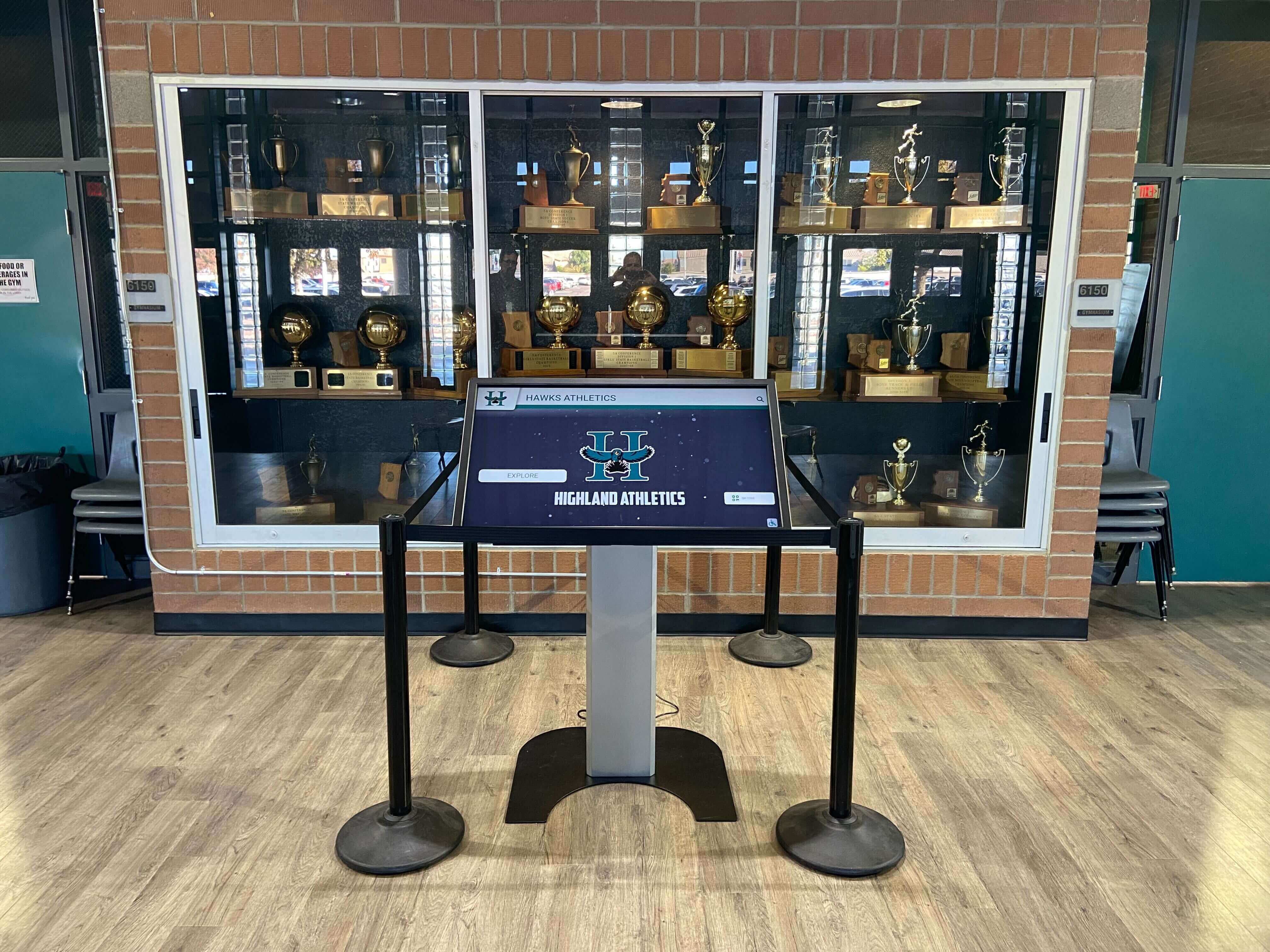
The Naismith Memorial Basketball Hall of Fame features interactive exhibits and touchscreen displays allowing visitors to explore comprehensive information about basketball’s greatest players while understanding the sport’s evolution across eras.
Community Organizations
Towns and cities where NBA icons grew up often implement recognition celebrating hometown heroes. Community displays strengthen civic identity and pride, inspire local youth through accessible role models, attract tourism from basketball fans, and preserve local connections to national sports culture.
Communities implementing community honors displays that include local professional athletes create powerful narratives about community’s role in developing national sports figures.
Corporate and Retail Spaces
Sports retailers, athletic brands, and basketball-focused businesses use NBA icon recognition for brand association connecting products with excellence, customer engagement creating memorable retail experiences, marketing differentiation standing out in competitive markets, and cultural celebration honoring sport’s history and impact.
Essential Content for Comprehensive NBA Icon Recognition
Effective recognition requires thoughtful content development capturing achievement breadth and legend depth.
Biographical Background and Origin Stories
Complete NBA icon profiles should include early life and community background, youth basketball development and programs, high school achievements and recognition, college career for athletes who attended universities, draft selection and entry into professional basketball, and defining influences including coaches, mentors, and role models.
Origin stories create connection points helping audiences understand paths to greatness. When viewers learn that an NBA icon overcame significant obstacles, developed through specific youth programs, or received support from dedicated coaches, the legend becomes more relatable and inspirational.
Statistical Excellence and Career Achievements
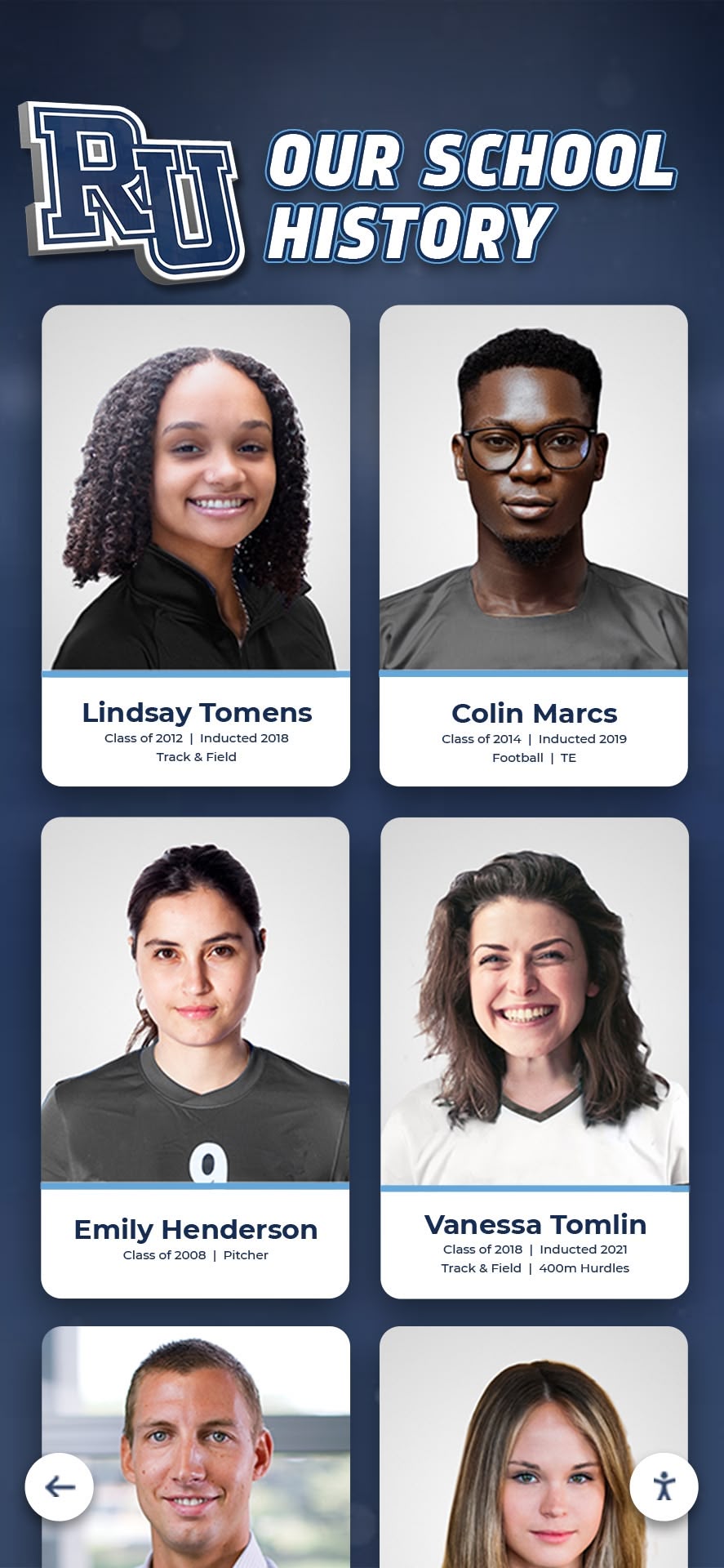
The foundation of NBA icon recognition involves comprehensive statistical documentation including career points, rebounds, assists, and relevant statistics, season-by-season performance data, championship titles and Finals appearances, individual awards including MVP, All-Star, and All-NBA selections, records set at team, league, or NBA history level, and comparative rankings showing historical context among all-time greats.
Solutions like Rocket Alumni Solutions provide sport-specific templates designed to present basketball statistics effectively, ensuring recognition displays showcase achievement appropriately through metrics that matter most to basketball excellence evaluation.
Defining Moments and Signature Performances
NBA icons create legendary moments that define careers and eras. Recognition should highlight championship-clinching performances, record-breaking games, playoff heroics under pressure, rivalry matchups and memorable duels, signature moves and unique playing style, and cultural moments transcending basketball context.
Multimedia content brings these moments to life in ways text descriptions cannot match. Video highlights, audio calls from broadcasts, and contemporaneous reaction footage preserve the emotional impact these performances created when they occurred.
Cultural Impact and Off-Court Legacy
Comprehensive recognition extends beyond on-court achievement to acknowledge broader cultural influence including business ventures and entrepreneurship, entertainment and media production, social justice advocacy and activism, philanthropic initiatives and charitable foundations, fashion influence and personal branding, and global basketball promotion and international impact.
This holistic recognition honors NBA icons as complete individuals whose impact transcended basketball performance to shape culture, business, and society broadly.
Personal Reflections and Voice
When possible, include NBA icons’ own voices through career reflections and significant moment memories, advice for aspiring basketball players, perspectives on basketball evolution, messages to fans and communities, and retirement speeches or Hall of Fame induction addresses.
First-person content adds authenticity and creates more meaningful connections than third-party biographical summaries alone provide.
Implementing Interactive NBA Icon Recognition Displays
Organizations planning NBA icon recognition benefit from systematic approaches addressing both technical and content considerations.
Strategic Location Planning
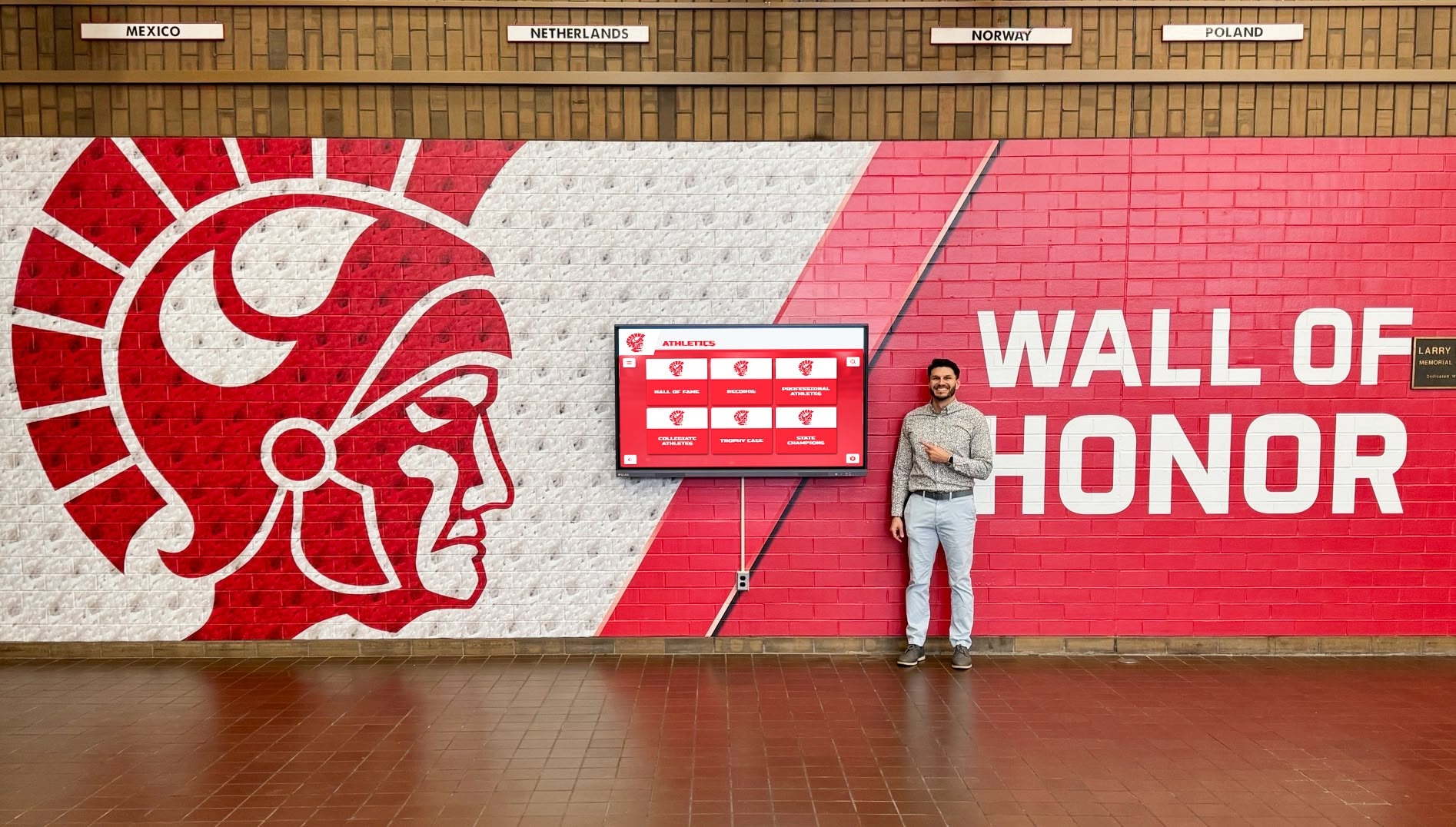
Display placement significantly impacts recognition value and audience engagement. High-traffic areas including main entrances and lobbies, athletic facilities near basketball courts and training areas, community spaces with public access, educational settings where students gather, and retail or commercial spaces for customer engagement all provide strategic placement opportunities.
Many basketball programs create multiple recognition touchpoints. A comprehensive display in the main athletic facility might showcase all professional athletes from program history, while focused displays near specific courts or training areas highlight NBA icons who trained in those precise locations.
Schools implementing campus directory systems often integrate athletic recognition capabilities, creating wayfinding that also celebrates achievement.
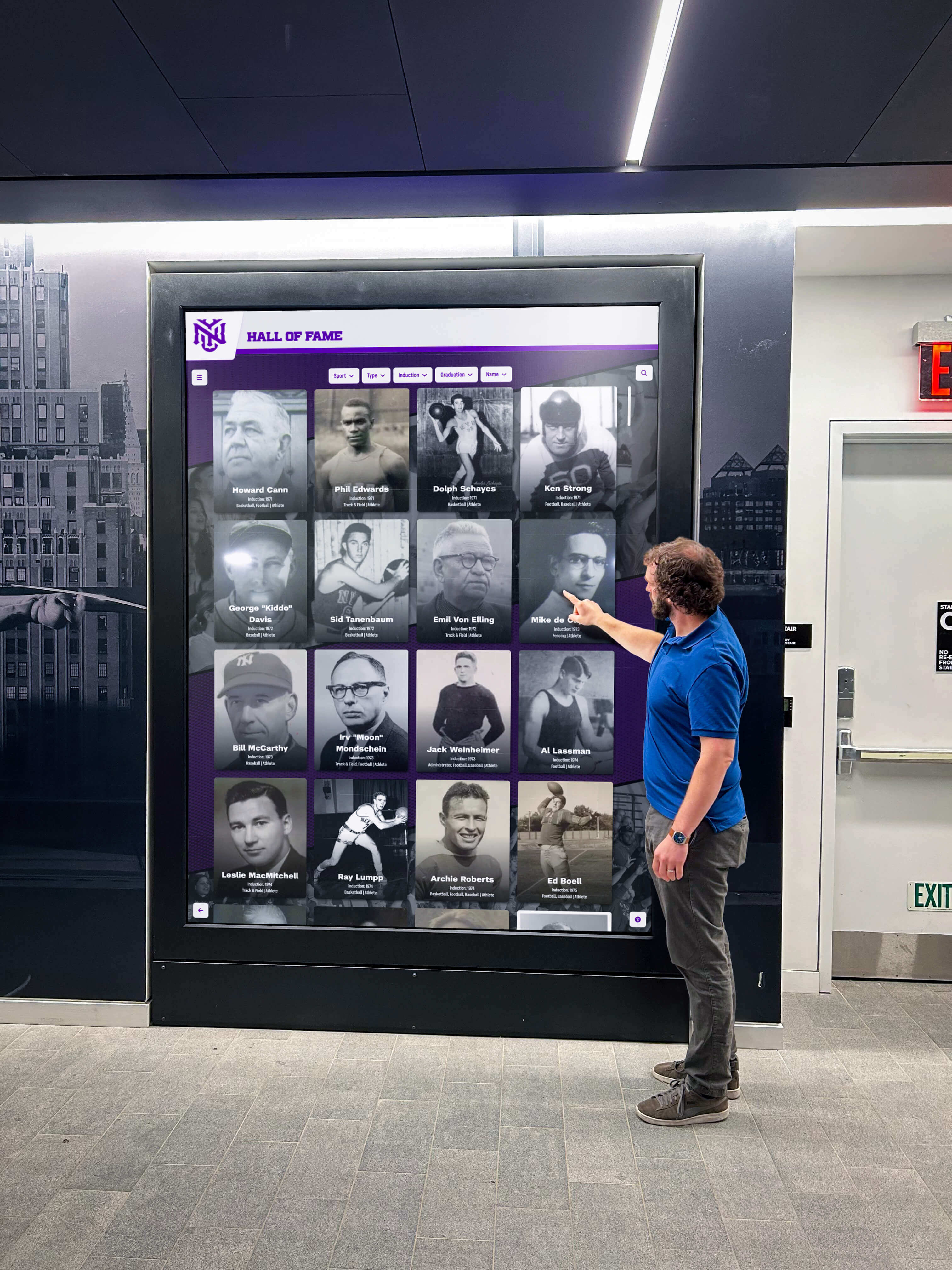
Content Development and Historical Research
Creating compelling NBA icon recognition requires systematic content development including statistical compilation from official NBA and league sources, multimedia collection gathering photos, videos, and audio content, biographical research documenting backgrounds and origin stories, achievement documentation cataloging awards and honors, cultural impact research examining broader influence, and permission acquisition ensuring proper rights for media usage.
For organizations recognizing local athletes who became NBA icons, historical research might involve interviewing former coaches and teammates, reviewing archived local media coverage, gathering photos from youth and high school careers, documenting community connections and support, and collecting memorabilia from development years.
Many organizations phase content development starting with core biographical and statistical information, gradually enhancing profiles with multimedia content, prioritizing the most prominent icons initially, and systematically expanding to comprehensive coverage over time.
Technical Infrastructure and Hardware Selection
Interactive NBA icon displays require appropriate technical infrastructure including commercial-grade touchscreen displays (typically 55-75 inches), 4K resolution for visual clarity, computing systems running recognition software, reliable network connectivity for content updates, and professional installation ensuring secure mounting.
Commercial displays designed for continuous operation in public spaces provide reliability traditional consumer televisions cannot match. System specifications should support smooth video playback, responsive touch interaction, and stable extended operation without technical issues interrupting viewer experiences.
Integration with Digital Platforms
Recognition value extends beyond physical displays when content reaches audiences through multiple access points including web interfaces publishing recognition through organizational websites, mobile applications enabling smartphone and tablet access, social media integration for profile sharing and engagement, and QR code connections directing physical signage to digital content.
This multi-platform approach ensures NBA icon recognition reaches audiences whenever and wherever convenient rather than requiring physical visits to specific locations.
Best Practices from Successful NBA Icon Recognition Programs
Learning from established programs helps organizations implement effective recognition from the start.
Balancing Icon Status with Inclusive Recognition
Organizations often recognize multiple professional athletes, not all achieving icon status. Successful programs balance prominent recognition for true NBA icons with inclusive acknowledgment of all professional alumni, tiered presentation highlighting achievement levels appropriately, and respectful framing that honors all professional achievement while acknowledging extraordinary excellence.
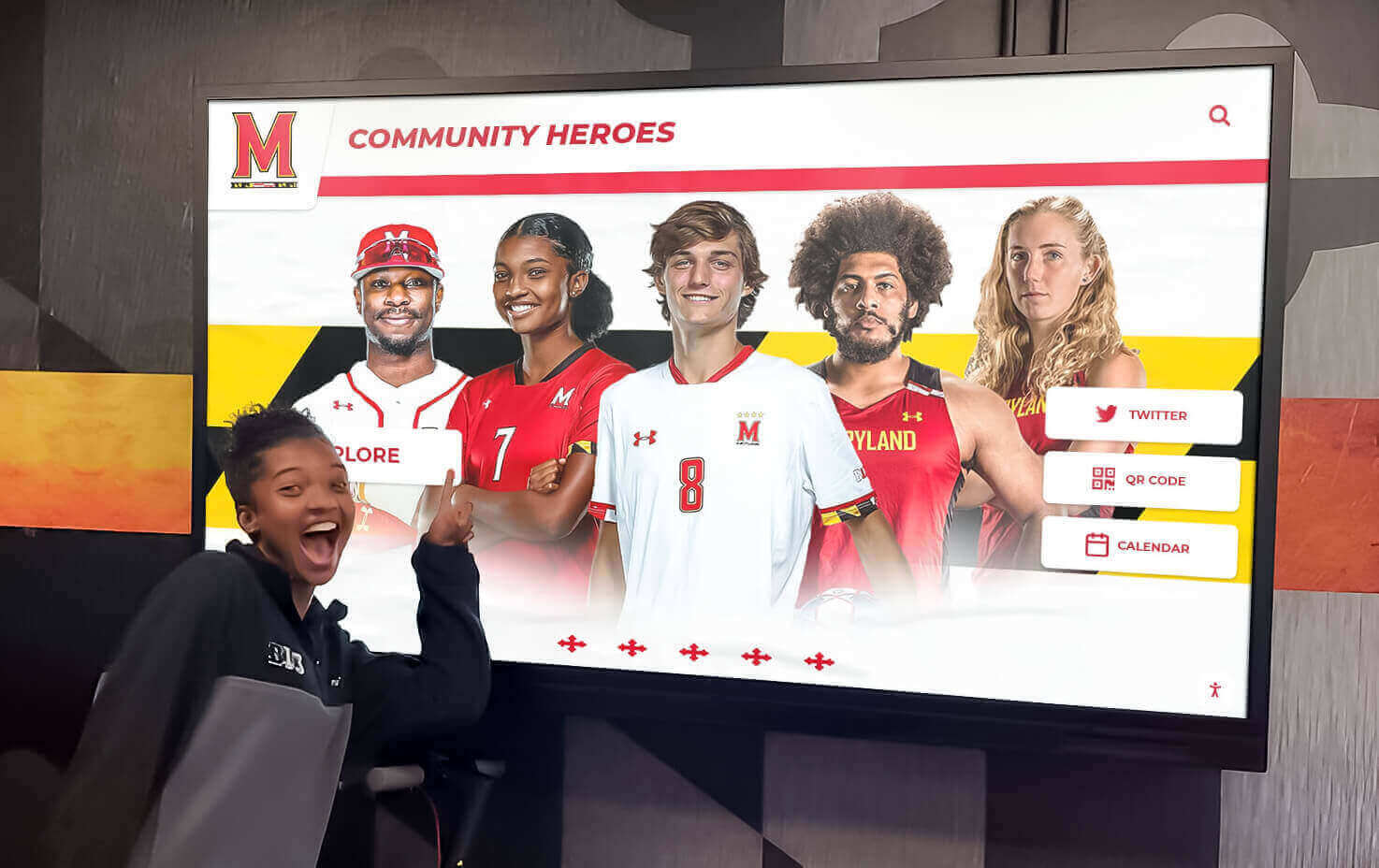
Digital platforms make this balanced approach practical through featured sections for NBA icons, comprehensive profiles for significant professional careers, and standard recognition for all professional participants. This structure honors exceptional accomplishment while acknowledging that reaching any professional level represents remarkable achievement.
Programs implementing basketball hall of fame recognition create systems that celebrate basketball excellence at all levels while giving appropriate prominence to athletes who achieved NBA icon status.
Maintaining Accuracy and Respecting Legacy
NBA icon recognition requires meticulous accuracy. Incorrect statistics, wrong dates, or factual errors undermine credibility and disrespect legends being honored. Establish systematic processes for cross-referencing information across multiple authoritative sources, verifying facts through official records and databases, confirming details through representatives when possible, implementing review workflows before publication, and promptly correcting any identified errors.
Professional basketball maintains excellent statistical documentation and official records. Use authoritative sources including NBA.com, Basketball-Reference.com, and Hall of Fame archives to ensure recognition accuracy.
Creating Engaging Multimedia Experiences
Text-heavy profiles fail to engage modern audiences accustomed to rich multimedia. Successful recognition programs invest in professional photography and action shots, video highlights when licensing permits, audio clips from broadcasts or interviews, graphic design creating visual appeal, and interactive elements encouraging exploration.
Quality multimedia content requires investment but dramatically increases engagement and creates memorable recognition experiences honoring NBA icons effectively while inspiring viewers.
Regular Updates Maintaining Relevance
Recognition programs lose impact when they become outdated. Establish sustainable update rhythms for adding new professional athletes reaching icon status, updating active athletes’ ongoing achievements, enhancing existing profiles with additional content, featuring different icons through rotation, and refreshing design elements maintaining contemporary appeal.
Annual or seasonal update cycles create ongoing attention while ensuring recognition remains current and relevant rather than becoming historical artifacts viewers ignore.
Educational Value and Inspiration Through NBA Icon Recognition
Beyond honoring individual legends, NBA icon recognition serves important educational and inspirational purposes.
Basketball History and Sport Evolution
Interactive displays educating audiences about basketball history through era-by-era comparisons showing playing style evolution, rule changes and their impact on the game, positional evolution and strategic development, global expansion of basketball, and technological advancement affecting training and performance provide valuable context helping viewers understand how NBA icons shaped the sport’s development.
This historical education enriches recognition by showing how today’s game reflects innovations and excellence demonstrated by past icons. Understanding that Stephen Curry’s three-point revolution built on foundations laid by earlier shooters, or that LeBron James’s positionless basketball evolved from Magic Johnson’s pioneering versatility, creates deeper appreciation for achievement interconnections across eras.
Youth Development and Pathway Modeling
For young basketball players, NBA icon recognition provides tangible models demonstrating paths from youth basketball to professional excellence including development programs and training approaches, skill progression across career stages, mental toughness and competitive mindset, education balancing with athletic pursuit, and overcoming obstacles and setbacks.
Educational institutions can create powerful connections by implementing academic recognition programs alongside athletic displays, demonstrating that educational excellence complements athletic achievement in developing well-rounded individuals capable of sustained success.
Cultural Impact and Social Responsibility
Many NBA icons used their platforms for positive social impact. Recognition highlighting these contributions educates audiences about athletes’ roles beyond entertainment, social justice advocacy in sports, community investment and philanthropy, business innovation and entrepreneurship, and leadership extending influence beyond playing careers.
This comprehensive recognition demonstrates that athletic excellence can create platforms for broader positive impact—powerful messaging for young people considering their own potential influence regardless of career path.
Future Trends in NBA Icon Recognition
Emerging technologies continue expanding what’s possible in honoring basketball legends.
Immersive Technologies and Virtual Experiences
Future recognition will likely incorporate virtual reality experiences recreating legendary performances, augmented reality enhancements adding information layers to physical spaces, holographic displays creating three-dimensional presentations, AI-powered personalization adapting content to viewer interests, and interactive gaming elements engaging younger audiences.
These technologies will create more immersive recognition experiences emotionally connecting viewers to achievements while making basketball legends feel accessible and relevant to new generations.
Social Integration and Community Participation
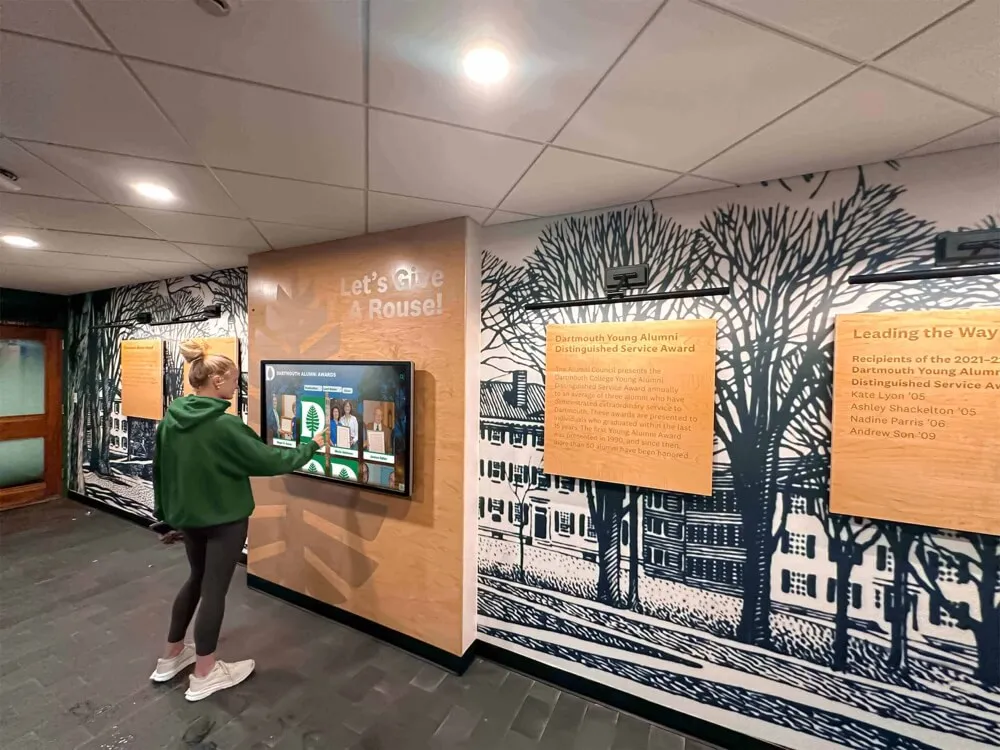
Recognition increasingly extends beyond institutional displays to social platforms and community engagement through seamless social media sharing and engagement, crowdsourced content from fans sharing memories and materials, live streaming of recognition events, interactive voting on greatest moments or achievements, and collaborative storytelling where supporters contribute personal connections to icons.
This participatory approach transforms recognition from one-directional tribute into community conversation while generating authentic content enriching official recognition programs.
Data Integration and Real-Time Updates
As sports embrace data-rich environments, future recognition will likely include advanced analytics and statistical comparisons, real-time integration with ongoing basketball events, predictive modeling comparing current players to historical icons, and dynamic displays responding to current basketball culture and trending topics.
This real-time integration keeps recognition perpetually current while creating stronger connections between historical icon celebration and ongoing basketball that engages contemporary audiences.
Measuring NBA Icon Recognition Impact
Assessing recognition program effectiveness helps justify investments and identify improvement opportunities.
Engagement Metrics and Analytics
Interactive displays provide valuable engagement data including total interactions and unique visitors, average session duration indicating interest depth, most-viewed icon profiles revealing which legends resonate, search patterns showing visitor interests, and peak usage times informing content and promotional strategies.
This quantitative data reveals what content engages audiences most effectively and informs future development priorities.
Educational Outcomes and Learning Impact
For recognition displays serving educational purposes, assess impact through student engagement with displays during visits, curriculum integration and learning activities, knowledge gains about basketball history, inspiration for pursuing athletic or academic excellence, and appreciation for sports’ cultural significance.
Direct feedback from students and teachers particularly valuable for understanding whether recognition achieves educational objectives beyond simple acknowledgment.
Community Pride and Organizational Reputation
NBA icon recognition should enhance community pride and organizational reputation. Indicators include media coverage highlighting honored athletes, community engagement around recognition programs, visitor traffic and tourism impact, social media reach and sentiment, and general perception of organizational standing and impact.
These broader impacts represent significant recognition value extending beyond immediate display engagement to influence organizational positioning and stakeholder relationships.
Conclusion: Honoring Basketball Excellence at Its Highest Level
NBA icons represent extraordinary human achievement—individuals who reached performance levels only a tiny fraction ever attain through remarkable dedication, talent, and sustained excellence. Recognizing these legends creates lasting value for organizations, communities, and icons themselves while inspiring current and future generations to pursue their own paths to excellence.
Modern interactive display technology has transformed what’s possible in honoring NBA icons. Organizations no longer face impossible decisions about what limited display space can accommodate. Digital platforms enable comprehensive recognition of basketball legends while creating engaging experiences bringing achievements to life through multimedia storytelling, statistical depth, and cultural context impossible through traditional approaches.
Whether implementing recognition in schools celebrating alumni who reached NBA icon status, museums preserving basketball history, communities honoring hometown heroes, or organizations celebrating the sport’s cultural impact, interactive displays provide solutions matching the extraordinary nature of NBA icon achievements.
Solutions like Rocket Alumni Solutions specialize in creating recognition systems that honor athletic excellence comprehensively while engaging audiences effectively. These platforms combine unlimited content capacity, intuitive interaction, and professional presentation quality ensuring NBA icons receive recognition proportional to their legendary status.
For organizations seeking to honor NBA icons appropriately, celebrate basketball excellence, or inspire young athletes through legendary examples, interactive displays represent investments delivering returns across multiple dimensions—enhanced reputation and standing, strengthened stakeholder engagement, increased visibility and tourism, and inspired current participants pursuing their own basketball dreams.
The legends deserve recognition matching their greatness. Interactive display technology finally makes that comprehensive celebration possible.































