The NFL Hall of Fame represents the ultimate achievement in professional football—a sacred institution where the game’s greatest players, coaches, and contributors receive immortal recognition for transforming football through exceptional skill, leadership, and dedication. Located in Canton, Ohio, the Pro Football Hall of Fame stands as pro football’s most prestigious shrine, celebrating legends who shaped the sport across generations. From legendary quarterbacks and dominant defensive stars to visionary coaches and pioneering contributors, the NFL Hall of Fame preserves professional football’s rich history while inspiring current and future generations.
Beyond the iconic Pro Football Hall of Fame in Canton, the principles of effective hall of fame recognition extend to high schools, colleges, youth football organizations, and local sports facilities nationwide. Modern digital recognition technology brings these same powerful storytelling and celebration capabilities to programs at every level, enabling comprehensive documentation of football excellence through interactive displays that honor achievements while building lasting traditions.
Professional football represents more than athletic competition—it embodies American culture, community pride, and generational connection through shared traditions. Whether celebrating NFL legends in Canton or honoring local football heroes in hometown facilities, effective recognition displays preserve history, inspire current athletes, and strengthen connections between past achievement and present aspiration.

The Pro Football Hall of Fame: Honoring Professional Football’s Greatest
The Pro Football Hall of Fame in Canton, Ohio serves as professional football’s ultimate recognition institution, celebrating the sport’s most exceptional contributors since opening in 1963.
Why Canton? The Birthplace of Professional Football
Canton earned its distinction as home of the Pro Football Hall of Fame through its pivotal role in professional football’s origins. The city hosted the founding meeting of the American Professional Football Association—which became the National Football League—on September 17, 1920, at Ralph Hay’s Hupmobile automobile showroom. This historic gathering established the organizational structure that would grow into today’s NFL, with legendary athlete and coach Jim Thorpe serving as the league’s first president.
The Canton Bulldogs dominated early professional football, winning consecutive championships from 1922-1923 and featuring some of the era’s greatest players. This football heritage made Canton the natural choice when the Pro Football Hall of Fame sought a permanent home, with the facility opening on September 7, 1963.
Today, the Pro Football Hall of Fame occupies an expanded campus featuring over 118,000 square feet of exhibit space. According to the Pro Football Hall of Fame’s official communications, nearly 200,000 visitors annually explore displays chronicling professional football’s evolution from rough-and-tumble early days through today’s global phenomenon.
The Class of 2025: Celebrating Recent Inductees
The Pro Football Hall of Fame’s Class of 2025, enshrined on August 2, 2025, honored four exceptional contributors who left indelible marks on professional football:
Sterling Sharpe - Wide receiver who revolutionized the position during his career with the Green Bay Packers from 1988-1994. Despite a career shortened by neck injury, Sharpe’s dominance earned him five Pro Bowl selections and three first-team All-Pro honors. His 108 receptions in 1992 set a then-NFL record, demonstrating receiving prowess that changed how teams approached the passing game.
Antonio Gates - Tight end who redefined his position through an exceptional career with the San Diego/Los Angeles Chargers from 2003-2018. Gates’s eight Pro Bowl selections and three first-team All-Pro honors showcased his receiving skills despite never playing college football. His 116 career touchdowns rank among the highest for tight ends in NFL history, establishing new standards for the position.
Jared Allen - Defensive end whose relentless pass-rushing ability terrorized quarterbacks throughout his career from 2004-2015. Allen’s five Pro Bowl selections, four first-team All-Pro honors, and 136 career sacks demonstrated elite defensive dominance. His combination of production, longevity, and signature celebration style made him one of the era’s most recognizable defensive stars.
Eric Allen - Cornerback who showcased exceptional coverage skills during his career from 1988-2001, primarily with the Philadelphia Eagles. Allen’s six Pro Bowl selections and four first-team All-Pro honors reflected elite defensive back play. His 54 career interceptions and ability to shut down opposing receivers established him among his generation’s premier defensive backs.
The 2025 enshrinement ceremony, held at Tom Benson Hall of Fame Stadium, continued the tradition of celebrating professional football excellence through formal recognition connecting past legends with current players and future generations.
Inside the Pro Football Hall of Fame Experience
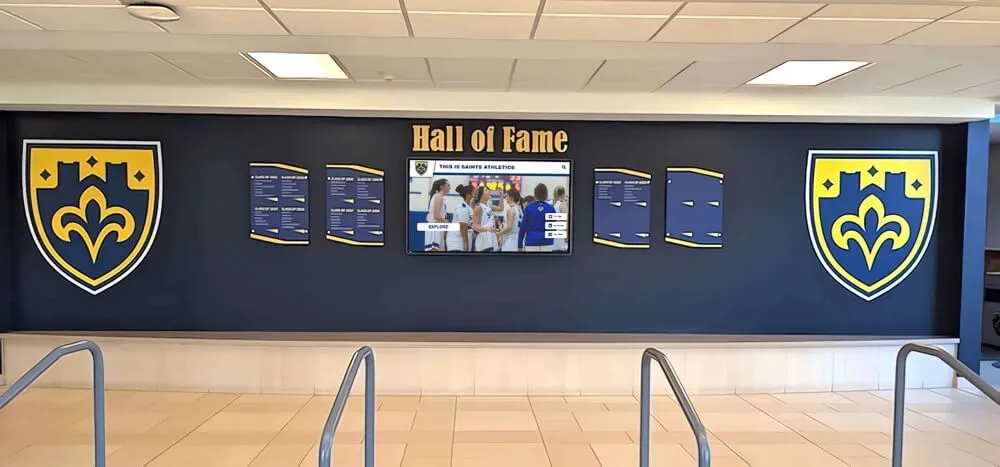
The Canton facility offers immersive experiences documenting professional football’s complete history across multiple floors of interactive exhibits. Visitors explore chronological galleries tracing football from its origins through modern eras, examine artifacts including Super Bowl rings, game-worn jerseys, and championship trophies, engage with interactive displays testing football knowledge and skills, watch highlight reels showcasing memorable games and legendary performances, and discover comprehensive inductee profiles for all Hall of Fame members.
The Hall of Fame Gallery, which displays bronze busts of every inductee, creates the facility’s emotional centerpiece—a sacred space where visitors encounter football’s immortals preserved in permanent tribute. According to official information, the Pro Football Hall of Fame now honors over 370 individuals across player, coach, and contributor categories, with each receiving comprehensive recognition documenting their contributions to professional football.
Recent facility renovations have enhanced visitor experiences through updated multimedia presentations, interactive touchscreen displays enabling self-guided exploration, and immersive environments recreating iconic football moments. These technological enhancements demonstrate how modern recognition platforms can bring sports history to life through engaging, educational experiences that resonate with diverse audiences.
Bringing Hall of Fame Excellence to Every Level of Football
While the Pro Football Hall of Fame celebrates professional football’s elite, the principles of effective recognition extend to youth leagues, high schools, colleges, and community sports organizations seeking to honor their own football legends.
The Power of Football Recognition Programs
Football programs at all competitive levels benefit tremendously from formal hall of fame recognition that celebrates athletes, coaches, teams, and contributors who built excellence and tradition. Effective recognition programs serve multiple critical purposes that strengthen organizations and inspire participants.
Preserving Program History
Football programs accumulate rich histories spanning decades—championship seasons, record-breaking athletes, legendary coaches, and defining moments that shape organizational identity. Without systematic documentation and recognition, these historical elements gradually fade from collective memory as years pass and personnel change.
Football hall of fame programs create permanent documentation preventing historical memory loss. Championship teams from past decades, record-setting players from earlier eras, and transformational coaches receive continued recognition keeping their contributions alive in current program consciousness. This historical continuity connects current athletes to larger traditions extending beyond their immediate experiences.
Motivating Current Athletes
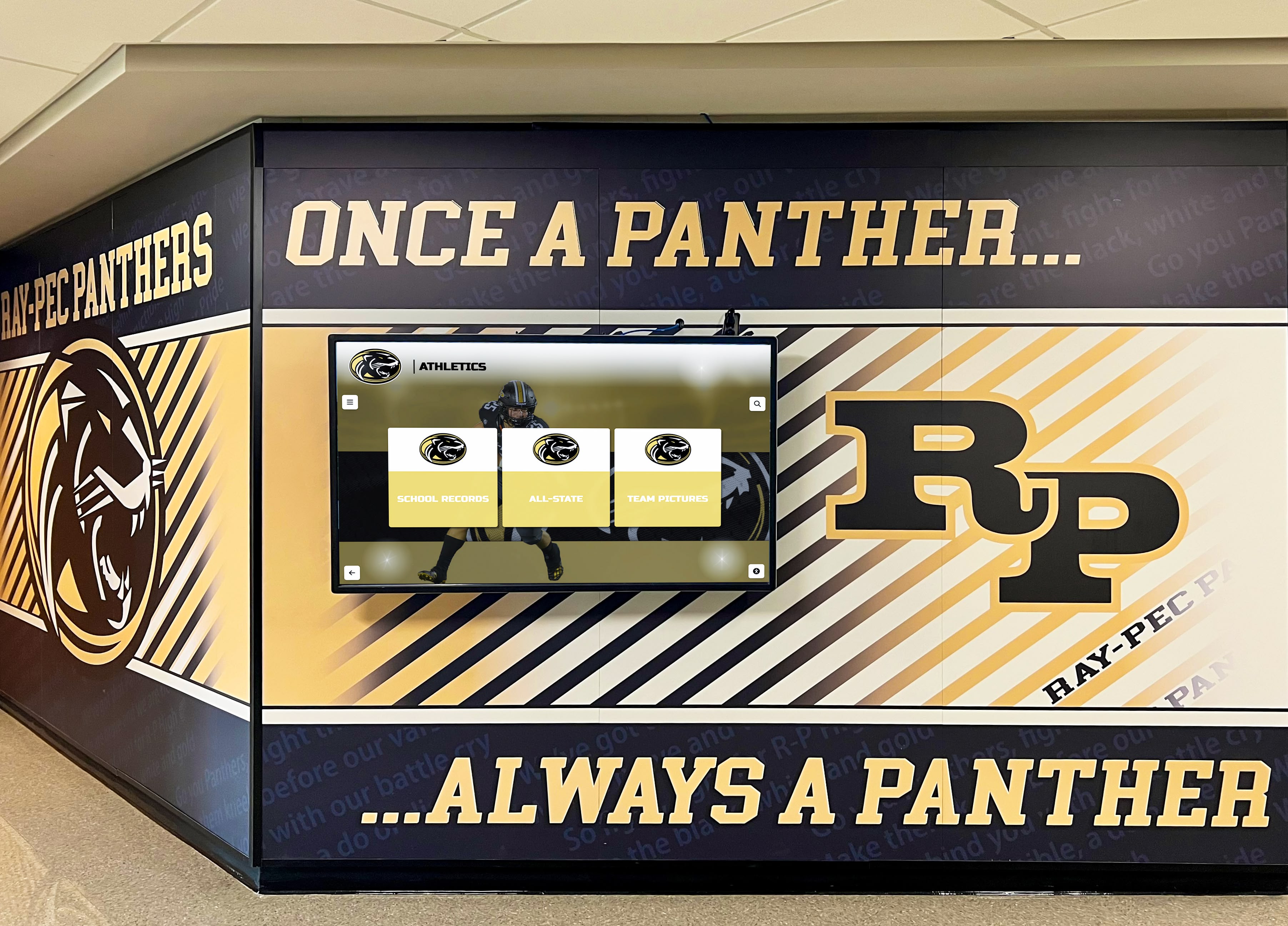
Recognition of past achievement creates powerful motivation for current participants who see tangible evidence that exceptional performance earns lasting honor. When young players encounter displays honoring program legends, excellence transforms from abstract concept to specific, achievable standard.
Current quarterbacks see exactly what passing statistics previous inductees achieved, linemen understand what level of performance earns recognition, and teams comprehend what championship accomplishment requires. These visible benchmarks establish clear goals while demonstrating that hall of fame honor remains attainable for athletes willing to commit fully to their development.
Strengthening Alumni Engagement
Former players whose achievements receive formal recognition maintain stronger connections to organizations long after their playing careers end. This ongoing acknowledgment through hall of fame inclusion strengthens emotional bonds supporting long-term engagement and support.
Inducted alumni attend more events, participate in mentoring programs, contribute financially to current programs, and serve as ambassadors promoting organizations within their professional and social networks. The goodwill generated through thoughtful recognition creates value extending far beyond initial investment in display systems.
Enhancing Recruitment Success
Prospective athletes and their families evaluate programs based on multiple factors including coaching quality, facilities, competitive success, and tradition. Comprehensive hall of fame recognition provides tangible evidence of program excellence that distinguishes organizations during recruitment.
When recruits tour facilities and encounter professional recognition displays honoring legendary players, championship teams, and program milestones, they visualize themselves as potential future honorees. This aspirational element influences decision-making, particularly when comparing programs with similar competitive profiles. College athletics programs frequently cite hall of fame displays as valuable recruiting assets demonstrating institutional commitment to celebrating achievement.
Traditional Recognition Limitations
Conventional football recognition approaches—physical plaques, trophy cases, and static displays—have served programs for generations but face inherent limitations that constrain comprehensive celebration.
Physical Space Constraints
Traditional displays require physical wall or floor space that eventually becomes exhausted as programs mature and induction classes accumulate. Athletic facilities can only dedicate limited square footage to recognition, forcing difficult decisions about which achievements receive display space and which honorees get relegated to storage or forgotten entirely.
High school programs with 50+ years of history simply cannot fit comprehensive physical recognition for all deserving athletes, coaches, and teams within available space. This limitation means many worthy contributors never receive visible acknowledgment despite meeting all qualification criteria.
Update Difficulties and Costs
Adding new inductees to traditional displays requires ordering custom plaques, scheduling professional installation, and coordinating construction or renovation work. This process takes weeks or months while incurring per-inductee costs that accumulate substantially over time.
Organizations must budget annually for recognition fabrication and installation, with costs multiplying as induction classes grow. Over typical 10-15 year periods, these recurring expenses often exceed initial investment in comprehensive digital solutions that enable instant, cost-free updates.
Limited Information Capacity
Physical plaques can only display brief information—typically name, years played, and perhaps one or two achievement highlights. This constraint prevents comprehensive storytelling about inductees’ journeys, defining moments, career context, or lasting impact.
Visitors cannot access additional details, view action photographs, watch highlight videos, or explore statistical achievements through traditional static displays. This information limitation results in recognition that honors names without telling complete stories about what made individuals hall of fame worthy.
Digital Recognition: The Future of Football Hall of Fame Programs
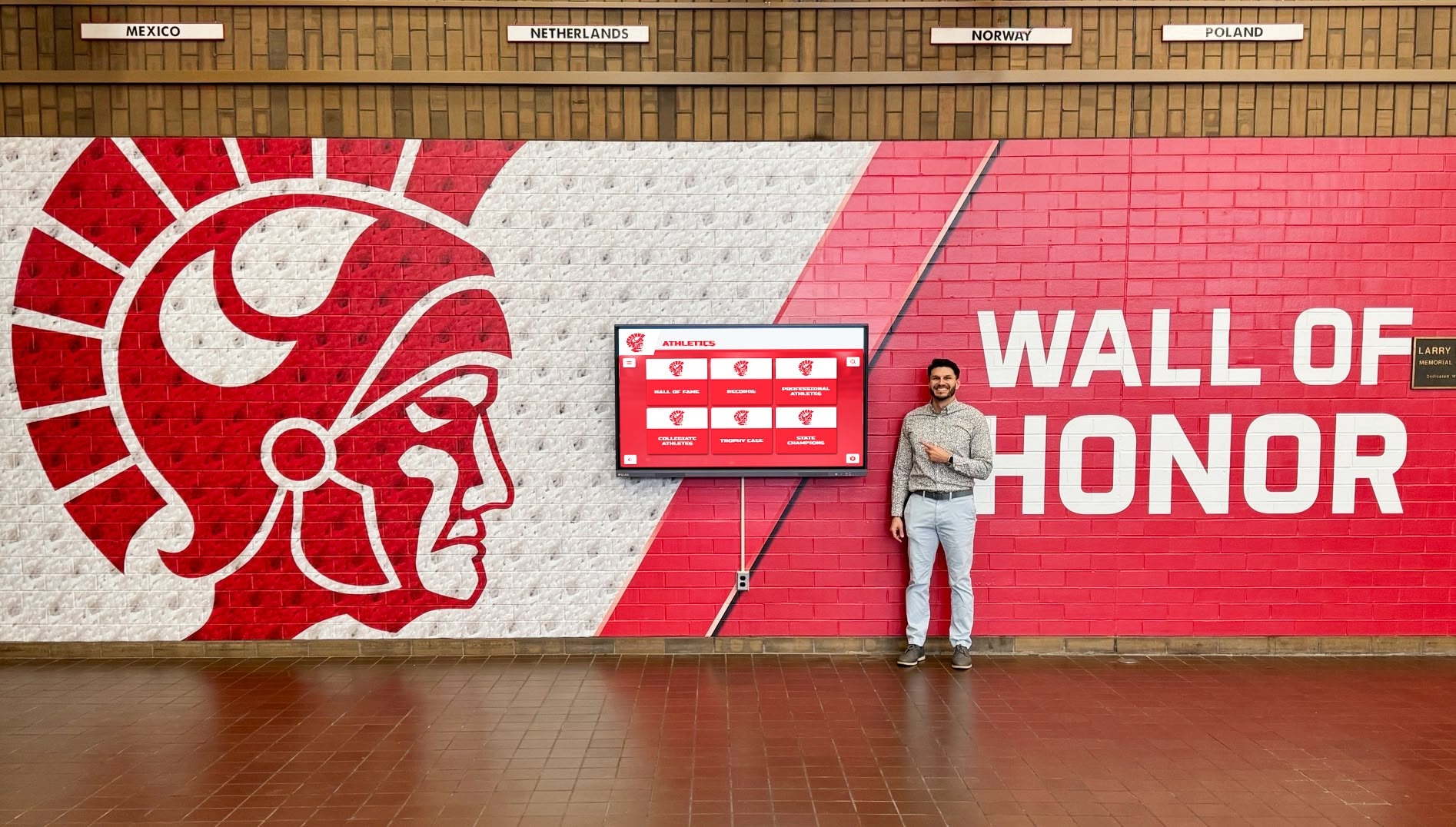
Modern interactive technology transforms football recognition by addressing every limitation of traditional approaches while creating engaging experiences that bring achievements to life through multimedia storytelling.
Interactive Touchscreen Hall of Fame Displays
Digital recognition systems built around commercial-grade touchscreen displays provide comprehensive solutions for organizations seeking to honor unlimited achievements without space constraints.
Unlimited Recognition Capacity
A single touchscreen display can showcase hundreds or thousands of athletes, coaches, and teams with complete profiles for each inductee. Organizations never face decisions about removing older recognition to accommodate new honorees—digital platforms scale infinitely as programs grow and mature.
Every deserving contributor receives comprehensive acknowledgment regardless of when they played or what position they occupied. This inclusive capacity proves particularly valuable for comprehensive programs seeking to celebrate excellence across all positions, playing eras, and achievement types.
Rich Multimedia Content
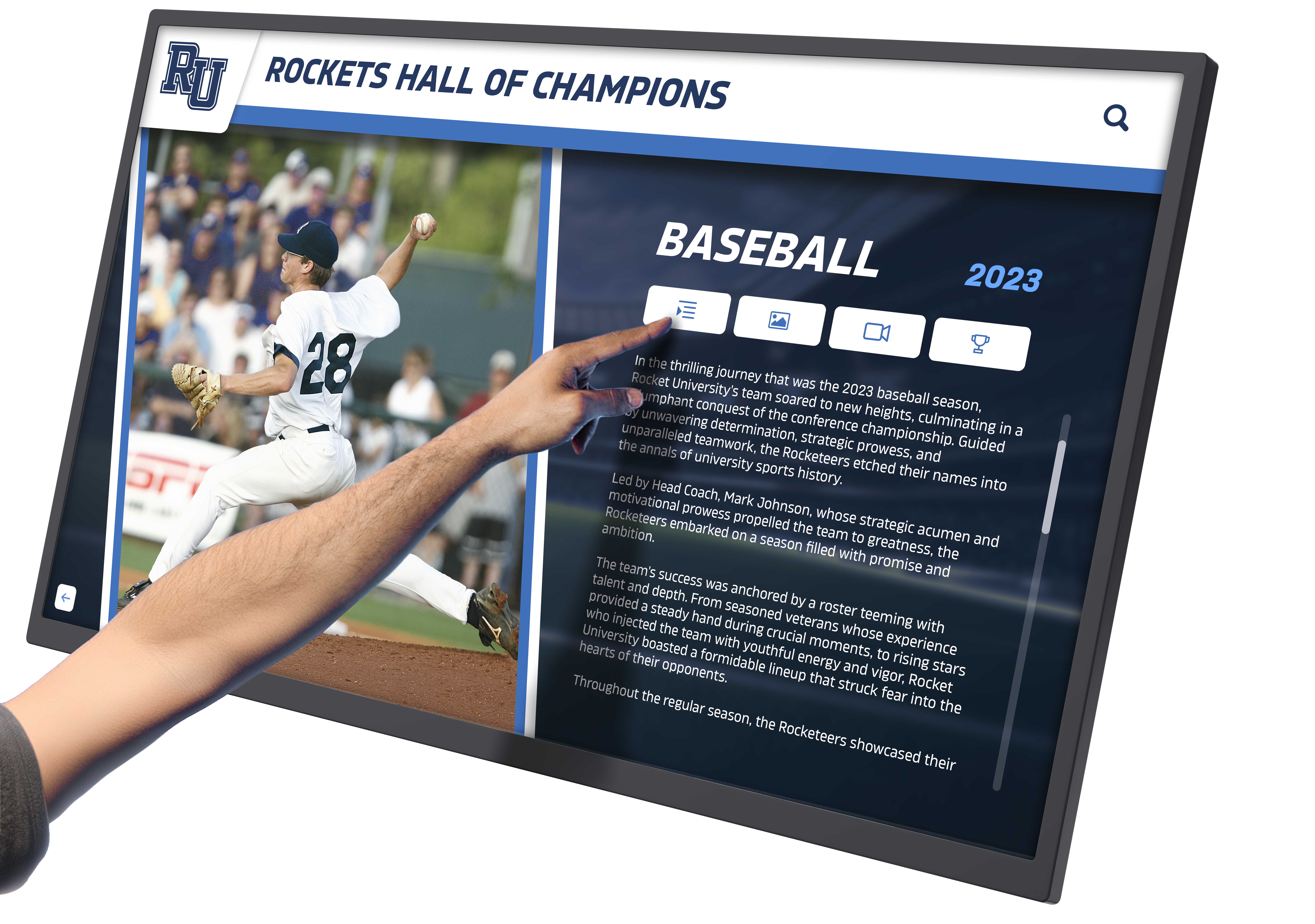
Unlike static plaques limited to brief text, digital profiles incorporate multiple high-resolution action photographs showing athletes competing, complete career statistics documenting performance comprehensively, video highlights preserving memorable plays and defining moments, coach testimonials explaining what made players exceptional, personal reflections from athletes about their football journey, and historical context placing achievements within program timelines and competitive eras.
This multimedia approach honors inductees through complete storytelling that respects their contributions far more effectively than name-and-date plaques. Visitors experience achievements rather than simply reading about them, creating emotional connections that static displays cannot match.
Intuitive Interactive Exploration
Touchscreen interfaces enable powerful navigation allowing visitors to search by player name finding specific individuals instantly, filter by graduation year or era exploring specific time periods, browse by achievement type like state champions or record holders, compare statistics between different players and seasons, and discover random profiles encouraging serendipitous exploration of program history.
Interactive navigation transforms passive viewing into active engagement, with visitors spending significantly longer exploring digital displays compared to traditional static boards. Organizations implementing comprehensive digital recognition report average engagement times of 5-8 minutes compared to 30-45 seconds for traditional plaques.
Effortless Real-Time Updates
Cloud-based content management systems enable athletic directors, coaches, or designated administrators to update recognition displays instantly from any internet-connected device. When teams win championships or players earn honors, recognition can be updated within minutes rather than waiting weeks for physical fabrication and installation.
This responsiveness ensures displays remain perpetually current, celebrating achievements while they’re still fresh in community consciousness. Over time, the elimination of per-update costs means digital systems prove more economical than repeatedly updating traditional displays despite higher initial investment.
Web and Mobile Recognition Platforms
Digital football recognition extends beyond physical facility displays through online platforms accessible worldwide, enabling alumni, supporters, and community members to explore program history from anywhere.
Global Accessibility
Web-based hall of fame platforms allow former players living anywhere to access recognition content, families to share athlete profiles across social networks, prospective recruits to research program tradition remotely during evaluation, and community members to engage with football excellence without visiting physical facilities.
This extended reach dramatically increases recognition impact beyond the limited audience that physically visits facilities. Organizations report that 60-70% of hall of fame content engagement occurs through web and mobile platforms rather than physical touchscreens, demonstrating the value of omnichannel digital approaches.
Social Media Integration
Modern recognition platforms enable one-click sharing of inductee profiles to social media platforms, amplifying recognition reach exponentially through organic network distribution. When alumni share their hall of fame profiles with friends and professional networks, organizations benefit from authentic promotion far more effective than institutional communications.
Analytics from comprehensive systems show that social sharing generates 5-10x more impressions than standard organizational social media posts, demonstrating how recognition technology can enhance broader communications and engagement strategies.
Perpetual Accessibility
Unlike physical displays accessible only when facilities are open, web-based recognition remains available 24/7/365 from anywhere with internet access. This perpetual availability serves alumni across time zones, international supporters, and individuals with mobility challenges who may not easily visit physical facilities.
The combination of physical touchscreen installations creating impressive on-site experiences with companion web platforms enabling global access provides comprehensive recognition that maximizes both local impact and worldwide engagement.
How Rocket Alumni Solutions Enables Football Hall of Fame Excellence
Organizations implementing football hall of fame programs need reliable technology partners providing comprehensive solutions specifically designed for athletic recognition.
Solutions like Rocket Alumni Solutions offer purpose-built platforms combining powerful features with intuitive operation, making football recognition straightforward for non-technical staff while delivering professional results that honor inductees appropriately.
Turnkey Implementation
Rocket Alumni Solutions provides complete packages including commercial-grade touchscreen hardware designed for continuous operation in high-traffic environments, cloud-based software requiring no local servers or technical infrastructure, professional installation ensuring proper mounting and reliable operation, comprehensive administrator training, and ongoing technical support responsive to questions and issues.
Organizations receive fully functional systems without managing complex technology implementation themselves, enabling focus on content development and program operations rather than technical troubleshooting.
Football-Optimized Templates
Rather than generic digital signage requiring custom design work, Rocket provides sport-specific templates for player profiles showcasing statistics and achievements, team season pages documenting championships and rosters, coaching career summaries honoring program leadership, and historical timelines presenting decades of football tradition.
Templates ensure professional presentation while saving significant content development time, enabling rapid program launch without extensive design expertise.
Intuitive Content Management
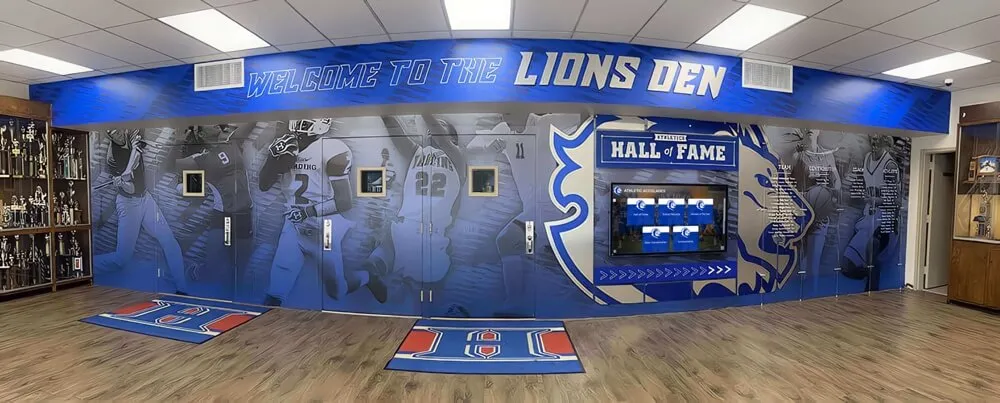
Non-technical athletic directors, coaches, or administrative staff can easily manage football recognition through simple web-based interfaces requiring no coding or technical skills, drag-and-drop photo uploads and organization, pre-formatted entry fields for statistics and information, bulk import capabilities for historical data enabling efficient catchup of past inductees, and scheduled publishing for automatic content updates aligned with announcement timing.
Systems designed specifically for educational and sports users reduce IT department burden while empowering athletic staff to maintain current recognition independently.
Engagement Analytics
Built-in analytics reveal how visitors interact with football displays through daily interaction counts and trends over time, most-viewed players and content identifying what resonates most strongly, search query patterns showing how visitors navigate to information, and peak usage times enabling optimal scheduling of facility tours and events.
Data helps optimize content strategies while demonstrating program value through concrete usage metrics that justify continued investment to stakeholders who approved expenditures.
Best Practices for Football Hall of Fame Recognition Programs
Organizations implementing or enhancing football hall of fame programs benefit from following proven practices that maximize effectiveness while avoiding common pitfalls.
Establish Clear Selection Criteria
Effective hall of fame programs require transparent selection criteria ensuring fairness and maintaining recognition prestige. Most successful programs establish criteria considering playing achievements and statistical excellence, All-Conference and All-America selections, professional career success at higher competitive levels, impact on program building and success, character and sportsmanship standards, and post-playing contributions to organizations or communities.
Published criteria ensure transparency preventing perceptions of favoritism while helping current athletes understand pathways to potential future recognition. Many programs require minimum time periods since playing career conclusion—typically 5-10 years—ensuring that recognition reflects sustained significance rather than momentary success.
Create Diverse Selection Committees
Fair selection processes rely on diverse committee representation including athletic administrators representing different program areas, former players from various eras ensuring historical awareness, community representatives connecting to broader constituencies, and sometimes faculty or organizational leadership providing independent perspectives.
Diverse committees prevent single-viewpoint domination while bringing varied expertise that strengthens evaluation quality and maintains consistent standards across years despite membership changes.
Maintain Recognition Quality
Programs earn community respect through consistent recognition quality maintained across all inductees regardless of era or achievement type. Establish minimum standards for profile comprehensiveness ensuring every hall of fame member receives thorough recognition, invest in quality writing and fact verification preventing errors, maintain visual presentation consistency across all inductees, and implement correction processes updating information as circumstances change.
Quality consistency demonstrates equivalent honor for all inductees while creating professional appearance communicating program competence and organizational respect for recognized individuals.
Balance Individual and Team Recognition
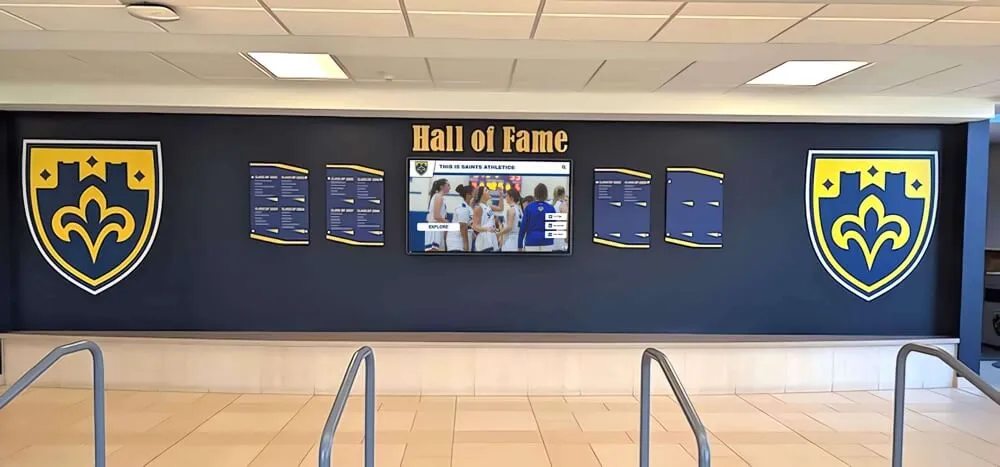
Football remains fundamentally a team sport despite individual statistical excellence, requiring balance between celebrating personal achievements and emphasizing collective success. Give championship teams equal or greater prominence than individual player recognition, present individual records within team contexts, and consider recognition categories celebrating position group excellence beyond individual and team categories.
This emphasis reinforces that program success depends primarily on team excellence rather than individual brilliance, maintaining cultural values around team-first approaches while acknowledging individual distinction.
Integrate Recognition with Broader Programs
Maximum impact occurs when hall of fame recognition integrates with other organizational initiatives. Feature inductees at games and events, connect honored alumni with current players as mentors, highlight achievements in recruiting communications, incorporate recognition into fundraising campaigns, and coordinate induction ceremonies with homecoming or reunion events maximizing attendance and visibility.
This integration multiplies recognition value by creating touchpoints across multiple programs and communications rather than treating hall of fame as isolated display.
Extending Football Recognition Beyond Pro Football
While the NFL Hall of Fame celebrates professional football’s elite, every level of football benefits from comprehensive recognition honoring its own legends and building traditions that inspire excellence.
High School Football Halls of Fame
High school football programs create lasting traditions through formal hall of fame recognition celebrating players, coaches, teams, and contributors who built program excellence across generations. Small rural programs honoring decades of Friday night tradition and large suburban powerhouses documenting multiple state championships both benefit from systematic recognition preserving institutional memory.
Understanding how to establish selection criteria for high school programs, design engaging displays, and maintain long-term program vitality ensures football recognition appropriately honors those who built program legacies while inspiring future generations.
Youth Football Organization Recognition
Youth football leagues, Pop Warner programs, and community organizations build traditions through recognition celebrating players, coaches, and volunteers who dedicate countless hours developing young athletes. Digital recognition platforms make comprehensive youth football halls of fame accessible even for organizations with limited budgets, eliminating expensive physical display fabrication while enabling professional recognition quality.
Youth programs particularly benefit from recognition emphasizing character development, sportsmanship, and positive coaching alongside athletic achievement—demonstrating values about what success means beyond wins and statistics.
Team Facilities and Sports Complexes
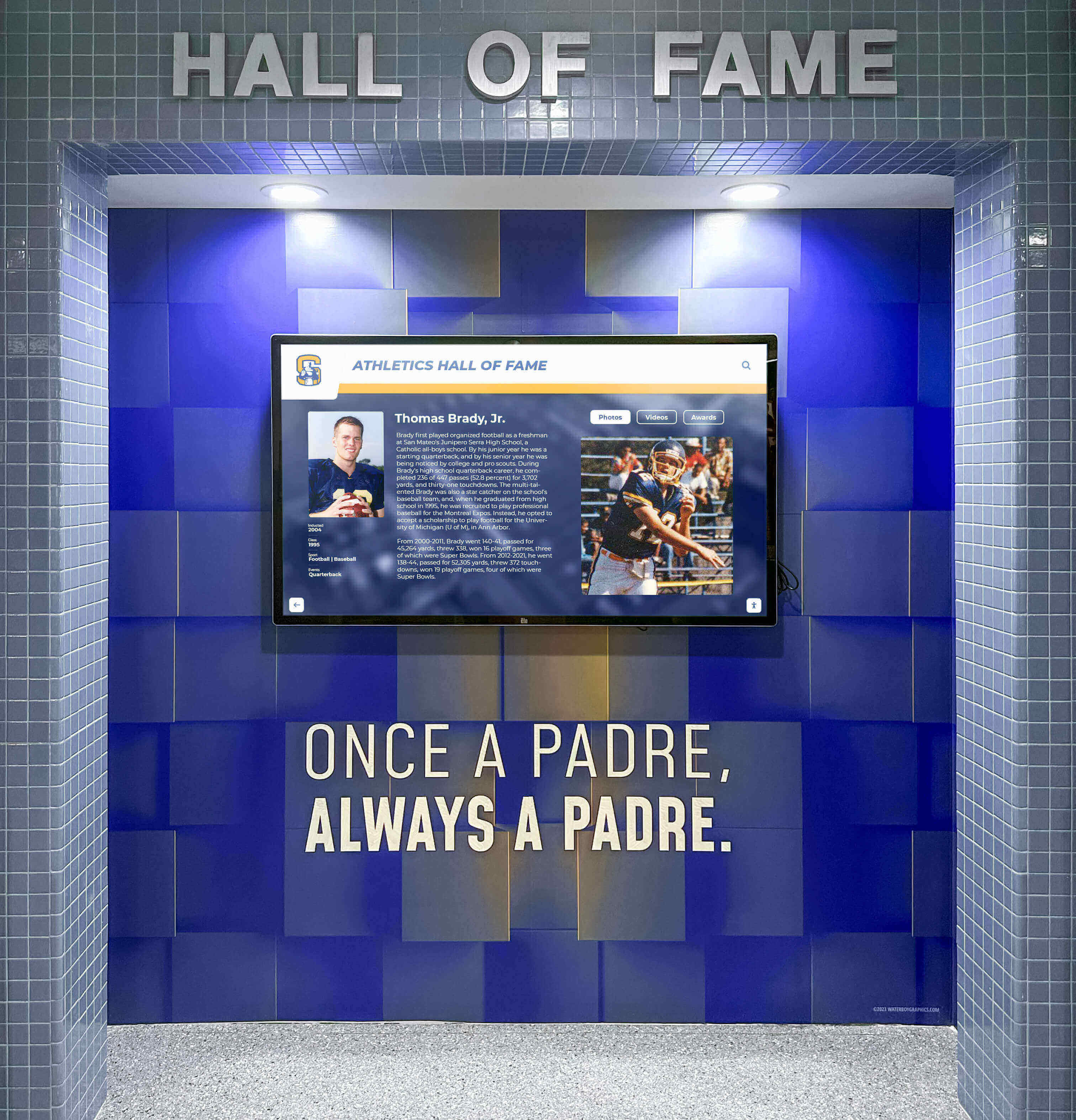
Professional teams, indoor sports facilities, and training complexes implement hall of fame displays celebrating organizational history, championship teams, record-setting athletes, and legendary coaches. These recognition installations create impressive visual focal points in lobbies and common areas while serving recruiting, fundraising, and community engagement purposes.
Modern digital platforms enable these organizations to maintain current, engaging recognition without the physical space constraints and update limitations that plague traditional trophy cases and static displays.
The Future of Football Recognition Technology
Recognition technology continues evolving with emerging capabilities that will further enhance football hall of fame programs at all competitive levels.
Enhanced Multimedia and Immersive Experiences
Future recognition systems will likely incorporate increasingly sophisticated content formats including 360-degree video allowing immersive game experiences, augmented reality overlaying information during facility tours, AI-enhanced highlight compilations automatically generated from historical footage, and holographic displays creating three-dimensional athlete tributes.
These technologies will make historical achievements more accessible and engaging, particularly for younger audiences who connect readily with immersive digital experiences.
Advanced Data Integration
Next-generation platforms will feature deeper integration with statistical databases and performance analytics, automated content population from authoritative sports data sources, predictive analytics identifying potential future inductees, and comparative analysis tools enabling sophisticated achievement evaluation.
These capabilities will reduce administrative burden while ensuring statistical accuracy and comprehensive documentation of athletic excellence.
Social and Community Features
Emerging systems will emphasize participatory elements allowing verified alumni to contribute memories and materials, community voting on special recognition categories, livestreamed induction ceremonies integrated with recognition platforms, and social networking connecting inductees across different eras and programs.
This participatory approach transforms recognition from top-down institutional initiative into community-owned celebration of shared football tradition and heritage.
Conclusion: Preserving Football’s Greatest Stories for Future Generations
The NFL Hall of Fame in Canton stands as professional football’s ultimate recognition institution, celebrating legends who transformed the game through exceptional achievement and dedication. The same principles that make the Pro Football Hall of Fame powerful—comprehensive documentation, compelling storytelling, permanent celebration, and inspiration for future excellence—apply to football programs at every competitive level.
Whether honoring NFL superstars, college conference champions, high school state title winners, or youth league participants who embodied sportsmanship and character, effective recognition requires clear selection standards ensuring fairness, compelling content that tells complete stories, professional display systems enabling engaging experiences, and sustained commitment maintaining programs across years and decades.
Modern digital recognition technology has transformed what’s possible in celebrating football achievement. Interactive touchscreen systems eliminate space constraints preventing unlimited growth, enable rich multimedia content impossible with physical plaques, provide instant cost-effective updates when adding inductees, create engaging interactive experiences encouraging exploration, deliver measurable engagement analytics demonstrating value, and extend recognition worldwide through web accessibility.
For football programs ready to implement comprehensive hall of fame recognition or enhance existing systems with modern capabilities, solutions like Rocket Alumni Solutions provide specialized platforms addressing unique needs of athletic organizations. Purpose-built features, intuitive content management, responsive support, and continuous innovation ensure programs can effectively honor football legends while inspiring current and future athletes to pursue their own paths to excellence.
Honor Your Football Legends with Modern Recognition
Discover how Rocket Alumni Solutions can help you create a comprehensive football hall of fame that preserves program history, honors legendary contributors, and inspires future generations of athletes.
Schedule Your Free DemoFrom the immortal legends enshrined in Canton to local heroes celebrated in hometown gyms and fieldhouses, football excellence deserves recognition that matches its significance—celebration that’s comprehensive, engaging, permanent, and accessible. The question isn’t whether football hall of fame programs matter, but whether your organization will embrace modern recognition capabilities or continue managing the limitations of traditional approaches.
Ready to transform how you celebrate football achievement? Explore how digital recognition platforms can preserve your football legacy while creating engaging experiences that connect past greatness with present aspiration and future excellence.































