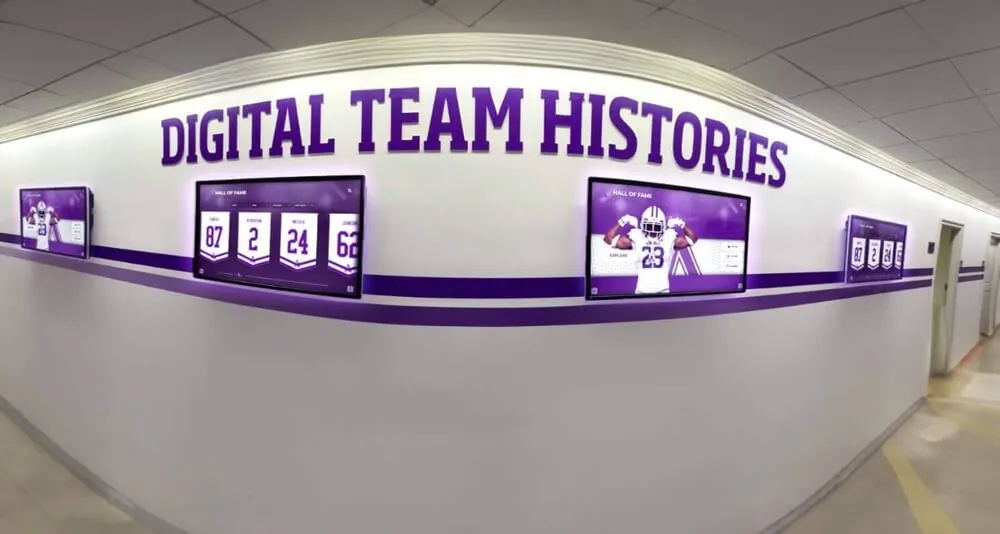
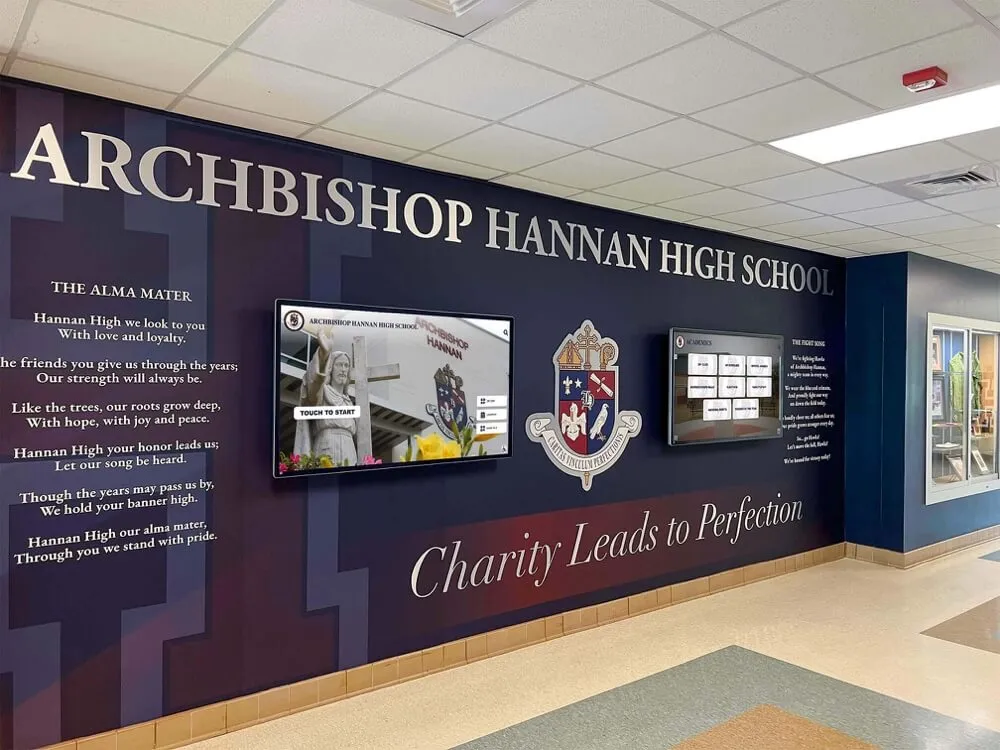
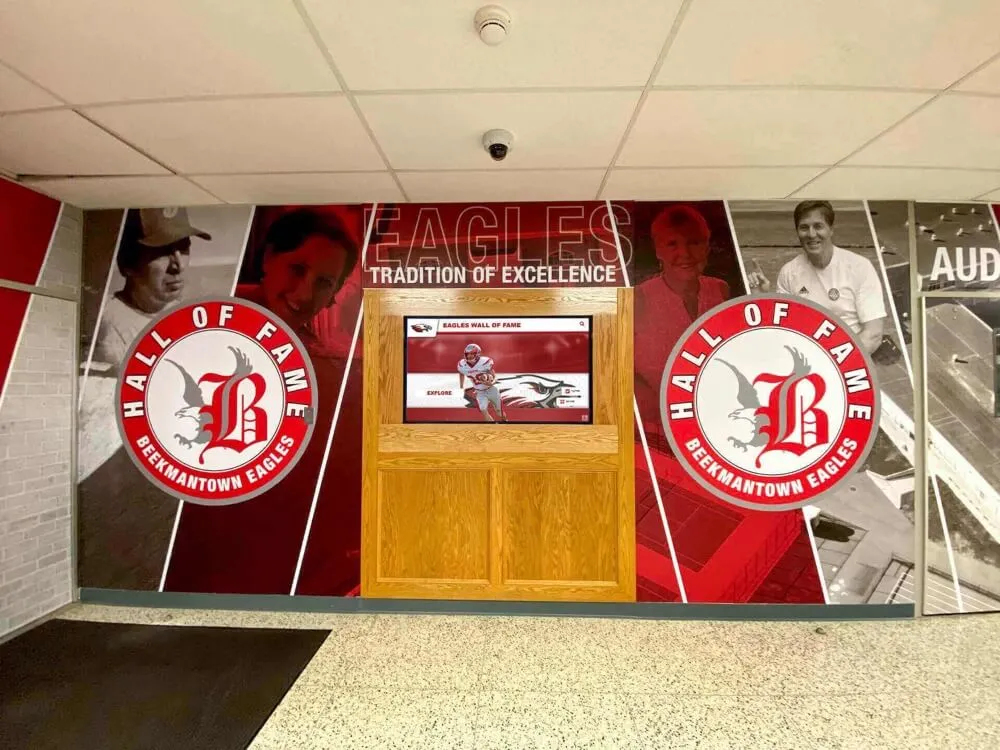
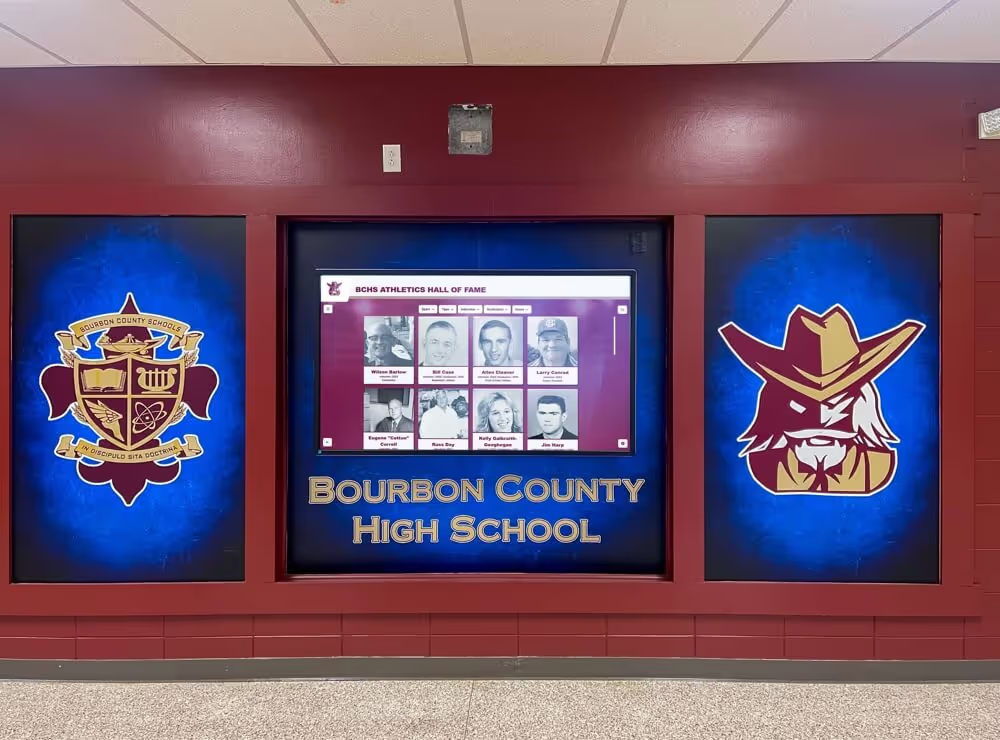
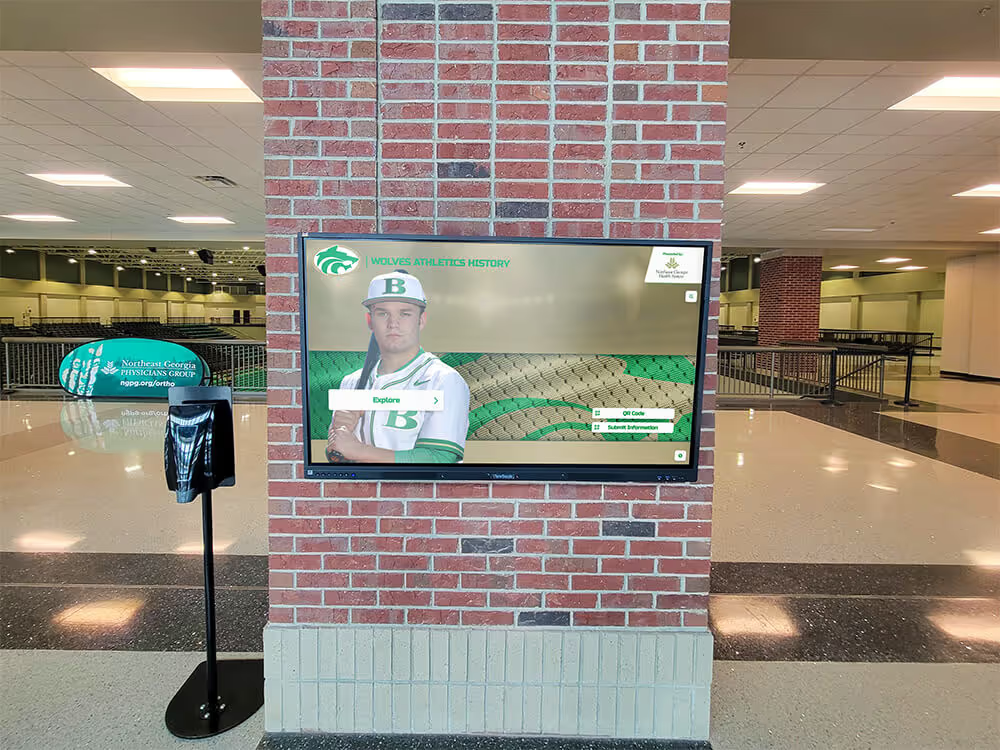
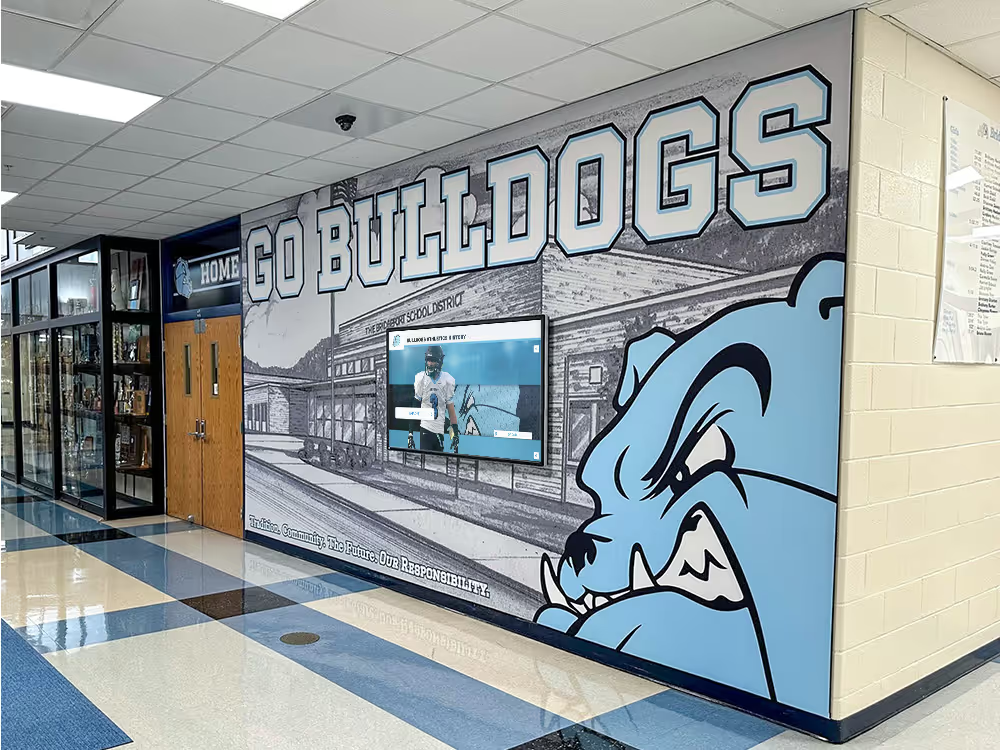
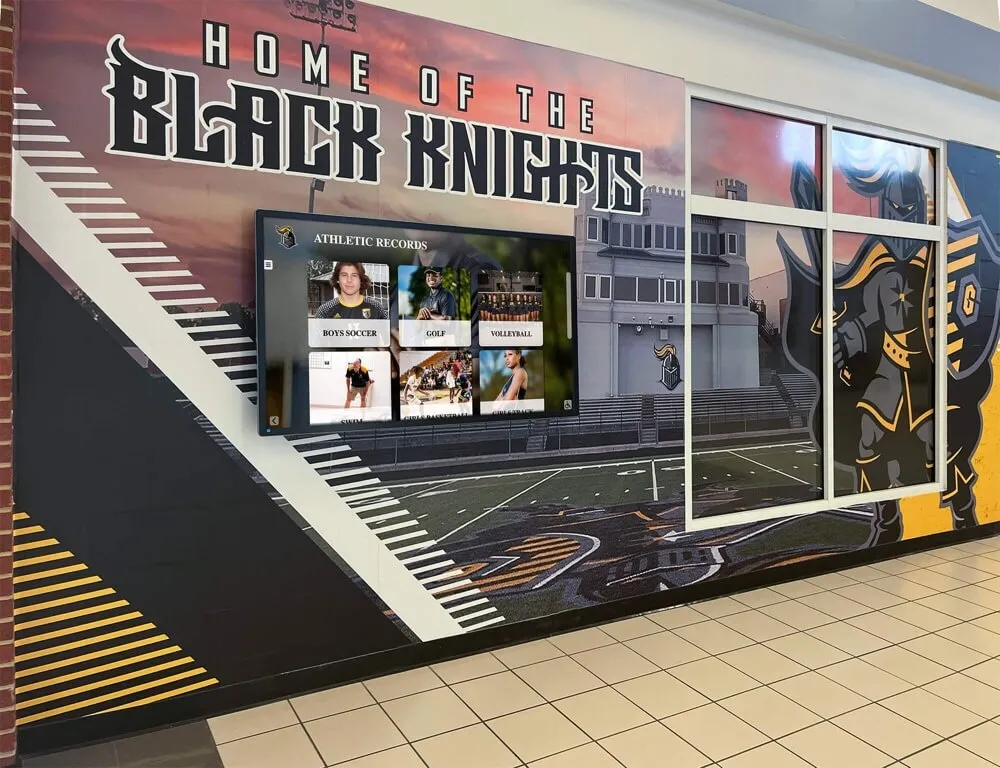
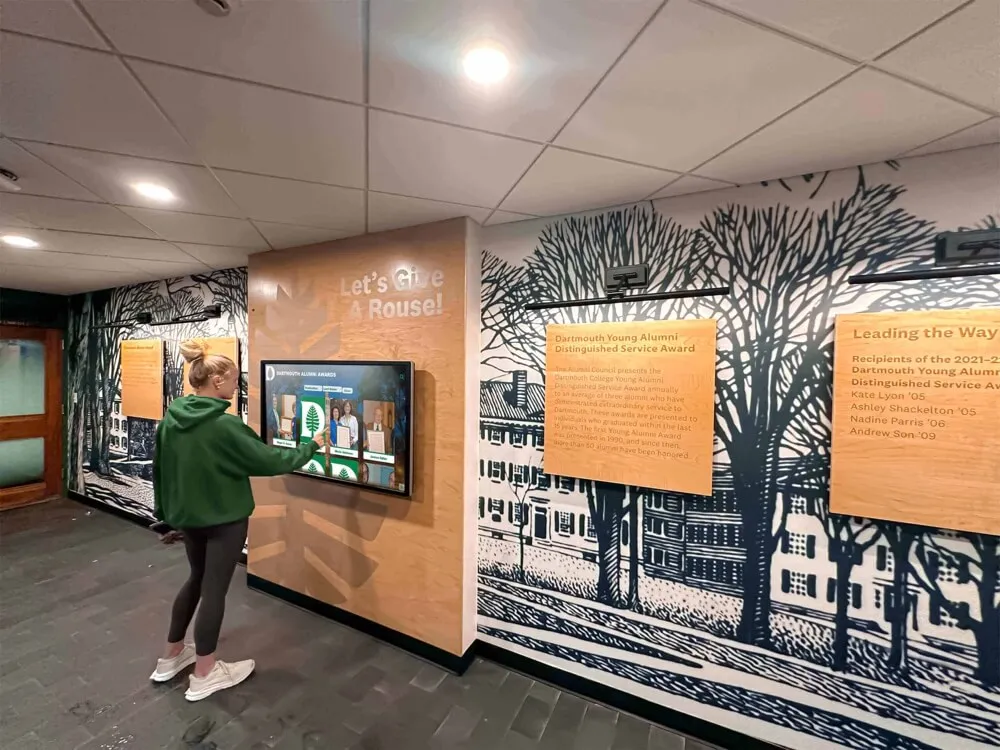
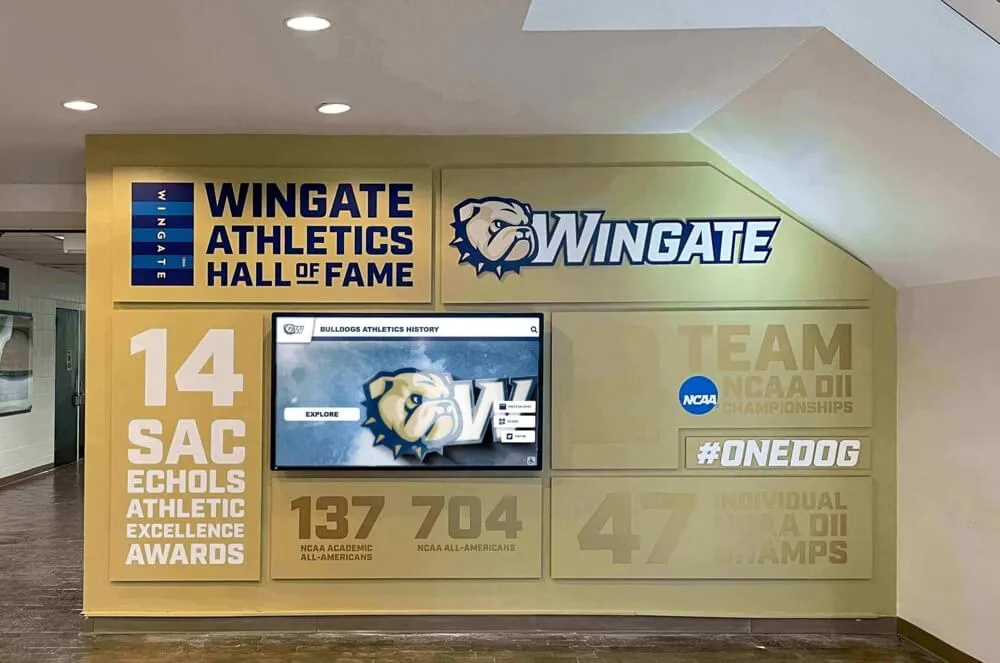
Nonprofit donor recognition walls serve a dual purpose: they honor the generosity of supporters while inspiring future giving through visible appreciation. Yet many organizations struggle with planning recognition systems that balance inclusivity across giving levels, remain adaptable as donor rosters grow, and create meaningful experiences without exceeding limited budgets.
The challenge is substantial. Nonprofit retention rates hover around 45%, with first-time donors often giving once and never returning. Recognition plays a direct role in retention—donors who feel genuinely appreciated give 25-35% more over their lifetime and renew at rates 40-60% higher than those who receive minimal acknowledgment.
This tactical guide provides nonprofits with specifications, budget frameworks, design considerations, and implementation checklists for building donor recognition walls that strengthen relationships, demonstrate impact, and inspire continued philanthropic support.
Effective donor recognition walls extend beyond simple nameplates to create systematic approaches that make every contributor feel valued, demonstrate tangible outcomes their gifts enabled, and build emotional connections with your mission. When designed thoughtfully, these displays transform one-time contributors into lifelong philanthropic partners.
Before You Start: Assessment and Planning Prerequisites
Successful donor recognition wall projects begin with thorough assessment of organizational needs, existing infrastructure, and donor demographics before selecting solutions or finalizing budgets.
Stakeholder Input Collection
Required Participants
- Development/fundraising leadership defining recognition tiers
- Major gift officers providing insights on high-level donor preferences
- Communications staff ensuring brand consistency
- Facilities personnel identifying suitable locations and technical constraints
- Finance team establishing budget parameters
- Board members representing donor perspective
Key Questions to Address
- What giving levels and categories require recognition?
- Which donors prefer public acknowledgment versus private appreciation?
- How frequently do we add new donors requiring display updates?
- What physical spaces can accommodate recognition displays?
- How do we balance tradition with innovation in our donor community?
- What messaging reinforces our mission while honoring contributions?
Document stakeholder input in a shared planning document that guides subsequent decisions about format, placement, and budget allocation.
Current Recognition Program Audit
Before implementing new recognition systems, audit existing approaches:
Inventory Current Recognition
- List all existing recognition displays, plaques, and donor walls
- Document current donor populations at each giving level
- Assess physical condition and update frequency of existing displays
- Review donor feedback about current recognition satisfaction
- Identify gaps where donor categories lack appropriate acknowledgment
Space and Infrastructure Assessment
- Measure potential recognition wall locations (height, width, depth clearances)
- Document power outlet locations and electrical capacity
- Assess network connectivity (wired Ethernet, WiFi strength, bandwidth)
- Evaluate ambient lighting conditions affecting display visibility
- Note traffic patterns identifying high-visibility placement opportunities
- Consider ADA compliance requirements for mounting heights and approach zones
This baseline documentation prevents costly mid-project surprises and ensures your recognition solution fits both physical space and organizational needs.
Donor Demographics and Preferences
Understanding your donor community informs recognition approach selection:
Donor Profile Analysis
- Review giving history identifying recognition tier populations
- Analyze donor age demographics affecting technology comfort
- Assess geographic distribution (local versus distributed supporters)
- Document cultural considerations influencing recognition preferences
- Identify corporate and foundation donors requiring specific acknowledgment formats
Preference Gathering For major donors and recognition society members, consider brief surveys asking:
- Do you prefer public recognition or private acknowledgment?
- What types of donor stories do you find most compelling?
- How important is viewing recognition remotely versus only on-site?
- Would you appreciate opportunities to update your donor profile over time?
This input prevents investing in recognition approaches that don’t resonate with your actual donor community.
Recognition Wall Format Options: Traditional vs Digital Solutions
Nonprofits can choose between traditional physical displays, modern digital systems, or hybrid approaches combining both. Each option offers distinct advantages depending on organizational priorities, budgets, and donor preferences.
Traditional Recognition Wall Specifications
Physical recognition walls have served organizations for decades and remain appropriate for many nonprofits, particularly those with stable donor rosters and audiences valuing traditional approaches.
Standard Physical Wall Components
- Engraved nameplates (typically brass, aluminum, or acrylic)
- Mounted backing panels providing consistent layout structure
- Header signage identifying recognition program and giving levels
- Optional donor tier sections organizing by contribution range
- Protective coverings or mounting systems preventing tampering
Budget Ranges for Traditional Solutions
- Entry-Level ($3,500-$8,000): Single donor wall with 50-150 engraved plates, basic mounting system
- Mid-Range ($8,000-$18,000): Multi-tier display accommodating 200-400 donors, enhanced materials and design
- Premium ($18,000-$45,000): Architecturally integrated recognition featuring custom fabrication, illumination, multiple sections
Traditional Wall Limitations
- Fixed capacity requiring expansion purchases as donor lists grow
- Update costs of $15-$35 per new nameplate including engraving and installation
- Space constraints eventually requiring removal of historical donors
- Static presentation limited to names, gift ranges, and recognition dates
- On-site-only visibility excluding remote supporters
- Labor-intensive physical updates requiring coordination and installation
Organizations with modest budgets, stable donor bases, and traditional aesthetic preferences often find physical walls appropriate for their recognition needs.
Digital Recognition Display Specifications
Modern digital donor recognition displays address traditional limitations while offering expanded functionality that benefits growing nonprofit recognition programs.
Digital System Components
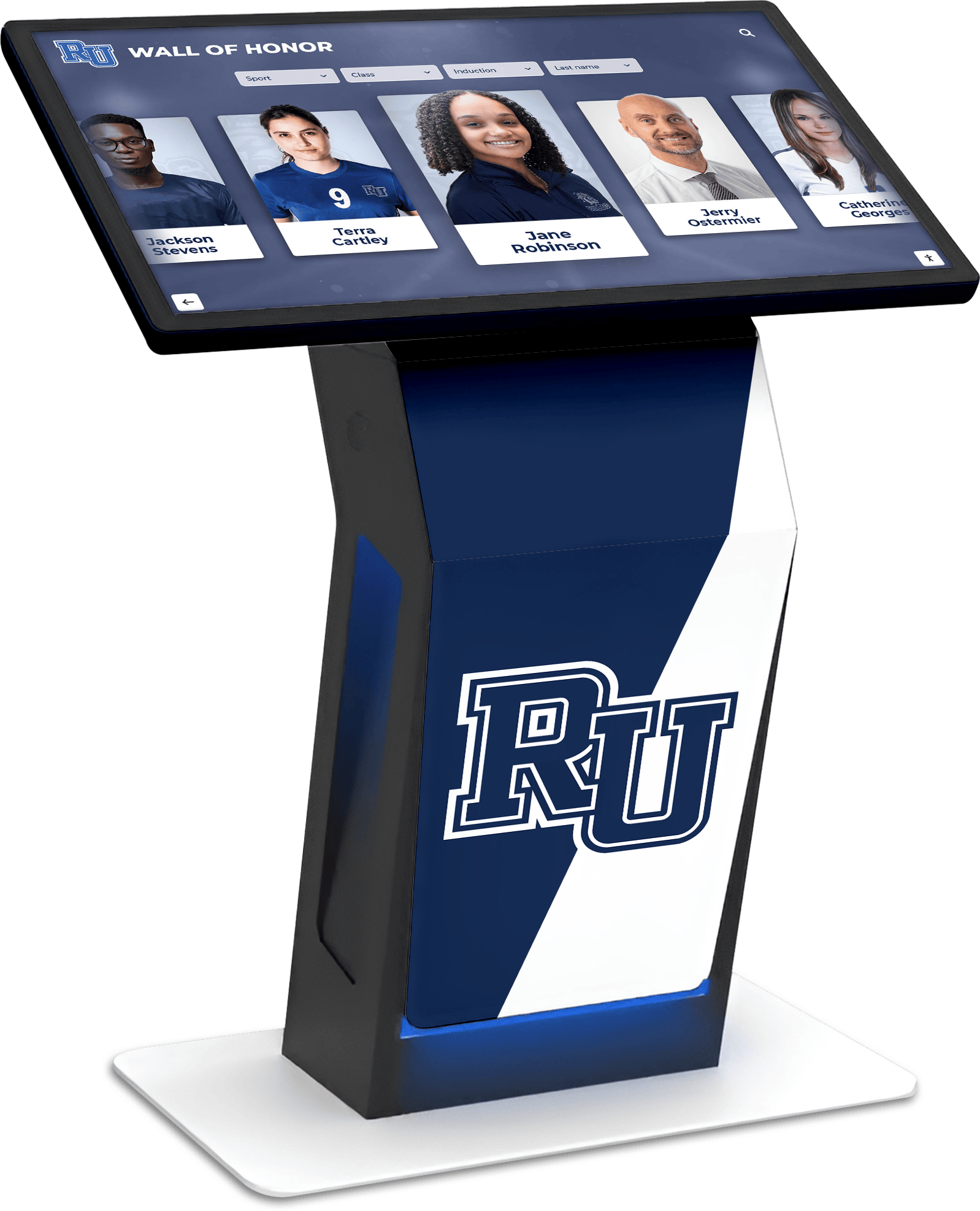
- Commercial-grade touchscreen display (typically 43"-75" depending on space)
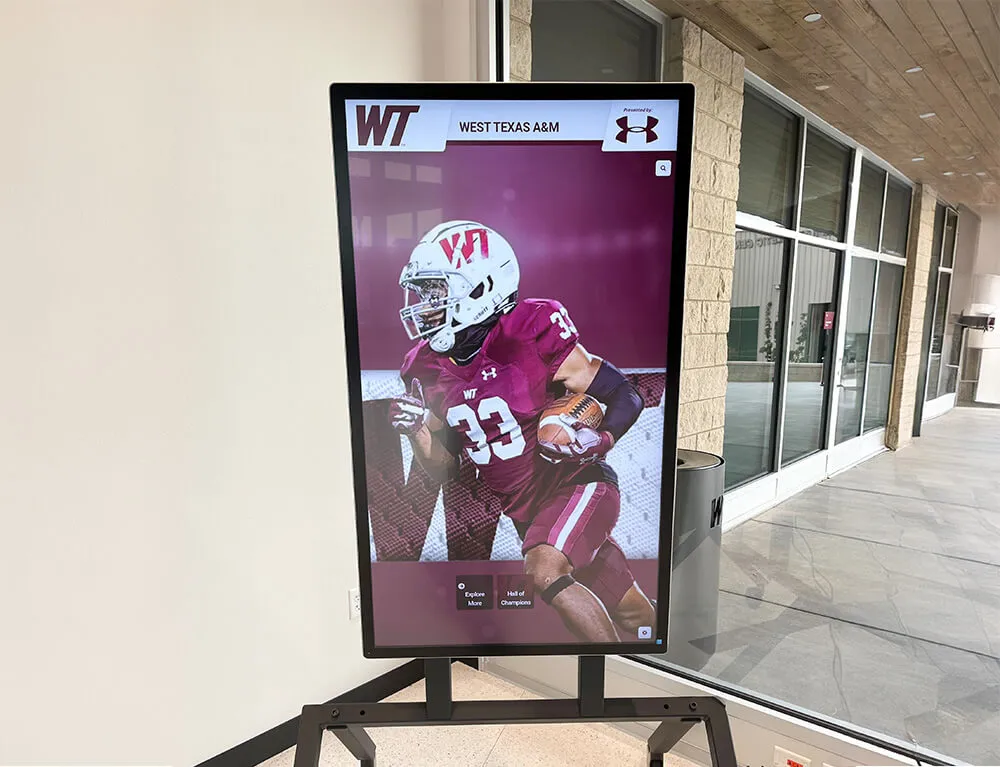
- Wall mount or freestanding kiosk enclosure
- Content management software enabling remote updates
- Network connectivity (wired or wireless)
- Cloud-based hosting for recognition content and data
Technical Specifications to Evaluate
- Display Resolution: Minimum 1920x1080 (Full HD); 4K recommended for larger screens
- Brightness: 350-500 nits for indoor installations ensuring visibility
- Operating Hours Rating: Commercial displays rated for 16-24 hour daily operation
- Touch Technology: Capacitive touchscreen supporting multi-touch gestures
- Processor: Adequate computing power for smooth navigation and media playback
- Warranty: Minimum 3-year commercial warranty on hardware components
Budget Ranges for Digital Solutions
- Single Display System ($8,000-$15,000): 43"-55" touchscreen with wall mount, basic software, installation
- Enhanced System ($15,000-$28,000): 55"-65" display with upgraded enclosure, comprehensive content management, training
- Multi-Display Installation ($28,000-$75,000): Multiple coordinated screens, kiosk options, advanced features, extensive content development
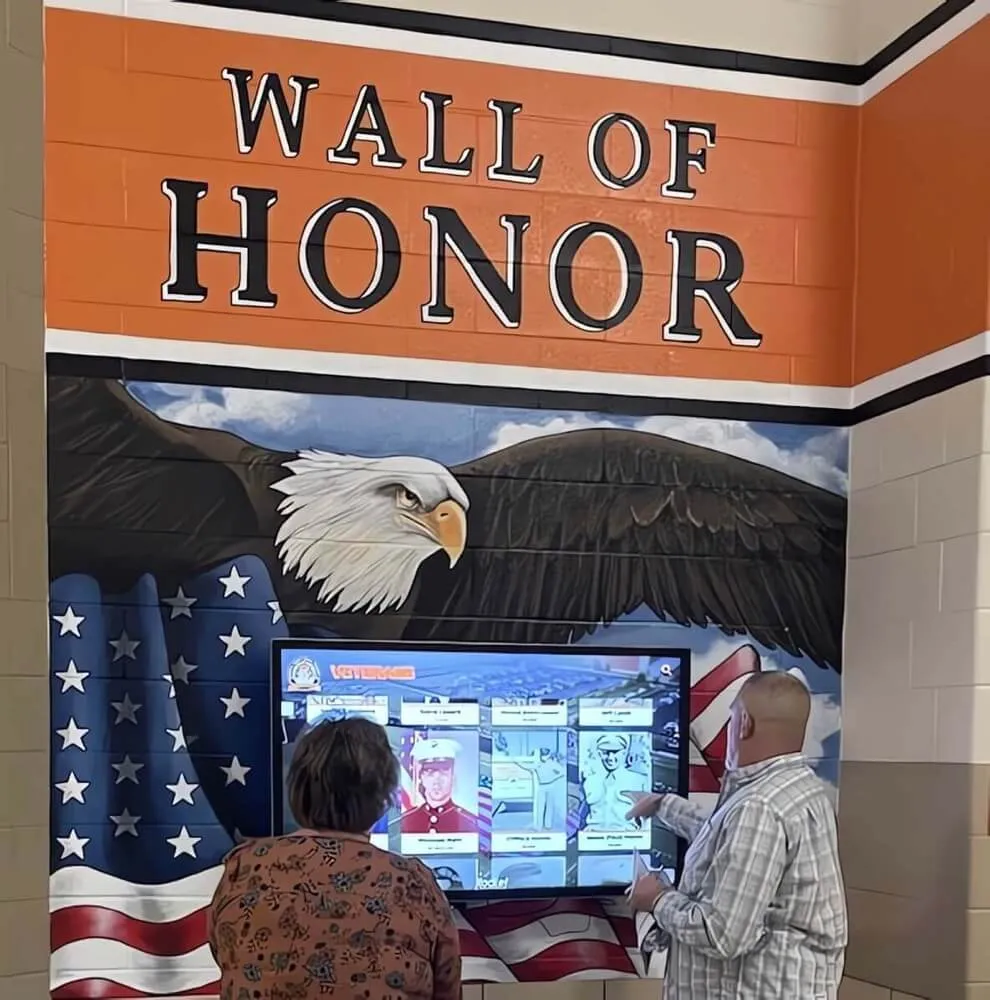
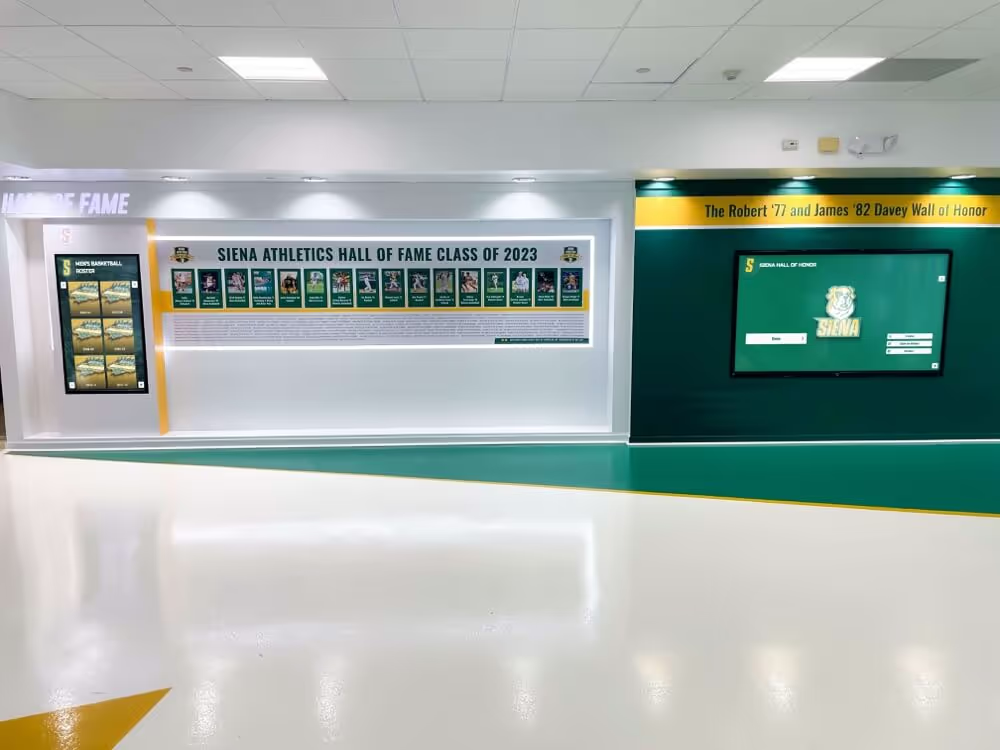
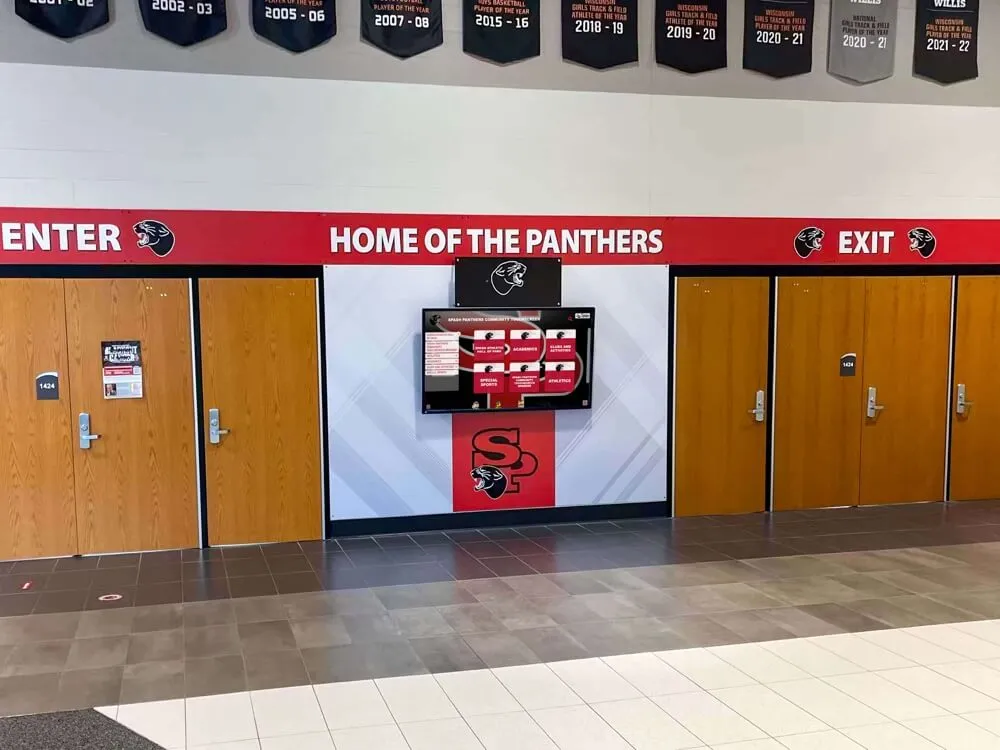
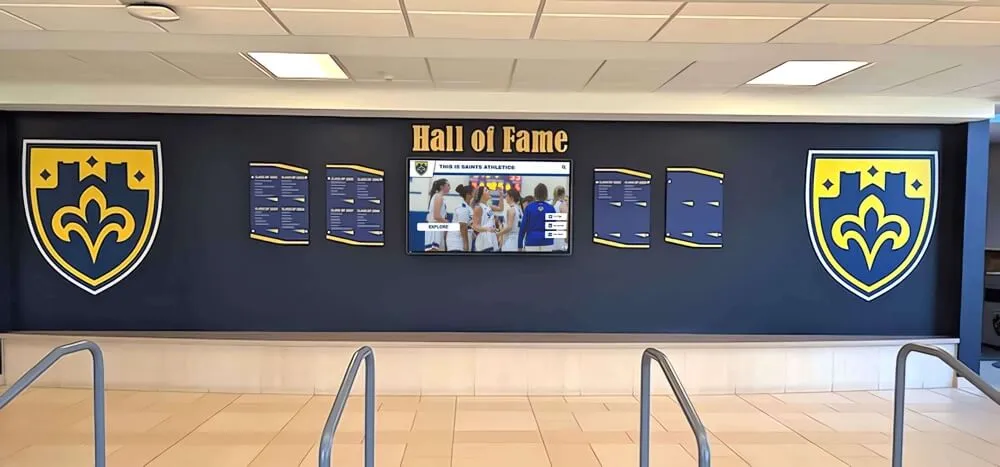
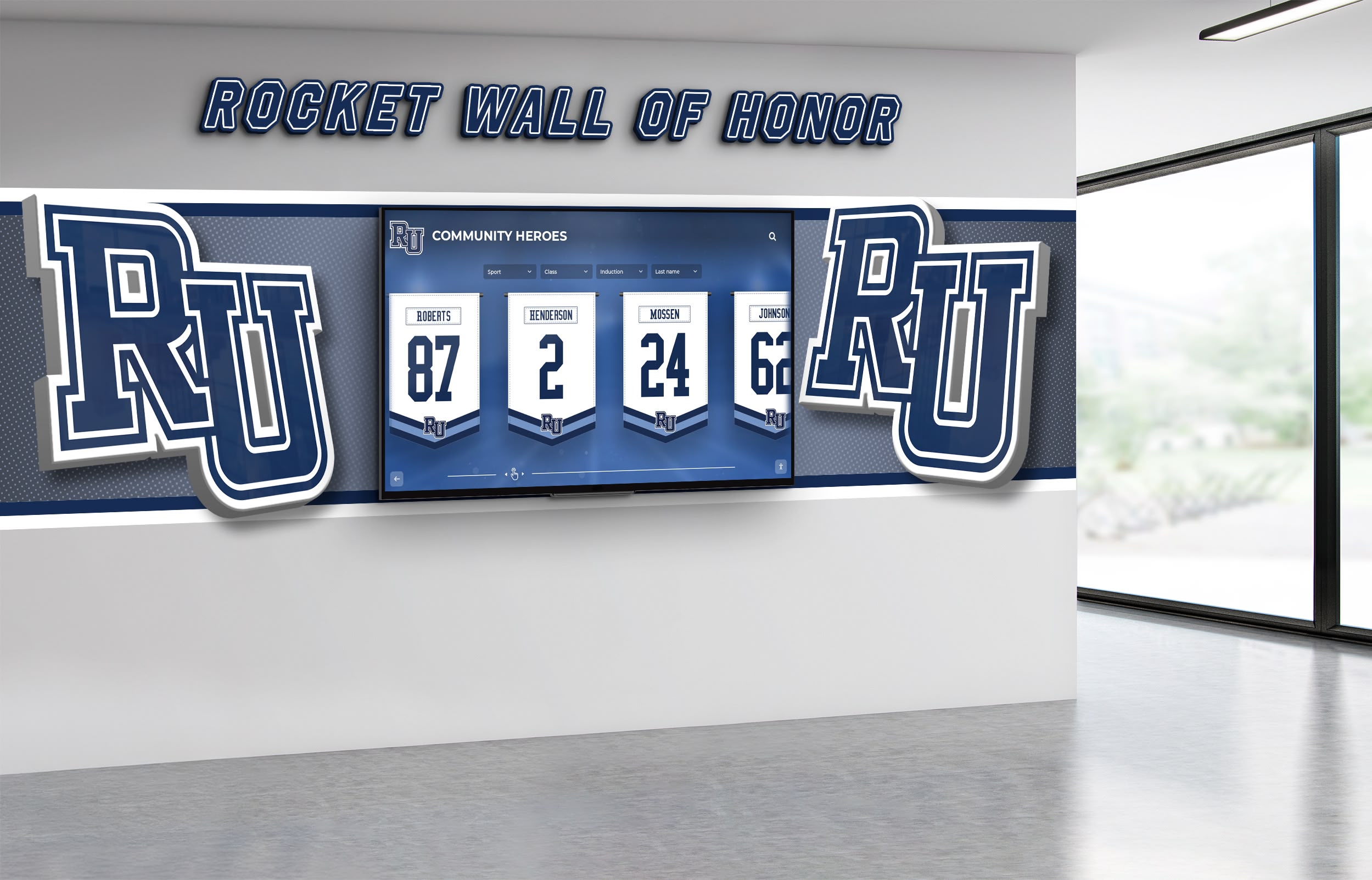
Solutions like Rocket Alumni Solutions provide integrated recognition systems combining commercial-grade hardware with intuitive content management specifically designed for donor recognition applications, enabling organizations to showcase unlimited donors, update content remotely, and extend recognition reach through web accessibility.
Digital Recognition Wall Advantages
Organizations implementing digital recognition systems report significant operational benefits:
Unlimited Recognition Capacity
- Single display accommodates thousands of donors across all giving levels
- No physical space constraints requiring donor removal as lists grow
- Comprehensive historical archives preserving complete philanthropic records
- Equal display prominence for all recognition tiers and gift types
Enhanced Storytelling Capabilities
- Donor profiles sharing personal connections to organizational mission
- Impact videos demonstrating specific outcomes contributions enabled
- Photo galleries showcasing programs and facilities donors supported
- Interactive timelines connecting supporters to institutional history
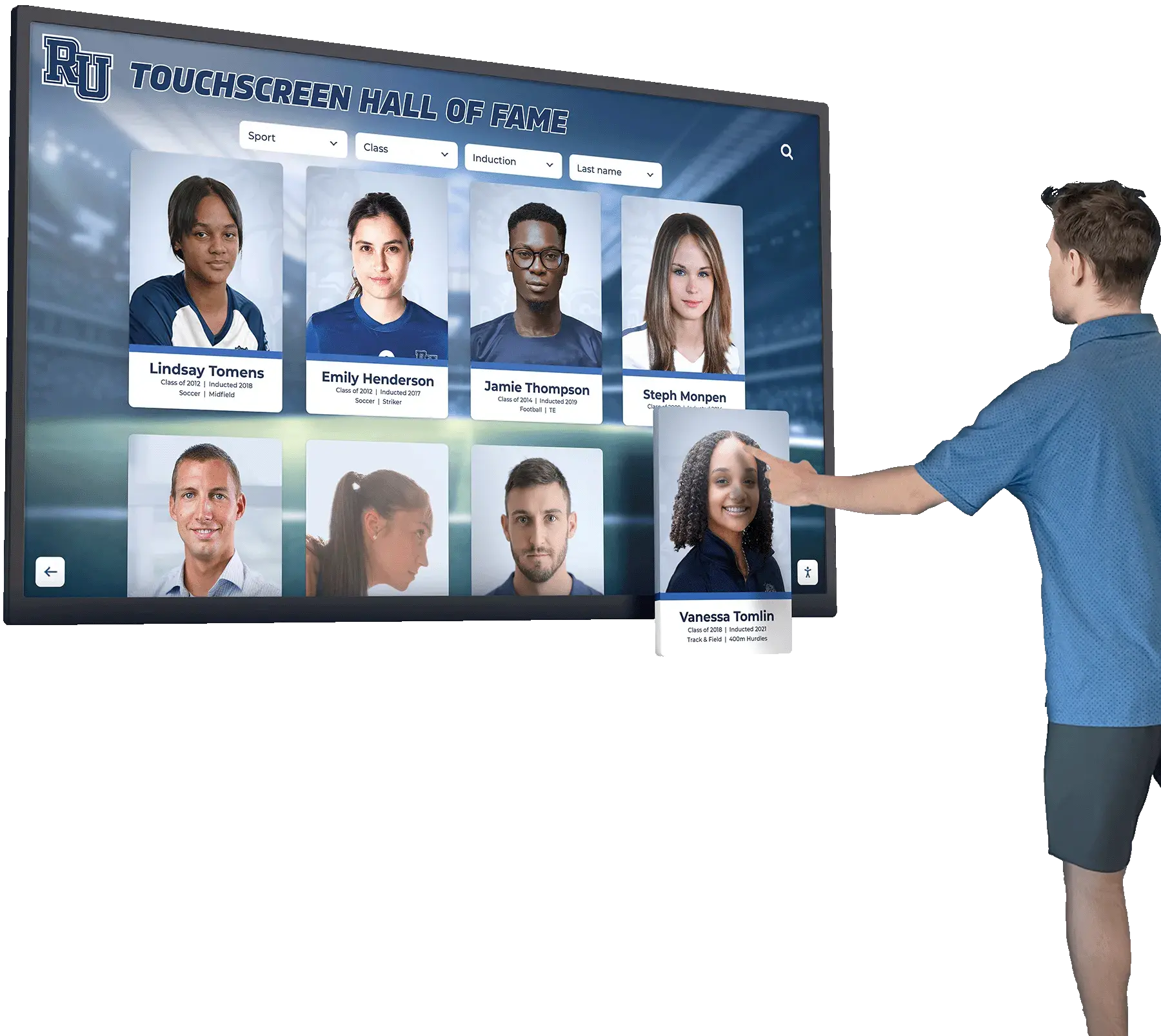
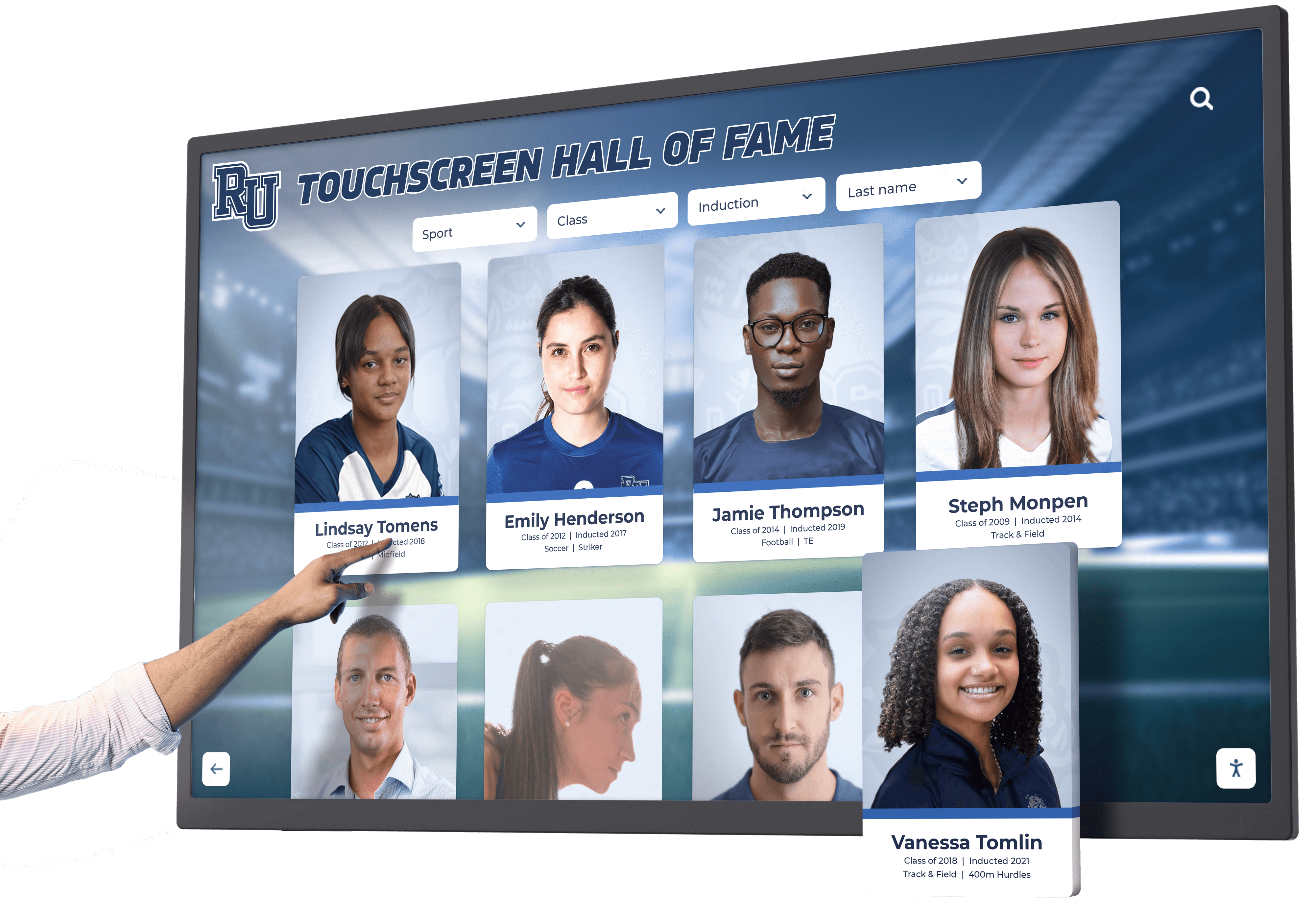
- Searchable databases enabling visitors to locate specific contributors quickly
Operational Efficiency
- Remote content updates from any internet-connected device
- Scheduled publishing for recognition ceremony announcements
- Bulk import tools for historical donor digitization
- Role-based permissions enabling appropriate staff access
- Automated backups protecting recognition data
- Zero per-donor update costs after initial implementation
Extended Reach
- Web accessibility enabling donors worldwide to view their recognition
- Social sharing capabilities expanding recognition visibility
- Mobile-optimized viewing across all devices
- Integration with organizational websites maintaining brand consistency
Organizations report 80-90% reduction in recognition program administrative time after implementing digital systems while simultaneously improving donor satisfaction through richer, more accessible acknowledgment.
Hybrid Recognition Models
Many nonprofits find optimal results combining traditional elements with digital innovation:
Common Hybrid Approaches
- Physical donor plaques for pinnacle giving levels (e.g., $100,000+) alongside digital displays showcasing broader participation
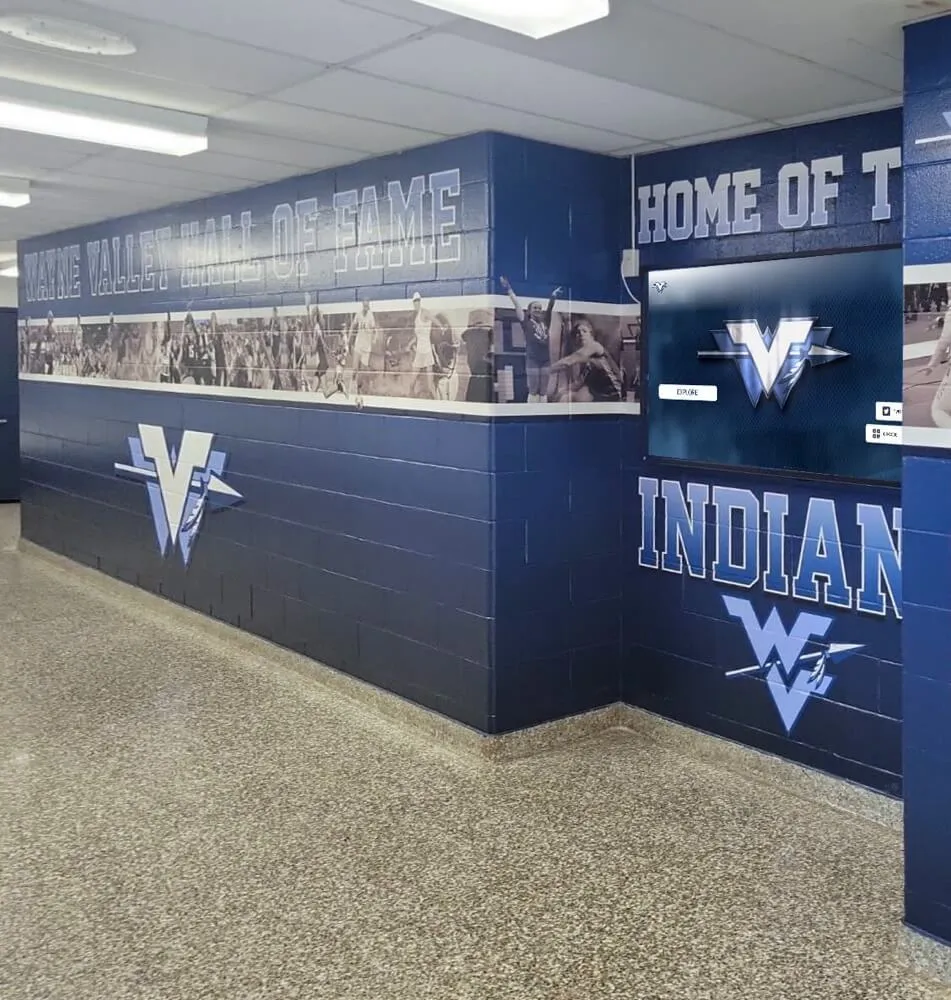
- Architectural recognition spaces anchored by traditional elements supplemented with digital storytelling displays
- Named room plaques complemented by in-room digital screens explaining donor impact
- Traditional entry-level recognition (bronze, silver, gold tiers) with digital displays featuring donor spotlights and program updates
This balanced approach honors donors who value traditional recognition while leveraging digital capabilities for scalability, storytelling, and operational efficiency.
Donor Recognition Tier Structure and Naming Frameworks
Effective recognition walls organize donors by contribution levels creating clear structure while inspiring giving growth.
Establishing Recognition Thresholds
Tier Structure Considerations Recognition levels should:
- Align with organizational fundraising goals and capacity
- Create meaningful differentiation between adjacent tiers
- Provide accessible entry points for broad-based participation
- Include aspirational upper levels motivating gift increases
- Accommodate both annual and cumulative lifetime giving
Sample Recognition Tier Framework for Nonprofits
Annual Giving Societies
- Visionary Circle: $50,000+
- Leadership Society: $25,000-$49,999
- Cornerstone Guild: $10,000-$24,999
- Patron Circle: $5,000-$9,999
- Benefactor Society: $2,500-$4,999
- Supporter Guild: $1,000-$2,499
- Friend Circle: $500-$999
Cumulative Lifetime Giving Recognition
- Heritage Society: $500,000+ lifetime giving
- Legacy Circle: $250,000-$499,999 lifetime
- Founders Guild: $100,000-$249,999 lifetime
Organizations should adjust these thresholds based on donor capacity and community giving patterns. The key is creating enough distinction between levels to motivate advancement while maintaining meaningfulness at each tier.
Naming Recognition Societies
Recognition level names should connect to organizational mission and values while creating aspirational identity:
Effective Naming Approaches
- Mission-Connected: Environmental nonprofits might use “Steward Circle,” “Conservator Society,” “Guardian Guild”
- Location-Based: Organizations with significant place identity could reference geography (“Bay Area Leadership Council”)
- Values-Aligned: Educational organizations might highlight “Scholarship Circle,” “Innovation Council,” “Access Society”
- Historical: Long-established nonprofits can reference founding dates or historical figures (“1892 Heritage Society”)
Avoid generic corporate terminology (“Platinum Level,” “Gold Tier”) that doesn’t resonate with mission-driven donor motivation. Instead, craft names that donors feel proud to be associated with and that reinforce organizational identity.
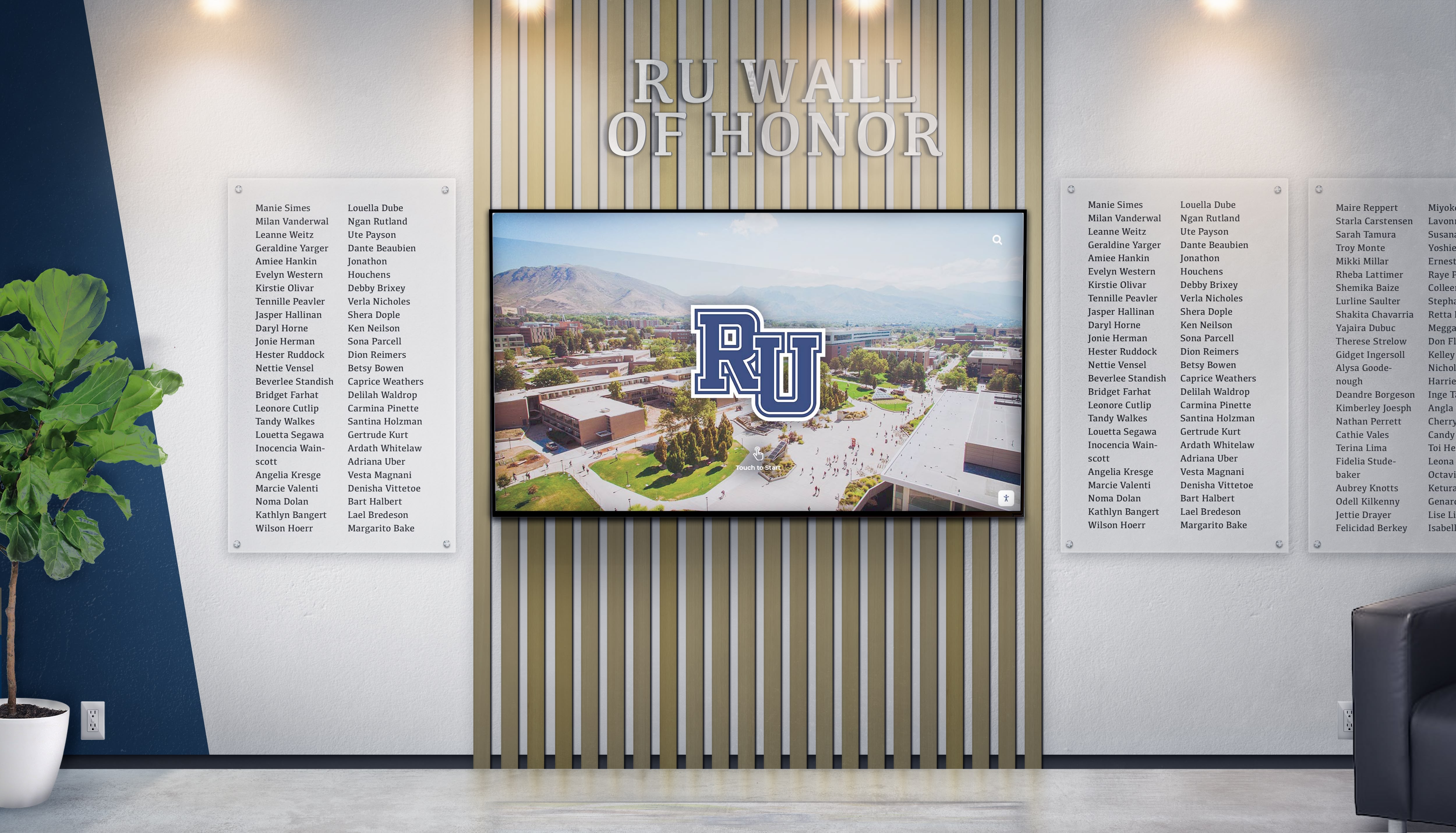
Special Recognition Categories
Beyond monetary tiers, comprehensive recognition walls should acknowledge:
Non-Monetary Contribution Recognition
- Legacy society members (planned giving commitments)
- In-kind donation contributors
- Volunteer leadership (board service, committee participation)
- Multi-generational family giving
- Corporate matching gift participation
- Consecutive year giving streaks
Memorial and Tribute Recognition
- Gifts made in memory of loved ones
- Honor gifts celebrating individuals or milestones
- Tribute fund establishment donors
Creating dedicated sections for these special categories ensures comprehensive appreciation across all support types.
Location Selection and Installation Planning
Strategic placement maximizes recognition impact while meeting technical requirements for successful implementation.
Optimal Location Criteria
High-Traffic Area Assessment Ideal recognition wall locations feature:
- Daily foot traffic from diverse constituency groups
- Natural pause points where visitors congregate or wait
- Sight lines providing clear visibility from multiple approach angles
- Comfortable viewing zones with adequate personal space
- Lighting conditions supporting easy viewing without glare
Common Effective Placement Locations
- Main entrance lobbies and reception areas
- Corridor intersections or hallway focal points
- Adjacent to meeting rooms, auditoriums, or program spaces
- Near elevator banks in multi-story facilities
- Waiting areas outside leadership offices
Walk your facility during typical operating hours observing traffic patterns and identifying natural gathering spaces that would showcase recognition effectively.
Technical Installation Requirements
Electrical Infrastructure
- Dedicated 110V power outlet within 6 feet of display location
- Surge protection recommended for equipment investment protection
- Concealed wiring channels or conduit for professional appearance
- Emergency power considerations if facility has backup generators
Network Connectivity
- Wired Ethernet connection providing most reliable performance (preferred)
- WiFi access with adequate signal strength and bandwidth if wired unavailable
- Network security accommodations allowing content management system access
- Static IP address or DHCP reservation for consistent connectivity
Physical Mounting Specifications
- Wall stud locations and load-bearing capacity assessment
- Mounting height accommodating ADA accessibility guidelines (typically 48" maximum for touchscreen center)
- Clearance space requirements (minimum 30" approach zone for interactive displays)
- Cable management solutions maintaining clean, professional installation
Environmental Considerations
- Ambient lighting assessment preventing screen glare
- Temperature and humidity ranges within equipment operating specifications
- Protection from direct sunlight causing display visibility issues
- Vibration or impact considerations in high-traffic areas
Document these technical specifications during planning preventing installation complications and ensuring recognition wall performs optimally in your selected location.
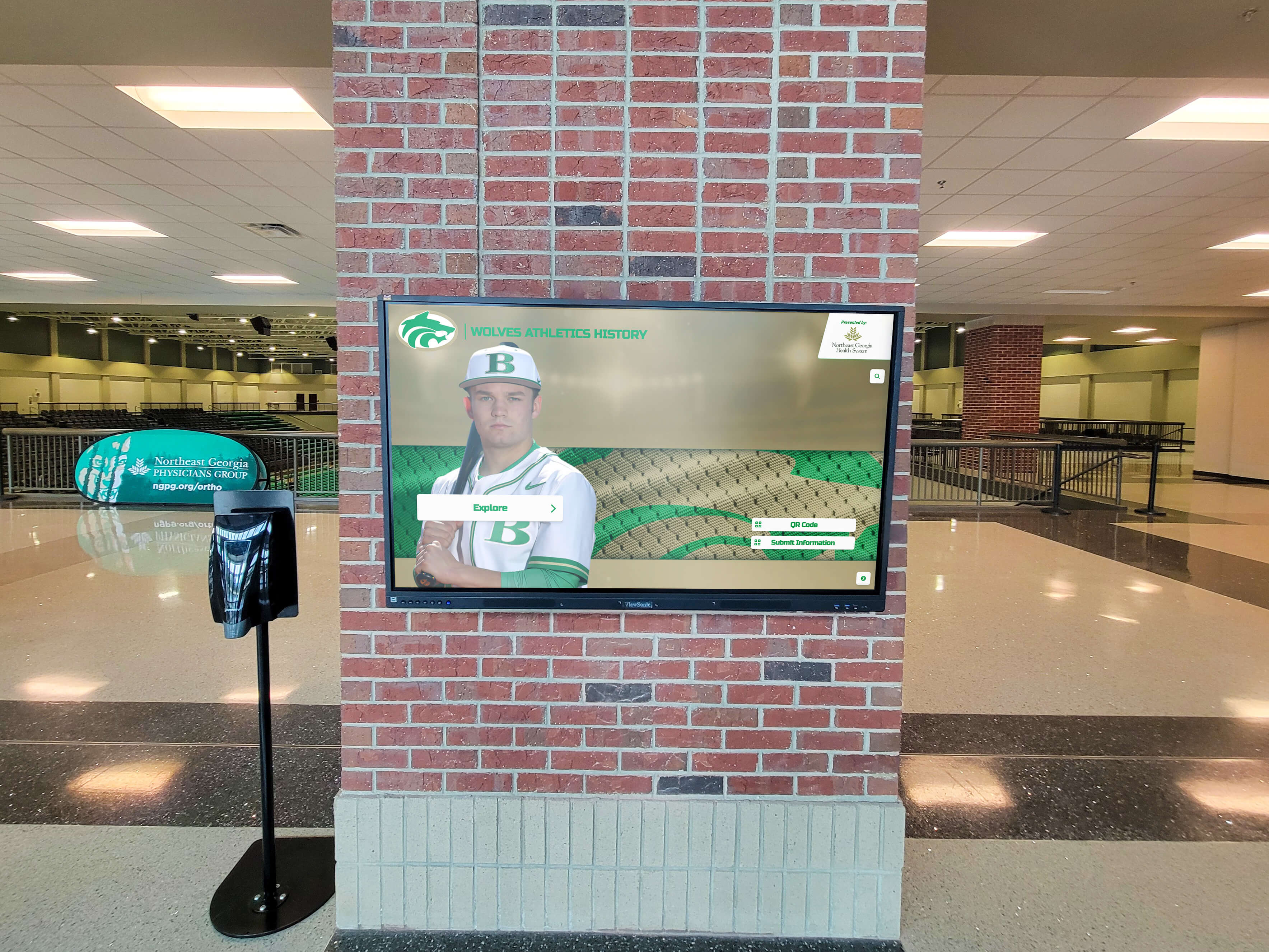
Content Strategy and Design Principles
Recognition wall effectiveness depends on thoughtful content organization and donor-centric design that makes acknowledgment meaningful and inspiring.
Information Architecture for Donor Displays
Essential Content Elements Each donor recognition should include:
- Donor name (using preferred format)
- Recognition tier or giving society
- Recognition period or lifetime giving milestone
- Optional: City/state for geographic connection
- Optional: Special designations (memorial gifts, legacy society)
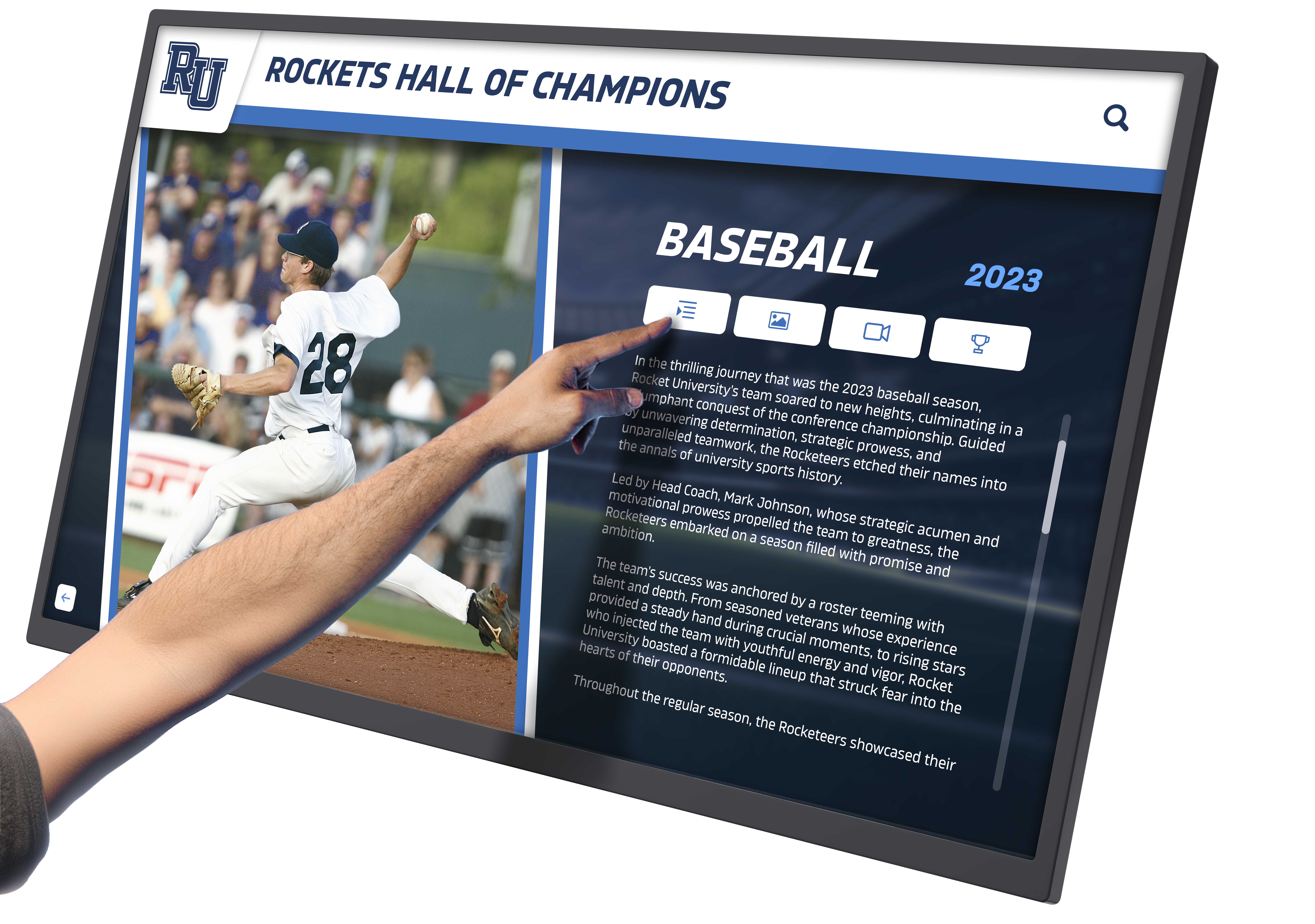
Enhanced Digital Display Content Digital systems enable richer donor profiles including:
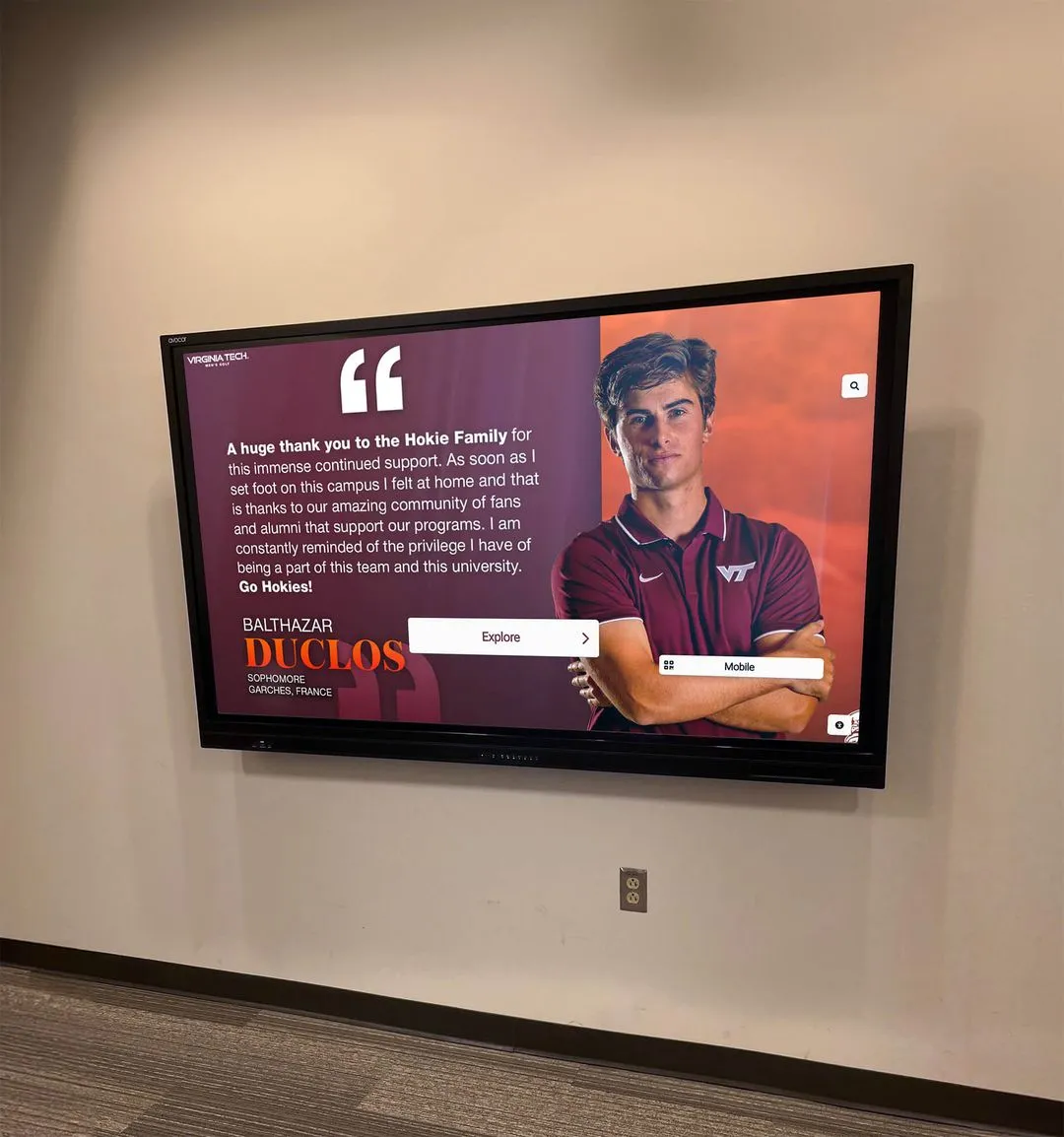
- Personal statements explaining connection to mission
- Photos of donors at events or program sites
- Videos sharing philanthropic motivation stories
- Timeline of giving history showing long-term commitment
- Specific programs or initiatives supported
- Links to related organizational content
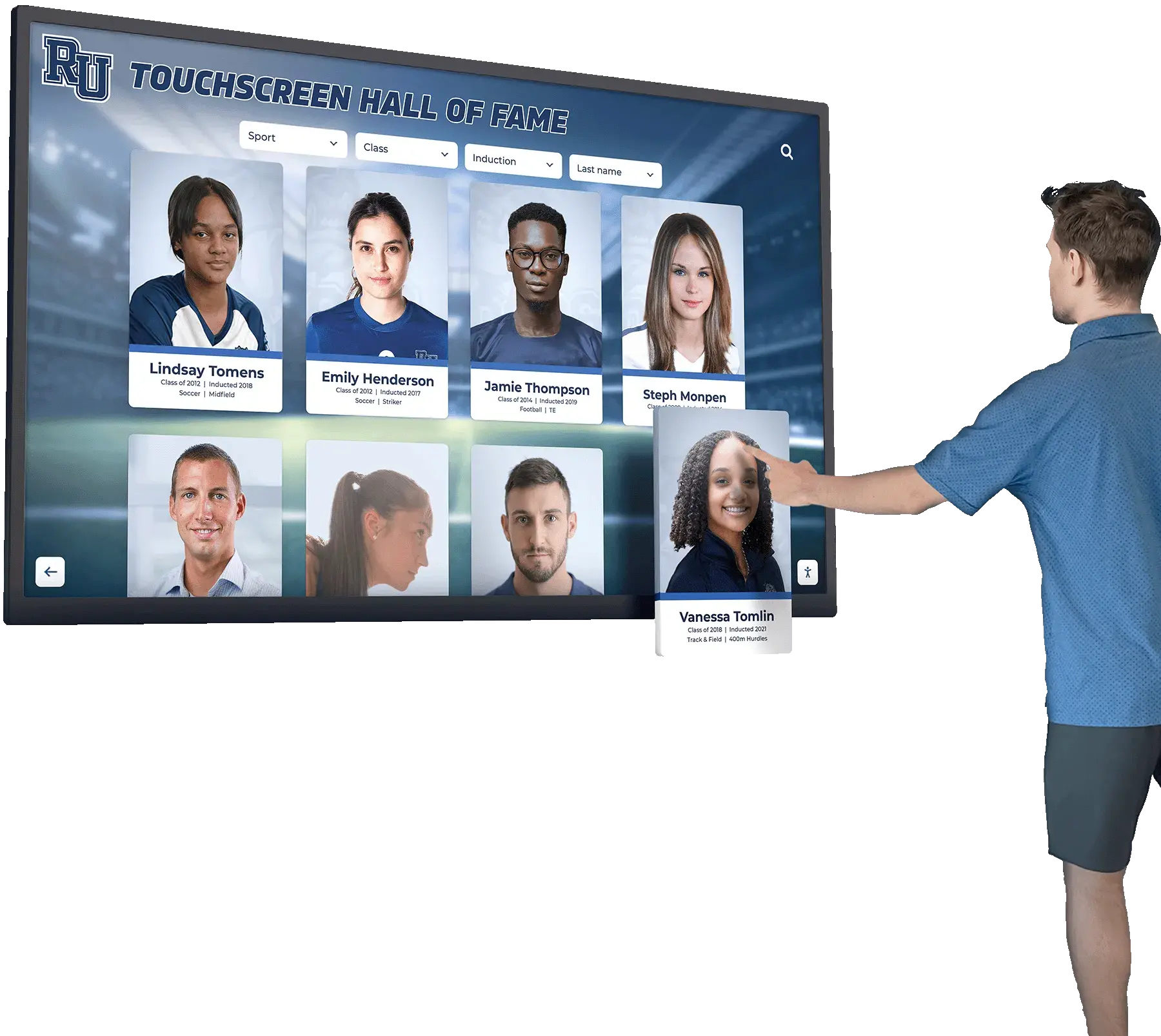
Search and Filter Capabilities Organize recognition enabling visitors to:
- Browse donors alphabetically
- Filter by recognition tier or giving level
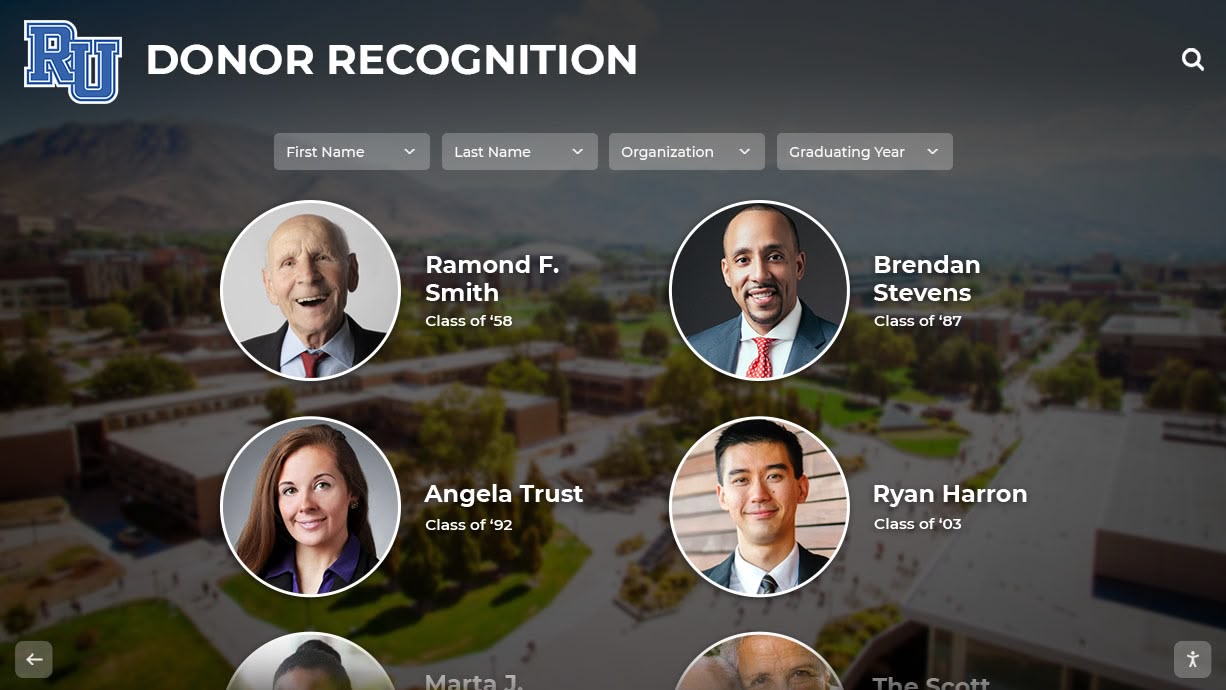
- Search by name, location, or year
- View specific program supporters
- Explore timeline-based recognition (campaign years, anniversaries)
Intuitive navigation ensures all donors receive visibility regardless of when visitors interact with the display.
Design Best Practices for Nonprofit Recognition
Visual Hierarchy and Organization
- Use organizational branding (colors, fonts, logo) maintaining consistency
- Create clear visual distinction between recognition tiers
- Implement generous white space preventing cluttered appearance
- Establish logical information flow guiding viewer attention
- Ensure text sizes remain readable from typical viewing distances (6-8 feet)
Inclusive Design Principles
- Avoid designs creating “have/have-not” visual dynamics between giving levels
- Ensure all recognition tiers receive dignified, respectful presentation
- Balance aspiration encouragement with gratitude for current support
- Use neutral language avoiding implications that modest gifts matter less
- Provide equal quality presentation regardless of contribution size
Accessibility Considerations Organizations should implement ADA-compliant recognition displays ensuring all community members can engage with donor appreciation:
- Screen reader compatibility for visually impaired visitors
- High-contrast viewing modes for low-vision users
- Text magnification options
- Appropriate mounting heights accommodating wheelchair users
- Clear, sans-serif fonts maximizing readability
Implementation Timeline and Project Management
Successful recognition wall projects follow structured timelines ensuring coordination across planning, procurement, content development, and installation phases.
Standard Project Timeline
Weeks 1-3: Planning and Requirements
- Conduct stakeholder meetings defining scope and priorities
- Complete space assessment and technical requirements documentation
- Establish budget parameters and funding sources
- Define recognition tier structure and naming conventions
- Survey donor preferences regarding recognition approaches
Weeks 4-6: Vendor Selection and Design
- Issue RFPs or gather vendor proposals if required
- Evaluate solutions against organizational requirements
- Select recognition system vendor and finalize contracts
- Develop design concepts incorporating branding and content strategy
- Review and approve mockups and layouts
Weeks 7-10: Content Development
- Compile donor lists with accurate names, tiers, and recognition periods
- Gather enhanced content for digital displays (photos, profiles, stories)
- Digitize historical donor records if implementing archival recognition
- Write acknowledgment messaging and program descriptions
- Review and verify all donor information for accuracy
Weeks 11-12: Technical Preparation
- Coordinate facility preparation (electrical, networking, mounting infrastructure)
- Schedule installation date minimizing operational disruption
- Arrange for vendor access and facility coordination
- Prepare launch communications and promotional materials
Weeks 13-14: Installation and Training
- Execute physical installation and system configuration
- Load content and conduct comprehensive testing
- Provide staff training on content management and system operation
- Conduct walkthrough with stakeholders verifying expectations
- Address any technical or content issues before launch
Week 15: Launch and Promotion
- Hold dedication ceremony or launch event (optional)
- Distribute communications announcing new recognition system
- Monitor system performance and user engagement
- Collect initial feedback for refinement
This 15-week timeline provides realistic pacing for comprehensive recognition wall implementation. Projects may accelerate for simpler installations or extend for complex multi-display systems.
Project Team Roles and Responsibilities
Project Manager (Internal Staff)
- Coordinates overall timeline and stakeholder communication
- Ensures budget adherence and approvals
- Facilitates decision-making and issue resolution
- Serves as primary vendor liaison
Content Coordinator (Development/Communications Staff)
- Manages donor data collection and verification
- Develops enhanced content for digital displays
- Maintains brand consistency in messaging
- Coordinates donor communications about recognition
Technical Coordinator (Facilities/IT Staff)
- Oversees site preparation and infrastructure requirements
- Manages network connectivity and security considerations
- Coordinates installation access and facility impacts
- Provides ongoing technical support post-installation
Vendor Project Manager (Recognition System Provider)
- Delivers system design and production
- Manages installation and configuration
- Provides training and documentation
- Offers post-installation support and maintenance
Clear role definition prevents coordination gaps and ensures accountability throughout the implementation process.
Budget Planning and Financing Options
Nonprofit recognition walls represent significant investments requiring careful budget planning and exploration of creative financing approaches.
Comprehensive Budget Components
Hardware and Display Costs
- Display panels or touchscreen systems
- Mounting systems (wall mounts, kiosks, enclosures)
- Commercial-grade equipment specifications
- Warranty and protection plans
Software and Content Management
- Content management system licensing
- Cloud hosting and storage
- Template and interface customization
- Search and filter functionality
Installation and Integration
- Electrical infrastructure preparation
- Network connectivity setup
- Physical mounting and installation labor
- System configuration and testing
Content Development
- Initial donor data compilation and verification
- Historical record digitization
- Enhanced content creation (photos, profiles, videos)
- Design and layout services
Training and Support
- Staff training on content management
- User documentation and guides
- Technical support agreements
- Ongoing maintenance plans
Project Management and Contingency
- Internal staff time allocation
- Vendor coordination and oversight
- Contingency budget (typically 10-15% of hard costs)
Creative Financing Approaches for Nonprofits
Capital Campaign Integration Organizations conducting capital campaigns often include recognition system costs within campaign budgets:
- Present recognition wall as campaign deliverable inspiring participation
- Allocate percentage of unrestricted campaign gifts to recognition investment
- Offer naming opportunities for recognition spaces themselves
- Include recognition system in facility construction or renovation projects
Restricted Gift Opportunities Some donors appreciate funding recognition systems as legacy contributions:
- Approach major donors about sponsoring recognition wall installation
- Offer naming recognition for the recognition space itself
- Present as estate gift opportunity for planned giving donors
- Create multi-year pledge options spreading investment over time
Phased Implementation Budget constraints need not prevent recognition modernization:
- Begin with single core display expanding to additional screens over time
- Implement basic functionality initially adding enhanced features in future phases
- Start with priority donor populations expanding recognition breadth incrementally
- Upgrade from traditional to digital approaches as replacement cycles occur
Technology Grant Opportunities Research foundation and corporate grants supporting:
- Organizational capacity building and infrastructure
- Technology adoption for operational efficiency
- Communications and engagement enhancement
- Capital improvement projects
Learn more about comprehensive donor recognition program development strategies that maximize impact within budget constraints.
Maintenance Requirements and Long-Term Management
Recognition walls require ongoing management ensuring accuracy, functionality, and continued donor satisfaction.
Digital Recognition System Maintenance
Content Updates
- Add new donors quarterly or following major fundraising events
- Update donor information as giving levels change
- Refresh program impact content demonstrating current organizational work
- Rotate featured donor stories maintaining engagement
- Archive historical content while keeping recognition displays current
Technical Maintenance
- Perform software updates ensuring security and functionality
- Monitor system performance and connectivity
- Clean touchscreens monthly using appropriate electronics-safe products
- Inspect physical components for wear or damage
- Verify backup systems protecting donor data
Staff Training Refreshers
- Provide periodic training for new staff members
- Review advanced features promoting fuller system utilization
- Share best practices from system analytics and user engagement data
- Update procedures as software capabilities expand
Organizations report minimal ongoing costs for digital recognition systems—primarily staff time for content updates and routine physical maintenance requiring no specialized technical expertise.
Traditional Recognition Wall Maintenance
Physical Updates
- Add new donor plates as recognition occurs (ongoing cost $15-35 per plate)
- Reorganize plate arrangements as categories fill existing capacity
- Polish or refinish physical components maintaining appearance
- Replace damaged or tarnished plates
- Expand wall capacity when space constraints require (significant capital reinvestment)
Administrative Overhead
- Coordinate engraving vendor relationships
- Schedule installation timing minimizing disruption
- Verify plate accuracy before installation
- Document donor positions for future reference
- Manage donor inquiries about recognition status
The cumulative time and financial costs of traditional recognition maintenance often exceed the long-term total cost of ownership for digital systems, particularly for organizations with growing donor bases requiring frequent updates.
Recognition Program Policy Documentation
Establish written policies addressing:
- Recognition criteria and giving thresholds for each tier
- Processes for adding new donors and updating information
- Anonymous donor handling procedures
- Memorial and tribute gift recognition protocols
- Naming opportunity guidelines and approval workflows
- Recognition duration and revision policies (particularly for annual versus lifetime recognition)
Clear policies ensure consistent, fair recognition administration while preventing misunderstandings with donor expectations.
Measuring Recognition Program Effectiveness
Regular assessment ensures recognition investments achieve intended goals of donor satisfaction, retention improvement, and giving growth.
Quantitative Success Metrics
Donor Retention Indicators Track these metrics comparing pre- and post-recognition wall implementation:
- Overall donor retention rate
- Retention rates by recognition tier
- Average gift size growth among recognized donors
- Recognition society enrollment trends
- Lapsed donor reactivation rates through recognition outreach
Engagement Metrics For digital recognition systems, monitor:
- Display interaction frequency and session duration
- Most-viewed donor profiles and content sections
- Search term analysis revealing visitor interests
- Peak usage times informing content update strategy
- Web accessibility statistics showing remote recognition engagement
Financial ROI Calculations Calculate recognition program return on investment through:
- Recognition program costs versus incremental retention value
- Administrative efficiency improvements reducing ongoing costs
- Gift growth attributed to recognition program participation
- Planned giving inquiries generated through legacy society recognition
- Major gift pipeline development from mid-level recognition cultivation
Qualitative Assessment Approaches
Donor Feedback Collection
- Brief surveys measuring recognition program satisfaction
- Focus groups exploring donor appreciation experiences
- Individual conversations during stewardship visits collecting anecdotal insights
- Testimonials from donors describing recognition program impact
- Suggestions for recognition program improvements
Observation and Testing
- Watch visitors interacting with recognition displays noting navigation patterns
- Test search and filter functionality ensuring intuitive user experience
- Review content comprehensiveness identifying gaps or outdated information
- Assess physical condition and technical performance regularly
Peer Benchmarking
- Compare recognition approaches with organizations of similar size and mission
- Attend professional association conferences exploring recognition innovation
- Research published case studies and best practices
- Network with peer development professionals about effective recognition strategies
Regular assessment enables continuous improvement ensuring recognition remains meaningful, impactful, and aligned with donor expectations. For organizations implementing comprehensive recognition programs, explore additional insights about digital recognition wall implementation that can inform assessment strategies.
Common Implementation Challenges and Solutions
Organizations implementing recognition walls frequently encounter predictable challenges. Anticipating these issues and planning mitigation strategies prevents project delays and disappointment.
Challenge: Incomplete or Inaccurate Donor Data
Problem: Historical donor records contain inconsistencies, duplicate entries, incomplete information, or recognition tier ambiguities requiring extensive cleanup before display implementation.
Solutions
- Begin data cleanup 3-6 months before planned recognition wall launch
- Establish clear data standards (name formats, tier assignments, recognition periods)
- Cross-reference giving records with donor communications verifying accuracy
- Contact donors directly when ambiguities exist rather than making assumptions
- Implement data quality processes preventing future issues
- Accept imperfect initial launch with plan for corrections rather than delaying indefinitely
Challenge: Donor Privacy Preferences
Problem: Some donors prefer anonymous recognition or have specific preferences about public acknowledgment creating tension between public appreciation and respecting privacy.
Solutions
- Survey major donors about recognition preferences during gift conversations
- Create “Anonymous Donor” recognition maintaining display consistency
- Offer flexible options (publicly anonymous but privately acknowledged)
- Document preferences in donor database informing future recognition decisions
- Respect opt-out requests while maintaining private stewardship appreciation
- Consider separate recognition approaches for those declining public acknowledgment
Challenge: Limited Budget for Desired Scope
Problem: Recognition program vision exceeds available funding requiring prioritization and creative approaches to maximize impact within constraints.
Solutions
- Implement phased approach beginning with core functionality expanding over time
- Focus initial investment on priority donor populations (e.g., major gifts, legacy society)
- Consider hybrid models using traditional approaches for some tiers and digital for others
- Explore financing options including donor sponsorship of recognition system itself
- Research technology grants supporting capacity building and infrastructure
- Negotiate payment terms with vendors spreading investment over time
For organizations exploring budget-conscious recognition approaches, digital touchscreen solutions often provide better long-term value than traditional systems when accounting for ongoing update costs.
Challenge: Change Resistance from Traditional Donors
Problem: Long-time supporters express preference for traditional recognition approaches creating concern about digital system adoption.
Solutions
- Conduct stakeholder education explaining digital system advantages (unlimited capacity, rich storytelling, extended reach)
- Implement hybrid approaches combining traditional elements with digital innovation
- Provide donor previews and demonstrations building comfort with new technology
- Emphasize how digital systems honor tradition while enhancing capabilities
- Share examples from peer organizations demonstrating donor satisfaction with digital recognition
- Maintain traditional recognition options for pinnacle donors valuing classic approaches
Challenge: Technical Integration Complexity
Problem: Nonprofit IT infrastructure limitations, network security policies, or technical support constraints create implementation complications.
Solutions
- Engage IT staff early in planning identifying constraints and requirements
- Select recognition system vendors experienced with nonprofit environments
- Consider cloud-based solutions minimizing on-premise infrastructure requirements
- Establish clear technical specifications and vendor responsibilities in contracts
- Budget for external technical support if internal IT capacity is limited
- Choose user-friendly systems requiring minimal technical expertise for daily operation
Launch Strategy and Ongoing Promotion
Recognition wall value extends beyond physical installation—strategic launch and continued promotion maximize donor engagement and program impact.
Effective Launch Approaches
Dedication Ceremony Options
- Host formal unveiling event featuring leadership remarks, donor testimonials, and ceremonial reveal
- Coordinate launch with annual recognition dinner or donor appreciation event
- Create smaller, intimate preview for recognition society members before public opening
- Combine recognition wall dedication with facility naming or program milestone celebration
Launch Communications
- Email campaigns announcing new recognition system to donor community
- Newsletter features explaining recognition wall capabilities and access
- Social media content showcasing recognition display and highlighting donors
- Website integration embedding web-accessible recognition display
- Direct mail to recognized donors describing how to view their acknowledgment
Media Opportunities
- Local news coverage highlighting philanthropic community support
- Donor spotlights featuring individuals willing to share recognition experience
- Before/after comparisons for organizations upgrading traditional displays
- Impact stories connecting donor recognition to organizational mission outcomes
Sustaining Recognition Program Engagement
Ongoing Promotion Strategies
- Include recognition display updates in regular donor communications
- Highlight newly inducted recognition society members quarterly
- Share engagement statistics demonstrating recognition reach and impact
- Feature “donor of the month” profiles drawing attention to recognition display
- Create printed materials directing visitors to physical recognition location
- Promote web-accessible recognition enabling global donor community participation
Recognition Integration Opportunities Maximize recognition wall value by integrating with:
- School gala fundraiser programs showcasing donor appreciation
- Annual meetings and community events where supporters gather
- Facility tours highlighting recognition as organizational priority
- New donor orientations demonstrating appreciation culture
- Planned giving conversations showing legacy society recognition
Learn more about creating effective recognition programs that drive engagement across nonprofit applications.
Special Considerations for Different Nonprofit Types
Recognition wall strategies should adapt to organization-specific contexts, audiences, and fundraising environments.
Healthcare Nonprofits and Hospitals
Healthcare organizations implement donor recognition acknowledging medical facility support, research funding, patient care endowments, and capital equipment gifts.
Unique Considerations
- Patient and visitor sensitivity requiring tasteful, non-commercial recognition placement
- Complex donor categories including grateful patients, memorial gifts, physician donors, and corporate sponsors
- Medical privacy regulations affecting patient donor recognition
- Multiple recognition locations across large facilities (main lobbies, specialty centers, research buildings)
Healthcare Recognition Best Practices
- Position recognition in family waiting areas and public corridors avoiding patient care zones
- Create dedicated memorial recognition for gifts honoring deceased loved ones
- Highlight program-specific impact connecting donors to care improvements
- Feature physician and staff donor participation demonstrating community commitment
Arts and Cultural Organizations
Museums, theaters, symphonies, and cultural institutions recognize donors supporting programming, exhibitions, facilities, and operational sustainability.
Unique Considerations
- Aesthetic integration with artistic environments and architectural significance
- Recognition competing for attention with primary artistic mission
- Donor sophistication expecting design quality matching artistic standards
- Seasonal attendance patterns affecting recognition visibility
Arts Recognition Best Practices
- Invest in architecturally distinguished recognition design reflecting organizational brand
- Create program-specific recognition connecting donors to exhibitions, performances, or initiatives they funded
- Integrate artistic elements into recognition displays themselves
- Consider digital displays enabling recognition content rotation matching programming seasons
Educational Institutions
Schools, universities, and educational nonprofits implement recognition honoring scholarship supporters, program funders, facility donors, and operational contributors.
Unique Considerations
- Multiple constituent audiences (students, alumni, parents, community members)
- Balance between donor recognition and avoiding comparative awareness among students from diverse economic backgrounds
- Alumni affinity creating natural recognition society structure (class years, sports teams, programs)
- Long organizational histories requiring extensive historical donor acknowledgment
For educational organizations, comprehensive guides to high school donor recognition and university alumni engagement provide additional implementation insights.
Faith-Based Organizations
Churches, synagogues, temples, and religious nonprofits recognize capital campaign contributors, ministry supporters, and operational donors while maintaining appropriate spiritual context.
Unique Considerations
- Theological perspectives on giving acknowledgment and public recognition
- Balance between donor appreciation and maintaining worship space sacredness
- Multigenerational family giving patterns common in faith communities
- Memorial giving honoring deceased congregation members
Faith-Based Recognition Best Practices
- Position recognition in fellowship spaces, administrative areas, or building entries rather than worship sanctuaries
- Incorporate relevant scriptural or spiritual themes into recognition messaging
- Create family recognition options honoring multigenerational support
- Establish memorial gardens or remembrance spaces for tribute gifts
Learn about church digital recognition approaches that respect faith contexts while honoring supporters effectively.
Building Your Recognition Wall: Next Steps
Successful nonprofit donor recognition walls result from systematic planning, stakeholder engagement, appropriate technology selection, and thoughtful design that honors every supporter while inspiring continued philanthropic partnership.
The strategies explored in this guide provide comprehensive frameworks for planning recognition systems that strengthen donor relationships, demonstrate impact, and create sustainable appreciation programs aligned with organizational resources and values. From technical specifications and budget considerations to content strategy and launch planning, these tactical approaches transform donor acknowledgment from administrative obligation to strategic relationship cultivation.
Organizations implementing recognition walls should:
- Start with Assessment: Complete stakeholder input collection, space evaluation, and donor preference research before committing to specific solutions
- Define Clear Structure: Establish recognition tiers, naming conventions, and policies guiding consistent program administration
- Select Appropriate Technology: Choose between traditional, digital, or hybrid approaches based on organizational needs, budget, and donor demographics
- Plan Comprehensive Content: Develop information architecture making all donors visible while creating engaging, mission-connected stories
- Execute Professional Implementation: Follow structured timelines coordinating planning, procurement, installation, and launch
- Measure and Improve: Track retention metrics, engagement data, and donor feedback continuously refining recognition effectiveness
Ready to Plan Your Donor Recognition Wall?
Explore how modern recognition solutions can help you honor every supporter while building lasting philanthropic relationships.
Book a DemoRecognition wall implementation represents strategic investment in donor relationship building that directly impacts fundraising sustainability. When nonprofits systematically honor generosity through well-designed recognition systems—from prompt personal acknowledgment to visible public appreciation—they create environments where supporters feel genuinely valued and inspired to continue advancing missions they care about.
Technology has transformed what’s possible in donor recognition. Digital displays offering unlimited capacity, rich storytelling capabilities, and remote management overcome traditional recognition limitations while creating engaging experiences that inspire future generosity. Web accessibility extends recognition reach globally, ensuring all donors receive visibility regardless of location. These innovations make comprehensive recognition achievable for nonprofits of all sizes and budgets.
The declining donor retention crisis makes strategic recognition more critical than ever. Organizations that excel at honoring supporters create loyal donor communities generating sustainable funding rather than constantly replacing lapsed contributors. With retention rates directly correlating to recognition effectiveness, investing in comprehensive appreciation programs delivers measurable ROI through improved lifetime donor value and reduced acquisition costs.
Your donors’ generosity deserves celebration equal to its importance. Transform your recognition program from necessary acknowledgment to strategic relationship building that inspires continued partnership and creates sustainable funding for your mission.