The Northeastern Huskies hockey program represents nearly a century of dedication to hockey excellence, embodying Boston’s rich hockey tradition while establishing a unique identity characterized by resilience, determination, and an unwavering commitment to competitive success. From the program’s founding in 1929 through four Beanpot championships in the 1980s and a dramatic renaissance in the 2010s-2020s, Northeastern hockey has produced memorable moments, developed exceptional talent, and created a tradition inspiring generations of players.
This comprehensive guide explores the complete history of Northeastern hockey—from early beginnings through championship eras, legendary players, the world’s oldest hockey arena, fierce rivalries, and how modern programs celebrate hockey excellence through innovative recognition that honors tradition while inspiring future generations.
Northeastern hockey represents more than athletic achievement—it embodies institutional pride, community identity, and Boston hockey culture. Playing in Matthews Arena, the world’s oldest hockey arena still in use, the Huskies connect current excellence to nearly a century of hockey history while pursuing championships that define college hockey’s highest levels.
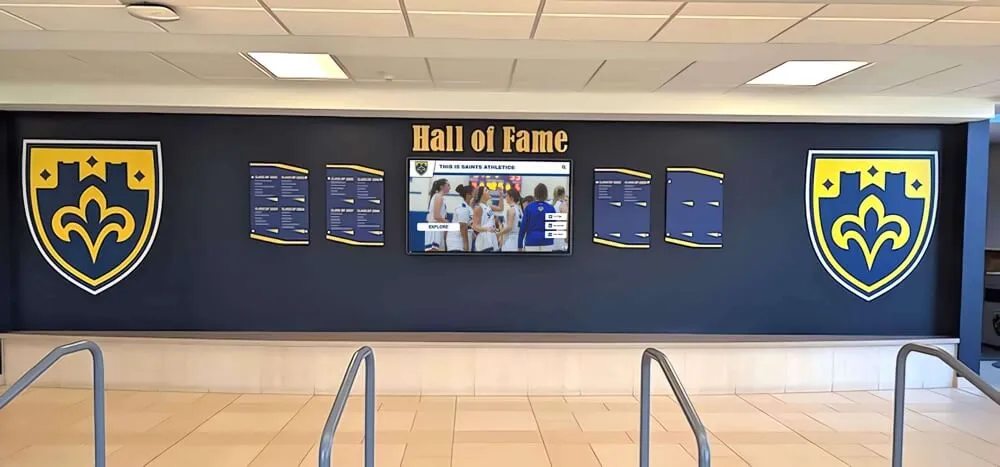
Modern recognition systems preserve hockey traditions while celebrating championship legacies
The Founding Era: Establishing Northeastern Hockey (1929-1960)
Northeastern hockey emerged during college hockey’s formative years, establishing traditions and competitive standards that would define the program through decades of competition.
Program Origins (1929)
Northeastern University established its men’s ice hockey program in 1929, making it one of the oldest collegiate hockey programs in the United States. The program represented Northeastern’s commitment to athletic excellence and recognized hockey’s growing importance in Boston’s sporting culture.
During these early decades, Northeastern competed as an NCAA Division I independent program, facing varying competition levels while building program infrastructure, developing coaching expertise, and establishing the competitive foundations supporting future success.
Early Program Foundations:
- Establishment of formal coaching and training structure
- Development of regular competition schedule against regional opponents
- Building relationships with Boston-area hockey programs
- Creating institutional identity around hockey tradition
- Establishing recruiting pathways bringing talent to Northeastern
- Integration into Boston’s broader hockey community
These foundational elements created infrastructure supporting program growth from regional competitor into nationally recognized program competing at college hockey’s highest levels.
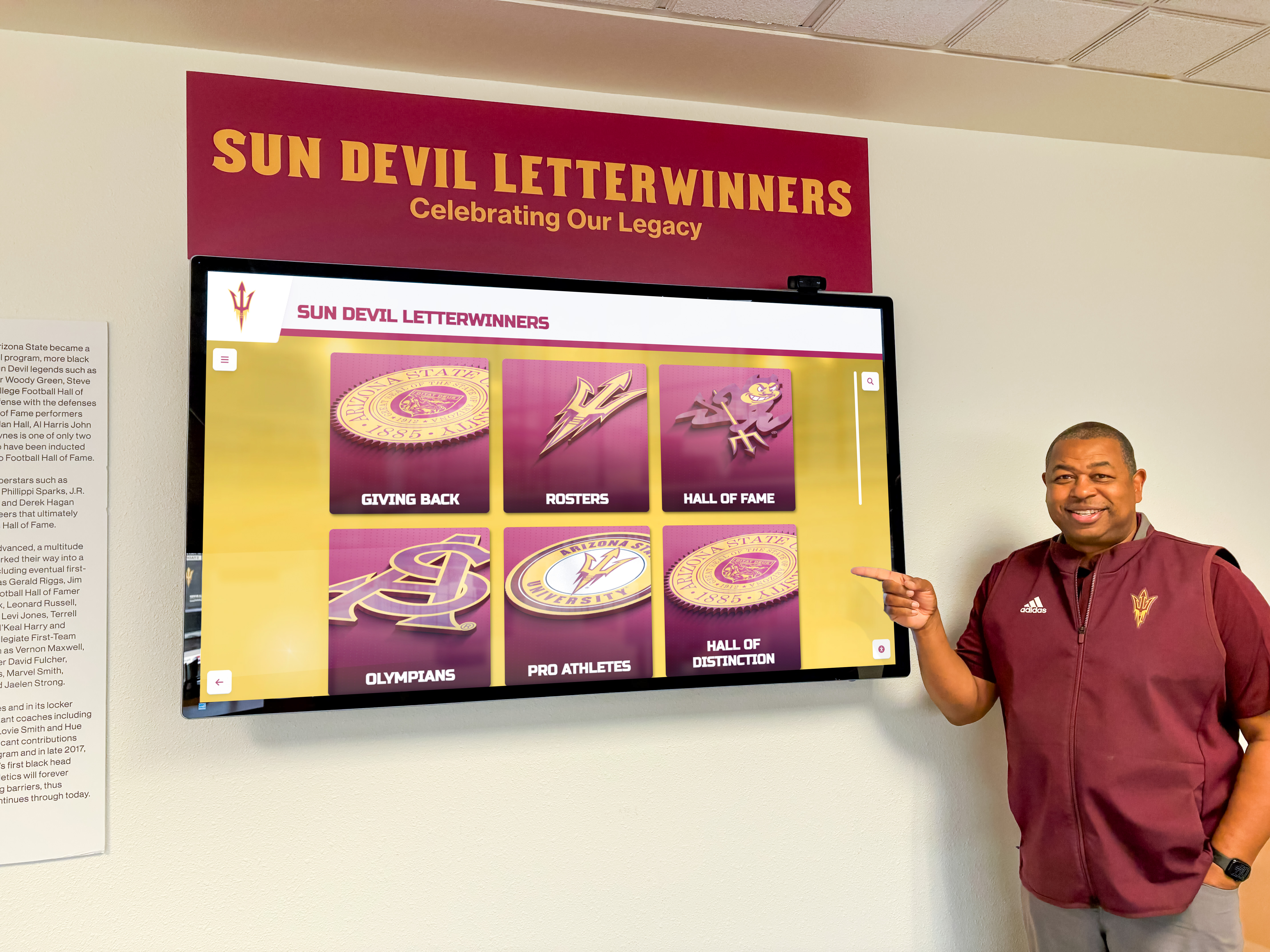
Recognition displays celebrate pioneering figures who established program foundations
Matthews Arena: The World’s Oldest Hockey Venue
Northeastern hockey’s home venue represents extraordinary hockey history. Matthews Arena, originally named Boston Arena when it opened in 1910, stands as the world’s oldest multi-purpose athletic building still in use and the oldest arena continuously hosting ice hockey.
Matthews Arena Historical Significance:
- Opened April 16, 1910: Original home of the Boston Bruins (1924-1928), predating even the Boston Garden
- World’s oldest artificial ice sheet: Continuously maintained since opening
- Hosted countless historic events: Beyond Northeastern hockey, the arena hosted boxing matches, basketball games, and other sporting and cultural events
- Northeastern acquisition (1979): University purchased the historic venue, briefly calling it Northeastern Arena before renaming it Matthews Arena in 1982
- Capacity: 4,666 for hockey, creating intimate atmosphere for home games
- Architectural significance: The building survived multiple fires and extensive renovations while maintaining historical character
Playing in Matthews Arena connects Northeastern hockey to over a century of Boston hockey tradition. Every game occurs in a venue where professional hockey pioneers competed, where the Boston Bruins launched their NHL franchise, and where generations of hockey history unfolded across decades of competition.
For programs honoring facilities and venues that housed decades of athletic achievement, comprehensive recognition systems celebrate the connection between historic venues and the athletes who competed within them.
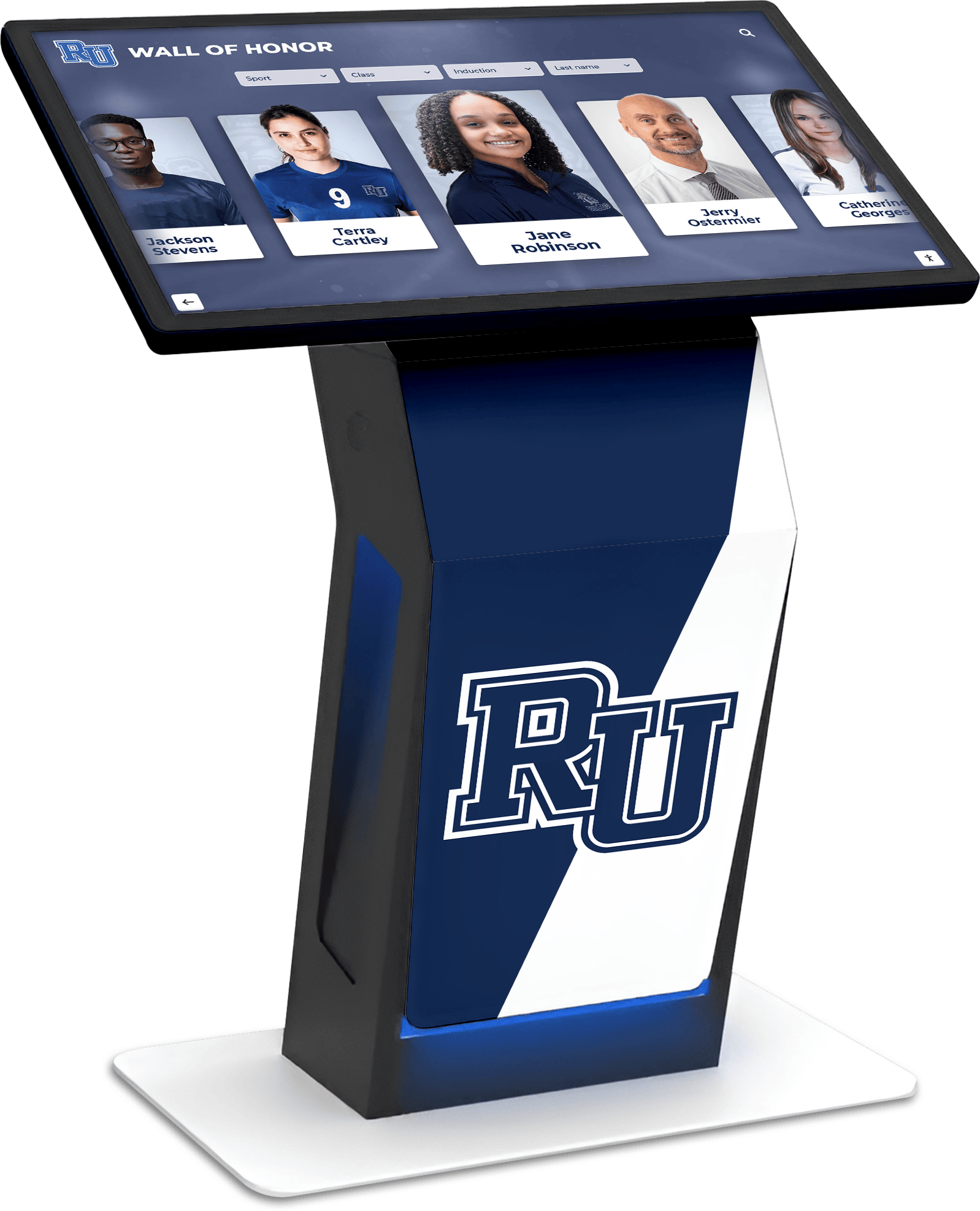
Digital recognition brings championship stories to life through multimedia storytelling
ECAC Era (1961-1984)
In 1961, Northeastern joined the Eastern College Athletic Conference (ECAC), ending its independent status and joining one of college hockey’s premier conferences. ECAC membership provided regular competition against elite programs including Boston University, Boston College, Harvard, and other traditional hockey powers.
The ECAC years established Northeastern as a competitive program capable of challenging college hockey’s elite while developing the infrastructure and coaching expertise that would support future championship success. The program won one ECAC tournament championship during this era, demonstrating its ability to compete at the highest levels.
The Golden Era: 1980s Beanpot Dominance
The 1980s represented Northeastern hockey’s most successful era, featuring multiple Beanpot championships that established the Huskies among Boston college hockey’s elite programs while creating lasting memories for generations of fans.
The Beanpot Tournament: Boston Hockey’s Greatest Tradition
The Beanpot Tournament, contested annually since 1952 among Boston’s four major college hockey programs (Northeastern, Boston University, Boston College, and Harvard), represents one of college hockey’s most distinctive traditions. Held at TD Garden (formerly Boston Garden) on the first two Mondays of February, the Beanpot creates championship atmosphere and citywide attention unique in college hockey.
Beanpot Tournament Format:
- First Monday: Two semifinal games determine finalists
- Second Monday: Consolation and championship games
- Venue: TD Garden, creating professional atmosphere
- Attendance: Often approaching sellout crowds exceeding 17,000
- Local significance: Intense media coverage and community engagement throughout Boston
For decades, Boston University and Boston College dominated Beanpot competition. Until 1980, Northeastern had never captured a Beanpot championship—a drought that would end dramatically during the program’s greatest decade.
1980 Beanpot Championship: Breaking Through
The 1980 Beanpot marked a watershed moment in Northeastern hockey history. The Huskies defeated Boston College 5-4 in the championship game, capturing the program’s first Beanpot title after 28 years of tournament participation.
This breakthrough victory validated Northeastern’s competitive evolution while establishing the Huskies as legitimate contenders against traditional Boston hockey powers. The championship demonstrated that Northeastern belonged among Boston’s hockey elite, not merely as participants but as champions.
The 1980s Beanpot Success:
- 1980: First championship victory over Boston College
- 1984: Second championship in thrilling competition
- 1985: Back-to-back championships establishing dominance
- 1988: Fourth championship completing remarkable decade
Four Beanpot championships in nine years represented unprecedented success for Northeastern hockey. The program transformed from perennial underdog to Boston hockey power, regularly defeating traditional powerhouses and earning recognition as one of the city’s premier college hockey programs.
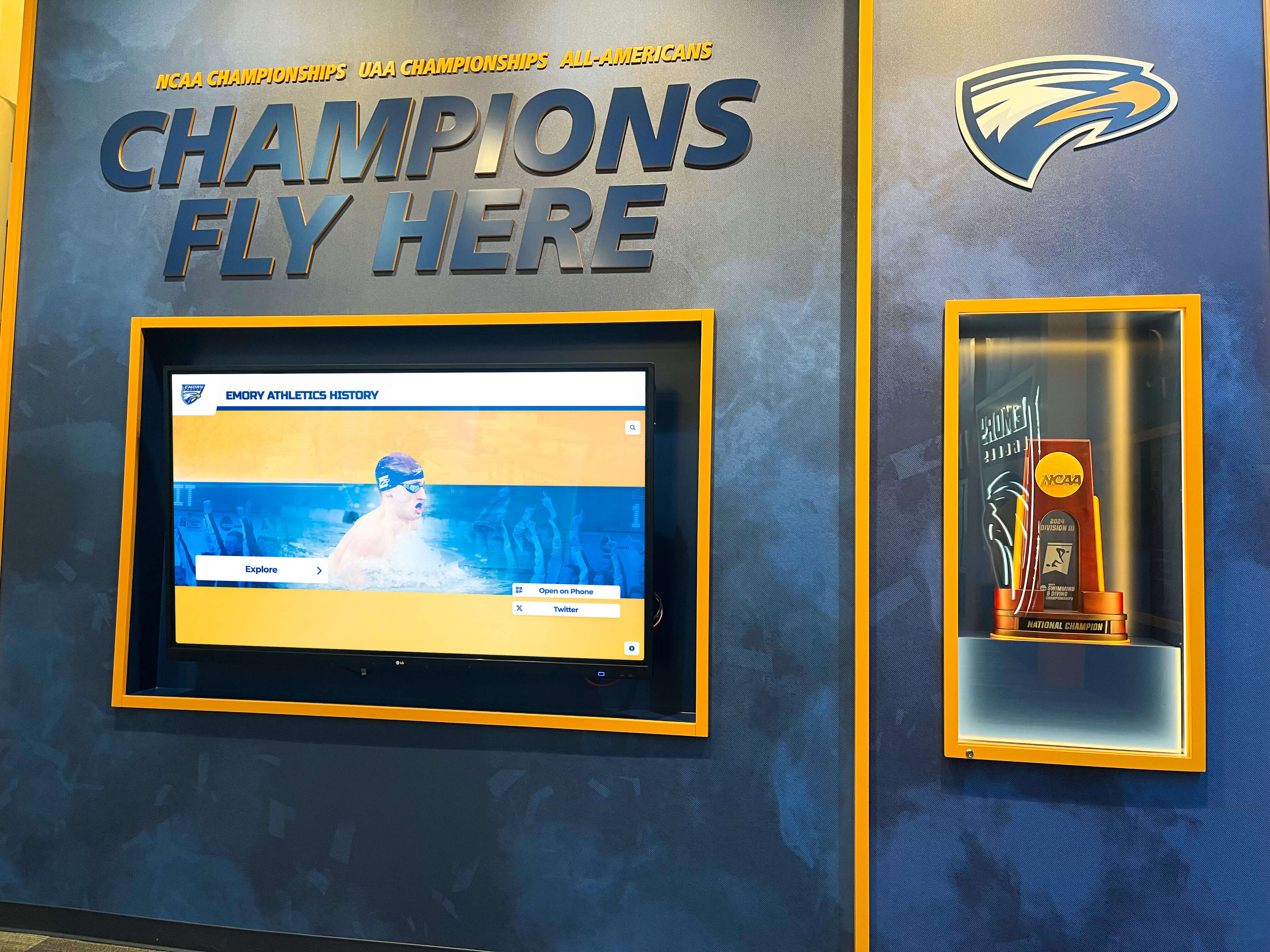
Recognition displays honor championship teams that defined program eras
1980s: NCAA Tournament Success and National Recognition
The Beanpot championships paralleled broader program success during the 1980s. Northeastern qualified for NCAA tournament appearances in 1982 and 1988, with the 1982 team reaching the NCAA Frozen Four—the program’s best NCAA tournament performance in history.
1982 Frozen Four Achievement:
The 1981-82 season remains Northeastern’s most successful in terms of NCAA tournament performance. The Huskies compiled a 25-9-2 record before advancing to the NCAA Frozen Four in Providence, Rhode Island. While the team didn’t capture the national championship, reaching college hockey’s final weekend represented remarkable achievement demonstrating program quality.
This Frozen Four appearance established Northeastern as a national program, not merely a regional competitor. The recognition attracted recruiting attention while demonstrating that Matthews Arena could produce championship-caliber teams competing with programs possessing superior facilities and resources.
For universities celebrating historic seasons and breakthrough achievements, comprehensive team recognition displays showcase complete season narratives, roster recognition, and the lasting impact of milestone accomplishments.
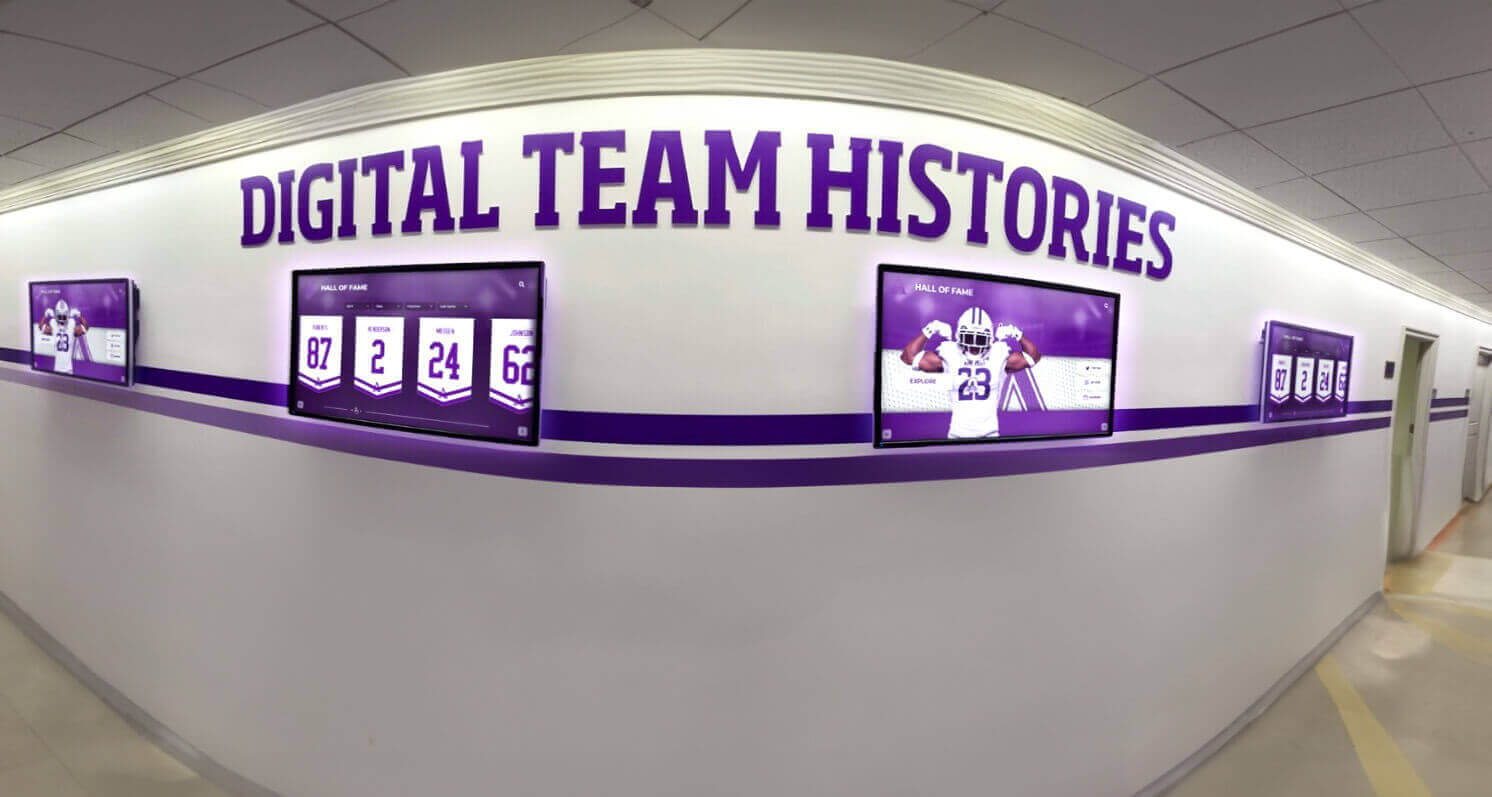
Comprehensive systems honor multiple championship teams across program history
Hockey East Era: Conference Competition (1984-Present)
In 1984, Northeastern became a founding member of Hockey East, a new conference formed by programs separating from the ECAC. This conference realignment would define Northeastern hockey’s competitive landscape for decades to come.
Hockey East Conference Formation
Hockey East emerged when Boston University, Boston College, Northeastern, New Hampshire, and Providence College departed the ECAC to form a new conference emphasizing competitive balance and reducing travel demands. Additional members joined quickly, creating one of college hockey’s premier conferences.
Hockey East Competitive Excellence:
- Consistently produces multiple NCAA tournament qualifiers
- Regular national championship contenders emerge from conference
- Intense rivalries create elite competition preparing teams for NCAA tournaments
- National media coverage elevates conference profile
- Strong coaching and recruiting attract elite talent
Hockey East membership positioned Northeastern for sustained competitive excellence while providing platform for recruiting, media exposure, and championship opportunities at the highest levels.
Conference Championships and Tournament Success
Northeastern achieved significant Hockey East success across four decades of conference membership:
Hockey East Tournament Championships:
- 1988: First Hockey East tournament championship (also won Beanpot same year)
- 2016: Tournament championship in dramatic competition
- 2019: Third tournament title continuing championship tradition
Hockey East Regular Season Championships:
- 2016: First-ever regular season championship, 32 years after conference founding
- 2018-2019: Back-to-back regular season titles
- 2019-2020: Third consecutive regular season championship
- 2020-2021: Fourth consecutive title (record-tying achievement)
- 2021-2022: Fifth consecutive regular season championship (record-breaking)
This remarkable stretch of five consecutive Hockey East regular season championships (2018-2022) represents unprecedented sustained excellence in conference history, demonstrating that Northeastern established itself among Hockey East’s elite programs through superior recruiting, coaching, and organizational excellence.
The 30-Year Beanpot Drought (1988-2018)
Following the 1988 Beanpot championship, Northeastern endured a frustrating 30-year drought before capturing another tournament title. During these three decades, the Huskies reached multiple finals but repeatedly fell short of championship victory.
The Drought Years: Competitive But Not Champions
Throughout the Beanpot drought, Northeastern remained competitive, regularly advancing to championship games while experiencing heartbreaking near-misses. The drought became defining characteristic of the program—Northeastern could compete with Boston’s hockey elite but couldn’t break through to championship victory.
These drought years tested program resilience while creating hunger for championship breakthrough that would eventually fuel the dramatic 2018 and 2019 victories. The extended championship absence made eventual success even more meaningful for players, coaches, and fans who endured decades of Beanpot disappointment.
Other Program Successes During Drought Era
While Beanpot championships remained elusive, Northeastern achieved other significant accomplishments during the drought years:
- Multiple NCAA tournament appearances: 1994, 2009, 2016, 2018, 2019
- Hockey East tournament championships: 1988, 2016, 2019
- Development of NHL talent: Multiple players reached professional hockey
- Facility improvements: Matthews Arena renovations enhanced training and competition venues
- Academic excellence: Consistent academic achievement alongside athletic competition
These accomplishments demonstrated program health even absent Beanpot championships, positioning Northeastern for eventual breakthrough when championship moments arrived.
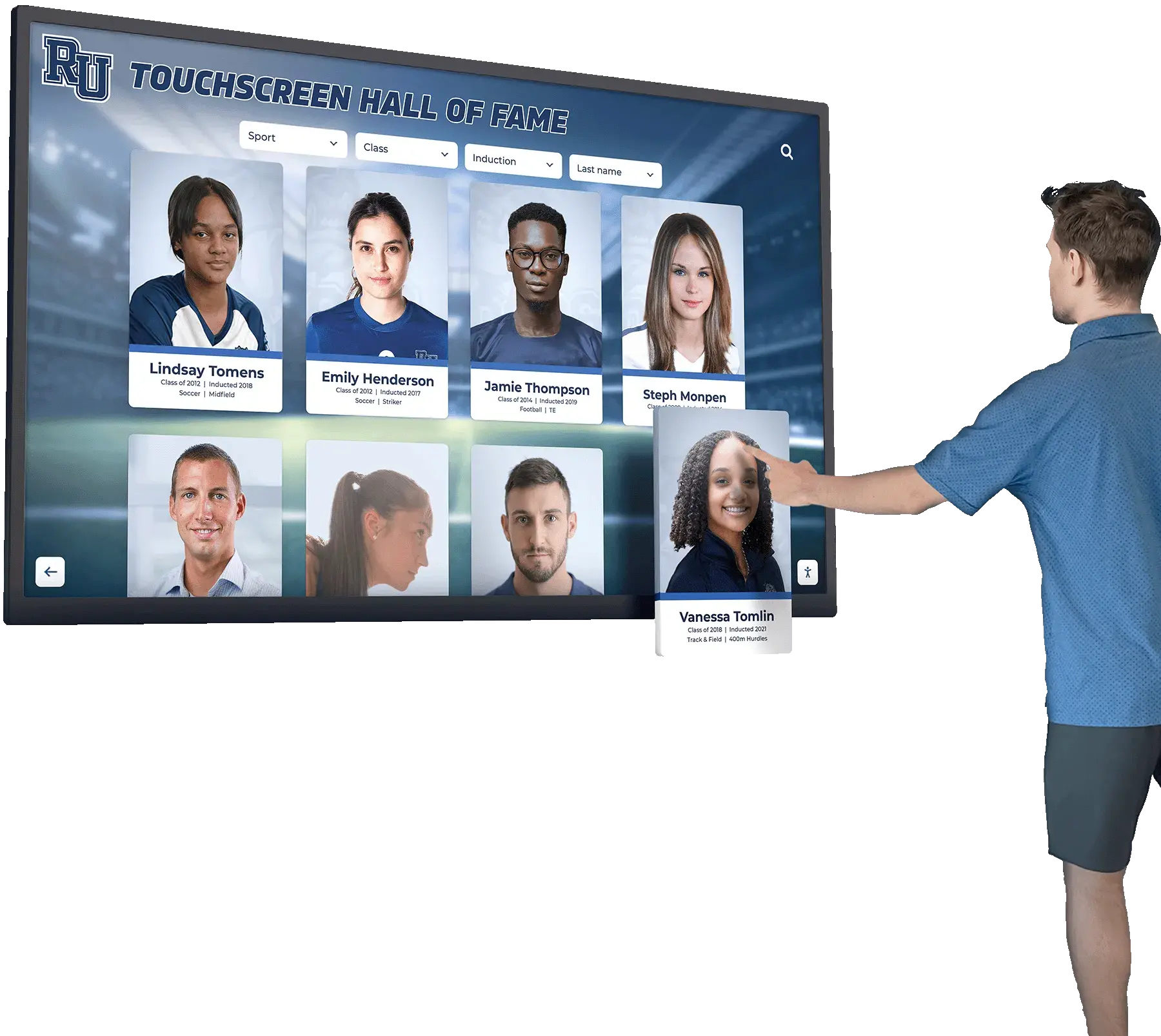
Digital platforms enable comprehensive recognition of player achievements
Breaking Through: 2018 and 2019 Beanpot Championships
After 30 years of frustration, Northeastern dramatically ended the Beanpot drought with back-to-back championships in 2018 and 2019, reclaiming the program’s place among Boston college hockey elite.
2018 Beanpot: Ending the Drought
The 2018 Beanpot championship represented one of Northeastern hockey’s most significant achievements. The Huskies defeated Boston University in the semifinals before facing Boston College in the championship game.
Northeastern prevailed in dramatic fashion, capturing the program’s first Beanpot title since 1988 and ending three decades of championship drought. The victory sparked tremendous celebration throughout the Northeastern community, validating sustained commitment to hockey excellence while demonstrating that patience and persistent effort eventually overcome frustrating near-misses.
The 2018 championship coincided with broader program success. That same season, Northeastern advanced to the NCAA tournament and featured Adam Gaudette, who won the Hobey Baker Award as college hockey’s most outstanding player—the only Hobey Baker winner in Northeastern history.
2019 Beanpot: Back-to-Back Champions
Just one year later, Northeastern captured another Beanpot championship, defeating Boston University again in 2019. The back-to-back victories established Northeastern’s return to Boston hockey prominence while creating new era of championship expectation.
These consecutive championships proved that 2018 wasn’t a fortunate outlier but rather evidence of program elevation to sustained competitive excellence. Northeastern demonstrated ability to recruit elite talent, develop players systematically, and perform under championship pressure—qualities defining successful programs across decades.
For schools and organizations celebrating championship breakthroughs after extended droughts, digital recognition solutions preserve complete championship narratives including the drought context that makes eventual success even more meaningful.
Adam Gaudette: Northeastern’s Only Hobey Baker Winner
The 2017-18 season produced Northeastern’s greatest individual achievement when forward Adam Gaudette won the Hobey Baker Memorial Award as college hockey’s most outstanding player.
Gaudette’s Record-Setting Season
Gaudette’s junior season (2017-18) established Northeastern and Hockey East records while demonstrating elite offensive excellence rarely seen in college hockey:
2017-18 Season Statistics:
- 60 points (30 goals, 30 assists) in 38 games
- Led NCAA Division I in points
- Highest point total in Hockey East history
- Hockey East Player of the Year
- First-Team All-Hockey East selection
- First-Team All-American honors
These remarkable statistics made Gaudette the consensus choice for the Hobey Baker Award, bringing national recognition to Northeastern hockey while establishing Gaudette among the program’s all-time greats.
Professional Career Success
Following his Hobey Baker season, Gaudette signed with the Vancouver Canucks and successfully transitioned to professional hockey. His NHL career validated Northeastern’s player development while demonstrating that the program could produce not just successful college players but legitimate professional talent competing at hockey’s highest level.
Gaudette’s success created recruiting advantages for Northeastern, demonstrating to prospective players that the program develops talent capable of reaching professional hockey while providing pathways to both college achievement and NHL careers.
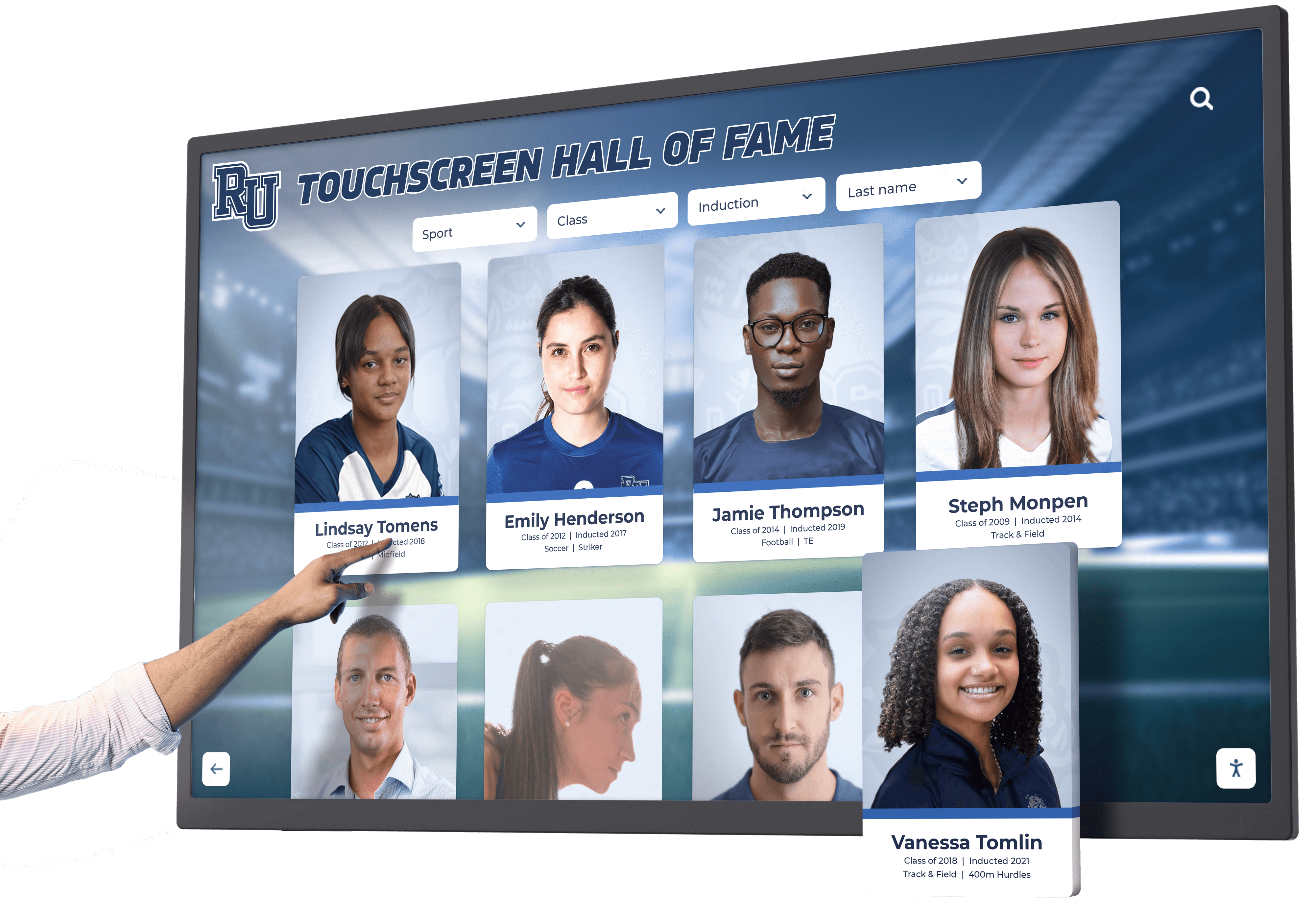
Modern recognition systems track alumni professional careers and ongoing accomplishments
Notable Northeastern Hockey Alumni
Northeastern hockey has produced numerous players who competed professionally or made significant contributions to hockey at various levels.
NHL Players from Northeastern
While Northeastern hasn’t produced NHL superstars on the scale of some traditional hockey powerhouses, the program has consistently developed professional talent:
Recent NHL Alumni:
- Adam Gaudette: 2018 Hobey Baker winner who played multiple NHL seasons with Vancouver, Chicago, and other organizations
- Zach Aston-Reese: Played with Pittsburgh Penguins and other NHL teams, demonstrating consistent professional-level performance
- Dylan Sikura: Chicago Blackhawks selection who reached professional hockey
- Matt Benning: Defenseman who established NHL career with Edmonton Oilers and other teams
- Jamie Oleksiak: Defenseman who has played over 500 NHL games with multiple organizations
- Jordan Harris: Current NHL defenseman with Montreal Canadiens
Hockey Greats and Notable Figures
Beyond recent NHL players, Northeastern has produced significant hockey figures:
- David Poile: Class of 1971, longtime NHL general manager with Washington Capitals and Nashville Predators, one of hockey’s most successful executives
- Bruce Racine: Class of 1988, two-time All-American goaltender who played professionally
- Jim Fahey: Class of 2002, defenseman and Hobey Baker finalist who reached professional hockey
- Chris Nilan: Tough forward who played 13 NHL seasons, primarily with Montreal Canadiens
These alumni demonstrate Northeastern’s consistent ability to develop players reaching professional hockey and leadership positions throughout the sport.
Jim Madigan Era (2011-2021): Program Transformation
Jim Madigan’s tenure as head coach transformed Northeastern hockey from respectable program to consistent championship contender.
Madigan’s Coaching Philosophy
Madigan, a former Northeastern player himself, understood program traditions while implementing modern systems and recruiting approaches necessary for sustained excellence in Hockey East’s competitive environment.
Madigan’s Coaching Achievements:
- Five consecutive Hockey East regular season championships (2018-2022, record)
- Two Beanpot championships (2018, 2019), ending 30-year drought
- Multiple Hockey East tournament championships
- Consistent NCAA tournament qualification
- Development of Hobey Baker winner Adam Gaudette
- Record-setting win totals and program success metrics
Madigan’s decade of leadership established Northeastern among Hockey East’s elite programs while creating culture of championship expectation that would continue beyond his coaching tenure.
Transition to Athletic Leadership
In 2021, Madigan transitioned from head coach to Northeastern’s athletic director role, recognizing his broader leadership capabilities and commitment to Northeastern athletics beyond hockey. This transition maintained Madigan’s influence on Northeastern athletics while creating head coaching opportunity for his successor.
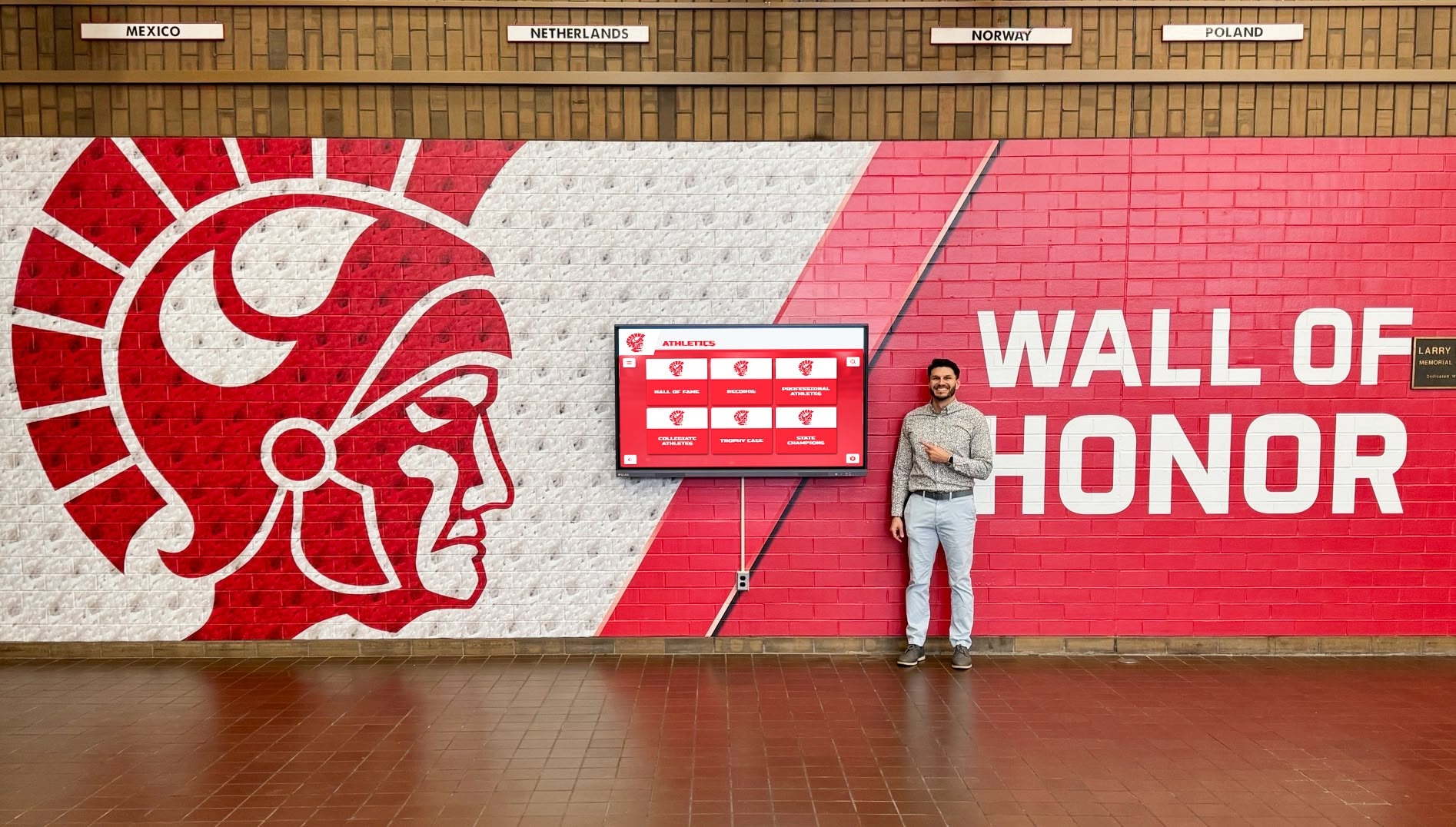
Recognition of coaching excellence demonstrates appreciation for transformational leadership
Jerry Keefe Era: Continuing Excellence (2021-Present)
Jerry Keefe, Madigan’s longtime assistant coach, succeeded him as head coach in 2021, providing continuity while bringing his own leadership approach to the program.
Early Keefe Era Success
Keefe inherited a program at its competitive peak and maintained championship standards:
- Continued Hockey East regular season championship success
- NCAA tournament qualification
- Sustained recruiting excellence attracting top talent
- Continuation of player development systems established during Madigan era
The coaching transition maintained Northeastern’s championship trajectory, demonstrating organizational depth and systematic excellence extending beyond individual coaching personalities.
Future Outlook
Under Keefe’s leadership, Northeastern pursues additional championships while maintaining the excellence characterizing the program’s recent history. The foundation—elite recruiting, comprehensive player development, Matthews Arena atmosphere, and championship culture—positions Northeastern for sustained success competing for Hockey East and national championships.
Boston Hockey Rivalries
Northeastern’s location in Boston creates intense rivalries that define the program’s competitive identity and generate passionate fan engagement.
The Beanpot Rivalries
The annual Beanpot Tournament creates natural rivalries among Boston’s four major college hockey programs. For Northeastern, these rivalries carry special significance:
Boston University: The most intense Beanpot rival, with multiple championship matchups and competitive regular season games creating fierce competition.
Boston College: Traditional hockey power that has won multiple national championships, providing aspirational competition for Northeastern.
Harvard: Ivy League program with rich hockey tradition, creating interesting competitive and academic contrasts.
These rivalries ensure maximum effort during Beanpot competition while creating engaging storylines that capture Boston’s hockey community attention throughout the season.
Hockey East Conference Rivalries
Beyond the Beanpot, Hockey East membership creates additional rivalries:
- Providence College: Geographic proximity and competitive balance create meaningful rivalry
- UMass Lowell: Regional rival with competitive programs
- Maine, New Hampshire, Vermont: Traditional New England programs with decades of competition history
These rivalries ensure that Northeastern faces motivated opponents throughout conference play, preparing the team for NCAA tournament intensity while creating engaging regular season competition.
For programs celebrating historic rivalries and memorable games, digital recognition platforms enable comprehensive documentation of competitive history, game results, and individual performances that defined eras and created lasting memories.
Modern Northeastern Hockey: Recent Success and Current Excellence
The 2010s and 2020s represent Northeastern hockey’s most successful era, characterized by consistent championship contention and sustained excellence.
Record-Breaking Achievements
Recent Northeastern teams have established remarkable achievement records:
Five Consecutive Hockey East Regular Season Championships (2018-2022):
This unprecedented streak represents sustained excellence unmatched in conference history. Northeastern demonstrated remarkable consistency, recruiting quality, coaching excellence, and organizational effectiveness across multiple roster cycles.
Multiple NCAA Tournament Appearances:
Consistent NCAA qualification demonstrates program reliability, with Northeastern regularly competing in college hockey’s national championship tournament.
Beanpot Championships (2018, 2019):
Breaking the 30-year drought and capturing back-to-back titles re-established Northeastern among Boston hockey elite.
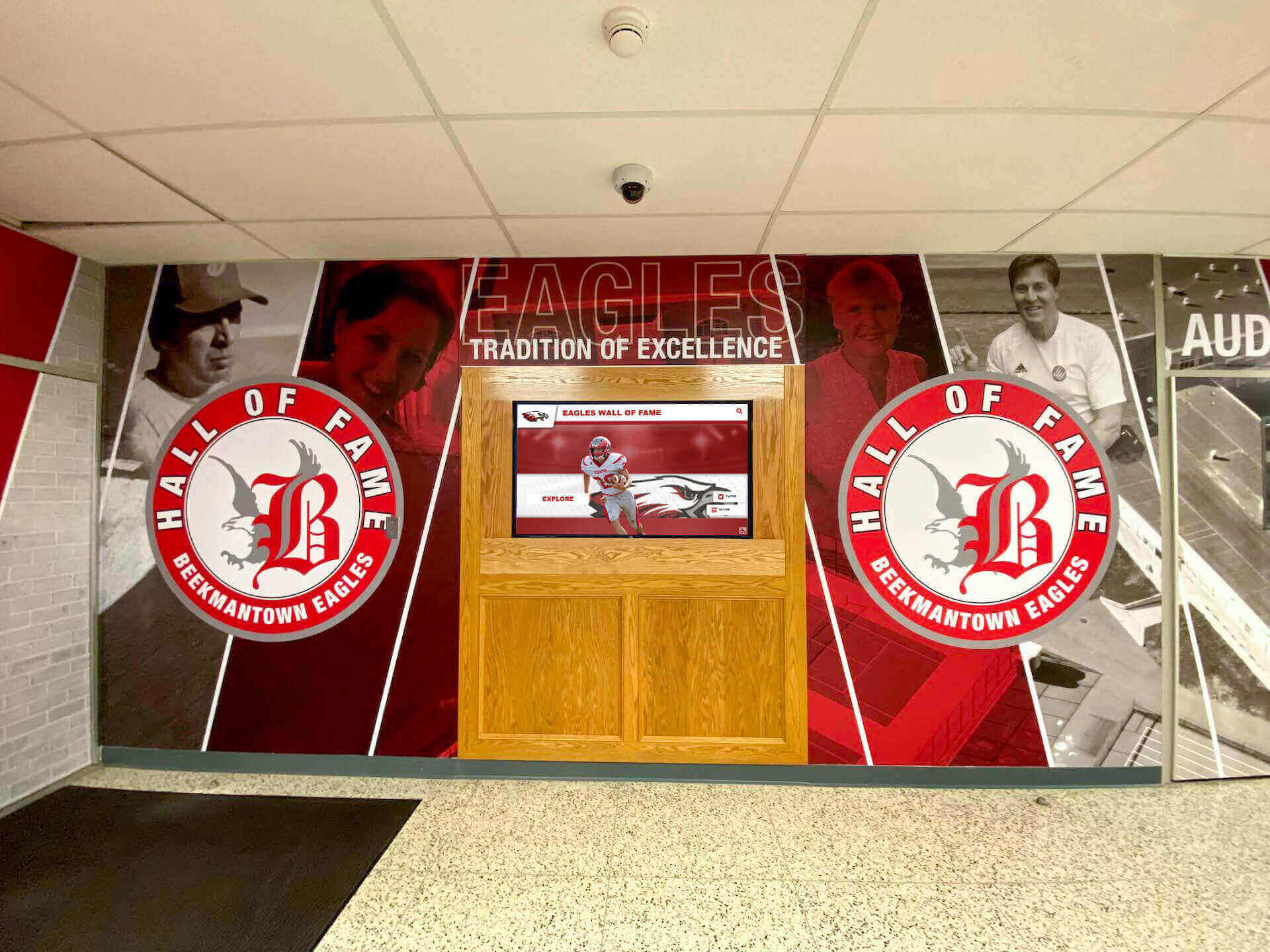
Recognition programs connect current excellence with historical tradition
2023-24 Season and Beyond
Northeastern continues competing at Hockey East’s highest levels, regularly recruiting nationally-ranked recruiting classes while maintaining the championship culture established during recent successful seasons.
The program’s combination of historic venue (Matthews Arena), Boston location, Hockey East membership, recent championship success, and player development reputation positions Northeastern for continued excellence competing for Beanpot championships, Hockey East titles, and NCAA tournament success.
Celebrating Hockey Excellence Through Modern Recognition
Northeastern hockey’s rich history deserves recognition matching its significance. Modern digital recognition solutions transform how programs honor achievements, preserve history, and inspire future generations.
Traditional Recognition Limitations
Hockey programs accumulate extensive recognition needs:
- Championship teams requiring commemoration
- Individual records and statistical achievements
- Hobey Baker winners and award recipients
- Professional alumni tracking careers
- Coaching legends and program builders
- Historic rivalries and memorable games
- Beanpot championships and tournament success
- Matthews Arena history and tradition
Traditional recognition approaches—trophy cases, banners, wall plaques—face significant constraints accommodating comprehensive needs. Physical space limitations force selective highlighting while extensive achievements receive inadequate recognition or disappear entirely.
Digital Recognition Advantages
Modern digital recognition platforms eliminate these limitations while enabling storytelling impossible with static displays:
Unlimited Capacity:
Digital systems showcase complete program histories without physical space constraints. Every championship team, Beanpot victory, record holder, and significant achievement receives appropriate recognition rather than selective highlighting based on available wall space.
Multimedia Integration:
Unlike plaques listing names and dates, digital platforms incorporate:
- Beanpot championship game video highlights and photos
- Complete player profiles with statistics, achievements, and career narratives
- Interactive record boards showing statistical progressions across program history
- Coach profiles documenting careers and philosophies
- Matthews Arena historical timelines contextualizing venue significance
- Audio recordings from memorable games and moments
- Alumni career tracking showing ongoing professional accomplishments
These multimedia elements create emotional connections and comprehensive storytelling that printed materials cannot match.
Real-Time Updates:
Cloud-based content management enables instant updates as achievements occur. When records fall, teams win championships, or alumni reach professional milestones, recognition displays update immediately rather than waiting months for physical fabrication.
Interactive Exploration:
Touchscreen interfaces enable visitors to explore content matching personal interests rather than viewing predetermined static presentations. Search capabilities allow instantly finding specific players, teams, years, or achievements, creating personalized experiences.
Web Accessibility:
Digital recognition extends beyond Matthews Arena through web interfaces, allowing alumni worldwide to explore program history, share achievements on social media, and maintain connections to the program regardless of geographic distance.
Solutions like Rocket Alumni Solutions provide purpose-built platforms specifically designed for athletic recognition, combining intuitive content management with comprehensive features supporting hockey programs’ unique needs while honoring traditions through modern technology.
For universities celebrating hockey excellence across multiple decades, comprehensive recognition platforms preserve complete program stories while inspiring current players pursuing their own place in program history.
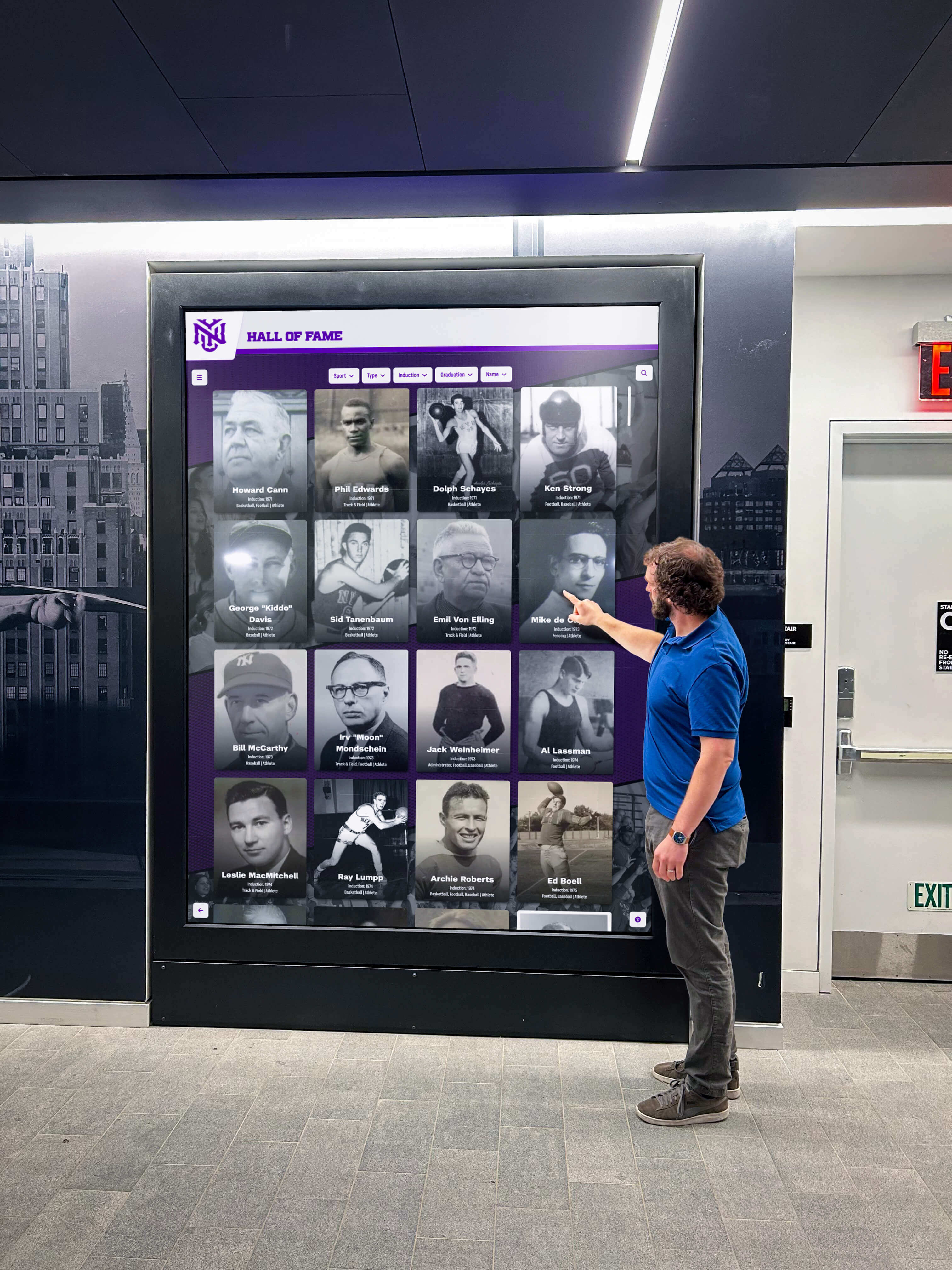
Touchscreen displays create engaging experiences for visitors exploring program history
Lessons from Northeastern Hockey Excellence
Northeastern hockey’s journey offers valuable lessons applicable to programs at all competitive levels:
1. Persistence Through Adversity
The 30-year Beanpot drought demonstrated resilience. Rather than abandoning championship pursuit after repeated disappointments, Northeastern maintained commitment to excellence, eventually breaking through to championship success. Programs that persist through challenging periods position themselves for breakthrough achievements.
2. Leveraging Historic Venues
Matthews Arena’s historic significance creates unique competitive advantage and recruiting appeal. Programs with historic facilities should celebrate venue heritage, connecting current teams to tradition while using historic significance as recruiting differentiator.
3. Building Championship Culture
Northeastern’s five consecutive Hockey East regular season championships didn’t happen accidentally. Systematic recruiting, comprehensive player development, sophisticated tactical systems, and organizational commitment created culture supporting sustained excellence across multiple roster cycles.
4. Regional Identity Matters
Embracing Boston hockey culture and Beanpot tradition gives Northeastern distinctive identity differentiating the program from competitors. Programs that embrace regional identity create meaningful connections with communities while establishing authentic institutional character.
5. Individual Excellence Within Team Context
Adam Gaudette’s Hobey Baker Award demonstrated that team-oriented programs can produce individual stars. Programs emphasizing team success while providing platforms for individual excellence attract quality players seeking both personal achievement and championship opportunities.
These lessons apply regardless of competitive level—youth programs through professional organizations benefit from persistence, venue appreciation, cultural development, regional connection, and balanced recognition.
Conclusion: A Legacy of Resilience and Excellence Continuing
Nearly a century after establishing its program, Northeastern hockey stands among Hockey East’s most successful programs. Five consecutive conference championships, multiple Beanpot titles, Hobey Baker recognition, consistent NHL player production, and unwavering commitment to excellence have created tradition inspiring generations of players, coaches, and fans.
From early decades building program foundations through 1980s Beanpot dominance to recent championship resurgence, Northeastern hockey represents sustained excellence built on clear principles: recruit quality individuals, develop complete players, embrace Boston hockey culture, leverage Matthews Arena tradition, and never compromise competitive standards.
Celebrate Your Hockey Program's Excellence
Discover how Rocket Alumni Solutions can help your hockey program create compelling digital recognition displays celebrating championships, honoring alumni, and inspiring future generations through comprehensive, interactive technology designed specifically for athletic recognition.
Schedule Your Free ConsultationThe most effective recognition programs establish comprehensive documentation of program history, celebrate championship teams with detailed rosters and narratives, honor coaching legends and program builders, track alumni professional achievements, preserve rivalry history and memorable games, integrate multimedia content bringing stories to life, provide interactive exploration matching visitor interests, and maintain real-time updates keeping content current and relevant.
Northeastern hockey’s remarkable story—from modest beginnings through Beanpot championships to Hockey East dominance—demonstrates what sustained commitment to excellence achieves. For hockey programs at all levels, Northeastern’s legacy offers inspiration and practical lessons applicable to their own journeys. Whether pursuing conference championships or building youth program foundations, the principles defining Northeastern’s success—culture, development, competition, recognition, and excellence—create pathways to achievement matching each program’s potential.
Ready to properly celebrate your hockey program’s achievements and inspire your next generation of players? Contact Rocket Alumni Solutions to explore how interactive digital displays can transform your hockey recognition program, or discover more about implementing comprehensive athletic recognition that honors your program’s complete story while connecting past excellence with future aspirations.































