Memory is currency. When schools, universities, and organizations tap into the powerful emotional reservoir of nostalgia, they unlock something remarkable—the ability to transform fond memories into measurable engagement, loyalty, and revenue. This isn’t manipulation; it’s recognition that people naturally gravitate toward connections with their past, especially formative experiences that shaped who they became.
Nostalgia marketing leverages these emotional connections systematically, creating campaigns and experiences that resonate deeply with alumni, donors, and community members. The results are compelling: according to recent research, nostalgia-driven campaigns can increase revenue by 3-5% per campaign cycle, while consumers demonstrate willingness to pay 10-15% more for products evoking nostalgic feelings. For educational institutions specifically, nostalgia marketing directly impacts enrollment, strengthens alumni relationships, and significantly boosts fundraising effectiveness.
This comprehensive guide explores how schools and organizations strategically implement nostalgia marketing to generate genuine revenue while strengthening community bonds that extend far beyond financial metrics.
The challenge facing advancement professionals, marketing directors, and institutional leaders isn’t whether their community holds nostalgic feelings—those emotions exist naturally among alumni, parents, and long-time supporters. The question is how to activate those feelings strategically, channeling emotional connection into concrete outcomes: increased donations, stronger enrollment, enhanced engagement, and sustained community investment in institutional success.
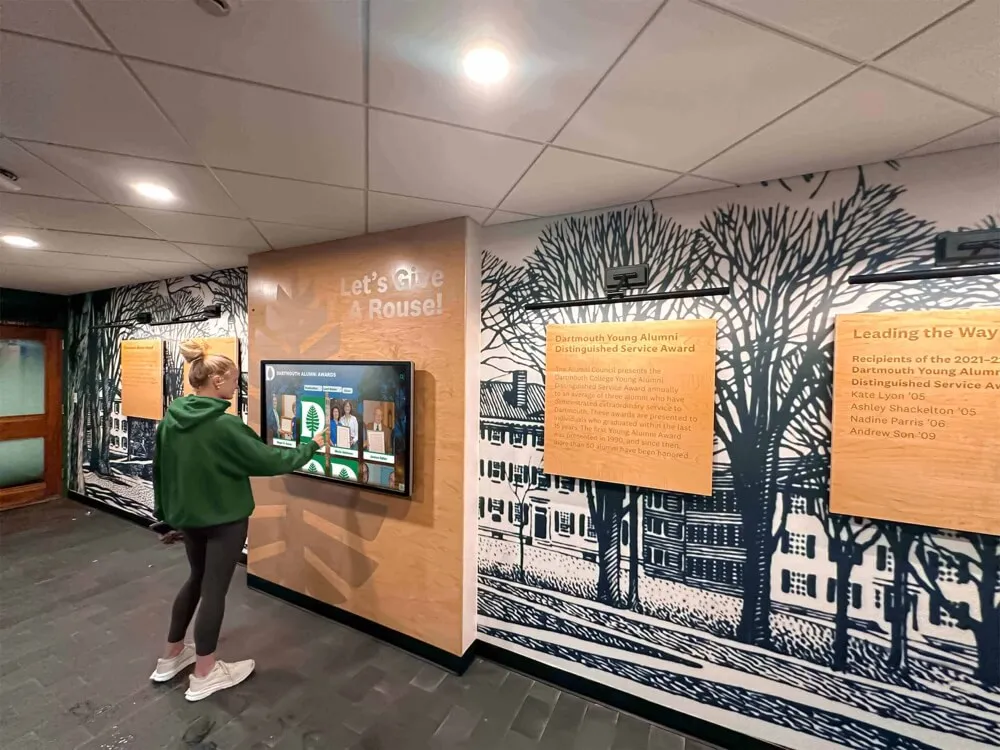
Interactive displays transform nostalgic memories into engaging experiences that strengthen community bonds
Understanding the Psychology Behind Nostalgia Marketing
Nostalgia isn’t simply sentimentality or living in the past—it’s a sophisticated psychological mechanism that serves important emotional functions. Understanding why nostalgia works provides the foundation for ethical, effective implementation.
The Neuroscience of Nostalgic Response
When people experience nostalgia, their brains activate specific neural pathways associated with reward, pleasure, and social connection:
Emotional Processing and Reward Activation
Research demonstrates that nostalgic experiences trigger dopamine release in the brain’s reward centers, creating pleasurable sensations similar to other positive experiences. This neurochemical response explains why people actively seek nostalgic content—it literally makes them feel good at a biological level.
According to comprehensive nostalgia marketing research, nostalgic content generates a 2x higher emotional response rate compared to non-nostalgic advertising, reflecting this powerful neurological foundation.
Social Connection and Belonging
Nostalgia particularly activates brain regions associated with social cognition and interpersonal connection. When alumni remember their school years, they’re not just recalling events—they’re re-experiencing the powerful sense of belonging, friendship, and community that characterized those formative years.
For educational institutions, this social dimension represents tremendous opportunity. Schools naturally create intense communities during students’ developmental years, forging connections that persist across decades despite geographic distance and life changes.
Why Nostalgia Drives Purchasing Decisions
The connection between emotion and revenue isn’t coincidental—it reflects fundamental principles of consumer psychology:
Trust and Familiarity
Nostalgia creates psychological safety. When people encounter familiar elements from their past, their brains interpret these signals as “safe” and “trustworthy.” This reduced psychological resistance makes them significantly more receptive to marketing messages and calls to action.
Recent statistics show that 75% of consumers are more likely to make purchases when advertisements evoke nostalgic feelings—a remarkable conversion advantage over standard marketing approaches.
Identity Reinforcement
Nostalgic experiences don’t just remind people of who they were—they reconnect them with core aspects of identity that persist through life changes. An alumnus who was a student-athlete three decades ago still identifies with that experience, even if their current life looks entirely different.
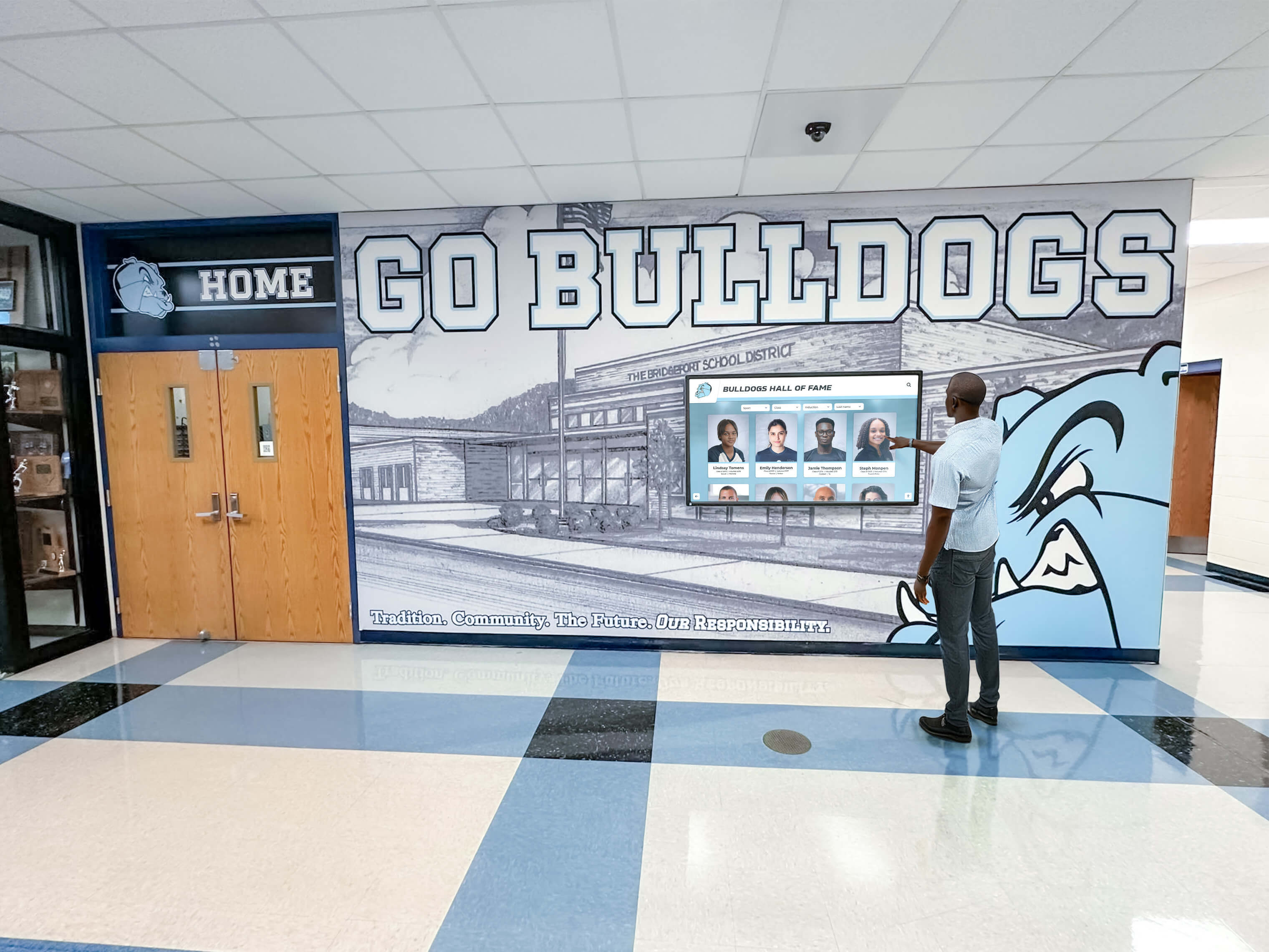
Interactive recognition displays tap into identity connections formed during formative school years
When institutions activate these identity connections, they’re not creating new relationships—they’re rekindling existing bonds that alumni naturally want to maintain and celebrate. This authenticity differentiates nostalgia marketing from purely transactional approaches.
Positive Emotional Association
Nostalgia research consistently demonstrates that nostalgic memories skew overwhelmingly positive. People naturally remember the highlights of experiences while allowing difficult moments to fade into background context.
For schools and organizations, this psychological tendency works powerfully in their favor. Even alumni who experienced challenges during their school years typically retain net-positive associations with their institution, focusing on friendships, achievements, growth, and community rather than difficult exams or temporary setbacks.
The Business Case: Nostalgia Marketing Statistics and ROI
Moving beyond psychology to measurable outcomes, the revenue impact of nostalgia marketing is substantial and well-documented:
Revenue and Conversion Metrics
The financial benefits of nostalgia marketing reflect significant competitive advantages:
Direct Sales Impact
According to comprehensive 2025 nostalgia marketing statistics, nostalgia campaigns lift sales by up to 23% compared to standard marketing approaches. This dramatic difference reflects the emotional engagement and reduced psychological resistance that nostalgic content creates.
For educational institutions, this translates directly to fundraising effectiveness. Campaigns incorporating nostalgic elements consistently outperform generic appeals, with revenue increases of 3-5% per campaign cycle representing substantial gains for annual giving programs, capital campaigns, and endowment development.
Premium Pricing Tolerance
Perhaps most remarkably, nostalgia enables premium pricing strategies. Research shows consumers willingly pay 10-15% more for products and experiences evoking nostalgic feelings—remarkable tolerance in price-sensitive markets.
For schools, this manifests in multiple ways: reunion attendance at premium ticket prices, merchandise sales commanding higher margins, exclusive legacy programs attracting significant investment, and major gift commitments from alumni reconnecting with formative institutional experiences.
Engagement and Brand Loyalty Indicators
Beyond immediate revenue, nostalgia marketing delivers sustained engagement that compounds value over time:
Social Media and Digital Engagement
90s-themed campaigns in 2025 generated 30% increases in brand engagement across Instagram and TikTok—platforms particularly important for reaching younger alumni and prospective student families. This engagement represents more than vanity metrics; it reflects genuine audience interest translating to broader institutional awareness and positive reputation.
Schools implementing digital alumni recognition programs report similar engagement spikes, with nostalgic content generating significantly higher shares, comments, and interaction compared to standard institutional communications.
Long-Term Brand Perception
Perhaps most valuable, nostalgia marketing strengthens lasting brand perception beyond individual campaign windows. 61% of millennials report that nostalgia improves their perception of brands and drives buying intent—effects persisting well beyond initial exposure.
For educational institutions, brand perception directly impacts enrollment competitiveness, alumni engagement trajectories, donor retention, and community support. Nostalgia marketing’s ability to strengthen these fundamental perceptions represents strategic advantage extending far beyond individual campaigns.
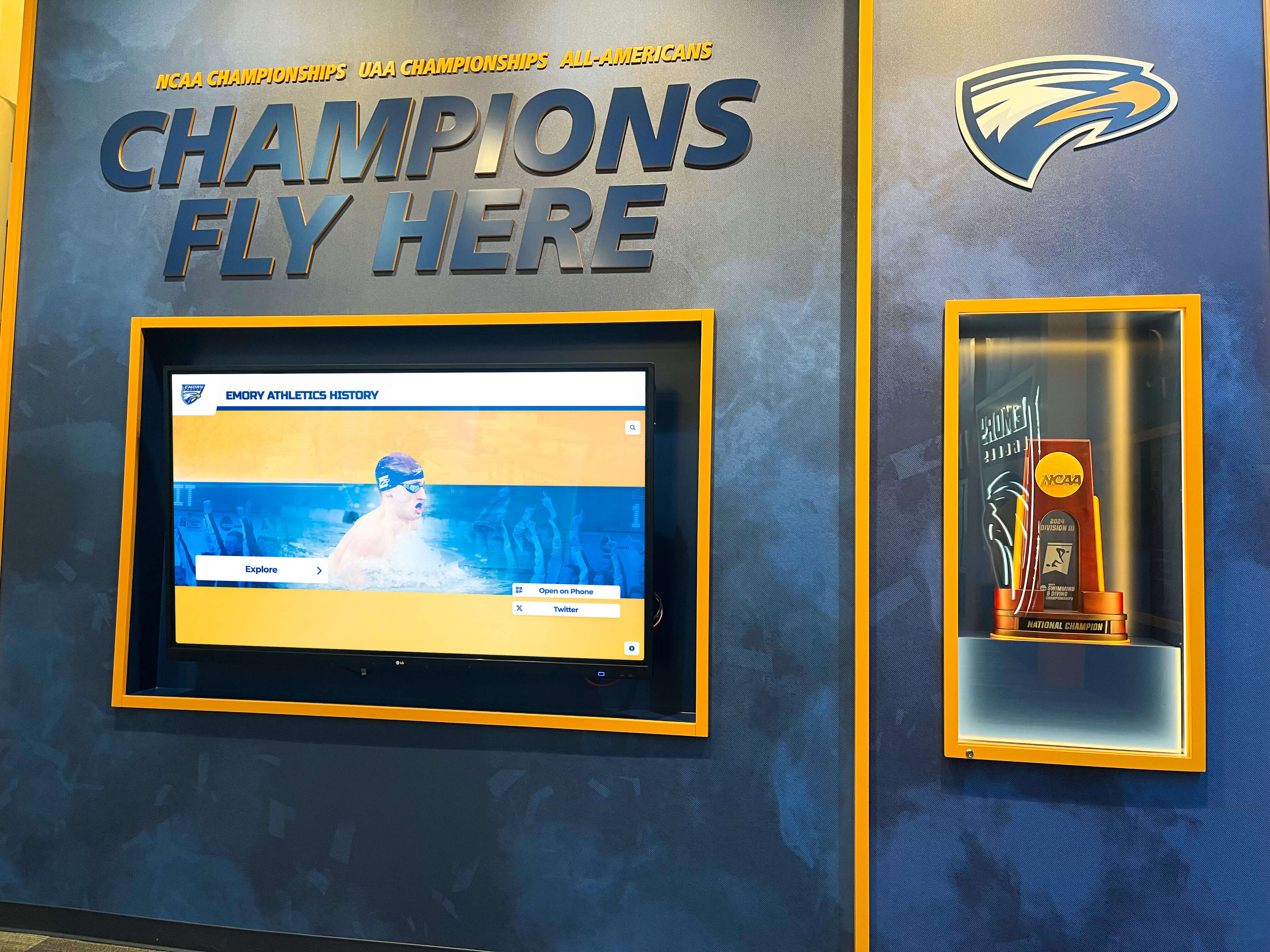
Comprehensive recognition systems activate nostalgic connections that drive sustained community engagement
Generational Response Patterns
Understanding how different generations respond to nostalgia marketing enables targeted strategy:
Millennial Engagement
Millennials (currently ages 28-43) represent particularly valuable audiences for nostalgia marketing. Many are at career stages enabling significant philanthropic capacity, starting families and evaluating educational options for children, and seeking meaningful connections in increasingly digital, fragmented society.
For this generation, nostalgia marketing works powerfully because their formative years (1990s-2000s) represent the digital transition era—combining analog nostalgia (physical yearbooks, film photography, pre-smartphone social connection) with early digital experiences creating unique memory associations.
Surprising Gen Z Resonance
Perhaps counterintuitively, 68% of Gen Z respond positively to nostalgic branding—even for eras they didn’t personally experience. This “borrowed nostalgia” or “aspirational nostalgia” reflects cultural knowledge, media consumption, and desire for authenticity in increasingly manufactured digital environments.
For schools, this matters tremendously for enrollment marketing. Prospective students and their parents (often Gen X or older millennials) both respond to nostalgic elements, creating multi-generational appeal rare in marketing strategies.
Strategic Nostalgia Marketing Implementation for Educational Institutions
Understanding psychology and statistics provides foundation—now comes practical implementation. How do schools systematically leverage nostalgia to achieve specific revenue and engagement goals?
Alumni Giving and Major Gifts Strategy
The most direct revenue application connects nostalgic engagement with fundraising initiatives:
Memory-Triggered Solicitation Timing
Strategic fundraising coordinates solicitations with naturally nostalgic moments:
- Reunion years: Alumni attending reunions already experience heightened nostalgia, making them significantly more receptive to giving conversations
- Milestone anniversaries: 25, 50, or 75 years since graduation represent natural inflection points prompting reflection
- Institutional celebrations: Centennials, championship anniversaries, or facility dedications activate collective memory
- Personal milestones: Career achievements, retirement, or life transitions prompt reflection on formative experiences
Schools implementing comprehensive alumni recognition displays report that physical and digital touchpoints strengthen this natural timing, keeping institutional connection top-of-mind during high-potential solicitation windows.
Personalized Nostalgic Content in Campaigns
Generic appeals underperform compared to personalized nostalgic content:
Effective Personalization Elements
- Graduation year cohort-specific imagery and references
- Sport or activity-specific appeals for former athletes, musicians, or club members
- Facility or campus location connections (especially for renovated or demolished buildings)
- Faculty mentions when beloved teachers are still remembered
- Tradition references specific to particular eras
- Peer group mentions fostering competitive class giving dynamics
The most effective campaigns combine general institutional nostalgia with hyper-personalized elements making individual alumni feel uniquely connected rather than receiving mass communications.
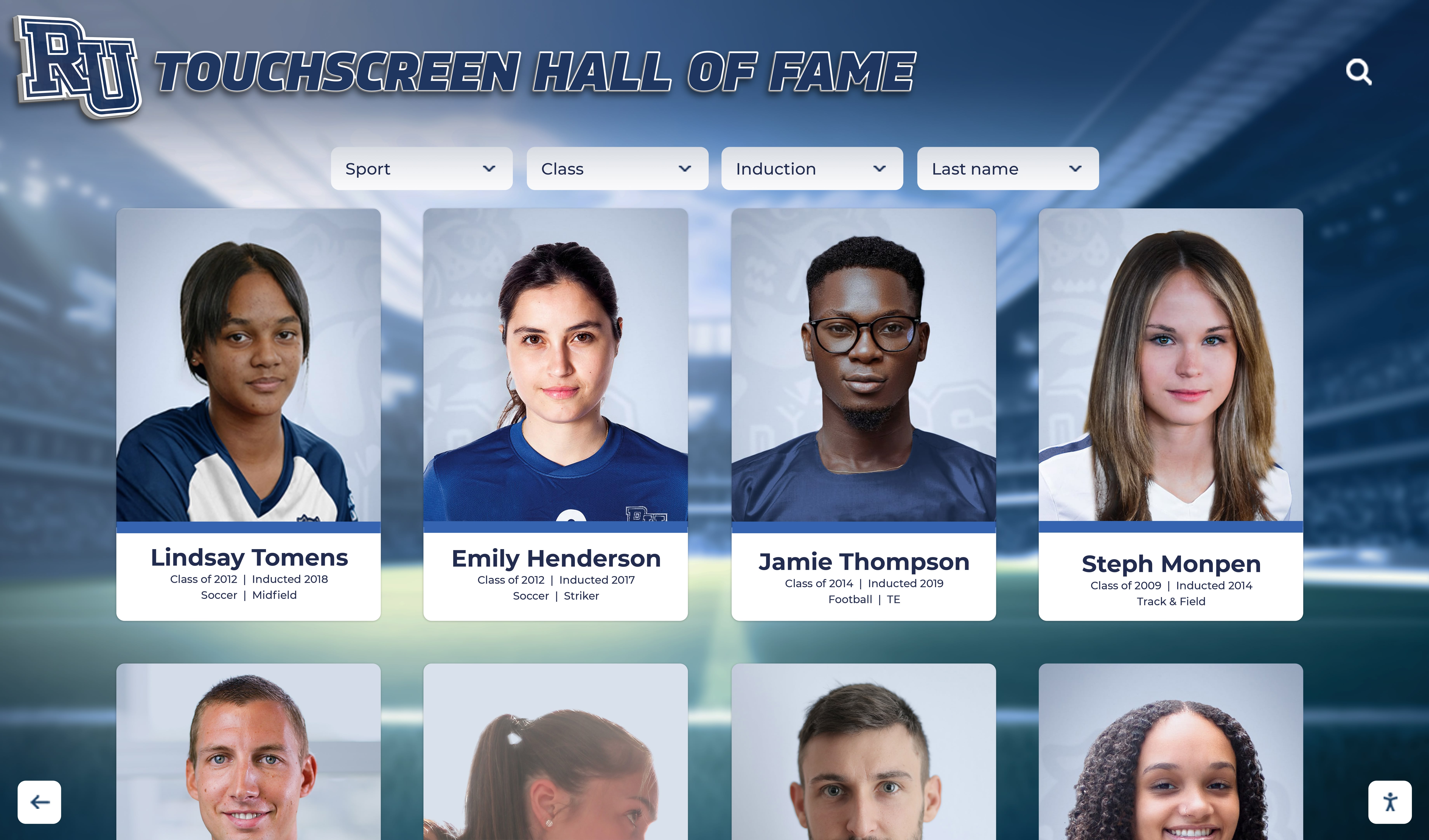
Individualized profiles honor specific achievements while activating personal nostalgic memories
Legacy and Heritage Naming Opportunities
Major gift solicitations particularly benefit from nostalgic framing. When institutions offer naming opportunities, positioning these as “legacy” or “heritage” commitments connects current giving to past experiences and future continuity.
Phrases like “honoring your years at [Institution]” or “ensuring future students experience the same transformative [program/facility] that shaped your path” explicitly activate nostalgic motivation while providing rational giving justification—emotional and logical elements working synergistically.
Enrollment Marketing and Prospective Family Engagement
While alumni represent obvious nostalgic audiences, enrollment marketing also benefits substantially:
Parent and Grandparent Decision Influence
Educational choices rarely rest solely with prospective students—parents and extended family significantly influence decisions. For families with multi-generational institutional connections (legacy students), nostalgia represents powerful enrollment advantage.
Schools effectively leveraging this advantage:
- Highlight legacy programs celebrating multi-generational attendance
- Create digital archives showing historical progression parents and grandparents can explore
- Feature “then and now” content showing institutional evolution while maintaining core identity
- Organize legacy family events during admission cycles
- Provide personalized campus tours incorporating family-specific historical connections
According to school nostalgia marketing research, institutions effectively implementing these strategies see measurably higher conversion rates among legacy prospects while also appealing to non-legacy families attracted to institutional stability and tradition.
Tradition and Community Stability Messaging
In uncertain times, prospective families seek institutions demonstrating stability, continuity, and lasting community. Nostalgia marketing naturally emphasizes these qualities:
- Long-standing traditions connecting current students with previous generations
- Alumni success stories demonstrating institutional impact across decades
- Historical timelines showing institutional resilience through changing eras
- Community testimonials from multi-generational perspectives
- Facility and program longevity indicating sustained commitment
These messages particularly resonate with families seeking educational environments emphasizing character development, community, and lasting relationships over purely academic metrics—differentiation in increasingly commoditized educational markets.
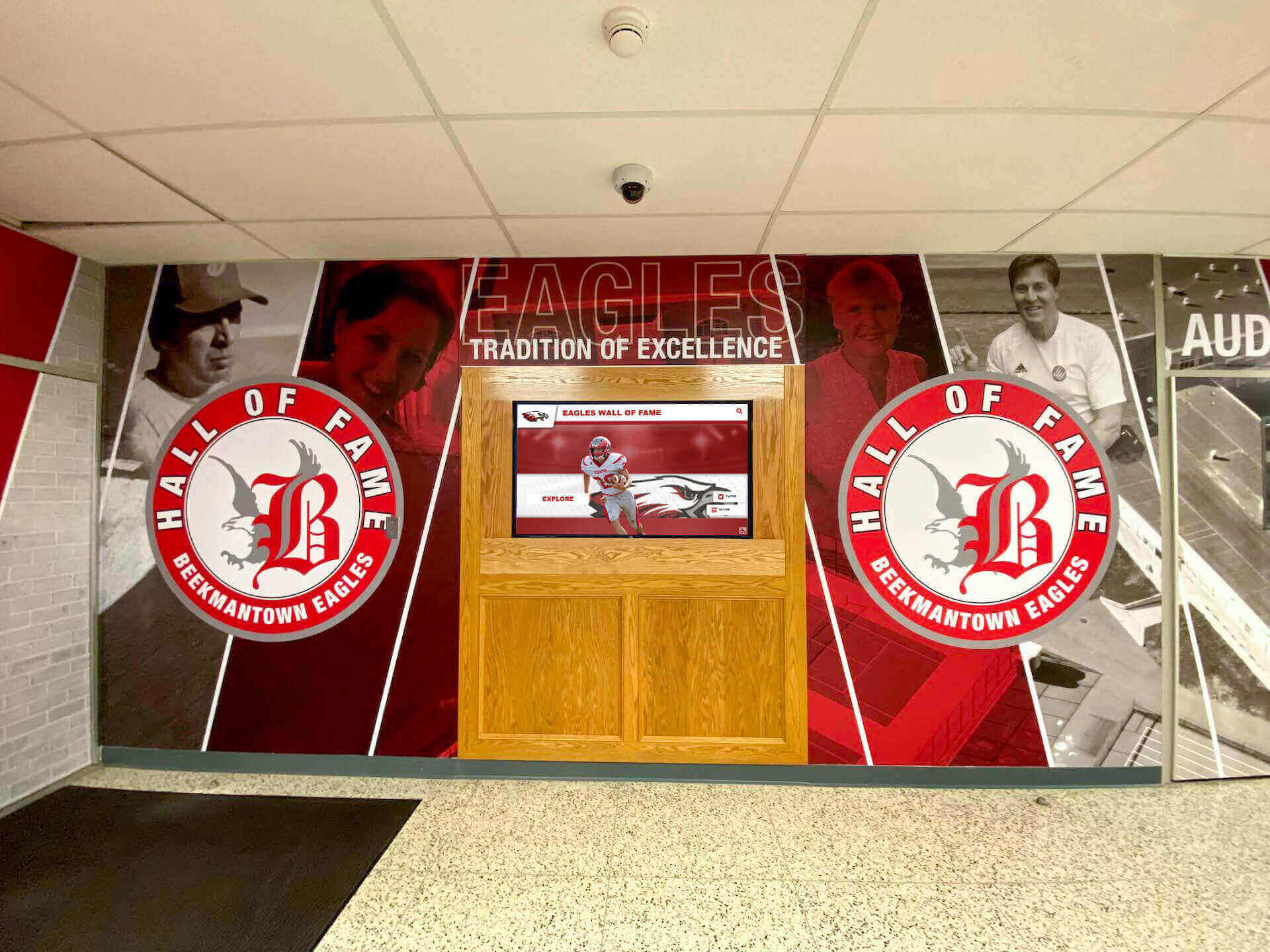
Visual recognition of institutional history reassures families about lasting community and values
Reunion and Event Revenue Generation
Reunions represent peak nostalgia opportunities with direct revenue implications:
Premium Reunion Experience Design
Standard reunions compete with countless demands on alumni time. Premium experiences leveraging nostalgia command higher attendance and ticket prices:
High-Value Nostalgic Elements
- Interactive digital displays showing class-specific photos and achievements
- Historical campus tours highlighting changes and preserved spaces
- Tradition recreations (classic athletic events, signature dining experiences, beloved activities)
- Multimedia presentations featuring historical footage and contemporary updates
- Faculty and staff appearances by memorable institutional figures
- Memorabilia displays and archival materials viewing opportunities
- Legacy creation opportunities (video interviews, memory collection, digital archive contributions)
Schools report that reunions incorporating these nostalgic elements command 20-40% higher ticket prices while generating stronger attendance—combination producing substantial revenue increases beyond standard reunion formats.
Multi-Reunion Consolidated Events
Rather than fragmenting audiences across multiple small class reunions, consolidated all-alumni events with class-specific programming leverage nostalgia while achieving economies of scale:
- Opening ceremonies bringing entire community together activating collective institutional nostalgia
- Class-specific breakout sessions providing cohort bonding and era-specific nostalgia
- Cross-generational programming connecting alumni from different eras
- Major announcements or celebrations warranting broad participation
- Efficient resource utilization supporting premium experience elements
This model particularly suits institutions with geographically dispersed alumni or limited staff capacity for coordinating multiple separate reunion events.
Merchandise and Licensed Product Revenue
Nostalgic merchandise represents direct revenue streams with high margins:
Vintage and Throwback Design Strategies
Contemporary merchandise using current logos underperforms compared to vintage designs evoking specific eras:
- Retro logos from different decades appealing to corresponding alumni cohorts
- Vintage athletic designs mimicking historical uniforms and materials
- Classic campus imagery showing beloved buildings or locations
- Historical event commemoration items (championships, milestones, traditions)
- Era-specific typography and design aesthetics matching period alumni remember
Research shows that limited-time nostalgic products generate 27% higher purchase likelihood—scarcity and nostalgia combining powerfully for merchandise strategies.
Personalized Nostalgic Products
Beyond standard merchandise, personalized items command premium pricing:
- Custom prints featuring individual graduation years, teams, or achievements
- Personalized historical photo products from archival collections
- Legacy items connecting family members from different generations
- Commemorative pieces marking personal milestones with institutional connection
- Digital products providing access to personalized historical content
Solutions like Rocket Alumni Solutions enable searchable digital archives making personalized product creation scalable rather than requiring manual archival research for each request—critical efficiency for sustainable revenue generation.
Creating Compelling Nostalgic Content: Tactical Implementation
Strategy requires effective execution—what specific content types and formats most powerfully activate nostalgia while driving engagement?
Visual Content That Triggers Memory
Human memory is intensely visual—images trigger nostalgic response more powerfully than text alone:
Historical Photo Curation and Presentation
The most effective nostalgic visual content doesn’t simply dump archival photos indiscriminately. Strategic curation maximizes impact:
Curation Best Practices
- Emotional resonance over documentation: Prioritize photos capturing emotion, community, and experience over formal portraits or official documentation
- Universal experiences: Select images showing activities most alumni participated in or witnessed
- Visual quality: Digital restoration and enhancement for photos showing age
- Context provision: Captions identifying people, events, dates, and significance
- Variety: Balance different eras, activities, and community segments
- Consistency: Regular posting schedules maintaining ongoing nostalgic connection
- Accessibility: Formats working across platforms and devices
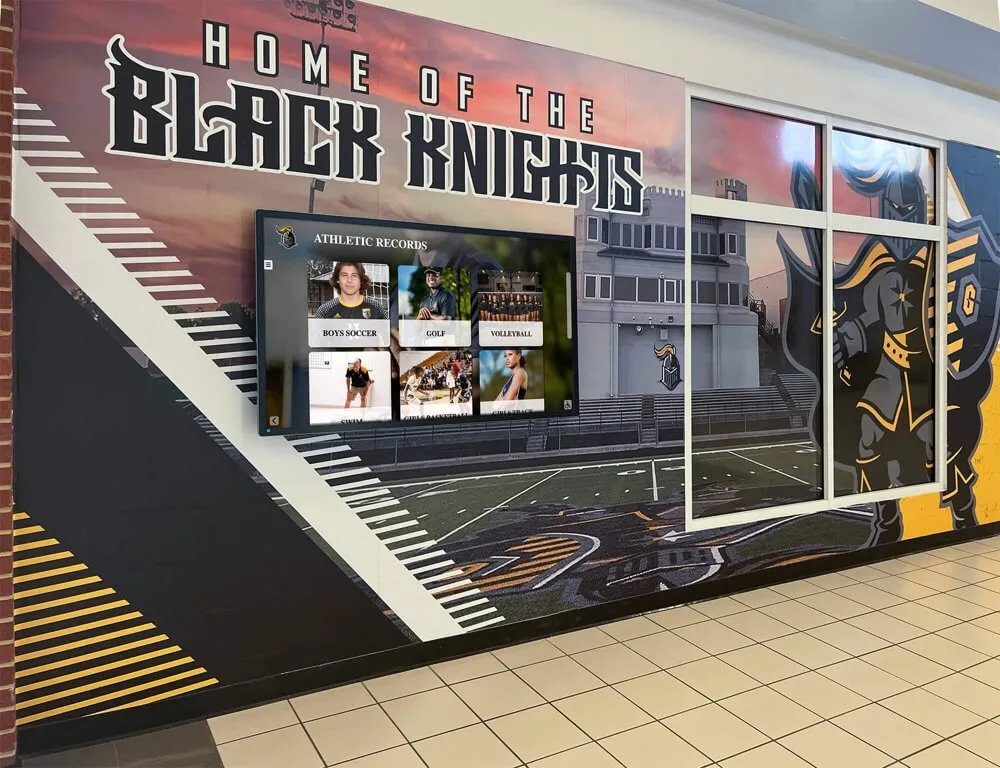
Strategic visual presentation maximizes nostalgic impact while celebrating institutional history
Schools implementing comprehensive digital archives report that systematic curation dramatically increases engagement compared to random historical photo posting—intentionality matters significantly.
Then-and-Now Comparison Content
Comparison content showing institutional evolution generates particularly strong engagement:
- Campus facility comparisons showing beloved spaces then and now
- Tradition evolution showing how signature events maintained core identity while adapting
- Technology progression (what students used for research, communication, entertainment)
- Fashion and style changes providing humorous nostalgic touchpoints
- Athletic or program comparisons showing continuity and progress
This format works powerfully because it simultaneously validates nostalgic feelings about the past while demonstrating institutional vitality and forward progress—addressing potential concern that nostalgia implies stagnation.
Video Content for Emotional Storytelling
While images trigger memory, video creates deeper emotional engagement through motion, sound, and narrative:
Alumni Testimonial and Story Series
Contemporary alumni reflecting on formative experiences create powerful nostalgic content:
- Career success stories connecting current achievements to institutional foundation
- Relationship narratives about lasting friendships or mentor relationships formed at the institution
- Tradition participation showing alumni continuing or passing traditions to next generations
- Giving motivations explaining why alumni financially support institutions
- Life impact reflections on how institutional experiences shaped values or directions
These stories work because they’re simultaneously nostalgic (reflecting on the past) and aspirational (demonstrating outcomes prospective students desire and current alumni see reflected in their own lives).
Historical Footage Compilation and Archival Content
Raw archival video possesses tremendous nostalgic power, particularly when edited strategically:
- Historical game footage for former athletes and sports fans
- Performance or event recordings (concerts, plays, ceremonies)
- Campus life documentation showing daily student experiences
- Historical news coverage of institutional moments or achievements
- Faculty interviews or lectures from beloved teachers
- Tradition documentation showing signature events across decades
The key is making historical footage discoverable and consumable—unedited 90-minute ceremony recordings rarely generate engagement, but carefully edited 3-5 minute highlight compilations focusing on emotionally resonant moments perform exceptionally well.
Interactive Experiences and Digital Engagement
Modern nostalgia marketing extends beyond passive content consumption to interactive experiences enabling personal exploration:
Searchable Digital Archives and Recognition Displays
The most powerful nostalgic experiences are personalized—enabling individuals to discover their own stories rather than consuming generic institutional history:
Interactive platforms like those provided by Rocket Alumni Solutions transform nostalgia from broadcast to discovery:
- Individual search capabilities: Alumni finding their own photos, achievements, and mentions
- Team or class exploration: Discovering classmates and teammates
- Year or era browsing: Exploring what was happening during specific timeframes
- Achievement databases: Searchable records and honors alumni can locate and share
- Multimedia integration: Photos, videos, documents, and audio in unified experiences
- Social sharing: One-click sharing of personal discoveries to social networks
According to schools implementing interactive recognition systems, average engagement duration increases 7-10x compared to passive displays—interactivity and personalization combining powerfully.
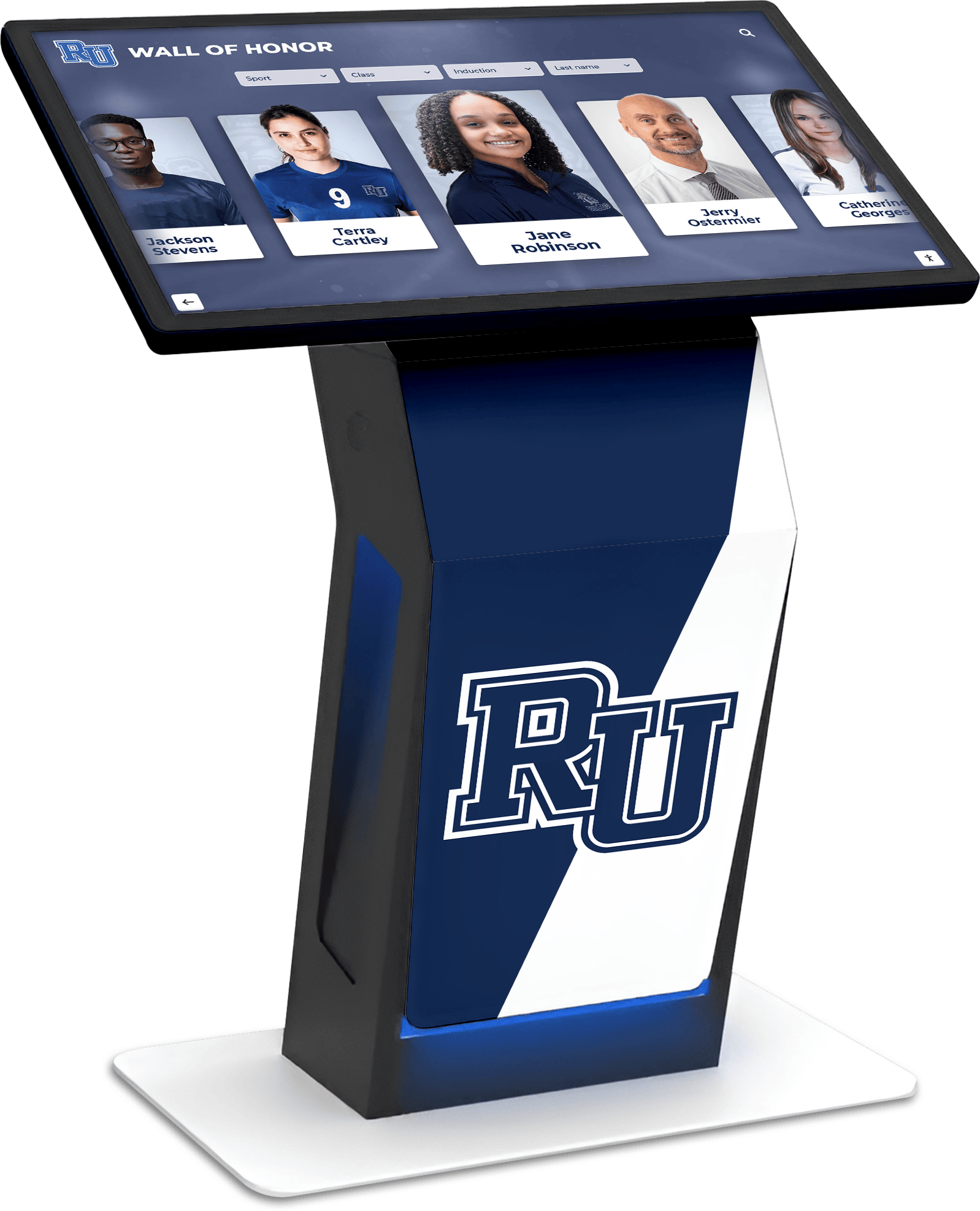
Self-directed exploration creates deeper engagement than curator-controlled experiences
Social Media Engagement Campaigns
Interactive social campaigns activate community-wide nostalgic participation:
High-Engagement Campaign Formats
- Memory sharing invitations: “Share your favorite [tradition/location/memory]” with institutional hashtag
- Photo identification challenges: “Help us identify people in this historical photo”
- Caption contests: Historical photos with missing context inviting creative responses
- Decade-specific throwback themes: “Throwback to [year/era]” with community participation invitation
- Before-and-after contributions: Alumni sharing personal then-and-now comparisons
- Tradition continuation documentation: Current families showing how they continue institutional traditions
- Anniversary milestone celebrations: Coordinated community acknowledgment of significant dates
These campaigns succeed because they’re participatory rather than consumptive—transforming alumni from audience to contributors while generating authentic user-generated content extending campaign reach organically.
Technology Infrastructure Enabling Scalable Nostalgia Marketing
Effective nostalgia marketing requires appropriate technology foundation—particularly for institutions with extensive historical content and large alumni populations:
Digital Asset Management and Archive Systems
Nostalgia marketing’s raw material is historical content requiring systematic organization:
Content Organization Requirements
Successful systems provide:
- Metadata tagging: Categorization by year, people, events, locations, activities enabling precise search
- Multiple format support: Photos, documents, videos, audio, and artifacts in unified systems
- Scalable storage: Capacity for thousands or tens of thousands of historical items
- Search functionality: Keyword, date range, category, and combined queries
- Access controls: Public versus restricted content with appropriate privacy protection
- Preservation standards: Long-term digital file integrity and format migration planning
Many schools discover that existing systems (Google Drive, Dropbox, institutional servers) lack organization and search capabilities supporting scalable nostalgia marketing—requiring purpose-built digital archive platforms providing necessary functionality.
Interactive Display and Web Portal Systems
Organized archives require presentation layers making content accessible and engaging:
Comprehensive Platform Requirements
Effective nostalgia marketing platforms provide integrated capabilities:
Physical Display Components
For on-campus installations in high-traffic locations:
- Commercial-grade touchscreen displays designed for continuous operation
- Intuitive touch interfaces requiring no instructions
- Searchable databases enabling personal discovery
- Multimedia playback supporting photos, videos, and documents
- Professional design maintaining institutional branding
- Durability appropriate for educational environments
- ADA compliance ensuring universal accessibility

Strategic placement maximizes visibility and engagement with nostalgic recognition content
Web Portal Components
For remote access extending beyond campus:
- Responsive web design functioning on all devices
- Comprehensive search and filtering capabilities
- Social sharing integration for viral content distribution
- Alumni contribution workflows enabling community participation
- Analytics tracking engagement patterns and content performance
- Integration with existing institutional websites and systems
- Mobile optimization for smartphone and tablet users
The most effective platforms integrate physical and digital seamlessly—creating consistent experiences whether alumni engage on campus during reunions or remotely from across the country.
Content Management Systems for Non-Technical Staff
Technology only delivers value if staff can confidently manage content without requiring ongoing IT support:
Usability Requirements
Quality systems provide:
- Intuitive dashboards: Visual interfaces requiring no technical training
- Form-driven entry: Simple fields for adding content without coding
- Drag-and-drop functionality: Easy content placement and organization
- Batch upload tools: Efficient digitization of historical collections
- Scheduling capabilities: Automated content publication on specific dates
- Role-based permissions: Appropriate access for different staff responsibilities
- Automatic backups: Content security without manual intervention
- Preview modes: See changes before public visibility
Institutions report that usability represents the primary factor determining whether nostalgia initiatives succeed or stall—technically sophisticated platforms requiring specialized expertise create ongoing bottlenecks preventing sustainable implementation.
Ethical Considerations and Authenticity in Nostalgia Marketing
While nostalgia marketing delivers powerful results, ethical implementation requires careful consideration:
Balancing Nostalgia with Progress and Current Reality
The risk in nostalgia marketing is appearing to live in the past rather than demonstrating continued vitality:
Strategic Balance Approaches
Effective campaigns simultaneously honor history and demonstrate progress:
- Evolution narratives: Showing how institutions maintained core identity while adapting and improving
- Then-and-now frameworks: Explicitly connecting past foundations to current excellence
- Legacy and innovation combinations: Pairing historical traditions with cutting-edge programs or facilities
- Multi-generational representation: Including contemporary student voices alongside alumni reflections
- Forward-looking positioning: Using history to demonstrate capacity for continued excellence
According to educational nostalgia marketing research, the most successful approaches celebrate history while clearly communicating that institutions aren’t trapped in the past—tradition and progress working complementarily rather than in tension.
Privacy and Consent in Historical Content
Historical content often features individuals without explicit permission for digital publication:
Privacy Protection Protocols
Responsible nostalgia marketing includes:
- Consent procedures: Systems for individuals to request removal or restriction
- Minor protection: Extra scrutiny for content featuring students under 18
- Context appropriateness: Avoiding images that might embarrass or misrepresent
- Accurate identification: Verification before publishing names or biographical information
- Transparent policies: Clear communication about how historical content will be used
- Opt-out mechanisms: Simple processes for requesting content removal
- Regular audits: Periodic review of published materials for appropriateness
While historical yearbook photos and team rosters generally fall under reasonable educational use, establishing clear policies and responsive removal processes demonstrates institutional commitment to ethical content management.
Authenticity Versus Manufactured Nostalgia
The most effective nostalgia marketing emphasizes authentic historical content and experiences rather than artificially manufactured “nostalgia”:
Authenticity Markers
Genuine approaches prioritize:
- Real historical materials: Actual photos, footage, and artifacts versus staged recreations
- Honest institutional narratives: Acknowledging challenges alongside celebrations
- Alumni voices: First-person accounts versus institutional marketing language
- Preservation focus: Genuine commitment to historical documentation beyond marketing utility
- Community participation: Inviting alumni contributions and corrections
- Scholarship standards: Accurate dating, identification, and context
- Transparent sourcing: Clear attribution of materials and information
Communities quickly recognize manufactured nostalgia lacking authentic foundation—undermining trust and defeating marketing objectives. The institutions most successful with nostalgia marketing genuinely value their history beyond its marketing utility, with marketing flowing naturally from authentic preservation and celebration.

Genuine commitment to preservation creates authentic nostalgia marketing foundation
Measuring Nostalgia Marketing Success: Key Performance Indicators
Strategic implementation requires measurement frameworks demonstrating value and informing continuous improvement:
Financial Revenue Metrics
Direct revenue impact represents primary justification for nostalgia marketing investment:
Trackable Revenue Indicators
- Alumni giving increases: Year-over-year improvements in participation rates, average gifts, and total dollars
- Major gift attribution: Percentage of significant commitments citing nostalgic motivation
- Campaign performance: Nostalgic campaign results versus control campaigns
- Merchandise revenue: Sales of nostalgia-themed products versus standard offerings
- Event revenue: Reunion attendance and ticket revenue trends
- Enrollment conversion: Legacy student application and matriculation rates
- Sponsorship value: Corporate and alumni-owned business engagement
While isolating nostalgia marketing’s specific contribution from other variables requires careful analysis, institutions implementing comprehensive programs consistently report measurable improvements across these indicators correlated with nostalgia initiative timing.
Engagement and Community Connection Metrics
Beyond direct revenue, engagement metrics demonstrate community relationship strength:
Quantitative Engagement Indicators
- Social media metrics: Likes, shares, comments, and reach for nostalgic content
- Website analytics: Traffic, time on site, and pages per session for historical portals
- Display interactions: Touchscreen session duration and frequency for physical installations
- Content consumption: Video views, photo browsing, and search queries
- Email metrics: Open and click rates for nostalgia-themed communications
- Event attendance: Reunion and homecoming participation trends
- Volunteer participation: Alumni involvement in institutional initiatives
- Survey responses: Community participation in research and feedback requests
Schools implementing comprehensive analytics systems report that nostalgic content consistently generates 2-3x higher engagement than standard institutional communications—validating strategy while identifying particularly resonant content types for optimization.
Qualitative Impact Assessment
Numbers alone miss important dimensions of nostalgia marketing success:
Stakeholder Feedback Collection
Systematic qualitative assessment includes:
- Alumni testimonials: Direct feedback about how recognition programs affect institutional connection
- Donor interviews: Understanding motivation behind giving decisions
- Student surveys: Assessing pride and connection to institutional legacy
- Staff observations: Frontline insights about community response patterns
- Social sentiment analysis: Qualitative review of comments and social media reactions
- Recruitment feedback: Prospective family reactions to historical elements in marketing
These qualitative insights often reveal unexpected benefits—like alumni discovering unknown classmate achievements sparking reconnection, or prospective families choosing institutions specifically because of demonstrated community continuity—that quantitative metrics alone wouldn’t capture.
Implementation Roadmap: Launching Your Nostalgia Marketing Initiative
Moving from concept to execution requires systematic planning and phased implementation:
Phase 1: Foundation and Assessment (Months 1-3)
Institutional Readiness Evaluation
Begin with honest assessment of current state:
- Historical content audit: What materials exist currently and in what condition?
- Stakeholder analysis: Which constituencies represent priority audiences?
- Resource inventory: What staff time, budget, and expertise is available?
- Technology assessment: What systems exist or require implementation?
- Goal clarification: What specific outcomes justify investment?
- Success metrics definition: How will results be measured?
- Leadership alignment: Does leadership support necessary commitment?
This assessment prevents premature execution before establishing necessary foundations while clarifying realistic scope and timelines.
Priority Content Identification and Digitization
Rather than attempting comprehensive historical digitization before launching, identify highest-priority content:
- Recent history (last 10-15 years) with strongest active community connection
- Significant achievements transcending specific eras (championships, major accomplishments)
- Beloved traditions with multi-generational participation
- Notable alumni with strongest community recognition
- Facility or program milestones marking institutional development
- High-quality materials requiring minimal restoration or enhancement
Beginning with priority content enables faster initial launch delivering value while building toward comprehensive coverage systematically over time.
Phase 2: Platform Implementation and Initial Launch (Months 4-6)
Technology Selection and Deployment
Based on assessment phase findings, implement appropriate infrastructure:
For institutions seeking comprehensive solutions combining physical displays, web portals, and intuitive content management, platforms like Rocket Alumni Solutions provide integrated capabilities specifically designed for educational nostalgia marketing and recognition.
Initial Content Publishing and Community Announcement
Launch with priority content while communicating expansion plans:
- Soft launch allowing staff to gain confidence with limited audience
- Alumni advisory preview inviting feedback from engaged community members before full launch
- Coordinated public announcement building excitement around new capabilities
- Clear expansion communication setting expectations about ongoing content addition
- Contribution invitation encouraging alumni participation in content development
- Usage promotion driving traffic to physical and digital platforms
Early launch with growth trajectory outperforms delayed launch attempting comprehensive completion before public visibility.
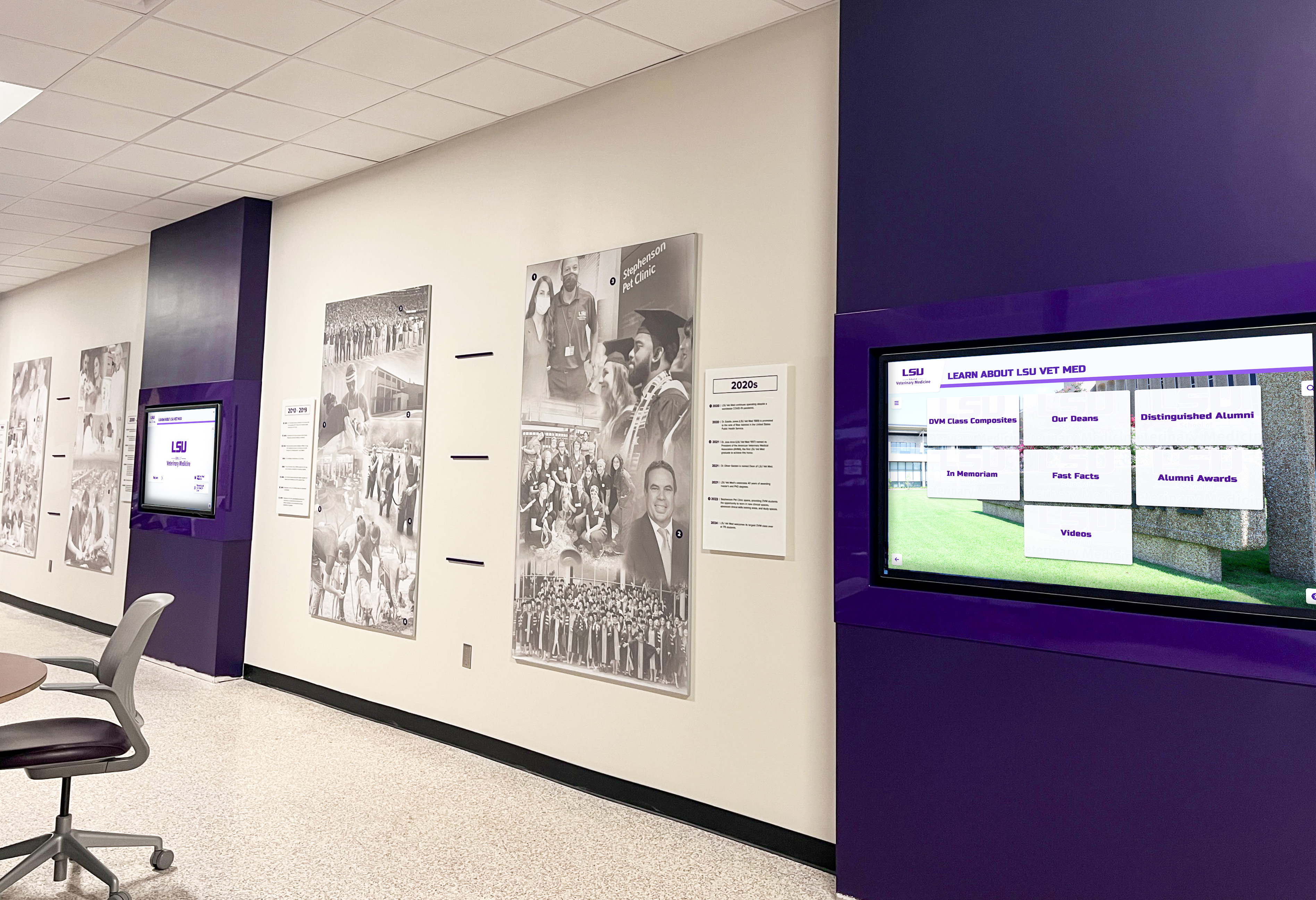
Phased approaches deliver early wins while developing comprehensive recognition programs systematically
Phase 3: Content Expansion and Campaign Integration (Months 7-12)
Systematic Historical Content Addition
With initial platform operational, expand systematically:
- Decade-by-decade backward expansion from recent history toward founding
- Category deepening providing comprehensive coverage within recognition types
- Multimedia enrichment adding videos, documents, and audio to enhance existing profiles
- Community contribution integration incorporating alumni-submitted materials
- Quality improvement enhancing early content with better images, additional information, and richer context
Campaign Strategy Development and Execution
Integrate nostalgia platforms into fundraising and engagement campaigns:
- Reunion coordination making recognition displays central to reunion experiences
- Giving campaigns incorporating personalized nostalgic appeals
- Enrollment marketing highlighting tradition and community continuity
- Event promotion using historical content to drive attendance
- Social media strategy leveraging nostalgic content for consistent engagement
- Merchandise development creating products tied to recognition content
The most successful implementations treat nostalgia marketing as ongoing strategic commitment rather than one-time project—continuously expanding content, refining approaches, and measuring results systematically.
Phase 4: Optimization and Sustained Management (Ongoing)
Analytics-Driven Continuous Improvement
Use performance data to optimize effectiveness:
- Content performance analysis: Identifying what generates strongest engagement
- User behavior patterns: Understanding how people navigate and explore content
- Conversion tracking: Connecting engagement to concrete outcomes (giving, attendance, enrollment)
- A/B testing: Comparing different approaches systematically
- Feedback integration: Incorporating community suggestions and requests
- Technology upgrades: Implementing new capabilities as platforms evolve
Institutional Integration and Culture Building
Mature programs integrate nostalgia marketing into institutional culture:
- Staff onboarding introducing new employees to institutional history
- Student education helping current students understand legacy they join
- Recognition ceremonies incorporating historical context in contemporary celebrations
- Strategic planning using historical analysis to inform future directions
- Leadership communication presidential and board messaging emphasizing institutional continuity
- External relations incorporating history in media relations and community engagement
When nostalgia marketing evolves from tactical campaign to strategic asset woven throughout institutional culture, it delivers maximum sustained value extending far beyond initial implementation objectives.
Conclusion: From Emotion to Revenue Through Authentic Connection
Nostalgia marketing works because it activates genuine emotional connections that already exist—not through manipulation, but through recognition that formative experiences naturally create lasting bonds deserving acknowledgment and celebration. For schools and educational institutions, these connections represent tremendous strategic assets when activated thoughtfully and authentically.
The revenue impact is substantial and well-documented: campaigns lifting sales by 23%, consumers willing to pay 10-15% premiums, 75% higher purchase likelihood for nostalgic appeals, and 30% engagement increases for nostalgia-themed campaigns. These aren’t marginal improvements—they represent competitive advantages transforming institutional advancement, enrollment marketing, and community engagement effectiveness.
Yet nostalgia marketing delivers value transcending financial metrics alone. It strengthens community bonds across generations, preserves institutional knowledge that would otherwise be lost, reinforces organizational identity during periods of change, connects current students with legacy they inherit, and demonstrates to all stakeholders that the institution values its history and people beyond transactional relationships.
The institutions most successful with nostalgia marketing share common characteristics: genuine commitment to preservation and recognition extending beyond marketing objectives, systematic content organization making history accessible and discoverable, technology infrastructure enabling scalable implementation without requiring specialized expertise, phased approaches delivering early value while building comprehensively over time, measurement frameworks demonstrating impact and informing optimization, and leadership alignment ensuring sustained commitment through inevitable challenges.
Ready to Transform Nostalgia Into Measurable Results?
Discover how Rocket Alumni Solutions helps schools and organizations implement comprehensive nostalgia marketing programs combining physical recognition displays, web portals, and intuitive content management systems specifically designed for educational institutions seeking to strengthen community connections while generating concrete revenue results.
Schedule Your Strategy ConsultationThe question facing advancement professionals, marketing directors, and institutional leaders isn’t whether their communities hold nostalgic feelings about formative educational experiences—those emotions exist naturally and powerfully. The question is whether institutions will strategically activate those feelings through systematic programs generating measurable engagement and revenue while strengthening lasting community bonds, or whether they’ll leave this tremendous strategic asset untapped while competitors leverage nostalgia to advance their institutional missions more effectively.
The tools, technology, and strategic frameworks exist today to implement sophisticated nostalgia marketing programs regardless of institutional size or resources. Success requires commitment, appropriate infrastructure, and systematic execution—but the results justify investment through improved fundraising effectiveness, stronger enrollment outcomes, enhanced community engagement, and sustainable competitive advantage in increasingly challenging educational markets.
Explore comprehensive digital recognition strategies for planning and budgeting effective programs, discover best practices for historical content digitization that form nostalgia marketing foundations, or learn about displaying your school’s history effectively to transform emotional connections into concrete institutional outcomes.
Sources:
- BEST NOSTALGIA MARKETING STATISTICS 2025
- Discover Why Nostalgia Marketing is Winning in 2025
- The Power of Nostalgia Marketing: Why the Past Still Sells in 2025
- Nostalgia Marketing - Unlocking the Trend in 2025
- Nostalgia Marketing: The Science Behind Emotional Time Travel
- 47 Nostalgia Marketing Statistics to Know in 2025
- Nostalgia Marketing – How Tapping into the Past Can Boost Your Future
- The Power of Nostalgia in Marketing: Why It Works and How to Use It in 2025
- How to turn emotion into revenue with nostalgia marketing
- Nostalgia Marketing: A Data-Driven Approach to Engaging the Heart
- How Nostalgia Marketing Can Boost Your School’s Enrollment
- How Brands Use Nostalgia to Drive Engagement - And What Schools Can Learn From Them































