Modern offices face a persistent challenge: creating genuine community in workplaces where hybrid schedules, diverse teams, and busy workflows can leave employees feeling disconnected. Ideas for community engagement in our office aren’t just nice-to-have initiatives—they’re strategic investments that strengthen culture, improve retention, boost collaboration, and create the kind of workplace where people actually want to spend their time.
Whether you’re managing a corporate headquarters, a professional services firm, a growing startup, or a distributed team with a central office, thoughtful community engagement transforms collections of individual workers into cohesive teams united by shared values, mutual respect, and authentic connection. This comprehensive guide explores practical, proven ideas for building vibrant office communities that thrive.
The most successful office communities don’t happen by accident. They result from intentional strategies that create opportunities for connection, celebrate individual and team contributions, foster belonging across diverse groups, and demonstrate that every person matters to the organization’s success. The challenge lies in moving beyond superficial activities to implement engagement approaches that resonate with modern, multigenerational workforces while respecting time constraints and diverse preferences.
Strong office communities create environments where employees feel connected, valued, and invested in collective success
Understanding Office Community Engagement: Beyond Pizza Parties
Office community engagement extends far beyond occasional team lunches or annual holiday parties. True community engagement creates ongoing sense of belonging, facilitates meaningful relationships, and builds social capital that strengthens organizations during both successful periods and challenging times.
What Makes Office Community Engagement Effective
Successful community engagement in office settings shares several key characteristics:
Authenticity and Genuine Connection
- Engagement activities that reflect actual organizational values rather than checking boxes
- Opportunities for real relationship building beyond superficial interactions
- Leadership modeling of community participation and authentic engagement
- Recognition of genuine contributions rather than participation trophies
- Respect for individual preferences about engagement styles and comfort levels
Inclusive Design and Accessibility
- Multiple engagement pathways accommodating different personalities and preferences
- Timing and formats that work for various schedules and work arrangements
- Activities welcoming all employees regardless of role, level, or background
- Recognition of diverse contributions beyond traditional categories
- Removal of financial, physical, and social barriers to participation
Strategic Alignment with Business Goals
- Connection between community engagement and organizational performance
- Integration with talent management strategies including retention and development
- Measurable outcomes demonstrating community engagement value
- Executive sponsorship and resource allocation reflecting strategic importance
- Recognition of community engagement as business imperative, not HR nice-to-have
Sustainability and Consistency
- Programs built into organizational rhythms rather than one-time events
- Scalable approaches that work as organizations grow and evolve
- Distributed ownership preventing dependence on single champions
- Budget allocations ensuring continued investment beyond launch excitement
- Evaluation and refinement processes supporting continuous improvement
Effective engagement combines authenticity, inclusion, strategic alignment, and sustainability
The Business Case for Office Community Engagement
Investing time and resources in office community engagement delivers measurable returns across multiple dimensions:
Retention and Recruitment Benefits
Organizations with strong workplace communities experience significantly better retention rates. Employees who feel connected to colleagues and embedded in organizational communities are dramatically less likely to leave, even for higher compensation elsewhere. The sense of belonging and social connection often outweighs purely financial considerations when employees evaluate career decisions.
Additionally, strong community reputations enhance employer brand and recruitment effectiveness. Candidates increasingly research workplace culture through sites like Glassdoor, and organizations known for genuine community and employee appreciation attract higher-quality applicants who accept offers at greater rates.
Productivity and Collaboration Improvements
Connected teams collaborate more effectively than disconnected individuals. When employees know colleagues beyond surface-level professional relationships, they communicate more openly, share information more freely, resolve conflicts more constructively, and coordinate work more efficiently. The social capital built through community engagement directly facilitates business execution.
Research consistently demonstrates that engaged, connected employees deliver higher productivity levels than isolated workers. The psychological safety created by strong communities enables innovation, risk-taking, and honest communication that drives organizational performance.
Innovation and Problem-Solving Capacity
Diverse perspectives coming together in environments of trust and psychological safety generate superior solutions to complex challenges. Office community engagement that connects people across departments, levels, and backgrounds facilitates the cross-pollination of ideas that fuels innovation.
Organizations with siloed, disconnected workforces miss opportunities for collaborative innovation because employees lack relationships and forums for sharing insights across traditional boundaries. Community engagement breaks down these silos, creating networks that strengthen organizational problem-solving capacity.
Employee Well-Being and Satisfaction
Work represents a substantial portion of most people’s lives. When workplaces provide not just paychecks but also meaningful relationships, recognition, and sense of purpose, employees experience greater overall well-being and life satisfaction. This translates to reduced burnout, lower absenteeism, higher energy levels, and improved mental health outcomes.
The social connections fostered through community engagement provide support networks that help employees navigate both professional challenges and personal difficulties, contributing to resilience and long-term organizational health.
Recognition-Based Community Engagement Ideas
One of the most powerful community engagement strategies involves systematically recognizing and celebrating employee contributions, achievements, and milestones. Recognition creates visibility, demonstrates appreciation, and strengthens the sense that individual contributions matter to organizational success.
Modern Digital Recognition Displays
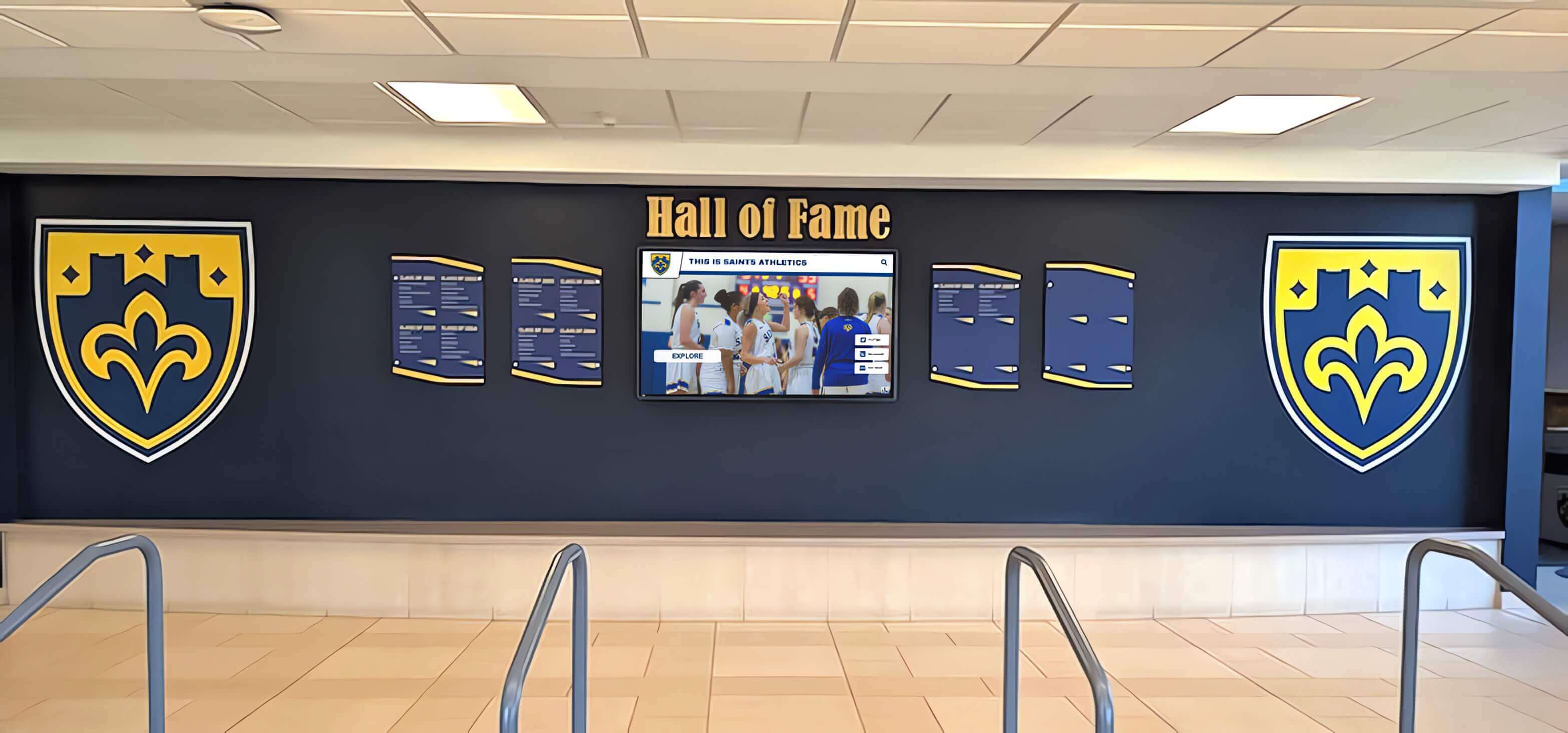
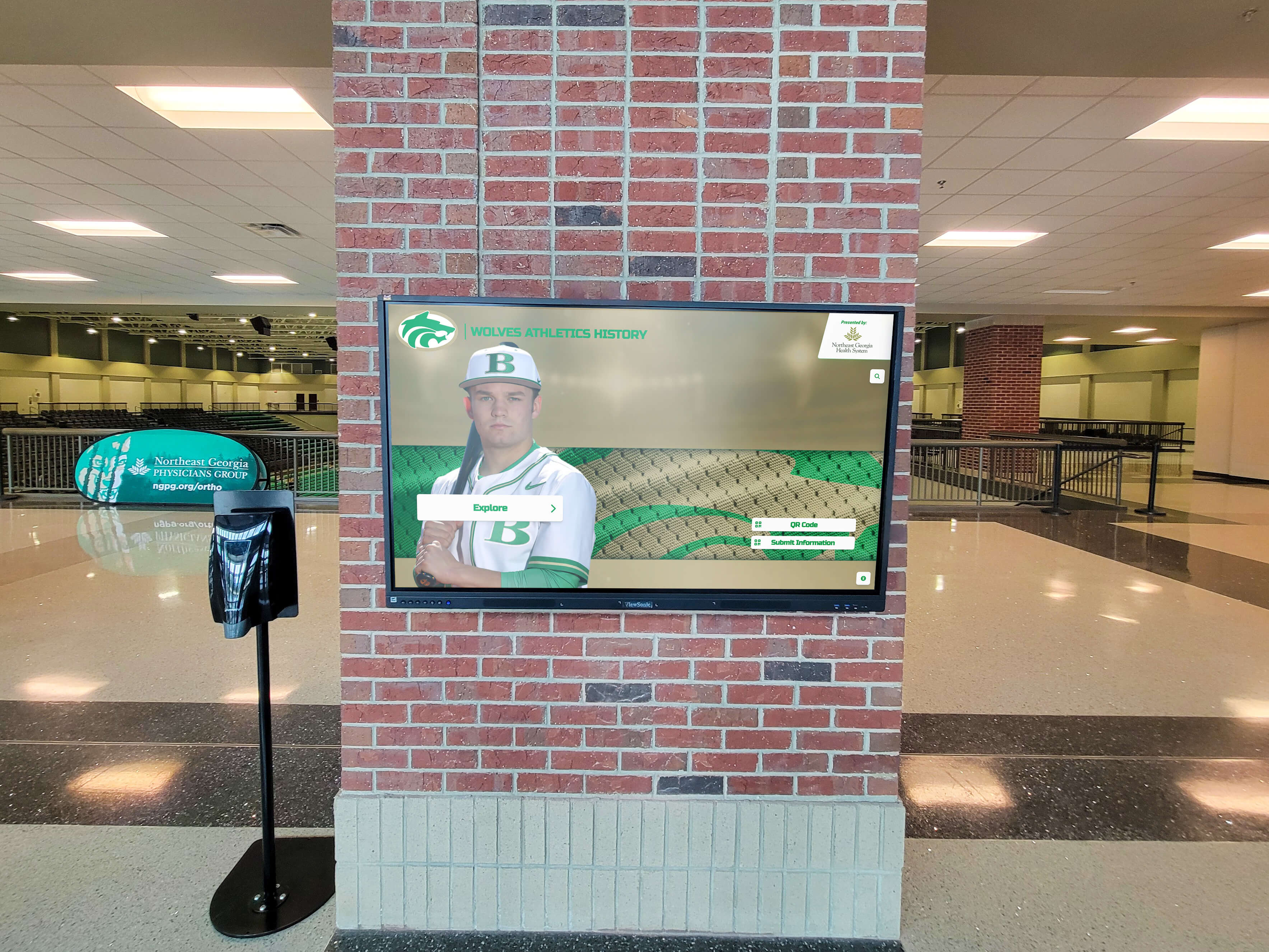
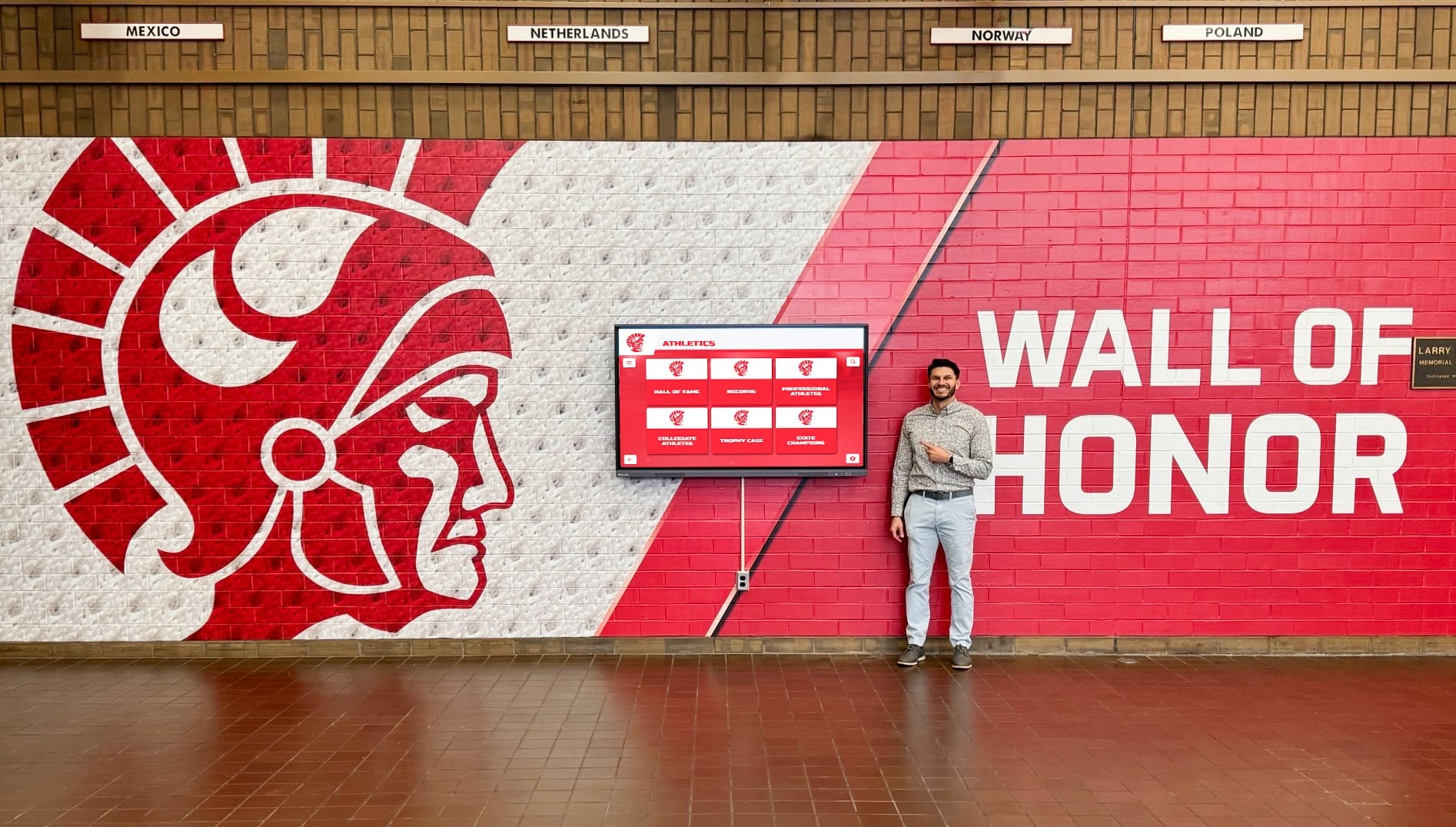
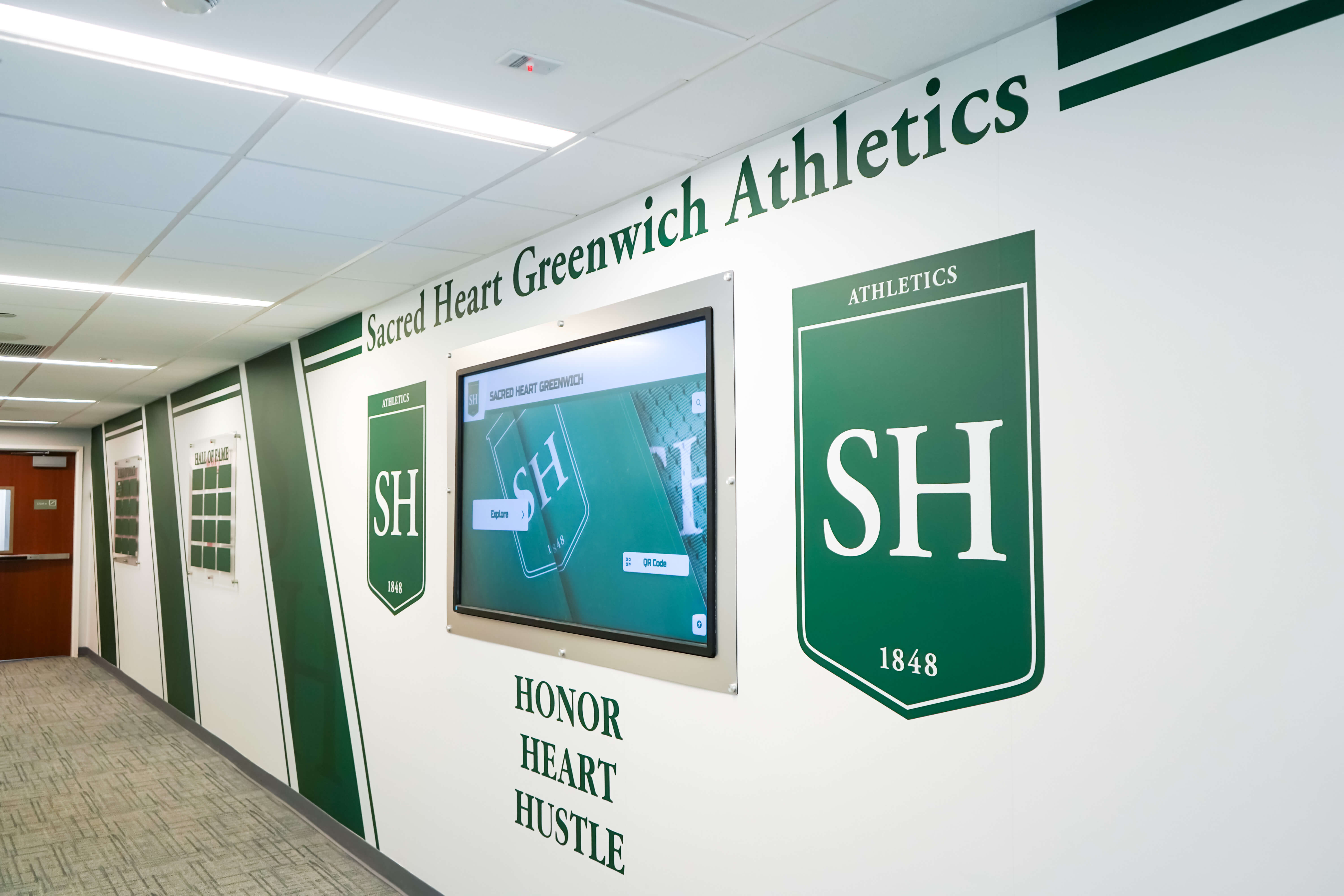
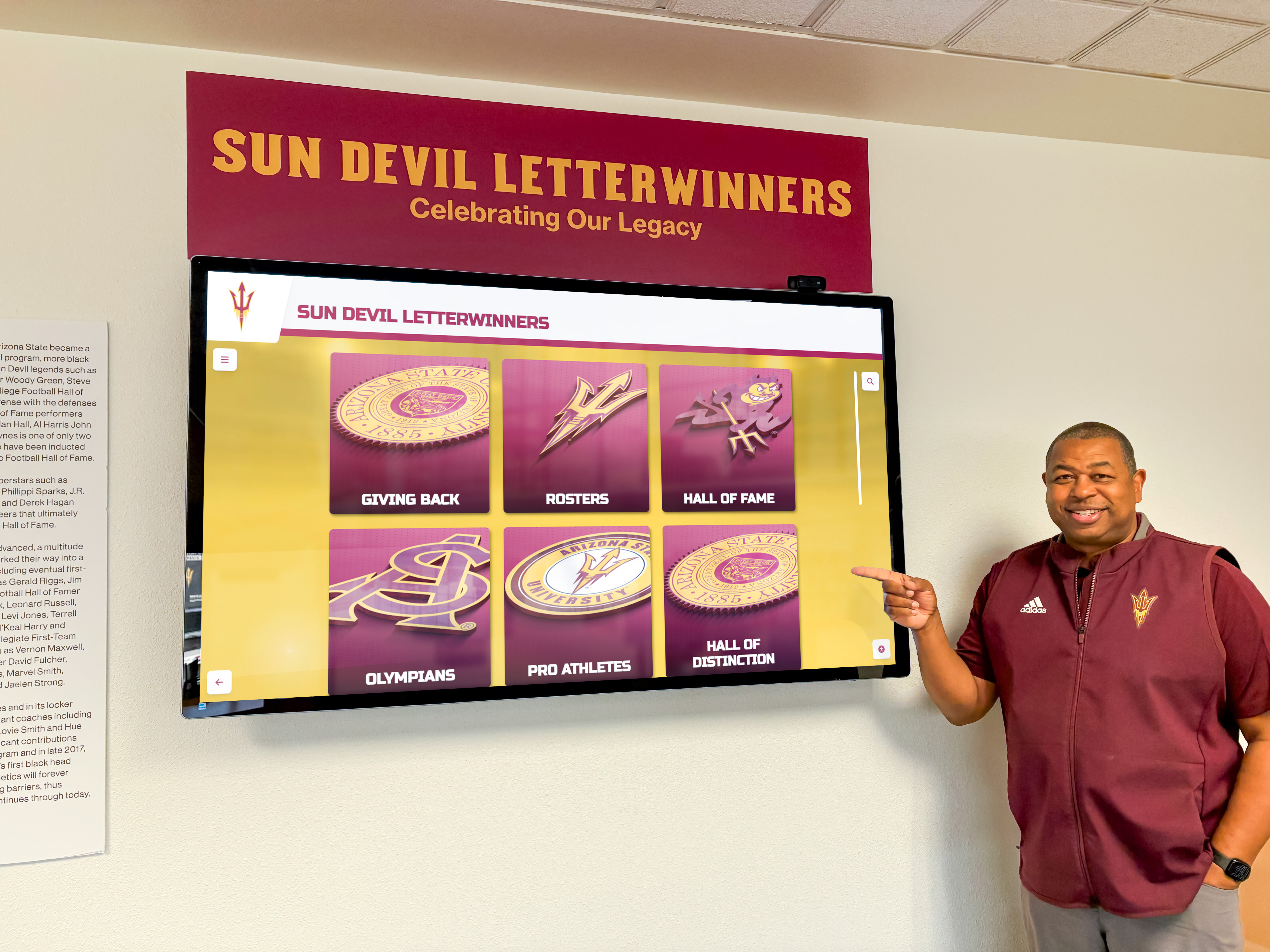
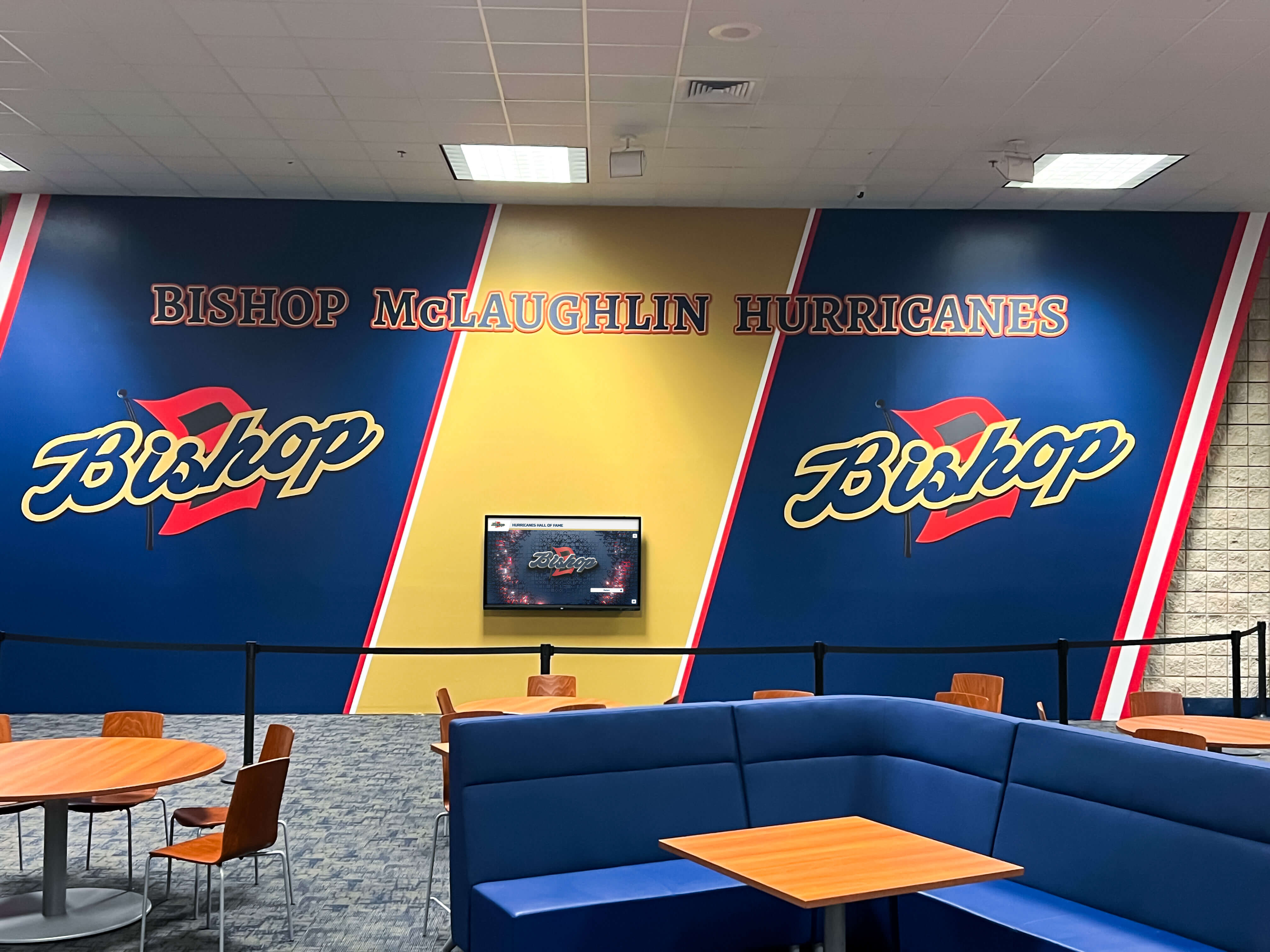
Traditional recognition approaches like paper newsletters or bulletin boards lack the visibility and engagement power needed in modern offices. Interactive recognition displays transform how organizations honor employees while creating natural gathering points that facilitate community connection.
How Digital Recognition Displays Build Community
Visibility and Engagement
- High-traffic placement in lobbies, break rooms, or common areas
- Touchscreen interactivity inviting exploration and engagement
- Search functionality enabling colleagues to find and celebrate each other
- Multimedia profiles including photos, videos, and detailed achievements
- Regular content updates keeping recognition fresh and relevant
- Web accessibility extending recognition beyond physical office

Digital recognition displays create engaging experiences that honor contributions
Recognition Categories That Build Community
Effective recognition programs celebrate diverse contributions:
- Performance Excellence: Outstanding results, goal achievement, client satisfaction
- Service Milestones: Years of service, career anniversaries, loyalty recognition
- Innovation and Improvement: Process enhancements, creative solutions, new approaches
- Collaboration and Teamwork: Cross-functional partnership, mentorship, knowledge sharing
- Living Company Values: Demonstrations of core values in daily work
- Community Service: Volunteer leadership, charitable contributions, civic engagement
- New Employee Welcome: Celebrating recent hires and facilitating integration
Solutions like Rocket Alumni Solutions extend beyond educational settings to serve corporate environments seeking to strengthen workplace culture through visible, engaging employee recognition. These platforms provide cloud-based content management, customizable templates, and both physical display and web-based access, enabling comprehensive recognition programs that scale across growing organizations.
Peer-to-Peer Recognition Programs
While manager recognition carries authority, peer appreciation often resonates more authentically because colleagues witness daily contributions that supervisors might miss:
Implementation Approaches
- Recognition Platforms: Digital systems where employees nominate and appreciate colleagues
- Spotlight Nominations: Simple forms enabling anyone to submit peer recognition
- Team Meeting Shout-Outs: Structured time during meetings for public peer appreciation
- Recognition Walls: Physical or digital spaces where employees post appreciation notes
- Point or Badge Systems: Gamified approaches where peers award recognition points
Best Practices for Peer Recognition
- Make It Easy: Reduce friction with simple nomination processes requiring minimal time
- Provide Guidelines: Offer examples and templates helping employees craft meaningful recognition
- Create Visibility: Publicly share peer recognition through multiple channels
- Manager Modeling: Leaders should actively participate in peer recognition, not just receive it
- Regular Prompts: Remind teams through regular communications about peer recognition opportunities
Research shows that peer recognition programs strengthen relationships between colleagues while building cultures of appreciation that extend beyond formal management hierarchies.
Peer recognition strengthens colleague relationships and creates cultures of appreciation
Milestone and Anniversary Celebrations
Acknowledging significant employee milestones creates moments of celebration that strengthen community bonds:
Service Anniversary Recognition
- Work Anniversary Acknowledgment: Celebrating 1, 5, 10, 15, 20+ year milestones
- Retirement Celebrations: Honoring careers and legacies as employees transition
- Promotion Recognition: Celebrating career advancement and professional growth
- Career Path Stories: Sharing employee journeys from hiring through current roles
Personal Milestone Recognition
- Birthday Acknowledgments: Simple celebrations recognizing personal milestones
- Life Events: Welcoming new children, celebrating weddings, acknowledging personal achievements
- Educational Completion: Recognizing degrees, certifications, and professional development
- Community Contributions: Celebrating volunteer work, board service, civic leadership
Organizations implementing comprehensive recognition programs report that systematic milestone acknowledgment significantly strengthens employee loyalty and organizational commitment.
Social Connection and Relationship-Building Ideas
Beyond recognition, office community engagement benefits from activities and programs specifically designed to facilitate relationship building across teams and departments.
Cross-Functional Networking Opportunities
Organizational silos undermine community by limiting relationships to immediate teams. Intentional cross-functional connection breaks down these barriers:
Structured Networking Approaches
- Lunch and Learn Sessions: Regular presentations from different departments explaining their work
- Cross-Department Coffee Chats: Randomly pairing employees from different areas for informal conversations
- Job Shadow Programs: Opportunities for employees to spend time with colleagues in different roles
- All-Hands Meetings: Regular gatherings bringing entire organization together
- Project Showcases: Forums where teams present work to broader organizational audience
Informal Connection Opportunities
- Coffee or Snack Stations: Centralized refreshment areas creating natural gathering points
- Game or Recreation Spaces: Pool tables, ping pong, board games facilitating casual interaction
- Book or Interest Clubs: Groups forming around shared interests beyond work topics
- Walking Meeting Routes: Designated paths encouraging walking meetings that facilitate conversation
- Communal Lunch Spaces: Inviting cafeteria or break room designs encouraging shared meals
These approaches create the repeated interactions that research shows are necessary for relationships to develop beyond surface-level acquaintance.
Intentional spaces and programs facilitate cross-functional relationships
Team Building and Social Events
Strategic social programming creates shared experiences that strengthen community bonds:
Regular Social Rhythms
- Monthly Team Lunches or Breakfasts: Recurring meals with varying themes or formats
- Quarterly Social Events: Seasonal celebrations, sporting events, or recreational activities
- Annual Traditions: Signature events that become part of organizational identity
- Themed Days: Spirit weeks, costume days, or celebration days creating fun breaks from routine
- Happy Hours or Social Gatherings: Informal end-of-day or end-of-week gatherings
Team-Building Activities
- Volunteer Projects: Group community service creating shared purpose beyond business goals
- Recreational Sports Leagues: Company teams in local leagues or internal tournaments
- Team Challenges: Competitions, scavenger hunts, or collaborative problem-solving activities
- Off-Site Experiences: Escape rooms, cooking classes, adventure activities, or cultural events
- Interest-Based Groups: Employee resource groups around shared hobbies, backgrounds, or causes
Hybrid Event Considerations
For offices with remote or distributed employees, hybrid events ensure inclusive participation:
- Virtual attendance options for remote team members
- Technology enabling remote participants to engage, not just observe
- Activities designed for both in-person and virtual participation
- Recordings and recaps for those unable to attend live
- Alternating in-person and virtual formats accommodating different circumstances
Organizations with inclusive recognition and engagement approaches ensure all employees feel welcomed regardless of work arrangement or location.
Mentorship and Development Programs
Relationships built through mentorship create lasting connections that strengthen organizational community:
Formal Mentorship Structures
- New Hire Buddy Systems: Pairing new employees with experienced colleagues for onboarding support
- Career Development Mentoring: Matching junior employees with senior leaders for professional guidance
- Skill-Based Mentorship: Connecting employees seeking specific expertise with knowledgeable colleagues
- Reverse Mentoring: Pairing junior employees with senior leaders for technology or trend education
- Group Mentoring: Small cohorts meeting regularly with mentor facilitating discussions
Implementation Best Practices
- Clear Expectations: Define mentor and mentee responsibilities and time commitments
- Training and Resources: Provide guidance helping mentors be effective in their roles
- Regular Check-Ins: Monitor mentor-mentee relationships ensuring productive connections
- Recognition for Mentors: Acknowledge time and expertise mentors contribute to others’ development
- Structured Yet Flexible: Balance guidance with freedom for relationships to develop organically
Mentorship relationships often evolve into lasting professional friendships that significantly strengthen organizational community and knowledge transfer.
Mentorship programs create meaningful relationships that strengthen community
Communication and Storytelling Approaches
How organizations communicate shapes community perceptions and engagement. Strategic communication approaches strengthen connection and belonging.
Internal Communications Strategy
Effective internal communication keeps employees informed, engaged, and connected:
Communication Channels
- Email Newsletters: Regular updates featuring company news, employee spotlights, and community events
- Internal Blogs or Intranets: Platforms for longer-form content, resources, and community interaction
- Digital Signage: Displays throughout office showcasing recognition, announcements, and company updates
- Team Chat Platforms: Slack, Teams, or similar tools facilitating real-time communication and collaboration
- All-Hands Meetings: Regular gatherings for leadership updates and Q&A sessions
- Department Newsletters: Team-specific communications about local news and achievements
Content That Builds Community
- Employee Spotlight Features: Regular profiles showcasing individual team members
- Behind-the-Scenes Content: Stories about different departments and how work gets done
- Customer Impact Stories: Connecting employee work to end results and customer experiences
- Company History and Milestones: Sharing organizational heritage and evolution
- Values in Action Examples: Demonstrating how employees live company values daily
- Project Showcases: Celebrating completed work and team achievements
Organizations implementing storytelling through recognition displays find that narrative approaches create emotional connections that strengthen community bonds beyond factual information alone.
Visual Communication and Displays
Physical office environments communicate priorities through what organizations choose to display:
Strategic Display Locations
- Main Lobbies: First impressions for visitors and daily reminders for employees
- Break Rooms and Cafeterias: Captive audiences during informal moments
- Conference Room Entrances: Context for meetings and client interactions
- Elevator Banks: Brief but frequent viewing opportunities
- Department Areas: Local recognition and team-specific information
Content Types for Physical Displays
- Employee Recognition: Showcasing achievements, anniversaries, and contributions
- Company Values and Mission: Visible reminders of organizational purpose and principles
- Historical Archives: Preserving and displaying company heritage and evolution
- Project Galleries: Before/after photos, metrics, and stories of completed work
- Community Service Impact: Demonstrating organizational commitment to broader community
- Customer Testimonials: Connecting employee work to customer satisfaction and impact
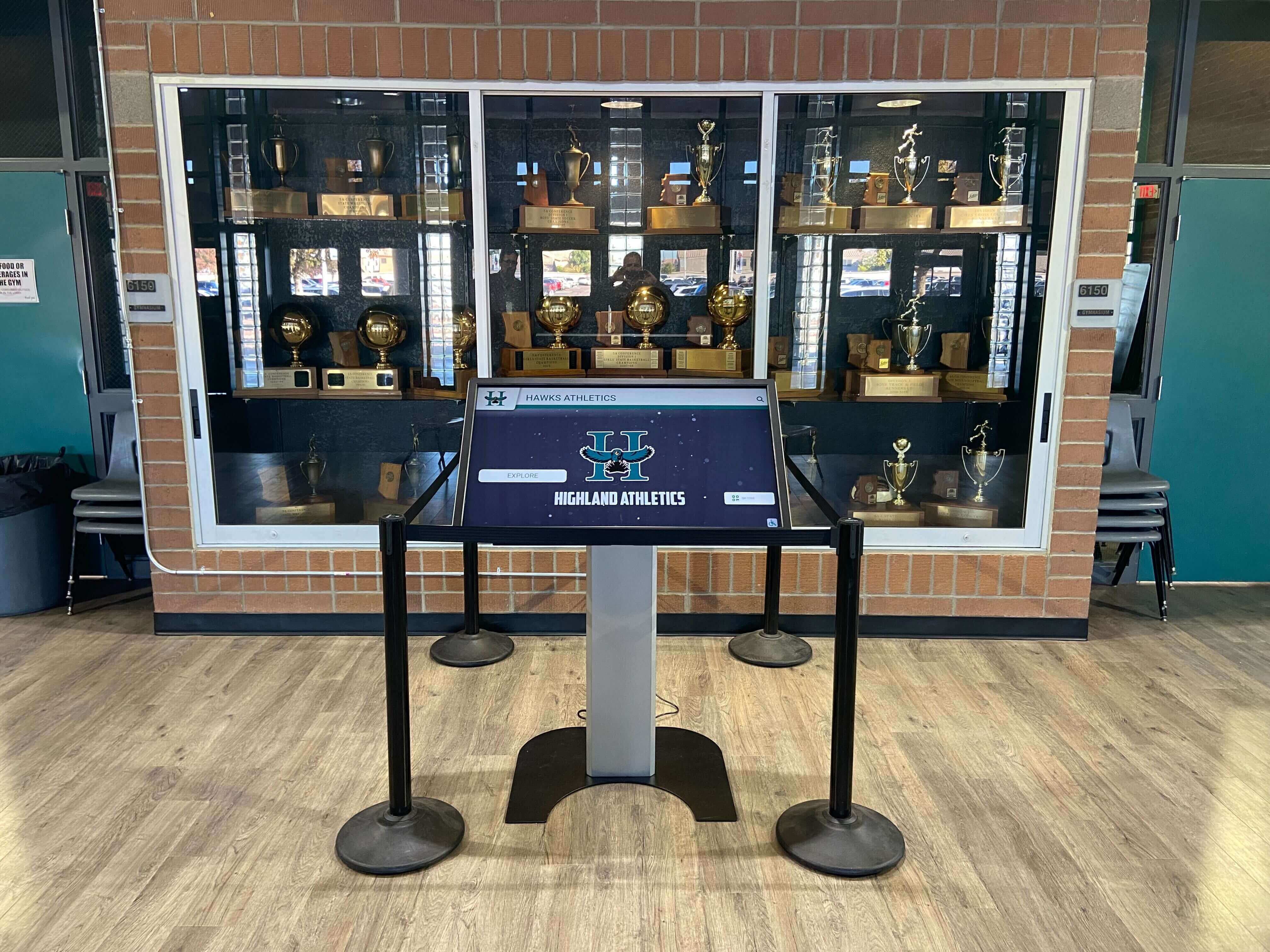
Solutions like interactive touchscreen displays transform static bulletin boards into engaging experiences that employees actually stop to explore, creating both recognition and conversation starting points that facilitate community connection.

Strategic displays communicate priorities while creating engagement opportunities
Wellness and Work-Life Balance Initiatives
Community engagement that supports employee well-being demonstrates organizational commitment to whole-person flourishing:
Health and Wellness Programs
Collective wellness initiatives create shared experiences while supporting individual health:
Group Fitness and Activity Programs
- Walking Clubs: Regular group walks during lunch or before/after work
- Fitness Challenges: Step competitions, exercise streaks, or team wellness goals
- Yoga or Fitness Classes: On-site or virtual group exercise sessions
- Sports Teams: Company teams in recreational leagues or friendly competitions
- Active Commuting: Incentives and support for biking, walking, or running to work
Mental Health and Stress Management
- Meditation or Mindfulness Sessions: Regular guided practices reducing workplace stress
- Mental Health Resources: Access to counseling, apps, or support programs
- Quiet Spaces: Designated areas for focused work or brief respite from stimulation
- Stress Reduction Workshops: Training in techniques for managing workplace pressures
- Work-Life Balance Discussions: Open conversations about boundaries and sustainable work practices
Nutrition and Healthy Living
- Healthy Snack Options: Nutritious alternatives in vending machines and break rooms
- Lunch and Learn Health Topics: Educational sessions about nutrition, sleep, or wellness
- Cooking Classes or Demonstrations: Fun, interactive learning about healthy eating
- Standing Desks or Ergonomics: Support for physical health in workspace design
- Hydration Stations: Easily accessible water encouraging healthy habits
Organizations supporting holistic employee well-being create communities where people feel valued as whole individuals, not just workers, strengthening loyalty and engagement.
Flexibility and Work-Life Integration
Modern employees value flexibility as highly as traditional benefits. Community engagement efforts should respect and accommodate this priority:
Flexible Schedule Options
- Hybrid Work Arrangements: Balancing remote work flexibility with in-office collaboration
- Flexible Start/End Times: Core hours with flexibility around edges accommodating personal needs
- Compressed Work Weeks: Four 10-hour days or other arrangements providing longer weekends
- Results-Oriented Work Environment: Focus on outcomes rather than hours at desk
- Sabbatical or Extended Leave Options: Opportunities for rest, travel, or personal projects
Family-Friendly Policies
- Parental Leave: Generous time for new parents regardless of gender or family structure
- Childcare Support: On-site childcare, backup care, or financial assistance
- School Schedule Accommodation: Flexibility during school holidays or for parent events
- Elder Care Support: Resources and flexibility for employees caring for aging parents
- Family Event Inclusion: Opportunities for employees to include family in company events
These policies signal that organizations value employees’ lives beyond work, building loyalty and community commitment.
Flexibility and wellness support strengthen employee commitment and community bonds
Innovation and Continuous Improvement Opportunities
Engaging employees in organizational innovation builds ownership and demonstrates that all voices matter:
Idea Generation and Implementation Programs
Systematic approaches to employee ideas strengthen engagement while improving operations:
Idea Collection Mechanisms
- Suggestion Boxes: Traditional or digital platforms for submitting improvement ideas
- Innovation Challenges: Competitions soliciting solutions to specific organizational problems
- Hackathons or Innovation Days: Dedicated time for creative problem-solving and experimentation
- Focus Groups: Structured discussions about specific challenges or opportunities
- Employee Surveys: Regular feedback collection about satisfaction, needs, and suggestions
Implementation and Recognition
- Idea Review Processes: Transparent evaluation of submitted suggestions with feedback
- Pilot Programs: Small-scale testing of promising ideas before full implementation
- Implementation Support: Resources helping employees execute approved suggestions
- Recognition for Contributors: Public acknowledgment of employees whose ideas improve organization
- Success Story Sharing: Communicating implemented ideas and their impact
When employees see their suggestions implemented and recognized, engagement and ownership deepen significantly.
Cross-Functional Project Teams
Bringing diverse perspectives together for important initiatives builds relationships while improving outcomes:
Project Team Benefits
- Skill Development: Exposure to different areas expanding capabilities
- Relationship Building: Collaboration creating lasting professional connections
- Organizational Understanding: Broader perspective about how different areas work
- Innovation Enhancement: Diverse viewpoints generating superior solutions
- Engagement Increase: Ownership of important work beyond routine responsibilities
Implementation Approaches
- Strategic Initiative Teams: Cross-functional groups tackling major organizational priorities
- Process Improvement Projects: Diverse teams addressing operational challenges
- New Product or Service Development: Innovation teams bringing varied expertise
- Event Planning Committees: Volunteers organizing company activities and gatherings
- Sustainability or CSR Initiatives: Teams focused on environmental or social responsibility
Organizations creating these opportunities demonstrate trust in employees while building community through collaborative work toward shared goals.
Diversity, Equity, and Inclusion Initiatives
Strong office communities actively cultivate inclusion, ensuring all employees feel welcomed, valued, and able to contribute authentically:
Employee Resource Groups and Affinity Communities
ERGs create belonging for underrepresented groups while educating broader workforce:
Common ERG Focuses
- Racial and Ethnic Affinity Groups: Communities for specific backgrounds and allies
- Gender and LGBTQ+ Groups: Support and advocacy for diverse gender identities and orientations
- Veterans and Military Families: Connections among those with military backgrounds or family
- Disability Inclusion Groups: Support for employees with disabilities and caregivers
- Generational Communities: Programs connecting different age groups and career stages
- Parents and Caregivers: Support networks for employees balancing work and family responsibilities
Organizational Support for ERGs
- Executive Sponsorship: Senior leaders championing specific ERGs with time and resources
- Budget Allocation: Funding for ERG activities, events, and initiatives
- Meeting Time and Space: Official recognition allowing ERGs to meet during work hours
- Leadership Development: Pathways for ERG leaders to build skills and advance careers
- Strategic Voice: Opportunities for ERGs to influence policies and organizational direction
Research consistently shows that organizations with strong ERG programs demonstrate better innovation, employee satisfaction, and retention across all groups, not just ERG participants.
Inclusive Event and Program Design
Intentional inclusion ensures community engagement activities welcome all employees:
Accessibility Considerations
- Physical Accessibility: Events at ADA-compliant venues with appropriate accommodations
- Timing Diversity: Varying event times accommodating different schedules and work patterns
- Virtual Options: Remote participation alternatives for distributed or mobility-limited employees
- Dietary Accommodations: Food options respecting religious, health, and ethical restrictions
- Cultural Sensitivity: Event themes and activities respecting diverse backgrounds and beliefs
Representation and Voice
- Diverse Planning Teams: Event committees reflecting organizational demographics
- Varied Activity Types: Range of social, active, cultural, and service options appealing to different preferences
- Quiet Spaces: Options for less extroverted employees to participate comfortably
- Optional Participation: Making clear that community engagement activities are invitations, not obligations
- Feedback Mechanisms: Regular input collection about inclusion effectiveness
Organizations committed to inclusive community engagement create environments where all employees feel genuine belonging, dramatically strengthening overall community cohesion and satisfaction.
Inclusive communities ensure all employees feel valued and able to contribute authentically
Measuring Community Engagement Effectiveness
Systematic measurement demonstrates program value while guiding continuous improvement:
Quantitative Engagement Metrics
Numerical data provides objective assessment of community engagement trends:
Participation Metrics
- Event Attendance Rates: Percentage of employees participating in community activities
- Recognition Program Usage: Frequency of peer nominations and recognition viewing
- ERG Membership: Participation rates in employee resource groups
- Volunteer Program Engagement: Employees participating in community service initiatives
- Internal Communication Engagement: Email open rates, intranet visits, content interaction
Organizational Health Indicators
- Employee Retention Rates: Voluntary turnover trends over time
- Engagement Survey Scores: Results from regular employee engagement assessments
- Internal Mobility: Promotions and lateral moves indicating career development
- Referral Program Activity: Employees referring qualified candidates
- Employer Brand Metrics: Glassdoor ratings, review sentiment, award recognition
Productivity and Performance Measures
- Team Collaboration Metrics: Cross-functional project outcomes and efficiency
- Innovation Indicators: Employee idea submissions and implementation rates
- Customer Satisfaction Correlations: Relationships between employee and customer satisfaction
- Safety or Quality Metrics: Improvements in workplace safety or work quality
- Business Performance: Revenue, profitability, or other relevant organizational outcomes
Qualitative Feedback and Assessment
Non-numerical insights reveal nuanced understanding guiding program refinement:
Feedback Collection Methods
- Regular Surveys: Anonymous assessments of community engagement effectiveness
- Focus Groups: Facilitated discussions exploring experiences in depth
- One-on-One Interviews: Conversations with diverse employees gathering detailed perspectives
- Exit Interviews: Questions about community experience from departing employees
- Observation and Stories: Anecdotal evidence of engagement impact and culture shifts
Analysis and Action
- Theme Identification: Patterns emerging across multiple feedback sources
- Segment Analysis: Different experiences across departments, demographics, or work arrangements
- Benchmark Comparison: Evaluation against peer organizations or industry standards
- Priority Setting: Identifying highest-impact improvement opportunities
- Communication and Adjustment: Sharing findings and visible program improvements based on feedback
Organizations implementing measurement frameworks for recognition programs demonstrate accountability while gathering insights enabling continuous enhancement of community engagement effectiveness.
Implementation Roadmap: Building Your Office Community
Moving from ideas to reality requires systematic planning and execution:
Phase 1: Assessment and Planning (Weeks 1-4)
Step 1: Form Community Engagement Committee
- Executive sponsor providing budget authority and leadership endorsement
- HR representative managing program administration
- Employee representatives from diverse departments and levels
- Communications professional handling internal messaging
- Facilities or operations liaison for logistics
Step 2: Assess Current State
- Survey employees about current community satisfaction and desires
- Inventory existing engagement activities and their effectiveness
- Identify budget available for community engagement initiatives
- Understand space and resource constraints
- Benchmark against peer organizations and best practices
Step 3: Define Objectives and Success Metrics
- Establish clear, measurable community engagement goals
- Determine how success will be evaluated
- Set timeline for initial implementation and future phases
- Secure executive commitment and resource allocation
- Develop communication strategy for building awareness and buy-in
Phase 2: Program Design (Weeks 5-8)
Step 1: Select Initial Initiatives
- Choose 3-5 high-impact programs for initial launch
- Balance quick wins with longer-term strategic initiatives
- Ensure diverse engagement opportunities appealing to different preferences
- Consider implementation complexity and resource requirements
- Plan integration with existing organizational rhythms and activities
Step 2: Design Implementation Details
- Develop specific program structures, schedules, and logistics
- Create communication plans for each initiative
- Assign ownership and responsibility for execution
- Establish budgets and resource allocations
- Design measurement approaches for each program
Step 3: Build Infrastructure and Resources
- Procure necessary technology, materials, or services
- Train program leads on execution and management
- Create communication templates and resources
- Develop documentation ensuring sustainability
- Establish ongoing support and troubleshooting processes
Phase 3: Launch and Initial Implementation (Weeks 9-16)
Step 1: Build Awareness and Excitement
- Internal communications campaign announcing community engagement initiatives
- Leadership messaging about importance and organizational commitment
- Employee testimonials and stories generating enthusiasm
- Clear information about how to participate in each program
- Visible countdown building anticipation for launch
Step 2: Execute Launch Events
- Kickoff events introducing each community engagement initiative
- Hands-on demonstrations helping employees understand participation
- Early recognition highlighting initial participants and winners
- Media coverage through internal channels creating visibility
- Executive participation modeling leadership commitment
Step 3: Support Initial Adoption
- Close monitoring of early participation and engagement
- Rapid response to questions, concerns, or technical issues
- Adjustments based on early feedback and observations
- Regular communication maintaining momentum and awareness
- Celebration of early successes and positive stories
Phase 4: Optimization and Expansion (Months 4-12)
Step 1: Gather Feedback and Assess Performance
- Survey participants about experiences and suggestions
- Analyze participation and engagement metrics
- Conduct focus groups exploring program effectiveness
- Compare outcomes against initial objectives
- Identify opportunities for improvement and expansion
Step 2: Refine Existing Programs
- Adjust based on feedback and performance data
- Address participation barriers or common concerns
- Enhance elements generating strong engagement
- Simplify or eliminate ineffective components
- Communicate improvements demonstrating responsiveness
Step 3: Expand Program Portfolio
- Add new initiatives addressing unmet needs or desires
- Scale successful programs to reach broader audiences
- Integrate community engagement into additional organizational processes
- Build sustainable infrastructure supporting long-term success
- Celebrate milestones and maintain leadership commitment
Organizations implementing comprehensive community engagement approaches systematically build stronger workplace cultures that attract and retain top talent while improving organizational performance.

Systematic planning ensures community engagement initiatives deliver intended outcomes
Overcoming Common Implementation Challenges
Even well-designed community engagement programs encounter predictable obstacles:
Challenge: Limited Employee Participation
The Problem: Initial enthusiasm fades or only small segment of employees engage with community programs.
Solution Strategies:
- Diversify Offerings: Provide varied activities appealing to different preferences and personalities
- Remove Barriers: Make participation easy, convenient, and accessible
- Leadership Modeling: Ensure executives and managers visibly participate
- Recognition for Participants: Acknowledge those who engage, encouraging others
- Regular Communication: Maintain awareness through consistent messaging across channels
- Feedback and Adjustment: Ask non-participants about barriers and address concerns
Challenge: Perception as HR Initiative Rather Than Cultural Priority
The Problem: Employees view community engagement as HR box-checking rather than authentic organizational commitment.
Solution Strategies:
- Executive Ownership: Senior leaders should champion initiatives, not just HR
- Integration with Business Strategy: Connect community engagement to performance and results
- Resource Allocation: Meaningful budget and time investment demonstrating seriousness
- Authenticity in Design: Ensure programs reflect actual values and employee desires
- Sustained Commitment: Maintain focus beyond initial launch, proving long-term dedication
- Transparent Communication: Honest explanation of why community engagement matters strategically
Challenge: Difficulty Measuring ROI
The Problem: Organizations struggle to demonstrate tangible returns justifying community engagement investment.
Solution Strategies:
- Establish Baselines: Document starting points for retention, engagement, and performance metrics
- Define Leading Indicators: Track participation, satisfaction, and intermediate outcomes
- Connect to Business Outcomes: Correlate engagement with productivity, retention, innovation
- Calculate Cost Avoidance: Measure turnover reduction value and recruiting cost savings
- Gather Qualitative Evidence: Collect compelling stories demonstrating culture improvement
- Benchmark Externally: Compare metrics with peer organizations and industry standards
Challenge: Sustaining Momentum Over Time
The Problem: Initial excitement wanes and participation decreases as programs become routine.
Solution Strategies:
- Regular Refreshing: Periodically introduce new activities and retire stale ones
- Milestone Celebrations: Mark program anniversaries and achievement milestones
- Rotation and Novelty: Vary formats, themes, and approaches preventing repetition fatigue
- Success Story Sharing: Continuously communicate positive impact and touching moments
- Distributed Ownership: Engage employee volunteers preventing burnout of core team
- Executive Reinforcement: Regular leadership messaging maintaining strategic priority
Organizations anticipating these challenges and proactively implementing solutions achieve significantly higher long-term community engagement success.
Transform Your Office Community Through Recognition
Discover how modern recognition displays create natural gathering points that facilitate connection, honor contributions, and strengthen workplace culture through visible appreciation.
Explore Recognition SolutionsConclusion: Creating Office Communities That Thrive
Ideas for community engagement in our office represent more than feel-good initiatives or HR programs—they constitute strategic investments in organizational culture, talent retention, and performance excellence. Strong office communities don’t emerge spontaneously from hiring good people and putting them in shared spaces. They result from intentional strategies that create connection opportunities, celebrate contributions, facilitate relationship building, and demonstrate that every employee matters to collective success.
The most effective office community engagement combines multiple approaches working together synergistically. Recognition programs honor individual and team contributions while creating visibility and conversation. Social activities facilitate relationship building across organizational boundaries. Development initiatives like mentorship strengthen bonds while building capabilities. Wellness programs demonstrate whole-person care. Communication strategies keep employees informed and connected. Together, these elements create environments where people experience genuine belonging and commitment extending beyond transactional employment relationships.
Technology increasingly enables community engagement that wasn’t possible with traditional approaches. Digital recognition displays provide unlimited capacity to honor contributions with rich multimedia content while creating gathering points that facilitate connection. Web-based platforms extend recognition beyond physical offices to distributed teams and remote workers. Mobile apps and communication tools maintain connection across geographic boundaries. These capabilities don’t replace human relationships—they enhance and scale authentic appreciation and connection in ways that strengthen modern, diverse workforces.
Implementation requires systematic approach beginning with assessment, moving through thoughtful program design, executing deliberate launches, and maintaining commitment through measurement and continuous improvement. Organizations treating community engagement as strategic priority allocate appropriate resources, secure executive sponsorship, establish clear success metrics, and maintain focus beyond initial enthusiasm. This sustained commitment separates organizations with genuinely strong communities from those with superficial activities that fail to create lasting cultural impact.
The business case for office community engagement is compelling. Organizations with strong workplace communities demonstrate measurably better retention rates, higher productivity levels, greater innovation capacity, and superior employee satisfaction compared to disconnected workplaces. In competitive talent markets where recruiting and retaining excellent employees challenges organizations across industries, community engagement provides strategic advantage that extends far beyond morale.
For organizations ready to strengthen workplace community, start by assessing current state and employee desires, select high-impact initial initiatives combining recognition with social connection, implement systematically with clear success metrics, and maintain commitment through ongoing measurement and refinement. Each incremental improvement strengthens bonds and creates momentum toward the thriving, connected workplace community where both employees and organizations flourish.
Your office community’s strength directly impacts employee satisfaction, organizational performance, and competitive advantage. The ideas and strategies outlined in this guide provide actionable frameworks for building genuine community that transforms workplaces from collections of individual workers into cohesive teams united by shared purpose, mutual respect, and authentic connection. Whether implementing comprehensive multi-initiative programs or starting with focused recognition displays, every step toward stronger community engagement creates value that compounds over time, building organizational resilience and cultural strength that endures.
Ready to explore how interactive recognition solutions can strengthen your office community? Learn more about comprehensive engagement approaches that honor contributions while facilitating the connections that make work meaningful.




























