School magazines represent some of the most valuable historical records institutions possess—capturing student voices, showcasing creative work, documenting school culture, and preserving perspectives that official yearbooks often miss. From literary magazines featuring student poetry and fiction to news magazines covering campus events, these publications offer authentic snapshots of student life across generations. Yet many schools struggle to preserve these fragile documents, showcase their publishing legacy, or help current students discover the rich tradition of student journalism at their institution.
Old school magazines deserve recognition and preservation as vital pieces of institutional heritage. These publications demonstrate student creativity, intellectual achievement, and journalistic excellence spanning decades. Schools that effectively preserve and celebrate their magazine legacy create tangible connections between past and present student writers, inspire current publications, and honor the countless hours students invested in producing quality content that deserves to be remembered.
This comprehensive guide explores how educational institutions can preserve old school magazines, recognize publishing traditions through modern digital displays, celebrate student journalism legacy, and create systems ensuring current publications receive the acknowledgment they deserve while building on historical foundations.
Understanding the Value of Old School Magazines
Before implementing preservation and recognition strategies, understanding what makes school magazines historically and culturally significant helps prioritize efforts and secure necessary support.
Types of School Publications Worth Preserving
Educational institutions typically produce diverse publication types, each offering unique historical perspectives and student achievements worthy of preservation.
Literary Magazines and Arts Journals
Student literary publications showcase creative writing, poetry, artwork, photography, and cultural criticism that demonstrate intellectual and artistic development across generations. These magazines often feature work that students poured their hearts into—reflective essays, experimental fiction, passionate poetry, and thought-provoking visual art that captured moments in time.
According to the National Council of Teachers of English, high school literary magazines have been recognized through programs like REALM (Recognizing Excellence in Art and Literary Magazines) since the 1990s, honoring outstanding student-led publications that demonstrate exceptional quality and creativity.
News Magazines and School Newspapers
Student journalism publications document campus events, student perspectives on current issues, school controversies, and community happenings that provide authentic historical records unavailable elsewhere. These publications capture what students thought was important at specific moments in history, offering perspectives that differ significantly from official institutional narratives.
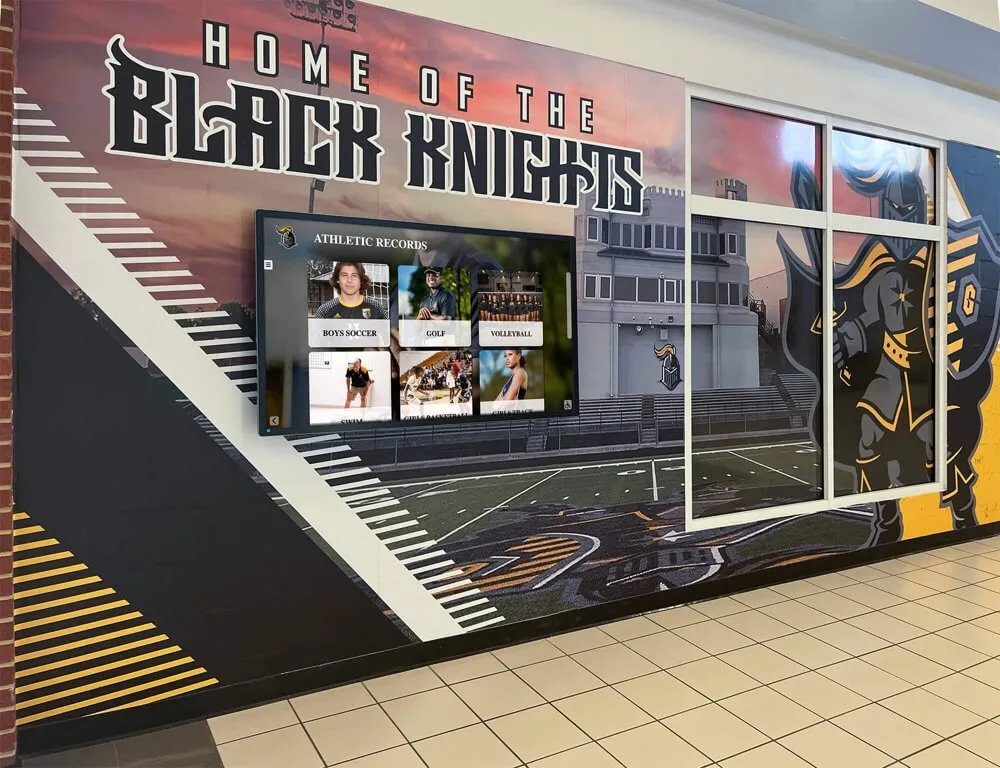
School publications document institutional history through authentic student voices
Special Interest Publications
Many schools produce magazines focused on specific topics—science journals, foreign language publications, humor magazines, sports analysis, fashion publications, or political commentary. These specialized magazines demonstrate depth of student interest in particular subjects while documenting how attitudes toward various topics evolved over time.
Alumni Magazines and Historical Publications
Some institutions maintain alumni magazines connecting graduates across generations, documenting accomplished alumni, sharing institutional news, and preserving connections. Historical publications marking anniversaries, documenting school evolution, or celebrating milestones represent important institutional memory.
Why Old School Magazines Matter Historically
School magazines provide unique historical value that extends beyond simple documentation of events and achievements.
Authentic Student Voice
Unlike yearbooks often controlled by administrators or following formulaic structures, school magazines typically offer more authentic student perspectives. Editorial content, opinion pieces, creative writing, and even advertising choices reflect what students genuinely thought, felt, and valued during specific time periods.
Understanding how students wrote about social issues, school policies, cultural trends, or personal experiences provides insight into youth culture and attitudes that formal historical records rarely capture. Researchers studying educational history frequently cite student publications as primary sources offering perspectives unavailable in official documentation.
Creative and Intellectual Achievement Documentation
Many accomplished writers, journalists, artists, and creative professionals began their careers on school magazine staffs. Preserving these early works documents creative development and demonstrates that institutions fostered talent that went on to significant achievement.
Schools can proudly point to alumni who published their first poems in literary magazines, wrote their first investigative journalism in school newspapers, or developed editorial skills that served them throughout distinguished careers. Solutions like digital recognition displays help showcase these connections between past publications and current alumni success.
Cultural and Social History
School magazines document changing attitudes toward everything from fashion and music to serious social issues. Reading student publications from different decades reveals dramatic shifts in language, values, acceptable discourse, and cultural references that provide rich context for understanding how societies evolved.
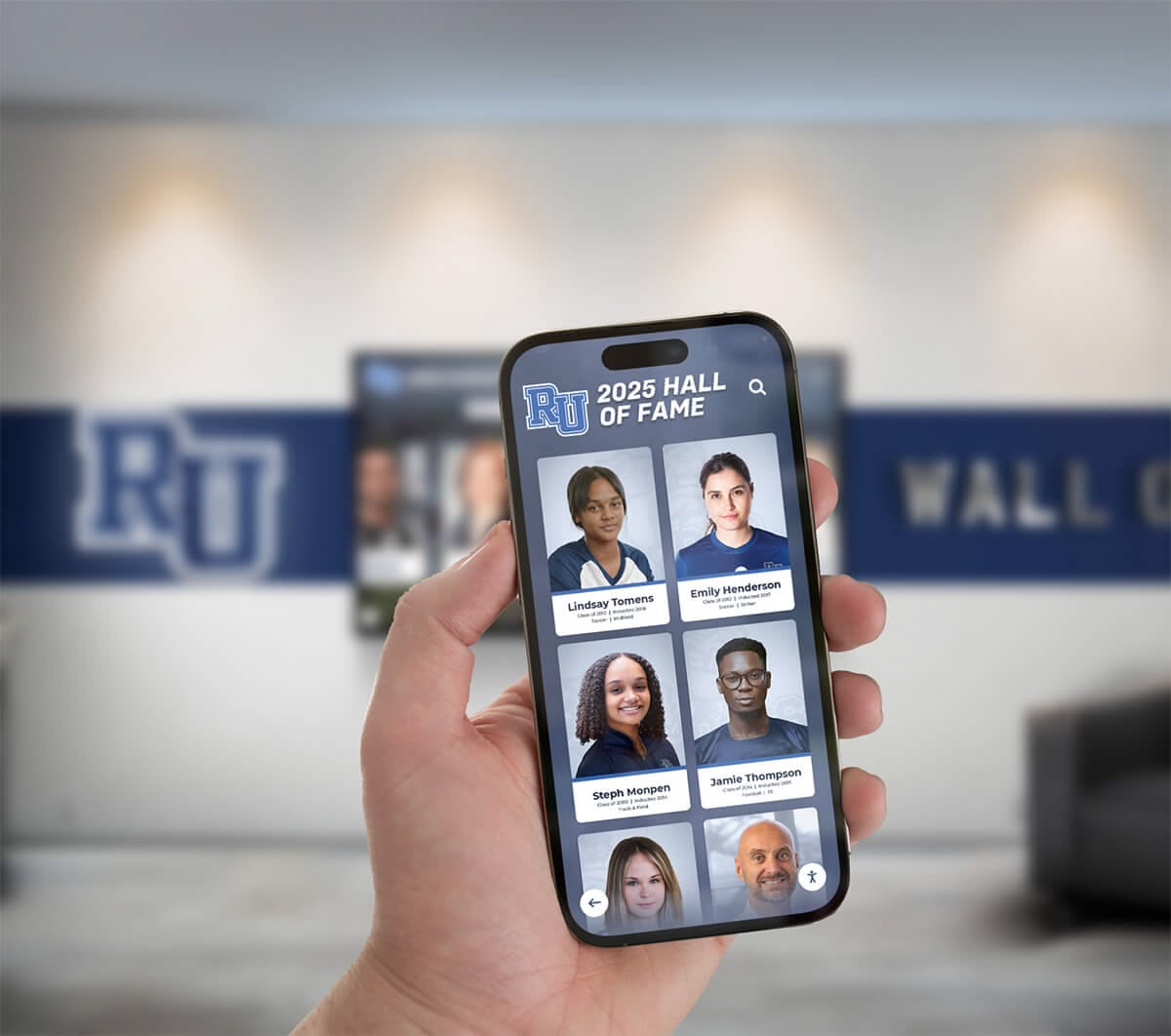
Digital platforms make historical publications accessible to current students and researchers
Publishing and Production History
The physical magazines themselves document evolution of printing technology, graphic design trends, and publishing practices. Early mimeographed publications, offset printed magazines from mid-century, desktop published editions from the 1990s, and digital-first publications from recent years show technological progression while preserving design aesthetics from different eras.
Preserving Old School Magazines: Strategies and Best Practices
Physical magazines deteriorate over time, especially when printed on acidic paper or stored in suboptimal conditions. Systematic preservation ensures these valuable documents remain accessible for future generations.
Physical Preservation Methods
Protecting original magazines requires appropriate storage and handling procedures that prevent further deterioration while maintaining access when needed.
Proper Storage Environment
Store original magazines in climate-controlled environments maintaining consistent temperature (65-70°F) and relative humidity (30-50%). Extreme temperature fluctuations and high humidity accelerate paper deterioration, cause ink to fade, and encourage mold growth that can destroy documents.
Use archival-quality storage materials including acid-free boxes designed for document preservation, archival folders or sleeves protecting individual issues, and archival tissue interleaving between pages if magazines are particularly fragile or valuable.
Handling Guidelines
Establish clear policies for handling original magazines including clean hands or cotton gloves when touching fragile documents, flat surface support when viewing magazines, no food or drinks near historical materials, photographic documentation rather than removing pages, and supervised access ensuring proper handling by researchers and students.
Conservation for Damaged Materials
Magazines showing significant deterioration may require professional conservation before further handling or digitization. Professional conservators can perform repairs like page strengthening, spine reconstruction, deacidification treatments, and protective enclosures that stabilize documents while maintaining historical authenticity.
Digital Preservation Through Scanning
Creating digital copies provides the most effective long-term preservation while improving accessibility and eliminating wear from repeated physical handling.
Scanning Standards and Specifications
High-quality digitization requires appropriate technical specifications ensuring captured images remain useful for decades. Scan magazines at minimum 300 DPI for readable text and clear images, 400-600 DPI for photographs or artwork requiring detail, and true color settings preserving original appearance.
Save files in archival formats including uncompressed TIFF files as preservation masters, PDF files for accessibility and distribution, and JPEG files for web display and sharing. Maintain consistent file naming conventions enabling easy organization and retrieval.
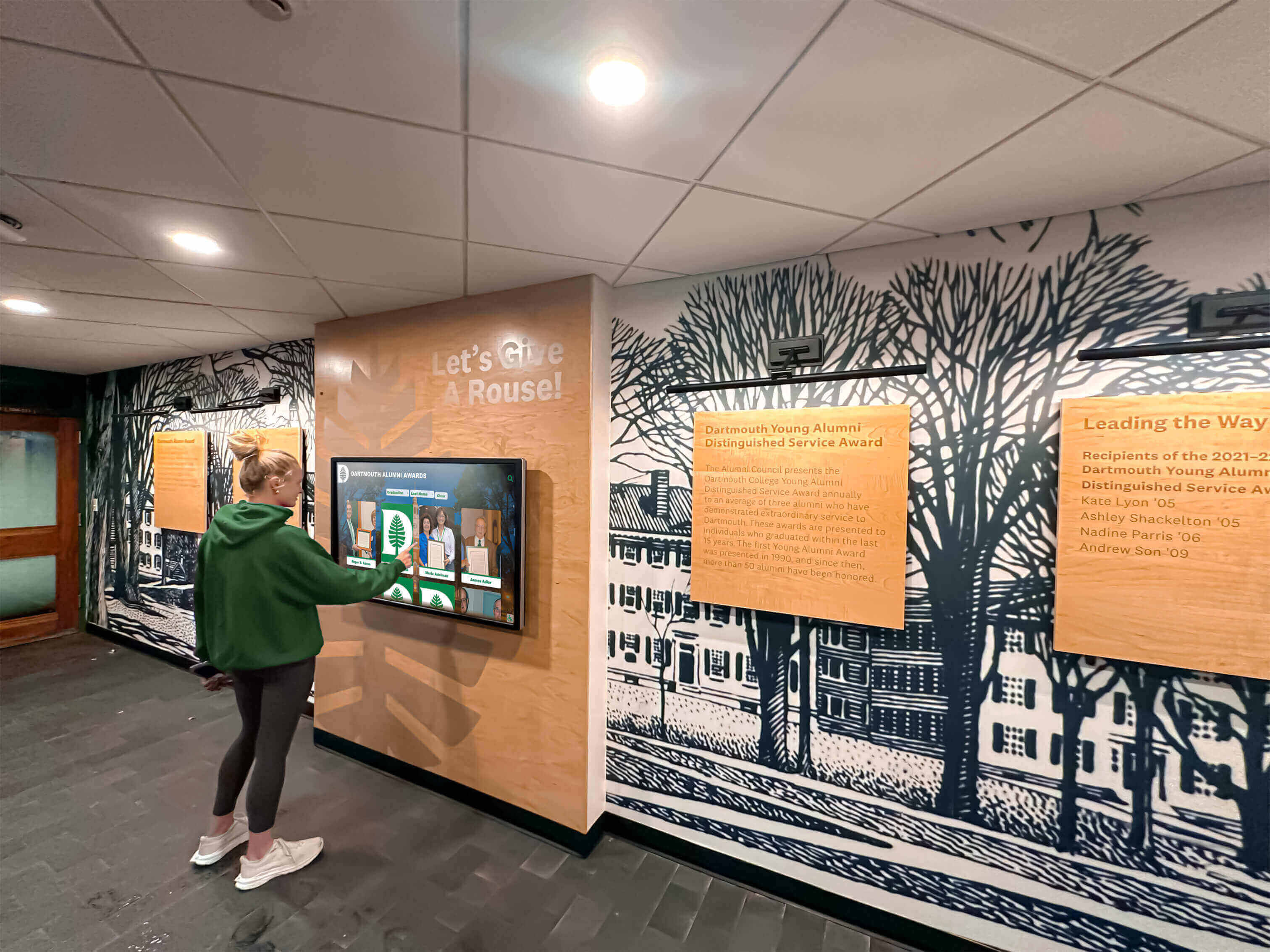
Students exploring digitized historical publications through interactive displays
Optical Character Recognition (OCR)
Apply OCR processing to scanned magazines enabling full-text searching across entire collections. Modern OCR technology accurately recognizes text in most printed magazines, though handwritten annotations or unusual fonts may require manual correction. Searchable magazines dramatically increase accessibility and research value.
Metadata and Organization
Comprehensive metadata ensures digitized magazines remain discoverable and useful. Record essential information including publication name and volume/issue numbers, publication date (month and year), contributing editors and staff members, table of contents listing major articles, and keyword tags describing content themes.
Schools implementing comprehensive digitization programs discover that systematic organization during scanning saves countless hours when users later search for specific content or time periods.
Crowdsourcing and Community Involvement
Preservation projects benefit significantly from involving alumni, community members, and students who can contribute materials, knowledge, and effort.
Alumni Contributions
Many alumni kept personal copies of school magazines they contributed to or found meaningful. Reaching out through alumni networks often uncovers issues missing from school archives. Alumni also provide valuable context—identifying unidentified individuals in photographs, explaining references that have become obscure, or sharing behind-the-scenes stories about particular issues or controversies.
Student Participation
Current students can contribute to preservation through journalism classes conducting digitization projects, history courses analyzing historical magazines, technology classes building searchable databases, and service learning programs organizing archives. Student involvement creates learning opportunities while accomplishing important institutional work.
Community Partnership
Local historical societies, public libraries, and genealogy organizations often assist with preservation projects or house collections from closed schools. These partnerships expand resource access while creating community connections around shared history.
Recognizing Publishing Legacy Through Digital Displays
Beyond preservation, schools should actively celebrate their publishing traditions through recognition programs that honor student journalism and connect past publications with current efforts.
Interactive Digital Recognition Solutions
Modern technology enables comprehensive showcase of magazine history in ways traditional trophy cases or plaques never could.
Comprehensive Magazine Archives
Digital platforms like Rocket Alumni Solutions enable schools to create searchable databases of entire magazine collections where current students and alumni can browse by year or decade, search for specific articles or contributors, view complete magazine layouts, and download individual pages or full issues for research or nostalgia.
These systems integrate magazine archives with broader institutional history, connecting publications to other achievements, events, and alumni accomplishments documented in school history timelines.

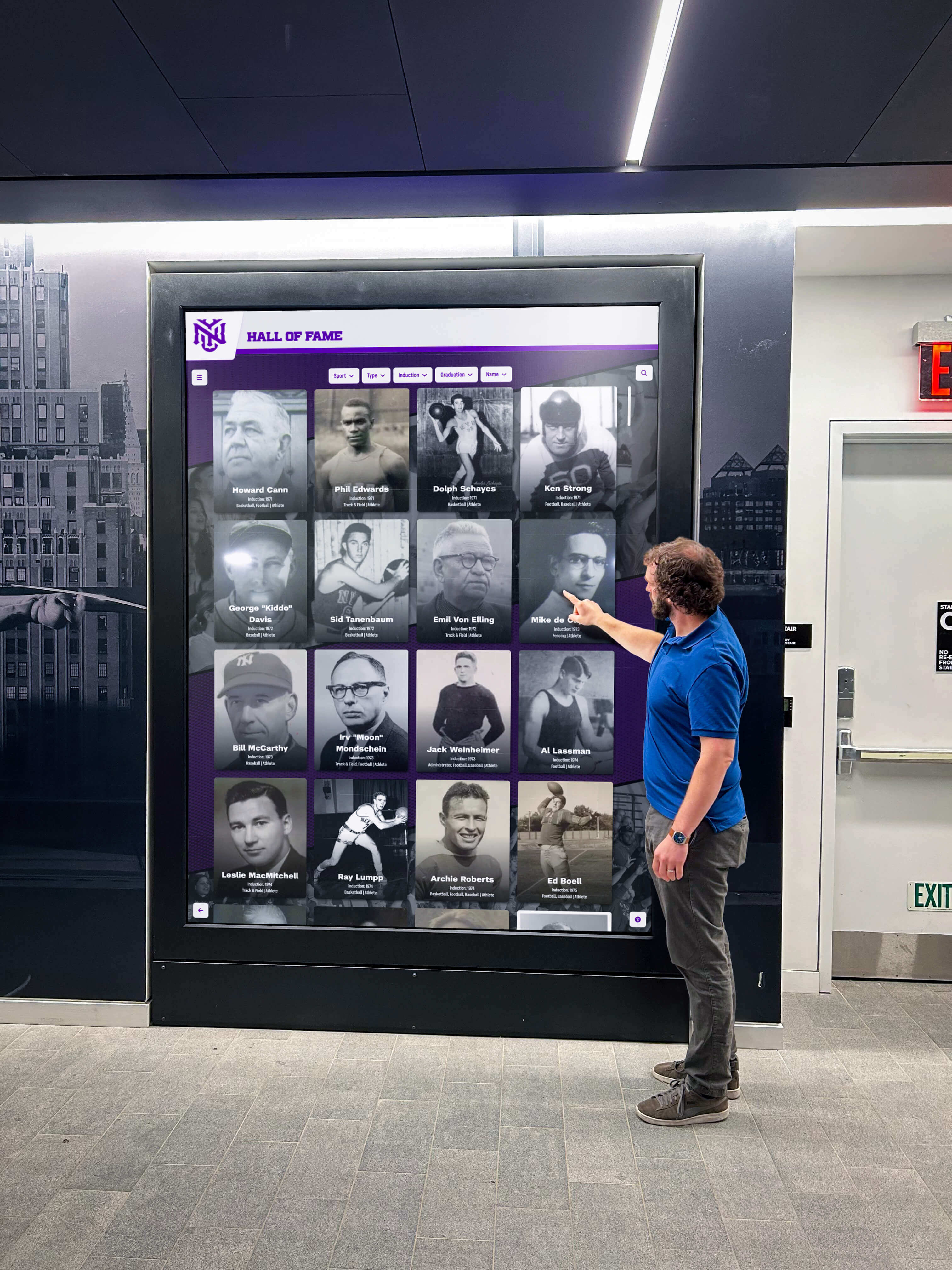
Interactive displays bring historical publications to life for current students
Staff Recognition Displays
Honor students who contributed to publications across decades through dedicated recognition showcasing magazine staff members organized by decade, editor-in-chief profiles highlighting leadership, contributor databases searchable by name, awards and recognitions earned by publications, and alumni career paths showing how magazine experience influenced success.
Recognition inspires current students by demonstrating that school publications provided foundations for distinguished careers in journalism, writing, editing, publishing, communications, and related fields.
Publication Milestone Celebrations
Mark significant anniversaries or achievements including anniversary issues celebrating decades of publication, special recognition when publications win awards, retrospective displays comparing magazines across eras, and documentation of publication evolution and redesigns.
Physical Recognition Elements
While digital systems offer comprehensive capabilities, thoughtful physical recognition elements create tangible presence that reinforces publishing tradition importance.
Heritage Walls and Displays
Create permanent recognition areas featuring framed historical magazine covers showing design evolution, display cases with original issues from significant years, timeline graphics showing publication history, and plaques honoring distinguished alumni who began in school publications.
Awards and Annual Recognition
Establish ongoing recognition traditions including annual awards honoring exceptional student journalists, legacy scholarships supporting student publications, induction ceremonies for publication hall of fame, and editorial excellence recognitions acknowledging outstanding work.
Building Bridges Between Historical and Current Publications
Preservation and recognition achieve maximum impact when actively connecting historical magazines with current student journalism, creating continuous tradition spanning generations.
Mentorship and Tradition Transfer
Alumni who contributed to school publications often willingly mentor current students, sharing expertise and enthusiasm while strengthening their own institutional connections.
Alumni Guest Speakers and Workshops
Invite distinguished alumni journalists back to campus for workshops about careers in journalism and publishing, presentations about their school magazine experiences, critique sessions reviewing current student work, and networking events connecting students with professionals.
Alumni journalists inspiring current students through shared publishing traditions
Historical Issue Study
Integrate historical magazine study into current publication programs through comparative analysis of coverage approaches, design evolution studies informing current aesthetics, content retrospectives identifying enduring themes, and historical context research understanding past editorial decisions.
Anniversary and Milestone Celebrations
Significant publication anniversaries create natural opportunities for recognition, engagement, and tradition reinforcement.
Milestone Issue Production
Mark anniversaries with special issues featuring historical retrospectives comparing past and present, alumni contributions from various eras, archival photo galleries, and future vision statements from current editors.
Celebration Events
Host public events recognizing magazine legacy through reunion gatherings for former staff members, public exhibitions displaying historical issues, panel discussions with alumni across generations, awards ceremonies honoring publication achievements, and launch parties introducing anniversary issues.
Creating Living Legacy Programs
Establish ongoing programs ensuring publishing traditions remain vibrant and relevant rather than becoming static historical curiosities.
Legacy Endowments
Alumni passionate about supporting student publications can establish endowments or annual funds supporting magazine operations, enabling quality printing and production, funding journalism training and conferences, providing editorial software and tools, and offering prizes recognizing exceptional student work.
Publication Archives Committee
Form standing committees responsible for ongoing preservation including regular digitization of recent issues, oral history collection from retiring advisors, historical research filling archive gaps, metadata improvement and organization, and public programming sharing publication history.
Showcasing Creative and Journalistic Excellence
School magazines often contain exceptional student work deserving broader recognition and celebration beyond publications themselves.
Individual Work Recognition
Highlight outstanding contributions through recognition programs honoring diverse achievement types.
Writing and Journalism Awards
Establish awards recognizing best investigative reporting from student journalists, outstanding creative writing in literary magazines, compelling opinion and editorial writing, excellent photography and visual journalism, and distinguished editorial leadership.
Document award winners through digital recognition platforms that preserve achievement across decades while making accomplishments searchable and accessible.
Portfolio Development Support
Help student journalists build professional portfolios by maintaining digital archives of published work, providing professional-quality PDFs of contributions, offering letters of recommendation referencing specific work, and connecting students with publication professionals who review portfolios.
Publication Competition Success
Many organizations sponsor competitions recognizing excellent school publications. Document and celebrate these achievements prominently.
National Recognition Organizations
Several organizations evaluate and recognize outstanding student publications including the Columbia Scholastic Press Association (CSPA) offering Gold and Silver Crown awards, National Scholastic Press Association (NSPA) providing Pacemaker awards, American Scholastic Press Association (ASPA) conducting annual contests, and Quill and Scroll Society recognizing individual and publication excellence.

Celebrating publication awards and student journalism excellence
Regional and State Competitions
State journalism associations and press organizations frequently sponsor competitions where student publications compete. Documenting these achievements through permanent recognition demonstrates publication quality and student dedication.
Educational Value: Teaching with Historical Magazines
Old school magazines provide excellent teaching resources across multiple disciplines when thoughtfully integrated into curriculum.
History and Social Studies Applications
Historical magazines offer primary source documents for studying various subjects and time periods.
Historical Research Projects
Students can analyze how magazines covered historical events, examining student perspectives on significant moments, comparing contemporary coverage with historical understanding, researching how specific issues affected student life, and documenting social attitude evolution across decades.
Cultural History Studies
Magazine content reveals changing cultural norms including language evolution and slang usage, fashion and music trend documentation, technology adoption and attitudes, and social issue perspectives reflecting their times.
English and Writing Instruction
Literary magazines and creative publications provide models and inspiration for current student writers.
Writing Style Analysis
Students study successful student writing through comparative analysis of writing across eras, identification of effective techniques and approaches, genre study through diverse publication examples, and editorial decision analysis understanding publication choices.
Creative Writing Inspiration
Historical publications demonstrate student creative potential through examples of successful student poetry and fiction, diverse voice and perspective representation, experimental and traditional approach models, and evolution of creative expression over time.
Journalism and Media Studies
For schools with journalism programs, historical magazines provide invaluable resources for understanding publication evolution.
Journalism Ethics and Standards
Historical publications enable discussions about coverage decisions and editorial judgment, balance and fairness across controversial issues, source attribution and fact-checking evolution, and ethical challenges facing student journalists.
Production and Design Evolution
Studying physical magazines demonstrates technology impact including printing and production method changes, graphic design trend evolution, photography and illustration usage, and layout and typography development.
Technology Solutions for Magazine Preservation and Recognition
Modern platforms specifically designed for educational institutions offer comprehensive solutions addressing preservation, recognition, and access challenges.
Cloud-Based Archive Management
Digital archive platforms provide centralized storage and access for entire magazine collections.
Essential Platform Capabilities
Effective magazine archive systems should offer unlimited storage capacity for high-resolution scans, intuitive organization by publication name and date, powerful search across all digitized content, permission management controlling access levels, and analytics showing usage and popular content.
Remote Access and Collaboration
Cloud-based systems enable access from any internet-connected device, collaborative cataloging and metadata entry, remote content contributions from alumni, integration with existing school websites, and mobile-responsive interfaces for smartphone access.
Interactive Recognition Displays
Purpose-built recognition platforms integrate magazine archives with broader institutional history and achievement documentation.
Solutions like Rocket Alumni Solutions offer comprehensive capabilities including magazine collection browsing and searching, staff member recognition and profiles, integration with alumni achievement tracking, connection to historical timelines and events, and customizable designs reflecting school branding.
These innovative community-building platforms create engaging experiences that connect students, alumni, and community members around shared publication heritage.
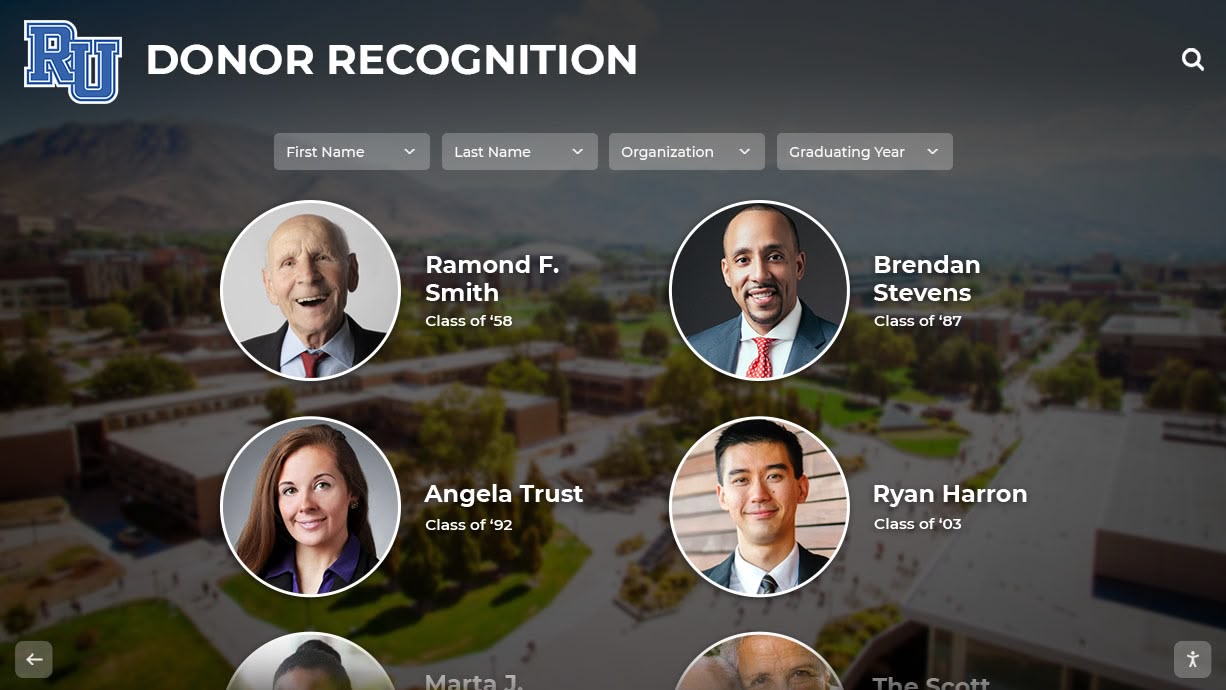
Integrated recognition systems connecting publications with broader institutional heritage
Mobile Applications and Web Portals
Dedicated applications and websites extend magazine access beyond physical campus locations.
Alumni Engagement Features
Mobile apps and web portals enable alumni to browse their graduation year publications, search for their own contributions and classmates, share favorite articles on social media, submit memories and context about specific issues, and receive notifications about newly digitized materials.
Research and Educational Access
Researchers and current students benefit from advanced search filtering by date, topic, or contributor, downloadable citations for academic work, embeddable content for presentations, and API access for specialized research applications.
Funding Preservation and Recognition Projects
Magazine preservation and recognition initiatives require financial resources that schools can secure through various strategies.
Grant Opportunities
Multiple organizations provide grants supporting historical preservation and educational initiatives.
Library and Archives Grants
Organizations like the American Library Association, state library systems, and historical preservation societies offer grants specifically supporting digitization projects, archival preservation, and public access improvements for historical materials.
Educational Foundation Grants
Many foundations support projects enhancing student learning and preserving educational history. Well-crafted proposals demonstrating educational value and community benefit often secure funding for comprehensive preservation efforts.
Alumni Fundraising Campaigns
Former publication staff members often respond enthusiastically to fundraising campaigns supporting magazine preservation and recognition.
Targeted Alumni Appeals
Reach out specifically to alumni who contributed to publications with personalized communications about preservation needs, specific project proposals they can support, naming opportunities for recognition displays, and matching challenge campaigns creating urgency.
Annual Giving Integration
Incorporate magazine preservation into broader annual giving campaigns through designation options allowing donors to direct funds, competitive giving challenges between graduation decades, matching gifts from major donors, and tiered recognition for various support levels.
Student Fee Allocations and Budget Integration
Many schools fund ongoing preservation through regular budget allocations.
Student Activity Fees
Where applicable, allocate portions of student activity fees to support publication archives, recognizing that historical preservation benefits current students through connection to tradition and access to inspirational examples.
Library and Technology Budgets
Position magazine digitization within broader library digitization initiatives or technology infrastructure projects, demonstrating how investments serve multiple purposes and stakeholder groups.
Creating Sustainable Preservation Programs
Long-term success requires systematic approaches ensuring preservation continues beyond initial enthusiasm or single project completion.
Establishing Clear Policies and Procedures
Documented processes ensure consistency and knowledge transfer as staff and volunteers change.
Preservation Policies
Create formal policies addressing what materials receive preservation priority, digitization standards and specifications, metadata requirements and standards, access policies and restrictions, and long-term storage and backup procedures.
Workflow Documentation
Document step-by-step procedures for physical magazine handling and storage, scanning and quality control processes, metadata entry and review, file management and organization, and web platform updating and maintenance.
Building Institutional Capacity
Sustainable programs require knowledge and skills distributed across multiple individuals rather than dependent on single persons.
Staff and Volunteer Training
Provide comprehensive training for librarians and archivists managing collections, technology staff supporting digital systems, student workers assisting with projects, and volunteers contributing time and expertise.
Succession Planning
Ensure continuity through documentation accessible to new staff, distributed knowledge across multiple individuals, regular training refreshers and updates, and mentorship programs pairing experienced with newer participants.
Regular Assessment and Improvement
Effective programs continuously evaluate progress and adapt approaches based on results and feedback.
Progress Monitoring
Track key metrics including items digitized per month or year, user access and engagement statistics, collection completeness assessment, volunteer and staff hour investments, and cost per item for efficiency analysis.
User Feedback Collection
Regularly gather input from students using archives for research, alumni accessing their historical issues, faculty integrating materials into teaching, and researchers utilizing collections for scholarship.
Celebrating Publishing Excellence Across Generations
Recognition programs achieve maximum impact when celebrating the full spectrum of publication contributions across decades.
Multi-Generational Recognition Events
Create signature events that unite publication contributors from different eras while inspiring current students.
Publication Hall of Fame Inductions
Establish prestigious recognition for exceptional student journalists and publication staff members through annual or biennial induction ceremonies, clear selection criteria emphasizing diverse achievement, permanent recognition through digital and physical displays, and honoree involvement as mentors and speakers.
Reunion and Networking Events
Host gatherings connecting publication alumni across generations through homecoming weekend publication reunions, career networking events pairing professionals with students, panel discussions exploring publishing evolution, and collaborative community-building activities fostering connections.
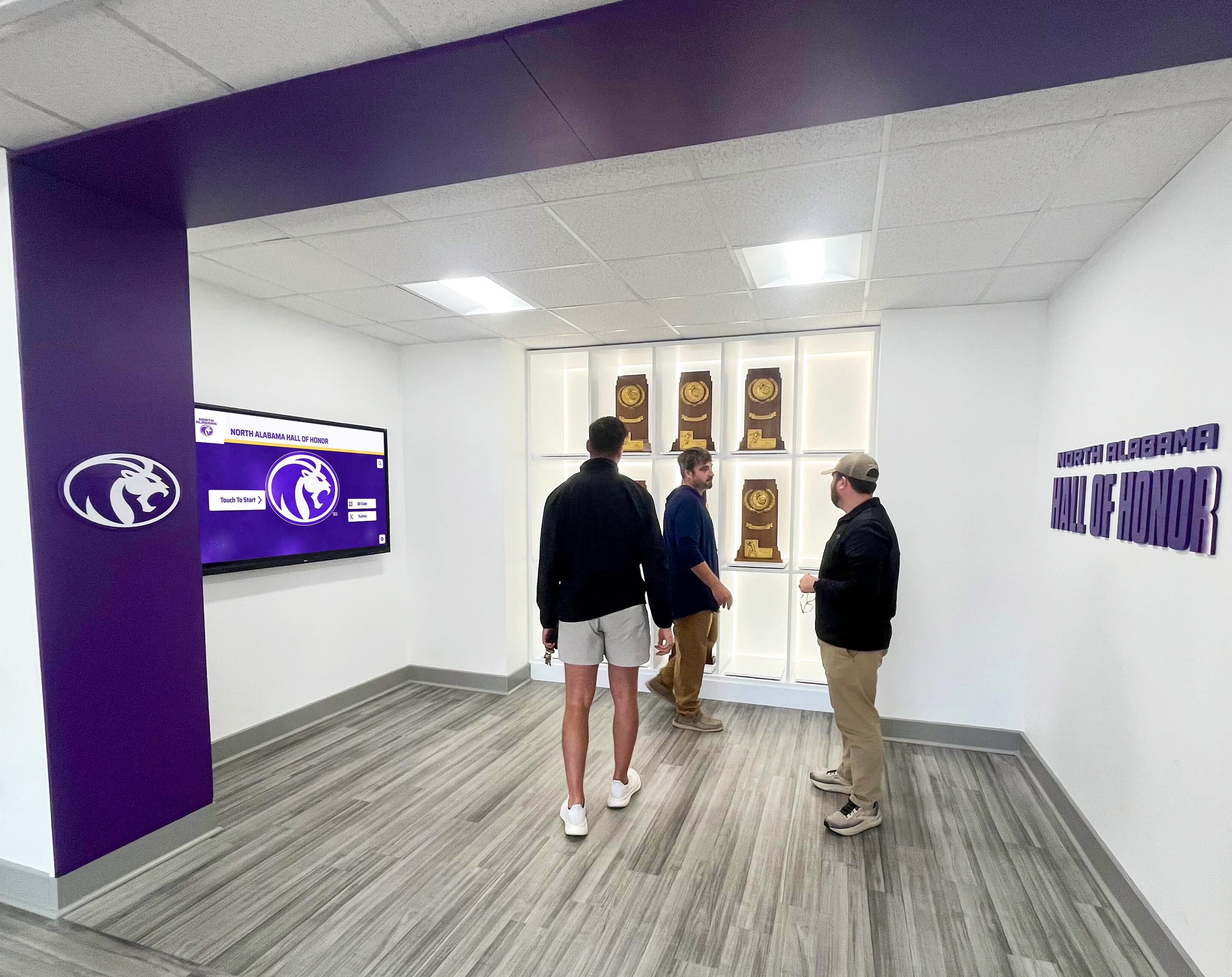
Building lasting connections across generations of student journalists
Showcasing Diverse Publication Types
Ensure recognition celebrates the full range of student publication contributions rather than focusing exclusively on one format.
Literary and Creative Recognition
Honor poetry and fiction contributors, visual artists and photographers, creative nonfiction writers, and experimental format innovators who pushed boundaries.
News and Opinion Recognition
Celebrate investigative reporters uncovering important stories, opinion writers addressing crucial issues, sports journalists documenting athletics, and photojournalists capturing decisive moments.
Behind-the-Scenes Contributions
Acknowledge often-overlooked roles including editors managing production and quality, business managers ensuring financial sustainability, advertising staff securing funding, and distribution coordinators reaching audiences.
Future Trends in Magazine Preservation and Recognition
Understanding emerging technologies and approaches helps institutions make forward-looking investments while anticipating how preservation and recognition will evolve.
Artificial Intelligence Applications
AI technologies promise to enhance preservation and access through automated metadata generation analyzing content, facial recognition identifying individuals in photographs, handwriting recognition transcribing annotations, intelligent search understanding natural language queries, and content recommendation suggesting relevant materials.
Immersive Digital Experiences
Emerging technologies will create new ways to experience historical publications including augmented reality overlays providing context, virtual reality recreations of publication environments, 360-degree views of magazine production spaces, and interactive timelines connecting publications with broader history.
Blockchain and Digital Credentials
Distributed ledger technology may provide verified credentials documenting publication contributions, permanent records of editorial positions held, and authenticated copies protecting intellectual property.
Conclusion: Honoring Student Voice Through the Ages
Old school magazines represent far more than yellowing paper in dusty archives—they’re vibrant records of student creativity, intellectual development, and authentic voice spanning generations. Schools that effectively preserve these publications, celebrate their legacy, and connect historical traditions with current efforts create powerful continuity while inspiring contemporary students to contribute their own voices to ongoing publishing traditions.
The combination of systematic preservation, thoughtful recognition, meaningful educational integration, and strategic use of modern technology ensures these valuable documents remain accessible and celebrated for generations to come. By honoring the countless hours students invested in producing quality publications, institutions demonstrate that student voice matters, creative and intellectual achievement deserves celebration, and publishing traditions connect past excellence with future possibility.
Modern solutions from providers like Rocket Alumni Solutions make comprehensive magazine preservation and recognition achievable for institutions of all sizes. Digital platforms enable unlimited capacity for documenting publications, rich multimedia storytelling worthy of student achievement, and ongoing engagement opportunities extending far beyond physical archives.
Whether implementing initial digitization projects, establishing recognition programs, or building upon existing preservation efforts, schools that invest in honoring their publishing heritage create lasting value. These initiatives connect students across time, preserve authentic perspectives, and demonstrate that student publications represent important institutional assets deserving permanent preservation and prominent celebration.
Ready to preserve your school’s publishing legacy? Explore how modern recognition technology can celebrate your magazine traditions while inspiring current students. Contact Rocket Alumni Solutions to discover how purpose-built platforms help educational institutions create comprehensive archives and engaging recognition displays that honor student journalism excellence across generations.































