Intent: Define, plan, and demonstrate how to create an oldtimers wall that celebrates the enduring contributions of veteran athletes, long-serving coaches, dedicated volunteers, and alumni who have shaped your athletic program’s legacy over decades.
An oldtimers wall serves as a powerful tribute to those who built the foundation of your institution’s athletic excellence. Unlike recognition programs focused solely on recent championships or current record-holders, an oldtimers wall honors the pioneers, the builders, the steady contributors whose sustained dedication created the traditions and culture that define your program today. These individuals may not always hold the spotlight, but their collective impact spans generations—shaping young athletes, establishing winning cultures, and embodying the values that make your program distinctive.
Whether you’re an athletic director planning comprehensive recognition for your program’s history, a booster club member organizing a tribute to founding coaches and players, or an alumni association leader seeking to honor long-standing contributors, this guide provides actionable frameworks for creating an oldtimers wall that authentically celebrates sustained excellence and service.
Understanding the Oldtimers Wall Concept
An oldtimers wall recognizes individuals whose contributions to athletic programs span significant time periods—typically decades rather than single seasons. The term “oldtimers” traditionally refers to veteran athletes, coaches, administrators, and supporters whose involvement began in earlier eras and whose influence shaped the program’s trajectory over extended periods.
Who Belongs on an Oldtimers Wall?
The defining characteristic of oldtimers recognition is sustained contribution rather than singular achievement. While athletic halls of fame typically honor peak performance or championship accomplishments, oldtimers walls celebrate:
Veteran Athletes: Former competitors who represented your institution across multiple years, demonstrating consistent excellence and embodying program values throughout their athletic careers. These athletes may not have set records or won championships, but their dedication, leadership, and character defined what it meant to be part of your program during their era.
Long-Serving Coaches: Coaches who dedicated careers—sometimes entire professional lives—to building and sustaining your program. The coach who served 25 years, developing hundreds of athletes and establishing program culture, merits oldtimers recognition regardless of championship counts.
Multi-Decade Contributors: Boosters, volunteers, trainers, equipment managers, and administrators whose behind-the-scenes work enabled athletic success across generations. The volunteer scorekeeper who served 30 years, the booster president who led fundraising efforts for two decades, or the athletic trainer who cared for athletes across four decades all exemplify oldtimers contributions.
Program Pioneers: Individuals who established programs, created traditions, or laid foundations that subsequent generations built upon. First coaches, founding team members, or those who championed program development during formative years earn oldtimers recognition as builders rather than just participants.
Alumni Athletes Who Remained Connected: Former athletes who maintained active engagement with programs after graduation—returning as mentors, volunteers, donors, or advocates who ensured their athletic communities continued thriving long after their playing days ended.
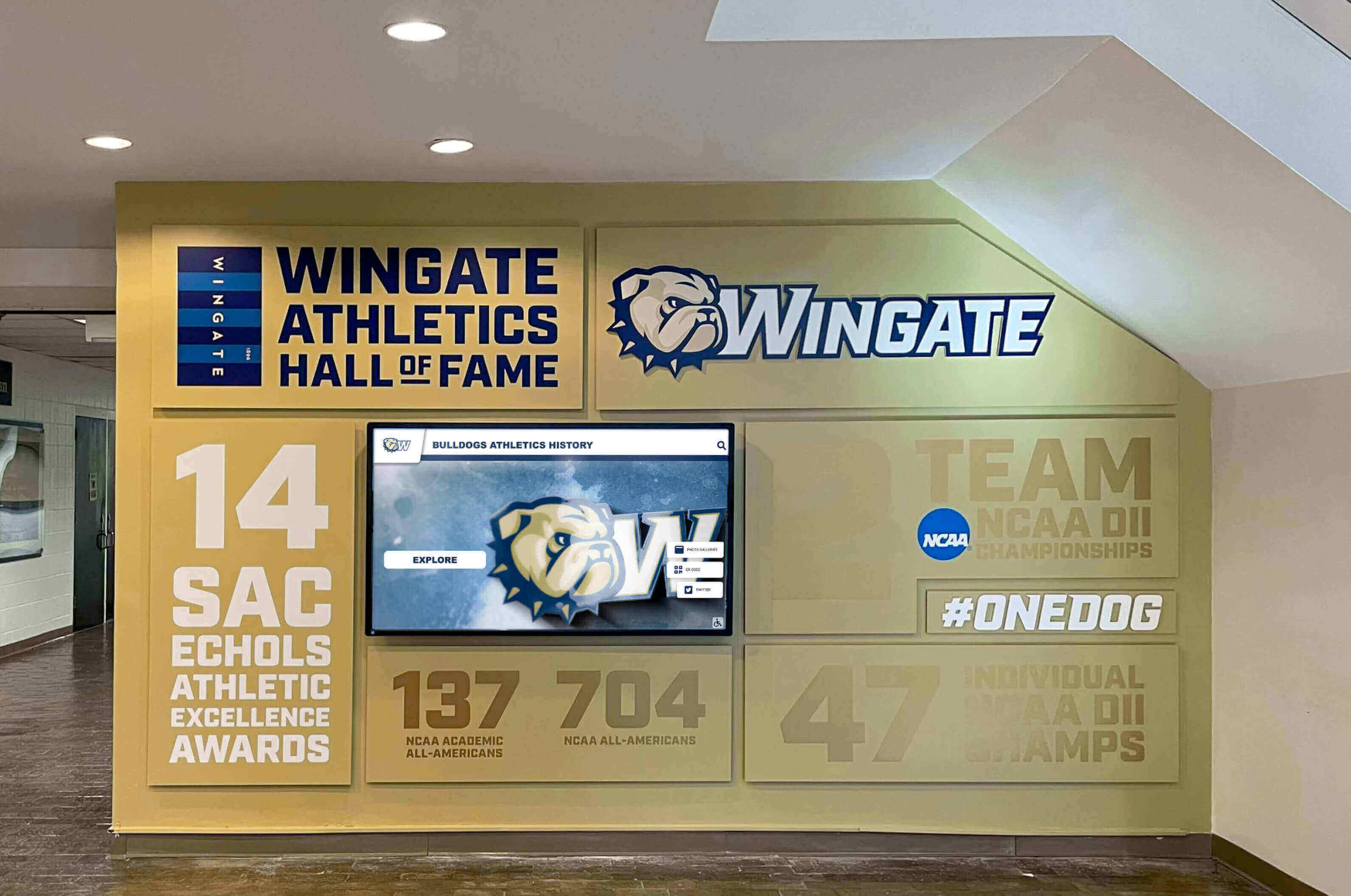
Professional oldtimers walls create dignified tributes to those who built athletic program foundations
Oldtimers Wall vs. Traditional Hall of Fame
While overlap exists between oldtimers recognition and traditional halls of fame, important distinctions guide how schools approach each:
Recognition Criteria Focus: Halls of fame typically emphasize peak achievement—championships won, records set, exceptional seasons. Oldtimers walls prioritize sustained contribution—years of service, consistent dedication, long-term impact. An athlete who competed four years with solid but unspectacular performance yet exemplified leadership and character throughout might warrant oldtimers recognition despite not meeting hall of fame achievement thresholds.
Era Representation: Halls of fame can inadvertently overrepresent recent eras when achievements are well-documented and fresh in memory. Oldtimers walls intentionally honor earlier generations, ensuring recognition extends to foundational contributors whose stories risk being forgotten as decades pass.
Contribution Breadth: Halls of fame focus primarily on athletes and coaches. Oldtimers walls embrace broader contributor categories—volunteers, administrators, supporters—whose sustained service enabled athletic success even without directly competing or coaching.
Temporal Perspective: Hall of fame induction often occurs relatively soon after achievement—within years or decades of athletic accomplishment. Oldtimers recognition frequently comes later, honoring individuals after decades of sustained connection or following retirement from long service.
Many institutions maintain both recognition types, using halls of fame to celebrate exceptional achievement while oldtimers walls honor sustained service and foundational contributions. This dual approach ensures comprehensive recognition addressing different dimensions of athletic excellence.
Why Create an Oldtimers Wall?
Investment in oldtimers recognition delivers tangible benefits extending beyond honoring deserving individuals. Well-executed oldtimers walls strengthen programs strategically while preserving institutional memory.
Preserving Institutional Memory and Athletic Heritage
Athletic programs possess rich histories that risk fading from collective consciousness as decades pass. The coach who established your program culture in the 1970s, the volunteer who ran every home game for 30 years, the athletes who competed before record-keeping became systematic—these contributors shaped your program’s character but may be unknown to current generations.
Oldtimers walls function as living archives, preserving stories and contributions that might otherwise disappear. When current athletes understand that their program’s winning culture originated with a coach who served 35 years, or that program traditions began with founding team members decades ago, they gain perspective on their place within ongoing legacy. This historical awareness creates continuity, helping athletes recognize they’re continuing something larger than individual seasons or careers.
According to research from the Sports Heritage Foundation, organizations that actively preserve and celebrate athletic history experience 40% higher rates of sustained community engagement compared to those without systematic recognition programs. Historical preservation through oldtimers recognition strengthens program identity while creating resources for future generations seeking to understand their athletic heritage.
Demonstrating Institutional Values and Priorities
How organizations choose to recognize contributions reveals what they value. An oldtimers wall that honors sustained service alongside singular achievement sends powerful messages about institutional priorities:
Loyalty and Commitment Matter: When programs celebrate those who dedicated decades rather than just those who achieved brief glory, they demonstrate that sustained commitment receives recognition equal to momentary success.
Everyone’s Contribution Counts: Including coaches, volunteers, administrators, and supporters alongside athletes communicates that athletic success requires collective effort. The trainer, the groundskeeper, the booster club president—all receive acknowledgment for essential contributions.
History Informs Identity: Dedicating prominent space to oldtimers recognition signals that understanding program history matters, that current participants stand on foundations built by previous generations whose work deserves remembrance.
Character Equals Achievement: Oldtimers recognition often honors individuals exemplifying program values—sportsmanship, perseverance, service, integrity—even when their achievement levels didn’t reach hall of fame status. This balance demonstrates that who athletes become matters as much as what they accomplish statistically.
These value demonstrations influence program culture profoundly. Athletes witnessing sustained service recognition understand that programs value qualities beyond win-loss records, potentially shaping their own engagement and contribution patterns.
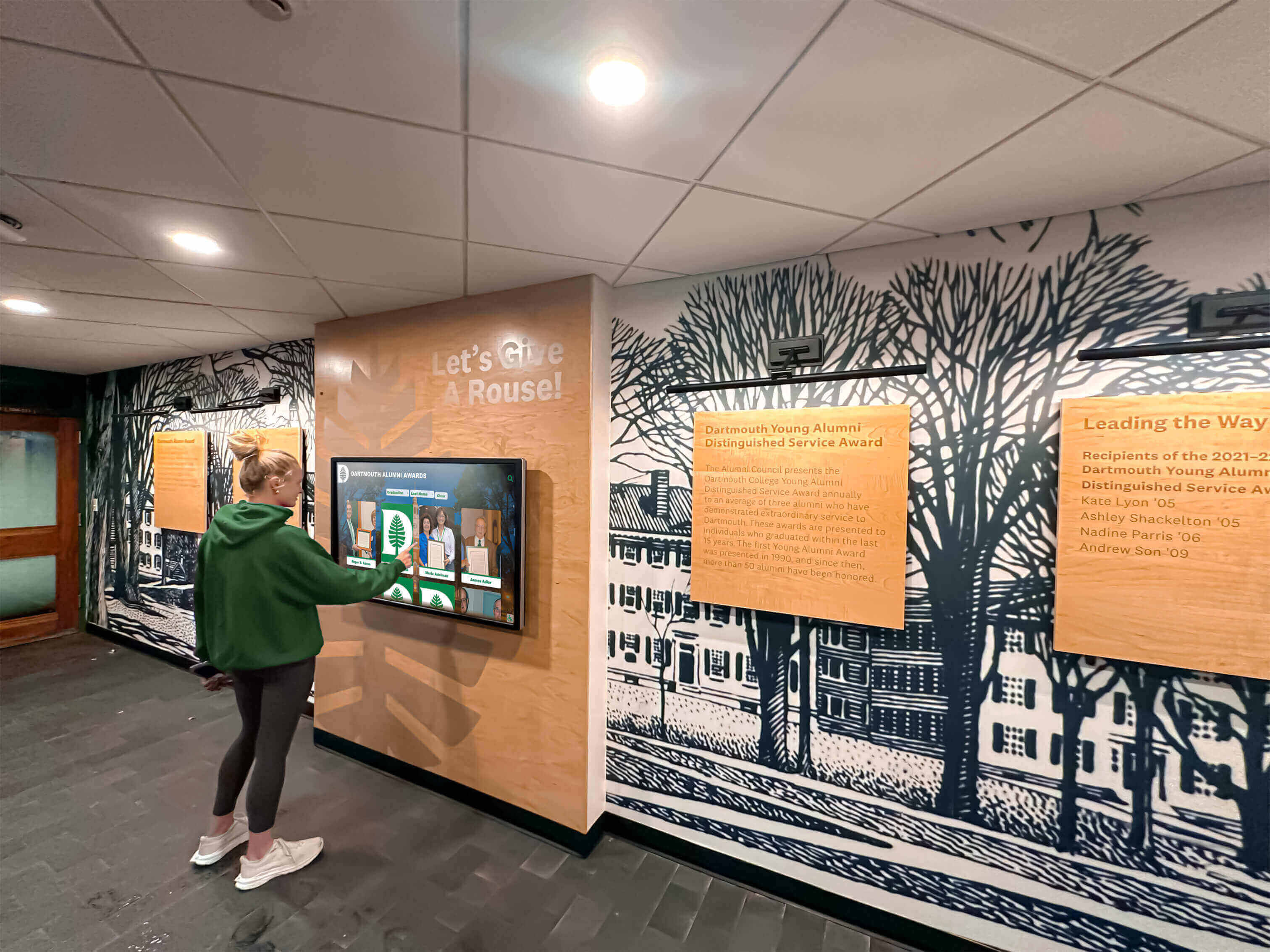
Engaging oldtimers displays help current athletes understand program heritage and values
Strengthening Alumni Engagement and Community Connection
Oldtimers recognition creates powerful engagement opportunities with alumni populations who may have limited connection to current programs. The athlete who graduated 40 years ago might feel little connection to today’s team, but recognition honoring their era or coach creates touchpoint for renewed engagement.
When institutions implement alumni recognition programs specifically addressing veteran athletes and contributors, they activate alumni segments often overlooked by advancement efforts focused on recent graduates or major donors. Research from the Council for Advancement and Support of Education demonstrates that recognized alumni give at rates 35% higher than unrecognized peers and volunteer significantly more frequently.
Oldtimers walls facilitate multigenerational connection. Current athletes exploring recognition displays discover former athletes from their parents’ or grandparents’ generations, creating conversation opportunities across age gaps. Family legacy recognition—identifying when multiple generations competed or contributed—strengthens community bonds while celebrating sustained family connection to programs.
Community members beyond direct program participation also engage with oldtimers recognition. Local residents who remember legendary coaches from decades past appreciate institutions preserving these memories. Media coverage of oldtimers recognition events often reaches broader audiences than coverage of recent athletic competitions, extending program visibility within communities.
Recruitment and Program Marketing Benefits
While serving primarily as recognition tools, oldtimers walls provide practical recruitment and marketing advantages. Prospective athletes and families evaluating programs assess tradition and stability alongside competitive success. An impressive oldtimers wall demonstrates program longevity, sustained excellence, and institutional commitment to athletes across generations.
The visible presence of multi-decade coaching tenures signals program stability to recruits concerned about coaching turnover. Recognition highlighting athletes who returned as mentors, volunteers, or boosters demonstrates enduring program community that extends beyond graduation. These tangible evidences of sustained tradition influence recruitment decisions, particularly when competing programs offer similar competitive opportunities.
From marketing perspectives, oldtimers recognition provides content opportunities celebrating program heritage. Anniversary features highlighting founding coaches or athletes, reunion events bringing veteran athletes back to campus, or multimedia content exploring program history all leverage oldtimers recognition as foundation. This heritage storytelling differentiates programs in crowded athletic landscapes where championship claims and facility quality are universally emphasized.
Planning Your Oldtimers Wall: Strategic Considerations
Successful oldtimers wall implementation requires careful planning addressing recognition criteria, physical or digital format, location selection, and sustainable maintenance approaches. Systematic planning prevents common pitfalls while ensuring recognition programs meet institutional needs.
Before You Start: Essential Prerequisites
Stakeholder Identification and Engagement: Form planning committees representing diverse perspectives—athletic directors with institutional knowledge, long-serving coaches who remember earlier eras, alumni association representatives connected to veteran athlete populations, and booster club members who understand community sentiment. Distributed input prevents single-perspective dominance while building support across stakeholder groups.
Historical Research and Documentation: Assess what historical information exists about potential oldtimers honorees. Review athletic department archives, yearbooks, local newspaper records, and state athletic association documentation. Interview long-serving community members who remember earlier program eras. This research phase reveals gaps in historical record while identifying compelling stories worthy of recognition.
Measurements and Connectivity Assessment: Evaluate potential installation locations, measuring wall space dimensions, assessing electrical access for powered displays, and confirming network connectivity if implementing digital systems requiring remote management. These technical assessments inform display sizing and format decisions.
Budget Establishment and Funding Sources: Determine realistic budget ranges including initial installation and ongoing maintenance costs. Explore funding sources beyond operational budgets—booster club fundraising, alumni campaigns targeting oldtimers communities, memorial dedication opportunities allowing families to honor specific individuals while supporting broader projects.
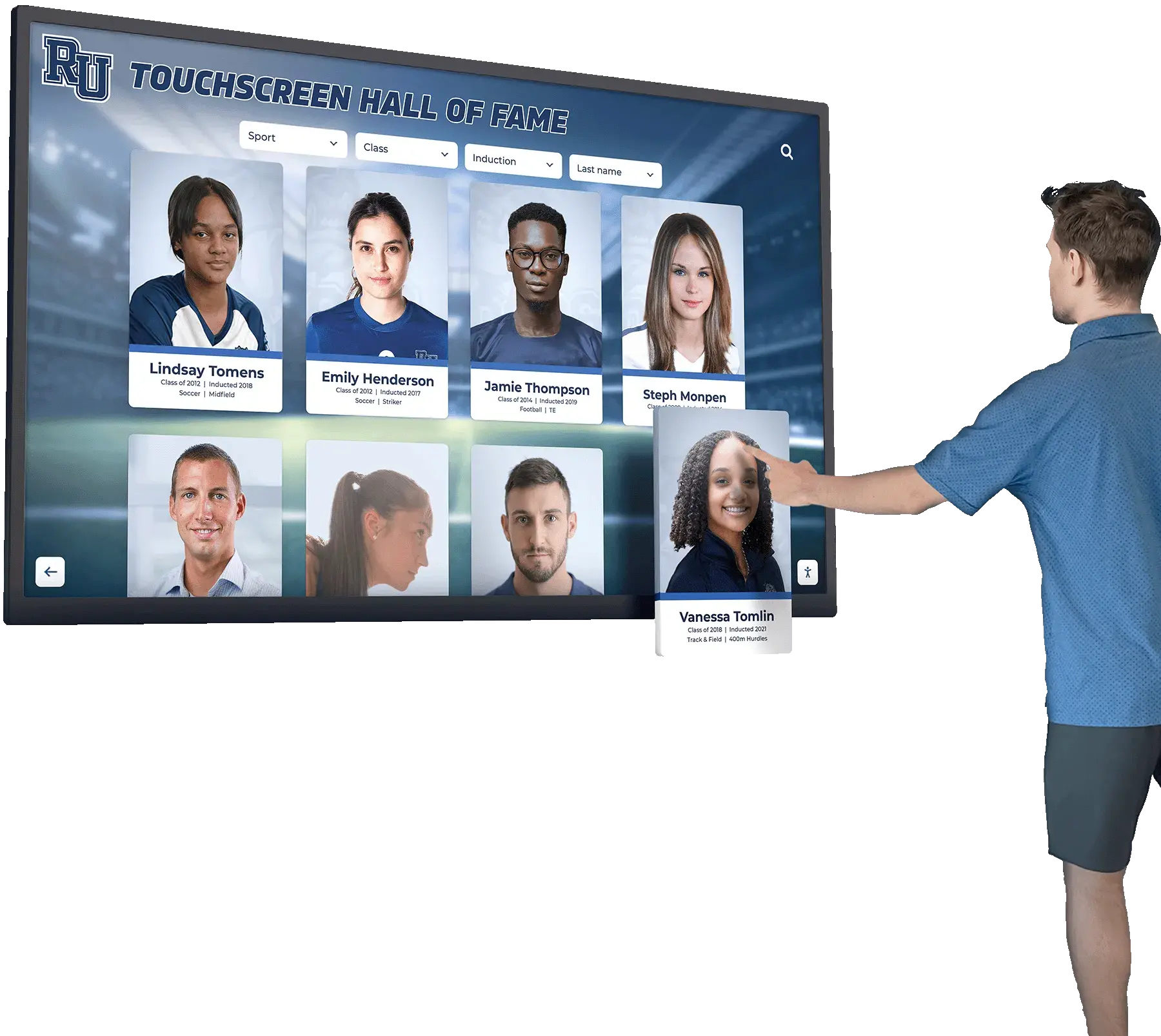
Comprehensive planning ensures oldtimers walls serve institutional needs effectively
Defining Clear Recognition Criteria
Perhaps the most critical planning decision involves establishing specific, measurable criteria for oldtimers recognition. Vague criteria create disputes, inconsistency, and perceptions of favoritism. Effective criteria share several characteristics:
Minimum Service Thresholds: Specify minimum duration requirements that define “oldtimer” status. Common thresholds include:
- Athletes: Minimum 3-4 years of competition at varsity level
- Coaches: Minimum 15-20 years of service in coaching roles
- Administrators: Minimum 10-15 years in athletic administration positions
- Volunteers/Boosters: Minimum 20-25 years of sustained volunteer service
These thresholds ensure recognition honors genuinely sustained contribution rather than brief involvement.
Era Coverage Considerations: Establish guidelines ensuring balanced representation across program history. Overemphasis on recent decades creates oldtimers walls that fail to honor foundational eras. Consider implementing era quotas or review periods ensuring systematic evaluation of contributors from all program periods.
Achievement vs. Service Balance: Clarify whether oldtimers recognition requires exceptional achievement alongside sustained service, or whether sustained service alone merits inclusion. Some programs require both (e.g., coaches must serve minimum years AND achieve specific winning percentages), while others honor sustained service regardless of outcome metrics. Document these expectations explicitly.
Contributor Category Definitions: Specify which contributor types qualify for recognition beyond athletes and coaches. Should equipment managers, trainers, groundskeepers, media relations personnel, or other support roles receive consideration? Define categories clearly to ensure consistent application.
Nomination and Selection Processes: Establish transparent procedures for identifying candidates, collecting nominations, reviewing qualifications, and making selection decisions. Committee-based review with rotating membership ensures fairness while preventing single individuals from dominating selections.
Living vs. Posthumous Recognition: Determine policies regarding timing—will individuals be recognized while living, after retirement, or posthumously? Living recognition enables honorees to participate in dedication ceremonies but may require difficult decisions about readiness. Posthumous recognition avoids these sensitivities but eliminates honoree participation opportunities.
Document all criteria formally, communicate them broadly, and apply them consistently. Criteria modifications over time are acceptable, but changes should be deliberate, documented, and applied systematically rather than adjusted to accommodate specific individuals.
Choosing Display Format: Traditional vs. Digital
Oldtimers wall implementation requires fundamental decisions about display format—traditional static displays using plaques and printed materials, or modern digital systems using touchscreen technology and cloud-based content management.
Traditional Static Display Characteristics
Traditional oldtimers walls typically feature engraved bronze or brass plaques mounted on wood or architectural panels, creating classic aesthetic communicating permanence and dignity appropriate to honoring veteran contributors.
Advantages:
- Lower initial investment for small-scale installations
- No electrical requirements or technology maintenance needs
- Timeless aesthetic aligning with traditional athletic decor
- Tangible, physical presence some communities prefer
- No concerns about technology obsolescence
Limitations:
- Fixed capacity requiring physical expansion as honorees accumulate
- Updates necessitate manufacturing and installing new plaques
- Minimal information density—typically just names, years, basic roles
- No multimedia capability for photos, videos, or detailed narratives
- Physical wear, tarnishing, or damage over decades
- Inflexible organization—cannot reorganize once installed
Traditional approaches work reasonably well for smaller programs with limited oldtimers populations or institutions with strong preferences for traditional aesthetics. However, most programs find capacity limitations problematic within 10-15 years as accumulating honorees exceed available space.
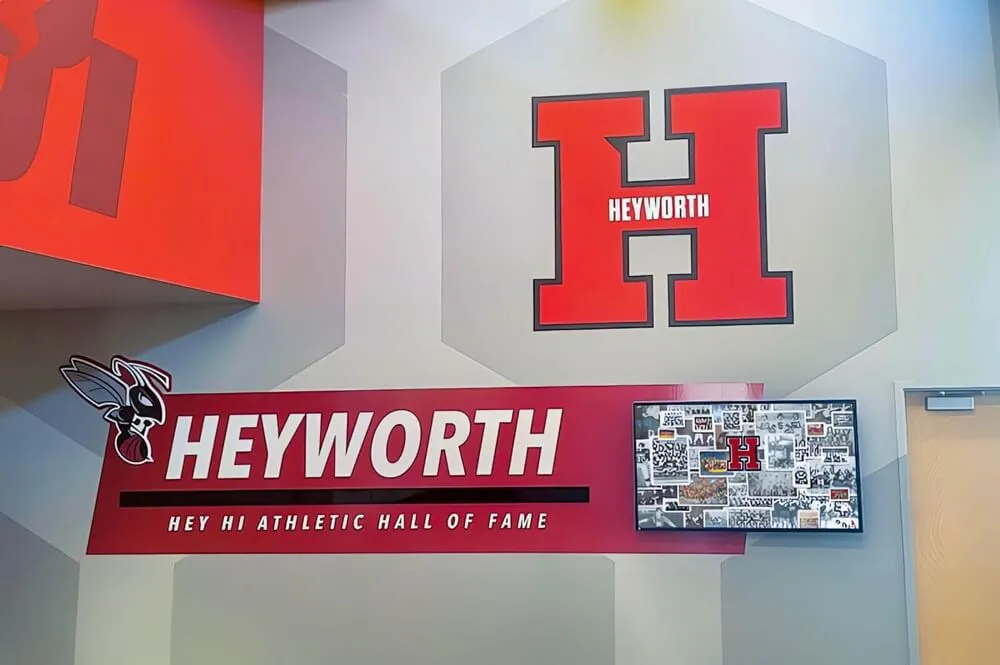
Traditional displays offer classic aesthetic but face capacity and flexibility limitations
Digital Recognition System Capabilities
Digital oldtimers walls use touchscreen technology or digital signage to display recognition content managed through cloud-based software platforms. These systems have become increasingly affordable and practical for institutions of all sizes.
Advantages:
- Virtually unlimited capacity accommodating hundreds of honorees
- Easy content updates without physical modification
- Rich multimedia including photos, videos, biographical narratives
- Interactive exploration enabling users to search, filter, browse
- Remote management from any internet-connected device
- Content protection from physical damage or deterioration
- Reorganization flexibility as needs change
- Analytics tracking engagement patterns
- Integration capabilities with existing databases
Considerations:
- Higher initial investment compared to basic plaques
- Requires electrical power and potentially network connectivity
- Software subscription or maintenance costs
- Screen replacement if hardware fails (though commercial displays are highly reliable)
- Need for basic technology management capability
Solutions like Rocket Alumni Solutions’ digital recognition displays are specifically designed for athletic recognition applications, providing turnkey systems including hardware, software, content templates, and ongoing support. These specialized platforms eliminate technology barriers while delivering professional results that traditional methods cannot match.
For oldtimers recognition specifically, digital systems excel because they accommodate growing honoree populations indefinitely while providing space for biographical context explaining each contributor’s significance. The coach who served 30 years deserves more than name and dates—their story, philosophy, impact on athletes, and program contributions merit detailed narrative that traditional plaques cannot provide.
Location Selection and Installation Planning
Strategic placement significantly impacts oldtimers wall effectiveness. Ideal locations balance visibility, accessibility, appropriate context, and practical installation considerations.
High-Traffic Athletic Spaces: Locations within or adjacent to primary athletic facilities ensure oldtimers walls are seen regularly by current athletes, families attending events, and community visitors. Consider:
- Main gymnasium or arena lobbies
- Athletic wing hallways connecting facilities
- Locker room corridor areas (where appropriate)
- Athletic administrative office reception areas
- Stadium or field house entrance areas
Protected Indoor Environments: Oldtimers displays require climate-controlled, weather-protected locations. Outdoor installations face deterioration from weather exposure, temperature fluctuations, and sunlight damage. Additionally, digital displays require indoor placement for operational reliability.
Appropriate Dignity and Context: Oldtimers walls honoring decades of dedication deserve placement communicating respect and importance. Prominent, well-lit locations with sufficient viewing space demonstrate that institutions value these contributions. Cramped corners or afterthought locations undermine recognition intent regardless of content quality.
Accessibility Compliance: Ensure locations meet ADA accessibility requirements, with displays positioned at appropriate heights, viewing spaces accommodating wheelchairs, and interactive touchscreen interfaces reachable by users of various heights and mobility capabilities. Following ADA WCAG 2.1 AA compliance standards demonstrates commitment to inclusive access.
Infrastructure Access: For digital installations, convenient access to electrical circuits and network connectivity (if required) reduces installation complexity and cost. Locations near existing outlets and network drops simplify technical installation.
Security and Supervision: Areas with natural supervision during facility operating hours or security monitoring systems reduce vandalism risk and protect investment in recognition displays.
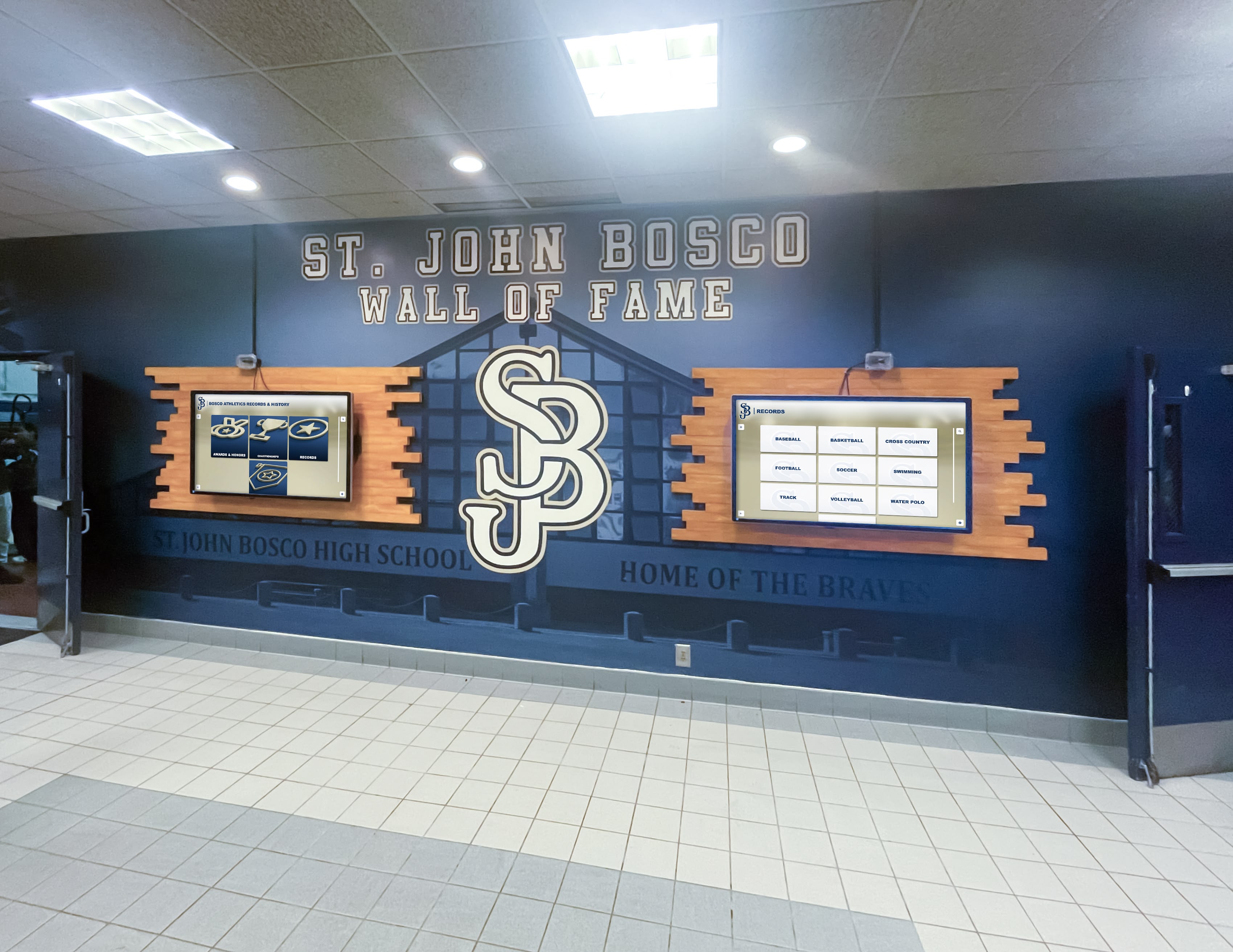
Strategic placement in high-traffic athletic facilities ensures maximum visibility and engagement
Core Content Development: Building Comprehensive Oldtimers Profiles
Display quality depends fundamentally on content richness and storytelling depth. Superficial listings of names and dates fail to honor contributions appropriately or engage viewers meaningfully. Comprehensive profile development requires systematic research, compelling writing, and multimedia integration.
Historical Research and Information Gathering
Developing oldtimers content begins with detective work uncovering stories, achievements, and context about contributors from potentially decades past.
Archive Sources:
- Athletic department records and historical files
- School yearbooks spanning relevant decades
- Local newspaper archives covering athletic events
- State athletic association championship and award records
- School board minutes documenting administrative appointments
- Alumni association records and databases
Human Sources:
- Interviews with long-serving coaches and administrators who remember earlier eras
- Conversations with veteran athletes from recognized contributors’ playing days
- Discussions with family members who can provide biographical information
- Community historians and sports enthusiasts with institutional memory
- Former athletic directors or administrators who worked alongside recognized individuals
Verification Protocols:
- Cross-reference information across multiple sources when possible
- Document uncertainties explicitly rather than presenting speculation as fact
- Note when specific details remain unknown due to incomplete records
- Prioritize official records over anecdotal memory when conflicts exist
Research for older contributors (those active 30+ years ago) often reveals information gaps. Incomplete record-keeping, lost files, and fading memories create challenges. Accept these limitations while documenting what can be verified reliably.
Creating Compelling Biographical Narratives
Transform researched information into engaging narratives that honor individuals appropriately while capturing what made their contributions distinctive and significant.
Essential Biographical Elements:
- Full name and any relevant nicknames used during athletic career
- Years of involvement with program (specific dates when possible)
- Role description (player positions, coaching specialties, volunteer responsibilities)
- Career highlights and memorable moments
- Impact on program development and culture
- Notable athletes coached or worked with
- Character traits and values exemplified
- Post-career connection to program (for athletes)
- Personal philosophy or approach to coaching/contribution
- Relevant biographical context (education, professional background)
Storytelling Approaches:
Rather than listing dry facts, craft narratives revealing personality and impact. Compare these approaches:
Basic: “John Smith coached basketball 1975-2000, compiling a 425-280 record with 3 conference championships.”
Narrative: “John Smith transformed basketball at Lincoln High across 25 years of patient program building. Starting with a struggling team going 4-18 his first season, Coach Smith emphasized fundamental skills, disciplined team play, and academic excellence. His ‘scholar-athlete’ approach produced not only three conference championships but also 89% college attendance among his players. Alumni remember Coach Smith’s demanding practices matched by genuine care for players’ personal development. ‘He made us better basketball players,’ recalls 1987 graduate Michael Chen, ‘but more importantly, he made us better men.’”
The narrative version provides context, reveals philosophy, demonstrates impact, and includes specific remembrances that honor the individual authentically.
Multimedia Integration and Visual Storytelling
Rich visual content brings oldtimers profiles to life, creating emotional connections that text alone cannot achieve.
Photographic Elements:
- Playing-era photos showing honorees in action or with teams
- Coaching photos capturing sideline moments or practice settings
- Awards ceremony or recognition event photos
- Timeline photos showing individuals at different career stages
- Team photos from championship seasons or memorable years
- Candid photos revealing personality and relationships
Video Content (for digital displays):
- Interview clips where honorees reflect on careers and experiences
- Game footage or competition highlights (when available)
- Ceremony recordings from inductions or tributes
- Current athletes or coaches discussing oldtimers’ lasting influence
Document and Artifact Imagery:
- Championship certificates or awards
- Newspaper clippings from significant achievements
- Programs or media guides from relevant eras
- Correspondence or documents revealing historical context
Quality Considerations: Historical photos may be lower quality than modern standards. Digital restoration techniques can enhance images while preserving authenticity. When original photo quality prohibits effective display, describe images in text (“Known for his intense coaching style, Smith frequently appeared in local newspapers…”) rather than using poor-quality imagery that detracts from professional presentation.
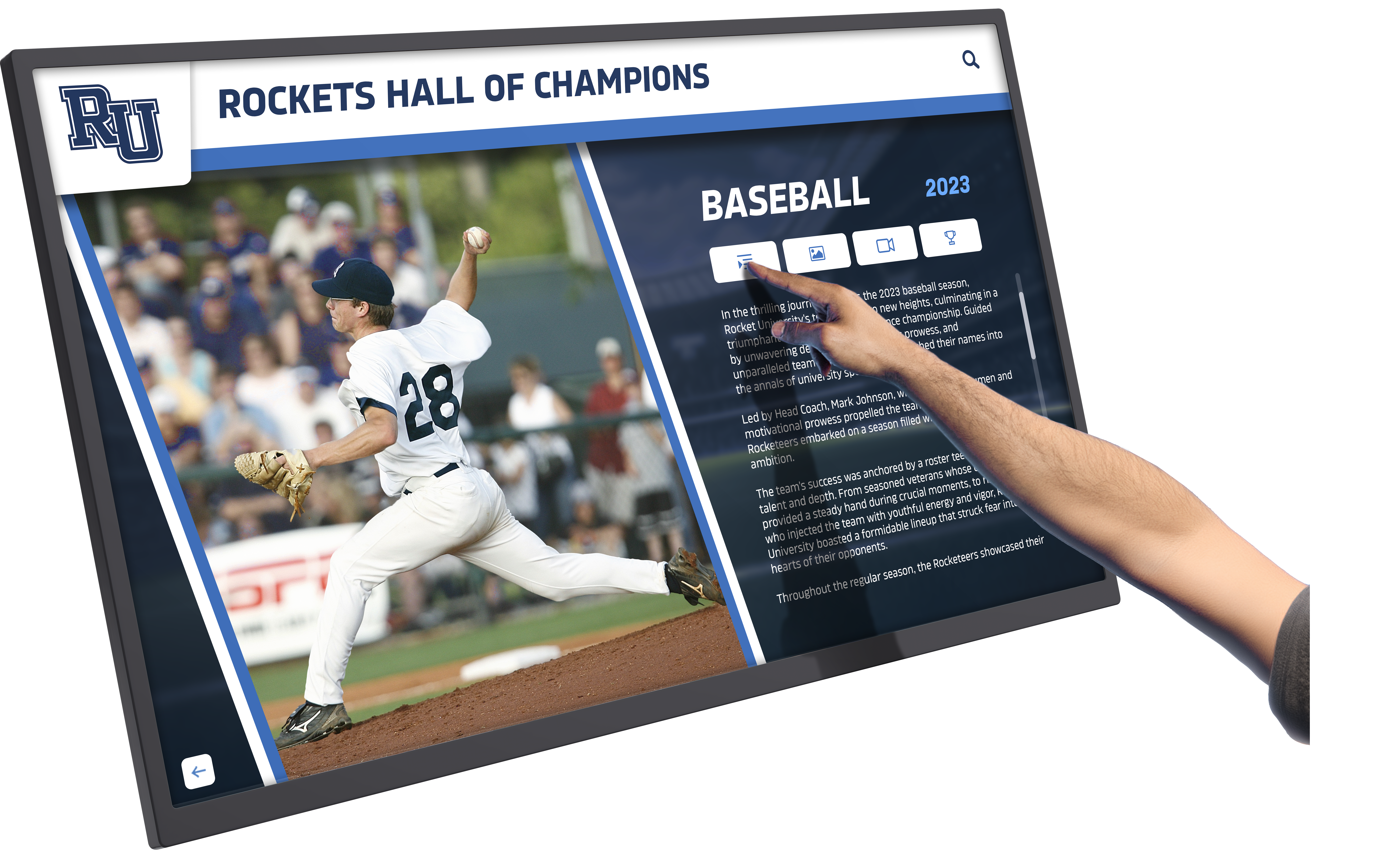
Multimedia content creates engaging experiences that honor contributors comprehensively
Organizing Content: Categories and Structure
Systematic organization helps visitors navigate oldtimers recognition effectively, whether using traditional displays or digital systems.
Organizational Approaches:
Chronological by Era: Group honorees by decades or significant program periods (e.g., “Founding Era 1950-1970,” “Growth Period 1971-1990,” “Modern Era 1991-2015”). This approach creates historical narrative showing program evolution.
By Contributor Type: Separate categories for veteran athletes, coaches, administrators, and volunteers/supporters. Clear categorization helps visitors understand different contribution types while ensuring each category receives appropriate representation.
By Sport: Multi-sport programs might organize oldtimers by athletic discipline (football oldtimers, basketball oldtimers, etc.), particularly when different sports have distinct histories and traditions.
Alphabetical Listing: Simple alphabetical organization works for smaller oldtimers populations or when used as supplementary organization within primary categories.
Digital systems enable multiple simultaneous organizational schemes—visitors can browse chronologically, filter by category, search alphabetically, or explore by sport depending on individual preferences. This flexibility represents significant advantage over traditional displays requiring single organizational commitment.
Implementation: Technical Installation and Launch
Once planning and content development are complete, implementation involves technical installation and public launch creating visibility and engagement.
Technical Installation Best Practices
For Traditional Displays:
- Work with professional installers ensuring level, secure mounting meeting building codes
- Use quality mounting hardware appropriate to wall construction (studs for drywall, masonry anchors for brick/concrete)
- Ensure consistent spacing and alignment across all plaques or nameplates
- Install appropriate lighting if displays require illumination
- Protect installation areas during work to prevent damage to surrounding finishes
For Digital Systems:
- Contract with qualified commercial AV installers experienced with similar installations
- Verify electrical circuits provide adequate, dedicated power with surge protection
- Ensure network connectivity meets system requirements (if applicable)
- Follow manufacturer mounting specifications exactly
- Allow adequate ventilation around displays per manufacturer requirements
- Test all functionality thoroughly before final acceptance
- Document system configuration, login credentials, support contacts
Professional installation is strongly recommended for digital displays given equipment costs, electrical requirements, mounting security needs, and long-term reliability considerations. The installation quality directly impacts system longevity and satisfaction.
Content Management System Setup and Training
For digital oldtimers walls, content management systems require configuration and user training enabling non-technical staff to manage recognition content independently.
Initial System Configuration:
- Establish user accounts with appropriate permission levels
- Configure branding elements (institutional logos, colors, fonts)
- Set up organizational structure (categories, filters, tags)
- Import initial oldtimers profiles and associated media
- Configure display settings (slideshow timing, featured content, search options)
- Test all features across various user scenarios
Staff Training Requirements:
- Hands-on sessions demonstrating common management tasks
- Documentation covering key procedures (adding profiles, uploading media, editing content)
- Emergency support contacts and troubleshooting guidance
- Scheduled follow-up sessions addressing questions after initial use
- Refresher training when staff changes occur
Solutions like Rocket Alumni Solutions provide comprehensive training and ongoing support, ensuring athletic department staff can manage oldtimers content confidently without requiring technical expertise. Cloud-based management allows remote administration from any location with internet access—no need to physically access display hardware for content updates.
Public Launch and Dedication Events
Oldtimers wall unveiling deserves ceremonial recognition celebrating the project while honoring initial inductees appropriately.
Effective Launch Events Include:
- Formal dedication ceremony with remarks from athletic directors, principals, and program leaders
- Personal invitations to all recognized oldtimers (or family representatives for deceased honorees)
- Student-athlete participation in ceremony as hosts, ushers, or presenters
- Media coverage through press releases, local newspaper invitations, and social media promotion
- Facility tours allowing attendees to view and interact with displays
- Recognition of donors or contributors who funded project
- Explanation of selection criteria and future induction processes
Timing Considerations: Schedule dedications during high-visibility periods—homecoming weekends, major athletic events, or alumni reunion periods when audiences are naturally present. Weekend timing typically accommodates more attendee schedules than weekday events.
Communication Strategy: Develop comprehensive communication plans announcing oldtimers wall creation and dedication event through multiple channels:
- Direct mail/email to recognized oldtimers and families
- Alumni association newsletters and communications
- School website features and news releases
- Social media posts with historical photos and honoree highlights
- Local media outreach to sports reporters and community journalists
- Booster club and athletic supporter communications
Launch events create crucial momentum, ensuring oldtimers recognition receives appropriate attention while establishing ongoing tradition of systematic recognition and celebration.
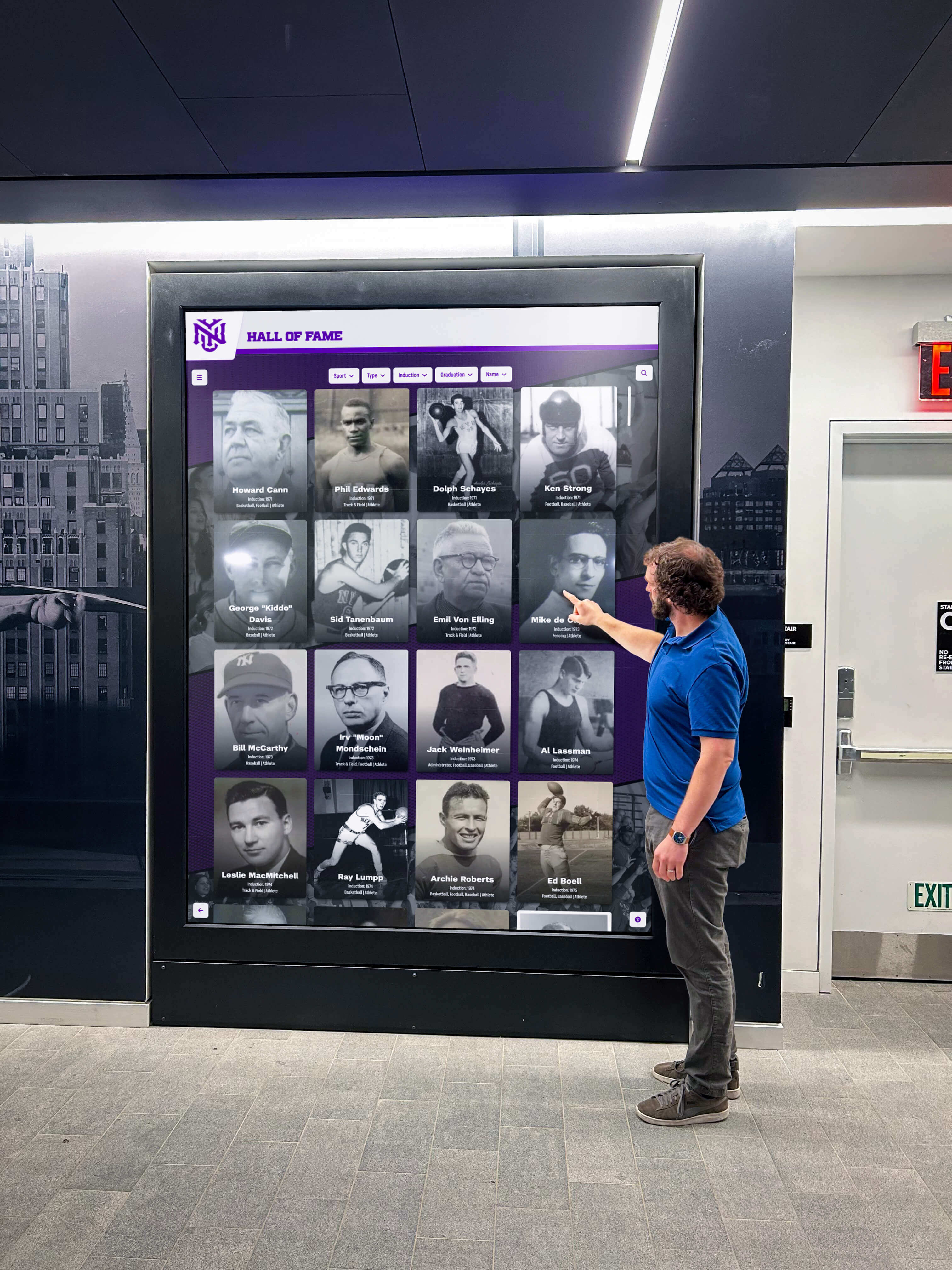
Dedication ceremonies create memorable moments honoring contributors while building community engagement
Maintenance and Evolution: Sustaining Recognition Programs
Initial implementation represents just the beginning. Long-term success requires systematic maintenance, regular updates, and evolutionary refinement ensuring oldtimers walls remain current, accurate, and engaging indefinitely.
Annual Review and Update Processes
Establish regular schedules for reviewing and expanding oldtimers recognition. Annual or biennial review cycles work effectively for most programs.
Systematic Review Process:
- Candidate Identification: Review recently retired coaches, long-serving volunteers reaching milestone service years, or veteran athletes meeting minimum time thresholds
- Nomination Collection: Solicit nominations from stakeholder groups using standardized forms documenting qualifications
- Committee Evaluation: Convene selection committee to review candidates against established criteria
- Selection Decisions: Make selections through committee consensus or voting procedures, documenting rationale
- Content Development: Research, write, and produce content for new honorees following established templates
- Implementation: Add new content to displays (updating digital systems or manufacturing/installing new plaques)
- Announcement and Recognition: Publicly announce new oldtimers through induction ceremonies, communications, or integration with athletic events
Update Frequency Considerations: Oldtimers recognition typically expands more gradually than halls of fame since criteria involve sustained service over decades. Annual reviews adding 2-10 honorees maintain manageable workload while ensuring deserving contributors receive timely recognition.
Content Enhancement and Historical Expansion
Beyond adding new honorees, ongoing maintenance includes enhancing existing profiles as additional information becomes available and systematically expanding historical coverage.
Profile Enhancement Opportunities:
- Update living honorees’ profiles with recent accomplishments or post-retirement contributions
- Add newly discovered historical photos or documents
- Incorporate oral history interviews with aging honorees while still possible
- Include remembrances from former athletes or colleagues
- Document awards, honors, or recognition received after initial induction
Historical Expansion Projects: Many programs initially focus oldtimers recognition on recent decades where information is readily available, then systematically research and add earlier contributors through phased historical projects. This approach provides immediate recognition for known contributors while acknowledging that comprehensive historical coverage requires extended research.
Digital systems particularly facilitate ongoing enhancement since content updates occur instantly without physical reinstallation. Traditional displays make enhancement impractical once plaques are manufactured and mounted, representing significant limitation.
Physical and Technical Maintenance
Both traditional and digital displays require regular maintenance preserving appearance and functionality.
Traditional Display Maintenance:
- Regular dusting and cleaning using appropriate methods for materials
- Periodic polishing of brass or bronze plaques
- Inspection for loose mountings requiring repair
- Touch-up of painted surfaces or background panels
- Lighting bulb replacement if dedicated illumination is used
Digital Display Maintenance:
- Screen cleaning using manufacturer-recommended methods and materials
- Software updates maintaining security and adding features
- Hardware monitoring identifying issues before failure occurs
- Data backups protecting against content loss
- Network connectivity verification ensuring reliable operation
Maintenance Schedules: Establish documented schedules assigning specific responsibilities. Quarterly inspections identify needs while annual deeper maintenance addresses accumulated issues. Clear responsibility assignment prevents maintenance from being overlooked amid competing priorities.
For organizations using touchscreen recognition systems, vendor support typically includes technical maintenance guidance and remote system monitoring, reducing burden on institutional staff while ensuring reliability.
Advanced Features and Integration Opportunities
Modern digital oldtimers walls offer sophisticated capabilities extending beyond basic recognition display, creating additional engagement and operational efficiency opportunities.
Interactive Search and Exploration Features
Digital systems transform passive viewing into active exploration through interactive capabilities:
Search Functionality: Allow visitors to search oldtimers by name, year, sport, or keyword, enabling quick access to specific individuals rather than browsing entire databases.
Filter and Sort Options: Enable filtering by contributor category (athletes, coaches, volunteers), era, sport, or other criteria, helping visitors discover relevant honorees efficiently.
Related Content Links: Connect oldtimers profiles to related content—championship teams they participated on, other athletes from their eras, or coaches they played under—creating rich interconnected historical narratives.
QR Code Access: Generate unique QR codes for each oldtimer that visitors scan with smartphones to access detailed profiles, enabling recognition that extends beyond physical displays to personal devices visitors carry with them.
Featured Content Rotation: Automatically rotate featured oldtimers on display screens, ensuring diverse honorees receive prominent visibility rather than only those visitors actively seek.
These interactive elements create engaging experiences particularly valuable for multigenerational events where younger attendees explore program history through familiar touchscreen interfaces while older visitors discover former teammates or coaches they remember.

Interactive features enable personalized exploration of program history and individual contributors
Integration with Broader Recognition Ecosystems
Oldtimers walls function most effectively when integrated with comprehensive recognition programs addressing multiple achievement dimensions:
Athletic Achievement Integration: Connect oldtimers recognition with current athletic record displays and championship recognition, showing how veteran contributors established foundations that current athletes build upon.
Alumni Engagement Platforms: Link oldtimers profiles to broader alumni recognition systems, enabling comprehensive life-after-graduation storytelling that honors athletic contributions within larger narrative arcs.
Academic Excellence Recognition: Integrate academic recognition displays with athletic oldtimers walls for institutions emphasizing scholar-athlete values, celebrating individuals who exemplified both academic and athletic excellence.
Donor Recognition Coordination: For oldtimers who became program donors or supporters after athletic careers, coordinate recognition across athletic and donor recognition displays, acknowledging sustained commitment across multiple relationship dimensions.
Historical Timeline Integration: Incorporate oldtimers profiles into interactive institutional timelines showing program evolution, major eras, and how individual contributors shaped development across decades.
These integrations create rich, interconnected recognition ecosystems rather than isolated displays, strengthening institutional narrative while providing multiple touchpoints for engagement.
Analytics and Engagement Measurement
Digital recognition systems generate valuable data revealing how visitors interact with oldtimers content, informing continuous improvement:
Usage Metrics:
- Total interactions and unique users
- Session duration and engagement depth
- Most-viewed oldtimers profiles
- Popular search terms and filter uses
- Peak usage times and seasonal patterns
- Geographic data (for web-based systems)
Content Performance Analysis: Identify which profiles generate highest engagement, revealing successful content patterns worth replicating. Underperforming content may need enhancement through additional photos, expanded narratives, or multimedia additions.
Strategic Insights: Analytics reveal whether oldtimers recognition engages target audiences effectively. Low usage might indicate poor placement, inadequate promotion, or content not meeting visitor interests. High engagement validates investment while suggesting opportunities for expansion.
Solutions like those from Rocket Alumni Solutions include built-in analytics dashboards providing these insights without requiring technical expertise, enabling data-driven program refinement.
Special Considerations and Common Challenges
Oldtimers wall implementation encounters predictable challenges. Understanding these issues and their solutions prevents frustration while ensuring sustainable long-term programs.
Addressing Incomplete Historical Records
Perhaps the most common challenge involves researching contributors from decades past when record-keeping was inconsistent and institutional memory has faded.
Mitigation Strategies:
- Accept that earlier eras may receive less comprehensive coverage than recent periods
- Document uncertainty explicitly (“Records suggest Coach Anderson served 1952-1970, though exact start date remains uncertain”)
- Focus initial recognition on contributors where information is reliable, expanding historically as research uncovers additional details
- Reach out broadly to alumni communities and local historians who may possess photos, programs, or memories filling information gaps
- Establish better record-keeping practices immediately to prevent future gaps
Some programs create “research in progress” oldtimers categories, acknowledging individuals known to deserve recognition while noting that complete biographical information is being compiled. This approach honors contributions immediately while signaling that more complete profiles will follow.
Balancing Living vs. Posthumous Recognition
Timing questions create genuine dilemmas—should oldtimers be recognized during active service, after retirement, or posthumously?
Living Recognition Advantages:
- Honorees can participate in ceremonies and experience community appreciation
- Direct interviews and personal input enhance content development
- Public celebration creates positive community moments while honorees are present
Living Recognition Challenges:
- Awkward situations if individuals remain actively involved after recognition intended to honor concluded careers
- Difficult decisions about “when is someone finished enough” to warrant career recognition
- Potential for controversy if some receive early recognition while others wait longer
Posthumous Recognition Characteristics:
- Avoids timing sensitivity since recognition follows natural career conclusion
- Enables complete career assessment without speculation about continued contributions
- Eliminates honoree participation, though family members can represent
Practical Approaches: Many programs establish milestone thresholds (e.g., recognition comes automatically upon retirement after minimum service years, or 10 years post-retirement) creating systematic timing that applies consistently. Alternatively, some institutions maintain separate “active contributor” categories honoring currently serving individuals alongside traditional oldtimers recognition for those whose service has concluded.
Managing Space Constraints in Traditional Displays
Traditional static displays inevitably fill available wall space, requiring difficult decisions about expansion, selection criteria tightening, or content rotation.
Long-Term Solutions:
- Plan for expansion space during initial design, reserving adjacent wall areas for future growth
- Establish stringent criteria limiting recognition to genuinely exceptional sustained service, ensuring manageable induction rates
- Transition to digital systems eliminating physical space constraints
- Create rotation schedules where older content is periodically archived, making room for more recent honorees (though this approach raises fairness concerns about unequal recognition durations)
- Accept that traditional displays represent specific time periods rather than comprehensive indefinite coverage
The space constraint reality explains why many institutions initially implementing traditional displays eventually transition to digital systems. The one-time investment in digital infrastructure eliminates perpetual expansion costs while providing superior flexibility and capacity.
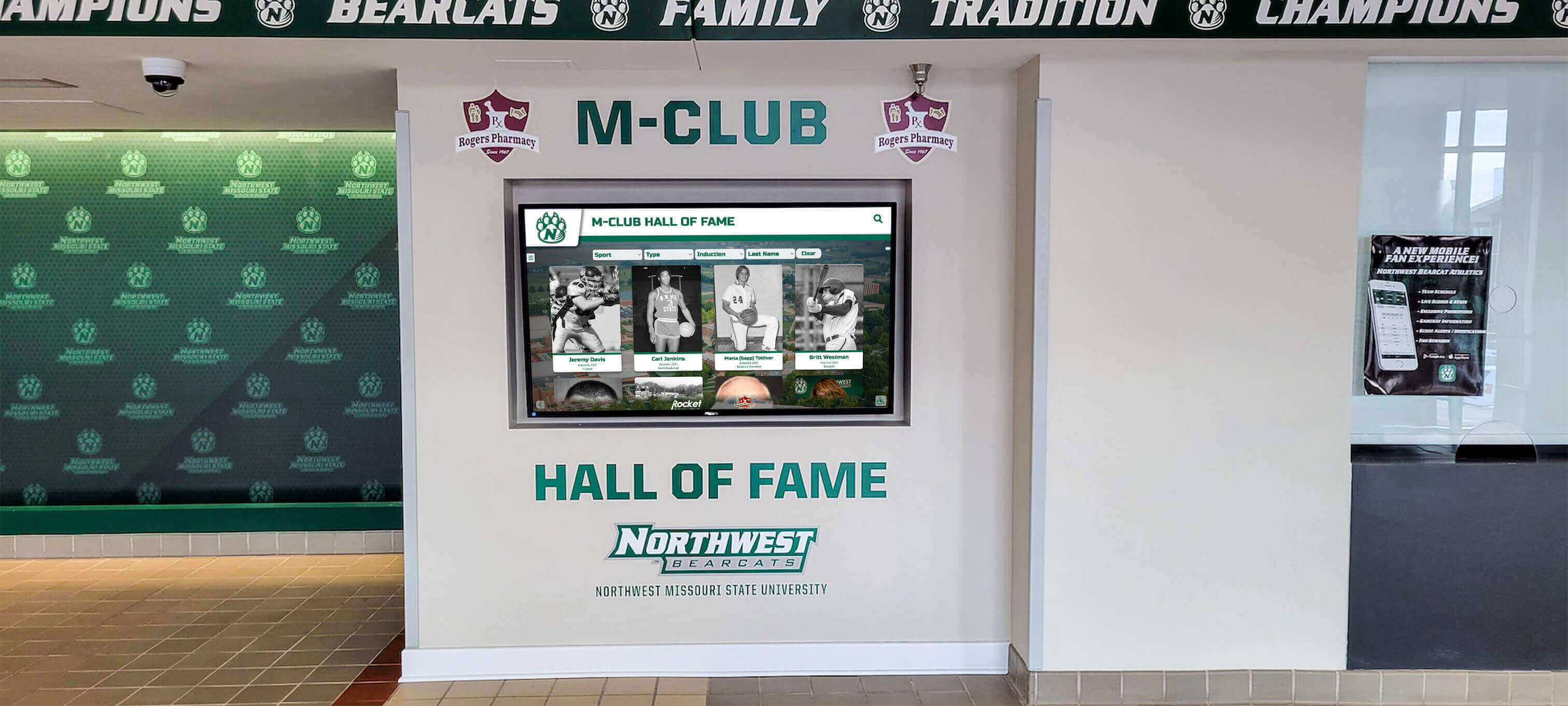
Digital systems eliminate space constraints while enabling rich, multimedia recognition
Maintaining Relevance for Current Athletes
Oldtimers recognition focused primarily on contributors from decades past risks seeming irrelevant to current athletes who don’t personally remember honored individuals.
Engagement Strategies:
- Include recent retirees and contributors alongside historical figures, ensuring oldtimers walls reflect living memory
- Create explicit connections between oldtimers and current programs—“The scholar-athlete emphasis Coach Martinez established in 1975 continues today through our academic support programs”
- Use oldtimers stories actively in team meetings, orientations, and educational programs rather than treating displays as passive exhibits
- Organize multigenerational events bringing oldtimers and current athletes together
- Highlight oldtimers who remain actively involved as mentors, volunteers, or game attendees
When current athletes understand that oldtimers built the traditions, facilities, and culture they benefit from today, recognition becomes relevant framework for understanding their own place within ongoing legacy.
Real-World Implementation Examples
Examining how various institutions approach oldtimers recognition provides practical insights and inspiration:
Small High School: Phased Traditional to Digital Transition
A rural high school with 300 students and 100-year athletic history initially created traditional oldtimers wall honoring founding coaches and championship teams from 1920s-1960s. Twenty engraved plaques recognized pioneer contributors in main gymnasium hallway.
Within 15 years, deserving oldtimers from subsequent decades exceeded remaining wall space. Rather than expensive physical expansion, the school transitioned to 55-inch touchscreen display positioned adjacent to original traditional plaques. Digital system accommodated 150 additional oldtimers profiles with photos, expanded biographies, and timeline features showing program evolution.
The hybrid approach preserved historical traditional display while providing unlimited future capacity. Original plaques remained visible reminder of program heritage while digital system delivered modern functionality. Total implementation cost approximately $8,500 including hardware, software, content development support, and professional installation—comparable to manufacturing and installing 15-20 additional traditional plaques with far superior long-term value.
Division III College: Comprehensive Multi-Category System
A small liberal arts college with 15 varsity sports implemented comprehensive oldtimers recognition addressing multiple contributor categories. Planning committee established clear criteria:
- Veteran Athletes: Minimum 3 varsity seasons, graduation at least 25 years prior
- Coaches: Minimum 15 years of service
- Administrators: Minimum 10 years athletic administration service
- Volunteers/Boosters: Minimum 20 years sustained volunteer contribution
They deployed three 65-inch interactive touchscreens across athletic facilities—main gymnasium, fitness center, and field house. Content management system enabled distributed authorship, with each sport’s liaison contributing profiles for their program’s oldtimers while athletic director maintained editorial oversight ensuring consistency.
Initial launch recognized 180 oldtimers across all categories spanning 75 years of athletic history. Annual induction process adds 8-12 additional honorees. The college reports 45% increase in alumni athletic event attendance and 30% growth in athletic giving since implementation, attributed partly to enhanced recognition demonstrating institutional appreciation for sustained contribution.
Large University: Oldtimers Integration with Hall of Fame
A Division I university with extensive athletic history maintained traditional athletic hall of fame recognizing exceptional achievement. They created separate but integrated oldtimers recognition honoring sustained service rather than peak performance.
Hall of fame criteria remained highly selective (championship contributions, professional athletics, extraordinary records), resulting in 150 inductees across 50 years. Oldtimers recognition used broader criteria (minimum service thresholds across various categories), recognizing 400+ contributors.
Both recognition programs share physical space in athletic complex using connected digital display system. Visitors can explore hall of fame inductees separately or browse comprehensive oldtimers database. Clear category labeling distinguishes achievement-based hall of fame from service-based oldtimers recognition while unified system creates seamless experience.
This dual approach ensures exceptional achievement receives highest honors while sustained service receives appropriate recognition, preventing hall of fame dilution while comprehensively honoring diverse contributions.
Leveraging Modern Technology: TouchWall Solutions
Creating an oldtimers wall that effectively honors veteran athletes and long-time contributors while remaining sustainable long-term requires technology solutions designed specifically for recognition applications.
Purpose-Built Recognition Platforms
Generic digital signage or slideshow software fails to address oldtimers recognition’s specific needs—biographical content organization, searchable databases, multimedia integration, and intuitive user interfaces enabling exploration rather than passive viewing.
Purpose-built recognition platforms like Rocket Alumni Solutions’ TouchWall systems provide:
Specialized Content Management: Templates designed specifically for biographical recognition content, ensuring consistent professional appearance across all oldtimers profiles without requiring design expertise.
Intuitive Organization: Automatic categorization, filtering, and search capabilities enabling visitors to explore recognition content effectively rather than overwhelming them with hundreds of undifferentiated profiles.
Unlimited Scalability: Cloud-based architecture accommodating unlimited oldtimers profiles without performance degradation, eliminating capacity concerns that plague traditional displays.
Multimedia Integration: Seamless photo, video, and document incorporation creating rich storytelling experiences that honor contributors comprehensively.
Remote Management: Web-based administration enabling content updates from anywhere without physical access to display hardware, facilitating distributed authorship and rapid updates.
Mobile Responsiveness: Complementary web platforms ensuring oldtimers recognition extends beyond physical displays to smartphones and tablets that alumni access globally.
Analytics and Insights: Built-in engagement tracking revealing usage patterns, popular content, and effectiveness metrics informing continuous improvement.
Ongoing Support: Comprehensive training, technical support, and strategic consultation ensuring long-term success rather than one-time implementation followed by abandonment.
Implementation Simplicity
Many institutions hesitate implementing digital recognition due to perceived technical complexity. Modern solutions eliminate these barriers through turnkey approaches:
All-Inclusive Packages: Hardware, software, installation, training, and support bundled in comprehensive solutions requiring no separate vendor coordination or technology expertise from institutional staff.
Professional Installation: Qualified technicians handle all physical installation, electrical connections, mounting, and configuration, delivering fully operational systems ready for immediate use.
Content Migration Services: Professional content development assistance helping institutions research, write, format, and populate initial oldtimers profiles based on provided information and archives.
Intuitive Interfaces: Consumer-simple administration requiring no technical background—if staff can use word processing and email, they can manage recognition content independently.
This simplicity makes sophisticated oldtimers recognition accessible to institutions of all sizes and technical capacity levels, democratizing technology previously available only to organizations with dedicated IT departments and substantial budgets.
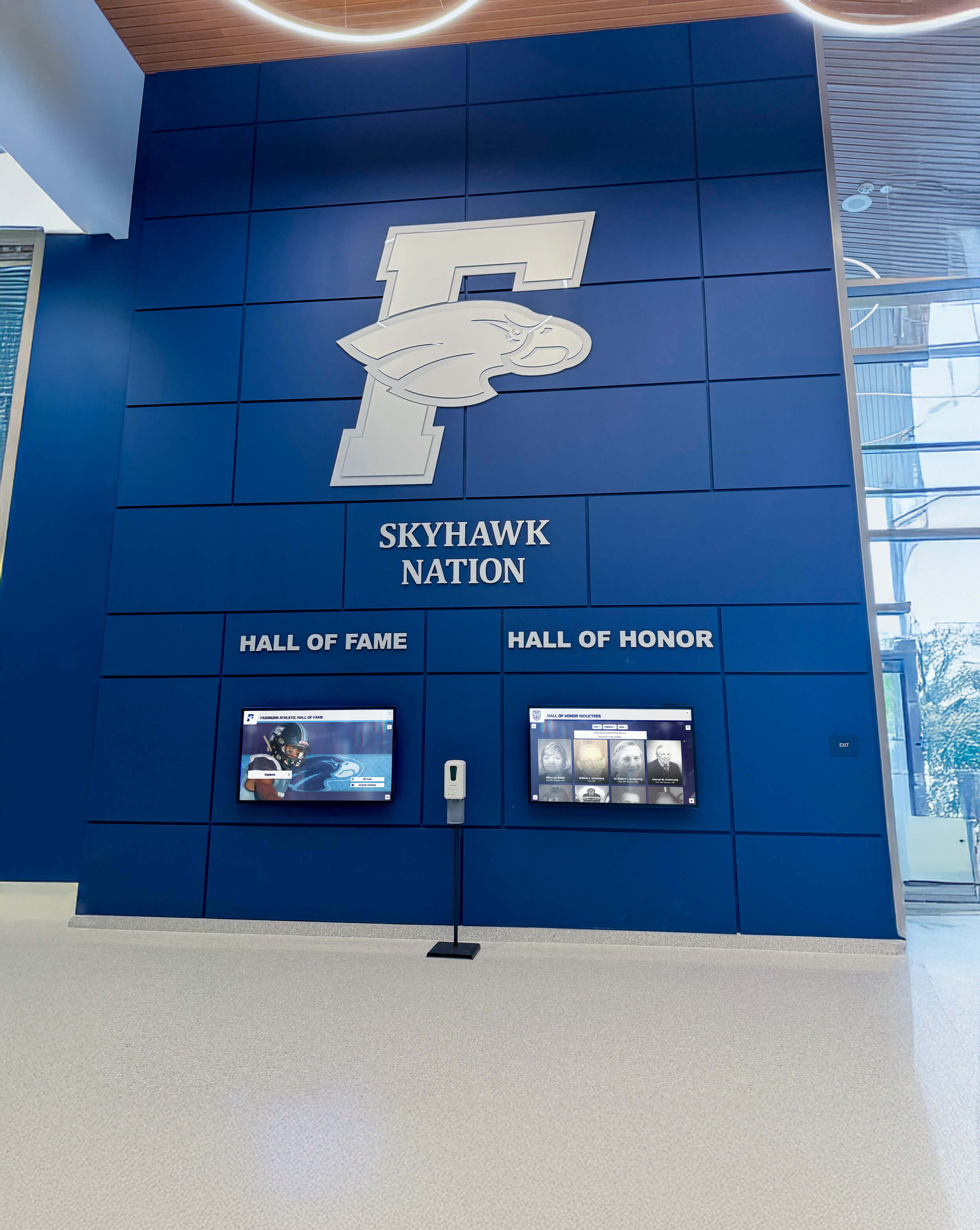
Professional implementation delivers polished results that honor contributors appropriately while remaining manageable long-term
Building Your Oldtimers Wall: Step-by-Step Implementation Checklist
Transform planning into action using this systematic implementation framework:
Phase 1: Foundation (Weeks 1-4)
□ Form planning committee with diverse stakeholder representation □ Conduct stakeholder interviews understanding needs and priorities □ Research comparable institutions’ oldtimers recognition approaches □ Assess potential locations measuring space and infrastructure □ Establish preliminary budget range and explore funding sources □ Document institutional history identifying potential honoree populations
Phase 2: Planning (Weeks 5-10)
□ Define specific recognition criteria for each contributor category □ Establish nomination and selection processes □ Determine display format (traditional vs. digital) □ Select installation location □ Finalize budget and secure funding commitments □ Create project timeline with milestones □ Select vendors or partners (if using external providers)
Phase 3: Content Development (Weeks 11-18)
□ Conduct historical research identifying initial honorees □ Collect biographical information through archives and interviews □ Gather photographs and multimedia content □ Write biographical narratives following consistent templates □ Verify all factual information for accuracy □ Obtain necessary permissions for photos and content use □ Review content for completeness and quality
Phase 4: Implementation (Weeks 19-24)
□ Order display hardware (if applicable) □ Schedule and complete professional installation □ Configure content management systems □ Import content and test all functionality □ Conduct staff training on content management □ Develop promotional materials and communications □ Plan dedication ceremony and invite honorees □ Coordinate media coverage
Phase 5: Launch (Week 25)
□ Conduct soft opening allowing staff testing □ Host formal dedication ceremony □ Distribute press releases and social media announcements □ Provide facility tours highlighting oldtimers recognition □ Collect feedback from attendees and stakeholders
Phase 6: Sustainment (Ongoing)
□ Establish annual review and update schedules □ Monitor engagement and usage patterns □ Maintain displays physically and technically □ Continuously enhance content as information becomes available □ Integrate oldtimers recognition into ongoing programs and events □ Measure impact and document success metrics
This phased approach creates manageable progression from concept through sustained operation, preventing overwhelming complexity while ensuring systematic addressing of essential components.
Conclusion: Honoring Legacy, Inspiring Future
An oldtimers wall represents more than recognition display—it embodies institutional commitment to honoring those whose sustained dedication built athletic program foundations. When veteran athletes see their contributions preserved and celebrated decades after competition ended, when long-serving coaches witness appreciation for careers spent developing young athletes, when volunteers and supporters understand their behind-the-scenes work receives institutional acknowledgment—programs demonstrate that genuine service generates lasting gratitude regardless of headlines or championships.
The decision between traditional static displays and modern digital recognition systems fundamentally shapes oldtimers wall sustainability and effectiveness. Traditional approaches offer familiar aesthetics and lower initial costs but impose severe capacity limitations that become problematic as deserving contributors accumulate across decades. Digital systems require greater initial investment but eliminate space constraints while delivering superior storytelling capability, engagement potential, and administrative manageability that justify costs through long-term value.
Most critically, oldtimers recognition succeeds only with sustained institutional commitment. Initial enthusiasm must evolve into systematic processes for annual review, content updates, maintenance, and integration into broader program culture. Displays unveiled with great ceremony then neglected for years dishonor contributors they meant to celebrate. Recognition sustained through consistent attention, regular updates, and active use becomes living tribute appropriately honoring oldtimers’ sustained service.
For institutions ready to implement or revitalize oldtimers recognition, comprehensive solutions like those from Rocket Alumni Solutions provide proven platforms combining sophisticated technology with intuitive management, professional support, and specialized expertise in athletic recognition. From strategic planning through ongoing optimization, the right partner transforms oldtimers walls from administrative burden into powerful engagement infrastructure that celebrates heritage while strengthening community.
Veteran athletes, long-serving coaches, dedicated volunteers, and sustained contributors built the programs current generations enjoy. Honoring their legacy appropriately while inspiring future contribution requires recognition infrastructure equal to their decades of service. Oldtimers walls meeting this standard become permanent fixtures communicating institutional values, preserving collective memory, and ensuring that those who built foundations receive appreciation their contributions merit.
Ready to Honor Your Program's Oldtimers?
Rocket Alumni Solutions specializes in digital recognition systems designed specifically for honoring veteran athletes, long-serving coaches, and dedicated contributors. Our TouchWall platforms provide unlimited capacity, rich multimedia storytelling, and intuitive management that make comprehensive oldtimers recognition practical and sustainable.
Schedule Your Free TouchWall ConsultationFrequently Asked Questions
What’s the difference between an oldtimers wall and a regular hall of fame?
Oldtimers walls focus on sustained service and long-term contribution rather than peak achievement. While halls of fame typically recognize exceptional competitive accomplishment—championships, records, outstanding seasons—oldtimers recognition honors decades of consistent involvement, program building, and character contributions. An athlete who competed solidly for four years exemplifying team values might warrant oldtimers recognition without meeting hall of fame achievement standards. Both recognition types serve important purposes, with many institutions maintaining both programs addressing different excellence dimensions.
How do we determine who qualifies as an “oldtimer”?
Establish clear minimum thresholds: athletes typically need 3-4 years of varsity competition plus 20-25 years since graduation; coaches commonly require 15-20 years of service; volunteers and supporters generally need 20-25 years of sustained contribution. These thresholds ensure recognition honors genuinely sustained involvement rather than brief participation. Document criteria formally and apply them consistently across all candidates regardless of prominence or personal relationships.
Should we recognize people who are still actively involved?
Approaches vary. Some programs wait until retirement or career conclusion before recognition, preventing awkward situations of honoring incomplete careers. Others create “active contributor” categories honoring currently serving individuals alongside traditional oldtimers recognition. The key is establishing clear, consistent policies applied to all candidates rather than making individual exceptions that create perceptions of favoritism or inconsistency.
What if we don’t have good records from earlier decades?
Incomplete historical records are extremely common. Do the research possible using yearbooks, newspaper archives, state athletic association records, and interviews with long-serving community members. Document what you can verify reliably while acknowledging information gaps explicitly. Accept that earlier eras may receive less comprehensive coverage than recent decades. Establish better record-keeping practices immediately to prevent future gaps. Some programs phase in historical recognition over time as research gradually uncovers earlier contributors deserving acknowledgment.
How much does an oldtimers wall cost?
Costs vary dramatically based on scope and format. Small traditional displays with 10-20 plaques might cost $2,000-$5,000. Comprehensive traditional installations can reach $15,000-$40,000. Digital systems typically range from $6,000-$25,000 for initial implementation including hardware, software, content development, and installation. Consider long-term costs—traditional displays require expensive physical expansion as honorees accumulate while digital systems accommodate unlimited growth with minimal incremental cost. Digital systems often represent better long-term value despite higher initial investment.
Can we update an oldtimers wall ourselves or do we need technical expertise?
Modern digital recognition platforms like Rocket Alumni Solutions are specifically designed for non-technical athletic department staff. If you can use email and word processing, you can manage digital oldtimers content through intuitive web interfaces requiring no coding or design expertise. Comprehensive training, ongoing support, and pre-designed templates ensure professional results without technical backgrounds. Traditional displays require professional manufacturing and installation services for updates—schools cannot modify engraved plaques independently.
How often should we add new oldtimers?
Annual or biennial review cycles work effectively for most programs. Oldtimers recognition typically expands more gradually than halls of fame since criteria involve sustained service over decades. Annual reviews adding 3-10 honorees create manageable workload while ensuring deserving contributors receive timely recognition. Establish regular schedules and maintain them consistently—sporadic updates result in outdated displays losing credibility. For digital systems, updates can occur whenever new honorees are identified since implementation is straightforward. Traditional displays work better with less frequent, planned update cycles to justify manufacturing and installation costs.
What about including non-athletic contributors like volunteers and supporters?
Absolutely include them. Athletic success depends on countless contributors beyond athletes and coaches—equipment managers, trainers, officials, scorekeepers, booster club leaders, volunteers, and supporters all enable programs. Oldtimers recognition is particularly appropriate for acknowledging these often-overlooked contributions. Establish separate categories with criteria appropriate to contribution types (volunteers might need 20-25 years of sustained service). Broad recognition demonstrates that programs value collective effort rather than only visible performers.
Sources:































