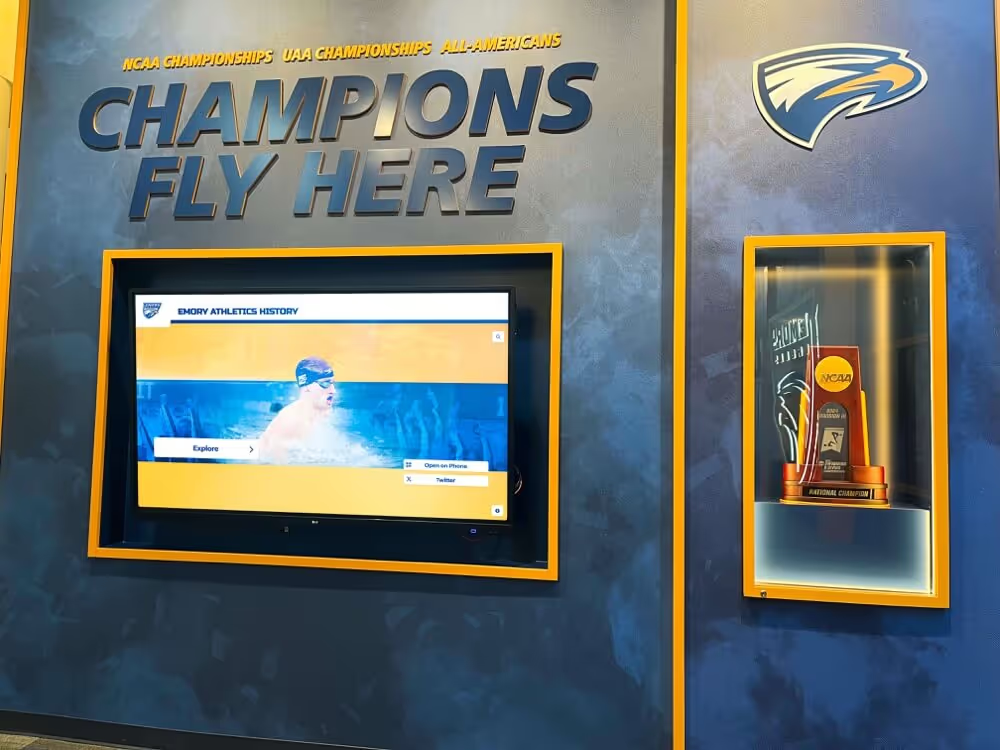
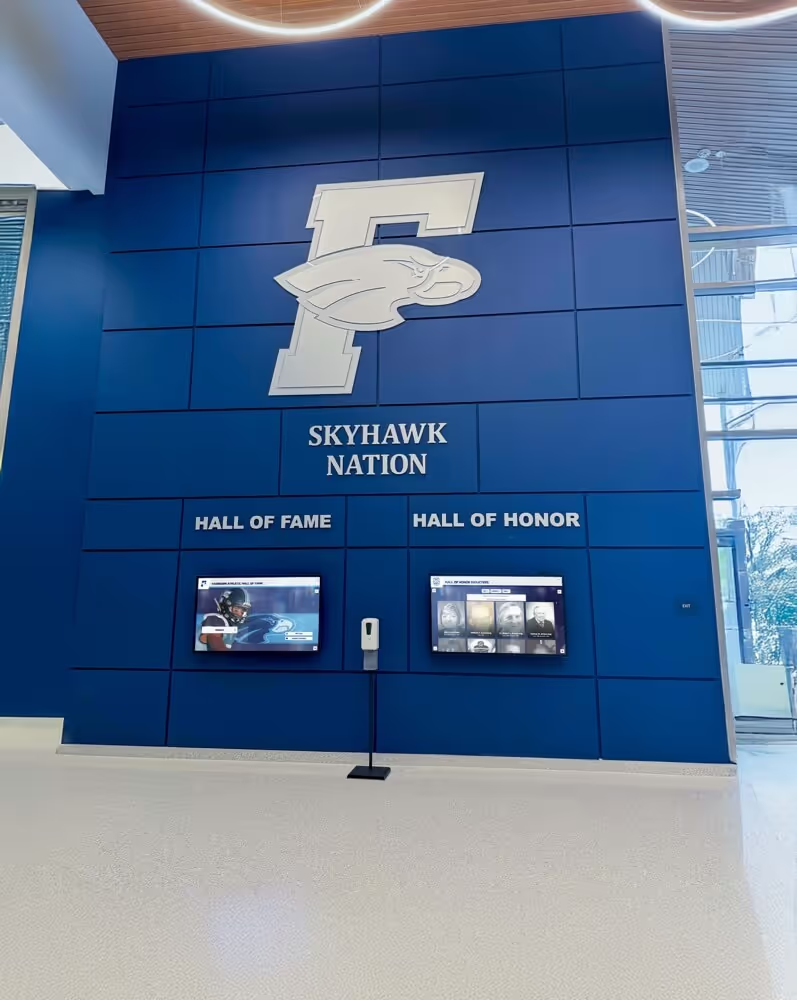
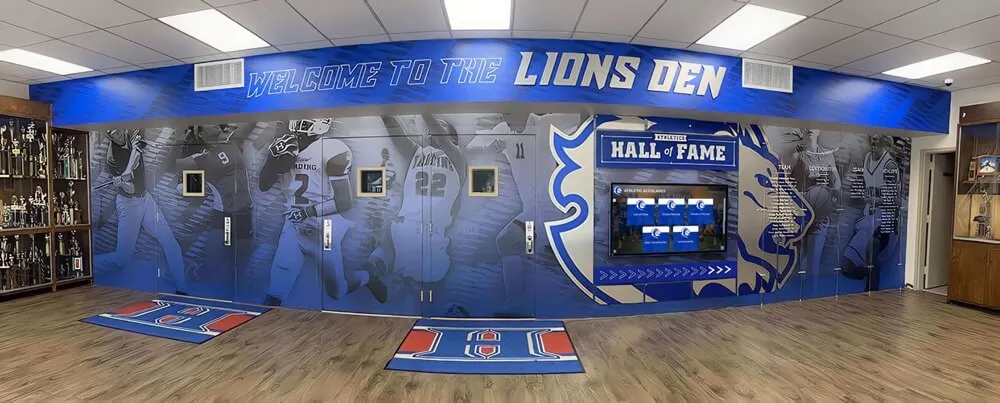
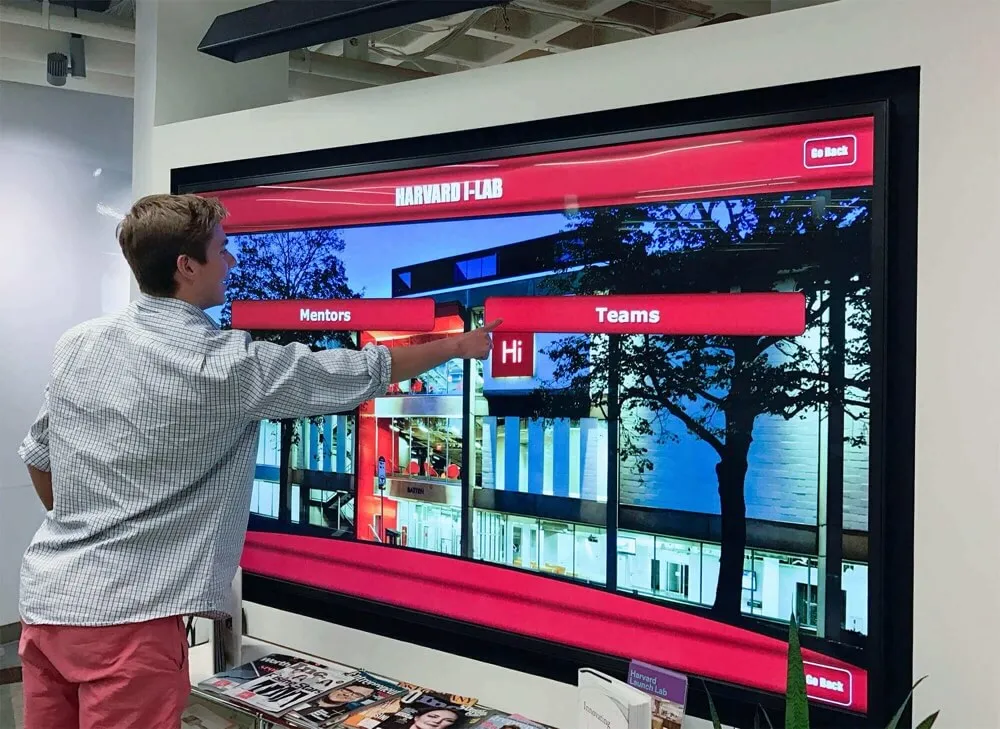
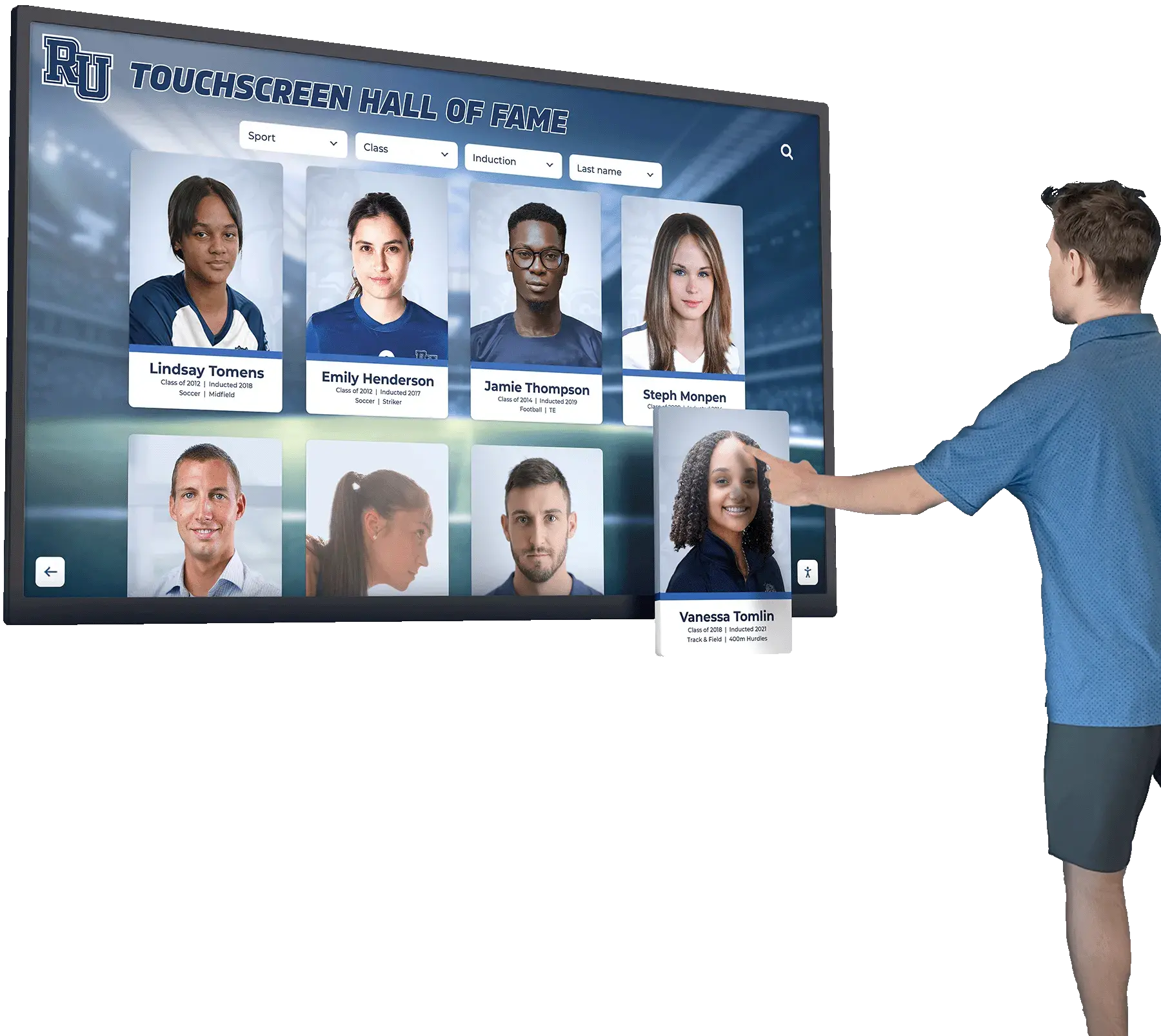
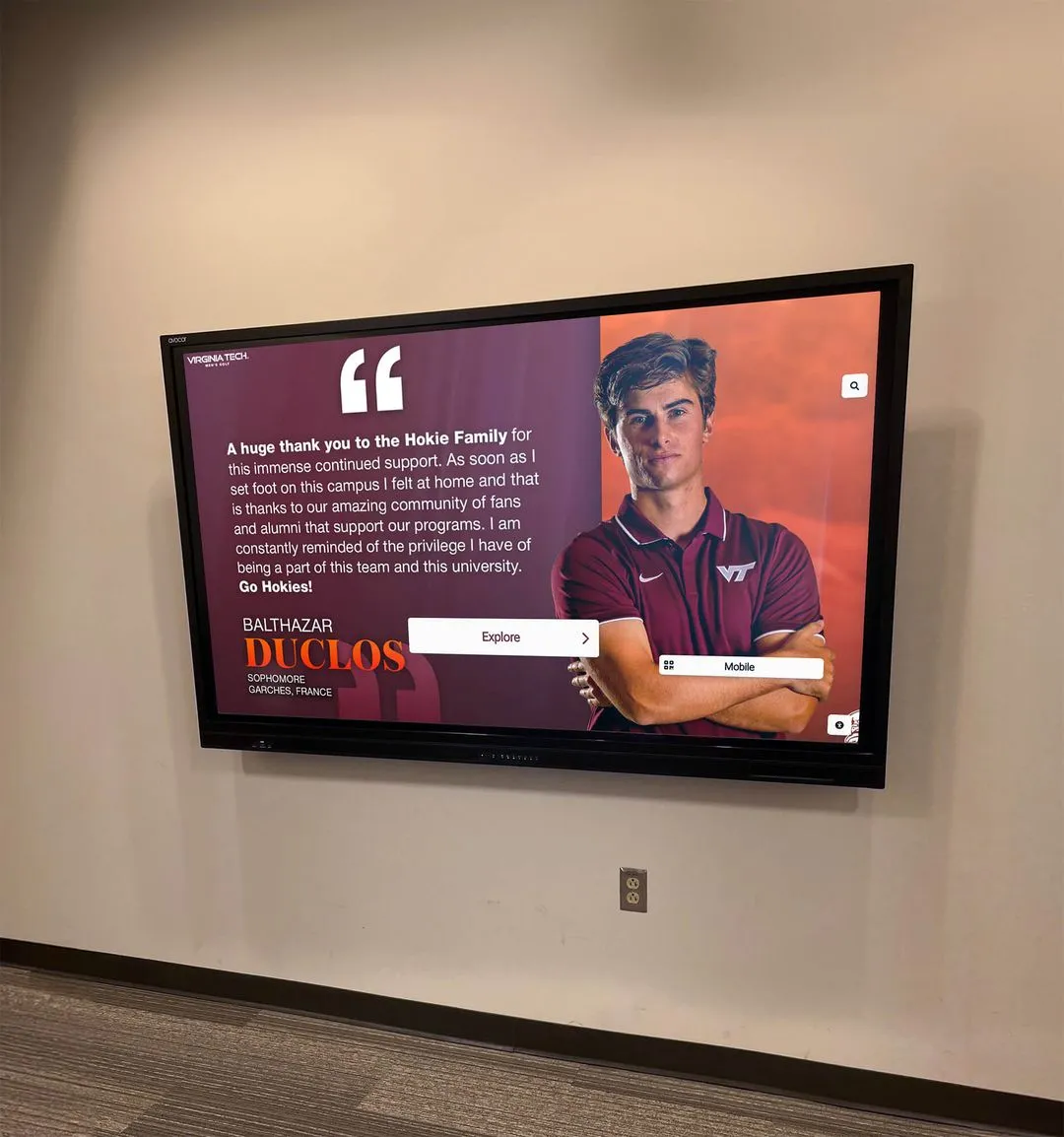
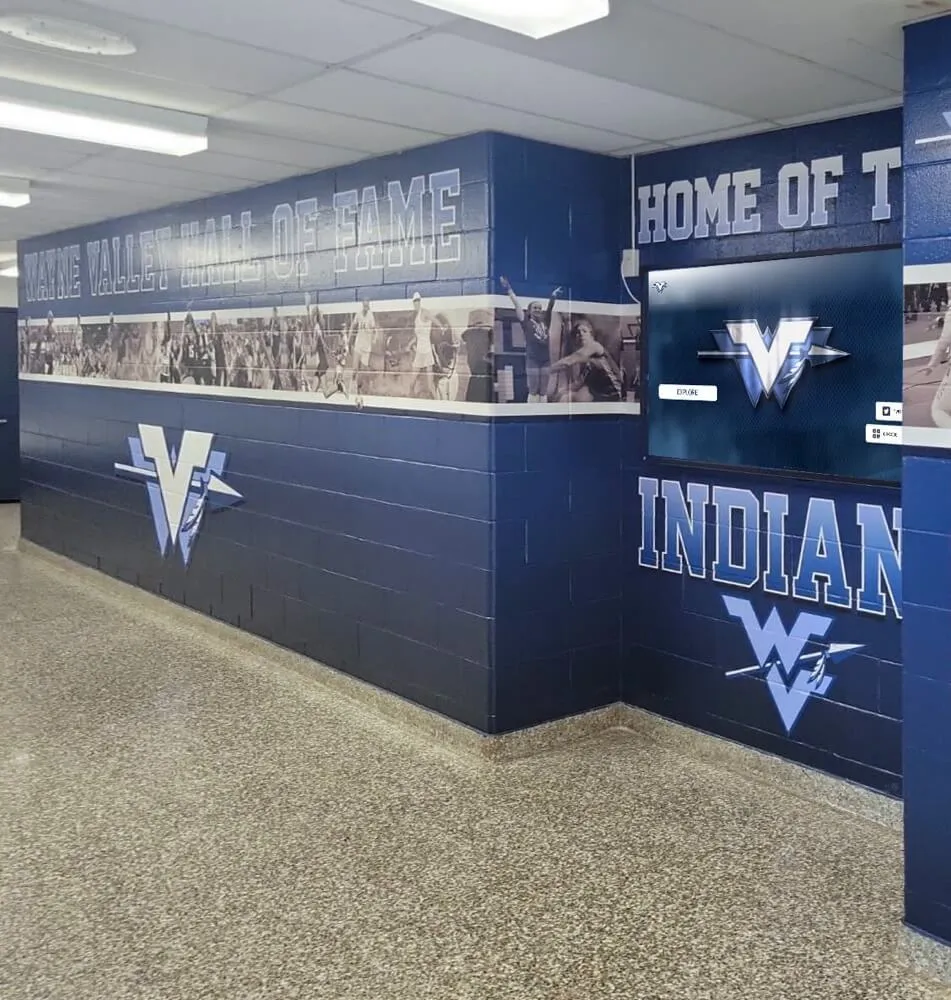
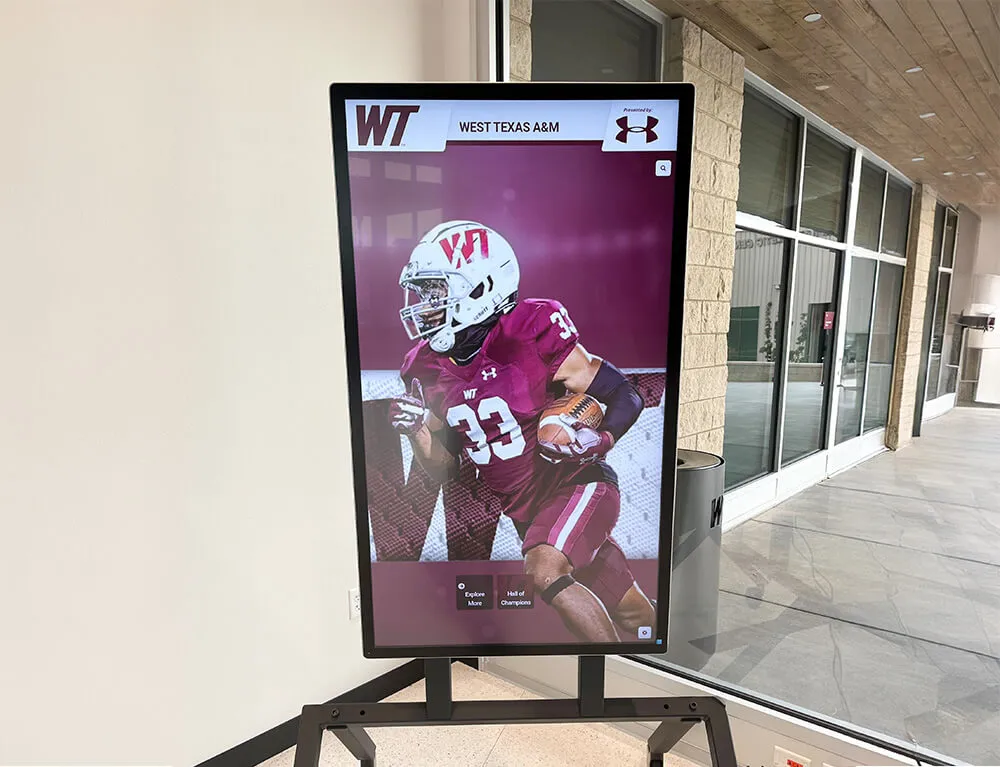
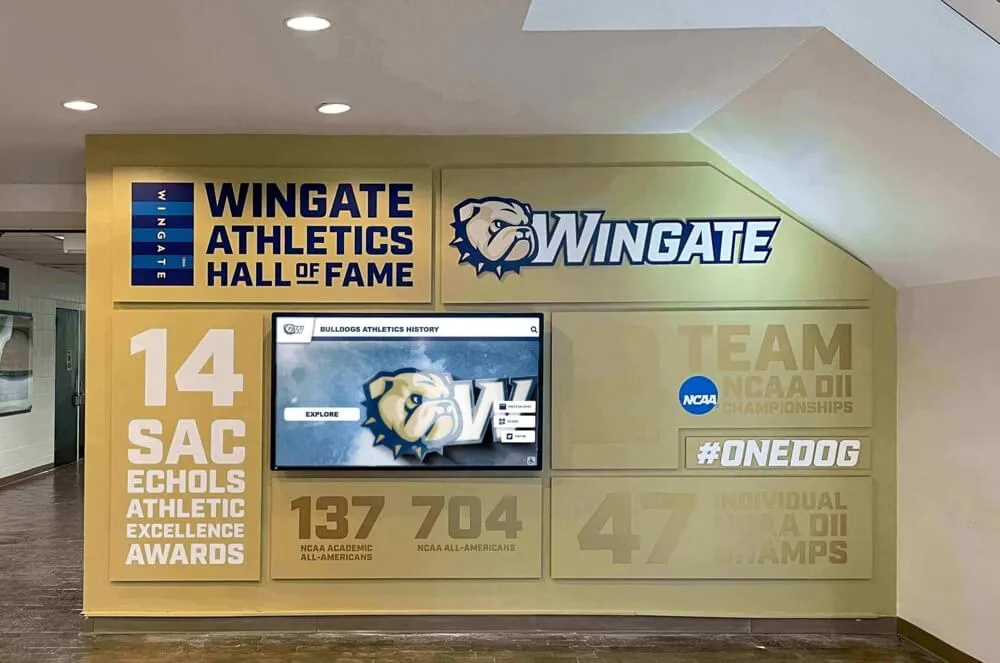
In an increasingly digital world, schools face a fundamental question: how can recognition programs honor achievements in ways that reach beyond campus boundaries? Traditional trophy cases and physical plaques serve on-campus visitors well, but families living across the country, alumni scattered globally, and prospective students researching from afar miss these displays entirely. Online awards display platforms solve this challenge by extending recognition to the web, creating accessible showcases that celebrate achievements anytime, anywhere, on any device.
Modern online awards displays transform static recognition into dynamic, searchable, shareable experiences that amplify the impact of every honor. When a student earns an academic award, athletic championship, or community service recognition, web-accessible platforms ensure that achievement receives visibility extending far beyond hallway displays—reaching family members worldwide, inspiring prospective students, and creating permanent digital records preserving institutional legacy.
Educational institutions implementing comprehensive online awards display systems discover powerful engagement opportunities previously impossible with physical-only recognition. These platforms don’t replace traditional displays; they extend and enhance them, creating complementary experiences that serve different audiences and purposes while maximizing recognition program value.
This comprehensive guide explores how online awards display platforms work, why they matter for modern schools, what features deliver the most value, and how institutions can implement systems that celebrate achievement effectively while supporting broader engagement, recruitment, and advancement goals.
Understanding Online Awards Display Platforms
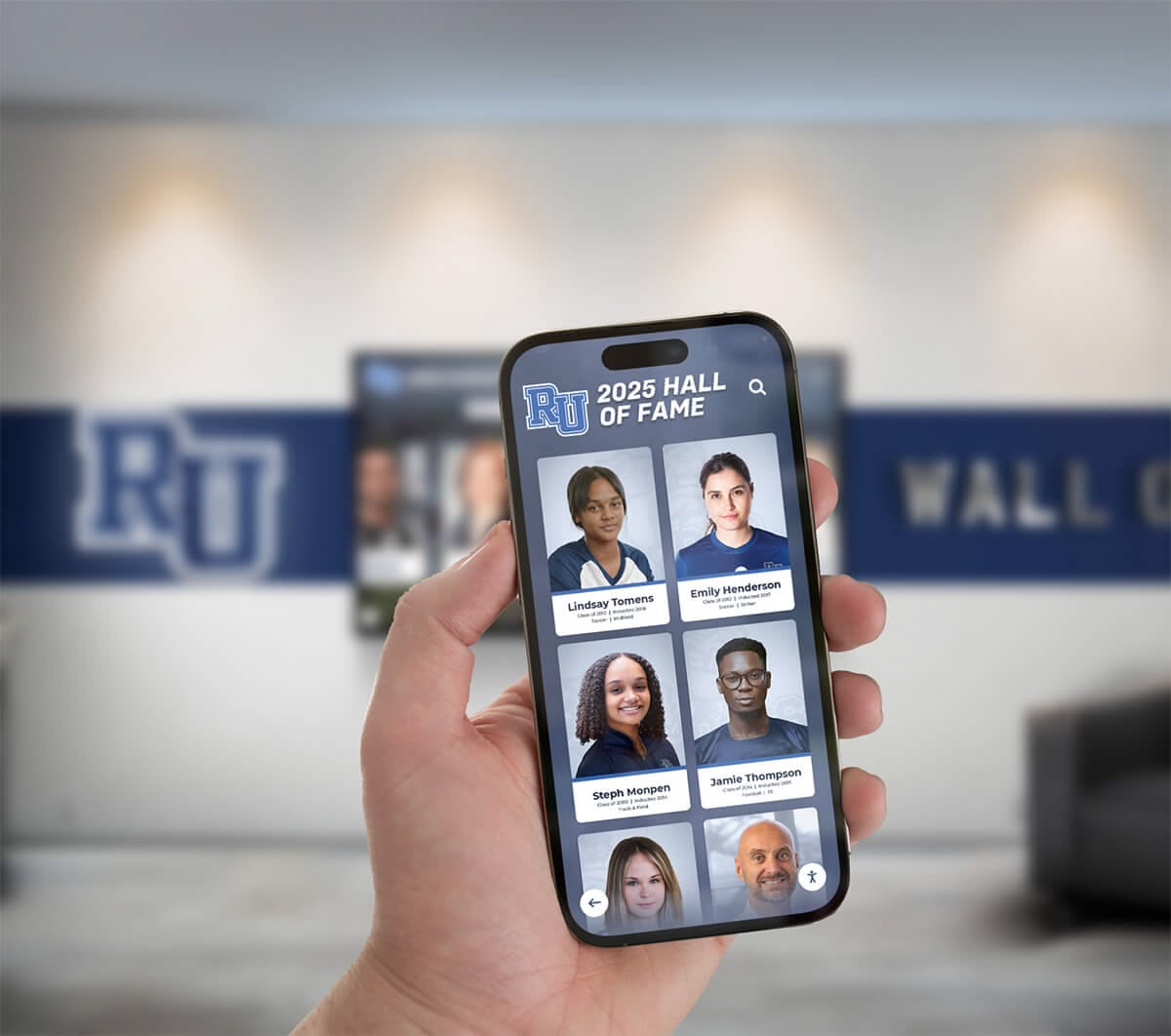
Online awards display platforms represent sophisticated web-based systems enabling schools to showcase achievements, honors, and recognition digitally through accessible websites and applications. These platforms combine database management, content presentation, search functionality, and user experience design to create engaging showcases celebrating accomplishment.
Core Components of Effective Online Recognition
Comprehensive Achievement Databases
The foundation of any effective platform lies in organized databases containing detailed award information. These systems store recipient names and biographical details, award categories and descriptions, achievement dates and contexts, supporting photos and videos, selection criteria and processes, and historical records spanning decades. Unlike physical displays limited by space, digital databases accommodate unlimited recognition across all categories and timeframes.
Web-Accessible Presentation
Once achievement data exists in databases, presentation systems determine how information appears to visitors. Effective platforms provide responsive web design functioning excellently across devices, intuitive navigation enabling easy exploration, high-quality photo and video display, searchable interfaces for finding specific content, filtering capabilities by category, year, or type, and social sharing features enabling content distribution. Presentation quality determines whether audiences engage meaningfully or abandon platforms due to poor experience.
Modern platforms like Rocket Alumni Solutions specialize in creating recognition experiences optimized for educational contexts, ensuring achievement displays feel appropriate for institutional settings while providing contemporary functionality users expect.
How Online Displays Complement Physical Recognition
Rather than replacing traditional trophy cases and wall displays, online platforms create complementary experiences serving different purposes and audiences.
Physical Displays: Campus Presence
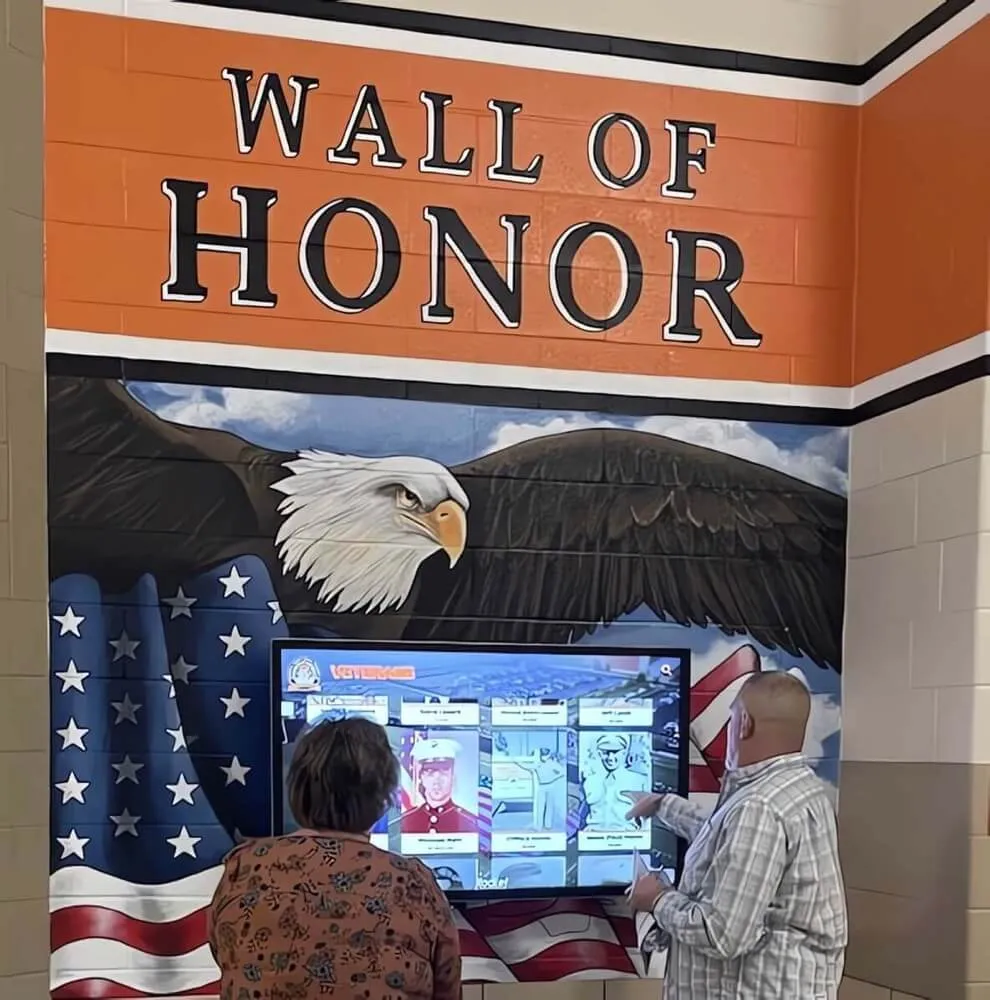
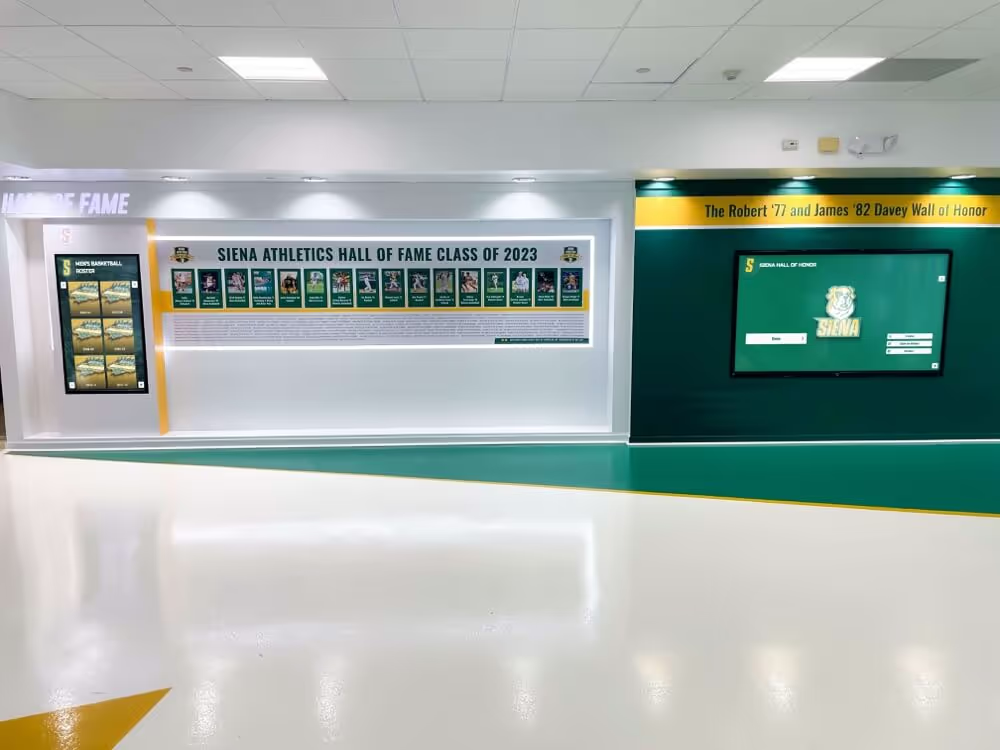
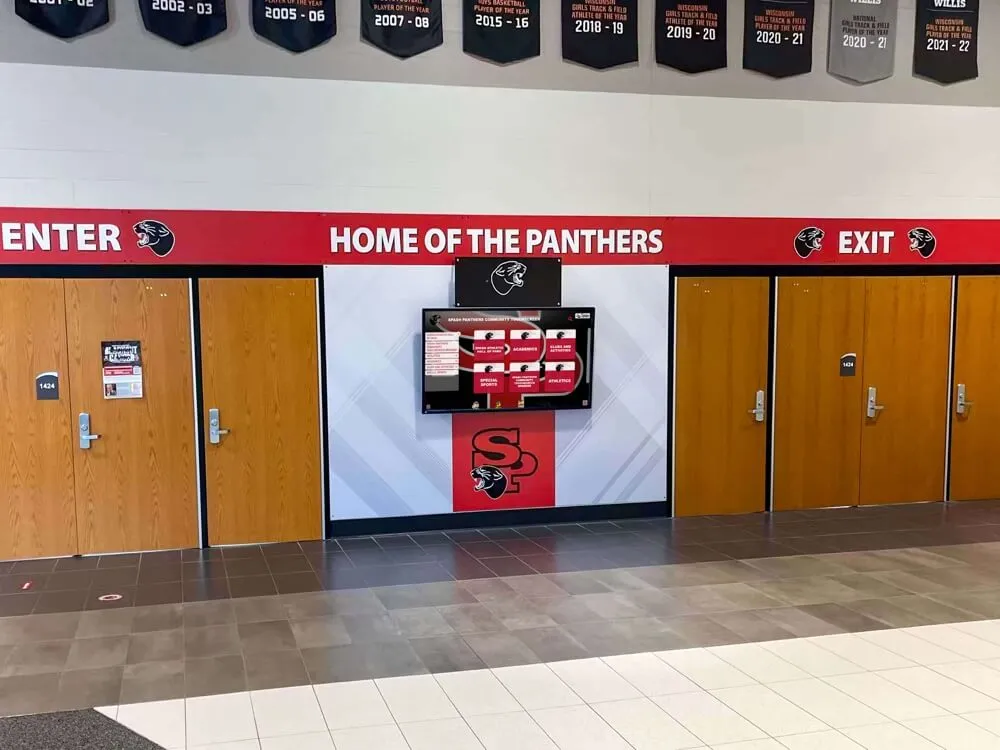
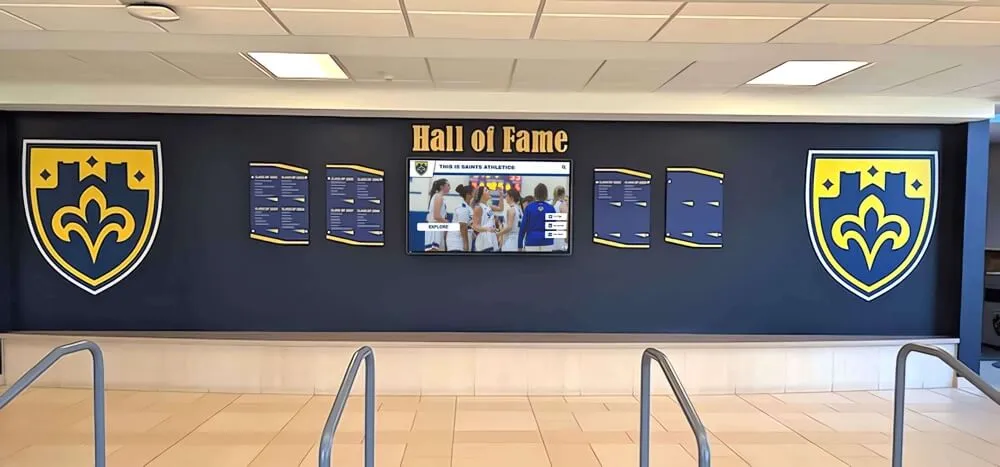
Physical recognition provides tangible, visible celebration within school buildings creating daily inspiration for current students, conversation starters during campus tours, permanent institutional memory in shared spaces, and ceremonial presentation opportunities for award recipients. Traditional displays excel at serving on-campus audiences and creating physical spaces that honor achievement.
Online Platforms: Global Accessibility
Web-based recognition extends beyond campus boundaries through 24/7 accessibility from anywhere worldwide, device compatibility enabling smartphone, tablet, and computer access, search functionality enabling quick discovery, comprehensive content unrestricted by physical space, and shareability allowing recipients to distribute recognition through personal networks.
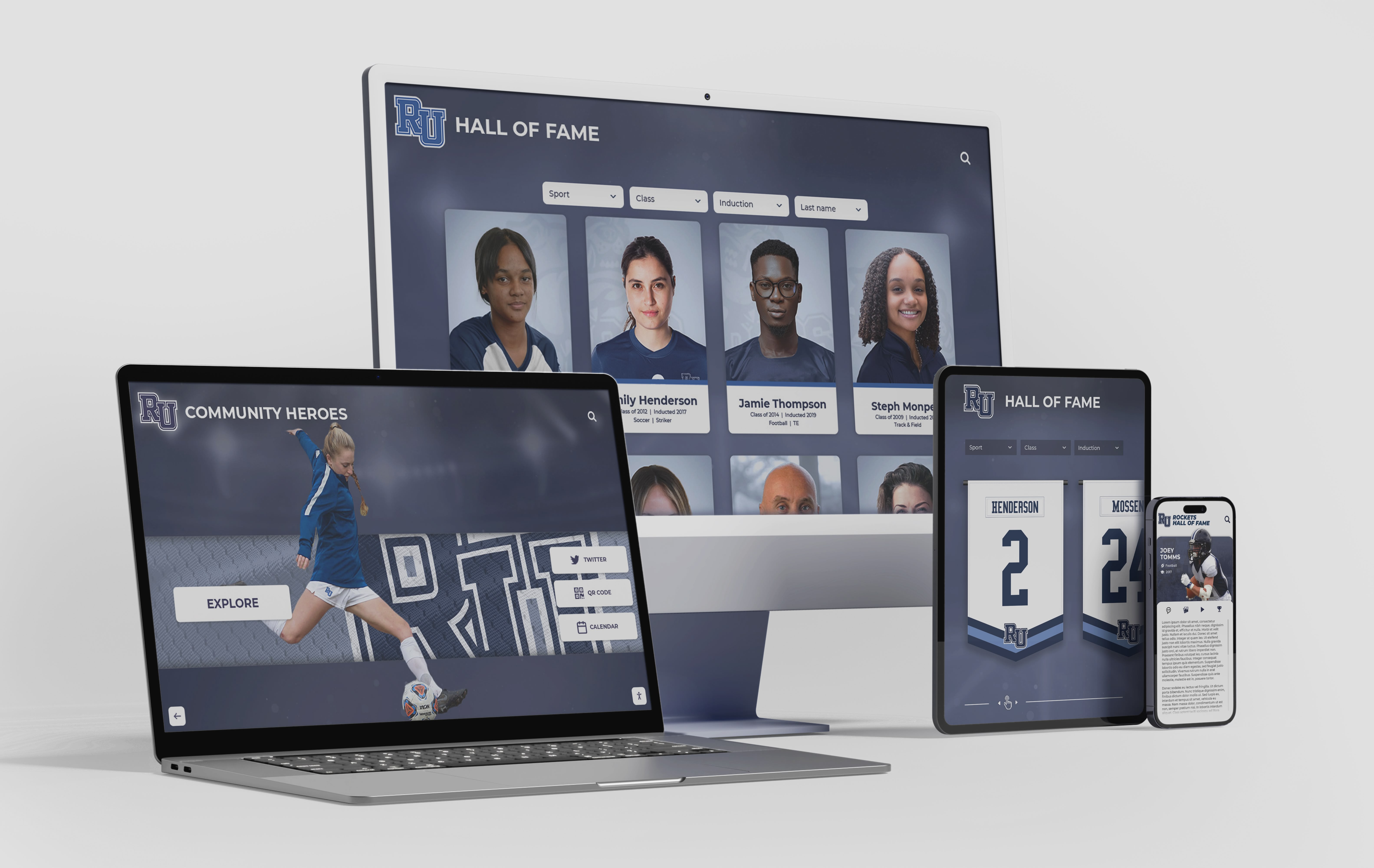
The most effective recognition programs integrate both approaches—physical displays serving campus communities, online platforms serving everyone else—creating comprehensive systems that maximize achievement visibility and impact.
Strategic Benefits for Educational Institutions
Online awards display platforms deliver measurable value across multiple institutional priorities, justifying investment through tangible returns on engagement, recruitment, and community building.
Global Family Engagement and Pride
When students earn recognition, families want to celebrate regardless of geographic location. Online platforms enable participation that physical distance makes impossible.
Remote Family Access
Families living far from campus gain equal access to recognition through instant notification when students receive honors, photo and video viewing of award ceremonies, detailed achievement information and context, easy sharing with extended family networks, and permanent records accessible years later. This accessibility proves particularly valuable for military families, international students, or situations where economic constraints limit travel to campus events.
Research in alumni engagement through digital recognition demonstrates that accessible recognition systems significantly increase family connection to institutions, translating to stronger support for educational programs and enhanced word-of-mouth promotion within communities.
Social Media Amplification
Online recognition creates shareable content that families eagerly distribute through personal social networks. When platforms enable one-click sharing to Facebook, Instagram, Twitter, and LinkedIn, each award generates organic promotion through posts celebrating “my daughter earned All-State honors,” “proud to see my son recognized for community service,” or “thrilled my student made the honor roll.” These authentic testimonials reach audiences institutional marketing rarely accesses while carrying credibility that paid advertising cannot match.
Recruitment and Admissions Advantages
Prospective students and families research schools extensively before applying or enrolling. Online awards displays provide compelling evidence of institutional quality and student success.
Demonstrating Achievement Culture
During school selection processes, families want to understand whether institutions celebrate excellence and provide environments where students thrive. Comprehensive online recognition showcases communicate these values effectively through visible celebration of diverse achievements, evidence of long-term institutional commitment to recognition, specific examples of student success across categories, and demonstrated support for academic, athletic, and extracurricular excellence.
Many prospective families explicitly seek schools that value recognition, believing visible celebration of achievement correlates with supportive educational environments where their students will flourish.
Peer Success Evidence
Current student achievements provide powerful proof points for prospective students considering similar paths. A prospective athlete can explore all-state recognition displays showing successful athletic careers. Students interested in academics can discover scholarship winners and competition achievers in their intended fields. Artists can view comprehensive recognition of creative accomplishments.
This evidence demonstrates possibilities more effectively than marketing materials, showing concrete examples of students who succeeded rather than abstract promises about what schools offer.
Alumni Connection and Engagement
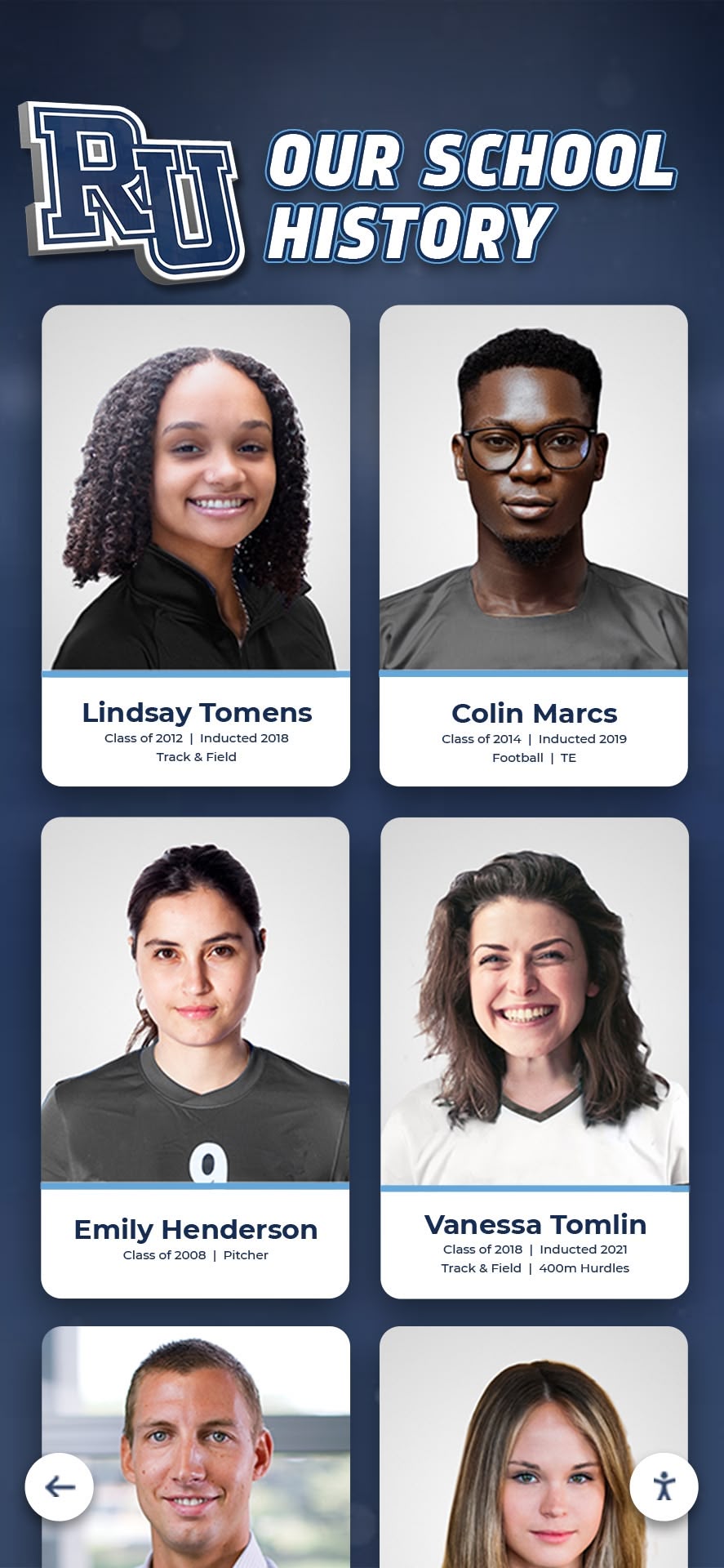
Alumni seeking to maintain connections with institutions appreciate accessible ways to explore current activities and reconnect with their own histories. Online awards displays serve both purposes effectively.
Personal Achievement Access
Alumni can revisit their own recognition years or decades after graduation, viewing awards they earned, rediscovering accomplishments they may have partially forgotten, sharing achievements with current colleagues or family members, and reconnecting emotionally with institutions through positive memories. This ongoing access maintains institutional connection during years when alumni might otherwise disengage, creating touchpoints that support interactive alumni engagement strategies.
Institutional Evolution Exploration
Curious alumni often enjoy exploring how institutions have evolved since their graduation, discovering what current students achieve, comparing their own achievements to contemporary standards, identifying changes in programs or recognition categories, and maintaining awareness of institutional direction and priorities. This exploration maintains alumni investment in institutional success while potentially inspiring volunteer participation or philanthropic support.
Administrative Efficiency and Sustainability
Beyond external benefits, online recognition systems improve internal operations and long-term program sustainability.
Centralized Content Management
Digital platforms provide single sources of truth for all achievement data, eliminating duplicate records across disconnected systems, enabling multiple administrators to access and update information, maintaining comprehensive historical records automatically, and supporting data export for other purposes like newsletters or reports. This centralization dramatically reduces administrative burden compared to maintaining multiple physical displays and disconnected digital systems.
Sustainable Recognition at Scale
As schools grow and achievement categories expand, physical recognition becomes increasingly difficult to sustain. Online platforms scale effortlessly through unlimited storage capacity, zero marginal cost for additional recognition, consistent quality regardless of volume, and automatic organization and categorization. Schools can recognize every deserving achievement without difficult decisions about what fits in limited physical space.
Understanding how digital displays inspire giving reveals additional ways online recognition contributes to institutional advancement priorities beyond recognition itself.
Essential Platform Features and Capabilities
Evaluating online awards display platforms requires understanding which features deliver real value versus which represent unnecessary complexity that complicates administration without improving user experience.
Core Search and Discovery Tools
The primary purpose of online recognition involves enabling visitors to find relevant content easily. Search and discovery capabilities determine platform effectiveness for this core function.
Multi-Dimensional Search Options
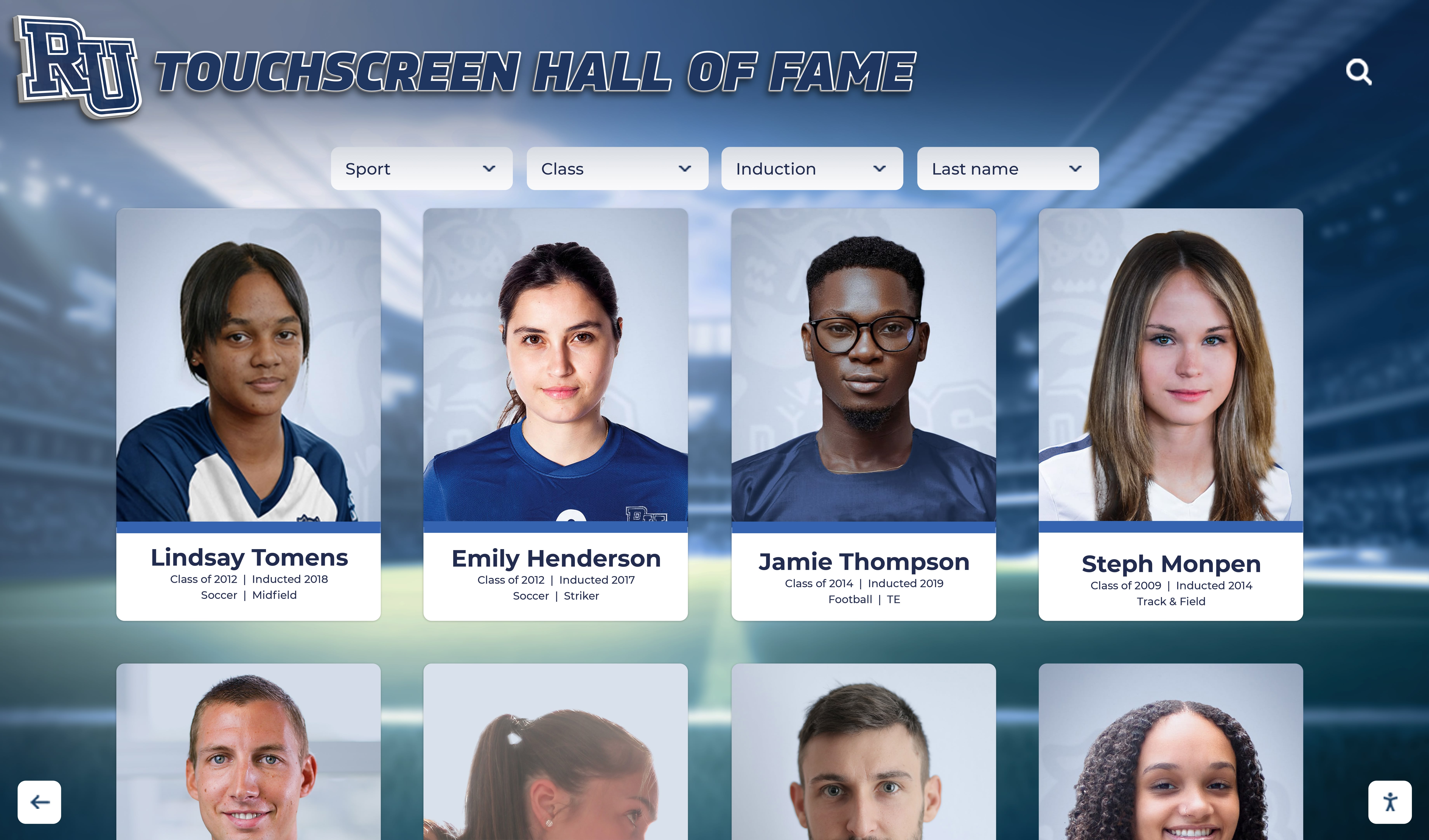
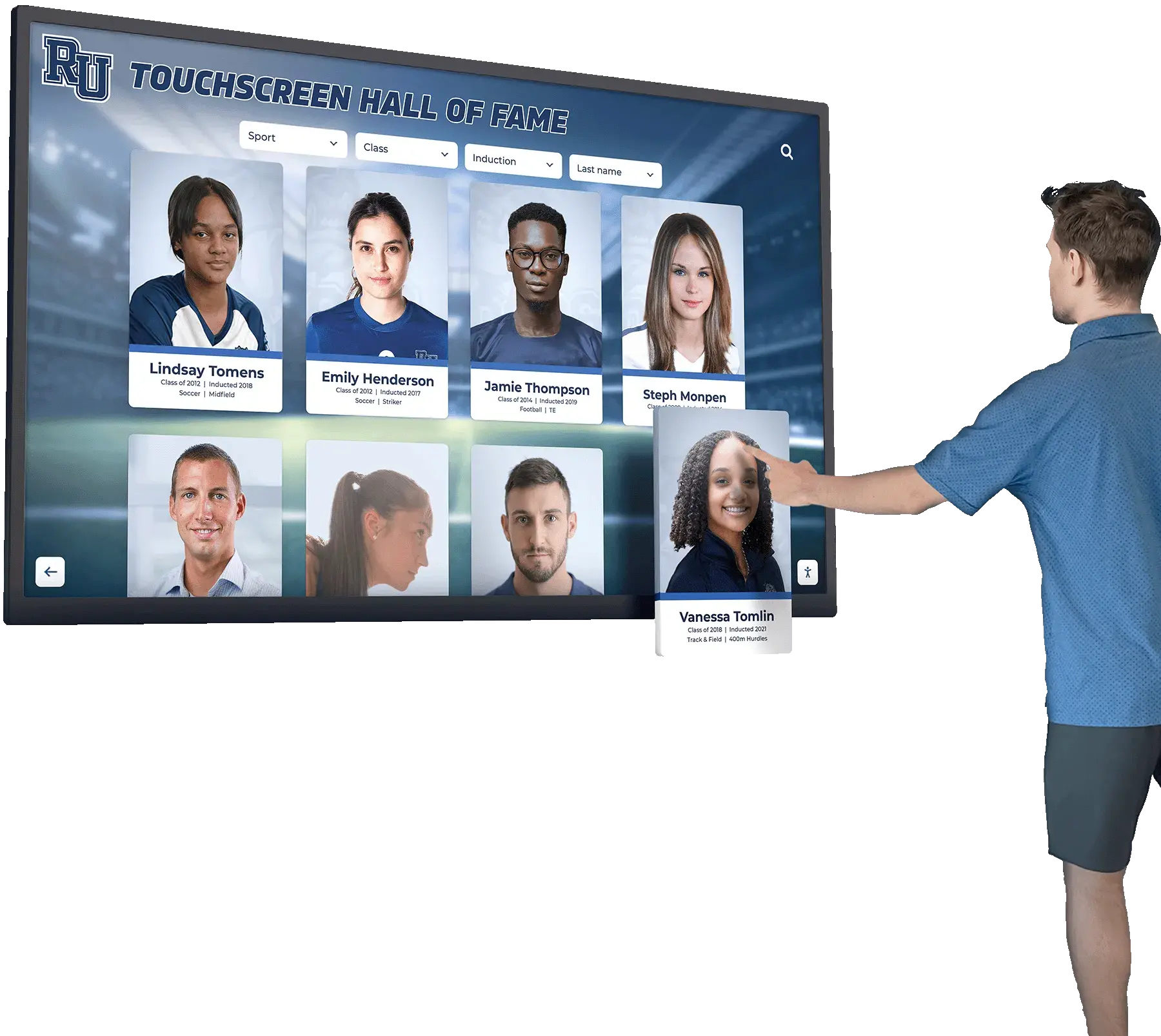
Effective platforms enable discovery through multiple pathways including name-based searches with auto-complete, achievement category filtering (athletics, academics, arts, service), year or date range selection, keyword searches across all content, award type or level filtering, and location-based searches when relevant. Visitors should find content regardless of what information they know—whether searching for specific individuals by name, exploring particular achievement types, or browsing specific time periods.
Advanced search combinations like “show all academic scholarships earned between 2015-2020” or “find all state championship teams in basketball” enable precise discovery that basic alphabetical directories cannot support.
Intuitive Navigation and Browsing
Beyond explicit searching, effective platforms support casual browsing through category-based organization with clear hierarchies, chronological timelines showing achievements by year, featured content highlighting recent or notable recognition, related content suggestions, and visual galleries emphasizing photography. Different visitors prefer different discovery methods—enabling multiple approaches maximizes accessibility and engagement.
Rich Content Presentation
Once visitors discover relevant recognition, presentation quality determines engagement depth and emotional impact. High-quality content presentation separates memorable experiences from forgettable directories.
Multimedia Integration
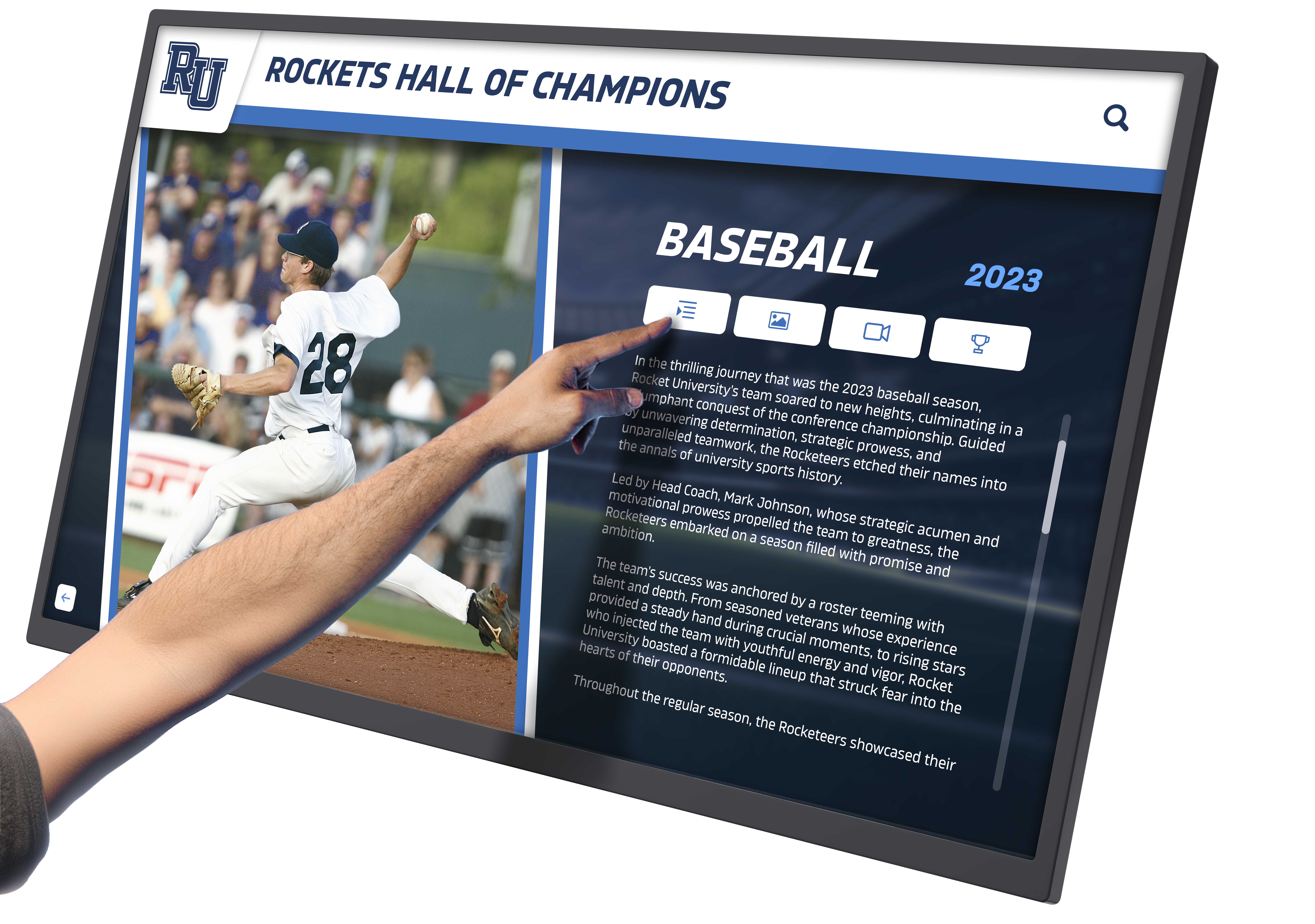
Text-only recognition feels sterile compared to rich multimedia presentations incorporating professional photography showing award recipients and ceremonies, video clips of performances, competitions, or acceptance speeches, audio recordings of musical achievements or oral histories, scanned historical documents and newspaper clippings, and interactive timelines placing achievements in context. These multimedia elements transform basic information into compelling stories that visitors remember and share.
Comprehensive Achievement Profiles
Rather than listing only names and award titles, detailed profiles provide full context including recipient biographies and current information, achievement descriptions explaining significance, selection criteria and process details, historical context about award establishment, related achievements by the same individual, and impact statements describing achievement meaning. Rich profiles help visitors understand not just what recognition occurred but why it matters and what it represents.
Many institutions integrate online awards displays with broader student engagement strategies that use recognition as foundation for deeper institutional connection.
Mobile Optimization and Accessibility
With most web traffic occurring on smartphones, mobile experience determines whether platforms succeed or fail regardless of desktop functionality.
Responsive Design Requirements
Platforms must provide automatic layout adaptation to screen sizes, touch-optimized interfaces with appropriate tap target sizing, fast loading times on cellular connections, readable text without zooming, functional navigation on small screens, and image optimization for mobile bandwidth. Poor mobile experience effectively excludes majority of potential users despite desktop functionality.
Accessibility Standards Compliance
Inclusive platforms accommodate diverse abilities through screen reader compatibility for visually impaired users, keyboard navigation without mouse requirements, sufficient color contrast for readability, text alternatives for images and video, and adjustable text sizing. Beyond regulatory compliance, accessibility demonstrates institutional commitment to inclusion while ensuring all community members can engage with recognition programs.
Social Sharing and Distribution
Recognition achieves maximum impact when recipients and supporters easily share achievements through personal networks. Social features amplify institutional recognition efforts through individual networks.
One-Click Social Media Sharing
Integrated sharing buttons enable direct posting to Facebook, Instagram, Twitter, LinkedIn, and messaging apps, with pre-populated content including achievement details and photos, attribution linking back to institutional platforms, and optimized formatting for each social network. Reducing sharing friction from “technically possible” to “effortless” dramatically increases distribution.
Embeddable Content
Schools should enable content embedding on other websites through shareable widgets displaying recent recognition, individual achievement cards for personal websites and resumes, category-specific feeds for department pages, and customizable presentation matching different contexts. This distribution extends recognition visibility beyond central platforms while maintaining quality presentation.
Analytics and Engagement Tracking
Understanding how audiences use platforms enables continuous improvement and demonstrates program value to stakeholders requiring justification for investment.
User Behavior Analytics
Comprehensive tracking reveals visitor counts and trends over time, most-viewed achievements and categories, search queries showing what audiences seek, geographic distribution of visitors, traffic sources and referral patterns, average engagement time and depth, and device type breakdowns. These insights guide content development priorities while demonstrating reach and engagement levels.
Content Performance Metrics
Individual achievement performance data identifies which recognition generates most interest, what content types engage most effectively, which sharing methods work best, and where improvements might increase impact. Data-driven optimization ensures platforms improve continuously rather than remaining static after initial implementation.
Implementation Strategy for Schools
Successful online awards display implementation requires systematic planning, stakeholder engagement, and careful execution beyond simply purchasing software.
Planning and Assessment Phase
Begin implementation with thorough analysis of needs, objectives, resources, and current state to ensure solutions address actual requirements.
Defining Recognition Scope
Determine which achievement types to include initially, whether to start with current recognition and add historical content later, what priority to assign different categories, how to balance comprehensiveness with manageability, and what minimum information each entry requires. Starting focused with expansion plans proves more successful than attempting immediate comprehensiveness that overwhelms limited resources.
Setting Clear Objectives
Establish specific, measurable goals the platform should accomplish such as reaching X% of alumni within first year, generating Y achievement views monthly, reducing recognition administration time by Z%, increasing prospective student engagement metrics, or improving family satisfaction scores. Clear objectives enable platform selection, feature prioritization, and success measurement.
Stakeholder Engagement
Involve representatives from advancement offices setting strategic priorities, athletics departments managing athletic recognition, academic departments owning academic honors, IT teams ensuring technical feasibility, communications professionals planning promotion, and student/family groups providing user perspectives. Cross-functional input ensures platforms meet diverse needs while building buy-in for successful adoption.
Platform Selection Process
Evaluating Solution Options
Schools should assess platforms based on feature completeness for defined needs, user experience quality through demo testing, content management ease for administrators, integration capabilities with existing systems, mobile experience and performance, customization and branding options, total cost including hidden fees, vendor support quality and responsiveness, security and privacy protections, and scalability for future growth.
Request demonstrations using sample achievement data from your school to assess actual usability rather than generic promotional demos disconnected from your specific context.
Build vs. Buy Considerations
While some schools consider building custom platforms, purpose-built solutions like Rocket Alumni Solutions typically provide better outcomes through proven functionality addressing common requirements, established user experience resulting from extensive testing, vendor support reducing internal burden, regular updates and improvements, and competitive pricing reflecting economies of scale. Custom development rarely delivers superior results unless needs differ dramatically from standard recognition requirements.
Content Development and Migration
Platform effectiveness depends entirely on content quality and comprehensiveness. Systematic content development ensures strong launches and sustainable operations.
Current Achievement Workflows
Establish processes for gathering ongoing recognition information from coaches, teachers, administrators, and departments, standardized forms capturing required information consistently, photo and video collection procedures, approval workflows ensuring accuracy, and publication schedules maintaining timeliness. Automated workflows reduce administrative burden while ensuring recognition appears promptly after achievements occur.
Historical Content Research
Many schools possess decades of achievement history requiring research and documentation. Systematically review yearbooks, old newsletters, school newspapers, award ceremony programs, existing trophies and plaques, alumni records, and local newspaper archives. This historical work often takes longer than anticipated—planning accordingly prevents disappointment when comprehensive history cannot be compiled immediately.
Consider engaging student workers, parent volunteers, alumni researchers, or professional digitization services for substantial historical projects that would overwhelm regular staff.
Quality Control Procedures
Implement verification processes ensuring accuracy before publication through cross-referencing multiple sources when possible, proofreading all text carefully, verifying recipient name spellings with official records, confirming dates and details with knowledgeable sources, and previewing content showing exactly how it will appear. Errors persist indefinitely once published—investing time ensuring accuracy upfront prevents embarrassment and subsequent correction work.
Launch Strategy and Ongoing Promotion
Multi-Channel Launch Campaign
Coordinate announcements across email campaigns with clear value propositions, social media promotion generating awareness, website homepage features ensuring visibility, press releases to local media, event announcements at gatherings, and printed materials for audiences preferring traditional communication. Comprehensive launches generate initial momentum that sustained promotion must maintain.
Compelling Value Communication
Launch messaging should emphasize tangible benefits rather than technical features. Effective communication highlights “celebrate achievements with family worldwide,” “explore decades of institutional history,” “discover what alumni have achieved,” “access permanent records of your accomplishments,” and “share recognition easily through social media.” Benefits matter more than features for driving adoption.
Sustained Engagement Campaigns
Initial launch enthusiasm fades without ongoing promotion. Maintain visibility through regular email features highlighting recent recognition, social media posts celebrating new awards, integration into existing communications, targeted outreach for specific achievements or categories, and periodic campaigns encouraging profile exploration. Consistent promotion reinforces platform importance while driving continuous engagement.
Understanding how to highlight student accomplishments effectively provides additional insights into recognition promotion strategies.
Integration with Broader Recognition Programs
Online awards displays function most effectively as components within comprehensive recognition ecosystems rather than standalone solutions.
Physical Display Coordination
Complementary Experiences
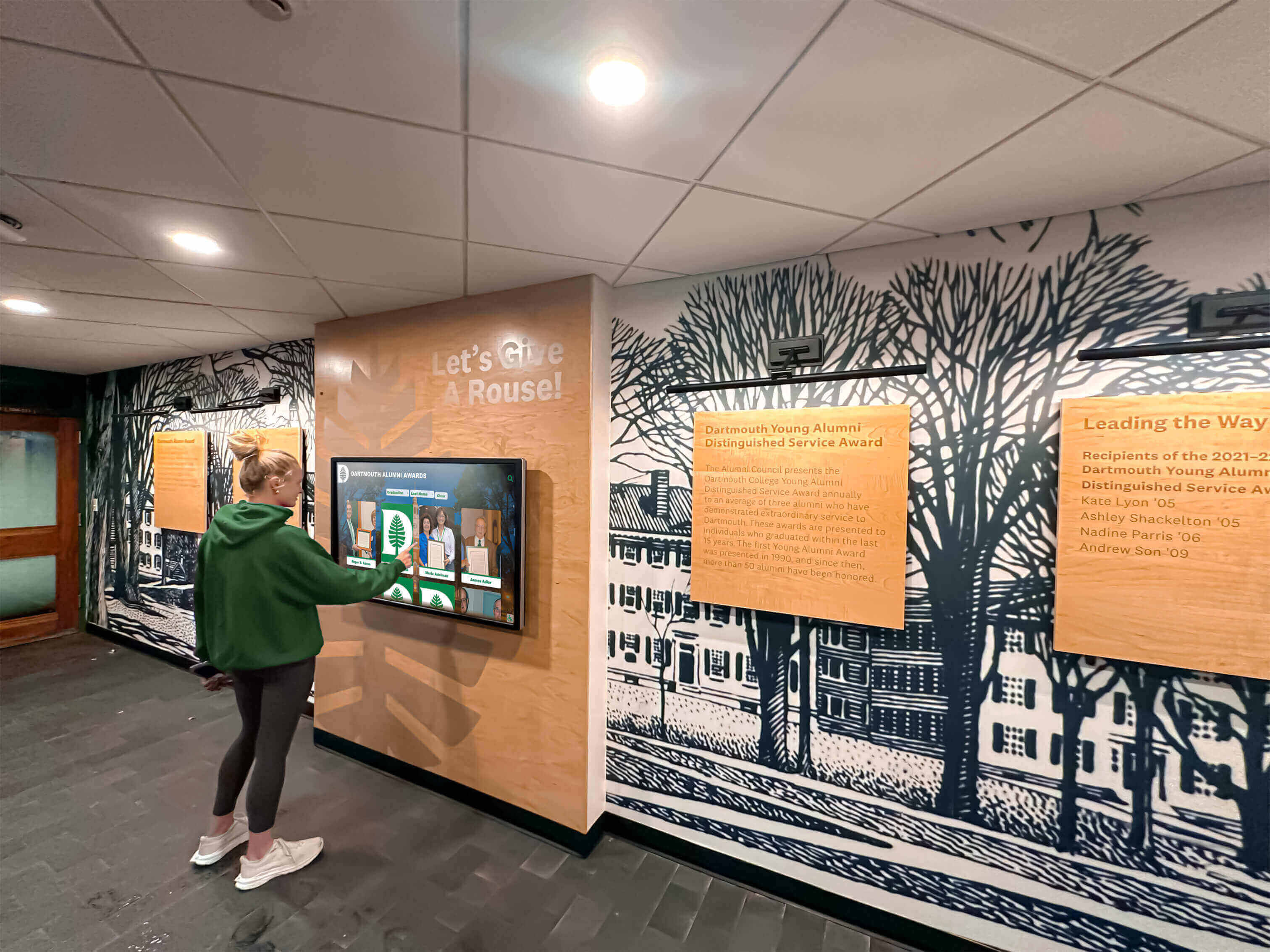
Rather than duplicating content identically across physical and online displays, create complementary experiences where physical displays emphasize current recognition and high-visibility achievements, online platforms provide comprehensive historical archives, physical installations drive awareness and initial interest, and online access enables detailed exploration and sharing. Each medium serves its purpose optimally rather than attempting identical functionality.
Cross-Promotion
Physical displays should prominently feature QR codes linking to online platforms, signage explaining web access for detailed information, instructions for finding specific content online, and encouragement to share recognition through social channels. Similarly, online platforms should include campus visit encouragement, event promotion, and connections to physical experiences.
Social Media Integration
Automated Content Distribution
Sophisticated implementations automatically distribute recognition to institutional social accounts, enabling scheduled posts when new recognition appears, customized formatting for different platforms, hashtag optimization for discovery, and tagging of recipients when privacy permits. Automation ensures consistent social presence without manual effort while amplifying every achievement.
User-Generated Content Encouragement
Beyond institutional accounts, encourage recipients and families to share through sharing incentive campaigns, recognition contests for best posts, featured content highlighting effective sharing, and simple instructions for tagging and mentioning schools. User-generated content reaches networks institutional accounts cannot access while carrying peer credibility.
Alumni Relations Programs
Directory Integration
Connecting online awards displays with interactive alumni directories creates comprehensive profiles showing not just contact information but complete achievement histories, career progression from student to professional, institutional connections and involvement, and recognition spanning decades. This integration provides richer alumni engagement infrastructure than disconnected systems.
Fundraising Connection
Development offices can leverage recognition platforms for prospect research through achievement history analysis, relationship identification, giving capacity indicators from professional success, and personalized cultivation approaches. Recognition provides natural conversation starters for advancement discussions while demonstrating institutional pride in alumni accomplishments that encourages reciprocal support.
Understanding how advancement teams leverage digital recognition reveals strategies for maximizing recognition program value across institutional priorities.
Addressing Common Implementation Challenges
Schools implementing online awards displays encounter predictable challenges. Understanding common issues and proven solutions accelerates success.
Challenge: Limited Historical Data
Many schools want comprehensive historical recognition but lack organized records documenting decades of achievements.
Solution: Implement phased approaches starting with recent, well-documented recognition before gradually expanding historical coverage. Establish volunteer research teams, engage alumni with institutional memory, digitize physical displays and publications systematically, and acknowledge gaps honestly rather than implying completeness. Comprehensive history develops over years through sustained effort rather than appearing immediately at launch.
Challenge: Privacy and Permission Concerns
Schools must balance recognition visibility against privacy considerations and permission requirements.
Solution: Establish clear policies treating recognition similarly to yearbooks and programs where students have reduced privacy expectations for achievement acknowledgment. Provide opt-out mechanisms for families with strong privacy preferences while defaulting to inclusion. Secure appropriate permissions through annual media release forms covering recognition usage. Limit personally sensitive information beyond achievement details and photos.
Legal consultation may be warranted for schools particularly concerned about compliance with regulations like FERPA.
Challenge: Content Maintenance Burden
Without sustainable workflows, achievement platforms become outdated as staff lack time for updates.
Solution: Design minimal-friction workflows requiring little time, assign clear responsibility to specific staff members, integrate recognition gathering into existing processes, provide administrative training emphasizing efficiency, and consider tiering recognition with different update frequencies—some content updated continuously, other categories quarterly or annually. Sustainable systems acknowledge realistic time constraints rather than assuming unlimited capacity.
Challenge: Low Initial Engagement
Platforms without established use patterns struggle to attract initial audiences even when functionality works well.
Solution: Drive intentional early adoption through targeted outreach to recent award recipients, specific campaigns for particular categories, integration into existing communications that already reach audiences, compelling launch events generating publicity, and ambassador recruitment of influential community members. Initial engagement requires proactive promotion rather than assuming “build it and they will come.”
Future Trends in Online Awards Recognition
Understanding emerging trends helps schools invest in platforms remaining relevant long-term as technology and expectations evolve.
Personalization and AI
Artificial intelligence increasingly enables customized experiences adapting to individual interests through recommended content based on browsing behavior, relevant recognition suggestions, personalized home pages emphasizing likely interests, and predictive search anticipating query intent. Personalization makes large recognition databases feel manageable and relevant rather than overwhelming.
Enhanced Multimedia Capabilities
Technology advances enable richer storytelling through virtual reality campus tours connecting recognition to physical spaces, augmented reality features overlaying historical context on current environments, interactive timelines with multimedia integration, and 360-degree photography and video. As costs decrease and capabilities improve, these features may transition from novel experiments to expected functionality.
Integration with Digital Credentials
Blockchain-based credential verification and digital badge systems may integrate with recognition platforms, providing verifiable achievement records, portable credentials alumni control, standardized formats enabling sharing across platforms, and authentication preventing fraudulent claims. These systems could transform recognition from celebratory displays into functional professional credentials.
Resources on future trends in digital recognition explore emerging technologies shaping how institutions will celebrate achievement in coming years.
Getting Started: Implementation Roadmap
Schools ready to implement online awards displays should follow systematic approaches:
Months 1-2: Planning
- Assemble cross-functional implementation team
- Define recognition scope and objectives
- Assess current state and data availability
- Survey stakeholders about needs and priorities
- Develop comprehensive budget
- Identify potential platform providers
Months 2-3: Platform Selection
- Create detailed requirement specifications
- Request and evaluate demonstrations
- Check references with current customers
- Assess integration capabilities
- Negotiate contracts and finalize selection
- Establish detailed implementation timeline
Months 3-4: Content Development
- Develop content gathering workflows
- Begin historical research and documentation
- Establish quality control procedures
- Create initial content for priority categories
- Prepare photo and video assets
- Build content backlog for launch
Months 4-5: Platform Configuration
- Customize branding and design
- Configure categories and organization
- Upload initial content
- Test functionality and user experience
- Train administrative staff
- Develop help resources and documentation
Months 5-6: Launch and Promotion
- Execute soft launch with pilot group
- Gather feedback and refine
- Develop comprehensive launch campaign
- Coordinate multi-channel promotion
- Monitor early adoption and engagement
- Address issues and iterate rapidly
Months 6+: Ongoing Operations
- Maintain regular content updates
- Monitor analytics and engagement
- Gather user feedback continuously
- Promote consistently in communications
- Develop success stories and testimonials
- Plan feature enhancements and improvements
Working with experienced providers like Rocket Alumni Solutions accelerates implementation while avoiding common pitfalls through proven processes and comprehensive support.
Conclusion: Recognition Without Boundaries
Online awards display platforms represent fundamental evolution in how educational institutions celebrate achievement. By extending recognition beyond campus walls, schools create inclusive celebration that reaches every stakeholder regardless of location—families unable to visit campus regularly, alumni maintaining connections from across the globe, prospective students researching from a distance, and community members supporting institutions from afar.
The transformation from location-bound physical displays to accessible web platforms doesn’t diminish traditional recognition; it amplifies impact by serving audiences physical displays cannot reach. Schools implementing comprehensive approaches—excellent physical displays for campus communities, robust online platforms for everyone else—create recognition programs that maximize every achievement’s visibility and meaning.
Keys to Online Recognition Success:
- Start with clear objectives connecting platforms to institutional priorities
- Select user-friendly systems balancing functionality with usability
- Invest in content quality ensuring achievements receive appropriate celebration
- Promote platforms consistently driving awareness and engagement
- Integrate with broader recognition, communications, and advancement programs
- Measure engagement systematically enabling continuous improvement
- Maintain platforms as living resources requiring ongoing attention
- Respect privacy while encouraging broad participation
Educational institutions implementing online awards displays discover that these platforms deliver compounding value over time. Initial implementation creates foundation, ongoing content development builds comprehensiveness, sustained promotion drives growing audiences, and data insights enable increasingly sophisticated engagement strategies.
Most importantly, online recognition demonstrates institutional values in action—showing that achievement matters enough to celebrate permanently, that every accomplishment deserves visibility, that families and communities are partners in education, and that success is measured not just in the moment but across lifetimes.
Ready to extend your school’s recognition beyond campus boundaries? Online awards display platforms provide the infrastructure enabling achievement celebration that reaches every stakeholder, amplifies every honor, and creates lasting records preserving institutional legacy for generations to come.